20 Best Carpet Cleaning Solution Ideas for Deep Stains
Carpet stains don't stand a chance when you know which household ingredients actually work. From red wine spills to pet accidents, this list covers 20 tested solutions that save your carpet without breaking the bank.
No need for expensive commercial cleaners when pantry staples like vinegar and baking soda handle most messes. Each method targets a specific stain type, so you can match the fix to the problem.
Let's get your carpet looking fresh again with these practical, budget-friendly ideas.
1. White Vinegar and Water Solution
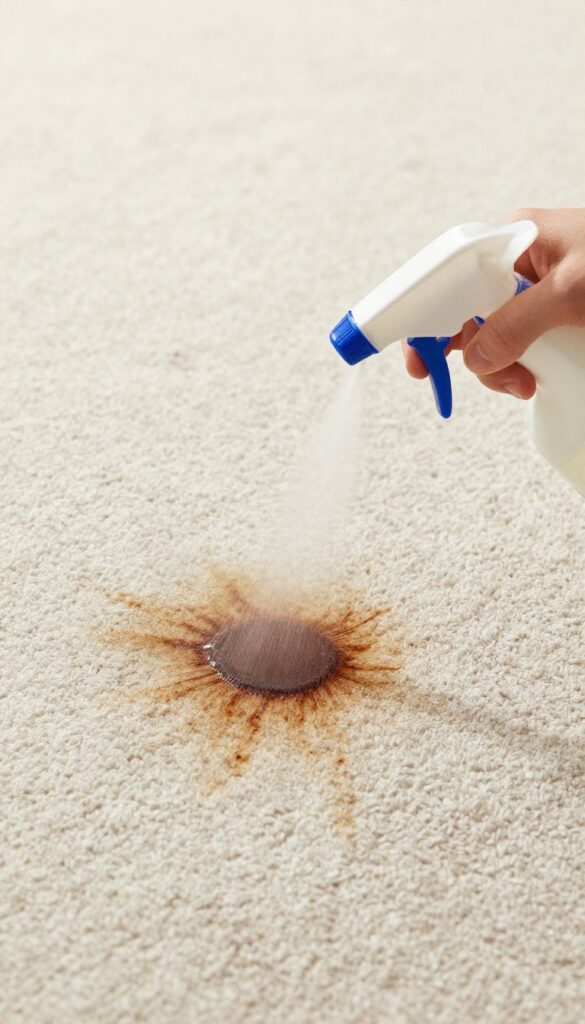
White vinegar is a powerhouse when it comes to breaking down carpet stains and neutralizing odors. This simple solution works on everything from coffee spills to pet accidents, and it's safe for most carpet fibers. The acidity cuts through grime without harsh chemicals, making it a go-to for quick cleanups.
Mix equal parts white vinegar and water in a spray bottle. Blot the stain first to remove excess liquid, then spray the solution generously. Let it sit for 5 minutes to penetrate the fibers, then blot with a clean cloth until dry.
For older stains, you can repeat the process or let it soak a bit longer. This method is especially effective for organic stains like food, wine, or urine. The vinegar smell dissipates as it dries, leaving your carpet fresh.
Why It Works So Well
Vinegar's acetic acid breaks down alkaline-based stains and eliminates odor-causing bacteria. Unlike bleach, it won't discolor most carpets, and it's gentle enough for regular use. Plus, it's dirt cheap and you probably already have it in your pantry.
Best Stains For This Method
This solution tackles coffee, tea, juice, wine, and pet stains beautifully. It also works on muddy footprints and general dirt. For protein-based stains like blood or milk, use cold water instead of warm to avoid setting the stain.
Pro Tips For Best Results
Always test on a hidden area first. Use white cloths to avoid color transfer. Don't rub the stain—blot gently to prevent spreading.
If the stain persists, add a drop of dish soap to the mixture for extra grease-cutting power.
2. Baking Soda Paste for Grease Stains
Grease stains from cooking oil, butter, or even hair products can be stubborn on carpets. Baking soda is your go-to for lifting that oily residue without harsh chemicals. This simple paste works by absorbing the grease, making it easy to vacuum away.
To make the paste, mix three parts baking soda with one part water until it forms a thick, spreadable consistency. Apply it directly to the stain, covering it completely. Let the paste sit for at least 15 minutes—longer for set-in stains—until it dries and cracks.
Then, vacuum up the dried paste. The baking soda pulls the grease out of the carpet fibers, leaving the area clean and odor-free.
When To Use This Method
This paste works best on fresh grease stains, but it can also tackle older ones if you let it sit longer. It's safe for most synthetic and wool carpets, but always test on a hidden spot first. Avoid using on silk or delicate fibers.
Tips For Stubborn Stains
For extra tough grease, add a few drops of dish soap to the paste. Dish soap breaks down oil, boosting the cleaning power. After vacuuming, blot any remaining residue with a damp cloth.
Why Baking Soda Works
Baking soda is a mild alkali that reacts with fatty acids in grease, turning them into soap-like compounds that rinse away easily. Its porous structure also absorbs liquid grease, making it a natural, non-toxic cleaner.
3. Hydrogen Peroxide and Dish Soap for Blood
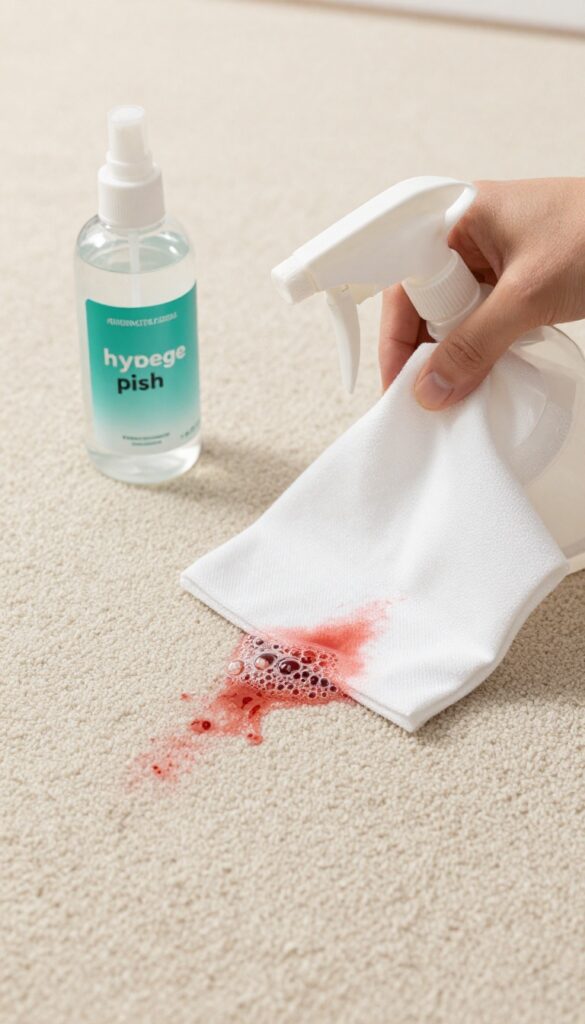
Blood stains can be tricky because they set quickly and often require a gentle touch to avoid spreading. This simple two-ingredient solution uses hydrogen peroxide to lift the stain while dish soap helps break down the proteins. It's a reliable go-to for fresh or dried blood on carpets.
Mix 2 parts hydrogen peroxide (3%) with 1 part liquid dish soap. Apply the mixture directly to the blood stain using a clean cloth or spray bottle. Let it sit for 5-10 minutes until it starts to bubble.
Blot the area with a dry cloth, working from the outside in to prevent spreading. Repeat if needed, then rinse with cold water and blot dry.
Why It Works
Hydrogen peroxide oxidizes the blood proteins, breaking them down so they become water-soluble. Dish soap acts as a surfactant, helping the peroxide penetrate the fibers and lift the stain. The bubbling action physically loosens the stain from the carpet.
Important Precautions
Always test on an inconspicuous area first, as hydrogen peroxide can bleach some carpet colors. Do not use hot water, which can set the stain. Blot—never rub—to avoid damaging the carpet fibers.
For stubborn dried stains, let the solution sit a bit longer and repeat the process.
When To Call A Pro
If the stain is large or has been there for days, this method may not fully remove it. For antique or delicate carpets, consider professional cleaning to avoid damage. Also, if you've already used harsh chemicals, the peroxide reaction might be unpredictable.
4. Club Soda for Red Wine
Red wine spills on a light carpet can feel like a disaster, but club soda is a surprisingly effective first responder. The carbonation helps lift the wine from the fibers before it sets, while the mild acidity breaks down the stain without harsh chemicals. Keep a bottle in your pantry for those unexpected dinner party oops moments.
Act fast—the sooner you treat the spill, the better your chances of complete removal. Blot (don't rub) the excess wine with a clean cloth, then pour club soda directly onto the stain. Let it fizz for a minute, then blot again.
Repeat until the stain lightens. For older stains, a soak with club soda and a bit of salt can help draw out the color.
Why Club Soda Works
The carbonation creates tiny bubbles that physically push the wine molecules away from the carpet fibers. The sodium and potassium salts in club soda also help dissolve the stain, making it easier to blot away. It's gentle enough for most synthetic and wool carpets.
Step-by-step Treatment
Blot up as much wine as possible with paper towels. Pour club soda generously over the stain until it's saturated. Let it sit for 2-3 minutes.
Blot with a clean cloth, pressing firmly to absorb the liquid. Repeat until no more wine transfers. Rinse with cold water and blot dry.
When To Add Salt
For stubborn or set-in stains, sprinkle a layer of table salt over the club soda-soaked area. The salt absorbs the wine as it dries, pulling the color out. Let it sit for several hours or overnight, then vacuum up the salt.
Follow with a club soda rinse if needed.
5. Salt for Fresh Liquid Stains
Fresh spills are the easiest to tackle if you act fast. Before the liquid soaks deep into the carpet fibers, reach for the salt shaker. This common kitchen ingredient works like a magnet for moisture, pulling the stain out before it sets.
Salt is a natural desiccant, meaning it absorbs moisture like crazy. When you pour a generous layer over a fresh liquid stain, the salt crystals draw the liquid upward, away from the carpet. After letting it sit for about 10 minutes, simply vacuum up the salt.
The stain goes with it, leaving your carpet dry and clean. This trick works wonders for juice, coffee, tea, soda, and even water-based paints.
Why Salt Works So Well
Salt's hygroscopic nature makes it a powerhouse for absorbing liquids. Unlike blotting with a cloth, which can push the stain deeper, salt pulls the moisture out without spreading. Plus, it's non-toxic and safe for all carpet types.
Step-by-step Application
First, blot up any excess liquid with a clean cloth. Then, pour a thick layer of salt directly onto the stain—enough to cover it completely. Let it sit for 10 minutes (or longer for larger spills).
Finally, vacuum up the salt. If a faint mark remains, repeat the process or follow up with a mild detergent solution.
When To Avoid Salt
Salt isn't ideal for set-in or dried stains, as it won't absorb anything once the liquid has evaporated. Also, avoid salt on delicate natural fibers like wool or silk, where the crystals could scratch or damage the material. Stick to synthetic carpets for best results.
6. Enzyme Cleaner for Pet Urine
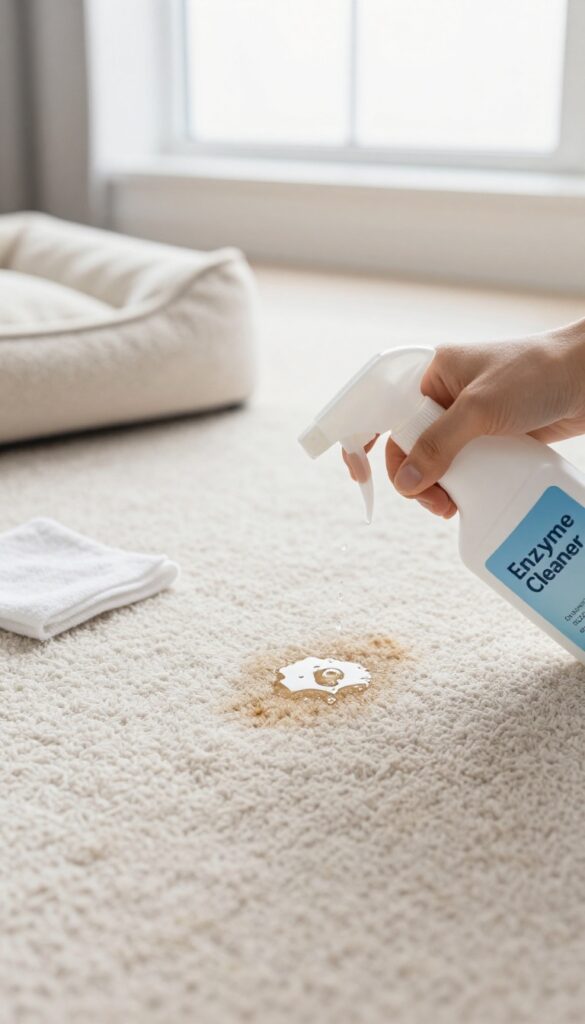
Pet urine stains come with a double problem: the visible mark and the lingering odor. Standard cleaners often mask the smell, but enzyme cleaners actually break down the uric acid crystals that cause it. Whether you grab a commercial product or whip up a DIY version, this method targets the source rather than just the surface.
Enzyme cleaners work by using living organisms (enzymes) to digest the proteins and organic matter in urine. This not only removes the stain but also eliminates the odor at a molecular level. For best results, apply the cleaner generously, let it sit for 15 minutes to give the enzymes time to work, then blot with a clean cloth.
Avoid using steam cleaners or hot water first, as heat can set the stain and kill the enzymes.
Commercial Enzyme Cleaners
Look for products labeled "enzymatic" or "bio-enzymatic" at pet stores or online. Brands like Nature's Miracle or Rocco & Roxie are popular choices. Spray the stain thoroughly, let it soak for 15 minutes, then blot.
Repeat if needed. These are especially effective for old, set-in stains.
Diy Enzyme Cleaner
Mix 1 cup of warm water with 1 tablespoon of enzymatic dish soap (like one that contains protease or lipase). Add a few drops of essential oil for scent if desired. Spray onto the stain, let sit for 15 minutes, then blot.
This is a gentle, budget-friendly option for fresh stains.
7. Cornstarch for Mud Stains
Mud stains on carpet can be frustrating, especially when kids or pets track it in. The key is to let the mud dry completely before attempting to remove it. Cornstarch is a simple, effective solution that absorbs and loosens dirt particles without pushing them deeper into the fibers.
Start by letting the mud dry naturally. Once it's fully dry, break up the crust with a spoon or your fingers. Sprinkle a generous layer of cornstarch over the area and let it sit for 30 minutes.
The cornstarch will draw out the remaining moisture and dirt. Vacuum thoroughly, and repeat if needed. For stubborn traces, follow up with a mild dish soap solution.
Why Cornstarch Works
Cornstarch is a fine, absorbent powder that pulls dirt and moisture from carpet fibers. Unlike rubbing, which can grind mud deeper, cornstarch lifts particles away. It's gentle on the carpet and safe for all fiber types.
Step-by-step Process
- Let mud dry completely. 2.
Scrape off excess. 3. Sprinkle cornstarch.
- Wait 30 minutes. 5.
Vacuum thoroughly. 6. Repeat if residue remains.
When To Use This Method
Best for dried mud stains on synthetic or wool carpets. Avoid on wet mud, as it can create a paste. Works well for tracked-in dirt from shoes or paws.
8. Rubbing Alcohol for Ink Stains
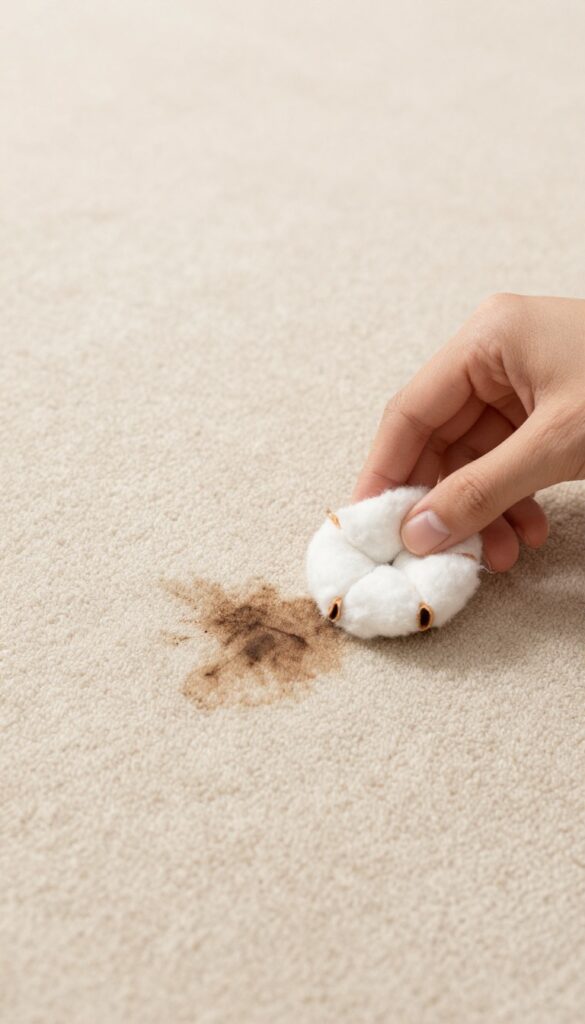
Ink stains from a leaked pen or a stray marker can seem permanent, but rubbing alcohol breaks down the pigments quickly. This common household item works on both ballpoint and permanent marker stains without damaging most carpet fibers. Just a few dabs and some patience are all you need.
Why Rubbing Alcohol Works
Rubbing alcohol is a solvent that dissolves the dyes and oils in ink. It lifts the stain from the carpet fibers without spreading it further, making it ideal for fresh or set-in marks.
Step-by-step Application
Start by blotting the stain with a dry cloth to remove excess ink. Then, dampen a cotton ball with rubbing alcohol and dab it onto the stain—don't rub. Blot gently with a clean cloth as the ink transfers.
Repeat with fresh cotton balls until no more ink comes up. Finally, rinse with a little water and blot dry.
Tips For Success
Always test on an inconspicuous area first, especially on delicate carpets. For stubborn stains, let the alcohol sit for a minute before blotting. Avoid saturating the carpet to prevent damage to the backing.
9. Dish Soap and Warm Water for General Stains
Not every stain needs a heavy-duty chemical. Sometimes the simplest solution is right at your kitchen sink. Dish soap mixed with warm water is a gentle but effective cleaner for everyday spills and spots.
It works on food stains, dirt marks, and mystery spots that appear out of nowhere.
This method is a go-to for general stains because it's safe for most carpet fibers and won't bleach or discolor the material. The key is using a mild dish soap without bleach or harsh additives. A little goes a long way, so don't overdo it.
How To Mix And Apply
Fill a bowl with warm water and add just a few drops of dish soap. Stir gently to create a light suds. Dip a clean white cloth into the solution and wring it out so it's damp, not soaking wet.
Blot the stain gently from the outside edges toward the center to prevent spreading.
Rinsing Is Crucial
After blotting, use a second cloth dampened with plain water to rinse away any soap residue. Soap left in the carpet can attract more dirt over time. Blot again with a dry towel to absorb excess moisture, then let the area air dry completely.
When To Use A Different Method
This solution works best on fresh or light stains. For set-in or oily stains, you might need something stronger like vinegar or a dedicated carpet cleaner. Always test on a hidden area first to make sure the carpet color stays put.
10. Ammonia Solution for Heavy Traffic Dirt
Heavy traffic areas like hallways and living rooms collect a special kind of grime—not just surface dirt, but embedded soil that regular vacuuming misses. Ammonia cuts through that greasy, ground-in residue without damaging carpet fibers. This simple solution works best on synthetic carpets and gives new life to dull, flattened areas.
Mix 1 tablespoon of clear ammonia with 1 cup of water. Apply to dirty areas, scrub gently, then blot. Use in a well-ventilated area.
Why Ammonia Works So Well
Ammonia is alkaline, which breaks down acidic dirt and oils that cling to carpet fibers. Unlike harsh chemicals, it evaporates quickly and leaves no sticky residue that attracts more dirt. It's especially effective on synthetic carpets like nylon and polyester.
Safety First: Ventilation And Testing
Always work in a room with open windows or a fan running—ammonia fumes are strong. Test the solution on a hidden carpet patch first to ensure no color fading. Never mix ammonia with bleach or any cleaner containing bleach, as that creates toxic gas.
Step-by-step Application
Blot up any loose dirt first. Dip a clean cloth into the ammonia solution, wring it out so it's damp not wet, and gently blot the stained area. Work from the edges inward to avoid spreading.
Let it sit for 5 minutes, then blot with a dry cloth. Repeat if needed, then rinse with plain water and blot dry.
11. Glycerin for Old, Set-In Stains
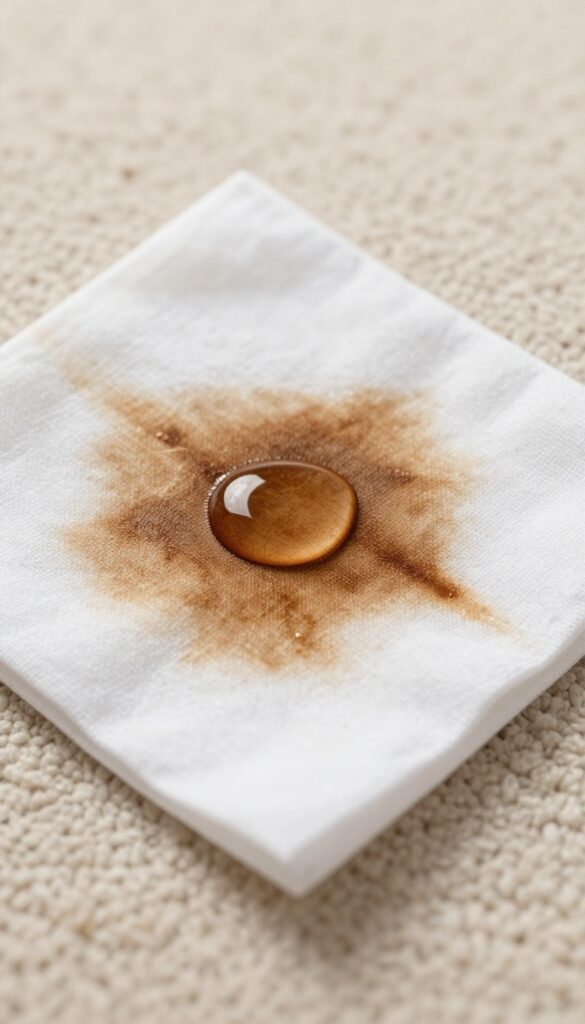
Old stains that have been sitting for days or weeks can feel impossible to remove. But glycerin, a common ingredient in soap and skincare, works wonders on dried, set-in messes. It softens the hardened residue, making it easy to lift away without damaging your carpet fibers.
Glycerin is a humectant, which means it draws moisture into the stain and rehydrates the dried particles. This loosens the bond between the stain and the carpet, so you can blot it out instead of scrubbing. It's especially effective on old food spills, coffee stains, and even some ink marks.
How To Use Glycerin On Old Stains
Apply a small amount of glycerin directly to the stain—just enough to cover it. Let it sit for 30 minutes to penetrate and soften. Then, blot with a clean, damp cloth, working from the outside in.
Repeat if needed, then rinse with water and blot dry.
Why Glycerin Works Better Than Water Alone
Water alone often fails on old stains because the residue has already bonded to the fibers. Glycerin's thicker consistency allows it to stay on the stain longer and penetrate deeper. It also doesn't evaporate quickly, giving it time to work.
Tips For Best Results
Always test glycerin on a hidden carpet area first to check for colorfastness. For stubborn stains, mix glycerin with a few drops of dish soap. Avoid oversaturating the carpet, as too much liquid can lead to mold or mildew underneath.
12. Shaving Cream for Upholstery and Carpet
Shaving cream isn't just for grooming—it's a surprisingly effective carpet cleaner. The foam lifts dirt and stains without soaking the fibers, making it ideal for both carpets and upholstery. Best of all, it's gentle enough for delicate fabrics yet tough on grime.
Spray a generous layer of shaving cream (foam, not gel) directly onto the stain. Let it sit for 10 minutes to break down the dirt. Then blot with a clean cloth—don't rub, as that can push the stain deeper.
Repeat if necessary, then vacuum once dry. This method works wonders on oil-based stains, makeup, and general grime.
Why Foam Works Better
Foam-based shaving cream contains surfactants that trap dirt particles and lift them away from carpet fibers. Unlike liquids, foam doesn't saturate the backing, reducing the risk of mold or mildew. It's also pH-balanced, so it's safe for most synthetic and wool carpets.
Best Stains For Shaving Cream
This method excels on oily stains like salad dressing, hand lotion, or foundation makeup. It also handles dirt rings around collars on upholstery and set-in food spills. For protein-based stains like blood or milk, use cold water first, then apply shaving cream.
How To Avoid Residue
Always blot—never scrub—to prevent residue buildup. After the stain is lifted, go over the area with a damp cloth to remove any leftover foam. Let it dry completely, then vacuum to restore texture.
Test on an inconspicuous spot first, especially on dark or delicate fabrics.
13. Borax and Vinegar for Tough Odors
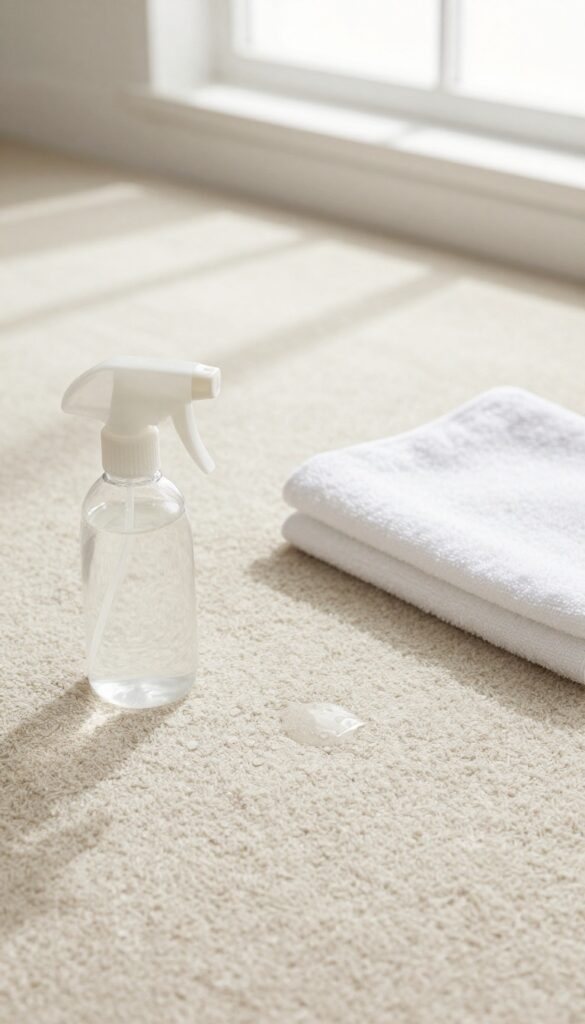
Some carpet odors are stubborn—pet urine, musty dampness, or lingering smoke. A mix of borax and vinegar tackles both the smell and the source. Borax neutralizes ammonia compounds, while vinegar cuts through grime and deodorizes.
This combo works especially well on synthetic carpets that trap odors deep in the fibers.
For best results, vacuum the area first to remove loose dirt. Mix 1/2 cup borax, 1 cup white vinegar, and 2 cups hot water in a spray bottle. Shake until borax dissolves.
Spray generously on the affected area, but don't soak. Let it sit for 15 minutes, then blot with a clean cloth. Allow to dry completely, then vacuum again.
Repeat if needed. Avoid using on wool or silk carpets—borax can be too harsh for natural fibers.
Why This Combo Works
Borax is a natural mineral that breaks down odor-causing compounds. Vinegar's acidity neutralizes alkaline odors like pet urine. Together, they create a chemical reaction that lifts both stains and smells without leaving harsh residues.
Best Uses And Precautions
This solution is ideal for high-traffic areas, pet spots, and musty basements. Test on an inconspicuous area first. Avoid over-wetting, as excess moisture can lead to mold.
For stubborn odors, let the mixture sit for up to 30 minutes before blotting.
Step-by-step Application
- Vacuum thoroughly. 2.
Mix solution and spray evenly. 3. Let sit 15-30 minutes.
- Blot with a clean towel. 5.
Allow to air dry completely. 6. Vacuum again to restore texture.
14. Lemon Juice and Salt for Rust Stains
Rust stains on carpet look alarming, but they don't have to be permanent. The combination of lemon juice and salt creates a natural bleaching and abrasive action that lifts rust without harsh chemicals. This method works best on fresh or light rust marks, though older stains may need a repeat treatment.
To remove rust stains, start by squeezing fresh lemon juice directly over the affected area until the carpet is saturated. Sprinkle a generous layer of table salt over the juice, making sure the stain is fully covered. Place the carpet in direct sunlight if possible—the UV rays boost the bleaching effect.
Let it sit for 2 to 3 hours, checking occasionally to ensure it doesn't dry completely. Once the time is up, rinse the area with cool water and blot with a clean cloth until the stain lifts. Repeat if necessary.
Why It Works
Lemon juice contains citric acid, which breaks down rust particles, while salt acts as a mild abrasive to scrub them away. Sunlight adds a natural bleaching boost, making this combo effective on rust without damaging carpet fibers.
Best For Light-colored Carpets
This method works best on beige, cream, or white carpets. On darker carpets, the lemon juice might lighten the dye, so test on a hidden spot first. If you see fading, switch to a rust-specific cleaner.
Tips For Stubborn Stains
For older or deeper rust stains, let the lemon-salt paste sit longer—up to 6 hours—and reapply if needed. You can also make a paste with lemon juice and cream of tartar for extra stain-fighting power.
15. Carpet Shampooer with Homemade Solution
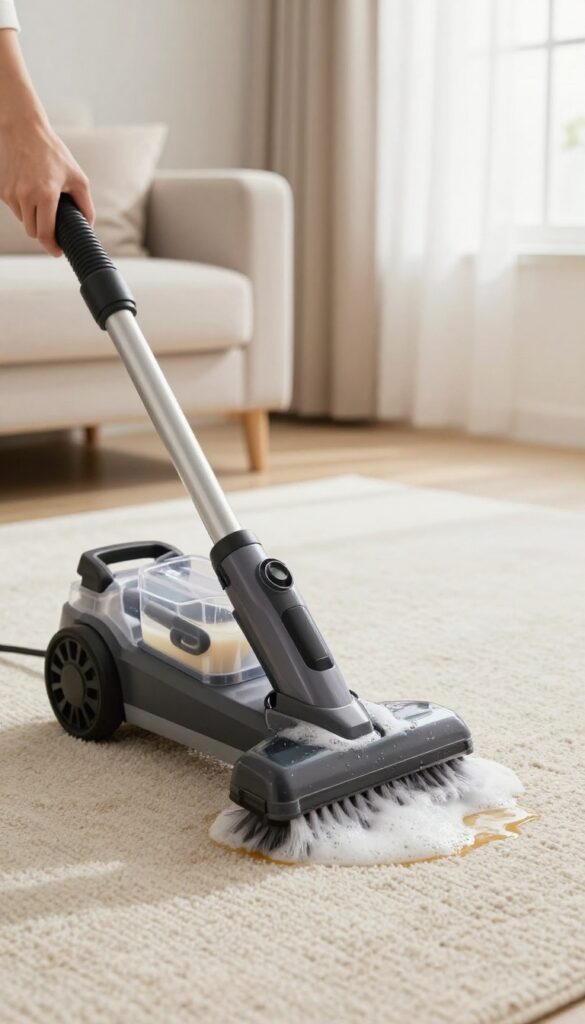
If you own a carpet shampooer, you already have the hardware—now you just need the right cleaning fluid. Store-bought shampoos can be pricey and full of chemicals, but a simple homemade solution works just as well. Mix 1/4 cup white vinegar, 1 tablespoon dish soap, and fill the rest with warm water.
This combo cuts through grime, deodorizes, and leaves no sticky residue.
Using a carpet shampooer with a homemade solution is a game-changer for deep cleaning. It's cost-effective, eco-friendly, and surprisingly powerful. The vinegar breaks down dirt and neutralizes odors, while the dish soap lifts grease and stains.
Just be sure to use a low-foaming dish soap to avoid excessive suds. Test on a small area first, then run the machine as usual. Your carpets will come out fresher and cleaner without the harsh chemicals.
Why This Mix Works
Vinegar is a natural acid that dissolves alkaline residues, making it ideal for breaking down dirt and soap buildup. Dish soap acts as a surfactant, lifting stains from fibers. Warm water helps activate both ingredients without damaging the carpet.
Together, they create a safe, effective cleaning solution that rivals commercial brands.
How To Use It In Your Machine
Empty your shampooer's water tank and fill it with the homemade solution. Follow your machine's instructions for mixing—some require you to add water first, then the soap. Avoid overfilling.
Run the shampooer over the carpet as normal, then do a pass with plain water to rinse. Let the carpet dry completely before walking on it.
Tips For Best Results
Always vacuum thoroughly before shampooing to remove loose dirt. Work in small sections to avoid oversaturating the carpet. If you have a stubborn stain, pre-treat it with a dab of the solution and let it sit for 5 minutes before shampooing.
For high-traffic areas, you might need a second pass. And remember—less is more when it comes to soap; too much can leave a residue that attracts more dirt.
16. Ice Cube Trick for Gum or Wax
Chewing gum and candle wax are two of the most annoying things to get out of carpet. They smear, they stick, and they seem to laugh at regular cleaners. But there's a simple trick that requires zero chemicals: plain ice.
The cold makes the gum or wax brittle, so it breaks away cleanly instead of pulling up carpet fibers.
This method is incredibly easy and works every time. Grab a few ice cubes and put them in a resealable plastic bag. Place the bag directly over the gum or wax and leave it for about 10 to 15 minutes.
You'll feel the spot get hard and cold. Once it's solid, take a dull butter knife or a plastic scraper and gently pry the material off the carpet. It should pop right off in chunks.
If any residue remains, repeat the process or use a little rubbing alcohol on a cloth to dab away the last bits.
Why Ice Works So Well
Gum and wax are thermoplastic—they soften when warm and harden when cold. By freezing them, you reverse the sticky state. The hardened material loses its grip on carpet fibers, so you can remove it without scrubbing or chemicals.
It's a physics hack that saves your carpet from damage.
Step-by-step Removal
First, fill a plastic bag with ice cubes and seal it. Place the bag over the gum or wax and wait 10–15 minutes. Test by touching the spot—it should feel rock hard.
Then, using a dull knife or a plastic scraper, gently lift the edges and work the frozen piece loose. Work from the outside in to avoid spreading. Wipe away any tiny fragments with a dry cloth.
What To Do If Some Stays Behind
If a thin layer of wax or gum remains after scraping, don't scrub. Instead, place a paper towel over the spot and run a warm iron over it briefly. The heat will melt the residue into the towel.
For gum, repeat the ice treatment. For wax, this heat-and-blot method finishes the job cleanly.
17. Dishwasher Detergent for Grease and Oil
Grease and oil stains on carpet can feel impossible, especially if they've been sitting for a while. Dishwasher detergent is a powerful degreaser that breaks down oily residue without harsh scrubbing. It's a simple fix using something you probably already have under your sink.
Mix a teaspoon of powdered dishwasher detergent with a little water to form a thick paste. Apply it directly to the grease stain and let it sit for 10–15 minutes. Then blot with a clean cloth—don't rub, or you'll push the stain deeper.
Rinse with cold water and blot dry. The detergent lifts oil while being gentle enough for most carpet fibers.
Why Dishwasher Detergent Works
Dishwasher detergent contains enzymes and surfactants designed to cut through baked-on grease on dishes. Those same ingredients work wonders on carpet stains. The powder form is best because it creates a paste that clings to the stain without soaking through to the pad.
Best Stains For This Method
This trick shines on cooking oil, butter, salad dressing, and even lipstick or makeup stains. It's also effective on motor oil or grease from garage floors. Avoid using it on delicate carpets like wool, as the enzymes can be too strong.
Tips For Success
Always test on an inconspicuous area first. Use cold water, not hot, to avoid setting the stain. Blot, don't scrub, and repeat if needed.
Finish by vacuuming once dry to restore carpet texture.
18. White Wine for Red Wine Stains
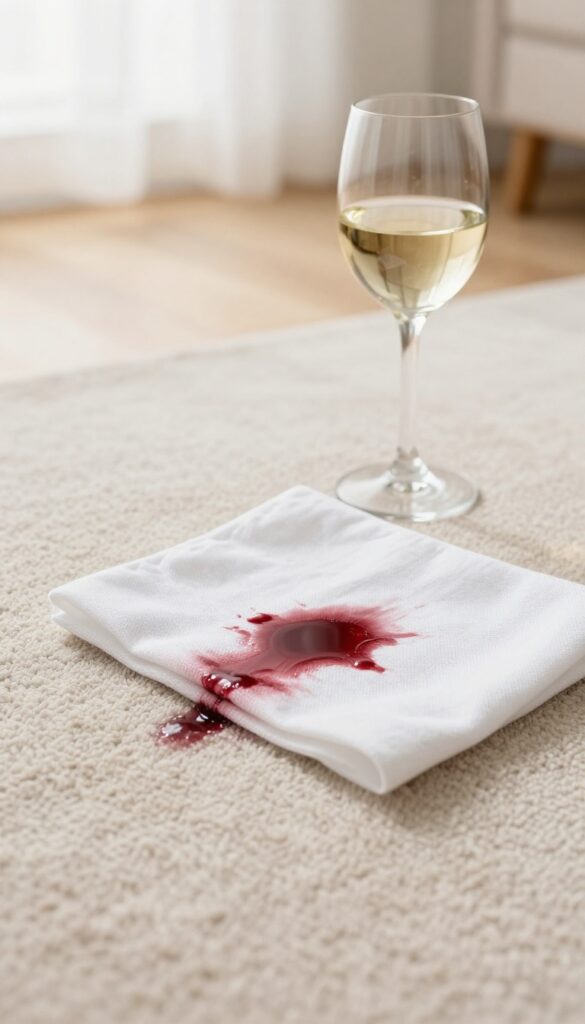
Red wine spills are a party foul, but white wine can be your secret weapon. This bartender trick uses the same principle—dilution—to lift the stain before it sets. It's simple, effective, and saves you from panic.
Why It Works
White wine neutralizes the red wine's color compounds through dilution. The alcohol in white wine helps break down the tannins in red wine, making the stain easier to blot away. It's a chemical coincidence that works like a charm.
Step-by-step Application
Blot up as much red wine as possible first. Then pour a small amount of white wine directly onto the stain. Let it sit for a minute, then blot with a clean cloth.
Repeat until the stain lifts. Finish with cold water and blot dry.
When To Use This Method
This trick works best on fresh stains—the sooner, the better. It's ideal for light-colored carpets where red wine shows most. For older stains, combine with a baking soda paste afterward for extra lifting power.
19. Steam Cleaning with Vinegar Rinse
Steam cleaning is a powerhouse for deep-set dirt, but adding a vinegar rinse takes it to another level. The heat from the steam loosens grime trapped deep in carpet fibers, while the vinegar neutralizes odors and breaks down residue. This combo works wonders for high-traffic areas and pet stains.
This method requires a steam cleaner (rent or buy one) and distilled white vinegar. Fill the machine's tank with water as usual, and after steaming, do a final pass with a 1: 4 vinegar-to-water solution. The vinegar rinse helps remove any leftover soap residue and leaves carpets smelling fresh.
Why Steam First?
Steam cleaning uses hot water vapor to penetrate deep into carpet fibers. The heat loosens dirt, allergens, and bacteria that vacuuming misses. It's especially effective for set-in stains and high-traffic paths.
The Vinegar Rinse Trick
After steam cleaning, mix 1 cup vinegar with 4 cups water in the machine's rinse tank. Run it over the carpet to neutralize odors and remove any chemical residue. Vinegar is safe for most carpets, but test a hidden spot first.
Drying And Aftercare
Carpets will be damp for a few hours. Open windows or use fans to speed drying. Avoid walking on the carpet until it's completely dry to prevent re-soiling.
20. Professional Spotter Kit for Stubborn Stains
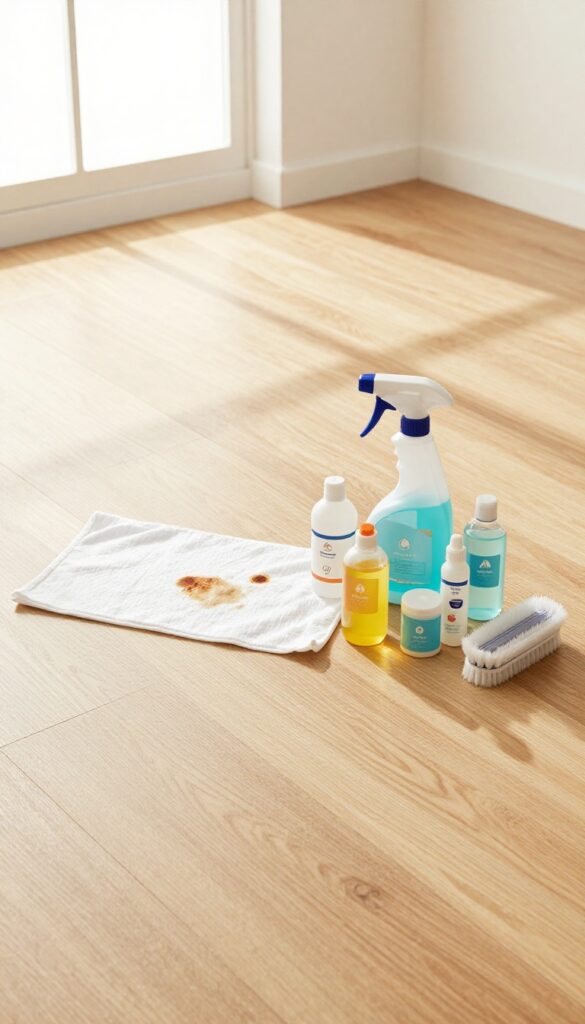
Sometimes everyday ingredients just aren't enough. That's when a professional spotter kit comes to the rescue. These kits come with a trigger sprayer and multiple specialized solutions for different stain types, making them perfect for high-traffic areas or tough messes.
A professional spotter kit is a worthwhile investment for anyone who deals with frequent or stubborn stains. Unlike all-in-one cleaners, these kits include separate formulas for protein stains (like blood or milk), tannin stains (coffee or wine), and oil-based stains (grease or makeup). The trigger sprayer allows precise application, and the included instructions help you match the right solution to the stain.
For best results, always blot—never rub—and follow the recommended dwell time.
What's Inside A Spotter Kit
Most kits contain three to four bottles: a general-purpose cleaner, an enzyme-based formula for organic stains, a solvent for grease, and sometimes a rinse agent. The trigger sprayer lets you switch between solutions quickly, so you can treat each stain with the right chemistry.
How To Use It Effectively
Start by identifying the stain type. Apply the appropriate solution, let it sit for the recommended time (usually 30 seconds to 5 minutes), then blot with a clean cloth. Repeat if needed.
Always test on a hidden area first to ensure colorfastness.
When To Reach For A Spotter Kit
These kits shine on set-in stains, high-traffic areas, and mixed-use carpets where spills vary. They're also great for homes with kids or pets, where accidents happen frequently. While pricier than DIY solutions, the targeted formulas often save you from replacing carpet.
FAQ
Can I use bleach on carpet stains?
Avoid bleach on most carpets as it can discolor fibers. Stick to gentler options like vinegar or hydrogen peroxide.
How long should I let a DIY solution sit on a stain?
Typically 5 to 15 minutes. Check the stain regularly and blot—don't let it dry completely.
What's the best solution for old, set-in stains?
Glycerin or a paste of baking soda and hydrogen peroxide. Let it sit longer (30 minutes) and repeat if needed.
Are these solutions safe for all carpet types?
Always test on a hidden area first. Natural fibers like wool may react differently to vinegar or ammonia.
How do I prevent stains from setting?
Blot immediately with a clean cloth, don't rub, and apply a solution as soon as possible. The faster you act, the easier the stain lifts.
Conclusion
From store-bought enzyme sprays to DIY vinegar mixes, these 20 carpet cleaning solutions prove you don't need harsh chemicals for deep stains. The key is matching the right formula to the spill type and acting quickly. Test any new solution on a hidden spot first.
With a little patience and the right approach, even set-in stains can fade. Keep your favorite combo handy for the next inevitable spill.