17 Cleaning Room Tips for a Fast Clutter Free Reset
A messy room can feel overwhelming, but a full-scale cleanout isn't the only path to order. These 17 tips focus on quick wins and smart shortcuts that reset a space in minutes, not hours.
You don't need a strict schedule or expensive organizers—just a few habits that make clutter disappear fast. From using a timer to clearing flat surfaces first, each trick targets the biggest visual chaos with minimal effort.
Ready to reclaim your room without the burnout? Let's dive into the fastest ways to reset.
1. Start with a Timer, Not a To-Do List
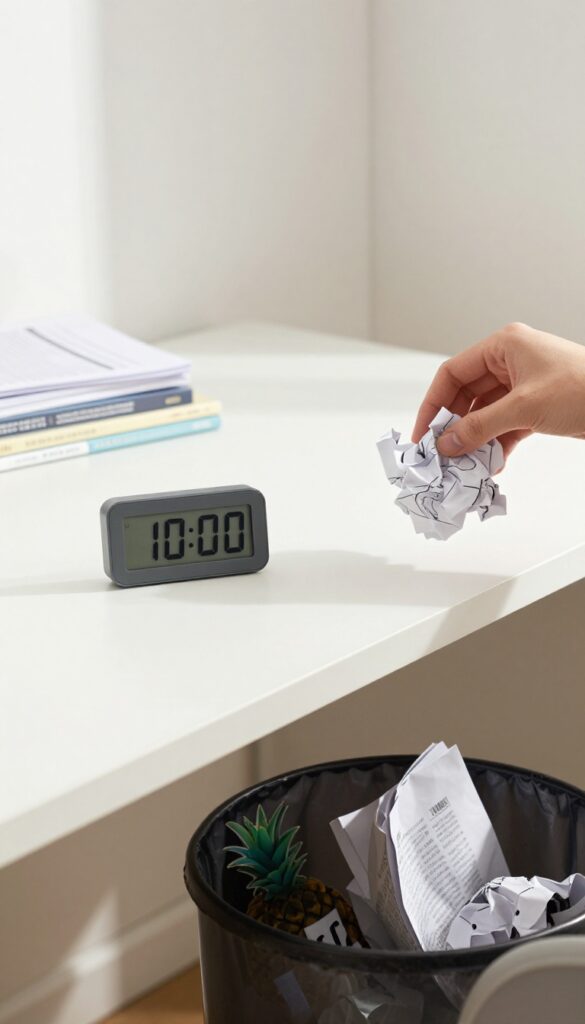
Perfectionism is the enemy of a quick reset. When you give yourself a full afternoon to clean, the task feels huge and you end up wasting time overthinking. A timer changes the game by creating artificial urgency.
Set a timer for 10 minutes and race against it. This prevents perfectionism and keeps you moving fast. You'll be amazed how much you can accomplish when you're not allowed to dawdle.
Why 10 Minutes Works
Ten minutes is short enough to avoid burnout but long enough to make a visible dent. It tricks your brain into thinking the task is manageable, so you're more likely to start.
How To Race The Clock
Pick one zone—like a desk or a corner of the floor—and go all out. Don't organize, just clear. Throw trash, grab stray items, and put them in a basket to sort later.
When the timer dings, stop.
Build Momentum With Mini Sprints
Do several 10-minute sprints throughout the day instead of one long session. Each sprint builds momentum, and you'll find yourself moving faster each time.
2. Grab a Laundry Basket for Quick Relocation
One of the fastest ways to cut through visual clutter is to collect everything that doesn't belong in the room. A laundry basket becomes your temporary holding zone for items destined for other spaces. This method keeps you moving forward without getting sidetracked by putting things away immediately.
When you're short on time, sorting by destination can slow you down. Instead, grab a basket and sweep through the room, tossing in anything that belongs elsewhere—books for the living room, dishes for the kitchen, mail for the office. The goal is to clear the surface and floor of stray items in one pass.
Once the basket is full, set it aside and finish the room. Later, you can take a few minutes to return each item to its proper place. This two-step process keeps you focused on the current space and prevents the overwhelm of multiple trips.
Why It Works
The basket method works because it separates the decision-making from the action. Instead of pausing to decide where each item goes, you simply collect and move on. This reduces mental friction and speeds up the entire reset.
What To Toss In
Be ruthless but smart. Grab anything that's obviously out of place: clothes, toys, paperwork, electronics, empty cups. Avoid overthinking—if it doesn't belong in the room, into the basket it goes.
You can sort later.
After The Room Is Done
Once your room looks tidy, take the basket and do a quick lap around the house. Put each item in its home. This final step takes just a few minutes and ensures the clutter doesn't just shift from one room to another.
3. Clear All Flat Surfaces First
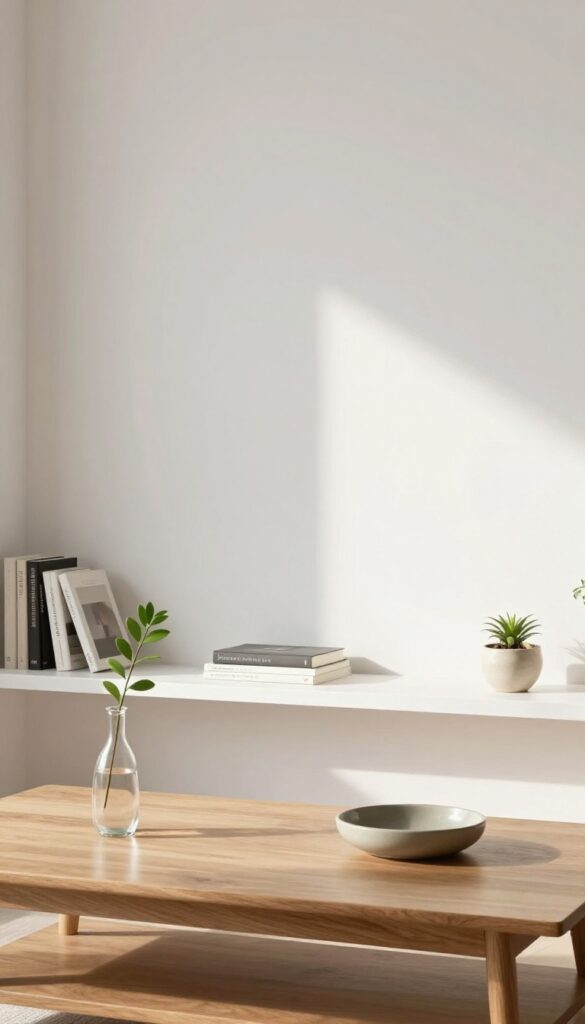
Flat surfaces like tables, counters, and shelves act as visual magnets—they're the first thing your eyes land on. When they're cluttered, the whole room feels messy. The fastest way to create a sense of order is to strip these surfaces bare, wipe them down, and only return the items that truly belong there.
Start by grabbing a laundry basket or box. Walk through the room and sweep everything off every flat surface into it—keys, mail, remotes, books, decor. Don't stop to sort yet.
Once every surface is clear, take a damp cloth and wipe them all down. This simple act instantly resets the room's visual balance. Now, go through the basket one item at a time.
Ask yourself: Does this belong here? If yes, put it back neatly. If no, give it a designated home elsewhere.
The goal isn't to have bare surfaces, but intentional ones.
Start With One Surface At A Time
Don't try to tackle all surfaces at once. Pick the most visible one—like the coffee table or kitchen counter—and clear it completely. This gives you a quick win and builds momentum.
Once that surface is done, move to the next. The room will start to feel more spacious within minutes.
Create A Landing Zone For Daily Items
To prevent future clutter, designate a small tray or bowl near the entryway for keys, wallets, and phones. For other surfaces, keep a single decorative dish for mail or remotes. This gives everyday items a clear spot and stops them from spreading across every table.
Limit Decor To Three Items Per Surface
A common mistake is over-decorating. Stick to a simple rule: no more than three decorative items per surface. Choose pieces that are meaningful or functional, like a lamp, a small plant, and a stack of books.
This keeps surfaces looking curated, not crowded.
4. Make the Bed Immediately
There's a reason why hotel rooms feel instantly tidy—the bed is always made. That single action creates a visual anchor of order that makes everything else look more organized. When you walk into a room with a made bed, your brain registers "clean" before you even notice the pile of clothes on the chair.
Making your bed first thing in the morning is a small win that sets a productive tone for the day. It takes less than two minutes but delivers an outsized psychological payoff. The rest of your room might still be messy, but the bed—the largest surface in the room—looks intentional and cared for.
That shift in perception is enough to motivate you to tackle the next task, whether it's putting away laundry or clearing the nightstand.
Why It Works So Fast
The bed typically covers the largest single surface area in a bedroom. When it's rumpled with sheets and blankets, it dominates the visual field with chaos. Smoothing it out instantly reduces visual noise by about half.
Studies in environmental psychology suggest that orderly environments reduce stress and improve focus—and making the bed is the cheapest, quickest way to create that order.
The Trick To Making It Stick
Don't aim for hospital corners or Pinterest-perfect fluffing. The goal is simply to pull the duvet or comforter up, smooth out major wrinkles, and arrange the pillows. If you use a top sheet, fold it down neatly.
If you have a throw blanket, drape it evenly. The whole process should take 60 to 90 seconds. The simpler your routine, the more likely you'll do it every day.
What If You Share The Bed?
Coordinate with your partner or roommate. Some people prefer to air out the bedding for a few minutes before making it—that's fine. Just set a mutual agreement: whoever gets out of bed last makes it.
If you have different schedules, the early riser can simply pull the covers up before leaving. A shared habit is easier to maintain than a solo one.
5. Use the 'One-Minute Rule' for Small Items
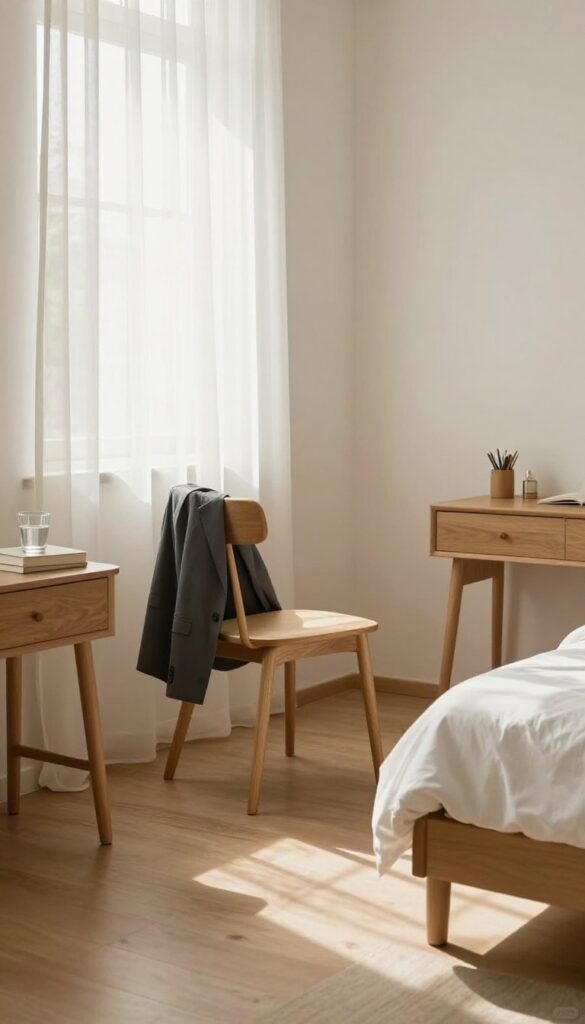
Small items are often the biggest contributors to visual clutter. A jacket slung over a chair, a water bottle left on the desk, a stray pen on the nightstand—each one seems harmless, but together they create a chaotic look. The one-minute rule is a simple way to stop that buildup before it starts.
If a task takes less than sixty seconds, do it immediately instead of telling yourself you'll get to it later.
The one-minute rule works because it removes the mental friction of decision-making. You don't have to weigh whether something is worth doing—if it's quick, you just do it. This habit keeps surfaces clear and prevents small messes from snowballing into a full cleanup session.
Over time, it becomes automatic, and your room stays noticeably tidier with almost no extra effort.
What Counts As A One-minute Task
Hang up a coat or sweater. Toss an empty wrapper into the trash. Put a book back on the shelf.
Return a charger to its drawer. Wipe a water ring off a table. Close a cabinet door.
Straighten a throw pillow. These are all tasks that take under a minute but make a visible difference. The key is to recognize them in the moment and act without overthinking.
Why Waiting Makes It Worse
When you postpone a quick task, it joins a mental queue of other small chores. That queue grows until it feels overwhelming, and then you avoid it altogether. Meanwhile, the physical clutter multiplies—one jacket becomes two, then a bag, then a stack of mail.
By doing it now, you skip the buildup and keep your room in a state that's easy to maintain.
How To Make It Stick
Start with a single trigger. For example, every time you walk into your room, scan for one thing that can be done in a minute and do it. Or pair the rule with an existing habit—while waiting for your coffee to brew, put away three items.
The goal isn't perfection; it's consistency. Even doing the rule a few times a day will keep clutter from taking over.
6. Create a 'Maybe' Box for Sentimental Clutter
Sentimental items are the hardest to part with because they carry memories. But holding onto everything doesn't honor the past—it just fills your space with guilt. The 'maybe' box gives you permission to pause without pressure.
Grab a sturdy box or bin and label it 'Maybe. ' Go through your room and collect every item that triggers an emotional tug-of-war: old letters, gifts from exes, childhood trophies, or clothes you wore on a special trip. Don't overthink it—just toss them in. Seal the box, write today's date on it, and stash it out of sight.
Set a reminder for six months from now. When that day comes, open the box. You'll likely find that most items no longer feel important.
If you haven't thought about them in half a year, they're probably safe to donate or toss. Keep only what truly sparks joy or holds irreplaceable meaning. This method takes the agony out of decision-making and lets time do the heavy lifting.
Why The 'maybe' Box Works
It removes the pressure of instant decisions. By deferring the choice, you let emotional attachment fade naturally. Most clutter is tied to guilt or obligation, not genuine value.
A six-month cooling-off period reveals what you actually miss.
How To Choose What Goes Inside
Be honest with yourself. If you're hesitating over a concert T-shirt from a band you no longer listen to, it's a candidate. If you keep a gift out of politeness, it belongs in the box.
The rule: if it's not an obvious keep, it's a maybe.
What To Do When The Box Comes Back
When the six months are up, open the box in a calm moment. Sort items into three piles: keep, donate, and trash. Be ruthless.
The keep pile should be tiny—only items that genuinely make you smile. Donate anything in good condition. Trash the rest without guilt.
7. Wipe Down Electronics and Cords
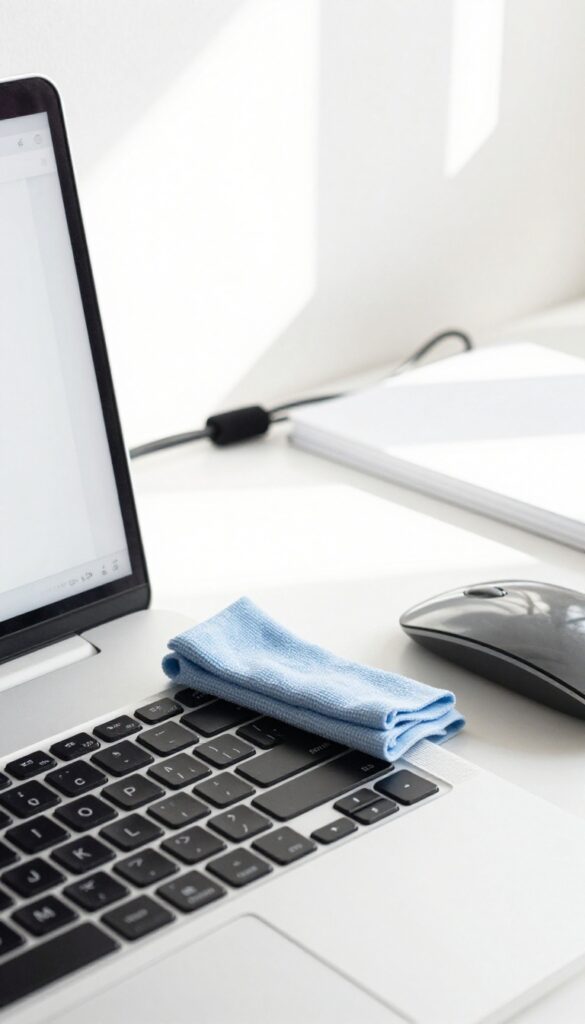
Electronics are dust magnets. Screens, keyboards, and tangled cables collect grime fast, making even a tidy room look neglected. A quick wipe-down takes two minutes but instantly refreshes your space.
Plus, clean cords are less likely to cause that “messy behind the desk” look.
Start With Screens
TVs, monitors, and laptop screens show every speck. Use a dry microfiber cloth—no liquids, no paper towels—to gently wipe in circles. For smudges, slightly dampen the cloth with distilled water.
This alone lifts the biggest layer of dust and makes the room feel cleaner.
Don’t Forget Keyboards And Mice
Crumbs and dust settle between keys. Turn the keyboard upside down and tap lightly, then use a compressed air duster or a soft brush to dislodge debris. Wipe the surface with a microfiber cloth.
For mice, clean the sensor and buttons—sticky grime affects performance and looks gross.
Tame The Cable Chaos
Cords gather dust and create visual clutter. Unplug devices, wipe each cable with a damp cloth, then bundle them with Velcro ties or twist ties. Group cords behind your desk or entertainment center so they’re out of sight.
Clean, organized cables make the whole room feel more intentional.
8. Fluff and Fold Throw Blankets
Throw blankets are often the first thing you grab when you want to get cozy, but they can quickly turn into a tangled mess. A few simple adjustments make them look intentional and inviting rather than sloppy. Fluffing and folding takes less than a minute and instantly lifts the whole room.
Start by shaking out each blanket to remove wrinkles and redistribute the filling. Then decide on a fold that suits your space—a neat rectangle for a basket or a loose drape over the arm of a sofa. The key is consistency: keep all blankets in the same style of fold or drape for a cohesive look.
If you have multiple blankets, store extras in a basket or on a shelf, folded in thirds so they stack neatly. For blankets that stay out, a quick fluff every morning keeps them from looking slept-in. This small habit signals that the room is cared for, even if other areas are still a work in progress.
Choose A Signature Fold
Pick one folding style and stick with it. A classic tri-fold works well for storage, while a loose drape over the back of a chair adds a casual, lived-in feel. The goal is to make the blanket look like it belongs, not like it was just tossed aside.
Rotate And Refresh
If you use the same blanket every day, rotate it with another one from your stash. This prevents permanent creases and keeps the fabric from looking worn. A quick fluff in the dryer on no-heat for a few minutes can also revive flattened blankets.
Match The Vibe Of The Room
Consider the room's color scheme and texture. A chunky knit blanket looks great in a rustic or cozy space, while a sleek, lightweight throw fits a modern aesthetic. Let the blanket's fold complement the room's overall feel rather than fighting it.
9. Empty Trash and Recycling Daily
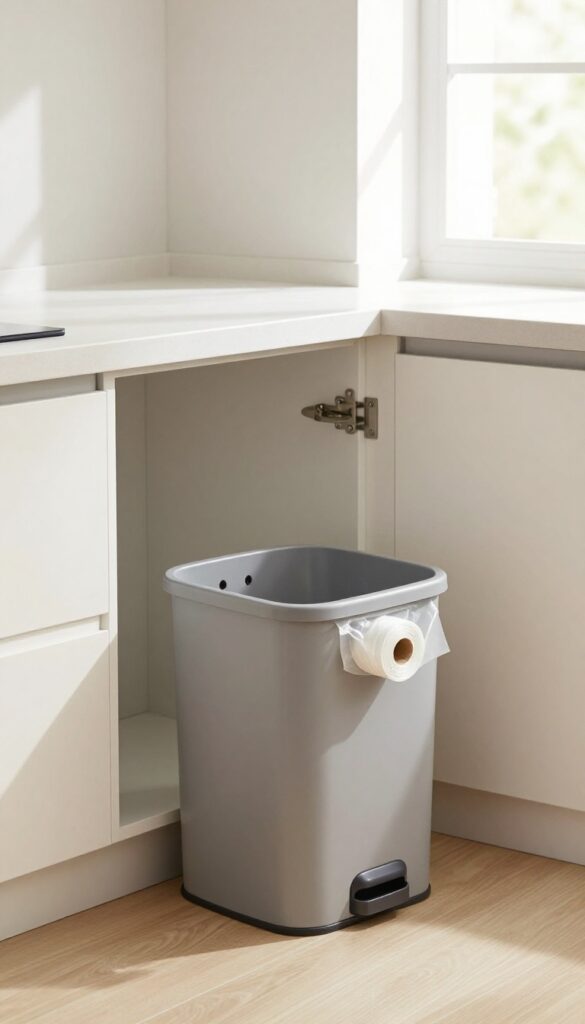
Overflowing bins are clutter magnets. They attract stray wrappers, old receipts, and half-empty coffee cups that pile up fast. Taking out the trash every evening takes 30 seconds and prevents that buildup from ever starting.
When trash bins are full, you start setting things on top of them or next to them. That little pile grows into a messy corner you have to deal with later. A daily reset keeps your room looking clean and stops odors before they start.
Make It A Nightly Ritual
Tie it to something you already do, like brushing your teeth or turning off the lights. Walk through each room with a small bag, collect the trash, and toss it in the outside bin. It becomes automatic after a week.
Use Small Bins To Force Action
A big bin encourages you to wait until it's full. Switch to a smaller one—like a 2-gallon can—so you have to empty it more often. That keeps trash from sitting around and smelling.
Keep Supplies Handy
Store extra trash bags under the sink or in a nearby drawer. If you have to hunt for a bag, you're less likely to do it. Make it easy, and you'll stick with it.
10. Use a Lint Roller on Upholstery
Pet hair, crumbs, and dust on couches and chairs are easy to miss. A quick roll makes seating areas look fresh. It's one of the fastest ways to give your room a visual lift without breaking out the vacuum.
A lint roller isn't just for clothes. It's a secret weapon for upholstery. Keep one in your living room or bedroom for quick touch-ups.
Roll over cushions, armrests, and even lampshades to pick up dust and debris. It's especially handy for fabric headboards and dining chairs. This simple step can make your whole space feel cleaner in under a minute.
Why It Works
Lint rollers use adhesive sheets that grab particles from fabric surfaces. Unlike a vacuum, they don't stir up dust. They're gentle on delicate fabrics and reach crevices that vacuums miss.
Plus, you can toss the dirty sheet and move on.
Where To Roll
Focus on high-touch areas: couch cushions, armchairs, ottomans, and fabric dining chairs. Don't forget throw pillows, curtains, and even car seats. For pet beds, use a lint roller to remove hair before washing.
Pro Tips
Use a fresh sheet for each piece of furniture to avoid spreading dirt. If you're out of refills, wrap a piece of packing tape around your hand, sticky side out, and pat the surface. For extra stubborn hair, try a rubber glove or a squeegee.
11. Group Like Items Together on Shelves
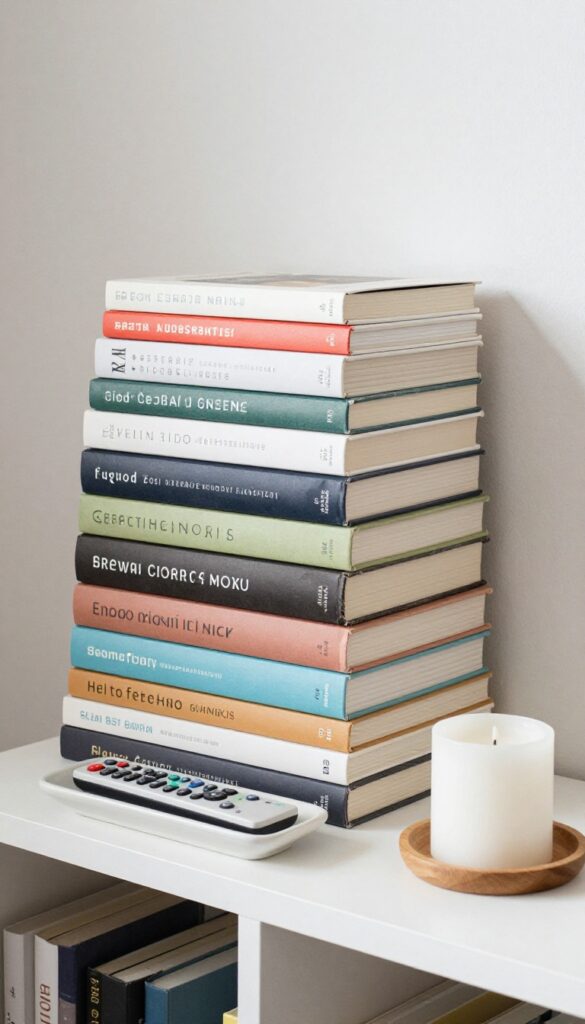
Shelves can quickly turn into catch-all zones where random objects pile up. The fix is simple: gather everything that belongs together and place it in one spot. When you group similar items, your brain registers order instead of chaos, even if the shelf isn't perfectly styled.
Stack books by size or color, corral remote controls in a small dish, and gather candles on a tray. Visual harmony reduces the feeling of clutter and makes it easier to find what you need. This trick works on any shelf—bookcases, bathroom ledges, or kitchen open shelving.
Start With One Shelf
Don't try to tackle all shelves at once. Pick one shelf, remove everything, and sort items into piles: books, decor, electronics, and miscellaneous. Then place each pile back as a group.
You'll see an immediate difference.
Use Trays And Baskets
Trays and small baskets are your best friends for grouping. Put remote controls, charging cables, or daily essentials in a tray. For bathroom shelves, group toiletries in a caddy.
This contains the items and creates a clean, intentional look.
Keep Like Items Vertical
Stacking books horizontally can look messy. Instead, stand them upright and group by size or color. For magazines or notebooks, use a file holder.
Vertical storage saves space and makes titles easy to read.
12. Do a 5-Minute Floor Sweep
Floors are the first thing people see when they walk into a room, and they can make or break the clean look you're going for. A quick sweep or vacuum of just the high-traffic areas can instantly lift the whole space, even if the rest of the room is still a bit messy. You don't need to go into corners or move furniture—just grab the visible crumbs, dust bunnies, and pet hair that catch the eye.
This isn't about a deep clean; it's about visual impact. Focus on the path from the door to the main seating area, the space in front of the couch, and any obvious spots where dirt tends to gather. In five minutes, you can make the floor look intentional and cared for, which tricks the eye into seeing the whole room as cleaner than it is.
Target The Traffic Lanes
Identify the main walking paths in your room—usually from the door to the bed or couch, and from the bed to the closet. These are where dirt and debris accumulate fastest. Spend the first two minutes on these areas, using a quick back-and-forth motion with your broom or vacuum.
Don't worry about under the bed or behind the dresser; just the visible floor that gets stepped on.
Use The Right Tool For Speed
A cordless stick vacuum or a lightweight broom with a dustpan is your best friend here. If you have a robot vacuum, even better—set it to run daily and you'll rarely need to do this manually. For hard floors, a microfiber dust mop can grab dust in one pass without stirring it up.
The goal is to move fast, not to be thorough.
Don't Forget The Entry Point
The area right inside the door is often the dirtiest spot in any room, thanks to shoes and outdoor debris. Give it an extra 30 seconds of attention. A clean entryway sets the tone for the entire room, making it feel instantly more organized and inviting.
13. Spray and Wipe Mirrors and Glass
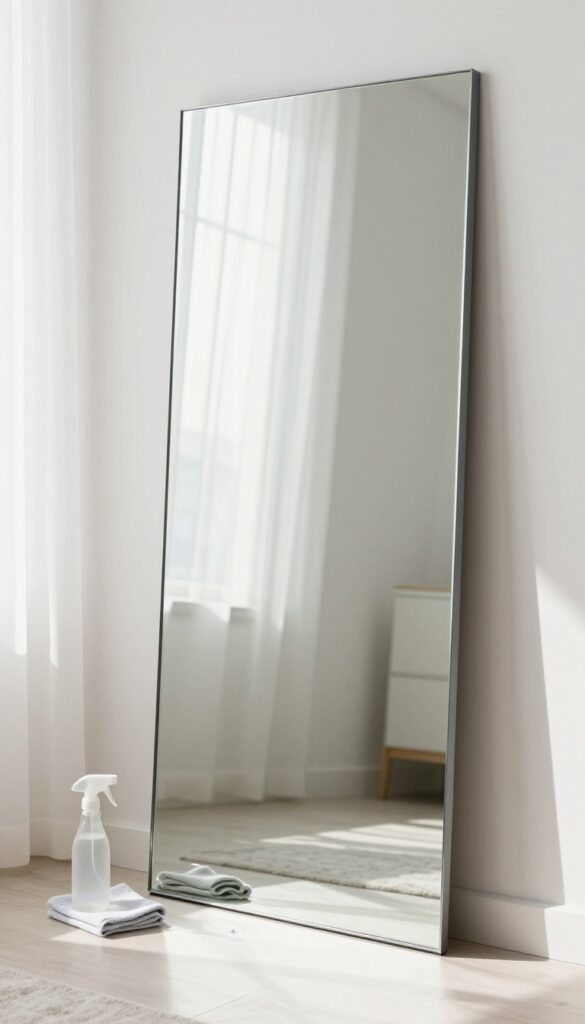
Clean glass surfaces reflect light and make the room feel bigger. A streak-free shine takes under a minute, yet it's often skipped during a quick reset. Don't let smudges and dust dull the space when a simple spray-and-wipe can instantly brighten everything.
Mirrors and windows are like the eyes of a room—when they're clean, the whole space looks more awake. Start with an all-purpose glass cleaner or a DIY mix of vinegar and water. Spray lightly, then wipe with a microfiber cloth in a zigzag or S-pattern to avoid streaks.
For large mirrors, work from top to bottom so drips don't ruin your progress. Don't forget glass tabletops or picture frames; they catch dust fast. A quick once-over on these surfaces can make the room feel polished without much effort.
Choose The Right Cloth
Paper towels leave lint and streaks. Microfiber cloths are the best for glass because they trap dust and absorb liquid without scratching. Keep a dedicated microfiber cloth in your cleaning caddy for quick touch-ups.
Tackle Smudges First
Fingerprints and smudges need a little extra attention. Spray the cleaner directly on the smudge, let it sit for a few seconds, then wipe firmly. For stubborn spots, use a tiny bit of rubbing alcohol on a cloth.
Don't Forget The Edges
Dust collects along mirror edges and window frames. After wiping the glass, run your cloth along the frame to catch any buildup. This small step prevents dirt from migrating back onto the clean surface.
14. Put Away Shoes and Bags by the Door
The entryway is ground zero for clutter. Shoes kicked off, bags dropped, jackets tossed—it all piles up fast and spreads into the room. The fix is simple: give everything a designated spot and commit to a one-minute rule.
When you walk in, take sixty seconds to put shoes on a rack or in a cubby, hang your bag on a hook, and stash keys in a bowl. That tiny habit stops the avalanche before it starts. No more tripping over sneakers or digging for your wallet under a pile of coats.
Pick A Landing Zone
Choose one spot near the door for all incoming items. A small bench with hooks above and a shoe tray below works wonders. If space is tight, use a wall-mounted rack or a slim console table with baskets.
The key is consistency—everything goes there, every time.
Enforce The One-minute Rule
Set a timer if you have to. When you come home, spend exactly one minute putting things away. That's enough to hang a coat, place shoes on the rack, and drop mail in a tray.
It feels quick, so you're more likely to do it. Over time, it becomes automatic.
Make It Easy For Everyone
If you live with others, keep the system simple. Label shelves or use open bins so everyone knows where things go. A family hook rack at kid height helps little ones pitch in.
The easier it is, the more likely it'll stick.
15. Use Drawer Dividers for Junk Drawers
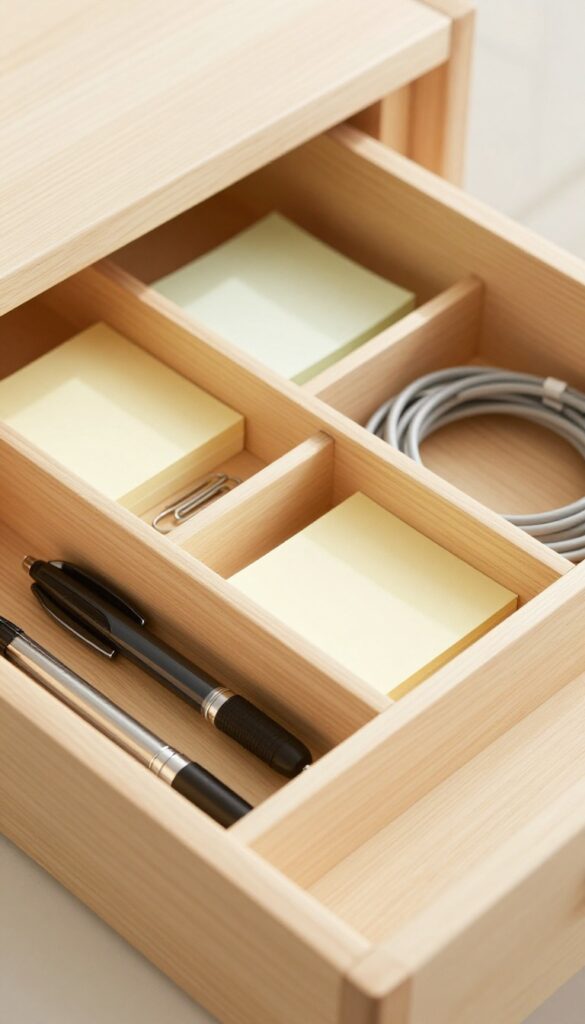
That one drawer where everything goes to die? It doesn't have to be a black hole. With a few simple dividers, you can turn chaos into order without a full purge.
The goal isn't perfection—it's making sure you can actually find what you need.
Start by emptying the drawer completely. Group items into categories: pens, chargers, random hardware, sticky notes, and so on. Then, grab adjustable dividers or even small boxes and trays to create dedicated zones.
The key is to keep categories small and specific. A divider for pens alone stops them from rolling into the abyss. For chargers, use a small container or binder clips to keep cords from tangling.
Don't overthink it—just section off the mess so each type of item has a home. Once everything is sorted, you'll actually use that drawer again.
Sort Before You Store
Empty the drawer completely and lay everything out. Group like items together: writing tools, cables, small tools, and miscellaneous odds and ends. This step reveals duplicates and things you can toss, making the divider setup more effective.
Choose The Right Dividers
You don't need fancy organizers. Use adjustable plastic dividers, small cardboard boxes, or even silicone cupcake liners for tiny items. The goal is to create physical boundaries that keep categories separate.
For deep drawers, stackable trays maximize vertical space.
Maintain The System
Once dividers are in place, commit to returning items to their designated spots. That means no shoving random things into the drawer without sorting first. A quick weekly check—about 30 seconds—keeps the system from sliding back into chaos.
16. Keep a 'Donate' Bag in the Closet
Clothes you no longer wear take up valuable space and add visual clutter. Instead of waiting for a seasonal purge, keep a dedicated donate bag in your closet. When you try on something and decide it no longer fits or suits you, toss it in immediately.
Once the bag is full, drop it off at a donation center. This habit prevents piles from forming and keeps your wardrobe streamlined.
The key is making donation as easy as possible. Hang a reusable bag on a hook or place a bin on the closet floor. Every time you declutter, the bag is right there.
No need to sort later or store items elsewhere. This method turns decluttering into a continuous, low-effort process.
Choose The Right Bag
Use a sturdy, reusable shopping bag or a small laundry bin. Avoid flimsy plastic bags that tear easily. A bag with handles makes it easy to grab and go when it's full.
Keep it in a visible spot so you remember to use it.
Set A Drop-off Reminder
Schedule a monthly reminder on your phone to check the bag. If it's full, take it to a donation center that week. Many charities offer drive-through drop-offs, making it a quick errand.
Don't let the bag overflow—commit to emptying it regularly.
Involve The Whole Household
Encourage family members to add their own unwanted items. Place a separate bag in each closet or a shared bin in a common area. This turns decluttering into a team effort and keeps everyone's spaces tidy.
17. End with a Scent Boost
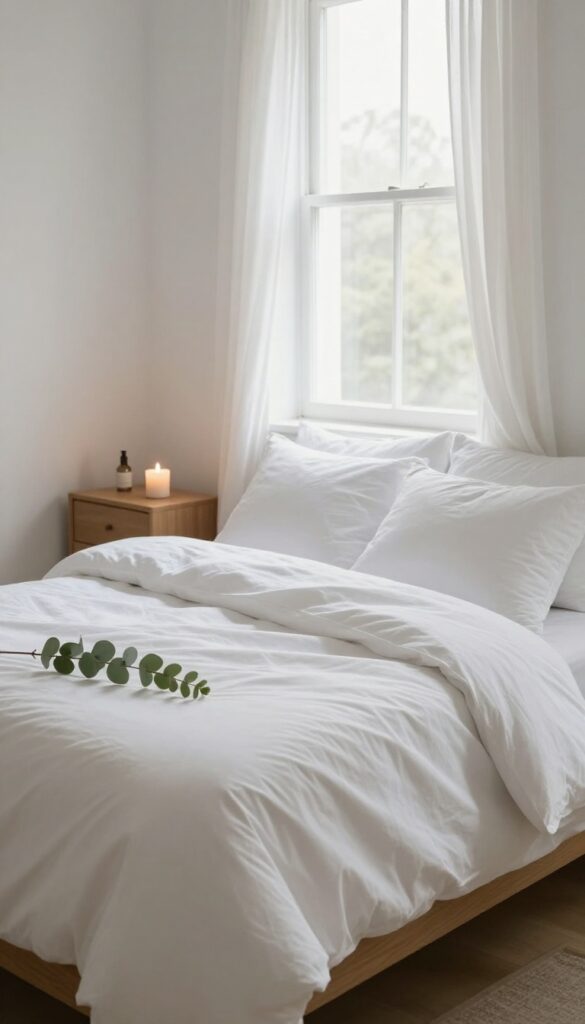
You've wiped, folded, and organized. The room looks tidy, but something still feels off. That missing piece is often scent.
A fresh smell signals to your brain that the space is truly clean, even if you only did a quick reset. Adding a subtle fragrance takes two seconds and makes the whole effort feel complete.
Scent is a powerful shortcut to a clean-feeling room. It's the final layer that tells your senses the job is done. Whether you open a window for fresh air, light a candle, or spritz a linen spray, the effect is immediate.
Your brain associates certain smells with cleanliness, so even a quick spray can trick it into thinking you deep-cleaned. Keep a few options handy—a candle on the dresser, a spray bottle under the sink—so you can finish any reset with a scent boost in under a minute.
Open A Window
Nothing beats real fresh air. Cracking a window for just five minutes while you finish up lets stale odors escape and brings in oxygen. It's free, instant, and works with any season.
Even in winter, a brief air exchange makes the room feel revitalized.
Light A Candle
A candle does double duty: it adds a warm glow and a consistent fragrance. Choose a clean, subtle scent like lavender, eucalyptus, or fresh cotton. Avoid overpowering candles that clash with the room's purpose.
Place it on a safe surface and let it burn for a few minutes after you're done.
Use A Linen Spray
Linen sprays are the fastest option—no flame, no wait. A quick spritz on pillows, curtains, or upholstery releases a burst of freshness. Opt for a light, natural scent that won't linger too long.
Keep a bottle on your nightstand or dresser for easy access during any quick reset.
FAQ
How often should I do a room reset?
Aim for a quick 10-minute reset daily. A deeper reset can be weekly. The key is consistency, not perfection.
What if I don't have time for all 17 tips?
Pick 3-5 that target the biggest mess in your room. Even one tip can make a noticeable difference.
Do I need special cleaning products?
No. Most tips use items you already have: microfiber cloths, a lint roller, a laundry basket, and all-purpose cleaner.
How do I stay motivated to declutter?
Set a timer and make it a game. Play upbeat music or listen to a podcast. Reward yourself with a break after.
What's the biggest mistake people make when cleaning a room?
Trying to clean everything at once. Focus on one surface or zone at a time to avoid overwhelm and burnout.
Conclusion
A clutter-free room isn't about having a spotless home every second. It's about creating a space that feels calm and functional with minimal effort. These 17 tips are designed to fit into real life—no guilt, no overthinking.
Pick the ones that work for you and make them a habit.
You'll be surprised how much a few small actions can reset your entire room. And remember, done is better than perfect. Your space doesn't have to be magazine-ready—it just has to work for you.