15 Cleaning List Ideas for a Simple Whole Home Reset
You don't need a whole weekend or a cleaning crew to reset your home. A few focused lists can turn chaos into calm without burning you out. The trick is knowing where to start and what to tackle first.
These 15 cleaning list ideas are built for real life. They respect your time, your budget, and your energy levels. Each one targets a different angle of the whole home reset, so you can pick what fits your current mess.
No fluff, no overcomplication. Just practical steps that help you see progress fast. Whether you have ten minutes or a full afternoon, there's a list here that will work for you.
1. The 10-Minute Room Rescue
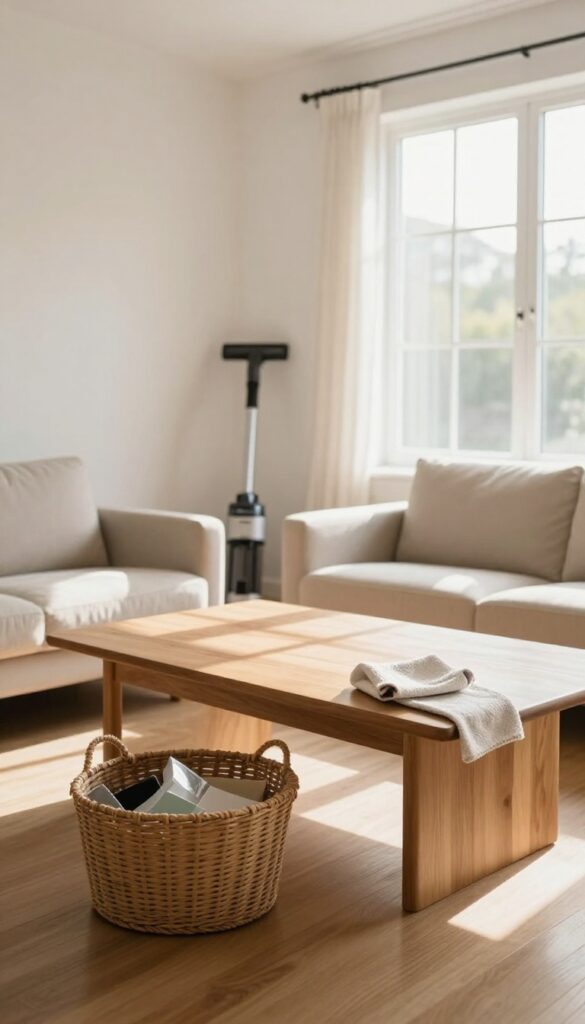
Some days you just need a quick win. The 10-Minute Room Rescue is a speed-cleaning list designed to make a visible difference in the shortest possible time. It focuses on the areas that catch your eye first, so even a little effort feels like a lot.
This list is perfect for when you have unexpected guests, a video call in ten minutes, or just need a mental reset. It skips deep cleaning and instead targets high-visibility surfaces, clutter hotspots, and a single vacuum pass through the main traffic path. The goal is not perfection, but a room that looks and feels instantly better.
Tackle The Hotspots
Start with the spots where clutter naturally piles up: the coffee table, kitchen counter, or entryway bench. Grab a basket or a bag and quickly toss in anything out of place. Don't organize, just clear the surface.
This one move alone makes the room look 50% cleaner.
Wipe The Obvious Surfaces
Grab a microfiber cloth or a disinfecting wipe and hit the surfaces that reflect light or get touched often: tabletops, appliance fronts, light switches, and the TV screen. A quick once-over removes dust, smudges, and fingerprints, giving the room a fresh feel.
One Fast Vacuum Pass
Set a timer for two minutes and vacuum only the main walkway and the area around the sofa or table. Don't worry about corners or under furniture. Just the visible floor.
Seeing a clean path instantly changes the room's vibe.
2. The Deep Clean by Zone
A whole-home deep clean can feel overwhelming if you try to do it all at once. Breaking it into zones makes the job manageable and ensures nothing gets skipped. You focus on one area each day, giving it the attention it deserves without burning out.
This method works because it turns a massive task into five smaller, achievable ones. You're not racing against the clock; you're methodically working through your home. By the end of the week, every zone is thoroughly clean, and you didn't have to sacrifice your entire weekend.
Day 1: Kitchen
Start with the heart of the home. Clear countertops, scrub the sink inside and out, wipe down cabinets and handles, and degrease the stovetop. Don't forget the microwave and the inside of the fridge.
Pull out appliances and clean behind them if you can.
Day 2: Bathroom
Tackle all bathrooms in one go. Scrub toilets, showers, and sinks. Wash bath mats and towels.
Wipe mirrors and fixtures. Organize medicine cabinets and toss expired products. A deep clean here makes the space feel like a spa.
Day 3: Living Room
Dust everything from ceiling fans to baseboards. Vacuum upholstery and under cushions. Wash throw blankets and pillow covers.
Clean windows and window sills. Straighten bookshelves and electronics. This zone sets the tone for relaxation.
Day 4: Bedrooms
Strip beds and wash all linens. Vacuum under the bed and in corners. Wipe down nightstands, dressers, and closet doors.
Rotate mattresses if needed. A clean bedroom improves sleep quality and reduces morning stress.
Day 5: Entryway & Mudroom
Finish strong by refreshing the first thing you see when you walk in. Sweep and mop floors. Wipe down doors, light switches, and handrails.
Organize shoes, coats, and bags. A tidy entryway sets a calm tone every time you come home.
3. The Declutter-First Reset

Cleaning around clutter is like trying to sweep a floor covered in toys—it never quite works. That's why this reset starts with a quick 20-minute declutter session before any scrubbing or wiping happens. The goal is simple: clear the surfaces so you can actually clean them.
Grab three boxes or bags and label them: keep, donate, and trash. Set a timer for 20 minutes and move through one room at a time. Don't overthink it—if you haven't used it in six months, it probably goes.
Once the obvious clutter is gone, cleaning becomes faster and more satisfying.
Why Declutter First?
Clutter hides dirt and makes cleaning feel pointless. When surfaces are covered in mail, decor, or random items, you can't wipe them down properly. Removing that layer first means you actually see the grime and can tackle it head-on.
The Three-box System In Action
Keep box: items you use regularly or truly love. Donate box: things in good condition that someone else might use. Trash box: broken, expired, or worn-out stuff.
Be honest with yourself—if it's missing a piece or you've been meaning to fix it for a year, it's trash.
Make It A Habit, Not A Chore
Set a recurring 20-minute declutter session once a week. Over time, you'll have less clutter to deal with, making your cleaning lists shorter and your home easier to maintain. It's a small investment that pays off every time you clean.
4. The Kitchen Reset Checklist
The kitchen is where most of the daily mess happens. Between meal prep, coffee spills, and random clutter, it can feel like a losing battle. A focused reset list helps you reclaim the space without spending hours scrubbing.
Start by clearing the counters completely. Put away anything that doesn't belong, then wipe down all surfaces with an all-purpose cleaner. Next, tackle the stovetop and oven—degrease the burners and wipe the exterior.
Move to the sink: scrub it clean, then sanitize the faucet and handles. Finally, organize the pantry by grouping like items and tossing expired goods.
Wipe Down Appliances
Give your fridge, microwave, and dishwasher a quick exterior wipe. For stainless steel, use a microfiber cloth and a dedicated cleaner to avoid streaks. Don't forget the handles—they're high-touch zones that need sanitizing.
Degrease The Stovetop
Remove grates and burner caps, soak them in hot soapy water, then scrub with a non-abrasive sponge. Wipe down the cooktop surface with a degreaser, and polish any glass or ceramic areas.
Sanitize The Sink And Counters
Use a disinfectant spray or a vinegar-water solution on all countertops. For the sink, sprinkle baking soda, scrub with a sponge, then rinse and spray with disinfectant. Let it sit for a few minutes before wiping dry.
Organize The Pantry
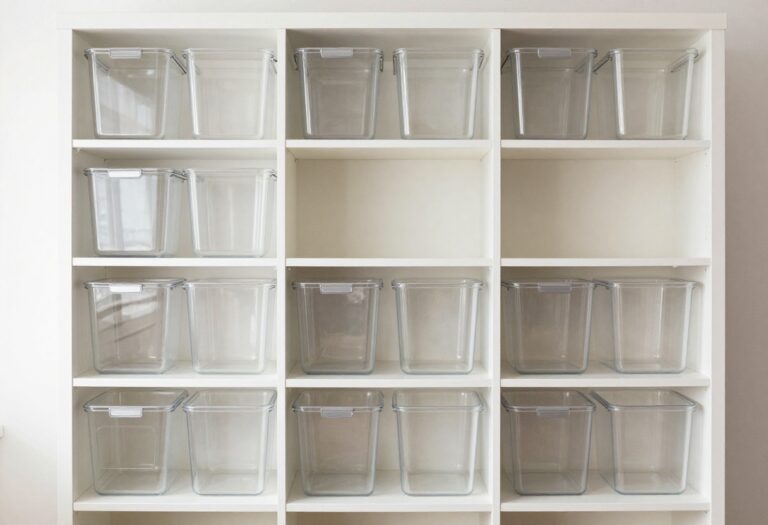
Pull everything out, check expiration dates, and group items by category (canned goods, spices, snacks). Use clear bins or baskets to keep similar items together. Wipe shelves before restocking.
5. The Bathroom Blitz
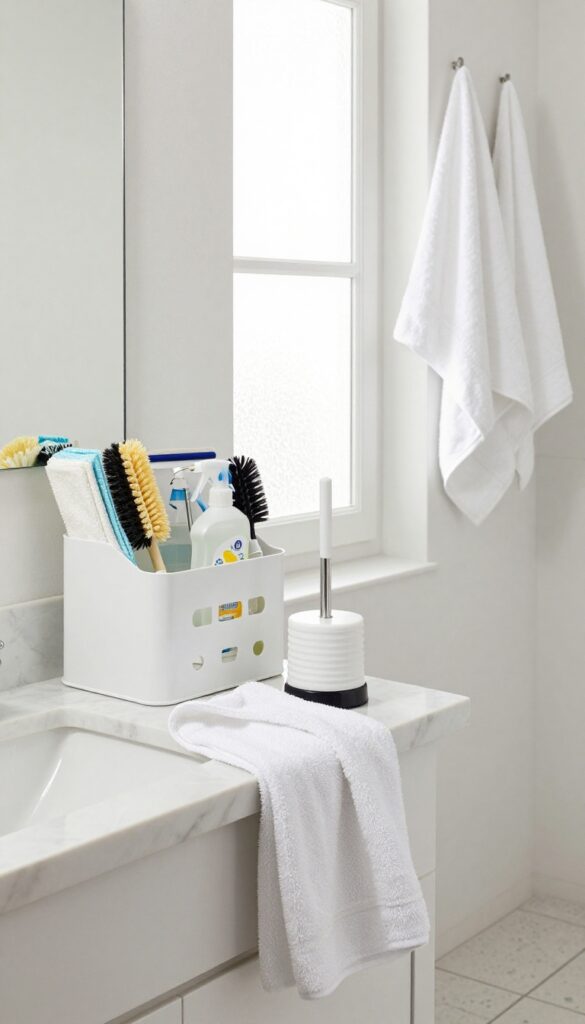
Bathrooms are small but they can feel like the biggest chore in the house. The trick is to hit them all in one sweep instead of spreading the misery across different days. Grab a caddy, load it up, and move from room to room without stopping.
Start by gathering everything you need: all-purpose cleaner, glass cleaner, a scrub brush, microfiber cloths, a toilet brush, and a squeegee. Load them into a caddy so you're not running back and forth. Then work through each bathroom in the same order: toilets first, then showers and tubs, then sinks and counters, then mirrors, and finally floors.
This way you're not dragging dirt from one surface to another.
The Caddy System
A caddy is your best friend for a bathroom blitz. It keeps all your supplies in one place so you can move quickly. Stock it with the essentials and restock it after each use.
That way, next time you're ready to go in seconds.
Top-to-bottom Order
Always clean from the highest point to the lowest. Start with mirrors and light fixtures, then move to counters, sinks, and finally the floor. This prevents dust and drips from landing on already-cleaned surfaces.
Quick Touch-up Between Blitzes
Keep a small spray bottle of daily cleaner and a microfiber cloth under each sink. A quick wipe of the sink and mirror after brushing your teeth keeps the blitz results lasting longer.
6. The Living Room Refresh
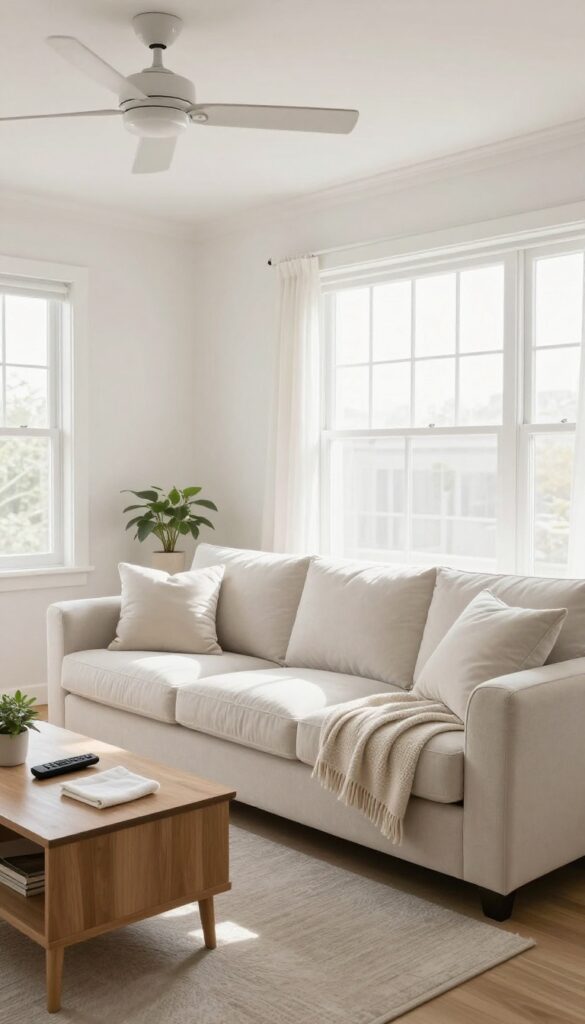
The living room is the heart of the home, but it also collects dust, pet hair, and general clutter faster than any other space. A quick 15-minute refresh can make the whole room feel brand new without a major time commitment. This list focuses on the high-impact areas that make the biggest visual difference.
Dust From Top To Bottom
Start with ceiling fans, light fixtures, and window sills, then work your way down to shelves and baseboards. Use a microfiber cloth or a duster with an extendable handle to trap dust instead of spreading it around. Don't forget picture frames and electronics—they're dust magnets.
Vacuum Upholstery And Cushions
Remove couch cushions and vacuum all surfaces, including crevices where crumbs and dirt hide. Use the upholstery attachment to avoid damaging fabric. Fluff and rotate cushions to distribute wear evenly and give the sofa a fuller look.
Wipe Down Electronics And Surfaces
TV screens, remote controls, and gaming consoles need gentle cleaning. Use a dry microfiber cloth for screens and a slightly damp cloth for other surfaces. Wipe down coffee tables, side tables, and any visible cords to reduce visual clutter.
Fluff Pillows And Fold Throws
Fluff decorative pillows and arrange them neatly. Fold throw blankets and drape them over the arm of the sofa or a basket. This simple step instantly makes the room look tidy and inviting.
7. The Bedroom Sanctuary Reset
Your bedroom should be a place to unwind, not a dumping ground for laundry and random clutter. A quick reset can transform the space from chaotic to calming in under an hour. Focus on the surfaces you see first and the spots that collect the most dust.
Strip And Refresh The Bed
Start by stripping the sheets and pillowcases. Throw them in the laundry while you work. Give your mattress a quick vacuum to remove dust and allergens.
Then make the bed with fresh linens. A neatly made bed instantly makes the whole room feel more put together.
Clear The Nightstands
Nightstands are magnets for water glasses, books, chargers, and random odds and ends. Remove everything, wipe down the surface, and only put back what you actually use nightly. A small tray can corral essentials like a lamp, phone charger, and a book.
Less visual clutter means a clearer mind before sleep.
Dust And Vacuum Hidden Spots
Dust all surfaces, including the top of headboards, window sills, and baseboards. Don't forget under the bed—that's where dust bunnies and lost socks hide. Use a vacuum with a crevice tool to reach edges.
If you have a rug, give it a good vacuum. Clean floors and dust-free surfaces make the room feel fresher instantly.
8. The Entryway and Mudroom Tidy
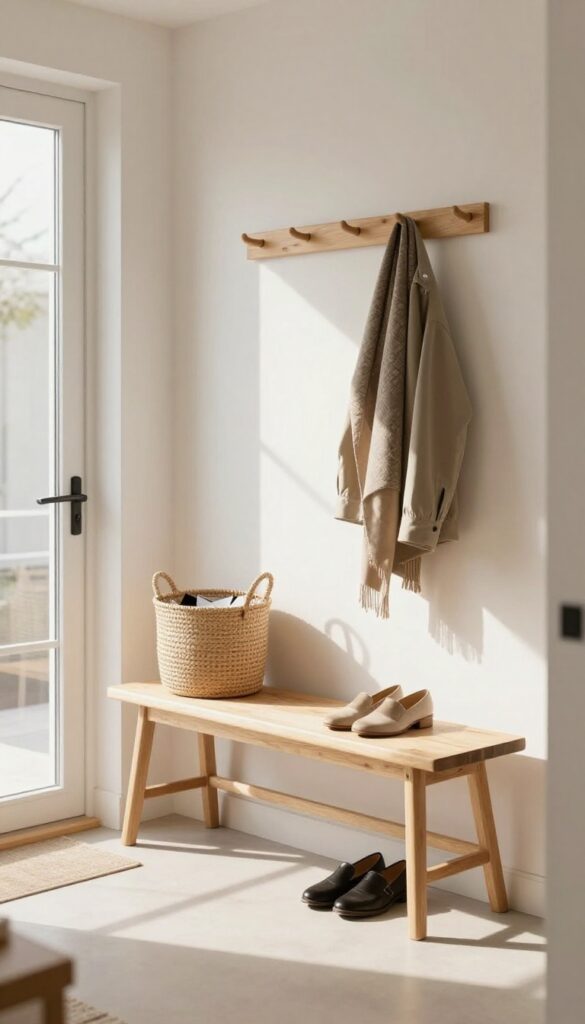
First impressions start at your front door. A cluttered entryway sets a chaotic tone for the whole house, while a tidy one invites calm the moment you walk in. This list focuses on clearing the landing zone so your home feels organized from the threshold.
Clear The Floor And Surfaces
Start by removing everything that doesn't belong: shoes, bags, mail, and random items that drifted in. Wipe down any surfaces like benches, shelves, and the top of shoe racks. Sweep or vacuum the floor to catch dirt and grit.
A clean floor instantly makes the space feel larger and more intentional.
Tame The Shoe And Coat Chaos
Sort shoes into pairs and donate or store out-of-season pairs. Limit each person to one or two pairs in the entryway. For coats and jackets, hang only what's in current rotation.
Put away hats, scarves, and gloves in labeled bins or baskets. This keeps the area from becoming a dumping ground.
Wipe Down High-touch Areas
Doorknobs, light switches, and handrails get grimy fast. Use a disinfecting wipe or a microfiber cloth with a gentle cleaner to clean them. Don't forget the front door itself and any glass panels.
A quick wipe removes smudges and gives the entry a fresh, cared-for look.
Organize Hooks And Bins
Check that hooks are spaced well and not overloaded. If bags or leashes are tangled, assign each a dedicated hook or bin. Use small baskets for keys, mail, and daily essentials.
Label bins if you share the space with family. A system that's easy to maintain will actually get used.
9. The Weekly Maintenance List
A full home reset is great, but it won't stick unless you have a simple weekly routine to maintain it. This list is your sustainability plan: quick daily habits that stop mess from piling up so you never need another deep reset.
Make Your Bed Every Morning
It takes two minutes and instantly makes your bedroom look tidy. Plus, it sets a productive tone for the day. Once that's done, the rest of the list feels easier.
Do Dishes And Wipe Counters Daily
Don't let dishes sit overnight. Wash them right after meals or load the dishwasher immediately. Then wipe down counters and the sink.
A clean kitchen is the anchor of a clean home.
Sweep Or Vacuum High-traffic Areas
Focus on entryways, kitchen, and living room. A quick pass with a broom or stick vacuum removes dirt and crumbs before they get tracked everywhere. Do this every day or every other day.
One Load Of Laundry, Start To Finish
Pick one load per day—whites, darks, towels, whatever. Wash, dry, fold, and put away in the same session. This prevents laundry mountains and keeps your closet manageable.
10. The Monthly Deep Dive
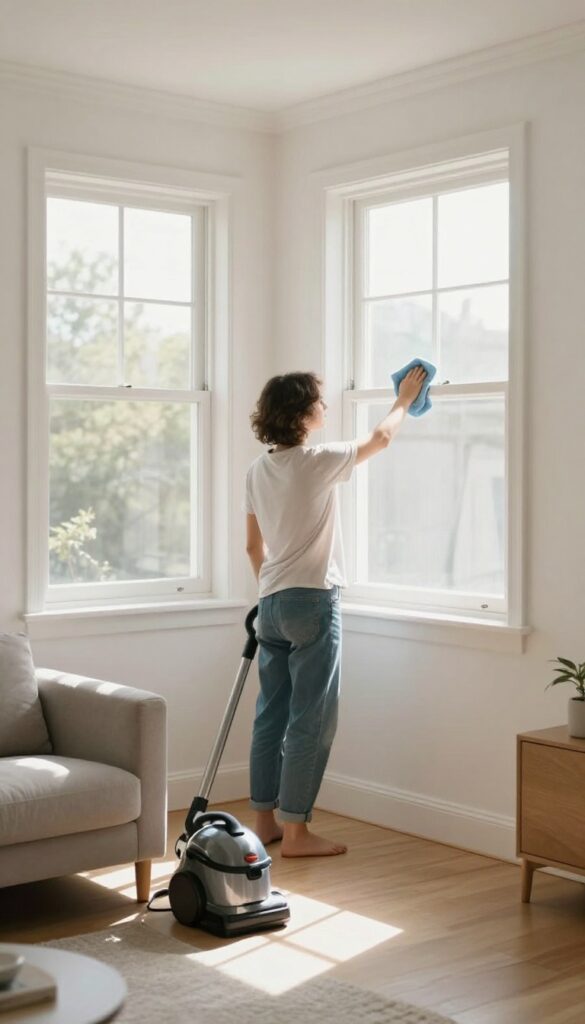
Weekly maintenance keeps things tidy, but some areas need a more thorough approach once a month. That's where the monthly deep dive comes in. It's your chance to tackle the spots you usually skip—baseboards, light fixtures, window sills, and behind furniture.
Rotating tasks ensures nothing gets neglected over time.
Set aside a couple of hours each month for this deeper clean. Focus on one or two zones that don't get daily attention. Rotating tasks prevents burnout and keeps your home consistently fresh.
Start With The Dust Magnets
Baseboards, window sills, and ceiling corners collect dust that weekly wiping misses. Use a microfiber cloth or a duster with an extendable handle to reach high spots. Don't forget light fixtures and fan blades—they can harbor surprising amounts of grime.
Move Furniture And Vacuum Underneath
Couches, beds, and dressers hide dust bunnies and lost items. Slide them out once a month and vacuum thoroughly. This simple step dramatically improves air quality and makes the room feel cleaner instantly.
Wipe Down Neglected Surfaces
Think door frames, switch plates, and cabinet fronts. These get touched often but cleaned rarely. A quick wipe with an all-purpose cleaner removes fingerprints and buildup.
It's a small effort with a noticeable payoff.
11. The Digital Declutter Companion
While you scrub counters and fold laundry, your digital life might be screaming for attention. A cluttered phone or desktop can drain mental energy just as much as a messy room. Pairing a digital sweep with your physical cleaning doubles the reset effect.
Set a timer for 20 minutes and tackle your digital mess while you wait for a cleaning product to sit or a load of laundry to finish. Delete duplicate photos, archive old screenshots, and unsubscribe from email lists you never read. Organize your desktop into folders and clear your download folder.
A clean home feels even better when your phone and laptop feel fresh too.
Photo Purge While You Wait
While a cleaning spray works its magic or a cycle runs, open your photos app. Delete blurry shots, duplicates, and screenshots you no longer need. Create albums for important events and archive the rest.
Even 10 minutes can free up gigabytes and mental space.
Unsubscribe And Unfollow
Use a tool like Unroll. me or do it manually. Unsubscribe from promotional emails you never open. Unfollow social media accounts that don't add value.
This reduces digital noise and makes your inbox feel as tidy as your newly cleaned countertops.
Desktop And Download Folder Reset
Move all desktop icons into a single folder named 'To Sort' or delete them. Empty your downloads folder. Organize files into logical folders.
A clean desktop feels as satisfying as a clean kitchen island.
12. The Eco-Friendly Clean
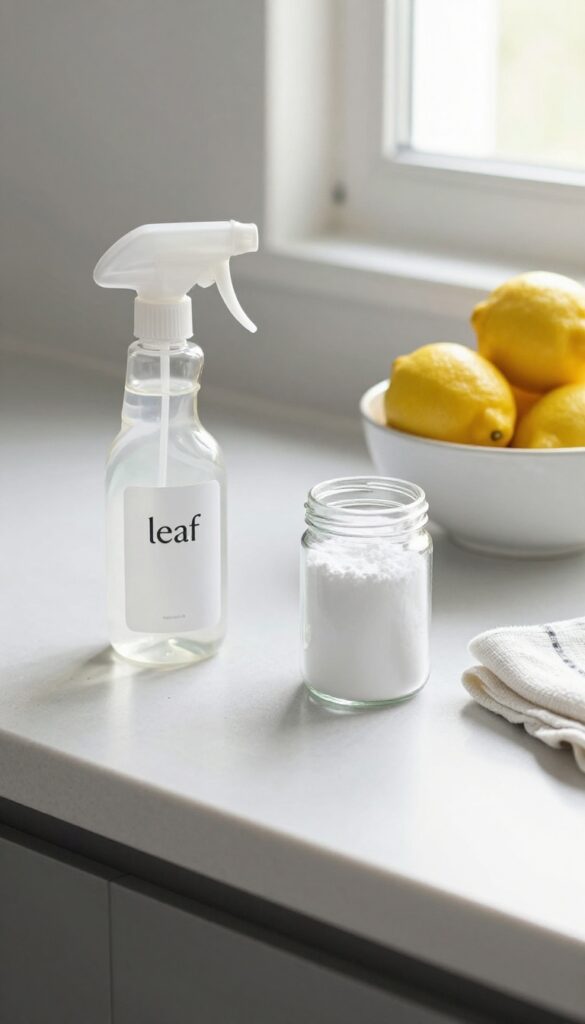
Cleaning doesn't have to come with a cloud of toxic fumes or a pile of plastic bottles. You can reset your whole home using simple ingredients you probably already have in your pantry. Vinegar, baking soda, and lemon juice tackle grime, odors, and stains without harming your family or the planet.
Switching to eco-friendly cleaners is easier than you think. Not only are they safer for your health and the environment, but they also save you money. Here's how to build a DIY cleaning arsenal that works for every room.
All-purpose Cleaner That Actually Works
Mix equal parts white vinegar and water in a spray bottle. Add a few drops of lemon essential oil for a fresh scent. This works on countertops, windows, mirrors, and most surfaces.
Avoid using it on natural stone like granite or marble—the acid can etch the surface.
Baking Soda Scrub For Tough Spots
For sinks, tubs, and stovetops, make a paste with baking soda and a little water. Apply it with a sponge, let it sit for a few minutes, then scrub and rinse. It cuts through grease and stuck-on food without scratching.
Lemon Power For Grime And Odors
Cut a lemon in half and dip it in salt to scrub cutting boards, faucets, and sinks. The acid breaks down stains and leaves a bright, clean scent. You can also microwave lemon juice and water for 30 seconds to loosen grime and deodorize the inside.
Simple Glass Cleaner Without Streaks
Combine 1 cup water, 1 cup vinegar, and 1 tablespoon cornstarch in a spray bottle. Shake well before each use. Spray on windows and mirrors, then wipe with a microfiber cloth for a streak-free shine.
13. The One-Room Focus Day
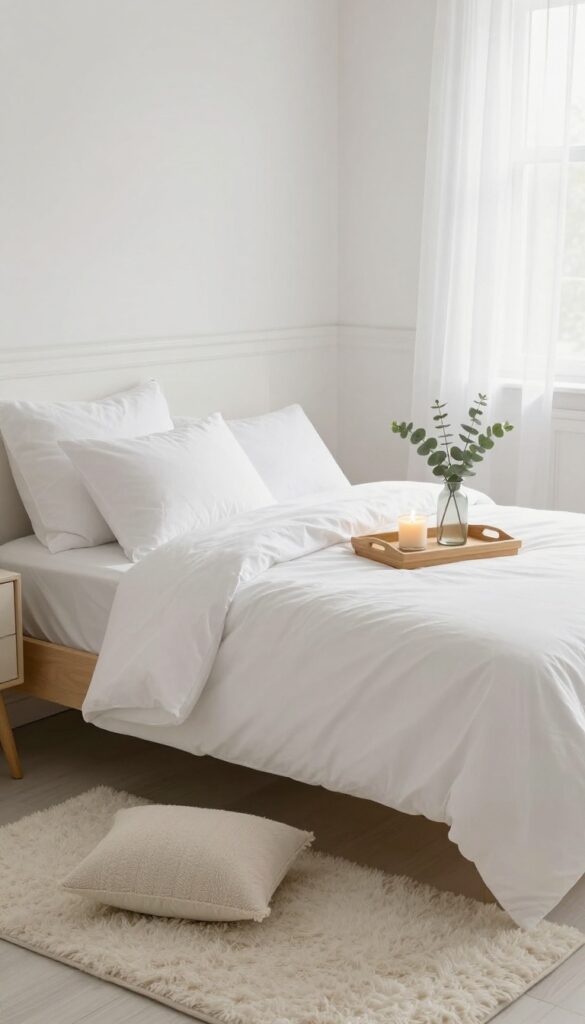
Sometimes the best way to tackle a whole home reset is to shrink your scope. Instead of bouncing between rooms and finishing nothing, pick one space and give it your undivided attention. By the end of the day, you'll have one fully clean, decluttered, and reorganized room that feels like a victory.
This approach works especially well when you're feeling overwhelmed. The satisfaction of a completely finished room builds momentum and proves that progress is possible. It also eliminates the guilt of half-done projects scattered around the house.
Choose Your Room Wisely
Start with a room that will give you the biggest mental payoff. That might be the kitchen, where you spend the most time, or the bedroom, where you need calm. Avoid picking a storage room or garage first—those can feel like black holes.
Pick a space you use daily so you can enjoy the results immediately.
Set A Timer And Go Top To Bottom
Block out three to four hours and commit to that room only. Work from top to bottom: dust ceiling fans and light fixtures, wipe down walls and baseboards, then move to surfaces. Pull everything out of closets and drawers, declutter as you go, and clean every nook.
Resist the urge to start another room.
Finish With A Final Walkthrough
Once you've cleaned and reorganized, step back and admire your work. Light a candle, fluff the pillows, or add a small decorative touch. This ritual signals to your brain that the room is complete and reinforces the satisfaction.
You'll wake up tomorrow to one perfectly reset space.
14. The Family Participation List
Cleaning doesn't have to fall on one person. A family participation list turns reset day into a team effort. Assign age-appropriate tasks so everyone contributes.
It speeds up the process and teaches responsibility along the way.
Start by listing every room that needs attention. Then match tasks to each family member's ability. Young kids can dust low shelves or sort toys.
Teens can handle vacuuming or bathroom counters. Adults take the heavy jobs like scrubbing floors or cleaning the fridge. Post the list on the fridge and check off tasks as they're done.
End with a shared reward—maybe a pizza night or a movie—to celebrate a clean home together.
Age-appropriate Task Ideas
Kids ages 3–5 can put away toys and wipe tables. Ages 6–9 can make beds and sort laundry. Ages 10–12 can vacuum, dust, and load the dishwasher.
Teens can clean bathrooms, mop floors, and take out trash. Adjust based on your child's maturity.
Making It Fun
Turn cleaning into a game. Set a timer for each task and race to finish. Play upbeat music.
Offer small prizes for completing their list without reminders. A little fun goes a long way in building good habits.
Reward Ideas That Work
Choose rewards that motivate everyone. A family movie night, a trip to the park, or extra screen time are simple options. Let the family vote on the reward before starting.
That way everyone has a stake in the outcome.
15. The Pre-Guest Rush Clean
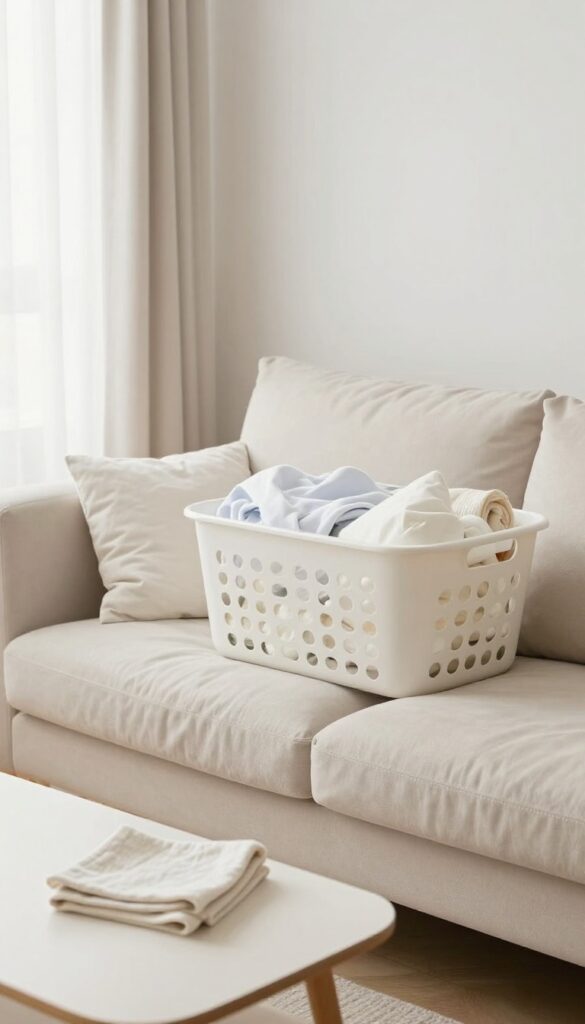
Doorbell's about to ring and your place looks like a tornado hit it. This 30-minute list is your emergency reset button. It focuses on the spaces guests will actually see and ignores the rest.
You'll create the illusion of a clean home without breaking a sweat.
When time is tight, you have to be strategic. This list targets high-visibility zones and hides the mess. The goal is to make your home look presentable, not perfect.
Save the deep cleaning for another day.
The Main Living Area
Start with the room where guests will spend the most time. Grab a laundry basket and toss in any clutter: mail, toys, blankets, random items. Stash the basket in a closet or bedroom.
Fluff pillows, fold throws, and do a quick sweep of the floor. Wipe down coffee tables and side tables with a dry cloth.
The Bathroom Blitz
Guests will almost certainly use your bathroom. Squirt cleaner in the toilet and let it sit while you wipe the mirror and counter. Swish the toilet, then do a quick floor spot-clean.
Replace the hand towel with a fresh one. Close the shower curtain if it's messy.
The Entryway And Final Touches
Clear the entryway floor of shoes and bags. Wipe down the front door handle and light switch. Light a candle or open a window for fresh air.
Do a final scan of the main path from the door to the living area. That's it—you're ready.
FAQ
How long should a whole home reset take?
It depends on the method you choose. A quick reset can take 30 minutes to an hour, while a deep reset might span several days. The key is to break it into manageable lists.
What is the most important room to clean first?
Start with the room that bothers you the most or the one guests see first. Often the kitchen or living room gives the biggest psychological boost.
Do I need special cleaning products?
No. Basic supplies like all-purpose cleaner, microfiber cloths, a vacuum, and a mop are enough. Many effective DIY cleaners use vinegar and baking soda.
How often should I do a full home reset?
A full reset once a season is a good rhythm. Weekly maintenance lists help keep things manageable between resets.
Can I involve my kids in the reset?
Absolutely. Assign simple tasks like dusting low shelves or sorting toys. Use a checklist with pictures for younger kids to make it fun.
Conclusion
A whole home reset doesn't need to be overwhelming. Pick just two or three cleaning ideas from this list that target your biggest pain points—maybe the kitchen counters or the entryway clutter. Small, focused efforts create visible results that motivate you to keep going.
The secret is consistency over perfection. Once you've completed a few resets, these tasks will become second nature. Your home will feel lighter, and you'll spend less time cleaning and more time enjoying your space.