11 Corner Walk-In Shower Ideas for a Crisp, Custom Layout
Tucked into an unused corner, a walk-in shower can turn a cramped bathroom into a spacious retreat. It's a smart way to open up the room, especially when you're working with a tight footprint. But the design choices can feel endless.
Should you go frameless glass or a bold tile accent? What about a bench or a niche?
The right corner shower should feel like it was always meant to be there, blending function with a clean, custom look. These 11 ideas will help you find the perfect fit for your space and style.
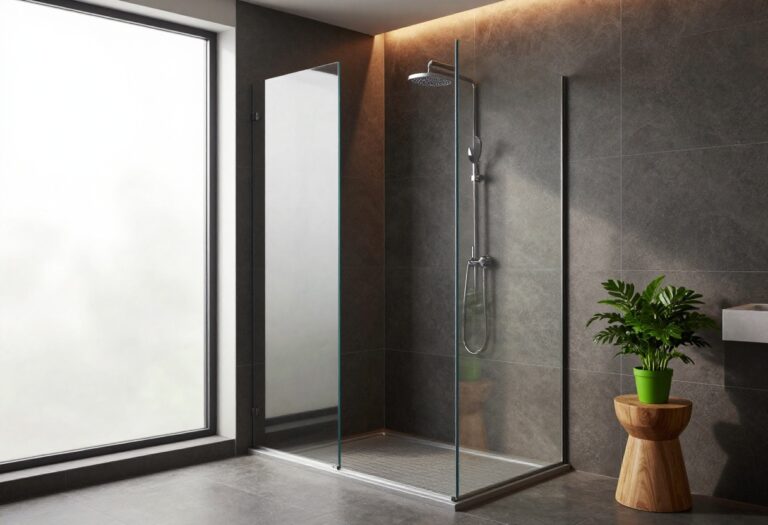
1. Frameless Glass Corner Shower
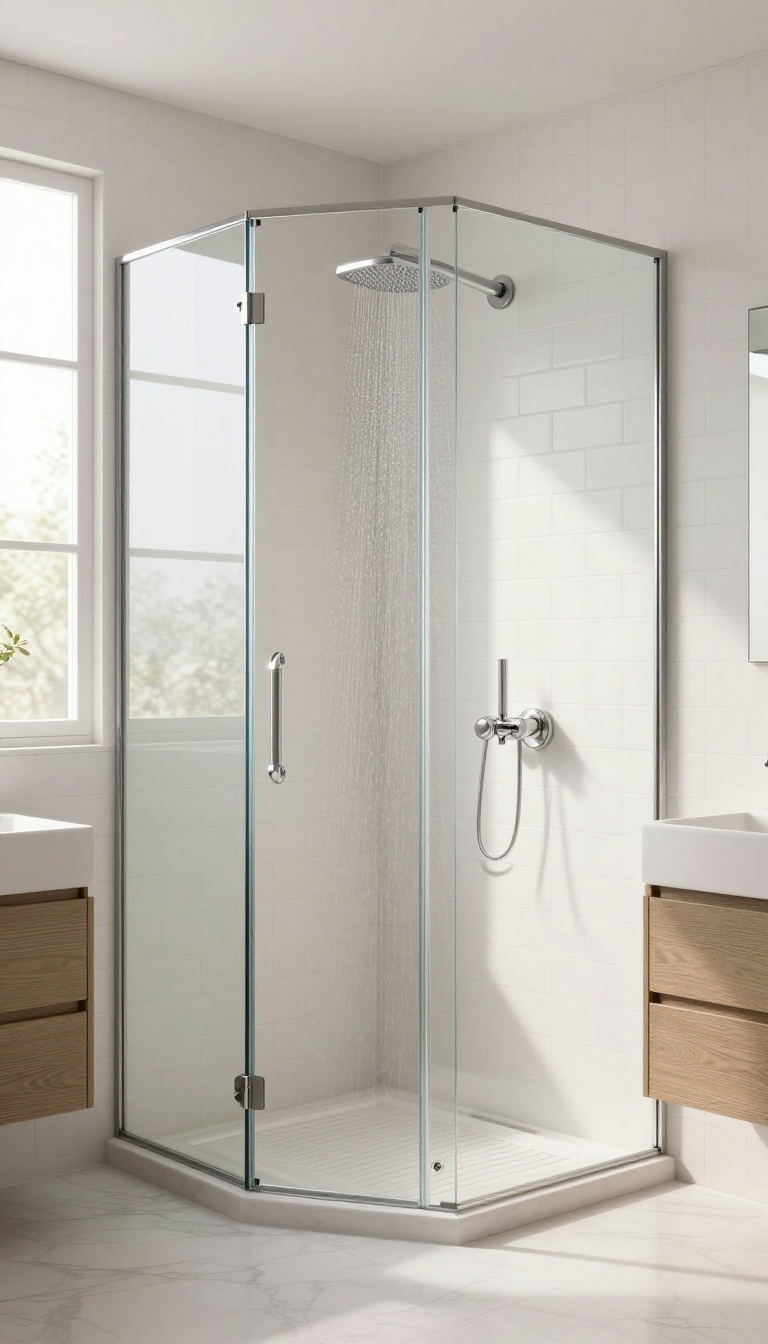
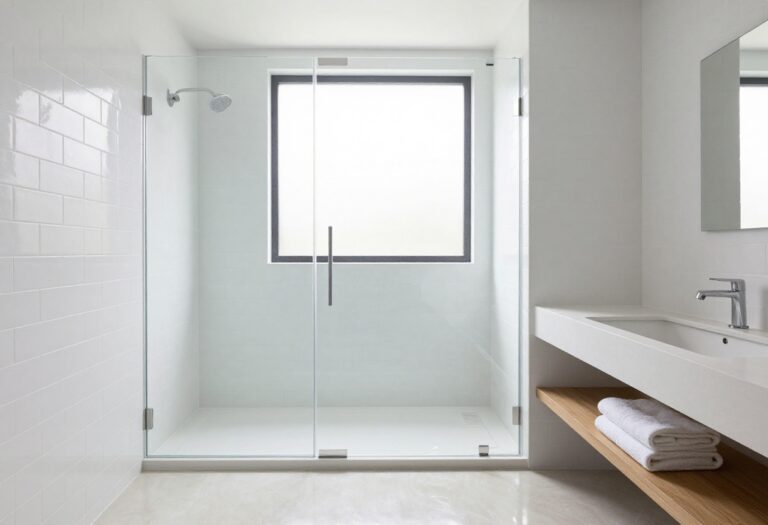
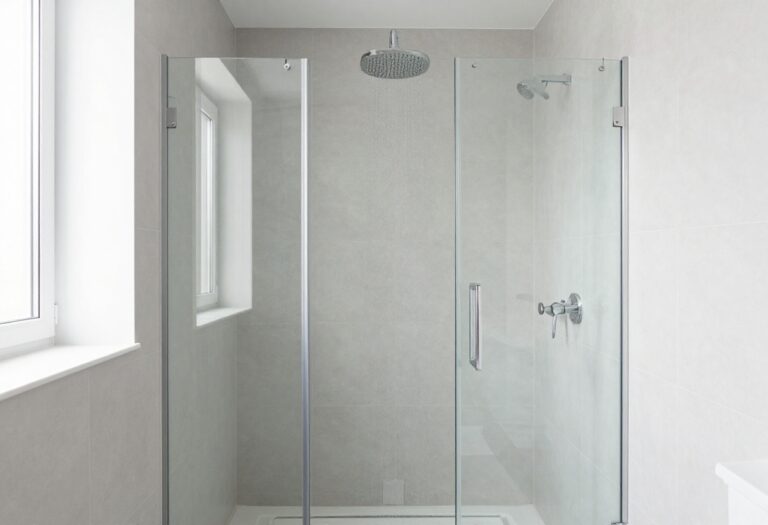
A frameless glass enclosure is the closest thing to an invisible shower. With minimal hardware and clear panels, it lets the eye travel across the entire bathroom, which instantly makes a small corner feel more open. This is a go-to for anyone who wants a clean, modern look without visual clutter.
The beauty of a frameless glass corner shower lies in its simplicity. The lack of a bulky frame means fewer lines to break up the view, so your tile and fixtures take center stage. It's a style that pairs well with both sleek, contemporary bathrooms and more transitional spaces, as long as you keep the rest of the design restrained.
Why Frameless Works In A Corner
Corner showers often sit right in the sightline when you walk into the bathroom. A framed enclosure can feel heavy and boxy, drawing attention to the shower's footprint. Frameless glass, on the other hand, recedes into the background.
The continuous glass panels reflect light and make the corner feel like a natural extension of the room, not an afterthought.
Glass Thickness And Hardware
For a corner install, go with 3/8-inch or 1/2-inch tempered glass. Thicker glass feels more substantial and reduces flex, but it also weighs more, so your hinges and brackets need to be up to the task. Look for low-profile hinges and clips in a finish that matches your faucet—brushed nickel or matte black are popular choices.
The fewer visible metal parts, the cleaner the look.
Keeping It Spotless
Frameless glass shows water spots and soap scum easily, so plan for maintenance. A daily squeegee after use goes a long way. You can also choose glass with a protective coating that repels water and makes cleaning easier.
And since there's no frame to trap grime, wiping down the panels is straightforward. It's a small trade-off for the open, airy feel.
2. Corner Shower with Built-In Bench
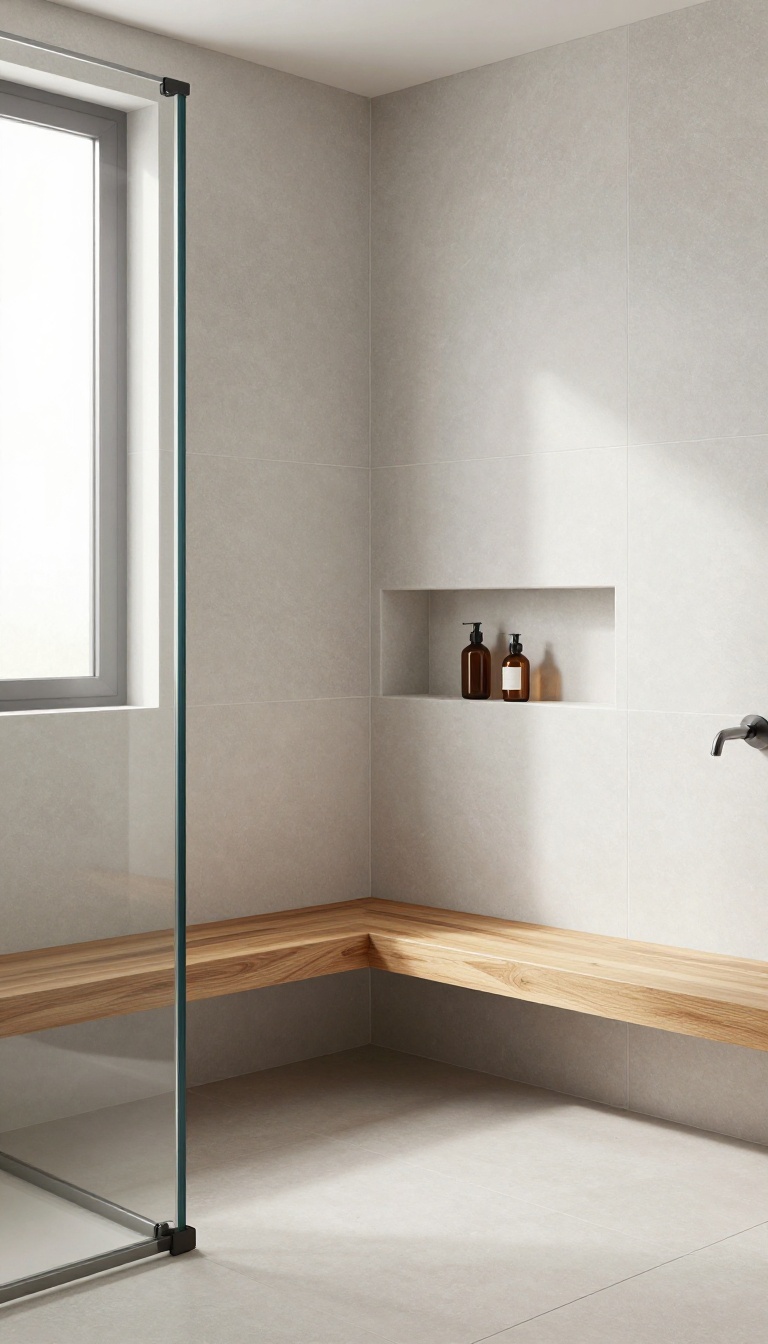
A built-in bench isn't just a luxury—it's a game-changer for corner showers. It gives you a spot to sit and relax, shave your legs, or just steady yourself while washing. Plus, it doubles as a handy shelf for shampoo and soap, keeping everything within reach without cluttering the floor.
Adding a bench to your corner shower makes it more functional and comfortable. It can be made from the same tile as your walls for a seamless look, or you can use a contrasting material like natural stone or teak for a warm touch. The bench doesn't have to take up much space—a simple corner seat or a longer ledge along one wall works great.
Placement And Size
Think about where the bench will work best. A corner bench fits snugly into the angled space, while a wall-mounted bench along one side offers more legroom. Aim for a depth of 15 to 18 inches and a height of 17 to 19 inches for comfortable sitting.
If you're short on space, a fold-down teak bench is a smart option.
Materials And Maintenance
Tile benches are durable and easy to clean, but they can feel cold and hard. Adding a teak seat on top gives you a warm, slip-resistant surface that's also removable for cleaning. Natural stone like marble or quartzite looks stunning but needs regular sealing.
Choose materials that match your shower's style and your maintenance comfort.
Extra Storage Ideas
Make the bench work harder by adding a recessed niche above it for toiletries. You could also build a small shelf underneath the bench for extra towels or baskets. If you're using a teak bench, pair it with a matching teak caddy for a cohesive look.
These little touches make the shower feel more organized and spa-like.
3. Walk-In Shower with Pebble Floor
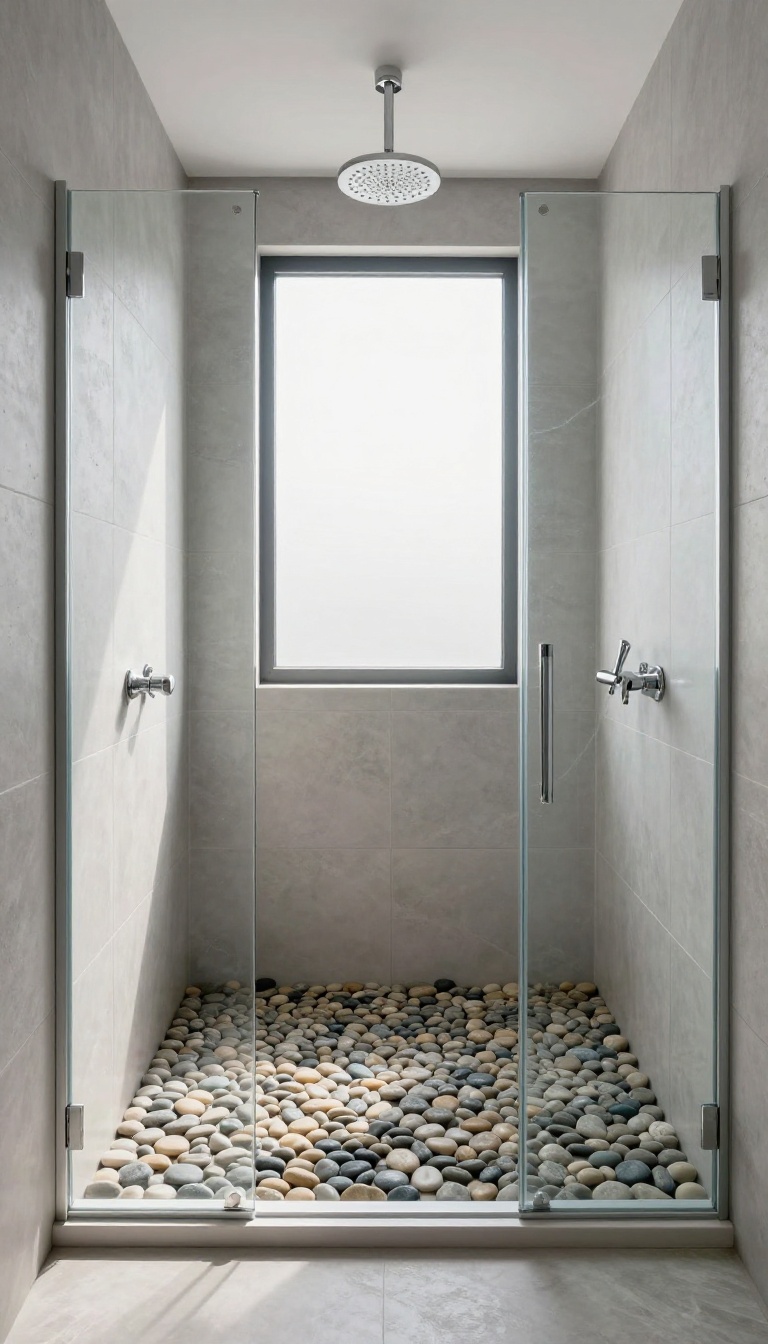
There's a reason pebble floors keep showing up in spa design—they feel amazing underfoot and add a natural, organic texture that instantly warms up a tiled space. In a corner shower, that texture becomes a focal point, drawing the eye and making the whole area feel more intentional. Plus, the small stones provide excellent traction, so you get a safer shower without sacrificing style.
A pebble floor is more than just a pretty surface. The rounded stones create a massaging effect on your feet, and the natural variation in color and size gives the floor a handcrafted look that pairs beautifully with sleek fixtures and clean glass. It's a practical choice too: the textured surface helps prevent slips, and the grout lines between the stones channel water toward the drain efficiently.
For a corner shower, where space is often tight, the pebble floor can make the area feel grounded and cozy rather than cramped.
Why Pebbles Work In A Corner
Corner showers often have a compact footprint, and a busy floor pattern can overwhelm the space. But pebbles are different—they add texture without visual weight. The small, rounded shapes create a subtle, organic pattern that doesn't compete with your tile or glass.
Plus, the natural color palette (think grays, tans, and soft blues) blends easily with most design schemes, from modern farmhouse to coastal.
Choosing The Right Pebble
Not all pebble tiles are created equal. Look for mesh-backed sheets that are easy to install and have consistent stone sizes. River stones are smooth and classic, while beach pebbles offer a flatter profile that's easier to clean.
If you want a more uniform look, opt for polished pebbles; for a more rustic feel, go with tumbled ones. Just make sure the stones are sealed properly to resist soap scum and staining.
Pairing With Shower Walls
The pebble floor works best when the walls stay simple. Large-format porcelain tiles in a neutral tone (white, gray, or beige) let the floor shine without feeling busy. Or, if you're feeling bold, use a vertical stack of subway tiles or a subtle mosaic on the walls to complement the pebbles' texture.
Keep the grout color close to the stone color for a seamless look, or use a contrasting grout to make the pebbles pop.
Maintenance Tips
Pebble floors are durable, but they do require a bit of care. The grout lines can trap dirt, so a regular squeegee after each shower helps keep things clean. Every few weeks, use a mild cleaner and a soft brush to scrub the stones and grout.
Sealing the pebbles and grout once a year will protect them from water damage and keep the colors vibrant.
4. Corner Shower with Niche Shelving
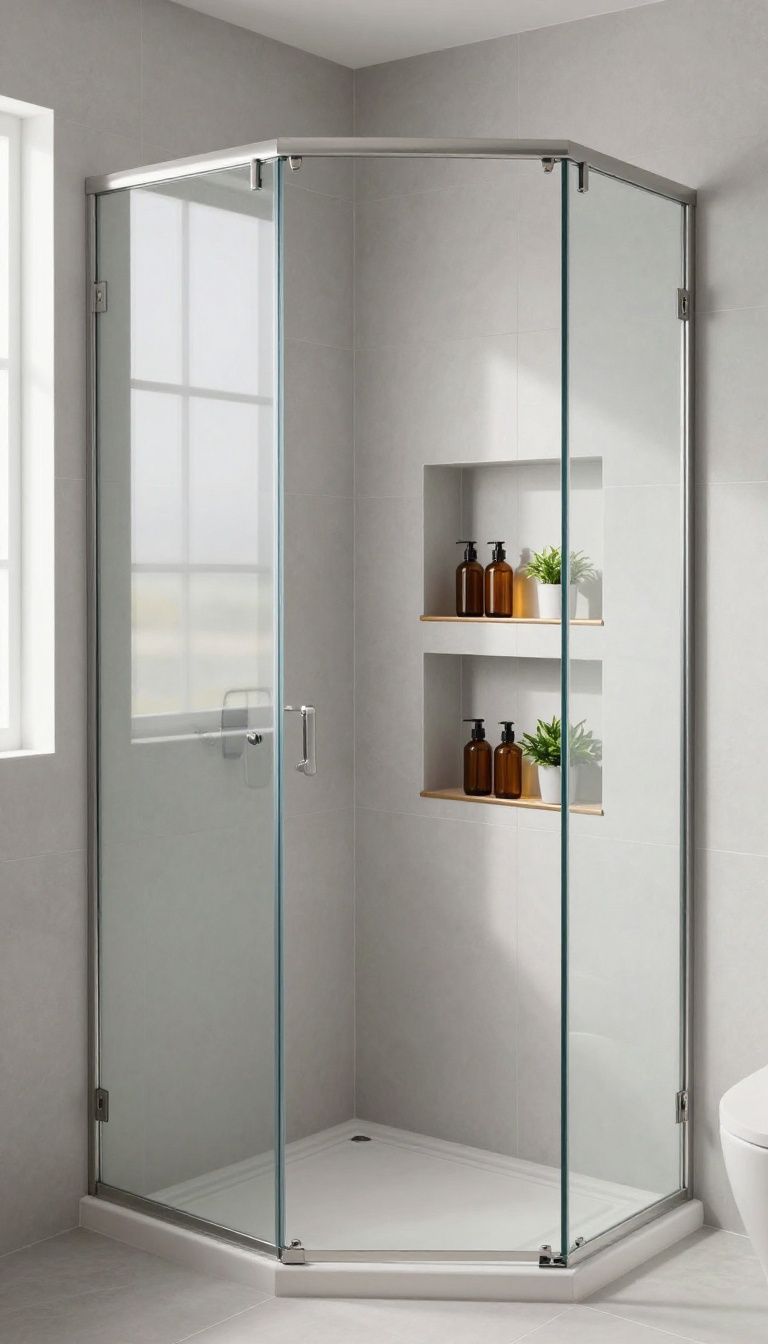
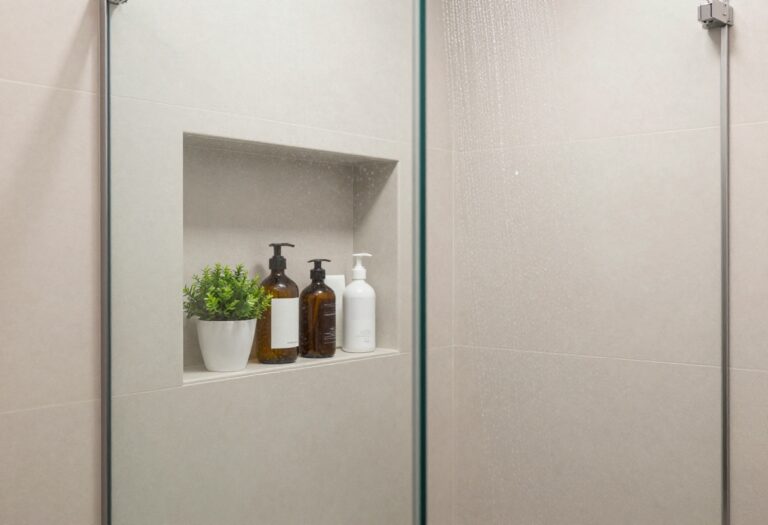
Tired of juggling bottles in the shower? Recessed niches are the quiet heroes of a well-organized corner shower. They keep everything within arm's reach without adding visual clutter, so your space stays sleek and spa-like.
Built-in niches are more than just a spot to stash your shampoo. They can be designed to match your tile perfectly, creating a seamless look that feels custom. Plus, they free up floor space and eliminate the need for bulky caddies that can make a small shower feel cramped.
Whether you want a single tall niche for body wash or a series of small cubbies for the whole family, the options are endless.
Placement And Sizing Tips
Think about where you naturally reach when you're in the shower. A niche around chest height is usually comfortable, but you might want a lower one for shampoo and a higher one for a razor. Size matters too—too small and you'll be knocking bottles over, too large and it can look like a cave.
A good rule of thumb is to make it at least 12 inches tall and wide, but adjust based on what you actually use.
Styling With Tile And Trim
The beauty of a niche is that it can blend in or stand out. For a seamless look, use the same tile as your shower walls and align the grout lines. If you want a focal point, consider a contrasting tile or a decorative mosaic on the back wall.
Adding a subtle ledge or a slim metal edge can give it a polished, finished feel.
Lighting And Depth Considerations
A well-placed niche can also be a spot for a small light fixture, adding a warm glow and highlighting your products. Depth is key—too shallow and bottles will stick out, too deep and they'll get lost. A depth of about 3 to 4 inches works for most standard bottles.
And don't forget to angle the bottom slightly so water doesn't pool.
5. Corner Shower with Rainfall Showerhead
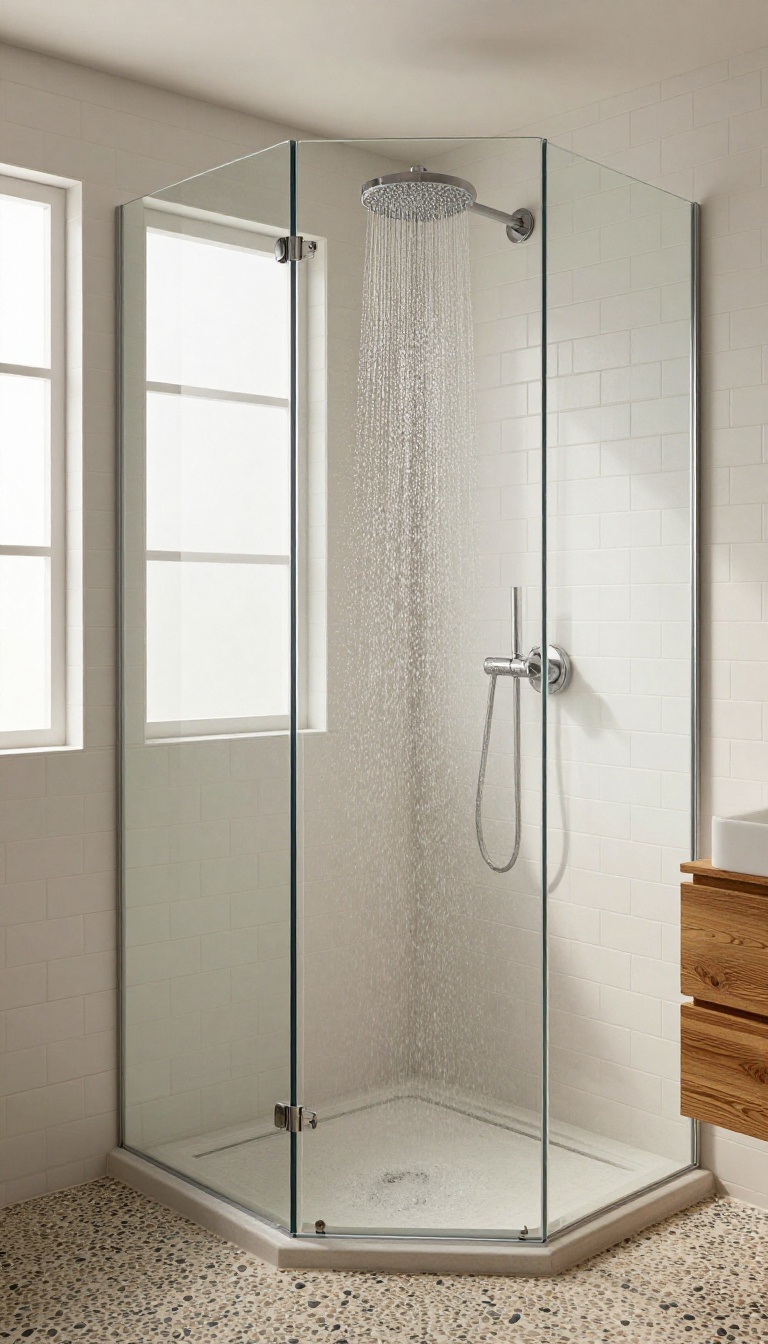
A rainfall showerhead can make a corner shower feel like a personal spa. Mounted directly overhead, it delivers a steady, gentle cascade that mimics natural rain. It's a simple upgrade that adds a touch of luxury without complicating the layout.
The beauty of a rainfall showerhead in a corner shower is how it fills the space. Because the shower is tucked away, the overhead fixture becomes the focal point, drawing the eye upward and making the area feel more open. It also pairs well with the clean lines of a corner design, keeping the look uncluttered.
Choosing The Right Size
Rainfall showerheads come in various diameters, typically from 8 to 12 inches. For a corner shower, a larger head can feel more immersive, but make sure it doesn't overpower the space. Measure your shower's ceiling and consider the water pressure in your home—some larger heads need higher pressure to perform well.
Mounting Options
You can mount the showerhead directly into the ceiling or use an extended arm to position it over the center of the shower. Ceiling mounting is sleek and minimal, while an arm gives you flexibility to adjust the angle. In a corner shower, an arm can also help direct water away from the entrance to keep the floor dry.
Pairing With A Handheld Sprayer
A rainfall showerhead is great for a relaxing rinse, but it's not always practical for tasks like cleaning the shower or rinsing off after a workout. Adding a handheld sprayer on a slide bar gives you flexibility. It's a practical combo that many homeowners appreciate, especially in a corner shower where space is at a premium.
6. Corner Shower with Subway Tile Accent Wall
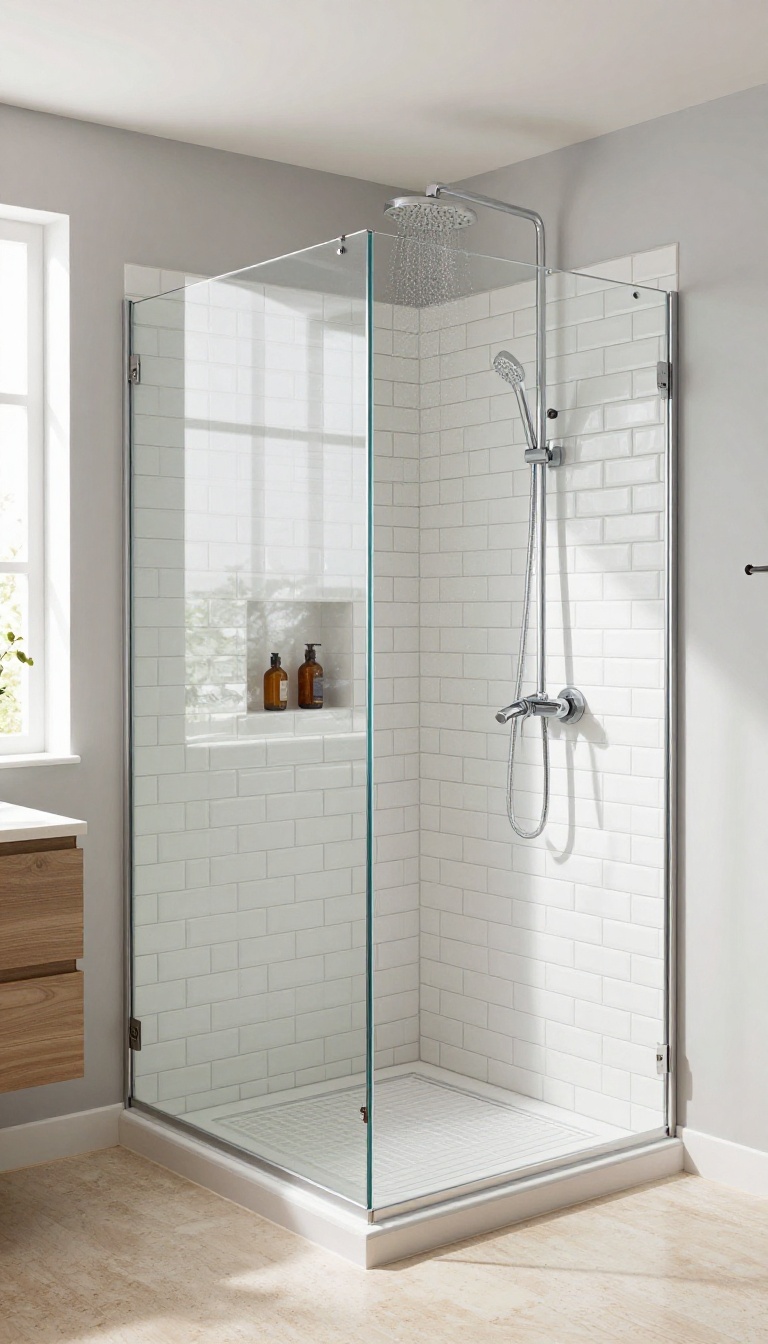
Subway tile has been a bathroom staple for over a century, and it's still going strong. It's clean, timeless, and works with just about any style. When you use it on a single accent wall in a corner shower, it creates a crisp focal point that draws the eye without overwhelming the space.
Pairing subway tile with a corner layout also helps define the shower area, making it feel intentional and custom. You can play with color, grout, and layout to match your bathroom's vibe—whether that's classic, modern, or somewhere in between.
An accent wall of subway tile is a simple way to add character to a corner shower. The long, rectangular tiles naturally guide the eye, making the space feel larger and more organized. You can keep it classic with white tiles and dark grout for a bold grid, or go for a softer look with matching grout and a subtle color variation.
One of the best things about subway tile is its versatility. You can lay it in a traditional brick pattern, a vertical stack, or even a herringbone design for extra flair. The choice of grout color also changes the whole feel—dark grout adds contrast and definition, while light grout keeps things seamless and airy.
For a corner shower, an accent wall is often the wall opposite the entry or the one behind the showerhead. This makes it the first thing you see when you step in, creating a nice visual anchor. You can also use the accent wall to hide plumbing fixtures or create a built-in niche for shampoo and soap.
Choosing The Right Subway Tile
Subway tile comes in a range of sizes, from the classic 3×6 inches to larger formats like 4×12 or even 6×18. Larger tiles mean fewer grout lines, which can make a small shower feel more open. Smaller tiles add more texture and detail.
Think about the overall look you want: crisp and minimal or busy and traditional. Material matters too. Ceramic and porcelain are the most common and budget-friendly.
Glass subway tile adds a touch of luxury and reflects light beautifully, but it can be trickier to install. Natural stone like marble or travertine brings a high-end feel but requires more maintenance and a higher budget.
Grout Color And Pattern Ideas
Grout color is a big deal with subway tile. White tile with dark gray or black grout gives a classic, high-contrast look that’s very popular. It also helps hide dirt and soap scum.
If you prefer a more seamless, modern feel, choose a grout that matches the tile color—this makes the wall look almost like a solid surface. For pattern, the standard brick layout is always safe. But you can also try a vertical stack for a contemporary twist, or a herringbone pattern for a more dynamic look.
A corner shower with a herringbone accent wall can become the star of the bathroom. Just keep in mind that more complex patterns require more cutting and a skilled installer.
Finishing Touches
Once your accent wall is in, think about the rest of the shower. A simple glass door lets the tile shine, while a frameless design keeps the focus on the wall. You can also add a floating shelf or a built-in niche in the same tile to keep things cohesive.
Lighting is another key factor. A well-placed recessed light or a small pendant can highlight the texture of the tile and create a warm, inviting glow. And don’t forget the shower fixtures—a matte black or brushed nickel finish can complement the tile and tie the whole look together.
7. Corner Shower with Glass Block Wall
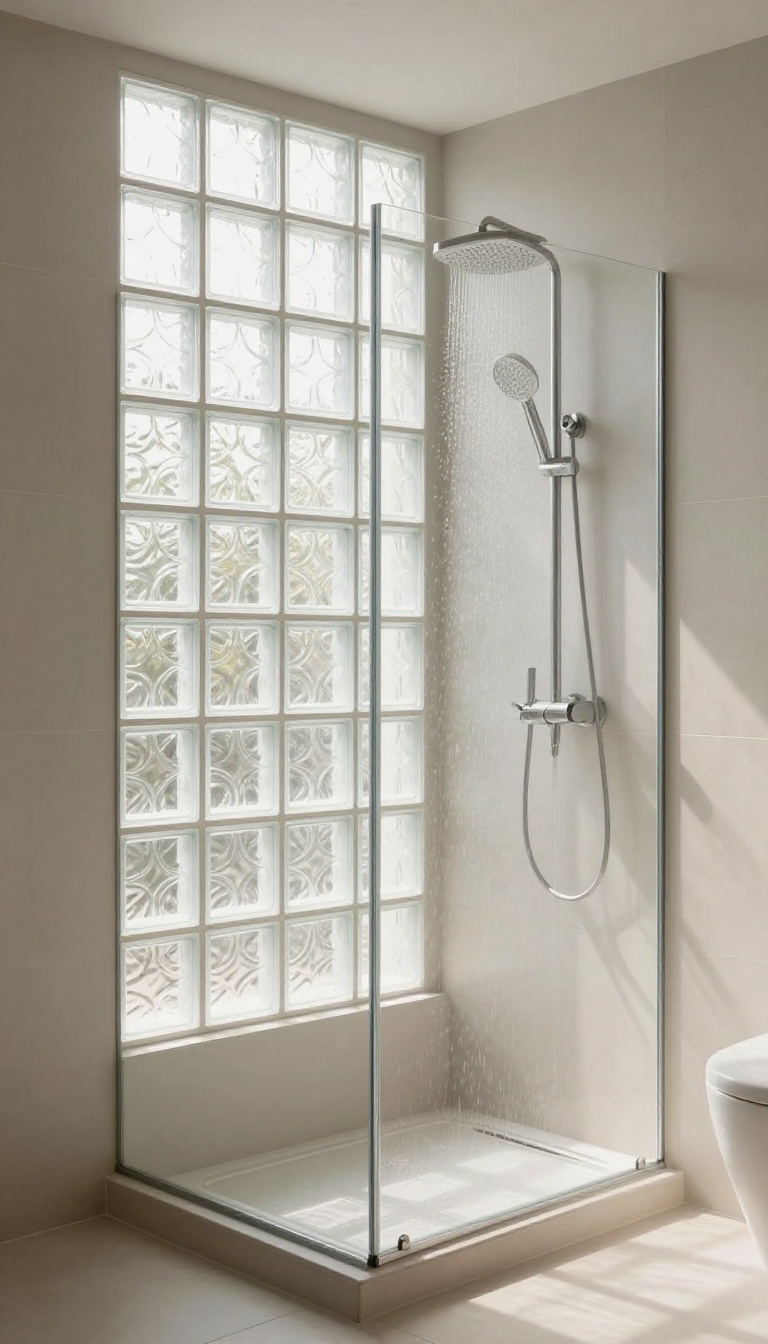
Glass block walls are having a quiet comeback, and for good reason. They let daylight pour in while keeping the shower private—no curtains or frosted film needed. In a corner layout, a glass block wall can turn a once-dark nook into a bright, open-feeling space.
A glass block wall works especially well when your shower sits near an exterior wall or a window. The blocks diffuse sunlight, so the space feels airy without sacrificing modesty. Plus, the texture adds visual interest that plain tile or drywall can't match.
Why Glass Blocks Work In Corners
Corner showers often feel closed off, especially if you box them in with solid walls. Glass blocks break up that heaviness. They let you see light and shadows moving through the space, which makes the whole bathroom feel larger.
And because they're thick and sturdy, they also help with sound insulation—nice if you're showering while others are sleeping.
Choosing The Right Block Pattern
Not all glass blocks are the same. Clear blocks give you the most light transmission, while frosted or textured options offer more privacy. You can also play with the pattern—stack them in a grid for a classic look, or stagger them for a more modern feel.
Some homeowners mix glass blocks with a strip of tile or a niche to add contrast.
Installation And Maintenance Tips
Glass block walls are heavier than standard tile, so they need proper support. That means a solid base and reinforced mortar joints. If you're not confident in DIY, hire a pro who's done glass block work before.
Cleaning is simple—just wipe with a squeegee and mild soap. Avoid harsh chemicals that can cloud the surface over time.
8. Corner Shower with Mosaic Tile Floor
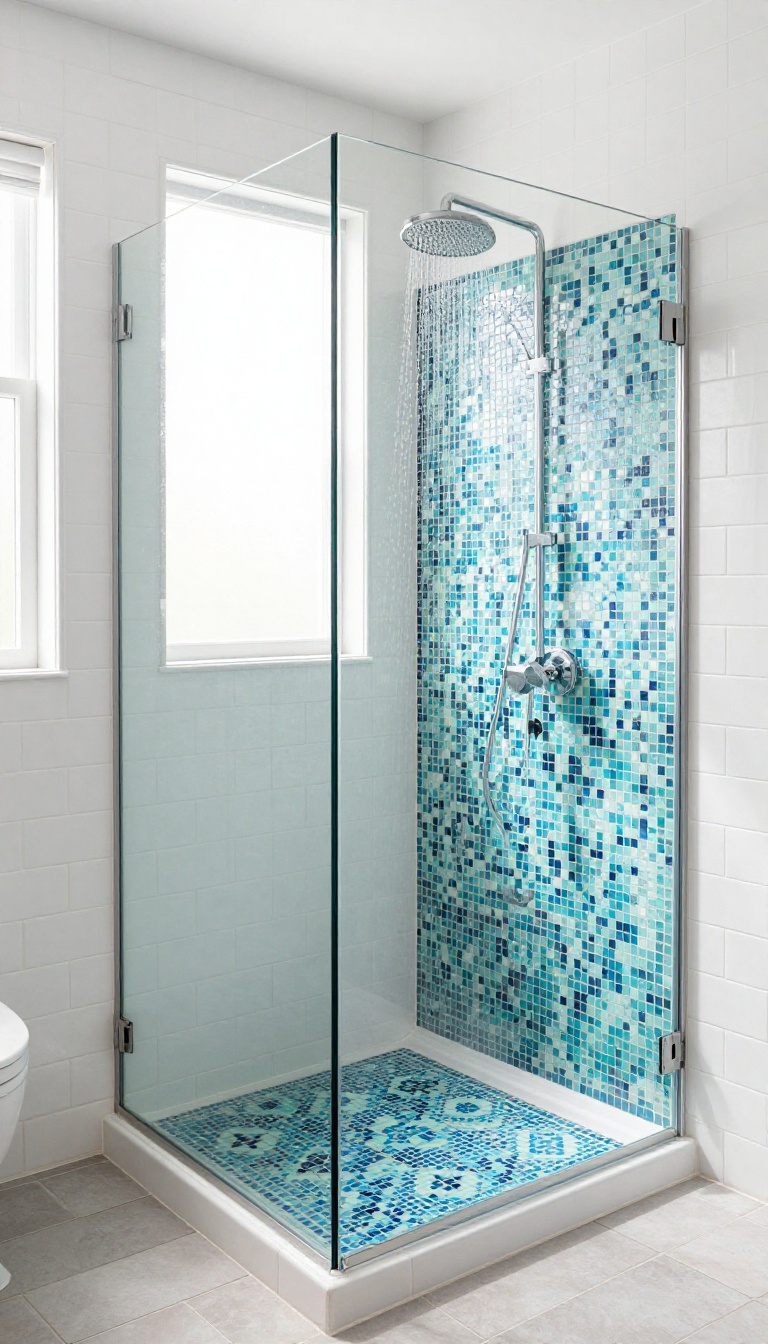
Mosaic tiles are like jewelry for your shower floor. They bring color, pattern, and a handcrafted feel that plain tiles just can't match. In a corner shower, the floor becomes a focal point, drawing the eye and adding personality to the whole space.
A mosaic tile floor is a fantastic way to make your corner shower feel custom and artistic. The small tiles can form intricate patterns, from subtle gradients to bold geometric designs, and they come in a huge range of materials—glass, ceramic, stone, or a mix. Because they're small, they also conform easily to the curved or angled corners of a walk-in shower, creating a seamless, polished look.
Beyond looks, mosaic floors are practical. The many grout lines provide excellent traction, making them slip-resistant—a key safety feature in a wet shower. And with proper sealing, they're durable and easy to clean.
Whether you want a spa-like zen vibe or a vibrant pop of color, a mosaic floor can set the tone.
Choosing The Right Mosaic
Think about the overall color scheme and style of your bathroom. For a calming feel, go with natural stone in earthy tones or soft blues and greens. If you want a bold statement, pick a patterned mosaic with contrasting colors—like black and white or navy and gold.
Also consider the size of the mosaic sheets; larger sheets are easier to install, while smaller pieces allow for more intricate designs.
Pattern Ideas That Work
A classic herringbone or chevron pattern adds a touch of elegance and can make the floor appear larger. A random blend of colors gives a playful, organic look. Or, try a border effect where the mosaic forms a contrasting frame around the floor.
For a truly custom feel, mix different mosaic styles in the same color family.
Installation And Maintenance Tips
Hire a professional for the installation, especially if the pattern is complex. Make sure the substrate is level and waterproofed properly. After installation, seal the grout and tiles to protect against moisture and stains.
For daily cleaning, a mild, pH-neutral cleaner is best—avoid harsh chemicals that can damage the grout or finish.
9. Corner Shower with Double Showerheads
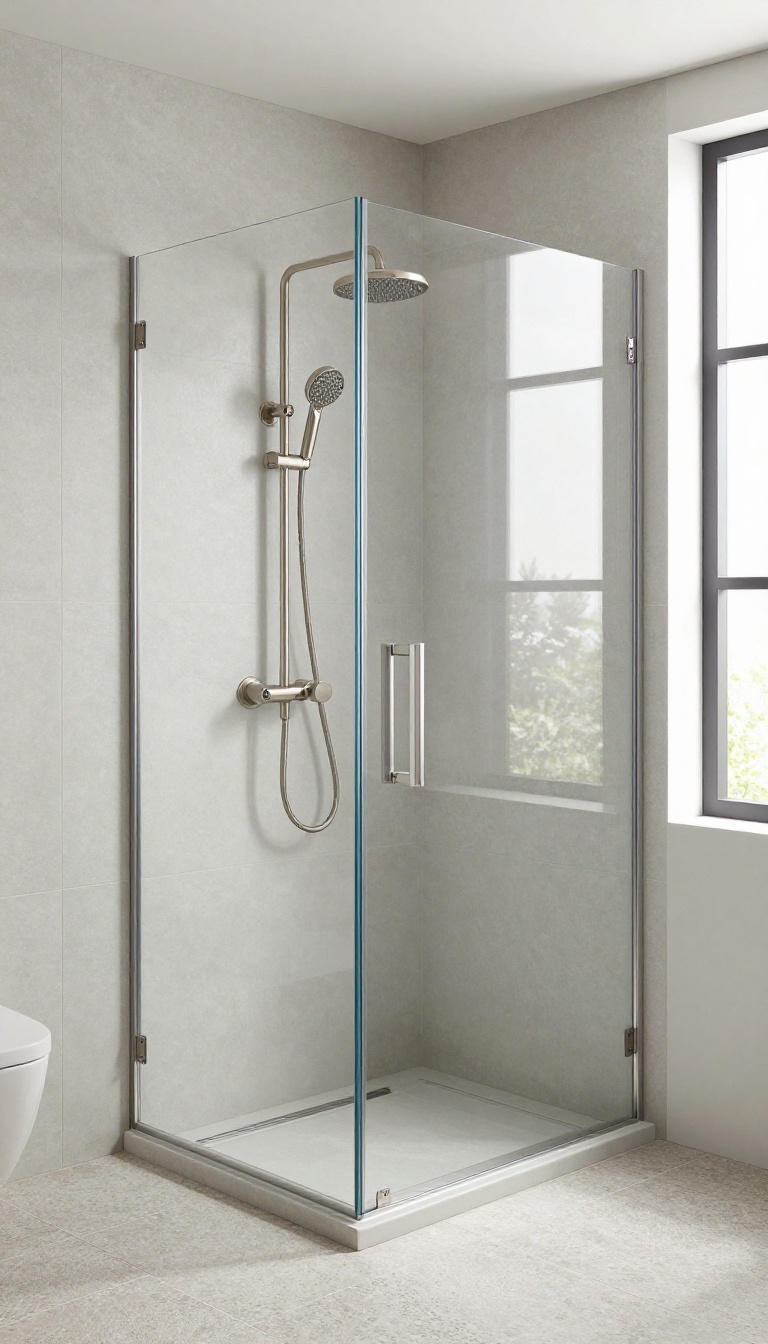
Morning rush or evening wind-down, sharing a shower can be a logistical puzzle. A corner shower with two showerheads solves that by giving each person their own space without sacrificing the intimacy. It's a practical upgrade that adds a touch of luxury to your daily routine.
When you install two showerheads in a corner shower, you're not just adding a feature; you're changing how you use the space. The corner layout naturally creates two distinct zones, so you can each have your own water pressure and temperature. It's a simple idea that makes a big difference in how a bathroom feels.
Choose The Right Showerheads
Not all showerheads are created equal for a double setup. Look for models with individual shut-off valves so you can use one at a time when you're solo. Consider a mix of a fixed rainfall head and a handheld for versatility.
This combo lets one person enjoy a drenching rain while the other rinses off quickly.
Placement And Plumbing
The placement of the showerheads is crucial. Mount them on adjacent walls, angled slightly toward the center of the shower. This prevents water from spraying directly at the glass door and keeps the floor less slippery.
You'll need a plumber to run separate supply lines, so factor that into your budget. Plan for a thermostatic valve to maintain a steady temperature even when both are running.
Add A Built-in Bench
A corner bench is a natural companion to a double showerhead setup. It gives you a spot to sit while you shave your legs or just relax under the warm water. Build it from the same tile as the shower floor or use a contrasting material for a custom look.
A bench also adds a spa-like feel that makes the shower feel more like a retreat.
10. Corner Shower with Wood-Look Tile
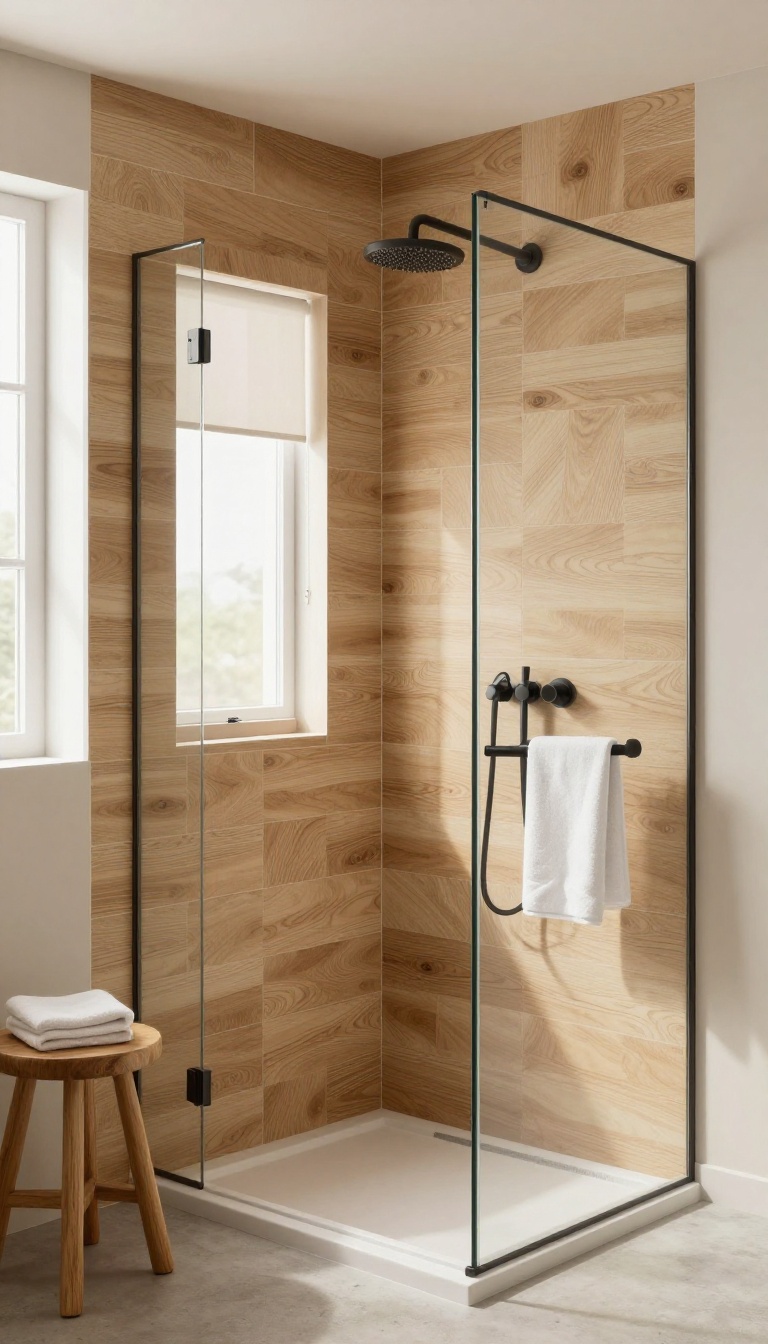
Not everyone wants a cold, sterile bathroom. If you're craving warmth and a touch of nature, wood-look tile is a game-changer. It gives you the cozy feel of a spa without the upkeep of real wood, making it a smart pick for a corner shower that feels both inviting and practical.
Wood-look tile is exactly what it sounds like—porcelain or ceramic tile that mimics the look of real wood planks. It's available in a range of shades, from pale oak to rich walnut, so you can dial in the vibe you want. Because it's tile, it handles moisture like a champ, won't warp or rot, and cleans up with a simple wipe.
That's a solid trade-off for the natural look you're after.
Why Choose Wood-look Tile?
Real wood in a shower is a disaster waiting to happen—it swells, stains, and grows mold. Wood-look tile gives you the same visual warmth without any of the headaches. It's also more slip-resistant than polished stone, which is a bonus when you're stepping out wet.
Plus, it pairs beautifully with other natural materials like stone or concrete, so you can build a layered, earthy design.
Design Ideas For Your Corner Shower
Go for a herringbone pattern on the main wall to add visual interest, or keep it simple with horizontal planks that make the space feel wider. If you're feeling bold, use a darker wood tone on one accent wall and lighter shades elsewhere. You can also mix wood-look tile with matte black fixtures for a modern edge, or with brushed brass for a more classic feel.
Installation Tips To Keep In Mind
Make sure your tile is rated for floors and walls—some wood-look tiles are only for walls, so check the specs. Use a dark grout to hide dirt and create a seamless look, and consider a matte finish to mimic real wood's texture. Also, think about the layout: longer planks can make the shower feel more expansive, while shorter ones add a cozy, cabin-like charm.
11. Corner Shower with Curbless Entry
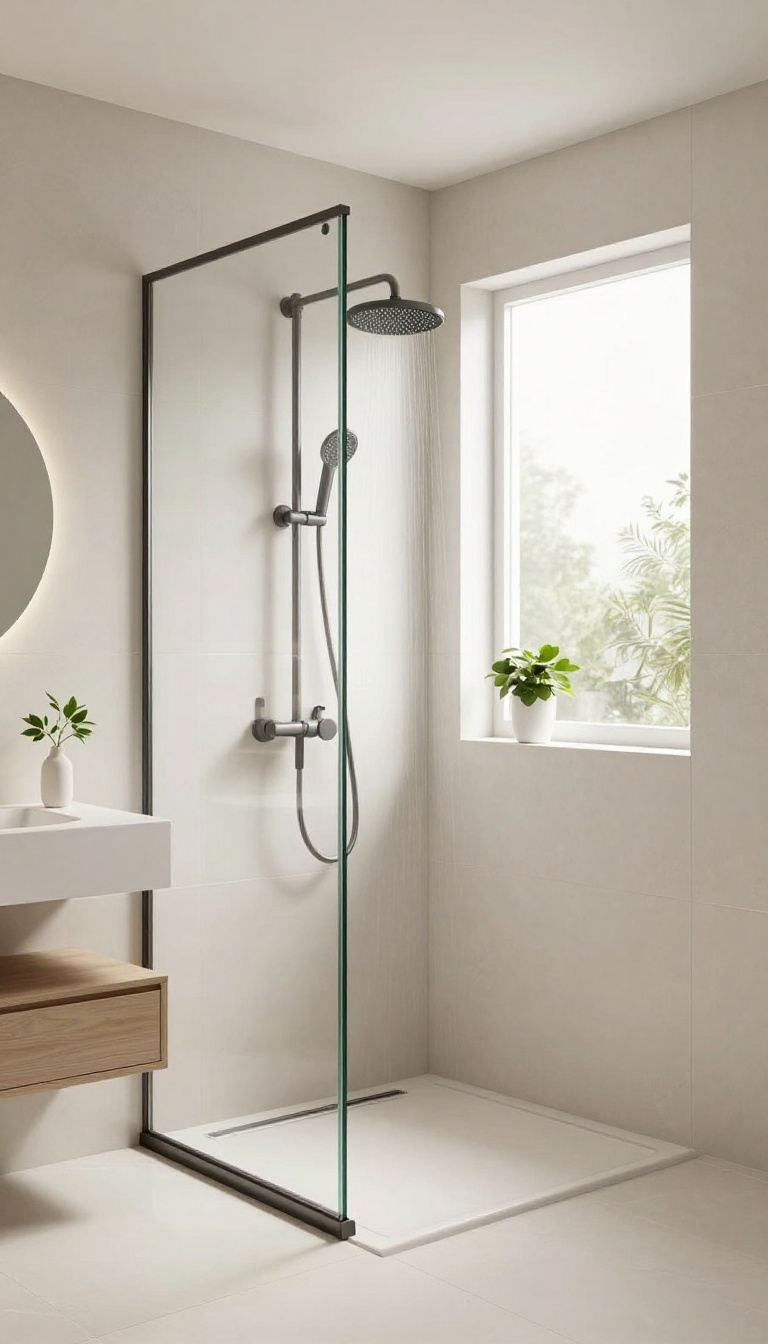
Stepping into a shower without a step to climb over changes the whole feel of the room. A curbless entry does exactly that, creating a seamless flow from the bathroom floor right into the wet area. It's a design choice that instantly makes a corner shower feel more open, modern, and effortless to use.
The magic of a curbless corner shower lies in its simplicity. By eliminating the traditional threshold, you remove a visual barrier that often makes small bathrooms feel chopped up. The continuous flooring—whether it's tile, stone, or luxury vinyl—extends right into the shower, tricking the eye into seeing a larger, more unified space.
This design is also a practical win for anyone with mobility concerns, as there's no lip to trip over or navigate with a wheelchair or walker. But don't think it's only for accessibility; a curbless entry adds a sleek, spa-like touch that elevates any bathroom's style.
The Slope Matters More Than You Think
Since there's no curb to contain water, the floor needs to be pitched perfectly toward the drain. This is where professional installation becomes crucial. The shower floor should slope gently—usually about 1/4 inch per foot—so water flows away without pooling.
You'll also need a linear drain or a center drain positioned to work with that slope. It's a detail you won't notice when it's done right, but you'll definitely notice if it's done wrong.
Open Glass Or No Glass At All
With a curbless entry, you have a few options for keeping water in. A single frameless glass panel is a popular choice—it blocks splashes while maintaining that open, airy feel. Or, you can go completely glass-free with a wet-room style, where the entire bathroom is waterproofed.
That's a bolder look, but it requires careful planning to make sure everything stays dry. For most people, a glass panel strikes the right balance between openness and practicality.
Tie The Flooring Together
To really sell the seamless look, use the same flooring material inside and outside the shower. Large-format tiles or continuous natural stone minimize grout lines and visual interruptions. If you want a bit of distinction, you can add a subtle accent strip or a slightly different tile pattern inside the shower, but keep it subtle.
The goal is to make the shower feel like a natural extension of the room, not a separate box.
FAQ
What is the minimum size for a corner walk-in shower?
A corner walk-in shower should be at least 36 inches by 36 inches to feel comfortable. However, 42 inches by 42 inches is recommended for a more spacious experience.
Do corner walk-in showers need a door?
Not necessarily. Many corner walk-in showers are designed with a fixed glass panel and a large opening, eliminating the need for a door. This can make the shower feel more open and accessible.
How can I prevent water from splashing out of a corner walk-in shower?
To minimize splashing, ensure the shower has a slight slope toward the drain, use a shower curtain or glass panel on the open side, and consider a rain showerhead that directs water downward.
What is the best flooring for a corner walk-in shower?
Textured tile, pebble, or mosaic flooring is ideal because it provides slip resistance. Natural stone and porcelain tiles are popular choices for durability and aesthetics.
Can I install a corner walk-in shower in a small bathroom?
Yes, corner walk-in showers are actually a great solution for small bathrooms. They utilize corner space efficiently and can make the room feel larger, especially with frameless glass and light colors.
Conclusion
A corner walk-in shower is a smart way to make the most of an awkward space while adding a clean, custom feel to your bathroom. The ideas here range from simple glass panels to bold tile choices, so you can pick what matches your style and budget. Start with the layout that fits your floor plan, then layer in details like niches or benches.
Even one small change can make the corner feel intentional. Choose what works for your routine, and the rest will follow naturally.