11 Pink Living Room Ideas for Apartments with Cozy Style
A small apartment living room can start feeling flat fast, especially when every wall is white and every piece of furniture plays it safe. Pink fixes that without turning your space into a nursery, as long as you pick the right shades and place them with a little intention. Soft blush and dusty rose warm up a room that gets almost no natural light.
Hotter pinks work better as accents, so a single sofa or rug carries the color while everything else stays calm. The trick is balance, not commitment to a theme.
These eleven ideas cover walls, textiles, lighting, and storage, all sized for apartment layouts. Start with one that fits your budget and build from there.
1. Blush Pink Walls for a Soft, Airy Feel
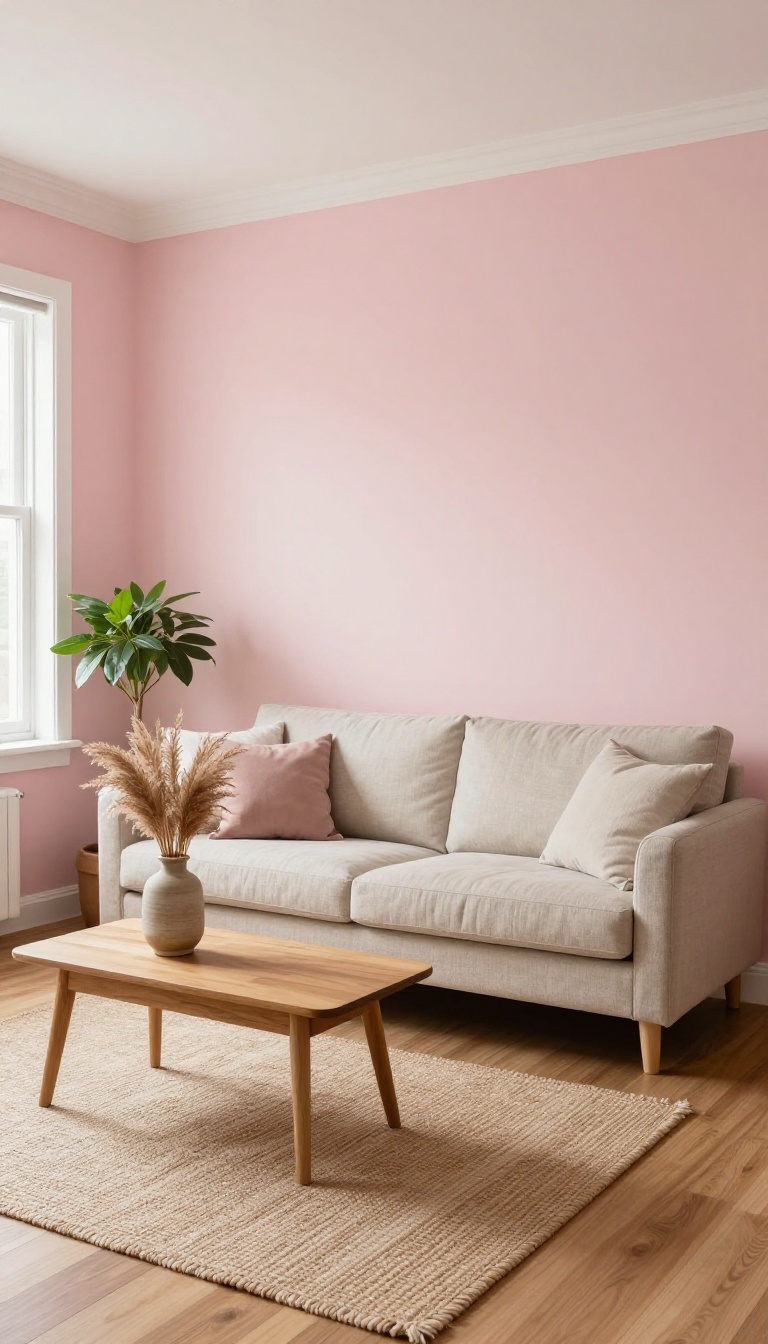
Blush pink walls might sound bold, but the right shade acts more like a neutral with a warm heartbeat. It bounces light around a small apartment instead of soaking it up, which makes tight living rooms feel open and calm. The key is choosing a soft, dusty version rather than a candy pink that screams for attention.
Once the walls are done, the rest of the room gets easier. Furniture you already own suddenly looks intentional, and you need fewer accessories to make the space feel finished. It's one of the fastest ways to shift a plain rental from cold to cozy without a full overhaul.
Blush pink sits in that sweet spot between beige and full-on pink, so it plays well with almost any style. In apartments with limited square footage, that versatility matters. You get warmth without visual weight, and the color reflects light in a way that makes ceilings feel higher and corners feel less cramped.
The trick is matching the shade to your light. North-facing rooms with cool, gray light need a blush with a hint of peach or coral to keep things from going icy. South-facing rooms flooded with warm sun can handle a cooler, dustier pink without turning orange.
Test a few samples on different walls before you commit. Finish matters too. Matte or eggshell paint hides wall imperfections and gives that soft, chalky look that reads as cozy.
A satin finish is easier to wipe down but can look a little shiny under apartment lighting, so save it for trim or high-traffic spots. Pair blush walls with white trim and warm wood tones, and the whole room feels like a deep breath.
Pick The Right Shade For Your Light
North-facing rooms need a blush with peach or coral undertones to counteract cool gray light. South-facing rooms can handle a dustier, cooler pink without turning too warm. Grab sample pots and paint big swatches on at least two walls, then watch them at morning, afternoon, and night before deciding.
Pair It With Warm Neutrals
Blush pink looks best when it has something soft to lean on. Cream, oatmeal, and warm gray keep the room from feeling too sweet. Add natural textures like rattan, linen, or light wood to ground the color and make it feel grown-up rather than childish.
Keep The Finish Soft And Matte
Matte or eggshell finishes give blush pink that velvety, light-diffusing quality that makes small rooms feel airy. Save satin or semi-gloss for trim and doors. If you rent and can't paint, peel-and-stick wallpaper in a subtle blush texture can fake the same effect.
2. Pink Accent Wall Behind the Sofa
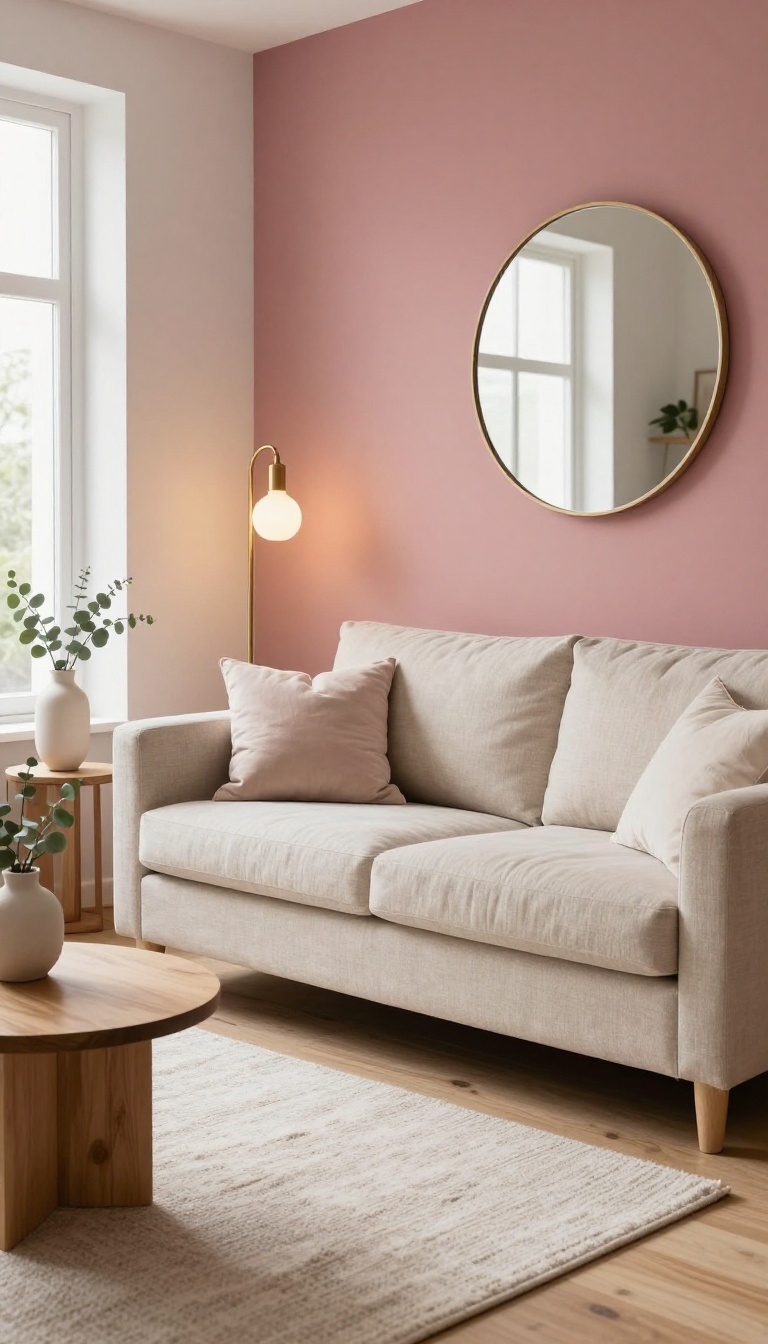
Painting all four walls pink takes guts, but one accent wall behind your sofa is a different story. It draws the eye to the seating area and adds depth without shrinking the room. Renters can pull this off with removable wallpaper, no landlord drama required.
The wall behind your sofa is prime real estate because it frames the main hangout spot. A soft pink or dusty rose gives that corner a focal point that feels intentional, not accidental. It also breaks up the boxy feel of a small apartment living room.
Pick The Right Pink For Your Light
North-facing rooms stay cool, so go warmer with blush or peach undertones. South-facing rooms can handle cooler pinks like mauve or rose without turning icy. Test a swatch on the wall for a full day before you commit.
Renter-friendly Ways To Do It
Removable wallpaper is your best friend here. Look for peel-and-stick options with a matte finish so they look painted, not glossy. Clean the wall first, press firmly, and smooth out bubbles with a squeegee as you go.
Style Around Your New Backdrop
Keep the sofa neutral if the pink is bold, or go for a deeper pink sofa if the wall is pale. Add a large mirror or a pair of prints to break up the color block. A floor lamp with a warm bulb makes the pink glow at night.
3. Layered Pink Textiles for Instant Coziness
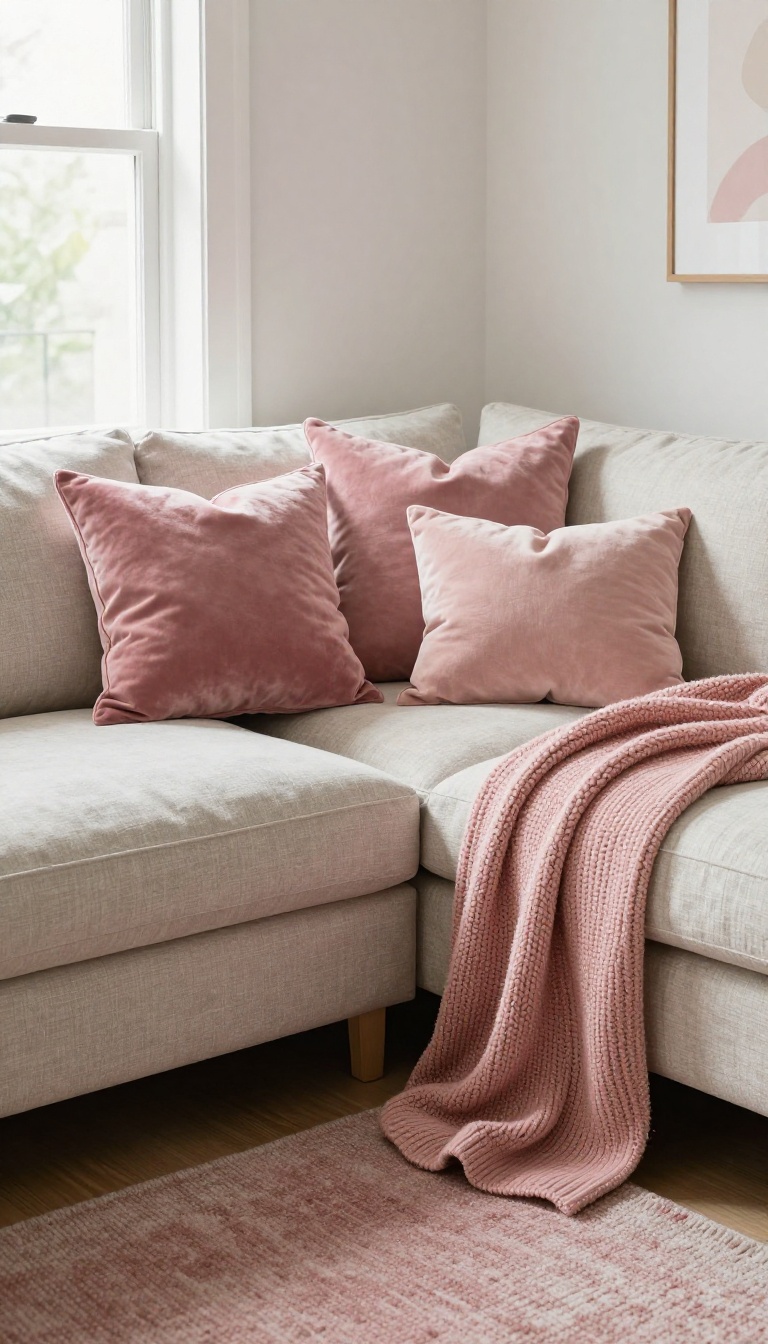
Textiles do the heavy lifting when you want a pink living room that feels cozy instead of styled to death. They add softness, absorb sound, and let you test a shade before you commit to paint or furniture. The trick is layering different textures in the same pink family so the color reads as intentional, not accidental.
Start with a base layer on the floor, then build up. A pink rug anchors the seating area and gives your eye a place to land. From there, add throws and pillows in shades that are close but not identical.
The mix of matte, fuzzy, and woven surfaces keeps the room from looking like a single blob of color.
Start With A Pink Rug
A rug is the easiest way to introduce pink without painting a thing. Look for low-pile or flatweave styles if your apartment gets heavy foot traffic, since they vacuum clean and don't shed. A dusty rose or muted mauve rug under a neutral sofa instantly warms the floor and ties mismatched furniture together.
If you rent and can't change flooring, this is your best move.
Mix Throw Pillows In Different Textures
One pink pillow looks lonely. Three or four in different fabrics look collected. Pair a smooth velvet pillow with a nubby boucle or a linen blend, and keep the pinks within two shades of each other.
A 20-inch square behind a 16-inch lumbar gives you depth without crowding the couch. Rotate them seasonally so the room feels fresh without a full redesign.
Add A Chunky Throw For Warmth
Drape a chunky knit or chenille throw over the arm of your sofa or the back of a reading chair. A soft blush or warm rose throw invites you to sit down and actually use the room. Keep it within arm's reach of your usual spot, because cozy textiles only work if they're easy to grab.
Fold it loosely instead of perfectly, so it looks lived-in.
Layer Curtains And Blankets For Softness
If your windows feel bare, hang pink curtains in a lightweight fabric like cotton or linen. They filter light and add a soft vertical line that makes low ceilings feel taller. A pink blanket folded at the foot of an ottoman or bench repeats the color at a lower level.
That repetition is what makes the layering look deliberate.
4. Pink Sofa as a Statement Piece
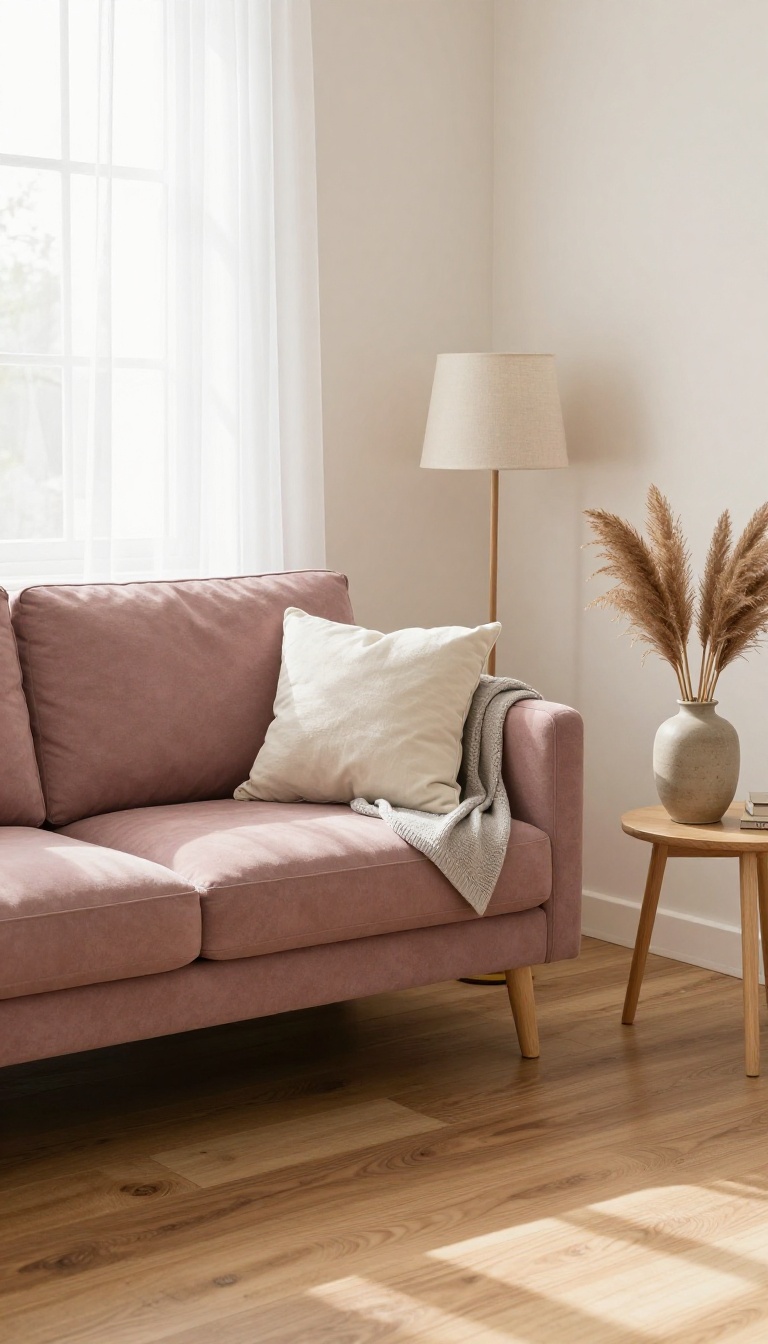
A pink sofa does the decorating for you. It fills the room with color, gives the eye somewhere to land, and makes a small apartment living room feel designed rather than defaulted. The trick is picking a muted tone, so the sofa reads as warm and grown-up instead of candy-shop loud.
In a compact space, one big piece carries more weight than five small ones. A sofa in dusty rose, blush, or soft mauve anchors the whole layout and lets everything else stay quiet. You get a focal point without crowding the floor plan.
Muted pinks work best here because they sit between neutral and colorful. They play nicely with cream walls, warm wood, and the gray light that small apartments tend to get. A hot pink sofa can work too, but it demands a lot from a tight room.
Pick A Shade That Plays Nice
Dusty rose and blush are the safest bets for a small apartment. They flatter almost any wall color and don't fight with the rest of your furniture. Mauve leans slightly purple, which adds depth and looks great against warm whites.
If your floors are dark, go lighter. If your floors are pale, you can handle a deeper rose. Skip neon or bubblegum pink unless you truly love it.
Those shades overwhelm a small room fast and leave you stuck with matching everything else.
Scale It To Your Space
Measure twice before you buy. A sofa that eats the whole wall leaves no room for a side table or floor lamp, and that kills the cozy feeling you're after. A two-seater or a slim three-seater usually fits apartment living rooms best.
Look for low backs and exposed legs, which keep the silhouette light and let the floor show through. If your room is really tight, a loveseat plus one accent chair beats a full-size sofa every time.
Let The Sofa Lead The Rest
Once the sofa is in, treat it as your color source. Pull one or two tones from it into a rug, a throw, or a couple of cushions, then stop. Keep walls, curtains, and big furniture neutral.
Cream, oatmeal, and soft gray give the pink room to breathe instead of competing with it. Add a warm wood coffee table and a textured throw blanket. That mix of soft color and natural material is what makes the room feel cozy instead of staged.
5. Pink and Neutral Color Palette
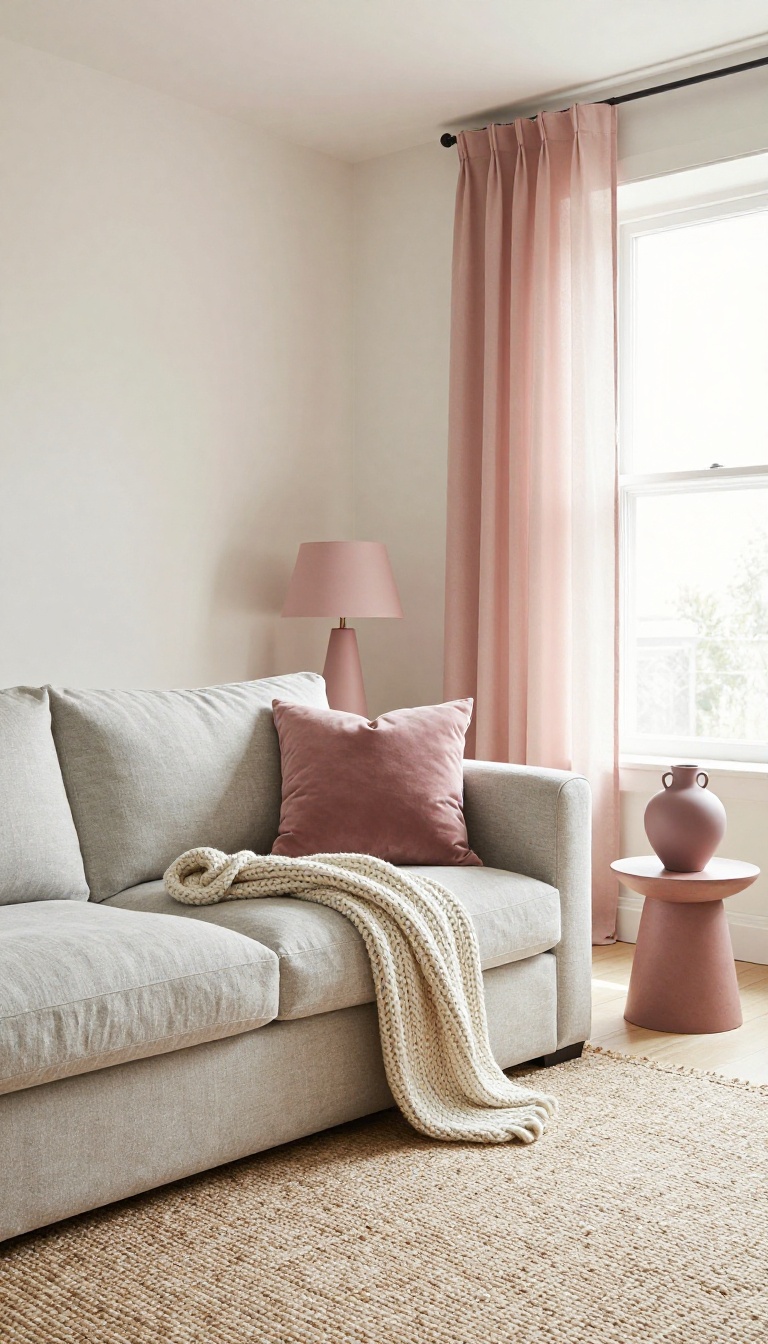
Pink gets a bad rap for being overly sweet, but that changes the second you pair it with neutrals. Whites, grays, and beiges act like a calming filter, letting the pink add warmth without taking over the room. The result feels grown-up, layered, and surprisingly easy to live with.
The trick is to treat pink as one note in a bigger song. Neutrals handle the heavy lifting—walls, large furniture, rugs—while pink shows up in smaller doses or softer tones. That way, your apartment looks intentional, not like a candy shop exploded.
You also get more flexibility when you want to swap accessories later.
Pick Your Neutral Base First
Start with the biggest surfaces: walls, sofa, and rug. A warm white or soft greige keeps things airy and lets pink read as a deliberate accent. Cool grays work too, but they can make pink look a little sharper—great if you want a modern edge.
Choose A Pink That Plays Nice
Blush, dusty rose, and muted mauve blend seamlessly with beige and gray. Hot pink or fuchsia? Use it sparingly—think a throw pillow or a small lamp—so it pops against the calm backdrop.
The 80/20 rule works wonders here: 80% neutral, 20% pink.
Layer Textures To Add Depth
Neutrals can fall flat without texture. Mix a chunky knit throw, a smooth ceramic vase, and a woven jute rug. Pink looks richer when it sits next to different materials, and the room feels cozier without adding more color.
Balance Warm And Cool Tones
If your pink leans warm (peachy), balance it with cool gray or crisp white. If it leans cool (dusty rose), warm it up with beige or cream. This back-and-forth keeps the palette from feeling one-dimensional.
6. Pink Lighting and Lamps for Warmth
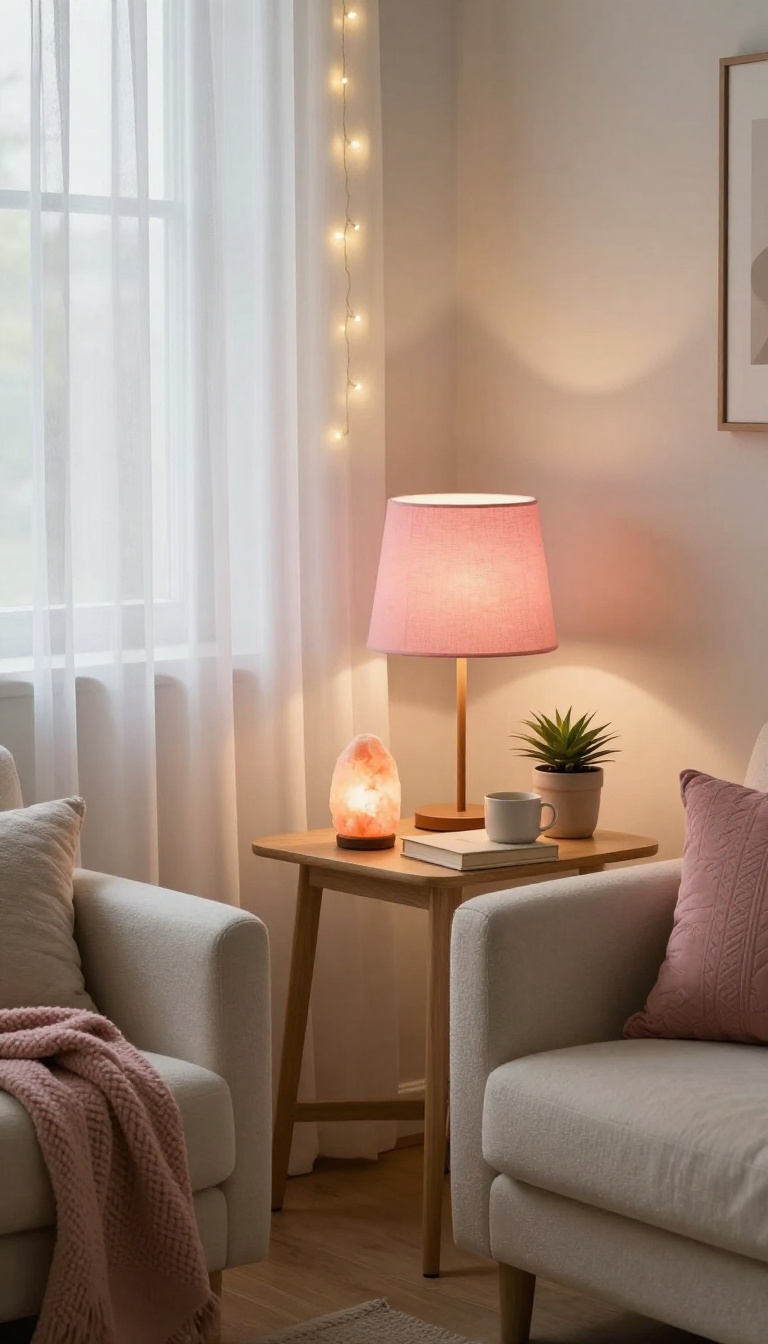
Lighting sets the mood in any room, and pink light does something special. It softens shadows, warms up corners, and makes evenings feel like a hug. In a small apartment, a few well-placed pink lamps can transform your living room from plain to cozy without a single can of paint.
The key is to mix pink light sources with warm bulbs. You want a glow that flatters skin tones and makes you want to curl up with a book. Overhead lights are usually too harsh for this vibe, so aim for layered lighting at different heights.
Start by swapping out your main lampshades for pink ones. A blush linen shade on a table lamp casts a soft, rosy light that feels intimate. If you have a floor lamp, try a dusty rose shade in a drum shape.
It spreads light evenly and adds a gentle pop of color even when the lamp is off. Warm bulbs are non-negotiable. Look for bulbs in the 2200K to 2700K range.
They emit a golden, almost candle-like light that pairs beautifully with pink shades. Avoid cool white or daylight bulbs—they kill the cozy factor instantly. Don't forget accent lighting.
A small pink salt lamp on a side table gives off a warm, amber glow that's perfect for winding down. String lights with pink bulbs tucked behind a sheer curtain add a magical touch without looking childish. Just keep the cords tidy with clips or cable sleeves.
Pick The Right Shade
Fabric shades in blush, rose, or mauve diffuse light softly. Avoid glossy or metallic shades—they create harsh reflections. A textured shade, like linen or burlap, adds depth and looks more expensive than it is.
Layer Your Lighting
Combine a table lamp, a floor lamp, and maybe a wall sconce. Each layer adds warmth and function. Put them on separate switches or smart plugs so you can control the mood.
Dimmer switches are a game-changer for evening ambiance.
Add A Pink Glow Anywhere
Battery-operated pink fairy lights fit inside a glass jar or vase. They're renter-friendly and add a subtle glow to shelves or mantels. Use them as a nightlight or a gentle background light while watching TV.
7. Pink Art and Wall Decor
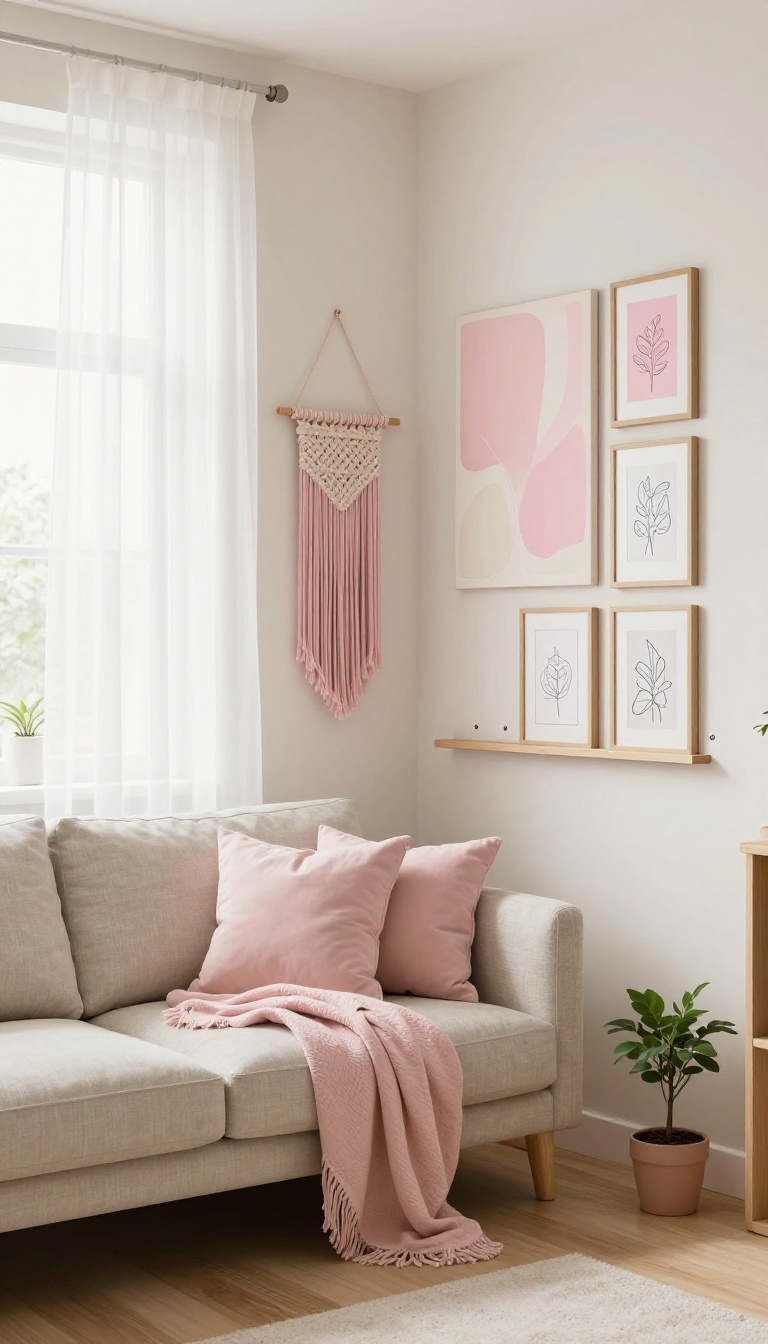
Art gives you a way to bring pink into the room without buying a single piece of furniture. A framed print, a canvas, or even a fabric wall hanging can carry the color and pull your existing pieces together. It is the lowest-risk move on this list, and it is easy to swap out when your taste shifts.
Wall decor also fills the awkward gaps that apartment layouts tend to create. That empty stretch above the sofa or beside the window looks intentional once something pink hangs there. You get personality and color in one step, and you can take it with you when you move.
Start With One Statement Piece
One large print makes more impact than five small ones scattered around the room. A single abstract canvas in blush and cream above the sofa anchors the whole seating area. If you rent, lean it on a shelf or use removable adhesive hooks instead of drilling holes.
Scale matters more than price here. A big inexpensive poster in a clean frame reads better than a tiny expensive piece floating on a bare wall. Measure your wall first, then shop.
Mix Pink Prints With Neutrals
Pair pink artwork with black-and-white photography or simple line drawings. The contrast keeps the room from turning into a sea of pastel. A gallery wall works well when two or three pink pieces sit among neutral ones.
Keep the frames consistent, either all black, all white, or all natural wood. Matching frames make a mixed group of prints look collected instead of chaotic.
Try Fabric And Texture Instead Of Frames
Not everything on the wall has to be framed. A woven wall hanging, a macrame piece with pink threads, or a soft textile panel adds warmth that glass and paper cannot. These options also soften sound in small rooms, which helps in apartments with thin walls.
Hang fabric pieces slightly higher than eye level so they do not compete with your furniture. A single textured piece often does more for coziness than a whole row of prints.
Swap Art Seasonally
Wall decor is the easiest thing to change when you want a refresh. Keep a few backup prints rolled up in a closet and rotate them every few months. You can shift from soft blush in spring to deeper rose in winter without spending much.
Thrift stores, online print shops, and even your own photos printed at a local store all work. The point is to keep the wall feeling alive, not perfectly styled.
8. Pink Rugs to Define the Space
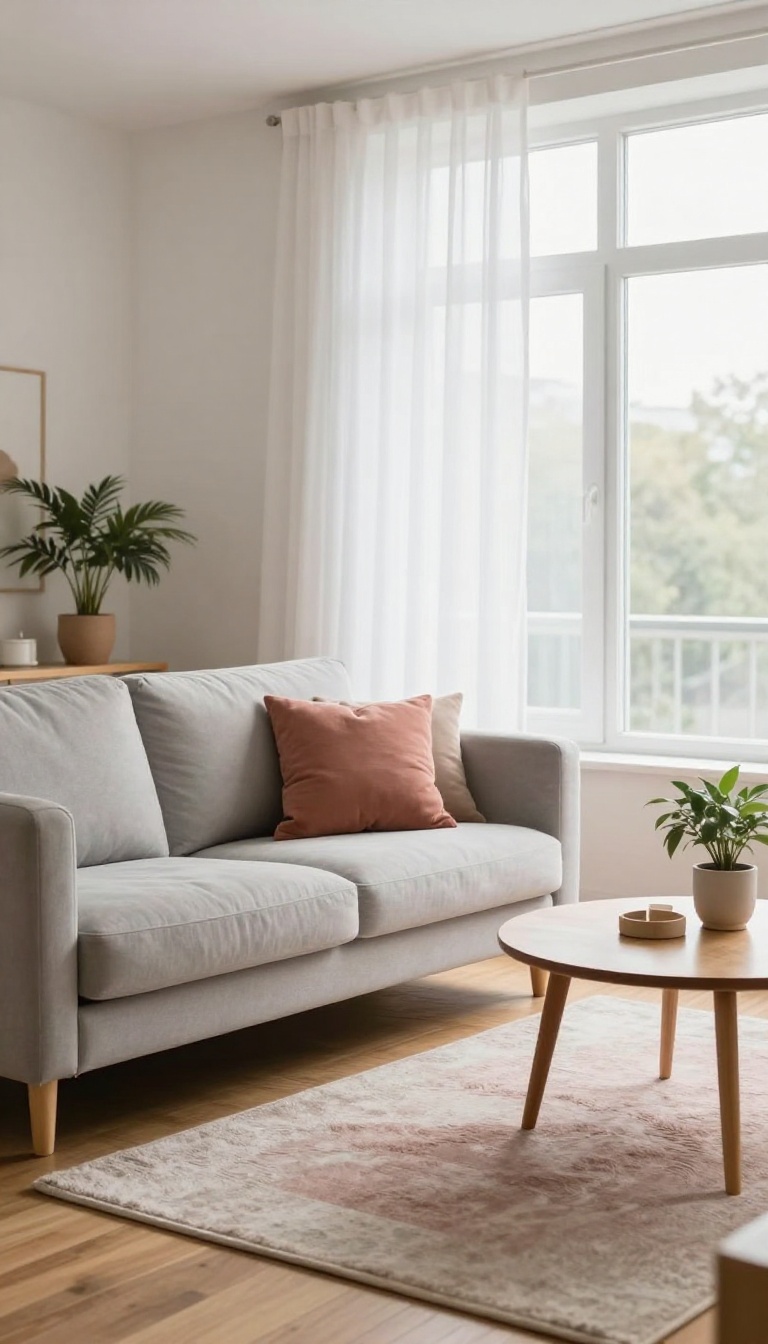
A rug is one of the few decor pieces that works as hard as your sofa. In a small apartment, it draws an invisible line around your living area, so the couch, coffee table, and TV finally feel like one zone instead of scattered furniture. Pink adds warmth and softness underfoot, and if you ever change your mind, you just roll it up.
Renting means you can't knock down walls or repaint on a whim, but you can absolutely change the floor. A pink area rug gives you that power without a single tool. It also absorbs sound, which helps in echo-prone apartments with hard floors.
And because it sits low, it won't make your room feel smaller the way a bold wall might.
Pick The Right Size
A rug that's too small makes the whole seating area feel disconnected. For a standard apartment living room, aim for at least 5×8 feet, or 8×10 if your sofa is long. The front legs of your furniture should sit on the rug, not float off the edge.
In a tight space, a runner-style rug in front of the sofa works too, as long as it spans the width of the seating.
Choose A Pink That Works With Your Floor
Warm wood floors love dusty rose, blush, and terracotta-pink. Cool gray or white floors pair better with mauve, fuchsia, or a pink with a hint of blue. If your floor is dark, go lighter so the rug doesn't disappear.
And if you already have a patterned sofa, keep the rug solid or subtly textured to avoid visual chaos.
Try Low-pile Or Flatweave For Small Rooms
Thick shag feels cozy but can swallow a small living room. Low-pile, flatweave, or washable rugs keep the space open and are easier to clean. They also layer well over existing carpet if you're renting.
Look for a non-slip pad underneath to keep corners flat and protect your deposit.
Use The Rug To Anchor Your Color Palette
Once the rug is down, pull one or two colors from it into pillows, a throw, or a piece of art. That's how you make pink look intentional instead of random. A rug with a touch of cream or gray gives you neutral anchors.
A rug with a pop of coral or burgundy lets you add bolder accents later.
9. Pink Shelving and Storage Solutions
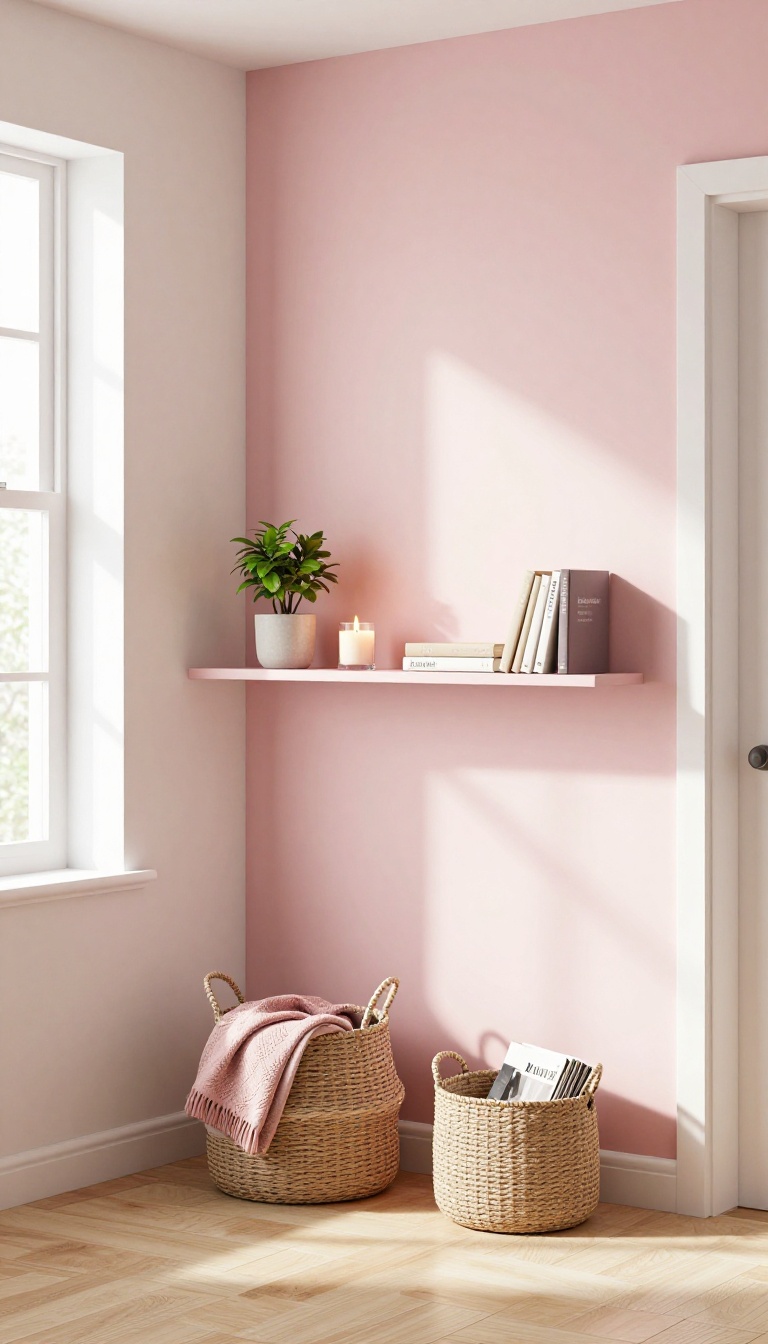
Storage rarely gets credit for style, but in a small apartment it has to pull double duty. Pink shelving and baskets keep your stuff organized while adding a soft hit of color to walls that might otherwise feel plain. The trick is mixing open and closed storage so the room stays tidy, not cluttered.
You do not need a full built-in unit. A few smart pieces can carry the theme and handle the mess at the same time.
Pink storage works best when it feels intentional, not like you painted every box in sight. Choose one or two anchor pieces in pink and let the rest stay neutral. That way the color reads as a design choice instead of an accident.
Think about what you actually need to store before you buy anything. Remote controls, throws, books, and charging cables all need a home, and each one suits a different kind of container. Match the storage to the job, then pick the pink.
Open Shelves That Show Off
A pink floating shelf or two gives you a place for books, candles, and a small plant without eating floor space. Mount them at eye level so they feel like display, not utility. Blush or dusty rose finishes look especially good against white or warm gray walls.
Keep the styling simple. Three to five objects per shelf is plenty, and leaving some empty space stops the wall from feeling heavy. If you rent, adhesive shelves or tension-mounted options let you skip the drill.
Baskets And Bins That Hide The Mess
Woven baskets in soft pink tones are the easiest way to add color while corralling clutter. Use a large one for throws and pillows, and smaller ones for remotes, magazines, or kids' toys. A lidded bin under a console table hides the stuff you do not want on display.
Fabric storage cubes work well inside a standard cube organizer. Pick a pink that matches your shelves or rug so the room feels pulled together. Label the bins if you tend to forget what is inside.
Furniture With Built-in Pink Storage
An ottoman or storage bench in pink gives you seating and a place to stash blankets at the same time. Look for one with a lift-off lid or a flip-top so you can actually get to what is inside. This is a smart pick for apartments where every piece has to earn its spot.
A small pink cabinet or sideboard can hold board games, extra dishes, or paperwork. If the pink feels like too much, paint just the doors or swap the hardware for a softer look. Either way, you get function without losing the color story.
10. Pink Curtains for Soft Light
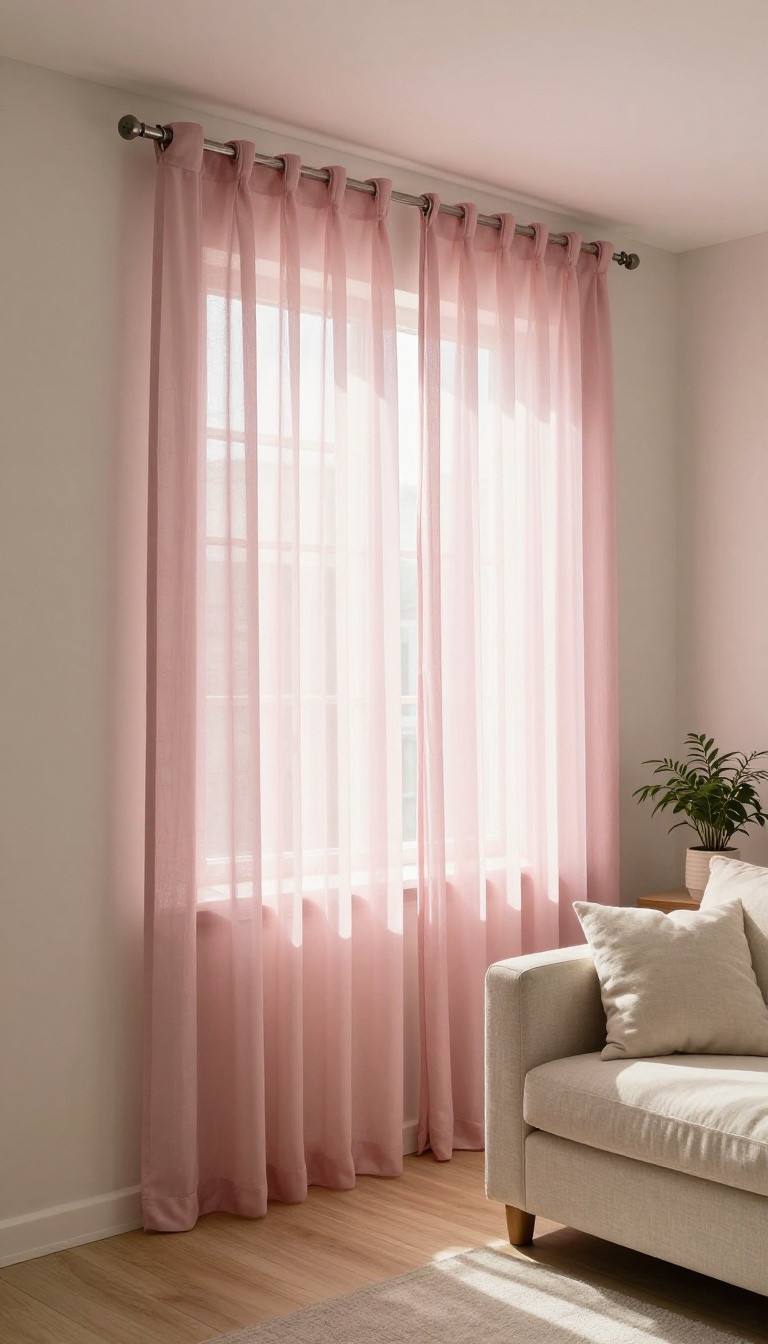
Curtains are the easiest way to change how light behaves in a room. A pink pair in a lightweight fabric filters harsh afternoon sun into a warm, rosy glow that makes the whole space feel calmer. You get privacy without blocking out the day, which matters in apartments where windows face a street or a neighboring building.
The fabric you choose decides everything. Sheer or semi-sheer options like voile, linen blends, or cotton gauze let light pass through while softening it. Heavy blackout panels will kill the effect, so save those for the bedroom.
If you need more coverage, layer a sheer pink panel with a slightly heavier neutral one and pull them separately depending on the time of day.
Pick The Right Pink
Blush and dusty rose read as soft and neutral, so they work with almost any wall color. Hot pink or fuchsia will tint the light more dramatically, which can feel fun but also intense in a small room. If you're unsure, hold a fabric swatch against the window at different times of day before committing.
Hang Them High And Wide
Mount the rod close to the ceiling and extend it a few inches past the window frame on each side. This makes the window look bigger and lets more light in when the curtains are open. In apartments, tension rods or adhesive brackets work if you can't drill into the wall.
Layer For Flexibility
A double rod setup gives you options: sheer pink panels for daytime and a heavier neutral layer for privacy at night. You can also use clip-on rings to swap panels seasonally without buying a new rod. Just keep the hardware simple so the pink stays the focus.
11. Pink Plants and Natural Elements
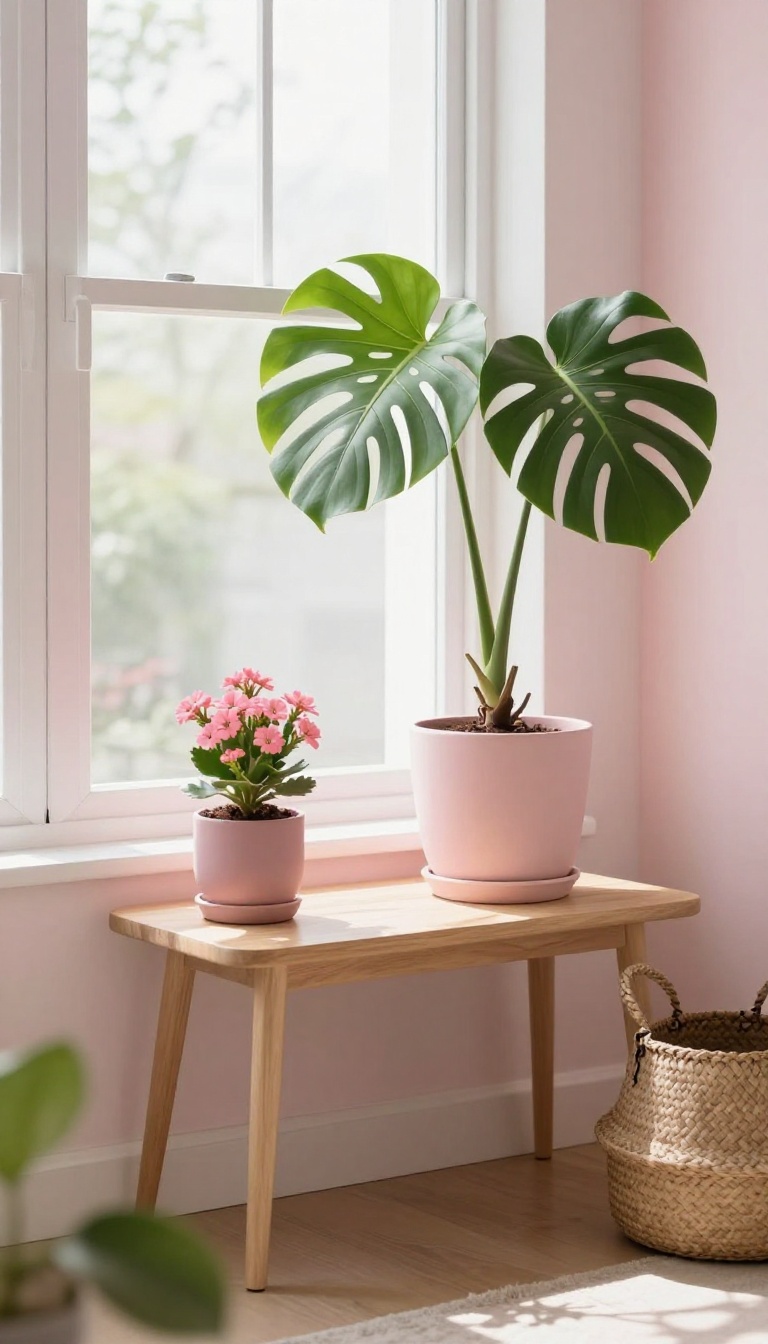
Plants bring a room to life, and pink gives them a softer edge. In a small apartment living room, a pink pot or a flowering plant can add color without feeling heavy. The trick is to mix pink with plenty of green so the space stays fresh, not candy-coated.
You don't need a green thumb to pull this off. Start with one or two easy-care plants and choose pink in the details—pot, saucer, or blooms. The natural texture of leaves and soil keeps the pink from feeling too sweet.
It's a simple way to add life and color at the same time.
Pink Pots, Big Impact
A pink ceramic pot turns a basic plant into a decor moment. Pick a shade that matches your existing pink accents, like blush or dusty rose. Place it on a side table or windowsill where it catches the eye.
Even a small succulent in a pink pot can brighten a corner.
Plants That Bloom Pink
Some houseplants flower in pink, giving you color without any extra decor. Anthuriums, orchids, and kalanchoes all offer pink blooms that last for weeks. They thrive in bright, indirect light, which most apartments have near a window.
Rotate them into your setup when you want a seasonal refresh.
Balance With Greenery
Too much pink can feel overwhelming, so let green do the heavy lifting. Pair a pink pot with a leafy plant like a monstera or pothos. The contrast keeps the look natural and grounded.
If you have several pink accents, add a neutral woven basket or wooden stool to break things up.
FAQ
What shade of pink is best for a small apartment living room?
Soft, muted pinks like blush, dusty rose, or salmon work best because they reflect light and don't overwhelm small spaces. Avoid hot pink or neon shades unless used sparingly as accents.
How can I add pink without painting my walls?
You can introduce pink through textiles like throw pillows, blankets, and rugs, or with removable wallpaper, art, and accessories. These options are renter-friendly and easy to swap out.
Does pink make a living room look smaller?
Not if you choose lighter shades and balance them with neutrals. Dark or saturated pinks can feel heavy, but soft pinks actually make small rooms feel airy and open.
What colors pair well with pink in a cozy living room?
Neutrals like white, cream, gray, and beige create a calm backdrop. For contrast, try deep green, navy, or mustard yellow to add depth without clashing.
How do I keep a pink living room from looking too childish?
Mix in mature textures like velvet, linen, and wood, and pair pink with sophisticated neutrals. Avoid overly sweet patterns and keep the overall look balanced with darker accents.
Conclusion
Pink does not have to mean sweet or childish. A dusty rose sofa, a blush accent wall, or even a few pink pillows can warm up a small apartment without overwhelming it. Start with the idea that fits your space and budget, then live with it for a week before adding more.
You do not need all eleven. One or two done well will make your living room feel cozier and more like you. Let the color grow slowly, and it will feel natural instead of themed.