15 Navy Blue Couch Living Room Ideas for Deep Cozy Contrast
A navy blue couch is one of those pieces that can carry a whole room without trying too hard. It feels grounded, a little moody, and surprisingly easy to live with. But styling it well takes a bit of thought.
You don't need a big budget or a design degree to make it work. Small changes, like swapping a rug or adding the right throw, can shift the whole mood. The key is contrast: warm against cool, light against dark.
These 15 ideas cover practical ways to build that contrast. Some are quick fixes, others are weekend projects. Pick what fits your space and your pace.
1. Pair Navy With Warm White Walls for Instant Balance
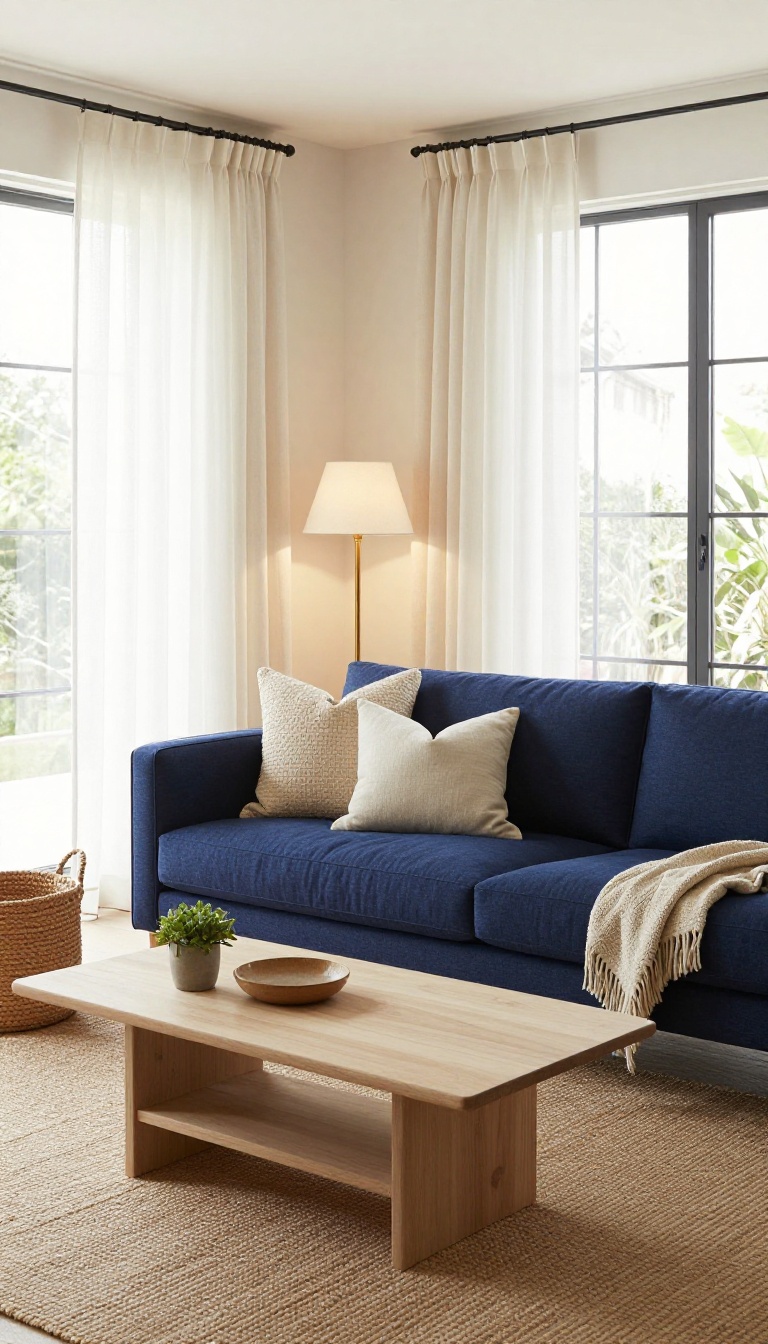
Navy blue is a deep, saturated color that can make a room feel cozy and grounded. But without the right backdrop, it can also feel heavy and closed-in. Warm white walls solve that problem by adding softness and light, creating a balanced look that lets your navy couch shine without overpowering the space.
Warm white isn't the same as stark white. It has subtle undertones of cream, beige, or yellow that make it feel inviting rather than clinical. When you put a navy couch against warm white walls, the contrast is gentle but clear.
The walls recede, and the sofa becomes the star. This combo works in almost any style, from modern to traditional, because it's classic and easy to live with.
Why Warm White Works
Stark white walls can make navy look harsh and cold. Warm white softens the contrast, so the room feels cozy instead of stark. It also reflects light better, keeping the space bright even with a dark sofa.
Plus, warm white plays well with wood tones, brass, and natural textures, giving you more flexibility with your decor.
Choosing The Right Warm White
Look for paint colors with names like 'cream, ' 'ivory, ' or 'soft white. ' Test a few samples on your wall at different times of day. You want a white that looks warm but not yellow. A good trick: hold the paint chip next to your navy fabric.
If it makes the blue look richer, you've found a winner.
Balancing The Room
With warm white walls, you can add depth through textures and layers. A jute rug, linen curtains, and a few wooden accents will keep the room from feeling flat. Add a throw blanket in a lighter shade of blue or a soft gray to tie the couch into the room.
The goal is contrast with harmony, not competition.
2. Layer a Chunky Knit Throw for Softness
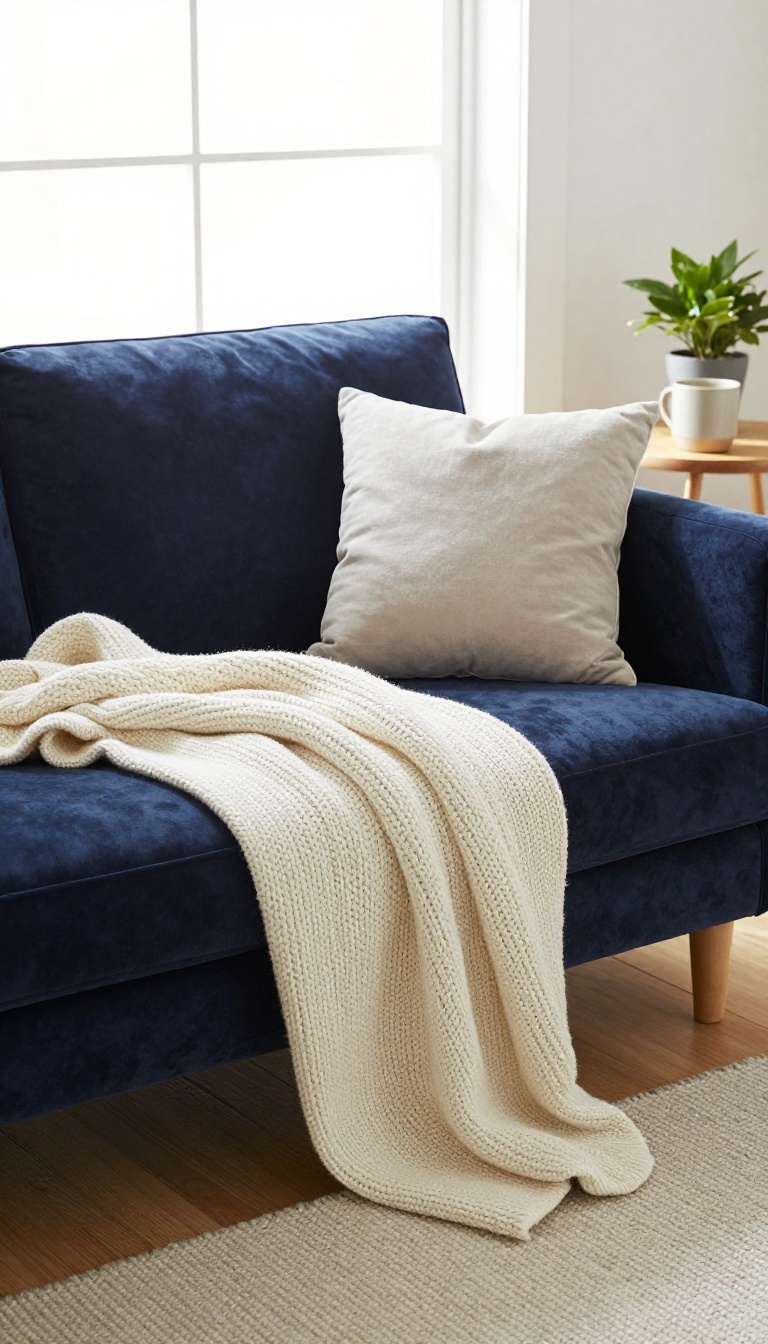
A chunky knit throw does more than keep you warm. It softens the hard edges of a navy couch and adds a layer of texture that makes the whole setup feel less formal. Cream or oatmeal tones work best because they lighten the dark backdrop without competing with it.
The key is to drape it, not fold it. A casual toss over one arm or across the back sends a relaxed signal. It says the couch is meant to be used, not just admired.
Texture is your secret weapon when you're working with a solid, saturated color like navy. A smooth leather or velvet couch can start to feel one-note, even a little cold. A chunky knit breaks that up instantly.
The eye catches the weave, the softness, and the contrast, and suddenly the couch feels like a place you want to curl up. You don't need to spend a lot. A simple acrylic or cotton blend throw from a big-box store can look just as good as a fancy wool one.
The important thing is the scale of the knit. Big, loose stitches read as cozy and modern. Tight, fine knits can get lost against the couch's bulk.
Color matters more than you think. Cream, oatmeal, and light gray are safe bets because they pop against navy without clashing. If you want a little more warmth, try a camel or soft rust tone.
Just avoid anything too bright or busy, since the goal is calm contrast, not a circus.
How To Drape It
Don't fold the throw into a neat square. Instead, gather it loosely and let it fall over one arm or the backrest. Let a corner trail onto the seat.
This looks effortless and invites people to grab it. If you have a sectional, drape one throw on each end to balance the visual weight.
Pick The Right Weight
A throw that's too thin will look flimsy against a heavy couch. Go for something with real bulk, like a chunky hand-knit or a thick cable knit. It should feel substantial in your hands.
That weight translates to visual coziness in the room.
Mix In A Second Texture
If you already have a knit throw, add a smooth linen or cotton pillow in a similar light tone. The mix of rough and smooth keeps the couch from feeling like a single blob. It's a small move that makes the whole seating area look more considered.
3. Add Brass or Gold Accents for a Touch of Glow
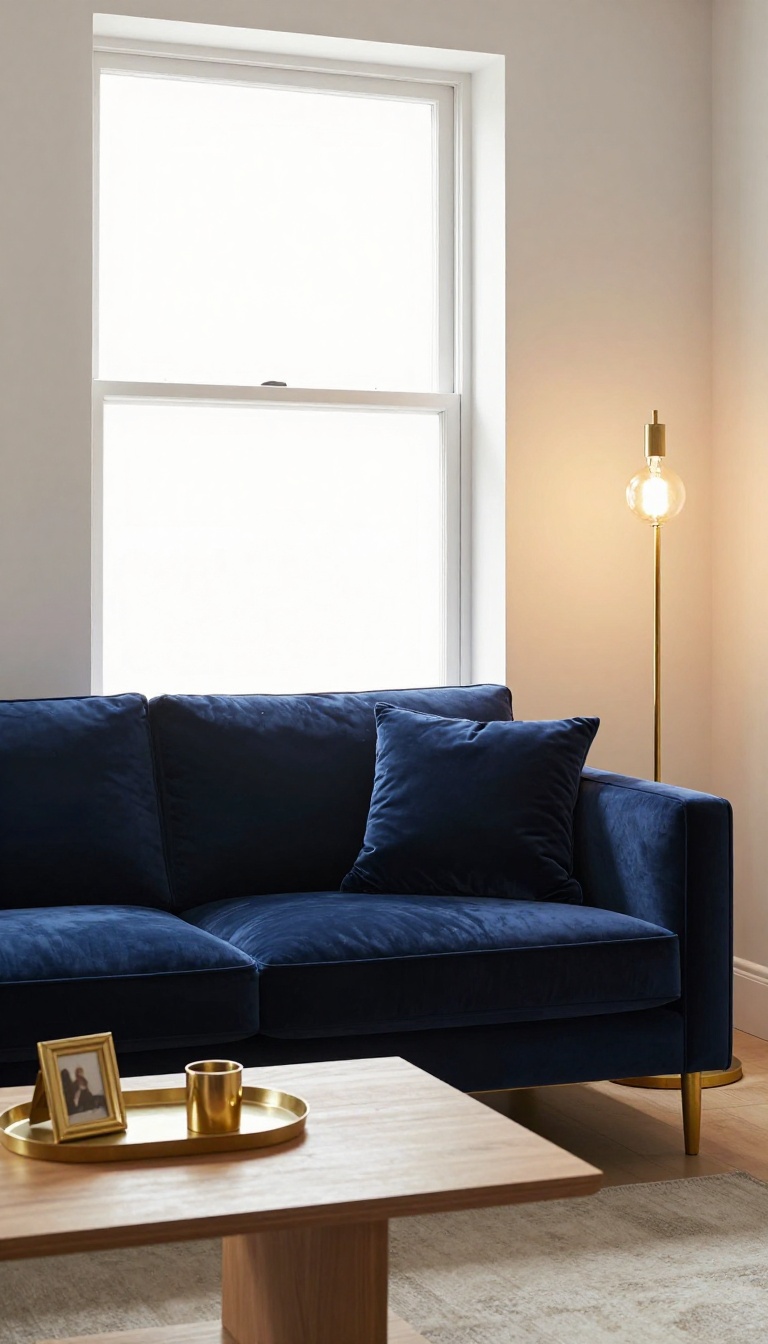
Navy blue has a way of pulling a room into cool, calm territory. That's usually a good thing, but it can start to feel one-note if nothing pushes back against it. Brass and gold do exactly that.
They catch light, throw it around, and add a warm shimmer that makes navy look richer instead of heavier.
You don't need to go full glam. A few well-placed metallic touches are enough to wake up the whole space. Think of them as little sparks scattered around the room.
They draw the eye, break up the dark, and make the couch feel intentional rather than accidental.
Start With Lighting
A brass floor lamp beside the sofa is the easiest win. It adds height, throws warm light onto the navy fabric, and gives you a reading spot. Swap a plain lampshade for a gold or brass one and the glow doubles.
Even a small brass table lamp on a side table can do the trick.
Small Details Count
Look at your coffee table, shelves, and side tables. A brass tray, a gold picture frame, or a set of metallic candle holders can tie things together without feeling matchy. Mix finishes if you want—brass next to matte black or warm wood looks collected, not cluttered.
Balance The Shine
Too much metal can tip into flashy. Keep it to three or four accents per view. Let the navy stay the star, and let brass play a supporting role.
If you're unsure, start with one piece and live with it for a week before adding more.
4. Choose a Light Rug to Ground the Seating Area
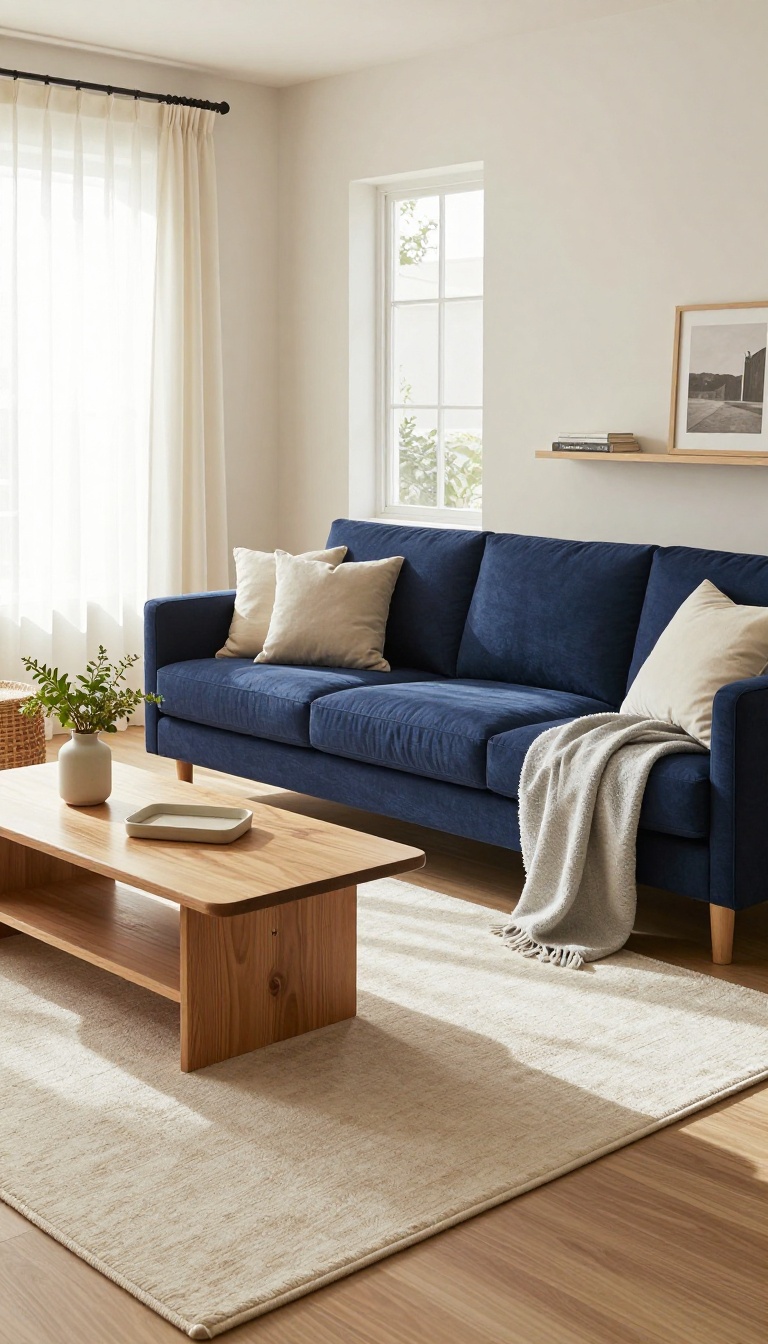
A light rug under a navy couch does two jobs at once: it lifts the dark upholstery and draws a clear boundary around the conversation zone. Without one, a navy sofa can feel like it's floating in a sea of floor. The right light rug fixes that in an afternoon.
The goal is contrast, not competition. You want the rug to feel like a soft foundation that makes the navy pop, not a bright distraction that pulls focus. Ivory, cream, light gray, and pale sand all work because they're quiet enough to let the couch lead.
Size matters as much as color. A rug that's too small makes the whole seating area feel cramped and disconnected. Aim for at least the front legs of the couch to sit on the rug, and ideally the whole sofa if the room allows it.
Pick A Tone That Flatters Navy
Ivory and cream bring warmth and keep the room from feeling cold. Light gray leans modern and pairs well with cool-toned walls. Pale sand or oatmeal adds a soft, organic feel that works with natural textures like jute or wool.
Any of these will make the navy look richer, not washed out.
Get The Size And Placement Right
For a standard three-seat couch, an 8×10 rug is usually the sweet spot. In smaller rooms, a 5×8 can work if you angle it or keep the furniture tight. Leave a border of bare floor around the rug so the room still feels open.
If you're layering rugs, keep the top layer light and the base neutral.
Match The Texture To Your Lifestyle
A flat-weave or low-pile rug is easy to clean and great for high-traffic rooms. If you want more coziness, a plush or shag rug in a light tone adds softness without stealing attention. Just avoid busy patterns in dark colors—they'll fight the couch instead of supporting it.
5. Mix in Natural Wood Tones for Earthy Warmth
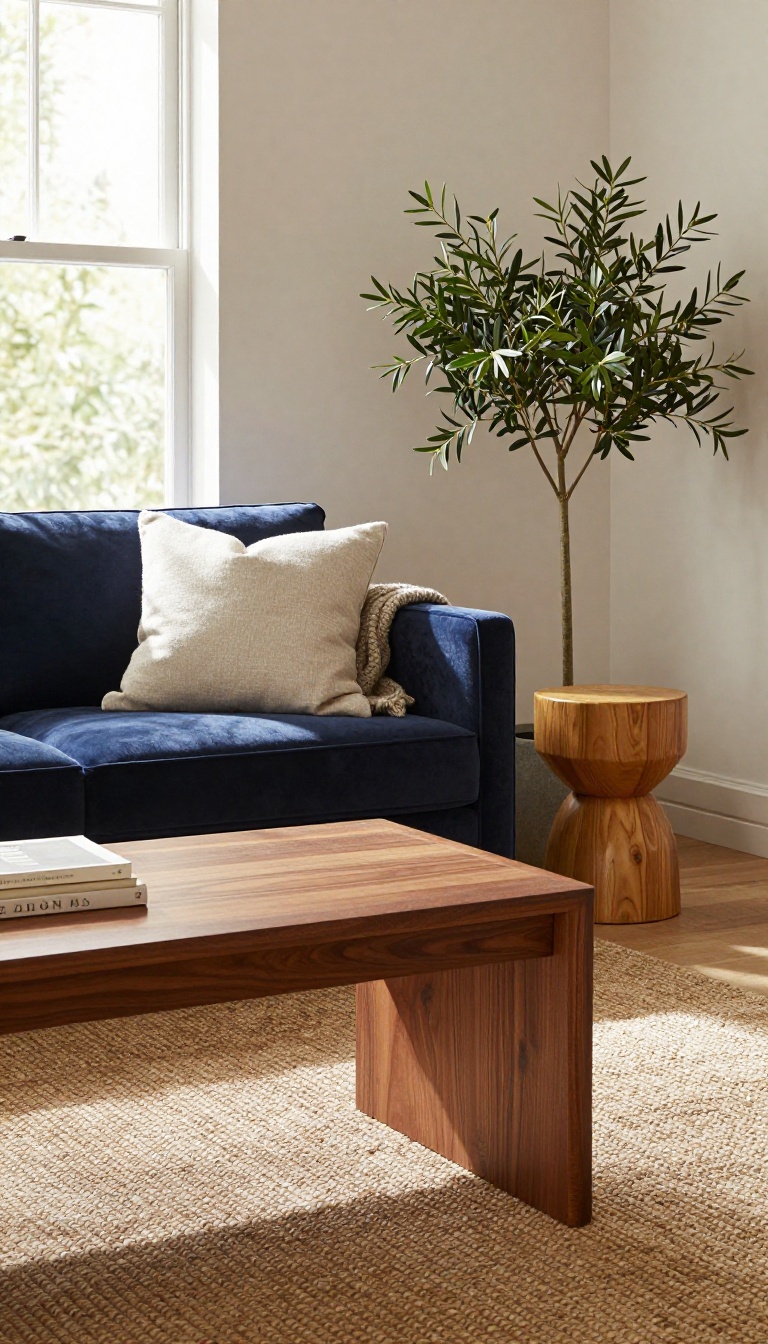
Navy blue can sometimes make a room feel like it's holding its breath—cool, collected, a little distant. Natural wood tones are the exhale. They bring in warmth, texture, and a sense of history that softens the navy's intensity without fighting it.
You don't need to replace your furniture. Just one or two wood pieces in the right tone can shift the entire mood from chilly to cozy. Think of it as adding a log to a fire: small move, big glow.
Wood and navy are a classic pairing for a reason. The cool depth of navy makes warm woods—like oak, walnut, and teak—look richer, while the wood keeps the blue from feeling too formal or cold. It's a balance that works in almost any style, from modern farmhouse to mid-century.
The trick is picking the right wood tone and placing it where it counts. You don't want to overwhelm the navy, just warm it up. ### Choose Warm-Toned Woods Over Cool Ones Not all wood is created equal. Cool-toned woods like ash or gray-washed pine can actually make navy feel even chillier.
Instead, look for woods with golden, amber, or reddish undertones: oak, walnut, cherry, teak, or acacia. These tones have a natural glow that contrasts beautifully with navy's depth. A walnut coffee table, for example, adds a dark, rich warmth that feels sophisticated but not stuffy.
Oak brings a lighter, honeyed warmth that keeps things airy. If you're not sure, hold a wood sample next to your couch. If it makes the navy look richer and the wood look warmer, you're on the right track. ### Place Wood Where It Balances the Room You don't need to go all-in on wood furniture.
A few strategic pieces can do the heavy lifting. Start with a wood coffee table or side table. These are at eye level when you're sitting, so they're constantly in view.
A live-edge walnut coffee table, for instance, adds organic texture and warmth right in the center of the seating area. Next, consider a wood console or media unit. If your navy couch faces a TV, a wood console underneath breaks up the dark upholstery and adds a layer of natural material.
It also gives you a spot to display books or a plant, which adds life. Finally, don't forget the floor. A wood floor is ideal, but if you have carpet or tile, a wood-framed mirror or a wood shelving unit can still bring in that earthy vibe. ### Mix Wood with Other Natural Textures Wood alone is great, but it really sings when you pair it with other natural materials.
Think linen, wool, jute, leather, and stone. A jute rug under a navy couch and wood coffee table ties everything together. Add a leather ottoman or a chunky wool throw, and you've got a layered, lived-in look that feels collected over time.
Keep metals in mind, too. Brass or bronze hardware on wood furniture adds a subtle shine that complements navy without competing. Avoid too much chrome or nickel—they can read as cold. ### Keep It Simple and Intentional The biggest mistake is overdoing it.
You don't need wood on every surface. A few well-chosen pieces are enough to warm up the space. Also, pay attention to finish.
A matte or satin finish on wood feels more natural and warm than a high-gloss one. And if you're buying new, look for solid wood or high-quality veneers—they'll age better and bring more character. Remember, the goal is balance.
Navy is the anchor; wood is the warmth. Together, they create a room that feels cozy, grounded, and effortlessly stylish.
Choose Warm-toned Woods Over Cool Ones
Not all wood is created equal. Cool-toned woods like ash or gray-washed pine can actually make navy feel even chillier. Instead, look for woods with golden, amber, or reddish undertones: oak, walnut, cherry, teak, or acacia.
These tones have a natural glow that contrasts beautifully with navy's depth. A walnut coffee table, for example, adds a dark, rich warmth that feels sophisticated but not stuffy. Oak brings a lighter, honeyed warmth that keeps things airy.
If you're not sure, hold a wood sample next to your couch. If it makes the navy look richer and the wood look warmer, you're on the right track.
Place Wood Where It Balances The Room
You don't need to go all-in on wood furniture. A few strategic pieces can do the heavy lifting. Start with a wood coffee table or side table.
These are at eye level when you're sitting, so they're constantly in view. A live-edge walnut coffee table, for instance, adds organic texture and warmth right in the center of the seating area. Next, consider a wood console or media unit.
If your navy couch faces a TV, a wood console underneath breaks up the dark upholstery and adds a layer of natural material. It also gives you a spot to display books or a plant, which adds life. Finally, don't forget the floor.
A wood floor is ideal, but if you have carpet or tile, a wood-framed mirror or a wood shelving unit can still bring in that earthy vibe.
Mix Wood With Other Natural Textures
Wood alone is great, but it really sings when you pair it with other natural materials. Think linen, wool, jute, leather, and stone. A jute rug under a navy couch and wood coffee table ties everything together.
Add a leather ottoman or a chunky wool throw, and you've got a layered, lived-in look that feels collected over time. Keep metals in mind, too. Brass or bronze hardware on wood furniture adds a subtle shine that complements navy without competing.
Avoid too much chrome or nickel—they can read as cold.
Keep It Simple And Intentional
The biggest mistake is overdoing it. You don't need wood on every surface. A few well-chosen pieces are enough to warm up the space.
Also, pay attention to finish. A matte or satin finish on wood feels more natural and warm than a high-gloss one. And if you're buying new, look for solid wood or high-quality veneers—they'll age better and bring more character.
Remember, the goal is balance. Navy is the anchor; wood is the warmth. Together, they create a room that feels cozy, grounded, and effortlessly stylish.
6. Use Patterned Pillows to Break Up the Solid Color
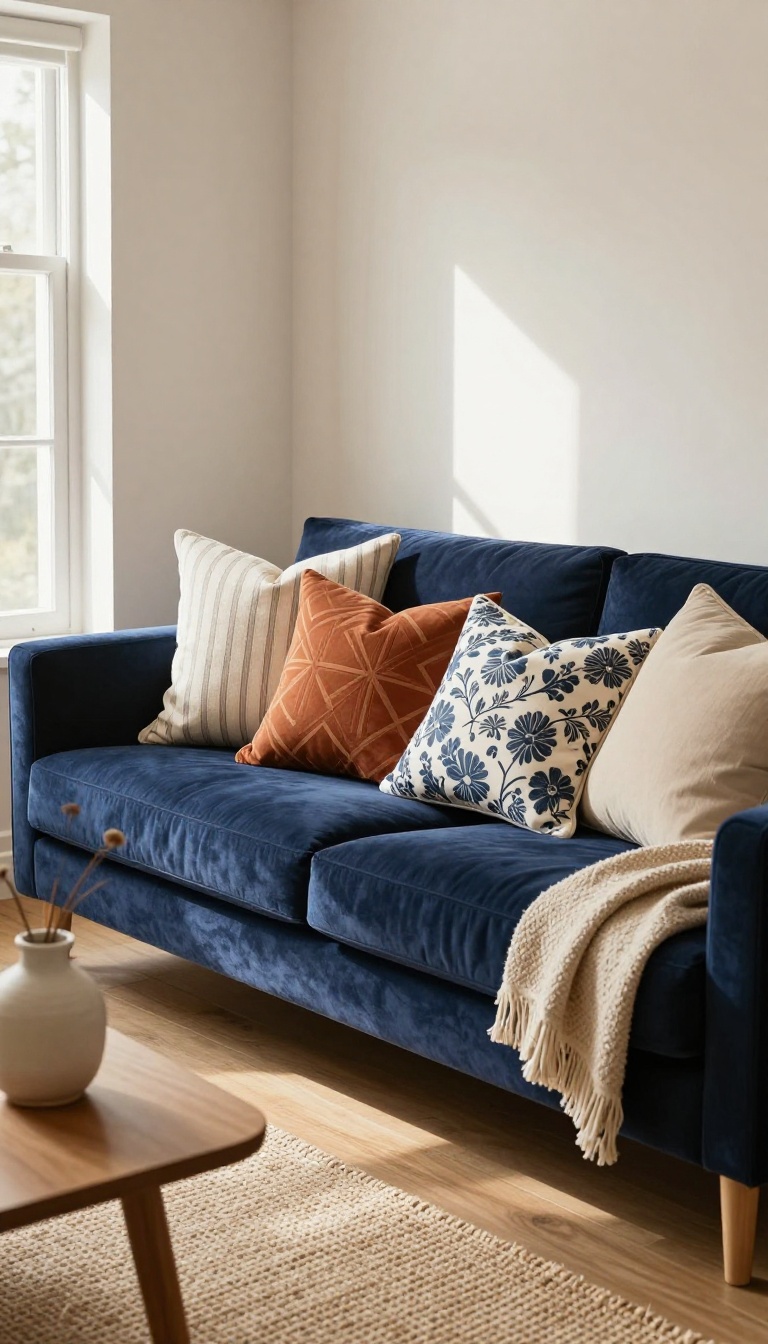
A navy couch is a strong, solid block of color. That's part of its appeal, but it can also make the seating area feel a little one-note. Patterned pillows fix that fast.
They interrupt the solid surface, add a hit of contrast, and give the room a pulse without changing the furniture.
You don't need a dozen pillows to make an impact. Three or four well-chosen patterns can do more than a pile of plain ones. The trick is mixing scale and type so the eye has somewhere to land.
Stripes, geometrics, and florals each bring a different energy, and they all play nicely with navy when you pick the right colors.
Pick Patterns That Contrast, Not Clash
Start with one pattern that clearly stands out against navy. A wide stripe in cream or camel works almost every time. A bold geometric in rust, mustard, or blush adds warmth.
If you want a softer look, a small floral in white and soft blue keeps things calm but still breaks the solid field. Avoid patterns that are too close in color to the couch—they'll disappear instead of adding contrast.
Mix Scales For A Layered Look
One large-scale pattern plus one small-scale pattern usually looks better than three medium ones. Try a big buffalo check or oversized stripe on a larger pillow, then a tiny dot or thin pinstripe on a smaller one. Add a solid pillow in a warm neutral to give the eye a rest.
This mix keeps the arrangement from feeling busy while still breaking up the navy.
Choose Colors That Wake Up The Navy
Navy is cool, so warm accents create the strongest contrast. Think terracotta, ochre, olive, or warm white. If you prefer a cooler palette, try blush pink, sage green, or light gray with a hint of blue.
Metallic threads in gold or copper also catch light and add a little sparkle without overwhelming the couch.
Arrange Them So They Look Intentional
Odd numbers tend to look more natural than even ones. Start with a larger patterned pillow on each end, then layer a smaller one in front. If your couch has a chaise or an armless section, add one there too.
Fluff them, chop the tops, and step back. The goal is a relaxed, collected look—not a perfect showroom display.
7. Go Monochromatic With Different Shades of Blue
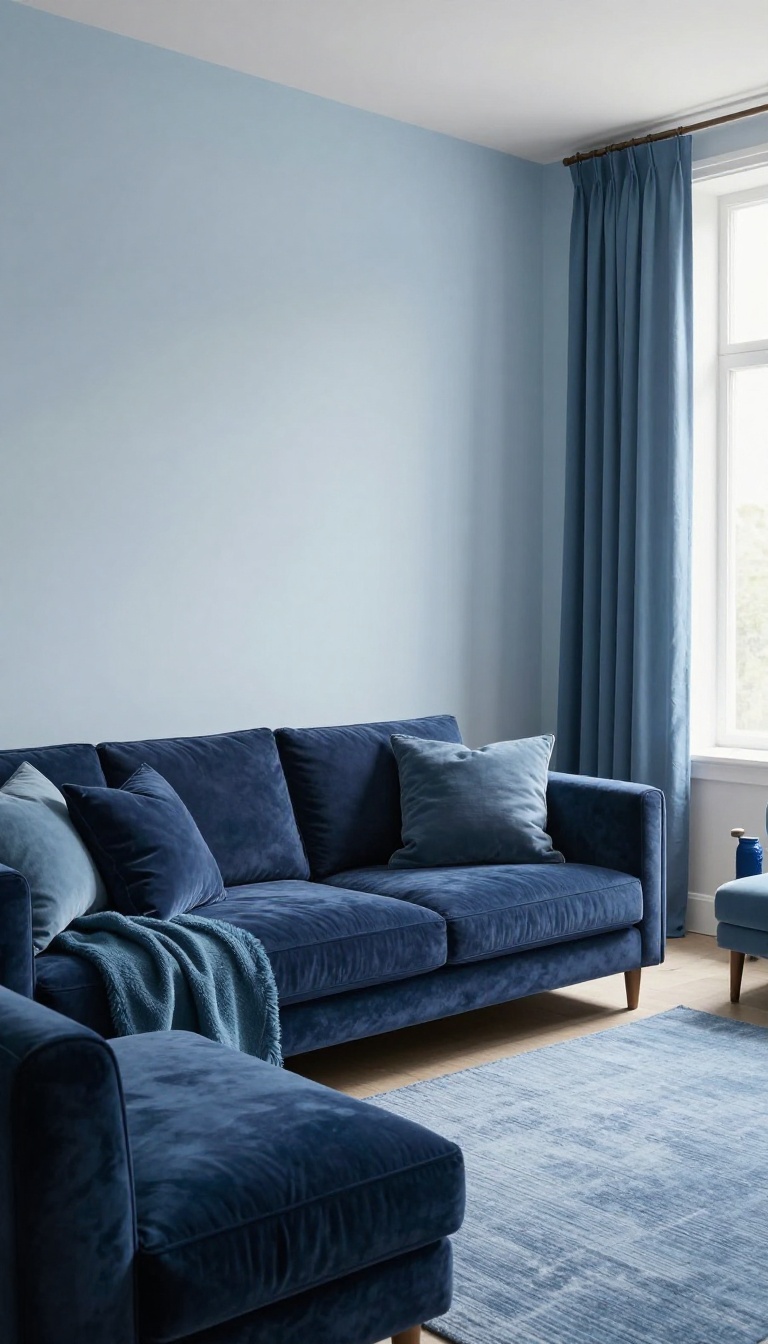
Sticking to one color family doesn't have to feel flat. When you layer different shades of blue, from pale sky to deep indigo, the room gains depth without any jarring contrasts. It's a calm, collected approach that lets your navy couch feel like part of a bigger story.
The trick is variety in tone and texture. Mix light and dark, matte and sheen, and you'll get a space that feels intentional rather than one-note. Plus, it's an easy way to make a strong color feel soft and livable.
A monochromatic blue scheme works because it's inherently harmonious. Your eye doesn't have to jump between competing hues, so the room feels instantly more peaceful. But without variation, it can turn into a blue blob.
The fix is to think in layers: start with your navy couch as the anchor, then build outward with lighter and darker blues. Add texture to keep it from looking like a paint swatch. And don't forget that blue comes in warm and cool versions—mixing them adds subtle complexity.
Start With A Light Base
Paint the walls a soft, pale blue or even a blue-tinted white. This gives your navy couch something to pop against without creating harsh contrast. If you're renting or not ready to paint, a large light blue area rug or curtains can do the same job.
The goal is to create a light backdrop that makes the darker blues feel rich, not heavy.
Layer In Mid-tone Blues
Add a mid-tone blue through a throw blanket, pillows, or an accent chair. Think denim, slate, or a muted teal. These shades bridge the gap between light walls and dark couch, making the transition feel smooth.
A mid-tone ottoman or side table in blue can also tie things together without overwhelming the space.
Mix Textures To Add Depth
When you're working with one color, texture becomes your best friend. Combine a chunky knit throw with a smooth leather pillow, or a velvet cushion with a linen lampshade. Different materials catch light in different ways, so even though everything is blue, the room feels dynamic.
Try a woven basket or a ceramic vase in a blue glaze for an extra layer.
Use Dark Blues As Accents
Your navy couch is already a dark anchor, but you can reinforce it with other deep blues. A navy bookshelf, a pair of indigo curtains, or a dark blue piece of art can create a cohesive look. Just balance the darkness with plenty of light tones so the room doesn't feel cave-like.
A few metallic touches—like brass or silver—can also add a little sparkle without breaking the blue theme.
8. Introduce a Pop of Warm Color With Art or Accessories
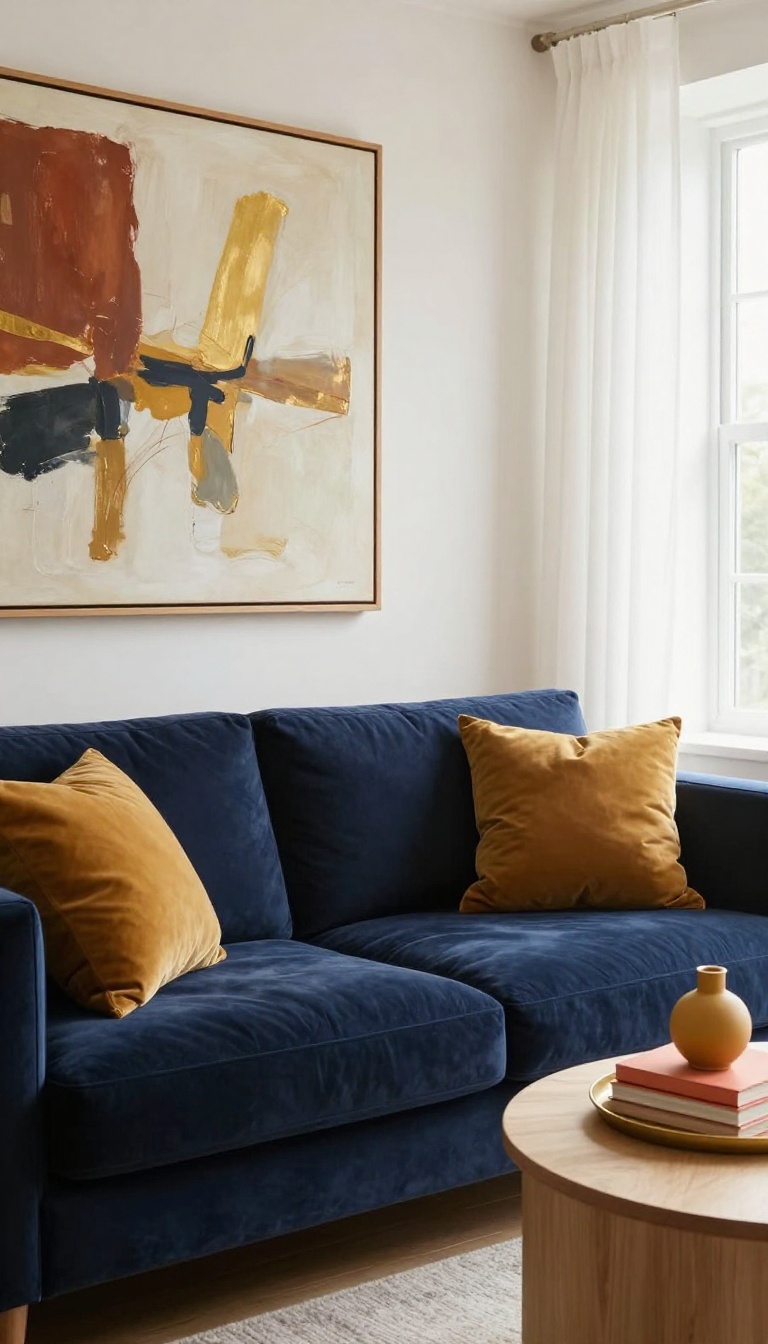
Navy blue has a way of pulling a room into cool, calm territory. That's usually a good thing—until the whole space starts to feel a little one-note. A single shot of warm color fixes that fast.
Mustard, rust, or coral will wake up the navy without fighting it. You don't need much. One bold piece of art or a few well-placed accessories can do the heavy lifting.
The trick is to keep the warm color concentrated, not scattered. Think of it as a spotlight, not a floodlight. A large abstract painting with rust and gold tones above the couch gives the eye somewhere to land.
Or a pair of mustard throw pillows that pick up the same hue as a ceramic vase on the side table. The repetition makes it feel intentional. Even a small tray of coral-colored books can add that jolt.
The goal is contrast that feels cozy, not chaotic.
Pick A Dominant Warm Tone
Choose one warm color to lead the charge. Mustard is earthy and pairs beautifully with navy's depth. Rust feels richer and a bit more dramatic.
Coral brings a lighter, breezier energy. Pick the one that matches the mood you want. Then use it in two or three spots around the room.
That's enough to make the navy pop without overwhelming it.
Use Art As Your Anchor
A large piece of art above the couch is the easiest way to introduce warm color. Look for a canvas with mustard, rust, or coral strokes against a neutral background. The art becomes the focal point, and the navy couch becomes its frame.
If you prefer something smaller, a gallery wall with one warm-toned print can work too. Just make sure the warm color appears at least twice in the arrangement.
Accessorize In Small Doses
Throw pillows, a chunky knit blanket, or a ceramic lamp base can all carry the warm accent. Mix textures so it doesn't look flat—velvet, wool, and matte ceramic all play well together. A brass or copper side table adds a metallic warm note that feels sophisticated.
Keep the rest of the accessories neutral so the warm pop stays the star.
9. Keep the Coffee Table Light and Airy
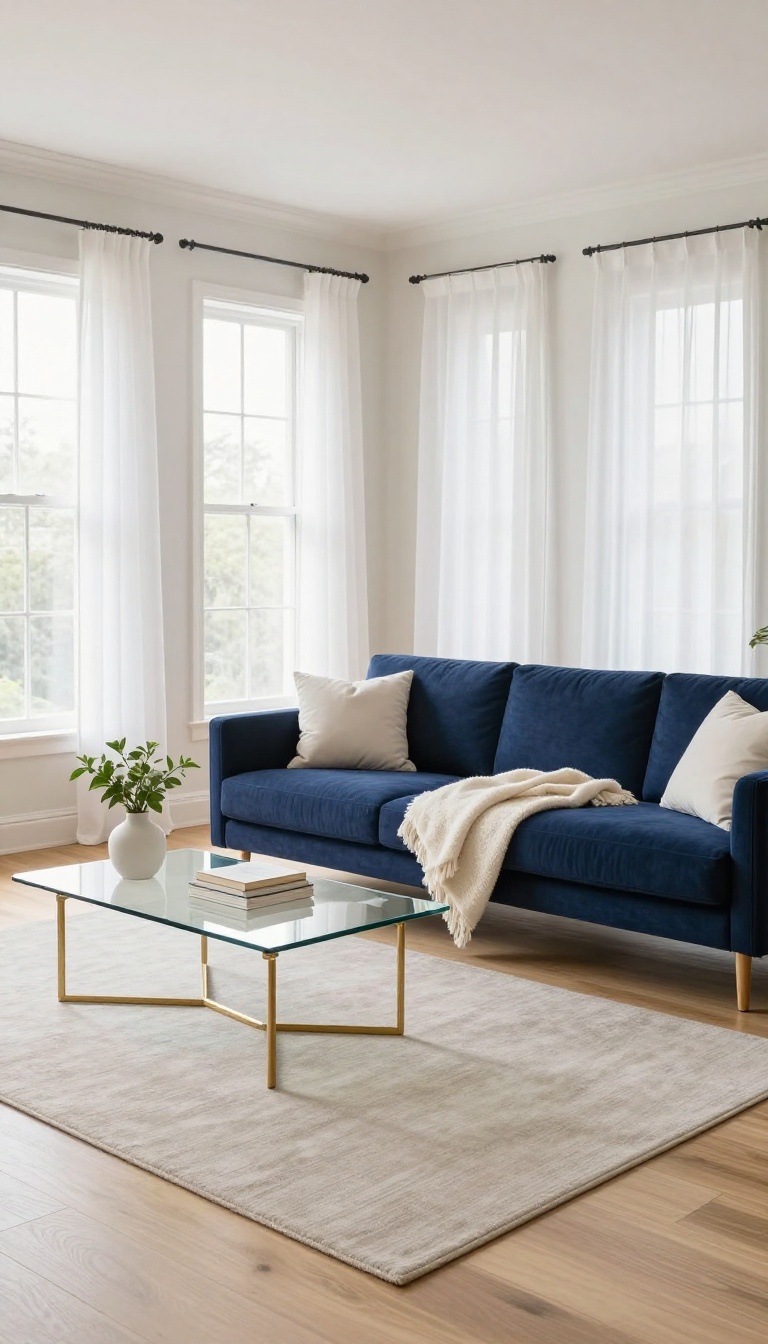
A heavy coffee table can quietly drag down a navy couch setup. The dark upholstery already anchors the room, so piling on a chunky wood or black metal table makes everything feel bottom-heavy. Choosing something light and airy—glass, pale wood, or open framing—lets the couch stay the star while the room breathes.
Light and airy doesn't mean flimsy. It means the table doesn't compete with the couch for visual weight. A glass top basically disappears, leaving the navy as the main color moment.
Pale wood or white metal does the same job with a bit more texture. The goal is simple: keep the lower half of the room from turning into a dark blob.
Why Glass Works So Well
Glass reflects light and shows the floor underneath, which makes even a small living room feel more open. It also creates a clean contrast against the soft, matte texture of a navy couch. If you want a little warmth, choose a glass top with brass or light wood legs.
Avoid thick, dark bases—they defeat the purpose.
Light Wood And Open Frames
A coffee table in white oak, ash, or birch brings a natural, casual feel that softens navy's cool edge. Look for open designs—thin legs, slatted shelves, or a simple frame—so you can see through to the rug. That visual gap keeps the room from feeling cluttered.
It's an easy swap that makes a big difference.
What To Avoid
Skip heavy marble slabs, dark walnut, and bulky trunks unless your room is huge and needs the weight. Also avoid glass tables with thick black metal cages—they read heavier than they look online. If you already own a dark table, try a light runner or a few pale books on top to break up the mass.
10. Add a Gallery Wall Behind the Couch for Visual Interest
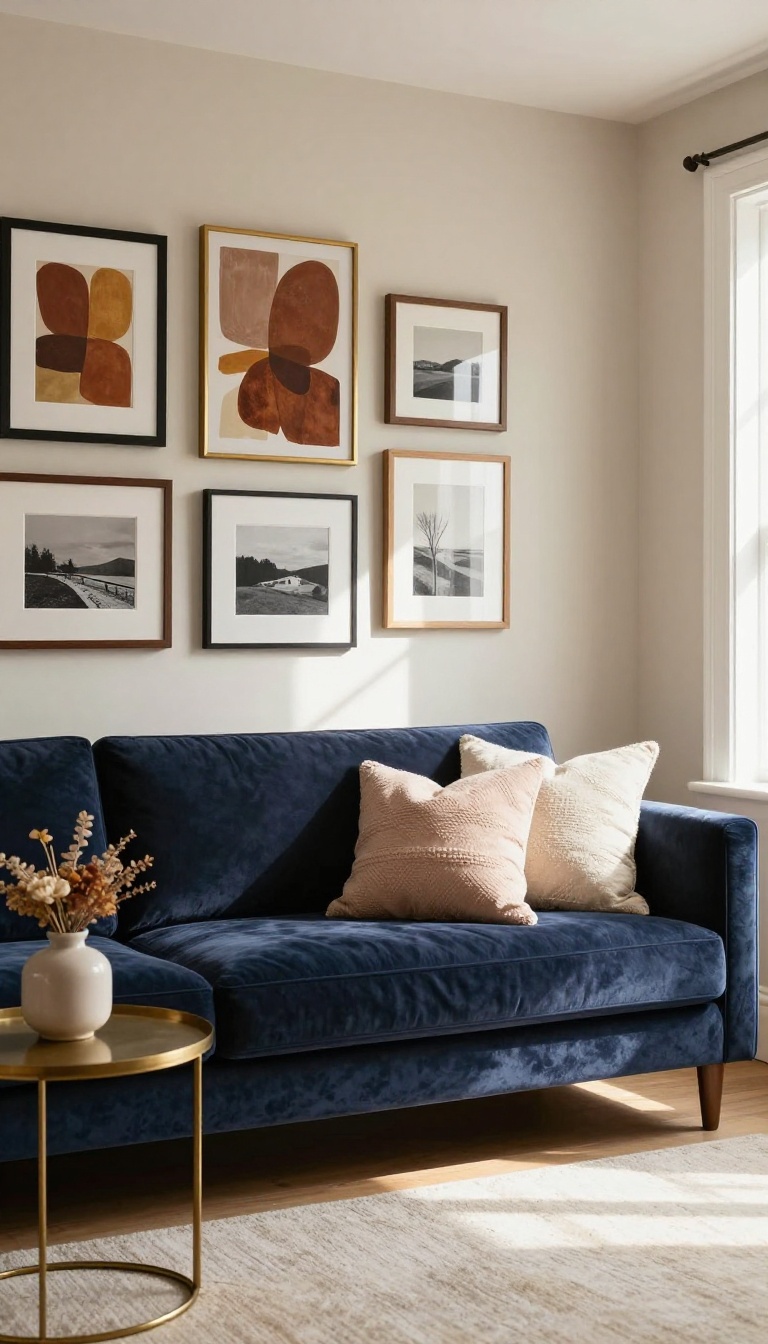
A plain wall behind a navy couch is a missed chance to add personality and depth. A gallery wall fills that empty space with art, texture, and a bit of you. It also gives the eye somewhere to land besides the big blue block of upholstery.
The trick is mixing frames and art so it feels collected, not cluttered. When done right, the wall becomes a backdrop that makes the couch look even more intentional. And you can start small, adding pieces over time instead of hanging everything at once.
A gallery wall works because it breaks up a large, flat surface. Navy couches often sit against neutral walls, and that contrast can feel stark without something in between. Art softens the transition and adds layers of color and shape.
You don't need a curated collection from day one. Start with three to five pieces you love, then build from there. The goal is a mix that feels balanced but not too perfect. ### Mix Frame Finishes and Sizes Use a mix of frame colors like black, brass, and natural wood.
This keeps the arrangement from looking like a matching set. Vary the sizes too, with one or two larger pieces anchoring the group and smaller ones filling gaps. ### Choose Art That Complements Navy Warm tones like rust, mustard, and blush pop against navy. Black-and-white photography also works well and keeps things classic.
If you want a calmer look, stick to muted landscapes and abstract pieces in soft neutrals. ### Lay Out Before You Hang Trace each frame onto paper and tape the shapes to the wall. Move them around until the spacing feels right. Aim for 2 to 3 inches between frames so the group reads as one unit. ### Keep the Bottom Edge Clear Leave about 6 to 10 inches between the bottom of the lowest frame and the top of the couch.
This prevents the art from feeling like it's sitting on the sofa and keeps the arrangement visually separate.
Mix Frame Finishes And Sizes
Use a mix of frame colors like black, brass, and natural wood. This keeps the arrangement from looking like a matching set. Vary the sizes too, with one or two larger pieces anchoring the group and smaller ones filling gaps.
Choose Art That Complements Navy
Warm tones like rust, mustard, and blush pop against navy. Black-and-white photography also works well and keeps things classic. If you want a calmer look, stick to muted landscapes and abstract pieces in soft neutrals.
Lay Out Before You Hang
Trace each frame onto paper and tape the shapes to the wall. Move them around until the spacing feels right. Aim for 2 to 3 inches between frames so the group reads as one unit.
Keep The Bottom Edge Clear
Leave about 6 to 10 inches between the bottom of the lowest frame and the top of the couch. This prevents the art from feeling like it's sitting on the sofa and keeps the arrangement visually separate.
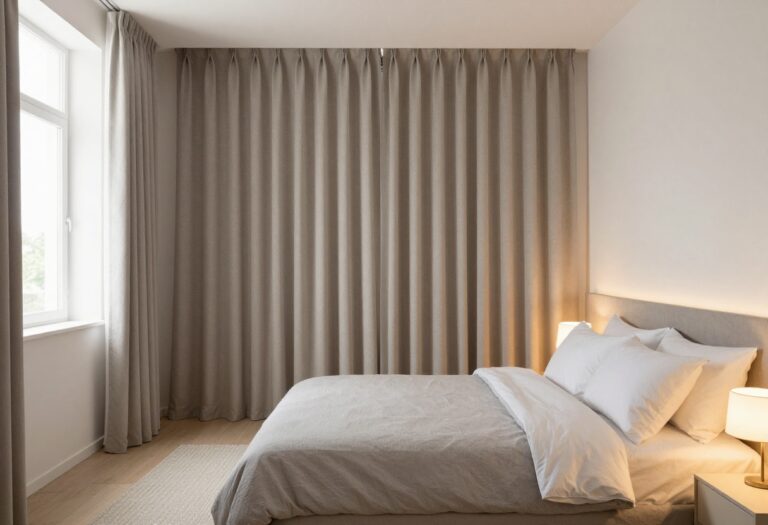
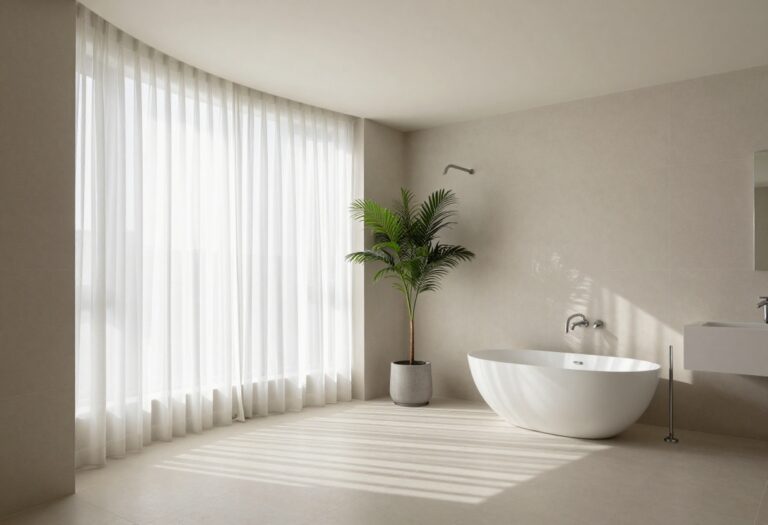
11. Use Curtains to Frame the Windows and Soften the Space
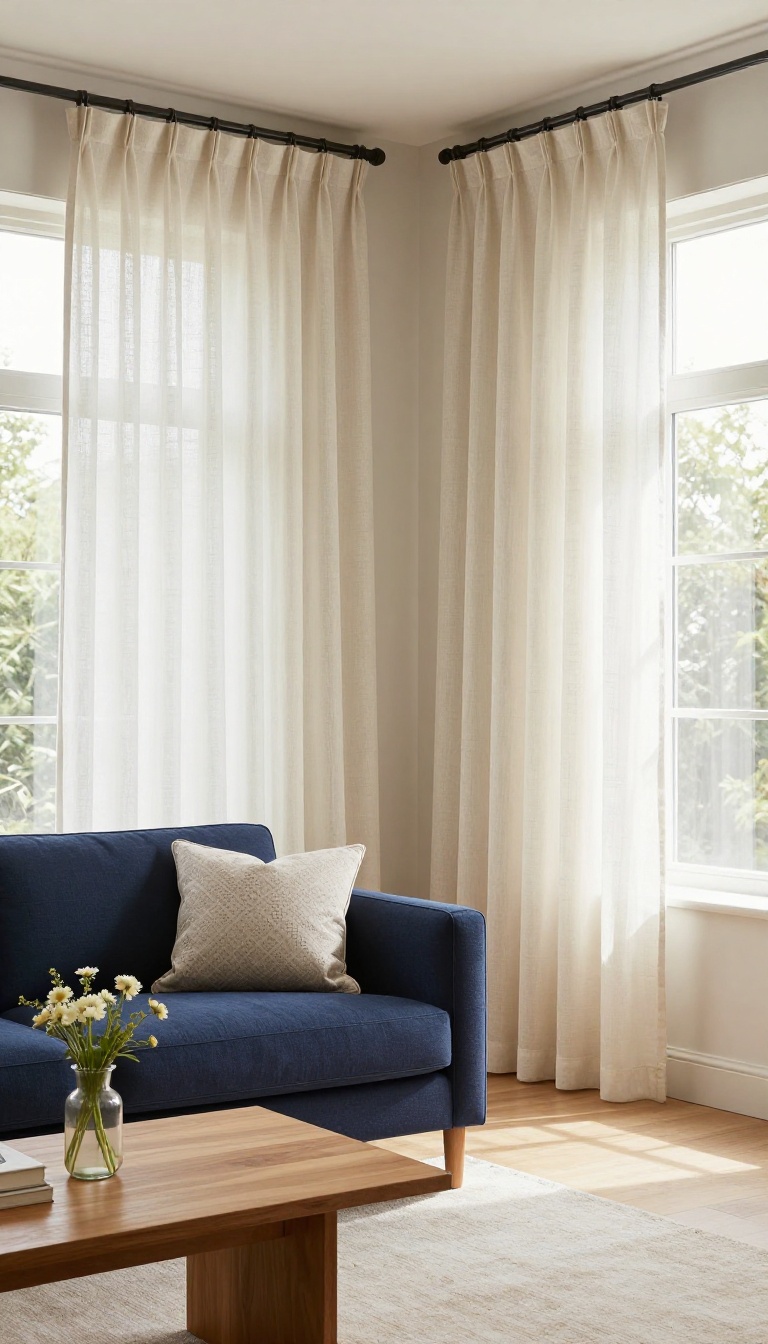
Windows without curtains can make a navy couch feel exposed and a little cold. Floor-length curtains add softness, height, and a frame that makes the whole room feel more finished. They also give you an easy way to balance the visual weight of that deep blue sofa.
Light neutrals and soft patterns work best here. They lift the mood without competing with the couch, and they keep the space from feeling too dark or heavy. The right curtains can make a small room feel taller and a large room feel cozier.
Curtains do more than block light. They add texture, color, and a sense of enclosure that helps a navy couch feel intentional rather than plopped in a corner. When you hang them floor to ceiling, you also draw the eye upward, which makes ceilings look higher and the room more spacious.
The goal is contrast without clash. A light curtain against a dark couch creates a clean, balanced look. If you want a softer feel, choose a fabric with a subtle pattern that echoes other accents in the room.
Pick A Light Neutral Fabric
Cream, oatmeal, and pale gray are safe bets that never fight with navy. They reflect light and keep the room feeling airy. Linen and cotton blends hang nicely and add a relaxed texture.
Avoid heavy, dark fabrics unless you want a moody, dramatic room. If you do go dark, make sure you have plenty of other light sources to keep it from feeling like a cave.
Hang Them High And Wide
Mount the rod close to the ceiling and extend it a few inches past the window frame on each side. This makes windows look larger and lets more light in when the curtains are open. It also creates a nice vertical line that balances the horizontal shape of the couch.
The curtains should just kiss the floor or break slightly. Too short and they look like they shrank; too long and they puddle and collect dust.
Try A Soft Pattern For Subtle Interest
A faint stripe, a small geometric, or a delicate floral can add personality without overwhelming the navy. Keep the pattern scale small and the colors muted. Think soft blues, warm taupes, or faded greens.
If you already have a busy rug or artwork, stick with solid curtains. One pattern per zone is usually enough.
Layer With Sheers For Flexibility
Sheer panels behind heavier curtains give you options. During the day, pull the heavy panels back and let the sheers filter the light. At night, close both for privacy and coziness.
This layering also adds depth to the window treatment, which makes the room feel more designed. Just make sure the sheers are long enough to match the outer panels.
12. Incorporate a Cozy Reading Nook With a Floor Lamp

A floor lamp tucked beside your navy couch does more than light up a page. It creates a little pocket of warmth that makes the whole corner feel intentional. The right lamp turns a plain spot into a destination you actually want to sit in.
You don't need a separate room to get a reading nook. Just a comfortable seat, good light, and a surface for your coffee. The navy couch already gives you the seat.
Now you need the glow.
Start by placing the lamp on the side of the couch where you naturally lean. That's usually the end closest to a wall or a window, but it depends on how you sit. The goal is to have light fall over your shoulder and onto the page, not into your eyes.
A floor lamp with an adjustable arm or a curved neck gives you flexibility. You can aim it exactly where you need it, then swing it out of the way when you're done. If you prefer a fixed shade, look for one with a wide bottom so the light spreads softly.
Warm bulbs are key here. A bulb around 2700K to 3000K casts a golden, cozy glow that plays beautifully against navy blue. Cool white bulbs will make the couch look stark and the corner feel clinical.
Swap them out if you have to. Once the lamp is in place, add a small side table or a slim console behind the couch. It gives you a spot for a mug, a book, or a pair of glasses.
A tray on top keeps things tidy and adds a little texture. Finally, layer in a throw blanket and a textured pillow. They soften the corner and make it look like someone actually reads there.
The lamp does the heavy lifting, but these small touches seal the deal.
Pick The Right Bulb Temperature
Warm light is non-negotiable for a cozy nook. Look for bulbs labeled 2700K or 3000K. They cast a soft, amber glow that makes navy blue feel rich instead of cold.
Avoid anything above 4000K, which reads as blue-white and harsh.
Position For Comfort, Not Symmetry
Don't worry about matching lamp heights on both sides of the couch. A single floor lamp on your reading side is enough. Angle the shade so light falls on your book, not across the room.
If you share the couch, consider a second lamp with a dimmer so you can adjust independently.
Add A Small Surface For Essentials
A tiny side table or a C-shaped end table slides right over the couch cushion. It holds your drink, your phone, and your bookmark without cluttering the floor. Keep it low-profile so it doesn't block the lamp's glow.
13. Balance the Room With Symmetrical Furniture Placement
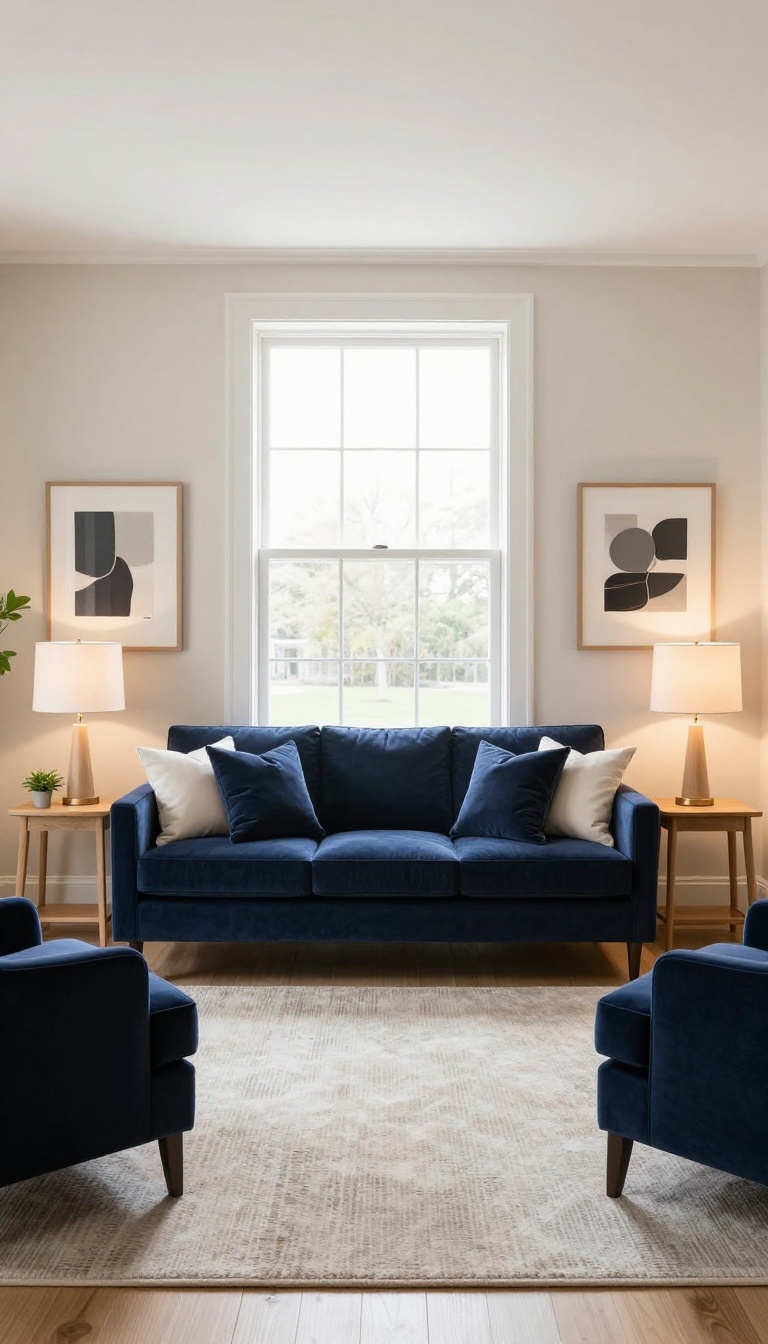
Symmetry brings a quiet sense of order to a living room, and it works especially well with a navy couch. When you mirror furniture on both sides, the eye relaxes and the deep color feels deliberate rather than heavy. It's an easy way to make the space look pulled together without spending a dime.
You don't need a perfectly matched set to get the benefit. The goal is visual balance, not a showroom floor. Once you start thinking in pairs, the navy couch becomes the anchor that everything else supports.
Pair Your Side Tables And Lamps
Flank the couch with two identical side tables and two matching lamps. This creates a frame that draws attention to the couch itself. The repetition also makes the navy feel intentional, like you planned every detail.
Keep the lamps at the same height and distance from the arms for a clean look.
Mirror Your Seating
If you have the space, place two accent chairs opposite each other, angled slightly toward the couch. This forms a conversation circle that feels welcoming. Choose chairs with similar scale and color to keep the symmetry strong.
The navy couch then sits as the centerpiece of a balanced arrangement.
Repeat Art And Pillows
Hang two matching pieces of art on either side of a window or behind the couch. On the couch itself, use an even number of pillows—two on each end works well. This small repetition ties the whole room together.
It's a subtle trick that makes the navy look like part of a bigger plan.
14. Bring in Greenery for a Fresh Contrast

Navy blue has a way of making a room feel calm and collected, but it can also lean a little serious. A few well-placed plants fix that fast. They add a soft, organic green that pops against the deep blue without fighting it.
Plus, they quietly clean the air while they're at it.
You don't need a jungle. One or two statement plants can change the whole mood. The trick is picking varieties that hold their own next to such a rich color.
Think big leaves, trailing vines, or sculptural shapes that feel intentional.
Pick Plants That Pop
Large, glossy leaves like those on a fiddle leaf fig or rubber tree create a bold contrast. The deep green reads almost black against navy, which adds depth. If you want something softer, try a snake plant with its upright, architectural leaves.
It's nearly indestructible and looks sharp in a simple pot.
Play With Placement
A tall plant in the corner behind the couch fills empty space and draws the eye up. A smaller one on a side table softens the hard lines of the furniture. For a trailing effect, set a pothos or philodendron on a shelf and let it cascade down.
Just keep leaves from brushing the couch fabric to avoid moisture issues.
Choose Pots That Blend
The container matters as much as the plant. A matte white or ceramic pot keeps things clean and modern. Woven baskets add texture and warmth, which balances navy's cool tone.
If you want a little shine, a brass or copper planter picks up light and adds a subtle metallic accent.
15. Experiment With a Dark and Moody Palette
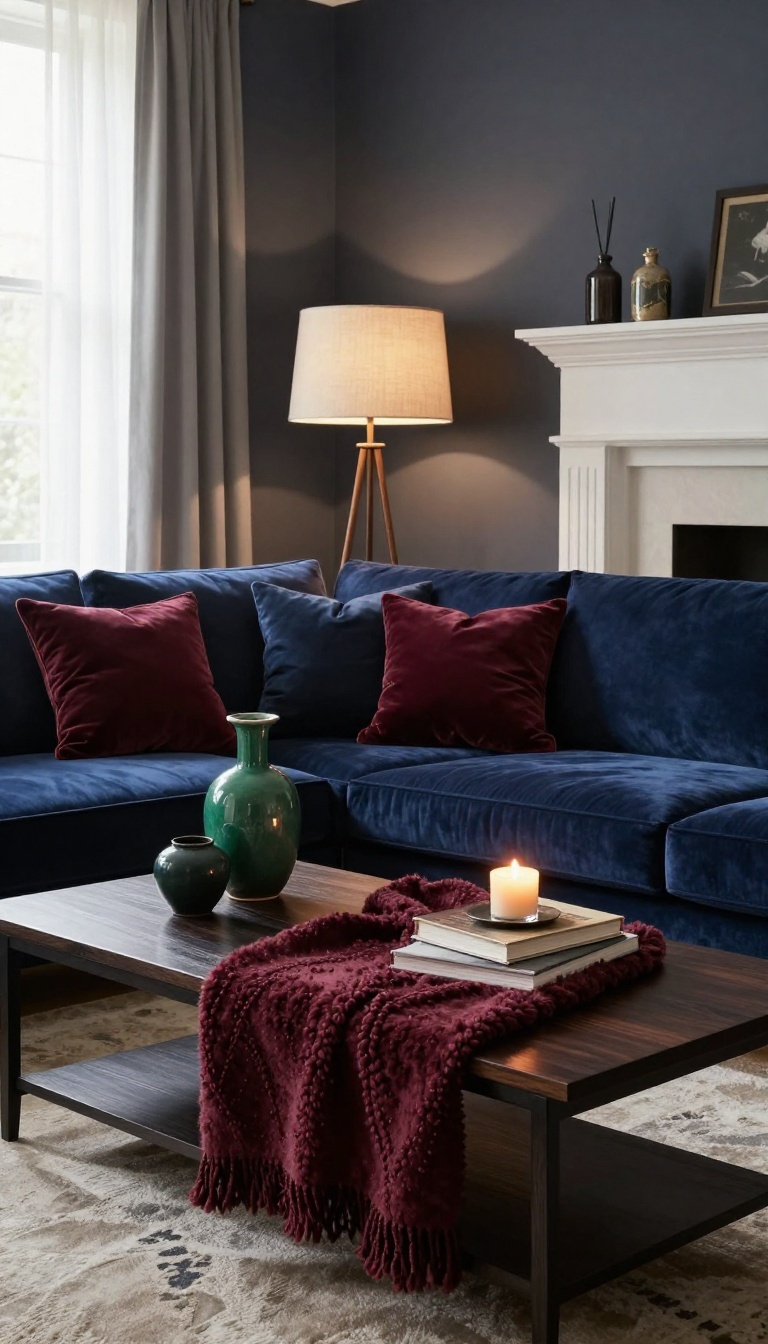
Going dark doesn't mean losing light. It means controlling it. A navy couch already leans moody, so leaning further into charcoal walls and deep accents can turn your living room into a cozy, dramatic retreat.
The trick is layering tones so the room feels rich, not flat. You want shadows that invite you in, not ones that swallow the space. Done right, this palette feels like a warm hug on a rainy day.
Start by painting the walls a soft charcoal or deep slate. It sounds bold, but it actually makes your navy couch pop instead of blending in. The contrast between cool navy and warm charcoal creates depth without much effort.
Next, bring in dark wood furniture and matte black accents. A coffee table in espresso or a side table in black metal grounds the room. Just don't go too matchy—mix textures like velvet, leather, and wool to keep things interesting.
For lighting, skip the bright overheads. Use warm bulbs in table lamps and floor lamps to cast a soft glow. Add a few candles or a fireplace if you have one.
The goal is a room that feels intimate and inviting, not gloomy. Finally, layer in deep jewel tones like emerald, burgundy, or mustard as accents. A throw pillow, a rug, or a piece of art can add just enough color to keep the mood from feeling one-note.
Keep the overall vibe cohesive but not monotonous.
Pick The Right Shade Of Dark
Charcoal isn't the only option. Try deep forest green, midnight blue, or even a warm espresso brown. Each one pairs differently with navy.
Test a few swatches on your wall before committing. The right dark shade will make your couch look intentional, not accidental.
Balance With Texture And Light
Dark rooms can feel heavy if everything is matte. Add shine with brass or glass accents. A mirror can bounce light around and keep the space from feeling like a cave.
And don't forget a light-colored ceiling—it helps the room breathe.
Keep It Cozy, Not Creepy
The difference between moody and gloomy is warmth. Use soft throws, plush rugs, and warm lighting. Avoid harsh white bulbs or cold metals.
If it feels like a stylish lounge rather than a dungeon, you're on the right track.
FAQ
What colors go best with a navy blue couch?
Warm neutrals like cream, beige, and white work well, as do metallics like brass and gold. For contrast, try mustard, rust, or blush pink. You can also layer different shades of blue for a monochromatic look.
How can I make a navy blue couch look cozy?
Add soft textures like a chunky knit throw, velvet pillows, and a plush rug. Warm lighting from lamps and candles also helps. Layering different fabrics and materials makes the space feel inviting.
Is a navy blue couch hard to style?
Not at all. Navy is a versatile neutral that pairs with many colors and styles. The key is to balance it with lighter or warmer elements to avoid a heavy feel.
Start with a light rug and add accents from there.
What rug color works with a navy blue couch?
Light rugs like ivory, light gray, or soft beige create a nice contrast and keep the room feeling open. If you want a bolder look, a patterned rug with navy and warm tones can tie everything together.
Can I use navy blue in a small living room?
Yes, but balance it with light walls and plenty of natural light. A navy couch can actually make a small room feel cozy and grounded. Avoid too many dark elements; keep the rest of the palette light and airy.
Conclusion
Navy blue rewards you most when you stop treating it like a risk. Pick one idea here that fixes your actual complaint, whether that's a couch that disappears against the wall or a room that never feels warm. Try it for a week before buying anything else.
Small moves usually beat one big overhaul.
Warm the lighting, layer in texture, and let the navy do the heavy lifting. Once the room feels settled, stop. Deep contrast works best when it looks effortless, not decorated.