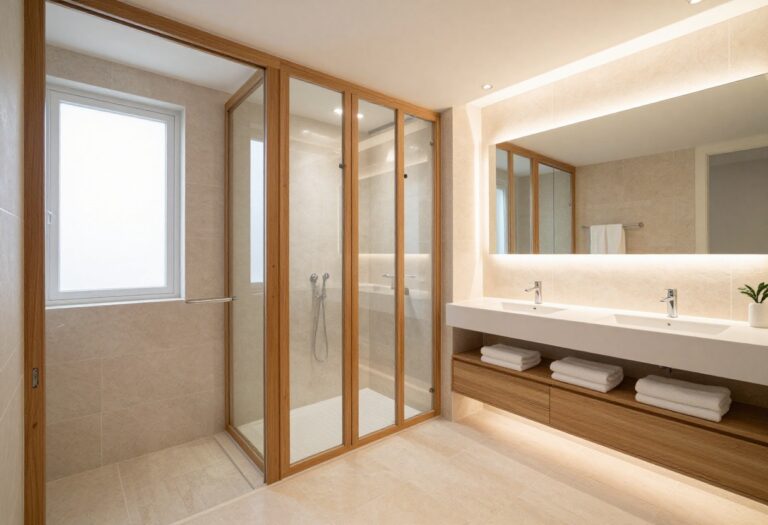
15 Polished Half Wall Shower Ideas for a Clean, Custom Space
Half wall showers are having a moment, and for good reason. They open up a bathroom without sacrificing privacy or practicality. If you're tired of bulky enclosures, a half wall can give your space a fresh, airy feel.
These designs work in almost any bathroom, from compact guest baths to spacious master suites. The key is choosing the right materials and layout to match your style. With a little planning, you can get a custom look that's both functional and beautiful.
Below, you'll find 15 polished half wall ideas that solve common shower problems—like splashing, clutter, and a closed-in feel. Each one offers a unique twist, so you can pick what fits your space best.
1. Floating Half Wall with Glass Shield
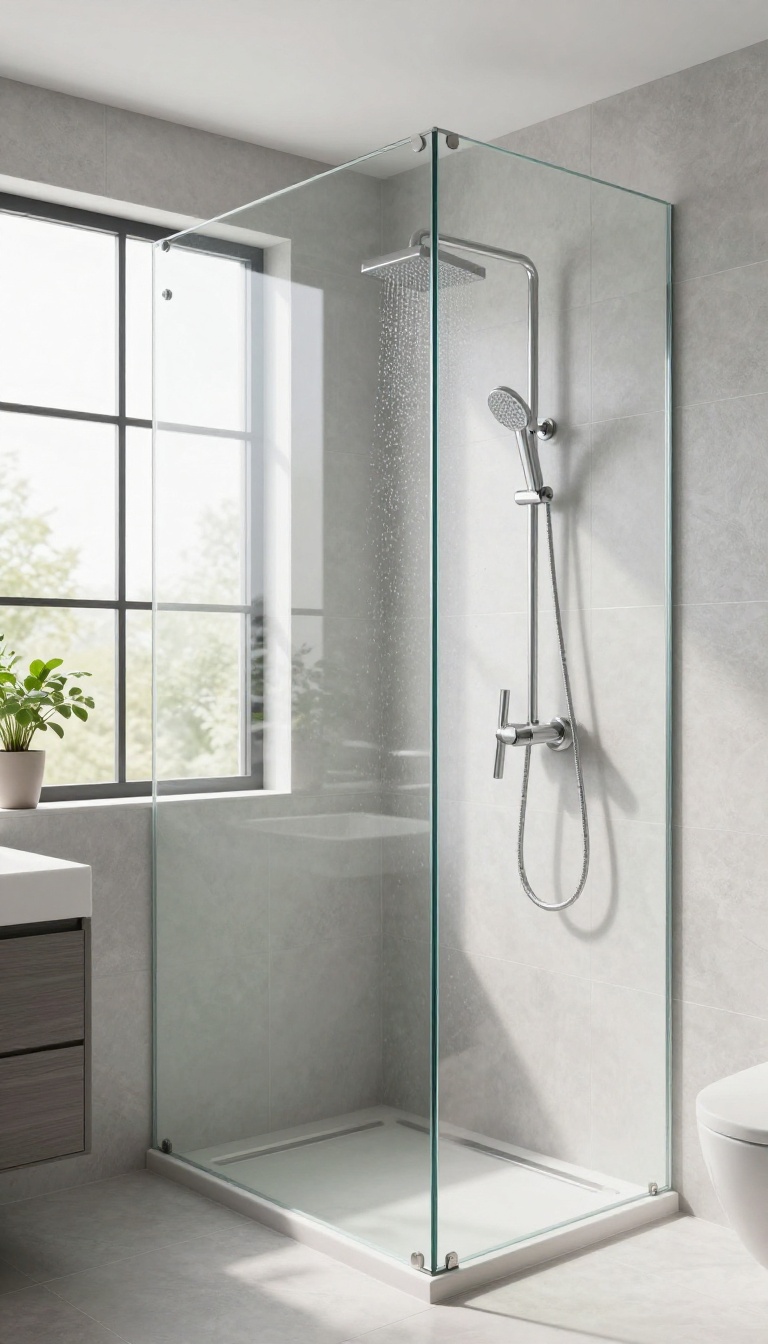
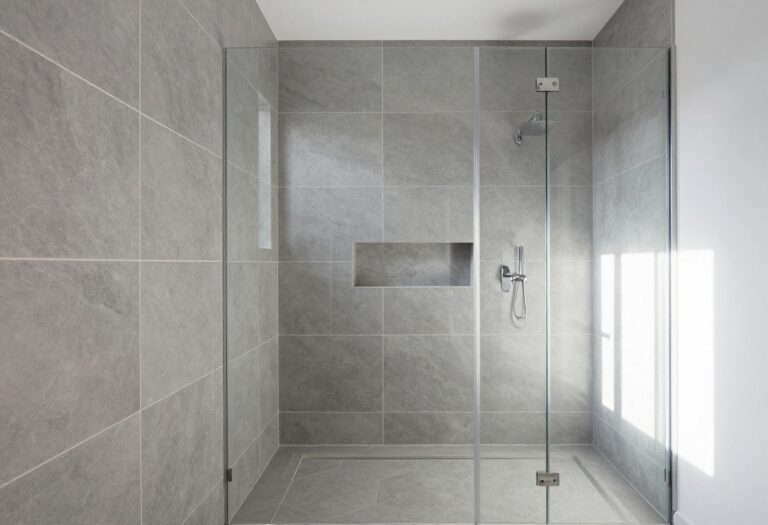
A floating half wall with a glass shield is a clever way to keep the open, airy feel of a half wall while adding extra splash protection. The glass extends upward from the wall, blocking water without making the shower feel enclosed. It's a great option if you love the look of a half wall but worry about water getting everywhere.
This design pairs a sturdy half wall with a clear glass panel that rises above it. The wall itself can be finished in tile, stone, or even waterproof paint, while the glass keeps the space light and open. You get the best of both worlds: a solid barrier for privacy and a transparent shield for visibility and light flow.
Why It Works
The floating wall creates a visual break without blocking light, making the bathroom feel larger. The glass shield catches splashes that might otherwise escape, so you can skip a full enclosure. It's also easier to clean than a fully glassed shower, since the lower wall hides soap scum and water spots.
Installation Tips
For the wall, consider a moisture-resistant material like porcelain tile or a solid surface panel. The glass should be tempered and at least 3/8 inch thick for safety. Have a professional install the glass to ensure it's properly anchored and sealed.
Also, plan the height carefully—typically 48 to 60 inches for the wall, with the glass adding another 12 to 18 inches above.
Styling Ideas
Use the half wall as a ledge for shampoo bottles or a small plant. Choose a glass with a subtle tint or frosted finish for extra privacy. Pair the wall with a rainfall showerhead for a spa-like feel.
Keep the rest of the bathroom neutral to let the design shine.
2. Tile-to-Ceiling Half Wall for a Seamless Look
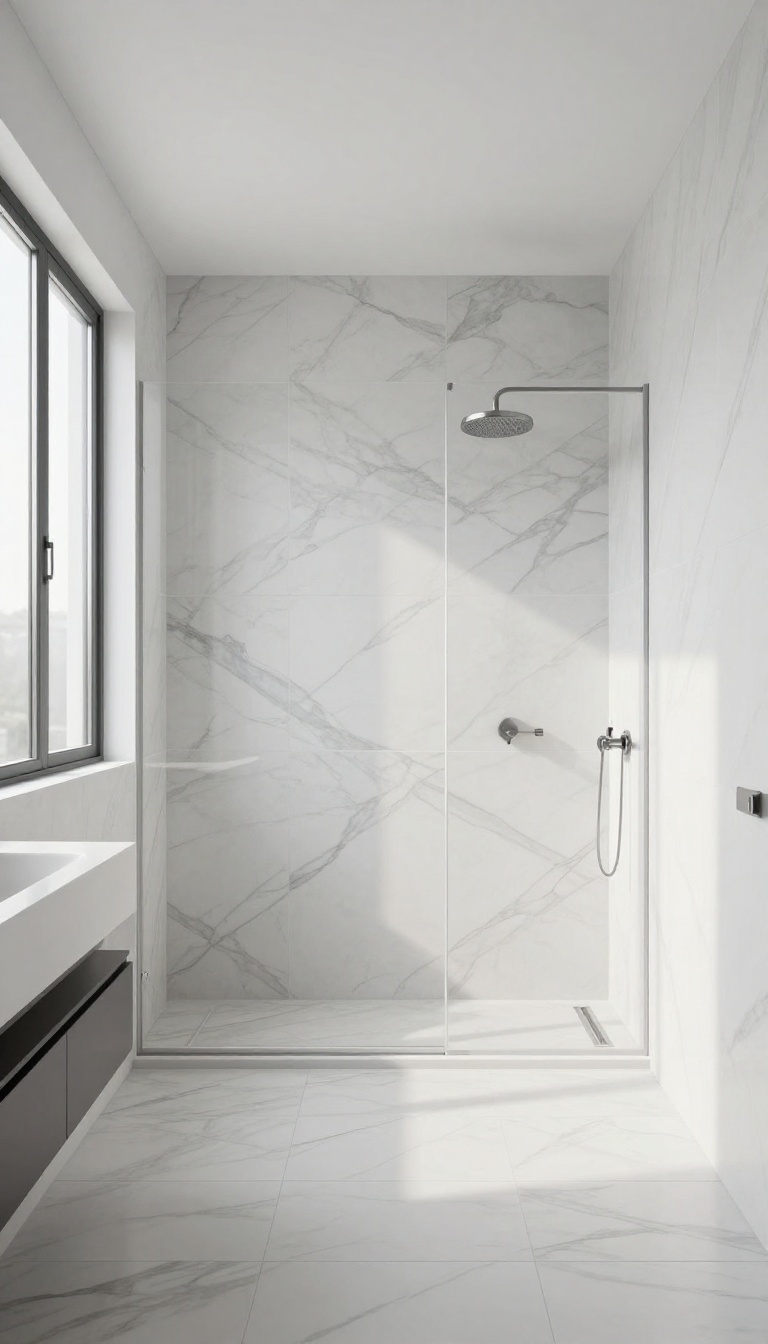
When you tile the entire half wall and continue that tile all the way to the ceiling, something magical happens. The eye follows the continuous line, making the bathroom feel taller and more open. This approach turns the half wall into a design feature rather than just a practical divider.
This idea works especially well with large-format tiles or marble slabs. Fewer grout lines mean a cleaner, more modern aesthetic that feels custom and expensive. You can even carry the same tile onto the main shower wall behind the fixtures for a truly unified look.
Choose The Right Tile Size
Large tiles, like 12×24 inches or bigger, reduce grout lines and create a more seamless appearance. Smaller tiles, like subway or mosaic, can work but may break the visual flow. If you love pattern, consider a large-format tile with subtle veining to keep the space calm.
Match The Grout Color
To enhance the seamless effect, pick a grout color that closely matches the tile. This hides the joints and makes the surface look like one continuous sheet. For a bolder look, you can choose a contrasting grout, but that will break the seamless illusion.
Extend Beyond The Shower
For maximum impact, continue the same tile from the half wall onto the adjacent bathroom wall or even the floor. This blurs the boundary between the shower and the rest of the room, making the space feel larger and more cohesive.
3. Half Wall with Built-In Shelving
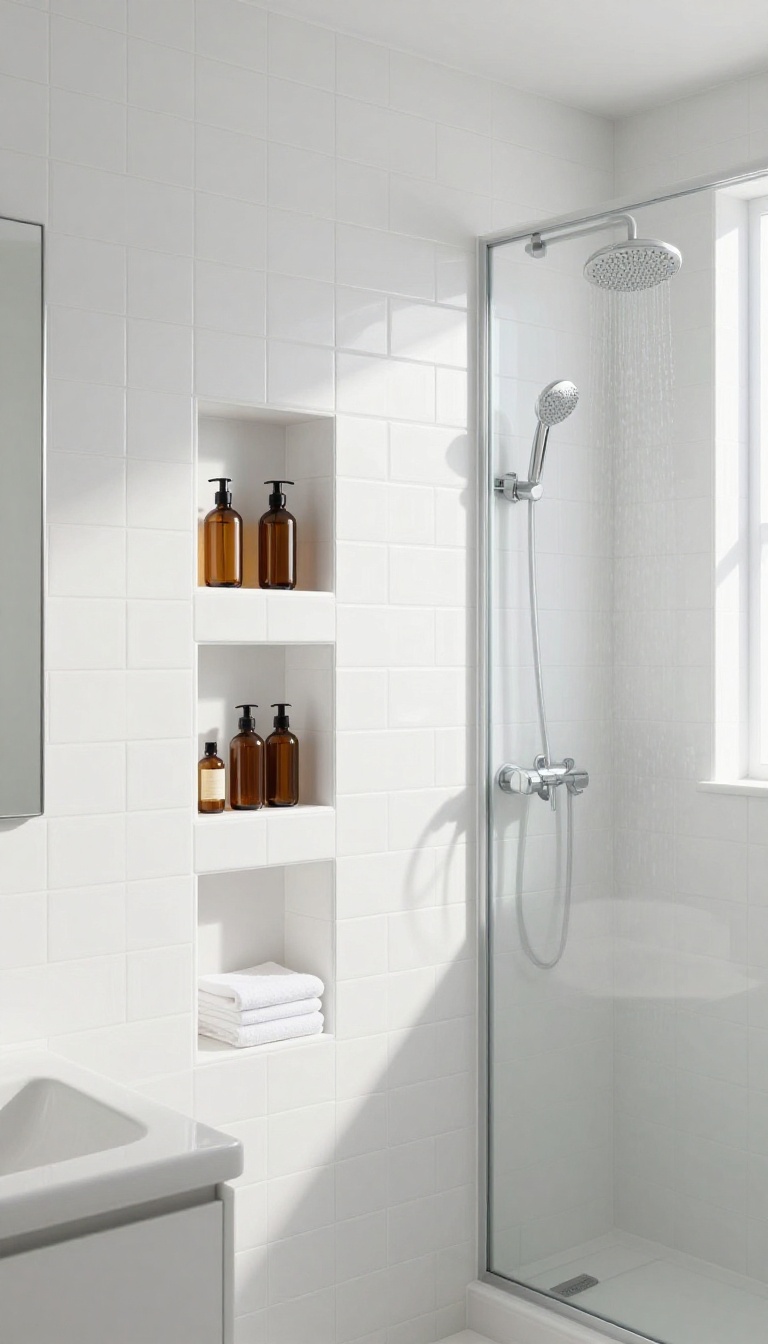
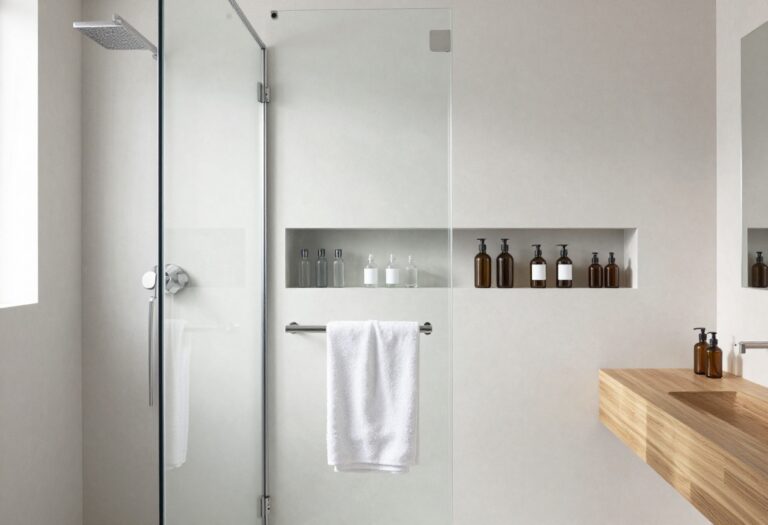
A half wall can do more than divide space—it can also hold your shower essentials. By adding recessed shelves or niches directly into the wall, you create a built-in storage solution that keeps everything within easy reach. No more bulky caddies or bottles cluttering the floor or ledge.
Built-in shelving turns an ordinary half wall into a hardworking feature. Recessed niches blend seamlessly with the tile, giving you a clean, custom look that also solves the age-old problem of where to put your shampoo and soap. Whether you have a small shower or a spacious one, these shelves keep your products organized and accessible without taking up any extra room.
Why Recessed Niches Beat Surface Shelves
Surface-mounted shelves can look bulky and collect grime in the corners. Recessed niches, on the other hand, sit flush with the wall, so they're easier to clean and less likely to snag your loofah. Plus, they add a touch of luxury that feels custom-made for your bathroom.
Where To Place The Shelves
Think about your shower routine. Place a niche at shoulder height for easy access to shampoo and body wash. Add a lower shelf for smaller bottles or a razor.
If your half wall is tall enough, you can even stack two niches for extra storage without making the wall feel crowded.
Materials And Finishes That Work
Match the niche material to your wall tile for a seamless look, or use a contrasting tile to make the shelf pop. Waterproof materials like ceramic, porcelain, or natural stone are ideal. For a modern touch, consider a metal frame around the niche or a glass shelf inside.
4. Curved Half Wall for a Soft, Modern Touch
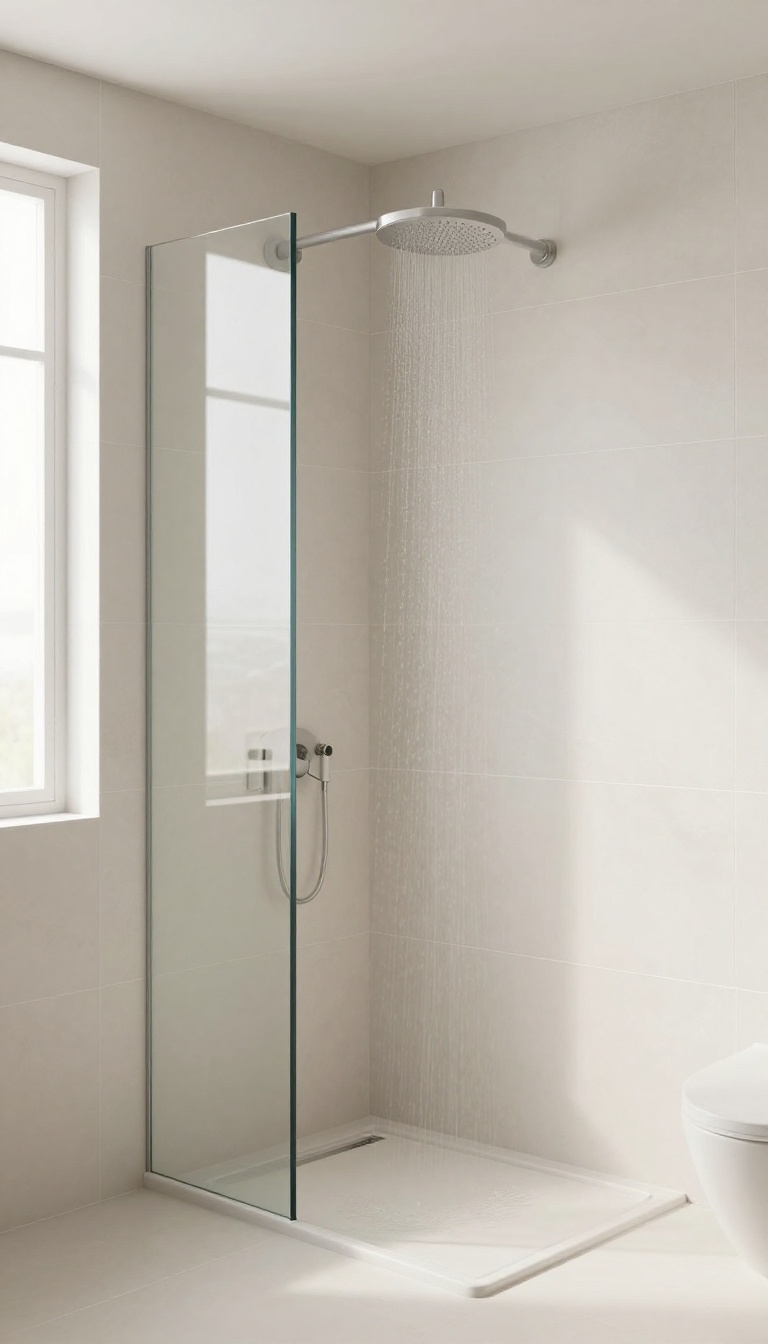
Straight lines and sharp corners are great, but sometimes a bathroom needs a little softness. A curved half wall introduces a gentle, sculptural element that instantly changes the feel of the space. It’s a subtle way to add architectural interest while keeping the shower open and airy.
The curve isn’t just about looks—it also helps guide water back into the shower and makes the space feel more organic. Plus, it can make a small bathroom appear larger by removing harsh angles. Whether you go for a full arc or just a rounded edge, this design feels both modern and inviting.
Why Choose A Curved Half Wall?
A curved half wall breaks up the boxy feel of many bathrooms, adding a touch of elegance. It also improves water containment by directing splashes back toward the drain. The rounded shape is easier to clean than sharp corners and creates a natural flow that’s pleasing to the eye.
Materials That Work Best
For a seamless look, consider building the curve with drywall or plaster and then tiling over it. Large-format tiles or porcelain slabs can follow the curve beautifully if cut properly. Natural stone like travertine or marble adds a luxurious touch, while matte finishes help hide water spots.
A waterproof backing board is essential to prevent moisture damage.
Design Tips For A Polished Finish
Pair the curved wall with a rainfall showerhead to emphasize the organic vibe. Use a glass panel that curves slightly to match the wall for a cohesive look. Keep the rest of the bathroom simple—let the wall be the star.
Add a niche or shelf built into the curve for storing toiletries without breaking the line.
5. Half Wall with Frameless Glass Panel
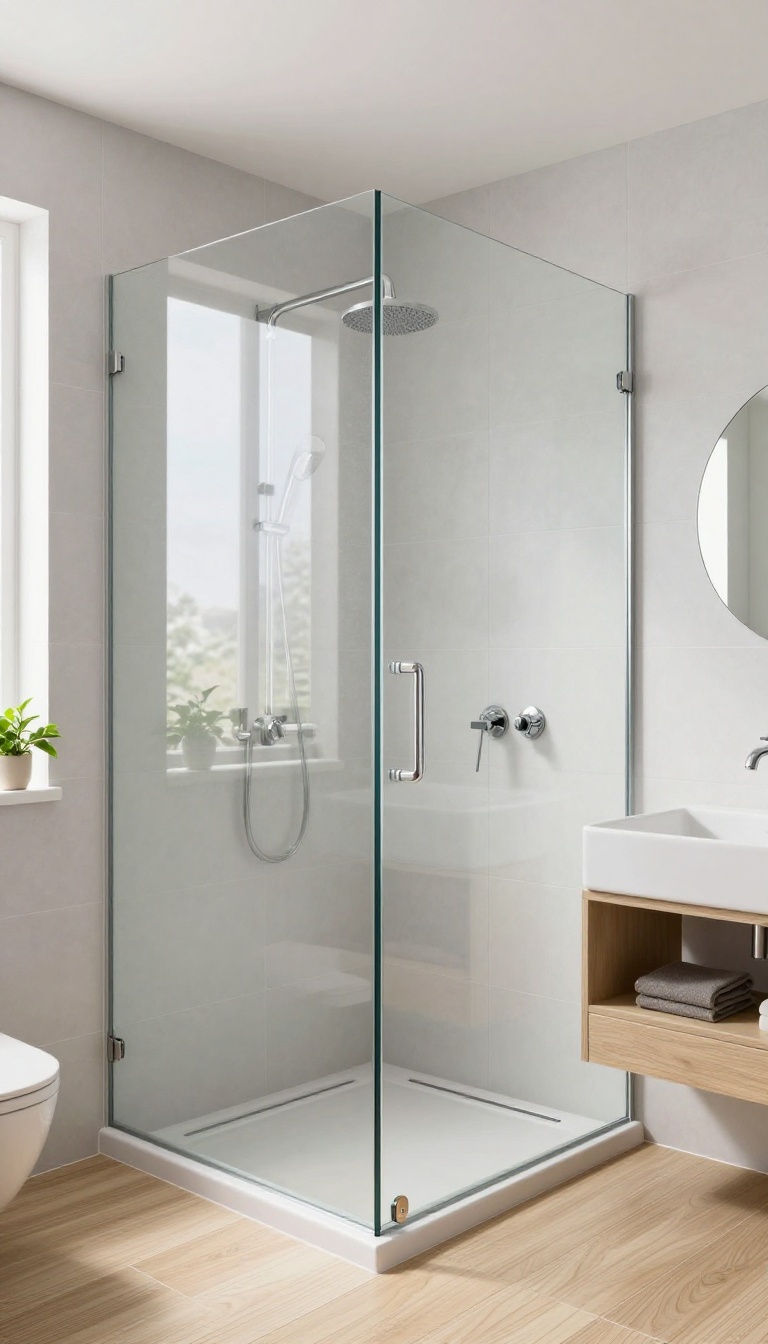
A half wall alone can feel a bit exposed, especially if you're sharing the bathroom. That's where a frameless glass panel comes in. It adds a protective barrier without blocking light or making the shower feel closed off.
The result is a sleek, modern look that keeps the space open and bright.
Pairing a low half wall with a frameless glass panel is one of the smartest ways to get the best of both worlds. The half wall provides a solid base and some privacy, while the glass extends upward to catch splashes. Because the glass has no frame, it blends into the background, making the shower feel larger than it is.
Why Frameless Glass Works
Frameless glass panels are held in place with minimal hardware, so they look almost invisible. This design lets natural light flow through, keeping the bathroom bright and airy. Plus, without a bulky frame, there are fewer places for soap scum and grime to build up, making cleaning a breeze.
Choosing The Right Glass
You can pick clear glass for a completely open feel or go with frosted glass if you want a bit more privacy. Tempered glass is a must for safety, and it's strong enough to handle daily use. For a touch of luxury, consider a glass panel with a subtle tint or a textured finish.
Installation Tips
The glass panel usually attaches to the wall on one side and the half wall on the other. Make sure the half wall is sturdy enough to support the weight of the glass. A professional installer can ensure everything is level and sealed properly, so you don't end up with leaks or wobble.
6. Textured Stone Half Wall for a Spa Vibe
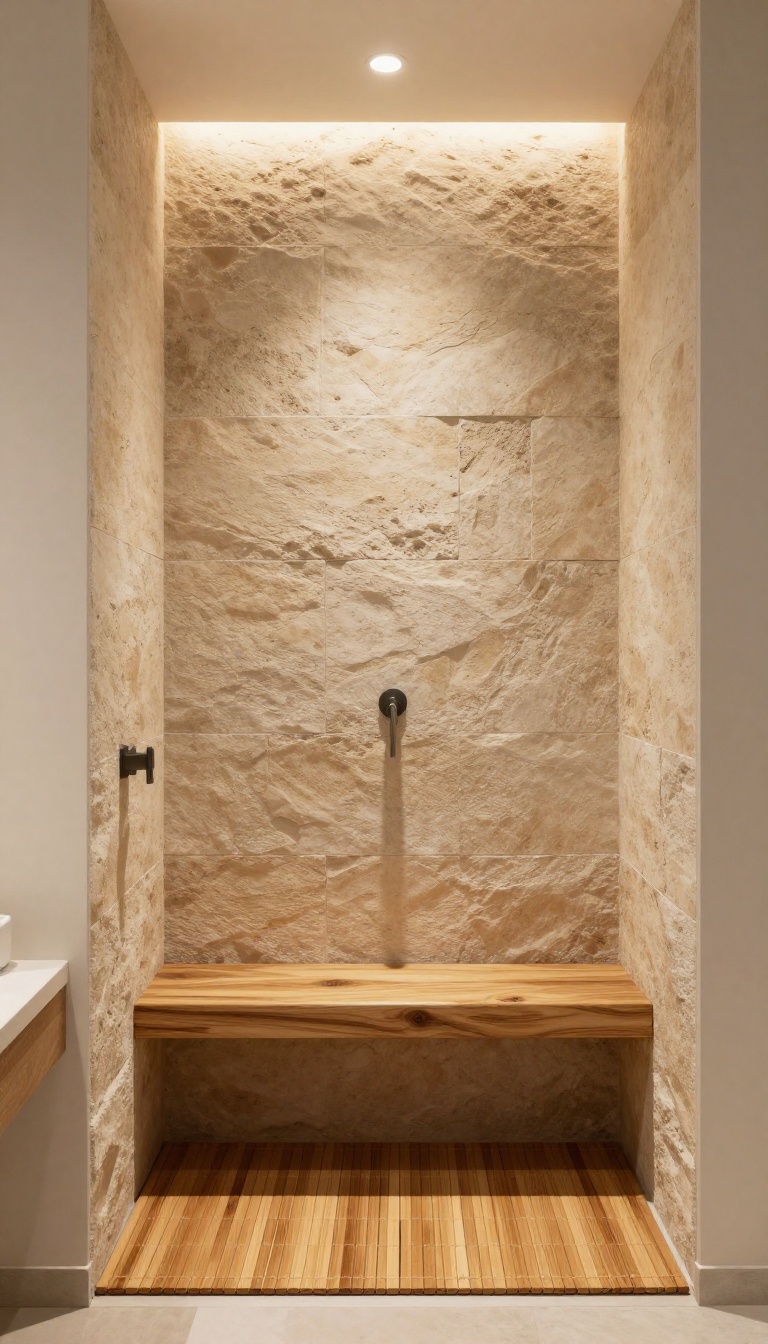
Natural stone brings an instant sense of calm, and when it covers a shower half wall, the effect is pure relaxation. The rough, uneven surface catches light in a way that flat tile just can't, making the whole bathroom feel more organic and grounded. If you're aiming for that high-end spa look without a full remodel, this is a smart way to get there.
Textured stone or tile on a half wall does more than look pretty—it also adds depth and dimension to the shower area. The tactile surface invites touch, and the earthy tones pair beautifully with wood accents, like a teak bench or a natural oak vanity. Plus, the texture helps hide water spots and soap scum, so it stays looking clean with less effort.
Choosing The Right Stone
Not all stone is created equal when it comes to showers. Porous options like travertine need sealing, while slate and quartzite are more water-resistant. For a low-maintenance choice, go with a porcelain tile that mimics stone—it gives you the same look without the upkeep.
Pick a finish that's slightly textured but still smooth enough to clean easily.
Pairing With Wood Accents
Wood and stone are a classic spa duo. Add a teak shower bench or a wooden shelf to warm up the coolness of the stone. You can also use a wood-framed mirror or a bamboo mat just outside the shower to tie the whole look together.
Just make sure any wood inside the shower is rated for wet areas and sealed properly.
Lighting To Enhance The Texture
Good lighting makes a textured wall pop. Install a recessed spotlight or a wall sconce that casts a gentle glow across the stone's surface. Avoid harsh overhead lights that flatten the texture.
Dimmable lights are a nice touch—you can adjust the mood from bright morning showers to a soft evening soak.
7. Half Wall with Contrasting Paint or Tile
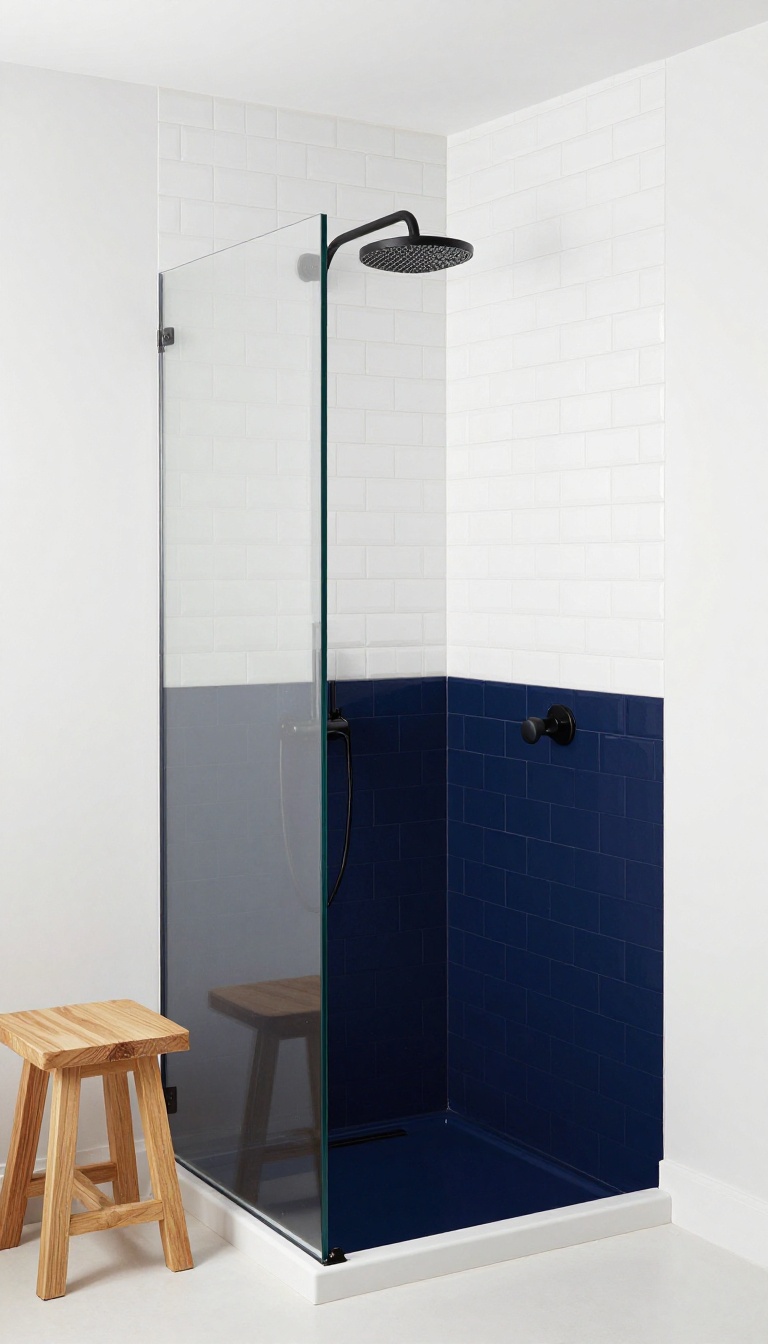
Sometimes the simplest tweak makes the biggest splash. Instead of blending your half wall into the background, let it stand out with a bold paint color or a contrasting tile pattern. This turns a practical divider into a design statement, giving your shower a custom feel without adding a single extra wall.
A contrasting half wall is all about playing with color and texture. You can go dark and dramatic, light and airy, or somewhere in between. The goal is to make the half wall pop against the rest of the bathroom, so it becomes a deliberate focal point rather than an afterthought.
Pick A Paint Color That Pops
If your bathroom is mostly neutral, a saturated hue like deep navy, forest green, or charcoal can anchor the space. These colors hide water spots well and create a cozy, spa-like vibe. For a softer contrast, try a pastel like sage or blush, which adds warmth without overwhelming the room.
Just make sure the paint is rated for high-moisture areas—bathroom-specific formulas resist peeling and mildew.
Go Bold With Tile Contrast
Tile gives you more texture and durability than paint alone. Use large-format tiles in a contrasting color for a modern look, or go with a mosaic pattern for added visual interest. A classic choice is white subway tile on the walls with a black or colored half wall, which creates crisp, clean lines.
If you're feeling adventurous, try a geometric pattern on the half wall and keep the rest simple—that contrast draws the eye right where you want it.
Balance The Rest Of The Bathroom
A contrasting half wall is a strong design element, so keep the rest of the room relatively calm. Use similar tones in your towels, bath mat, or accessories to tie everything together. If you choose a bright color, balance it with neutral fixtures and finishes.
The goal is to make the half wall stand out, not clash with everything else.
8. Half Wall with Bench Seat
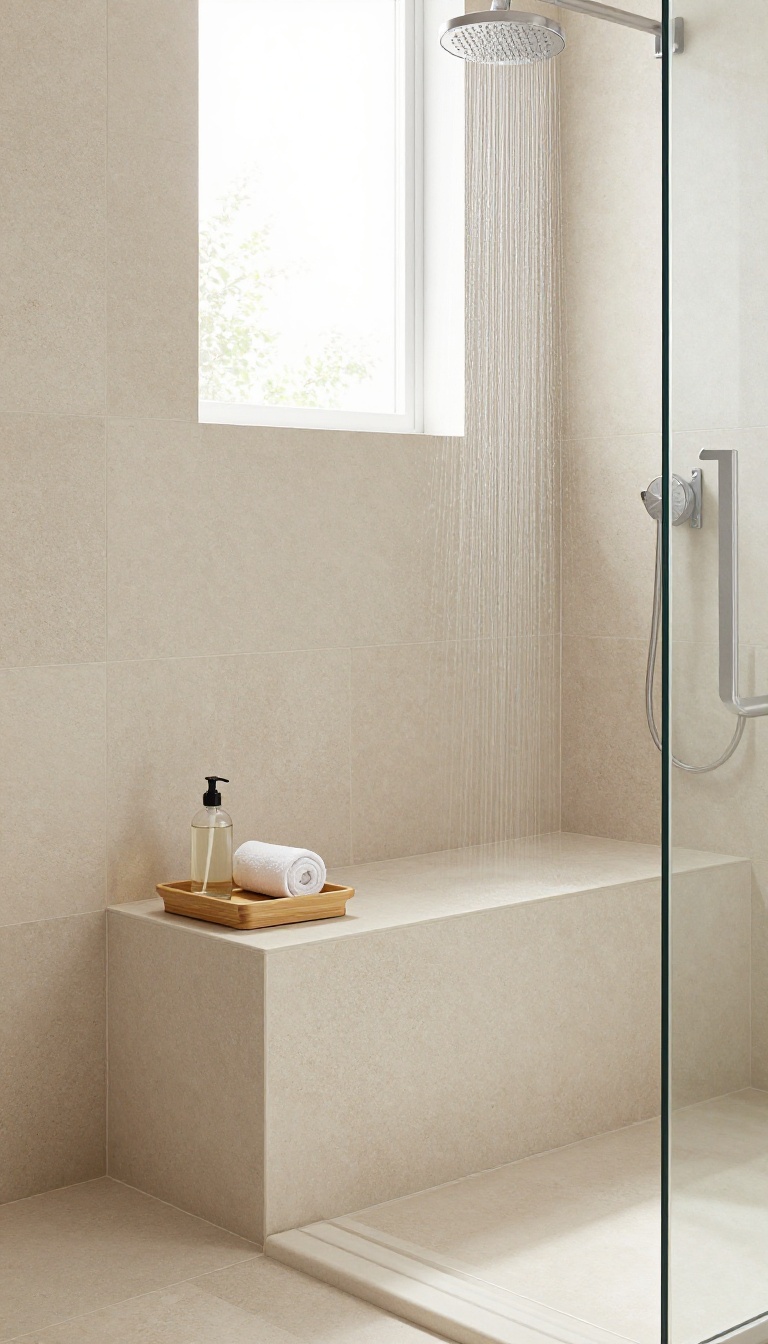
A bench built into the half wall is a smart way to add function without taking up extra floor space. It gives you a spot to sit while shaving your legs or just to steady yourself in the shower. And when you're not using it as a seat, it becomes a handy ledge for your shampoo, soap, or a relaxing candle.
The bench isn’t just a place to sit—it’s a multitasker. You can use it to prop up a foot while you shave, or set down your loofah and body wash. Some designs even add a slight slope to the bench top so water runs off, keeping it dry and safe.
Plus, it can double as a step if you need a little extra height to reach the showerhead.
Built-in Vs. Floating Bench
You have two main options: a bench that’s built directly into the half wall, or a floating bench that attaches to the wall. Built-in benches feel seamless and can be tiled to match your shower, creating a custom, integrated look. Floating benches are a bit more modern and can be made from wood, stone, or concrete.
They’re also easier to install if you’re working with an existing wall.
Material And Maintenance
Since the bench is inside the shower, it needs to handle moisture well. Tile is a popular choice because it’s waterproof and easy to clean. Natural stone like marble or travertine looks luxurious but requires regular sealing.
If you prefer wood, go with a moisture-resistant type like teak, and make sure it has proper drainage to prevent mildew. Whatever you choose, keep grout lines sealed to avoid water damage.
Space And Placement Tips
A bench works best when it’s placed on the side of the half wall that’s inside the shower, so you can sit facing the showerhead. Make sure there’s enough room to move around—about 15 to 18 inches of depth is comfortable. If your bathroom is small, a corner bench can save space.
And don’t forget to consider the height: a standard bench is around 18 inches, but you can adjust it to your preference.
9. Half Wall with Open Top for Light Flow
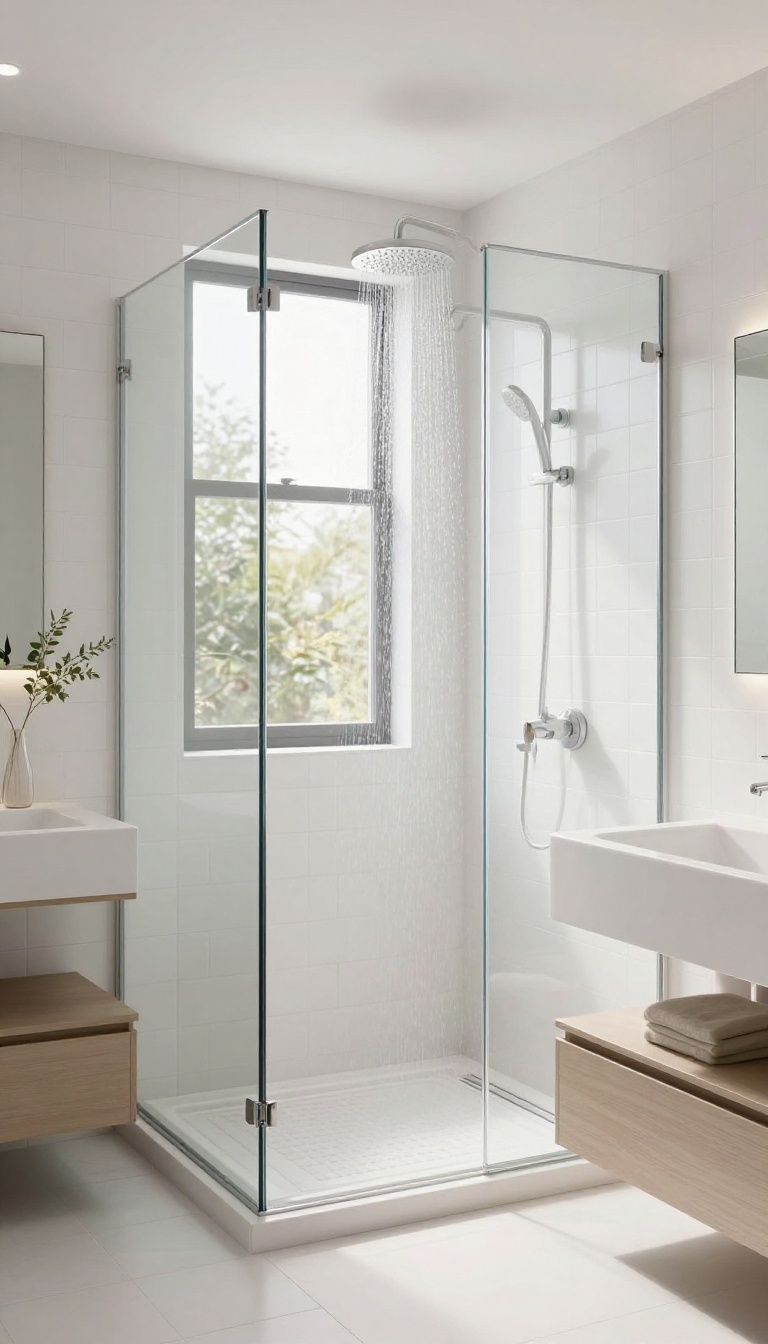
When your bathroom feels more like a cave than a retreat, the culprit is often a solid barrier blocking natural light. An open-top half wall solves that by keeping the partition low and leaving the upper portion open. This simple design choice lets daylight travel freely across the room, making even a small bathroom feel brighter and more spacious.
It's a clever way to maintain a sense of separation without cutting off the light.
Open-top half walls are a favorite in bathrooms that sit next to a window or share an exterior wall. They let you enjoy the privacy of a partial partition while allowing sunlight to spill into the shower area. This setup also improves airflow, reducing humidity and preventing that stuffy feeling after a hot shower.
Plus, the open design creates a visual connection with the rest of the bathroom, making the entire space feel larger and more cohesive.
Perfect For Window Placement
If your shower is near a window, an open-top half wall is a natural match. You can position the wall to shield the toilet area or vanity while letting the window light wash over the shower. This keeps the bathroom bright without needing extra artificial lighting during the day.
It's also a great option for corner showers where a full wall would block the view and the light.
Adding Glass For A Polished Look
For a more finished appearance, you can top the half wall with a glass panel that extends upward. This gives you the light flow of an open top while adding a layer of protection against splashes. The glass can be frameless for a modern look or framed with slim metal for a touch of industrial charm.
It's a practical upgrade that keeps the space feeling open and airy.
Maximizing Natural Light In Dark Bathrooms
If your bathroom lacks windows, an open-top half wall can still help by allowing light from adjacent rooms to filter in. You can position the wall so it doesn't block the path from a doorway or an interior window. This trick works especially well in bathrooms that are tucked inside a home, where every bit of borrowed light counts.
The result is a softer, more welcoming atmosphere.
10. Half Wall with Mosaic Accent Strip
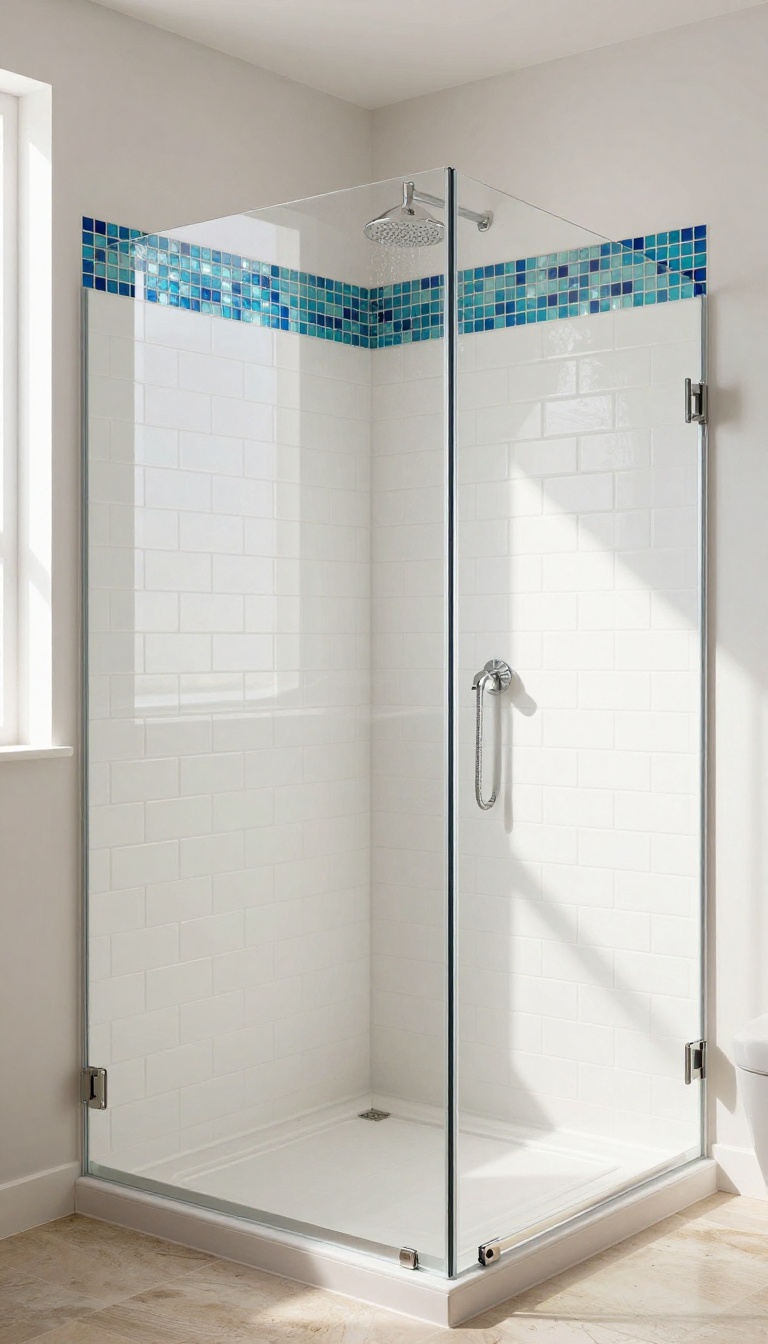
A half wall is a clean canvas, but sometimes it needs a little personality. Adding a mosaic accent strip is an easy way to inject color, texture, and visual interest without overwhelming the space. It’s a budget-friendly upgrade that feels custom and intentional.
The mosaic strip can be placed along the top edge of the half wall to draw the eye upward, or at mid-height to create a horizontal break. You can choose a contrasting color to make it pop, or stick with complementary tones for a subtle, cohesive look. The small tiles add a tactile element that plain tile can’t match.
Choosing The Right Mosaic
Mosaic tiles come in endless materials—glass, ceramic, stone, or even metal. Glass mosaics reflect light and add a touch of glamour, while natural stone brings an earthy, organic feel. Think about your existing fixtures and the overall vibe you want.
A glass strip in a bold blue can become a focal point, while a neutral pebble mosaic blends in seamlessly.
Placement Ideas
The most common spot is along the top edge, acting like a decorative cap. This works especially well if the half wall is the first thing you see when entering the bathroom. Alternatively, place the strip at eye level or slightly below to create a visual anchor.
You could also run it vertically at the end of the wall for a modern, asymmetrical look.
Diy Or Pro?
Installing a mosaic strip is a manageable DIY project if you have basic tiling skills. The key is getting the surface flat and using the right adhesive. If you’re not confident, hiring a pro for this small job is still affordable and ensures a crisp, professional result.
Either way, the payoff is a bathroom that feels uniquely yours.
11. Half Wall with Hinged Glass Door
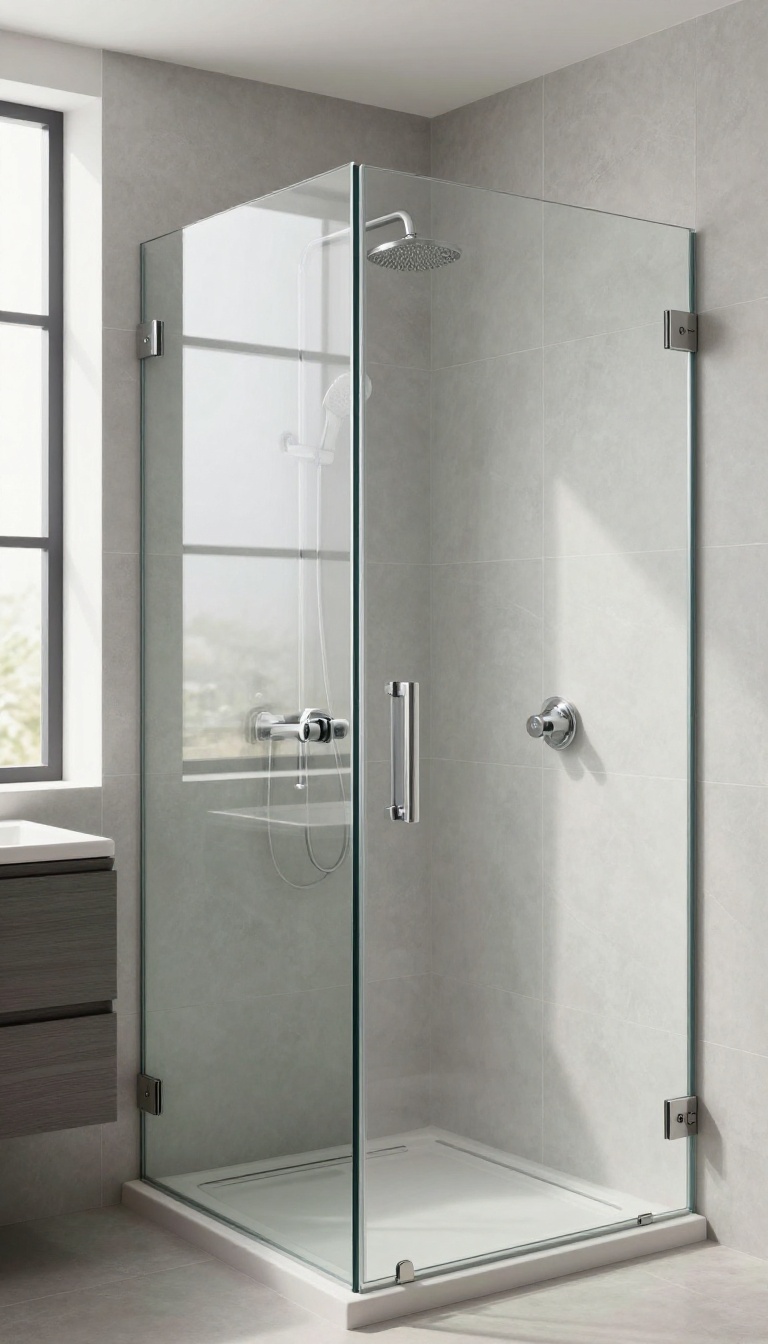
A hinged glass door attached to a half wall offers the best of both worlds: the open, airy feel of a half wall with the water containment of a full enclosure. This setup feels familiar and traditional, yet it keeps the bathroom looking spacious and custom. The glass door swings outward, so you don't need to worry about it getting in the way inside the shower.
It's a practical choice for anyone who wants to avoid the hassle of a sliding track or a full glass surround.
This design pairs a solid half wall with a single hinged glass panel that swings open and closed. The half wall provides a sturdy anchor and a bit of privacy, while the glass door seals off the shower when in use. It's a classic look that works well in both modern and traditional bathrooms.
The key benefit is easy access. You simply pull the door open and step in—no sliding mechanisms to fight with. The door also helps keep warm air inside, which is nice on chilly mornings.
Plus, the glass lets in natural light, making the shower feel larger than it is.
Why A Hinged Door Works
A hinged door is straightforward and reliable. Unlike sliding doors, there are no bottom tracks to collect grime or get misaligned. The hinge mechanism is simple and durable, and the door can swing fully open for cleaning or for a wider entry.
This makes it a great option for anyone who wants a low-maintenance shower door.
Choosing The Right Glass
For safety and style, consider tempered glass with a clear or frosted finish. Clear glass keeps the open feel, while frosted glass adds privacy. You can also opt for low-iron glass, which has a clearer, less green tint.
If you're worried about water spots, a water-repellent coating can make cleaning easier.
Installation Tips
The half wall needs to be sturdy enough to support the hinge and the weight of the glass. Typically, the wall is built with reinforced framing and a waterproof backer board. The glass door is then mounted with heavy-duty hinges that attach to the wall.
It's best to have a professional install the glass, as precise measurements and sealing are crucial to prevent leaks.
12. Half Wall with Rainfall Showerhead
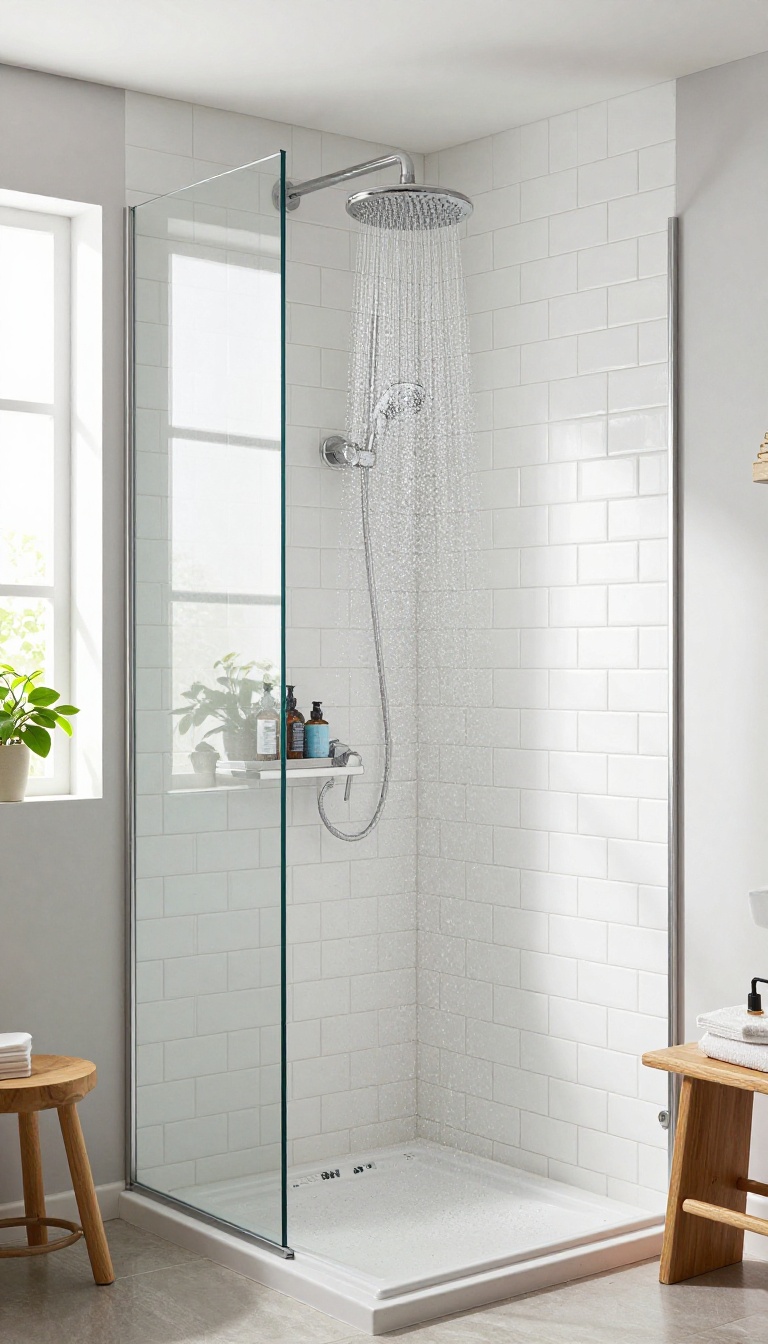
A rainfall showerhead can turn an ordinary shower into a spa-like experience, and pairing it with a half wall takes that luxury up a notch. The open design lets the water fall naturally, while the wall provides a subtle boundary that keeps the space feeling open and airy. It's a combination that works beautifully in modern bathrooms, offering both style and function.
When you pair a rainfall showerhead with a half wall, you get a shower that feels indulgent yet practical. The half wall does more than just define the space—it also helps contain splashes and provides a handy ledge for toiletries. Plus, the open top allows steam to escape, preventing that stuffy, closed-in feeling that full enclosures can create.
Here's how to make this idea work in your bathroom.
Choosing The Right Half Wall Height
The height of your half wall plays a big role in how the shower feels. A wall that's about chest height (around 48 to 54 inches) offers good splash protection while still letting you see over the top. If you prefer a more open look, a lower wall around 36 inches can work, but you might need a shower curtain or glass panel to keep water from escaping.
Think about your own height and how much coverage you need.
Positioning The Rainfall Showerhead
Rainfall showerheads are typically mounted on the ceiling or high on the wall, so placement is key. For a half wall setup, mount the showerhead directly above the center of the shower area, or slightly toward the wall to avoid spraying water out. Ceiling-mounted fixtures work best for a true rainfall effect, but wall-mounted arms with a long extension can also achieve a similar feel.
Make sure the showerhead is positioned so the water falls straight down, not at an angle.
Material And Finish Ideas
The materials you choose for the half wall and showerhead can tie the whole look together. For a sleek, modern vibe, go with large-format porcelain tiles in a matte finish, paired with a brushed nickel or matte black rainfall showerhead. If you prefer a warmer feel, natural stone like travertine or marble adds texture and elegance.
Consider adding a niche in the half wall for shampoo and soap, keeping the ledge clutter-free.
Splash Control And Flooring
Even with a half wall, some water will escape, so choose flooring that can handle moisture. Porcelain or ceramic tile with a textured surface is a safe bet, and adding a linear drain at the shower entrance helps manage water flow. You can also install a slight slope toward the drain to keep water from pooling.
If you want extra protection, a glass panel on top of the half wall can stop splashes without blocking the open feel.
13. Half Wall with Niche for Shampoo and Soap
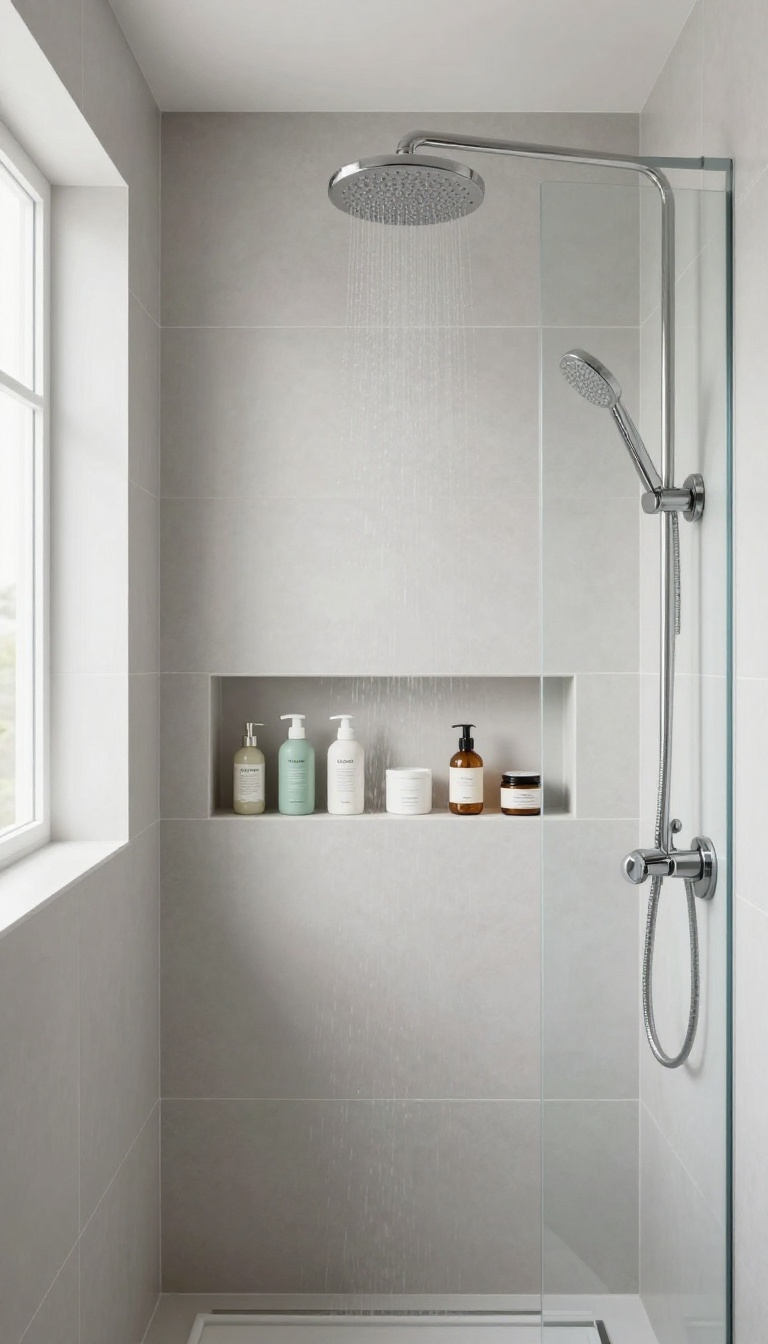
A niche carved into the half wall is a simple upgrade that pays off every time you shower. Instead of reaching for bottles on a caddy or the floor, everything is right there, neatly tucked into the wall. It's a small change that makes the space feel more organized and intentional.
Adding a niche to your half wall is all about smart storage. You get a built-in spot for shampoo, soap, and other essentials without taking up any extra floor space. The result is a cleaner, more minimal look that keeps your shower clutter-free.
Placement And Size
Think about where you naturally reach when you're in the shower. A niche placed around chest height is usually the sweet spot. Size matters too—make sure it's deep enough for full-size bottles, but not so big that it becomes a ledge for clutter.
A single niche is often enough, but if you have a larger shower, two smaller ones can be more practical.
Materials And Finishes
The niche should blend seamlessly with the rest of your half wall. Use the same tile or stone for a cohesive look, or make it a feature with a contrasting accent. If you're using large-format tiles, consider having the niche cut to match the grout lines for a custom finish.
Waterproofing is essential—make sure the niche is properly sealed to prevent moisture damage behind the wall.
Styling And Accessibility
A niche can be both functional and stylish. Add a small shelf inside to create two levels, or use a decorative tile insert to make it pop. For a sleek look, keep the niche flush with the wall surface.
And don't forget about accessibility—if you're designing for a family, place the niche at a height that works for everyone, or consider a second niche at a lower level for kids.
14. Half Wall with Wood-Look Tile
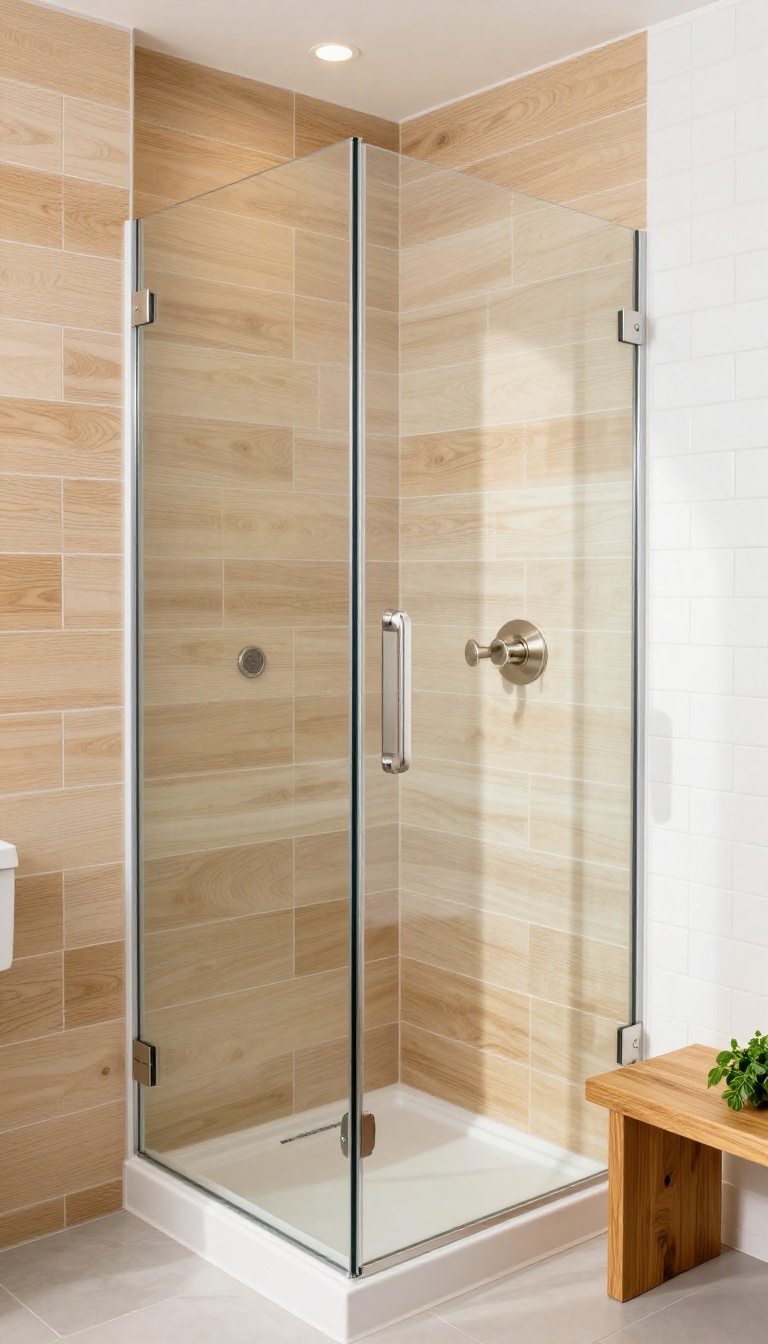
Bringing the outdoors in doesn't mean you have to sacrifice durability. Wood-look tile gives you that warm, natural feel without the worry of water damage. It's a smart pick for a half wall because it stands up to moisture while adding a cozy, organic touch to your shower.
Wood-look tile is a fantastic way to add warmth and texture to a half wall. Unlike real wood, it's completely waterproof and won't warp or rot in the humid environment of a shower. Plus, it's low-maintenance and easy to clean, making it a practical choice that still looks high-end.
Whether you go for a light oak or a rich walnut, this material can transform your shower into a serene retreat.
Why Wood-look Tile Works
Real wood in a shower is a recipe for trouble, but wood-look tile gives you the same aesthetic without the headaches. It's made from porcelain or ceramic, so it's non-porous and resists moisture, stains, and mold. That means you get the warm, inviting look of wood with the peace of mind that comes from a material built for wet areas.
Choosing The Right Shade And Pattern
The shade of wood-look tile can dramatically change the mood of your bathroom. Lighter tones like ash or birch make the space feel larger and brighter, while darker woods like teak or walnut add depth and a touch of luxury. You can also play with the layout—horizontal planks make the wall feel wider, while vertical ones draw the eye upward, making the ceiling seem higher.
Pairing With Other Materials
Wood-look tile pairs beautifully with other materials. Combine it with white subway tile on the upper half of the wall for a classic, clean contrast, or use it alongside natural stone for an earthy, spa-like vibe. You can also add a glass partition above the half wall to keep water in while still showing off the tile's beauty.
15. Half Wall with Black Metal Frame
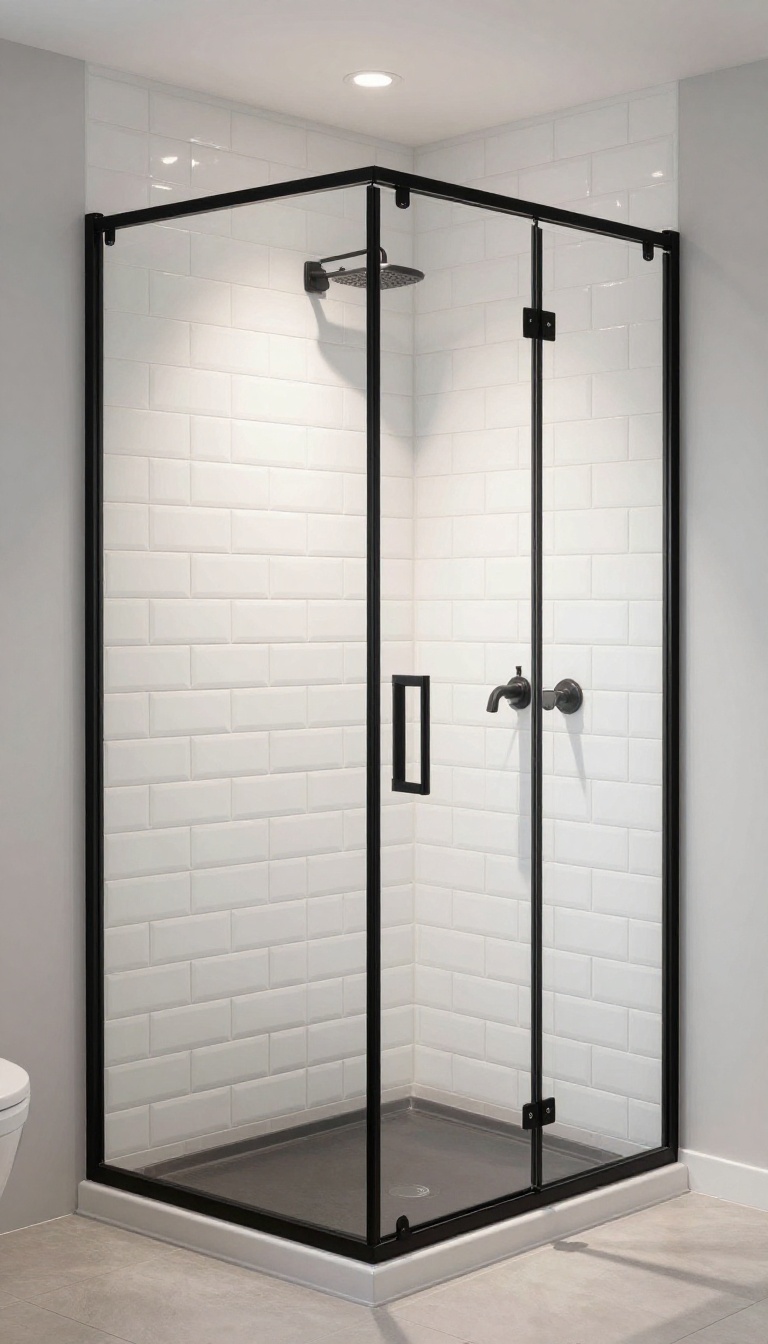
A black metal frame can give your half wall a sharp, architectural edge. It's a simple addition that instantly makes the space feel more intentional and modern. The contrast between the dark frame and lighter tiles or paint creates a crisp, clean look that fits right in with contemporary design trends.
Adding a black metal frame around your half wall is a bold move that pays off. It gives the structure a defined boundary and a touch of industrial sophistication. You can use a thin steel frame or go for a thicker, more substantial look, depending on the vibe you want.
The frame also helps protect the edges of the wall from chips and wear, so it's as practical as it is stylish.
Choosing The Right Profile
The thickness and shape of the metal frame matter more than you might think. A slim, rectangular profile keeps things sleek and minimal, while a wider, rounded frame feels softer and more traditional. Go with a matte black finish to avoid glare and fingerprints.
You can also add a small ledge on top of the frame for a place to rest shampoo bottles or a loofah.
Pairing With Tile And Fixtures
This frame works best with light-colored tiles, like white subway tile or pale marble, because it creates a striking contrast. If you have darker tiles, consider a brass or brushed nickel frame instead to keep the space from feeling too heavy. Match the frame to your shower fixtures and hardware for a cohesive look.
Black matte fixtures pair perfectly with the frame, but chrome or nickel can also work if you want a mixed-metal aesthetic.
Installation Tips
You can either have the metal frame custom-made or use pre-fabricated trim pieces. It's easiest to install the frame after the wall is built and tiled, but before the shower is fully sealed. Use a strong adhesive and screws to secure it, then caulk around the edges to prevent water from seeping behind.
If you're not confident in your DIY skills, a metal fabricator or contractor can handle it quickly.
FAQ
What is a half wall shower?
A half wall shower uses a partial wall, typically 3 to 4 feet high, to separate the shower area from the rest of the bathroom. It can be paired with glass or left open for a more spacious feel.
Do half wall showers keep water from splashing out?
Yes, if designed properly. Adding a glass panel or door above the half wall helps contain water. The half wall itself blocks most splashes, but you may need extra measures for full coverage.
Are half wall showers more affordable than full enclosures?
Often, yes. They use less material than full walls or glass enclosures, which can reduce costs. However, custom tile or glass can increase the price, so it depends on your choices.
Can I install a half wall shower in a small bathroom?
Absolutely. Half walls can make a small bathroom feel larger by opening up the space. They also allow more natural light to flow, which helps visually expand the area.
What materials work best for a half wall shower?
Water-resistant materials like ceramic tile, porcelain, natural stone, and glass are ideal. For the wall structure, use moisture-resistant drywall or cement board, and seal properly to prevent water damage.
Conclusion
Half wall showers strike a great balance between openness and privacy, and the right finish can make the whole bathroom feel more intentional. Whether you go with tile, stone, or a bold color, the key is matching the look to your daily routine and the rest of the space.
Start with one idea that solves a practical problem in your bathroom, then build from there. A few thoughtful upgrades can turn an ordinary shower into a spot you actually look forward to using—without needing a full remodel.