17 Cleaning Baking Sheets Tips for Burnt Brown Stains
That once-shiny baking sheet now looks like a map of burnt-on disasters. Brown stains from roasted veggies, melted cheese, or spilled sauces seem impossible to budge. But don't toss it yet—these stains are often easier to remove than you think.
Most burnt-on residue is just carbonized food, which reacts well to alkaline or acidic cleaners. With a little patience and the right technique, you can restore your sheet pan without harsh chemicals or endless scrubbing.
These 17 tips cover everything from pantry staples to clever tricks that tackle even the toughest burnt brown stains. Your baking sheets will look brand new again—no elbow grease required for most methods.
1. Baking Soda Paste – The Gentle Powerhouse
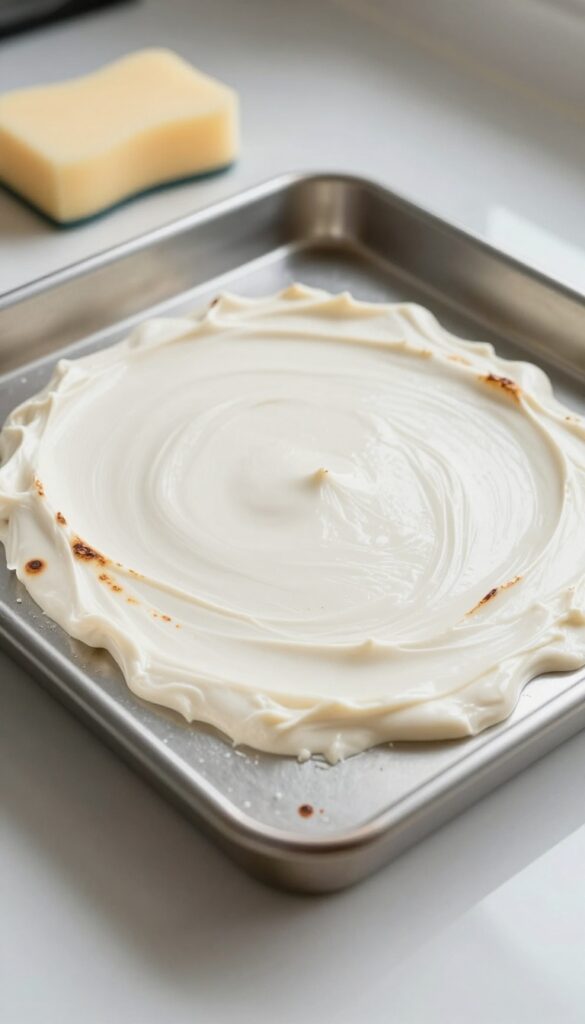
Baking soda is one of those kitchen staples that pulls double duty as a cleaner. When mixed into a paste, it becomes a mild abrasive that can lift burnt-on stains without scratching the metal surface of your baking sheet. It's cheap, non-toxic, and works on most types of baked-on grime.
To make the paste, combine three parts baking soda with one part water in a small bowl. Stir until it forms a thick, spreadable consistency. Apply the paste generously over the burnt brown stains and let it sit for at least 15 minutes—longer for tougher spots.
Then, scrub gently with a non-abrasive sponge or soft brush. Rinse with warm water and dry. For stubborn areas, you can add a splash of white vinegar to the paste; the fizzing action helps loosen residue.
This method is safe for all types of baking sheets, including non-stick and aluminum.
Why Baking Soda Works
Baking soda is alkaline, which helps break down acidic food residues. Its fine crystalline structure provides gentle abrasion that scrubs away carbonized bits without damaging the sheet's finish. Unlike harsh chemical cleaners, it won't create fumes or leave toxic residues.
Tips For Best Results
For maximum effectiveness, use warm water to make the paste—heat activates the baking soda slightly. Let the paste sit longer if the stains are old or thick. Avoid using metal scrubbers or steel wool, as they can scratch the surface.
If the paste dries out, reapply a little water to keep it moist.
When To Avoid This Method
Baking soda paste is generally safe, but avoid letting it sit on aluminum sheets for more than 30 minutes, as prolonged contact can cause slight discoloration. For non-stick sheets, use a soft sponge and gentle pressure to preserve the coating.
2. Hydrogen Peroxide and Baking Soda – Fizzing Action
Hydrogen peroxide isn't just for first aid—it's a powerful stain fighter. When you mix it with baking soda, you get a fizzy paste that lifts burnt-on grime without scrubbing. The oxygen bubbles work their way into the baked-on residue, loosening it from the surface.
This method is especially good for those dark, stubborn patches that seem welded to the pan.
Start by sprinkling a generous layer of baking soda over the stained areas. Then pour hydrogen peroxide over it until it forms a thick paste—you'll see it start to fizz. Let the mixture sit for about 30 minutes.
The bubbles will gradually break down the carbonized food. After the wait, wipe the paste away with a damp cloth or sponge. Most of the stain should come off easily.
For extra stubborn spots, give a gentle scrub with a non-abrasive pad.
Why This Combo Works
Baking soda is mildly alkaline, which helps soften burnt food. Hydrogen peroxide is a mild oxidizer, meaning it releases oxygen that physically pushes stains away from the metal. Together, they create a gentle but effective chemical reaction that doesn't damage the baking sheet's surface.
Best For Light To Moderate Stains
This method works wonders on stains that are brown but not charred black. If you have heavy, thick buildup, you may need to repeat the process or let it sit longer. It's also safe for aluminum and stainless steel sheets, but avoid using it on non-stick coatings as the peroxide could degrade them over time.
Pro Tip: Cover With Plastic Wrap
To keep the paste from drying out, cover the baking sheet with plastic wrap while it sits. This traps moisture and allows the fizzing action to work longer. After 30 minutes, remove the wrap, wipe off the paste, and rinse with warm water.
3. Dishwasher Detergent Soak – Set It and Forget It
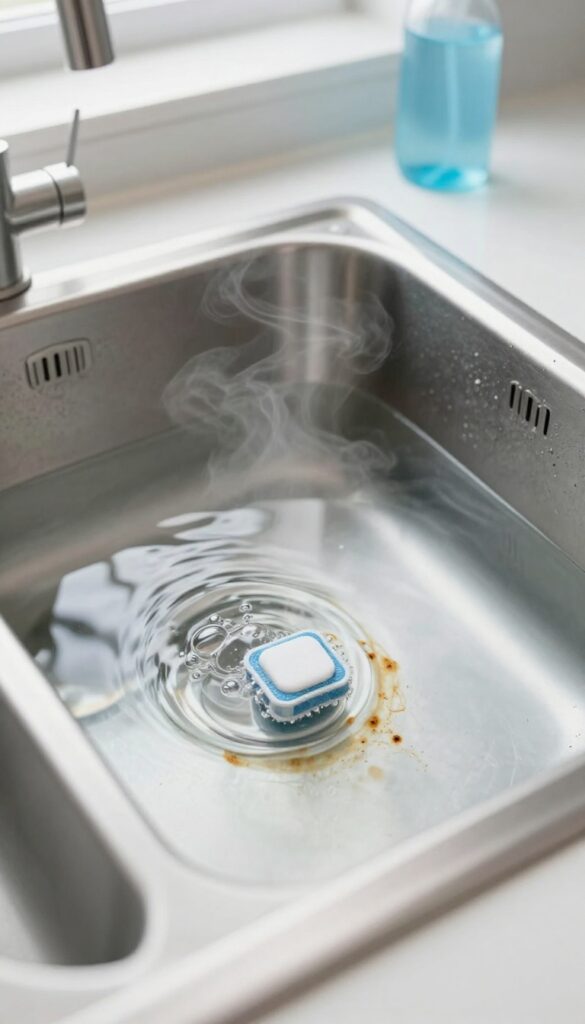
If you want a hands-off method that does most of the work for you, the dishwasher detergent soak is a game-changer. The powerful enzymes and bleach in dishwasher detergent are designed to break down baked-on food, so they tackle burnt brown stains with minimal effort on your part. Just let the hot water and detergent do their thing overnight.
Fill your sink or a large basin with the hottest tap water you can get. Add a scoop of powdered dishwasher detergent or drop in a tablet—about 2 tablespoons if using powder, or one tablet. Stir until it dissolves, then submerge the baking sheet completely.
Let it soak for at least 8 hours or overnight. The next morning, the stains should lift off with a gentle wipe or rinse. For stubborn spots, a quick scrub with a non-abrasive sponge finishes the job.
Why Dishwasher Detergent Works So Well
Dishwasher detergents contain surfactants, enzymes (like protease and amylase), and oxygen bleach. These ingredients are specifically formulated to attack dried, stuck-on food residues. The hot water activates the enzymes and bleach, which break down the carbonized protein and starch in burnt stains.
Unlike dish soap, which mainly cuts grease, dishwasher detergent chemically alters the stain so it releases from the metal.
Tips For Best Results
Use the hottest water possible—near-boiling is ideal. Make sure the baking sheet is fully submerged; weigh it down with a heavy plate if it floats. Avoid using this method on aluminum sheets, as the bleach can cause discoloration.
For stainless steel or nonstick pans, it's perfectly safe. If the stains are extra thick, repeat the soak or follow up with a baking soda paste.
4. Cream of Tartar – Acidic Stain Lifter
Cream of tartar is a powdered acid that often sits forgotten in the back of the spice cabinet. But when it comes to burnt-on stains, this mild acid works like a charm. It reacts with mineral deposits and carbonized food, breaking them down without scratching your pan.
Make a paste using cream of tartar and a splash of lemon juice or white vinegar. The consistency should be thick enough to stay put on vertical surfaces. Apply the paste directly to the burnt spots and let it sit for about 10 minutes.
The acid gently dissolves the stain, making it easy to wipe away with a damp cloth. For stubborn areas, give it a light scrub with a soft sponge.
Why It Works
Cream of tartar is potassium bitartrate, a natural acid. When mixed with another acid like lemon juice or vinegar, it creates a powerful yet gentle cleaning solution. The acidity helps break down the chemical bonds in burnt-on food and hard water deposits, lifting them from the metal surface.
How To Apply
Sprinkle cream of tartar directly onto the stain, then squeeze a little lemon juice or vinegar over it. Stir with a spoon to form a paste. Spread the paste evenly over the affected area and let it sit for 10 minutes.
After the wait, scrub gently with a non-abrasive sponge and rinse thoroughly.
Best For Light To Medium Stains
This method works best on stains that aren't too thick or charred. For heavy, crusty buildup, you may need to combine with a longer soak or a stronger cleaner. But for everyday burnt spots, cream of tartar is a surprisingly effective, food-safe option.
5. Vinegar and Baking Soda – Classic Combo
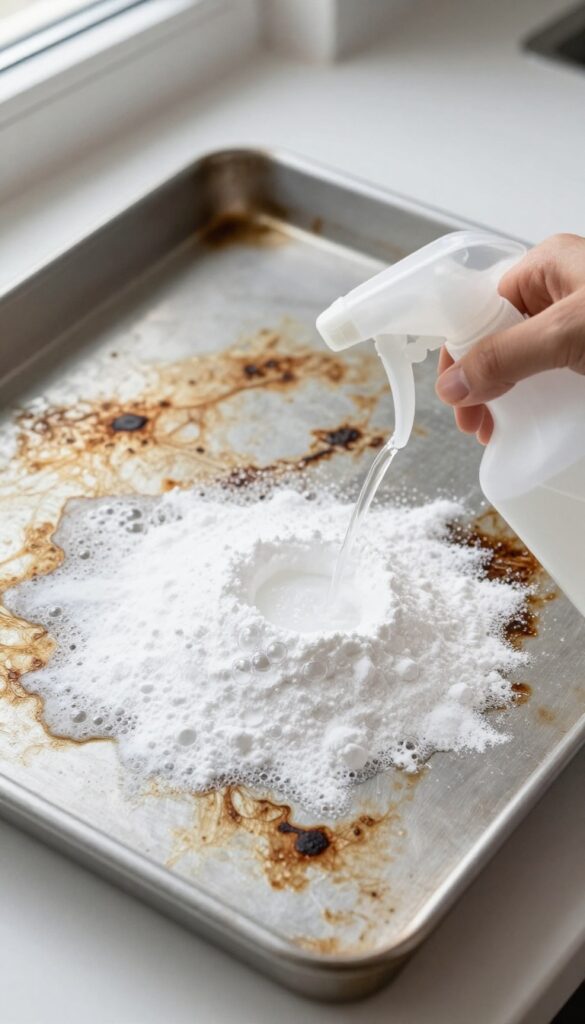
Vinegar and baking soda are the ultimate power couple for cleaning. When they meet, they create a fizzy reaction that helps lift burnt-on gunk without harsh scrubbing. This method works especially well for sheets with both greasy residue and carbonized spots.
Start by sprinkling a generous layer of baking soda over the entire baking sheet, focusing on the stained areas. Then spray or pour white vinegar over the baking soda until it's fully saturated. The mixture will bubble and foam—let it sit for about 20 minutes.
After the fizzing subsides, scrub with a non-abrasive sponge or brush. Rinse thoroughly with warm water and dry. For extra stubborn stains, you can make a paste with baking soda and a little water, apply it, then spray vinegar on top.
Why This Combo Works So Well
Baking soda is a mild alkali that helps dissolve grease and organic stains, while vinegar is a weak acid that reacts with baking soda to create carbon dioxide bubbles. This physical action helps dislodge burnt-on food particles from the metal surface. The alkaline-acid reaction also neutralizes odors, leaving your sheet pan fresh.
Best Practices For Best Results
Use distilled white vinegar for the strongest reaction. Avoid using this method on aluminum sheets if they have a non-stick coating, as the acid can damage the coating over time. For heavy stains, let the paste sit longer—up to an hour—before scrubbing.
Always rinse well to remove any residue.
What To Do If Stains Persist
If the first round doesn't remove all stains, repeat the process or follow up with a mild abrasive like a baking soda paste. You can also add a few drops of dish soap to the mixture for extra grease-cutting power. For really tough burnt-on layers, let the sheet soak in hot water with a splash of vinegar for 30 minutes before applying the baking soda.
6. Lemon and Salt – Natural Scrub
Lemons aren't just for lemonade—they're a powerhouse for cutting through grease and brightening surfaces. When paired with coarse salt, you get a gentle abrasive scrub that lifts burnt-on stains without scratching your baking sheet. This method is quick, smells great, and uses ingredients you already have.
Cut a lemon in half, dip the cut side into coarse salt, and scrub the stained areas in circular motions. The citric acid breaks down the carbonized food, while the salt provides just enough friction to lift the residue. Rinse with warm water and repeat for stubborn spots.
For extra tough stains, let the lemon-salt paste sit on the stain for 5 minutes before scrubbing.
Why It Works
Lemon juice is acidic, which helps dissolve the alkaline compounds in burnt-on food. Salt acts as a mild abrasive that physically scrubs away the softened residue without damaging the metal. Together, they create a chemical-mechanical cleaning duo.
Best For Light To Medium Stains
This method works wonders on fresh-ish burnt spots and light brown discoloration. For thick, crusty layers, you may need to combine it with a soak or use a stronger cleaner afterward. But for everyday maintenance, lemon and salt are hard to beat.
Pro Tip: Add A Little Warmth
If the stains are being stubborn, warm the baking sheet slightly in the oven (200°F for 5 minutes) before scrubbing. The heat helps the lemon juice penetrate faster. Just be careful not to burn yourself—use oven mitts!
7. Bar Keepers Friend – Heavy-Duty Cleaner
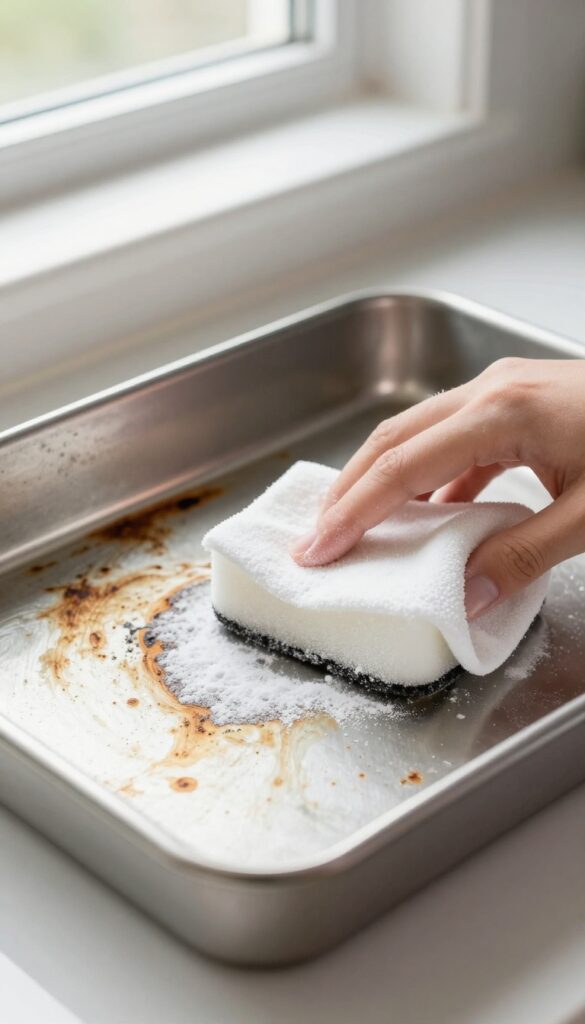
When baking soda and vinegar aren't cutting it, it's time to bring out the big guns. Bar Keepers Friend is a powdered oxalic acid cleaner that's been a kitchen secret for decades. It's especially effective on aluminum and stainless steel baking sheets, cutting through burnt-on stains like magic.
This cleaner works by chemically breaking down the carbonized food particles without harsh scrubbing. The oxalic acid reacts with the stains, lifting them away from the metal surface. It's safe for most metals but avoid using it on non-stick or enameled sheets, as it can damage the coating.
How To Use It
Wet your baking sheet with warm water, then sprinkle Bar Keepers Friend powder evenly over the stained areas. Let it sit for 1-2 minutes—don't let it dry out. Use a damp sponge or soft scrub brush to work the powder into a paste, focusing on the burnt spots.
Rinse thoroughly and dry immediately to prevent any residue.
Why It Works So Well
Oxalic acid is a mild but effective chemical that dissolves rust, stains, and mineral deposits. It's the same ingredient found in many commercial rust removers. For burnt-on food, it breaks the carbon bonds, making the stains lift away with minimal effort.
Plus, it's non-abrasive, so it won't scratch your sheet pan.
Safety Tips
Always wear gloves when using Bar Keepers Friend, as oxalic acid can irritate skin. Work in a well-ventilated area and avoid inhaling the powder. Never mix it with bleach or ammonia, as that can create toxic fumes.
After cleaning, rinse the sheet thoroughly with soap and water to remove any chemical residue before using it again.
8. Oven Cleaner – For Extreme Cases
Sometimes burnt-on stains laugh at baking soda and vinegar. When you've tried gentler methods and the carbonized layer still won't budge, it's time to bring out the heavy artillery: oven cleaner. This chemical powerhouse is designed to dissolve baked-on grease and carbon at high temperatures, so it handles cold baking sheet stains with ease.
Spray the oven cleaner liberally over the cold baking sheet, making sure to cover all stained areas. Let it sit for 15–30 minutes (or follow the product's instructions). The chemicals will break down even the most stubborn carbonized layers.
Then wipe clean with a damp cloth or sponge. Rinse thoroughly with water and mild soap to remove any residue. Always work in a well-ventilated area and wear rubber gloves to protect your skin.
Why It Works So Well
Oven cleaners contain strong alkaline ingredients like sodium hydroxide that saponify fats and break down carbonized food. This chemical reaction turns burnt-on gunk into a soapy substance that rinses away easily. It's the same action that cleans your oven's interior, but on a flat sheet pan it's even more effective.
Safety First
Oven cleaner is no joke. The fumes can be irritating, so open windows or work outside. Wear gloves and avoid contact with skin or eyes.
Don't use it on aluminum sheets unless the label says it's safe—it can cause discoloration or pitting. Keep it away from kids and pets.
When To Use This Method
Reserve oven cleaner for sheets with thick, crusty, or multiple layers of burnt residue that won't come off with gentler methods. It's perfect for neglected sheets that have been in the back of the cabinet for months. After treatment, your pan will look nearly new.
9. Dryer Sheet Trick – Surprising Softener
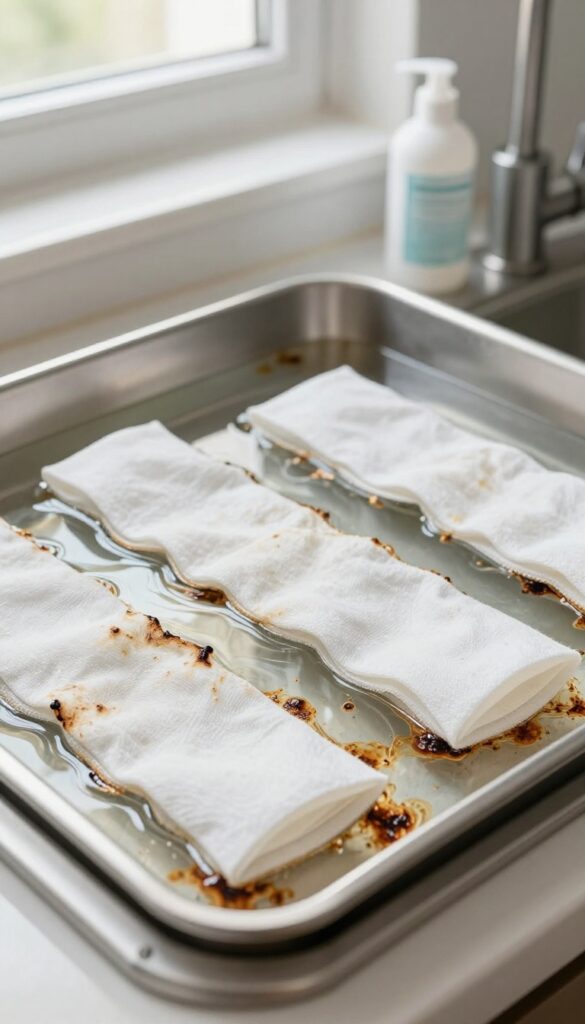
If you've got a box of dryer sheets under the sink, you're about to discover their hidden talent. Those little fabric softener sheets aren't just for static-free laundry—they're surprisingly effective at loosening burnt-on crud from baking sheets. The secret lies in the softening agents that break down grease and food residue, making this a zero-scrub method that feels almost like magic.
This trick works best for sheets with moderate to heavy burnt-on stains. You'll need a few used or new dryer sheets (unscented works fine), hot water, and a sink or tub large enough to submerge your pan. The fabric softener compounds in the sheets help dissolve carbonized food, so you can wipe away the mess without harsh chemicals or elbow grease.
How It Works
Dryer sheets contain cationic surfactants—the same ingredients that soften clothes and reduce static. When soaked in hot water, these compounds migrate onto the burnt-on residue and start breaking down the bonds between the food and the metal. The heat activates the process, and the longer you let it sit, the better the results.
Step-by-step Application
Place 2 to 4 dryer sheets directly on the stained areas of your baking sheet. Fill the pan or a larger container with hot water—enough to cover the sheets completely. Let it soak overnight (at least 8 hours).
In the morning, remove the sheets and rinse the pan. Most of the burnt-on gunk should slide off with a gentle wipe. For stubborn spots, a quick scrub with a soft sponge usually finishes the job.
Tips And Precautions
Use unscented sheets if you're sensitive to fragrances, and avoid using this method on non-stick pans—the chemicals can damage the coating. If the stains are very old or thick, you might need a second soak. Always rinse thoroughly with soap and water after the treatment to remove any residual softener.
This trick is a lifesaver for those days when you want clean pans without the workout.
10. Salt and Vinegar Scrub – Abrasive Acid
Coarse salt and vinegar make a surprisingly effective team. The salt acts as a gentle abrasive to physically lift burnt-on residue, while the vinegar's acidity breaks down grease and carbonized stains. This duo works especially well on fresh spills or stains that haven't fully baked on.
Sprinkle a generous layer of coarse salt over the burnt areas. Pour enough white vinegar to moisten the salt—it should form a thick paste. Let it sit for 5–10 minutes to soften the stains.
Then, using a sponge or a soft cloth, scrub in circular motions. The salt provides grit without scratching the metal, and the vinegar dissolves the greasy film. Rinse with warm water and dry immediately.
For stubborn spots, repeat or let the paste sit longer.
Why This Works
Salt is a mild abrasive that physically scrapes away burnt particles without damaging the baking sheet's surface. Vinegar is a weak acid that reacts with alkaline burnt residues, loosening them for easier removal. Together, they create a chemical-mechanical cleaning action.
Best For Light To Medium Stains
This method is ideal for stains that are relatively fresh or not deeply carbonized. Heavily burnt, blackened sheets may need a stronger approach, but for most everyday baked-on messes, salt and vinegar do the job.
Tips For Best Results
Use coarse salt (like kosher or sea salt) rather than fine table salt—it provides better abrasion. If the paste dries out, add a little more vinegar. Avoid using metal scrubbers, as they can scratch the pan.
Rinse thoroughly to remove all salt residue.
11. Boiling Water with Baking Soda – Deep Soak
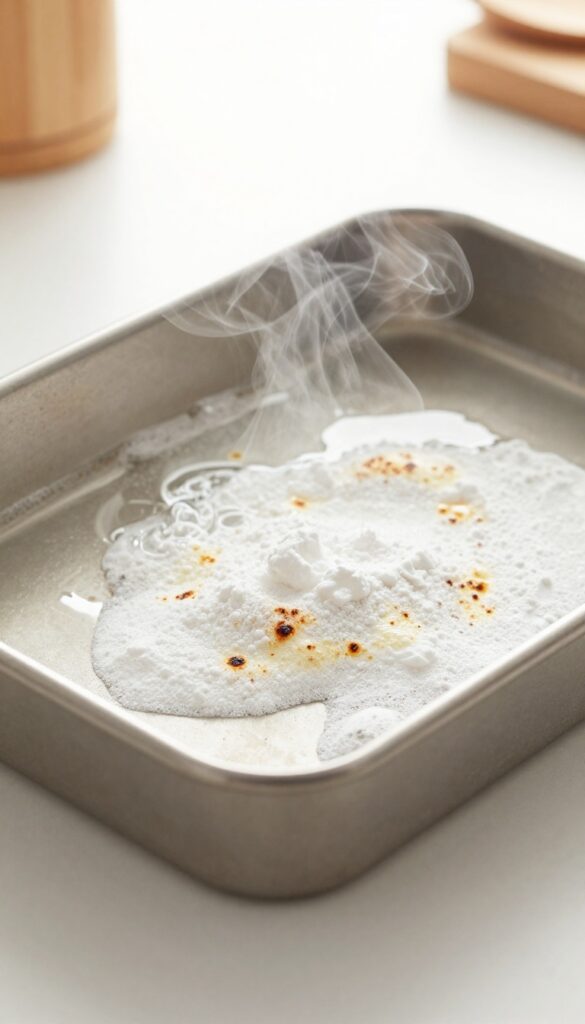
Sometimes the best cleaner is just hot water and a common pantry staple. Boiling water with baking soda creates a deep soak that loosens burnt-on grime without any scrubbing. This method works especially well for sheets with thick, baked-on stains that have resisted other treatments.
Place the baking sheet on the stove (if it's oven-safe) or inside a large pot or roasting pan. Add enough water to fully submerge the stained areas, then stir in a few tablespoons of baking soda. Bring the water to a boil, then reduce to a simmer and let it work for 10 minutes.
The combination of heat and alkalinity lifts burnt residue, making it easy to wipe away once the sheet cools.
Why It Works
Baking soda is a mild alkali that reacts with carbonized food to break it down. Boiling water speeds up the reaction and helps penetrate stubborn layers. The heat also softens any polymerized oils, so the burnt bits release from the metal surface.
Step-by-step Instructions
- Fill a large pot or your baking sheet (if stovetop-safe) with enough water to cover the stains. 2.
Add 2-3 tablespoons of baking soda per quart of water. 3. Bring to a boil, then reduce to a simmer for 10 minutes.
- Turn off the heat and let the water cool slightly. 5.
Use a sponge or soft brush to wipe away loosened residue. Rinse and dry.
Tips For Best Results
Make sure the baking sheet is fully submerged—if it's too large, use a roasting pan or do one side at a time. For extra tough stains, add a squirt of dish soap or a splash of white vinegar after boiling. Avoid using this method on non-stick pans, as high heat can damage the coating.
12. Hydrogen Peroxide and Dish Soap – Grease Cutter
Hydrogen peroxide isn't just for first aid—it's a powerful stain fighter. When paired with dish soap, it becomes a dynamic duo for burnt-on grease and food residue. The peroxide works by oxidizing the carbonized stains, breaking them down chemically, while the dish soap lifts and emulsifies the grease.
This method is especially effective on older, set-in stains that other cleaners struggle with.
This combo is simple to mix and apply. Use equal parts 3% hydrogen peroxide and a grease-cutting dish soap like Dawn. Spread the mixture over the stains and let it sit for about 30 minutes.
You'll see the stains start to bubble and loosen. After that, scrub gently with a non-abrasive sponge and rinse. For stubborn spots, you can let it sit longer or apply a second round.
The solution is safe on most baking sheets, but avoid using it on aluminum as hydrogen peroxide can cause discoloration.
Why This Combo Works So Well
Hydrogen peroxide is an oxidizing agent that reacts with organic material, breaking down the molecular bonds of burnt food. Dish soap contains surfactants that reduce surface tension, allowing the peroxide to penetrate deeper into the stain. Together, they tackle both the chemical and physical aspects of the stain, making removal easier without harsh scrubbing.
Step-by-step Application
Start by mixing equal parts hydrogen peroxide and dish soap in a small bowl. Apply the mixture directly to the burnt stains using a sponge or brush. Let it sit for 30 minutes—you may notice fizzing, which is normal.
After the wait, scrub the area with a soft sponge or nylon brush. Rinse thoroughly with warm water. Repeat if necessary for particularly tough stains.
Safety And Compatibility
This method is safe for stainless steel, ceramic, and non-stick baking sheets. However, avoid using it on aluminum pans as hydrogen peroxide can cause oxidation and darkening. Always test a small, inconspicuous area first.
Wear gloves if you have sensitive skin, and ensure the area is well-ventilated. Do not mix hydrogen peroxide with vinegar or bleach, as this can create harmful fumes.
13. Aluminum Foil Ball – Non-Scratch Scourer
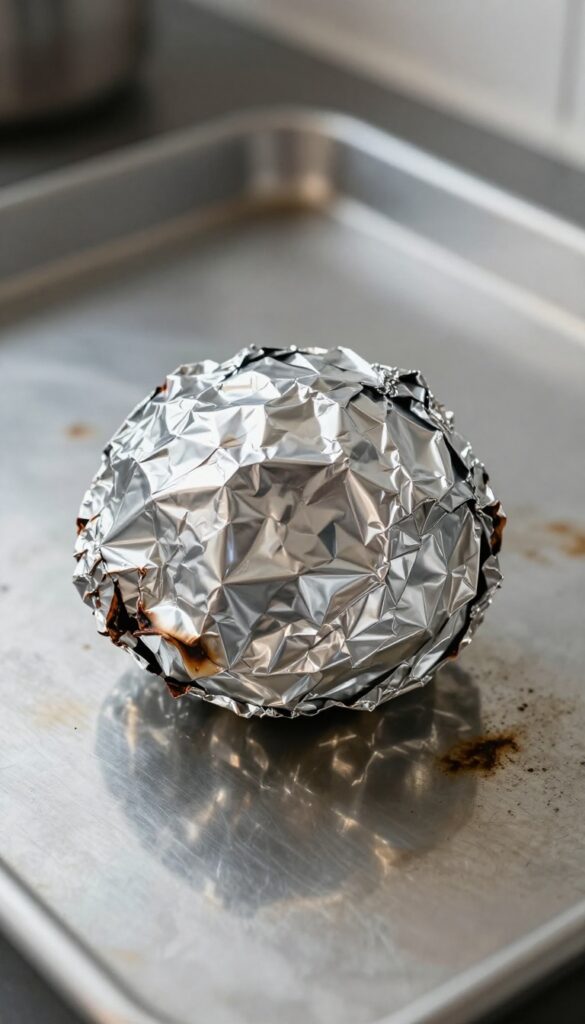
Sometimes the best scrubber is hiding right in your kitchen drawer. A crumpled ball of aluminum foil might sound too simple, but it works surprisingly well on burnt-on stains. The foil creates a mildly abrasive surface that lifts carbonized food without scratching most metal baking sheets.
How To Make And Use It
Tear off a sheet of aluminum foil about 12 inches long. Crumple it into a tight ball roughly the size of a golf ball. Add a drop of dish soap and a splash of warm water to the pan, then scrub the stained areas using circular motions.
The foil conforms to the pan's surface, reaching into corners and edges.
Why It Works Without Scratching
Aluminum foil is softer than the metal used in most baking sheets, so it won't leave fine scratches like steel wool can. The crumpled edges create thousands of tiny cutting points that break down burnt residue. For extra tough spots, sprinkle a little baking soda on the pan before scrubbing.
When To Avoid This Method
Skip the foil on non-stick or enamel-coated pans, as it can damage the coating. Stick to plain aluminum, stainless steel, or carbon steel sheets. If you're unsure, test on a small hidden area first.
For delicate pans, stick with a soft sponge and baking soda paste.
14. Denture Tablets – Fizzing Cleaner
Denture tablets aren't just for false teeth—they're surprisingly good at cleaning baking sheets. The effervescent action helps lift burnt-on food without scrubbing. Plus, you probably have some in the bathroom cabinet already.
Drop a couple of denture cleaning tablets into a sink or basin filled with hot water and submerge the baking sheet. Let it soak for 30 minutes. The fizzing action works into crevices and loosens carbonized residue.
After soaking, rinse and wipe clean. For stubborn spots, give a quick scrub with a soft sponge.
Why It Works
Denture tablets contain sodium bicarbonate, citric acid, and other cleaning agents that create carbon dioxide bubbles. These bubbles help dislodge burnt-on food particles from the pan's surface. The alkaline pH also helps break down grease and baked-on stains.
Best Practices
Use hot water—not boiling—to activate the tablets fully. Submerge the sheet completely; if it doesn't fit, flip it halfway through. For extra stubborn stains, let it soak up to an hour.
Rinse thoroughly afterward to remove any chemical residue.
What To Avoid
Don't use denture tablets on non-stick or delicate coatings—they can be too abrasive. Stick to stainless steel or aluminum sheets. Also, avoid mixing with other cleaners, as the chemical reaction could produce harmful fumes.
15. Ketchup – Acidic Stain Remover
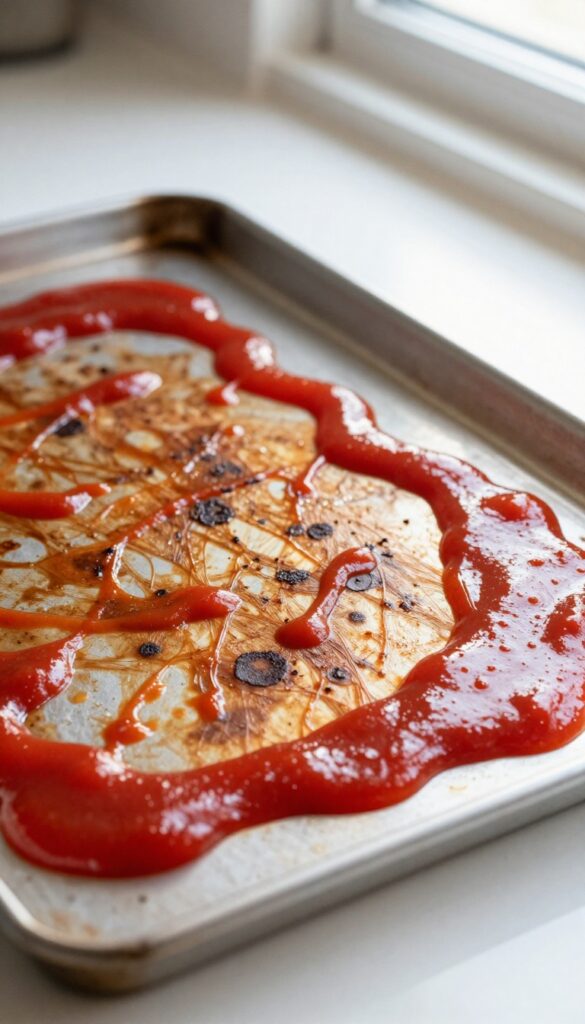
Ketchup isn't just for fries—it's a surprisingly effective cleaner for burnt-on stains. The combination of vinegar and tomato acids works to break down carbonized residue without harsh scrubbing. This pantry staple is gentle enough for non-stick surfaces but tough on stubborn marks.
Spread a thin layer of ketchup over the burnt areas and let it sit for 15-20 minutes. The acids penetrate the stain, loosening the burnt-on layer. Rinse with warm water and wash as usual.
For extra stubborn spots, let it sit longer or apply a second coat.
Why Ketchup Works
The acetic acid in vinegar and citric acid in tomatoes combine to create a mild acidic solution that dissolves carbonized food. Unlike abrasive scrubs, it won't scratch your baking sheet.
How To Apply It
Squeeze ketchup directly onto the stain and spread evenly with a spatula or brush. Let it sit for 15-20 minutes—longer for thicker stains. Rinse with warm water and scrub lightly with a sponge if needed.
Best For Light To Medium Stains
Ketchup works best on recent burnt spots or light discoloration. For heavy, baked-on layers, combine this method with a baking soda paste for extra lifting power.
16. Ammonia – Strong Fume Cleaner
Ammonia might sound harsh, but it's incredibly effective at breaking down burnt-on carbon without scrubbing. The fumes do the work for you. Just be sure to use it in a well-ventilated area—preferably outdoors—and keep it away from kids and pets.
Place the baking sheet in a large plastic bag with a small bowl of ammonia. Seal the bag and let it sit overnight outdoors or in a ventilated area. The ammonia fumes soften the burnt-on residue.
Rinse thoroughly with water and dish soap before using again.
Why Ammonia Works So Well
Ammonia is a strong alkaline that reacts with carbonized fats and proteins, turning them into a soap-like substance that rinses away easily. It's especially good for old, baked-on stains that other methods can't touch.
Safety First – Use It Smart
Never mix ammonia with bleach or other cleaners—it creates toxic fumes. Always wear gloves and work outdoors or with windows open. Keep the bag sealed until you're ready to rinse, and wash the sheet well afterward.
17. Prevention – Parchment Paper and Liners
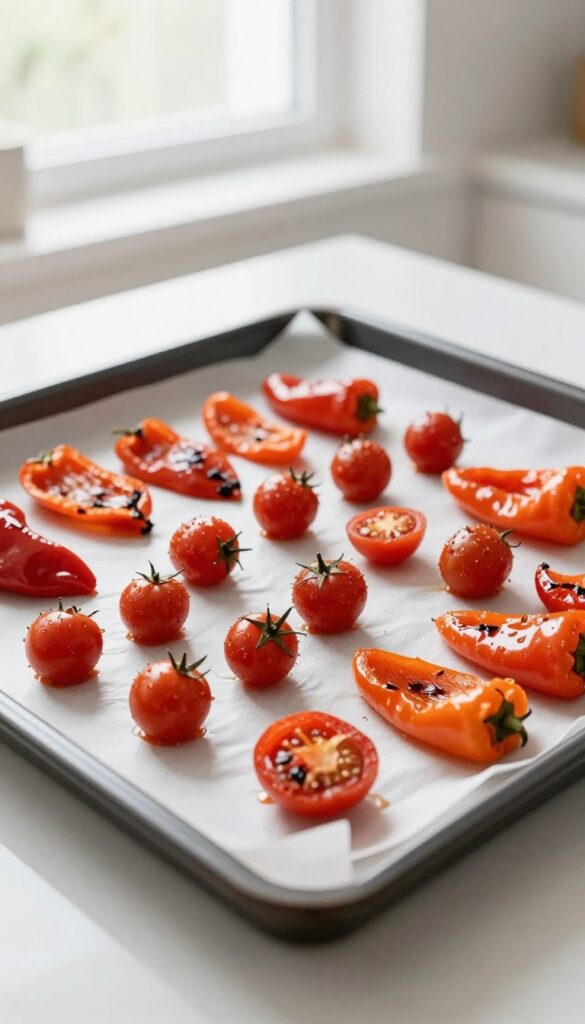
The best way to deal with burnt brown stains is to stop them from happening in the first place. A simple liner can save you hours of scrubbing and keep your baking sheets looking new. It's a small habit that pays off big.
Lining your baking sheets before cooking creates a barrier between food and metal. This prevents direct contact, so spills and drips don't get a chance to bond with the surface. Cleanup becomes a quick wipe or a toss of the liner, and your sheets stay stain-free.
Why Liners Work So Well
When food juices or cheese hit a hot metal pan, they carbonize and form stubborn brown stains. A liner absorbs or deflects those drips, keeping them off the pan. Parchment paper is heat-resistant up to 450°F, silicone mats handle even higher temps, and foil is great for heavy-duty messes.
Choosing The Right Liner For The Job
Parchment paper is perfect for roasting vegetables or baking cookies—it's non-stick and disposable. Silicone mats are reusable and ideal for sticky foods like fish or sugary pastries. Aluminum foil works well for greasy dishes like bacon or pizza, but avoid acidic foods like tomatoes, which can react with the foil.
Tips For Using Liners Effectively
Cut parchment paper to fit your pan exactly, or use pre-cut sheets. For silicone mats, make sure they lie flat and don't hang over the edges. When using foil, crimp it tightly around the pan's edges to prevent juices from seeping underneath.
Replace liners if they become too greasy or charred.
FAQ
Can I use bleach to clean burnt baking sheets?
Bleach is not recommended for removing burnt-on food stains. It can damage the metal's finish and doesn't effectively break down carbonized residue. Stick to alkaline or acidic cleaners like baking soda or vinegar.
Will these methods work on non-stick baking sheets?
Be cautious with non-stick surfaces. Avoid abrasive scrubs (like salt or aluminum foil) and harsh chemicals. Use gentle methods like baking soda paste or vinegar soak.
Always test a small area first.
How often should I deep clean my baking sheets?
Deep clean your baking sheets every few months or whenever you notice significant burnt-on stains. Regular light cleaning after each use with soap and water helps prevent buildup.
Is it safe to use oven cleaner on baking sheets?
Yes, but only if the baking sheet is cold and you follow the product instructions. Oven cleaner is caustic, so wear gloves and work in a ventilated area. Rinse thoroughly before using the sheet again.
Can I put my baking sheet in the dishwasher?
Many baking sheets are dishwasher safe, but check the manufacturer's instructions. High heat and harsh detergents can discolor or warp some metals. Hand washing is often gentler and more effective for stain removal.
Conclusion
Burnt brown stains don't have to mean the end of your favorite baking sheets. With these 17 tips, you have a toolbox of methods ranging from gentle pantry pastes to heavy-duty chemical cleaners. Most require little effort—just a soak or a simple scrub.
Start with the gentlest option and work your way up if needed. And once your sheets are clean, consider using parchment paper or silicone liners to prevent future stains. Your baking sheets will thank you with years of reliable service.