17 House Cleaning Schedule Ideas for Easier Weekly Care
Keeping up with house cleaning can feel like a losing battle when life gets busy. The trick isn't working harder—it's finding a schedule that actually fits your week. These 17 ideas range from five-minute sprints to weekend resets, so you can pick what works for you.
Some methods focus on daily habits that prevent mess from piling up, while others carve out dedicated time for deeper cleaning. A few combine both, giving you flexibility without the guilt. The goal is simple: a clean home without the overwhelm.
Start with one idea that feels doable today. Stack on more as you build momentum.
1. The 15-Minute Daily Tidy

A little daily effort goes a long way. The 15-minute tidy is about consistency, not perfection. By setting a timer and focusing on the areas that get the most traffic, you prevent messes from snowballing into a weekend nightmare.
This approach works because it's short enough to fit into even the busiest days. You're not deep cleaning—just resetting the main living spaces. Over a week, those 15 minutes add up to nearly two hours of cleaning you won't have to do all at once.
What To Tackle
Focus on the kitchen counters, living room floor, and entryway. Wipe down surfaces, put away clutter, and do a quick sweep or vacuum of the main walkways. Save bathrooms and bedrooms for other days.
Make It A Habit
Pick a consistent time—right after work, before dinner, or just before bed. Link it to an existing habit, like making coffee or brushing your teeth. Use a timer to stay on track and stop exactly when it goes off.
The Payoff
After a week, you'll notice your home stays presentable with far less effort. The 15-minute tidy reduces the need for longer cleaning sessions and keeps your space feeling fresh daily.
2. Zone Cleaning: One Room Per Day
Instead of trying to tackle the whole house in one go, zone cleaning breaks the work into manageable daily chunks. You assign each weekday to a specific room or area—Monday is the kitchen, Tuesday the living room, and so on. This way, you only focus on one zone per day for a focused 20- to 30-minute deep clean, and the rest of the house just needs quick maintenance.
Zone cleaning works because it turns an overwhelming task into a predictable routine. By dedicating a short time to one area, you can actually get into the nooks and crannies without burning out. The key is to stick to the time limit and not let perfectionism take over.
If you finish early, great—use the extra time to relax or do a quick tidy elsewhere.
How To Set Up Your Zones
Start by listing the main rooms in your home. Typical zones include kitchen, living room, bathrooms, bedrooms, and an extra area like a home office or dining room. Assign each to a weekday, leaving weekends free for catch-up or rest.
For smaller homes, you can combine zones—like grouping all bathrooms into one day.
What A Zone Cleaning Session Looks Like
Set a timer for 25 minutes and focus only on that room. Do tasks like wiping surfaces, vacuuming under furniture, cleaning mirrors, or organizing clutter. Don't worry about other rooms—they'll get their turn.
If you have extra energy, you can do a quick 5-minute tidy in the zone from yesterday.
Adjusting For Your Week
Life happens, so be flexible. If you miss a day, just shift that zone to the next open slot or combine it with another day. The goal is consistency, not rigidity.
You can also rotate zones weekly if you want variety—for example, deep clean the kitchen every other Monday instead of every week.
3. The Power Hour Weekend Blitz
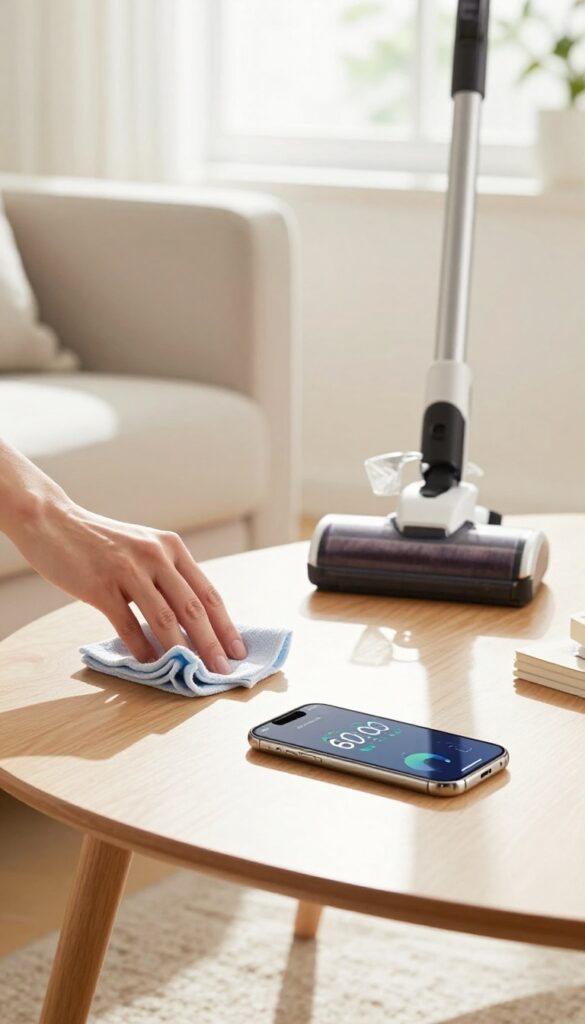
If your weekdays are packed and cleaning feels impossible, this method is for you. The Power Hour Weekend Blitz dedicates just one focused hour on Saturday or Sunday to knock out the biggest cleaning tasks. Set a timer, pick a high-energy playlist, and work through a short list of priority chores.
It's efficient, motivating, and leaves the rest of your weekend free.
The core idea is simple: one hour, no distractions, maximum impact. Before you start, write down 3–5 tasks that will make the biggest difference—like vacuuming high-traffic areas, scrubbing the bathroom, or wiping down kitchen surfaces. Keep the list realistic for 60 minutes.
Then turn off your phone notifications, put on music that gets you moving, and go all in until the timer buzzes. You'll be amazed at how much you can accomplish when you're not stopping to check social media or debate which corner to clean first.
Choose Your Power Tasks Wisely
Not all cleaning tasks are created equal. Focus on the ones that give you the most visible results: making beds, clearing countertops, vacuuming main rooms, and wiping bathroom mirrors. Save deep-cleaning projects like oven scrubbing for a separate session.
The goal is to create a noticeable difference in under an hour.
Set Up Your Power Hour Kit
Gather everything you'll need before you start: a caddy with all-purpose cleaner, microfiber cloths, a duster, a vacuum, and trash bags. Having supplies ready eliminates time wasted searching for tools. If you have a robot vacuum, set it to run during your hour so it can work while you focus on other areas.
Make It A Ritual, Not A Chore
Pair your Power Hour with something you enjoy—a favorite podcast, an upbeat playlist, or even a reward afterward like a coffee or a short walk. When you associate the hour with a positive experience, you're more likely to stick with it week after week. Over time, it becomes a satisfying weekend habit rather than a dreaded task.
4. Morning Micro-Routine
Not every cleaning task needs to be a big production. A ten-minute morning micro-routine can set a calm, organized tone for your entire day without eating into your precious time. By knocking out a few small chores right after you wake up, you prevent mess from accumulating and reduce the mental load of a cluttered space.
The key is consistency, not intensity. Choose three or four quick tasks—making the bed, wiping bathroom counters, sweeping the kitchen floor, and doing a 60-second surface tidy in the living room. That's it.
No deep cleaning, no rearranging. Just a gentle reset that takes less time than scrolling through your phone.
Why Mornings Work Best
Your willpower is highest early in the day, so a short cleaning burst feels easier than after a long workday. Plus, coming home to a tidy house is a genuine stress reliever. You'll walk in the door and instantly feel more relaxed, without needing to summon energy for evening chores.
Stick To A Short List
Write down your three or four non-negotiable tasks and post them on your bathroom mirror or fridge. When the list is short, you're more likely to do it every day. Over time, the routine becomes automatic—like brushing your teeth—and you'll barely think about it.
Make It Enjoyable
Put on a favorite podcast, an upbeat playlist, or an audiobook while you move through the tasks. The routine becomes a pleasant ritual rather than a chore. You might even find yourself looking forward to those ten minutes of quiet productivity before the day's chaos begins.
5. Evening Reset Ritual

An evening reset ritual is a short, consistent routine that sets you up for a fresh start each morning. By spending just 10–15 minutes tidying up before bed, you prevent clutter from accumulating and wake up to a clean, organized space. This habit works especially well for people who feel overwhelmed by larger cleaning sessions.
The evening reset is all about small, repeatable actions that keep your home tidy without much effort. Focus on the areas that matter most: the kitchen, living room, and entryway. Load the dishwasher or wash a few dishes, fold throw blankets, and clear countertops of mail or random items.
Doing this nightly builds momentum and reduces the need for bigger cleanups later.
What To Include
A good evening reset covers three zones: kitchen, living area, and entryway. In the kitchen, load the dishwasher and wipe down counters. In the living room, fluff pillows and fold blankets.
At the entryway, hang coats and put away shoes. Keep a laundry basket handy for stray items to return to their proper rooms.
How To Stay Consistent
Set a timer for 10 or 15 minutes and race against it. Play a favorite song to make it feel less like a chore. Pair the reset with another nightly habit, like brushing your teeth or making tea, so it becomes automatic.
If you miss a night, don't stress—just pick it up the next evening.
Why It Works
This ritual works because it stops mess from snowballing. A clean kitchen means you can make breakfast without clearing space first. A tidy living room feels calming after a long day.
Over time, the 10-minute investment saves you from spending hours on weekend cleaning.
6. The 5-Minute Room Sprint
Some days, the couch wins and cleaning feels impossible. That's exactly when the 5-Minute Room Sprint comes in handy. You don't need an hour—just five minutes per room and a timer that keeps you honest.
It's amazing how much you can accomplish when you move fast and focus only on what's visible.
How To Sprint
Start with the room that bothers you most. Set a timer for five minutes and move quickly. Grab stray items and put them away, wipe down the main surface, and fluff pillows or straighten the rug.
When the timer goes off, stop—even if you're not done. Move to the next room or call it a win.
What To Tackle
Focus on the clutter that catches your eye: mail on the counter, shoes by the door, blankets in a heap. A quick swipe of the coffee table or bathroom counter makes a big difference. Don't get sucked into organizing drawers or scrubbing grout—that's for another day.
When To Use It
This method shines on busy weeknights or lazy Sundays when motivation is low. Use it as a warm-up before a deeper clean, or as a stand-alone reset when you're short on time. Even one sprint can change the feel of a room.
7. Alternating Deep and Light Weeks
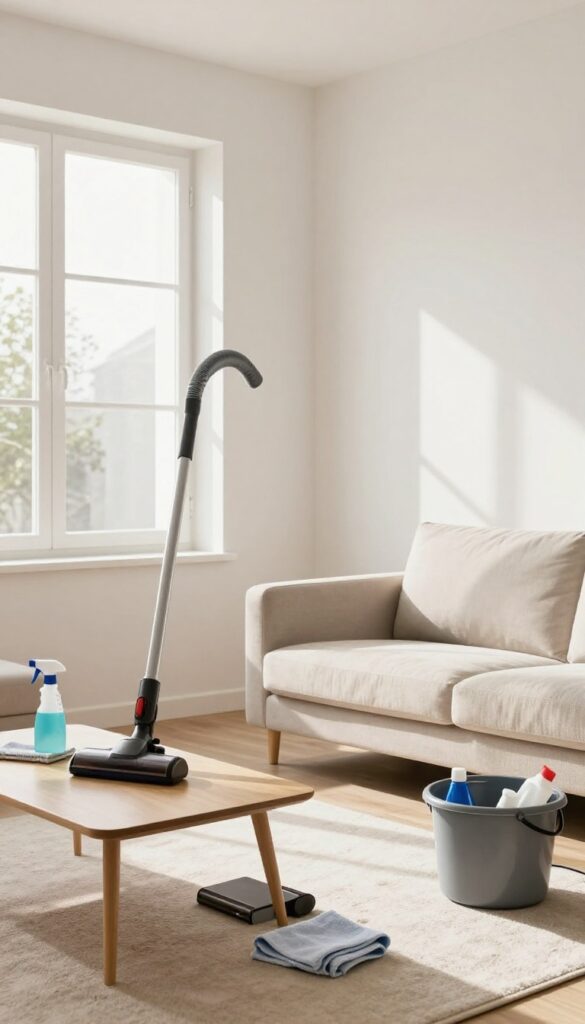
Not every week needs to be a full-blown cleaning marathon. By rotating between light maintenance and deeper tasks, you keep your home consistently clean without burning out. One week you breeze through the basics; the next you tackle the stuff that usually gets ignored.
What A Light Week Looks Like
During a light week, focus on the tasks that keep your home presentable day-to-day. Dust all surfaces, vacuum and mop floors, wipe down bathrooms, and do a quick kitchen tidy. The goal is to maintain a baseline of cleanliness in about 60–90 minutes.
Deep Week: The Extras That Matter
On deep weeks, add one or two bigger jobs to your usual routine. Clean baseboards, wash windows inside, scrub the oven, wipe down cabinets, or shampoo carpets. Rotate these tasks so every deep area gets attention every few months.
How To Stay On Track
Use a simple calendar or checklist to remember which week is which. Pair deep tasks with light ones so you don't skip the basics. For example, while you're vacuuming during a deep week, also pull out the fridge and clean behind it.
8. The Checklist Method
There's something deeply satisfying about crossing items off a list. The Checklist Method turns cleaning into a game of completion, where each checkmark is a small win. You create a master list of every weekly task, then either tackle it all at once or break it into daily chunks.
The beauty of this method is its flexibility. You decide the pace. Some people prefer a cleaning marathon on Saturday morning, checking off everything in one go.
Others split the list across the week, doing two or three tasks each day. Either way, the list keeps you on track and prevents that "what did I even do? " feeling at the end of the week.
Building Your Master List
Start by writing down every cleaning task you do in a typical week. Be specific: “wipe kitchen counters, ” “vacuum living room, ” “scrub toilet. ” Group similar tasks together if it helps. Keep the list realistic—aim for 10 to 15 core tasks, not every possible chore.
You can always add more later.
Daily Vs. Weekly Approach
Decide whether you want to do the whole list in one session or spread it out. If you choose daily chunks, assign 2-3 tasks to each day. Monday might be kitchen day, Tuesday bathrooms, and so on.
The key is to stick to the plan long enough to form a habit. The checklist makes it easy to see progress at a glance.
The Satisfaction Factor
Don't underestimate the power of a physical checkmark. Use a paper checklist or a simple app, but make sure you can visually see the progress. Each check releases a little dopamine, keeping you motivated.
Over time, the act of checking becomes its own reward, and you'll find yourself looking forward to it.
9. Room-by-Room Rotation

Instead of trying to clean the whole house every week, why not give each room its own spotlight? With a room-by-room rotation, you focus on one area deeply while keeping the rest tidy with quick maintenance. Over the course of a month, every space gets the attention it deserves without burning you out.
How To Set Up Your Rotation
Start by listing all the rooms in your home that need regular deep cleaning. Assign each to a week of the month—for example, kitchen week one, living room week two, bedrooms week three, bathrooms week four. During that week, spend 20-30 minutes on that room's deep tasks like scrubbing baseboards or organizing cabinets.
For other rooms, stick to a 10-minute daily tidy.
What Deep Cleaning Looks Like
Deep cleaning goes beyond surface wiping. For the kitchen, that means degreasing the stove, cleaning the oven, wiping down cabinet fronts, and mopping under the fridge. In the living room, vacuum under cushions, dust blinds, and spot-clean walls.
Rotating rooms ensures nothing gets neglected for months.
Maintaining The Rest
While one room gets the deep treatment, keep the others presentable with quick daily habits. Make beds, wipe counters, sweep high-traffic areas, and do a five-minute pickup before bed. This balance prevents any room from becoming a disaster zone while you focus elsewhere.
10. The 20/10 Method
If you dread cleaning because it feels like an endless chore, the 20/10 method might change everything. The idea is simple: work for 20 minutes, then take a 10-minute break. Repeat until your weekly tasks are done.
This interval approach makes cleaning feel less daunting and more manageable.
The 20/10 method is a productivity technique adapted from the Pomodoro Technique, but tailored for household chores. It works because it breaks down cleaning into short, focused bursts that are easier to start and sustain. The key is to set a timer and commit to cleaning for just 20 minutes—no more, no less.
When the timer goes off, you stop and take a 10-minute break to rest, hydrate, or do something enjoyable. This cycle repeats until you've finished your cleaning goals for the day or week.
Why It Works
The 20/10 method tackles two common barriers to cleaning: procrastination and fatigue. Knowing you only have to work for 20 minutes makes it easier to start, even on low-energy days. The built-in breaks prevent burnout and keep you refreshed, so you can maintain momentum over multiple cycles.
How To Apply It To Weekly Cleaning
List out your weekly cleaning tasks and estimate how many 20-minute sessions each might take. For example, vacuuming might be one session, while cleaning the bathroom could take two. Then, schedule a block of time where you can complete 2-4 cycles.
Start with the most urgent or disliked task first, and use the breaks to step away and reset.
Tips For Success
Use a timer that's visible or audible, so you don't have to watch the clock. During your 20 minutes, focus on one area or task without multitasking. Keep cleaning supplies handy to avoid wasting time.
And be flexible—if you're on a roll, you can extend a session, but always take the break afterward.
11. Daily Non-Negotiables Plus One Extra
Building a cleaning habit starts with a small, consistent foundation. By locking in three quick daily tasks and adding one rotating chore, you keep the essentials covered without burning out. This method works because it removes decision fatigue—you already know what needs to happen every day.
The magic is in the simplicity. Every morning, make your bed. After meals, wash the dishes and wipe down counters.
That’s your baseline. Then, each day, pick one extra chore from a rotating list—like vacuuming one room, cleaning a bathroom mirror, or wiping baseboards. Over a week, you’ll hit deeper cleaning without dedicating a whole afternoon to it.
Pick Your Three Non-negotiables
Choose tasks that make the biggest visual impact and prevent mess from spreading. Making the bed instantly tidies the bedroom. Washing dishes stops clutter from piling up.
Wiping counters keeps surfaces clean for food prep. Stick to these three no matter what. They take less than 15 minutes total.
Create A Rotating Extra Chore List
Write down 7 to 10 chores that take 10–20 minutes each. Examples: vacuum the living room, dust the nightstands, clean the toilet, wipe the kitchen cabinets, sweep the entryway, mop the bathroom floor, or organize a junk drawer. Each day, pick one from the list.
Rotate through them so nothing gets neglected for too long.
Keep It Flexible, Not Rigid
If you miss a day, don’t stress. The non-negotiables are the anchor, but the extra chore can shift. Maybe you skip vacuuming on Tuesday and do it on Wednesday instead.
The key is consistency over perfection. Over time, these small wins add up to a noticeably cleaner home.
12. The Sunday Reset
Sundays often come with a mix of relaxation and dread for the week ahead. But what if you could turn that afternoon into a power hour that sets you up for success? The Sunday Reset is about carving out a couple of hours to tackle the big chores so your week feels less chaotic.
This method works because it front-loads the work. Instead of spreading cleaning across evenings when you're tired, you knock out laundry, bathrooms, and vacuuming in one focused block. The payoff is a fresh start Monday morning with a clean slate.
The Sunday Reset is a dedicated block of time—usually two to three hours—where you focus on the tasks that make the biggest difference. Think laundry, bathroom scrubbing, vacuuming, and maybe some meal prep. The goal is to reset the house so you walk into Monday with everything in order.
Why Sunday Works Best
Sunday is naturally a slower day for most people. There's no work or school rush, so you can actually focus. Plus, finishing the cleaning early gives you the rest of the day to relax.
The psychological boost of a clean home heading into the workweek is huge.
What To Include In Your Reset
Start with laundry—sort, wash, dry, and fold. Then move to bathrooms: wipe down counters, mirrors, and toilets. Vacuum or sweep all floors, and if you have energy, do a quick kitchen wipe-down.
Meal prep for the first few days can also save you time later.
How To Stay On Track
Set a timer for each task to avoid burnout. Play music or a podcast to keep it fun. Involve family members by assigning simple jobs.
The key is consistency—even if you only do the basics, doing it every Sunday builds a habit that sticks.
13. Task Batching by Type
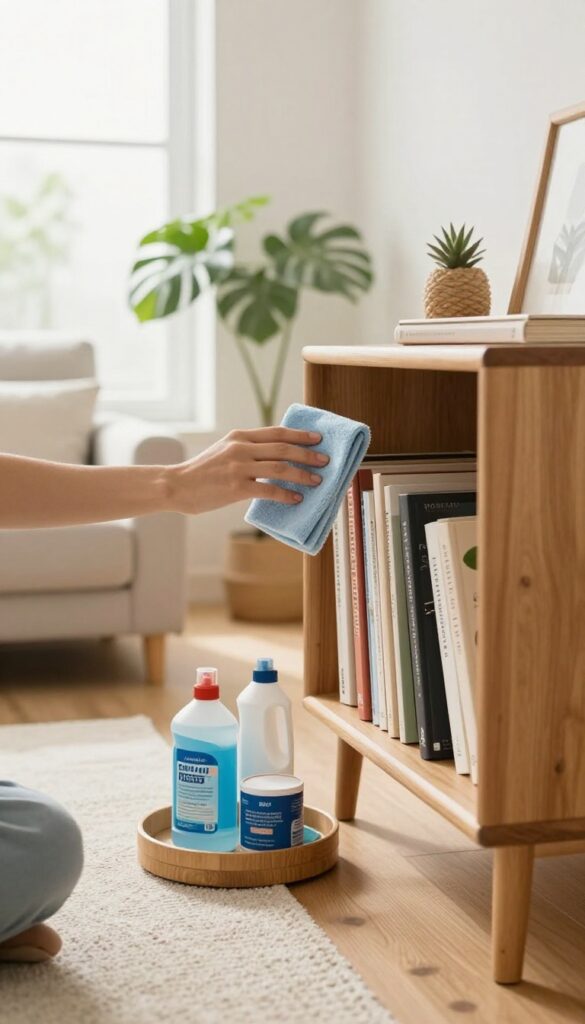
Grouping similar tasks together is a productivity trick that works wonders for cleaning. Instead of bouncing between dusting, vacuuming, and scrubbing in one chaotic session, you dedicate each day to one type of chore. This reduces mental fatigue and helps you get into a rhythm.
When you batch tasks, you stay in the same physical and mental zone. Dusting all surfaces in one go means you're already holding a cloth and reaching for high shelves. Floor day lets you sweep, mop, and vacuum without switching tools.
Bathroom day keeps you in scrub mode. The result? Less time wasted on transitions and more actual cleaning done.
Why It Works
Context switching is a hidden time thief. Every time you switch from dusting to vacuuming, your brain has to recalibrate. Batching eliminates that lag.
You also build momentum—once you start dusting, you naturally want to finish all the dusting before moving on.
Sample Weekly Batch Plan
Monday: Dust and wipe all surfaces. Tuesday: Vacuum and mop all floors. Wednesday: Clean all bathrooms.
Thursday: Kitchen deep-clean (appliances, counters, sink). Friday: Catch-up or linens. Weekend: Rest or tackle one extra project.
Adjust based on your home size and priorities.
Tips For Staying On Track
Keep your cleaning caddy stocked with the right supplies for each batch. Set a timer for 30 minutes per batch day—you'll be surprised how much you can finish. If a batch takes longer, split it across two days next week.
14. The 10-Minute Before Work Dash
Mornings are chaotic enough without adding cleaning to the mix. But carving out just ten minutes before you head out the door can set a positive tone for the entire day. The key is to focus on high-impact tasks that take seconds but make a visible difference.
Make The Bed Immediately
This one habit instantly makes your bedroom look tidier. It takes less than two minutes and creates a ripple effect—you're less likely to toss clothes on a made bed. Plus, it gives you a small win before the day even starts.
Wipe The Bathroom Mirror
A quick spray and wipe of the mirror erases toothpaste splatters and water spots. It's a small detail that makes the whole bathroom feel fresher. Keep a microfiber cloth under the sink so you can grab it without hunting.
Start A Load Of Laundry
Throw a load in the washer before you leave. When you get home, just transfer it to the dryer. This spreads laundry across the week instead of letting it pile up for a weekend marathon.
Set a timer on your phone so you don't forget.
15. Family Chore Chart with Rotating Roles
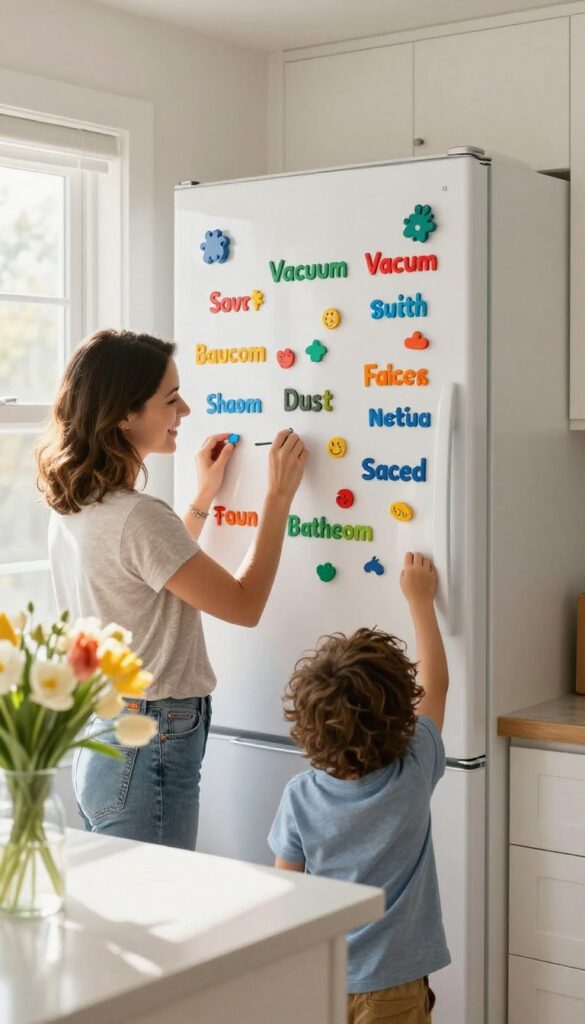
Getting everyone in the household involved in cleaning can feel like herding cats, but a rotating chore chart changes the game. Instead of nagging, you create a system where each person owns a specific task for a month, then switches. This builds responsibility and keeps boredom at bay.
A family chore chart with rotating roles transforms cleaning from a solo burden into a shared effort. By assigning each family member a weekly role—like vacuuming, dusting, or bathroom cleaning—and rotating monthly, everyone learns different skills and no one gets stuck with the worst job forever. It's fair, teaches accountability, and makes the whole process smoother.
Setting Up The Chart
Start by listing all recurring cleaning tasks for your home. Group them into roles that make sense for your family size and ages. For example, one role could be 'Floor Care' (vacuuming and mopping), another 'Dusting and Surfaces', and a third 'Bathroom Duty'.
Write each role on a magnetic or dry-erase board so it's easy to update. Assign a role to each person for the week, then rotate the list monthly.
Making It Stick
Consistency is key, so set a specific time each week for chores—like Saturday morning or Sunday afternoon. Use a timer to keep tasks focused and avoid dragging. Reward completion with a family activity or small treat, not punishment for forgetting.
Over time, the routine becomes automatic.
Adjusting For Ages
Tailor tasks to each person's ability. Young kids can handle simple jobs like wiping counters or sorting laundry, while teens take on more complex cleaning. Rotate roles so everyone tries different tasks, building life skills gradually.
Be flexible—if a role isn't working, swap or modify it.
16. The 'One Touch' Rule
Clutter often piles up because we set things down with the intention of putting them away later. The 'one touch' rule eliminates that delay: when you pick something up, you put it in its final resting place immediately. Combined with a daily five-minute pickup, this habit stops mess before it starts and drastically cuts down on deep cleaning sessions.
This rule is deceptively simple but incredibly effective. Every time you handle an object—whether it's a piece of mail, a jacket, or a dish—you either put it where it belongs or take the action it requires (like tossing junk mail). The five-minute pickup is your safety net: set a timer and quickly scan each room, returning items to their homes.
Over a week, you'll notice surfaces stay clearer and you rarely need a marathon cleaning session.
Why It Works
The 'one touch' rule works because it removes the mental load of 'later. ' When you postpone putting something away, you create a visual to-do list that grows throughout the day. By handling it once, you free up mental space and keep your environment tidy with almost no extra effort.
How To Start Today
Begin by identifying high-traffic zones like the kitchen counter, entryway table, and coffee table. For one week, commit to the rule in just those areas. Pair it with a five-minute pickup before bed.
You'll be amazed how quickly it becomes automatic.
Common Pitfalls To Avoid
Don't try to apply the rule to everything at once—it's overwhelming. Also, avoid perfectionism. If you miss something, just handle it the next time you see it.
The goal is progress, not flawlessness.
17. Seasonal Deep Clean Calendar

If weekly maintenance feels like a grind, try shifting your focus to four big cleaning pushes per year. This seasonal deep clean calendar lets you keep daily and weekly tasks light, knowing the heavy lifting happens just once a quarter. It's a smart approach for people who prefer to batch their effort and then enjoy months of lighter upkeep.
The idea is simple: assign one major cleaning focus to each season—spring, summer, fall, and winter—and tackle it thoroughly. During the rest of the year, you only handle surface-level tidying and spot cleaning. This reduces decision fatigue and prevents burnout, because you're never trying to deep clean everything at once.
Spring: Refresh And Reset
Spring is the classic time for a thorough clean after winter. Focus on windows, blinds, baseboards, and deep carpet cleaning. Wash curtains, wipe down walls, and declutter closets.
This sets a fresh foundation for the warmer months.
Summer: Outdoor And High-traffic Areas
Summer brings more foot traffic and outdoor living. Clean patios, decks, and outdoor furniture. Deep clean the kitchen and bathrooms, which see extra use.
Also tackle the garage or shed—perfect warm-weather projects.
Fall: Prepare For Cozy Season
Fall is about prepping your home for winter. Clean the fireplace, service the HVAC, and wash all bedding and blankets. Deep clean the oven and refrigerator.
This is also a good time to clean gutters and check weather stripping.
Winter: Indoor Focus And Organization
Winter is ideal for indoor projects. Organize pantries, closets, and cabinets. Deep clean upholstery and mattresses.
Tackle areas like the home office or craft room. The shorter days make it easier to stay inside and focus.
FAQ
How do I choose the best cleaning schedule for my home?
Start by assessing your home size, number of occupants, and your available time. If you're busy, try the 15-minute daily tidy or the power hour weekend blitz. For larger families, the family chore chart or zone cleaning may work better.
Experiment for two weeks and adjust.
Can I combine different schedule ideas?
Absolutely. Many people mix a daily micro-routine with a weekly deep clean session. For example, use the morning micro-routine on weekdays and the Sunday reset on weekends.
The key is consistency, not perfection.
How long does it take to see results with a cleaning schedule?
You'll notice a difference within the first week, especially with daily routines. A full transformation usually takes about two to three weeks as habits solidify and clutter reduces. Stick with it, and it becomes automatic.
What if I miss a day or fall behind?
Don't stress. Just pick up where you left off. If you miss a day, do a quick catch-up the next day or let it go and focus on the current day's tasks.
The goal is progress, not a perfect record.
Do I need special tools or products for these schedules?
No. Most schedules work with basic supplies: a vacuum, microfiber cloths, all-purpose cleaner, and a mop. Some ideas like the 20/10 method require a timer.
Keep it simple and use what you already have.
Conclusion
Sticking to a cleaning schedule doesn't mean you have to be perfect. Pick a few ideas that fit your lifestyle and test them for a week. You can always adjust later.
The goal is to make cleaning feel less like a burden and more like a simple part of your routine. Start small, stay consistent, and give yourself grace on the days when life gets in the way.