23 Cleaning Routine Ideas for a Consistently Tidy Home
You walk through the door after a long day, and the clutter greets you before your family does. It's not that your home is dirty—it's just that life happens, and tidying up keeps getting pushed to tomorrow.
But a consistently tidy home doesn't require a military-grade schedule or hours of scrubbing. It's about building small, repeatable habits that keep messes from piling up.
These 23 cleaning routine ideas are designed to fit into real life, not the other way around. Whether you're a busy parent, a work-from-home professional, or someone who just wants a cleaner space without the overwhelm, there's something here for you.
1. Start with a 10-Minute Morning Tidy
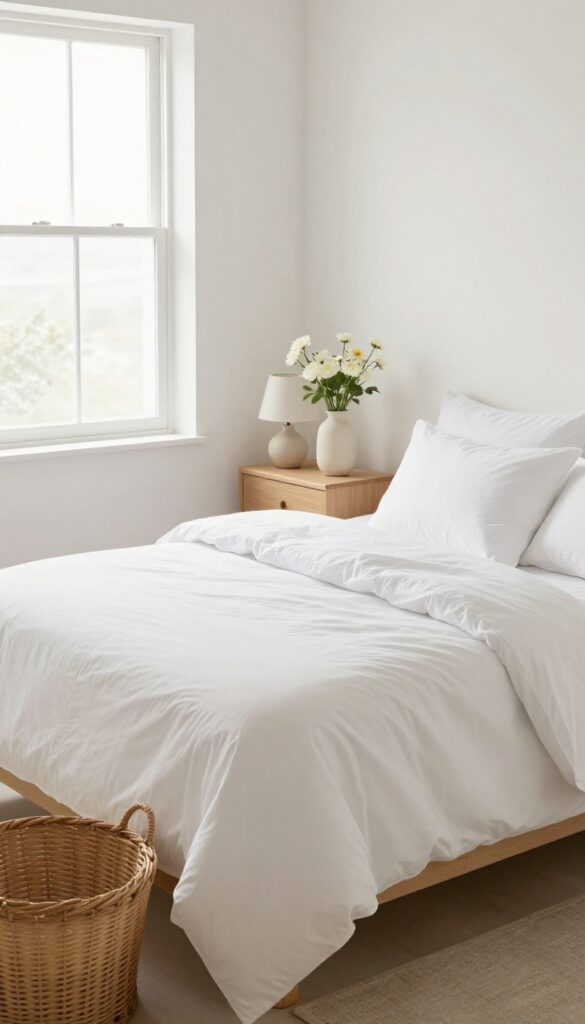
Mornings can be chaotic, but a quick tidy-up before you leave the bedroom sets a calm tone for the rest of the day. You don't need to deep-clean—just focus on resetting the space so it feels fresh when you return.
Spending just 10 minutes each morning on a few key tasks prevents clutter from snowballing. Make the bed, put away any clothes or items left out, and clear nightstands and dressers. This small ritual creates a visual anchor of order that influences your mindset and the rest of your home.
Why It Works
Starting your day with a completed task builds momentum. The made bed alone signals that the room is tidy, which reduces visual stress. Plus, you're less likely to toss things onto a made bed later.
How To Stick With It
Keep a small laundry basket in your closet for stray clothes. Set a timer on your phone for 10 minutes and race against it. Over time, it becomes automatic.
2. Use the 'One-Touch' Rule for Mail and Papers
Paper clutter is one of the sneakiest sources of household mess. It arrives daily, and if you don't have a system, it multiplies across counters, tables, and desks. The one-touch rule is a simple mindset shift that stops paper piles before they start.
The idea is straightforward: when you pick up a piece of mail, a receipt, or any document, you handle it only once. You either recycle it, file it, or take immediate action—like paying a bill or adding an event to your calendar. No more setting it aside for later, because later never comes.
This habit eliminates the mental load of unfinished tasks and keeps surfaces clear.
Set Up A Landing Zone
Designate a specific spot near your entryway or home office for incoming papers. A small tray or wall-mounted organizer works well. The goal is to have a single place where all mail lands, so you can process it in one batch.
Without a designated zone, papers tend to scatter.
Sort Immediately
As soon as you bring in the mail, stand near the recycling bin and sort. Junk mail goes straight into recycling. Bills and important documents go into your action pile.
Catalogs you want to browse? Flip through them right then and recycle what you don't need. The key is not to let anything sit unprocessed.
Create A Simple Filing System
You don't need a complicated filing cabinet. A few hanging folders labeled "Bills Paid, " "Tax Documents, " "Medical, " and "To Do" are enough. When you file something, do it immediately—don't let papers accumulate in a "to file" pile.
If it takes longer than 30 seconds to file, your system is too complex.
3. Wipe Down the Bathroom Sink After Every Use
The bathroom sink is a magnet for toothpaste splatters, soap scum, and water spots. Left unchecked, that gunk hardens and becomes a scrubbing nightmare. The fix is almost too simple: wipe it down right after you use it.
A few seconds of effort now saves you a deep clean later.
Why This Habit Works
When you wipe the sink immediately, you remove residues before they dry and bond to the surface. Soap scum and toothpaste are much easier to remove when wet. This habit also prevents water spots on chrome fixtures and keeps the mirror from getting splattered.
What You Need
Keep a small squeegee or a dedicated microfiber cloth right by the sink. A countertop caddy or a hook on the faucet works well. Choose a cloth that you wash regularly—damp, dirty cloths spread bacteria.
A squeegee is great for glass or glossy sinks.
Make It A No-brainer
Tie the wipe-down to an existing habit, like brushing your teeth. As soon as you spit and rinse, grab the cloth and give the basin a quick once-over. Include the faucet handles and the back of the sink.
The whole thing takes under 30 seconds.
4. Implement a 'No Shoes Indoors' Policy
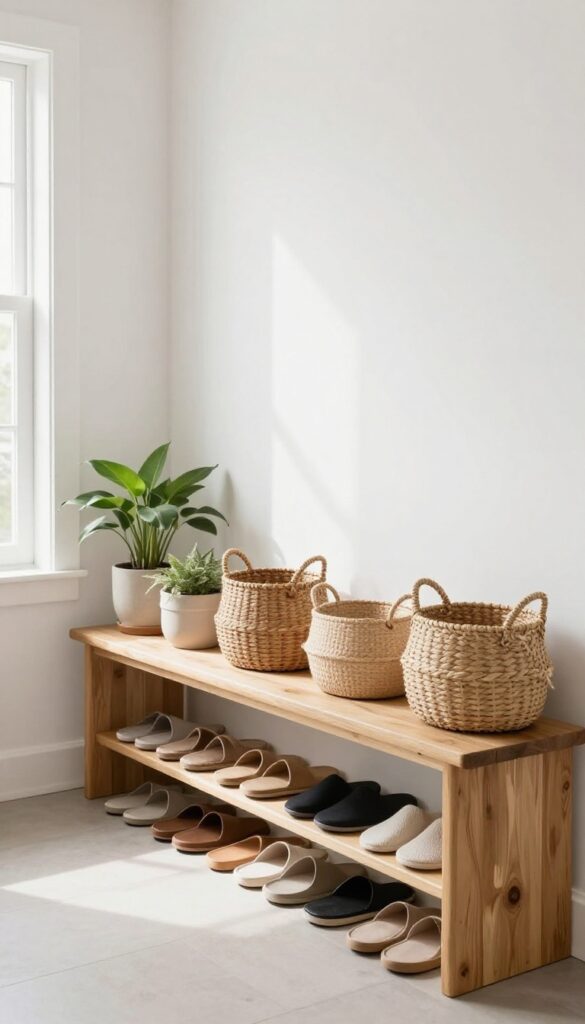
Think about all the places your shoes have been today—the parking lot, the restroom, the sidewalk. Now imagine all that ending up on your floors. A no-shoes policy is one of the simplest ways to cut down on dirt, dust, and allergens without any extra cleaning effort.
The key is making it easy and inviting. Place a sturdy shoe rack or bench right by the entrance so people can sit down and slip off their shoes comfortably. Add a small tray for keys and a basket for slippers or socks.
When guests come over, gently mention the policy with a friendly sign or by offering them a pair of house slippers. Over time, it becomes second nature.
Why It Works So Well
Shoes track in more than just visible dirt. Studies show they carry bacteria, pesticides, and allergens like pollen. By leaving shoes at the door, you reduce the amount of grime that gets ground into carpets and hard floors.
That means less vacuuming, mopping, and sweeping—and a cleaner home overall.
Making It Stick
Start with your own family first. Designate a spot for each person's shoes—cubbies or labeled shelves help. Keep a pair of indoor-only slippers or flip-flops handy so no one feels barefoot.
For guests, have a small basket of disposable slippers or clean socks available. A polite sign at eye level can remind everyone without needing to say a word.
Handling Pushback
Some family members or frequent visitors might resist at first. Explain the benefits: less cleaning, fewer allergens, and longer-lasting floors. Offer alternatives like shoe covers for maintenance workers or a designated spot for shoes that must stay on (like for a quick in-and-out).
Compromise where needed, but stick to the policy for living areas.
5. Do a 5-Minute Kitchen Reset After Dinner
The kitchen is the heart of the home, but it's also where messes multiply fast. After dinner, it's tempting to leave dishes in the sink and deal with them later—but that later often turns into a morning scramble. A quick 5-minute reset can save you time and stress.
Set a timer and focus on three things: load the dishwasher, wipe down counters, and sweep the floor. That's it. You don't need to deep clean or organize the pantry.
Just tackle the visible mess. When you wake up to a clean kitchen, making breakfast feels effortless and your whole morning starts on a better note.
Load The Dishwasher Efficiently
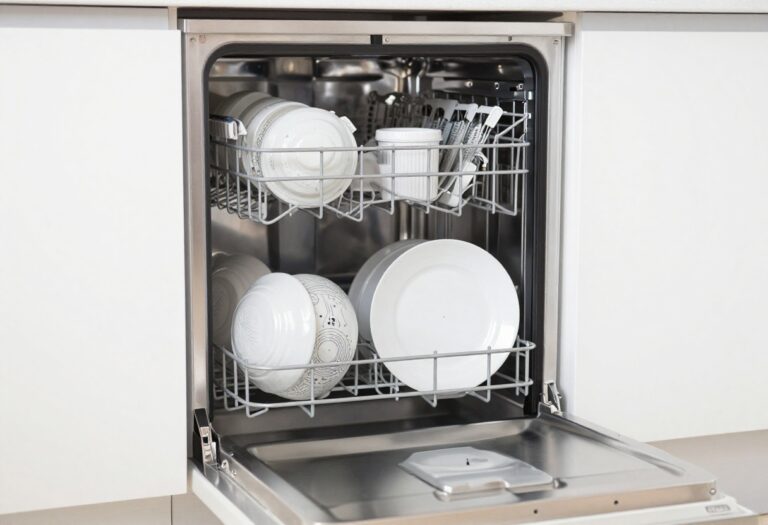
Don't rinse dishes unless they're caked with food—modern dishwashers handle most residue. Stack plates on the bottom, bowls and cups on the top, and utensils in the basket. Run it immediately if it's full, or leave it to run overnight.
Either way, you'll wake up to clean dishes ready to put away.
Wipe Counters And Stovetop
A quick spray of all-purpose cleaner and a microfiber cloth is all you need. Focus on the main prep areas, the stovetop, and around the sink. This removes crumbs, spills, and sticky spots in under a minute.
It also prevents stains and keeps pests away.
Sweep Or Vacuum The Floor
Use a cordless stick vacuum or a compact broom and dustpan. Target the area under the dining table, near the trash can, and around the stove. A clean floor in the morning feels amazing and prevents that gritty sensation underfoot.
6. Keep Cleaning Supplies in Every Room
Ever caught yourself staring at a dust bunny and thinking, "I'll grab the duster later"? Later usually never comes. The simple fix is to stash a mini cleaning kit in each room so you can tackle messes the moment you spot them.
Storing cleaning supplies within arm's reach removes the biggest barrier to tidying up: the effort of fetching them. A small caddy or basket with an all-purpose cleaner, microfiber cloths, and a duster in each major room turns cleaning from a chore into a quick habit. You'll find yourself wiping counters, dusting shelves, and spot-cleaning spills without even thinking about it.
What To Include In Each Caddy
Keep it minimal: a spray bottle of all-purpose cleaner, two microfiber cloths (one for dusting, one for wiping), and a small duster. For bathrooms, add a glass cleaner and a scrub brush. For kitchens, include a degreaser.
Tailor the contents to the room's needs, but avoid overstuffing—you want the caddy to be grab-and-go.
Where To Store The Caddy
Place caddies in accessible but out-of-sight spots: under the bathroom sink, inside a kitchen cabinet, on a closet shelf in the bedroom, or behind a living room console table. The goal is to have supplies within 10 steps of any mess. Avoid storing them in high or hard-to-reach places—convenience is key.
How To Maintain Your Caddies
Check caddies weekly and restock as needed. Replace empty bottles, wash dirty cloths, and toss any expired products. A quick 2-minute refresh every Sunday keeps your kits ready for action.
This small routine prevents the frustration of reaching for an empty spray bottle.
7. Adopt the 'Two-Minute Rule' for Small Tasks
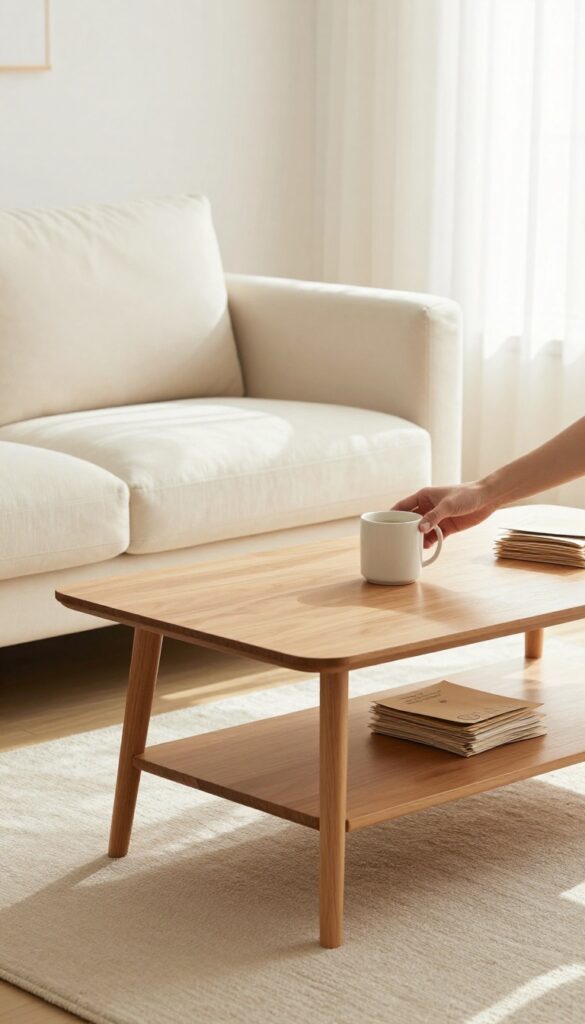
That jacket draped over the chair, the mail piled on the counter, the coffee mug left by the sink—each one seems harmless alone. But together, they create a visual noise that makes your home feel chaotic. The two-minute rule cuts through that noise by catching these micro-messes before they multiply.
The logic is simple: if a task takes less than two minutes, do it right away. No postponing, no mental notes. You'll be surprised how much cleaner your home stays without any extra effort.
The two-minute rule isn't about deep cleaning—it's about stopping small messes from becoming big ones. When you act immediately on tiny tasks, you prevent the buildup that leads to overwhelming clutter sessions. This habit also builds momentum: once you start, you'll naturally tackle a few more small things.
Where To Apply It First
Start with high-traffic zones: entryway, kitchen counter, bathroom vanity. These areas collect quick tasks like hanging keys, wiping a spill, or folding a towel. Keep a small basket or hook nearby so you can act without hunting for supplies.
The 'one-touch' Mindset
When you pick something up, decide immediately: put it away, toss it, or start the action. Avoid setting it down with the intention to deal later. This one-touch approach is the heart of the two-minute rule and keeps surfaces clear.
Pair It With A Timer
If you're unsure whether a task qualifies, set a timer for two minutes. You'll often finish faster than you think. This also prevents perfectionism—just do the task, don't overdo it.
8. Schedule a Weekly 'Power Hour'
Deep cleaning tasks often get neglected because they feel too big to tackle during a regular cleaning session. That's where the Power Hour comes in—a dedicated block of time each week to knock out those overlooked chores. By making it a consistent habit, you prevent dirt and grime from building up over time.
Pick one day and time that works for you, like Saturday morning or Wednesday evening. Set a timer for 60 minutes, put on an upbeat playlist, and work through a short list of deeper cleaning tasks. Rotate the tasks each week so everything gets attention eventually.
What To Tackle
Focus on tasks that aren't part of your daily or weekly routine—vacuuming under furniture and cushions, wiping baseboards and door frames, cleaning inside the microwave, scrubbing the stovetop grates, dusting ceiling fans and light fixtures, or washing windows. Pick 3-4 tasks per session.
Stay On Track
Use a timer to keep you focused and motivated. If you finish early, use the remaining time for a bonus task like organizing a junk drawer. If you run out of time, simply stop and pick up where you left off next week.
The goal is progress, not perfection.
Make It Enjoyable
Turn it into a mini event—light a candle, play your favorite podcast or an energetic playlist, and reward yourself afterward with a treat or relaxation time. Involving family members can make it a team effort and get it done faster.
9. Rotate Your Cleaning Focus Daily

Instead of trying to clean everything at once—and burning out by noon—try assigning a different zone to each day of the week. Monday might be the living room, Tuesday the kitchen, and so on. This way, every area gets regular attention without turning your weekend into a cleaning marathon.
By rotating your focus, you ensure no room is neglected for weeks on end. It also makes the task feel lighter because you're only thinking about one zone per day. Over the course of a week, the whole house gets refreshed with minimal effort.
How To Set Up Your Zones
Start by listing the main areas of your home: living room, kitchen, bedrooms, bathrooms, entryway, and maybe a home office or laundry room. Assign each to a weekday, leaving one or two days for catch-up or deep cleaning. Keep the zones manageable—if your kitchen is large, split it into two zones (e. g. , counters and floors on Tuesday, cabinets and pantry on Thursday).
What To Do In Each Zone
In each zone, focus on the tasks that matter most: declutter surfaces, wipe down counters or tables, vacuum or sweep, and do a quick dusting. Don't try to deep clean everything in one day. The goal is maintenance, not perfection.
For example, in the living room, pick up items, fluff pillows, and vacuum under the couch cushions. Save window washing for a monthly deep clean.
Staying Flexible
Life happens, and some days you might not get to your assigned zone. That's okay. Just shift it to the next day or use a catch-up day.
The important thing is to keep the habit going. If you miss a day, don't double up—just pick up where you left off. Consistency matters more than perfection.
10. Use a Laundry Basket System for Clutter
Out-of-place items are the main reason homes feel messy even after you've cleaned. A simple laundry basket in each room can change that. Instead of leaving things where they don't belong, toss them into the basket.
When it's full, do a quick round to return everything to its rightful spot.
This system works because it removes the friction of putting things away immediately. You don't have to stop what you're doing—just drop the item in the basket. Later, when you have a few minutes, you can efficiently redistribute everything.
It's especially helpful for families: each person can grab their own items from the basket and put them away.
Choose The Right Baskets
Use lightweight, open-top baskets that are easy to carry. Avoid deep bins where items get buried. A different color or label for each room helps family members know which basket is theirs.
For example, a blue basket for the living room, green for the bedroom.
Set A Schedule For Returns
Decide on a daily or every-other-day routine to empty the baskets. Right before bed or after dinner works well. Make it a family habit: everyone takes their items from the basket and puts them away.
This prevents the basket from becoming a permanent clutter holder.
Keep A Basket In High-traffic Areas
Place baskets in the living room, home office, and entryway—places where clutter accumulates. The entryway basket can catch mail, shoes, and bags. The living room basket corrals remote controls, books, and toys.
This keeps surfaces clear and makes tidying up a breeze.
11. Clean as You Cook
The kitchen after a big meal can look like a disaster zone. But what if you could cut that cleanup time in half? The secret is cleaning as you cook—tackling messes while your food simmers or bakes.
This habit keeps your workspace manageable and leaves you with just a few dishes after eating.
Wash cutting boards, wipe spills, and put away ingredients while meals are simmering. This leaves you with only a few dishes to handle after eating.
Wash As You Go
While something is boiling or roasting, rinse the cutting board, knife, and any bowls you used. It takes seconds, and you won't face a mountain of sticky utensils later.
Wipe Spills Immediately
A splash of sauce or a dusting of flour is much easier to clean when it's fresh. Keep a damp cloth nearby and wipe counters as you work. This prevents stains and sticky residue.
Put Away Ingredients
Once you've measured out spices or used a can of tomatoes, return them to the pantry or fridge right away. This keeps your counter clear and helps you avoid clutter.
Load The Dishwasher Strategically
As you finish with a dish, rinse it and place it directly in the dishwasher. By the time dinner is ready, most of the cookware is already loaded.
12. Make Your Bed Every Morning
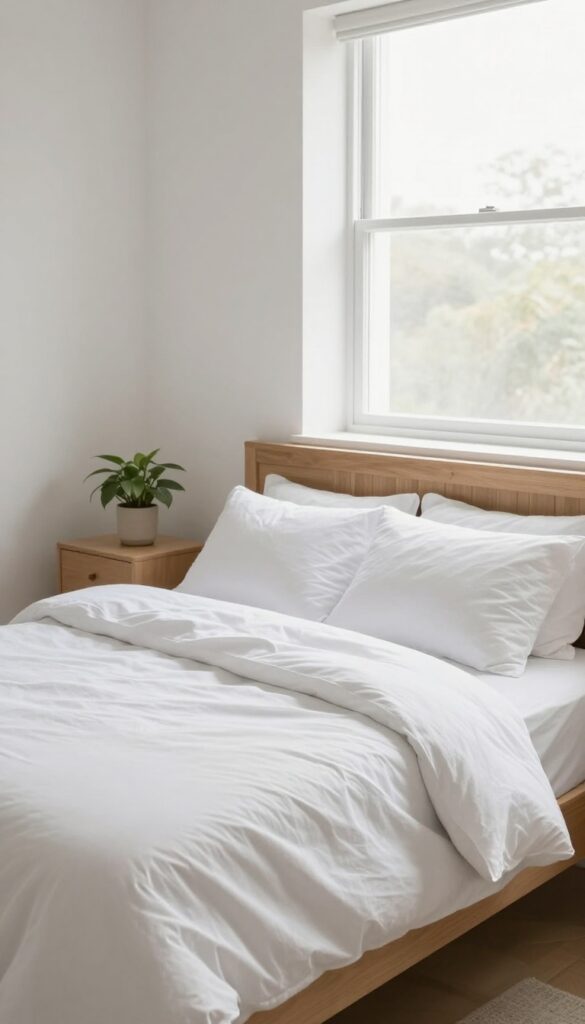
It takes less than a minute and instantly makes the bedroom look neater. It also creates a psychological 'I've started my day' momentum. This small win sets a positive tone for the rest of your cleaning routine.
Making your bed is the easiest way to make your bedroom look instantly tidier. It’s a one-minute task that pays off all day. Plus, it gives you a sense of accomplishment right away, which can motivate you to tackle other small chores.
The Psychological Boost
Starting your day with a completed task, no matter how small, triggers a sense of order and control. It’s like a gentle nudge that says, 'You’ve got this. ' Many productivity experts recommend making your bed as a keystone habit that leads to better decision-making throughout the day.
How To Make It Stick
Keep it simple. You don’t need hospital corners or decorative pillows. Just smooth the sheets, pull up the comforter, and fluff the pillows.
If you’re short on time, a duvet that you can just shake into place works wonders. The goal is consistency, not perfection.
Bonus: It Keeps Dust And Allergens At Bay
Making your bed in the morning traps dust mites and allergens under the covers, reducing their presence in the air. This is especially helpful for allergy sufferers. It’s a small health win that comes with zero extra effort.
13. Set a Timer for 15-Minute Decluttering Sessions
Clutter doesn't pile up overnight, so you don't need to conquer it all in one go. Short, timed sessions make decluttering feel manageable and keep you from getting overwhelmed. By setting a timer for just 15 minutes, you can make a dent without burning out.
The key is to focus on one small area—a single drawer, a shelf, or a corner of a room. When the timer goes off, you stop, no matter what. This prevents perfectionism from taking over and ensures you actually follow through.
Over time, these mini-sessions add up to a noticeably tidier home.
Pick One Spot And Go
Choose a specific zone before you start. It could be the junk drawer in the kitchen, the top shelf of your closet, or the pile of mail on the counter. Keep your focus narrow—this isn't the time to reorganize the whole pantry.
Just that one spot. Set your timer, and sort quickly: keep, toss, or relocate. When the timer dings, you're done.
Make It A Daily Habit
Consistency beats intensity. Try doing one 15-minute declutter session every day at the same time—right after dinner, before bed, or first thing in the morning. It becomes part of your routine, like brushing your teeth.
You'll start noticing clutter less and less because you're staying on top of it.
Use The Right Tools
Keep a small bin or bag handy for items to donate or toss, and a basket for things that belong elsewhere. Having these ready means you won't waste time hunting for supplies. A timer app on your phone works fine, but an actual kitchen timer can be more satisfying—when it rings, you're free.
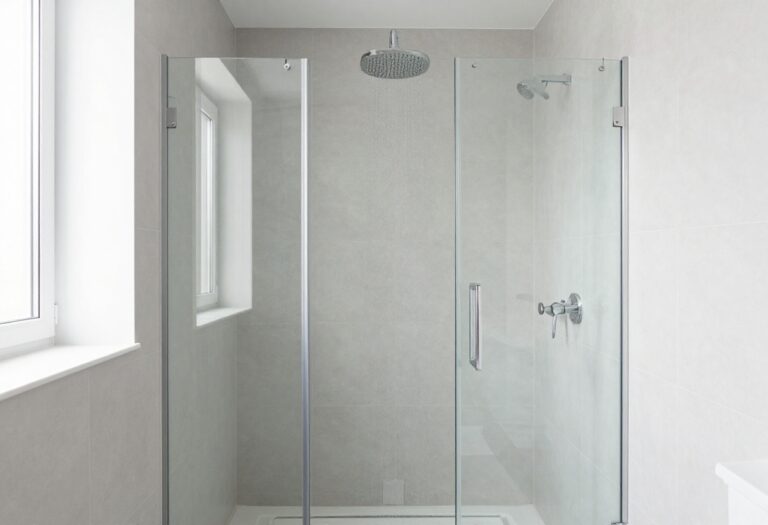
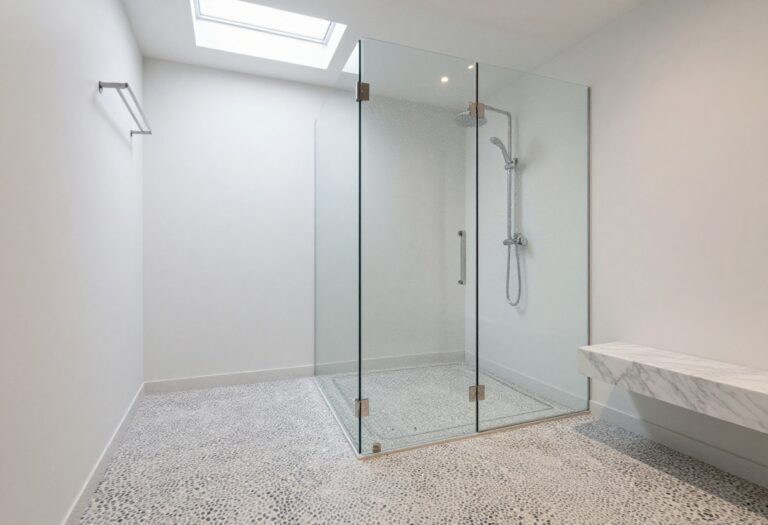
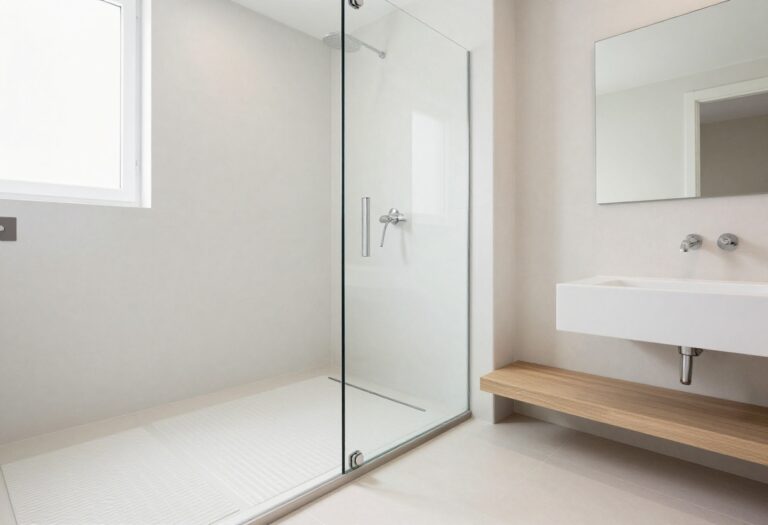
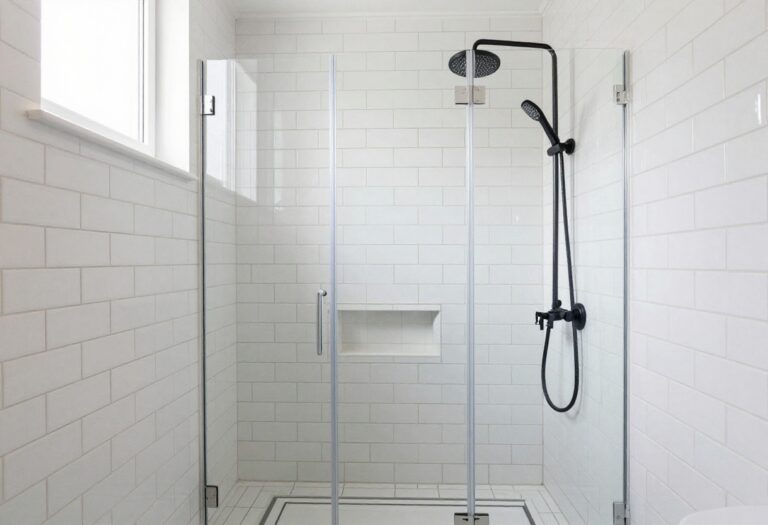
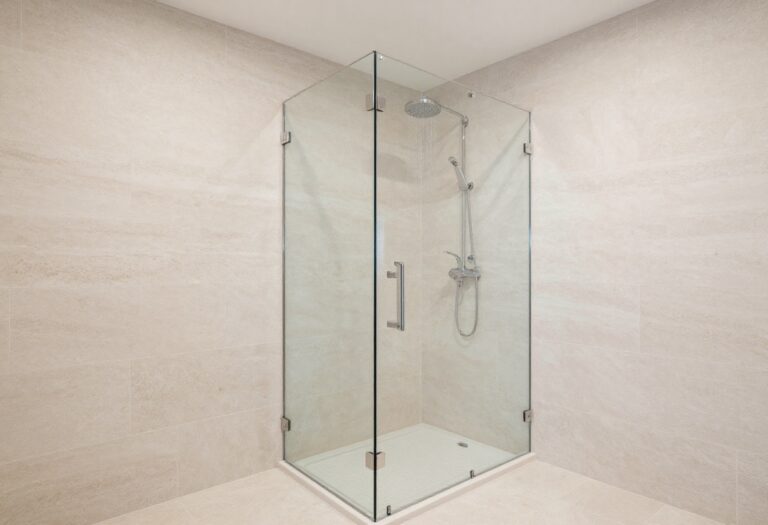
14. Wipe Down the Shower After Each Use
A quick squeegee on the walls and door prevents hard water stains and mildew. This one habit can cut bathroom cleaning time in half. It's a tiny effort that pays off big.
Getting into the habit of wiping down the shower after every use might feel like a chore at first, but it's one of those routines that quickly becomes automatic. You're already in the bathroom, so adding 30 seconds to your post-shower ritual is easy. The payoff?
Less scrubbing, fewer harsh cleaners, and a shower that always looks clean.
The Right Tool Makes It Easy
Keep a squeegee in the shower or hang it on a hook nearby. A microfiber cloth works too, but a squeegee is faster and more effective on glass doors. For tile walls, a small towel can do the trick.
The key is having the tool within arm's reach so you don't have to hunt for it.
What To Wipe And Why
Focus on glass doors, tile walls, and any metal fixtures. These surfaces are most prone to water spots and soap scum. By removing water droplets immediately, you prevent minerals from drying and bonding to the surface.
This simple act keeps your shower looking new and reduces the need for deep cleaning.
Make It Part Of Your Routine
Pair the wipe-down with something you already do, like turning off the water or stepping out of the shower. Over time, it becomes a muscle-memory move. If you forget, don't stress—just aim for consistency, not perfection.
Even doing it most days makes a huge difference.
15. Create a 'Drop Zone' for Daily Essentials
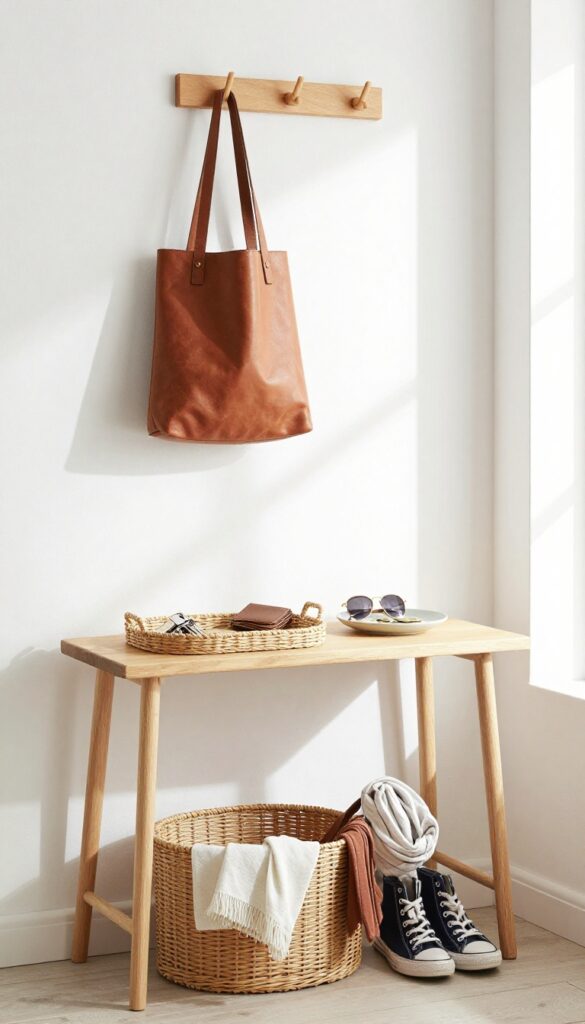
Keys vanish, mail piles up on the counter, and shoes end up in the middle of the hallway. That chaos starts the moment you walk in the door. A designated drop zone stops the scatter before it spreads.
Pick a spot near your main entry—a small table, a shelf, or even a wall-mounted organizer. The goal is one place where everything you carry daily has a home. This small setup saves minutes of searching every morning and keeps surfaces clear.
Choose Your Landing Spot
Look at your most-used entrance. It could be a mudroom bench, a console table in the foyer, or a hook rack by the garage door. Even a narrow shelf works if space is tight.
The key is consistency—use the same spot every single time.
What Goes In The Drop Zone
Think daily essentials: keys, wallet, phone, sunglasses, reusable bags, mail, and shoes. Add a small tray for loose items, a hook for bags, and a basket for shoes. Keep it minimal—if it's not used daily, it doesn't belong here.
Maintain The System
A drop zone only works if you clear it regularly. Sort mail right away—junk goes in the trash, bills go to your desk. Wipe the tray and shelf weekly.
If the zone gets overstuffed, declutter it back to just the daily needs.
16. Use Baskets and Bins for Quick Tidy-Ups
Sometimes the fastest way to make a room look clean is to hide the mess. Baskets and bins are your secret weapon for that. They turn a scattered pile of stuff into an organized look in seconds.
The beauty of baskets is that they do the heavy lifting for you. Instead of folding every throw blanket or sorting every toy, you just scoop and drop. It's not cheating—it's working smarter.
Keep a few baskets in high-traffic areas like the living room, entryway, and bedroom. When clutter starts to build up, a quick sweep into the basket resets the room instantly. No decision-making required.
Choose The Right Baskets
Not all baskets are created equal. Go for ones that match your decor so they look intentional, not like storage containers. Woven baskets add warmth, while sleek bins work for modern spaces.
Make sure they're easy to grab and carry.
Assign A Purpose
Give each basket a loose category: remotes and chargers, kids' toys, mail and papers. This prevents them from becoming junk drawers in basket form. You don't need to be strict—just a general idea helps.
Make It A Habit
Before you leave a room or at the end of the day, do a quick sweep. Toss anything out of place into the nearest basket. It takes less than a minute and keeps surfaces clear.
Over time, it becomes automatic.
17. Vacuum or Sweep High-Traffic Areas Daily
Think about where dirt and debris enter your home—and where they settle. The entryway, kitchen, and living room take the brunt of daily foot traffic, and a quick pass with a vacuum or broom each day keeps that grime from spreading to other rooms. This isn't about deep-cleaning the whole house.
It's a targeted, two-minute habit that stops dirt in its tracks. You'll notice less dust on furniture and fewer crumbs underfoot, which makes the rest of your cleaning routine easier.
Focus on the zones that see the most action. In the entryway, a quick sweep picks up sand, leaves, and whatever else gets tracked in. In the kitchen, a vacuum run around the base of cabinets and under the table catches crumbs before they attract pests.
The living room, especially under couches and in high-traffic paths, benefits from a daily pass to keep dust bunnies at bay.
Why Daily Matters More Than Weekly
Waiting until the weekend means dirt has had seven days to settle into carpets and cracks. A daily quick vacuum or sweep prevents that buildup, so your floors stay cleaner longer. Plus, it takes less effort than a weekly deep clean—just a few minutes per day.
Tools That Make It Effortless
Keep a lightweight vacuum or a cordless stick vacuum handy for quick pickups. A small dustpan and brush set near the entryway encourages a quick sweep. If you have hard floors, a microfiber dust mop works great for dry mopping without dragging out a heavy vacuum.
How To Build The Habit
Tie it to something you already do daily, like after dinner or when you come home from work. Set a timer for two minutes and see how much you can cover. Over time, it becomes automatic, and you'll wonder how you ever managed without it.
18. Keep a Trash Bag Handy for Immediate Disposal
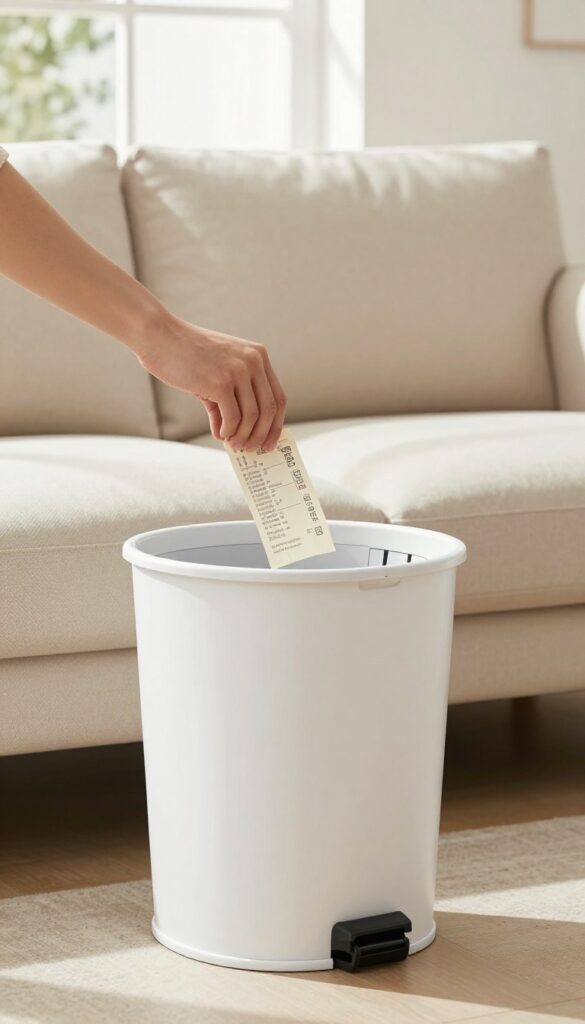
Trash has a way of multiplying when you set it aside. That old receipt on the counter, the broken pen on the desk, the wilted lettuce in the fridge—each item seems harmless alone, but together they create visual noise. The fix is simple: keep a trash bag or bin within arm's reach in every room.
When you spot something that belongs in the garbage, put it there immediately. No staging, no piles, no "I'll deal with it later. " This habit eliminates the mental load of deciding what to toss and when.
You see trash, you toss it. Done.
The key is making disposal frictionless. If you have to walk to the kitchen every time you find a piece of trash, you're more likely to set it down and forget it. Instead, place small waste bins or even a grocery bag in high-traffic areas: by your desk, next to the couch, in the bathroom, near the entryway.
When you find something to discard, it goes directly into the nearest receptacle. No detours, no second thoughts. This approach also works for larger items.
Keep a designated box or bag in a closet for things you plan to donate or recycle. When you come across something that's broken or no longer needed, put it straight into that container. At the end of the week, tie it up and take it out.
The clutter never gets a chance to settle.
Where To Place Your Trash Stations
Think about where you typically generate waste. The home office is a hotspot for junk mail, old sticky notes, and empty pen cartridges. The living room accumulates snack wrappers, receipts, and packaging.
The bedroom collects used tissues, clothing tags, and empty bottles. Place a small bin or bag in each of these spots. Even a decorative basket with a liner works if you want something that blends in.
The One-minute Rule For Disposal
If you see something that can be thrown away in under a minute, do it immediately. That's the threshold. It takes five seconds to toss an old magazine into the recycling bin.
It takes ten seconds to drop a broken charger into the e-waste bag. Don't let these quick tasks pile up. The instant you notice an item is trash, your hand should already be moving toward the bin.
How To Handle Non-trash Clutter
Not everything that clutters your space is literal trash. Some items need to be recycled, donated, or returned. For those, create designated drop zones.
A small basket for items to be donated, a drawer for things to be returned, a bin for recyclables. The same rule applies: when you encounter an item that doesn't belong where it is, put it directly into its designated container. This prevents the "I'll sort it later" pile from forming.
19. Do a 'Closing Shift' Before Bed
The state of your home in the morning sets the tone for your whole day. Walking into a kitchen with dirty dishes in the sink and pillows scattered everywhere creates instant stress. A ten-minute reset before you hit the pillow can flip that script completely.
Think of it like closing a café: you wipe down counters, fluff the cushions, and make sure everything is in its place. This isn't about deep cleaning—it's about resetting the common areas so you wake up to a fresh start. The living room and kitchen are the two zones that matter most.
Fluff throw pillows, fold blankets neatly over the couch, and clear any stray items from coffee tables and countertops. Load the dishwasher or wash the few dishes that accumulated during the evening. A quick sweep or spot-vacuum of crumbs takes under a minute.
The whole routine should take no more than ten minutes. When you walk into the kitchen the next morning to make coffee, the clear counters and empty sink will feel like a gift you gave yourself the night before. Over time, this habit trains your brain to see tidiness as the default state, not a chore.
Why The Living Room Matters Most
The living room is where you decompress, but it's also where clutter collects fastest. Remote controls, books, mail, and kids' toys end up on every surface. A quick reset—returning remotes to a caddy, stacking books, and putting toys in a basket—makes the room feel calm and welcoming.
Fluffing pillows and straightening the rug adds a visual polish that tricks your brain into thinking the whole house is clean.
Kitchen Reset In Five Minutes
The kitchen is the heart of the home, but it's also the messiest. After dinner, load the dishwasher and run it if it's full. Wipe down the counters with a multipurpose cleaner.
Put away any food items left on the counter. If you have a sink, give it a quick scrub with a sponge. These five minutes prevent morning grumpiness and make breakfast prep a breeze.
Make It A Habit With Triggers
Attach your closing shift to an existing bedtime routine. For example, after you brush your teeth, set a timer for ten minutes and power through the reset. Or pair it with making your evening tea.
The key is consistency—after a week, it will feel weird to skip it. You can even involve family members by assigning each person one task, like fluffing pillows or wiping counters.
20. Involve the Whole Family with a Chore Chart
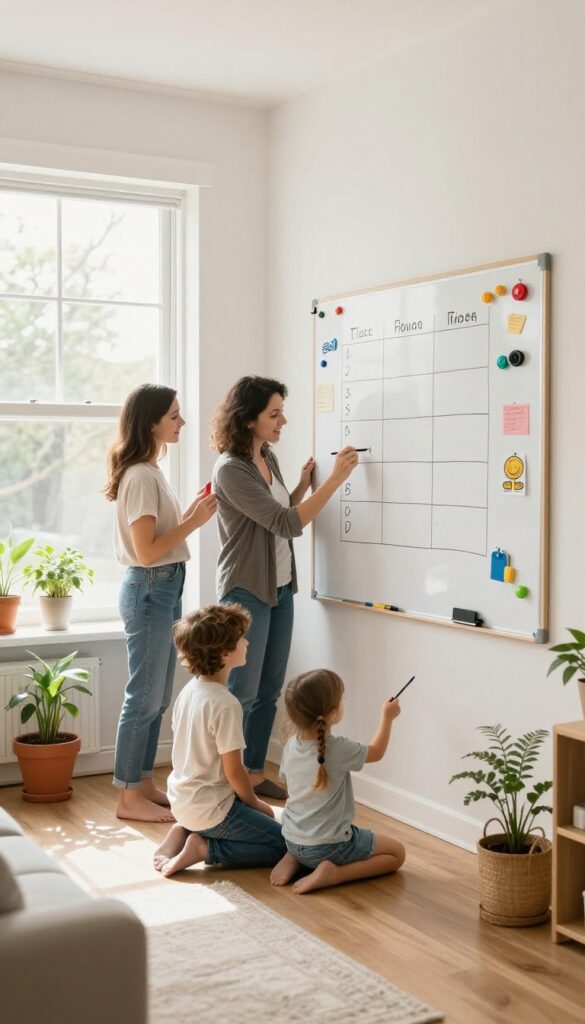
Cleaning doesn't have to be a solo mission. When everyone in the household chips in, the work gets done faster and feels less like a burden. A chore chart turns tidying into a team effort, and it's a great way to teach responsibility to kids of all ages.
A chore chart works best when tasks are age-appropriate and rotated regularly. Younger children can handle simple jobs like putting away toys or wiping tables, while older kids can take on vacuuming, dishwashing, or bathroom cleaning. Rotating chores weekly keeps things fresh and prevents anyone from feeling stuck with the same dull task.
The key is consistency—make the chart visible and check off tasks together at the end of the day or week.
Assigning Age-appropriate Tasks
Match tasks to your child's ability. Toddlers can sort laundry or dust low surfaces. Elementary-age kids can make beds, set the table, or sweep floors.
Teens can handle more complex chores like cleaning the fridge or mopping. Start small and gradually increase responsibility as they grow.
Making The Chart Work Long-term
Keep the chart simple and visual. Use magnets, stickers, or a whiteboard to track progress. Hold a weekly family meeting to review and rotate tasks.
Celebrate accomplishments with a small reward—like a movie night or extra screen time—to keep motivation high.
Handling Resistance And Building Habits
Expect some pushback, especially at first. Stay calm and consistent. Explain that chores are part of being a family, not a punishment.
Offer choices when possible ("Would you rather vacuum or dust? ") to give a sense of control. Over time, these tasks become automatic habits.
21. Use a Lint Roller for Upholstery and Lampshades
A lint roller isn't just for clothes—it's a secret weapon for fabric surfaces around the house. Keep one in the living room, and you can tackle dust, pet hair, and crumbs in seconds. It's the kind of quick fix that makes your home look freshly cleaned without any real effort.
Lint rollers are cheap, disposable, and incredibly effective on sofas, armchairs, curtains, and even lampshades. Run it over cushions before guests arrive, or give your favorite reading chair a once-over while watching TV. The adhesive sheets grab particles that vacuums sometimes miss, especially on delicate fabrics.
Where To Keep Your Lint Roller
Stash one in an end table drawer or a decorative basket near the couch. If you have multiple floors, keep one on each level. The easier it is to grab, the more you'll use it.
Lampshades And Delicate Surfaces
Dust settles on fabric lampshades and collects in pleats. A lint roller removes it without damaging the shade. For silk or very delicate fabrics, test on an inconspicuous spot first.
Quick Touch-ups For Pet Owners
Pet hair clings to upholstery and can be stubborn. A few passes with a lint roller lifts hair and dander instantly. Keep one in the car too for pet-friendly road trips.
22. Clean Your Cleaning Tools Regularly
Your cleaning tools work hard, but they also collect dirt, bacteria, and grime over time. A dirty mop or cloth just spreads filth around instead of picking it up. Keeping your gear clean ensures every session actually makes your home tidier, not dirtier.
Wash Microfiber Cloths Properly
Microfiber cloths trap dust and bacteria, but they lose effectiveness when clogged with debris. Rinse them after each use, then wash in warm water with mild detergent—no fabric softener, as it ruins the fibers. Air dry or tumble dry on low heat.
Replace them when they start to smell or leave streaks.
Don't Neglect Mop Heads And Sponges
Mop heads harbor moisture and bacteria, leading to musty odors and ineffective cleaning. Rinse thoroughly after each use and hang to dry. Replace disposable mop heads every 2-3 months, and wash reusable ones in hot water with bleach.
Sponges should be microwaved damp for 1-2 minutes daily (or replaced weekly) to kill germs.
Vacuum Filters And Brushes Matter
A clogged filter reduces suction and lets dust escape back into the air. Clean or replace vacuum filters per the manufacturer's instructions—typically every 1-3 months. Also remove tangled hair and debris from brush rolls regularly.
This keeps your vacuum running efficiently and your home truly dust-free.
23. Reward Yourself for Sticking to the Routine
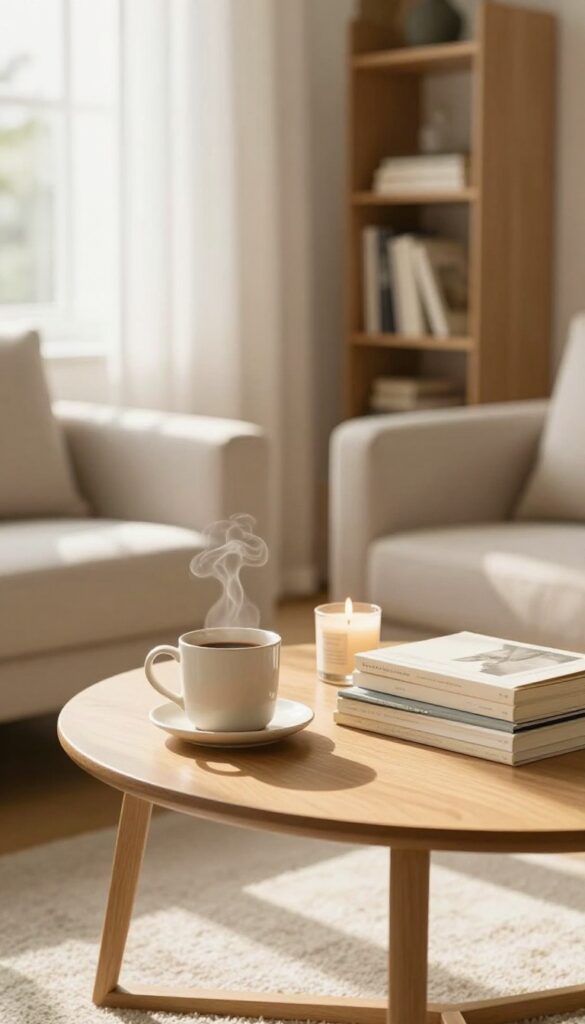
Consistency is tough, but a little positive reinforcement can make all the difference. When you reward yourself for sticking to your cleaning routine, you train your brain to associate tidying up with pleasure rather than dread. This simple psychological trick helps turn chores into habits that actually stick.
After a full week of following your cleaning routine, treat yourself to something small but meaningful. It could be a fancy coffee from your favorite café, a new candle to freshen up the space you just cleaned, or simply guilt-free time to watch an episode of your favorite show. The key is to make the reward immediate and tied to your effort.
Over time, this builds a powerful loop: clean, feel accomplished, reward yourself. You'll find yourself looking forward to the reward, which makes the cleaning feel less like a chore and more like a step toward something enjoyable.
Choose Rewards That Motivate You
Not all rewards are created equal. Pick something that genuinely excites you—maybe a new book, a bath bomb, or a takeout dinner. Avoid rewards that undermine your progress, like a sugary treat if you're watching your diet.
The reward should feel like a celebration, not a compensation.
Set Milestones For Bigger Rewards
For long-term motivation, create bigger milestones. After a month of consistent routines, treat yourself to a spa day, a new gadget, or a weekend getaway. Having a larger goal in sight keeps you going when the daily rewards start to feel routine.
Track Your Progress Visually
Use a habit tracker or a simple calendar to mark each day you complete your routine. Seeing a chain of checkmarks or stickers gives a sense of accomplishment and makes the reward feel earned. Plus, it's satisfying to watch the streak grow.
FAQ
How often should I deep clean my home?
Aim for a deep clean every one to three months, depending on your household size and lifestyle. High-traffic areas may need it more often.
What's the best way to stay motivated to clean?
Break tasks into small chunks, listen to music or podcasts, and reward yourself after completing a session. Consistency beats perfection.
How do I get my family to help with cleaning?
Assign specific, age-appropriate chores and use a visual chart. Make it a team effort with a shared reward, like a movie night, when everyone contributes.
Can I clean my house in 30 minutes a day?
Yes, if you focus on high-impact areas like kitchen counters, bathroom sinks, and floors. Use a timer and stick to the essentials.
What cleaning supplies do I really need?
All-purpose cleaner, microfiber cloths, a good vacuum, a mop, and a duster. Add glass cleaner and a scrub brush for specific tasks.
Conclusion
A consistently tidy home isn't about perfection—it's about building habits that work with your life. Start with one or two ideas from this list and see how they feel. Over time, these small actions add up to a cleaner, more peaceful space.
Remember, the goal is progress, not a spotless house every second. Give yourself grace, stay consistent, and enjoy the calm that comes with a home that's under control.