15 Dishwasher Cleaning Tips for Odor and Hidden Grime
You open the dishwasher expecting clean dishes, but instead get a whiff of something sour. That musty smell and hidden grime aren't just unpleasant—they mean your machine needs attention.
These 15 tips target the real trouble spots, from the filter to the door gasket, so you can banish odors and buildup for good. No harsh chemicals required, just simple steps that keep your dishwasher fresh and efficient.
Let's dive into the fixes that actually work.
1. Clean the Filter Regularly
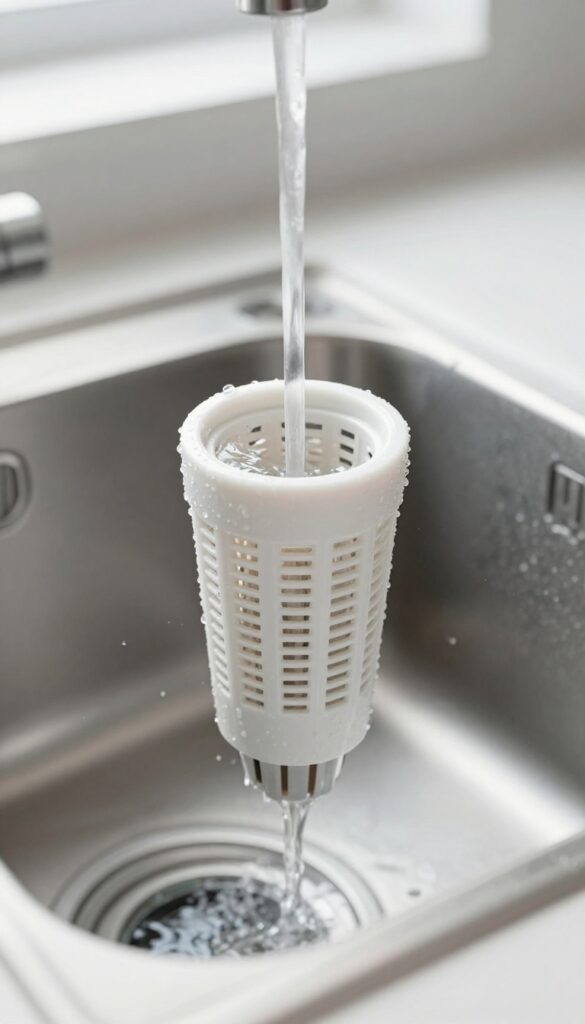
The filter catches food scraps so they don't recirculate onto your dishes, but it's also the number one place where odor starts. When the filter gets clogged, trapped debris begins to rot, and that sour smell spreads to everything inside. A quick weekly rinse is all it takes to keep things fresh.
How To Remove The Filter
Most dishwasher filters are located at the bottom of the tub, under the spray arm. Twist the cylindrical filter counterclockwise to unlock it, then lift it out. Some models have a flat mesh screen that slides out separately.
Check your manual if you're unsure—the design varies by brand.
Cleaning The Filter Properly
Rinse the filter under hot running water to remove loose particles. For stubborn gunk, use a soft brush or an old toothbrush to gently scrub the mesh. Avoid harsh scrubbers that could damage the fine screen.
If the filter has a strong odor, soak it in a solution of warm water and white vinegar for 15 minutes before rinsing.
How Often To Clean It
Aim for once a week if you run the dishwasher daily. If you pre-rinse dishes thoroughly, every two weeks might be enough. But if you notice a musty smell or food particles on clean dishes, clean the filter immediately—it's the first sign of a clog.
2. Wipe Down the Door Gasket
That rubber seal running along the inside of your dishwasher door does more than keep water in. It's a prime spot for mold, mildew, and grime to build up, especially in the folds and crevices. A quick monthly wipe makes a big difference in both smell and hygiene.
The door gasket traps moisture and food particles every time you run a cycle. Over time, this creates a breeding ground for mold and bacteria, which can cause musty odors and even affect the seal's performance. Wiping it down regularly prevents buildup and keeps the gasket flexible and effective.
What You'll Need
Grab a soft cloth or sponge, warm water, and a mild dish soap. Avoid harsh cleaners or bleach, which can dry out the rubber and cause cracking. A toothbrush can help reach into the tight grooves.
How To Clean It
Open the door and inspect the entire gasket. Dip your cloth in soapy water, wring it out well, and wipe along the seal, paying extra attention to the bottom edge where water pools. Use the toothbrush for any stubborn spots.
Rinse with a clean damp cloth to remove soap residue.
When To Do It
Make this a monthly habit. If you notice a persistent smell or visible mold, clean it more often. Also check the gasket for tears or brittleness during cleaning—replace it if damaged to avoid leaks.
3. Run a Vinegar Cycle
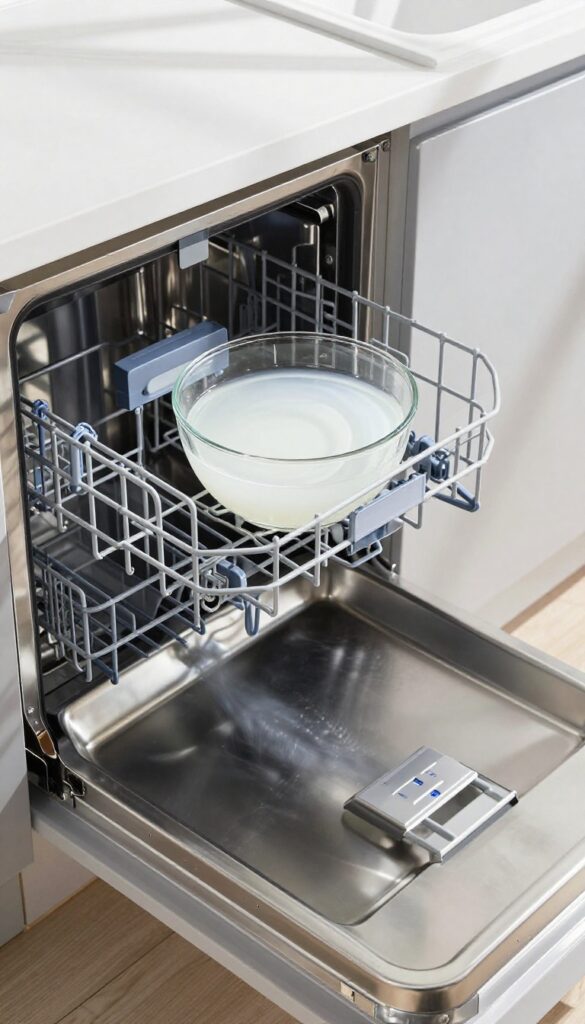
White vinegar is a powerhouse when it comes to cutting through grease and neutralizing odors. Instead of reaching for a chemical cleaner, grab a bottle of distilled white vinegar from your pantry. A simple hot cycle with vinegar can break down grime and leave your dishwasher smelling fresh.
Why Vinegar Works
Vinegar is acidic enough to dissolve mineral deposits and soap scum, but gentle on dishwasher parts. It kills odor-causing bacteria without leaving a strong chemical residue. Plus, it's cheap and non-toxic.
How To Do It Right
Place a cup of white vinegar in a dishwasher-safe bowl on the top rack. Run a hot water cycle with the heated dry option off. Avoid adding detergent—the vinegar will do the work.
Do this once a month for maintenance.
What To Avoid
Don't mix vinegar with bleach or other cleaners, as it can create harmful fumes. Also, avoid using vinegar on stainless steel interiors too often, as prolonged exposure may dull the finish. Stick to monthly cycles.
4. Use Baking Soda for Tough Odors
Sometimes vinegar alone isn't enough to knock out the worst smells. That's where baking soda comes in. It's a natural deodorizer that tackles stubborn odors without adding harsh chemicals into the mix.
After running a vinegar cycle, sprinkle a cup of baking soda across the bottom of the dishwasher. Then run a short hot water cycle. The baking soda absorbs and neutralizes any lingering smells, leaving the interior fresh.
This method is especially effective for musty odors that seem to stick around no matter what you try.
Why Baking Soda Works
Baking soda is alkaline, which helps it neutralize acidic odor compounds. It also absorbs moisture, cutting down the damp environment where smells thrive. Plus, it's gentle on dishwasher components, so you can use it regularly without worry.
Step-by-step Instructions
First, make sure the dishwasher is empty. Sprinkle about one cup of baking soda evenly across the bottom. Then, select the hottest and shortest cycle available.
Let it run fully, then open the door to air dry. You'll notice a much cleaner scent.
When To Use This Method
Use baking soda after a vinegar rinse or whenever you notice persistent odors. It's also great as a monthly maintenance step to keep smells from coming back. Avoid using it with vinegar at the same time—they'll fizz and cancel each other out.
5. Scrub the Spray Arms
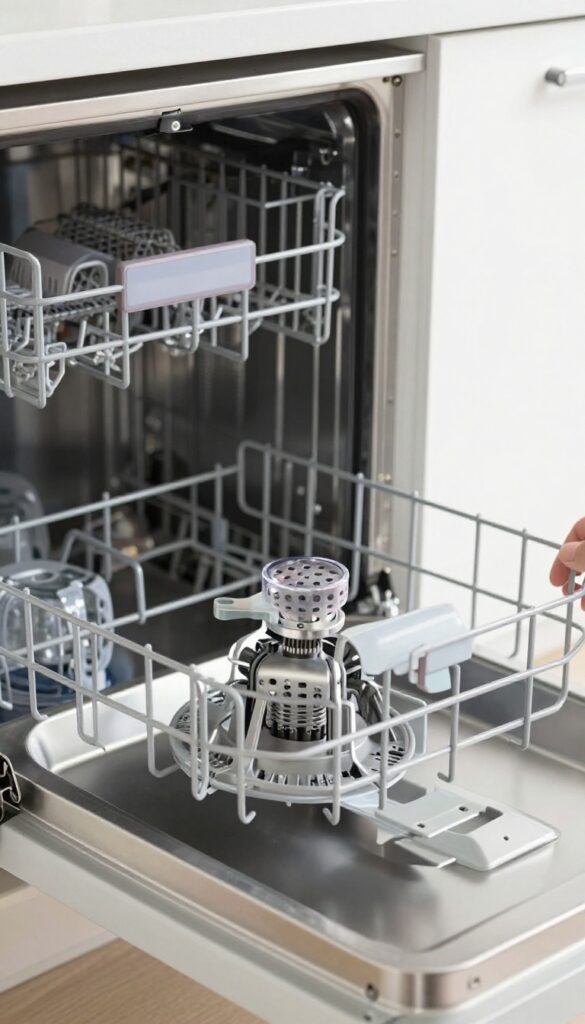
Your dishwasher's spray arms are the workhorses that blast water over every dish. When their tiny holes get clogged with mineral deposits or food debris, the spray pattern weakens and dishes come out dirty. Worse, stagnant water trapped in the arms can turn musty and contribute to that lingering odor.
Cleaning them is a simple fix that boosts performance and freshness.
Remove And Rinse
Start by pulling out the bottom rack so you can access the lower spray arm. Most arms unscrew or pop off with a gentle tug—check your manual if it's stubborn. Take both the upper and lower arms to the sink and rinse them under warm running water.
This dislodges loose grit and gives you a clear view of the holes.
Clear The Nozzles
Once the arms are rinsed, inspect each nozzle hole. Use a toothpick or a thin piece of wire to gently poke out any visible blockage. Be careful not to widen the holes or damage the plastic.
For stubborn mineral scale, soak the arms in a bowl of white vinegar for 30 minutes, then rinse again.
Reattach And Test
Snap or screw the spray arms back into place, making sure they spin freely by hand. Run a rinse cycle with no dishes to confirm the arms rotate and spray evenly. If you notice a wobble or uneven spray, double-check that they're seated correctly.
A clean set of arms means better cleaning and less odor.
6. Check and Clean the Drain
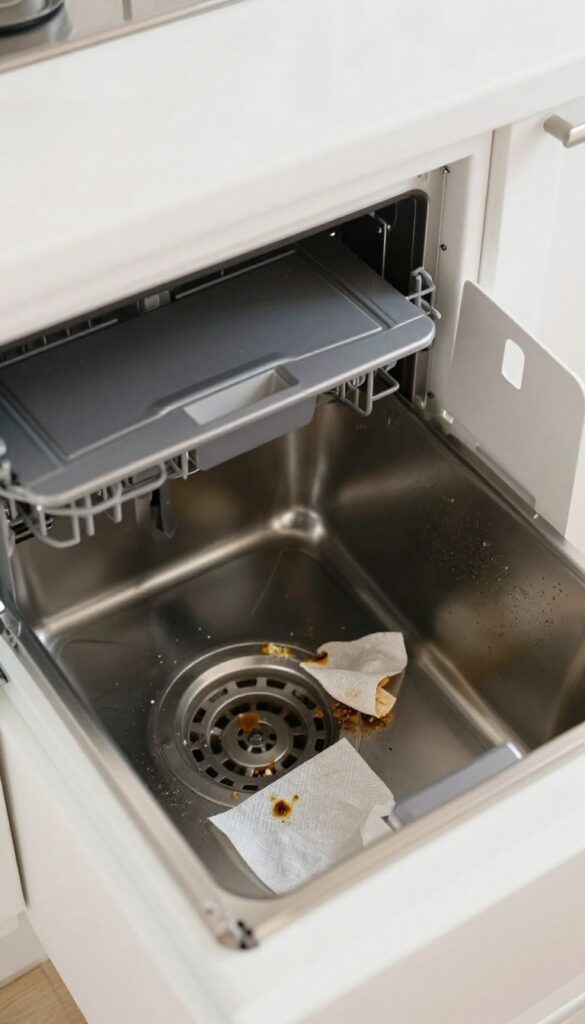
The drain is where all the dirty water exits, but it's also a prime spot for food particles to get stuck. Over time, those bits decompose and create a funky smell that can spread through your kitchen. Cleaning the drain is a quick win against odors and helps prevent clogs that could lead to standing water.
Locate And Remove The Drain Cover
Start by pulling out the bottom rack so you can see the drain area clearly. The drain cover is usually a small plastic or metal piece at the bottom center of the dishwasher. Depending on your model, it may twist off or pop out with a gentle lift.
If it's stuck, check for a screw holding it in place.
Clear Out Debris By Hand
Once the cover is off, you'll likely see a collection of food scraps, bits of broken glass, or other gunk. Use a damp paper towel or a soft cloth to scoop out everything you can see. Don't use sharp tools that could damage the drain assembly.
For stubborn buildup, a soft brush or an old toothbrush works well.
Flush The Drain With Hot Water
After removing the visible debris, run a short hot water cycle without dishes to flush out any remaining particles. You can also pour a kettle of boiling water directly into the drain (if your dishwasher's manual allows it) to dissolve grease and soap scum. This step helps ensure the drain is fully clear and reduces odors.
7. Clean the Silverware Basket
The silverware basket sits in the bottom rack, collecting bits of food and moisture every cycle. Those little holes that let water drain can trap debris and become a breeding ground for bacteria. A quick rinse won't cut it—you need to give it a proper scrub to keep odors away.
Remove And Rinse
Take the basket out of the dishwasher and dump any trapped food. Rinse it under hot running water, paying attention to the holes. Use a thin brush or an old toothbrush to dislodge anything stuck inside.
Scrub With Baking Soda
Sprinkle baking soda over the basket and scrub with a damp brush. Baking soda is mildly abrasive and neutralizes odors. Rinse thoroughly after scrubbing to remove all residue.
Soak For Stubborn Grime
If the basket still smells or has caked-on gunk, soak it in a sink full of hot water and a cup of white vinegar for 30 minutes. Then scrub again and rinse. Let it air dry completely before putting it back.
8. Wipe the Interior Walls and Bottom
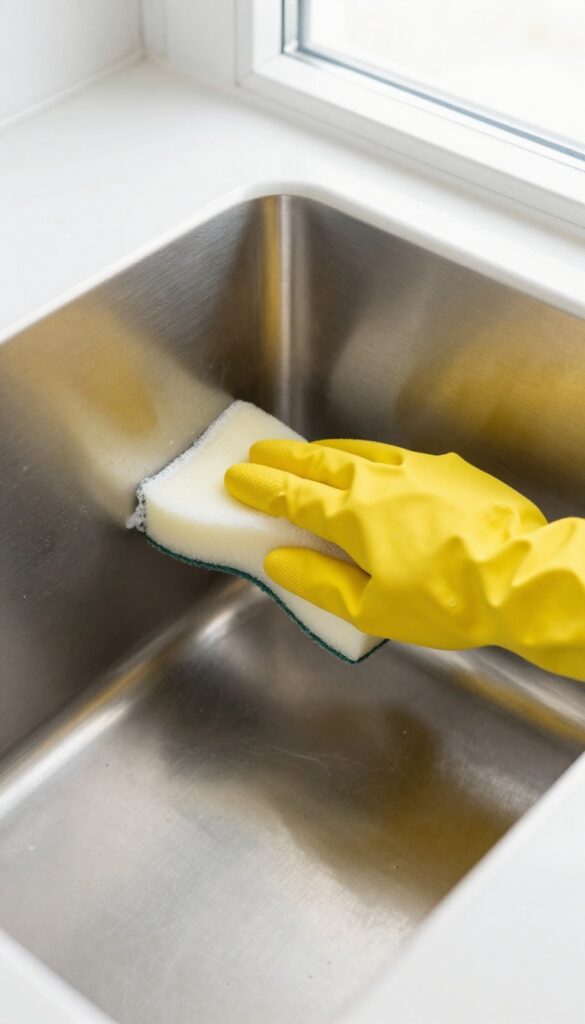
It's easy to forget that the inside of your dishwasher needs a scrub too. Over time, grease, soap scum, and food residue build up on the walls and bottom, creating a sticky film that traps odors and hides grime. A quick wipe-down every few weeks keeps everything fresh and prevents buildup from redepositing on your dishes.
Start With The Bottom Corners
The bottom corners of the dishwasher are notorious for collecting gunk. Use a sponge or soft cloth dipped in warm, soapy water to reach into those crevices. Pay extra attention where the wall meets the floor—that's where smelly residue likes to hide.
A toothbrush can help scrub stubborn spots without scratching the surface.
Don't Forget The Top And Sides
Grease splatters from the spray arms can coat the upper walls and even the ceiling of the dishwasher. Wipe from top to bottom with a damp cloth, rinsing frequently. For tough soap scum, a little baking soda on a wet sponge works as a gentle abrasive.
This step alone can dramatically cut down on musty smells.
Rinse And Dry Thoroughly
After wiping, run a rinse cycle with a cup of white vinegar in a dishwasher-safe bowl on the top rack. This flushes away any loosened grime and neutralizes odors. Leave the door open for an hour afterward to let the interior air dry completely—moisture is what lets mold and mildew take hold.
9. Run a Hot Water Cycle Before Loading
Starting your dishwasher with cold water is like trying to wash greasy pans with cold water—it just doesn't work as well. Hot water is essential for dissolving grease, activating detergent, and killing bacteria. By running the kitchen sink until the water is steaming hot before you start the dishwasher, you ensure the first fill is already at the optimal temperature.
This simple habit can make a noticeable difference in cleaning performance and odor prevention.
This tip is all about giving your dishwasher a head start. Most dishwashers don't have internal heaters powerful enough to instantly heat cold water, so they rely on the hot water from your home's supply. If the water entering the machine is lukewarm, the cycle won't reach the ideal temperature quickly enough, leaving food residue and grease behind.
Over time, that residue can lead to odors and buildup. By running the hot water at the sink first, you're effectively preheating the line so the dishwasher gets hot water right from the start.
Why Hot Water Matters
Hot water is the dishwasher's best friend. It helps break down grease and food particles more effectively than cold or warm water. It also activates the detergent enzymes, which are formulated to work best at higher temperatures.
Without sufficient heat, detergent may not dissolve properly, leaving spots and a film on dishes—and that film can contribute to musty smells over time. Running a hot water cycle ensures your machine operates at peak efficiency from the first spray.
How To Do It Right
It's simple: before you press start, go to the kitchen sink and turn on the hot water tap. Let it run until you feel the water getting hot—usually about 30 seconds to a minute, depending on how far your dishwasher is from the water heater. You don't need to waste water; just let it flow until it's steaming.
Then start the dishwasher immediately. This way, the first fill is already hot, and the machine doesn't have to play catch-up.
When It Helps Most
This trick is especially useful during colder months when the water in your pipes can be very cold. It also helps if you have a long pipe run from your water heater to the kitchen. If you notice that your dishes aren't coming out as clean as they used to, or if you're battling lingering odors, preheating the water might be the simple fix you need.
It costs nothing but a minute of your time and can extend the life of your dishwasher by reducing strain on the heating element.
10. Use a Dishwasher Cleaner Monthly
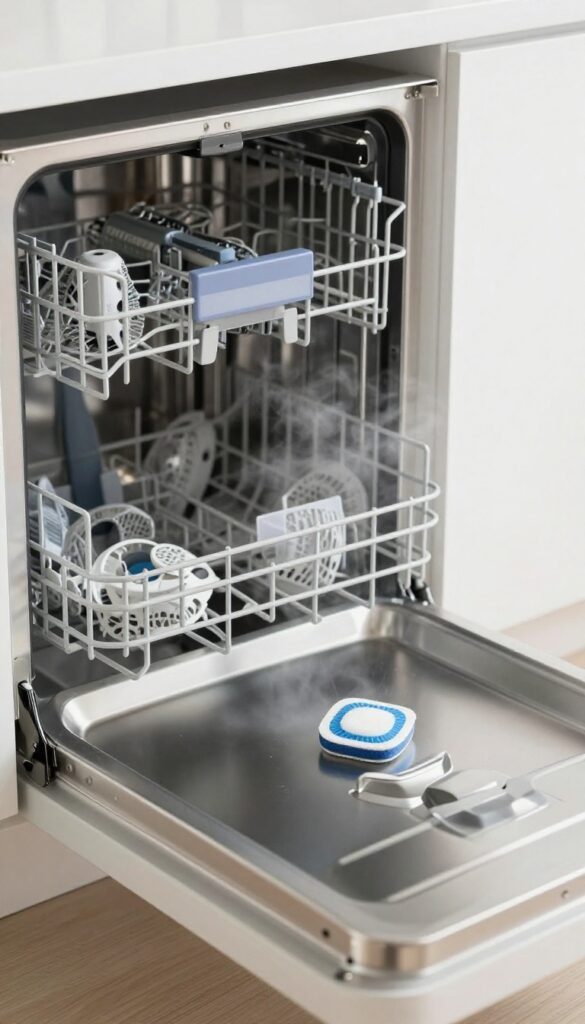
Even with regular scraping and rinsing, grease and limescale build up in places you can't see. A monthly cycle with a commercial cleaner targets that hidden grime and keeps odors from returning.
These products are formulated to dissolve mineral deposits and break down greasy residue that dish soap alone can't touch. Using one monthly is a simple habit that prevents buildup before it becomes a problem.
Why Monthly Matters
Limescale and grease accumulate slowly, so a weekly clean isn't necessary. Monthly treatment matches the pace of buildup, keeping your dishwasher fresh without overdoing it.
How To Use It Right
Place the cleaner in the detergent dispenser or on the bottom rack, then run a hot cycle with an empty machine. Follow the package instructions exactly—some require a rinse aid or extra cycle.
What About Natural Alternatives?
While vinegar and baking soda can help, commercial cleaners are more effective at removing tough limescale and grease. For a deep clean, stick with a dedicated product.
11. Leave the Door Ajar After Cycles
That damp, dark environment inside a closed dishwasher is a perfect breeding ground for mold and mildew. Once the cycle finishes, a surprising amount of moisture lingers on the walls, racks, and gasket. If you seal it all in, you're practically inviting musty odors and slimy buildup to take hold.
The fix is absurdly simple: prop the dishwasher door open a few inches after every cycle. This allows air to circulate and the interior to dry completely before the next use. It's a small habit that makes a huge difference in preventing the root cause of many dishwasher smells.
Why Moisture Matters
Mold spores are everywhere, but they need moisture to grow. A closed dishwasher traps steam and condensation, creating a humid microclimate. Within hours, that trapped moisture can start to sour, leading to the classic dishwasher odor.
By letting the door breathe, you cut off the moisture supply and keep the interior fresh.
How To Prop It Properly
You don't need to leave the door wide open—just a few inches is enough. Most dishwasher doors will stay put if you lean them against the counter or the rack. If yours tends to close, place a dish towel or a small object like a spice jar in the gap to hold it open.
Just remember to remove it before starting the next cycle.
Bonus: Prevent Gasket Mold
The rubber gasket around the door is especially prone to mold because it stays damp and collects food debris. Leaving the door ajar helps the gasket dry out too. For extra protection, wipe the gasket with a dry cloth after each cycle to remove any trapped moisture.
12. Clean the Exterior and Control Panel
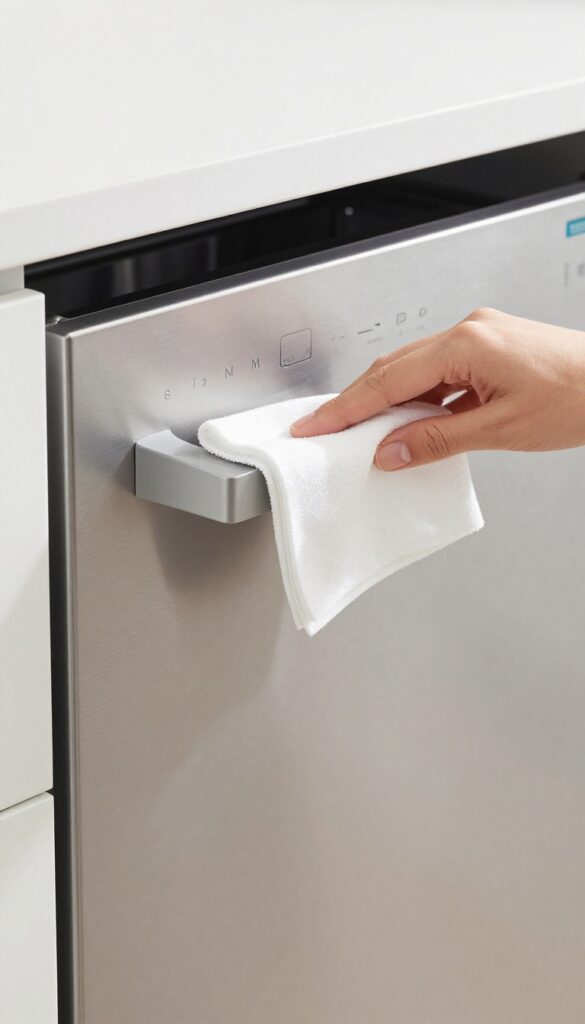
The outside of your dishwasher might look clean, but buttons and handles collect grease, food residue, and bacteria from hands. Every time you touch the control panel to start a cycle, you're transferring grime back to your dishes. A quick weekly wipe keeps the exterior fresh and prevents cross-contamination.
Wipe down the front panel, handle, and control buttons with a soft, damp cloth and a mild cleaner or dish soap. Avoid abrasive sponges that can scratch the finish. For stainless steel, use a dedicated cleaner or a vinegar-water solution, wiping with the grain to avoid streaks.
Don't forget the edges around the door and the top edge where the counter meets the dishwasher—crumbs and spills often hide there. A microfiber cloth works best to trap dirt without leaving lint.
Choose The Right Cleaner
Mild dish soap and warm water work for most exteriors. For stainless steel, use a cleaner designed for appliances or a 50/50 vinegar-water mix. Avoid bleach or harsh chemicals that can damage the finish or control panel.
Pay Attention To Buttons And Seals
Control buttons and the door handle are high-touch areas. Use a cotton swab dipped in soapy water to clean around buttons. Check the door seal (gasket) for any buildup and wipe it gently to prevent mold from spreading to the exterior.
Dry And Buff For A Streak-free Finish
After cleaning, dry the exterior with a clean microfiber cloth. For stainless steel, buff in the direction of the grain to restore shine and prevent water spots. This also removes any remaining residue.
13. Check the Rinse Aid Dispenser
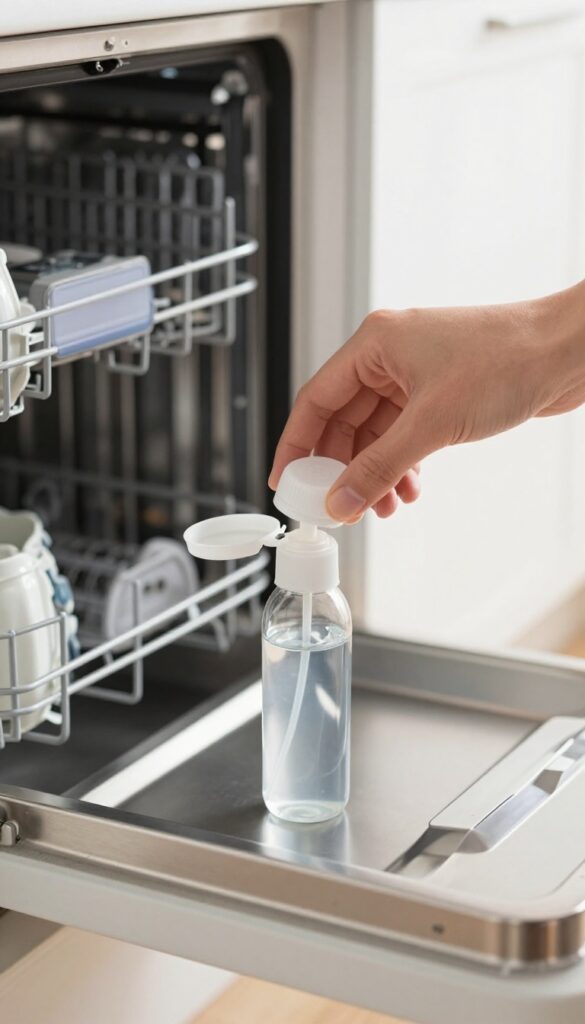
Rinse aid is one of those things you might forget about until spots start showing up on your glasses. It helps water sheet off dishes, which means faster drying and fewer streaks. But if the dispenser gets clogged or runs dry, you won't get those benefits.
Keeping the rinse aid dispenser in good shape is simple but easy to overlook. A full dispenser with a clean cap ensures the right amount of rinse aid is released during the final rinse. If you notice residue or gunk around the cap, it can block the flow and cause poor drying or even odors as old rinse aid sits and degrades.
How To Refill Properly
Open the dispenser lid and pour rinse aid until it reaches the fill line. Don't overfill—it can leak into the dishwasher and cause suds. Wipe up any spills with a damp cloth to prevent sticky residue.
Cleaning The Cap And Opening
Remove the cap and soak it in warm soapy water for a few minutes. Use a small brush or toothpick to clear any debris from the opening. Rinse and dry before screwing it back on.
When To Adjust The Setting
Most dispensers have a dial to control how much rinse aid is released. If you still see spots after refilling, try a higher setting. If you notice a film on dishes, lower it.
Adjust based on your water hardness.
14. Inspect and Clean the Inlet Screen
A tiny mesh screen where the water hose connects to your dishwasher can quietly trap sediment over time. When it clogs, water flow slows down, and your dishwasher struggles to fill properly. That can lead to poor cleaning and even strange noises.
That small screen is easy to overlook, but cleaning it takes just a few minutes and can solve a lot of hidden performance issues. Here's how to check and clean it.
Find The Screen
The inlet screen is located where the water supply hose attaches to the dishwasher, usually under the sink or at the bottom front of the machine. You'll need to disconnect the hose, so have a towel ready for any water that drips out.
Remove And Rinse
Once you've disconnected the hose, look for a small mesh screen inside the fitting. Use needle-nose pliers to gently pull it out if it's not loose. Rinse it under running water and scrub lightly with an old toothbrush to dislodge any grit or mineral deposits.
Reassemble And Test
Pop the clean screen back into place, reattach the hose, and turn the water supply back on. Run a short cycle to check for leaks and confirm the dishwasher fills normally. This simple maintenance step can restore water pressure and improve cleaning results.
15. Schedule a Professional Maintenance
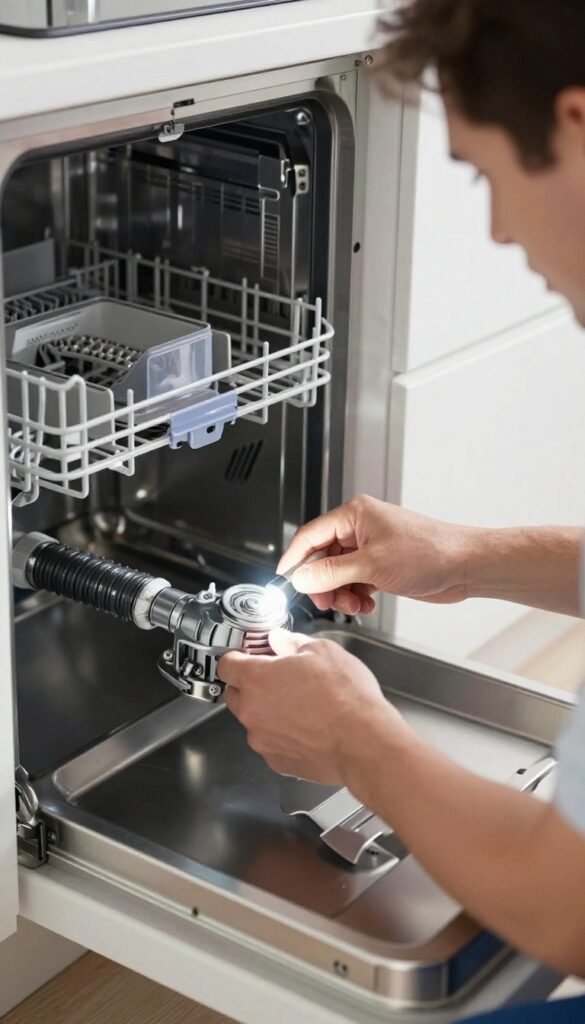
Sometimes the problem runs deeper than what you can fix with a scrub brush and vinegar. If odors linger or your dishwasher isn't cleaning like it used to, it might be time to call in a pro. A technician can spot issues you'd never see, like a clogged drain hose or a failing pump, and save you from bigger repairs down the road.
Annual professional maintenance is the best way to keep your dishwasher running smoothly. A service call typically includes inspecting hoses, checking water inlet valves, cleaning the pump, and testing for leaks. This proactive step can extend your machine's life by years and prevent those stubborn smells from coming back.
When To Call A Technician
If you've tried all the DIY tips and still notice a foul smell, standing water at the bottom, or dishes coming out dirtier than before, it's time to get expert help. These signs often point to mechanical problems that require specialized tools and knowledge.
What A Pro Check Includes
A typical maintenance visit covers cleaning the pump and sump, inspecting the drain line for kinks or blockages, testing water temperature and pressure, and checking the door seal for wear. They'll also look for hidden mold in areas you can't reach.
How Often To Schedule
Once a year is ideal for most households. If you use your dishwasher heavily or have hard water, consider twice a year. Regular checkups catch small issues before they become expensive repairs.
FAQ
How often should I clean my dishwasher?
For best results, clean the filter and door gasket weekly, run a vinegar cycle monthly, and use a commercial cleaner every three months.
Can I use bleach to clean my dishwasher?
Avoid bleach as it can damage rubber seals and stainless steel interiors. Stick to vinegar, baking soda, or dishwasher-safe cleaners.
Why does my dishwasher smell like rotten eggs?
This is usually caused by food debris trapped in the filter, drain, or spray arms. Clean these areas thoroughly and run a vinegar cycle.
Is it safe to run the dishwasher empty with vinegar?
Yes, but use a dishwasher-safe bowl on the top rack to prevent vinegar from contacting rubber parts directly. Run a hot cycle.
How do I prevent mold in my dishwasher?
Leave the door open after cycles, wipe the gasket regularly, and run a hot cycle with vinegar monthly to kill mold spores.
Conclusion
A clean dishwasher doesn't just smell better—it also works better and lasts longer. By making these 15 tips part of your routine, you'll prevent hidden grime from building up and keep every cycle fresh.
Start with the quick wins like wiping the door seal and running a vinegar cycle, then tackle the deeper cleans when you have time. Your dishwasher works hard for you, so giving it a little attention goes a long way.