17 Grill Cleaning Hacks for Fast Grease Free Cooking
You fire up the grill, ready for a perfect sear, only to find last week's charred bits stuck to the grates. Cleaning a grill can feel like a chore, but it doesn't have to be. With the right hacks, you can cut through grease in minutes and get back to cooking.
These 17 tips use common household items and a little know-how to tackle baked-on residue, rust, and stubborn grease. No more scrubbing for hours or using harsh chemicals. Each method is practical, fast, and designed to keep your grill in top shape.
From onion power to steam cleaning, these tricks will change how you maintain your grill. Let's dive into the hacks that make post-cook cleanup almost effortless.
1. The Onion Half Scrub
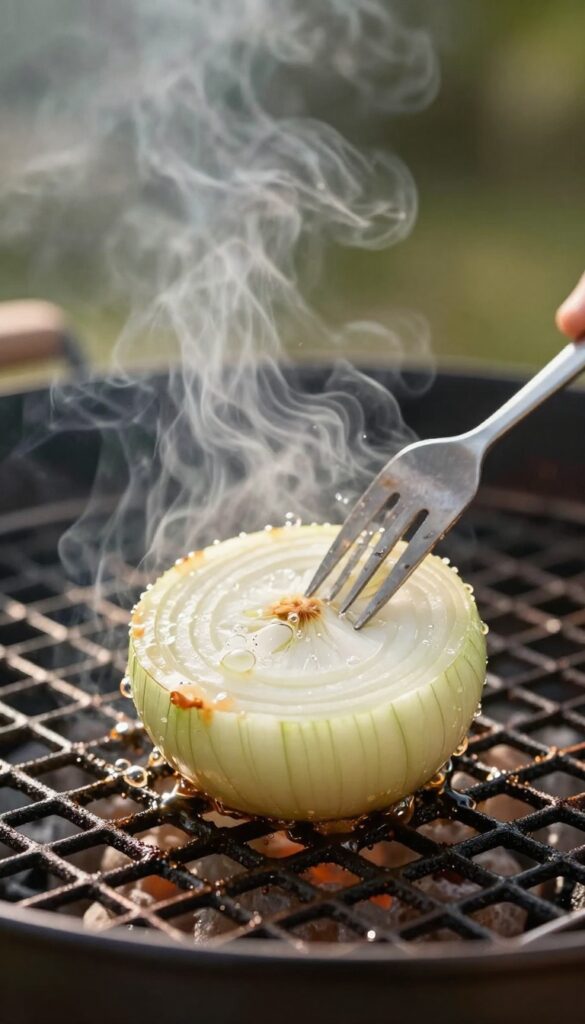
Before you reach for a wire brush, grab an onion from the kitchen. This humble vegetable does more than flavor your burgers—it can cut through grill grease with ease. The natural acids and enzymes in onion juice break down charred residue while adding a subtle non-stick layer to the metal.
Cut a large onion in half crosswise (not through the root) and stick a fork into the flat cut side for a handle. Heat the grill to medium-high, then rub the cut onion firmly across the hot grates. The sizzling juice will lift grease and food particles.
Let the onion work for a minute or two, then wipe the grates with a damp cloth. Your grill will be clean and lightly seasoned.
Why It Works
Onions contain sulfur compounds and natural acids that act as a gentle degreaser. When heated, these compounds react with carbonized grease, loosening it from the metal. The heat also helps the onion's moisture turn to steam, which further lifts debris.
Best Grates For This Hack
This method works beautifully on cast iron, stainless steel, and porcelain-coated grates. Avoid using it on non-stick surfaces, as the abrasive texture of the onion could scratch the coating.
Pro Tip
Use a sweet onion like Vidalia or Walla Walla—they have higher sugar content that caramelizes slightly, leaving a pleasant, smoky aroma. For extra cleaning power, dip the cut side in coarse salt before rubbing.
2. Aluminum Foil Ball Method
When you don't have a grill brush handy, a simple sheet of aluminum foil can step in and do the job just as well. Crumple it into a tight ball, grab it with tongs, and scrub the hot grates. The abrasive texture lifts charred food without scratching the metal, and it's disposable—no cleaning a dirty brush later.
Why It Works So Well
Aluminum foil is softer than steel but harder than most grill grates, so it scrapes off stuck-on bits without damaging the surface. The crumpled shape creates tiny edges that act like scrubbing pads. Plus, the foil conducts heat, helping to loosen grease as you scrub.
Step-by-step Instructions
Tear off a sheet of heavy-duty foil about 12 inches long. Crumple it into a ball roughly the size of a tennis ball. Use long-handled tongs to grip the foil ball firmly.
With the grill still warm (but not blazing hot), scrub the grates in a back-and-forth motion. Focus on stubborn spots. Let the grates cool, then wipe away any foil residue with a paper towel.
Pro Tips For Best Results
For extra scrubbing power, dip the foil ball in a little water or vinegar before scrubbing—the steam helps release grime. Replace the foil ball once it flattens out. Never use this method on porcelain-coated grates, as the foil can chip the coating.
3. Vinegar and Baking Soda Paste
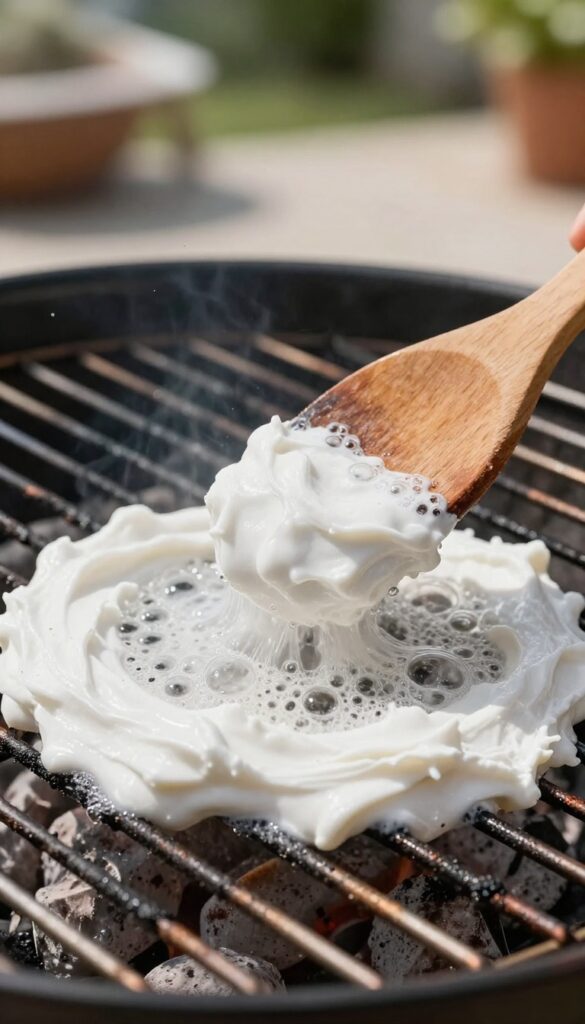
This classic kitchen duo isn't just for volcanoes and cleaning counters. When combined, vinegar and baking soda create a fizzing reaction that helps lift stubborn grease from grill grates. It's a simple, non-toxic method that uses ingredients you probably already have.
Mix equal parts white vinegar and baking soda to form a thick paste. Apply the paste to cool grates, making sure to cover the greasy areas. Let it sit for about 15 minutes—you'll see it start to bubble and fizz.
Then scrub with a grill brush or a sponge. The fizzing action loosens the grime, so you don't have to scrub as hard. Rinse thoroughly with water and dry the grates to prevent rust.
Why It Works So Well
The chemical reaction between the acidic vinegar and alkaline baking soda produces carbon dioxide gas, which creates bubbles that help lift and dissolve grease. This is especially effective on baked-on residue that's been sitting for a while.
Best Practices For Best Results
For heavy buildup, let the paste sit longer—up to 30 minutes. You can also reapply if needed. Make sure the grates are cool to the touch before applying, and avoid using this method on hot grates, as the reaction can be too aggressive and cause splattering.
What To Avoid
Don't use this paste on aluminum grates, as vinegar can cause pitting. Also, avoid letting the paste dry completely on the grates—it can become hard to remove. Rinse immediately after scrubbing.
4. Steam Clean with a Damp Towel
Steam is a powerful, chemical-free way to loosen stubborn grime. By trapping heat and moisture, you can soften baked-on residue in minutes. This method works especially well after a high-heat cook session when the grates are still hot.
Place a damp (not wet) paper towel or cloth over the hot grates and close the lid for 5 minutes. The steam softens baked-on residue, making it easy to wipe away. Use tongs to handle the towel and avoid burns.
For extra tough spots, repeat the process or let the steam sit a bit longer.
Why Steam Works
Steam penetrates grease and carbon deposits, loosening them without harsh scrubbing. The moisture also helps prevent rust by removing acidic residues. It's a gentle yet effective method for porcelain or stainless steel grates.
Best Practices For Safety
Always use a thick, damp cloth—never a soaking wet one—to avoid excess steam burns. Wear heat-resistant gloves and keep a spray bottle of water handy to control flare-ups. Let the grates cool slightly before wiping to avoid damaging the cloth.
When To Use This Hack
Steam cleaning is ideal for regular maintenance after grilling fatty foods like burgers or chicken thighs. It's also great for quick touch-ups between deep cleans. Avoid this method if your grates are heavily rusted or have loose paint.
5. Lemon and Salt Rub
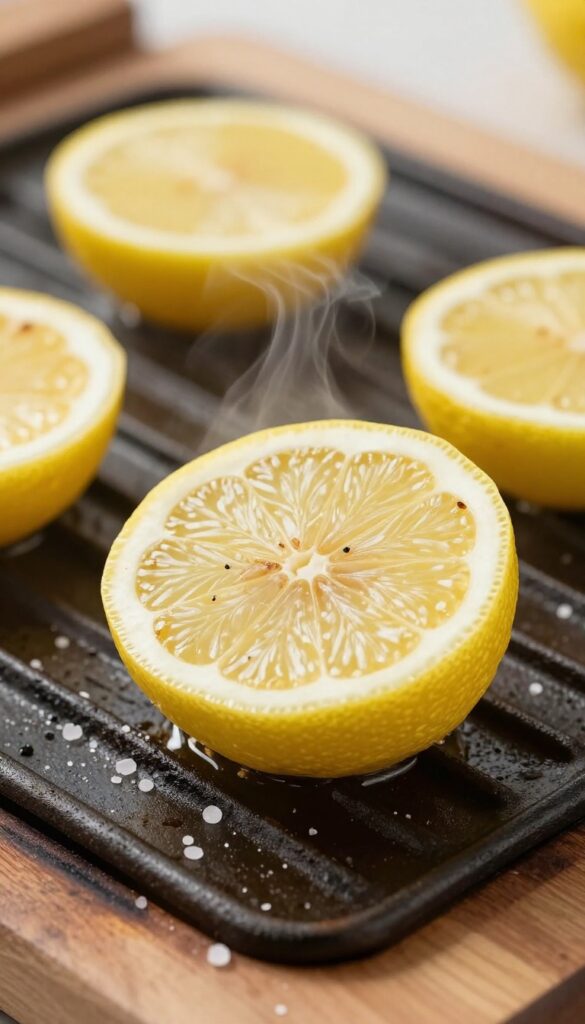
If your grill grates are coated in baked-on grease, grab a lemon and some salt from the kitchen. This natural combo cuts through grime without harsh chemicals. The acid breaks down grease, while the salt acts as a gentle scrubber, leaving your grates clean and ready for the next cookout.
This method works best on warm grates, so fire up the grill for a few minutes after cooking. Cut a lemon in half, dip the cut side into coarse salt, and rub it over the grates using tongs. The steam from the warm metal helps the lemon juice penetrate the grease.
Rinse with water and wipe dry with a cloth. For extra-stubborn spots, let the lemon-salt mixture sit for a minute before scrubbing.
Why It Works So Well
Lemon juice contains citric acid, which dissolves grease and lifts carbon deposits. Coarse salt provides abrasion without scratching the metal, unlike steel wool or harsh brushes. Together, they create a paste that clings to vertical surfaces, making it ideal for round or V-shaped grates.
Tips For Best Results
Use fresh lemons for maximum acidity—bottled juice won't work as well. Coarse sea salt or kosher salt is best; table salt is too fine and dissolves too quickly. Always scrub in the direction of the grate bars to avoid pushing debris into the gaps.
Rinse thoroughly to remove any salt residue, which can cause rust if left on.
When To Use This Hack
This method is perfect for light to moderate grease buildup after a cookout. It's also a great quick clean between deep scrubs. Avoid using it on porcelain-coated grates, as the acid can damage the finish over time.
For cast iron grates, follow up with a light oiling to prevent rust.
6. Coffee Grounds for Grease
Before you toss those used coffee grounds, think about your grill. The grounds are surprisingly effective at cutting through grease without scratching metal. Plus, they leave behind a subtle coffee scent that beats chemical cleaners.
Used coffee grounds are a natural abrasive that lifts baked-on grease without damaging your grates. Their texture provides just enough scrubbing power, while the oils in the grounds help dissolve stubborn residue. This hack is especially useful for stainless steel or porcelain-coated grates that scratch easily.
After scrubbing, rinse thoroughly with water and dry to prevent rust.
How To Use Coffee Grounds
Collect used coffee grounds from your morning brew and let them dry slightly on a paper towel. Dampen a sponge or cloth, then dip it into the grounds. Scrub the grates in a circular motion, focusing on greasy spots.
The grounds will break down the grime as you work. Rinse the grates with water and wipe clean.
Why It Works So Well
Coffee grounds contain natural oils that help dissolve grease, and their gritty texture acts as a mild abrasive. Unlike harsh steel wool, they won't scratch the surface of your grates. The grounds also absorb odors, leaving your grill smelling fresh rather than smoky or rancid.
Tips For Best Results
Use fresh, damp grounds for maximum abrasion—dry grounds can be too dusty. If the grates are heavily soiled, let the grounds sit for a few minutes before scrubbing. For extra degreasing power, mix the grounds with a little dish soap.
Always rinse thoroughly to avoid any coffee residue on your next meal.
7. Dishwasher Tablet Trick
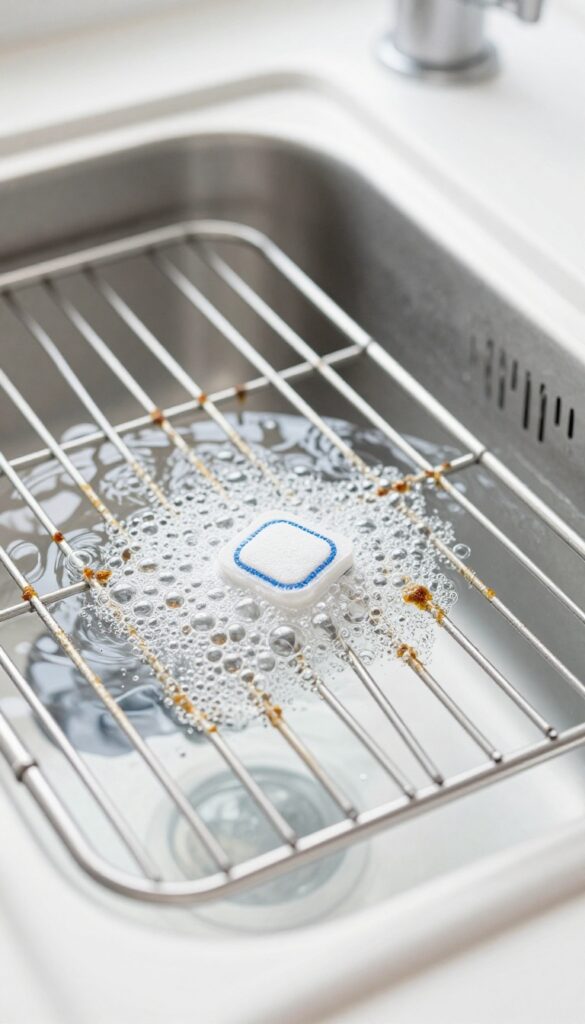
Dishwasher tablets aren't just for cleaning plates. Drop one into a sink filled with hot water, and you've got a powerful degreasing solution that works wonders on grill grates. The enzymes in the tablet break down baked-on grease without you having to scrub for hours.
Just soak, rinse, and you're done.
This hack is perfect for removable grates or any metal parts that can fit in your sink. It's a set-it-and-forget-it method that saves elbow grease and leaves your grill looking like new.
How It Works
Dishwasher tablets contain enzymes and surfactants designed to dissolve tough food residue. When dissolved in hot water, they create a solution that penetrates grease and carbon buildup. The heat helps activate the cleaning agents, making the soak more effective.
Step-by-step
Fill a sink or large bucket with hot water. Drop in one dishwasher tablet and let it dissolve completely. Submerge your grill grates and let them soak for 30 minutes.
After soaking, rinse with clean water and wipe off any loosened residue with a sponge. No heavy scrubbing needed.
Tips For Best Results
Use the hottest water possible—near boiling works best. For extra tough grime, let the grates soak for up to an hour. This method works on stainless steel, cast iron, and porcelain-coated grates.
Avoid using on aluminum parts, as the enzymes can cause discoloration.
Why It's A Game-changer
It turns a dreaded chore into a hands-off process. You can soak the grates while prepping your next meal or relaxing. Plus, it's cheap—dishwasher tablets cost pennies per use—and you likely already have them in your kitchen.
8. Dryer Sheet Wipe Down
Used dryer sheets are surprisingly good at cutting through grill grease. The anti-static agents help lift stubborn residue while reducing future buildup. This trick works best on cool grates and takes almost no effort.
Grab a used dryer sheet from the laundry room and wipe down your cool grill grates. The fabric softener helps loosen baked-on grease, and the anti-static properties repel dust and debris. For heavy buildup, use two sheets or let one sit on the grates for a few minutes before wiping.
This method is quick, chemical-free, and leaves a fresh scent.
Why It Works
Dryer sheets contain surfactants and anti-static agents that break down grease molecules. The fibers also trap particles, making it easy to wipe away residue. Unlike harsh cleaners, they won't damage the metal or leave harmful residues.
Best Practices
Always use cool grates to avoid burning the sheet. Use new or lightly used sheets for best results. After wiping, rinse the grates with water to remove any leftover fabric softener.
For extra shine, follow up with a dry cloth.
When To Skip This Hack
Avoid using dryer sheets on porcelain-coated or non-stick grates, as the chemicals may degrade the finish. Also, don't use this method on hot grates or for deep cleaning after a very greasy cookout.
9. Beer Soak for Stubborn Grime
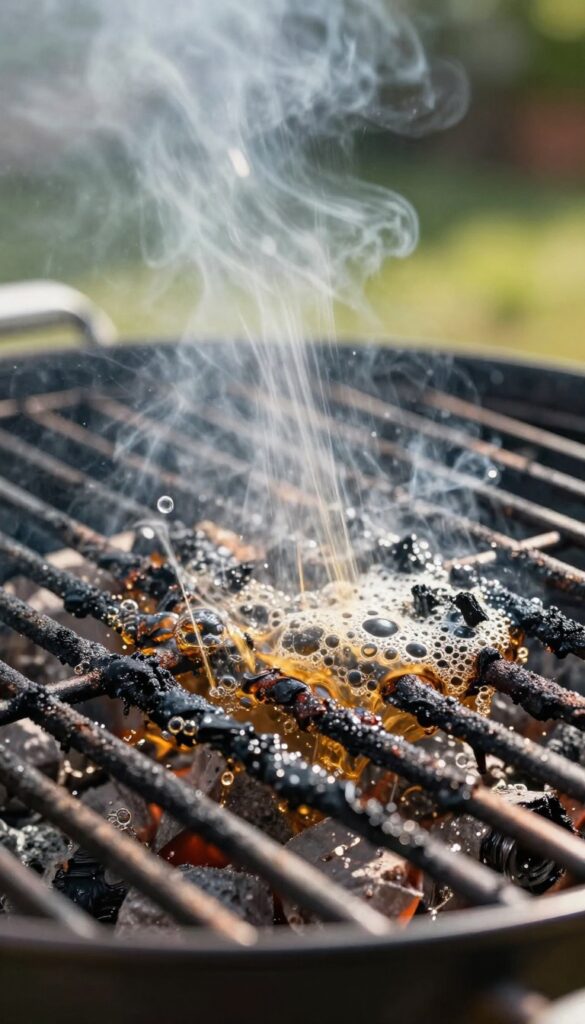
Beer isn't just for drinking while you grill. A can of cheap beer can double as a powerful cleaning agent for your grates. The alcohol cuts through grease, while the carbonation helps lift stubborn residue.
This hack is perfect for those times when a quick scrub just won't cut it.
Pour a can of cheap beer into a spray bottle, spray it generously onto cool grates, and let it sit for 10 minutes. The alcohol and carbonation work together to break down grease and char. After the soak, scrub with a grill brush or crumpled aluminum foil.
Rinse with water and dry. Your grates will look almost new without harsh chemicals.
Why Beer Works
Beer contains alcohol, which is a natural solvent for grease. The carbonation creates bubbles that help lift baked-on food particles. The acidity in beer also helps dissolve mineral deposits.
Cheap beer works best because it has higher carbonation and less sugar, which can leave a sticky residue.
Step-by-step Method
- Let the grill cool completely. 2.
Pour cheap beer into a spray bottle. 3. Spray the grates until they are fully coated.
- Wait 10 minutes for the beer to work. 5.
Scrub with a grill brush or balled-up aluminum foil. 6. Rinse thoroughly with water.
- Dry the grates to prevent rust.
Pro Tips For Best Results
Use a cheap, light beer—dark beers or craft ales can leave a sticky film. For extra tough grime, let the beer soak for 15–20 minutes. If you don't have a spray bottle, pour the beer directly onto the grates and spread with a brush.
Always rinse well to avoid any beer smell lingering on your next cookout.
10. Potato Half for Rust Prevention
Rust on grill grates is a common headache, especially when you store your grill outdoors. But before you reach for a wire brush and elbow grease, try this kitchen trick. A raw potato half, rubbed over clean, dry grates, creates a natural protective barrier that keeps moisture at bay.
The starch in a raw potato forms a thin, invisible layer on the metal. This layer blocks moisture from direct contact with the grates, reducing the chance of rust forming between uses. It's a simple, chemical-free way to extend the life of your grates.
Why It Works
Potatoes are packed with starch, which acts like a natural sealant. When you rub a cut potato over metal, the starch fills tiny pores and imperfections, creating a smooth surface that water beads off instead of soaking in. This is especially effective on cast iron and stainless steel grates.
How To Do It
After cleaning your grates and letting them dry completely, cut a raw potato in half. Rub the cut side firmly over all surfaces of the grates, making sure to cover every inch. Let the potato residue air dry for about 10 minutes before storing your grill.
For extra protection, repeat after every deep clean.
Pro Tips
Use a large potato so you have more surface area to work with. If the potato gets slippery, just cut a fresh slice. This method works best on grates that are already rust-free.
If you spot existing rust, remove it first with a vinegar soak or a wire brush before applying the potato treatment.
11. Ketchup for Burnt-On Food
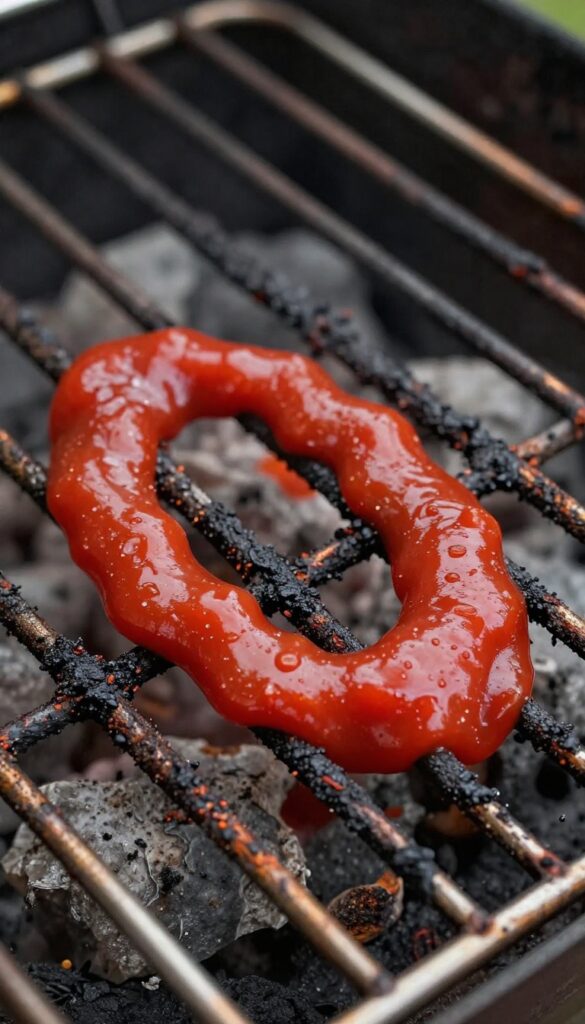
Ketchup isn't just for hot dogs. Its vinegar and tomato acid make it a surprisingly effective cleaner for burnt-on grime. This hack is perfect for those stubborn spots that won't budge with a brush.
Spread a generous layer of ketchup over the burnt-on areas on cool grates. Let it sit for 20 minutes—the acids work to break down the carbonized residue. Then simply wipe off with a damp cloth or sponge.
Rinse thoroughly and dry. No scrubbing required.
Why It Works
The acetic acid in vinegar and the citric acid in tomatoes combine to loosen charred food particles. Ketchup also has a thick consistency that clings to vertical surfaces, so it stays put while working.
Best For Light To Medium Buildup
This method works wonders on grates with a moderate layer of burnt-on food. For heavy buildup, you might need to repeat the process or combine it with a gentle scrub.
Tips For Best Results
Use a cheap ketchup—it has more vinegar than fancy brands. Make sure grates are cool to the touch before applying. After wiping, wash with soapy water to remove any sticky residue.
12. Pumice Stone for Ceramic Grates
Ceramic and porcelain grates look great, but they can be tricky to clean without scratching. A pumice stone offers a gentle abrasive solution that lifts baked-on food without damaging the surface. It's a simple tool that works wonders on stubborn residue.
When your ceramic grates have blackened spots that won't budge, a pumice stone can save the day. The key is to wet the stone thoroughly before use. This softens the pumice and prevents scratching.
Gently rub the stone over the affected areas in a circular motion. The porous material will grind away the char without harming the glaze. Rinse the grates afterward to remove any grit.
This method is especially effective for porcelain-coated cast iron grates found on many high-end grills.
Why Pumice Works On Ceramic
Pumice is a volcanic rock with a soft, porous texture. When wet, it acts as a fine abrasive that wears down burnt food particles without scratching the ceramic surface. Unlike metal brushes or scouring pads, pumice is gentle enough for delicate coatings.
How To Use It Right
Soak the pumice stone in water for a few minutes before use. Gently rub the stained areas with light pressure. Avoid vigorous scrubbing—let the stone do the work.
Rinse the grates with water and wipe dry. Repeat if needed for tough spots.
Where To Find A Pumice Stone
Pumice stones are available at most hardware stores, home centers, or online. Look for a bar-style stone designed for cleaning. They're inexpensive and reusable.
Just rinse and dry after each use to extend their life.
13. Ammonia Fume Cleanse
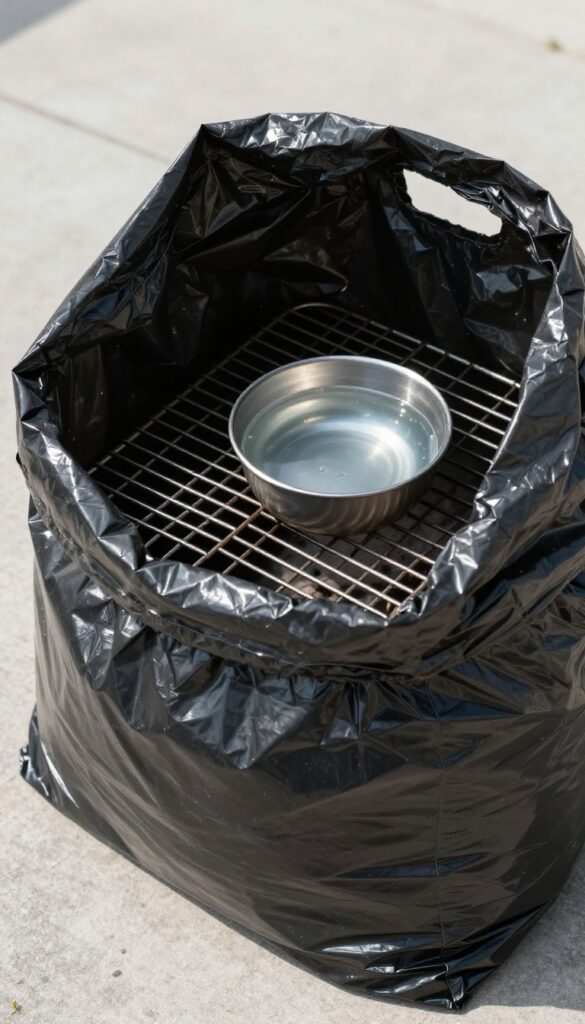
Ammonia is a powerful degreaser, but you don't even need to scrub with it. This hack uses the fumes to do the heavy lifting, making it perfect for heavily soiled grates. It's almost like magic—set it and forget it overnight.
Place your grill grates inside a large, heavy-duty garbage bag. Pour about 1/2 cup of household ammonia into a small bowl and set it in the bag with the grates. Seal the bag tightly and leave it outside or in a well-ventilated area overnight.
The ammonia fumes will loosen baked-on grease and carbon. The next day, remove the grates (wear gloves! ) and rinse them thoroughly with water. Scrub lightly with a brush if needed, then wash with soap and water to remove any ammonia residue.
Safety First
Ammonia fumes are strong, so always work in a well-ventilated area or outdoors. Wear gloves and avoid inhaling the fumes. Never mix ammonia with bleach or other cleaners.
Keep the bag away from kids and pets.
Best For Heavy Buildup
This method excels when grates have thick, stubborn layers of grease. It's not necessary for light cleaning—save it for deep cleans. For cast iron grates, follow up with a light oiling to prevent rust.
Rinse, Rinse, Rinse
After the ammonia treatment, rinsing is crucial. Use hot water and a hose or sink sprayer. You can also soak the grates in a vinegar-water solution (1: 1) for 15 minutes to neutralize any remaining ammonia smell.
14. Self-Cleaning Oven Cycle for Grates
Your oven’s self-cleaning cycle is a heavy-duty tool you might not think to use on grill grates. But it works like magic—the high heat turns every bit of grease and food residue into fine ash that wipes away with almost no effort. This method is perfect for cast iron or stainless steel grates that can handle extreme temperatures.
If your oven has a self-cleaning cycle, you can skip the scrubbing and let the heat do the work. Just remove the grates from your grill, place them directly on the oven racks (or a foil-lined bottom), and run the cycle. After it cools, a simple wipe with a damp cloth removes all the ash.
This hack is especially useful for deeply embedded grease that won’t budge with standard cleaning methods.
What You Need
You only need your oven’s self-cleaning cycle and a pair of heat-resistant gloves. No special cleaners or tools required. Make sure your grates are oven-safe—check the manufacturer’s guidelines if you’re unsure.
Step-by-step
Start by brushing off loose debris. Place the grates in the oven, close the door, and start the self-cleaning cycle. The cycle typically runs 2–4 hours at over 800°F.
Once it finishes and the oven cools completely, open the door and wipe the ash off with a damp cloth. Rinse the grates with water and dry them thoroughly to prevent rust.
Safety Tips
Never leave the oven unattended during the cycle. Ensure the area is well-ventilated, as the process can produce smoke and odor. Avoid using this method on grates with plastic handles or non-stick coatings—they’ll be damaged by the extreme heat.
15. WD-40 for Sticky Residue
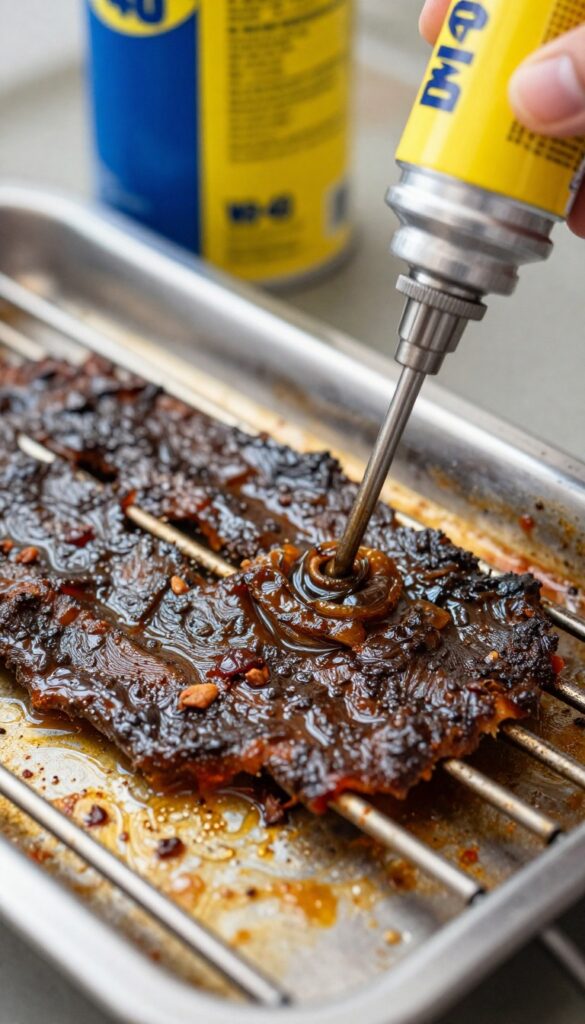
WD-40 is famous for loosening rusted bolts and squeaky hinges, but it also works wonders on sticky grill grime. The solvent cuts through baked-on grease that regular scrubbing can't touch. Just remember: it's a degreaser, not a food-safe lubricant, so a thorough wash is mandatory.
Spray WD-40 on cool grates, let sit for 10 minutes, then scrub with a brush. It dissolves sticky grease, but wash thoroughly with soap afterward.
Why It Works
WD-40 contains petroleum-based solvents that break down the bonds in hardened grease and carbon deposits. This makes it especially effective on grates that have been neglected for a while. The 10-minute wait allows the chemicals to penetrate, so you don't have to scrub as hard.
How To Apply It Safely
Always apply WD-40 to a cool grill—never on a hot surface, as the fumes are flammable. Spray generously over the grates, covering all sticky areas. Let it sit for 10 minutes, then scrub with a stiff wire brush.
Rinse thoroughly with water, then wash with dish soap and a sponge to remove any residue.
Important Safety Step
After cleaning, wash the grates with hot, soapy water and rinse well. This step is crucial because WD-40 is not food safe. You don't want any chemical taste on your next burger.
If possible, heat the grill for 15 minutes after washing to burn off any remaining residue.
16. Baking Soda and Hydrogen Peroxide
When you need a deep clean without harsh chemicals, baking soda and hydrogen peroxide make a powerful team. This dynamic duo creates a fizzing paste that lifts stubborn grease and sanitizes the grates. It's a simple, non-toxic solution that works wonders on baked-on residue.
Mix equal parts baking soda and hydrogen peroxide in a bowl until you get a thick paste. Spread it generously over the grates, focusing on the dirtiest spots. Let it sit for about 30 minutes—the peroxide bubbles help break down grease while the baking soda gently abrades.
Then scrub with a brush or sponge and rinse thoroughly. The result is clean, sanitized grates ready for your next cookout.
Why This Combo Works
Baking soda is a mild abrasive that scrubs without scratching, while hydrogen peroxide acts as an oxidizer that dissolves organic grime and kills bacteria. Together, they create a chemical reaction that lifts tough stains and neutralizes odors. This paste is especially effective on stainless steel and porcelain grates.
Tips For Best Results
For extra-stubborn spots, let the paste sit longer—up to an hour. If the paste dries out, spritz a little water or more peroxide to reactivate it. Always wear gloves to protect your skin, and rinse the grates thoroughly after scrubbing to remove any residue.
Avoid using this on aluminum grates, as peroxide can cause discoloration.
17. Regular High-Heat Burn-Off
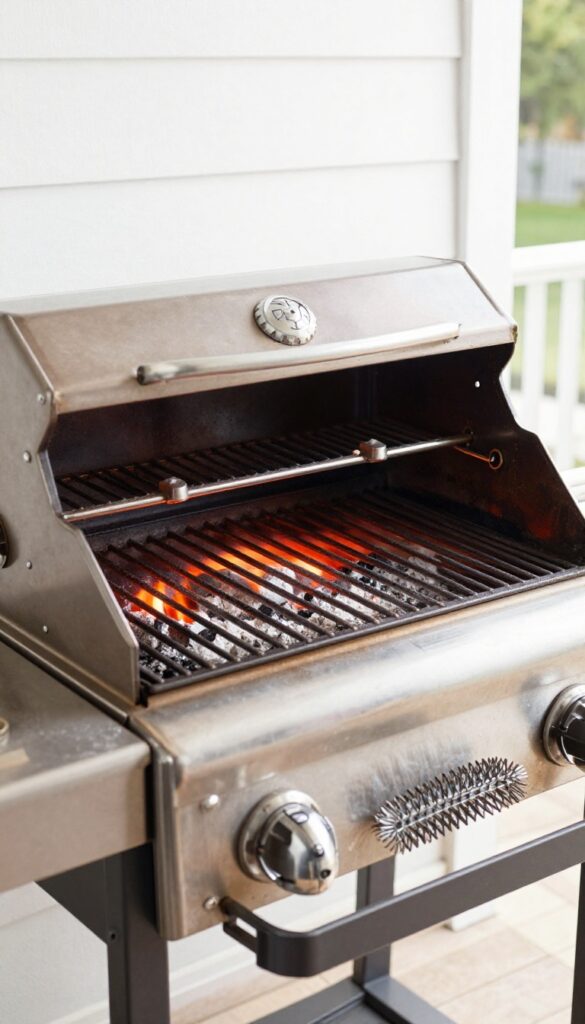
Sometimes the simplest method is the most effective. Instead of reaching for a brush or spray, let the grill clean itself. A high-heat burn-off uses the grill's own power to turn leftover food into ash that wipes away with minimal effort.
After cooking, crank all burners to high and close the lid. Let the grill run for 10 to 15 minutes. The intense heat will incinerate stuck-on grease and food particles, reducing them to a fine white ash.
Once the grill cools slightly, use a stiff wire brush to sweep the ash off the grates. This method works best when done after every cookout, preventing buildup from becoming stubborn. It's especially effective for gas grills, but can also work on charcoal grills if you add fresh coals and let them burn hot.
Why It Works So Well
High heat breaks down organic matter at a chemical level. When temperatures exceed 500°F, fats and proteins carbonize and turn to ash rather than sticking. This means less scrubbing and no chemical residue.
Plus, the heat sanitizes the grates, killing any lingering bacteria.
When To Use This Hack
Use the burn-off right after you finish cooking, while the grill is still hot. If you wait until the grill cools, the residue hardens and becomes harder to remove. For heavy buildup, you may need to follow up with a brush, but for regular maintenance, burning off is all you need.
Safety Tips
Always stay nearby during the burn-off. Keep the lid closed to contain heat, but watch for flare-ups if there's excessive grease. Let the grill cool before brushing to avoid burns.
And never use this method on grills with porcelain-coated grates, as high heat can damage the coating.
FAQ
How often should I clean my grill grates?
For best results, clean grates after every use. A quick burn-off and brush after cooking prevents buildup and keeps food from sticking.
Can I use oven cleaner on my grill?
Yes, but only on cool, removable grates and in a well-ventilated area. Avoid getting it on porcelain or painted surfaces, and rinse thoroughly.
What's the best way to clean a stainless steel grill exterior?
Use a mixture of mild dish soap and warm water with a soft cloth. For streaks, apply a small amount of white vinegar or stainless steel cleaner.
How do I remove rust from grill grates?
Scrub rust spots with a wire brush, then apply a paste of baking soda and lemon juice. Rinse and dry thoroughly, then coat with cooking oil to prevent future rust.
Is it safe to use ammonia on grill grates?
Yes, if used properly. Place grates in a sealed bag with ammonia overnight, then rinse very well with water and soap before cooking. Never mix ammonia with bleach.
Conclusion
Keeping your grill clean doesn't have to be a battle. With these 17 hacks, you can tackle grease and grime quickly using items you already have at home. A little regular maintenance goes a long way toward better-tasting food and a longer-lasting grill.
Try a few of these methods next time you cook. You'll spend less time scrubbing and more time enjoying perfectly grilled meals. Your grill—and your taste buds—will thank you.