23 Carpet Cleaning Tips for Stains and Fresh Floors
Carpets take a beating. Between foot traffic, pet accidents, and the occasional red wine spill, keeping them fresh can feel like a losing battle. But you don't need a professional crew or a truckload of expensive products to get great results.
Most stains can be handled with stuff you already have in your pantry. A little know-how goes a long way. We've rounded up 23 practical tips that balance effectiveness with effort—no overhyped hacks, just real solutions.
Whether you're dealing with a fresh spill or a set-in stain, these strategies will help you restore your carpet without breaking the bank. Let's get started.
1. Blot, Don't Rub
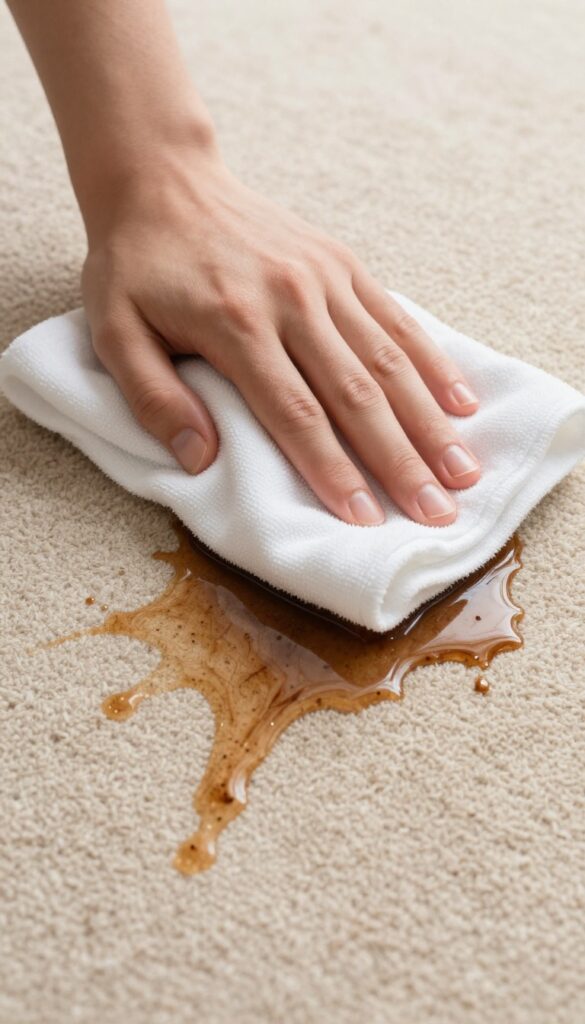
When a spill happens, your first instinct might be to scrub it away. But that's exactly the wrong move. Rubbing grinds the stain deeper into the carpet fibers and can damage the texture, making the spot look worse even after cleaning.
Why Rubbing Backfires
Rubbing pushes the liquid deeper into the carpet pad, where it becomes harder to remove. It also frays the fibers, leaving a fuzzy or matted area. Instead, you want to lift the spill out, not force it in.
The Right Way To Blot
Grab a clean, white cloth or paper towel. Press down firmly on the spill and hold for a few seconds. Lift the cloth and repeat with a fresh section until no more liquid transfers.
For thicker spills, scrape off solids first with a dull knife.
What To Use For Blotting
White cloths are best because colored ones can bleed dye onto your carpet. Paper towels work too, but avoid printed patterns. If the spill is large, start from the edges and work inward to prevent spreading.
2. Act Fast on Spills
Time is your worst enemy when it comes to carpet stains. The moment something spills, the clock starts ticking. A quick response can mean the difference between a spot that disappears and one that becomes a permanent resident.
Keep a small spray bottle filled with plain water and a clean microfiber cloth within reach. This simple setup lets you act immediately without scrambling for supplies. Blot—don't rub—and watch the stain lift away with minimal effort.
Blot, Don't Rub
Rubbing a spill only pushes it deeper into the fibers and spreads the stain. Instead, place a clean cloth over the area and press down firmly. Lift and repeat, moving to a dry part of the cloth each time.
This absorbs the liquid without grinding it in.
The Right Cloth Matters
Microfiber or white cotton cloths are ideal because they're absorbent and won't transfer dye. Avoid paper towels if possible—they can leave lint behind. If you must use them, blot gently and switch to a fresh towel frequently.
Water First, Then Soap
For most fresh spills, plain water is enough to lift the stain. If that doesn't work, add a drop of mild dish soap to your spray bottle. Test any cleaning solution on an inconspicuous area first to make sure it won't discolor the carpet.
3. Use Club Soda for Fresh Stains
Club soda isn't just a mixer—it's a surprisingly effective stain fighter. The carbonation helps lift fresh spills from carpet fibers before they set. It's cheap, non-toxic, and you probably already have a bottle in your fridge.
When a fresh spill happens, grab club soda instead of reaching for harsh chemicals. The bubbles help break down the stain's bond with the carpet fibers, making it easier to blot away. It works best on water-based stains like coffee, juice, or soda, but can also help with wine and some food spills.
How To Apply Club Soda
Pour a small amount directly onto the stain—don't soak the carpet. Let it fizz for a few seconds, then blot gently with a clean white cloth. Repeat until the stain fades.
Avoid rubbing, which can push the stain deeper.
Why Carbonation Works
The carbon dioxide bubbles in club soda act like a gentle lifting agent. They help separate the stain particles from the fibers without the need for scrubbing. The mild acidity also helps dissolve some types of residue.
When To Skip This Method
Club soda is great for fresh stains, but it won't do much for old, set-in marks. It also isn't effective on oil-based stains like grease or butter. For those, you'll need a degreasing agent or a different approach.
4. DIY Vinegar Solution for Odors
Carpet odors can linger long after a stain is gone. Pet accidents, spills, and everyday traffic can leave behind smells that seem impossible to remove. Before you reach for a chemical deodorizer, try a simple vinegar solution that works without harsh fumes.
White vinegar is a natural odor neutralizer. It doesn't just mask smells—it breaks down the compounds causing them. And despite the initial vinegar scent, it evaporates completely, leaving your carpet fresh and residue-free.
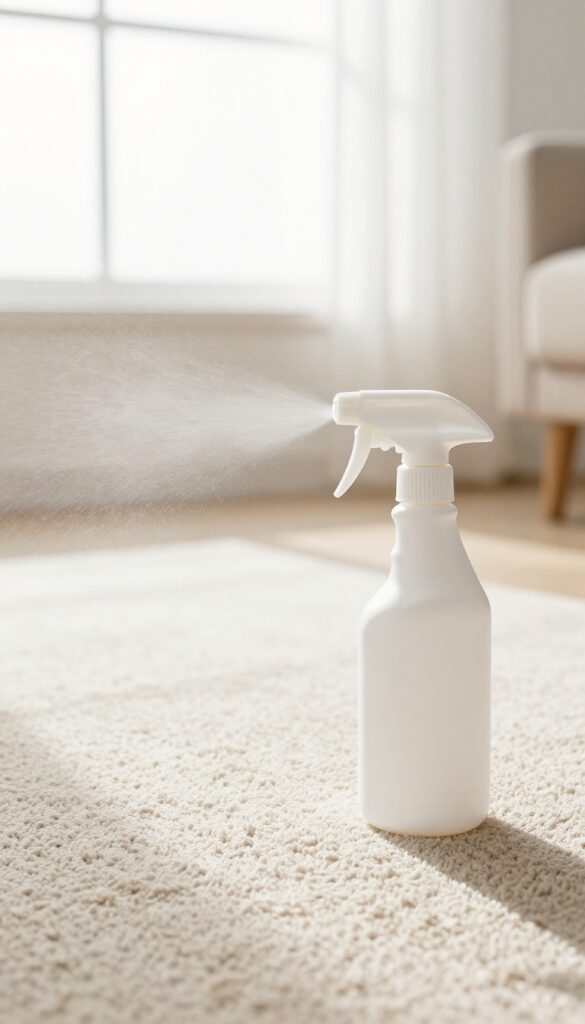
Mix equal parts white vinegar and water in a spray bottle. Lightly mist the area, let it sit for 5 minutes, then blot. Vinegar neutralizes odors without leaving a strong smell once dry.
Why Vinegar Works
Vinegar is acidic, which helps break down alkaline odor-causing compounds like urine and sweat. It also kills some bacteria and mold spores that contribute to musty smells. The acetic acid evaporates quickly, so the vinegar scent disappears as it dries.
Step-by-step Application
First, blot up any excess moisture from the source of the odor. Then mix your solution: 1 cup white vinegar to 1 cup water. Test on a hidden spot first.
Spray the affected area lightly—don't soak it. Let it sit for 5 minutes, then blot with a clean cloth. Repeat if needed.
When To Avoid Vinegar
Don't use vinegar on natural stone or certain delicate carpet fibers like wool or silk. It can damage these materials. Also avoid using it if you've already applied a commercial cleaner, as mixing chemicals can create harmful fumes.
5. Baking Soda for Deep Odor Removal
Even after a stain is gone, smells can stick around. Pet accidents, spilled milk, or just years of foot traffic can leave your carpet smelling less than fresh. Baking soda is the unsung hero of odor removal—it's cheap, non-toxic, and works like a charm.
Baking soda neutralizes odors by absorbing them into its porous structure. It's a simple, effective method that requires no harsh chemicals. Just sprinkle, wait, and vacuum.
How To Apply Baking Soda
Generously sprinkle baking soda over the entire carpet or just the smelly area. Use a sieve or your hand to spread it evenly. Let it sit for at least 15 minutes—overnight is best for stubborn odors like pet urine.
Vacuuming Tips For Best Results
After the waiting period, vacuum thoroughly using a slow, overlapping pattern. Make sure your vacuum has a clean filter and a full bag or empty canister. Go over the area multiple times to pick up all the powder.
When To Use Baking Soda
Use baking soda as a maintenance step every few months, or right after a stain has been treated and dried. It's also great for freshening up a room before guests arrive. Avoid using it on wet carpet—it can clump and be hard to vacuum.
6. Hydrogen Peroxide for Tough Stains
Some stains just won't budge with regular cleaners. Blood, red wine, and certain fruit juices can set deep into carpet fibers, leaving a stubborn mark. That's where hydrogen peroxide comes in—it's a gentle bleach alternative that breaks down organic stains without damaging most carpets.
Hydrogen peroxide works by releasing oxygen bubbles that lift stain particles from the fibers. It's especially effective on protein-based stains like blood and on tannin-rich stains like wine. Because it's a mild oxidizer, it can lighten stains without the harshness of chlorine bleach.
Always use 3% hydrogen peroxide (the standard drugstore concentration) and test on a hidden area first to ensure colorfastness.
How To Apply
Pour a small amount of 3% hydrogen peroxide directly onto the stain. Let it fizz and bubble for a few minutes—this reaction is lifting the stain. Blot with a clean, damp cloth, working from the outer edge inward to avoid spreading.
Repeat if necessary, then rinse with water and blot dry.
When To Use It
Hydrogen peroxide is best for set-in stains that have already dried. Fresh blood should be blotted with cold water first, but for older blood or wine stains, peroxide can be a game-changer. Avoid using it on wool or silk carpets, as it may cause discoloration.
Safety Tips
Always test in an inconspicuous spot before treating the stain. Wear gloves to protect your skin, and keep hydrogen peroxide away from colored fabrics or carpets that may not be colorfast. Rinse thoroughly after use to prevent residue.
7. Dish Soap and Warm Water for Grease
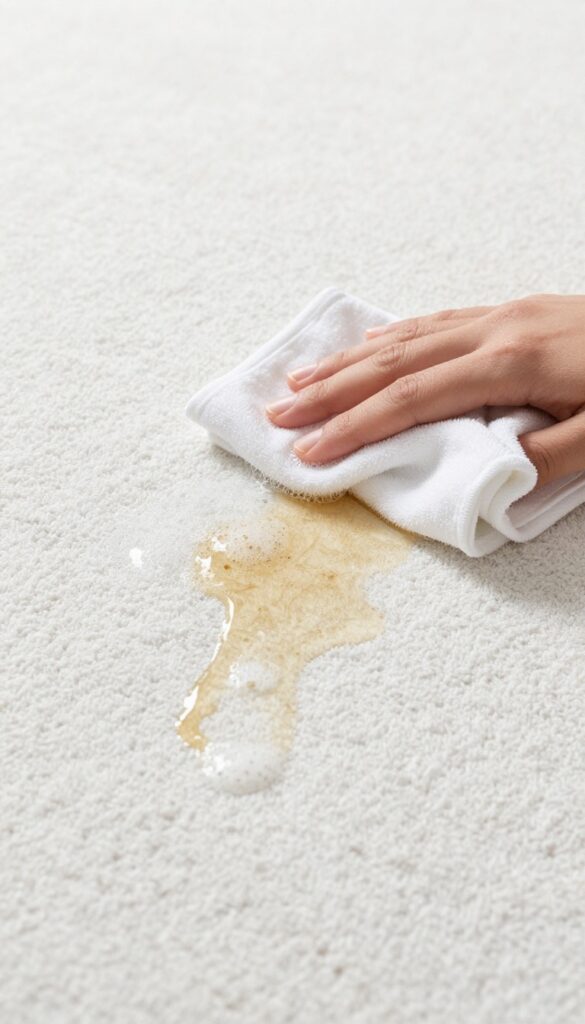
Grease stains on carpet can be stubborn, but a simple solution of dish soap and warm water often does the trick. Dish soap is designed to cut through grease on dishes, and it works similarly on carpet fibers. This method is gentle enough for most carpets yet effective on fresh or set-in grease marks.
To start, mix a few drops of mild dish soap with warm water in a bowl. Dab the solution onto the grease stain using a clean cloth, working from the outside in to avoid spreading. Blot with a dry cloth to lift the grease, then rinse with plain water to remove soap residue.
Repeat if needed, then let the area air dry.
Why Dish Soap Works
Dish soap contains surfactants that break down grease molecules, making them easier to lift from carpet fibers. Unlike harsh chemicals, it's safe for most carpet types and won't discolor fabrics when used properly.
Step-by-step Application
Blot up excess grease first. Mix 1 teaspoon of dish soap with 2 cups of warm water. Dip a cloth in the solution and blot the stain—don't rub.
Continue blotting with a dry cloth until the stain transfers. Rinse with a cloth dampened with plain water, then blot dry.
When To Call For Backup
For large or deeply set grease stains, consider a commercial carpet cleaner or professional service. If the stain persists after two attempts, avoid oversaturating the carpet, which can lead to mold or damage.
8. Ice Cube Trick for Carpet Dents
Heavy furniture leaves behind dents that can make even a clean carpet look tired. You don't need to steam or re-stretch the carpet—just grab an ice cube. This simple trick uses moisture to plump the fibers back to life, no special tools required.
It works best on synthetic carpets and newer berber styles. Natural fibers like wool can be more delicate, so test a small area first. The process takes a few hours, but the results are worth the wait.
Why Ice Works
Carpet fibers are compressed under weight, and they lose their shape over time. Ice melts slowly, allowing the water to penetrate deep into the fibers without soaking the backing. As the fibers absorb moisture, they swell and start to stand up again.
Once dry, they hold their original position much better.
Step-by-step Process
Place one or two ice cubes directly into the dent. Let them melt completely—this can take 2 to 4 hours depending on room temperature. Blot any excess water with a dry towel, then gently fluff the fibers with your fingers, a fork, or a soft-bristled brush.
Avoid rubbing hard; you just want to lift the fibers. Let the area air dry fully before walking on it or moving furniture back.
When It Won't Work
Deep, old dents from years of pressure may not bounce back completely. The ice trick works best on fresh indentations or those less than a few months old. If the carpet is heavily matted or the padding underneath is crushed, you might need a carpet rake or professional stretching.
Also, avoid this method on delicate natural fibers like sisal or jute—water can cause discoloration or damage.
9. Vacuum Slowly and in Multiple Directions
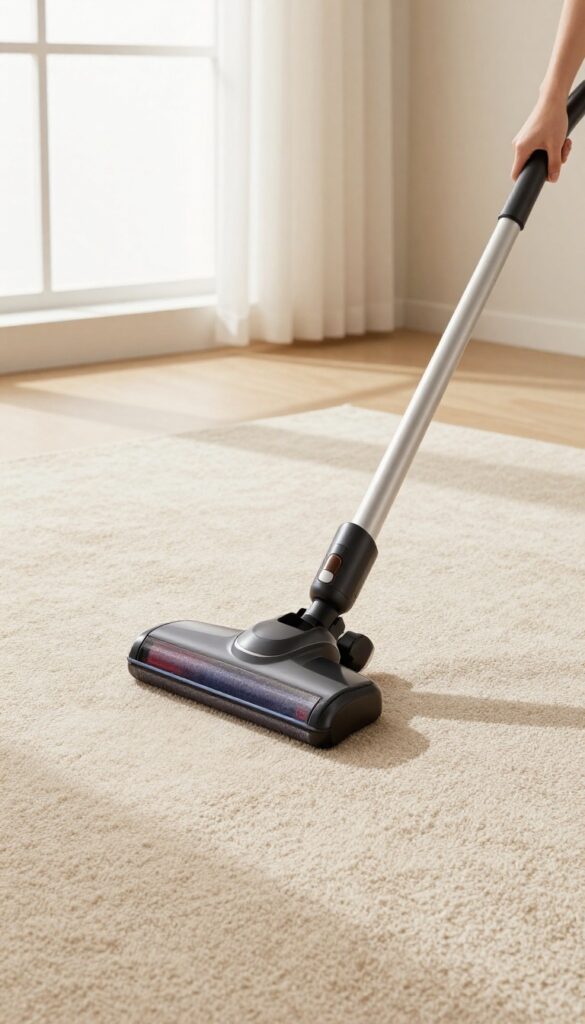
Most people rush through vacuuming, but speed is the enemy of clean carpet. When you zip across the floor, the suction barely has time to grab dirt hiding deep in the fibers. Slowing down gives the vacuum a chance to pull up embedded grit and dust.
Changing directions is just as important. Vacuuming only one way leaves debris trapped against the grain, while a crosshatch pattern lifts dirt from every angle and helps restore the carpet's natural texture.
Speed and direction are two of the most overlooked factors in carpet care. A quick pass might pick up surface crumbs, but it won't touch the soil that's worked its way down to the backing. That deep dirt acts like sandpaper, grinding fibers down over time.
By vacuuming slowly, you allow the brush roll and suction to agitate the pile and pull particles loose. Moving in multiple directions—north-south, east-west, and even diagonally—ensures you're hitting every side of the fiber. This method also fluffs the carpet, making it look fuller and softer.
Why Speed Matters
Think of vacuuming like sweeping a dusty floor. If you move the broom too fast, you just push the dust around. The same principle applies to carpet.
A slow, deliberate pace gives the vacuum's brush roll time to agitate the fibers and loosen ground-in dirt. For high-traffic areas, aim to take at least 30 seconds per square yard. You'll be surprised how much more your vacuum can pick up when you give it a moment to work.
The Crosshatch Technique
Start by vacuuming in one direction, say from the window to the door. Then go back over the same area perpendicular to your first pass. For extra thoroughness, add a diagonal pass in both directions.
This crosshatch pattern lifts dirt that's settled into the base of the fibers and helps prevent the carpet from developing a permanent 'traffic lane' appearance. It's especially effective on looped berber or plush carpets where dirt can hide between strands.
Adjusting Your Vacuum Settings
Most vacuums have adjustable height settings for different carpet types. If your vacuum is too low, it'll be hard to push and may damage the fibers. Too high, and you won't get good contact.
For low-pile carpet, set the height to a lower position so the brush roll can reach the base. For high-pile or shag, raise it up to avoid snagging. A properly adjusted vacuum glides smoothly and cleans more effectively, so take a minute to check the setting before you start.
10. Use a Squeegee to Lift Pet Hair
Pet hair loves to weave deep into carpet fibers, and even the best vacuums sometimes miss the stuff that's really embedded. That's where a humble rubber squeegee comes in. It's a game-changer for pet owners who want a quick, low-tech fix before the final vacuum pass.
A rubber squeegee dragged across the carpet creates static that lifts hair from the base of the fibers. It works on both low-pile and plush carpets without damaging them. After a few passes, you'll see clumps of hair that you can easily pick up or vacuum away.
It's especially effective on stairs and corners where vacuums struggle.
Why A Squeegee Works Better Than A Vacuum Alone
Vacuums rely on suction and brush rolls, but pet hair often gets tangled or pushed deeper. A squeegee's rubber edge grabs hair by friction and static, pulling it to the surface where it can be collected. It's also gentler on carpet fibers than aggressive brush settings.
How To Use It Correctly
Start with a dry carpet. Use a clean rubber squeegee (the kind for windows works fine). Drag it in one direction, overlapping each stroke.
You'll see hair pile up. Collect the hair by hand or with a dustpan, then vacuum as usual. For best results, do this before vacuuming, not after.
When To Skip This Method
Avoid using a squeegee on wet or damp carpet, as it can smear dirt and damage fibers. Also, skip it on delicate antique or looped carpets where the rubber might snag. Stick to vacuums for those.
11. Steam Clean Without a Machine
You don't need a bulky carpet cleaner to get the benefits of steam. A simple clothing steamer can work wonders on dull or lightly soiled carpets. The heat helps loosen dirt and revive crushed fibers, making your carpet look fresher without any harsh chemicals.
Steam cleaning without a machine is a gentle, low-moisture method that's perfect for spot treatments or refreshing high-traffic areas. It's especially useful for delicate carpets that can't handle wet cleaning. The key is to use low heat and avoid saturating the fibers.
How To Do It
Fill your clothing steamer with water and let it heat up. Hold the steamer head a few inches above the carpet and move it slowly across the area. The steam will loosen dirt and lift the pile.
Immediately blot the damp area with a clean microfiber cloth to absorb the loosened grime.
Best Uses
This technique works great for refreshing carpets between deep cleans, removing light dust and odors, and reviving flattened spots from furniture. It's also safe for wool and other natural fibers, as long as you keep the heat low and don't over-wet.
What To Avoid
Don't hold the steamer too close or in one spot for too long, as excess heat or moisture can damage the carpet or backing. Test on an inconspicuous area first. Avoid using this method on heavily soiled carpets or set-in stains, as steam alone won't be enough.
12. Cornstarch for Greasy Spots
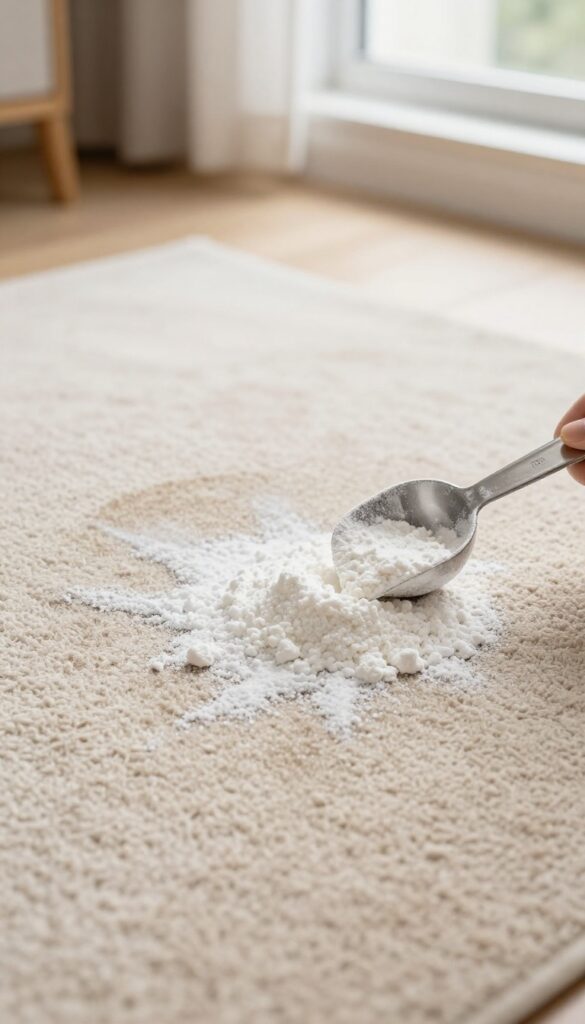
Grease spills on carpet are tricky. They spread quickly and leave a dark, oily stain that regular cleaners struggle with. But cornstarch, that humble pantry staple, is surprisingly effective at lifting grease before it sets.
Cornstarch works by absorbing the oil from the carpet fibers. It's a dry method that prevents the grease from spreading further, which is key when dealing with greasy spots. Once the powder has done its job, a simple dish soap treatment finishes the cleanup.
How Cornstarch Absorbs Grease
Cornstarch is a fine powder with a high absorbency rate. When sprinkled on a fresh grease spill, it pulls the oil out of the carpet fibers through capillary action. Letting it sit for 15 minutes gives it enough time to work without drying out completely.
Step-by-step Cleanup
Start by blotting any excess grease with a paper towel. Then, cover the spot with a generous layer of cornstarch. Wait 15 minutes, then vacuum thoroughly.
If a residue remains, mix a few drops of dish soap with warm water, dab the area, and blot dry.
When To Avoid This Method
Cornstarch works best on fresh, not set-in, grease stains. For older stains, try a solvent-based cleaner first. Also, avoid using cornstarch on very dark carpets, as the white powder can leave a visible residue if not fully vacuumed.
13. Shaving Cream for Upholstery and Carpet
Shaving cream isn't just for grooming—it's a surprisingly effective spot cleaner for carpets and upholstery. The foamy texture lifts dirt and stains without harsh chemicals, making it a go-to for fresh spills and set-in marks. Best of all, you probably already have a can in your bathroom.
Shaving cream works because it contains surfactants that break down dirt and grease, plus it's gentle enough for most fabrics. Avoid gel formulas, which can leave residue. Always test on an inconspicuous spot first.
How To Apply Shaving Cream On Carpet Stains
Start by blotting up any excess liquid from the stain. Then squirt a small amount of shaving cream directly onto the spot—about the size of a golf ball for a typical stain. Let it sit for 5 to 10 minutes so the foam can penetrate and loosen the grime.
Using a clean, damp cloth, blot the area gently. Don't rub, or you'll push the stain deeper into the fibers. Repeat if needed, then vacuum once dry.
Why It Works So Well On Dirt Rings
Those dark rings around carpet edges or under furniture are often caused by trapped dirt and dust. Shaving cream's thick foam clings to vertical fibers and lifts embedded particles without soaking the backing. Apply a generous layer along the ring, let it sit for 10 minutes, then blot with a damp cloth.
You'll see the grime transfer to the cloth. Rinse the cloth and repeat until the ring fades.
Using Shaving Cream On Upholstery
Upholstery stains can be trickier because fabric is often more delicate. Shaving cream is a safe first line of defense for most synthetic and cotton blends. Apply a small amount to a soft brush or cloth and work it into the stain in a circular motion.
Let it sit for 5 minutes, then wipe away with a damp cloth. For stubborn spots, let the foam sit longer—up to 15 minutes. Always check the manufacturer's cleaning code before proceeding.
14. Rubbing Alcohol for Ink Stains
Ink spills on carpet can feel like a disaster, but rubbing alcohol is a surprisingly effective remedy. It breaks down the ink's pigments without damaging most carpet fibers. You probably already have a bottle in your medicine cabinet.
To tackle an ink stain, start by blotting up as much excess ink as possible with a clean cloth. Then, dampen a cotton ball or pad with rubbing alcohol and gently dab the stain. You'll see the ink transfer to the cotton.
Keep using fresh cotton balls until no more ink lifts. Finally, rinse the area with a little water and blot dry.
Why Rubbing Alcohol Works
Rubbing alcohol is a solvent that dissolves the dyes in ink, making them easier to lift from carpet fibers. It evaporates quickly, so it won't soak deep into the padding. Just be sure to test on an inconspicuous spot first, especially on delicate or synthetic carpets.
Step-by-step Stain Removal
Blot fresh ink with a dry cloth, then apply rubbing alcohol to a cotton ball. Dab from the outside of the stain inward to prevent spreading. Replace cotton balls as they get dirty.
Once the stain is gone, rinse with water and blot. Repeat if needed.
What To Avoid
Don't rub the stain aggressively—that pushes ink deeper. Avoid using colored cloths that might bleed. And never mix rubbing alcohol with other cleaners, as it could create fumes or damage the carpet.
15. Enzyme Cleaner for Pet Accidents
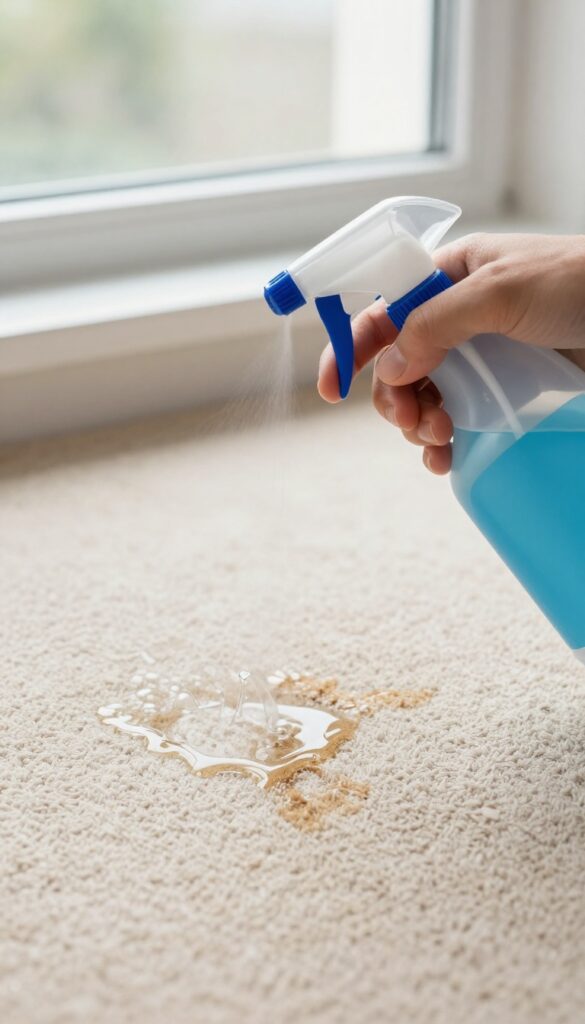
Pet accidents are more than just a stain—they leave behind proteins that cause lingering odors and encourage repeat marking. Standard cleaners only mask the smell, but enzyme-based formulas actually break down the biological compounds at a molecular level. This makes them a non-negotiable tool for any pet owner.
Enzyme cleaners are biological solutions containing beneficial bacteria or enzymes that digest organic matter like urine, feces, and vomit. They don't just clean—they eliminate the source of odors and stains, making carpets truly fresh again. For best results, apply the cleaner generously so it penetrates deep into the padding, then let it sit for the recommended time (often 10-15 minutes) before blotting.
Avoid scrubbing, which can push the stain deeper. These cleaners are especially effective on set-in stains that other methods fail to remove.
Why Enzyme Cleaners Work
Enzymes are proteins that act as catalysts, breaking down complex organic molecules into smaller, harmless compounds. In pet stains, they target urea, uric acid, and other waste components. This biological action eliminates both the stain and the odor at the source, unlike chemical cleaners that only cover them up.
How To Apply Correctly
Blot up as much of the fresh accident as possible first. Then saturate the area with enzyme cleaner—don't skimp. Let it dwell according to the label (usually 10-15 minutes) to give the enzymes time to work.
Blot again with a clean cloth, but don't rinse. The residue continues working on deeper set-in stains.
When To Use Them
Use enzyme cleaners for any biological stain: urine, feces, vomit, or blood. They're also great for removing food spills that contain proteins, like milk or eggs. Avoid using them on non-biological stains like wine or coffee—they won't be effective there.
16. Salt for Red Wine Spills
Red wine on a light carpet is a heart-stopping moment, but don't panic. The key is acting fast with a common kitchen staple: salt. Before you even think about scrubbing, grab the salt shaker.
This simple trick can save your carpet from a permanent souvenir of last night's party.
Pour a generous amount of salt directly onto the fresh red wine spill, covering it completely. The salt acts like a sponge, absorbing the liquid and pulling the pigment up from the fibers. You'll see the salt turn pink as it works.
Leave it for a few minutes—just long enough for the salt to soak up the wine. Then, vacuum up the pink salt. If a faint stain remains, dab it with club soda using a clean cloth.
Blot, don't rub, to lift the rest. This method works best on fresh spills, so speed is your friend.
Why Salt Works So Well
Salt is hygroscopic, meaning it naturally attracts and holds moisture. When you pour it on a liquid spill, it draws the wine out of the carpet fibers and into the salt crystals. This prevents the stain from setting deep into the pile.
Plus, salt is gentle on carpet fibers—no harsh chemicals or abrasives.
What If The Spill Has Dried?
If the wine has already dried, salt alone won't cut it. First, re-wet the area with a mixture of one part white vinegar and two parts water. Let it sit for a minute, then blot with a clean cloth.
Apply salt as before to absorb the moisture and any remaining wine residue. Vacuum once dry.
Pro Tip: Test First
Always test salt on an inconspicuous area of your carpet, especially if you have delicate fibers like wool. While salt is generally safe, some carpets may react. Wait for the test spot to dry completely before proceeding.
17. Glycerin for Set-In Stains
Old stains that have dried and bonded with carpet fibers can feel impossible. But glycerin—a common ingredient in soap and skincare—can soften those stubborn spots and make them lift away. It works by penetrating the stain and loosening the bond between the dirt and the fibers.
Mix equal parts glycerin and water. Apply the solution directly to the stain and let it sit for 30 minutes. Then blot with a clean cloth.
The glycerin softens the dried residue, so you can lift it without scrubbing. For extra stubborn stains, repeat the process or follow up with a mild dish soap solution.
Why Glycerin Works
Glycerin is a humectant, meaning it attracts moisture. When applied to a dried stain, it draws water into the spot, rehydrating the residue and making it pliable. This allows the stain to be blotted away instead of ground deeper into the carpet.
Best Stains For This Method
This technique works well on old food spills, dried mud, and even some ink stains. Avoid using glycerin on delicate or natural fiber carpets without testing first, as it may leave a slight residue.
Pro Tips For Best Results
Always blot—never rub—to avoid spreading the stain. Use a white cloth to prevent dye transfer. After treatment, rinse the area with water and blot dry to remove any glycerin residue.
18. Avoid Over-Wetting During Cleaning
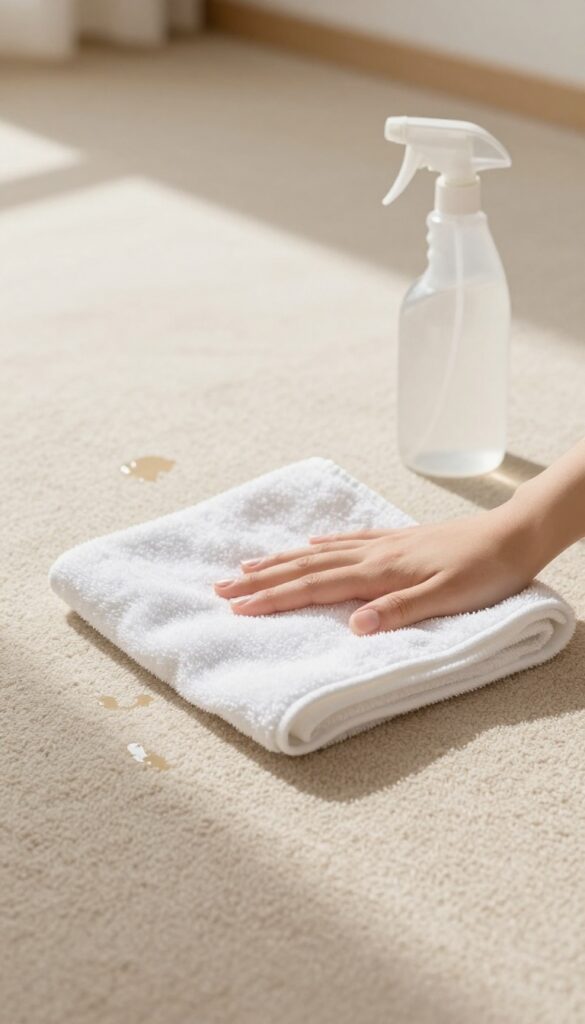
It's tempting to think more water means a deeper clean, but with carpets, the opposite is often true. Excess moisture seeps into the padding and subfloor, creating a perfect breeding ground for mold and mildew. The key is to use just enough liquid to lift dirt and stains, then remove it thoroughly.
When cleaning a spot, apply your solution sparingly—a spray bottle helps control the amount. Work from the outside of the stain inward to prevent spreading. After agitating gently with a brush or cloth, blot with a dry, clean towel until no more moisture transfers.
If you're using a steam cleaner, make slow passes and use the machine's extraction function to suck up as much water as possible. For extra insurance, place a stack of dry towels over the area and weigh them down overnight to wick away remaining dampness.
The Right Amount Of Water
You only need enough solution to dampen the carpet fibers, not soak them. A good rule of thumb: if you press a paper towel onto the wet area and it comes back dripping, you've used too much. Aim for a light mist or a damp (not wet) surface.
Blot, Don't Rub
Rubbing can push the stain deeper and damage the fibers. Always blot gently with a clean cloth or paper towel, starting from the edges and moving inward. Repeat with fresh dry cloths until the spot is just slightly damp.
Speed Up Drying
After cleaning, increase airflow by opening windows, turning on fans, or using a hairdryer on a cool setting. You can also sprinkle a thin layer of baking soda over the damp area to absorb moisture and odors, then vacuum it up once dry.
19. Use a Carpet Rake for High-Traffic Areas
High-traffic areas like hallways and living rooms take the brunt of daily wear. Over time, carpet fibers get crushed and matted down, making even a clean carpet look tired. A carpet rake is a simple tool that fluffs those fibers back up, restoring the carpet's appearance and making vacuuming more effective.
A carpet rake works like a comb for your carpet. Its stiff tines lift and separate matted fibers, redistributing the pile evenly. This not only revives the carpet's look but also loosens embedded dirt and debris, so your vacuum can pull out more grime.
Use it before vacuuming for best results—just rake in one direction to avoid damaging the fibers. Focus on paths and spots where furniture hasn't been moved in a while. Regular raking can extend the life of your carpet and keep it looking fresher between deep cleans.
Why Raking Works
Carpet fibers are designed to stand upright, but foot traffic crushes them flat. Raking lifts the fibers, restoring their natural shape and bounce. This also exposes trapped dirt that vacuuming alone might miss.
Plus, fluffed fibers reflect light better, making the carpet look cleaner and brighter.
How To Rake Correctly
Start by clearing the area of furniture and debris. Use a carpet rake with metal or stiff plastic tines. Rake in long, even strokes, always going in the same direction—think of how you'd brush hair.
Avoid aggressive back-and-forth scrubbing, which can fray fibers. After raking, vacuum thoroughly to collect the loosened dirt.
When To Rake
Rake high-traffic areas once a week or after heavy use. It's especially helpful before a deep clean or after moving furniture. For low-traffic spots, raking once a month is enough.
Over-raking can stress fibers, so stick to a balanced schedule.
20. Baking Soda and Essential Oils for Freshness
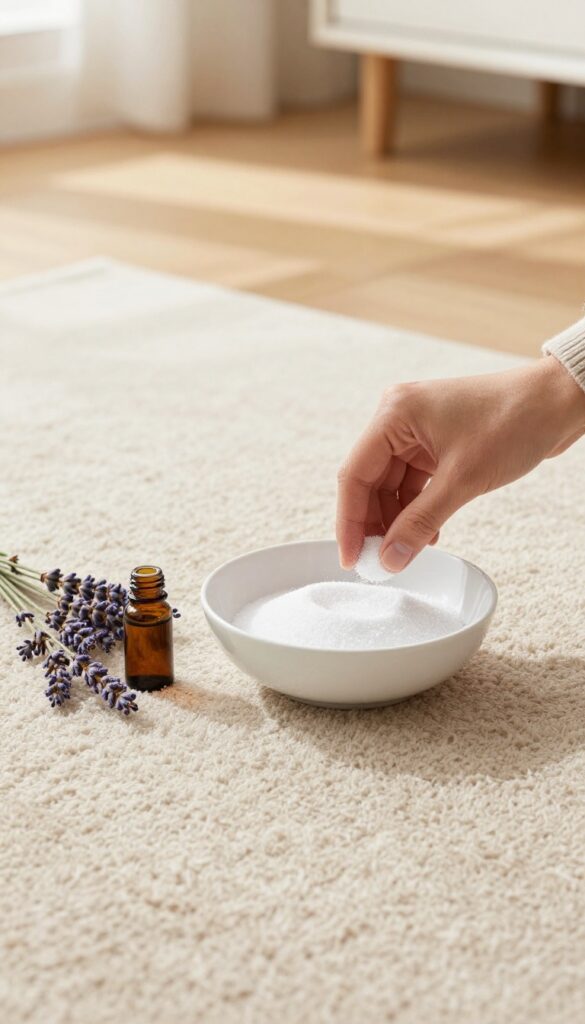
Sometimes your carpet just smells stale, even if it looks clean. Instead of reaching for a synthetic air freshener that masks odors, try a simple DIY deodorizer. Baking soda neutralizes smells naturally, and a few drops of essential oil add a light, pleasant scent.
Why This Combo Works
Baking soda is a natural odor absorber. It pulls smells from deep within carpet fibers without leaving a residue. Essential oils like lavender or lemon add antibacterial properties and a fresh aroma that lasts for days.
How To Make And Apply
Mix 1 cup of baking soda with 10–15 drops of your favorite essential oil. Stir well to break up clumps. Sprinkle the mixture evenly over your carpet, focusing on high-traffic areas or spots that trap odors.
Let it sit for at least 30 minutes—overnight for stronger smells. Then vacuum thoroughly.
Tips For Best Results
Test the essential oil on a hidden patch first to make sure it doesn't stain. Avoid using too much oil, as it can leave a greasy residue. For a deeper refresh, repeat this process once a month.
It's safe for pets if you use pet-friendly oils like lavender, but skip tea tree or citrus around cats.
21. Hydrogen Peroxide and Dish Soap for Set-In Stains
Set-in stains from coffee or tea can feel like permanent fixtures, but a simple two-ingredient solution often breaks them down. Hydrogen peroxide acts as a gentle bleach, while dish soap cuts through the oily residue that binds stains to fibers. This combo is safe for most synthetic carpets, but always test on a hidden spot first.
Mix 2 parts hydrogen peroxide (3% solution) with 1 part liquid dish soap. Apply the mixture directly to the stain using a clean cloth or spray bottle. Let it sit for 10 minutes—don't let it dry completely.
Blot with a dry cloth, working from the edges inward to prevent spreading. Repeat if needed, then rinse with cold water and blot dry.
Why This Combo Works
Hydrogen peroxide oxidizes the stain molecules, making them colorless and easier to lift. Dish soap breaks down the tannins and oils in coffee and tea, which are often the culprits behind stubborn discoloration. Together, they tackle both the color and the sticky residue.
Application Tips For Best Results
Use a white cloth to avoid transferring dye. Blot—don't rub—to prevent pushing the stain deeper. For older stains, you may need to let the mixture sit for up to 15 minutes.
If the stain is large, work in small sections to keep the solution from drying out.
Safety Precautions
Always test on an inconspicuous area first. Hydrogen peroxide can lighten some carpet dyes, especially on wool or silk. Wear gloves to protect your skin.
Keep pets and children away until the area is completely dry.
22. Professional Cleaning Once a Year
Even the most diligent DIY cleaning can't replace a deep, professional-grade extraction. Over time, dirt, allergens, and detergent residue build up deep in the fibers, dulling your carpet and shortening its life. A yearly deep clean resets the clock, pulling out what vacuums and spot treatments leave behind.
Rent Or Hire?
If your budget is tight, renting a steam cleaner from a grocery store or hardware store works well. Look for machines with strong suction and at least 12 gallons of water capacity. For heavy soil or large homes, hiring a professional service saves time and ensures industrial-grade extraction.
Either way, the key is hot water extraction—not dry cleaning or shampooing.
Prep Work Matters
Before the deep clean, vacuum thoroughly and treat any visible stains with an enzyme cleaner. Move furniture to plastic protectors or foil squares to prevent rust stains. Pre-treat high-traffic areas with a carpet-safe detergent and let it sit for 10 minutes.
This loosens ground-in dirt so the machine can lift it more effectively.
Drying And Post-care
After cleaning, open windows and run fans to speed drying. Avoid walking on the carpet until it's completely dry—usually 6 to 12 hours. If you used a rental machine, rinse the tank and brushes thoroughly to prevent mold.
A yearly deep clean not only revives appearance but also reduces allergens, making your home healthier.
23. Place Doormats at Every Entrance
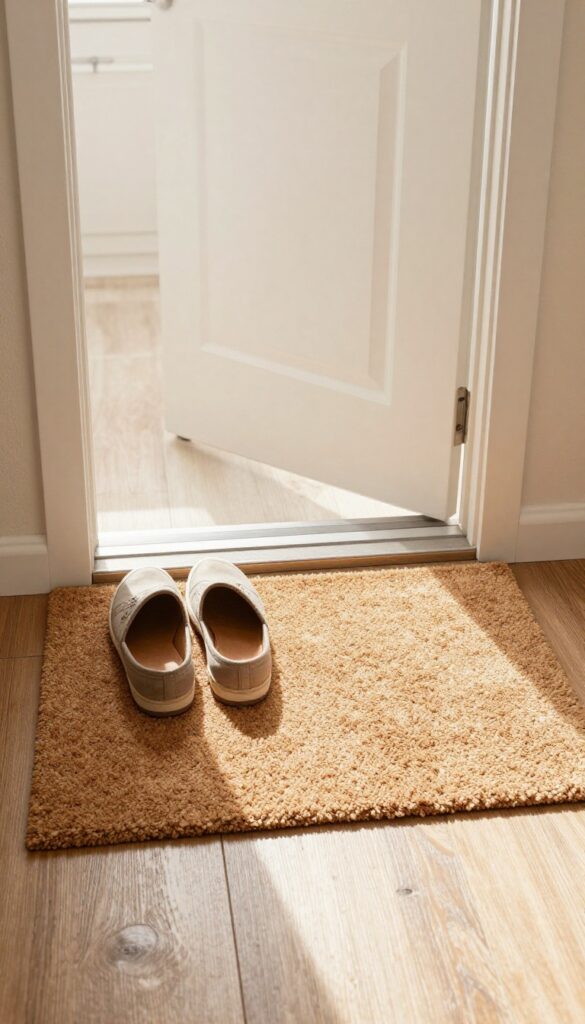
You can scrub and vacuum all you want, but the real dirt comes from outside. Doormats are your first line of defense. A good mat traps grit, mud, and moisture before they ever touch your carpet.
It's a simple habit that saves you hours of cleaning later.
Invest in high-quality doormats for every exterior door. Look for ones with coarse fibers that scrape off dirt and a backing that won't slide. Place a mat both outside and inside the door—the outdoor one removes heavy debris, while the indoor one catches finer particles.
Shake or vacuum the mats weekly to keep them effective. This one change can cut your carpet cleaning frequency in half.
Choose The Right Material
Not all doormats are created equal. For outdoors, go with coir or rubber mats that can handle heavy dirt and weather. Indoors, a fabric or microfiber mat is better for absorbing moisture and trapping fine dust.
Avoid mats with rubber backs that can discolor your carpet over time.
Placement Matters
Put mats at every entry point, not just the front door. Back doors, garage entrances, and even sliding glass doors all bring in dirt. Make sure the mat is large enough that people take at least two steps on it.
A mat that's too small won't catch much.
Maintain Your Mats
A dirty mat just spreads dirt around. Shake out outdoor mats weekly and hose them down monthly. Vacuum indoor mats with your carpet cleaner's upholstery attachment.
Replace mats when they become worn or compacted—they lose their scraping ability.
FAQ
How often should I vacuum my carpet?
High-traffic areas should be vacuumed at least twice a week, while low-traffic rooms can be done weekly. Use a slow, overlapping pattern for best results.
Can I use bleach on carpet stains?
No, bleach can discolor carpet fibers and cause permanent damage. Stick to color-safe alternatives like hydrogen peroxide or vinegar solutions.
What's the best way to remove pet urine smell?
Use an enzyme cleaner specifically designed for pet stains. It breaks down the proteins in urine, eliminating both the stain and odor at the source.
How do I get rid of carpet dents from furniture?
Place an ice cube in the dent and let it melt. Once the fibers are damp, fluff them with a fork or your fingers. Vacuum to restore the pile.
Is steam cleaning safe for all carpets?
Most synthetic carpets can handle steam cleaning, but wool or delicate fibers may shrink or get damaged. Always check the manufacturer's label and test a small area first.
Conclusion
Carpet stains and dullness don't stand a chance once you've got these 23 tips in your back pocket. Start with the ones that target your biggest headache—whether that's red wine or high-traffic grime—and build from there. A little regular maintenance goes a long way toward keeping your carpets looking fresh without expensive professional cleanings.
Pick a few strategies that fit your routine and give them a try this week. Your floors will thank you.