15 Cleaning Stove Grates Tips for Burnt Grease
Burnt-on grease on stove grates can make even the cleanest kitchen feel grimy. You've scrubbed and soaked, but that stubborn residue just won't budge.
The good news is you don't need harsh chemicals or professional help to restore them to like-new condition. From pantry staples like baking soda to surprising tricks using dryer sheets, these 15 tips tackle the toughest burnt grease.
Each method is practical, tested, and designed to save you time and effort. Pick the one that matches your grates' worst spots and watch the grease dissolve away.
1. Soak in Hot Dish Soap Water
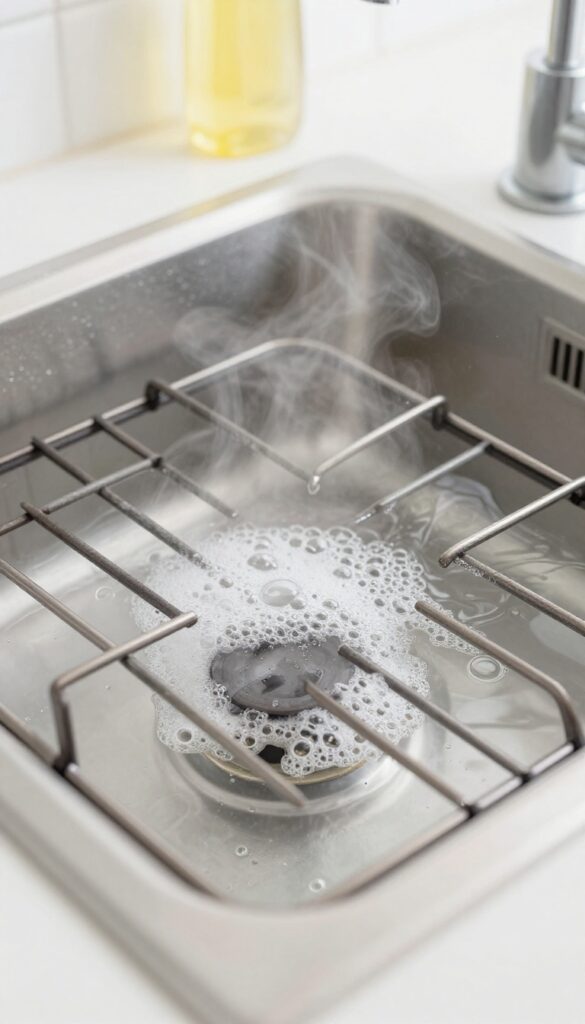
Sometimes the simplest approach is the most effective. Before you reach for heavy-duty cleaners or abrasive scrubbing pads, try letting your grates take a long, hot bath. Hot water mixed with a good dish soap works wonders on fresh grease and even some older buildup.
The heat helps break down the grease, while the soap lifts it away from the metal surface. Give it at least half an hour, and you'll be surprised how much comes off with just a soft sponge.
This method is perfect for grates that aren't caked with years of burnt-on gunk. It's gentle on the metal and doesn't require any special supplies. Plus, it's a great first step before moving on to stronger treatments.
Why Hot Water And Dish Soap Work
Hot water increases the solubility of grease, making it easier for the soap to surround and lift the oily molecules. Dish soap is designed to cut through grease on plates, and it works the same way on stove grates. The combination softens the burnt residue, so you don't have to scrub as hard.
How Long Should You Soak?
For light grease, 30 minutes is plenty. For moderate buildup, let them soak for an hour or even two. If the water cools down, replace it with fresh hot water to keep the process working.
You can also add a tablespoon of baking soda for extra grease-cutting power.
Tips For Best Results
Make sure the grates are fully submerged. If they're too large for your sink, use a large bucket or a plastic storage bin. After soaking, scrub with a non-abrasive sponge or a soft brush.
Rinse thoroughly and dry immediately to prevent water spots or rust.
2. Use Baking Soda and Vinegar Paste
When burnt grease feels impossible, a simple kitchen duo can save the day. Baking soda and vinegar work together to break down tough residue without harsh scrubbing. The fizzy reaction lifts grime while the paste clings to vertical surfaces, making it perfect for stove grates.
Mix equal parts baking soda and white vinegar until it forms a spreadable paste. Apply a thick layer over the greasy areas and let it sit for 15 minutes. You'll see bubbles forming as the mixture goes to work.
After the wait, scrub with a non-abrasive sponge or brush, then rinse thoroughly. For extra-stubborn spots, let the paste sit longer or repeat the process.
Why This Combo Works
Baking soda is a mild abrasive that physically scrubs away burnt particles. Vinegar's acidity dissolves grease and reacts with baking soda to create carbon dioxide bubbles. Those bubbles help dislodge stuck-on residue from the grate's crevices.
Getting The Right Consistency
Start with a 2: 1 ratio of baking soda to vinegar and adjust. You want a paste that spreads easily but doesn't drip. If it's too runny, add more baking soda.
If too thick, add a splash of vinegar. A toothpaste-like texture works best.
Tips For Best Results
Apply the paste generously and don't be shy. Cover every burnt spot completely. Let it sit for at least 15 minutes—longer if the grease is baked on.
For heavy buildup, cover with plastic wrap to keep the paste from drying out. Rinse with warm water and dry immediately to prevent water spots.
3. Try the Ammonia Overnight Trick
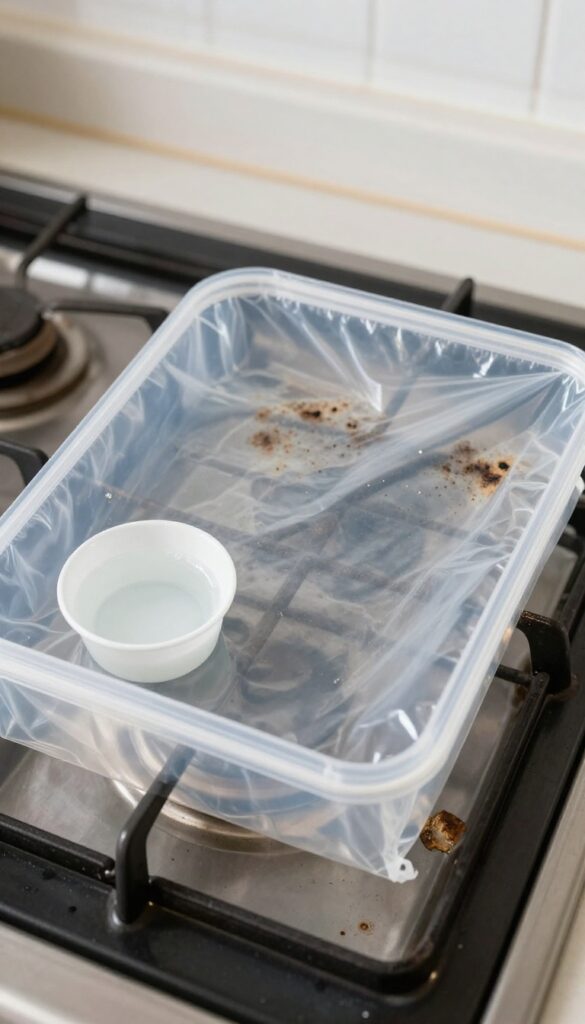
Ammonia might sound like a heavy-duty chemical, but when used correctly, it's a grease-cutting powerhouse. This method uses the fumes to break down burnt-on residue while you sleep, so you wake up to grates that practically wipe clean. Just make sure your kitchen is well-ventilated and you follow safety precautions.
Place your grates in a large, resealable plastic bag or a container with a tight-fitting lid. Add about 1/4 cup of household ammonia, then seal the bag or container. Let it sit overnight (at least 8 hours) in a well-ventilated area, like a garage or outdoors.
The ammonia fumes will soften and loosen the burnt grease. In the morning, remove the grates with gloves, rinse thoroughly with water, and scrub any remaining residue with a sponge or brush. The grease will come off much easier than before.
Safety First
Always work in a well-ventilated area—open windows or do this outside. Wear rubber gloves and avoid inhaling fumes. Never mix ammonia with bleach or other cleaners, as it creates toxic gases.
Keep the bag or container away from children and pets.
Best For Heavy Build-up
This trick works wonders on grates with thick, baked-on grease that other methods can't touch. It's especially effective for cast iron or enamel-coated grates, but avoid using it on aluminum, as ammonia can cause discoloration.
Rinsing Is Key
After the overnight soak, rinse the grates thoroughly with hot water to remove any ammonia residue. Follow up with a mild dish soap wash, then dry completely before placing them back on the stove. This ensures no chemical smell or taste lingers.
4. Scrub with a Dishwasher Tablet
Dishwasher tablets aren't just for your machine. One wet tablet can become a powerful scrubber that tackles burnt grease with ease. The combination of enzymes and mild abrasives works fast without damaging the metal finish.
Grab a fresh dishwasher tablet and wet it slightly under the faucet. Use it directly on the grates, scrubbing in circular motions over the burnt areas. The tablet will foam and break down the grease as you work.
Rinse the grates thoroughly with warm water and dry them immediately to prevent water spots.
Why It Works
Dishwasher tablets contain enzymes that digest food residue and abrasive particles that physically lift burnt-on grease. They're tough on grime but gentle enough for enameled or stainless steel grates.
Best For Light To Moderate Grease
This method shines when the grease is baked on but not yet rock-hard. For heavy, crusty buildup, try soaking the grates first or pairing the tablet with a little warm water to soften the residue.
5. Apply Commercial Degreaser
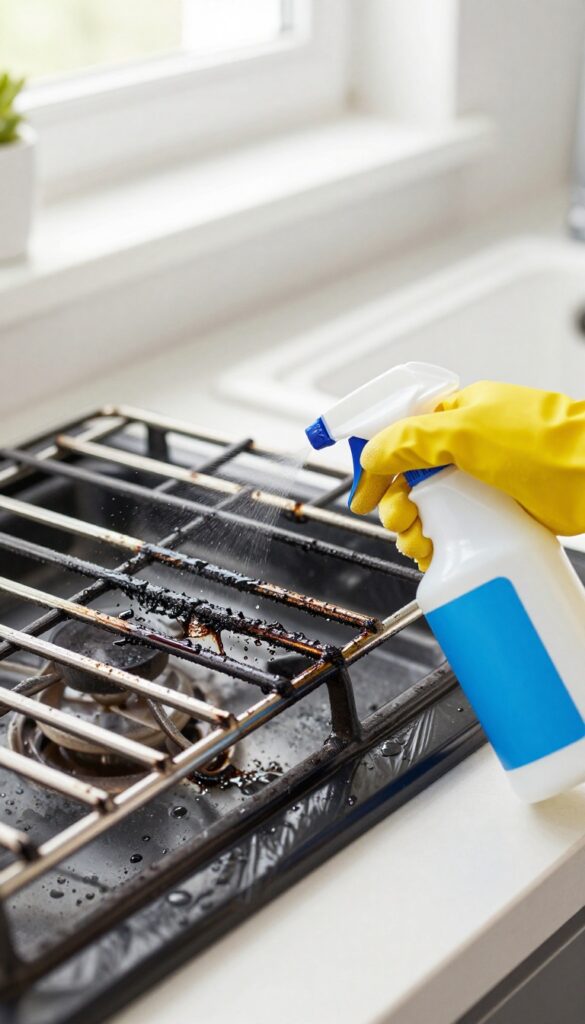
Not all grease is created equal. Some layers are so thick and baked on that home remedies just don't cut it. That's when you bring out the big guns: a heavy-duty commercial degreaser.
Products like Easy-Off or Krud Kutter are formulated to break down the toughest carbonized grime in minutes. They're a staple for anyone who wants a no-fuss, high-power solution.
Commercial degreasers are designed to tackle industrial-grade grease, so they make short work of burnt-on residue on stove grates. The key is to let the chemicals do the work for you—no scrubbing required. Just spray, wait, and wipe away the mess.
This method is especially effective for grates that have been neglected for months or have layers of carbonized buildup. It's fast, efficient, and requires minimal elbow grease.
Choosing The Right Product
Look for a degreaser specifically labeled as 'heavy-duty' or 'commercial strength. ' Easy-Off Professional Fume Free Oven Cleaner is a popular choice because it works without harsh fumes. Krud Kutter Original is another great option—it's biodegradable and safe on most surfaces. Avoid using products with bleach or ammonia on aluminum grates, as they can cause discoloration.
Application Tips For Best Results
Place the grates on a protected surface like a trash bag or old newspaper. Spray the degreaser generously, covering all greasy areas. Let it sit for 10–15 minutes—longer if the buildup is extreme.
You'll see the grease start to bubble and loosen. Then, wipe with a damp cloth or sponge. For stubborn spots, use a soft brush.
Rinse thoroughly with water and dry completely before returning to the stove.
Safety Precautions
Always work in a well-ventilated area and wear rubber gloves to protect your skin. Avoid inhaling the spray mist. Keep degreasers away from open flames and heat sources.
After cleaning, wash the grates with soap and water to remove any chemical residue before using them again.
6. Use a Pumice Stone for Stubborn Spots
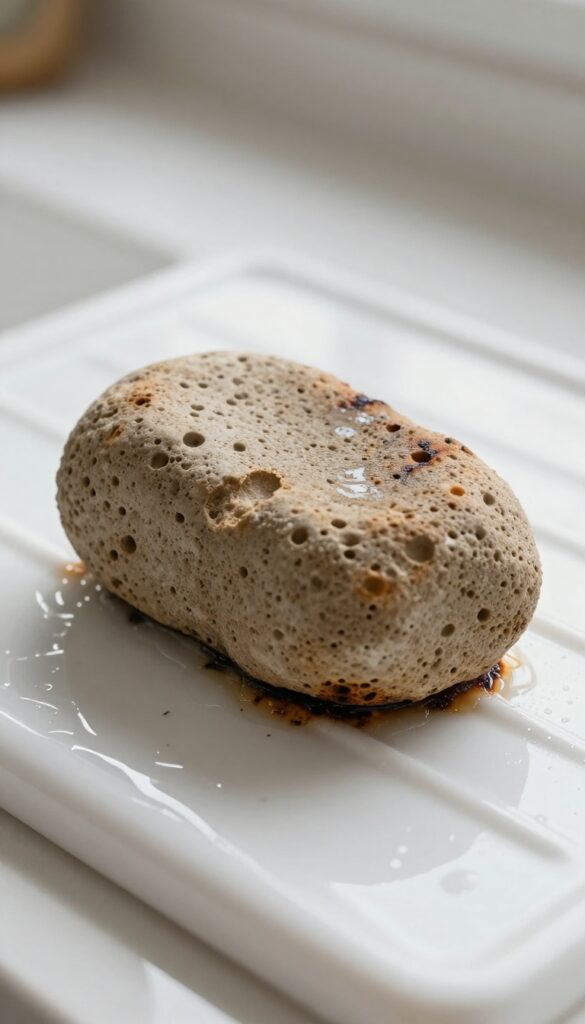
When scrubbing and soaking fail, a pumice stone can be your secret weapon. These lightweight volcanic rocks are abrasive enough to scrape off carbonized grease but gentle on porcelain-coated grates when used correctly. The key is to keep the stone wet and use light pressure.
This method works best on flat, smooth grates and can save you from resorting to harsh chemicals.
Start by wetting both the pumice stone and the grate. Gently rub the burnt spots in a circular motion, letting the stone do the work. Rinse frequently to check progress and remove debris.
Once the grease is gone, wash the grate with soap and water to remove any stone residue. Avoid using pumice on uncoated cast iron or aluminum grates, as it can scratch them. Test on a small area first if you're unsure.
Why Pumice Works On Burnt Grease
Pumice is a natural abrasive made from cooled lava. Its porous structure creates micro-scratches that lift burnt carbon without damaging the underlying porcelain. Unlike steel wool, it won't leave rust-prone scratches on coated surfaces.
Step-by-step Application
- Submerge the pumice stone in water for a few minutes. 2.
Wet the grate surface. 3. Rub the stone gently over burnt areas using light pressure.
- Rinse often to see your progress. 5.
Finish with a thorough soapy wash to remove any stone dust.
Safety Tips And Precautions
Always keep the stone wet to prevent scratching. Never use pumice on non-stick or delicate finishes. Wear gloves to protect your hands from the rough stone.
Store the pumice stone dry after use—it can be reused many times.
7. Boil Grates in Water with Baking Soda
If you've got a big pot and some baking soda, you're already halfway to clean grates. This method uses heat and alkalinity to break down burnt grease without any scrubbing effort. It's especially effective for grates that are small enough to submerge completely.
Boiling grates in water with baking soda is one of the most effective ways to loosen burnt-on grease. The combination of heat and alkaline baking soda helps dissolve grease and food residue, making it easy to wipe away. This method works best for grates that fit entirely in a large pot or stockpot.
What You'll Need
Gather a large pot (big enough to hold your grates), water, and baking soda. You'll also need a pair of tongs for handling hot grates and a soft scrub brush or sponge. Optional: a splash of dish soap for extra grease-cutting power.
Step-by-step Process
Fill the pot with enough water to cover the grates completely. Add a few tablespoons of baking soda (about 1 tablespoon per quart of water). Bring the water to a boil, then carefully lower the grates into the pot.
Let them boil for 15 minutes. The grease will start to lift and float to the surface. After boiling, turn off the heat and let the water cool slightly.
Use tongs to remove the grates and place them on a towel. The loosened grease should scrub off easily with a sponge or brush. Rinse thoroughly and dry.
Tips For Best Results
For extra stubborn spots, let the grates soak in the hot baking soda water for 30 minutes after boiling. You can also add a teaspoon of salt to the water for gentle abrasion. Avoid using this method on aluminum grates, as the alkaline solution can discolor them.
Always check that your pot is large enough to avoid overcrowding.
When To Use This Method
This technique is ideal for grates with moderate to heavy burnt-on grease that hasn't been baked on for too long. It's a great first step before trying more intensive methods like ammonia soaking. If your grates are too large for any pot, consider using a large roasting pan on the stovetop or a turkey fryer setup.
8. Try the Dryer Sheet Method
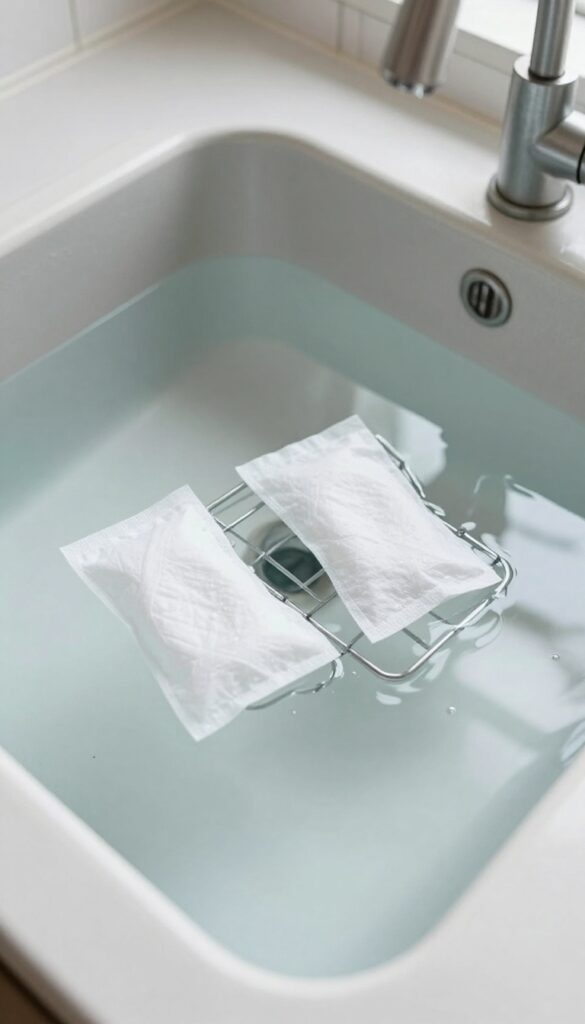
Dryer sheets aren't just for softening laundry—they're surprisingly effective at loosening burnt-on grease. The fabric softener contains surfactants that break down grease molecules, making this a low-effort, high-reward cleaning hack. You'll need a few sheets, hot water, and a bit of patience.
Why It Works
Fabric softeners in dryer sheets are designed to reduce static and soften fibers, but they also contain cationic surfactants that dissolve grease. When you soak grates in hot water with a dryer sheet, the softener penetrates the burnt-on layer, weakening its bond to the metal. After an hour, most of the grease wipes off without scrubbing.
Step-by-step
Fill your sink or a large tub with enough hot water to fully submerge the grates. Add two or three unused dryer sheets (any brand works). Place the grates in the water, making sure they're covered.
Let them soak for at least an hour—longer for heavy buildup. After soaking, remove the grates and wipe them with a sponge or cloth. Rinse thoroughly with clean water and dry.
Tips For Best Results
Use hot water—the heat helps activate the softener. If the grates are very greasy, use a fresh dryer sheet to scrub stubborn spots after soaking. Avoid this method on aluminum grates, as the chemicals may cause discoloration.
For cast iron, make sure to dry immediately and season afterward to prevent rust.
9. Use a Steam Cleaner
If you own a handheld steam cleaner, you've got a powerful tool for melting away burnt grease. The high-temperature steam penetrates crusted layers, loosening them in seconds. No chemicals, no soaking—just direct heat and moisture.
Steam cleaning is especially effective for grates with intricate patterns or crevices where grease hides. The steam lifts grime without scratching the surface, making it safe for porcelain-coated or stainless steel grates. For best results, hold the nozzle close and work in sections, wiping away loosened residue with a microfiber cloth.
Prep The Grates
Remove the grates from the stove and place them on a heat-safe surface. Let them cool completely if they were recently used. Have a microfiber cloth or sponge ready to catch the grease as it loosens.
Steam In Sections
Start at one end of the grate and direct the steam nozzle at the greasy areas. Move slowly so the steam has time to work. You'll see the grease bubble and soften.
Wipe it away immediately with a cloth.
Tackle Stubborn Spots
For heavily burnt-on patches, hold the steam in place for 10–15 seconds. Then use a nylon brush or sponge to scrub gently. Repeat if needed.
The steam softens even old, baked-on grease.
Final Wipe And Dry
Once all grease is removed, wipe the grates with a clean, damp cloth to remove any residue. Dry them thoroughly before placing them back on the stove to prevent water spots or rust.
10. Make a Lemon and Salt Scrub
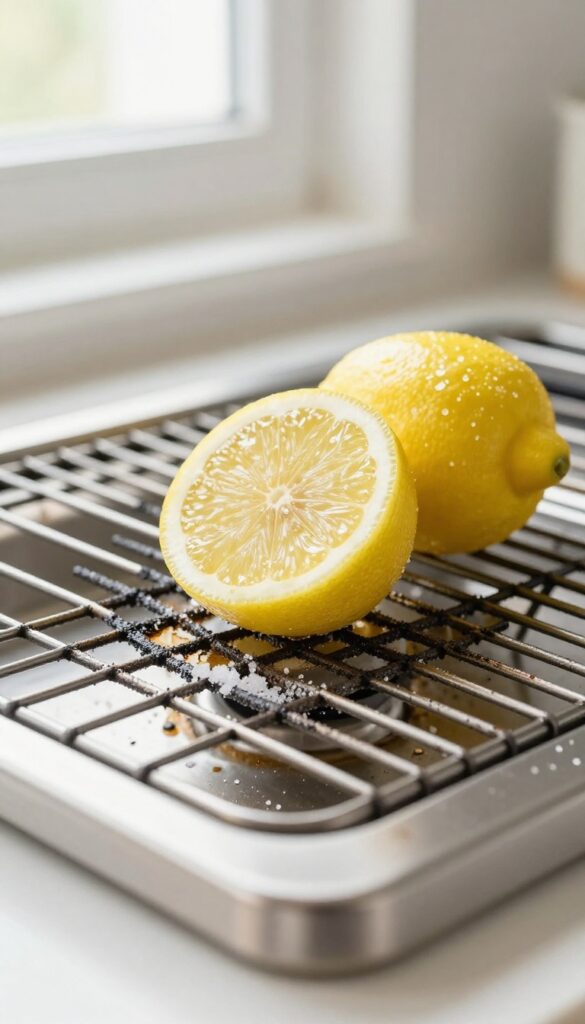
Lemons aren't just for lemonade—they're a powerhouse for cutting through grease. The natural acidity breaks down burnt-on residue, while salt acts as a gentle abrasive that won't scratch your grates. This combo is cheap, non-toxic, and smells amazing.
Why This Works
Citric acid in lemon juice dissolves grease and lifts burnt bits. Salt provides friction without damaging the metal finish. Together, they create a scrub that's effective yet safe for most stove grates.
Step-by-step
Cut a lemon in half. Sprinkle a generous amount of coarse salt on the cut side. Scrub the grates firmly, focusing on the greasiest areas.
Rinse with warm water and dry immediately to prevent rust.
Pro Tips
For extra stubborn spots, let the lemon-salt mixture sit on the grates for 5 minutes before scrubbing. Use kosher or sea salt for better abrasion. Avoid this method on porcelain-coated grates—stick to non-abrasive cleaners.
11. Apply Oven Cleaner Carefully
When natural methods fall short, oven cleaner steps in as a heavy-duty solution. It's designed to dissolve baked-on grease, so it handles stove grates with ease. Just a spray and a short wait can save you from hours of scrubbing.
Oven cleaner is a powerful degreaser that works quickly on burnt-on residue. The key is to use it safely—wear gloves, work in a well-ventilated area, and avoid contact with your skin or eyes. Follow the product instructions, but a general rule is to spray the grates, let them sit for 20 minutes, then rinse thoroughly with hot water.
This method is especially effective for grates with thick, crusty buildup that won't budge with gentler cleaners. However, it's best for metal grates; avoid using it on coated or enameled surfaces unless the label says it's safe.
Safety First
Always wear rubber gloves and open a window or turn on an exhaust fan. Oven cleaner fumes can be strong, and the spray can irritate skin. Protect your countertops by placing grates on newspaper or in a plastic bag.
Application Tips
Spray a generous, even layer over the entire grate, focusing on greasy spots. Let it sit for the recommended time—usually 20 minutes—but don't let it dry out. If it starts to dry, the cleaner becomes less effective.
Rinsing Thoroughly
After the wait, rinse each grate with hot water from a faucet or hose. Use a scrub brush to remove any remaining residue. Make sure no cleaner residue remains, as it can affect food if the grates aren't fully clean.
12. Use a Pressure Washer Outdoors
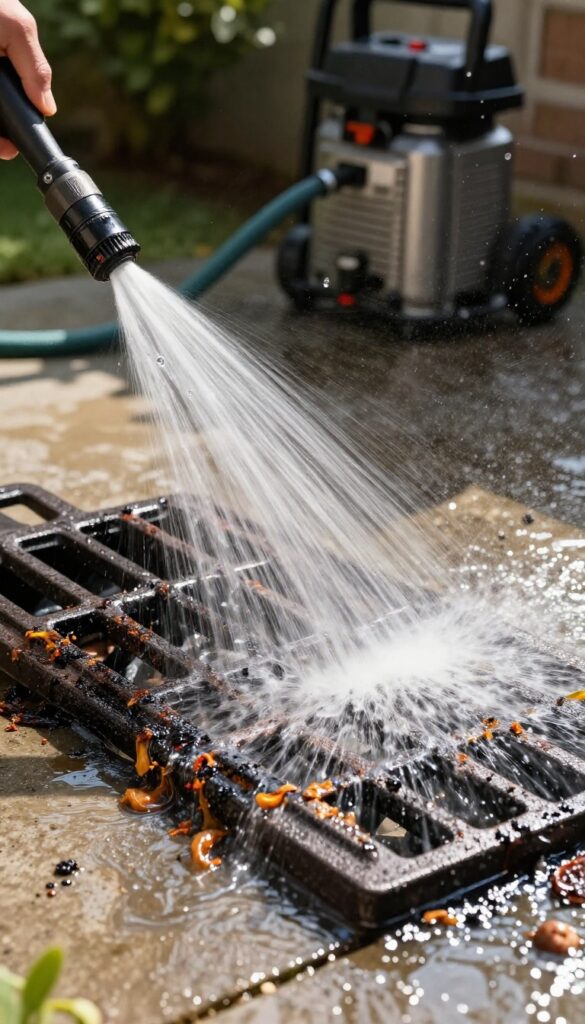
When scrubbing and soaking just aren't cutting it, it's time to bring out the big guns. A pressure washer isn't just for driveways and decks—it can blast away years of burnt-on grease from your stove grates in minutes. This method is perfect for those extra-neglected grates that have seen one too many spaghetti splatters.
Before you start, make sure you're working outdoors in a well-ventilated area. Place the grates on a flat surface like a concrete patio or an old tarp. Use a pressure washer with at least 1, 500 PSI for best results.
Hold the nozzle about 6–12 inches away and spray in steady, sweeping motions. The high-pressure water cuts through grease like a hot knife through butter, leaving your grates looking almost new. Just be careful not to damage the enamel coating if your grates are porcelain—keep the pressure lower or test on a small spot first.
Prep The Grates Properly
Give the grates a quick rinse with warm water to remove loose debris. If there are large chunks of burnt food, scrape them off with a plastic scraper first. This prevents clogs in your pressure washer and makes the job faster.
Choose The Right Nozzle And Pressure
A 15- or 25-degree nozzle works well for grease. Start with a wider spray pattern and move closer if needed. For cast iron grates, you can use higher pressure, but for porcelain-coated ones, keep it gentle to avoid chipping.
Dry And Season (if Needed)
After pressure washing, dry the grates thoroughly with a towel to prevent rust. If your grates are cast iron, apply a thin layer of vegetable oil and bake them in the oven at 350°F for an hour to reseason the surface.
13. Try the Ketchup Trick
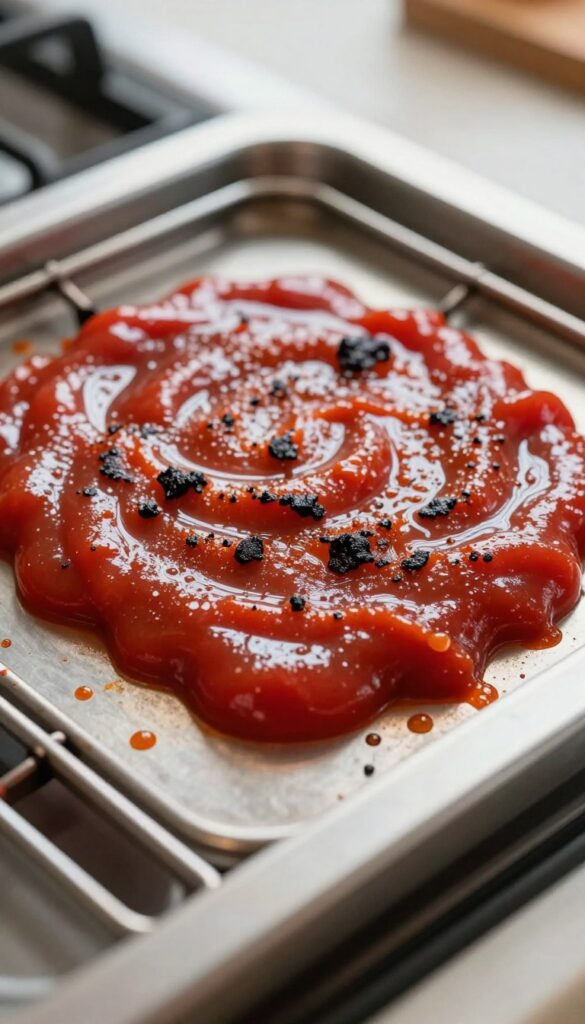
Ketchup isn't just for fries—it's a surprisingly effective cleaner for burnt-on grease. The acidity in tomatoes helps break down stubborn stains without harsh scrubbing. This method is especially handy when you want a gentler alternative to chemical cleaners.
Spread a generous layer of ketchup over the greasy areas of your stove grates. Let it sit for at least 30 minutes—longer for tougher buildup. The natural acids work to loosen the burnt residue.
After the wait, simply wipe off the ketchup with a damp cloth. For any remaining spots, a quick scrub with a soft sponge should finish the job. Rinse thoroughly and dry.
Why Ketchup Works
Ketchup contains vinegar and tomato acids that act as mild degreasers. These acids help dissolve the bonds between grease and metal, making it easier to wipe away. It's a pantry staple that doubles as a cleaner, saving you a trip to the store.
Best Practices For Best Results
For optimal results, apply ketchup to warm (not hot) grates—warmth helps the acids penetrate. Cover the grates with plastic wrap to keep the ketchup from drying out. If the grates are heavily caked, repeat the process or let it sit overnight.
What To Avoid
Don't use ketchup on porous or unsealed surfaces, as it may stain. Also, avoid letting it sit too long on aluminum grates, as the acid could cause discoloration. Always test a small area first if you're unsure.
14. Use a Magic Eraser
Sometimes the simplest tool is the most effective. A melamine sponge, often sold as a Magic Eraser, works like a gentle abrasive that lifts burnt grease without scratching the surface of your grates. It's especially handy for spot-cleaning those stubborn patches that soaking and scrubbing missed.
To use a Magic Eraser on your stove grates, dampen the sponge until it's wet but not dripping. Gently scrub the greasy areas in a circular motion. You'll see the grime lift away almost instantly.
The sponge will wear down as you use it, so keep a few on hand for larger jobs. Rinse the grates thoroughly afterward to remove any sponge residue.
Why It Works So Well
Magic Erasers are made of melamine foam, which creates a micro-abrasive texture when wet. This texture is hard enough to break down burnt grease but soft enough to avoid scratching enamel, porcelain, or stainless steel grates. It's a safe middle ground between a gentle sponge and a harsh scrub pad.
Best Practices For Best Results
For the best outcome, use the Magic Eraser on slightly warm (not hot) grates—warmth helps soften the grease. Work in small sections and rinse the sponge frequently to avoid smearing grease around. After scrubbing, wash the grates with dish soap and water to remove any foam particles.
When To Avoid This Method
Avoid using a Magic Eraser on painted or coated grates, as the abrasive action can remove the finish. It's also not ideal for cast iron grates with seasoning, as it can strip the protective layer. Stick to using it on bare metal or enameled surfaces.
15. Prevent Future Buildup with Foil
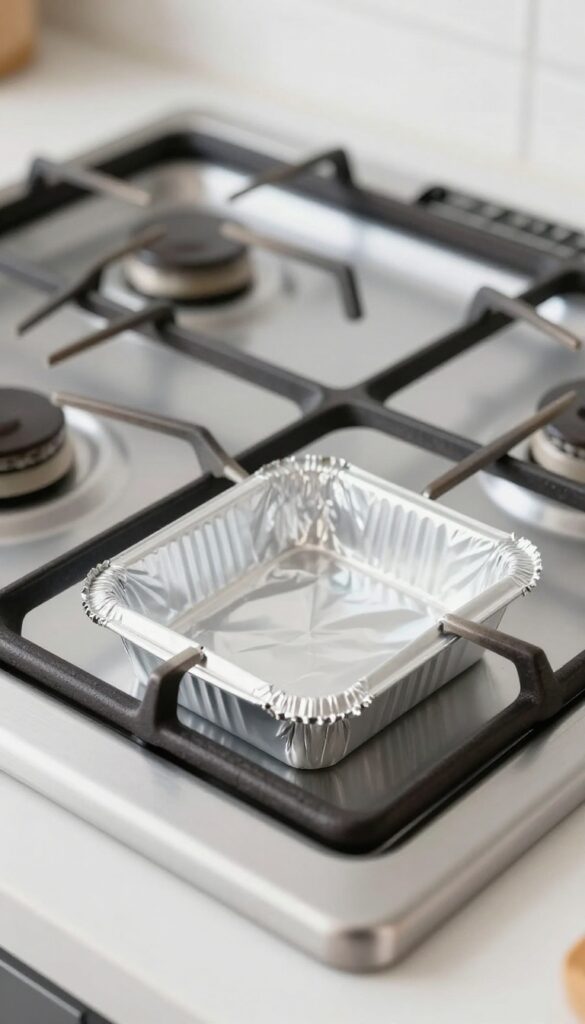
After all that scrubbing, you'll want to keep your grates clean for as long as possible. Aluminum foil is a simple, low-cost trick that stops grease before it hardens. By lining the drip pans under your grates, you catch drips and spills before they bake on.
Replace the foil regularly, and you'll cut down on heavy cleaning sessions significantly.
This method is all about prevention. Instead of fighting burnt grease later, you stop it from accumulating in the first place. It's a passive solution that works while you cook, saving you time and elbow grease down the road.
How To Line Your Drip Pans
Remove the grates and drip pans from your stove. Tear off sheets of heavy-duty aluminum foil large enough to cover each pan with a little overhang. Press the foil around the pan's edges so it stays in place.
Make sure the foil doesn't touch the burner flames or heating elements—leave a gap for airflow. Replace the pans and put the grates back on.
When To Change The Foil
Swap out the foil every week or whenever you notice a significant layer of grease. If you cook a lot, check it every few days. Letting the foil get too full can lead to drips spilling over, and old foil can become a fire hazard if grease builds up near burners.
A quick visual check is all you need.
Pro Tip: Double Layer For Heavy Cooking
If you do a lot of frying or high-heat cooking, use two layers of foil. The top layer catches the mess, and the bottom layer stays clean longer. When the top layer gets dirty, just peel it off and replace it.
This doubles the time between full pan cleanings.
FAQ
Can I put stove grates in the dishwasher?
It depends on the material. Porcelain-coated grates may chip in the dishwasher, while cast iron can rust. Check the manufacturer's instructions first.
How often should I clean stove grates?
For light use, clean every few weeks. If you cook often with oil, clean them weekly to prevent heavy buildup.
What is the best natural cleaner for burnt grease?
Baking soda and vinegar paste is highly effective and non-toxic. For tougher spots, add a bit of lemon juice.
Will ammonia damage my stove grates?
Ammonia is safe for most metal grates, but avoid prolonged contact with aluminum. Always rinse thoroughly after use.
How do I remove rust from stove grates?
Use a mixture of baking soda and water to scrub rust, then dry completely. For cast iron, season with oil after cleaning.
Conclusion
Cleaning stove grates doesn't have to be a dreaded chore. With these 15 tips, you can tackle burnt grease using simple household items and a little patience.
Start with the method that matches your mess—whether it's a quick soak or a baking soda paste—and you'll see results fast. Keep this list handy for next time, and your grates will look like new without harsh chemicals or endless scrubbing.