11 Inspiring Shower Tray Ideas for a Crisp, Cohesive Layout
A shower tray is more than just a floor—it's the foundation of your shower's look and function. The wrong choice can make cleaning a chore or break the visual flow of your bathroom. But the right tray can tie everything together, making your space feel intentional and polished.
Whether you're dealing with a compact corner or a spacious wet room, the options are surprisingly varied. You can go for a sleek low-profile design or a textured surface that adds grip and character.
The key is matching the tray to your layout and lifestyle. Here are 11 shower tray ideas that solve common problems—from awkward sizes to slippery floors—while keeping your bathroom crisp and cohesive.
1. Low-Profile Trays for a Seamless Walk-In Look
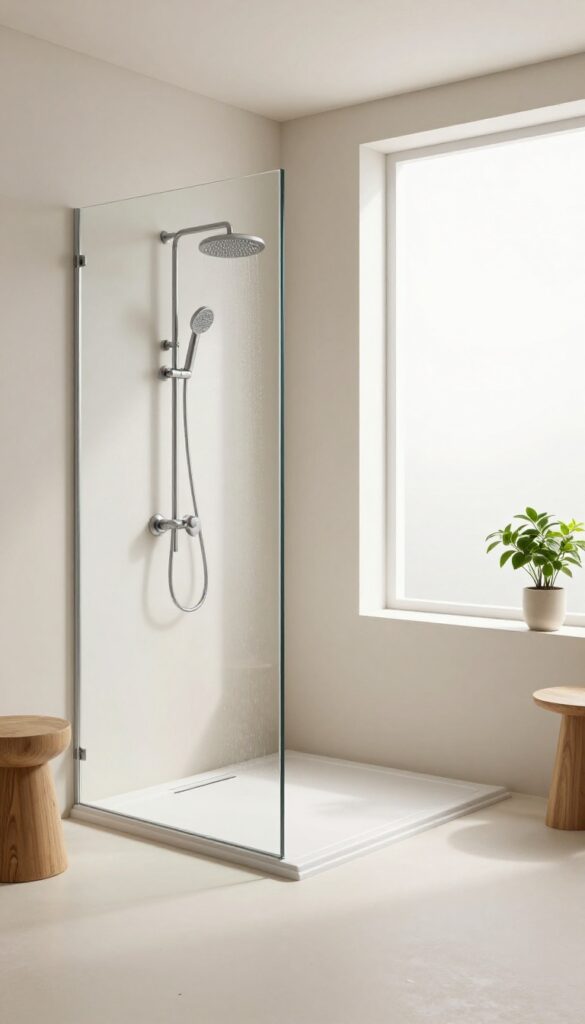
Low-profile trays are the quiet heroes of modern bathroom design. They sit nearly flush with the floor, creating a barrier-free entry that feels open and effortless. If you've ever stubbed a toe on a raised shower curb, you'll appreciate how these trays eliminate that annoyance while adding a sleek, minimalist touch.
The beauty of a low-profile tray goes beyond looks. It makes the shower more accessible for everyone—kids, older adults, or anyone with mobility concerns. Plus, the lack of a lip means less grime hiding in crevices, which makes cleaning a breeze.
The subtle slope directs water to the drain without compromising the clean, continuous line from floor to shower.
Why Low-profile Works
Low-profile trays are typically 1 to 2 inches thick, so they blend seamlessly with the surrounding floor. This creates a visually expansive space, especially in smaller bathrooms where a bulky curb can make things feel cramped. The barrier-free entry also simplifies transitions, making the shower feel like a natural extension of the room.
Installation Considerations
Proper installation is key. The tray needs to be set into the subfloor with a slight slope toward the drain, and the surrounding tile must be laid to match the tray's height. This often requires a bit more prep work, but the payoff is a clean, integrated look.
You'll also need to ensure the floor beneath is waterproofed, so moisture doesn't seep into the subfloor.
Styling Tips
Pair a low-profile tray with large-format tiles or a continuous floor material like microcement to enhance the seamless effect. Use a linear drain along the back wall or edge to keep the floor line unbroken. Add a glass panel instead of a curtain to maintain the open, airy feel.
The result is a shower that feels custom and intentional.
2. Corner Trays to Maximize Awkward Spaces
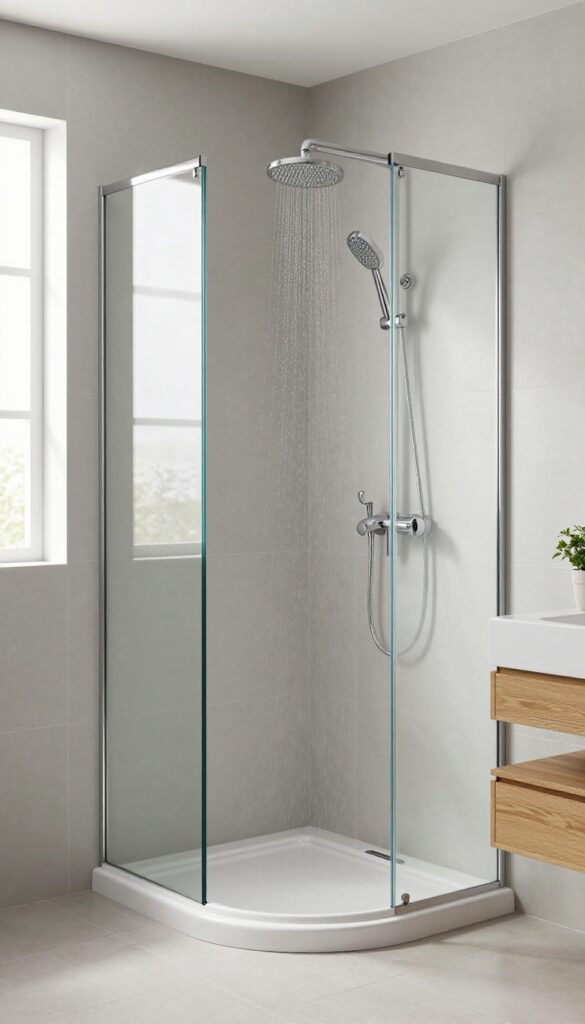
Corners often end up as dead zones in bathrooms, especially in compact layouts. A corner shower tray turns that wasted space into a functional, stylish shower without eating into the room's footprint. These trays come in shapes like quadrant and pentagon, designed to fit snugly into the corner while leaving the rest of the floor open for other fixtures.
Corner trays are a smart solution for bathrooms where space is tight or layouts are irregular. They make use of the corner that might otherwise hold a plant or collect dust, and they open up the rest of the room for a vanity, toilet, or storage. Because they come in a range of sizes and shapes, you can find one that fits your specific corner dimensions and still looks intentional.
Quadrant Trays: A Classic Fit
Quadrant trays are the most common corner option. They have a curved front that creates a smooth, rounded entry, which feels more open and makes the shower less boxed-in. They come in various sizes, so you can choose one that fits your corner without overwhelming the room.
Pair them with a curved shower screen to keep the look sleek and avoid sharp edges.
Pentagon Trays: More Room To Move
If you want a bit more space inside the shower, a pentagon tray offers a wider footprint. The angled front gives you extra room for a comfortable stance, making it ideal for taller or broader users. They work well with a corner entry or a sliding door, and the straight front edge can align neatly with a wall or a half-screen.
Offset Trays: For Unusual Corners
Not all corners are perfect 90 degrees. Offset trays are designed for angled walls or awkward nooks, letting you fit a shower where a standard tray wouldn't work. They can be cut to size or ordered in custom dimensions, which makes them a lifesaver for older homes or rooms with sloped ceilings.
Just measure carefully and consider a professional install to get the fit right.
3. Textured Trays for Extra Grip and Safety
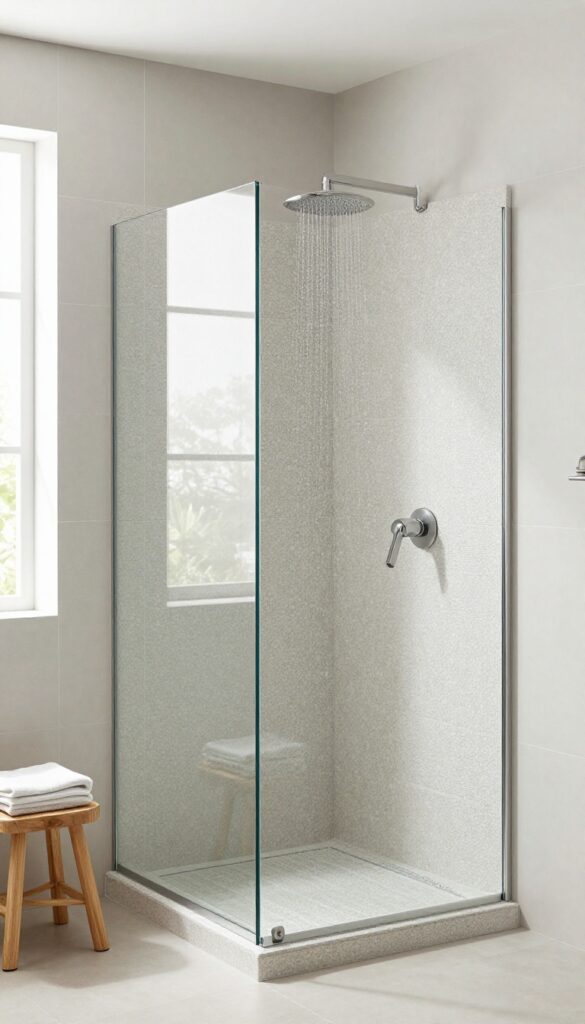
Slippery shower floors are a common concern, especially in households with kids, older adults, or anyone who likes to move quickly in the morning. Smooth surfaces can look sleek, but they often become hazard zones when soap and water mix. That's where textured trays step in, offering a smart solution that doesn't sacrifice style.
These trays come with patterns like pebbles, brushed finishes, or subtle ridges that provide traction underfoot. The texture also adds a gentle massage-like sensation, turning your daily rinse into a mini spa moment. It's a practical upgrade that feels more luxurious than you'd expect.
Textured shower trays are designed with safety in mind, but they also bring a unique visual and tactile element to your bathroom. The raised patterns or rough surfaces create friction, which significantly reduces the risk of slips. Many manufacturers now offer a variety of textures, from natural stone looks to geometric patterns, so you can find one that complements your design scheme.
Beyond safety, these trays are surprisingly easy to clean. The texture helps hide water spots and soap scum, and most are made from materials like acrylic or resin that resist staining. You'll spend less time scrubbing and more time enjoying your shower.
Pebble And Stone Finishes
Pebble-style trays mimic the look of a riverbed, with smooth, rounded stones set into the surface. They feel great underfoot and add an organic, earthy vibe to your bathroom. These trays are particularly popular in spa-inspired designs, and they pair well with natural wood accents or greenery.
Look for ones with a sealed surface to prevent mold and make cleaning easier.
Brushed And Matte Textures
If you prefer a more subtle approach, brushed or matte textures offer a gentle grip without being too pronounced. These finishes have a fine, sandpaper-like feel that's barely noticeable to the eye but effective underfoot. They're perfect for modern, minimalist bathrooms where you want safety without drawing attention to the floor.
Plus, they're less likely to show water marks or footprints.
Ridged And Grooved Patterns
For maximum drainage and traction, ridged or grooved trays are a solid choice. The channels direct water toward the drain quickly, reducing puddles and slippery spots. Some designs feature linear patterns that create a sleek, contemporary look, while others have crosshatch or diamond shapes for a more industrial feel.
These trays are especially useful in high-traffic family bathrooms.
Color And Finish Options
Textured trays aren't limited to plain white or gray. You can find them in a range of colors, from soft beige to charcoal, and even with subtle speckles that hide dirt. Some manufacturers offer textured surfaces in matte or glossy finishes, so you can match your existing fixtures or create a contrast.
Just remember that darker colors show soap scum more easily, so choose accordingly.
4. Stone Resin Trays for a Premium, Durable Finish
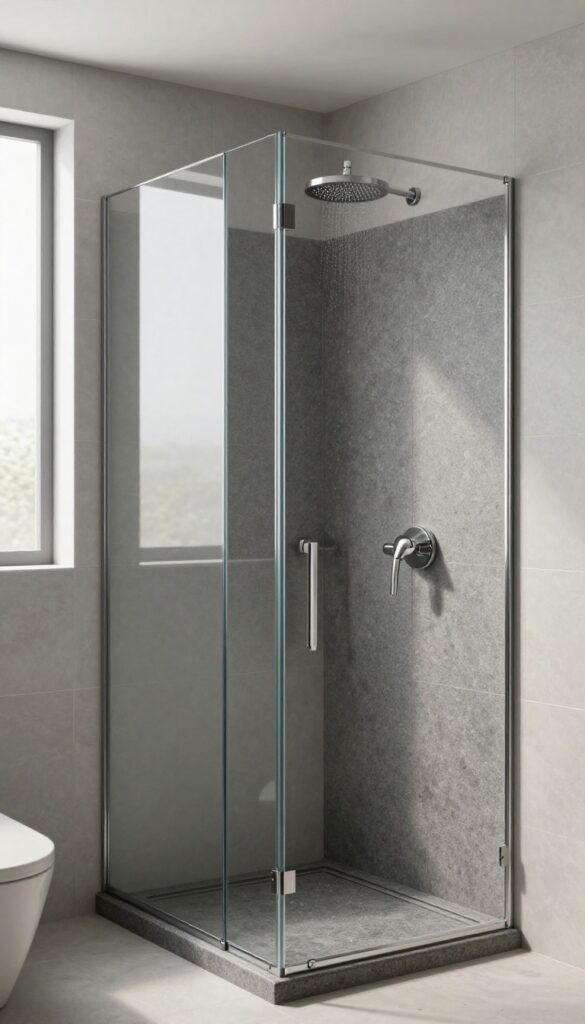
Stone resin is one of those materials that instantly upgrades a bathroom. It brings the look of natural stone without the hefty price tag or the maintenance headaches. Plus, it feels solid underfoot, which adds a quiet sense of quality to your daily routine.
Stone resin trays are made by blending natural stone dust with a high-grade resin, creating a composite that's both strong and versatile. The result is a shower tray that looks expensive but behaves practically. It's resistant to scratches, stains, and impacts, so it can handle the daily wear and tear of a busy household.
And because it's molded, you can get it in a variety of shapes and sizes to fit your exact layout, whether that's a standard alcove or a custom wet room.
Why Stone Resin Stands Out
Unlike acrylic trays, stone resin doesn't flex or feel hollow. It has a dense, solid weight that feels premium underfoot and reduces noise. It also holds heat better, so the floor feels warmer when you step in.
The non-porous surface makes cleaning a breeze—just a quick wipe and it's done.
Color And Finish Options
Stone resin trays come in a range of neutral tones, from crisp white to warm beige and even charcoal. The matte finish hides water spots and soap scum better than glossy surfaces. You can also find options that mimic the veining of marble or the speckle of granite, giving you that natural stone aesthetic without the upkeep.
Installation And Care Tips
Because stone resin is heavier than other materials, it's important to ensure your floor can support it. Professional installation is recommended to get the leveling right. For daily care, use a mild cleaner and avoid abrasive pads.
With proper installation, a stone resin tray can last for decades without losing its finish.
5. Walk-In Trays with a Built-In Seat
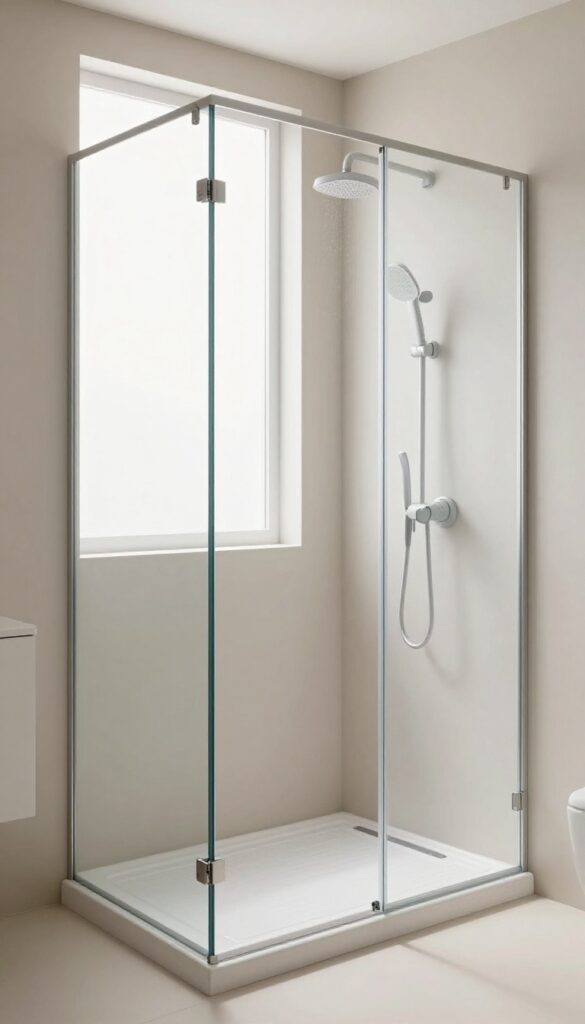
A shower seat doesn't have to mean a bulky, bolt-on accessory that disrupts the clean lines of your tray. Walk-in trays with integrated seating mold the seat directly into the base, creating a smooth, continuous surface that looks intentional and feels surprisingly spacious. It's a smart upgrade for anyone who wants the convenience of sitting while showering without sacrificing style.
Built-in seats are a game-changer for accessibility and comfort, but they also bring a sleek, architectural quality to the shower. Because the seat is part of the tray itself, there are no crevices for grime to hide, making cleanup a breeze. Plus, the seamless design helps the shower feel more open and uncluttered, even in compact bathrooms.
Why Integrated Seats Work
Integrated seats eliminate the gap between a separate stool and the tray, which often traps soap scum and water. The molded design also distributes weight evenly, so it feels sturdier than a portable bench. For older adults or anyone with mobility concerns, having a built-in seat means you can shower safely without cluttering the space.
Design Options To Consider
You'll find walk-in trays with seats in various configurations: some have a low, wide ledge perfect for perching, while others offer a deeper, more ergonomic seat with a slight slope for drainage. Some designs place the seat at the back of the tray, others along the side—so think about how you move in the shower and where you'd naturally sit. Textured surfaces on the seat add extra grip, which is a nice touch for wet conditions.
Installation And Layout Tips
Because the tray is a single piece, installation is straightforward, but you'll need to plan for the drain placement and ensure the floor is level. If you're working with a wet-room style layout, a walk-in tray with a built-in seat can double as a bench for drying off or even a spot to rest a foot while shaving. Pair it with a glass screen or a curtain that doesn't interfere with the seat's access.
6. Extra-Large Trays for a Spacious, Open Shower
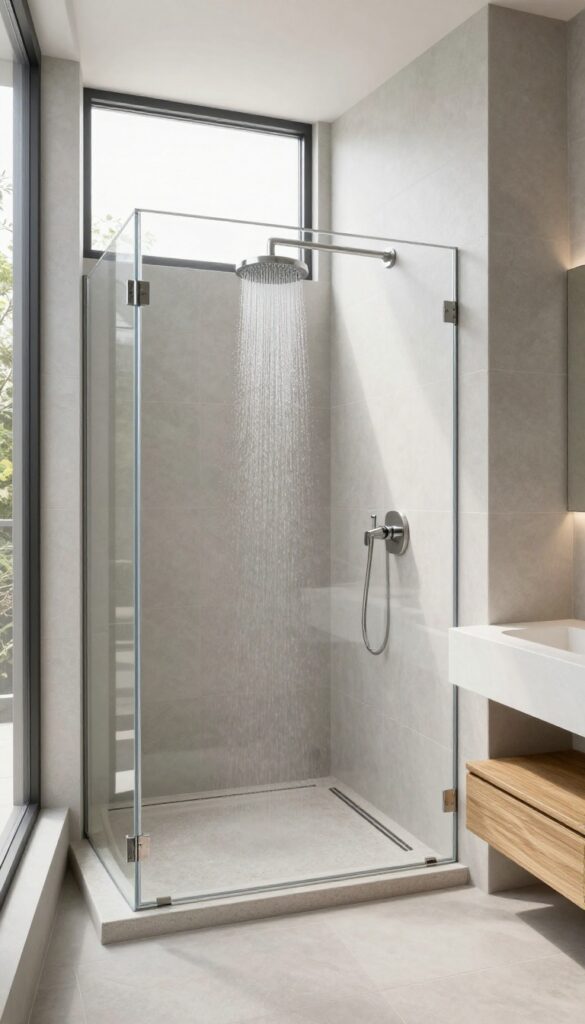
If you have the floor space to spare, an extra-large tray can completely transform your shower into a roomy, open retreat. It’s not just about size—it’s about the feeling of freedom and luxury that comes with a generous footprint. With a large tray, you can incorporate a rainfall shower head, a bench, or simply enjoy the luxury of moving around without bumping into walls.
Choosing an extra-large tray is a bold move that pays off in both comfort and style. It turns an everyday routine into a spa-like experience and makes your bathroom feel more expansive. Here’s how to make the most of a spacious tray, from planning the layout to picking the right materials.
Planning The Layout For Maximum Comfort
Before you commit to an oversized tray, think about how you’ll use the space. Do you want a built-in seat for shaving or just extra elbow room? Consider the position of the showerhead and controls—placing them on a side wall keeps the center open and inviting.
A linear drain along one edge can keep the floor level and reduce tripping hazards, making the shower feel even more open.
Material Choices For Large Formats
Large trays are available in acrylic, stone resin, and even tileable options. Stone resin offers a solid, premium feel and excellent durability, but it’s heavier and may need extra floor support. Acrylic is lighter and easier to install, though it can flex slightly underfoot.
If you want a seamless look, a tileable tray allows you to match your floor tiles perfectly, creating a custom appearance without the custom price.
Installation Considerations
An extra-large tray needs a perfectly level subfloor to avoid water pooling. Professional installation is often worth the investment, as these trays are heavy and require precise alignment. Also, check your bathroom’s waterproofing—larger trays mean more surface area, so proper sealing around edges is crucial to prevent leaks.
With careful planning, your spacious shower will be a joy for years.
7. Trays with a Subtle Slope for Quick Drainage
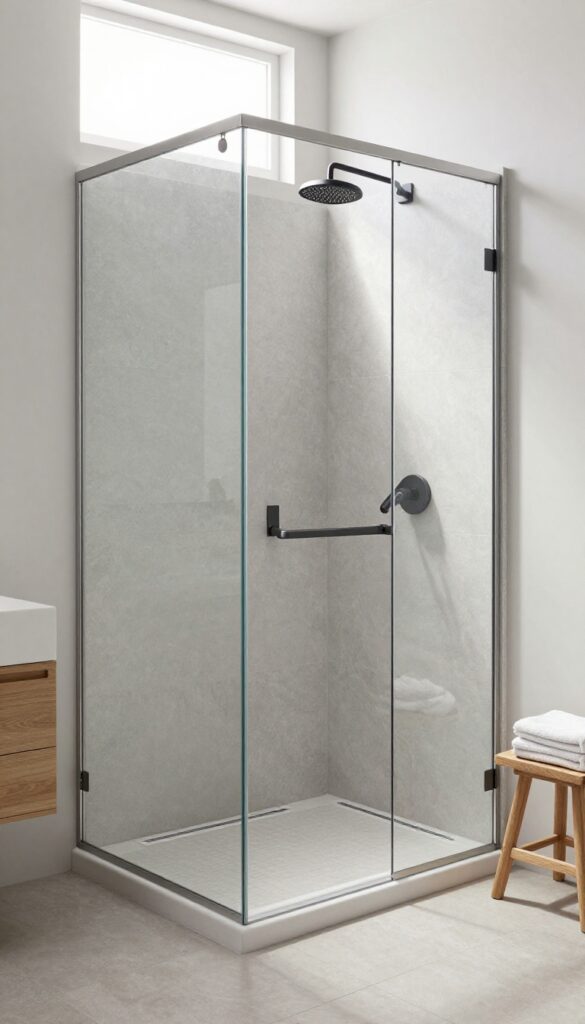
Water pooling on a shower floor is more than a nuisance—it can turn a quick rinse into a slippery balancing act. A tray with a well-engineered slope solves that by guiding water straight to the drain, so the surface stays drier and safer underfoot. The trick is finding a gradient that works efficiently without feeling like you're standing on a hill.
The best trays with a subtle slope are designed to be nearly imperceptible. They use a gentle gradient that channels water without creating an uneven sensation. Look for trays that feature a linear drain along one edge or a center drain with a slight pitch from all sides.
These designs keep the surface feeling level while still moving water away quickly. When shopping, check the slope specification—usually around 1. 5 to 2 percent—which is enough for fast drainage but not noticeable in daily use.
Why Slope Matters More Than You Think
A properly sloped tray prevents standing water, which can lead to soap scum buildup, mildew, and slippery spots. Even a tiny amount of pooling can create a hazard, especially for kids or older adults. The right slope also helps your shower dry faster, reducing the time you spend wiping down surfaces.
It's a small detail that makes a big difference in both safety and maintenance.
Choosing The Right Drain Placement
Drain placement works hand-in-hand with the slope. Linear drains are popular because they allow a single, continuous slope across the tray, making it feel flat while still draining efficiently. Center drains require a more noticeable pitch from all sides, which can be less comfortable underfoot.
For a truly subtle slope, go with a linear drain along the back or side wall—it's easier to walk on and looks sleek.
Materials That Enhance The Effect
Some materials make a sloped tray feel even more seamless. Acrylic and stone resin can be molded with precise gradients, while ceramic and porcelain offer a rigid, durable surface. Textured finishes can also help with grip, but they don't affect the slope.
If you want the best of both worlds, look for a stone resin tray with a subtle texture—it's comfortable, safe, and drains beautifully.
8. Custom-Cut Trays for a Perfect Fit
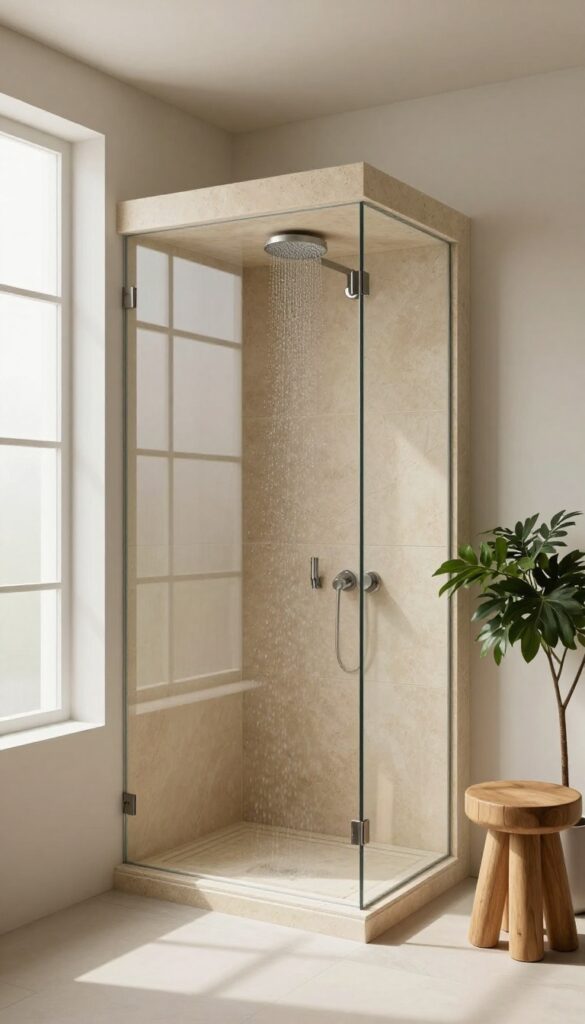
Standard tray sizes are convenient, but they rarely align perfectly with the unique dimensions of your bathroom. That’s where custom-cut trays come in—they’re tailored to your exact shower footprint, eliminating awkward gaps and unsightly edges. Whether you’re working with an oddly shaped alcove or a luxurious wet room, a bespoke tray creates a seamless, polished foundation that looks like it was always meant to be there.
Custom-cut trays are the ultimate solution for non-standard layouts or when you want a truly integrated look. They’re cut from a single slab of material—usually stone resin or acrylic—to match your shower’s precise measurements. This means no more fiddling with filler strips or hoping a stock tray will fit.
The result is a crisp, continuous surface that pairs beautifully with your tile, making the transition from floor to shower feel effortless.
Why Go Custom?
Off-the-shelf trays come in set sizes, but your shower space might not. Custom cutting solves problems like angled walls, off-center drains, or unusual alcove depths. It also lets you extend the tray to cover a larger area, turning a cramped corner into a spacious shower.
Plus, a perfect fit reduces the risk of water leaking through gaps, so your floor stays dry and your subfloor stays protected.
Material Matters
Most custom trays are made from stone resin or acrylic, both of which can be cut to size with precision. Stone resin offers a solid, high-end feel and excellent durability, while acrylic is lighter and often more budget-friendly. Talk to your fabricator about the best option for your bathroom’s traffic and moisture levels.
Both materials can be finished with a non-slip surface for extra safety.
Installation Tips
Custom trays require careful measurement and professional installation. Measure twice, cut once—literally. Work with a supplier who can guide you on drain placement and slope requirements.
During installation, ensure the tray sits perfectly level and is properly sealed to prevent leaks. A well-installed custom tray will last for years and keep your bathroom looking sharp.
9. Trays with a Tileable Flange for a Seamless Transition
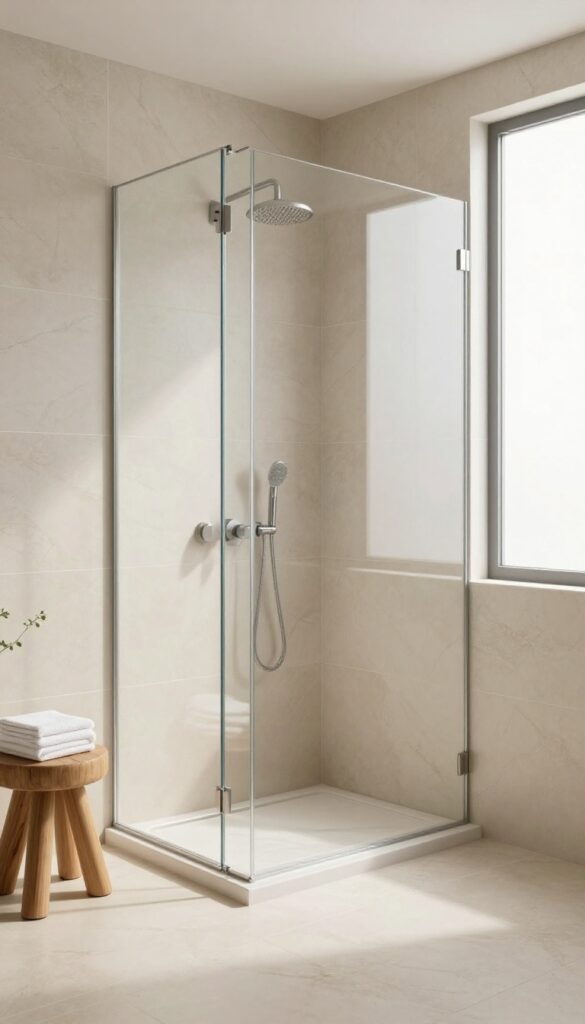
The flange is the unsung hero of shower tray design. It's that little lip that usually sits above the floor, catching grime and breaking the visual line. But some trays come with a tileable flange, which changes the game entirely.
You can tile right up to the tray, creating a continuous surface that looks like a custom wet room. It's a simple detail that makes a huge difference in both style and maintenance.
Tileable flanges are designed to be hidden under your wall or floor tiles, so the tray blends seamlessly with the rest of the bathroom. This eliminates the visible edge that often collects soap scum and mildew, making cleaning a breeze. Plus, the uninterrupted surface creates a sleek, modern look that feels more open and spacious.
Whether you're renovating or building new, this feature is worth considering if you want a crisp, cohesive layout.
Why A Tileable Flange Makes Sense
The main benefit is visual continuity. With a standard tray, the lip creates a shadow line that can make the shower feel separate from the rest of the room. A tileable flange removes that barrier, so your floor and wall tiles flow right into the shower.
This not only looks more polished but also gives you more flexibility with tile patterns and layouts. You can even use large-format tiles for a truly seamless effect.
Installation Tips For A Flawless Finish
Proper installation is key to getting the most out of a tileable flange. Make sure the tray is level and the flange is properly supported before tiling. Use a waterproof membrane behind the tiles to prevent moisture from seeping into the wall.
When tiling, leave a small gap between the tile and the tray for flexibility, and fill it with a matching silicone sealant. This will accommodate any slight movement without cracking.
Best Tray Materials For Tileable Flanges
Not all trays are created equal when it comes to tileable flanges. Stone resin and acrylic are popular choices because they can be molded with a thin, precise flange that sits flush with the tiled surface. These materials are also durable and easy to clean.
If you're looking for a high-end option, consider a custom-made tray that can be tailored to your exact dimensions and flange requirements.
10. Slimline Trays for a Minimalist Aesthetic
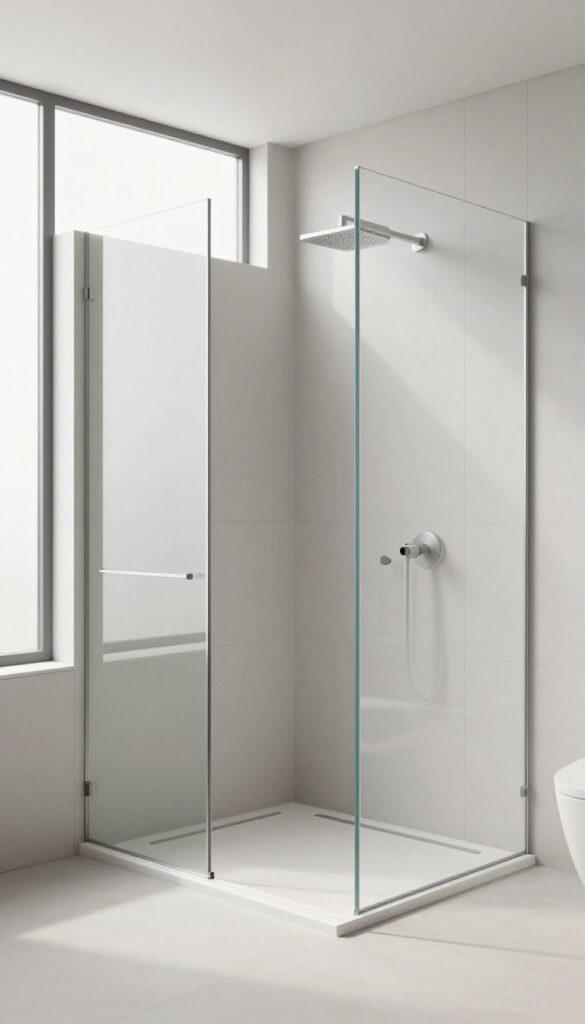
Slimline trays are the quiet achievers of the shower world. They sit so low that they almost disappear into the floor, letting the rest of your bathroom shine. If you love clean lines and uncluttered spaces, this is the tray style that delivers.
The beauty of a slimline tray is its simplicity. With a profile often under 30mm, it creates a seamless transition from floor to shower, making the room feel larger and more open. It's a subtle upgrade that has a big visual impact, especially in modern or Scandinavian-inspired bathrooms.
Why Slimline Works
Slimline trays reduce visual clutter. Because they're so thin, they don't create a step or a lip that breaks the eye's path. This makes them ideal for wet rooms or walk-in showers where you want a continuous surface.
They also make cleaning easier—there's less edge to trap dirt and grime.
Installation Tips
Proper installation is key to getting that seamless look. These trays often require a recessed floor or a custom build to sit flush with the surrounding tiles. If you're not up for a major remodel, look for models that can be installed with a minimal rise.
Always check the load-bearing capacity and ensure the tray is supported correctly to avoid flexing.
Styling Your Slimline Shower
Pair your slimline tray with frameless glass panels and a wall-mounted shower head to keep the focus on the open space. Choose a tray color that blends with your floor—either matching it exactly or going for a subtle contrast. Matte finishes work particularly well, as they hide water spots and add a soft, tactile feel.
11. Trays with a Matching Waste Cover for a Cohesive Finish
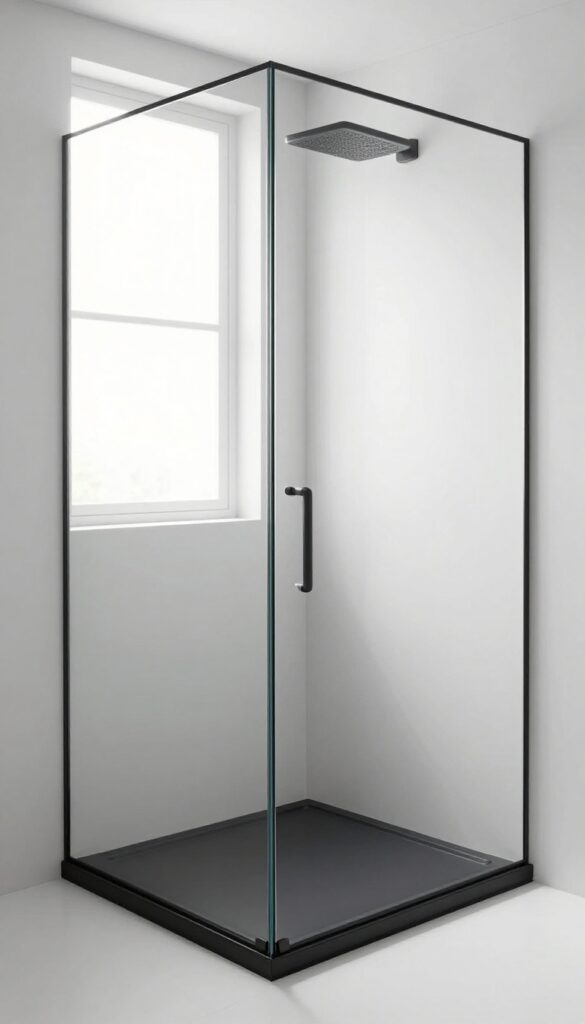
A waste cover might be the last thing on your mind when choosing a shower tray, but it's one of those details that can quietly pull a whole room together. When the cover matches the tray's finish or color, it creates a seamless, intentional look that feels designed rather than assembled. It's a small upgrade that makes a big difference in how polished your bathroom appears.
Matching waste covers are available in a range of finishes—from brushed stainless steel to matte black, white, or even stone-look options. By selecting one that complements your tray, you avoid the visual interruption of a mismatched metal or plastic cap. This simple choice helps the tray blend into the floor, making the shower area feel more expansive and unified.
Plus, many matching covers are designed to be flush with the tray surface, which reduces trip hazards and makes cleaning easier. Whether you're renovating or just refreshing, this is an easy way to elevate the overall aesthetic without a major overhaul.
Why Matching Matters
A mismatched waste cover can stand out like a sore thumb, especially in minimalist bathrooms where every detail counts. When the cover matches your tray, it disappears into the design, allowing the tray's texture or color to take center stage. This subtle consistency helps the eye move smoothly across the floor, creating a more cohesive and calming space.
It's a small detail that signals you've paid attention to the whole picture.
Material And Finish Options
You're not limited to basic chrome. Many manufacturers offer waste covers in the same finishes as their trays, including brushed nickel, oil-rubbed bronze, or even a matte white that blends with acrylic trays. For stone or composite trays, you can find covers that mimic the stone texture, making the drain virtually invisible.
Take the time to check what's available for your tray model—you might be surprised at the range of coordinated options.
Installation And Maintenance Tips
Installing a matching waste cover is usually straightforward, but ensure it's fitted properly to avoid any wobble or gaps. Some covers are designed to be removable for cleaning, so pick one that's easy to lift out and wipe down. Regular maintenance—like clearing hair and soap scum—keeps the cover looking fresh and functioning well.
A well-maintained cover not only looks better but also prevents odors and slow drainage.
FAQ
What is the best material for a shower tray?
Stone resin is a popular choice for its durability and premium feel, but acrylic is lighter and more affordable. Consider your budget and usage—stone resin is more resistant to scratches, while acrylic is easier to install.
Can I install a shower tray myself?
It's possible if you have plumbing and tiling experience, but it's often best to hire a professional. Improper installation can lead to leaks or poor drainage, so unless you're confident, get help.
How do I clean a shower tray?
Use a mild, non-abrasive cleaner and a soft cloth or sponge. Avoid harsh chemicals that can damage the surface. Rinse thoroughly after cleaning to prevent soap residue buildup.
What size shower tray do I need?
Measure your shower space carefully. Standard sizes range from 900mm x 900mm to 1200mm x 900mm, but custom options are available. Ensure the tray fits without cutting into walls or leaving gaps.
Are shower trays slippery?
Some finishes are more slip-resistant than others. Textured or matte finishes offer better grip, while glossy surfaces can be slippery when wet. Look for trays with a high slip resistance rating for safety.
Conclusion
Choosing the right shower tray is about balancing style, function, and practicality. Whether you prioritize safety, aesthetics, or space efficiency, there's a tray that fits your needs. Take your time to measure, consider the materials, and think about how the tray will integrate with your overall bathroom design.
A well-chosen tray can transform your shower from a simple utility to a standout feature. With these ideas, you're ready to make a decision that brings both comfort and cohesion to your bathroom. Happy renovating!