10 Bedroom Divider Ideas for Stylish Private Zones
A studio apartment or open floor plan can feel spacious until you realize you have zero privacy. That's the real problem dividers solve, and they do it without adding a single wall. The trick is picking one that matches your room's flow and your actual daily habits.
Some people need to block light and sound, while others just want a visual break between the bed and the couch. Budget matters too, since options range from a twenty-dollar tension rod to a custom sliding door.
You don't have to commit to a permanent renovation to get a private zone that looks intentional. These ten ideas cover folding screens, bookcases, curtains, barn doors, and a few you probably haven't considered.
1. Folding Screen Room Divider
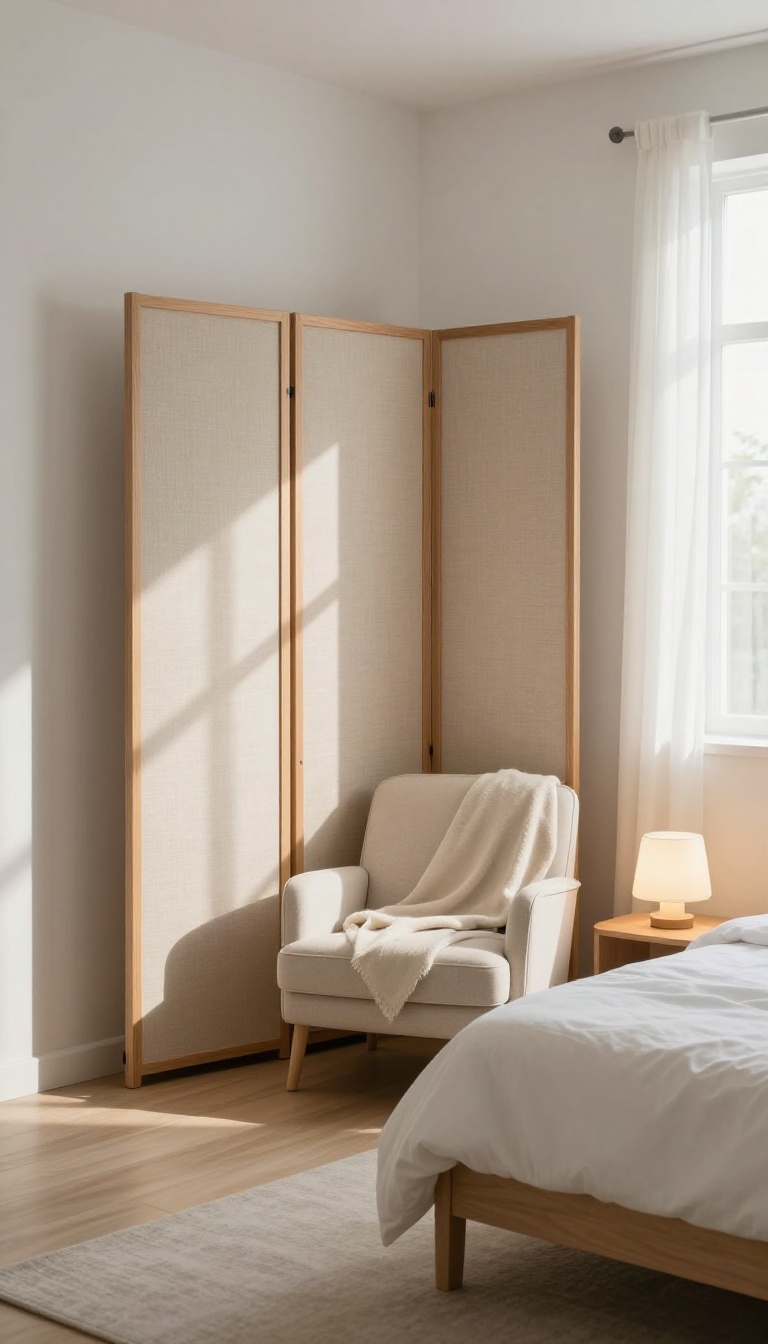
A folding screen is the original room divider, and it still works beautifully. It gives you instant privacy, then folds flat when you want an open, airy space. You can find them in wood, fabric, metal, or even glass, so matching your decor is easy.
Folding screens are lightweight and portable, which makes them perfect for renters or anyone who likes to rearrange. They come in three, four, or six panels, and you can adjust the angle to fit your layout. The best part?
No tools, no holes in the wall, and no landlord approval needed.
Pick The Right Material
Wood screens feel warm and solid, and they work well in traditional or rustic rooms. Fabric panels soften sound and add texture, making them great for bedrooms. Metal frames with glass or mesh give a modern, industrial vibe and let light pass through.
Size And Placement Tips
Measure the area you want to screen off, then choose a screen that's slightly taller than eye level for real privacy. Place it at an angle rather than flat against a wall to create a cozy nook. If you need to block light, go for opaque panels; for a subtle divide, choose sheer or slatted designs.
Styling And Storage
Use the screen as a backdrop for a reading chair or a small vanity. When not in use, fold it and tuck it behind a door or in a closet. Some screens even have shelves or hooks, adding extra function to your space.
2. Bookcase as a Room Divider
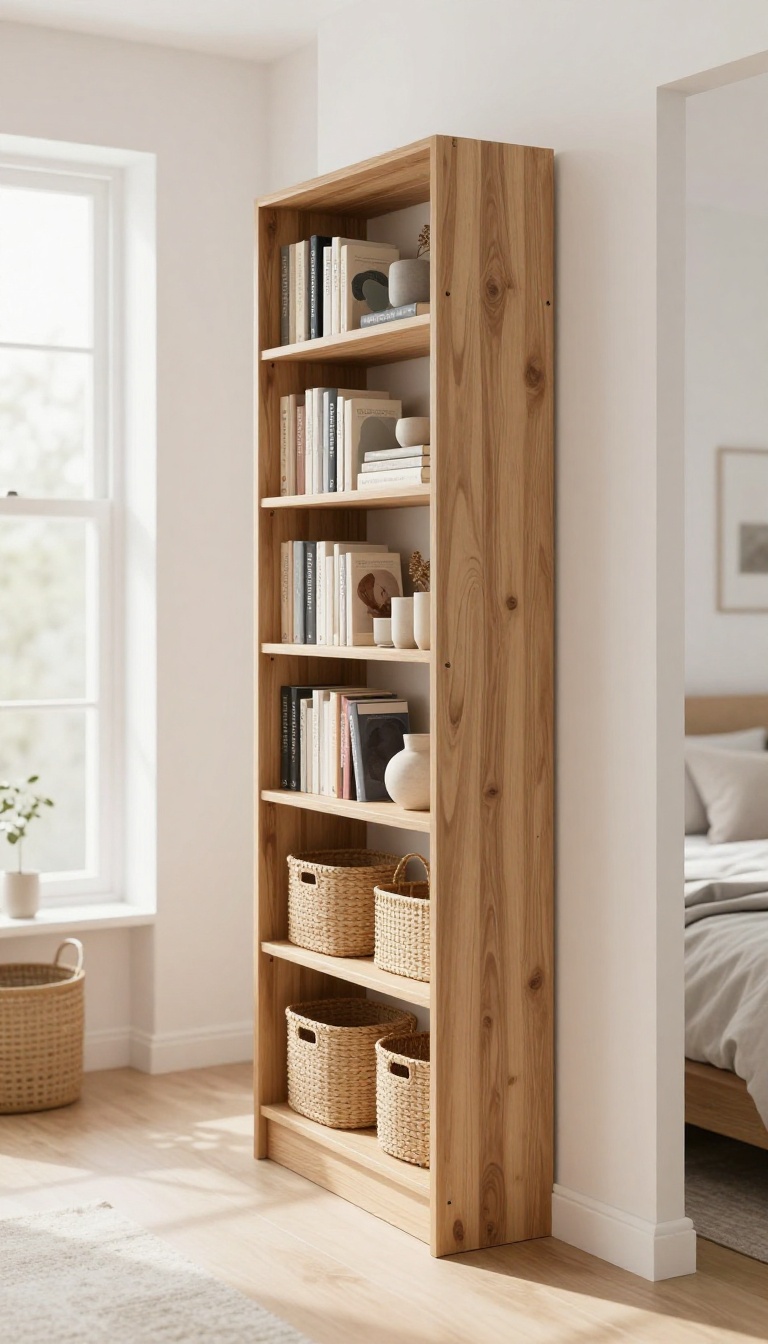
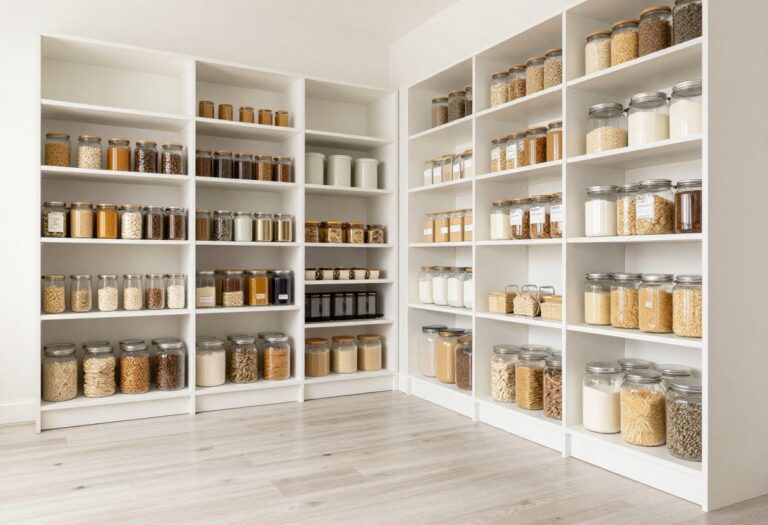
A bookcase does double duty in a way most dividers can't. It stores your stuff and creates a visual boundary at the same time, so you get privacy without sacrificing square footage. That's why it works so well in studios, lofts, and any room where you need to squeeze out extra function.
The key is treating the bookcase as a piece of architecture, not just furniture. You're building a soft wall that happens to hold books, baskets, and decor. When it's styled right, it looks intentional and keeps the room feeling open.
Open Shelves For An Airy Feel
Open shelving lets light and sightlines pass through, so the room never feels boxed in. Place it perpendicular to a wall to define two zones without blocking the windows. Keep the shelves about two-thirds full so it doesn't look cluttered.
Add Baskets For A Cleaner Look
Woven baskets or fabric bins hide the mess and give the divider a uniform texture. They're perfect for corralling cords, toys, or office supplies. Choose one color family so the unit reads as a single piece instead of a random shelf.
Pick The Right Size And Placement
A bookcase that's too short won't create privacy, and one that's too tall can feel heavy. Aim for a height that blocks the bed from the main living area without touching the ceiling. Leave at least a foot of gap on each side so the room still flows.
3. Curtain Room Divider
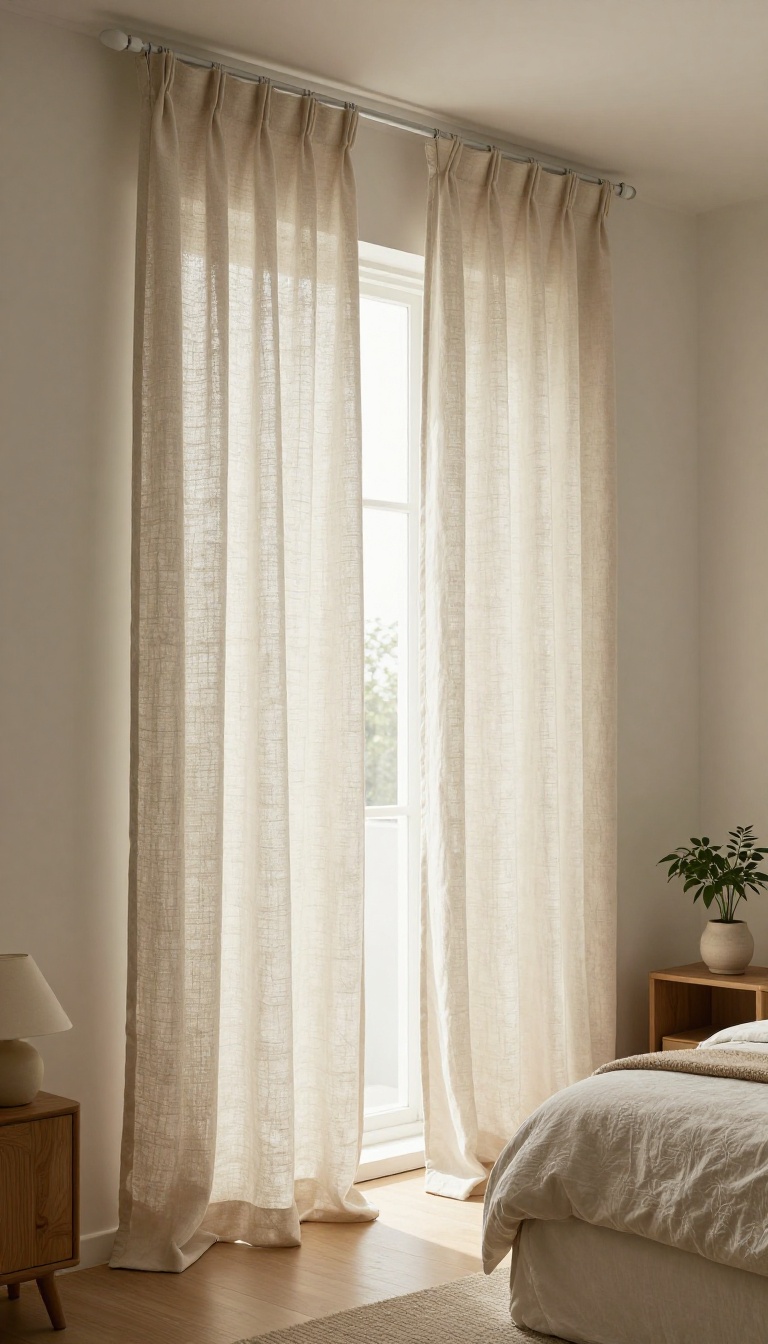
A curtain on a ceiling track might be the simplest divider you can install, and that's exactly why it works so well. It softens a room instead of chopping it up, and it costs a fraction of what a built-in wall or custom door would run you. When you want the space open, you slide the panels to one side.
When you want privacy, you close them. That back-and-forth flexibility is hard to beat in a studio or a shared bedroom.
Fabric does something rigid dividers can't: it absorbs a little sound, hides clutter behind it, and makes a hard-edged room feel calmer. The trade-off is that curtains won't block noise the way a solid wall will, so set your expectations around visual privacy and light control rather than total seclusion. You also get to change the look whenever you want.
Swap the panels for a new color or pattern and the whole zone reads differently, no tools required.
Ceiling Track Vs. Tension Rod
A ceiling-mounted track gives you the cleanest look and the smoothest glide, and it works on rooms where there's no wall to brace a rod against. Tension rods are cheaper and renter-friendly, but they only fit between two facing walls and they sag under heavy fabric. If you can drill a few holes, go with the track.
Pick Fabric For The Job
Lightweight cotton and linen let daylight through and keep the room airy, which suits a sleeping nook that still needs to feel open. Heavier velvet or blackout fabric gives you real darkness and a bit more sound dampening, ideal if your divider doubles as a sleep barrier. Sheer layers in front of a solid panel give you a middle setting between open and fully closed.
Make It Look Intentional
Hang the track close to the ceiling so the panels read as architecture rather than an afterthought. Let the curtain pool just slightly at the floor, or hem it to skim the surface for a tidier line. Match the fabric to your bedding or rug so the divider feels like part of the room instead of a temporary fix.
4. Sliding Barn Door Divider
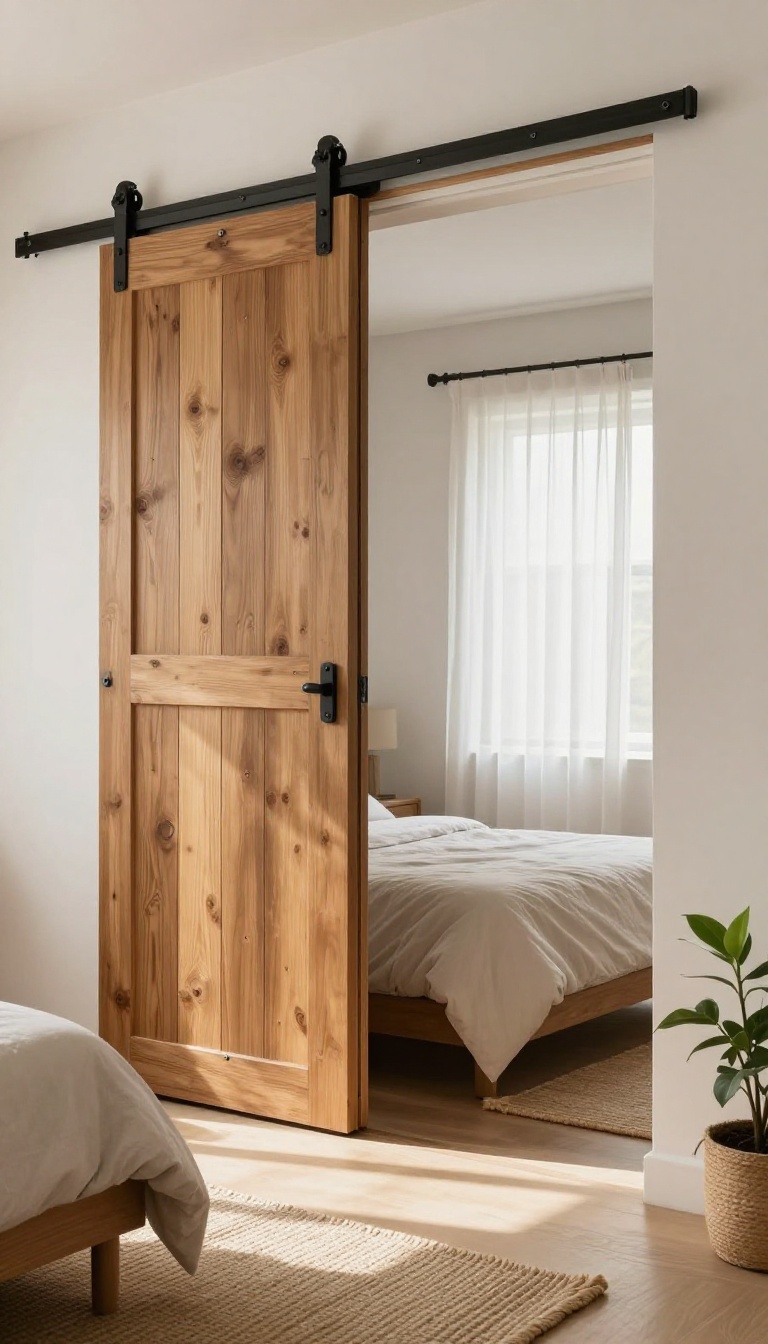
A sliding barn door brings a touch of rustic character while solving a practical problem: it creates a real separation without eating up floor space. Unlike a swinging door that needs clearance to open, a barn door glides along the wall, so you can place furniture right up to the opening. It’s a permanent upgrade, but one that instantly makes an open room feel like two distinct spaces.
Think of it as a room within a room. When closed, the door blocks light, sound, and sightlines, giving you a genuine private zone. When open, it stacks neatly against the wall and practically disappears.
The hardware becomes a design feature too, especially if you choose a style that matches your room’s vibe.
Why It Works
Barn doors are space-efficient because they slide parallel to the wall instead of swinging into the room. That means you can put a bed, dresser, or desk right next to the doorway without worrying about clearance. They also add architectural interest, turning a plain opening into a focal point.
Choosing The Right Door
You can go with a classic weathered wood slab for farmhouse charm, or a sleek glass or metal version for a modern look. The key is to match the door’s weight to your hardware—solid wood needs a heavy-duty track, while hollow-core doors can use lighter kits. Measure your opening carefully, and decide whether you want the door to cover the opening completely or leave a little gap for airflow.
Installation Basics
Installing a barn door is a weekend project if you’re handy, but it does require drilling into studs or using heavy-duty anchors. The track mounts above the opening, and you’ll need to ensure the wall can support the door’s weight. If you rent, look for removable options or consult your landlord first.
For a cleaner look, hide the track behind a header board.
Style And Privacy Tips
Add a soft-close kit to prevent slamming, and consider a latch or lock if you need real privacy. For a cohesive look, paint or stain the door to complement your trim or furniture. If sound is a concern, choose a solid core door and add weatherstripping along the edges to dampen noise.
5. Hanging Beaded Curtain
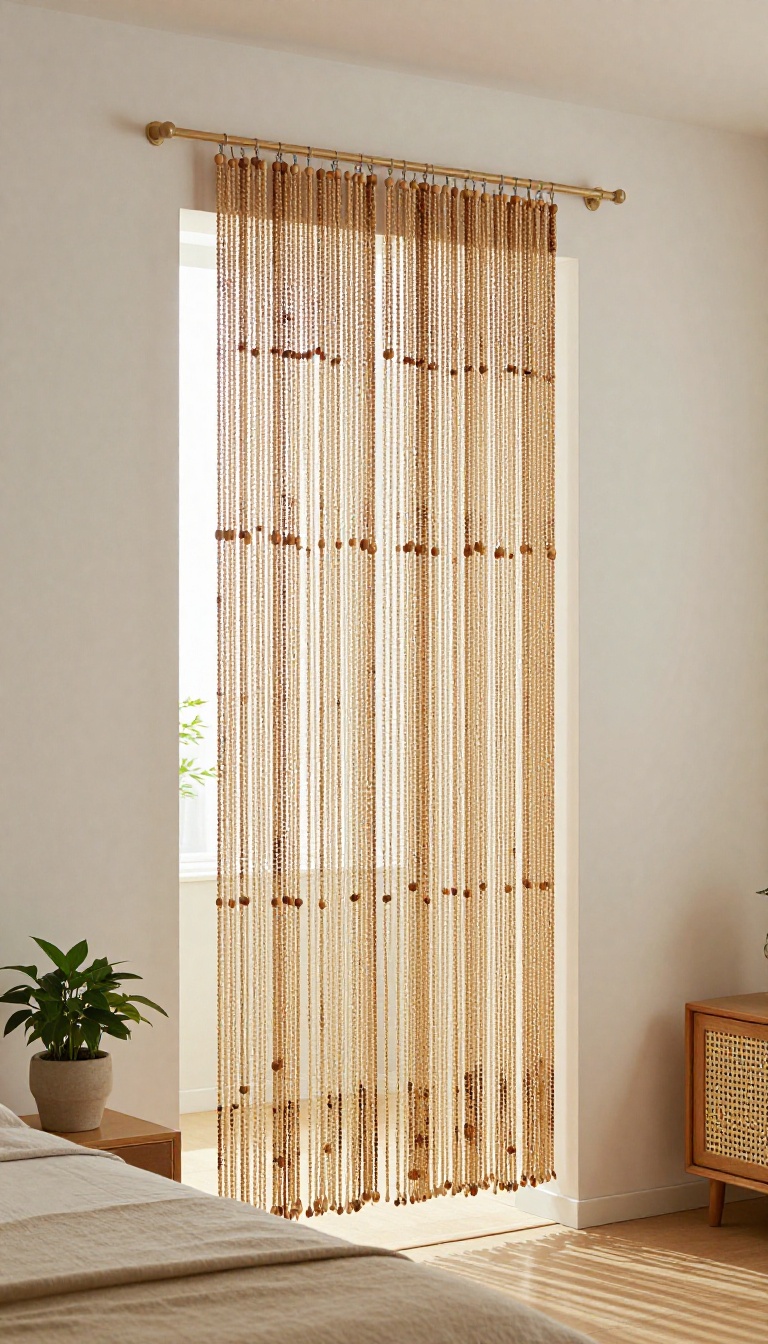
A hanging beaded curtain brings a touch of nostalgia and boho charm to any room. It creates a soft visual boundary without blocking light or air, making it perfect for small spaces. The gentle clacking sound as you walk through adds a sensory detail that solid doors can't match.
Beaded curtains are surprisingly versatile. They come in a range of materials, from bamboo and wood to glass and acrylic, so you can match your style. Installation is usually a breeze, often just a tension rod or a few hooks.
And because they're lightweight, they're ideal for renters who can't drill into walls. But there are a few things to keep in mind to get the look and function right.
Choosing The Right Material
Bamboo and wood beads offer a natural, earthy feel and are more durable for high-traffic areas. Glass or acrylic beads catch the light and add a bit of sparkle, but they can be heavier and more fragile. For a playful, retro vibe, go for colorful plastic beads.
Think about the mood you want: earthy, glam, or funky.
Installation Tips
Most beaded curtains hang from a track or rod that you can mount on the ceiling or wall. If you're renting, use a tension rod or adhesive hooks to avoid damage. Make sure the curtain length clears the floor by an inch or two to prevent tangling.
For wider openings, you might need two panels to cover the space fully.
Styling And Maintenance
Beaded curtains work best as a accent piece, so keep the surrounding decor simple. They can get dusty, so a quick swipe with a microfiber cloth or a gentle vacuum with a brush attachment keeps them looking fresh. If beads get tangled, a little patience and a comb can straighten them out.
6. Room Divider with Shelves
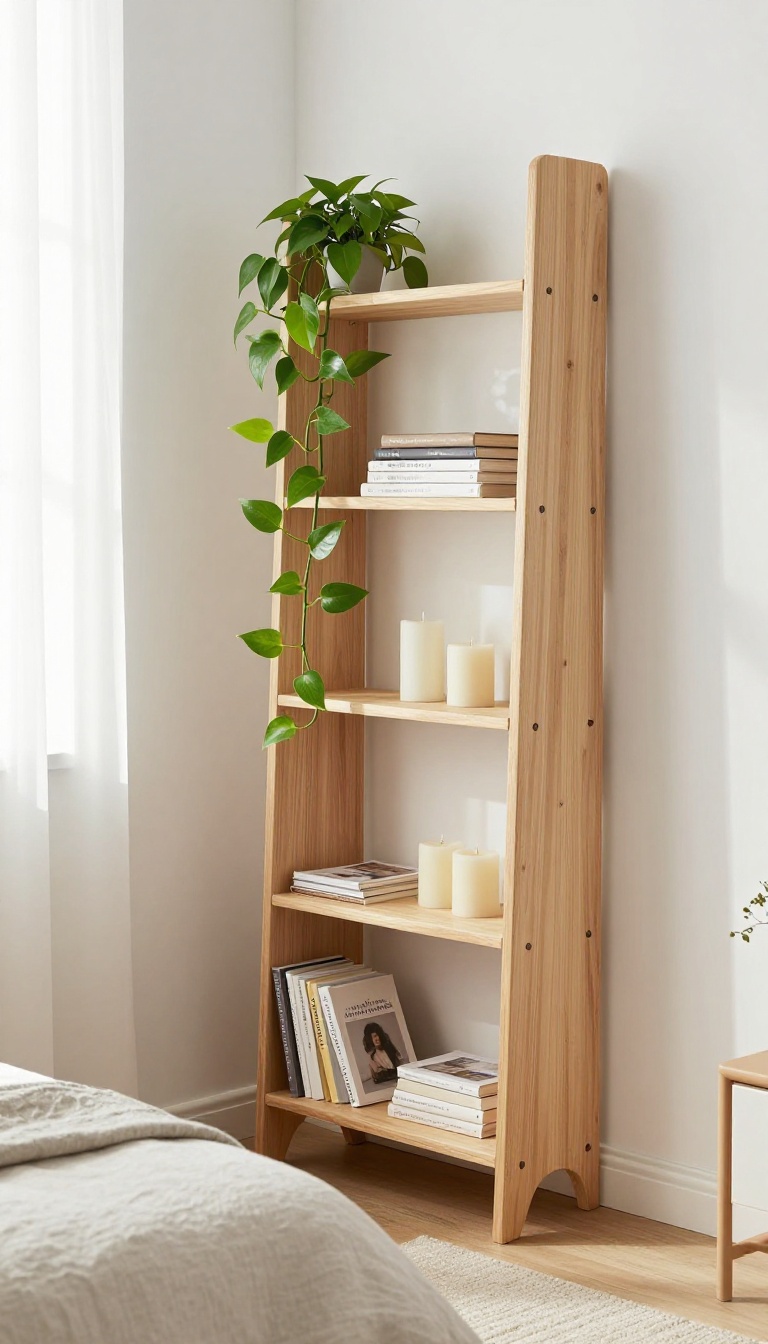
A divider that holds your stuff solves two problems at once. Instead of buying a screen and a shelf separately, you get one piece that splits the room and keeps your books, plants, and candles off the floor. It's the kind of pick that makes a small space feel intentional rather than cramped.
The concept is simple: an open shelving unit, a ladder-style rack, or a cubby wall acts as the boundary between zones. You still get that visual break, but every inch of the divider earns its keep. For renters and decorators alike, that efficiency is hard to beat.
The best versions of this idea don't look like storage bolted to a wall. They read as furniture, which means your bedroom zone stays stylish while your living area stays organized. You can go low and wide for a subtle split, or tall and narrow when you need real separation.
Think about what you actually want on display. A few framed photos, a trailing pothos, and a stack of magazines will do more for the look than cramming every shelf. Leave some breathing room so the divider doesn't turn into a cluttered wall.
Open Shelving Units
A freestanding open bookcase is the most flexible option here. Place it perpendicular to a wall and you instantly create two distinct zones without blocking light. Choose a unit with a finished back if the shelf side will face your bed, since unfinished particleboard looks cheap from behind.
Width matters more than height for this trick. A unit around 30 to 36 inches wide gives you a solid visual break without swallowing the room. If your ceiling is high, add a second shorter unit beside it and stagger the heights for a custom look.
Ladder And Etagere Styles
Leaning ladder shelves and etageres bring a lighter, airier feel. They take up less floor space than a full bookcase and still give you three to five tiers for display. The open frame means light passes through, so neither zone feels dark.
These work best against a wall or in a corner where they won't get bumped. Secure them with the included anti-tip strap, especially in rentals with kids or pets. A woven basket on the bottom rung hides cords and small clutter in seconds.
Cubby Walls And Modular Grids
Cubby organizers and modular grid systems let you build the exact shape you need. Stack them two or three high, then rotate the whole thing to face whichever zone needs more storage. The square openings keep the look clean and modern.
Use fabric bins in a few of the cubbies to hide the ugly stuff, and leave the rest open for books and decor. This mix of closed and open storage is what keeps a modular divider from looking like a dorm room. Stick to two or three colors max so it stays cohesive.
7. Frosted Glass Panel Divider
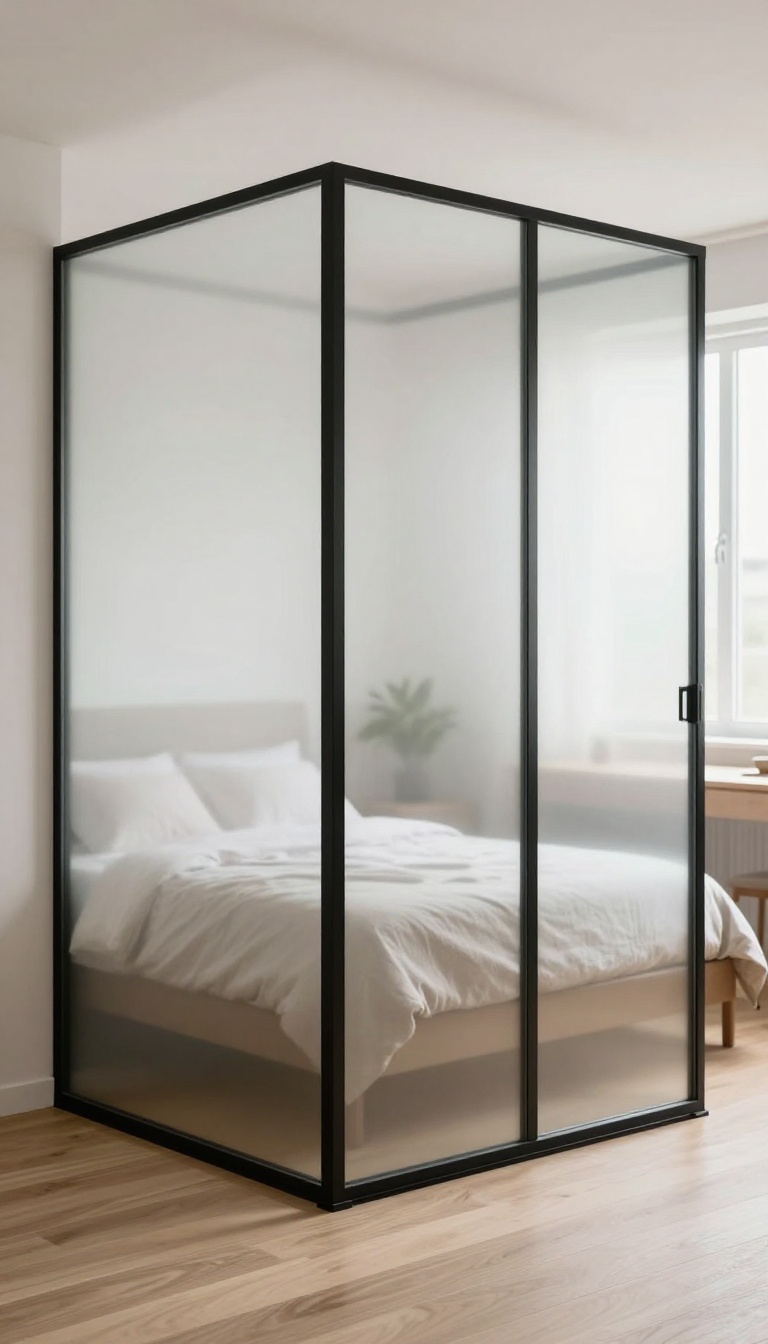
Frosted glass panels give you privacy without turning your bedroom into a cave. They let soft light pass through while blurring whatever's behind them. The result is a clean, modern look that feels open but still tucked away.
Frosted glass works because it scatters light instead of blocking it. You get that glow from a window or overhead fixture, but nobody can make out the details of your bed or desk. It's a smart pick for small apartments where dark dividers would make the space feel cramped.
These dividers come in a few forms. You can buy freestanding panels, sliding doors, or fixed partitions. Some are framed in metal or wood, while others are frameless for a sleeker vibe.
The right choice depends on how permanent you want the setup to be.
Why Frosted Glass Works
The magic is in the finish. Frosted glass is etched or sandblasted to create a matte surface that diffuses light. That means you get brightness without sacrificing privacy.
It also hides smudges and fingerprints better than clear glass, so it stays looking sharp with minimal upkeep.
Types Of Frosted Glass Dividers
Freestanding panels are the easiest to install—just lean or anchor them where you need a barrier. Sliding doors save floor space and feel built-in. Fixed partitions are great if you're dividing a room permanently.
You can also find frosted glass room dividers that fold like a screen for flexibility.
Style And Maintenance Tips
Framed frosted glass in black metal gives an industrial edge, while wood frames feel warmer. For a seamless look, go frameless. Clean with a microfiber cloth and mild glass cleaner.
Avoid abrasive pads that can scratch the frosting. With basic care, these panels stay beautiful for years.
8. Plant-Based Living Wall
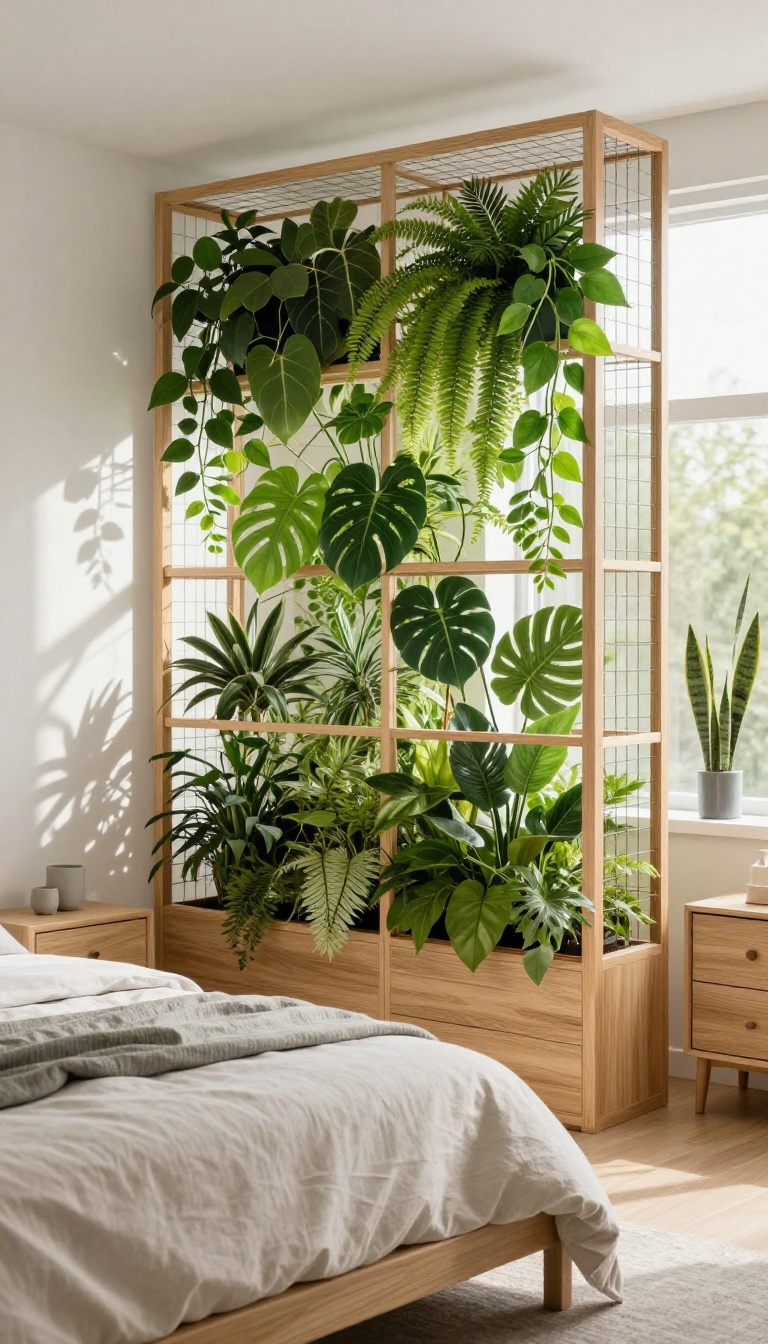
A living wall turns your divider into a breathing, growing part of the room. Instead of blocking light completely, it filters it through leaves and stems, creating a soft boundary that still feels open. You get privacy plus cleaner air, and the whole thing looks like you hired a botanist with great taste.
You can go two ways here: a row of tall floor plants lined up shoulder to shoulder, or a vertical garden mounted on a frame or wall. Both work as dividers, but they feel different. The floor-plant version is easier to move and rearrange whenever you get bored.
The vertical version saves floor space and makes a bigger visual statement, especially if you use a mix of trailing and upright plants.
Best Plants For The Job
You want plants that grow tall, fill out, and don't mind indoor light. Snake plants, fiddle leaf figs, rubber trees, and areca palms are solid picks for a floor row. For a vertical wall, go with pothos, philodendron, ferns, and spider plants.
They trail nicely and forgive you if you forget to water once in a while.
Building The Vertical Frame
A simple wooden pallet or a grid of wire mesh works as a base. Attach felt pockets or small mounted pots, then hang the whole thing from a ceiling track or lean it against a wall. Make sure it's secure, because wet soil gets heavy.
If you rent, use a freestanding frame so you don't put holes in the wall.
Keeping It Alive And Looking Good
Group plants with similar water and light needs so you're not playing favorites. A drip tray or waterproof backing keeps moisture off your floors. Rotate the wall every few weeks so both sides get light.
And don't stress if a few leaves yellow, it's normal, just swap them out.
9. DIY Pipe and Drape Divider
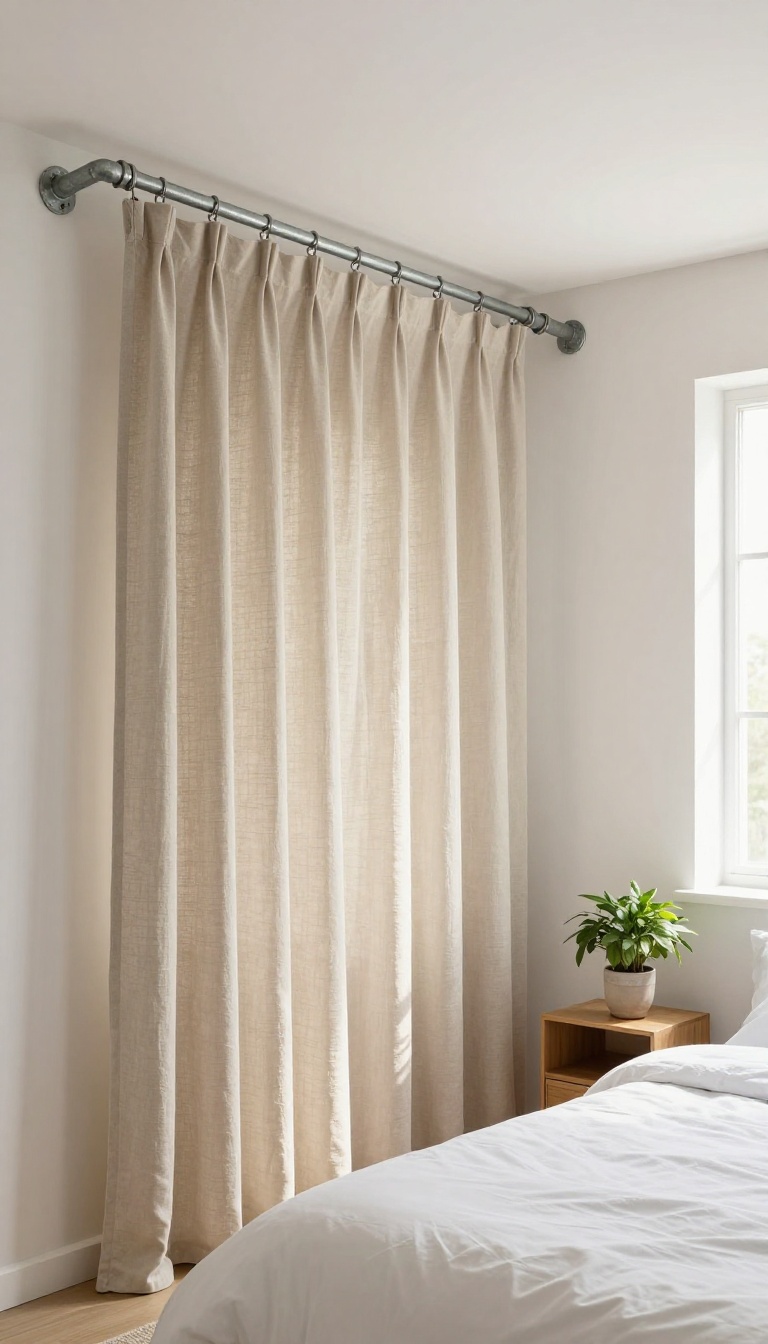
Industrial pipes and curtains create a custom, movable divider that feels both raw and refined. You can build it yourself with basic tools and adjust the size to fit any space. It's a flexible solution that adds character without a permanent commitment.
This divider combines galvanized pipe fittings with a fabric drape, giving you an industrial edge and soft privacy. The best part? You can move it whenever you want to reconfigure your room.
It's perfect for renters or anyone who likes to change things up.
Gather Your Supplies
You'll need galvanized pipes, fittings (like elbows and flanges), a curtain, and basic tools. Choose a curtain that's heavy enough to hang well but light enough to slide easily. Measure your space first so you know how much pipe to cut.
Assemble The Frame
Start by attaching flanges to the wall or ceiling where you want the divider to start and end. Connect pipes to create a track, using elbows for corners. Make sure everything is tight and secure before hanging the curtain.
Hang And Adjust
Slide curtain rings onto the pipe before securing the final fittings. Then hang your curtain and test how it moves. You can add a second curtain for more coverage or switch fabrics seasonally.
10. Foldable Room Divider with Wheels
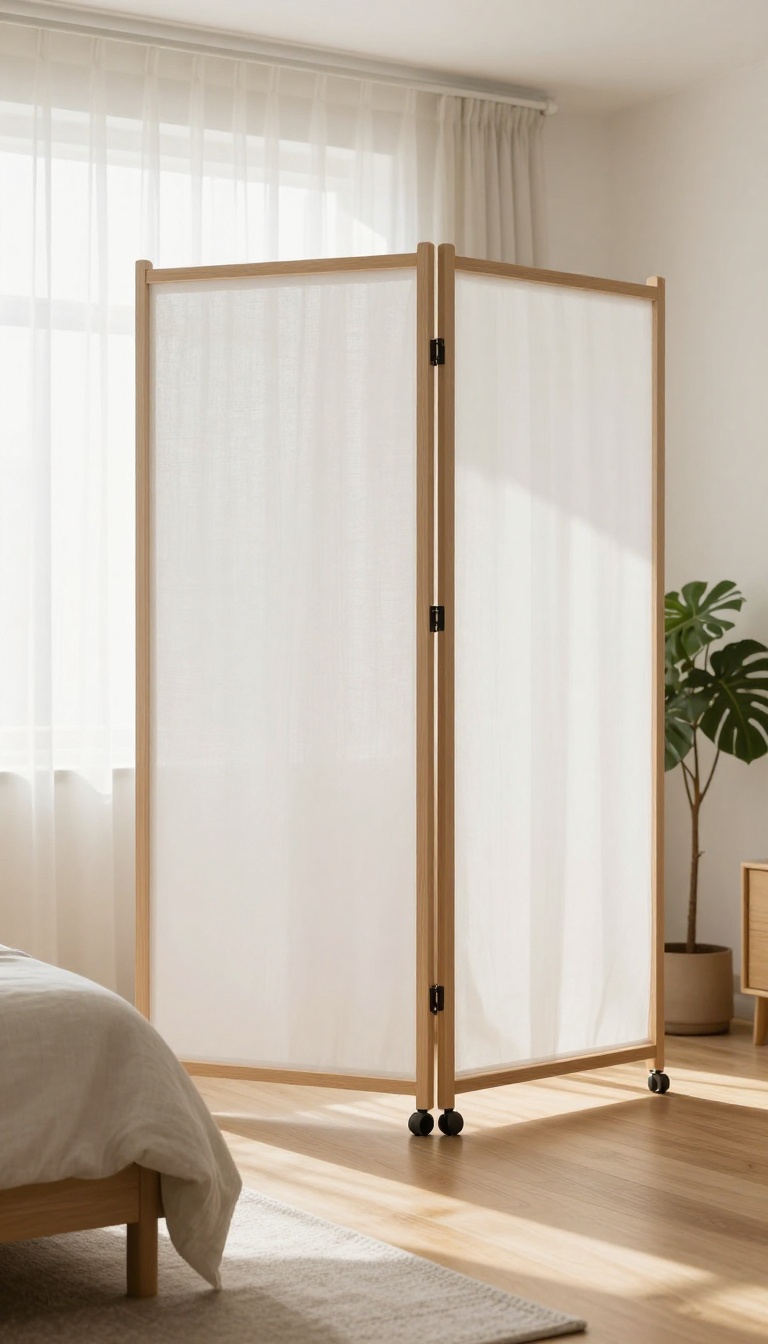
Wheels change everything about how you use a divider. Instead of wrestling a heavy screen across the floor, you just roll it where you need it. That means your room can shift from open and social to closed and private in seconds, without any heavy lifting.
A wheeled divider works best in rooms that pull double duty. Think studio apartments, guest rooms that double as offices, or any space where you want privacy on demand but not a permanent wall. The foldable part is key too, because it lets you collapse the divider into a compact stack when it's not in use.
You get the best of both worlds: a real barrier when you need one, and open square footage when you don't.
Why Wheels Make A Difference
Rolling a divider takes almost no effort, which means you'll actually use it. If you had to drag a heavy screen every time, you'd probably leave it in one spot. With casters, you can move it from the bedroom side to the living area in one push.
That flexibility is perfect for small homes where every zone needs to serve multiple purposes throughout the day.
Picking The Right Wheels For Your Floors
Not all casters are the same. Hard plastic wheels can scratch wood or tile, so look for rubberized or soft polyurethane options. If you have thick carpet, go with larger wheels that won't sink or get stuck.
Locking casters are a smart upgrade too, because they keep the divider steady once you've put it in place. A quick test: roll it back and forth in the store or read reviews about how it handles your specific flooring.
Folding Mechanisms That Hold Up
The fold is what makes storage easy, but cheap hinges can sag over time. Look for metal hinges or reinforced connections at the joints. A good rule is to check the weight limit and how the panels lock when fully open.
Some models have a simple accordion fold, while others use a bi-fold design that's even more compact. Either way, make sure the folded size fits where you plan to stash it, like a closet or behind a door.
Styling A Movable Divider
Because it's on wheels, you can treat it like a piece of furniture. Choose a finish that matches your room's vibe, whether that's natural wood, matte black, or a bold color. You can also hang lightweight art or a small mirror on the panels if the structure allows.
Just keep the weight balanced so it still rolls smoothly. When it's not dividing, it can sit against a wall like a decorative screen.
FAQ
What is the best room divider for a small bedroom?
Folding screens and curtains are great for small bedrooms because they don't take up much floor space and can be easily stored or opened.
Do room dividers provide soundproofing?
Most room dividers offer limited soundproofing. For better sound reduction, choose solid materials like thick wood or add acoustic panels.
Can I use a room divider as a headboard?
Yes, a low, wide divider can double as a headboard, especially if it's sturdy and placed against the wall behind the bed.
How do I choose the right height for a room divider?
For privacy, choose a divider that is at least as tall as you are when standing. For visual separation only, a lower height works fine.
Are room dividers renter-friendly?
Many are, especially tension rod curtains, folding screens, and freestanding bookcases. Avoid permanent installations if you rent.
Conclusion
You do not need to build all ten dividers to fix a room that feels too open. Pick the one that solves your biggest daily annoyance, whether that is noise, zero privacy, or a bed that sits in full view of the door. Set it up, live with it for a week, and adjust the placement or height from there.
Once the main problem is handled, the rest of the room gets easier to arrange. Add a second divider later if you still need storage or a softer look.