11 Appealing Bathroom Shower Ideas with Clean, Custom Appeal
A shower should feel like a retreat, not just a place to rinse off. Yet many bathrooms settle for generic fixtures and dull tile that leave the space feeling ordinary. The fix isn't a full gut job—it's about choosing details that add character and function without overwhelming the room.
From sleek linear drains to the warmth of teak benches, small upgrades can completely change how your shower looks and feels. The ideas here focus on clean lines, smart materials, and touches that make daily use more enjoyable.
Each one is practical enough for a remodel and simple enough to inspire a weekend refresh. Whether you're drawn to minimalist glass or bold matte black, there's a direction that fits your style.
1. Walk-In Shower with a Linear Drain
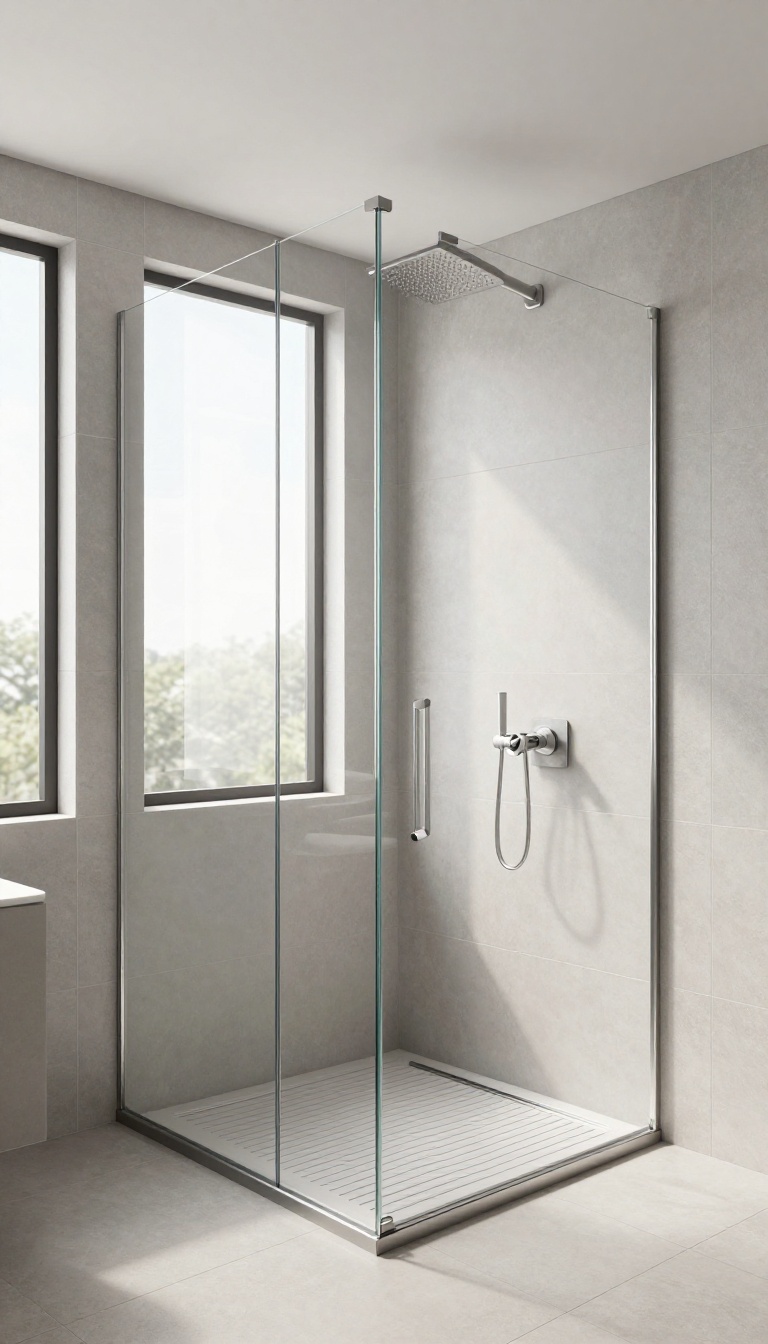
A curbless walk-in shower with a linear drain is the ultimate upgrade for a clean, modern bathroom. It removes the traditional step-over barrier, creating a seamless transition from the bathroom floor to the shower area. This not only makes the space feel larger and more open, but it also eliminates the hard-to-clean grout lines and crevices that come with a standard center drain.
The linear drain sits flush with the floor, usually along one wall or at the entrance, allowing water to flow away efficiently while keeping the surface level. This design is a game-changer for accessibility and aesthetics alike. It pairs beautifully with large-format tiles, which minimize grout lines and contribute to that sleek, spa-like vibe.
Plus, it's a practical choice for busy households—no more soap scum buildup in awkward corners.
Why A Curbless Entry Works
Going curbless isn't just about looks—it's about ease. You can walk straight in without stepping over a barrier, which is a blessing for aging in place or for families with young kids. It also makes the bathroom feel more spacious because the floor continues uninterrupted.
And when it comes to cleaning, you can simply mop the entire floor without worrying about edges or thresholds.
Choosing The Right Linear Drain
Linear drains come in a variety of materials and finishes, from stainless steel to brushed nickel. The key is to pick one that complements your tile and fixtures. You can even customize the drain cover to match your tile pattern for a nearly invisible look.
Also, consider the placement: a drain along the back wall creates a slight slope, while a drain at the entrance allows for a completely flat floor. Both work, but the choice affects the overall design.
Pairing With Tile And Fixtures
For a seamless look, use large porcelain or stone tiles with a matte finish. This reduces visual clutter and makes the space feel more expansive. Pair the drain with a wall-mounted or ceiling-mounted showerhead to keep the floor clear and emphasize the open feel.
If you want a touch of luxury, add a handheld sprayer and a built-in niche for toiletries—these details keep the shower functional without breaking the clean aesthetic.
2. Floor-to-Ceiling Tile in a Neutral Tone
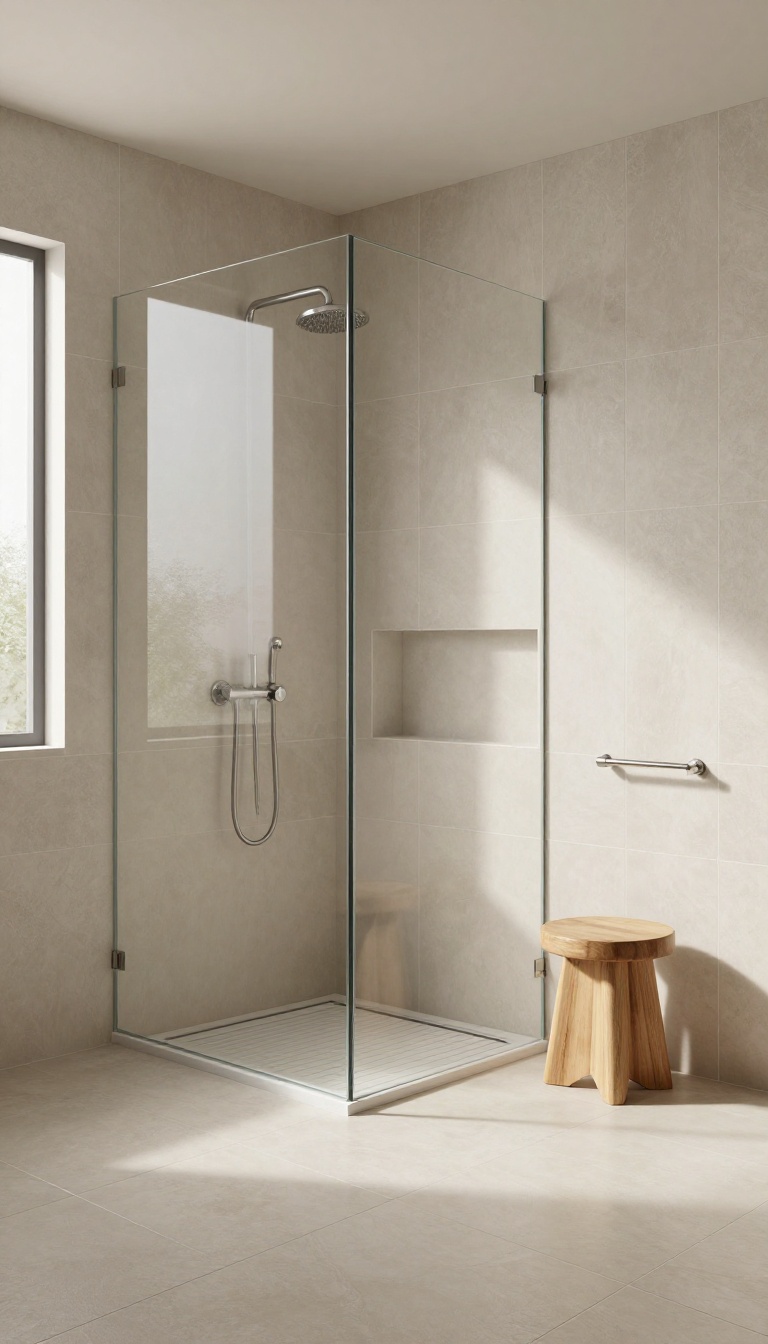
One of the quickest ways to make a shower feel taller and more serene is to run the tile all the way up. Floor-to-ceiling tile in a soft neutral shade creates a seamless backdrop that visually expands the space. It also cuts down on visual clutter, letting the rest of the bathroom breathe.
Large-format tiles in shades like warm beige, soft gray, or creamy white are a smart choice here. Their size means fewer grout lines, which not only looks sleeker but also makes cleaning easier. The continuous surface from floor to ceiling draws the eye upward, making the shower feel more open and airy, even in a compact bathroom.
Why Large Tiles Work
Big tiles reduce the number of joints, so the wall reads as one smooth plane. That simplicity is what gives the shower that clean, custom look. Plus, fewer grout lines mean less scrubbing and less chance of mildew taking hold in crevices.
Picking The Right Shade
Stick to neutrals with a hint of warmth—think greige, light taupe, or soft ivory. These tones reflect light without feeling stark, and they pair well with natural wood accents or brushed metal fixtures. If you want a bit of contrast, add a darker niche or a textured accent strip.
Finishing Touches
Match the grout to the tile for a nearly invisible seam, and consider a matching tile for the floor to keep the flow uninterrupted. Add a slim shelf or a recessed niche in the same tile to maintain that seamless feel. A linear drain finishes the look by keeping the floor plane clean and unbroken.
3. Frameless Glass Enclosure for a Minimalist Look
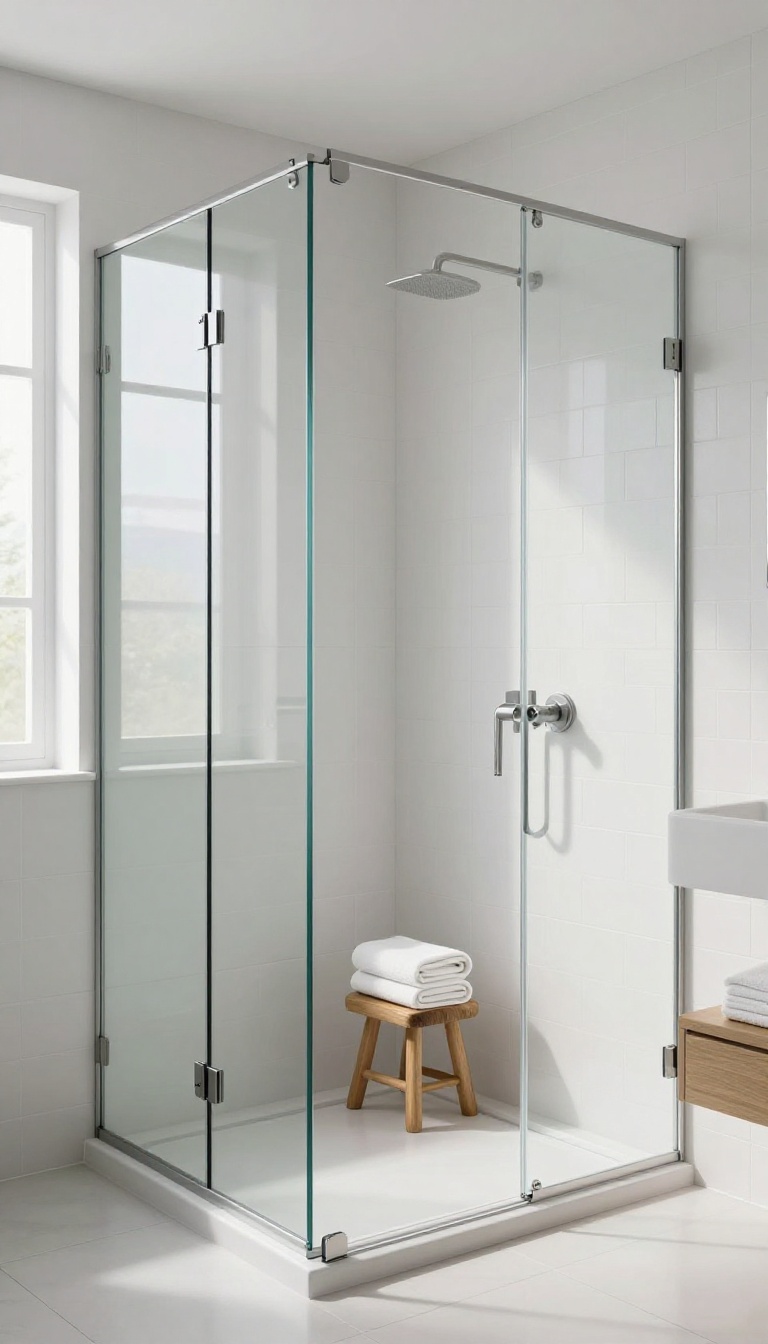
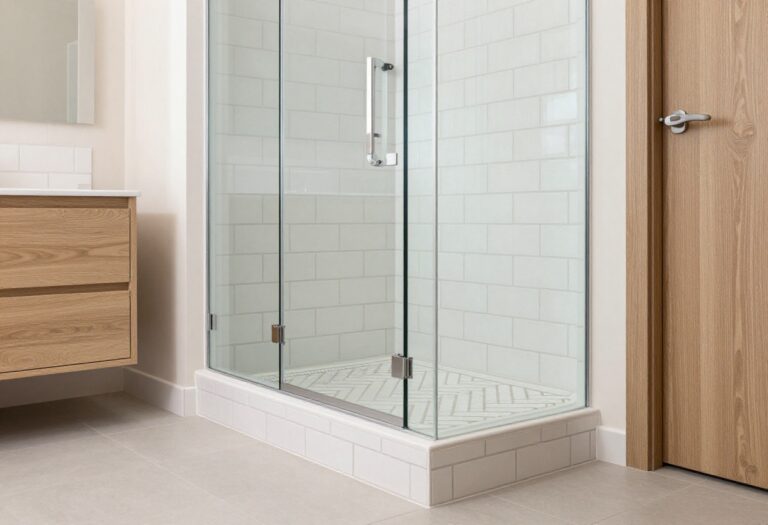
Frameless glass has a way of making a bathroom feel bigger, brighter, and more polished all at once. Without bulky metal frames, the eye travels straight to the tile and fixtures, which instantly gives the shower a custom, high-end feel. It's a simple swap that works in almost any bathroom, whether you're dealing with a compact alcove or a spacious walk-in.
Frameless glass enclosures are a favorite for good reason: they let your tile work shine while keeping the space open and airy. Unlike framed doors that can rust or collect grime in the tracks, frameless panels use minimal hardware and are easier to keep clean. Plus, the lack of visual barriers makes the whole room feel more expansive—even in smaller bathrooms.
Why Frameless Beats Framed
Framed shower doors often have metal tracks and hinges that can corrode or trap soap scum. Frameless designs use thick tempered glass (usually 3/8 or 1/2 inch) with sleek hinges and a simple clamp. This means fewer crevices for grime, a cleaner look, and a more durable feel.
You'll also get a clearer view of your tile pattern, which is a huge plus if you've invested in nice materials.
Choosing The Right Glass And Hardware
For a true minimalist look, go with clear glass and minimal hardware. If privacy is a concern, consider a frosted or textured glass option, but keep the hardware simple—brushed nickel or matte black works well. Also, think about the opening style: a hinged door is great for larger spaces, while a sliding panel can save room in tight layouts.
Make sure the glass is tempered and meets safety codes.
Installation And Maintenance Tips
Professional installation is recommended because frameless glass needs precise measurements and sturdy anchoring. Once installed, maintenance is straightforward: use a squeegee after each shower and a mild cleaner weekly to prevent water spots. Avoid harsh abrasives that can scratch the glass.
With proper care, a frameless enclosure can last for years and keep your bathroom looking fresh.
4. Built-In Shower Bench with Teak Accents
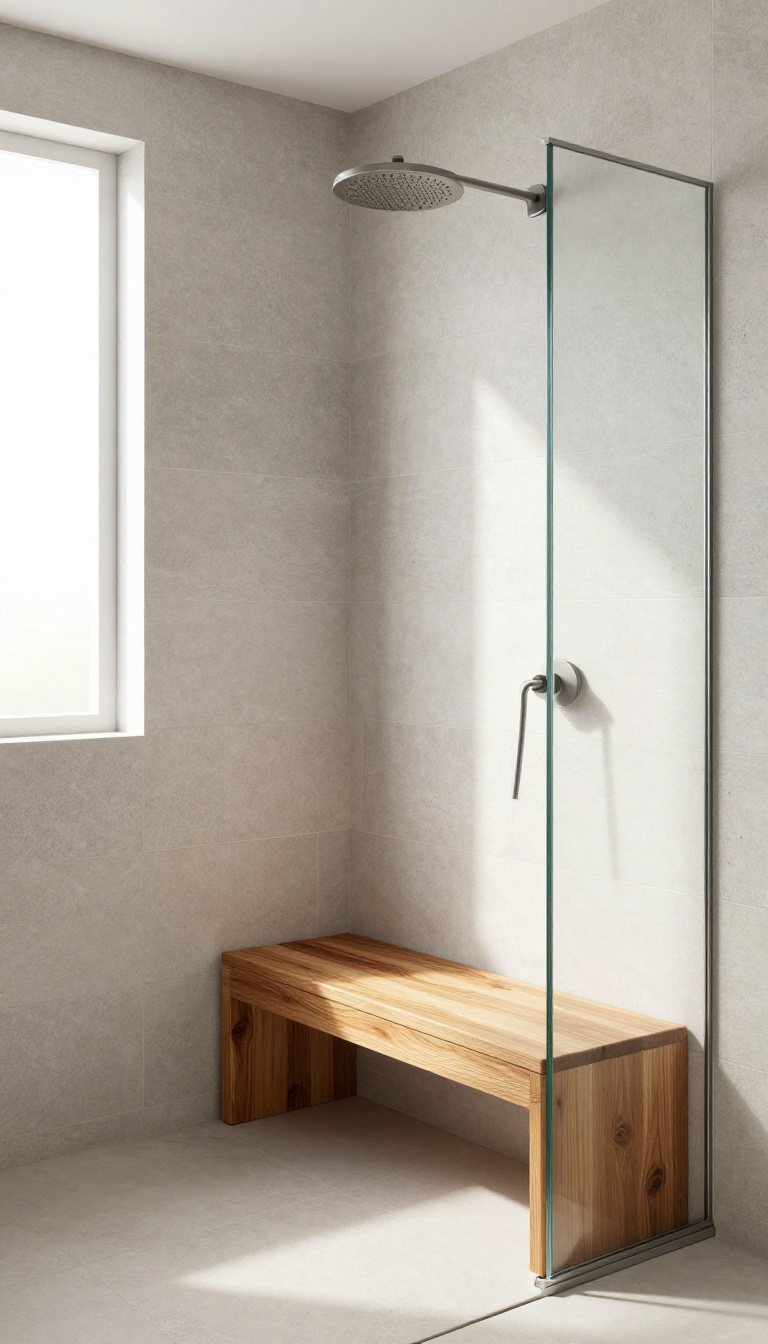
A shower bench isn't just a luxury—it's a practical addition that makes shaving, washing, or just relaxing a lot easier. When you pair a built-in bench with a teak wood seat, you get the best of both worlds: durability and natural warmth. Teak's moisture-resistant nature makes it a smart choice for wet areas, and its rich tones add a spa-like feel that never goes out of style.
Adding a built-in bench with a teak seat transforms your shower into a more functional and inviting space. The bench provides a stable place to sit, which is especially helpful for those who need extra support or simply enjoy a moment of calm. Teak accents bring a touch of nature indoors, creating a visual contrast against tile or stone that feels both grounded and elegant.
Why Teak Works In Wet Areas
Teak is naturally resistant to water, rot, and insects, making it ideal for shower use. Its high oil content prevents moisture from penetrating the wood, so it won't warp or crack easily. Plus, teak's warm honey-brown color develops a beautiful silver-gray patina over time, which many people find appealing.
You can also sand and re-oil it to restore the original look if you prefer.
Design Tips For The Bench
When planning a built-in bench, consider the depth and height that work best for your space. A typical bench is about 18 inches deep and 18 inches high, but you can adjust based on your needs. For a seamless look, build the bench into the shower wall and top it with a teak seat that's custom-cut to fit.
You can also add a slight slope to the seat to prevent water pooling, and ensure the bench is slightly angled for drainage.
Pairing With Other Materials
To make the teak stand out, pair it with neutral tiles like white subway, light gray stone, or large-format porcelain. The wood's natural grain adds texture and warmth, so you don't need busy patterns. For a cohesive look, use the same teak for a shower floor mat or a small shelf.
This creates a subtle connection that feels intentional and polished.
5. Rainfall Showerhead with a Handheld Sprayer
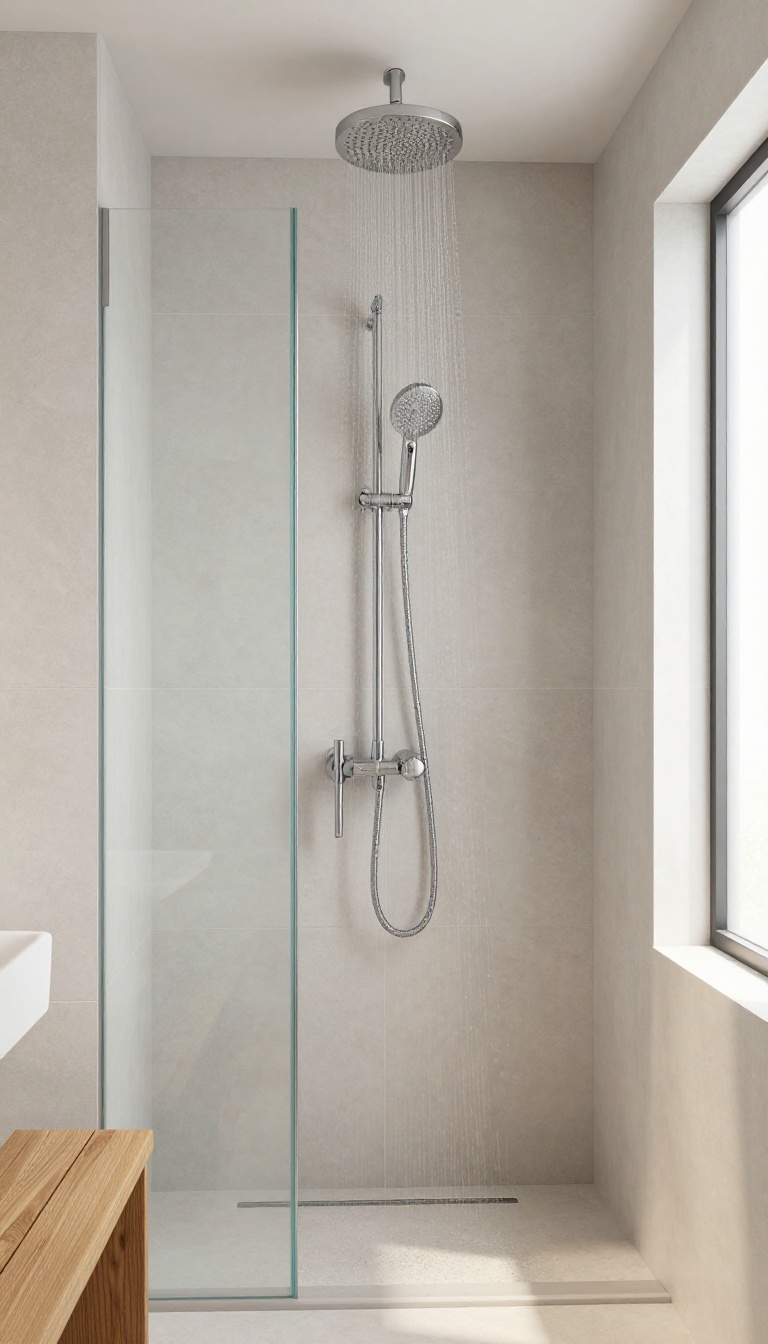
There’s something undeniably indulgent about standing under a rainfall showerhead. The wide, gentle cascade feels like a warm summer downpour, turning an ordinary rinse into a daily ritual. But a rainfall head alone can leave you reaching for a detachable sprayer when you need to target a specific area or wash down the walls.
Pairing the two gives you the best of both worlds: a luxurious overhead drench and the practical flexibility of a handheld.
This combination is more than just a convenience—it’s a smart upgrade for anyone who values both comfort and ease of cleaning. The handheld sprayer reaches every corner of the shower, making it simple to rinse shampoo from long hair, clean the tile, or wash a pet. Plus, it’s a lifesaver for those with mobility issues, allowing you to shower while seated.
With the right setup, you can enjoy a spa-like experience without sacrificing functionality.
Why Pair Them?
A rainfall showerhead is all about the ambiance, but it’s not always the most practical for targeted rinsing. The handheld sprayer fills that gap perfectly. Whether you’re washing your hair, cleaning the shower floor, or helping a child or pet bathe, the handheld gives you precise control.
It also makes the shower more accessible for people who prefer to sit while bathing. Together, they create a versatile setup that works for the whole family.
Choosing The Right Setup
When selecting a rainfall head with a handheld sprayer, look for a model with a diverter valve that lets you switch between the two or use both at once. Consider the size of your shower—a large ceiling-mounted head works best in a spacious enclosure, while a smaller wall-mounted version might suit a compact space. Opt for a handheld with a long, flexible hose (at least 60 inches) for easy reach.
Also, check the flow rate and finish to match your existing fixtures.
Installation And Maintenance Tips
Installing a rainfall showerhead with a handheld sprayer is a manageable DIY project if you have basic plumbing skills. Make sure your water pressure is adequate—rainfall heads often need a minimum of 40 psi to perform well. Use plumber's tape on threaded connections to prevent leaks.
To keep the nozzles clear, soak the showerhead in vinegar periodically to remove mineral buildup. For the handheld, ensure the hose doesn’t kink by choosing a flexible, anti-kink design.
6. Recessed Shower Niche with Contrasting Tile
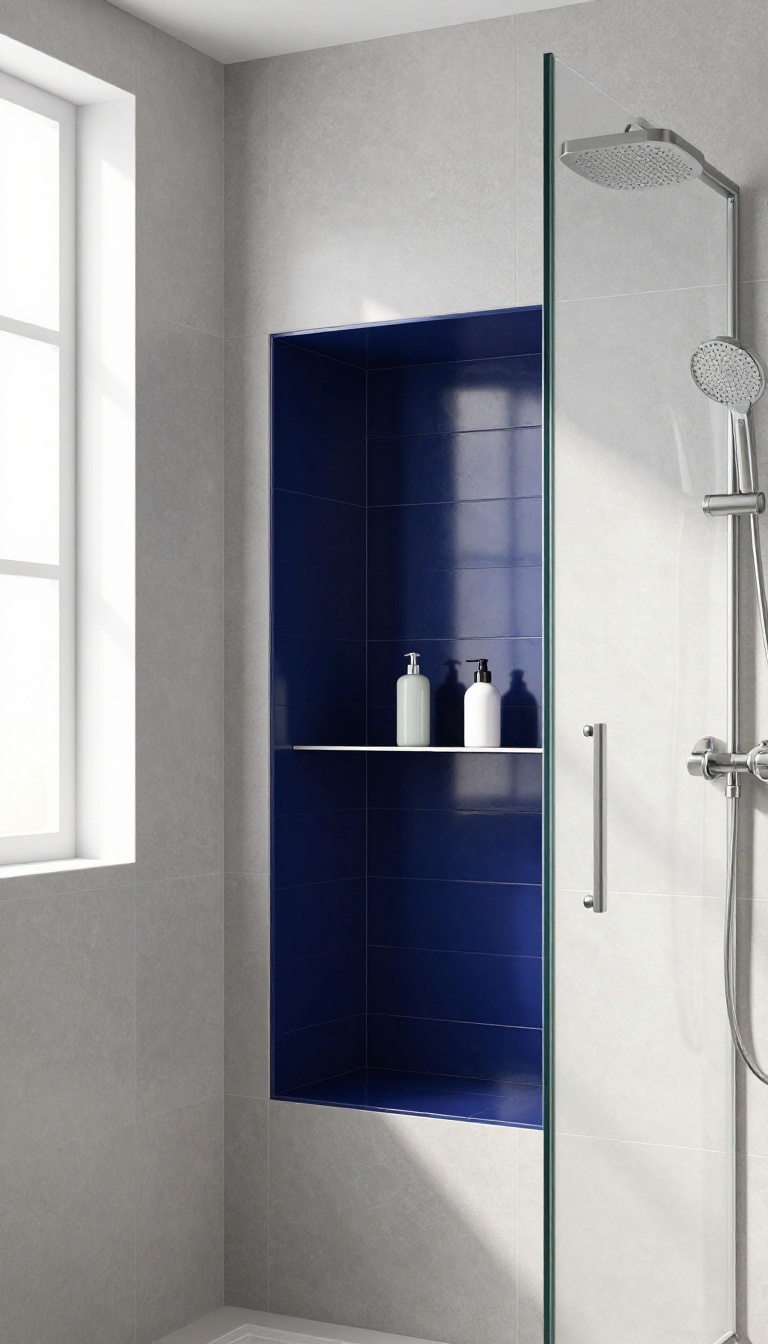
Reaching for a slippery bottle from the shower floor is never fun. A recessed niche solves that by giving you a built-in spot for shampoo, soap, and razors at the perfect height. But the real trick is making it look intentional—and that's where contrasting tile comes in.
A niche doesn't have to be an afterthought. When you line the inside with a different tile than the surrounding walls, it becomes a focal point that adds depth and personality. Choose a bold color, a textured finish, or a geometric pattern that complements your main tile without clashing.
This small detail can elevate the entire shower, making it feel custom and thoughtfully designed.
Why Contrast Works
Contrast creates visual interest and breaks up large expanses of tile. A dark niche against light walls, or a glossy insert within matte tile, draws the eye and adds a layer of sophistication. It also helps define the niche as a deliberate design element rather than a simple cutout.
Choosing The Right Tile
Think about the overall mood you want. For a spa-like feel, use a natural stone or a textured tile that catches the light. For a modern edge, go with a bold geometric pattern or a contrasting color like charcoal or navy.
Make sure the tile is suitable for wet areas and easy to clean.
Placement And Size
Position the niche at chest height or slightly higher, where it's easy to reach. Size it to fit your everyday products, but don't make it too large or it can overwhelm the wall. A standard size is about 12 inches square, but you can adjust based on your needs and the shower layout.
7. Matte Black Fixtures for a Bold Contrast
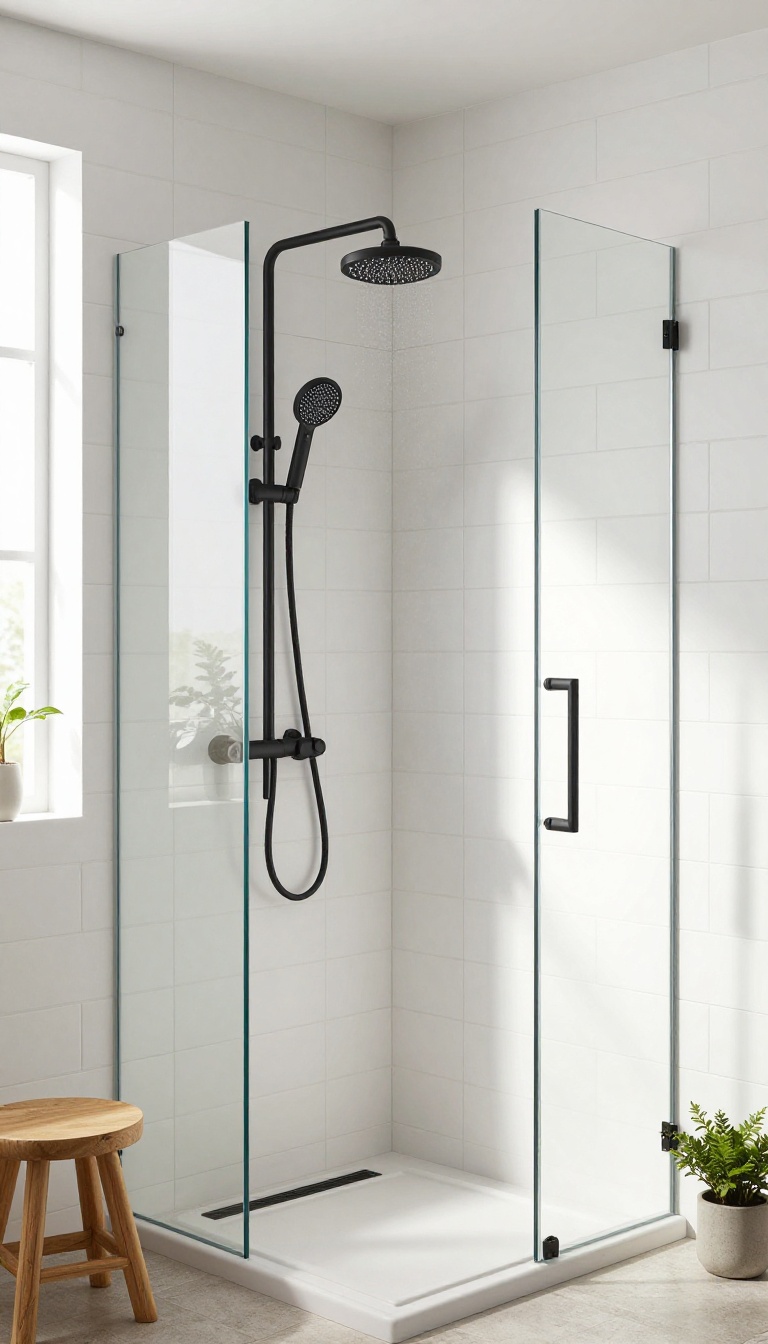
Sometimes the smallest swap makes the biggest splash. Swapping shiny chrome or brushed nickel for matte black instantly changes the mood of your shower, giving it a crisp, modern edge that feels both grounded and polished. The dark finish stands out against white or light gray tile, creating a sharp contrast that doesn't rely on busy patterns or bold colors.
Matte black is also incredibly forgiving—it hides water spots and fingerprints far better than polished metals, so your shower stays looking clean with less effort. Whether you go all-in with a black showerhead and handles or just add a few accents, this look brings a quiet confidence to the space.
Matte black fixtures work because they create a visual anchor. Against light tile, they draw the eye and add depth without overwhelming the room. The finish feels soft to the touch and doesn't glare under bright bathroom lighting, which keeps the space feeling calm and intentional.
Beyond looks, matte black is a practical choice. The powder-coated finish resists corrosion and tarnishing, and it's easier to maintain than you might think. A quick wipe with a microfiber cloth keeps it looking fresh, and you won't be constantly polishing away spots like you would with chrome.
When mixing finishes, stick to one metal family. If you choose matte black for the showerhead and handles, let the rest of the bathroom follow suit—or at least keep other metals in the same undertone. This keeps the design cohesive and prevents the space from feeling scattered.
Pairing With Tile And Grout
Matte black pops best against light, neutral backgrounds. White subway tile, soft gray porcelain, or even marble-look ceramic all let the fixtures stand out without competing. If you're feeling bolder, try a dark charcoal tile with matte black fixtures—just add warm wood or brass accents to keep it from feeling too heavy.
Grout color matters too. Light grout keeps the contrast sharp, while dark grout blends the tile and fixtures together for a more seamless look. Think about the overall mood you want: crisp and airy, or moody and intimate.
Choosing The Right Pieces
You don't have to replace everything at once. Start with the showerhead—a matte black rain shower or handheld model instantly becomes the focal point. Then add matching handles and a shower caddy or shelf in the same finish.
For a cohesive look, consider the trim kit for your shower valve as well. Mixing brands is fine as long as the finishes match closely. And don't forget small details like a black drain cover or towel bar—they tie the whole design together.
Maintenance And Longevity
One of the biggest perks of matte black is how well it hides hard water stains and soap scum. Unlike glossy chrome, where every drip shows, matte black keeps things looking clean between scrubs. A gentle cleaner and soft cloth are all you need—avoid abrasive pads that can scratch the finish.
Quality matters. Look for fixtures with a durable powder-coated or PVD finish, which resist chipping and fading. With proper care, matte black fixtures can last for years without losing their edge.
8. Pebble Tile Floor for a Spa-Like Feel
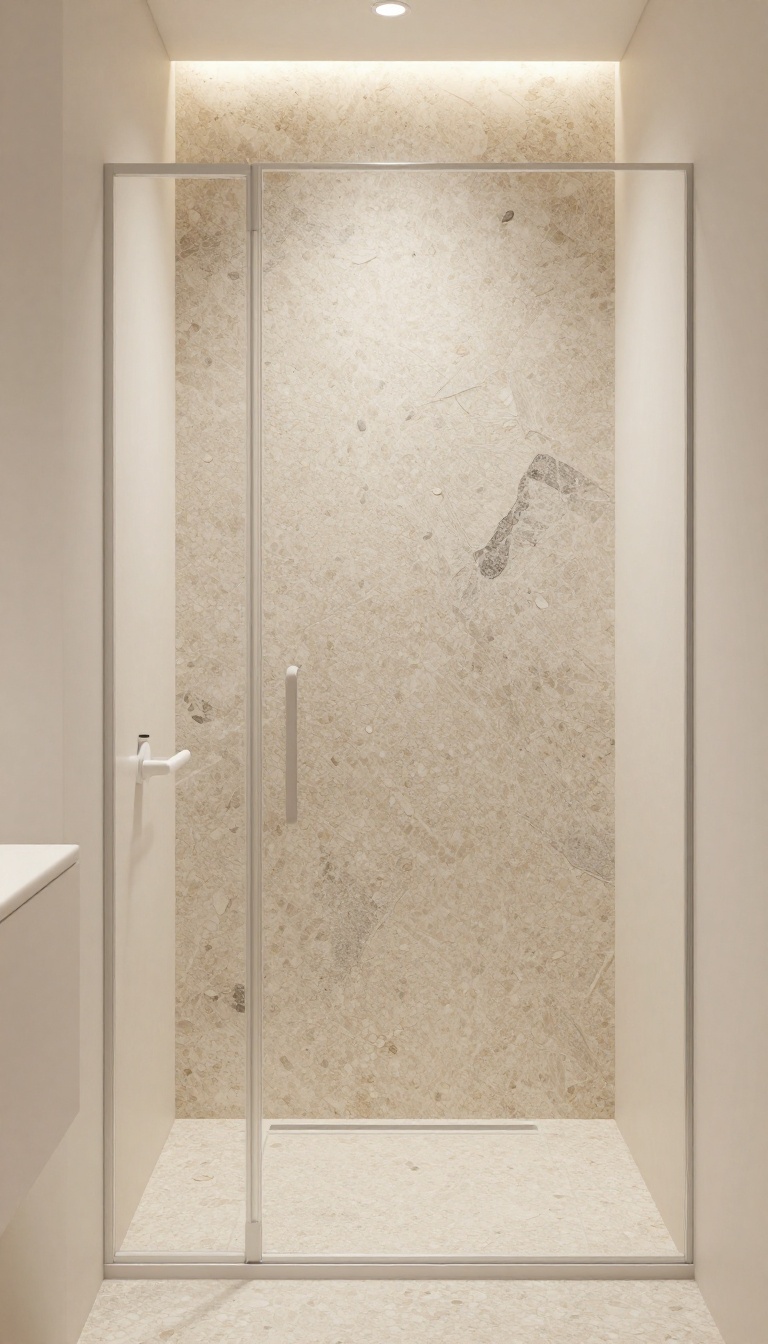
Stepping onto cold, slippery tile first thing in the morning can jolt you awake in the worst way. Pebble tile changes that by offering a textured, natural surface that feels like a riverbed underfoot. It's not just about looks—the small stones provide gentle traction that reduces slips, making your shower safer and more comfortable.
Pebble tile brings an organic, earthy element to your bathroom that instantly softens the hard lines of fixtures and glass. The irregular shapes and subtle color variations create a visual texture that hides soap scum and water spots better than smooth tile. Plus, the massaging effect on your feet is an unexpected bonus that makes every shower feel like a mini spa treatment.
Why Pebble Tile Works In Showers
The primary reason pebble tile excels in showers is safety. The natural gaps between stones create a slip-resistant surface that works even when wet. Unlike smooth porcelain or marble, pebbles provide a tactile grip that gives you confidence when moving around.
Additionally, the uneven surface helps with drainage, as water flows around the stones rather than pooling, reducing the chance of standing water and mildew.
Choosing The Right Pebble Style
Pebble tile comes in a range of colors, from soft beige and gray to deeper charcoal and river rock mixes. For a clean, spa-like look, stick with neutral tones that blend well with your existing palette. You can also choose between mesh-backed sheets for easy installation or individual pebbles for a more custom, organic pattern.
Consider the grout color—lighter grout keeps the floor airy, while darker grout adds contrast and hides dirt.
Installation And Maintenance Tips
While pebble tile is durable, proper installation is key. Make sure the floor is sloped correctly toward the drain to avoid puddles, and use a flexible thin-set to prevent cracking. Sealing the pebbles and grout is essential to resist water and stains—reapply the sealer every year or so.
For cleaning, a mild pH-neutral cleaner and a soft brush will keep the stones looking fresh without damaging the surface.
9. Glass Block Window for Privacy and Light
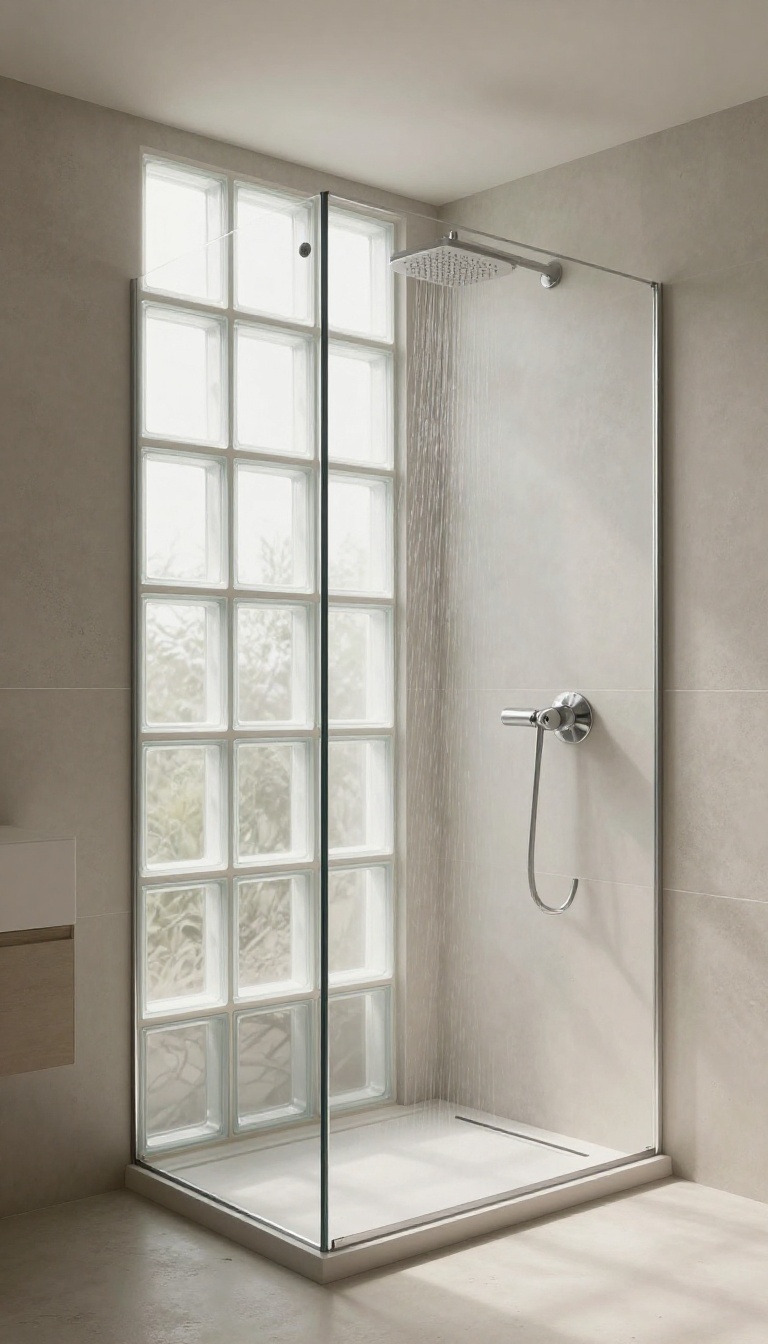
Natural light can make a shower feel more open and inviting, but privacy often forces you to block it out with curtains or blinds. A glass block window solves that dilemma by letting sunlight stream in while keeping the view completely obscured. It’s a classic choice that adds a clean, architectural touch without the need for window treatments.
Glass block windows have been around for decades, and for good reason. They brighten up the shower area, reduce the need for artificial lighting during the day, and offer a timeless look that works with many bathroom styles. Plus, they require very little upkeep—just an occasional wipe-down to keep them clear.
Why Glass Blocks Work So Well In Showers
The main appeal is the balance between light and privacy. The textured glass scatters light, so you get a soft, diffused glow without anyone seeing in. This makes the shower feel more spacious and less cave-like, even in a windowless interior.
Glass blocks are also durable and moisture-resistant, making them a practical choice for wet areas.
Design Options To Match Your Style
You’re not stuck with the classic square blocks. Today’s options include different sizes, shapes, and patterns—from clear to frosted to tinted. You can choose a full window, a partial panel, or even a decorative strip near the ceiling.
For a modern look, go with larger, sleeker blocks; for a more traditional feel, stick with the standard 6-inch squares.
Installation And Maintenance Tips
Installing a glass block window is usually a job for a pro, especially if it involves structural changes. However, prefabricated panels are available that make the process easier. Once in place, maintenance is simple: clean with a mild glass cleaner and a soft cloth.
Avoid abrasive pads that could scratch the surface.
10. Shower Curtain with a Ceiling-Mounted Track
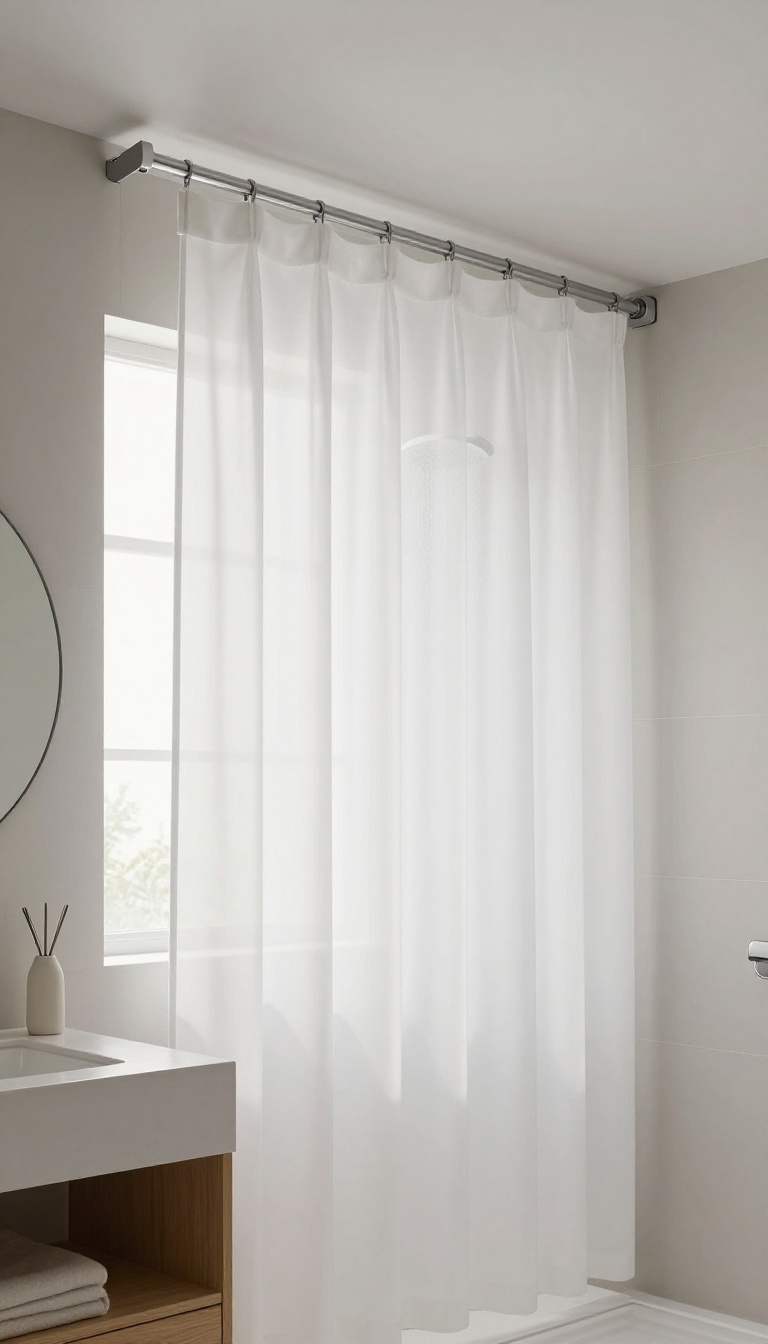
A ceiling-mounted track for a shower curtain is a clever way to open up the space. By mounting the track at the ceiling, you eliminate the visual clutter of a traditional rod and let the curtain hang in a long, clean line. This simple change makes the ceiling feel taller and the shower area more polished, all without the cost of a glass enclosure.
Why It Works
Standard shower rods sit at around 75 inches, cutting the eye line and making the ceiling feel lower. A ceiling-mounted track lets the curtain drop from the top, drawing the eye upward. The continuous vertical line adds height and a sense of calm, which is perfect for a bathroom that aims for a spa-like vibe.
Plus, it's a budget-friendly alternative to glass that still looks intentional.
Choosing The Right Track And Curtain
Look for a curved or straight track made of aluminum or stainless steel, which resists moisture and won't rust. Curved tracks give extra elbow room inside the shower. For the curtain, choose a fabric liner or a stylish cloth curtain that reaches the floor—this enhances the tall effect.
Avoid plastic liners that are too short and break the visual line.
Installation Tips
Mount the track securely into the ceiling joists with the included hardware. If you're installing over tile, use a masonry bit and anchors. Make sure the track is level and the curtain glides smoothly.
For a cleaner look, hide the mounting brackets with a decorative ceiling plate. This is a manageable weekend project for most DIYers.
11. Dual Showerheads for a Luxurious Experience
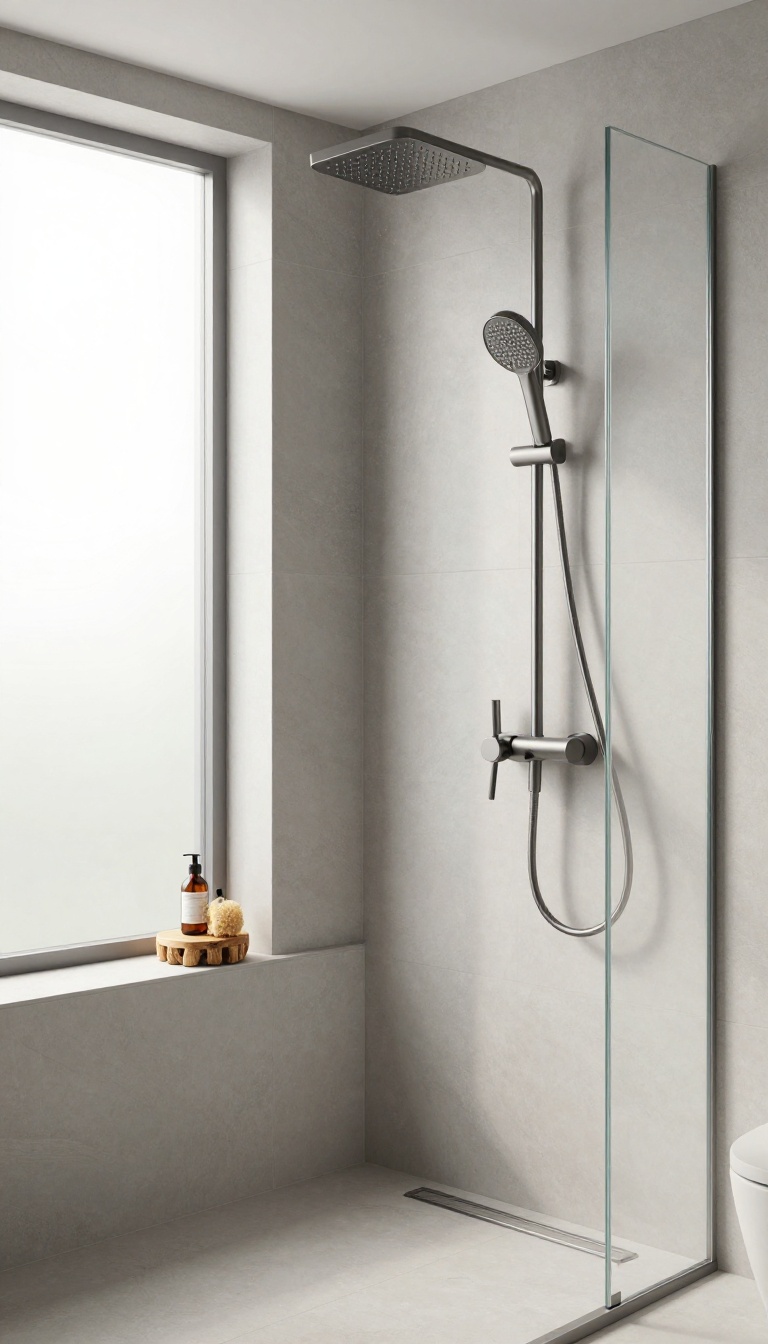
Showering with a single fixed head can feel limiting, especially when you want a quick rinse or a more thorough drench. Adding a second handheld sprayer changes the game, giving you flexibility and a spa-like feel right at home. It's a simple upgrade that instantly elevates your daily routine.
Dual showerheads aren't just about looking fancy—they're about making your shower work better for you. With one fixed head for overall coverage and a handheld one for targeted rinsing, you can customize every wash. Whether you're washing your hair, cleaning the shower, or sharing the space with a partner, having both options is a practical luxury.
Why Two Heads Beat One
A fixed rain showerhead feels wonderful, but it doesn't reach every nook and cranny. A handheld attachment lets you direct water exactly where you need it—like rinsing shampoo from long hair or cleaning the corners of the shower. Plus, it's a lifesaver for washing pets or kids, and it makes showering easier for people with limited mobility.
Choosing The Right Setup
You can install a separate handheld on a slide bar or opt for a combo unit with a diverter. Slide bars are versatile, letting you adjust the height for different users. Combo units are sleeker and often easier to install.
Consider your shower's plumbing and wall space before deciding. Also, think about the finish—matching the handheld to your fixed head creates a cohesive, polished look.
Installation Tips And Considerations
If you're handy, swapping out a single head for a dual setup is a manageable DIY project. You'll need to access the plumbing behind the wall, so make sure you have the right tools and materials. If you're not comfortable, a plumber can do it quickly.
Also, check your water pressure—two heads might reduce flow, so a pressure-boosting pump could be necessary for an optimal experience.
FAQ
What is the best shower type for a small bathroom?
A walk-in shower with a linear drain and frameless glass is ideal because it eliminates visual barriers and makes the space feel larger.
How can I make my shower look more custom without a full remodel?
Simple upgrades like swapping fixtures to matte black, adding a recessed niche, or installing a ceiling-mounted curtain track can give a custom feel without major work.
Are pebble tiles safe for shower floors?
Yes, pebble tiles are naturally slip-resistant due to their texture, but make sure to choose smooth pebbles and seal them properly to prevent mold.
What is the best material for a shower bench?
Teak is a popular choice because it's water-resistant, durable, and adds a warm, natural look. Other options include stone or solid surface materials.
How do I keep a glass shower door clean?
Use a squeegee after each use to remove water spots, and consider a water-repellent coating to minimize buildup. Regular cleaning with a mild cleaner also helps.
Conclusion
Your shower can feel fresh and intentional without a full gut job. Start with one idea that solves your biggest annoyance—whether that's storage, lighting, or a dated look—and build from there.
Small tweaks like a new shower head, a niche, or a bold tile accent can change the whole vibe. Pick what fits your space and routine, and enjoy a bathroom that finally feels like yours.