23 Cleaning Furniture Fabric Couch Tips for Stains
That fresh stain on your fabric couch doesn't have to be permanent. Whether it's a splash of red wine or a muddy paw print, quick action and the right technique make all the difference.
Most people reach for harsh chemicals first, but simple household ingredients often work better. Baking soda, vinegar, and dish soap can tackle a surprising range of stains without damaging your upholstery.
These 23 tips cover the most common couch stains and how to handle each one. From blotting to deep cleaning, you'll learn the steps that actually work.
1. Blot, Don't Rub – The Golden Rule
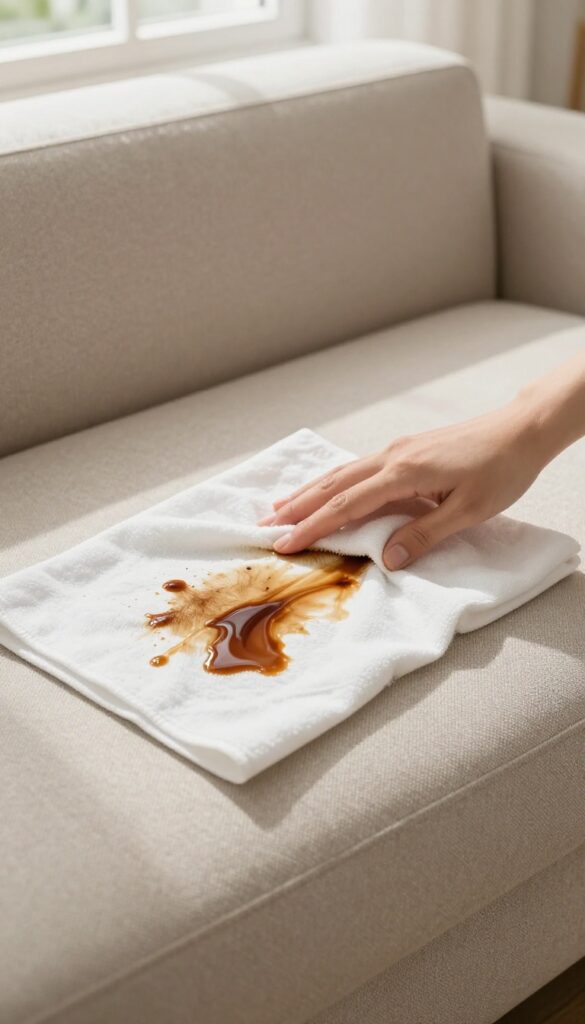
When a spill happens, your first instinct might be to scrub it away. But that's exactly the wrong move. Rubbing forces the stain deeper into the fabric and can damage the fibers, making the spot worse.
Blotting is the safest and most effective way to handle fresh stains. Use a clean, white cloth or paper towel and press down gently to absorb as much liquid as possible. Repeat with a dry section of the cloth until no more moisture transfers.
This simple step can prevent many stains from setting.
Why Rubbing Hurts
Rubbing grinds the stain into the fabric weave. It also spreads the stain to a larger area, making it harder to remove. For delicate fabrics like microfiber or linen, rubbing can cause pilling or fraying.
The Right Blotting Technique
Always blot from the outside of the stain inward to avoid spreading. Use a light, dabbing motion. If the stain is sticky, you can lightly scrape off any excess with a dull knife before blotting.
When To Blot Vs. When To Scrub
Blotting is for fresh, liquid stains. Once a stain has dried or if it's a thick paste (like peanut butter), you may need to gently scrape or use a soft brush. But even then, avoid aggressive scrubbing.
2. Identify the Stain Before Acting
Not all stains are created equal. A grease mark from pizza night behaves completely differently than a splash of coffee. If you treat them the same way, you could end up setting the stain deeper into the fabric.
That's why the first step is always figuring out what you're dealing with.
Before grabbing any cleaner, take a moment to identify the stain type. Water-based stains like soda, tea, or mud usually lift with mild soap and water. Oil-based stains like butter, makeup, or salad dressing need a degreaser or rubbing alcohol.
Protein-based stains like blood, milk, or sweat require cold water and enzyme cleaners. Getting this wrong can make the stain permanent.
The Water Test
If you're unsure, dab a tiny drop of water on the stain. If it spreads or darkens, it's likely water-based. If it beads up or repels the water, it's probably oil-based.
This simple test takes seconds and saves you from using the wrong method.
Check The Fabric Tag
Your couch's care tag tells you what cleaning methods are safe. W means water-based cleaner, S means solvent-based, S/W means either, and X means vacuum only. Matching your stain treatment to the tag prevents damage like fading or shrinking.
When In Doubt, Blot
No matter the stain, blotting with a dry cloth is always safe. Press gently to absorb as much liquid as possible. Rubbing pushes the stain deeper into the fibers.
Once you've blotted, you can move forward with the right treatment.
3. Test Cleaning Solutions in a Hidden Spot
Before you go all in on that stain, take a minute to test your cleaning solution. It's a small step that can save you from a bigger headache—like a bleached spot or discolored patch that's worse than the original stain. Different fabrics react differently to cleaners.
What works on cotton might ruin silk or cause microfiber to fade. A quick test in an unseen area gives you peace of mind and keeps your couch looking uniform.
Testing is simple and only takes a few minutes. Apply a small amount of your chosen cleaner to a hidden spot—like under a cushion or behind the couch. Blot with a white cloth, then wait for it to dry.
If there's no color change or damage, you're good to go.
Why Testing Matters
Fabric dyes aren't always colorfast. Even mild cleaners can lift color or leave a residue that attracts dirt. Testing helps you avoid permanent damage and ensures your cleaning method is safe for that specific fabric type.
How To Test Properly
Dampen a clean white cloth with your cleaner. Press it onto the hidden spot for about 10 seconds, then blot gently. Let it air dry completely.
Check for any color transfer on the cloth or change in the fabric's appearance. If everything looks fine, proceed with confidence.
What To Look For
Watch for color bleeding, fading, or a change in texture like stiffening or pilling. Also check for residue that might attract dust. If you see any of these, try a different cleaner or dilute it further until you find a safe option.
4. Use Club Soda for Fresh Spills
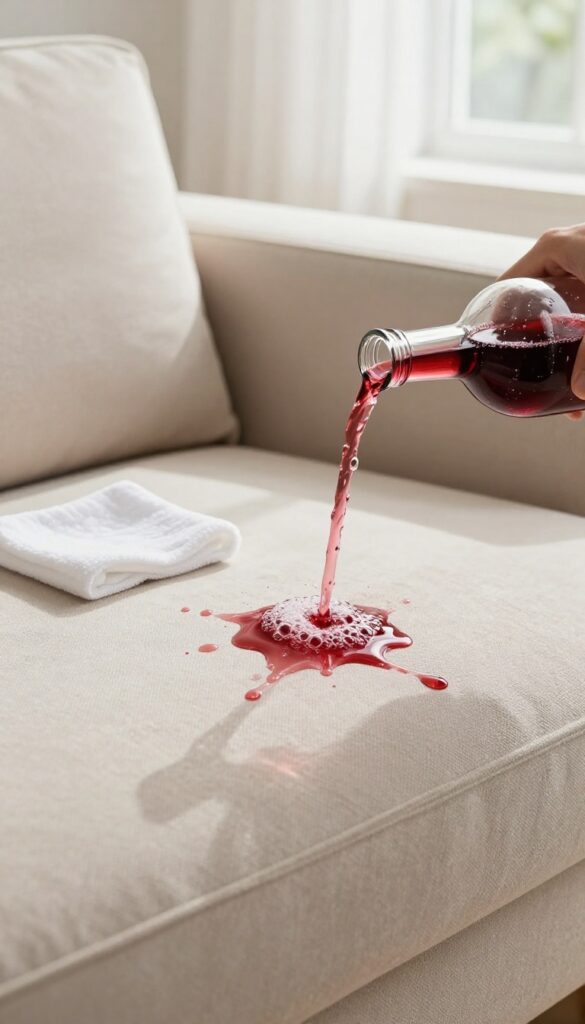
Club soda is a surprisingly effective stain fighter for fresh spills on fabric couches. The carbonation helps lift the stain from the fibers, while the salt content aids in absorption. Keep a bottle handy for quick action when accidents happen.
When a fresh spill occurs, grab your club soda and a clean cloth. Pour a small amount directly onto the stain—just enough to cover it. Let it fizz for a few seconds, then blot gently with a cloth.
Repeat this process until the stain fades. For tougher stains, you can add a drop of mild dish soap to the club soda. Always blot, never scrub, to avoid spreading the stain or damaging the fabric.
Why Club Soda Works
The bubbles in club soda help physically lift the stain from the fabric fibers. The carbon dioxide creates a gentle agitation that loosens dirt and liquid without harsh scrubbing. Plus, the sodium content helps draw the stain out as it dries.
Step-by-step Process
First, blot up any excess liquid with a dry cloth. Then, pour a small amount of club soda onto the stain. Let it fizz for about 30 seconds.
Blot with a clean cloth, pressing down to absorb the liquid. Repeat until the stain is gone. Finish by blotting with a dry cloth to remove moisture.
When To Use Club Soda
Club soda works best on fresh stains from beverages like wine, coffee, or juice. It's also effective for mud or light food spills. For set-in stains, you may need a stronger solution, but for quick action, club soda is a great first step.
5. Baking Soda Paste for Grease Stains
Grease stains from cooking oil, butter, or even hand lotion can be stubborn on fabric couches. They tend to spread if you rub them, so a different approach is needed. Baking soda comes to the rescue as a gentle yet effective grease absorber.
Baking soda is a natural degreaser that lifts oil without harsh scrubbing. When mixed into a paste, it clings to the stain and pulls the grease out as it dries. This method works on most fabric types, including microfiber and cotton blends.
Just be patient and let it do its job.
How To Make The Paste
Combine three parts baking soda with one part water in a small bowl. Stir until it forms a thick, spreadable paste. If it's too runny, add more baking soda.
You want a consistency similar to toothpaste so it stays put on vertical surfaces.
Application Tips
Use a clean spatula or old spoon to spread the paste over the grease stain in a thick layer. Cover the entire mark and extend a little beyond the edges. Don't rub it in; just let it sit.
Leave it for at least 30 minutes, or longer for set-in stains. The paste will dry and crack as it absorbs the oil.
Removing The Residue
Once the paste is completely dry, vacuum it up using the upholstery attachment. You may need to gently brush the area with a soft brush to loosen any remaining powder. If a faint stain remains, repeat the process.
For extra freshness, sprinkle dry baking soda over the area after vacuuming and let it sit for 15 minutes before vacuuming again.
6. White Vinegar Solution for Odors and Stains
White vinegar is a powerhouse for tackling both odors and stains on fabric couches. Its mild acidity breaks down many common stains while neutralizing smells naturally. Best of all, it's safe for most upholstery when used correctly.
Mix equal parts white vinegar and water in a spray bottle. Lightly mist the stained area—don't soak it. Let it sit for 5-10 minutes, then blot with a clean cloth.
Repeat if needed. For odors, spray lightly and allow to air dry. The vinegar smell dissipates as it dries, taking odors with it.
How It Works
Vinegar's acetic acid cuts through grime and dissolves stain residues. It also alters the pH of the stain, making it easier to lift. The evaporation process carries away odor molecules, leaving your couch fresh.
Best Stains For Vinegar
This solution works wonders on coffee, tea, juice, and pet accidents. It's also effective for mild wine stains and general musty smells. Avoid using on silk or delicate fabrics without testing first.
Tips For Best Results
Always test on a hidden area first. Blot, don't rub, to avoid pushing the stain deeper. For stubborn stains, add a drop of dish soap to the mix.
After treatment, blot with water to remove any residue.
7. Dish Soap for Protein Stains (Blood, Milk, Egg)
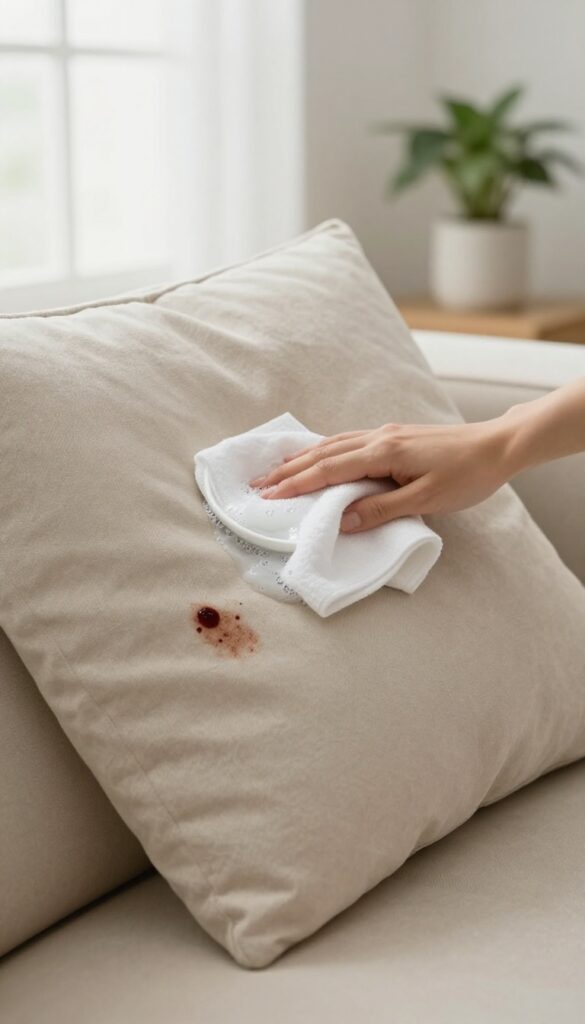
Protein stains are tricky because heat makes them set permanently. Blood, milk, and egg spills need a completely different approach than other messes. Cold water and a tiny bit of dish soap are your best friends here.
Why Cold Water Matters
Hot water cooks the protein into the fabric fibers, locking the stain in place. Always use cold water for any protein-based spill. The colder the better—ice-cold water works best for fresh stains.
The Dish Soap Method
Mix one teaspoon of clear dish soap with two cups of cold water. Dip a clean white cloth into the solution and blot the stain gently. Work from the outside in to avoid spreading.
Repeat until the stain lifts, then blot with a dry cloth.
Dried Protein Stains
If the stain has dried, scrape off any crusted residue first. Soak the area with cold water and let it sit for 15 minutes. Then apply the dish soap solution and blot.
You may need to repeat a few times for stubborn spots.
8. Hydrogen Peroxide for Organic Stains
Organic stains like coffee, tea, grass, or even wine can be tough on fabric couches. Hydrogen peroxide is a gentle but effective oxidizer that breaks down these stains without harsh scrubbing. The fizzing action lifts the stain from the fibers, making it easier to blot away.
Just remember to test on an inconspicuous area first, especially on colored fabrics, as peroxide can have a mild bleaching effect.
Hydrogen peroxide works by releasing oxygen bubbles that help lift organic compounds from the fabric. It's especially good for set-in stains that other methods can't touch. The key is using the right concentration—3% is standard for household use and safe for most upholstery.
How To Apply Hydrogen Peroxide
Start by blotting the stain with a clean cloth to remove any excess. Then, pour a small amount of 3% hydrogen peroxide directly onto the stain. You should see it start to fizz immediately.
Let it sit for 5–10 minutes, but don't let it dry completely. Blot the area with a dry cloth to absorb the stain and peroxide. Repeat if necessary, then rinse with a damp cloth and blot dry.
Stains That Respond Best
Hydrogen peroxide is most effective on organic stains like coffee, tea, grass, fruit juice, and even red wine. It can also help with light blood stains and sweat marks. For older or dried stains, you might need to apply a second time.
It's less effective on oil-based or synthetic stains, so stick to organic sources for best results.
Safety Tips For Colored Fabrics
Always test hydrogen peroxide on a hidden spot first—like under a cushion or on the back of the couch. Apply a drop and wait 10 minutes to see if the color changes. If the fabric is sensitive, dilute the peroxide with equal parts water.
Avoid using it on silk, wool, or leather, as it can damage these materials.
9. Rubbing Alcohol for Ink and Marker
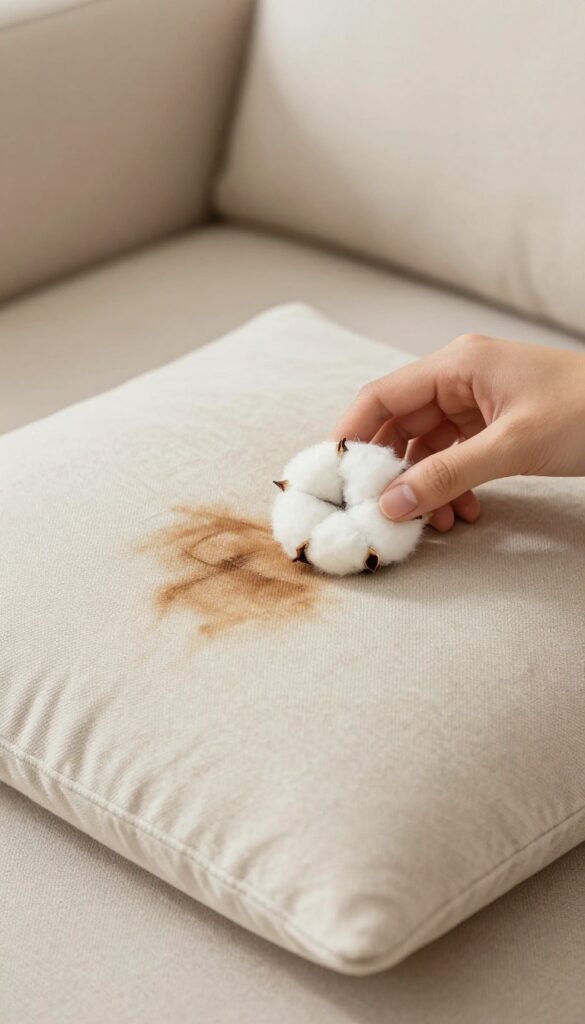
Ink and marker stains can feel like a death sentence for your fabric couch, but rubbing alcohol is a surprising hero here. It dissolves the ink without spreading it, making removal much easier than you'd think. Just a few dabs and some patience can save your upholstery.
Rubbing alcohol works because it breaks down the pigments in ink and markers, lifting them from the fabric fibers. The key is to blot, not rub, to avoid pushing the stain deeper. Always test on a hidden area first to ensure the fabric doesn't react poorly.
How To Apply Rubbing Alcohol
Dab a cotton ball or clean cloth in rubbing alcohol and gently press it onto the ink stain. You'll see the ink transfer to the cotton ball. Replace the cotton ball as it gets dirty and keep dabbing until no more ink lifts.
Avoid saturating the fabric—just enough to dampen it.
What To Do After The Stain Lifts
Once the ink is gone, blot the area with a clean, damp cloth to remove any alcohol residue. Let it air dry completely. If a faint shadow remains, repeat the process.
For stubborn stains, you can also try a mix of rubbing alcohol and a drop of dish soap.
Safety Tips For Fabric Couches
Always test rubbing alcohol on an inconspicuous spot first, as it can discolor some fabrics. Work in a well-ventilated area, and keep alcohol away from open flames. For delicate fabrics like velvet or silk, consider a professional cleaner instead.
10. Cornstarch to Absorb Grease and Oil
Oil-based stains from cooking grease, salad dressing, or even hand lotion can leave dark, stubborn marks on fabric couches. The problem is that grease spreads if you rub it, and many cleaners just push it deeper into the fibers. Cornstarch offers a simple, effective solution by pulling the oil out rather than pushing it in.
When you catch a grease stain early, cornstarch is your best friend. The powder acts like a magnet for oil, drawing it up from the fabric fibers. This method works on both fresh and set-in stains, though fresh ones respond much faster.
You'll need cornstarch, a spoon or butter knife, and a vacuum with an upholstery attachment.
How To Apply Cornstarch To Grease Stains
Start by blotting any excess oil with a paper towel, but don't rub. Sprinkle a thick layer of cornstarch directly over the stain, covering it completely. Let it sit for at least 15 minutes—longer for larger or older stains.
The cornstarch will start to look clumpy or discolored as it absorbs the oil. After the wait, vacuum up the powder using the upholstery tool. If the stain remains, repeat the process or move to a mild dish soap solution.
Why Cornstarch Works Better Than Harsh Cleaners
Cornstarch is a natural absorbent that doesn't introduce moisture or chemicals that could set the stain or damage the fabric. Many commercial stain removers contain solvents that can break down upholstery fibers over time. Cornstarch is also safe for all fabric types, including microfiber, cotton, and polyester blends.
Plus, it's cheap and already in your pantry.
Tips For Stubborn Or Set-in Grease Stains
For older grease stains, try warming the area slightly with a hair dryer on low heat before applying cornstarch—this helps loosen the oil. You can also mix cornstarch with a few drops of dish soap to form a paste, apply it to the stain, let it dry, then vacuum. Always test any method on a hidden area first to ensure colorfastness.
11. Steam Clean for Deep Set Stains
Sometimes stains go deep into the cushion foam, and surface cleaning just won't cut it. That's when steam becomes your best friend. A handheld steamer or steam cleaner uses heat and moisture to break down grime without harsh chemicals.
Steam cleaning is ideal for fabric couches that have absorbed spills or developed a general dingy look. The high temperature loosens dried-on stains and kills bacteria, leaving your couch fresher. Always check your couch's care tag first—some fabrics like silk or rayon can't handle steam.
After steaming, blot the area with a clean cloth to lift the dissolved dirt.
Choose The Right Steamer
Not all steamers are created equal. A handheld garment steamer works for spot treatments, while a dedicated upholstery steamer with a brush attachment is better for larger areas. Avoid using a floor steam mop—it's too aggressive and can oversaturate the fabric.
Steam And Blot Technique
Hold the steamer a few inches from the fabric and move it slowly over the stain. You want the fabric to feel warm and damp, not soaking wet. Immediately blot with a microfiber cloth.
Repeat if needed, then let the couch air dry completely before sitting on it.
When To Call A Pro
For set-in stains or if your couch has delicate fabric, consider renting a professional-grade steam cleaner. These machines extract more water and dirt than handheld models. If the stain is large or you're unsure, hiring a professional upholstery cleaner is safer.
12. Enzyme Cleaner for Pet Accidents
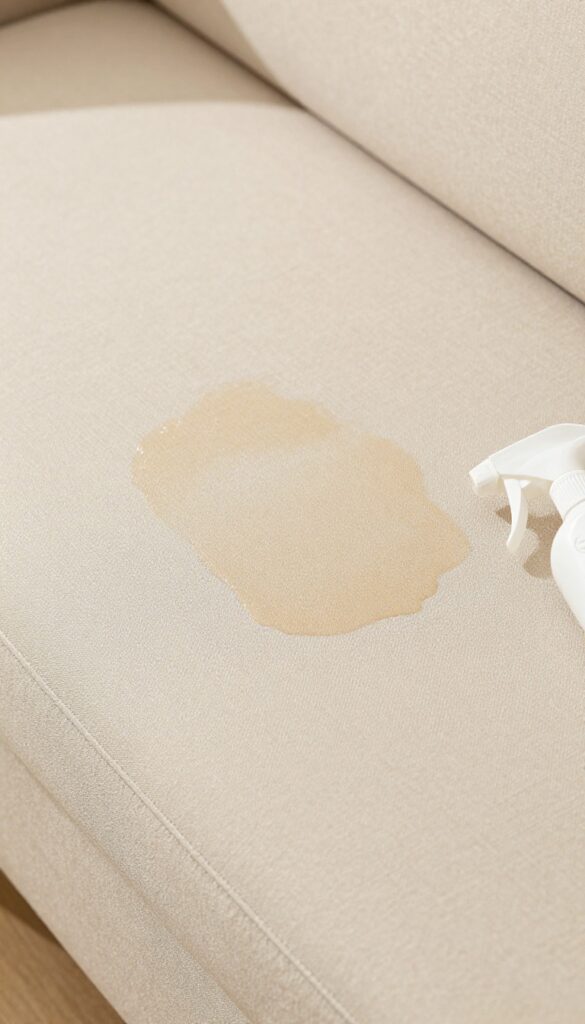
Pet urine is one of the toughest stains to remove from fabric couches. The proteins and uric acid in urine can linger deep in the fibers, causing odors that seem impossible to eliminate. Regular cleaners often mask the smell temporarily, but enzyme cleaners actually break down the source.
Enzyme cleaners contain specific bacteria that feed on organic waste like urine, vomit, and feces. As the bacteria digest the proteins, they release enzymes that break the stain and odor molecules into harmless byproducts. This biological process is far more effective than scrubbing with soap or vinegar, which can actually set the stain or leave residue that attracts more dirt.
Why Enzyme Cleaners Work
Unlike chemical cleaners that just cover up smells, enzyme cleaners target the root cause. The enzymes in these products are tailored to break down uric acid crystals and other organic compounds. When applied correctly, they eliminate odors completely rather than just masking them.
This makes them ideal for pet accidents where the smell can linger for weeks.
How To Apply Enzyme Cleaner
First, blot up as much fresh urine as possible with paper towels. Don't rub, as that pushes the liquid deeper into the foam. Then, saturate the stain with enzyme cleaner, making sure to reach the padding underneath.
Let it sit for the time recommended on the label—usually 10 to 15 minutes. After that, blot again and let the area air dry. Avoid using heat or steam, as high temperatures can kill the enzymes.
Best Enzyme Cleaners For Fabric Couches
Look for products labeled as enzymatic or bio-enzymatic. Brands like Nature's Miracle, Rocco & Roxie, and Simple Solution are popular and effective. For homemade alternatives, some people use a mix of water, baking soda, and a small amount of enzyme-based laundry detergent, but commercial formulas are generally more reliable.
Always test on a hidden area first to check for colorfastness.
13. Salt for Red Wine Spills
Red wine on a fabric couch can feel like a disaster, but salt is your secret weapon. This common kitchen ingredient works by drawing the wine out of the fibers before it sets. The key is speed—the faster you act, the better the results.
Why Salt Works So Well
Salt is a natural absorbent. When you pour it on a fresh red wine spill, it soaks up the liquid like a sponge. This prevents the wine from penetrating deeper into the cushion or fabric.
Unlike blotting with a cloth, salt doesn't push the stain in further.
Step-by-step Salt Treatment
First, blot up any excess wine with a clean cloth—don't rub. Then, generously cover the stain with table salt. Let it sit for 5 to 10 minutes.
The salt will turn pink as it absorbs the wine. Vacuum up the salt and check the stain. If it's still visible, repeat the process with fresh salt.
What To Do If The Stain Remains
If the salt treatment doesn't fully remove the stain, follow up with a mild cleaning solution. Mix a few drops of dish soap with cold water, dab it on the spot, and blot dry. Avoid hot water, which can set the stain.
For older stains, a paste of salt and water can help lift the residue.
14. Shaving Cream for Upholstery Stains
Shaving cream isn't just for your morning routine—it's a surprisingly effective cleaner for fabric couches. The foamy texture lifts dirt and stains from upholstery fibers without soaking them. Best of all, you probably already have a can in your bathroom.
To use shaving cream on upholstery stains, start by blotting up any excess liquid from the stain. Then, apply a small amount of shaving cream (make sure it's the foam type, not gel) directly onto the stain. Using a clean, soft cloth or a soft-bristled brush, gently rub the shaving cream into the fabric in a circular motion.
Let it sit for about 15-20 minutes to allow the foam to break down the stain. Finally, wipe away the shaving cream with a damp cloth, and blot dry with a towel. Repeat if necessary.
This method works well on stains from food, drinks, and even some ink marks.
Why Shaving Cream Works
Shaving cream contains surfactants that help break down oils and dirt, making it easy to lift stains from fabric fibers. Its thick foam also prevents the stain from spreading deeper into the cushion, which is a common problem with liquid cleaners.
Best Stains For Shaving Cream
This technique is especially effective on water-based stains like coffee, tea, soda, and juice. It also works well on light oil stains and some makeup marks. However, avoid using it on delicate fabrics like silk or velvet, as the moisture and rubbing can cause damage.
Tips For Best Results
Always test shaving cream on an inconspicuous area first to ensure it doesn't discolor the fabric. Use only plain white shaving cream—avoid any with added moisturizers, aloe, or scents, as these can leave residue. Blot, don't scrub, to prevent fraying the fibers.
15. Vacuum Regularly to Prevent Stains
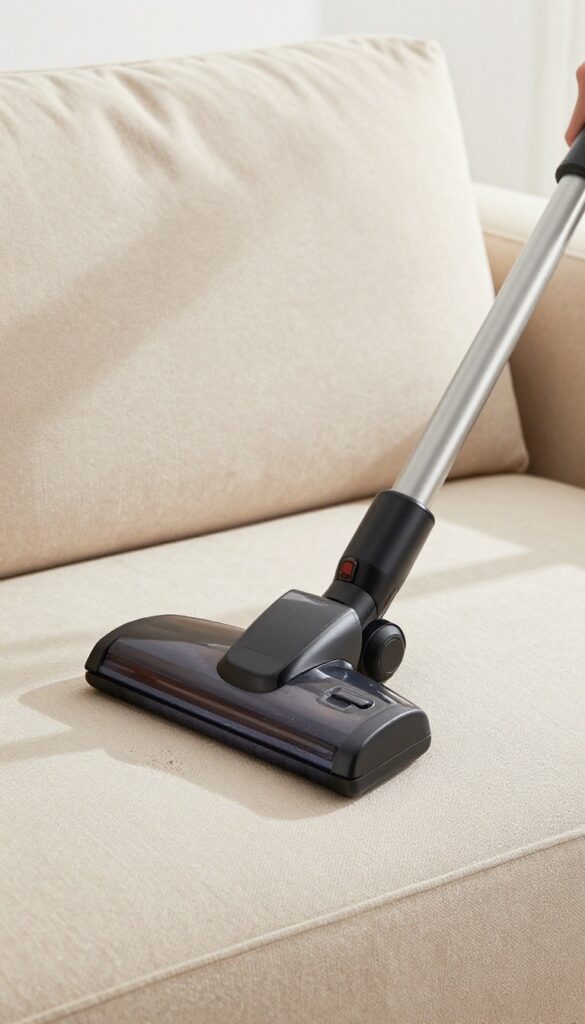
You might not think of vacuuming as a stain-fighting tactic, but it's one of the most effective preventive steps you can take. Dirt and dust particles act like sandpaper, grinding into fabric fibers with every sit. Over time, this abrasion causes discoloration and makes stains harder to remove.
A quick weekly vacuum keeps your couch looking fresh and reduces the chance of permanent marks.
Vacuuming removes loose debris before it has a chance to embed. It also lifts dust and allergens that can dull the fabric's color. For best results, use an upholstery attachment and go over every surface—including crevices and under cushions.
Don't forget the sides and back of the couch, where dust collects unnoticed.
Use The Right Attachment
The upholstery brush is your best friend here. It's soft enough not to damage fibers but firm enough to dislodge trapped dirt. Avoid using the beater bar, which can fray delicate fabrics like velvet or linen.
If your couch has removable cushions, vacuum both sides and the frame underneath.
Frequency Matters
Aim to vacuum your couch at least once a week. High-traffic areas or homes with pets may need twice-weekly sessions. Regular vacuuming prevents dirt from settling deep into the fibers, where it can cause permanent staining.
Make it part of your cleaning routine, and you'll notice a big difference in how long your couch stays looking new.
Don't Forget The Crevices
Crumbs, pet hair, and dust love to hide in the seams and under cushions. Use a crevice tool to reach these tight spots. Pay extra attention to areas where people sit most, as that's where dirt accumulates fastest.
A thorough vacuum every couple of weeks will keep those hidden spots from becoming stain magnets.
16. Use a Soft Brush for Dried Stains
Dried stains can feel impossible, but a soft brush is your first line of defense. Instead of scrubbing with a wet cloth right away, which can push the stain deeper, start by loosening the crusty particles. This simple step makes the rest of the cleaning process far more effective.
When a stain dries, it forms a crust on the fabric fibers. Rubbing it with a damp cloth can grind those particles into the weave, making the stain worse. A soft-bristled brush gently lifts the dried residue without damaging the upholstery.
This is especially useful for mud, dried food, or pet accidents that have had time to set.
Choose The Right Brush
Not all brushes are couch-safe. Use a brush with soft, natural bristles—like a horsehair brush or a soft toothbrush. Avoid stiff bristles that can fray or scratch the fabric.
Test on an inconspicuous spot first to ensure the brush doesn't pull threads or cause pilling.
Brush In One Direction
Always brush in the same direction as the fabric grain. This prevents spreading the stain and keeps the fibers aligned. Use light, short strokes to flick the dried particles loose.
If the stain is powdery, you can also tap the brush to dislodge debris.
Vacuum After Brushing
Once you've loosened the dried stain, vacuum the area immediately. Use the upholstery attachment to suck up all the particles. This prevents them from settling back into the fabric.
After vacuuming, you can proceed with a gentle cleaning solution if any residue remains.
17. Dishwasher Detergent for Tough Stains
When a stain has set in and nothing else seems to touch it, powdered dishwasher detergent can be a game changer. The enzymes in dishwasher detergent are designed to break down stubborn food residues, and they work surprisingly well on fabric upholstery. Just a tiny amount mixed with water creates a powerful spot treatment that lifts deep-set stains without harsh scrubbing.
This method is best for organic stains like coffee, tea, fruit juice, or greasy food spills. The key is to use a very small amount—about a teaspoon per cup of warm water—and to rinse thoroughly afterward. Leftover detergent residue can attract dirt or cause discoloration, so don't skip the rinse step.
How To Mix And Apply
Dissolve a small pinch of powdered dishwasher detergent in warm water. Dip a clean white cloth into the solution and blot the stain gently. Work from the outside in to prevent spreading.
Let it sit for 5–10 minutes, then blot again with a damp cloth to remove the detergent.
Rinse Thoroughly
After treating the stain, use a cloth dampened with plain water to blot the area several times. This removes any detergent residue. Follow up by blotting with a dry cloth to absorb excess moisture.
Allow the cushion to air dry completely.
Test First On Hidden Areas
Dishwasher detergent is more alkaline than standard upholstery cleaners, so always test on an inconspicuous spot first. Check for colorfastness and any adverse reaction before applying to the stain. If the fabric shows any change, switch to a gentler method.
18. Lemon Juice for Lightening Stains
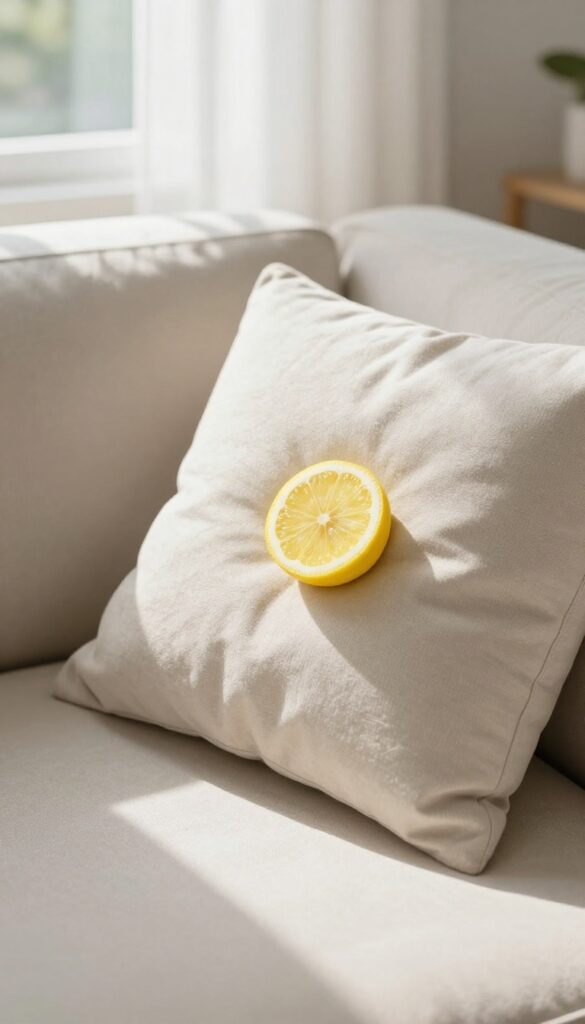
Lemon juice isn't just for lemonade—it's a natural bleach that can lift stains from light-colored fabric couches. The citric acid reacts with sunlight to brighten discolored areas, making it a gentle alternative to chemical bleaches. This method works best on fresh, light stains like coffee, tea, or general yellowing.
Lemon juice is a surprisingly effective stain lightener for white or beige upholstery. The key is combining it with sunlight, which activates the bleaching properties. Always test on a hidden spot first, as lemon juice can lighten some dyes.
Apply fresh juice directly to the stain, let it sit in direct sun for a few hours, then rinse and blot dry. Repeat if needed, but avoid over-saturating the fabric.
How Lemon Juice Works
Lemon juice contains citric acid, a mild natural bleach. When exposed to UV rays, it breaks down stain molecules and lifts them from fabric fibers. Unlike chlorine bleach, it won't weaken the fabric or leave harsh fumes.
It's ideal for light-colored cottons, linens, and synthetic blends.
Step-by-step Application
First, blot the stain with a clean cloth to remove excess. Squeeze fresh lemon juice directly onto the stain, making sure it's saturated but not dripping. Place the couch in direct sunlight (or use a UV lamp) for 2-4 hours.
Rinse the area with water and blot dry. For stubborn stains, repeat the process.
Stains That Respond Best
Lemon juice works wonders on organic stains like coffee, tea, fruit juice, and mild yellowing from age or smoke. It's less effective on oil-based stains (like grease or makeup) or dark dyes. For those, pair lemon juice with a bit of dish soap to break down oils first.
Safety Precautions
Always test on an inconspicuous area—lemon juice can lighten some colored fabrics. Avoid using it on silk, wool, or delicate materials. Rinse thoroughly after treatment to prevent stickiness or residue.
Don't leave lemon juice on for more than 4 hours, and keep pets away from the area while it's damp.
19. Commercial Upholstery Cleaner as a Last Resort
Sometimes, despite your best efforts with DIY solutions, a stain just won't budge. That's when a commercial upholstery cleaner can step in as your final option. These products are formulated specifically for fabric types, so they're more likely to lift tough stains without causing damage.
Before you buy, check your couch's care tag for the fabric code (W, S, WS, or X). This tells you which cleaners are safe. For water-safe fabrics (W or WS), a water-based upholstery cleaner works well.
For solvent-safe fabrics (S or WS), choose a dry-cleaning solvent. Always test the cleaner on a hidden spot first.
Choosing The Right Product
Look for a cleaner that matches your fabric type and stain. Enzyme-based cleaners break down protein stains like blood or urine. Oxygen-based cleaners tackle organic stains like coffee or wine.
Avoid all-purpose cleaners that may contain bleach or harsh chemicals.
Application Tips
Apply the cleaner to a clean cloth, not directly on the couch. Blot the stain gently, working from the outside in. Don't rub—it can spread the stain and damage fibers.
Let the cleaner sit for the recommended time, then blot with a damp cloth to remove residue.
When To Call A Professional
If the stain persists after two attempts with a commercial cleaner, it's time to call a pro. Some stains (like ink or permanent marker) require specialized equipment. Also, if your couch has an X tag (only vacuum or dry clean), avoid any liquid cleaners and seek professional help.
20. Protect Fabric with Scotchgard
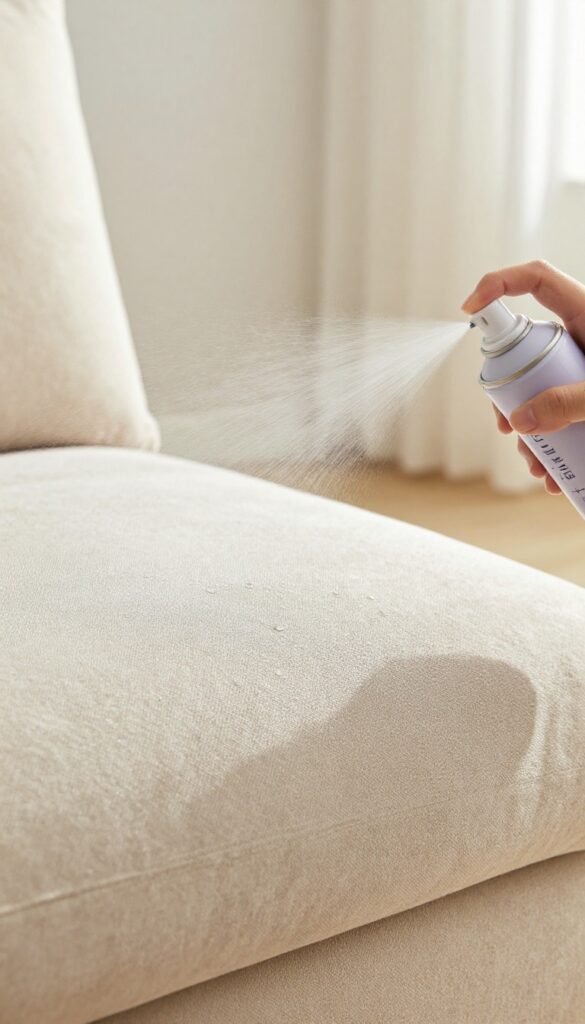
After you've put in the effort to clean your couch, the last thing you want is for a new stain to undo all that work. A fabric protector spray like Scotchgard creates an invisible barrier that repels liquids and prevents dirt from setting in. This simple step can extend the time between deep cleans and make spot treatment much easier.
Applying a fabric protector is straightforward and can be done in minutes. It's especially useful for high-traffic areas like armrests and seat cushions, where spills and grime are most likely to occur. Just remember to test the spray on a hidden area first to ensure it doesn't alter the fabric's color or texture.
How To Apply Scotchgard Correctly
Start with a clean, dry couch. Hold the can about 6 to 8 inches from the fabric and spray in a steady, even motion. Apply a light coat—over-saturating can lead to stiffness or residue.
Let it dry completely (usually a few hours) before using the couch. For best results, apply two thin coats, allowing drying time between them.
Which Fabrics Work Best With Protectors
Fabric protectors work well on most synthetic and natural fibers, including polyester, cotton, and linen blends. Avoid using them on delicate fabrics like silk or velvet, as the spray can cause discoloration or damage. If you're unsure, check the manufacturer's label or do a patch test.
When To Reapply For Ongoing Protection
The protection isn't permanent. Over time, wear and cleaning will reduce its effectiveness. Plan to reapply every 6 to 12 months, or after a deep clean.
If you notice liquids absorbing faster than before, it's time for another coat.
21. Use a Microfiber Cloth for Best Results
Not all cloths are created equal when it comes to cleaning fabric couches. Microfiber cloths stand out because they trap dirt and moisture deep in their fibers without leaving lint behind. That makes them perfect for blotting up spills and applying cleaning solutions gently.
Microfiber cloths are a staple for any couch-cleaning kit. Their ultra-fine fibers grab onto dirt particles and absorb liquid quickly, so stains lift away rather than spreading. Plus, they're reusable and machine washable, making them an eco-friendly choice.
Always use a clean section of the cloth to avoid redepositing grime.
Why Microfiber Works Best
Microfiber has a split-fiber structure that creates a static charge, attracting dust and dirt like a magnet. This electrostatic action pulls particles from deep within the fabric weave, something cotton or paper towels can't do. The result is a deeper clean with less scrubbing.
How To Use Microfiber For Stains
For fresh spills, blot gently with a dry microfiber cloth to absorb as much liquid as possible. For dried stains, dampen the cloth with your cleaning solution and dab—don't rub—to lift the stain. Rinse the cloth frequently under warm water and wring it out to keep it effective.
Caring For Your Microfiber Cloths
Wash microfiber cloths separately from cotton or lint-producing fabrics. Use mild detergent and avoid fabric softener, which clogs the fibers and reduces their cleaning power. Air-dry or tumble on low heat to maintain their structure.
22. Avoid Over-Wetting the Fabric
It's tempting to drench a stain, but too much water can cause mold or damage the cushion filling. The key is to use minimal moisture and blot dry quickly.
Over-wetting is one of the most common mistakes when cleaning fabric couches. Excess water seeps into the foam or batting, creating a breeding ground for mildew and odors. It can also weaken the fabric's backing or cause shrinkage.
Always start with a small amount of cleaning solution and add more only if needed. After cleaning, blot with a dry towel to absorb as much moisture as possible. Speed up drying with fans or open windows.
Why Less Is More
Fabric couch cushions are typically filled with foam or polyester fiber. These materials hold onto moisture like a sponge. When you soak them, drying takes forever—sometimes days.
That damp environment is perfect for mold spores to grow. Plus, the added weight from water can stretch or distort the cushion shape. Using a spray bottle to lightly mist the area rather than pouring liquid directly gives you much more control.
The Right Drying Technique
After applying any cleaning solution, use a clean, dry cloth to blot the area firmly. Press down to pull moisture out of the fabric, but don't rub—rubbing pushes the stain deeper. Repeat with fresh sections of the cloth until it comes away nearly dry.
For stubborn moisture, place a thick layer of paper towels over the spot and weigh them down with a book for an hour. Then let the cushion air dry completely before sitting on it.
23. Call a Professional for Antique or Delicate Fabrics
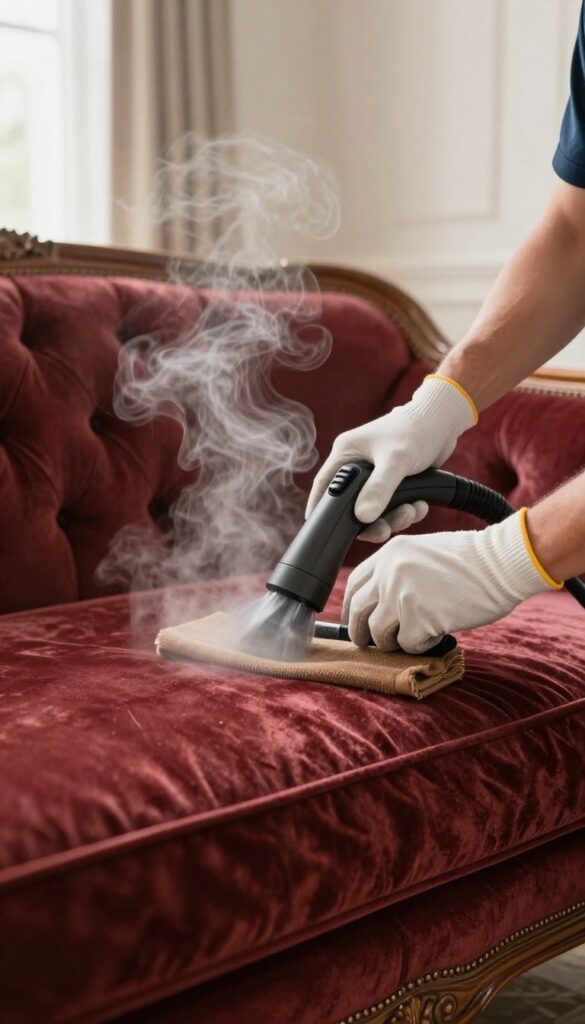
Some stains are best left to the experts. If your couch is an antique or made from delicate fabrics like silk, velvet, or linen, DIY methods can do more harm than good. Professionals have the right tools and solvents to clean without causing damage.
When you're dealing with a valuable or fragile piece, the cost of professional cleaning is worth the peace of mind. They can identify the fabric type and choose the safest cleaning method. Plus, they have powerful extraction equipment that removes dirt and residues more thoroughly than home machines.
Why Diy Can Be Risky
Delicate fabrics may shrink, fade, or lose their texture when exposed to water or common cleaning agents. Even gentle blotting can distort the weave. Professional cleaners test a hidden area first and use pH-balanced solutions that won't harm the fibers.
What Professionals Offer
They use low-moisture techniques or dry cleaning solvents for fabrics that can't get wet. Steam cleaning is also an option for heat-tolerant materials. Many companies also apply a fabric protector afterward to help prevent future stains.
When To Call Instead Of Clean
If your couch has sentimental or monetary value, or if the fabric tag says "W" (water-based cleaning only) or "S" (solvent-based only), it's safer to hire a pro. Also, if you've tried multiple methods and the stain persists, a professional can often remove it without damaging the upholstery.
FAQ
Can I use bleach on my fabric couch?
No, bleach can discolor and weaken fabric fibers. Stick to gentle cleaners like vinegar or dish soap.
How do I remove old, set-in stains?
Try a paste of baking soda and vinegar, let it sit for 30 minutes, then blot. For tough stains, use an enzyme cleaner.
Is it safe to use a steam cleaner on all fabric couches?
Check the manufacturer's label. Steam is safe for most synthetic fabrics but may damage delicate materials like silk.
How often should I clean my fabric couch?
Vacuum weekly and deep clean every 6-12 months, or as needed when stains appear.
What's the best way to dry a wet couch cushion?
Blot excess moisture, then air dry with fans or in sunlight. Avoid heat sources that can shrink fabric.
Conclusion
Fabric couch stains don't stand a chance once you've got these 23 tricks in your back pocket. Start with the gentlest method for your upholstery type, and always blot—never rub. Keep a stain emergency kit handy with club soda, white vinegar, and a microfiber cloth.
With a little patience and the right approach, your couch can look fresh for years. Now go tackle that spill with confidence.