15 Luxury Bedroom Design Ideas for an Elegant Retreat
A luxury bedroom does more than look expensive—it changes how you rest. The right mix of textures, lighting, and layout turns an ordinary room into a personal retreat that feels calm and indulgent.
You don't need a massive budget or a designer on speed dial. Small, deliberate choices—like a plush headboard or layered lighting—can make a space feel genuinely high-end.
These 15 ideas focus on practical upgrades that deliver real comfort and style. Pick a few that fit your space, and watch your bedroom become the escape you actually look forward to.
1. Invest in a Statement Headboard
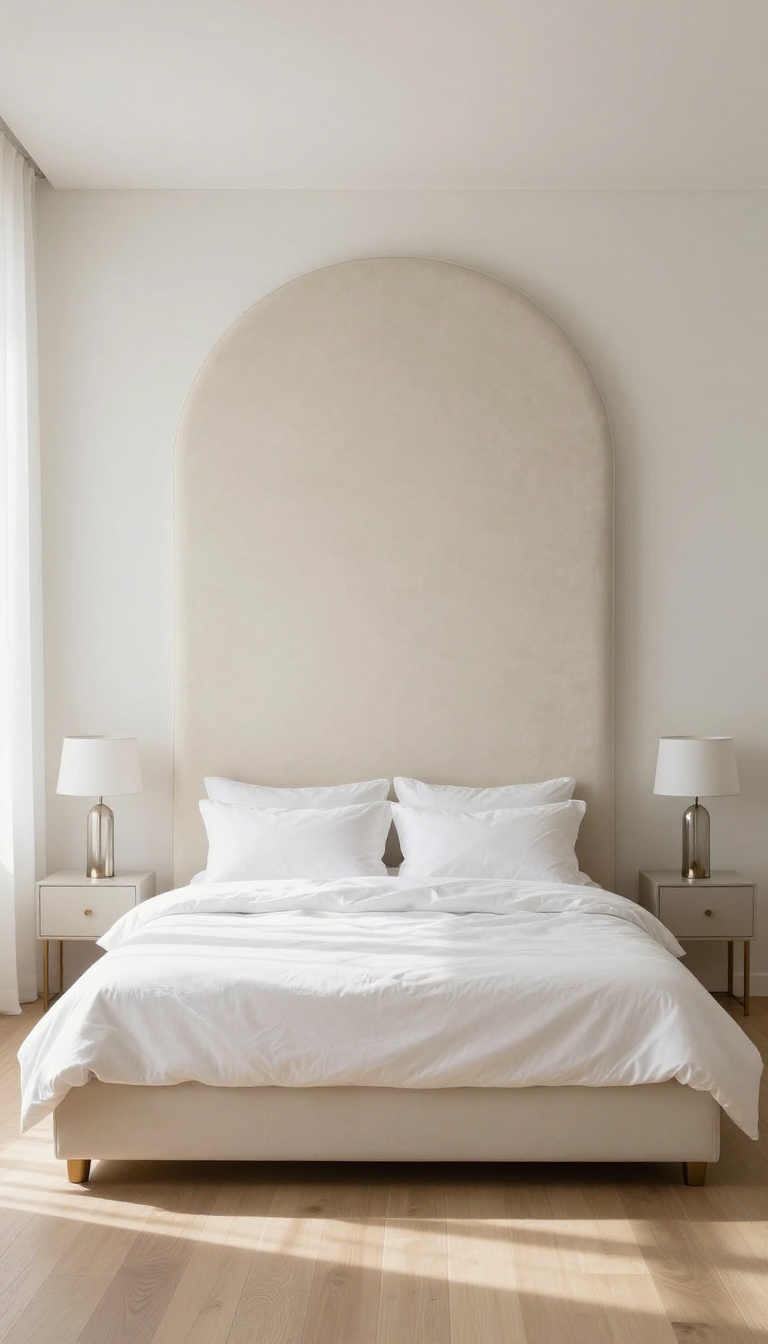
A headboard does more than finish the bed—it sets the tone for the entire room. Go tall and upholstered, and suddenly the bed feels like the centerpiece of a boutique hotel suite. Velvet or linen adds softness and texture, while the extra height draws the eye upward, making ceilings feel loftier and the space more intentional.
You don't need a full remodel to get that elevated look; sometimes one bold piece is enough.
A statement headboard is the easiest way to fake a designer bedroom without tearing down walls. It anchors the bed, adds a layer of comfort for late-night reading, and gives the room a clear focal point. The best part?
It works with almost any style, from modern minimal to classic glam. When you choose a tall, upholstered design, you're adding both visual weight and physical softness. That combination is what makes a bedroom feel luxurious rather than just decorated.
And because it's a single piece, you can go bold without overwhelming the rest of the space.
Pick The Right Height And Shape
A headboard that's too short gets lost against the wall. Aim for at least 48 to 60 inches tall for a dramatic effect, or go floor-to-ceiling if your ceilings allow. Arched and wingback shapes add elegance, while rectangular styles keep things clean and modern.
Just make sure it's proportional to your bed and room size.
Choose A Fabric That Feels Luxe
Velvet brings richness and a subtle sheen that catches the light. Linen offers a relaxed, breezy elegance that works year-round. For a more tailored look, consider a bouclé or a smooth leather.
Whatever you pick, opt for a high-density foam padding so it feels as good as it looks.
Mount It Like A Pro
You can attach the headboard to your bed frame or mount it directly to the wall. Wall-mounting gives you more flexibility with height and creates a floating effect. If you're renting, a freestanding headboard that leans against the wall is a smart, damage-free option.
Just secure it properly so it doesn't shift.
2. Layer Luxurious Bedding Like a Five-Star Hotel
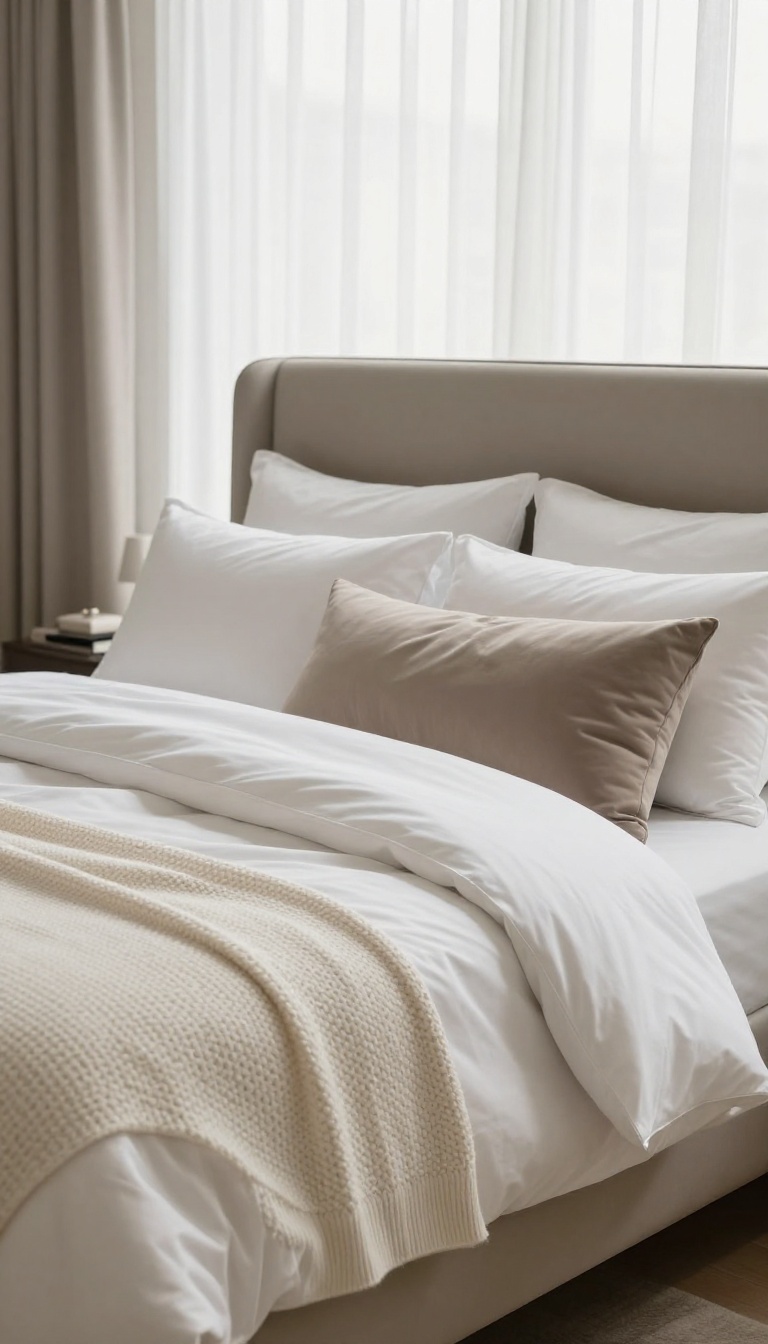
The bed is the centerpiece of any bedroom, and how you dress it can instantly elevate the space from ordinary to opulent. Five-star hotels have mastered the art of bedding that looks crisp and feels heavenly, and you can recreate that same indulgence at home. It starts with the right foundation: high-thread-count sheets that feel smooth against your skin.
Then you build upward with a plush duvet insert and a textured throw that adds both warmth and visual interest. The goal is a bed that invites you to sink in and never leave.
The secret to hotel-quality bedding lies in the layers. Each piece should serve a purpose, from comfort to style, and together they create a look that's both polished and inviting. Start with the sheets, then add the duvet, and finish with a throw.
Don't forget the pillows—they're the final touch that makes the bed look complete.
Start With High-thread-count Sheets
Sheets are the first thing you feel when you climb into bed, so they set the tone for the entire experience. Look for cotton or linen with a thread count between 300 and 600—high enough to feel silky, but not so high that it traps heat. Sateen weaves offer a subtle sheen, while percale feels crisp and cool.
Wash them with a gentle detergent and avoid fabric softener to keep them feeling fresh.
Add A Plush Duvet Insert
A duvet insert gives your bed that lofty, cloud-like appearance. Choose a fill that matches your climate: down for warmth, down alternative for allergies, or wool for breathability. A duvet cover in a neutral or soft hue keeps the look elegant and easy to change with the seasons.
Fluff it daily to maintain its shape and keep it looking inviting.
Finish With A Textured Throw
A throw blanket draped at the foot of the bed adds texture and a touch of color. Opt for chunky knits, faux fur, or a woven cotton blend to create contrast against smooth sheets. Fold it neatly or let it cascade casually—either way, it's an easy way to make the bed look styled without much effort.
Pillow Arrangement Matters
Pillows are like the jewelry of your bed. Start with two large European shams in the back, then layer standard pillows in front. Add a lumbar pillow or a decorative accent pillow for a pop of pattern or color.
Keep it functional—you still want to sleep comfortably—but don't be afraid to mix sizes and textures for a curated look.
3. Choose a Calming, Sophisticated Color Palette
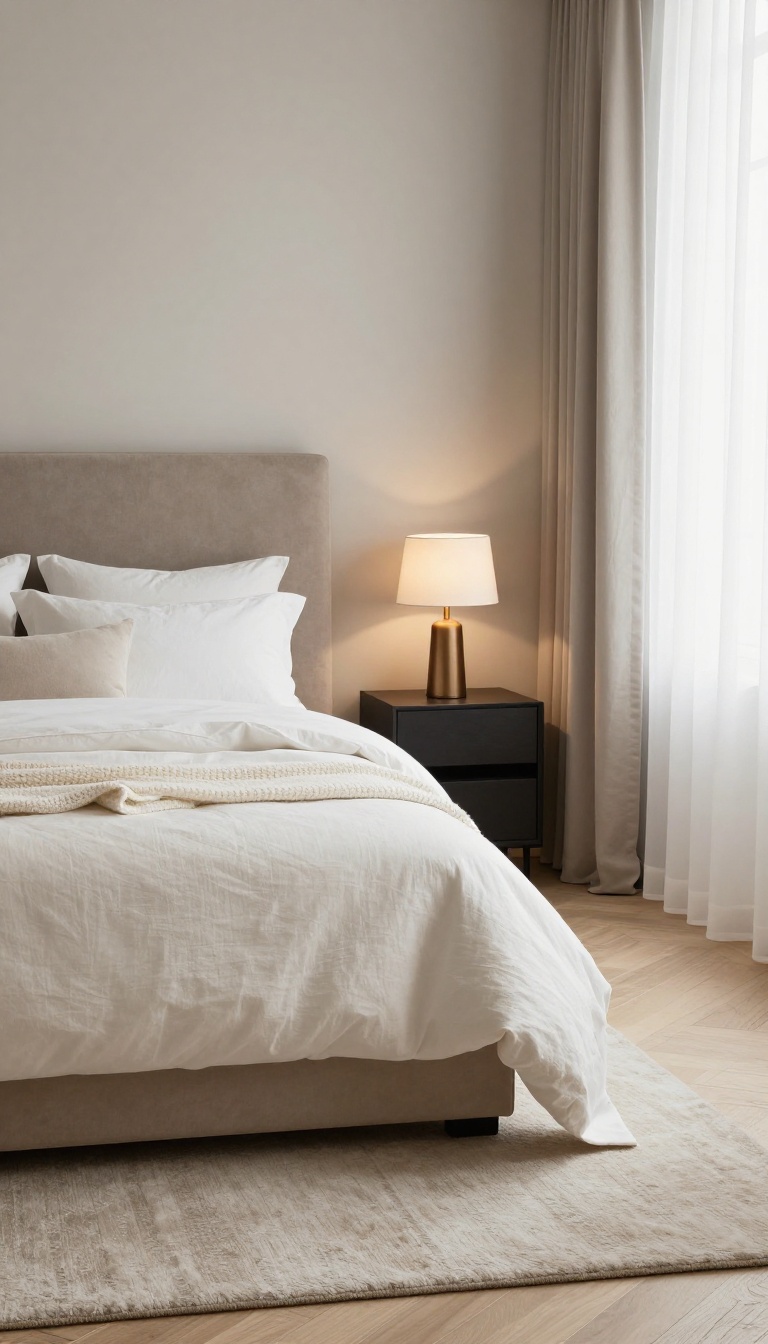
Color sets the emotional temperature of your bedroom before you even climb into bed. A tight, thoughtful palette can make a room feel like a five-star suite, while a scattered mix of hues creates visual noise that keeps your brain buzzing. The goal is simple: pick a direction and commit to it.
You don't need a dozen colors to make a room feel rich. In fact, the most elegant bedrooms usually stick to two or three shades that play off each other. That restraint is what reads as luxury—not how many paint swatches you collected.
Soft Neutrals That Never Feel Boring
Warm whites, oatmeal, taupe, and greige create a serene base that works with almost any furniture you already own. Layer in texture—a chunky knit throw, a linen duvet, a nubby rug—so the room feels cozy instead of flat. Add one deeper accent, like a charcoal bench or bronze lamp, to keep things from washing out.
Deep Jewel Tones For Drama
Emerald, sapphire, plum, and rich navy bring instant sophistication, especially in a bedroom where you want a cocooning feel. Use them on an accent wall, a velvet headboard, or floor-to-ceiling curtains rather than everywhere at once. Balance the intensity with crisp white bedding and warm metallic touches.
Muted Pastels With A Grown-up Edge
Dusty rose, sage, soft lavender, and pale blue feel calming without veering into nursery territory. The trick is to choose shades with a bit of gray mixed in—they read as refined rather than sugary. Pair them with natural wood tones and matte black hardware for a grounded, modern finish.
How To Keep The Palette Tight
Limit yourself to one dominant color, one secondary shade, and one metallic or wood tone. Repeat those three elements in your bedding, art, lamps, and rug so the eye has a clear path around the room. If you're tempted to add a fourth color, make it a tiny pop—like a single throw pillow—so it accents instead of competes.
4. Add Ambient Lighting with Dimmer Switches
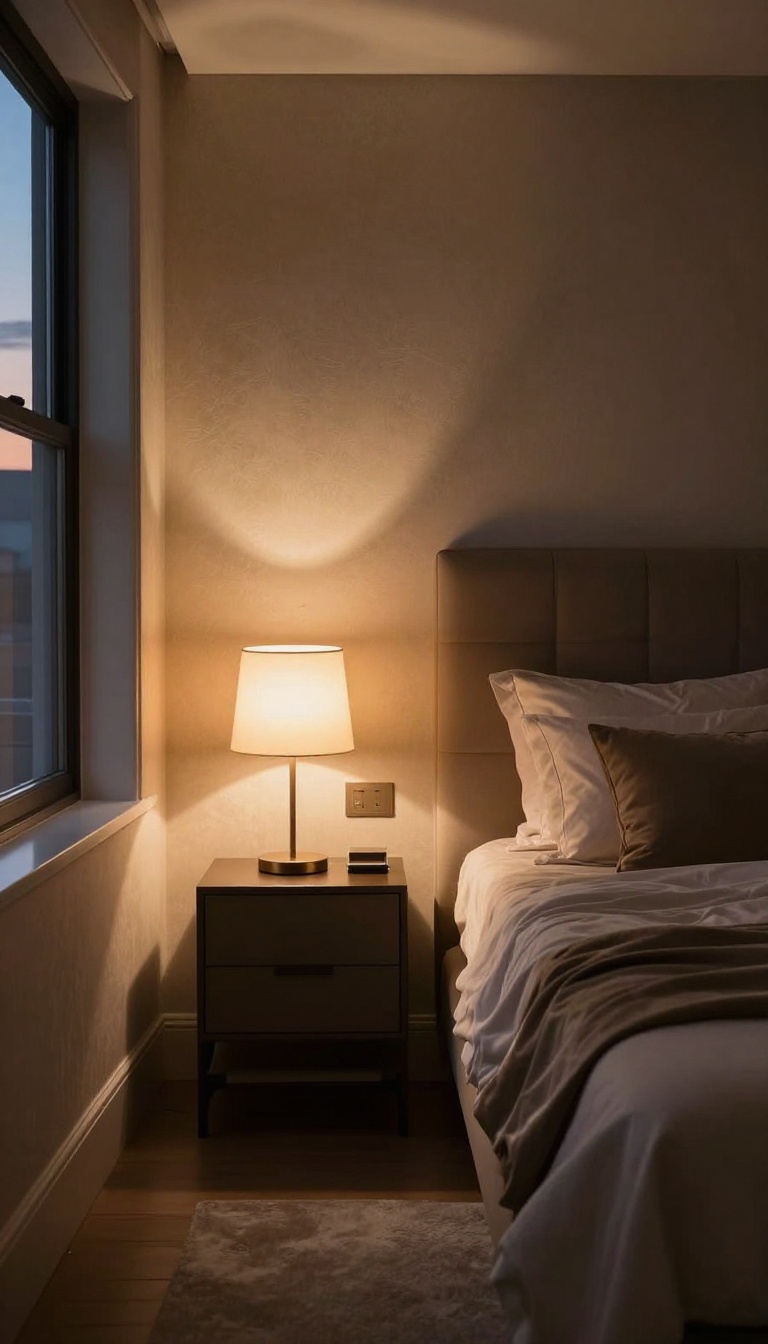
Lighting can make or break a bedroom's mood. Overhead lights alone often feel harsh and clinical, while a single bedside lamp can leave the rest of the room in shadow. Dimmer switches give you control over every layer of light, so you can shift from bright and functional to soft and moody with a simple turn.
Dimmers aren't just a technical upgrade—they change how the room feels. You can brighten things up for getting dressed or reading, then dim everything down for a calm, restful atmosphere. It's a small change that makes the space feel custom and intentional, like you've thought about every detail.
Plus, dimming lights saves energy and extends bulb life, so it's practical too.
Layer Your Lighting
Start by identifying your light sources: overhead fixtures, wall sconces, table lamps, and maybe even floor lamps. Put each on a dimmer so you can adjust them independently. For example, keep the overhead light low while brightening a reading lamp, or dim everything for a movie-like glow.
This layering creates depth and makes the room feel more dynamic.
Choose The Right Dimmer
Not all dimmers are created equal. For LED bulbs, make sure the dimmer is compatible to avoid flickering or buzzing. Lutron and Leviton are reliable brands, and some smart dimmers let you control lights with your phone or voice.
If you're handy, installing a dimmer is a quick DIY project; otherwise, an electrician can do it in minutes.
Set The Mood With Warmth
The color temperature of your bulbs matters as much as the dimming. Warm white bulbs (around 2700K) create a cozy, inviting feel, while cooler tones can feel more energizing. Pair dimmers with warm bulbs for a soft, luxurious glow that helps you unwind before bed.
5. Install a Statement Chandelier or Pendant
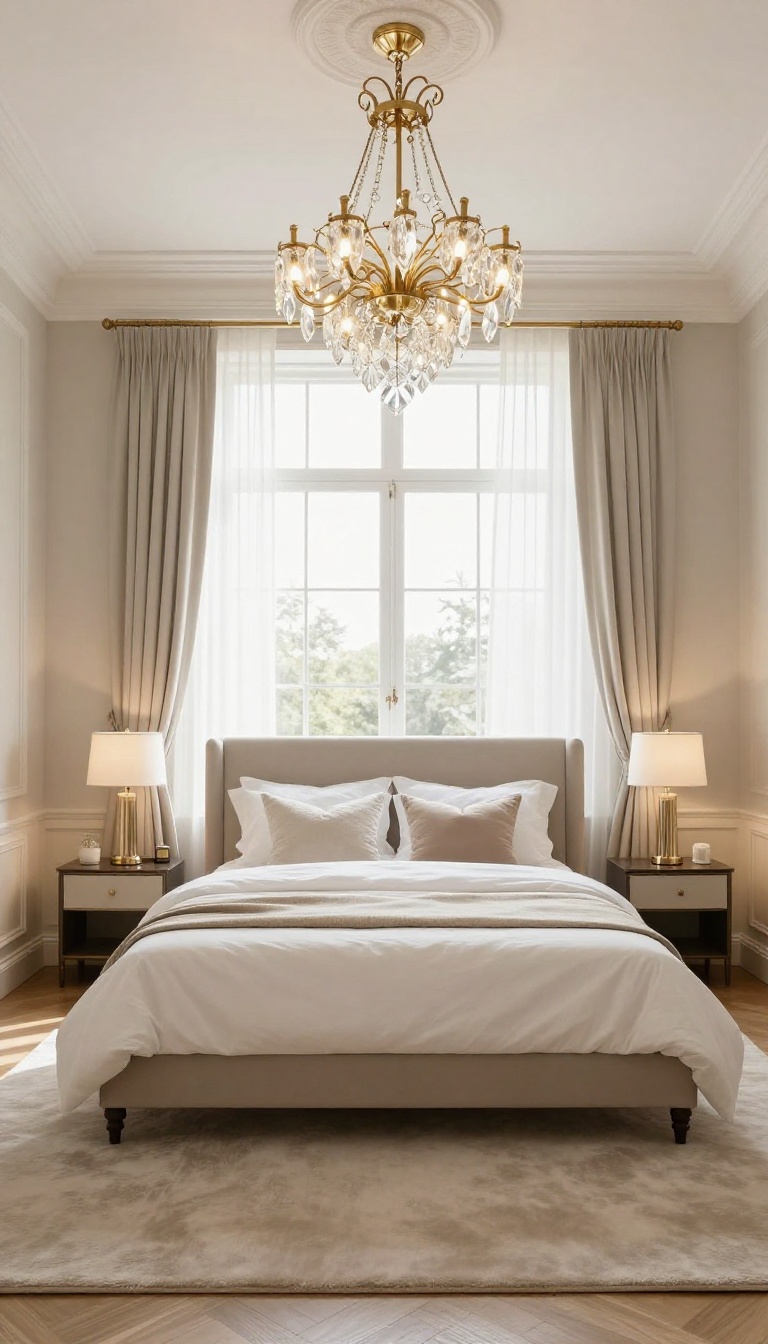
A great light fixture does more than brighten a room—it becomes the jewelry of your bedroom. Think of it as the finishing touch that pulls everything together, like a bold necklace on a simple outfit. Whether you hang it above the bed or in the center of the ceiling, a sculptural chandelier or pendant adds instant glamour and a clear focal point.
It tells the eye where to land and gives the space a deliberate, designer feel.
Choosing the right fixture is about scale, style, and placement. You want something that feels intentional, not like an afterthought. Here's how to get it right.
Pick A Style That Matches Your Vibe
A crystal chandelier brings classic elegance, while a modern geometric pendant feels sleek and contemporary. For a soft, romantic look, try a cluster of small glass globes or a delicate wireframe design. Match the finish to your other hardware—brass, nickel, or matte black—so the room feels cohesive.
If your bedroom is minimal, a single oversized pendant makes a bold statement without clutter.
Get The Size And Height Right
Too small and it gets lost; too large and it overwhelms. As a rule, the fixture's width should be about one-third to one-half the width of your bed if you're hanging it above the headboard. For ceiling height, keep the bottom of the fixture at least 7 feet from the floor in walkways, and 30 to 36 inches above a nightstand or bedside table.
Above the bed, aim for 30 to 34 inches from the mattress to the bottom of the light.
Layer With Other Lighting
A chandelier or pendant shouldn't be your only light source. Pair it with bedside lamps, wall sconces, or recessed dimmers so you can adjust the mood. Use warm bulbs (2700K–3000K) and a dimmer switch to shift from bright task lighting to a soft, relaxing glow.
That flexibility is what makes a luxury bedroom feel truly livable.
6. Use a Plush Area Rug for Underfoot Comfort
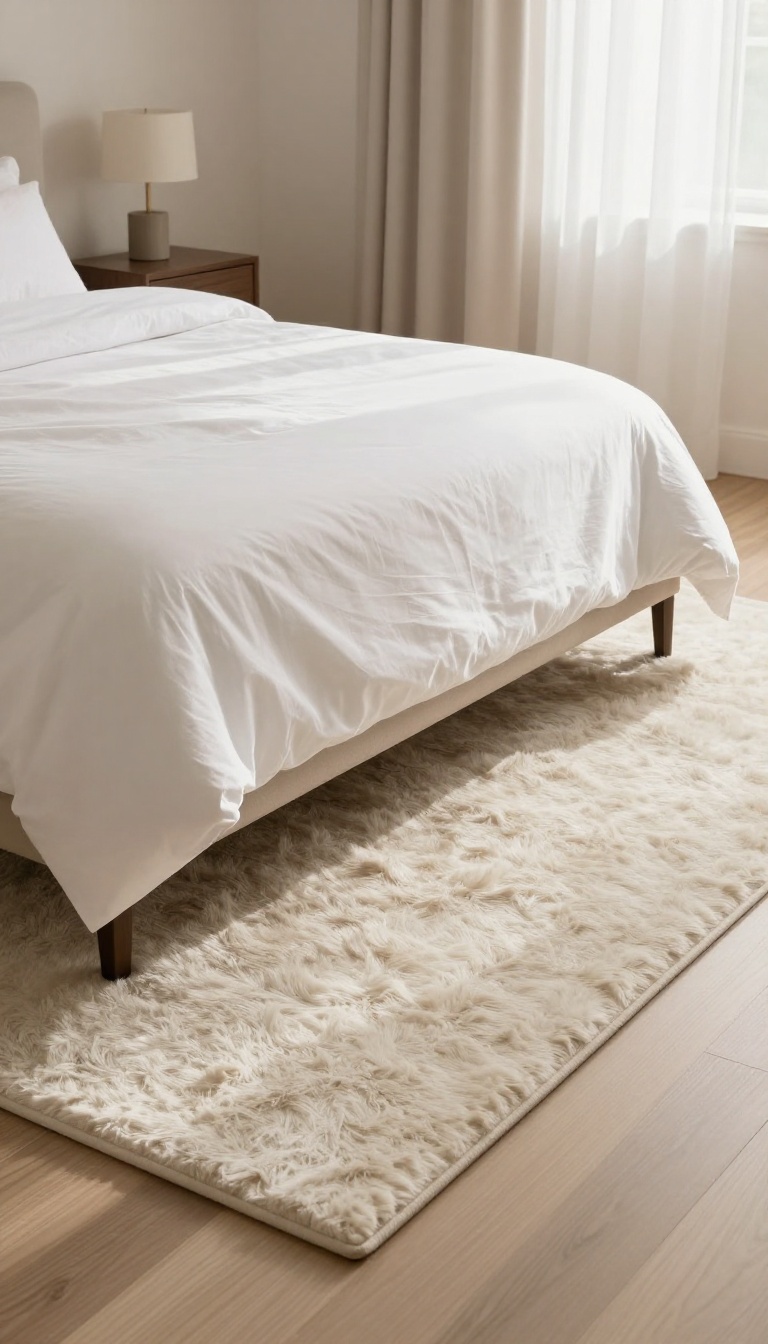
Bare floors can make even a beautifully furnished bedroom feel a little cold and unfinished. A plush area rug changes that instantly, adding softness where your feet land first thing in the morning. It also absorbs sound, so the room feels quieter and more cocoon-like.
Think of it as the layer that ties your bed, nightstands, and seating together while making everything feel warmer.
The right rug does more than cover floor space. It adds texture, muffles echoes, and gives your bedroom that sink-in luxury you feel the second you step out of bed. Wool and silk blends are popular for good reason—they look rich, wear well, and feel amazing underfoot.
Just make sure the size and placement work with your room, not against it.
Pick A Size That Fits The Bed
A rug that's too small makes the whole room feel off-balance. For a queen or king bed, aim for a rug that extends at least 18 to 24 inches beyond the sides and foot of the bed. If you have nightstands, the rug should ideally sit just in front of them or slightly under the front legs.
A 9×12 or 8×10 works well in most primary bedrooms, while smaller rooms can get away with a runner along each side or a single rug placed under the lower two-thirds of the bed.
Choose Wool Or A Silk Blend
Wool is the gold standard for bedroom rugs. It's soft, durable, naturally stain-resistant, and holds up to daily foot traffic. A wool-silk blend adds a subtle sheen and an extra layer of plushness that feels unmistakably high-end.
If you want something even softer, look for a viscose or bamboo-silk option, but keep in mind those fibers can show footprints more easily. For a balance of luxury and practicality, a thick wool rug with a low-cut pile is hard to beat.
Layer For Extra Depth
Layering a smaller, textured rug over a larger, neutral one is a designer trick that adds warmth and visual interest. Try a sheepskin or a small Moroccan-style rug beside the bed for a cozy spot to land your feet. Just keep the layers thin enough that doors can still open and close without catching.
This approach also lets you swap out the top layer seasonally without replacing the whole setup.
Keep It Clean And Fresh
A plush rug feels luxurious only when it's clean. Vacuum it weekly on a low setting, and rotate it every few months so it wears evenly. Use a rug pad underneath to prevent slipping and add extra cushioning.
For wool rugs, spot-clean spills with a mild detergent and cold water, and consider professional cleaning once a year. A fresh rug makes the whole room smell and feel better.
7. Create a Dedicated Reading Nook
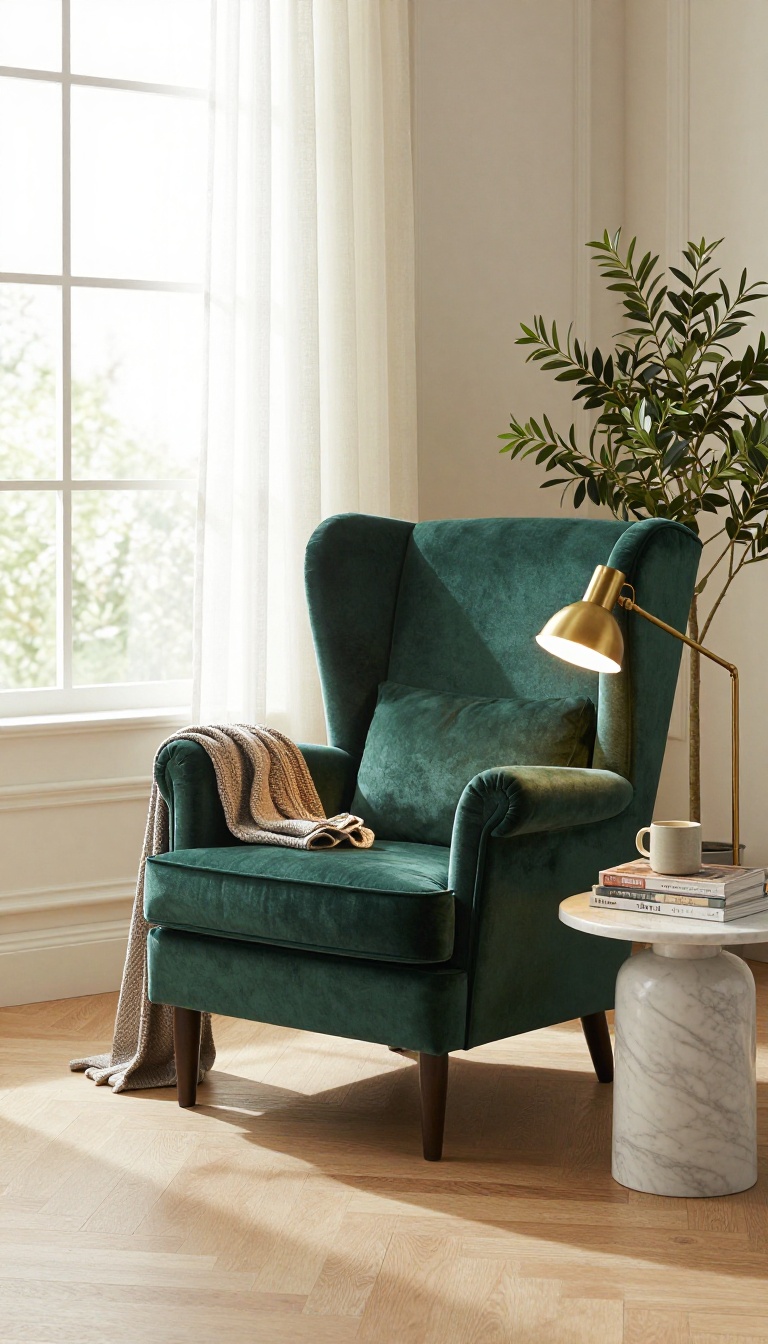
A bedroom corner that holds nothing but a stray sock and a charging cable is wasted real estate. With a few deliberate pieces, that same spot becomes the most inviting part of the room—a place to read, sip tea, or simply sit with your thoughts before sleep. It's one of the easiest luxury upgrades because it doesn't require moving walls or rewiring anything.
You just need a chair that hugs you back, a small table, and light that knows how to behave.
The goal is simple: give yourself a reason to linger in the bedroom without staring at a screen. A reading nook signals that this room is for winding down, not just passing out. It also fills awkward corners that otherwise collect clutter.
And because it's small by design, you can go a little more indulgent on the pieces you choose.
Pick A Chair You'd Actually Sink Into
The chair makes or breaks the nook. Look for something with a high back and soft arms—a wingback, a barrel chair, or a plush lounge chair all work well. Test it in person if you can; if your shoulders don't relax when you sit down, keep looking.
Fabric matters too. Velvet, bouclé, or a soft leather adds instant warmth and feels luxurious against bare arms. Skip stiff accent chairs that look pretty but punish you after ten minutes.
Add A Small Table And A Task Lamp
You need a surface for a book, a mug, and maybe your phone—nothing more. A round side table or a slim pedestal table keeps the footprint small and the look polished. Pair it with a task lamp that casts a warm, focused pool of light.
An adjustable arm lets you aim the beam at your page without flooding the whole room. Choose a metal or ceramic base that matches your other hardware for a cohesive feel.
Layer In Comfort With A Throw And Cushion
A folded throw draped over the chair's arm invites you to stay awhile. Choose a cashmere or chunky knit in a tone that ties into your bedding or curtains. Add one lumbar cushion for back support—it makes longer reading sessions feel effortless.
This layer also softens the visual edge of the chair, making the nook feel intentional rather than plopped down.
Position It For Calm, Not Traffic
The best corner for a nook is usually the one farthest from the door and closest to a window, if you have one. You want soft daylight during the day and a cozy glow at night. Avoid placing it where you'll stare at a pile of laundry or a cluttered dresser.
If the corner feels tight, angle the chair slightly outward so the space doesn't feel boxed in. A small rug underneath can define the zone and add another layer of softness.
8. Incorporate Mirrored or Glass Furniture
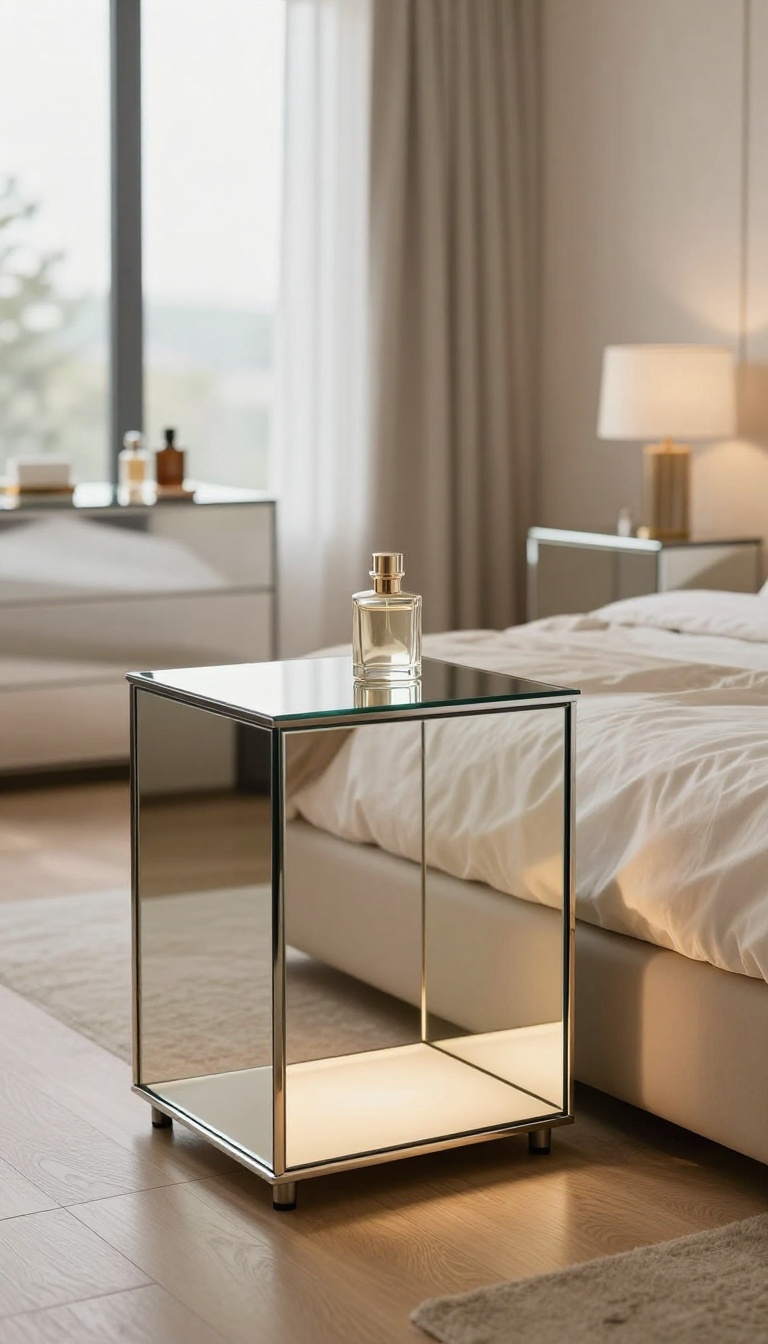
Mirrored and glass furniture brings a quiet glamour to a bedroom without shouting for attention. A mirrored nightstand or a glass-top dresser catches light from windows and lamps, then bounces it around the room. That simple reflection makes the space feel brighter, airier, and a little more spacious—even if the square footage hasn't changed.
The trick is balance. Too much mirror can feel cold or fussy, but one or two well-chosen pieces add polish and depth. They also pair beautifully with soft textiles, warm wood tones, and layered lighting.
Think of them as jewelry for your furniture layout: a little sparkle goes a long way.
Mirrored and glass pieces work best when they have a clear job in the room. A nightstand holds your lamp and book; a dresser stores clothes and displays a tray of perfume. When those everyday items sit on a reflective surface, the whole vignette looks intentional and elevated.
You get function and a subtle dose of luxury at the same time. Another plus: reflective surfaces don't fight with your existing color palette. They pick up whatever is around them—your wall color, bedding, even the view outside—and weave it into the room.
That makes them surprisingly easy to mix into almost any style, from modern minimal to old-world elegant.
Where Mirrored Pieces Shine
Nightstands are the easiest place to start. A mirrored chest or side table reflects your lamp and bedding, creating a soft glow at eye level when you're lying in bed. It feels special without being over the top.
A mirrored dresser or vanity is another strong choice. It doubles the visual space in a tight corner and gives you a glamorous spot to get ready. Just keep the top relatively uncluttered so the reflection stays clean.
If you want something subtler, try a mirrored tray on an existing dresser or a small mirrored stool. These small touches add sparkle without committing to a full piece of furniture.
Glass Tops That Keep It Light
A glass-top nightstand or dresser feels almost invisible, which is perfect for small bedrooms. The see-through surface lets the floor and wall color continue uninterrupted, so the room feels less crowded. Glass also plays well with metal and wood frames.
A slim brass base with a glass top looks modern and airy; a dark wood base with glass feels more traditional. Either way, you get a clean, polished look that's easy to dust and style. One practical note: glass shows fingerprints and dust more than wood does.
Keep a microfiber cloth nearby, and you'll keep that just-cleaned shine.
Styling Tips For Reflective Surfaces
Reflective furniture looks best when it has something interesting to reflect. Place a sculptural lamp, a small vase of flowers, or a stack of beautiful books nearby. The mirror or glass will double the visual impact.
Avoid placing mirrored pieces directly opposite a TV or a cluttered area. You don't want the reflection to become a distraction. Instead, angle them toward a window, a piece of art, or a quiet corner with soft lighting.
Finally, mix in texture. A fuzzy throw, a linen lampshade, or a woven rug next to a sleek mirrored nightstand keeps the room from feeling too cold. The contrast is what makes it feel luxurious.
9. Add Built-In Shelving or a Custom Wardrobe
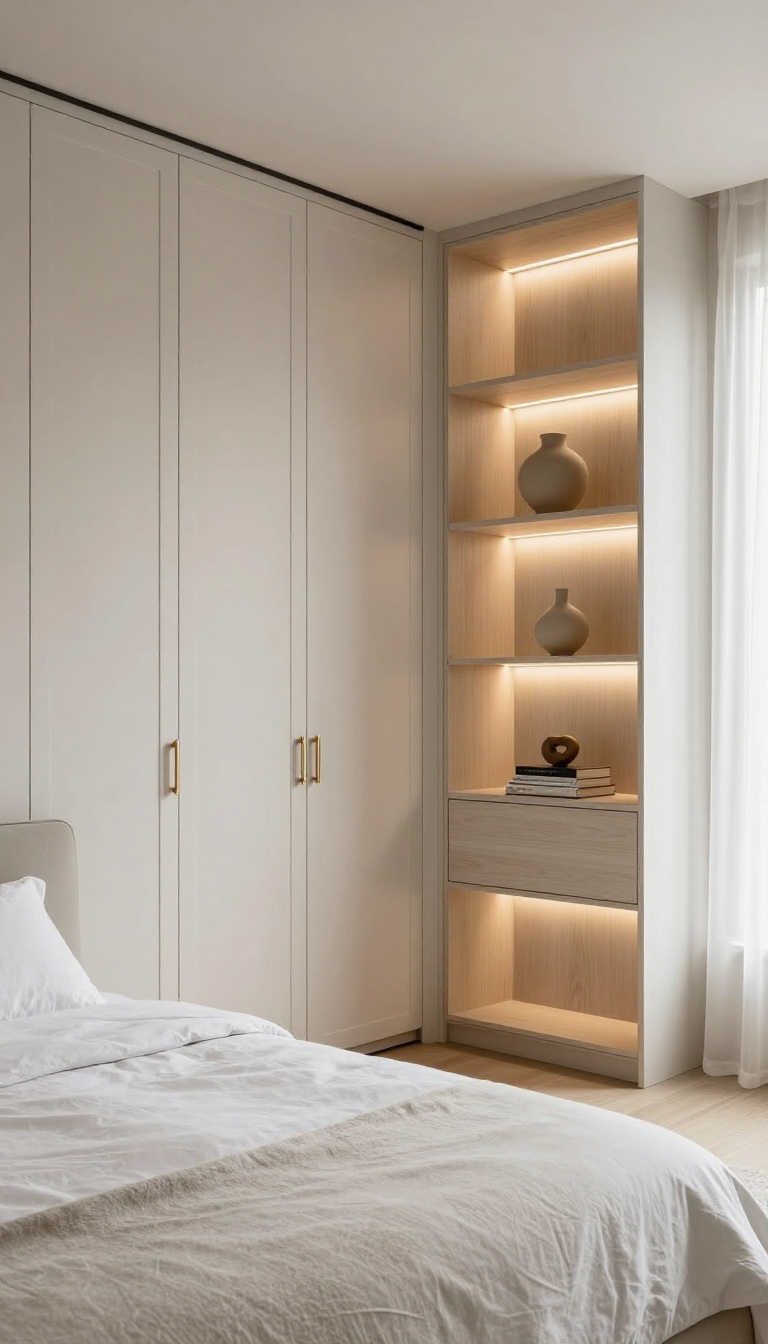
Clutter is the enemy of a calm, elegant bedroom. When your belongings have a dedicated place to live, the whole room feels more peaceful and polished. Built-in shelving and custom wardrobes solve that problem while adding architectural character you just can't get from a freestanding piece.
Custom storage does more than hide your stuff. It turns empty wall space into a functional feature that makes the room feel intentional and tailored. Whether you go with open shelves or closed cabinets, the goal is the same: everything has a home, and the room looks effortlessly put together.
Why Built-ins Beat Standalone Furniture
A freestanding wardrobe or bookcase can look like an afterthought. Built-ins, on the other hand, are designed to fit your exact space—floor to ceiling, wall to wall. That seamless look reads as high-end because it feels custom, even if you used a smart modular system.
Plus, you gain more storage without sacrificing floor space.
Open Shelves Vs. Closed Cabinets
Open shelving adds depth and a chance to display a few beautiful objects—a ceramic vase, a stack of art books, a small sculpture. But keep it edited. Too many items and it starts to feel cluttered.
Closed cabinets, meanwhile, are your best friend for hiding everyday items like clothes, shoes, and electronics. A mix of both gives you the best of form and function.
Design Details That Make It Look Custom
Even a basic built-in can look bespoke with the right touches. Add integrated LED strip lighting inside shelves or along the top of a wardrobe to create a soft glow. Choose hardware that matches your room's metal accents—brass, matte black, or brushed nickel.
And don't forget the finish: a matte lacquer or wood veneer that complements your headboard or nightstands ties everything together.
Making It Work In Any Size Room
Short on space? A floor-to-ceiling wardrobe with a mirrored door can double as a dressing area and make the room feel larger. In a bigger bedroom, consider a built-in window seat with storage underneath, flanked by tall shelves.
The key is to work with your architecture, not against it. Alcoves, sloped ceilings, and awkward corners are all opportunities for smart, custom storage.
10. Choose Luxurious Window Treatments
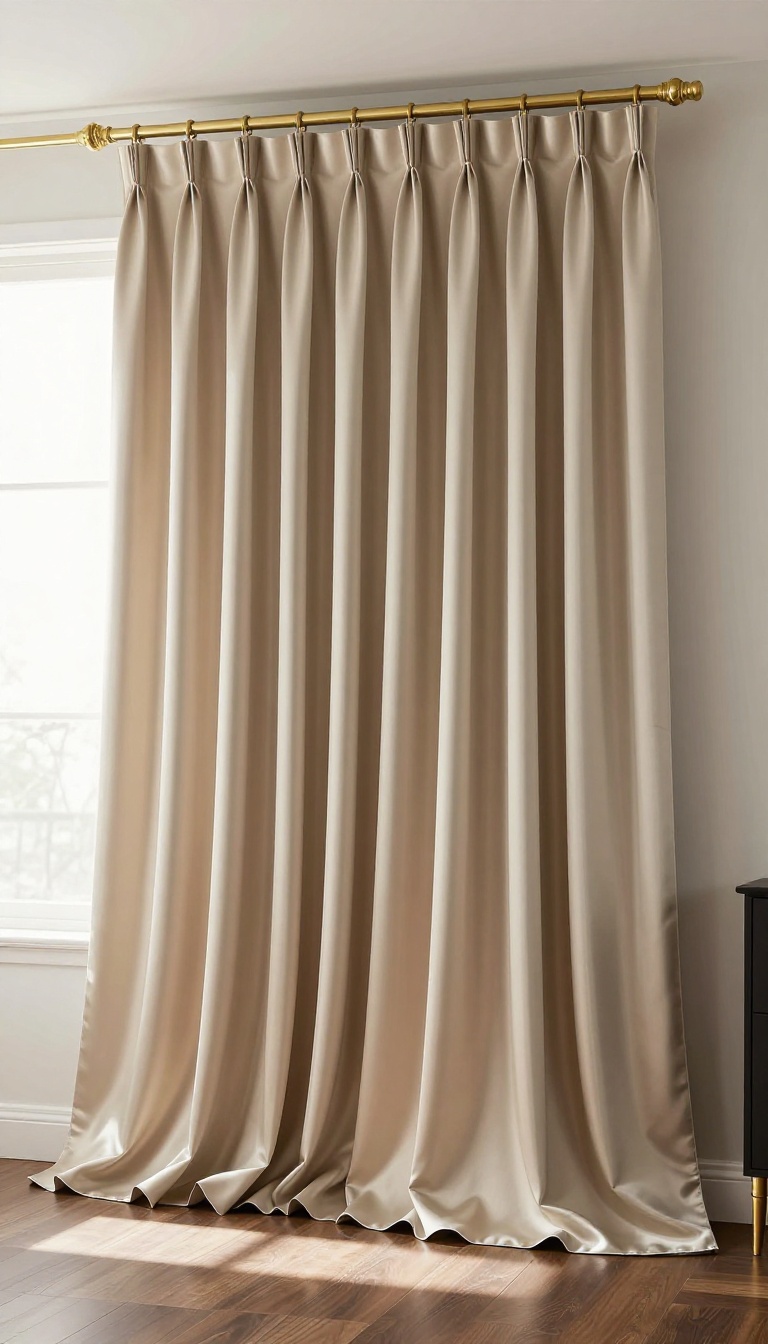
Windows are often the last thing people style in a bedroom, yet they control light, temperature, and privacy—three things that directly affect how well you sleep. The right treatments can also add a layer of polish that makes the whole room feel more intentional. Think of them as both a design statement and a practical upgrade.
Floor-length drapes in silk or velvet bring instant drama and softness. They pool slightly at the floor, which adds a tailored, high-end look. Pair them with blackout shades underneath so you get total darkness when you need it.
The combination gives you beauty and function without compromise.
Pick The Right Fabric
Silk reflects light and feels cool and smooth, while velvet absorbs sound and adds warmth. Both hang beautifully and feel luxurious to the touch. Choose a color that complements your bedding and wall tone.
If you want a moody vibe, go deep—charcoal, navy, or emerald. For a lighter feel, try champagne or soft grey.
Layer For Light Control
Blackout shades are the unsung hero of good sleep. They block early morning sun and streetlights, helping you stay asleep longer. Install them close to the glass to minimize gaps.
Then hang your drapes wider and higher than the window frame to make the room feel taller and more expansive.
Hardware Matters
Cheap rods and brackets can ruin the effect. Choose a sturdy metal or wood rod with a finish that matches your other hardware—brass, matte black, or brushed nickel. Add finials for a custom touch.
If you want a cleaner look, consider a ceiling-mounted track system that disappears behind the fabric.
Keep Them Clean And Functional
Dust and allergens build up on heavy fabrics, so vacuum drapes gently with a brush attachment every few weeks. For silk or velvet, professional cleaning is best. Make sure the shades operate smoothly—cordless options are safer and look neater.
A little maintenance keeps them looking plush for years.
11. Bring in a Spa-Like Scent and Sound
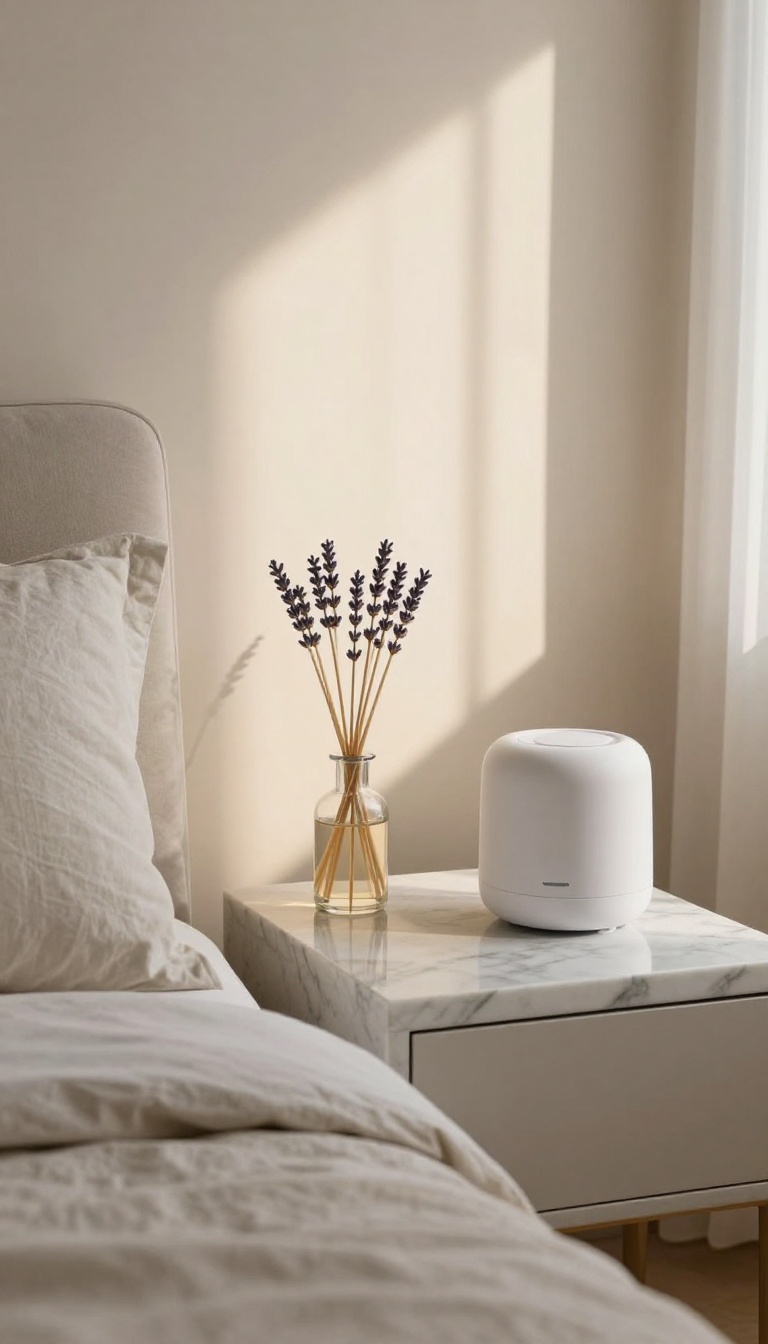
Your nose and ears pick up on a room’s mood long before your eyes adjust. A faint, calming scent and a steady background hum can flip a bedroom from busy to blissful in seconds. This idea is all about layering those two senses without turning your space into a candle shop or a tech lab.
The goal is subtlety. You want the room to smell clean and inviting, not like a perfume counter exploded. And you want sound that masks distractions without becoming a new one.
Get it right, and slipping into bed feels like checking into a quiet boutique hotel.
Pick A Scent That Signals Sleep
Lavender is the classic for a reason—it’s linked to lower heart rates and easier wind-downs. Cedarwood, sandalwood, or a light eucalyptus blend work just as well if you prefer something less floral. Avoid anything sharp or sugary; those wake up your brain instead of settling it.
A reed diffuser or an ultrasonic diffuser with a timer is your best bet. Run it for 30 to 60 minutes before bed, then let it fade. You want a whisper of scent, not a wall of it.
Choose A White-noise Setup That Disappears
A dedicated white-noise machine beats a phone app because it stays on all night without buzzing or lighting up. Look for one with a warm, consistent sound—think soft rain or a low fan hum, not a harsh static hiss. Place it across the room from your headboard so it feels ambient, not pointed at your ears.
If you share the bed, test a few volume levels together. The right setting covers traffic and creaky floors while still letting you hear a smoke alarm.
Keep It Clean And Low-maintenance
Diffusers need a quick wipe every week or two, and essential oils can go stale. Stick to one or two scents you love and store the bottles away from direct sun. For white-noise machines, a dusting of the speaker grille keeps the sound crisp.
If you’d rather not deal with refills, a simple linen spray on your pillows and a small tabletop fountain can do the trick. The point is a sensory cue that tells your body, “We’re done for the day. ”
12. Use Art and Mirrors as Focal Points
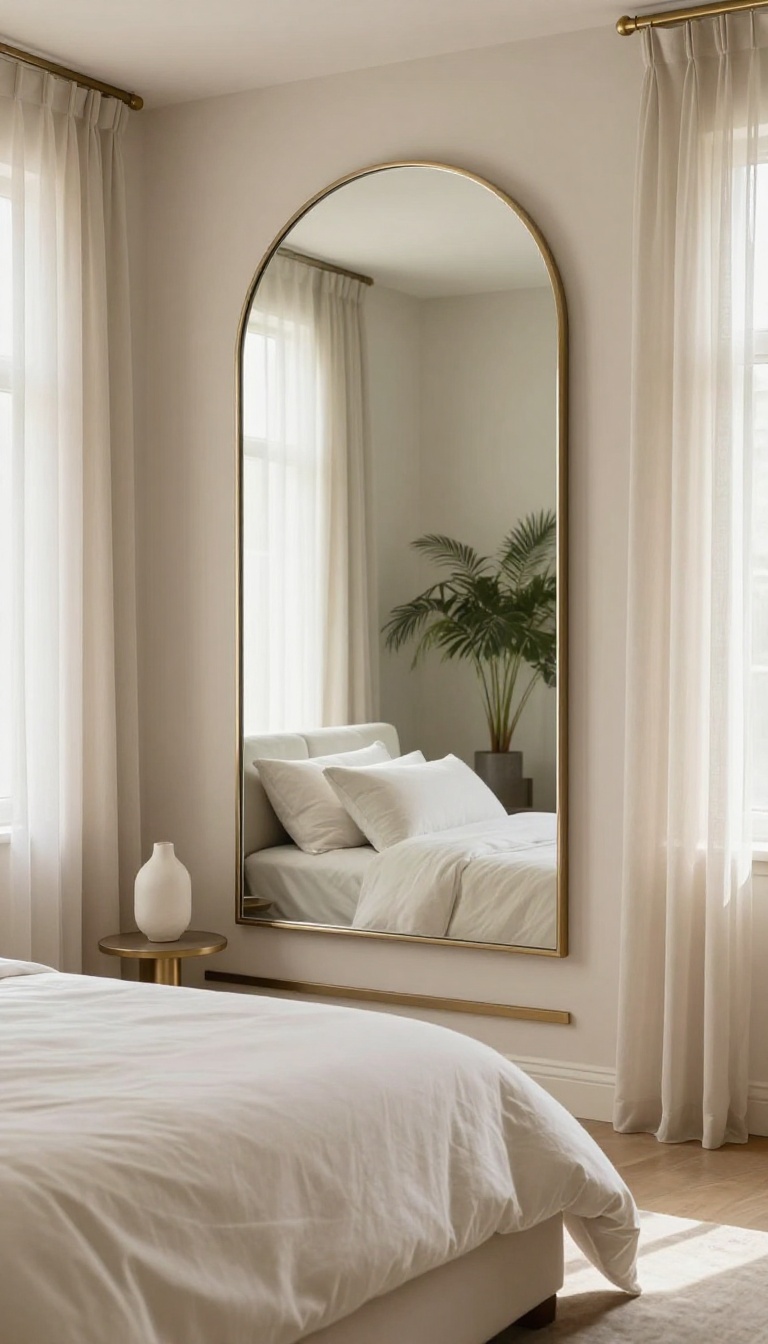
Blank wall above the bed is a missed chance to say something. A single bold piece of art or an oversized mirror gives the eye a place to land the moment you walk in, and that one decision makes the whole room feel intentional rather than assembled. It's the difference between a bedroom that's just furnished and one that feels curated.
You don't need a gallery wall to pull this off. One strong piece, scaled correctly, usually beats five small ones fighting for attention. The goal is a clear focal point that anchors the bed and ties your color palette together.
Mirrors work the same way, with a bonus: they bounce light around and make the room feel bigger. Either route gives your bedroom a centerpiece that feels deliberate, and deliberate is what reads as luxury.
Pick The Right Scale
Art that's too small above a king bed looks like a postage stamp. Aim for a piece that spans roughly two-thirds to three-quarters of the headboard width, or hang a pair or triptych to fill that zone. Height matters too.
Leave about six to ten inches between the top of the headboard and the bottom of the frame. That gap keeps the art connected to the bed instead of floating near the ceiling.
Mirrors That Do More Than Reflect
An oversized mirror above the bed doubles your light and adds instant depth, which is a gift in smaller rooms. A simple arched or rounded frame keeps it elegant; heavy ornate frames can tip into fussy. If you'd rather not stare at your own reflection from bed, angle a large leaning mirror in a corner instead.
You still get the light and the drama, just from a softer position.
Make It Feel Collected, Not Bought
Mix one statement piece with something personal—a framed sketch, a textile, a photo you actually love. That contrast is what makes a room feel lived-in and high-end at the same time. Keep the frame finish consistent with your hardware and lighting.
Matching metals or woods across the room quietly pulls everything together, and it's one of the easiest luxury signals to get right.
13. Upgrade to a Smart Mattress and Pillows
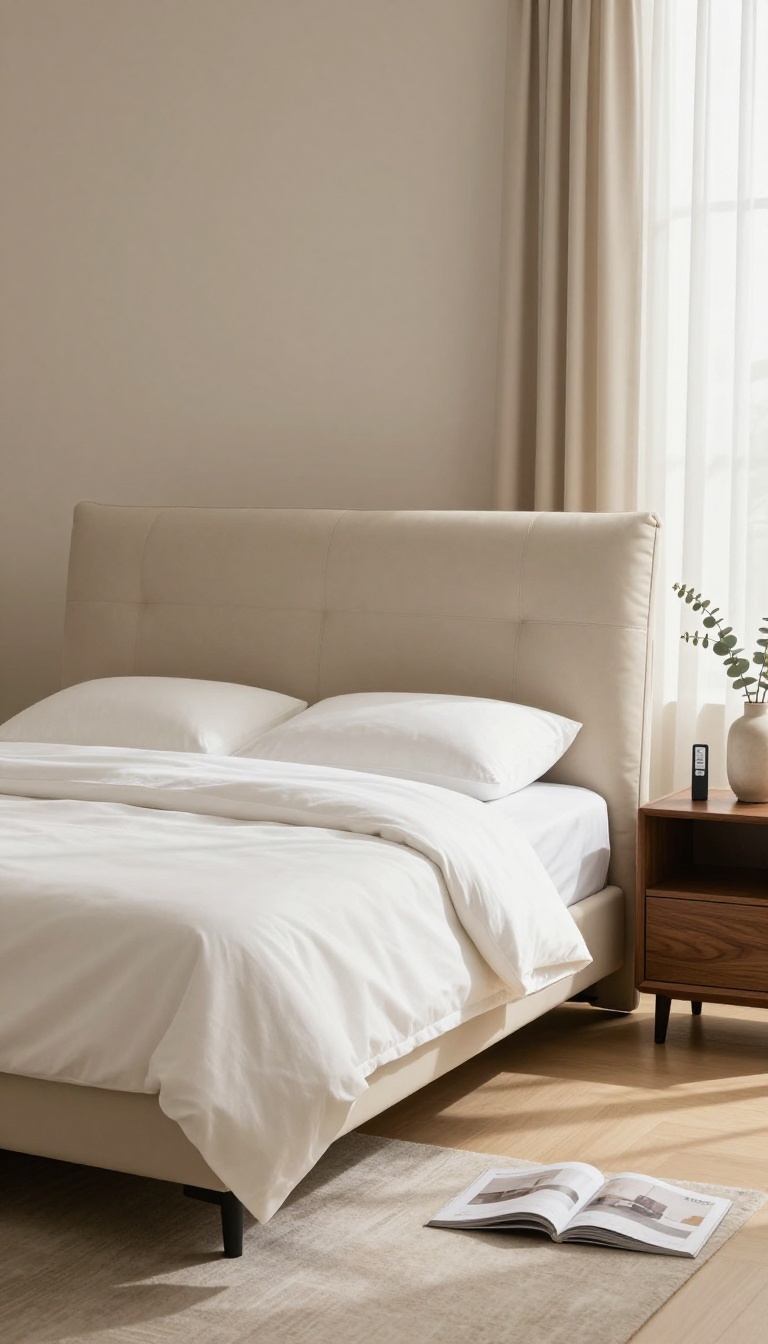
You can layer a bedroom in silk and velvet, but if the mattress underneath is tired, the whole room still feels off. The real luxury is waking up without aches, and that starts with what you sleep on. Smart mattresses and memory-foam pillows have come a long way from gimmicky gadgets.
They now adjust to your body, track your sleep, and even warm your feet—quietly and without much fuss. Think of it as investing in the one piece of furniture you use every single night. It’s the upgrade you feel more than you see, and it makes everything else in the room work better.
A smart mattress isn’t just about apps and sensors. It’s about support that changes when you do—whether you’re reading, sleeping, or just lying there scrolling. Many models let you adjust firmness on each side, so you and your partner stop compromising.
Some even raise your head slightly to help with snoring or acid reflux. The tech stays hidden, so the room still looks like a retreat, not a showroom. Pillows matter just as much.
Memory foam molds to your neck and shoulders, which keeps your spine aligned and reduces tossing. The right loft and firmness depend on how you sleep—back, side, or stomach. A quick swap can mean the difference between a stiff morning and a rested one.
You don’t need to replace everything at once. Start with a mattress topper if a full upgrade feels steep, then add one quality pillow. Small changes, big payoff.
Adjustable Support For Two Sleepers
If you share a bed, you know the struggle: one likes soft, the other likes firm. A smart mattress with dual zones solves that without a single argument. Each side adjusts independently, so you both get the support you need.
It’s a quiet luxury that pays off every night.
Pillows That Actually Fit Your Sleep Style
Side sleepers need a higher loft to fill the gap between neck and mattress. Back sleepers do better with medium support, and stomach sleepers need something thin. Memory foam pillows come in all shapes, including contour designs that cradle your neck.
Pick one that matches how you actually sleep, not how you wish you slept.
Smart Features Worth Having
Not every bell and whistle is useful. Look for adjustable firmness, sleep tracking that doesn’t require a subscription, and gentle wake-up vibrations. Cooling gel layers help if you run hot.
Skip the ones that need a dozen apps or constant Wi-Fi. The best tech disappears into the background.
14. Add a Seating Area with a Bench or Chaise
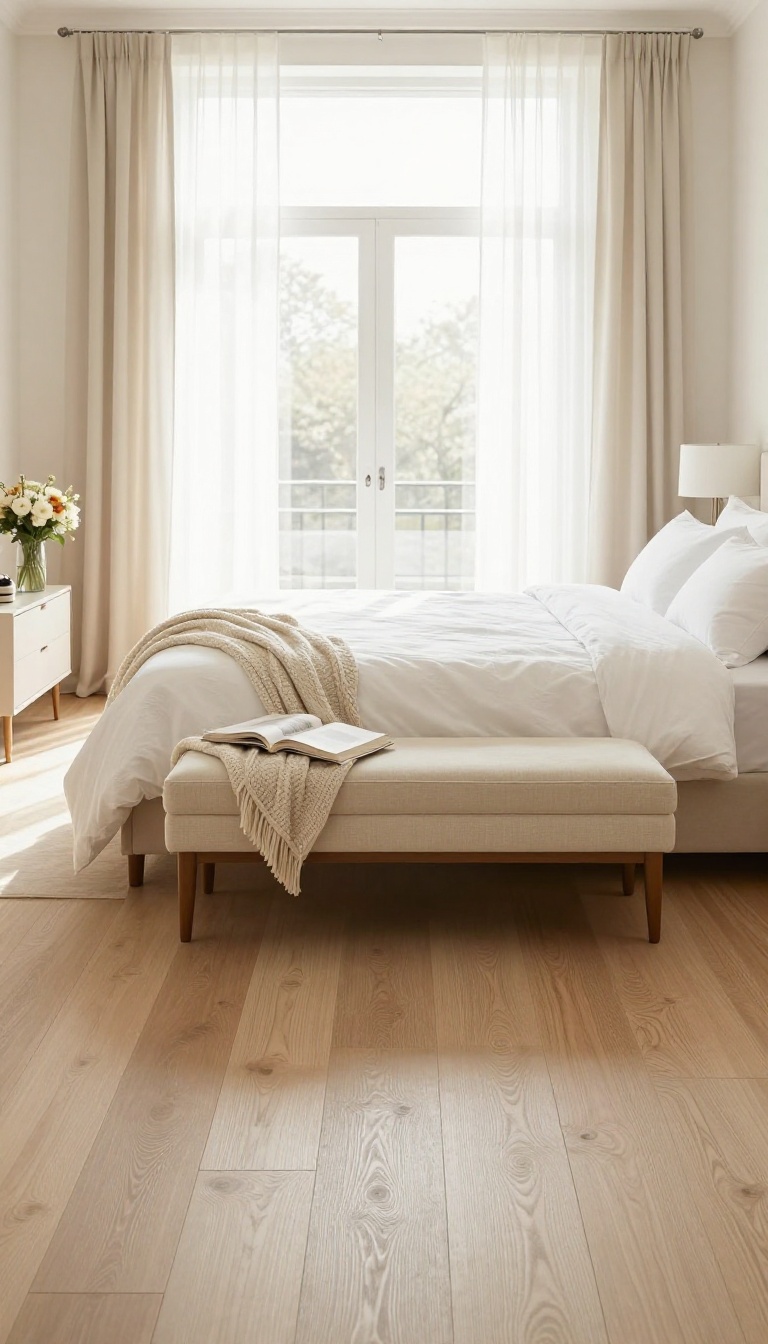
A bedroom without a place to sit forces you to perch on the edge of the mattress or drag in a dining chair. That awkward gap between the bed and the wall is prime real estate for a bench or chaise. Adding one turns dead space into a functional, resort-like corner that makes the whole room feel more intentional.
A bench at the foot of the bed or a chaise by the window adds function and a resort-like touch. It gives you a spot to tie your shoes, set down a book, or just pause without messing up the covers. The key is choosing the right piece for your layout and using it to reinforce the room's elegance rather than clutter it.
Pick The Right Spot
At the foot of the bed, a bench works as a natural extension of the mattress. It keeps the walkway clear and adds a tailored, hotel-suite look. If you have a bay window or a quiet corner, a chaise longue creates a dedicated reading nook that feels separate from sleep.
Measure your clearance first—you want at least 24 inches of walking space around the piece.
Match The Style Without Matching The Bed
A bench or chaise doesn't need to come from the same collection as your bed frame. In fact, a little contrast looks more collected and less showroom. Try an upholstered bench in a different fabric than your bedding, or a wood-framed chaise next to a metal bed.
Keep the color palette related—think warm neutrals or a shared accent tone—so it still feels cohesive.
Make It Useful, Not Just Pretty
The best seating in a bedroom earns its keep. Choose a bench with a shelf underneath for extra blankets, or a chaise with hidden storage for pillows and off-season throws. Add a small tray on top for a candle, a cup of tea, or your phone.
That way the piece pulls double duty and never becomes a dumping ground for laundry.
15. Finish with Metallic or Brass Accents
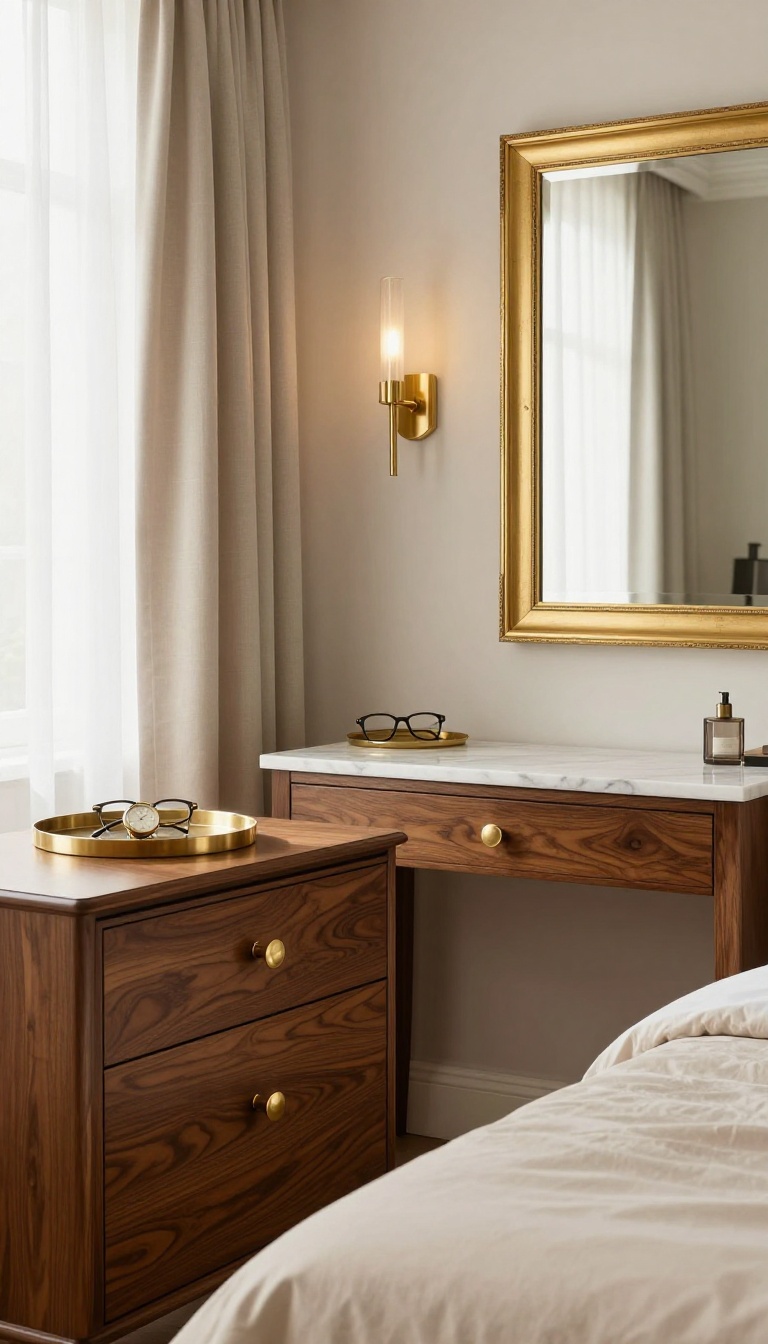
Metallic finishes have a way of making a room feel polished without shouting. In a bedroom, brass and gold work especially well because they add warmth instead of the cool, clinical feel you sometimes get from chrome or nickel. You don't need much—just a few well-placed touches that catch the light and tie the space together.
The trick is restraint. A little shine goes a long way, and the goal is a subtle gleam that reads as expensive, not flashy. Think of these accents as jewelry for the room: they should enhance what's already there, not overpower it.
Start with the hardware you touch every day. Drawer pulls, cabinet knobs, and wardrobe handles are small details that make a big difference. Swap out builder-grade pieces for solid brass or brushed gold, and suddenly your dresser looks custom.
The weight of real metal in your hand also feels more luxurious than hollow alternatives. Lighting is another easy win. Lamp bases, sconce arms, and pendant fixtures in brass or gold add a warm glow even when they're off.
Look for finishes that are unlacquered or lightly antiqued so they develop a soft patina over time. That lived-in look feels collected rather than brand new. Don't forget trays and small accessories.
A brass tray on the nightstand corrals your watch, rings, and reading glasses while adding a reflective surface. A gold-framed mirror above the dresser bounces light around the room and makes the space feel larger. Even a metallic picture frame or a slim brass reading light can be enough.
Mix metals carefully if you want to layer. Pairing brass with matte black or warm wood keeps things grounded. Avoid matching every piece exactly—slight variations in tone look more natural and less showroom-perfect.
Hardware That Feels Custom
Drawer pulls and knobs are the fastest way to upgrade a basic dresser or nightstand. Choose solid brass or brushed gold in a simple shape that fits your hand comfortably. The upgrade costs little but changes how the whole piece reads.
Lighting With A Warm Glow
Brass lamp bases and sconces add warmth even before you turn them on. Look for unlacquered finishes that age gracefully. A single brass pendant or pair of wall lights can anchor the room's metallic theme.
Small Details That Shine
A brass tray on the nightstand or a gold-framed mirror adds function and gleam. These small touches catch light and make the room feel considered. Keep it to two or three pieces so the effect stays elegant, not cluttered.
FAQ
What makes a bedroom feel luxurious?
Luxury comes from a mix of comfort, quality materials, and thoughtful lighting. Plush bedding, soft textures, and a calm color palette do more than expensive furniture alone.
How can I make my bedroom look expensive on a budget?
Focus on high-impact swaps: a statement headboard, layered bedding, dimmable lighting, and a large area rug. These changes cost less than a full remodel but transform the room.
What color palette works best for a luxury bedroom?
Soft neutrals like cream and taupe, deep jewel tones like navy or emerald, and muted pastels all work well. Keep the palette limited to two or three colors for a cohesive look.
Do I need a chandelier for a luxury bedroom?
Not necessarily. A sculptural pendant or a pair of elegant wall sconces can create the same glamorous effect. The key is a fixture that feels intentional and adds ambient light.
How do I make a small bedroom feel luxurious?
Use mirrors to reflect light, choose furniture with legs to show floor space, and keep clutter hidden with built-in storage. A large rug and floor-length curtains also add a high-end feel.
Conclusion
An elegant bedroom rarely comes from one big purchase. It comes from small choices that fit how you actually rest, unwind, and wake up. Pick the idea that fixes your biggest daily gripe first, whether that is harsh light, a bare bed, or clutter with nowhere to go.
Live with that change for a week before layering in more. A softer lamp, a real headboard, or a pair of proper nightstands can shift the whole room. Get the bed and lighting right, and the rest tends to settle into place.