20 Cleaning Carpet Tips for Stains, Odor, and Pet Hair
You walk into the living room and spot a fresh coffee stain near the sofa. The dog has left his mark again, and that lingering smell just won't quit. Carpet messes are inevitable, but they don't have to be permanent.
With the right approach, you can tackle stains, odors, and pet hair without calling in a pro. Most solutions use items you already have in your pantry.
These 20 tips are designed to be practical and effective. Whether you're dealing with a sudden spill or routine maintenance, there's a fix here for you.
1. Blot, Don't Rub – The Golden Rule of Stain Removal
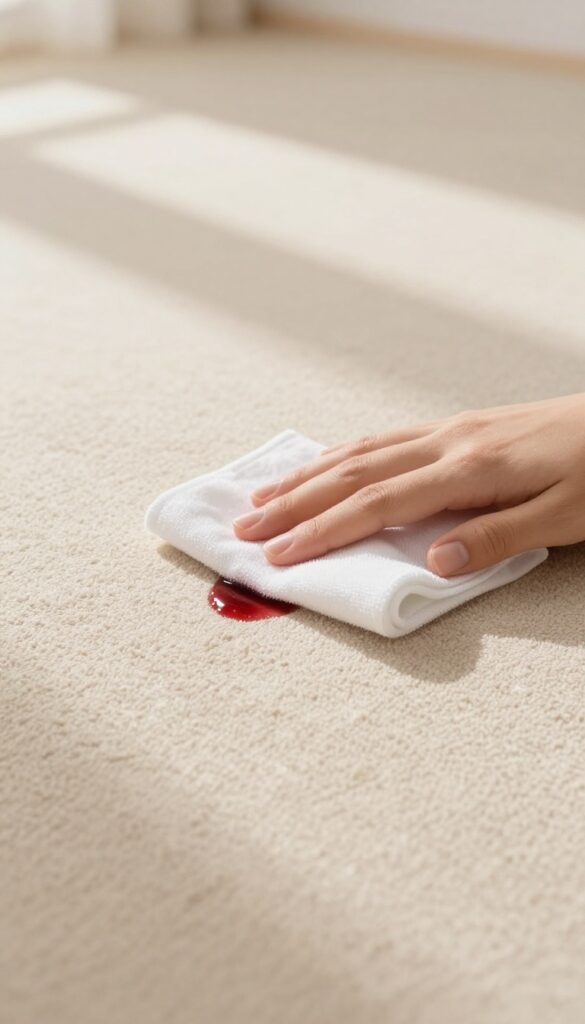
A fresh spill can send anyone into panic mode. The natural instinct is to scrub hard, but that's exactly what makes stains set. Blotting is the gentle, effective way to lift liquid out of carpet fibers without grinding it deeper.
When a spill happens, grab a clean cloth and blot gently. Rubbing pushes the stain deeper into the fibers. Blot from the outside in to prevent spreading.
Why Rubbing Makes It Worse
Rubbing mashes the stain into the carpet backing and spreads it outward. The friction also damages the fibers, leaving a fuzzy or matted spot. Blotting lifts the liquid without grinding it in.
The Right Blotting Technique
Use a white cloth or paper towel to avoid color transfer. Press down firmly, then lift. Don't rub back and forth.
Work from the outer edge toward the center to keep the stain contained.
When To Switch To A Cleaning Solution
Blot until the cloth comes up mostly dry. Then apply a mild carpet cleaner or DIY solution (like vinegar and water) and blot again. Repeat until the stain is gone, then blot with plain water to rinse.
2. Vinegar and Water: Your Go-To Spot Cleaner
White vinegar is a powerhouse when it comes to carpet cleaning. It's cheap, non-toxic, and surprisingly effective at breaking down stains and neutralizing odors. The best part?
You probably already have a bottle under your sink. This simple solution works on everything from red wine to pet accidents. It's gentle enough for most synthetic carpets but tough enough to lift set-in stains.
Just remember to test it on a hidden area first, especially on natural fibers like wool.
The classic vinegar and water mixture is one of the most versatile carpet cleaners you can make. It's safe for most carpets, affordable, and surprisingly effective at both stain removal and odor elimination. Here's how to use it properly.
The Right Ratio
Mix equal parts white vinegar and warm water in a spray bottle. For tough stains, you can go a little heavier on the vinegar. Shake gently to combine.
Don't use apple cider vinegar—it can leave a residue and might stain light carpets.
Application Technique
Spray the stain generously but don't soak the carpet. Let it sit for 5 to 10 minutes—this gives the vinegar time to break down the stain. Blot with a clean white cloth, working from the outside in to prevent spreading.
Repeat if needed.
Odor Neutralizing Bonus
Vinegar naturally neutralizes alkaline odors like pet urine. The vinegar smell disappears as it dries, leaving your carpet fresh. For persistent smells, add a few drops of lemon essential oil to the mixture.
3. Baking Soda: The Odor Absorber That Works Overnight
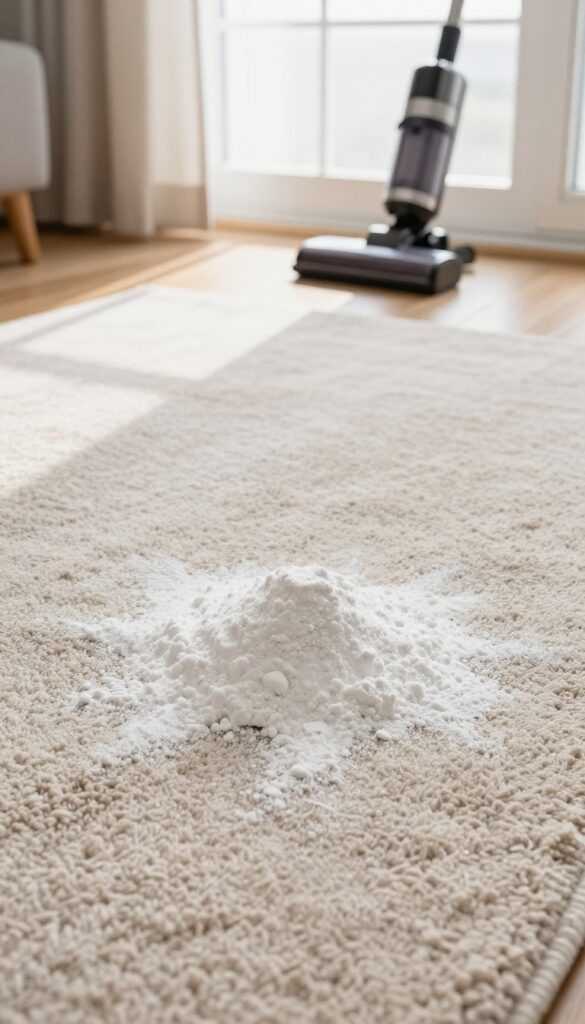
If your carpet smells less than fresh, baking soda is the simplest fix. It naturally neutralizes odors without masking them with artificial fragrances. Just sprinkle, wait, and vacuum—it's that easy.
Baking soda works by absorbing moisture and odors trapped deep in carpet fibers. For best results, cover the entire carpet or focus on smelly spots like pet areas. Let it sit overnight (8+ hours) to fully work its magic, then vacuum thoroughly.
Repeat monthly for ongoing freshness.
Why It Works So Well
Baking soda is a mild alkaline compound that reacts with acidic odor molecules, neutralizing them chemically. It also absorbs excess moisture that can cause musty smells. Unlike sprays that just cover up odors, baking soda tackles the source.
How To Apply For Maximum Effect
Sprinkle a generous, even layer over the carpet. Use a stiff brush to work it into the fibers, especially in high-traffic areas. For stubborn pet odors, mix baking soda with a few drops of essential oil (like lavender) before applying.
Let it sit for at least 8 hours—overnight is ideal. Vacuum slowly in multiple directions to lift all the powder.
When To Use It (and When Not To)
Baking soda is perfect for general deodorizing, pet smells, and light mustiness. Avoid it on wet stains or if you have pets that might ingest large amounts. For serious mold or mildew, address the moisture issue first.
4. Hydrogen Peroxide for Tough Organic Stains
Blood, wine, and grass stains are among the most stubborn carpet offenders. They set quickly and can leave a lasting mark if not treated correctly. Hydrogen peroxide offers a powerful solution that breaks down organic matter without harsh chemicals.
Reach for a bottle of 3% hydrogen peroxide when you encounter these tough stains. Pour it directly onto the stain and let it fizz for a few minutes. The bubbling action helps lift the stain from the fibers.
Blot with a clean, damp cloth until the stain transfers. Repeat if necessary. Always test on a hidden area first, as peroxide can lighten some carpet colors.
Why It Works On Organic Stains
Hydrogen peroxide is an oxidizing agent that breaks down the molecular structure of organic compounds. This makes it especially effective on protein-based stains like blood and plant-based stains like grass. The fizzing action helps push the stain out of the carpet fibers.
Step-by-step Application
First, blot up as much of the stain as possible. Then apply hydrogen peroxide directly to the stain, covering it completely. Let it sit for 3–5 minutes.
Blot with a white cloth, working from the outside in. Rinse with cold water and blot dry. Avoid scrubbing, which can damage the carpet.
Safety Precautions
Always test hydrogen peroxide on a hidden spot first. It can bleach some carpets, especially synthetic fibers. Wear gloves to protect your skin.
Keep the area well-ventilated. Do not mix hydrogen peroxide with vinegar or ammonia, as this can create harmful fumes.
5. Dish Soap and Warm Water: A Simple Degreaser
Grease stains from cooking oil, butter, or salad dressing can be some of the trickiest to remove from carpet. They tend to spread and darken over time if not treated correctly. Fortunately, a gentle solution of dish soap and warm water can break down the grease without damaging the fibers.
Dish soap is designed to cut through grease on dishes, and it works just as well on carpet. The key is to use a mild, clear dish soap without bleach or harsh chemicals. Mix a few drops with warm water to create a gentle cleaning solution.
Always blot—never rub—to avoid pushing the stain deeper into the carpet.
Why Dish Soap Works
Dish soap contains surfactants that break the surface tension between grease and water. This allows the grease to be lifted away from the carpet fibers rather than bonding to them. Warm water helps dissolve the grease, making the blotting process more effective.
Step-by-step Application
Start by blotting up any excess grease with a paper towel. Mix a few drops of dish soap with two cups of warm water. Dip a clean white cloth into the solution and blot the stain gently.
Work from the outside in to prevent spreading. Rinse the area with a damp cloth dipped in plain water, then blot dry with a towel.
When To Use This Method
This method is best for fresh grease stains from food, oil-based products, or cosmetics. For older or set-in stains, you may need to repeat the process or follow up with a commercial carpet cleaner. Avoid using this on wool or delicate carpets, as dish soap can sometimes cause residue or discoloration.
6. Enzymatic Cleaners for Pet Accidents
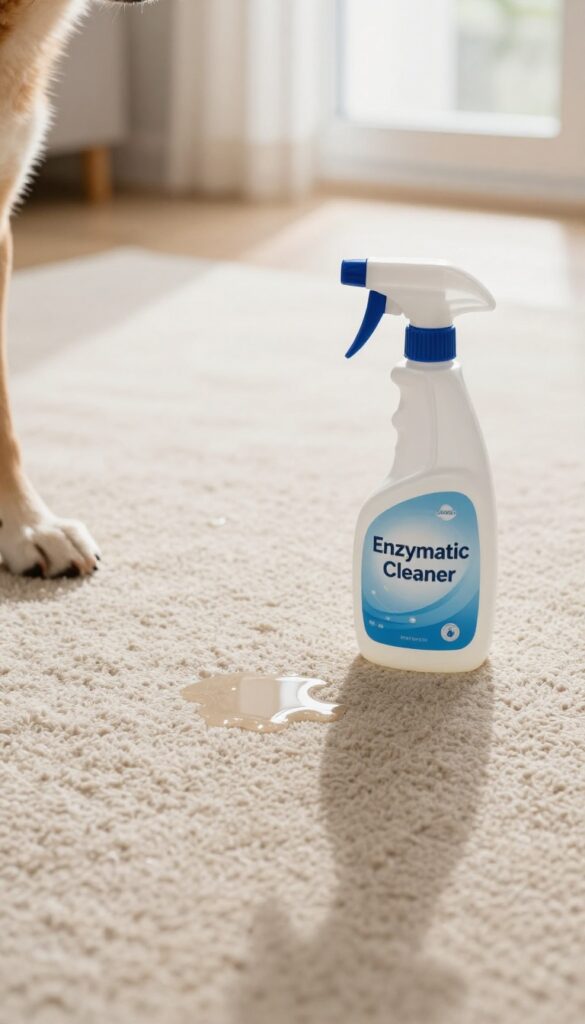
Pet accidents are more than just a stain—they leave behind proteins that standard cleaners can't fully break down. That's why enzymatic cleaners are a game changer. They target the source of the odor, not just mask it.
Enzymatic cleaners contain beneficial bacteria that produce enzymes specifically designed to digest organic matter like urine, feces, and vomit. When you apply the cleaner, these enzymes break down the proteins into smaller, odorless molecules. This eliminates the smell at its source, rather than just covering it up.
For best results, apply the cleaner generously to the affected area, making sure it saturates the carpet fibers. Let it dwell for the time specified on the label—usually 10 to 15 minutes—to give the enzymes time to work. Then blot the area with a clean cloth to remove excess moisture.
Avoid steam cleaning until the area is completely dry, as heat can deactivate the enzymes and lock in the stain.
Why Enzymatic Cleaners Work
Unlike regular carpet shampoos, enzymatic cleaners use biological processes to digest the proteins in pet waste. This means they don't just remove the stain; they eliminate the odor-causing compounds. This is especially important for pet owners, as pets are attracted to the scent of previous accidents and may re-mark the same spot.
How To Apply For Best Results
Start by blotting up as much of the fresh accident as possible. Then apply the enzymatic cleaner generously, ensuring it penetrates deep into the carpet padding. Let it sit for the recommended dwell time—don't rush this step.
Afterward, blot again with a clean towel. Do not scrub, as that can push the stain deeper. Allow the area to air dry completely, which may take several hours.
When To Avoid Steam Cleaning
Steam cleaning uses heat and moisture that can deactivate the enzymes before they've had a chance to work. Always wait until the enzymatic cleaner has dried fully—usually 24 hours—before using a steam cleaner. If you steam clean too soon, you risk setting the stain and odor permanently.
7. Club Soda for Fresh Spills
You don't need a fancy stain remover for fresh spills—just a bottle of club soda. The carbonation works like a gentle scrubber, pushing the liquid up and away from the carpet fibers. It's a trick that's been around for ages because it actually works.
When a spill happens, grab a club soda and pour it directly onto the stain. Let it fizz for a few seconds, then blot with a clean cloth. Repeat until the stain lifts.
No rubbing, just blotting. This method works best on fresh spills like wine, coffee, or juice. For older stains, consider a different approach.
Why Club Soda Works
The carbonation in club soda creates bubbles that help loosen the stain from the carpet fibers. The salt in the soda also helps draw out the liquid. It's a simple chemical reaction that makes cleanup easier.
How To Blot Correctly
Use a white cloth or paper towel to avoid color transfer. Press down firmly and lift—don't scrub. Scrubbing can push the stain deeper and damage the carpet.
Keep blotting until the cloth comes away clean.
When To Skip This Method
Club soda is for fresh, water-based spills only. For grease, oil, or dried stains, you'll need a different cleaner. Also, avoid using too much liquid, which can soak the carpet pad and lead to mold.
8. Cornstarch to Absorb Grease and Oil
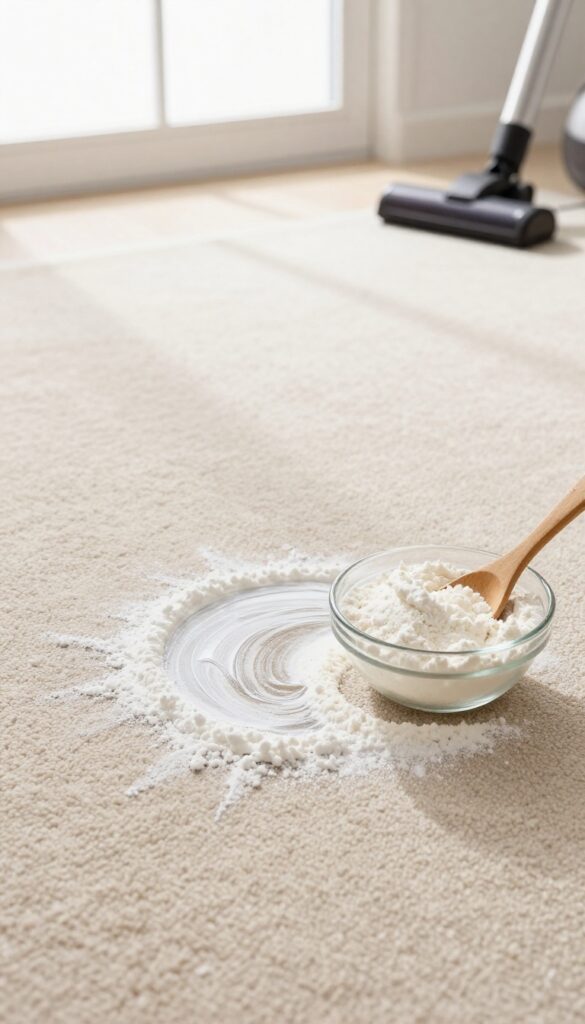
Grease stains from cooking oil, butter, or salad dressing can be some of the trickiest to remove from carpet. But before you reach for harsh chemicals, try a simple pantry staple: cornstarch. It acts like a magnet for grease, pulling it right out of the fibers.
When a greasy spill happens, act fast. Blot up as much excess oil as possible with a paper towel. Then, generously sprinkle cornstarch over the spot, covering it completely.
Let it sit for at least 15 minutes—longer for stubborn stains. The cornstarch will absorb the oil, turning into a clumpy powder. Vacuum it up, and you'll see a dramatic difference.
If any residue remains, mix a few drops of dish soap with warm water, dab it on, and blot until the stain lifts.
Why Cornstarch Works So Well
Cornstarch is a fine, absorbent powder that soaks up liquid grease without pushing it deeper into the carpet. Unlike some cleaners that only spread the stain, cornstarch lifts the oil from the fibers. It's also gentle—no harsh chemicals to worry about.
Step-by-step Application
Start by blotting the fresh grease with a clean cloth to remove excess. Cover the area with a thick layer of cornstarch. Let it sit for 15–30 minutes.
Vacuum thoroughly, then treat any leftover mark with a dish soap solution (1 teaspoon dish soap + 1 cup warm water). Blot, don't rub.
When To Repeat Or Call For Backup
For heavy grease stains, you may need to repeat the process. If the stain persists after two tries, switch to a commercial degreaser or consult a professional. Cornstarch works best on fresh spills—set-in stains may require more aggressive treatment.
9. Ice Cube Trick for Furniture Dents
Heavy furniture can leave unsightly dents in your carpet, making it look worn and uneven. But you don't need to rearrange your whole room to fix them. A simple ice cube can help the carpet fibers bounce back to their original shape.
The ice cube trick works by slowly releasing moisture into the compressed carpet fibers, allowing them to swell and regain their loft. Once the ice melts, you gently fluff the area to restore its texture. It's a low-effort, high-reward method that costs nothing.
How It Works
Place one or two ice cubes directly on the dent. Let them melt completely—this can take a few hours depending on the size. The water soaks into the fibers, causing them to expand.
After the carpet is damp but not soaked, use a fork or your fingers to gently lift and separate the fibers. Blot any excess moisture with a towel and let it air dry.
When To Use It
This trick works best on fresh dents that haven't been compressed for years. For older, stubborn dents, you may need to repeat the process a couple of times. It's safe for most synthetic carpets, but test a hidden area first if you have delicate or natural fibers.
Pro Tips For Best Results
Don't rush the melting process—using hot water or a hairdryer can damage the carpet. After fluffing, place a heavy object like a book on top of a damp cloth over the area to help reshape it. For extra stubborn dents, steam from an iron (held a few inches above) can help, but never touch the carpet directly with the iron.
10. Steam Cleaning for Deep-Down Dirt
Even with regular vacuuming, dirt and allergens get trapped deep in carpet fibers. Over time, that buildup makes your carpet look dull and feel rough underfoot. Steam cleaning is the most effective way to reset your carpet’s freshness.
A steam cleaner uses hot water and cleaning solution to flush out embedded grime, then extracts the dirty water. This process lifts stains, kills bacteria, and removes odors that vacuuming alone can't touch. For best results, plan a deep steam clean every 6 to 12 months, depending on foot traffic and pets.
Rent Vs. Buy
If you only need to clean carpets once or twice a year, renting a machine from a grocery store or hardware store is cost-effective. For larger homes or multiple carpeted rooms, buying a mid-range steam cleaner pays for itself over time. Look for models with at least 12 amps of suction and a large water tank.
Prep The Room First
Before you start, remove all furniture and small objects from the room. Vacuum thoroughly to pick up loose dirt and pet hair. Pre-treat any visible stains with a carpet stain remover and let it sit for 10–15 minutes.
This ensures the steam cleaner focuses on deep dirt, not surface messes.
Technique Matters
Fill the machine with hot tap water and the recommended amount of carpet detergent. Work in small sections, making slow passes forward and then backward over the same area. Overlap each pass slightly to avoid leaving wet stripes.
After cleaning, open windows or run fans to speed drying—carpets can take 6–12 hours to dry completely.
11. Vacuum with a Squeegee for Pet Hair
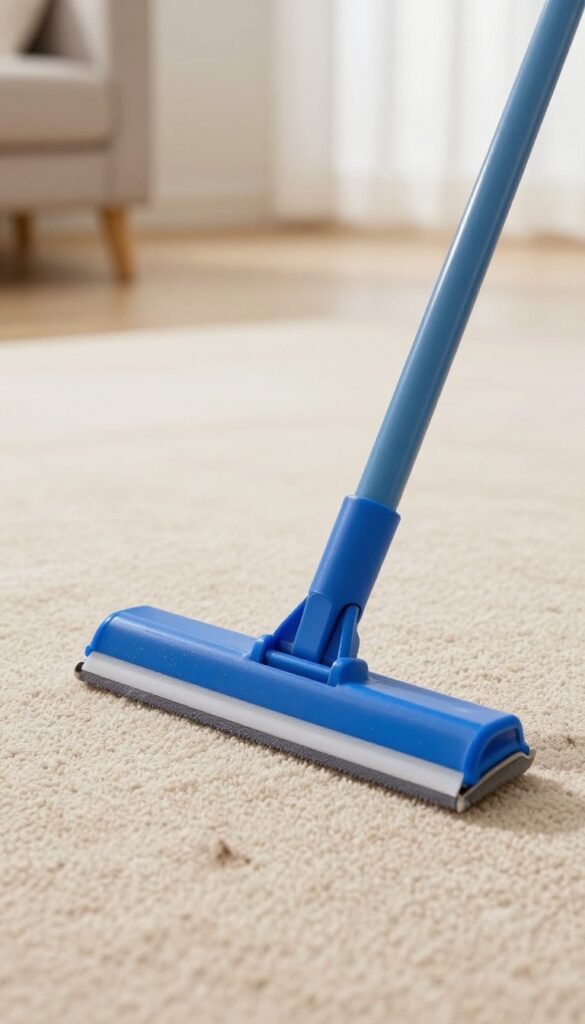
Pet hair can be a stubborn foe, clinging to carpet fibers no matter how much you vacuum. But there's a simple tool that can make a huge difference: a rubber squeegee. The rubber creates static electricity that pulls hair to the surface, so your vacuum can actually pick it up instead of just pushing it around.
Using a squeegee is quick and effective. Start by running the squeegee in one direction across the carpet—this gathers hair into visible clumps. Then vacuum as usual.
You'll be amazed at how much more hair comes up. It works especially well on low-pile carpets and rugs.
Why Rubber Works Best
Rubber has natural static properties that attract pet hair. Unlike a brush, which can push hair deeper, a rubber squeegee lifts it to the surface. You can use a window squeegee or a dedicated pet hair squeegee—both work great.
Technique Tips
For best results, work in small sections. Use long, even strokes, and overlap each pass slightly. After squeegeeing, vacuum thoroughly.
If you have a lot of hair, you may need to repeat the process or clean the squeegee between passes.
Combine With Other Methods
The squeegee trick pairs well with other pet hair removal techniques. Try it after using a rubber broom or before a final vacuum with a pet hair attachment. It's also great for car interiors and upholstery.
12. Dryer Sheets to Reduce Static and Pick Up Hair
Static electricity makes pet hair cling to carpet fibers like glue. A simple dryer sheet can break that bond and make hair easier to vacuum. Plus, it leaves a light, fresh scent behind.
How It Works
Dryer sheets contain antistatic agents that neutralize the charge holding hair to the carpet. Rubbing the sheet over the surface loosens hair, so your vacuum can pick it up more easily. The sheet also traps loose hair itself.
Best Technique
Use a new or lightly used sheet. Rub it in one direction across the carpet, focusing on high-traffic areas or spots where hair collects. Then vacuum thoroughly.
For stubborn hair, repeat or use two sheets at once.
Extra Freshness
The fragrance from the sheet lingers, giving the room a just-laundered smell. This is especially helpful if your carpet has absorbed pet odors. Just avoid scented sheets if anyone in the house has allergies.
13. Rubbing Alcohol for Ink and Marker Stains
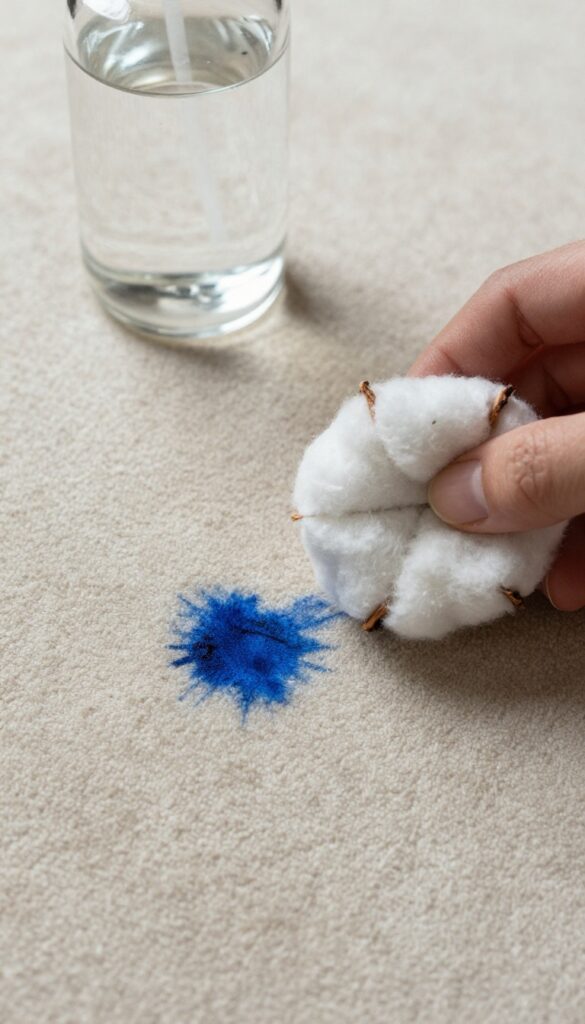
Ink and marker stains can feel like a disaster on carpet, especially if a pen explodes or a child gets creative. The good news is that rubbing alcohol, a common household item, can dissolve these stains quickly. It works because alcohol breaks down the dyes in ink, making them easy to lift away.
To use rubbing alcohol, start by blotting the stain with a dry paper towel to remove any excess ink. Then, dampen a cotton ball or clean cloth with rubbing alcohol and gently dab the stain. You'll see the ink transfer to the cloth.
Continue blotting with a fresh area of the cloth until no more ink comes up. Finally, blot with a damp cloth to remove any residue, then let the carpet air dry.
Why Rubbing Alcohol Works
Rubbing alcohol is a solvent, meaning it can dissolve substances that water can't. Ink and permanent marker dyes are often alcohol-soluble, so the alcohol breaks them down into tiny particles that can be blotted away. This makes it much more effective than water alone, which can sometimes set the stain.
Step-by-step Application
First, test the rubbing alcohol on an inconspicuous area of carpet to ensure it doesn't cause discoloration. Then, blot the stain with a dry cloth to absorb any wet ink. Apply a small amount of rubbing alcohol to a cotton ball or white cloth and dab the stain gently.
Work from the outside in to prevent spreading. Replace the cotton ball as it picks up ink. Once the stain is gone, rinse the area with a little water and blot dry.
Tips For Stubborn Stains
If the stain persists, let the rubbing alcohol sit on the stain for a few minutes before blotting. For dried marker stains, you may need to repeat the process several times. Avoid scrubbing, as that can push the ink deeper into the fibers.
For large stains, use a spray bottle to apply the alcohol evenly.
14. Shaving Cream for Upholstery and Carpet Stains
Shaving cream isn't just for your morning routine—it's a surprisingly effective carpet cleaner. The foam kind works wonders on mystery stains that you can't identify. It's gentle enough for most fabrics but tough on dirt and oils.
When you spot a stain of unknown origin, grab a can of classic white shaving cream (avoid gel varieties). Squirt a small amount directly onto the stain, let it sit for about 10 minutes, then blot with a damp cloth. The cream lifts the stain without harsh chemicals, making it ideal for both carpet and upholstery.
Why Shaving Cream Works
Shaving cream contains surfactants that break down oils and dirt, similar to a mild detergent. Its foamy texture allows it to penetrate carpet fibers without soaking through to the padding. This makes it safe for most synthetic and wool blends.
How To Apply It Correctly
Start by blotting up any excess liquid from the stain. Apply a golf-ball-sized dollop of foam directly on the spot. Let it sit for 10 minutes—don't rub it in.
Then, using a clean white cloth, blot the area until the stain transfers to the cloth. Rinse with a little water and blot dry.
Best Stains For This Method
Shaving cream works well on grease, makeup, ink, and unknown mystery stains. It's less effective on set-in stains like red wine or coffee, but it's a great first attempt before moving to stronger cleaners.
15. Salt for Red Wine Spills
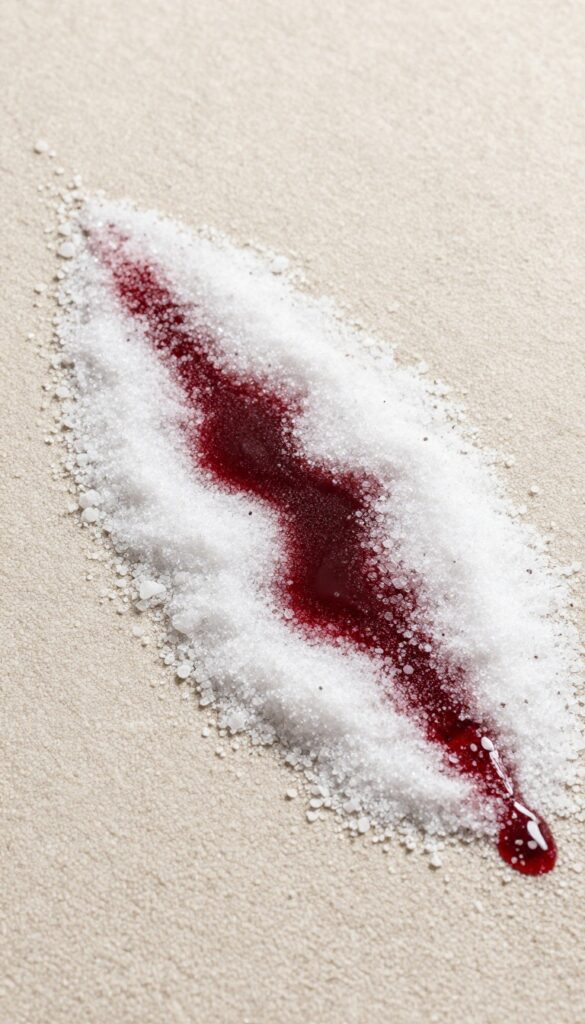
Red wine on a light carpet is a heart-stopping moment. But before you panic, reach for the salt shaker. This kitchen staple can lift the wine before it sets, saving your carpet from a permanent souvenir.
Salt works by absorbing the liquid and drawing it out of the fibers. The key is to act fast and use enough salt to soak up the spill completely. After vacuuming, a simple hydrogen peroxide treatment handles any lingering tint.
Blot First, Then Salt
Gently blot the spill with a clean cloth to remove excess wine. Don't rub—that pushes the stain deeper. Then pour a thick layer of salt over the area, covering it completely.
Let It Sit And Absorb
Leave the salt on the carpet for at least 10 minutes. You'll see it turn pink as it soaks up the wine. The longer you wait, the more it pulls out, but 10 minutes is usually enough.
Vacuum And Finish With Peroxide
Vacuum up the salt. If any stain remains, mix one part hydrogen peroxide with one part dish soap and apply it to the spot. Blot gently, then rinse with water and blot dry.
16. Baking Soda and Vinegar Combo for Odor
If your carpet smells like it's holding onto memories you'd rather forget, the baking soda and vinegar duo is your go-to fix. This classic combination works wonders on stubborn odors like pet urine or spilled milk that's gone sour. The fizzing action lifts the smell right out of the fibers, leaving your carpet fresh without harsh chemicals.
Start by blotting up as much moisture as possible from the affected area. Then sprinkle a generous layer of baking soda directly over the spot. In a spray bottle, mix equal parts white vinegar and water—about a 50/50 ratio works well.
Mist the vinegar solution over the baking soda until it's damp but not soaking wet. You'll see it start to fizz immediately. Let that fizz work for 15 minutes—it's breaking down the odor-causing compounds.
After the time is up, blot the area with a clean cloth to absorb the liquid, then vacuum up the dried baking soda. The smell should be gone or vastly reduced.
Why This Combo Works So Well
Baking soda is a natural deodorizer that absorbs smells, while vinegar is a mild acid that neutralizes alkaline odors like ammonia from pet urine. When they mix, the fizzy reaction helps release trapped particles from deep in the carpet fibers. It's safe for most carpets, but always test on a hidden spot first.
Tips For Best Results
For really tough odors, let the baking soda sit dry for a few hours or overnight before spraying the vinegar. Use a white cloth to blot—colored ones might bleed dye. If the smell persists, repeat the process.
Avoid over-wetting the carpet to prevent mold or mildew.
When To Skip This Method
Don't use this combo on wool or silk carpets, as vinegar can damage natural fibers. Also, if the odor is from a large spill that soaked through to the padding, you might need professional cleaning. For surface-level smells, though, this is a winner.
17. Fabric Softener and Water for Stiff Carpet
Over time, carpet fibers can become stiff and brittle, especially in high-traffic areas or after repeated cleanings. This stiffness not only feels unpleasant underfoot but also makes vacuuming less effective. A simple mixture of fabric softener and water can restore softness and reduce static, making your carpet feel like new again.
Why It Works
Fabric softener contains conditioning agents that coat carpet fibers, reducing friction and static buildup. This helps fibers relax and regain their natural bounce. The water dilutes the softener to prevent residue, while the misting action evenly distributes the solution without soaking the carpet.
How To Apply
Mix one tablespoon of fabric softener with two cups of water in a spray bottle. Lightly mist the carpet in a sweeping motion, focusing on stiff or staticky areas. Avoid saturating the carpet—just a fine mist is enough.
Let it air dry completely before walking on it or vacuuming.
Tips For Best Results
Test the solution on a hidden area first to ensure no discoloration. Use a fragrance-free softener if you're sensitive to scents. For extra softness, you can add a tablespoon of white vinegar to the mix—it helps neutralize odors and prevents residue buildup.
18. Professional Cleaning for Stubborn Stains
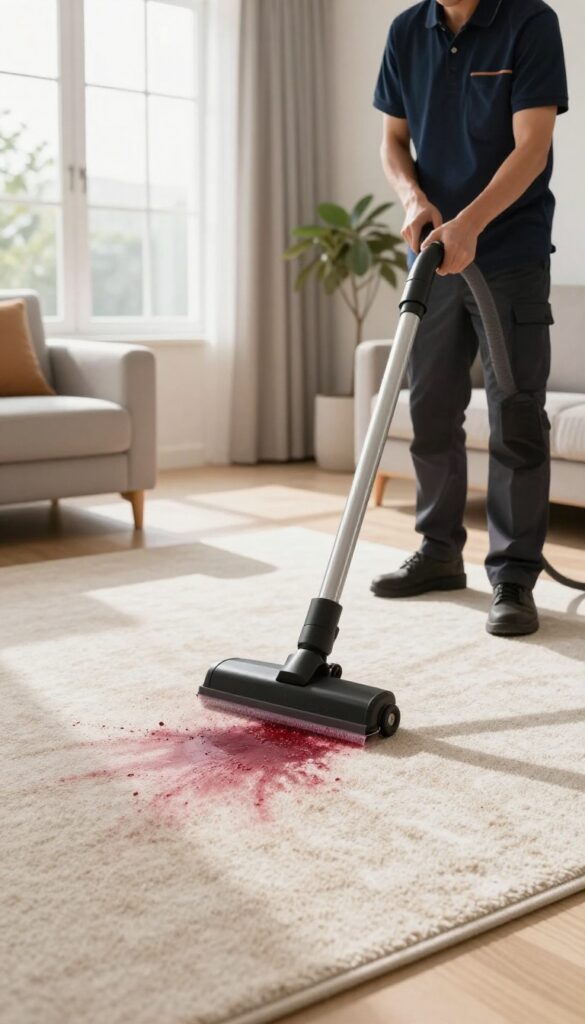
Sometimes, no matter how hard you scrub or how many DIY recipes you try, that stain just won't budge. Maybe it's a dark red wine spill that's been sitting for days, or a mystery mark that's been there since you moved in. That's when it's time to call in the pros.
Professional carpet cleaners have industrial-grade equipment and specialized solutions that can tackle set-in stains and deep-seated odors. While it's an investment, it's often the only way to restore your carpet to like-new condition.
If you've tried everything and the stain is still there, don't keep wasting money on products that don't work. Professional cleaners use hot water extraction (steam cleaning) combined with powerful detergents that break down stubborn residues. They can also treat odors at the source, not just mask them.
For pet owners, this is especially valuable—urine can soak into the padding and subfloor, creating a smell that no home remedy can fully eliminate. Before you hire anyone, do a little research. Look for companies with good reviews and certifications, like the IICRC (Institute of Inspection, Cleaning and Restoration Certification).
Ask about their process and whether they use eco-friendly products if that matters to you. A reputable cleaner will give you a clear estimate and explain what they'll do. One session might be enough for most carpets, but if you have heavy traffic areas or multiple pets, consider scheduling professional cleanings every 6 to 12 months.
It's a small price for extending the life of your carpet and keeping your home fresh.
When To Call A Professional
Not every stain needs a pro, but some situations are best left to experts. If you've tried multiple DIY methods with no success, or if the stain is large and deeply set, it's time. Also, if you notice a persistent musty or sour smell that won't go away, that could mean mold or bacteria in the padding.
Professionals can assess the damage and use the right treatments without ruining your carpet.
What To Expect From A Pro Cleaning
A typical professional cleaning involves vacuuming first, then applying a pre-treatment to loosen dirt and stains. Next comes the hot water extraction—they spray hot water mixed with cleaning solution into the carpet and immediately vacuum it out, along with the dissolved grime. Finally, they may apply a protectant to help resist future stains.
The whole process usually takes a few hours, and your carpet might be damp for a day or two.
Choosing The Right Cleaner
Not all carpet cleaners are created equal. Look for companies that use truck-mounted units (more powerful than portable machines) and have experience with your type of stain. Read online reviews, ask for references, and get multiple quotes.
Avoid companies that pressure you into add-ons or have vague pricing. A good cleaner will be transparent and willing to answer your questions.
19. Prevention with Doormats and No-Shoe Policy
The easiest stain is the one that never happens. By stopping dirt and grime at the door, you can keep your carpet looking fresher for longer. It's a simple habit shift that pays off big time.
Place doormats at every entrance and ask guests to remove shoes. This reduces the amount of dirt, oil, and debris tracked onto the carpet. It's a low-effort, high-impact strategy.
Choose The Right Doormat
Not all doormats are created equal. Look for a coarse, scraper-style mat outside to remove large debris, and a softer, absorbent mat inside to catch finer particles and moisture. A good combo can trap up to 80% of dirt before it reaches your carpet.
Make The No-shoe Policy Easy
Set up a designated shoe removal area near the door with a bench or a basket for shoes. Keep a supply of indoor slippers or socks handy for guests. A friendly sign can remind everyone without being pushy.
Maintain Your Mats
Doormats need regular cleaning too. Shake them out weekly, vacuum them, and wash them according to the manufacturer's instructions. A dirty mat just spreads grime around.
20. Regular Maintenance: Vacuum High-Traffic Areas Weekly
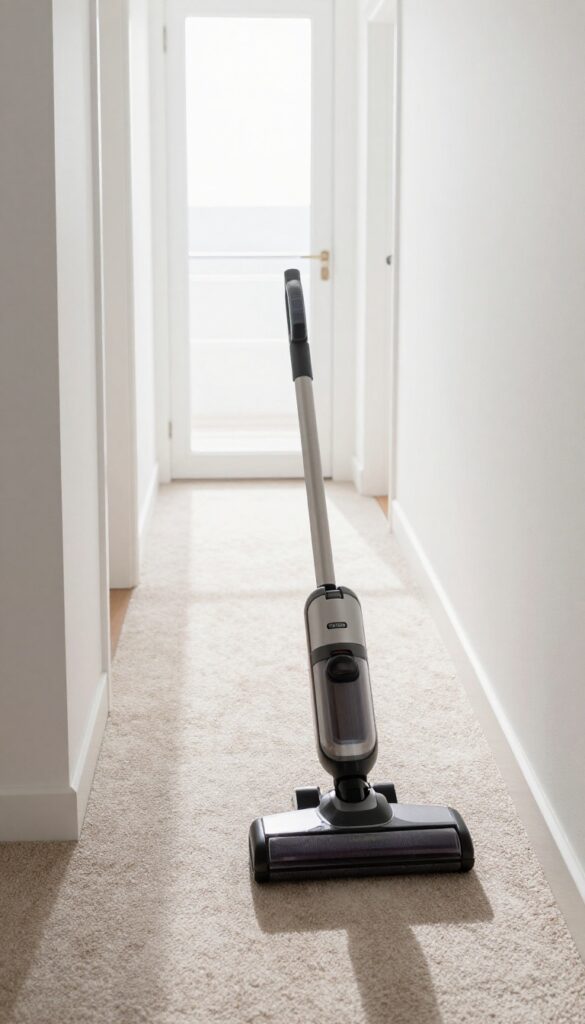
Stopping dirt and debris before they settle deep into the carpet is the simplest way to keep your floors looking fresh. High-traffic areas like hallways, entryways, and living room paths collect the most grime. A quick weekly vacuuming routine can prevent particles from grinding into fibers and causing premature wear.
Vacuum at least once a week, and more often in busy areas. Use a vacuum with a HEPA filter to trap allergens and fine dust. Empty the canister or change the bag regularly to maintain suction power.
Why High-traffic Areas Matter
These spots see the most foot traffic, which means dirt, dust, and pet hair accumulate faster. If left unchecked, the debris can act like sandpaper, wearing down carpet fibers over time. Focusing on these zones weekly preserves the carpet's texture and color.
Vacuuming Technique Tips
Go slow—rushing pushes dirt deeper. Use overlapping passes in different directions to lift embedded particles. For carpets with longer fibers, adjust the vacuum height to avoid tangling.
Don't forget edges and corners where dust bunnies hide.
When To Upgrade Your Vacuum
If your vacuum leaves debris behind or smells like burning, it might be time for a new one. Look for models with strong suction, a HEPA filter, and a brush roll that can be turned off for bare floors. A good vacuum is an investment in your carpet's lifespan.
FAQ
Can I use bleach on my carpet to remove stains?
Bleach can damage carpet fibers and cause discoloration. Stick to gentler options like vinegar, hydrogen peroxide, or commercial carpet cleaners.
How often should I deep clean my carpets?
Deep clean every 6 to 12 months. High-traffic homes or households with pets may need more frequent cleaning, such as every 3 to 6 months.
What's the best way to remove pet urine smell from carpet?
Use an enzymatic cleaner specifically designed for pet urine. It breaks down the uric acid crystals that cause odor. Follow the instructions and allow the area to dry completely.
Can I mix vinegar and baking soda together for carpet cleaning?
Yes, but use them sequentially. Sprinkle baking soda first, then spray vinegar. The fizzing action helps lift dirt.
Blot and vacuum after the reaction subsides.
How do I get rid of carpet dents from furniture?
Place an ice cube in the dent and let it melt. Fluff the fibers with a fork or your fingers. The moisture helps the carpet regain its shape.
Conclusion
You don't need a professional cleaner to keep your carpets looking fresh. These 20 tips give you practical, affordable ways to tackle stains, odors, and pet hair without harsh chemicals or expensive gear. Start with the simplest fix that matches your immediate problem—like a vinegar solution for odors or a squeegee for pet hair—then add deeper cleaning as needed.
A little regular effort goes a long way. Pick two or three tips to try this week and see how much cleaner your carpets can look and smell.