11 Teal and Brown Living Room Ideas with Balanced Contrast
Teal and brown can feel like a risky pairing until you see it done right. The cool, watery blue-green keeps brown from turning muddy, while brown grounds teal so it doesn't float away. Get the ratio wrong, though, and the room can feel either too heavy or too cold.
These 11 ideas show you how to strike that balance in real living rooms. You'll find options for small spaces, rentals, and rooms that need to work for both lounging and entertaining.
Each idea focuses on one clear move you can make, whether it's a paint choice, a furniture swap, or a simple textile update. Pick one or mix a few to make the scheme your own.
1. Start with a Teal Accent Wall Behind the Sofa
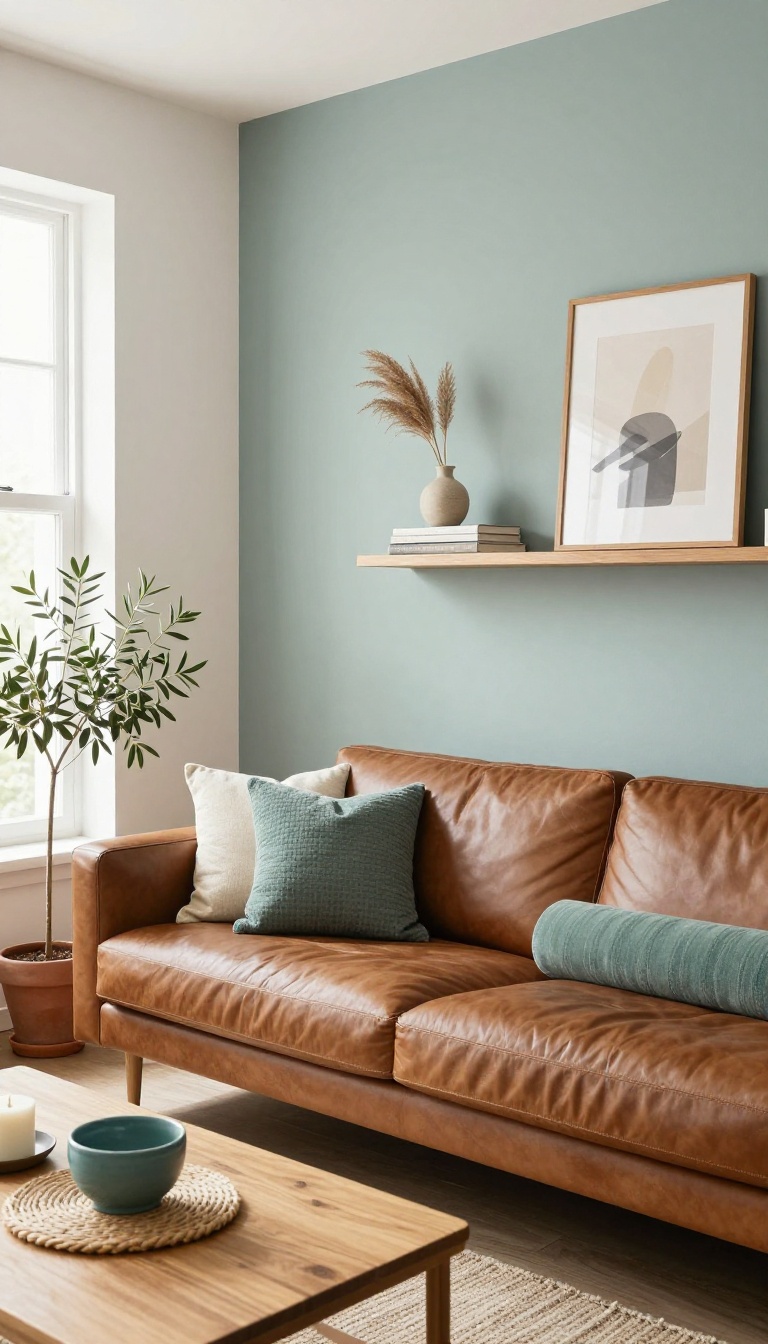
An accent wall is the simplest way to introduce teal without repainting the whole room. Put it behind your main seating area, and it becomes a backdrop that makes brown furniture pop. The contrast stays balanced because the other walls remain neutral, giving your eyes a place to rest.
Painting just one wall also keeps the project manageable. You can test a color on a small patch first, and if you change your mind, you're only repainting a single surface. This approach works especially well in rentals where you might need to repaint before you move out.
Choosing The Right Teal
Look for a muted teal with gray or green undertones, like sherwin-williams' 'rainwashed' or benjamin moore's 'wythe blue'. These shades feel sophisticated and won't overpower the room. Avoid bright, saturated teals unless you want a bold, energetic vibe.
Making Brown Furniture Stand Out
Once the wall is teal, your brown sofa or leather chairs will naturally draw the eye. To enhance the effect, keep the wall relatively bare or hang art with brown or wood frames. A floating shelf in walnut or oak also ties the palette together.
Balancing With Other Walls
Leave the adjacent walls a warm white or soft greige to prevent the room from feeling closed in. This also lets the teal wall act as a focal point without competing with other colors. If you have an open floor plan, repeat the teal in small doses elsewhere, like a throw pillow or vase.
2. Use a Brown Leather Sofa as the Anchor
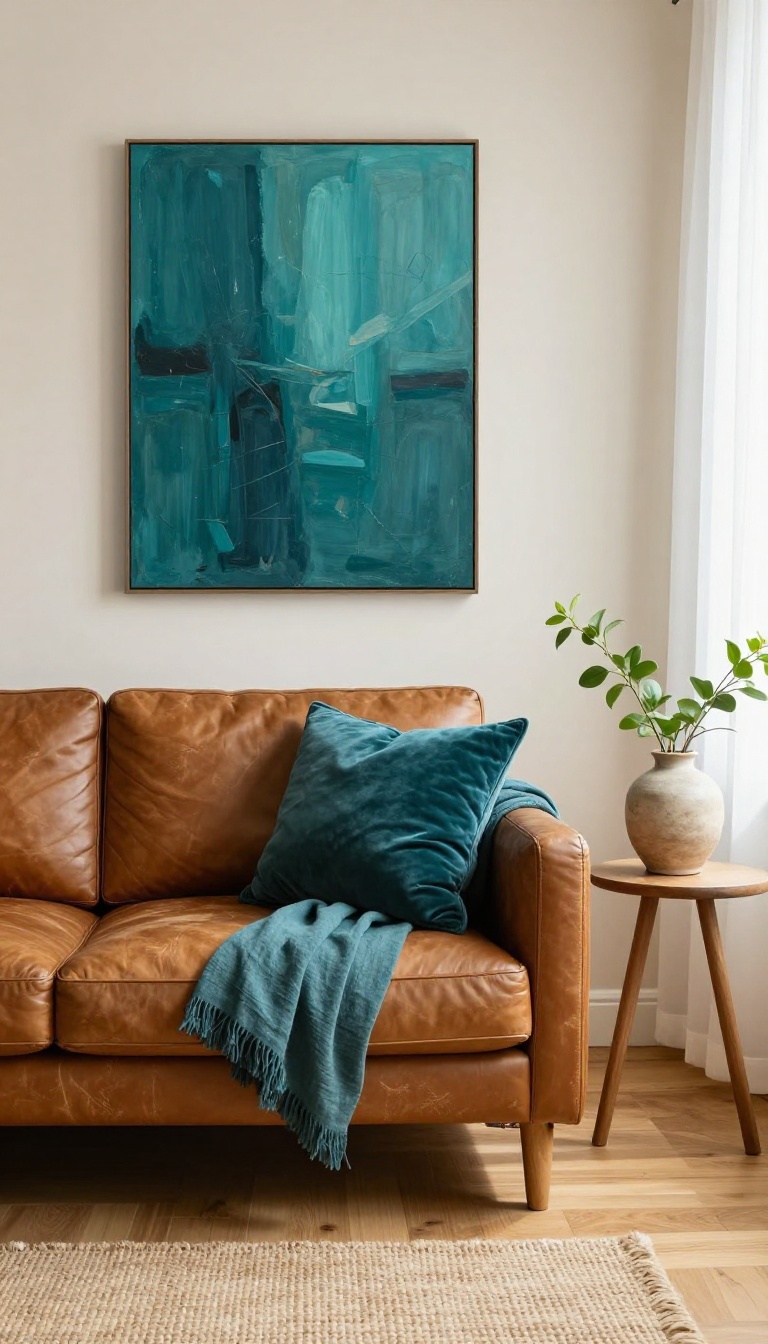
A leather sofa in caramel or chocolate brown does more than give you a place to sit. It sets the visual weight for the entire room, giving teal something solid to play against. Without that anchor, teal can drift toward feeling airy and ungrounded.
Leather brings a natural depth and warmth that fabric sofas often lack, and it ages into a patina that makes the room feel lived-in rather than staged. The trick is keeping the leather from taking over. Teal textiles and art break up the mass so the room reads balanced instead of heavy.
Leather has a way of commanding attention. A big brown sofa can easily become the only thing anyone notices, which is why the teal accents matter so much. They interrupt the brown, soften the edges, and make the whole scheme feel intentional.
Think of the sofa as the bass note in a song. It holds everything together, but it needs melody on top. Teal is that melody here.
Pick The Right Leather Tone
Caramel and cognac leathers lean warm and pair beautifully with brighter teals. Chocolate and espresso browns feel richer and work better with deeper, moodier teals. If your room gets little natural light, go lighter on the leather.
Dark brown in a dim room can swallow the space, and teal won't be able to lift it.
Add Teal Without Competing
Teal pillows in velvet or linen give you a soft contrast against the leather's sheen. A teal throw draped over one arm keeps the look relaxed. For artwork, choose a piece with teal as the dominant color and let brown be secondary.
That flips the ratio and keeps the sofa from feeling like the only character in the room.
Balance The Rest Of The Room
A brown leather sofa needs breathing room. Keep the walls neutral or very pale teal so the sofa stands out without fighting anything. Add a rug with both brown and teal in the pattern to tie the floor to the furniture.
A wood coffee table in a tone close to the leather makes the arrangement feel cohesive rather than cluttered.
3. Layer a Teal Rug Over Brown Floors
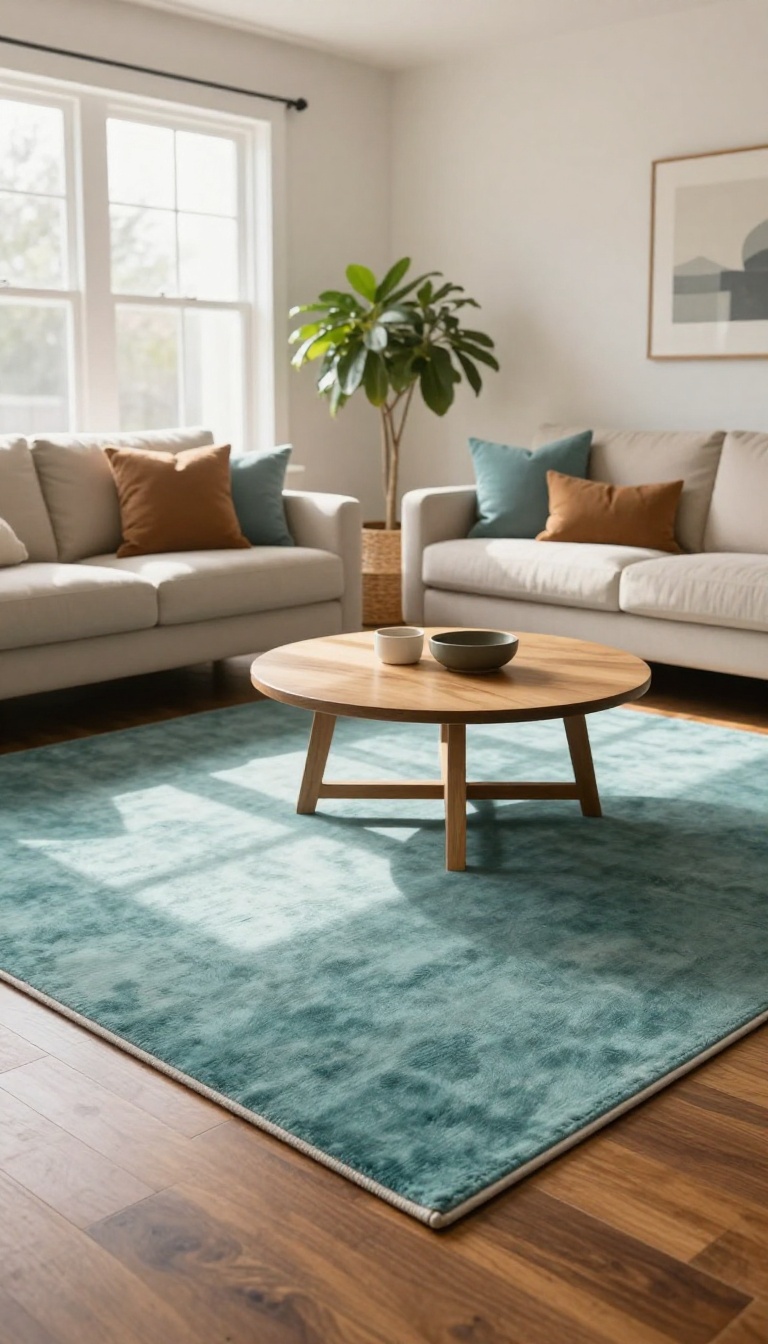
Brown floors are a gift—they warm up a room and hide a surprising amount of dust. But when you want teal in the mix, you don't have to paint walls or swap furniture. A teal area rug does the heavy lifting.
It adds color without commitment, and it carves out a clear seating zone in an open-plan space. Renters, this one's for you.
A rug is the easiest way to test-drive teal in a brown-floored room. You get the color payoff, and if you change your mind, you roll it up. No sanding, no priming, no landlord drama.
It also softens hardwood or tile underfoot, which matters if you spend evenings on the sofa. And in a big, open room, a rug tells your brain where the living area ends and the dining area begins.
Pick The Right Teal
Teal is a broad church. A deep peacock teal reads rich and moody against dark walnut floors. A lighter aqua or seafoam keeps things breezy over medium oak.
If your floors have red or orange undertones, lean toward a teal with a hint of blue rather than green. That cools the warmth without fighting it. Bring a floor sample or a phone photo to the store—it's the only way to know for sure.
Size And Placement Matter
A rug that's too small makes the room feel disconnected. In a living area, you want at least the front legs of your sofa and chairs on the rug. That anchors the seating zone.
In an open-plan space, leave a clear path between the rug and the next zone—usually 18 to 24 inches. A rectangular rug works best for a standard sofa-and-coffee-table setup. Round rugs can soften a square room, but they're trickier to place.
Pattern Or Solid?
A solid teal rug makes a bold, clean statement. It's the simplest way to add color, and it won't compete with patterned pillows or art. But if you have kids or pets, a subtle pattern hides stains better.
Look for a teal rug with a faded geometric or distressed motif. It still reads as teal, but it's more forgiving. Either way, add a rug pad.
It keeps the rug from sliding and makes it feel plusher.
Balance The Rest Of The Room
Once the rug is down, you've got a strong teal moment on the floor. Keep the walls and big furniture brown or neutral so the rug stays the star. A brown leather sofa or a wood coffee table will ground the teal nicely.
If you want more teal, add it in small doses—a throw blanket, a couple of pillows, or a ceramic vase. That keeps the contrast balanced instead of overwhelming.
4. Balance Dark Brown Walls with Teal Upholstery
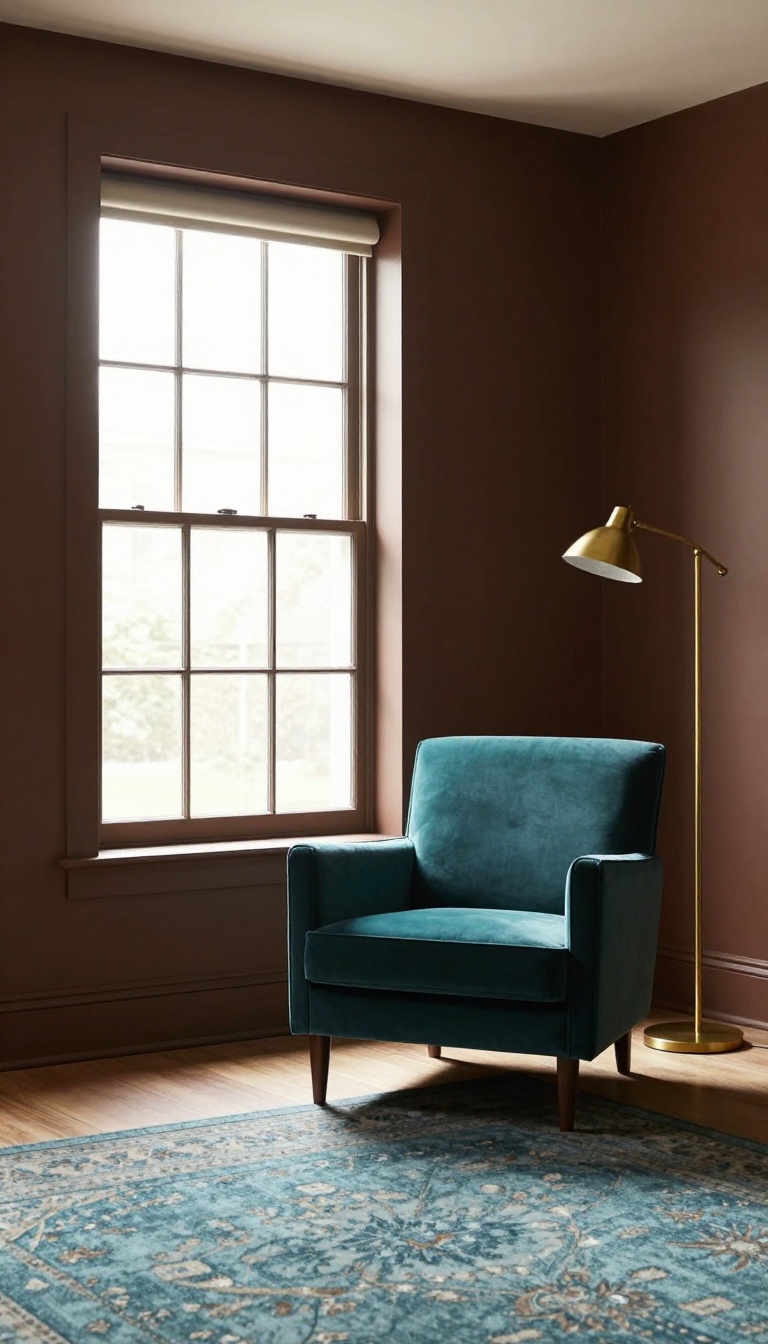
Painting your walls a deep, chocolate brown is a bold move. It wraps the room in warmth and makes it feel like a cozy den, especially in the evening. But without a counterpoint, that much dark brown can start to feel heavy and one-note.
Teal upholstery is the perfect fix. A teal chair, ottoman, or sofa introduces a cool, watery contrast that lifts the darkness without fighting it. The brown stays rich and grounding, while the teal adds a breath of fresh air.
The trick is to let the brown be the backdrop and the teal be the star. You don't need much—one or two teal pieces are enough to shift the whole mood. Here's how to pull it off in your living room.
Start by choosing a brown that has some depth but isn't flat black-brown. A warm chocolate or espresso with a hint of red or gold undertone will feel richer and pair better with teal's blue-green base. Flat matte or eggshell finishes work best on walls because they absorb light and create that moody, enveloping feel.
Next, pick your teal upholstery. You can go with a single armchair in a velvet or linen blend, a pair of teal stools, or a full sofa if you're feeling brave. The key is to keep the teal piece clean-lined and not too busy—solid colors or subtle textures let the contrast do the talking.
Finally, add a few bridging elements. A rug with both brown and teal in the pattern, or throw pillows that mix the two, will tie everything together so the room doesn't look like two separate ideas. Metallics like brass or aged bronze also help blend the warm and cool tones.
Pick The Right Brown
Not all browns play nice with teal. Avoid ashy or gray-browns, which can make teal look dingy. Instead, look for browns with red, orange, or yellow undertones—think chestnut, cognac, or warm chocolate.
These warm bases create a pleasing tension with teal's coolness. Test a few paint samples on your wall at different times of day. Brown can shift dramatically depending on light.
A shade that looks rich in the morning might turn almost black at night, so make sure you love it in all conditions.
Choose Teal Pieces That Pop
Teal upholstery doesn't have to mean a full sofa. A single accent chair in a deep teal velvet can be enough to break up the brown. If you want more impact, try a teal ottoman or a pair of teal dining chairs pulled into the living room.
Fabric matters, too. Velvet catches the light and adds a subtle sheen, while linen or cotton keeps things casual. For a modern look, go with a smooth leather teal—it's unexpected and easy to wipe clean.
Layer In Lighting And Textiles
Dark walls absorb light, so you'll need more of it. Add a mix of floor lamps, table lamps, and wall sconces to create pools of warm light. Dimmable bulbs let you adjust the mood from bright and functional to soft and cozy.
Textiles can soften the contrast. A chunky knit throw in cream or camel, a patterned rug with both brown and teal, and curtains in a neutral tone will keep the room from feeling too stark. Just don't cover up all the brown—let those walls breathe.
5. Mix Teal Cabinetry or Shelving with Brown Wood Trim
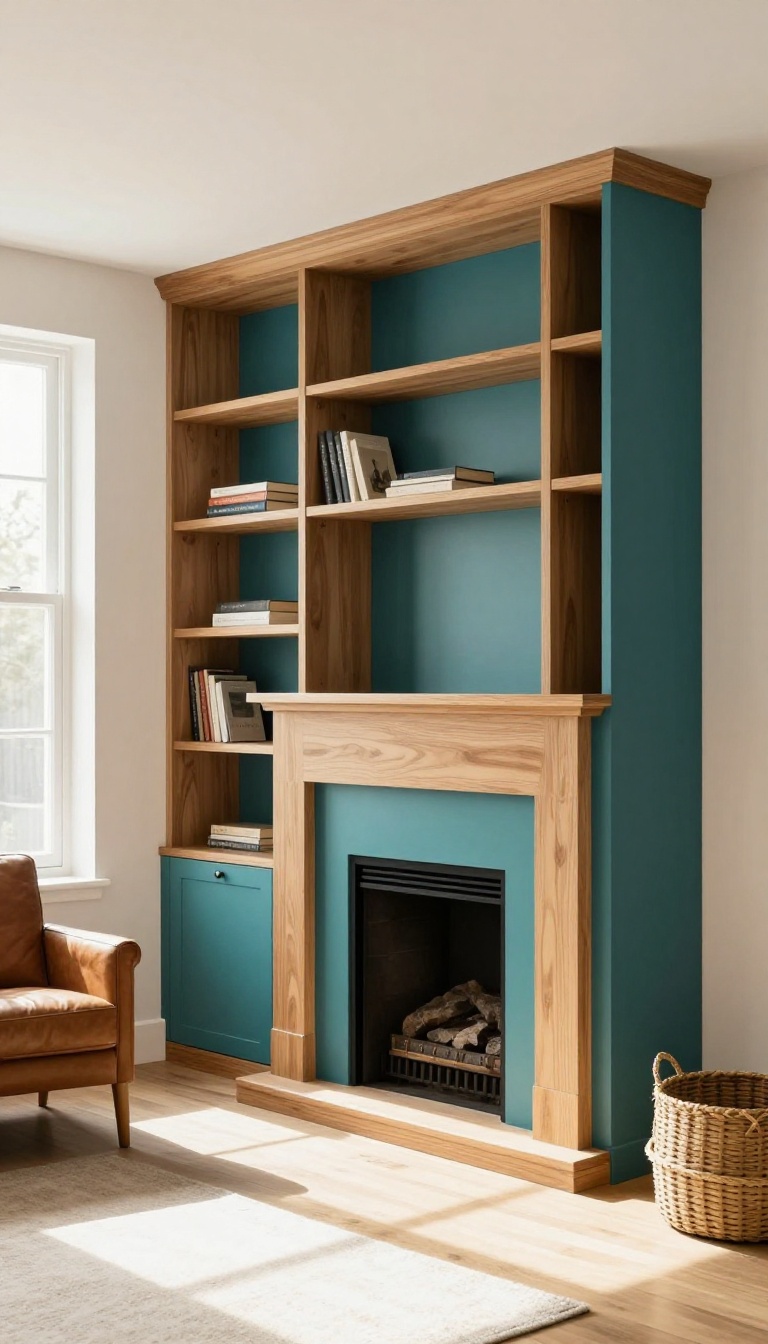
Built-ins give you a chance to go bold without repainting the whole room. Paint the cabinets or shelves teal, then let the surrounding wood trim or beams stay natural. The contrast reads as custom, not chaotic, and you don't need a full renovation to pull it off.
Teal cabinetry next to brown wood trim works because the two finishes play different roles. The teal brings energy and a bit of surprise, while the wood adds warmth and a sense of history. When they sit side by side, each one makes the other look more intentional.
You can apply this to almost any built-in: a media wall, a window seat, a bookcase, or even a small bar area. The key is to let the wood show in places that feel structural—trim, beams, shelf edges, or a mantel. That way, the teal reads as a deliberate choice rather than an afterthought.
Pick The Right Teal For Your Wood
Wood trim has undertones, and so does teal. If your trim is warm and honey-toned, a teal with a hint of green or gold will feel harmonious. If your wood is cooler or more gray-brown, lean toward a teal with a touch of blue.
Hold paint chips right against the trim in daylight before you commit.
Let The Wood Do The Framing
Don't paint every surface. Leave the face frames, shelf edges, or crown molding in their natural wood finish. That framing effect makes the teal pop and keeps the built-in from looking like a solid block of color.
It also ties the piece to the rest of the room's wood tones.
Balance With Brown Accessories
Once the built-in is teal with wood trim, add a few brown accents nearby. A leather chair, a woven basket, or a wooden bowl on a shelf will echo the trim and keep the palette grounded. You don't need much—just enough to repeat the brown so it feels intentional.
6. Add Teal Curtains to Warm Up Brown Furniture
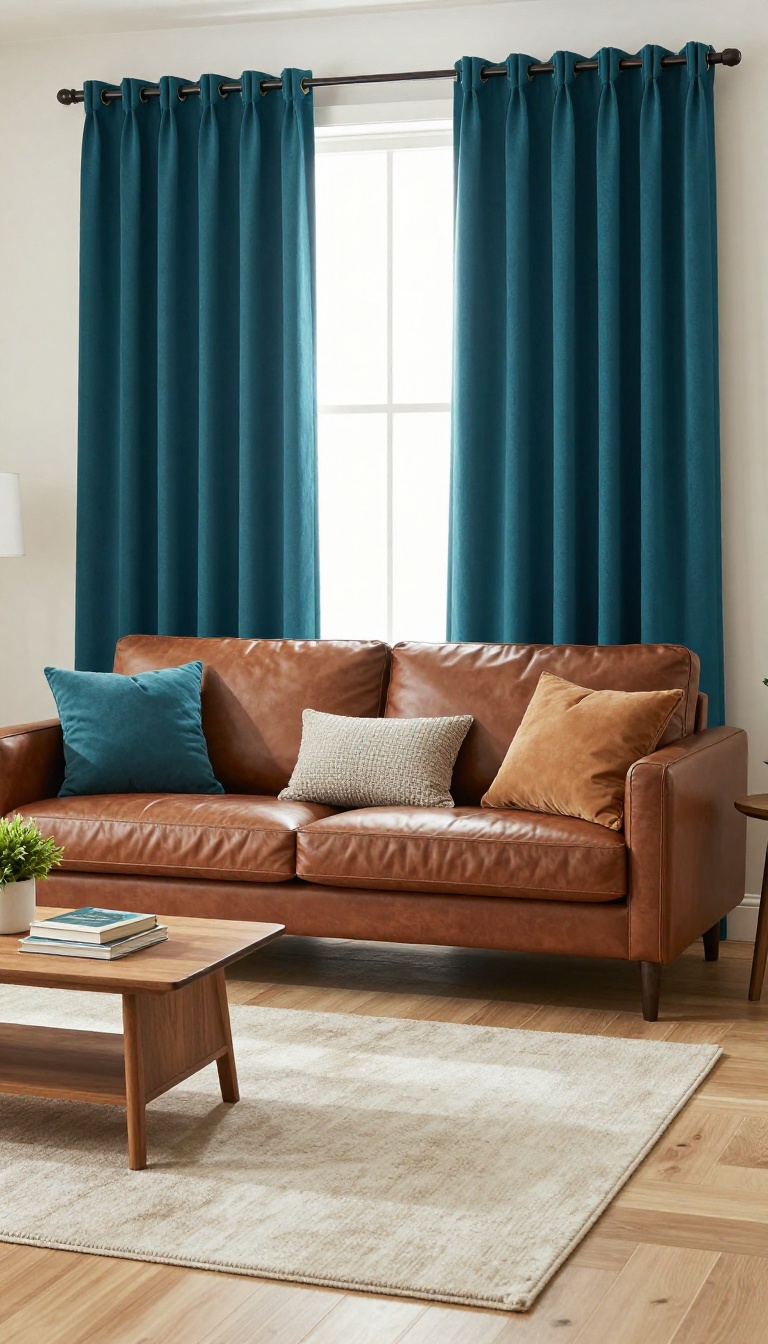
Brown furniture can feel like a heavy anchor in a living room, especially when it's a large sofa or a solid wood piece. Teal curtains offer a simple fix: they bring in a cool, refreshing color that balances the warmth without fighting it. Floor-length panels also frame your windows, making the whole room feel more intentional and put-together.
This move works in any space, but it's a game-changer for north-facing rooms that tend to feel dim and chilly. The teal adds a subtle pop of color that brightens the mood without overpowering the brown. Plus, curtains are an easy swap—no painting or major furniture rearranging required.
You can go as bold or as subtle as you like, from deep peacock teal to soft aqua. The key is to let the curtains do the heavy lifting of softening your brown pieces while adding a layer of polish.
Teal curtains aren't just a window treatment—they're a design tool that ties your color scheme together. When you hang them floor-to-ceiling, they draw the eye upward and make your ceilings look taller. That vertical line also breaks up the visual weight of a bulky brown sofa or recliner.
The color itself does the balancing act. Teal sits between blue and green on the color wheel, so it has enough coolness to contrast with brown's warmth, but enough depth to feel cozy rather than cold. In a north-facing room, where natural light is cooler and flatter, teal curtains add a gentle lift that keeps the space from feeling gloomy.
You don't need to match your curtains to other teal accents perfectly. In fact, slight variations in shade—like a teal throw pillow that's a bit lighter or darker—make the room feel collected over time. The curtains become the anchor, and everything else plays off them. ### Pick a Teal That Plays Nice with Your Brown Not all teals are created equal.
If your brown furniture leans reddish (like mahogany or cherry), a teal with a hint of green—think seafoam or muted spruce—will harmonize without clashing. For darker, espresso-toned woods, a richer peacock or teal with blue undertones adds a jewel-box contrast that feels sophisticated. Test swatches near your furniture in different lighting.
Teal can shift from grayish to vibrant depending on the time of day. Once you find the right one, it'll make your brown pieces look intentional rather than outdated. ### Hang Them High and Wide Mount your curtain rod close to the ceiling and extend it a few inches past the window frame on each side. This trick makes windows appear larger and lets more light in when curtains are open.
For a truly custom look, choose panels that just kiss the floor—or puddle slightly if you want a relaxed vibe. Heavy fabrics like velvet or lined cotton will drape beautifully and add a touch of luxury. If you're on a budget, a simple linen blend in teal still delivers the color payoff without the price tag. ### Layer with Sheer Teal for Softness If solid teal feels like too much, layer sheer teal curtains underneath a solid brown or neutral panel.
The sheers diffuse light and add a soft, airy quality that keeps the room from feeling dark. You get the color boost without blocking out the sun. This layered approach also gives you flexibility: open the solid panels during the day to let light flood in, then close them at night for privacy and coziness.
The teal sheers stay in place, so you always have that hint of color. ### Tie in Teal with Small Accents Once your curtains are up, echo the color with a few well-placed accessories. A teal ceramic lamp, a framed print with teal tones, or even a throw blanket can reinforce the scheme. Just don't overdo it—three or four touches are plenty.
The goal is to make the teal feel like a deliberate choice, not an afterthought. When your brown furniture and teal curtains work together, the whole room feels balanced and inviting.
Pick A Teal That Plays Nice With Your Brown
Not all teals are created equal. If your brown furniture leans reddish (like mahogany or cherry), a teal with a hint of green—think seafoam or muted spruce—will harmonize without clashing. For darker, espresso-toned woods, a richer peacock or teal with blue undertones adds a jewel-box contrast that feels sophisticated.
Test swatches near your furniture in different lighting. Teal can shift from grayish to vibrant depending on the time of day. Once you find the right one, it'll make your brown pieces look intentional rather than outdated.
Hang Them High And Wide
Mount your curtain rod close to the ceiling and extend it a few inches past the window frame on each side. This trick makes windows appear larger and lets more light in when curtains are open. For a truly custom look, choose panels that just kiss the floor—or puddle slightly if you want a relaxed vibe.
Heavy fabrics like velvet or lined cotton will drape beautifully and add a touch of luxury. If you're on a budget, a simple linen blend in teal still delivers the color payoff without the price tag.
Layer With Sheer Teal For Softness
If solid teal feels like too much, layer sheer teal curtains underneath a solid brown or neutral panel. The sheers diffuse light and add a soft, airy quality that keeps the room from feeling dark. You get the color boost without blocking out the sun.
This layered approach also gives you flexibility: open the solid panels during the day to let light flood in, then close them at night for privacy and coziness. The teal sheers stay in place, so you always have that hint of color.
Tie In Teal With Small Accents
Once your curtains are up, echo the color with a few well-placed accessories. A teal ceramic lamp, a framed print with teal tones, or even a throw blanket can reinforce the scheme. Just don't overdo it—three or four touches are plenty.
The goal is to make the teal feel like a deliberate choice, not an afterthought. When your brown furniture and teal curtains work together, the whole room feels balanced and inviting.
7. Choose Artwork That Combines Both Colors
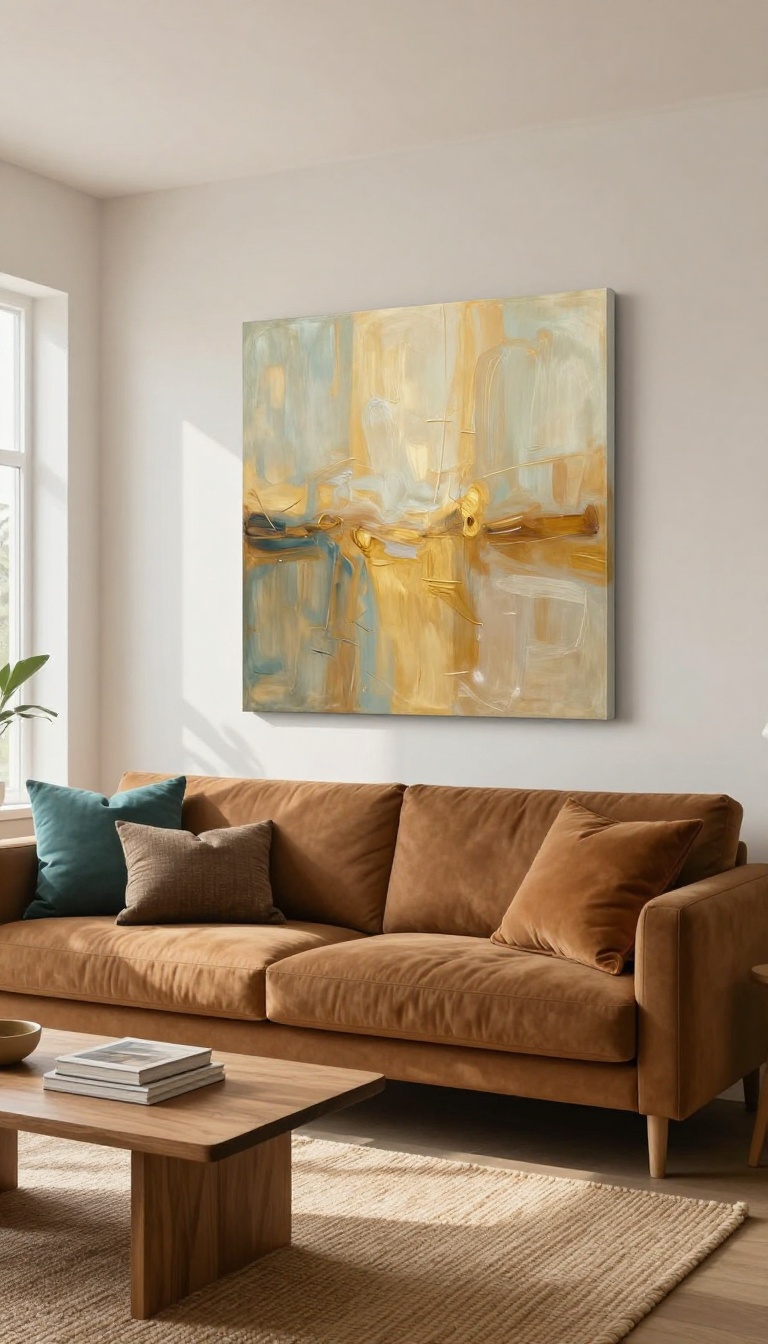
Artwork is the easiest place to let teal and brown meet without forcing it. A single canvas that already blends both shades does the color-matching for you, so the rest of the room can stay simple. It also gives the eye a natural stopping point in a space that might otherwise feel busy.
You don't need a gallery wall or a big budget. One well-chosen piece above the sofa can pull the whole scheme together. The trick is picking art that repeats your exact tones, not just similar ones.
Start by looking at the colors already in your room. If your brown leans warm and caramel, choose art with golden-browns and soft teals. If your brown is cooler and espresso-like, look for deeper teals and muted greens.
Matching undertones keeps the artwork from looking like it belongs in a different house. Scale matters as much as color. A too-small piece floating on a large wall feels disconnected, while an oversized canvas can overwhelm a compact room.
Measure your wall, then aim for art that takes up roughly two-thirds to three-quarters of the width of the furniture below it. Finally, think about where the art will hang. Above the sofa is classic, but a narrow wall beside a window or a blank spot near a bookshelf can work just as well.
The goal is to create a focal point that repeats your palette, not to fill every empty inch.
Look For Art With Both Colors Built In
Abstract pieces, landscape paintings, and even photography often mix teal and brown naturally. A seascape with rocky cliffs, a forest scene with blue-green light, or an abstract with earthy strokes can all work. Scan the artwork for the same brown and teal you used in your furniture and textiles.
If the match is close, the piece will feel intentional rather than random.
Mix Sizes On A Gallery Wall
A gallery wall gives you flexibility to combine several smaller pieces. Include one or two that are mostly teal, one or two that are mostly brown, and a couple that blend both. Keep the frames consistent—thin black, natural wood, or brass—so the colors stand out instead of the framing.
Space the pieces two to three inches apart for a clean, cohesive look.
Let One Large Piece Do The Heavy Lifting
If gallery walls feel like too much work, go with a single large painting or print. It becomes the anchor of the room and instantly ties your teal and brown together. Choose a piece with a simple composition so it doesn't compete with your furniture.
Hang it at eye level, about 57 to 60 inches from the floor to the center of the art.
8. Use Brown Wicker or Rattan with Teal Cushions
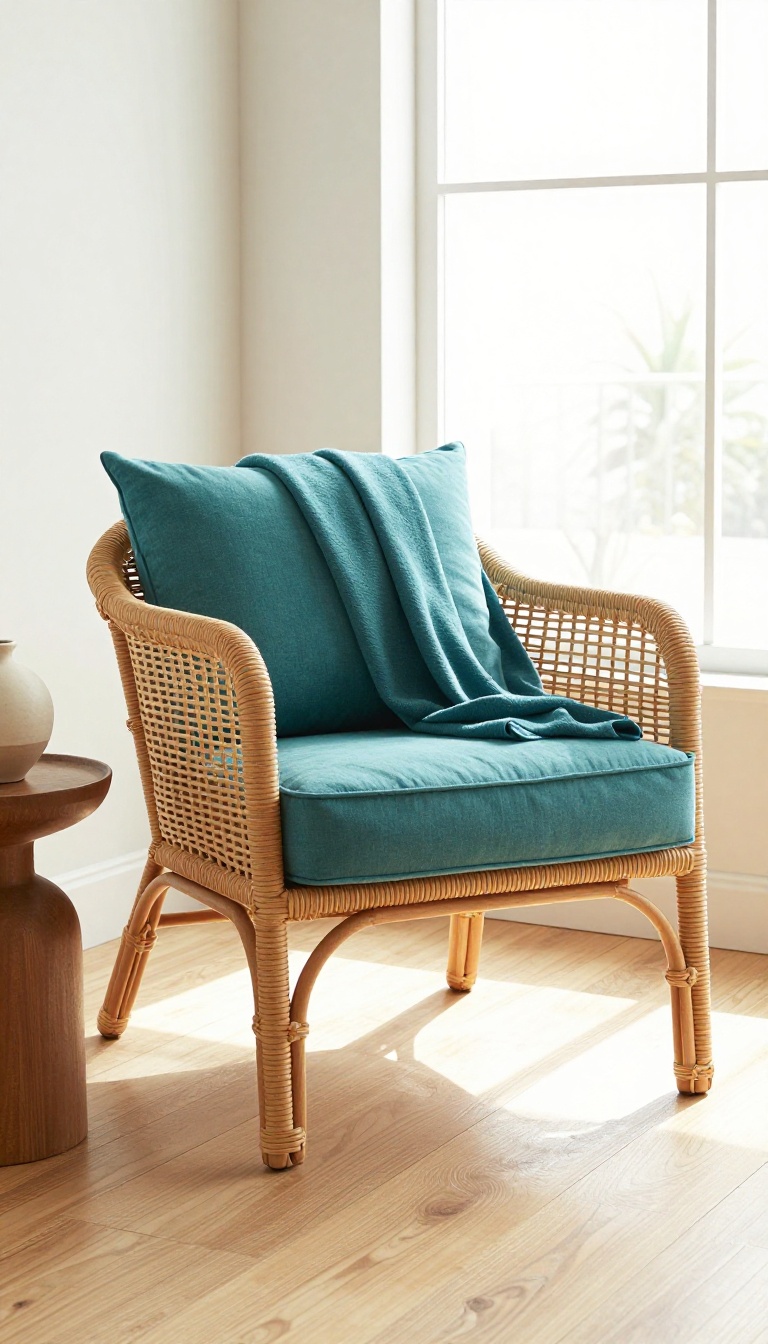
Woven furniture brings a relaxed, organic texture that smooth leather and polished wood can't match. When you pair brown wicker or rattan with teal cushions, you get a look that feels coastal without being theme-y. The brown base stays earthy and warm, while the teal adds a cool pop that keeps things fresh.
This combo works in almost any room because it's about texture as much as color. A rattan chair with teal seat pads can anchor a reading nook, while a wicker sofa with teal throw pillows becomes the star of a bohemian living space. The key is to let the weave show and keep the teal concentrated in the cushions and a few accents.
The beauty of wicker and rattan is that they already have a natural brown tone—no staining or painting required. That means you can focus your budget on good-quality teal cushions instead of refinishing furniture. Look for cushions in a durable fabric like cotton canvas or performance weave, especially if the furniture gets daily use.
Teal comes in many shades, so pick one that complements the brown without clashing. A muted teal or deep lagoon works well with dark rattan, while a brighter turquoise feels playful against honey-colored wicker. You can also mix two teal tones—one for seat cushions and another for a lumbar pillow—to add depth without overwhelming the space.
Choose The Right Weave And Frame
Not all wicker is created equal. Natural rattan has a warm, honey-brown hue that ages beautifully, while synthetic wicker can be more uniform in color and hold up better outdoors. For indoor living rooms, natural rattan or peeled wicker adds an authentic texture that pairs effortlessly with teal.
Check the frame—solid wood or metal underneath the weave will last longer than all-wicker construction.
Pick Teal Cushions That Pop
Your cushions are where the teal really shines, so don't play it too safe. A solid teal in a soft velvet or linen blend gives a rich, inviting look. If you want pattern, try a teal-and-white stripe or a subtle geometric print that echoes the woven texture.
Just keep the rest of the room relatively neutral so the cushions stand out.
Style Around The Woven Pieces
Once your wicker or rattan furniture is in place, layer in a few teal accessories to tie the scheme together. A teal ceramic vase on a side table, a throw blanket with teal stripes, or even a teal-framed mirror can reinforce the color without going overboard. Add a jute rug and some leafy plants to complete the relaxed, bohemian vibe.
9. Go Subtle with Teal Walls and Brown Accents
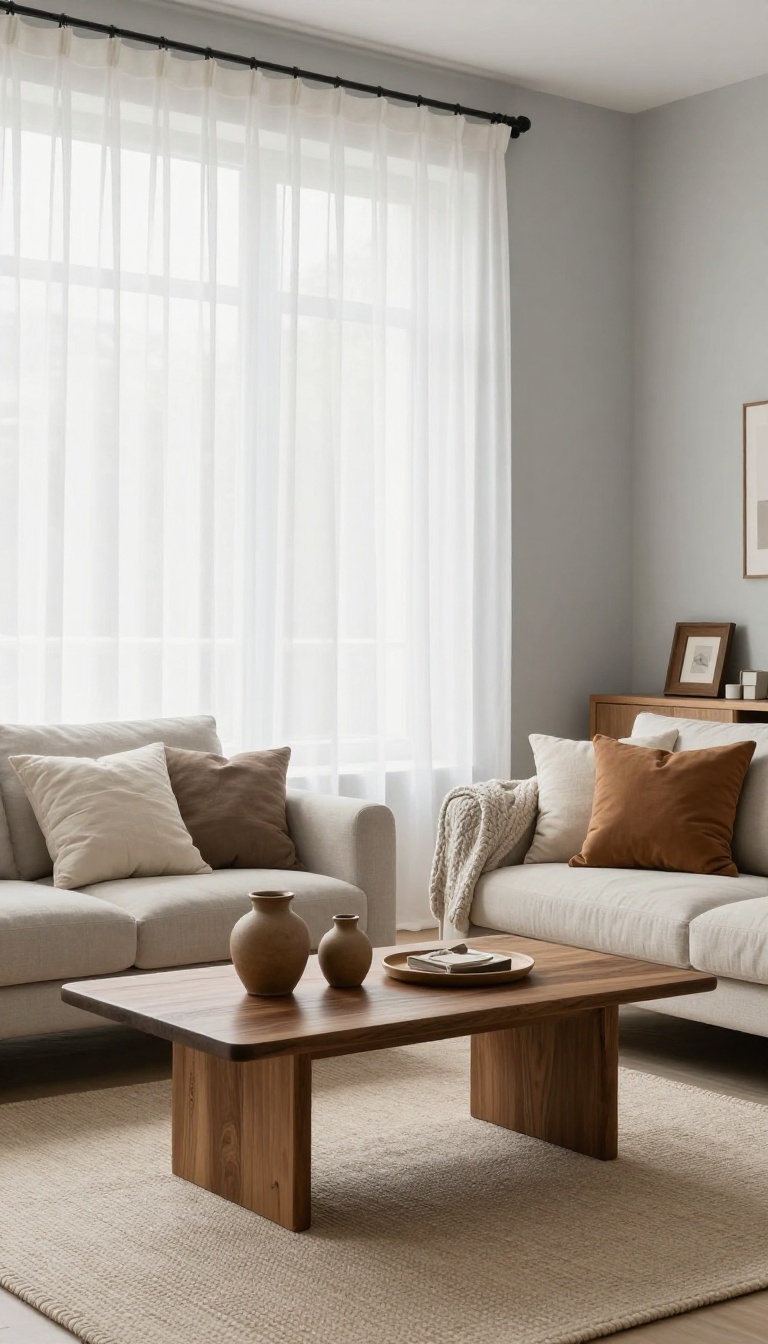
Not every teal and brown room needs a saturated statement wall. A soft gray-teal on the walls gives you the color without the commitment, and it plays surprisingly well with brown. The trick is to let brown show up in small, deliberate doses instead of large furniture pieces.
This approach works especially well in rentals, small living rooms, or any space that gets limited natural light.
Soft gray-teal sits somewhere between spa blue and sage, which means it reads almost neutral in person. That makes it an easy backdrop for brown accents, because the two colors don't fight for attention. You get the calm of teal and the warmth of brown without either one taking over.
The result feels layered but not busy, and it's forgiving if you like to swap accessories with the seasons.
Pick The Right Gray-teal
Look for paint chips with names like 'sea salt, ' 'quietude, ' or 'silver strand' rather than anything labeled turquoise or aqua. Test a swatch on two walls and check it at morning, midday, and night. Gray-teal shifts a lot depending on light, and you want a version that stays soft instead of turning icy.
Bring Brown In Through Small Pieces
A walnut coffee table, a pair of ceramic lamp bases, and a few wooden picture frames do more than one big brown sofa would. These accents repeat the color around the room at eye level and below. That repetition is what makes the palette feel intentional rather than accidental.
Add Texture So It Doesn't Fall Flat
Gray-teal walls can look a little washed out without texture to break them up. A chunky knit throw, a woven jute rug, or linen curtains in a warm oatmeal tone adds depth. Brown leather or wood will pop more against those tactile layers than against bare paint.
Keep The Rest Of The Room Quiet
Stick to creams, warm whites, and muted taupes for the sofa, curtains, and large rugs. If you introduce a third bold color, the subtle balance you built starts to wobble. Let teal and brown be the only story, and the room will feel edited instead of decorated.
10. Create a Reading Nook with a Teal Chair and Brown Throw
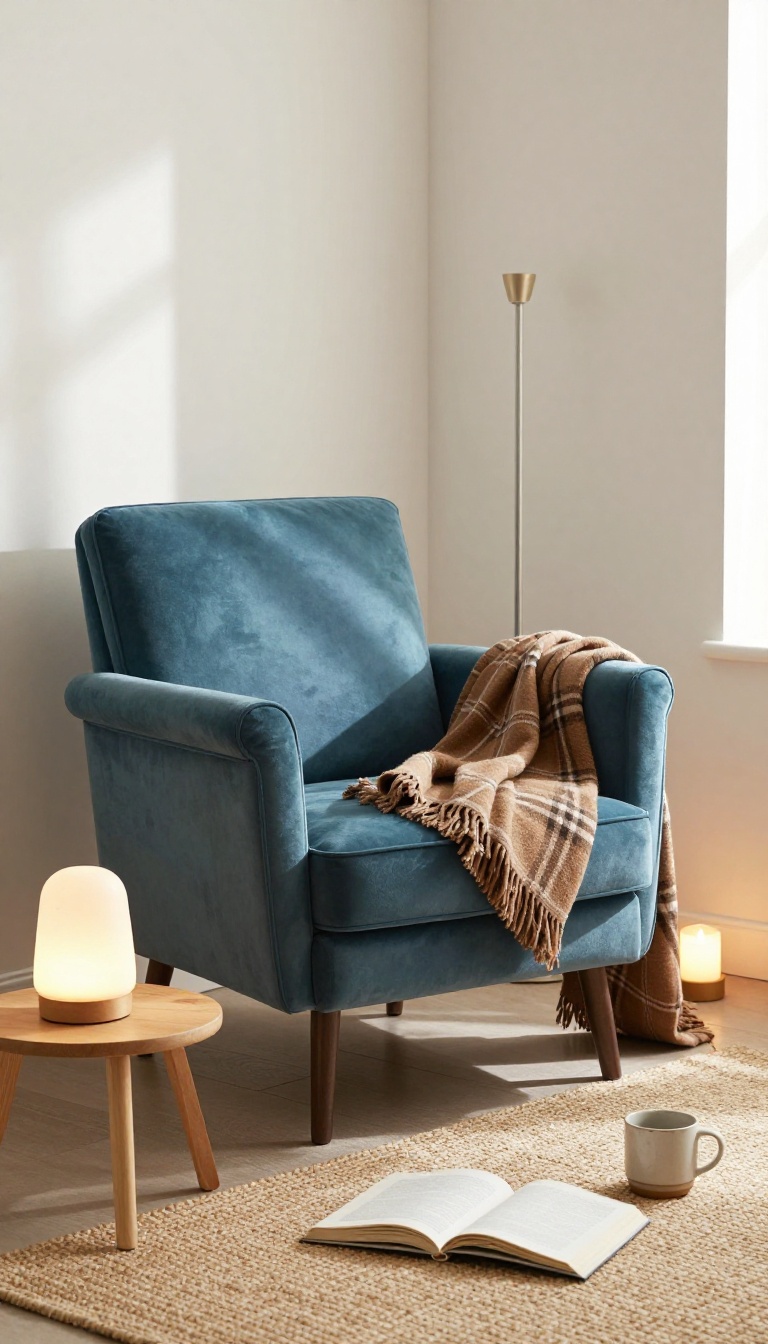
A corner chair in teal velvet or linen, paired with a brown plaid throw and a small side table, makes a cozy spot that highlights the contrast. The chair does the heavy lifting here. Teal velvet brings a soft sheen that catches light, while linen keeps things casual and breathable.
Either way, the color pops against brown without shouting. Then you layer in brown through the throw, maybe a rug, or a wooden side table. The mix feels intentional, not matchy.
It's a small setup, but it anchors a whole corner.
A reading nook works because it's contained. You're not committing to a full room makeover, just one corner that feels deliberate. Teal and brown thrive in that kind of tight space because the contrast reads clearly without overwhelming.
Start with the chair. A teal accent chair—velvet, linen, or even a woven blend—sets the tone. Velvet adds a bit of luxury and reflects light, which helps in darker corners.
Linen feels more relaxed and works better in sunlit spots. Pick based on the mood you want, not just the color. Next, bring in brown through textiles and wood.
A brown plaid throw draped over the arm or back adds pattern and warmth. A small wooden side table gives you a place for a lamp, a book, and a mug. If you have room, a brown leather ottoman or a jute rug can tie it together.
Keep the surrounding walls neutral—warm white, cream, or a soft greige. That way the teal chair stays the star. Add a floor lamp with a warm bulb, and you've got a corner that invites you to sit down and stay awhile.
Pick The Right Teal Chair
Velvet reads dressy and reflects light, so it's great for dim corners. Linen or cotton blends feel more everyday and work well near windows. If you want a middle ground, try a teal performance fabric that looks like linen but holds up better.
Just make sure the chair is comfortable enough to actually sit in for an hour.
Layer Brown With Textiles And Wood
A brown plaid throw is the easiest move—drape it over the chair's arm or back. Add a small side table in walnut, oak, or even a dark stain. A brown leather ottoman or a woven jute rug can extend the brown without making the corner feel heavy.
Light It Like A Reading Spot
You need light aimed at your book, not just the ceiling. A floor lamp with an adjustable arm works well, or a swing-arm wall sconce if you're tight on space. Use a warm bulb—around 2700K—so the teal stays rich and the brown feels cozy, not muddy.
11. Tie It Together with Metallic and Natural Textures
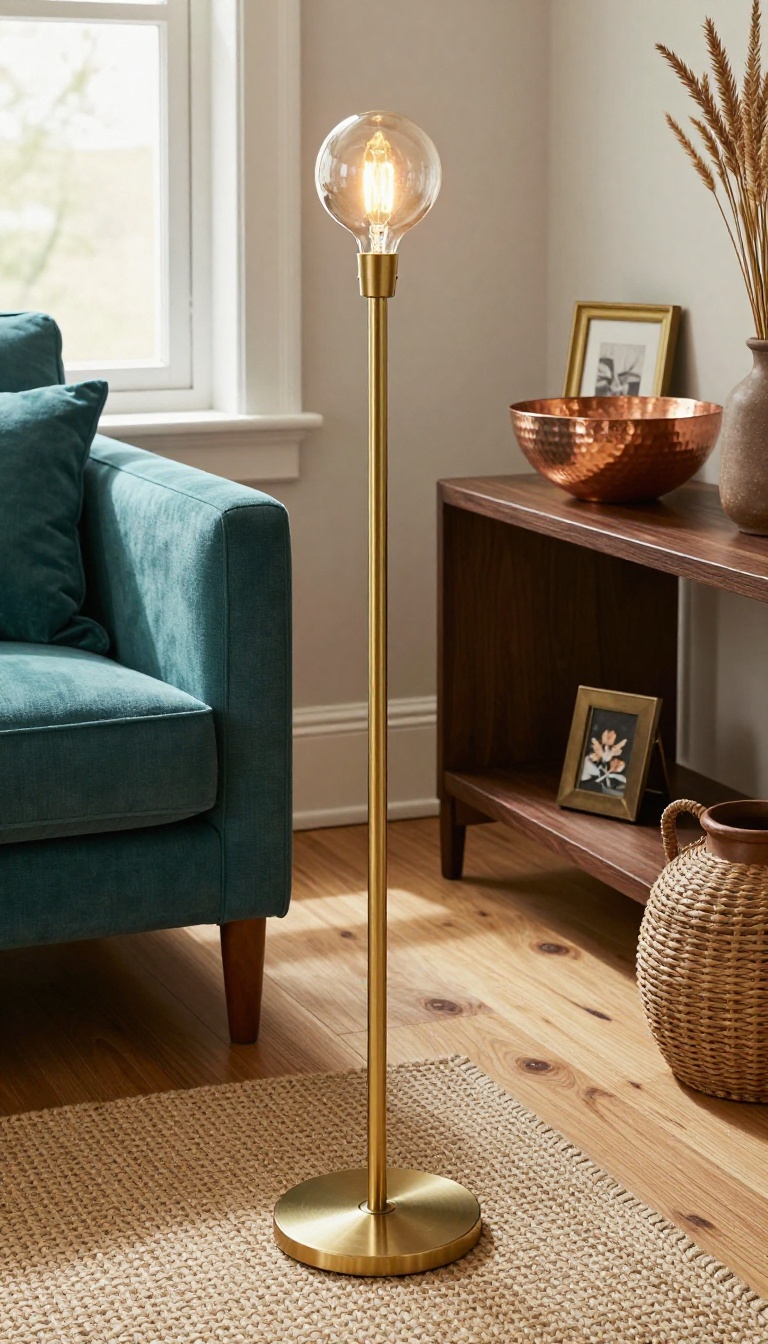
Metallic and natural textures are the secret to making teal and brown feel intentional instead of accidental. They add a layer of depth that flat color matching can't achieve, so the room reads as collected over time. Think of brass, copper, jute, and clay as the bridge between cool teal and warm brown.
They pick up both tones without competing, and they keep the palette from looking too perfect or predictable. This final idea is about the finishing touches that make everything else click. You don't need much—just a few well-chosen pieces that bring shine, grain, and a little imperfection.
Mix Metals Without Overthinking It
Brass and copper are the easiest metals to work with here because they echo brown's warmth while flattering teal's cool edge. A brass floor lamp next to a teal armchair, or copper drawer pulls on a brown wood console, creates a quiet connection between the two colors. You can mix finishes as long as you repeat each one at least twice.
One brass accent can look like a mistake; two or three make it look deliberate. Try a brass picture frame, a copper bowl, and a brass curtain rod in the same sightline. Avoid shiny chrome or cool silver—they fight teal instead of supporting it.
If you already have silver fixtures, balance them with warm wood and natural textiles so they don't feel out of place.
Bring In Jute, Rattan, And Clay
Natural textures do the heavy lifting when you want the room to feel relaxed rather than styled to death. A jute rug under a brown leather sofa softens the leather's formality and gives teal cushions something earthy to sit against. Rattan or wicker chairs, woven baskets, and clay pottery all add subtle brown undertones without repeating your wall color.
They also introduce a handmade quality that makes the space feel lived-in. Don't skip the small stuff: a clay vase on a side table, a woven tray on an ottoman, or a jute lampshade can tie a corner together in seconds. These pieces are affordable and easy to swap if you change your mind later.
Layer Textures For Depth, Not Clutter
The goal is layered, not busy. Choose one smooth texture (like leather or velvet), one rough texture (like jute or raw wood), and one shiny texture (like brass or copper) in each zone of the room. In a seating area, that might mean a velvet teal sofa, a jute rug, and a brass side table.
In a reading nook, a leather chair, a woven throw, and a copper reading lamp. The repetition of this formula keeps things cohesive. Edit as you go.
If a surface feels flat, add something with grain or shine. If it feels cluttered, remove the least useful piece. Texture is about balance, just like color.
Let Patina And Imperfection Work For You
A little wear and tear goes a long way in a teal and brown room. Aged brass, tarnished copper, and slightly uneven clay finishes add character that brand-new matching sets can't fake. Look for vintage or handmade pieces when you can.
A flea market brass candlestick or a hand-thrown clay bowl brings history and warmth that mass-produced items often lack. If you prefer new, choose finishes that will age well—unlacquered brass, natural jute, and matte clay. They'll develop a patina over time, making the room feel more personal with every year.
FAQ
What shade of teal works best with brown furniture?
Muted teals like teal-gray, dusty teal, or deep peacock blue tend to work best. They have enough gray or blue in them to complement brown without clashing.
Can I use teal and brown in a small living room?
Yes. Keep the brown to furniture and floors, then use teal on a single accent wall or in textiles. Avoid dark brown walls in small spaces unless you have plenty of natural light.
Is teal and brown a good color combo for a modern living room?
Absolutely. Choose clean-lined furniture, a crisp teal like turquoise or aqua, and dark espresso brown for a modern look. Add white or cream to keep it fresh.
What other colors pair well with teal and brown?
Cream, white, mustard yellow, blush pink, and sage green all work well as supporting colors. Metallic accents like brass or copper also blend nicely.
How do I prevent teal and brown from looking dated?
Avoid matching sets and heavy patterns. Mix textures, keep lines simple, and use teal as an accent rather than covering every surface. Update hardware and lighting for a current feel.
Conclusion
Teal and brown don't have to be a tricky pair. Start with one dominant color, then let the other play a supporting role. A teal wall with brown furniture, or a brown sofa with teal pillows, is often all it takes.
Pick one idea from this list and try it in your space. You can always adjust the balance later. The goal is a room that feels warm, collected, and easy to live in.