13 Room-Ready Large Shower Ideas for a Refined, Relaxed Look
A large shower can completely change how your bathroom feels—both in the moment and every day. The right layout and materials turn a quick rinse into a calm, private retreat, even in a busy home.
These 13 ideas focus on real comfort and effortless style, so you can enjoy a more refined space without overcomplicating the design. From open walk-ins with sleek drains to warm natural stone and spa-like steam features, each option brings something practical to the table.
You'll find smart storage, better lighting, and fixtures that make cleaning easier while looking polished. Whether you're planning a full remodel or just upgrading a few details, these ideas scale to fit your space and budget.
1. Walk-In Shower with a Linear Drain
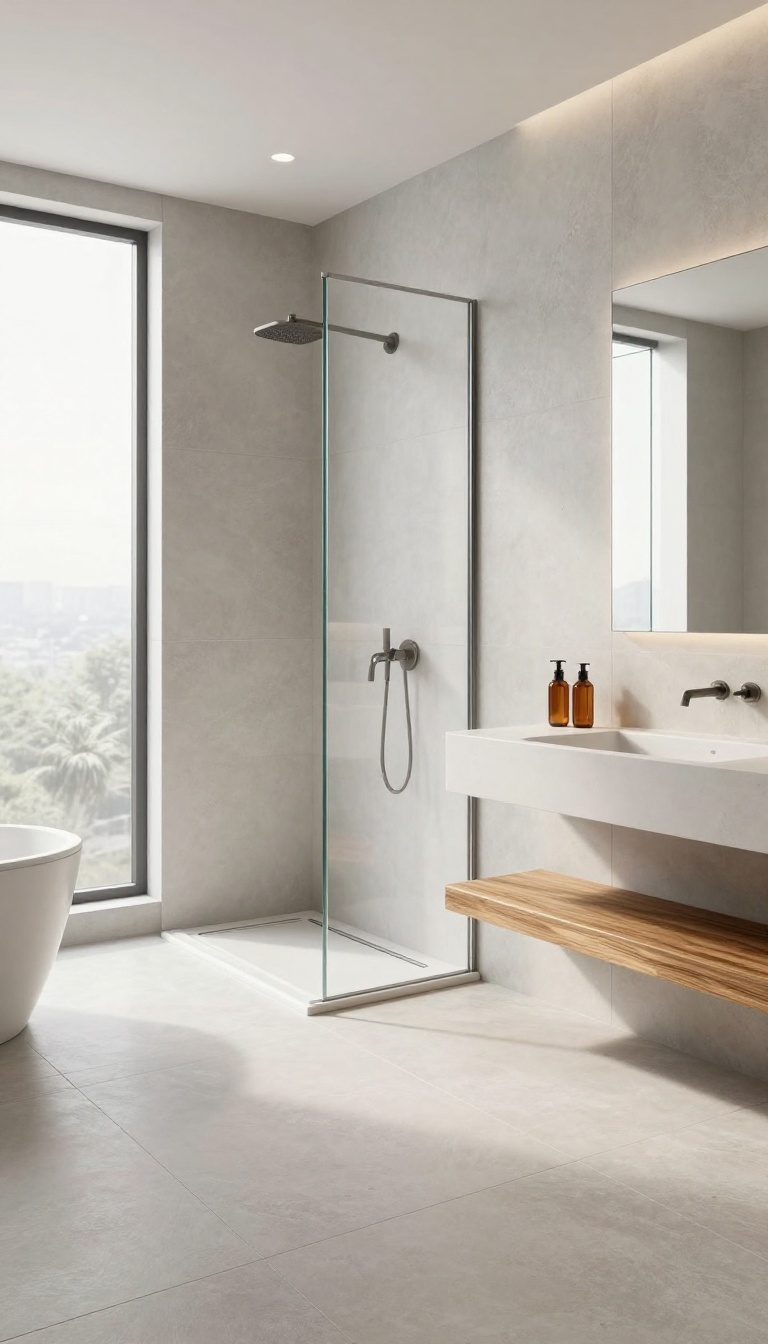
A walk-in shower with a linear drain is the epitome of modern simplicity. Without a curb or door, the space feels larger and more open, making it a perfect choice for a big bathroom. The linear drain, set flush with the floor, adds a clean, architectural line that guides the eye and keeps the floor visually uncluttered.
This design isn't just about looks—it's also incredibly practical. The barrier-free entry makes it easy to step in and out, which is a blessing for anyone with mobility concerns or just for carrying in a basket of toiletries. Plus, the linear drain is a breeze to clean compared to traditional center drains, and it can be positioned to slope the floor subtly for efficient water runoff.
Why Choose A Linear Drain?
Linear drains offer a sleek, minimalist look that traditional round drains can't match. They can be installed along the wall, under a bench, or even in the center for a custom feel. Because they're longer, they handle high water flow better, preventing puddles.
And with a removable grate, cleaning out hair and debris is straightforward—just pop it off and wipe.
Design Ideas For Your Walk-in
To make the space feel even more open, use large-format tiles on the floor and walls to minimize grout lines. Consider a glass panel instead of a full door to keep the openness while preventing splashes. Add a built-in niche for shampoo and soap, and if you have room, a long bench or a small stool adds a spa-like touch.
Accessibility And Safety Benefits
The curbless design eliminates tripping hazards, making it safer for kids and older adults. Pair it with a handheld showerhead and a grab bar for extra convenience. The linear drain can be placed at the far end, allowing the floor to slope gently, which also helps with drainage and keeps the main walking area level.
2. Frameless Glass Enclosure for an Open Feel
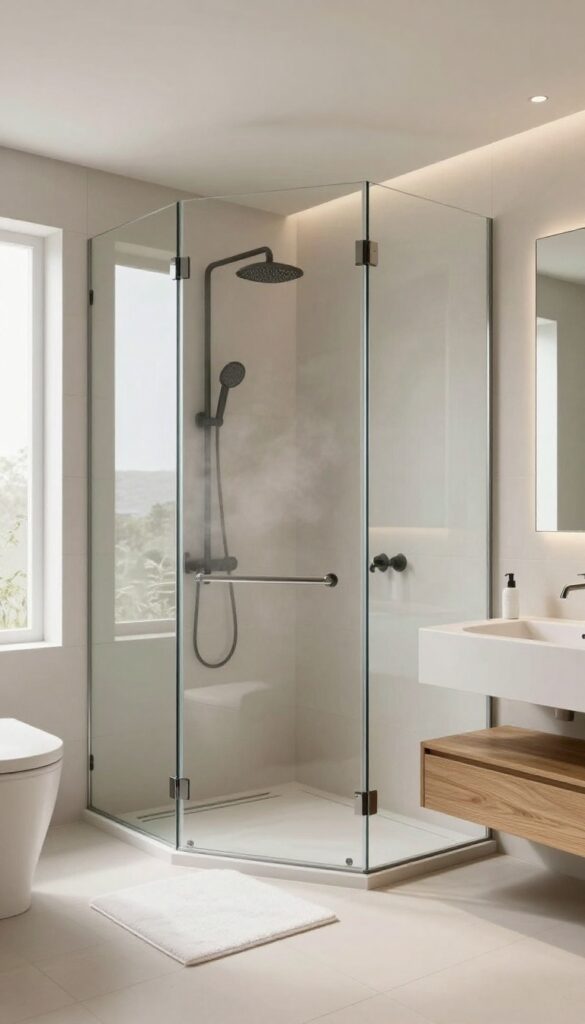
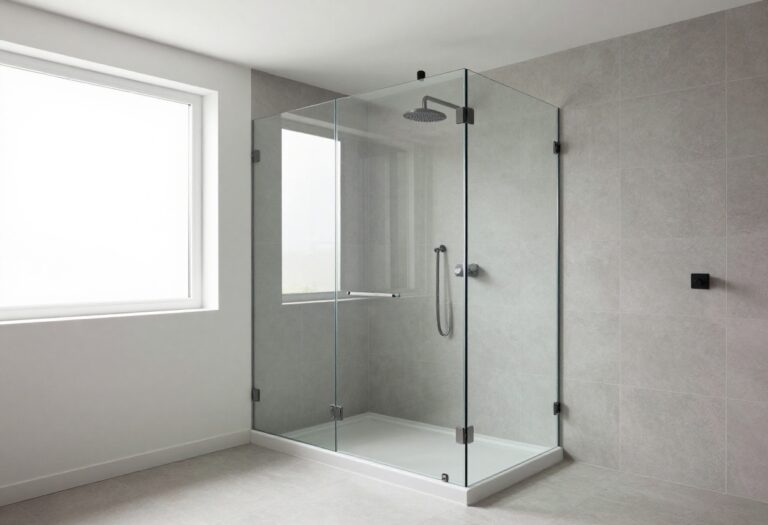
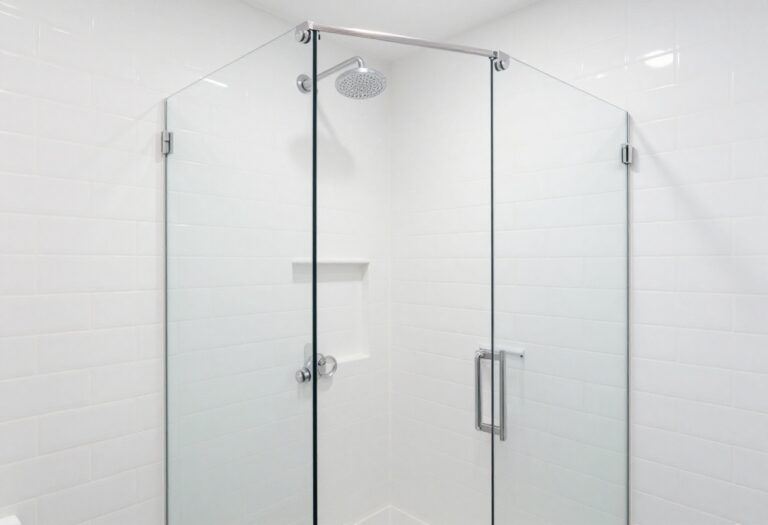
A frameless glass enclosure can make a large shower feel even more expansive. Without bulky frames, the glass becomes nearly invisible, letting your eye travel from the bathroom into the shower without interruption. This approach works especially well in larger bathrooms where you want to maintain a sense of openness while still defining the wet area.
Frameless glass isn't just about looks—it also simplifies cleaning. With no metal tracks or frames to trap soap scum and grime, you can keep the glass sparkling with a simple squeegee. Plus, the minimal hardware means fewer places for water to pool, which helps prevent mold and mildew in the long run.
Choose The Right Glass Thickness
When opting for frameless glass, thickness matters. Most frameless enclosures use 3/8-inch or 1/2-inch tempered glass. Thicker glass feels sturdier and more luxurious, but it also adds weight, so your hinges and wall mounts need to be robust.
For a large shower, 1/2-inch glass is a popular choice because it offers that solid, high-end feel without being overly heavy.
Consider A Pivot Or Sliding Door
The door style can make or break the open feel. A pivot door swings outward, which can be great for wide openings but requires clearance in front of the shower. A sliding door, on the other hand, saves space and works well if you have a bathtub or vanity nearby.
Think about how you move in the bathroom and choose a door that doesn't obstruct traffic or feel cramped.
Keep The Hardware Minimal And Matte
The hardware you choose should complement the glass without stealing the show. Matte black, brushed nickel, or even brass finishes add a subtle touch of elegance. Avoid shiny chrome that can look dated and show fingerprints.
Minimal hinges and clips keep the visual line clean, so the glass remains the star.
Maximize Natural Light With Clear Glass
If your bathroom has a window or you want to bring in more light, clear glass is the way to go. It lets daylight flow through the shower, making the whole space feel brighter and more open. For privacy, you could use a frosted or textured glass, but that will reduce the airy feel.
If privacy isn't a big concern, clear glass is the best choice for that seamless connection to the rest of the room.
3. Dual Shower Heads for a Spa-Like Experience
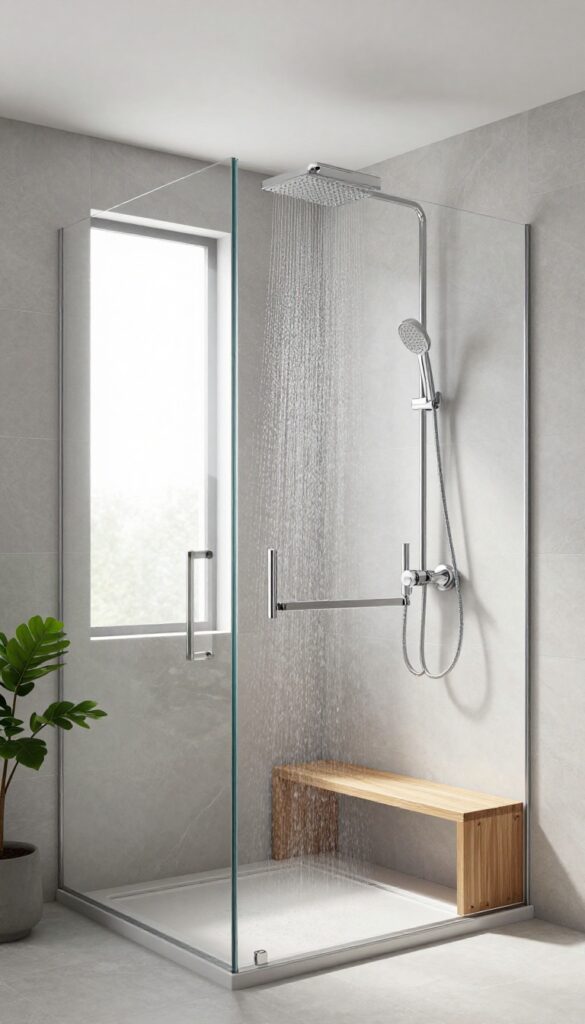
Nothing says luxury quite like stepping under a rain shower head while using a handheld wand to rinse off exactly where you need it. This combo isn't just about indulgence—it's about practicality and control. You can adjust the height and angle of the rainfall head for a gentle, full-coverage cascade, while the wand makes it easy to clean the shower or direct water precisely.
It's a simple upgrade that turns an everyday routine into a mini retreat.
Adding a second shower head is one of the most effective ways to elevate a large shower without a full renovation. The key is to plan the placement and choose fixtures that complement your space. Whether you're a fan of a fixed ceiling-mounted rain head or a wall-mounted adjustable one, pairing it with a handheld wand gives you the best of both worlds.
You'll enjoy a customizable experience that feels tailored to your preferences, and it's a feature that adds real value to your home.
Choosing The Right Combo
When selecting dual shower heads, think about the size of your shower and your daily needs. A ceiling-mounted rain head works beautifully in a spacious walk-in, while a wall-mounted version might be better for lower ceilings. For the handheld, consider a slide bar that lets you adjust the height easily.
Look for models with multiple spray settings—like mist, massage, or pulsating—so you can switch things up depending on your mood. Also, check the flow rate to ensure you have enough water pressure for both heads running simultaneously.
Placement And Installation Tips
Proper placement is crucial for a comfortable experience. The rain head should be centered directly above where you'll stand, typically around 6 to 8 feet high. The handheld wand should be positioned within easy reach, usually on a side wall or a vertical bar.
If you're remodeling, consider roughing in the plumbing before tiling to avoid exposed pipes. If you're retrofitting, you can use a diverter valve that lets you switch between heads or run both at once. Always hire a licensed plumber for any changes to your water lines.
Making It Feel Spa-like
To truly mimic a spa, pair your dual shower heads with other relaxing touches. Add a built-in bench or a teak shower stool where you can sit while using the handheld. Install a thermostatic valve to keep the water temperature steady.
Use soft, warm lighting and maybe a waterproof speaker for calming music. The goal is to create a multi-sensory experience that helps you unwind after a long day. With the right setup, your shower becomes a personal sanctuary.
4. Built-In Bench for Comfort and Convenience
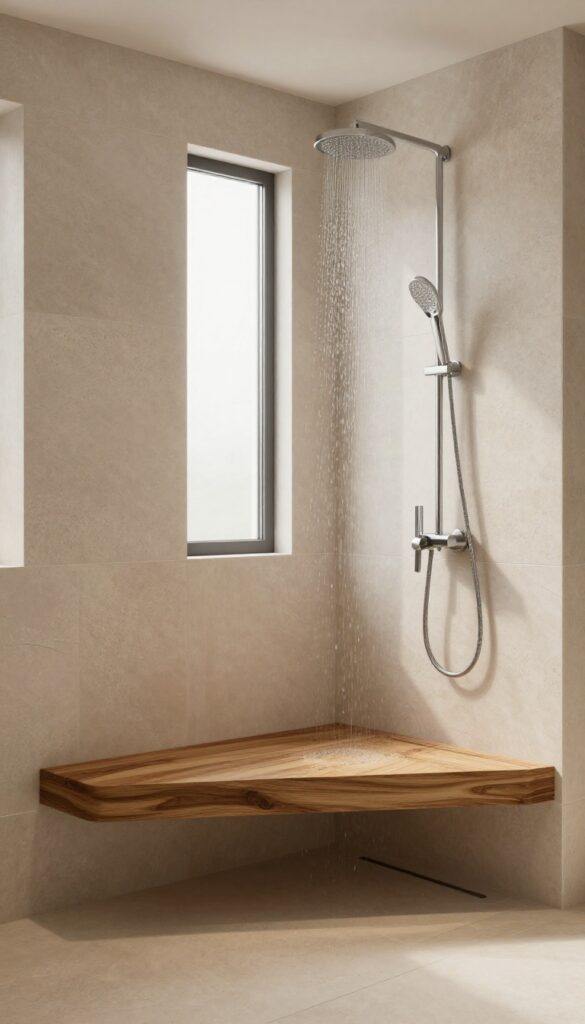
A built-in bench turns a large shower into a place where you can actually pause. Whether you need a seat for shaving your legs, a spot to rest during a long soak, or just somewhere to set a towel within reach, a bench adds everyday practicality without sacrificing style. When it’s designed thoughtfully, a bench can also anchor the shower’s look—think warm teak, sleek stone, or a simple tiled ledge that blends into the wall.
It’s one of those features that feels like a splurge but works hard every single day.
Built-in benches are more than just a place to sit—they make a large shower feel more functional and more inviting. The key is to choose the right material, placement, and size so the bench complements your shower’s layout and your daily routine. A bench can be tucked into a corner, stretched along one wall, or designed as a low ledge that doubles as a shelf.
The best option depends on your space and how you plan to use it. For example, a corner bench saves floor area, while a full-length bench offers more room to stretch out or set multiple products. Beyond practicality, a bench adds a subtle architectural detail that makes the shower feel custom and considered.
It breaks up large expanses of tile and gives the eye a natural resting point, which can make the whole room feel more balanced.
Choosing The Right Material
The material you pick affects both durability and comfort. Natural stone like marble or travertine feels luxurious but requires sealing and can be slippery when wet. Porcelain tile is a more low-maintenance option and comes in a wide range of colors and textures.
Teak wood is warm, naturally water-resistant, and comfortable to sit on, but it needs occasional oiling to keep its finish. For a seamless look, consider a bench made from the same material as your shower walls—this creates a clean, integrated appearance.
Placement And Size Tips
Think about how you’ll actually use the bench. If it’s mainly for shaving or washing, a depth of 14–16 inches and a height of 16–18 inches works well. For lounging, a deeper bench of 18–20 inches gives you more room to sit back.
Place the bench away from the main water flow to keep it dry when you’re not using it, or position it under a rain shower head for a spa-like feel. Also, make sure there’s enough clearance for comfortable movement around it.
Adding Storage And Comfort
A built-in bench can double as a storage spot. Add a recessed niche above the bench for shampoo and soap, or install a small shelf underneath for extra towels. For comfort, consider a teak seat that sits on top of a tiled bench—it’s removable for cleaning and feels nicer on bare skin.
You can also add a subtle grab bar nearby for safety, especially if the shower will be used by older family members.
5. Natural Stone Walls for a Timeless Look
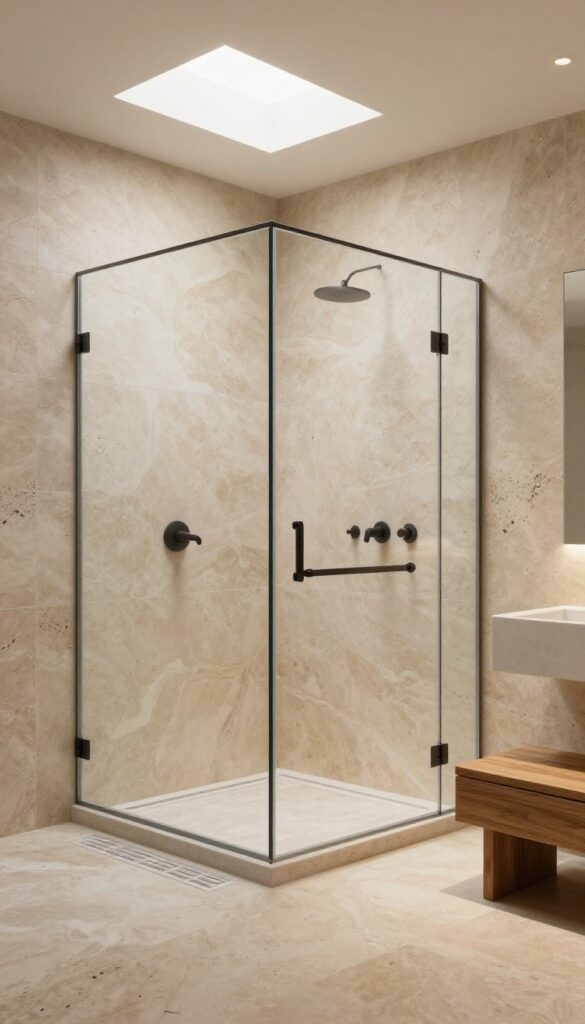
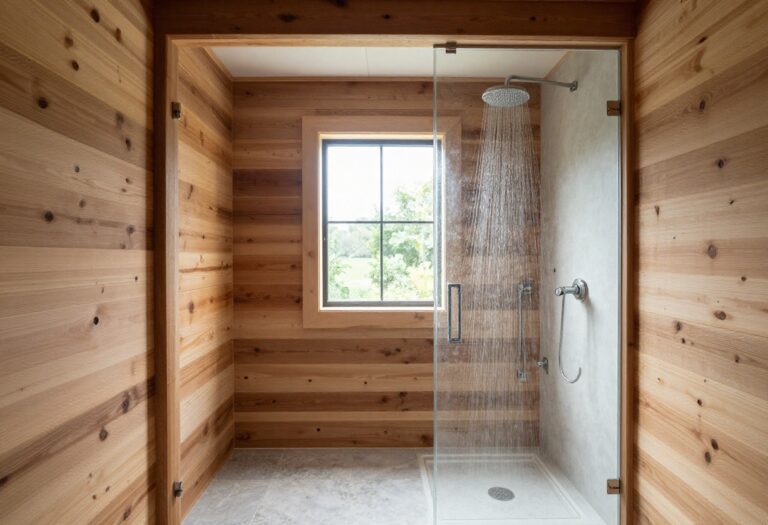
Stone has a way of grounding a space, making it feel both ancient and modern at once. In a large shower, natural stone walls can transform the ordinary into the extraordinary, adding depth and character that tile simply can't match. Whether you choose travertine's soft, earthy tones or slate's dramatic dark hues, stone brings a tactile quality that invites touch.
It's a material that ages gracefully, developing a patina that tells a story over the years. Plus, it pairs beautifully with wood, glass, and metal, so you can easily blend it with your existing design.
Natural stone isn't just about looks—it's about creating a sensory experience. The slight variations in color and texture make every wall unique, turning your shower into a one-of-a-kind retreat. And because stone is naturally durable, it can handle the moisture and temperature changes of a steamy shower without losing its charm.
When using stone in a large shower, think beyond the typical subway tile. Large-format stone slabs can create a seamless, luxurious look with fewer grout lines to clean. Alternatively, stacked stone tiles add a rugged, organic feel that's perfect for a spa-like atmosphere.
Whatever you choose, the key is to let the stone be the star, so keep other elements simple and understated.
Choosing The Right Stone
Not all stone is created equal. For a shower, you'll want a stone that's dense and low-porosity, like granite or slate, to resist water absorption. Softer stones like limestone can be sealed, but they require more maintenance.
Consider the overall vibe: travertine with its pitted surface adds warmth, while marble brings a classic, elegant feel. Think about how much upkeep you're willing to commit to—some stones need resealing every year or two.
Installation And Maintenance Tips
Proper installation is crucial for natural stone. Use a waterproof membrane behind the stone to prevent moisture damage, and choose a grout that complements the stone's color. For maintenance, use a pH-neutral cleaner and avoid harsh chemicals that can etch the surface.
Sealing the stone regularly will protect it from stains and make cleaning easier. With the right care, your stone walls will stay beautiful for decades.
Pairing Stone With Other Elements
Natural stone works well with a variety of materials. Pair it with warm wood accents for a rustic feel, or with brushed nickel fixtures for a modern twist. Glass shower doors let the stone shine while keeping the space open.
Adding plants or a wooden bench can soften the look and enhance the natural vibe. The key is to balance the stone's boldness with complementary elements that don't compete for attention.
6. Recessed Niches for Storage and Style
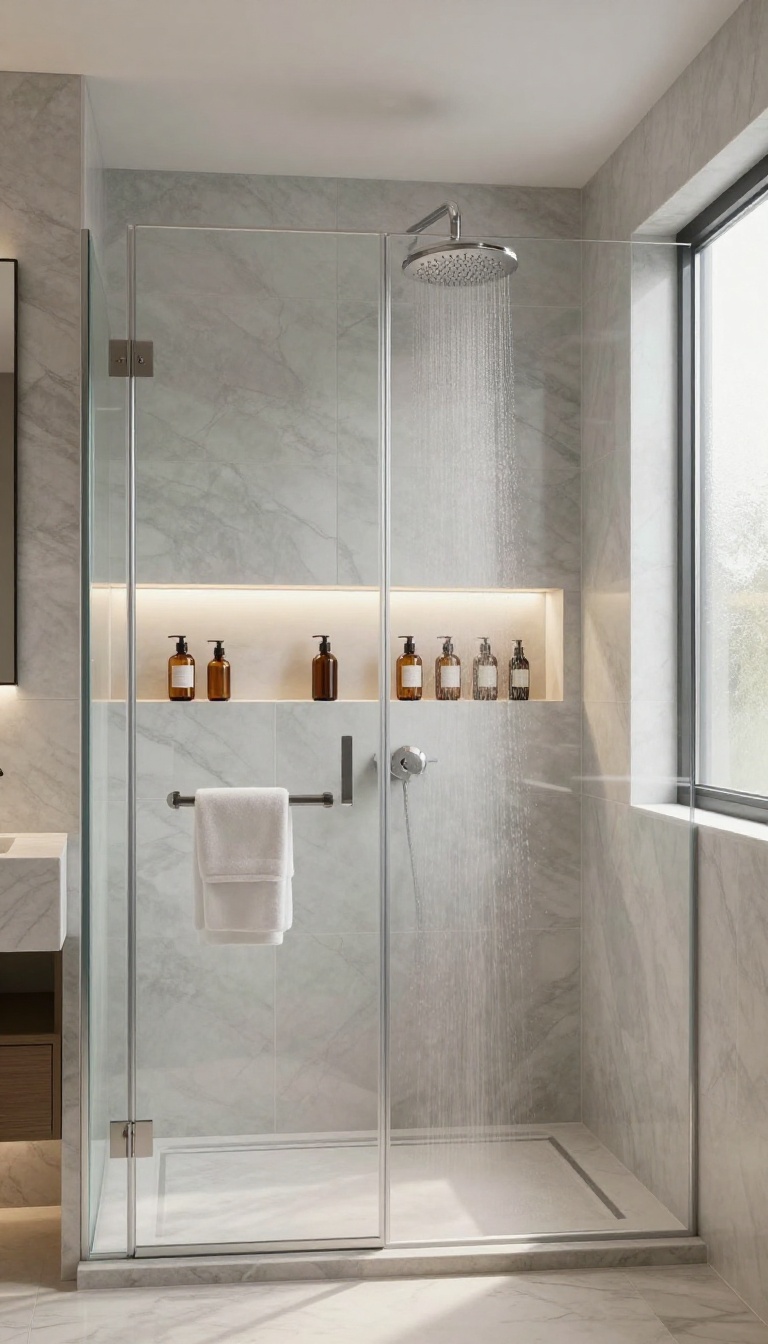
A recessed niche is one of those details that feels obvious once you have it. Instead of hanging a caddy or balancing bottles on the edge of the tub, you get a built-in shelf that disappears into the wall. It keeps your shower organized without adding visual clutter, and it can be a subtle design accent at the same time.
Recessed niches are practical and polished. They give you a place for shampoo, soap, and razors without taking up floor space or breaking the clean lines of your shower. Because they're set into the wall, they also create a custom, built-in look that feels intentional.
You can place them where you need them most, like near the showerhead or at arm's reach from the bench.
Placement That Works
Think about how you move in the shower. A niche at standing height is great for everyday items, while a lower one near the bench can hold a loofah or foot scrub. If you have a double shower, consider two niches on opposite walls so each person has their own spot.
Avoid placing a niche directly under the showerhead—it'll get soaked and might make bottles slippery.
Sizes And Shapes
Standard niches are about 12 by 12 inches, but you can go larger or even create a long, horizontal shelf for a more modern feel. A tall, narrow niche works well for taller bottles, while a wide, shallow one is perfect for stacking folded towels. Just make sure the niche is deep enough to hold your items without them sticking out too far.
Materials That Blend Or Pop
The tile inside the niche can match the rest of the shower for a seamless look, or you can use a contrasting tile to make it a focal point. A metal shelf insert adds a sleek, industrial touch, while a marble shelf brings warmth. If you're using large-format tiles, plan the niche placement so it doesn't interrupt the pattern awkwardly.
7. Rain Shower Head with a Ceiling Mount
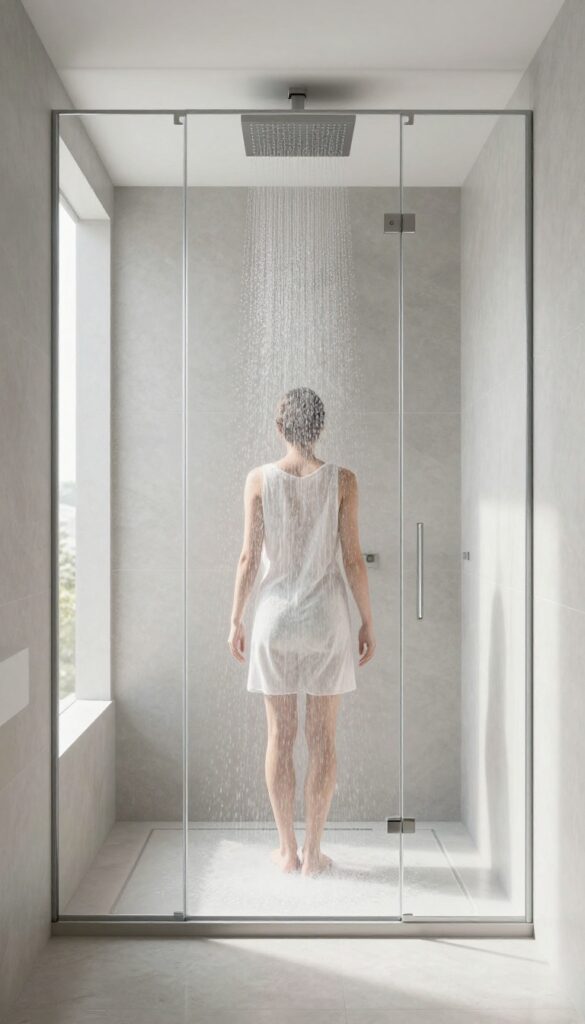
A ceiling-mounted rain shower head completely changes the feel of a large shower. Instead of a fixed spray from the wall, the water falls straight down, wrapping you in a steady, gentle flow. It’s the closest thing to standing in a warm summer rain without leaving home.
This setup works especially well in a spacious shower because it makes the whole area feel like a personal waterfall. The wide coverage means you’re not stuck under a narrow stream; you can move around freely while the water finds you. It’s a simple upgrade that adds a daily dose of calm.
The magic of a ceiling rain shower lies in its simplicity. There’s no arm to adjust, no angle to fuss with—just a clean, flush mount that blends into the ceiling. The water drops from above, creating a soft, enveloping sensation that’s both relaxing and refreshing.
For a large shower, this type of head also helps distribute water more evenly, so you don’t have to huddle in one corner. When planning for a ceiling mount, think about your ceiling height and water pressure. Ideally, the head should be positioned so you stand comfortably beneath it, with enough clearance for tall family members.
You’ll also want to consider the diameter of the head—larger heads (like 12 to 16 inches) cover more area but require a higher flow rate. A good plumber can help you assess your existing system and make recommendations. One of the best parts of a ceiling rain shower is how it pairs with other fixtures.
You can install a separate handheld sprayer on a slide bar for targeted rinsing, or add body jets on the wall for a full spa experience. The rain head becomes the centerpiece, while the extras add versatility. This combination is a favorite in master bathrooms because it offers both indulgence and practicality.
Choosing The Right Size And Flow
The size of the rain head matters more than you might think. A 10-inch head feels luxurious, but a 14-inch head can turn your shower into a true downpour. Check your water pressure first—if it’s low, a larger head might just produce a weak drizzle.
A pressure-balancing valve can help maintain a consistent flow, and some models come with flow restrictors that you can adjust. Aim for a head that delivers at least 2. 5 gallons per minute for a satisfying soak.
Installation Considerations
Ceiling-mounted rain showers require a bit more planning than wall-mounted ones. The plumbing needs to run through the ceiling, which might mean opening up drywall or working around joists. If you’re remodeling, this is easier to do before the ceiling is finished.
Also, consider the shower height—if your ceiling is low, a flush mount is better than a pendant style. Make sure the shower floor has proper slope to drain the increased water flow.
Pairing With Other Shower Features
A rain head works beautifully on its own, but it shines when paired with a handheld sprayer. This combo lets you enjoy the overhead rain for relaxation and then use the handheld for targeted cleaning or rinsing shampoo. You can also add a thermostatic valve to keep the temperature steady, so the rain never turns cold.
For a spa-like feel, consider adding a small bench or a teak stool beneath the rain head—it’s the perfect spot to sit and let the water wash over you.
8. Steam Shower Feature for a Home Retreat
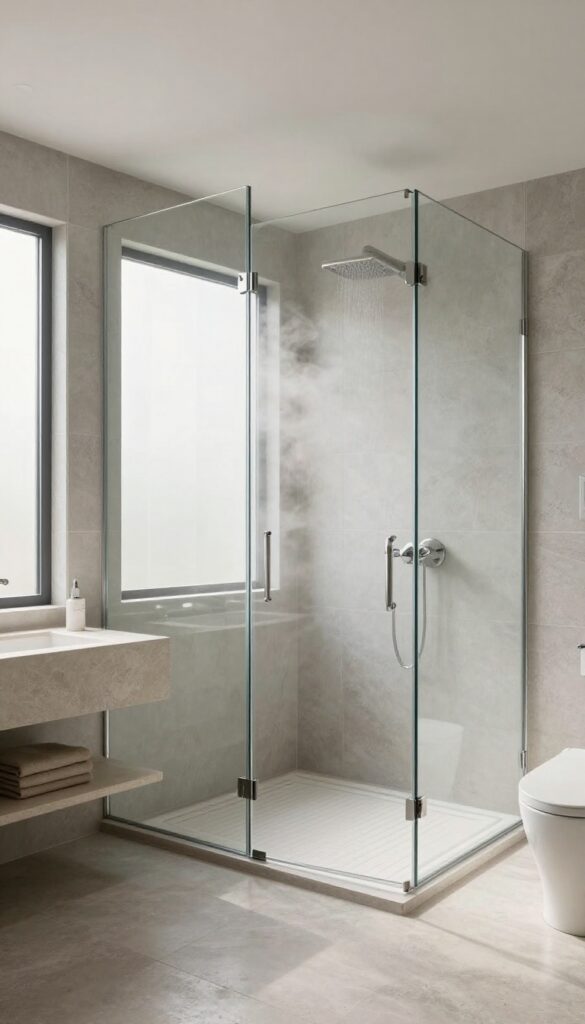
A steam generator turns your everyday shower into a personal spa, wrapping you in warm, soothing mist that eases tension and clears your mind. It’s a feature that feels indulgent but is surprisingly practical for daily use, especially in a large shower where there’s room to truly relax.
Adding steam to a large shower is about more than just luxury—it’s a way to create a private wellness corner in your own home. The gentle heat can help relax muscles, open airways, and promote a sense of calm after a long day. Plus, with a spacious enclosure, you can sit back and enjoy the steam without feeling cramped.
How A Steam Generator Works
A steam generator is typically installed outside the shower, often in a nearby closet or basement, and pipes steam into the enclosure through a control panel. You can adjust the temperature and session length to your liking, and some models even let you set a timer so the steam is ready when you step in.
Designing For Comfort And Safety
For a steam shower to work well, the enclosure needs to be fully sealed—think glass doors that close tightly and a ceiling that slopes to direct condensation. Add a built-in bench or a corner seat so you can sit back and relax, and choose non-slip flooring to stay safe on wet surfaces.
Ventilation And Maintenance Tips
Proper ventilation is key to preventing mold and mildew. Install an exhaust fan or a window that can be opened after use, and wipe down surfaces regularly. Using a squeegee on glass and tiles keeps things looking fresh and reduces buildup.
9. Matte Black Fixtures for a Modern Edge
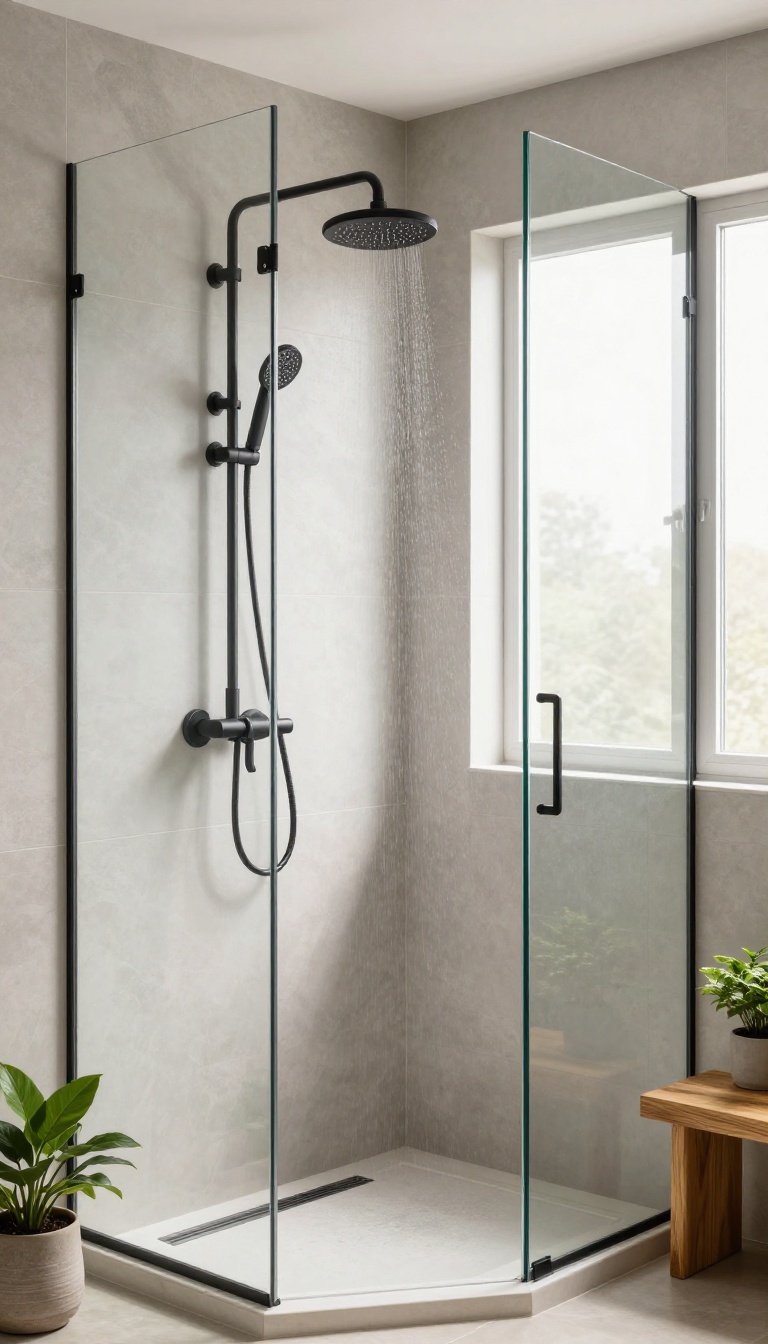
Sometimes the smallest details make the biggest impact. Swapping out shiny chrome or brushed nickel for matte black fixtures instantly gives a large shower a sleek, contemporary feel. It's a simple change that adds depth and contrast, especially when paired with light tiles and clear glass.
Matte black fixtures are a favorite among designers for good reason. They bring a bold, grounded element to the shower without overwhelming the space. The dark finish creates a crisp line against white or light gray tiles, making the whole area look more intentional and polished.
Plus, matte black hides water spots and fingerprints better than polished metals, so it stays looking cleaner between wipes.
Why Matte Black Works In Large Showers
In a spacious shower, fixtures need to hold their own visually. Matte black does exactly that—it anchors the design and prevents the space from feeling too airy or washed out. It also pairs beautifully with natural materials like stone and wood, adding a modern twist to organic textures.
If you're aiming for a refined, relaxed look, this finish brings just the right amount of edge.
Choosing The Right Pieces
Start with the essentials: a showerhead, hand shower, and control valve. For a cohesive look, match all the metal finishes in the shower, including the drain cover and any towel hooks. Consider a matte black rain showerhead for a dramatic focal point, or go with a handheld model for flexibility.
Mixing matte black with brass or gold accents can also work if you keep the palette tight—limit it to one accent metal for a balanced result.
Installation And Care Tips
Installing matte black fixtures is no different from any other finish, but a few care tips keep them looking their best. Use a mild cleaner and a soft cloth to avoid scratching the surface. Avoid abrasive pads or harsh chemicals that can strip the finish.
With a little attention, matte black stays sleek for years, making it a smart choice for a busy bathroom.
10. Large-Format Tiles for Fewer Grout Lines
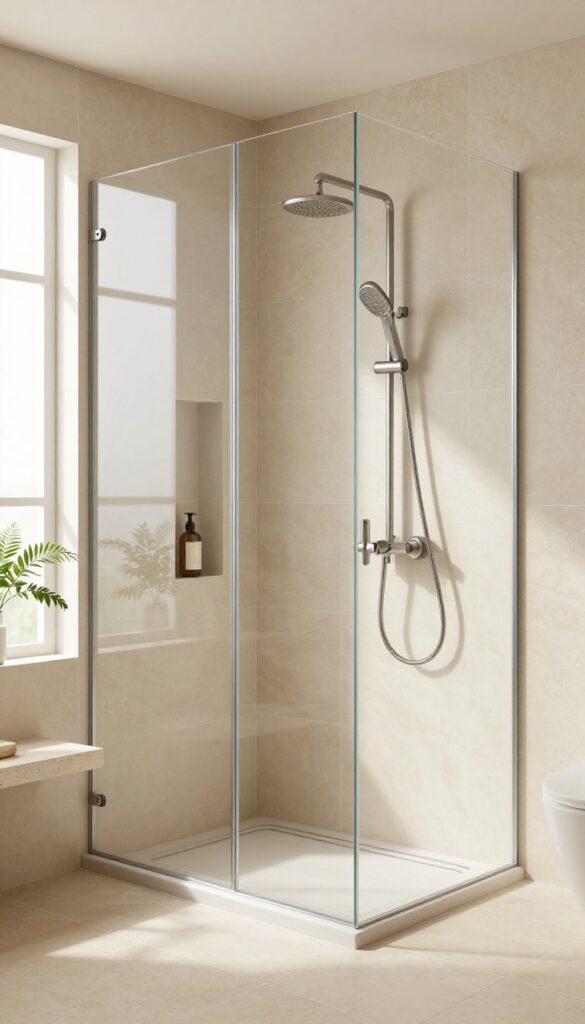
Grout lines are the unsung heroes of tile design—until they get dirty. In a large shower, those thin lines can become a maintenance headache and visually chop up the space. That’s why oversized tiles are such a smart move.
They cut down on grout, create a smooth, seamless look, and make the whole shower feel bigger and more open.
Large-format tiles, typically 12×24 inches or bigger, are a game-changer for large showers. They reduce the number of grout lines, which means less scrubbing and fewer places for mold and mildew to hide. Plus, the fewer lines you see, the more your eye travels across the surface, making the shower feel expansive and uncluttered.
Whether you go with porcelain, ceramic, or natural stone, the effect is instantly more refined.
Why Fewer Grout Lines Matter
Grout is porous and prone to staining, especially in a wet environment. With large-format tiles, you have fewer joints to seal and maintain. That translates to less time cleaning and more time enjoying your shower.
Plus, a continuous surface reflects light better, making the space feel brighter and more airy.
Choosing The Right Size And Layout
For a large shower, go as big as your walls can handle—24×48-inch slabs are stunning and create a near-monolithic look. But make sure your substrate is perfectly flat, because large tiles amplify any unevenness. A running bond or stacked layout both work well; stacked gives a modern grid, while running bond adds subtle movement.
Just avoid small tiles that make the space feel busy.
Pairing With Minimalist Fixtures
Oversized tiles beg for simple, sleek fixtures. Choose a slim-profile shower head, a linear drain, and a frameless glass enclosure to keep the focus on the tile. Avoid busy patterns or heavy textures that compete with the clean lines.
The result is a spa-like calm that feels both luxurious and easy to live with.
11. Glass Block Wall for Privacy and Light
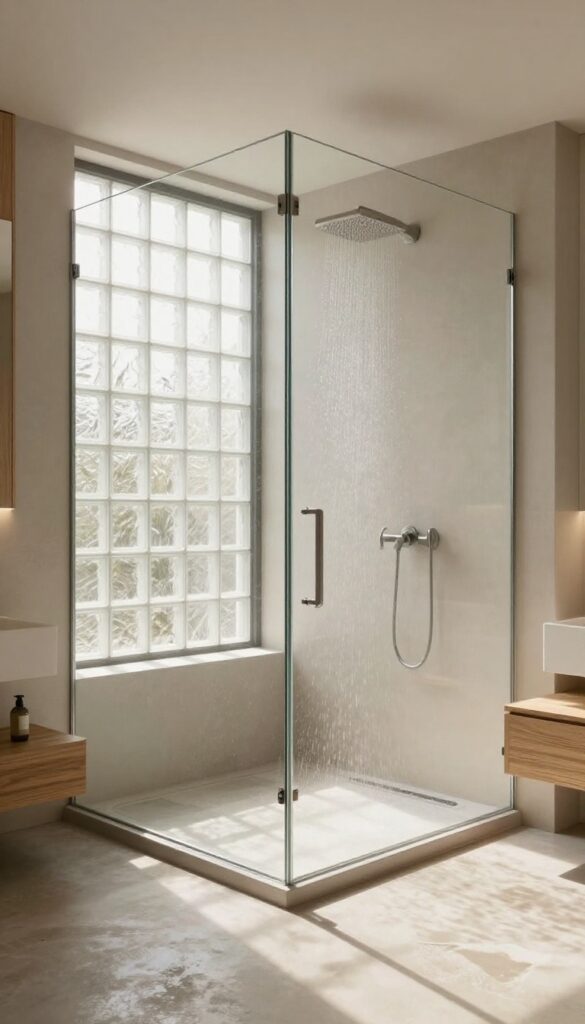
If you want to open up your shower to more natural light but still crave privacy, a glass block wall is a clever middle ground. It lets daylight pour in while keeping the view blurred, so you don't have to choose between brightness and seclusion. This works especially well in shared bathrooms or when your shower sits next to a window or a busy hallway.
Glass blocks have come a long way from the heavy, frosted squares of the past. Today's versions come in clearer, textured, and even colored finishes, so you can match them to your bathroom's style. They're also surprisingly easy to clean and maintain, making them a practical choice for a large shower that gets daily use.
Why Glass Blocks Work In A Large Shower
A large shower often has a big wall that can feel blank or closed off. Glass blocks break up that solid surface without making the space feel smaller. They let light travel through, so the shower feels airier and more open, even when the door is shut.
Plus, the textured surface adds visual interest without needing extra decor.
How To Integrate Them With Your Layout
You can use glass blocks as a full wall, a partial partition, or even a decorative strip near the ceiling. If you want to keep some openness, try a half-wall of blocks topped with a clear glass panel. For a more dramatic effect, install them floor-to-ceiling to create a glowing, private alcove.
Just make sure the blocks are properly sealed and supported, especially if they'll bear any weight.
Privacy And Light Balance
The beauty of glass blocks is that they obscure shapes but still let in about 70% of natural light. That means you get a bright, spa-like feel without worrying about anyone seeing in. If you need even more privacy, choose a frosted or patterned block.
For maximum light, go with a clearer style and pair it with a light-colored grout to keep the wall looking seamless.
12. Heated Floor and Towel Warmer for Comfort
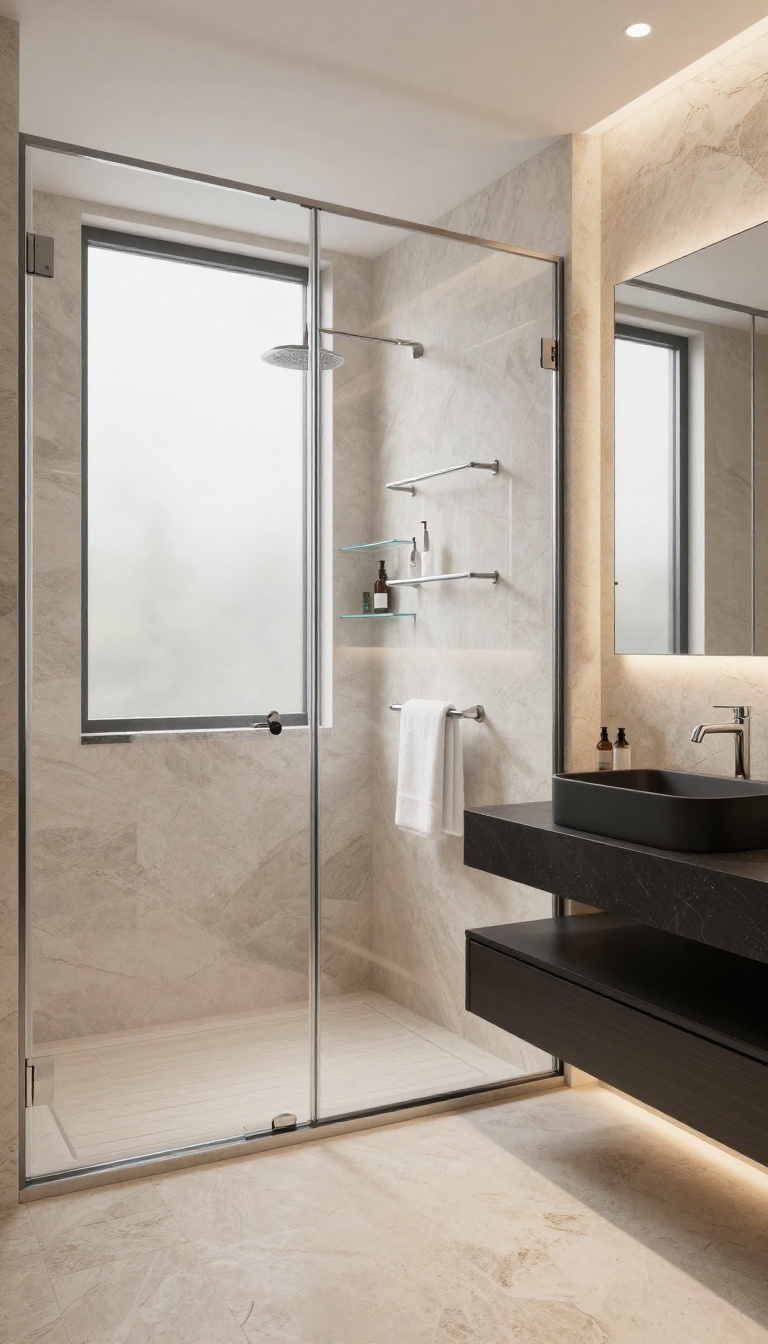
Stepping out of a warm shower onto a cold tile floor can be jarring, especially in the early morning. Radiant floor heating and a towel warmer solve that problem in one elegant move. These additions wrap you in warmth from the ground up and keep your towel toasty, turning every shower into a more indulgent experience.
Heated floors and towel warmers are the kind of luxury that feels like a treat every single day. They're not just about comfort—they also help reduce moisture in the bathroom, which can cut down on mildew and make the space feel fresher. When you're designing a large shower, these elements add a layer of refinement that's both practical and pampering.
Why Radiant Heat Works So Well
Radiant floor heating works by circulating warm water through tubes or using electric mats beneath the tile. Because the heat rises evenly, it warms the entire room without the drafts of a forced-air system. You can set a thermostat to warm the floor before you wake up, so it's ready when you are.
It's quiet, efficient, and feels amazing underfoot.
Choosing The Right Towel Warmer
Towel warmers come in two main types: hydronic (connected to your hot water system) and electric (plug-in or hardwired). Electric ones are easier to install and come in a variety of styles, from wall-mounted racks to freestanding ladders. Look for one with enough bars to hold a bath sheet and a robe.
Some models even have timers, so you can set them to warm up right before your shower.
Installation And Placement Tips
For a new build or major remodel, radiant floor heating is easiest to install before the tile goes down. If you're retrofitting, electric mats can be placed over existing subfloor with a thin layer of self-leveling compound. Place the towel warmer near the shower exit but away from direct water spray.
Keep the thermostat in a dry, accessible spot, and consider zoning so you can heat just the shower area if you want to save energy.
13. Integrated Lighting for Ambiance and Safety
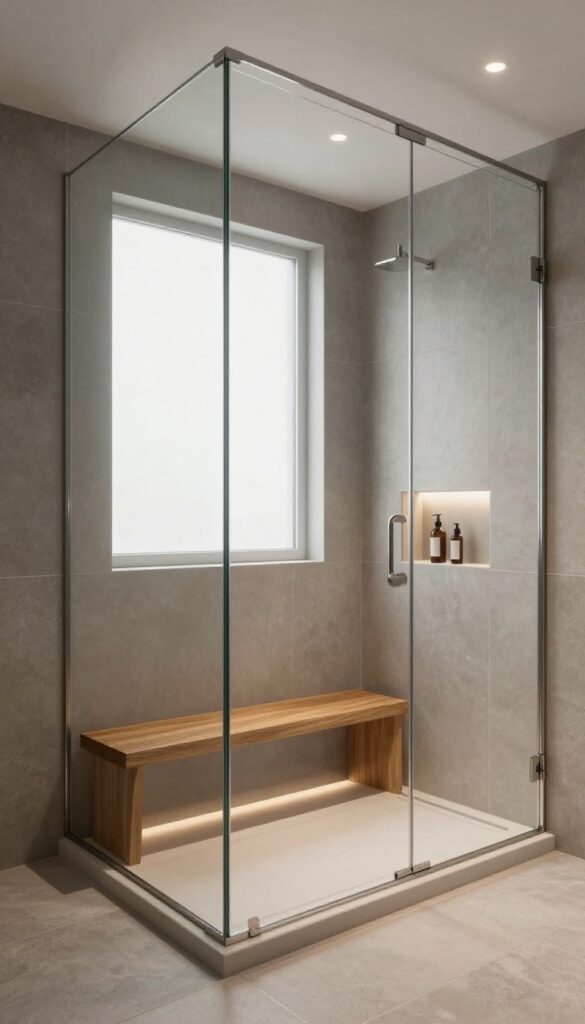
Lighting can make or break the feel of a large shower. Bright overhead spots can feel harsh, while dim, shadowy corners can feel unsafe. Integrated lighting solves both by layering different sources to create a soft, even glow that flatters the space and keeps every step visible.
Think of it as setting the stage for your daily ritual. With the right mix of recessed lights, a niche light, and maybe a slim LED strip, you can dial in the perfect mood—bright and energizing in the morning, calm and dim in the evening. Plus, good lighting reduces slips and bumps, so it's as practical as it is pretty.
When you're designing a large shower, lighting often gets overlooked until after the tile is in. But planning it early pays off. You want a combination of general illumination, task lighting for shaving or washing, and accent lights to highlight textures or niches.
Dimmable LEDs are the go-to because they're energy-efficient, long-lasting, and easy to control. A simple approach is to install a few recessed ceiling lights with a dimmer switch. Then add a waterproof light inside your shower niche—it's a small touch that makes a big difference.
For extra drama, consider a linear LED strip along a shelf or under a bench. Just make sure everything is rated for wet locations and installed by a pro if you're not comfortable with electrical work.
Layer Your Light Sources
Don't rely on one overhead fixture. Instead, mix recessed lights for even coverage, a niche light for focused detail, and maybe a wall sconce or LED strip for accent. This layering creates depth and lets you adjust the atmosphere.
For instance, you might have all lights on for cleaning, but just the niche light on for a relaxing evening shower.
Choose The Right Color Temperature
Warm white (2700K-3000K) feels cozy and flattering, while cool white (4000K-5000K) is more energizing and mimics daylight. For a spa-like vibe, go warm. If you use the shower for getting ready in the morning, a slightly cooler tone might help you wake up.
Dimmable LEDs let you switch between moods easily.
Safety First: Even Illumination
Shadows can hide wet spots or obstacles, so aim for uniform light without dark corners. Recessed lights spaced evenly across the ceiling work well. Also, consider a waterproof light inside the shower—some models are rated for wet areas and can be installed in the ceiling or wall.
Always use GFCI protection for any electrical in the bathroom.
Smart Controls For Convenience
Adding a smart dimmer or a scene controller lets you set the perfect lighting with a tap or voice command. You can program a 'Morning' scene with bright light and a 'Relax' scene with dim, warm light. It's a small upgrade that makes daily use feel effortless and modern.
FAQ
What is the ideal size for a large shower?
A large shower typically measures at least 36 x 60 inches, but for a truly spacious feel, consider 48 x 72 inches or more. The right size depends on your bathroom layout and how you plan to use the space.
How can I make a large shower feel more intimate?
Use warm materials like wood or stone, add dimmable lighting, and incorporate a bench or niche to break up the space. A steam feature can also create a cozy, enclosed atmosphere.
What are the best materials for a large shower?
Porcelain or ceramic tiles are durable and low-maintenance. Natural stone adds elegance but requires sealing. Acrylic or solid surface panels are seamless and easy to clean.
Do I need a door for a large shower?
Not necessarily. A walk-in shower with a linear drain and a glass panel can be doorless, offering an open feel. If you prefer a door, a frameless glass door is a popular choice.
How can I prevent slipping in a large shower?
Choose tiles with a high coefficient of friction (COF) or add a textured surface. Install grab bars and a built-in bench for stability, and consider a non-slip mat or treatment.
Conclusion
A large shower gives you room to breathe, and the right details make it feel intentional rather than just spacious. Whether you lean into natural stone, bold tile, or clever storage, the goal is a space that works for your routine and looks effortless. Start with one idea that excites you, then build around it.
Small choices—like a bench, niche, or fixture finish—can shift the whole mood. Pick what fits your lifestyle, and let the rest come together naturally.