11 Refined Stand-Up Shower Ideas with Warm, Personal Details
You step in, turn the handle, and for a few minutes, the world fades. A stand-up shower can be more than a utilitarian corner—it can be a small daily ritual that feels personal and calm.
The trick is balancing clean, refined design with details that feel like you. Whether you're planning a full remodel or just refreshing a tired space, these ideas focus on materials, lighting, and little touches that make a shower feel intentional.
No cold, clinical vibes here—just warm, human-centered design. From textured tiles to a built-in bench, each idea below brings something distinct to the table.
1. Natural Stone Accent Wall
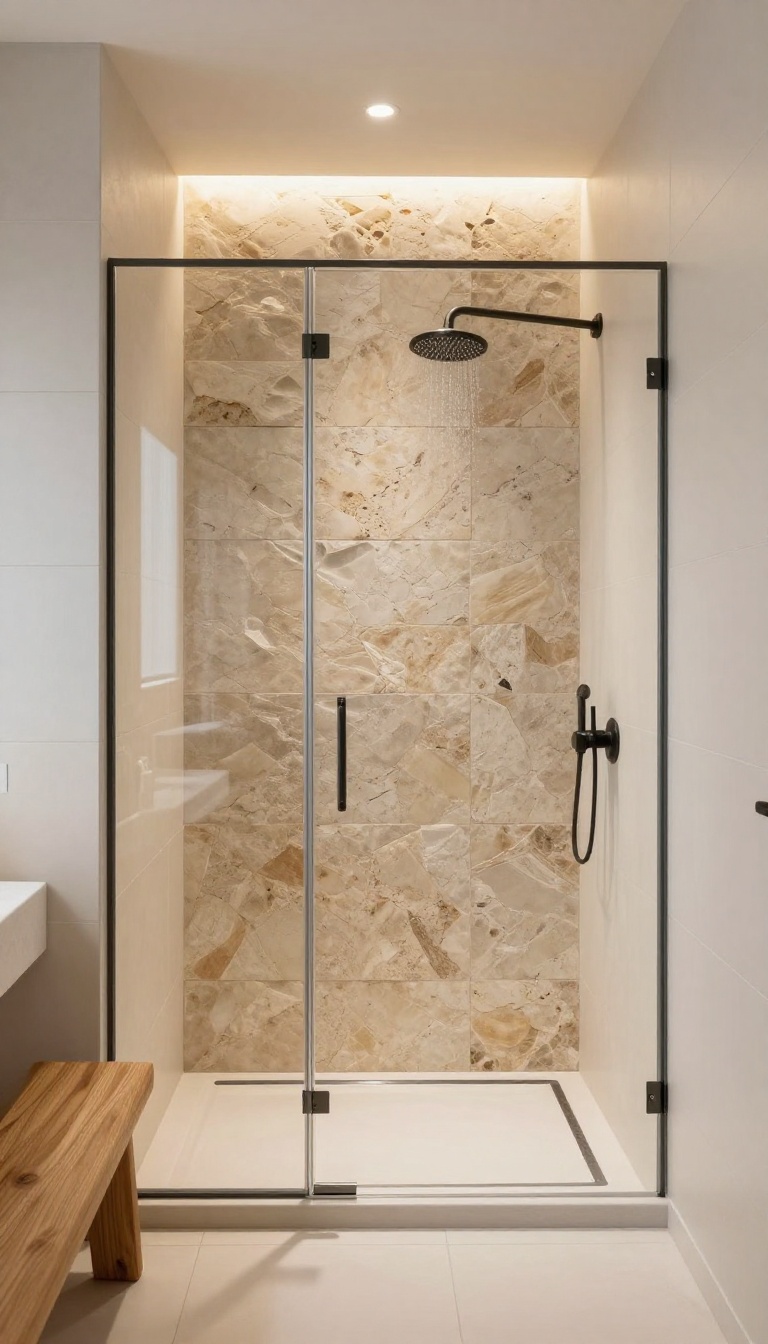
A single wall of natural stone—like travertine or slate—adds organic texture and depth. It's a striking focal point that brings the outdoors in, and it pairs beautifully with warm wood or matte black fixtures.
Natural stone instantly elevates a shower from ordinary to spa-like. The key is to use it sparingly—just one wall—so it doesn't overwhelm the space. The irregular patterns and earthy tones create a sense of calm, while the tactile surface invites touch.
When paired with warm wood accents or matte black fixtures, the contrast feels refined and grounded.
Choosing The Right Stone
Travertine offers a classic, creamy look with subtle pits that add character. Slate brings a darker, moodier vibe with its rich charcoal and green hues. For a lighter feel, consider limestone or quartzite.
Each stone has its own personality, so pick one that resonates with your style and the overall bathroom palette.
Installation Tips
For a seamless look, use large-format tiles to minimize grout lines. Ensure the stone is properly sealed to resist water and staining. If you're working with uneven natural stone, a skilled installer can create a flat surface.
Also, consider installing a niche within the accent wall to hold toiletries—it blends function with beauty.
Warm Pairings
To keep the space from feeling cold, pair the stone with warm materials. Teak wood benches or shelves add a natural warmth that complements the stone. Matte black fixtures, like a rainfall showerhead or hand shower, provide a sleek contrast.
Soft, warm lighting—like sconces or recessed lights with a warm bulb—enhances the earthy tones.
2. Built-In Wooden Bench
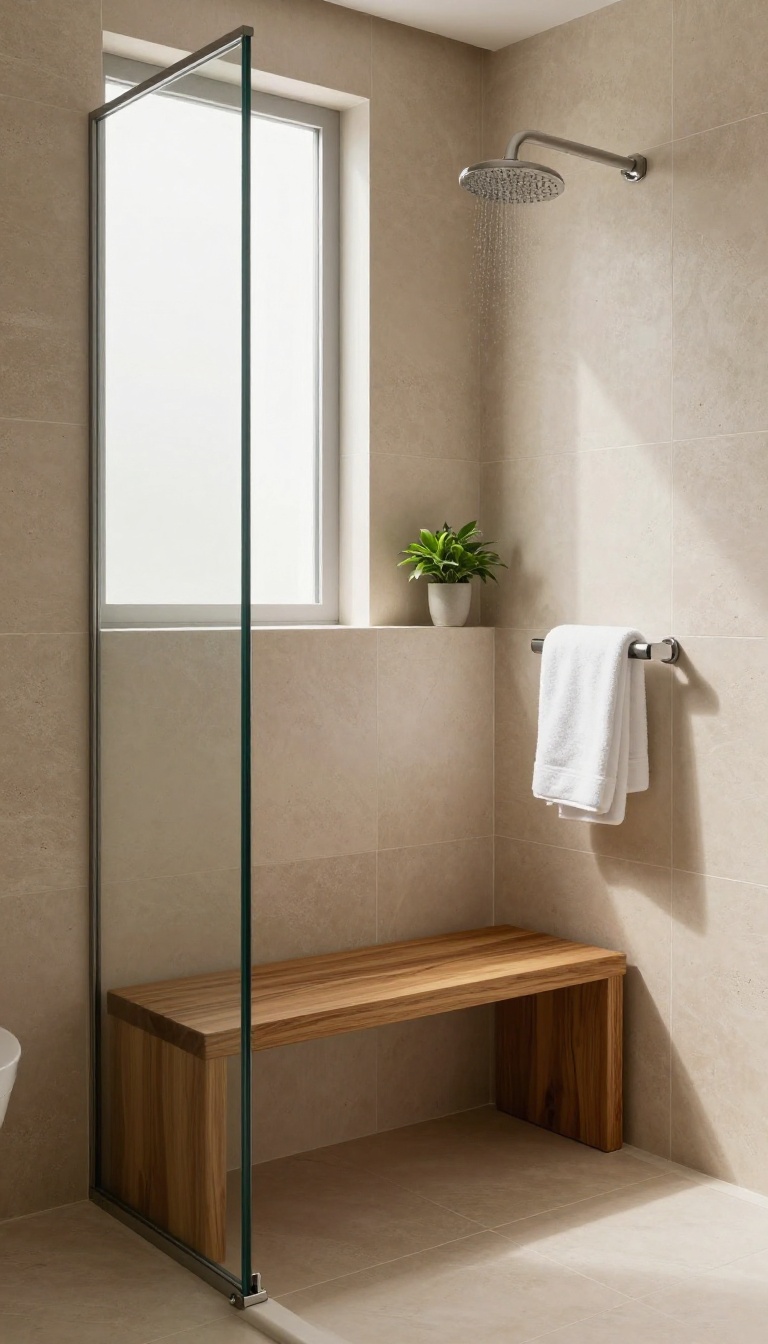
A shower bench often feels like an afterthought—something you add only if you have the space. But a built-in wooden bench can completely change how the shower feels. It gives you a spot to sit, prop a foot up for shaving, or just rest a towel within reach.
More than that, wood brings a warmth that tile and glass can't match, softening the whole space.
When you choose a bench made of teak or cedar, you're not just adding function. You're introducing a natural element that ages beautifully with time. These woods handle moisture well, resist warping, and develop a lovely patina as they dry between uses.
The key is to let the wood do its thing—no need to seal it heavily or treat it like indoor furniture. Over time, it weathers and gains character, making the shower feel more lived-in and inviting.
Why Wood Works In Wet Areas
Teak and cedar are naturally water-resistant, thanks to their high oil content and dense grain. They won't rot or swell like softer woods, and they provide a non-slip surface even when wet. Plus, the warm tones of the wood contrast nicely with cool tile or stone, creating a balanced, spa-like atmosphere.
You don't need to overthink maintenance—just let it air dry and occasionally scrub with a soft brush to keep it looking fresh.
Placement And Size Considerations
Think about how you'll actually use the bench. If it's mainly for resting a foot while shaving, a narrow ledge along one wall works well. If you want to sit and enjoy the steam, a deeper bench that extends into the shower is better.
Make sure it doesn't block the flow of water or make the space feel cramped. A bench that's about 12 to 16 inches deep and 18 to 20 inches high is comfortable for most people.
Pairing With Other Materials
Wood pairs beautifully with natural stone, matte black fixtures, and even concrete. To keep the look cohesive, choose a wood tone that complements your tile—lighter woods like cedar brighten a dark shower, while teak's rich brown adds depth to lighter spaces. You can also add a small teak tray or stool nearby to echo the bench and tie the design together.
3. Rainfall Showerhead with Handheld Combo
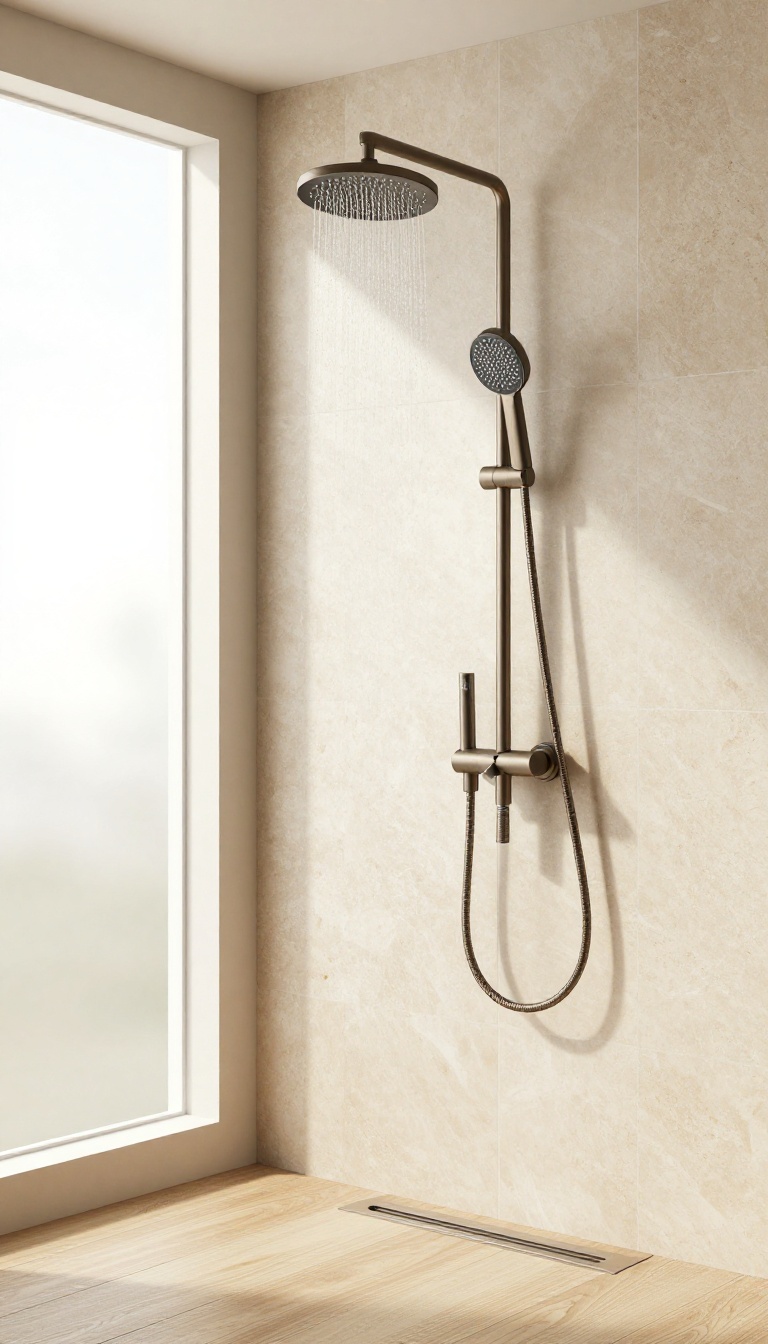
A rainfall showerhead is the closest thing to standing under a warm summer downpour, but it’s not always the most practical on its own. Pairing it with a handheld sprayer gives you the best of both worlds—luxury and flexibility. The combo lets you rinse off quickly, clean the shower walls, or direct water exactly where you need it, making it a smart upgrade for any stand-up shower.
The key to making this combo feel refined is choosing finishes that warm up the space. Brushed brass or matte black are both excellent choices—they add a subtle richness that plays well with natural stone, wood-look tiles, or even classic white subway tile. The rainfall head itself should be large enough to feel immersive, typically 8 to 12 inches in diameter, but not so big that it overwhelms a compact shower.
Mounting the handheld on a slide bar gives you height adjustability, which is perfect for households with different showering preferences.
Why The Combo Works
The rainfall head delivers that gentle, all-over coverage that feels spa-like, while the handheld adds precision. You can use the handheld for rinsing shampoo out of long hair, washing a dog, or cleaning the shower floor and corners without bending over. It’s a practical addition that doesn’t compromise the aesthetic—just make sure the diverter is easy to switch and feels solid.
Finish And Material Choices
Brushed brass brings a warm, vintage-inspired glow that pairs beautifully with cream or beige tiles. Matte black offers a more modern, grounded look that contrasts nicely with light stone or white grout. Both finishes hide water spots better than polished chrome, so they stay looking good longer.
For the handheld, choose a model with a rubber nozzle—it’s easier to clean and resists mineral buildup.
Installation And Placement Tips
If you’re replacing an existing showerhead, the combo can often be installed without major plumbing changes. Position the rainfall head directly above where you stand, and mount the handheld slide bar on a side wall within easy reach. Make sure the diverter is accessible and smooth to operate.
If you’re doing a full remodel, consider a thermostatic valve to keep water temperature steady—a small luxury that makes the daily shower feel more refined.
4. Frameless Glass Enclosure
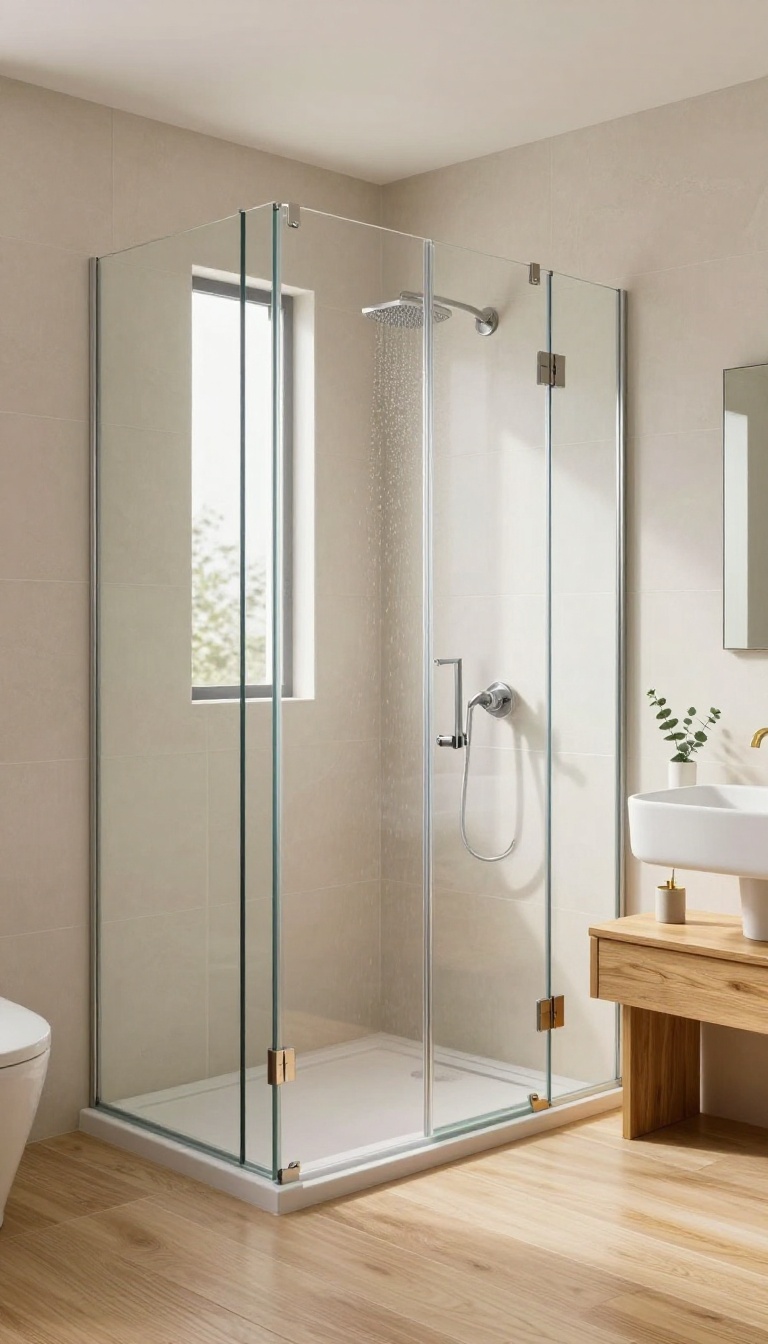
If you want your shower to feel open and airy, a frameless glass enclosure is a game-changer. Without bulky metal frames, the glass disappears, letting your tile work take center stage. It’s a clean, modern look that also makes the whole bathroom feel larger.
Frameless glass enclosures use thick tempered glass (usually 3/8" or 1/2") held together by minimal hinges and clips. The lack of a frame means fewer places for soap scum and grime to hide, making cleaning easier. Plus, the uninterrupted sightline makes even a small bathroom feel more spacious.
If privacy is a concern, you can choose glass with a subtle texture, like rain or satin finish, which still lets light through but blurs the view.
Why Frameless Feels Bigger
The absence of metal framing reduces visual clutter, so your eye travels across the glass without stopping. This creates a seamless connection between the shower and the rest of the bathroom, tricking the eye into seeing more space. Even in a compact corner shower, frameless glass can make the room feel less boxed in.
Choosing The Right Glass Thickness
Thicker glass (1/2") feels more substantial and premium but requires stronger hinges and a more robust installation. Thinner glass (3/8") is lighter and more budget-friendly, yet still durable. For a walk-in shower with no door, 3/8" is usually sufficient.
For a swinging door, go with 1/2" to prevent flexing.
Privacy Options Without Sacrificing Light
If you share a bathroom or just prefer some seclusion, you don’t have to give up the open feel. Choose a frosted or textured glass that obscures the view while still letting natural light pass through. Another option is to install a low-profile privacy film on the lower half of the glass, keeping the top clear.
Maintenance And Cleaning Tips
Frameless glass is easier to clean than framed because there are no crevices for grime to collect. Use a squeegee after each shower to prevent water spots, and clean with a mild glass cleaner weekly. Avoid abrasive pads that can scratch the glass.
A water-repellent coating can also help keep it sparkling longer.
5. Heated Floor and Towel Warmer
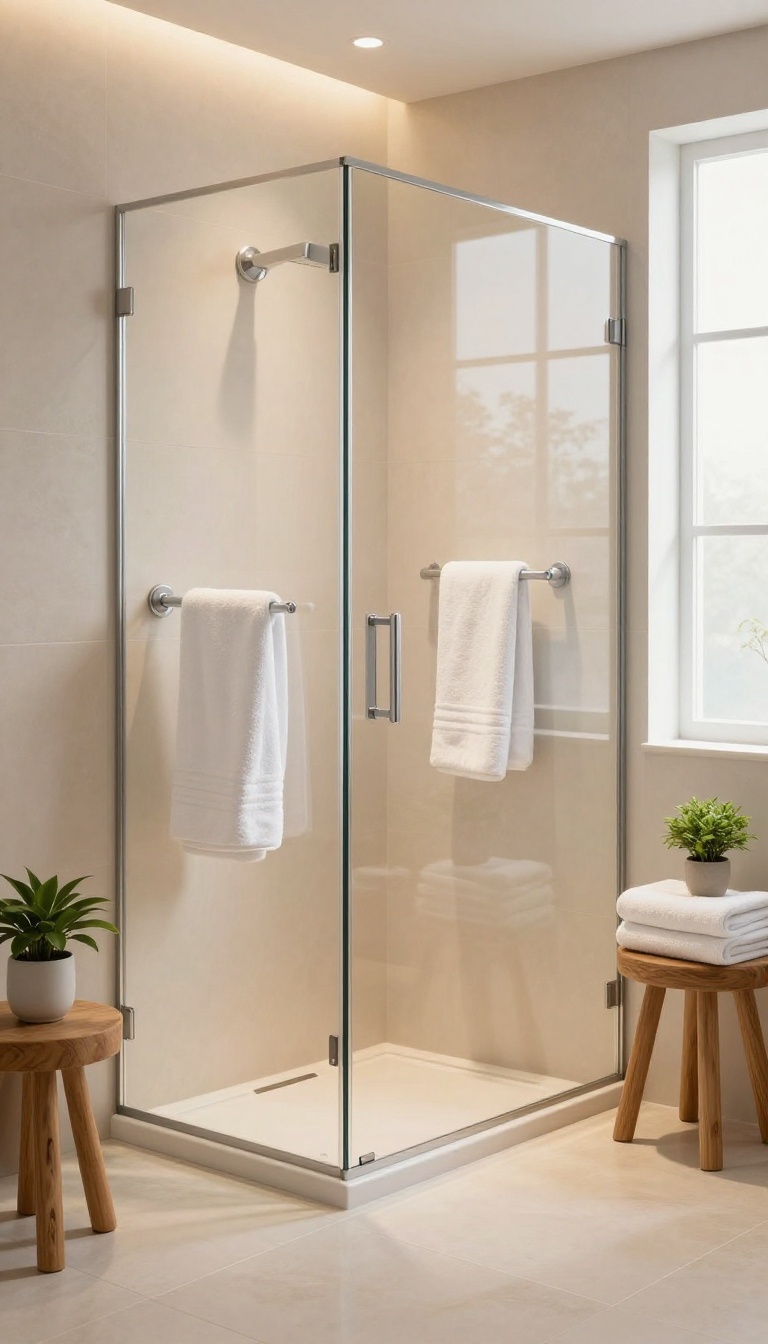
There's a moment in the morning when the cold tile hits your feet—that jolt can ruin the calm before your shower even starts. Radiant floor heating and a towel warmer fix that instantly, wrapping the whole space in gentle warmth. These aren't flashy upgrades, but they change how the room feels every single day.
Warm floors and toasty towels are the kind of details that feel like a quiet hug. Radiant heating sits under the tile, so you never see it—you just feel it. A towel warmer, whether a simple bar or a cabinet-style unit, keeps your towel fluffy and warm, ready when you step out.
Together, they make the shower area feel more like a spa and less like a utility room.
Radiant Heat Basics
Radiant floor heating uses electric cables or hydronic tubes beneath the tile. Electric systems are easier to retrofit and heat up faster, while hydronic works well for larger spaces. You'll want a programmable thermostat so the floor is warm before you wake up, then it can dial back while you're away.
It's an upfront cost, but the daily comfort is worth it.
Choosing A Towel Warmer
Wall-mounted bars are sleek and keep towels within reach, while freestanding units can hold more. Look for one with a timer or thermostat so it doesn't run all day. If you're short on wall space, a ladder-style warmer can double as a drying rack for smaller items.
Pick a finish that matches your fixtures—brushed nickel or matte black are popular choices.
Installation And Safety Notes
Radiant heat should be installed by a professional, especially if you're adding it to an existing bathroom. Make sure the floor is properly insulated to avoid heat loss. For towel warmers, always follow the manufacturer's instructions and ensure it's rated for bathroom use.
A licensed electrician can handle the wiring safely, keeping everything up to code.
6. Custom Niche with Display Shelf
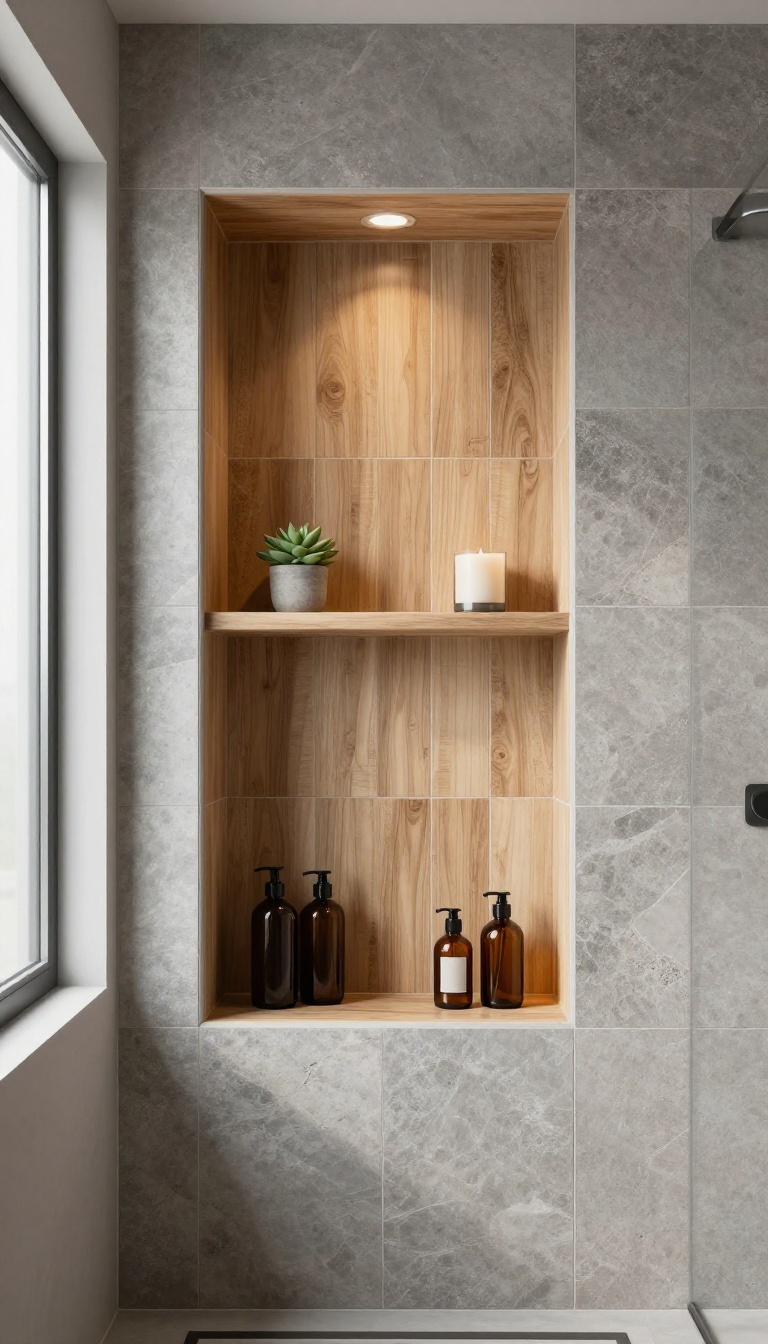
Shampoo bottles lined up on a corner caddy can get messy fast. A recessed niche with a small display shelf changes that—it keeps your daily essentials within arm's reach while giving you a spot to show off something personal. Whether it's a tiny plant, a scented candle, or a bar of handcrafted soap, that little ledge turns a practical detail into a moment that feels uniquely yours.
A custom niche isn't just about storage—it's about creating a focal point that adds warmth to the shower. By choosing the right size, placement, and materials, you can make it blend seamlessly with the tile while still standing out as a deliberate design choice. Here's how to get it right.
Size And Placement That Make Sense
Think about what you'll actually store. A single tall bottle needs about 4 inches of depth, while a small plant or candle might need less. Place the niche at a height that's easy to reach—usually around chest level—and consider a second, smaller niche lower down for items you use less often.
If you're tiling, work with your tile layout so the niche lines up with grout lines for a clean, intentional look.
Materials That Tie It Together
The niche should feel like part of the shower, not an add-on. If you're using large-format tiles, use the same tile on the niche walls to keep it seamless. For a warmer touch, line the back with a contrasting material like a wood-look porcelain or a brushed metal panel.
Just make sure it's waterproof and easy to clean—no one wants to scrub grout in a tight corner.
Lighting And Little Extras
A small LED strip or a recessed spot light above the niche can highlight your display and make the shower feel more inviting. You can also add a tiny shelf divider to keep bottles upright, or a small ledge with a lip so items don't slide off. These details are subtle but make the niche feel custom and considered.
7. Matte Black Fixtures with Brass Accents
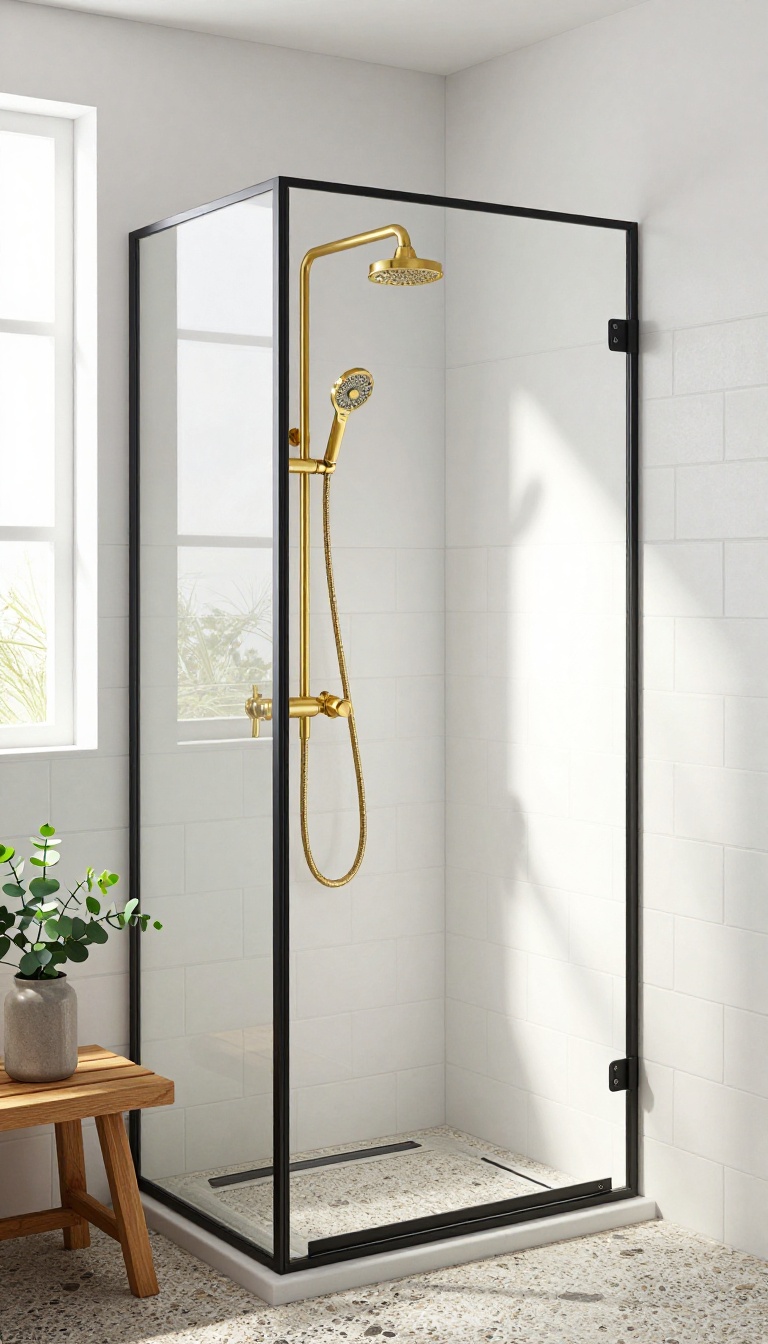
Mixing matte black fixtures with brass or gold accents is a clever way to add depth and warmth to your shower. The dark, matte finish feels grounded and modern, while the metallic shine brings a touch of elegance. This combination is surprisingly versatile and pairs well with various tile styles and colors.
The contrast between matte black and brass creates a visual interest that's both sophisticated and inviting. It's a look that feels current yet timeless, and it's easy to coordinate with other bathroom hardware like faucets, towel bars, and cabinet knobs. Plus, the warm tones of brass help soften the starkness of black, making the space feel more welcoming.
Why This Combo Works
Matte black grounds the space, giving it a solid, contemporary feel. Brass adds a warm, reflective quality that catches the light and brings a subtle luxury. Together, they balance each other perfectly—neither overwhelms the other.
This pairing works especially well in bathrooms with neutral tiles or natural textures like wood or stone.
Choosing The Right Brass Finish
Brass comes in several finishes, from polished to brushed to antique. Polished brass is shiny and reflective, great for a more traditional or glam look. Brushed brass has a softer sheen and hides fingerprints better, making it practical for daily use.
Antique brass has a darker, aged appearance that adds character and pairs beautifully with matte black for a vintage-inspired vibe.
Coordinating With Other Hardware
To keep the look cohesive, match your shower fixtures with other metal accents in the bathroom. For example, if you choose brass for your showerhead and handles, consider using brass for the faucet, mirror frame, or light fixtures. This doesn't mean everything has to match exactly—mixing brushed and polished brass can work if they share the same undertone.
Just avoid adding too many different metals, as it can get busy.
8. Pebble Tile Floor
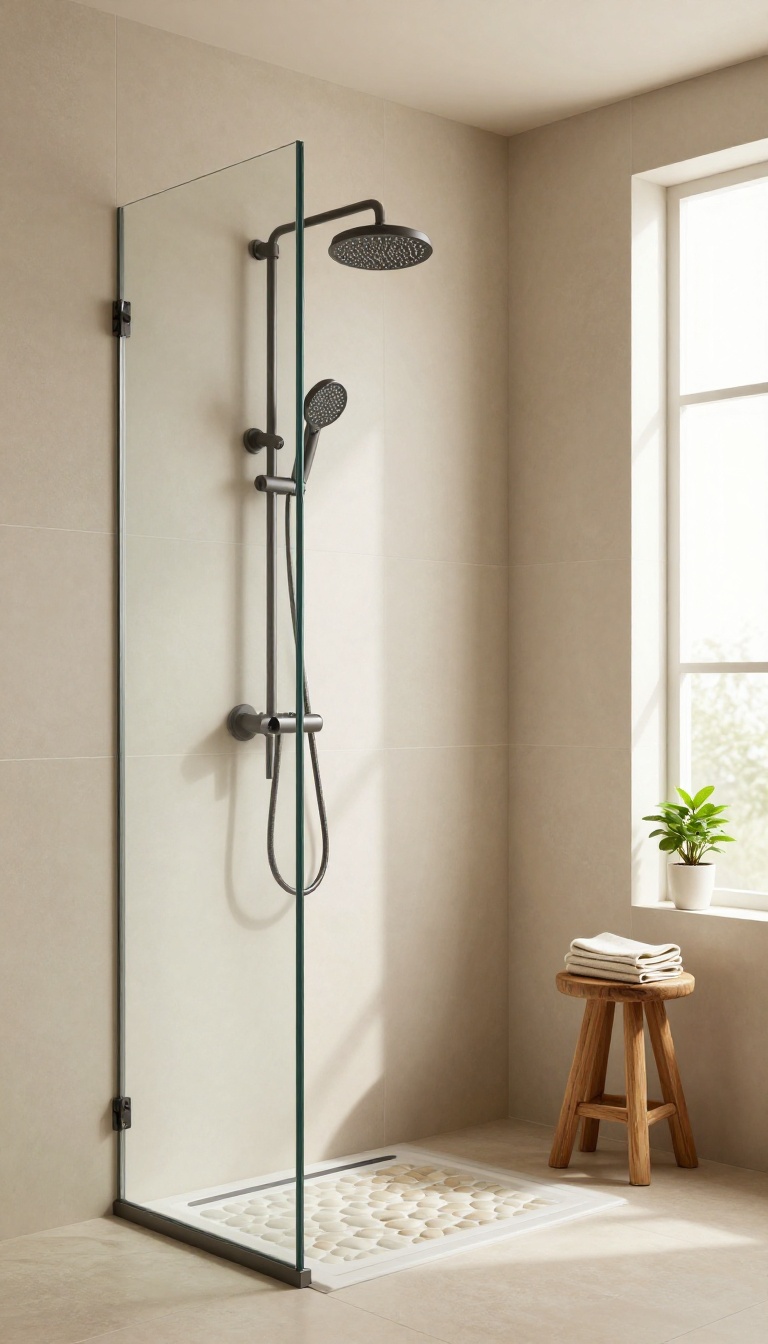
Stepping onto a bed of smooth river stones is an instant sensory shift. The texture wakes up your feet and adds a grounding, organic feel that contrasts beautifully with sleek fixtures. Plus, the natural grip of pebbles makes slipping less of a worry, so it’s both a treat and a safety upgrade.
Pebble tile floors bring the outdoors in, turning your shower into a mini spa retreat. The uneven surface massages pressure points as you stand, which can be surprisingly relaxing after a long day. And because each pebble is unique, your floor gets a one-of-a-kind pattern that no two showers share.
Why It Feels So Good
The gentle massage from the pebbles isn’t just a gimmick—it’s a real foot therapy that many people look forward to. The texture also helps with blood circulation, making your morning shower feel more invigorating. You might find yourself lingering a little longer just to enjoy the sensation.
Pairing With Smooth Surfaces
To keep the space from feeling too busy, balance the pebbled floor with larger, smooth tiles on the walls. This contrast makes the floor stand out without overwhelming the eye. Choose neutral colors like beige, gray, or warm brown to maintain a natural, calming palette.
Installation And Maintenance
Pebble tiles come in mesh-backed sheets, making installation easier than you might think. The grout lines are wider, so regular sealing is important to prevent moisture buildup. A quick scrub with a soft brush keeps the crevices clean, and the natural stone ages gracefully with minimal upkeep.
9. Recessed Lighting with Dimmer
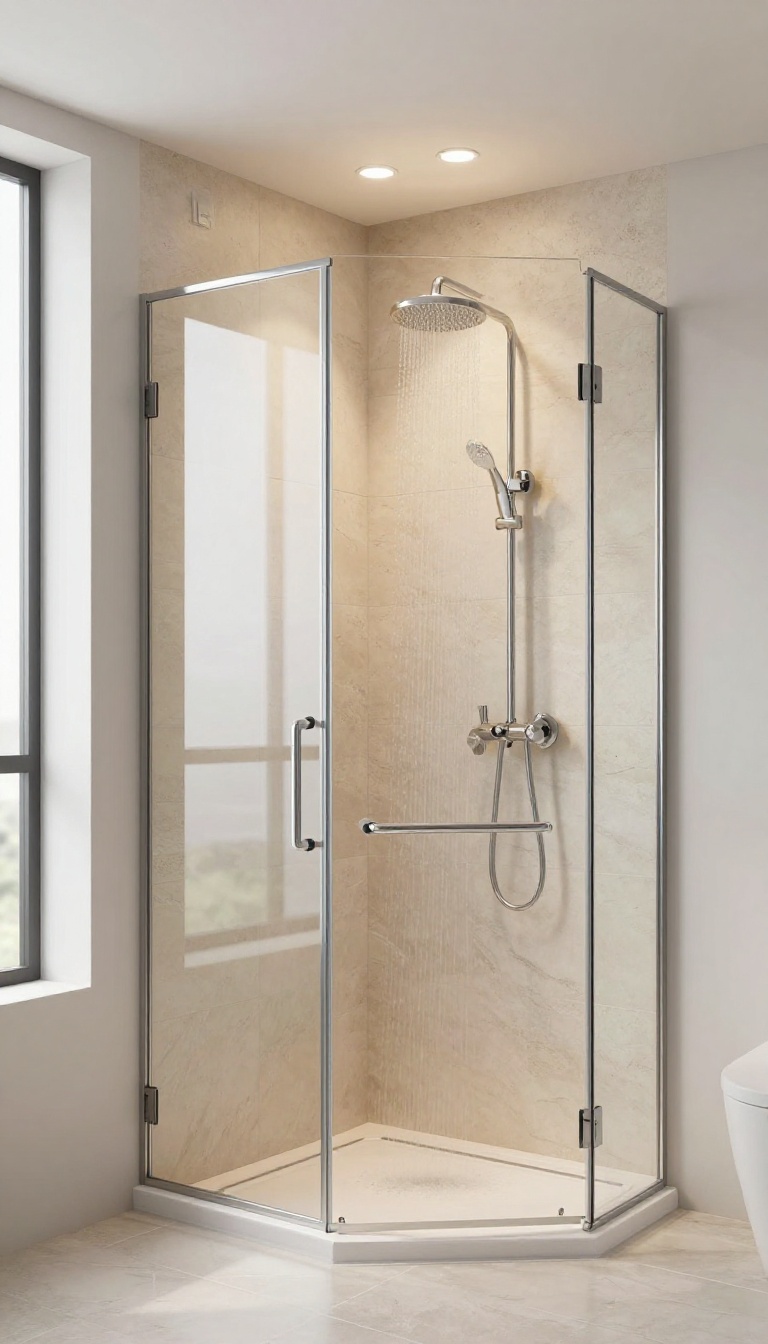
Overhead lighting can make or break a shower experience. That single bright bulb in the middle of the ceiling often feels harsh and uninviting, especially early in the morning or late at night. Recessed lights with a dimmer switch change the entire atmosphere, letting you dial in the perfect level of brightness for any moment.
Recessed lighting is a subtle upgrade that pays off daily. By placing a few small fixtures in the ceiling, you avoid the glare of a single overhead light and get even, flattering illumination. Adding a dimmer takes it further—you can start with soft light while you wake up, then brighten things up when you need to shave or wash your face.
Warm-toned bulbs (around 2700K to 3000K) create a cozy, spa-like glow that makes the shower feel more like a retreat than a utility.
Why Dimmers Matter
A dimmer gives you control over the mood. Bright light can feel clinical and stressful, especially in the morning. With a dimmer, you can ease into the day with soft light, then turn it up when you need to see clearly.
It's a small change that makes a big difference in how the shower feels.
Choosing The Right Bulbs
Not all bulbs are created equal. Look for dimmable LED bulbs labeled 'warm white' or 'soft white' with a color temperature between 2700K and 3000K. These emit a flattering, yellowish light that mimics natural sunlight, unlike cool or daylight bulbs that can feel sterile.
Check the packaging to ensure they're compatible with your dimmer switch.
Placement Tips
Position recessed lights evenly across the ceiling, spacing them about 2 to 3 feet apart, and avoid placing them directly above the showerhead to prevent glare. If possible, add a light near the entrance to the shower for a smooth transition from the rest of the bathroom. A single row of lights works well for most stand-up showers, but a small square layout can provide even coverage.
10. Glass Block Window
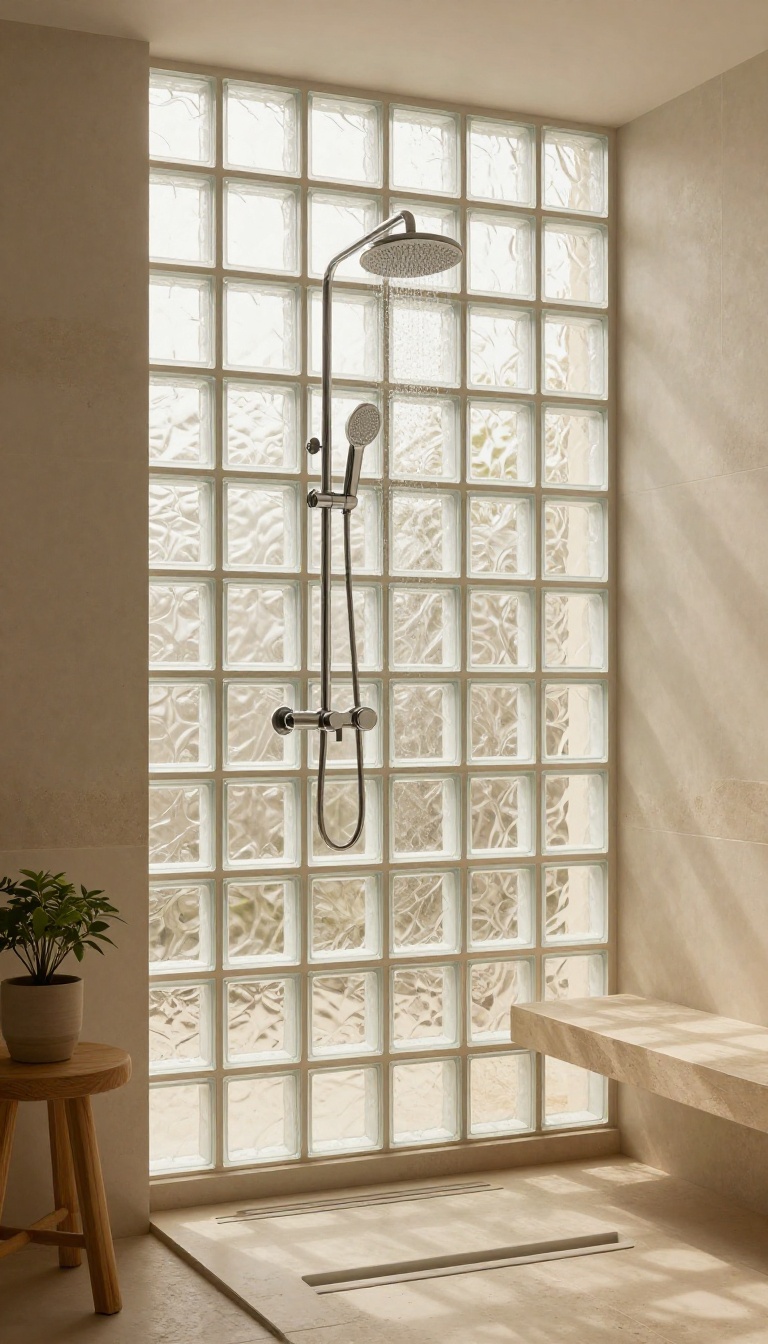
Natural light in a shower can make the whole space feel bigger and more inviting. If your shower sits against an exterior wall, a glass block window is a clever way to let daylight in without sacrificing privacy. The frosted, textured blocks diffuse sunlight beautifully, casting a soft glow that feels warm and serene.
Glass block windows have been around for decades, and they're making a quiet comeback in modern bathrooms. They strike a nice balance between old-school charm and contemporary practicality. Unlike a standard window, glass blocks obscure the view completely, so you don't need curtains or blinds.
That means no more worrying about moisture ruining fabric or someone peeking in while you rinse off.
Why Glass Blocks Work In Showers
The main draw is privacy without the darkness. Because the blocks are thick and textured, they scatter light instead of letting you see through. They also hold up well against water and humidity, so you won't deal with peeling paint or warped frames.
Plus, they add a subtle architectural interest that plain tile or drywall can't match.
Design Options To Consider
You can go with classic square blocks in a grid pattern, or choose larger rectangles for a sleeker look. Some blocks come in tinted or colored glass if you want a hint of personality. For a more modern feel, pair them with a black frame or keep the mortar lines thin.
You could even install a small venting glass block window to improve airflow without losing privacy.
Installation And Maintenance Tips
Installing a glass block window is usually a job for a professional, especially if you're replacing an existing window or cutting into an exterior wall. The blocks need proper support and waterproofing to prevent leaks. Once they're in, maintenance is easy—just wipe them down with a squeegee or mild cleaner.
The glass won't streak or stain easily, making it a low-fuss option for busy bathrooms.
11. Aromatherapy Shower Dispenser
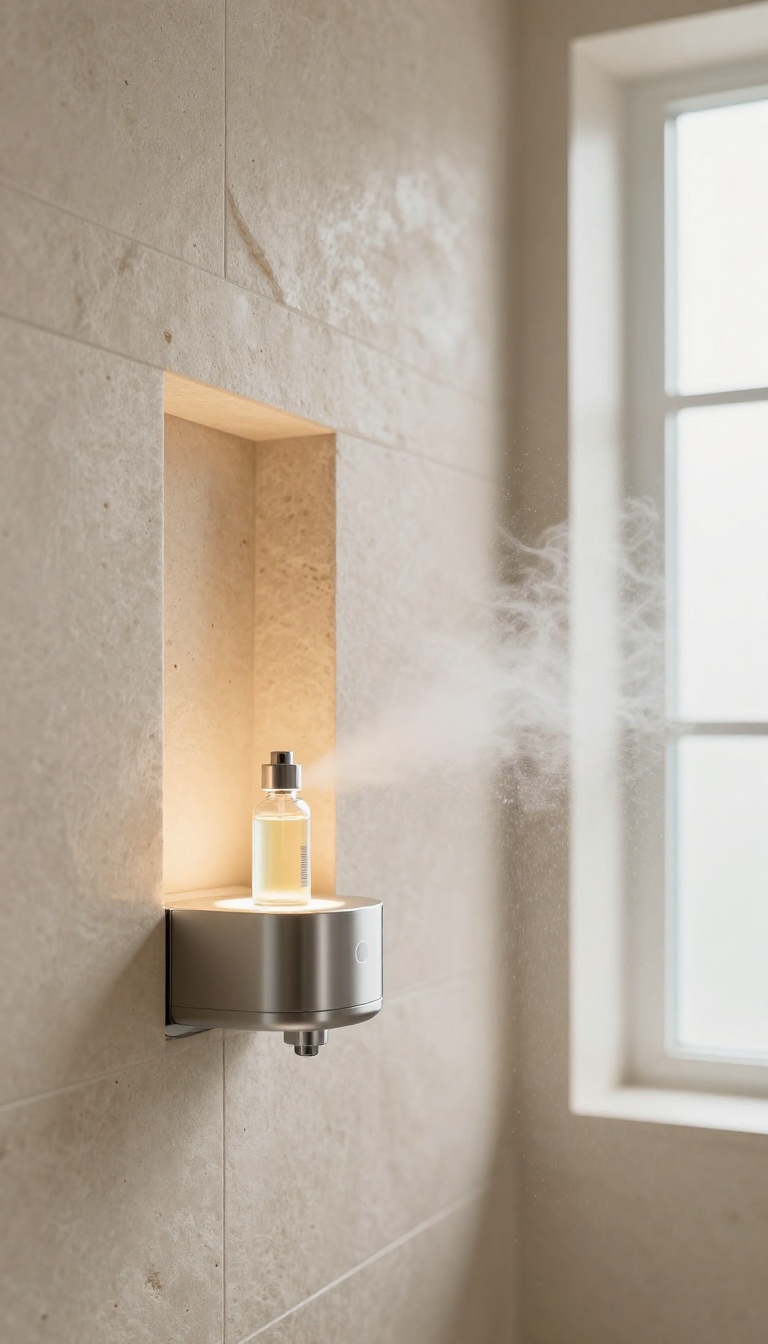
A shower can be more than just a rinse—it can be a mini escape. An aromatherapy dispenser built into the wall releases a fine mist of essential oils, turning your daily routine into a spa-like ritual. It's a small detail, but it makes a big difference.
Choose calming lavender for evening showers or invigorating eucalyptus for mornings. The result is a shower that feels personal and intentional, without any extra effort.
Adding an aromatherapy dispenser is a simple way to elevate your shower experience. It's not just about the scent—it's about creating a mood. Whether you want to unwind after a long day or energize yourself for the morning, the right essential oil can set the tone.
The best part? It's a subtle upgrade that doesn't require a full remodel. Many dispensers are designed to fit seamlessly into existing shower walls, and they're easy to refill.
You can even sync them with your shower's controls to adjust the intensity or timing. For a truly personal touch, pick oils that match your needs. Lavender is a classic for relaxation, while peppermint can help you feel more alert.
Some systems allow you to mix oils, so you can create a custom blend that's uniquely yours. This idea is perfect for anyone who wants to add a bit of luxury to their daily routine without a lot of fuss. It's a small investment that pays off every time you step in.
Choosing The Right Oils
The oils you choose will define the atmosphere of your shower. For a calming evening ritual, lavender or chamomile are go-to choices. If you prefer a morning pick-me-up, citrus oils like orange or grapefruit can be refreshing.
Eucalyptus is great for clearing your sinuses and boosting energy. You can also experiment with blends. Try a mix of lavender and bergamot for a balanced, soothing scent.
Or go for a spa-like combo of eucalyptus and mint. The key is to pick what feels good to you.
Installation And Placement
Most aromatherapy dispensers are designed to be installed during a remodel, but there are also retrofit options that attach to your existing showerhead or wall. If you're planning a new shower, consider placing the dispenser near the entrance or at shoulder height, where the mist can easily reach you. For existing showers, look for a model that's easy to mount and refill.
Some are even battery-operated, so you don't need to worry about wiring. Just make sure it's placed away from direct water spray to keep it working well.
Maintenance And Refills
Keeping your dispenser in good shape is simple. Most models hold a small reservoir of oil, and you'll need to refill it every few weeks depending on usage. Use only high-quality, pure essential oils to avoid clogging the nozzle.
Clean the dispenser periodically with a soft cloth and mild soap to prevent buildup. If you notice the mist getting weaker, it might be time for a deeper clean. With minimal care, your aromatherapy dispenser will keep your shower feeling fresh for years.
FAQ
What is the best material for a stand-up shower floor?
For safety and comfort, consider textured tile like pebble or matte porcelain. They provide traction and feel warm underfoot. Avoid polished marble, which can be slippery.
How can I make a small stand-up shower feel more spacious?
Use frameless glass, light-colored tiles, and a wall-mounted showerhead to open up the space. A recessed niche reduces clutter, and a large mirror outside the shower can also help.
What is the ideal shower head height?
For a rainfall showerhead, install it about 7 to 8 feet above the floor, or slightly above the tallest user's head. For a handheld, ensure it's reachable from a seated position if you have a bench.
How do I keep a wooden bench from rotting in the shower?
Choose naturally water-resistant woods like teak or cedar. Apply a waterproof sealant annually, and ensure proper drainage by using a slatted design. Allow it to air dry between uses.
Can I install a steam shower in a stand-up unit?
Yes, but it requires a fully enclosed space and a steam generator. Consult a professional to ensure proper ventilation and waterproofing. It's a luxurious upgrade that adds spa-like benefits.
Conclusion
A stand-up shower can feel far more personal when you layer in the details that matter to you—a warm wood stool, a soft towel rack, or a niche for your favorite soap. Start with one or two of these ideas and let the rest follow naturally. The goal is a space that feels like yours, not a showroom.
Pick what fits your routine, and you'll enjoy that small daily ritual a little more. Small touches make the biggest difference, so take your time and choose what feels right.