11 Updated Small Shower Tile Ideas with Easy, Elegant Appeal
Small showers often get the short end of the design stick. You might think you have to play it safe with plain white subway tile, but that's far from the truth. With the right tile choices, you can make a compact space feel bigger, brighter, and more luxurious.
The key is to think beyond the obvious. Scale, color, texture, and layout all work together to transform a tiny shower into a standout feature.
Whether you're planning a full remodel or just a quick refresh, these 11 ideas will give you plenty of inspiration. Let's dive into some of the most stylish and practical tile options that work beautifully in small showers.
1. Large-Format Tiles for a Seamless Look
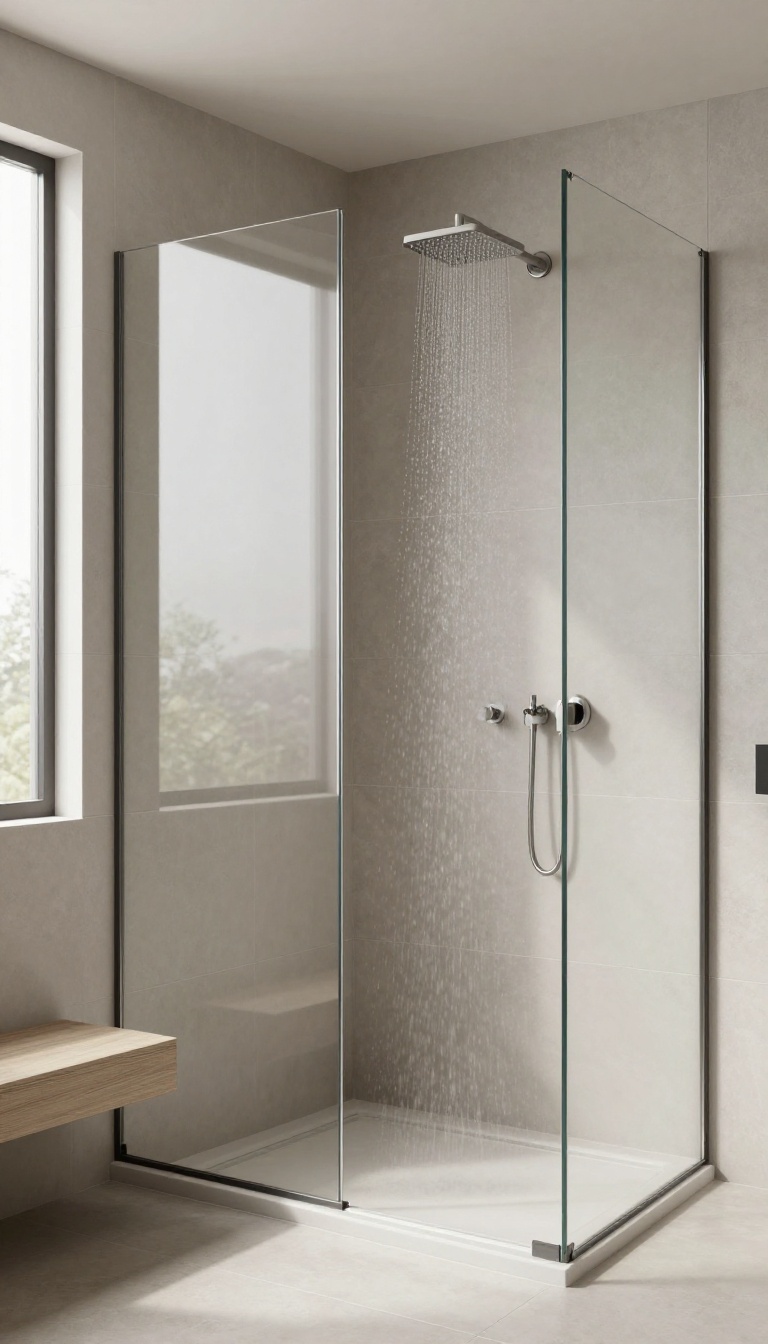
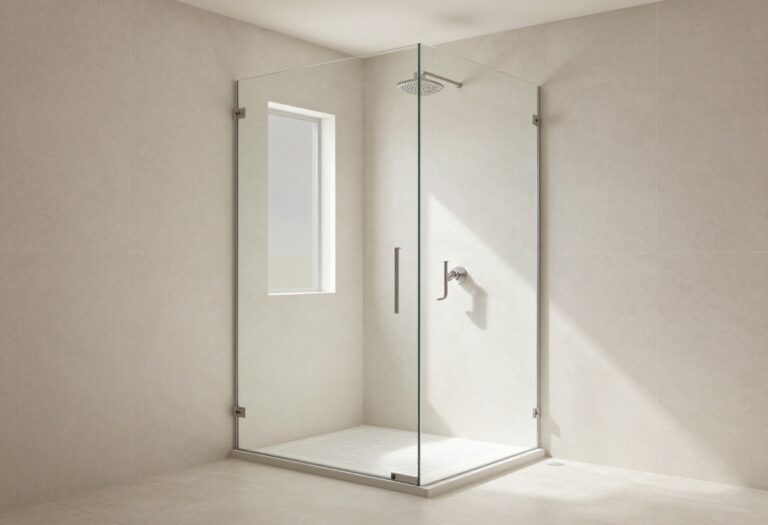
When you're working with a small shower, every visual break counts. Grout lines can chop up the wall and make the space feel busy. Switching to large-format tiles is a smart way to cut down on those lines and create a smooth, uninterrupted surface that reads as more open and airy.
Large tiles, like 12×24 or even 24×48 inches, are a game-changer in compact bathrooms. They minimize grout lines, which not only looks cleaner but also reduces the places where soap scum and mildew can build up. Plus, fewer grout lines mean less scrubbing—always a win.
The seamless look gives your shower a sleek, modern vibe that feels more like a spa than a cramped corner.
Why Size Matters In A Small Space
In a small shower, every visual break counts. Grout lines can chop up the wall and make the space feel busy. Large-format tiles reduce those lines, creating a smooth, uninterrupted surface that reads as more open and airy.
They also have fewer joints, which means less maintenance and a cleaner look over time.
Choosing The Right Large Tile
Not all large tiles are created equal. Look for rectified edges—these are cut precisely so they can be installed with very thin grout lines, enhancing that seamless effect. Porcelain or ceramic are durable and water-resistant, perfect for shower walls.
If you want a natural stone look, large-format marble-look porcelain gives you the elegance without the upkeep.
Installation Tips For A Flawless Finish
Because large tiles are heavy, they need a perfectly flat surface and a good-quality thinset. Use a leveling system to keep the tiles even and avoid lippage. Also, consider the layout: running them vertically can make the ceiling feel higher, while horizontal placement can widen the space.
Plan your cuts around fixtures to minimize waste and keep the pattern flowing.
2. Vertical Stacked Tile to Visually Raise the Ceiling
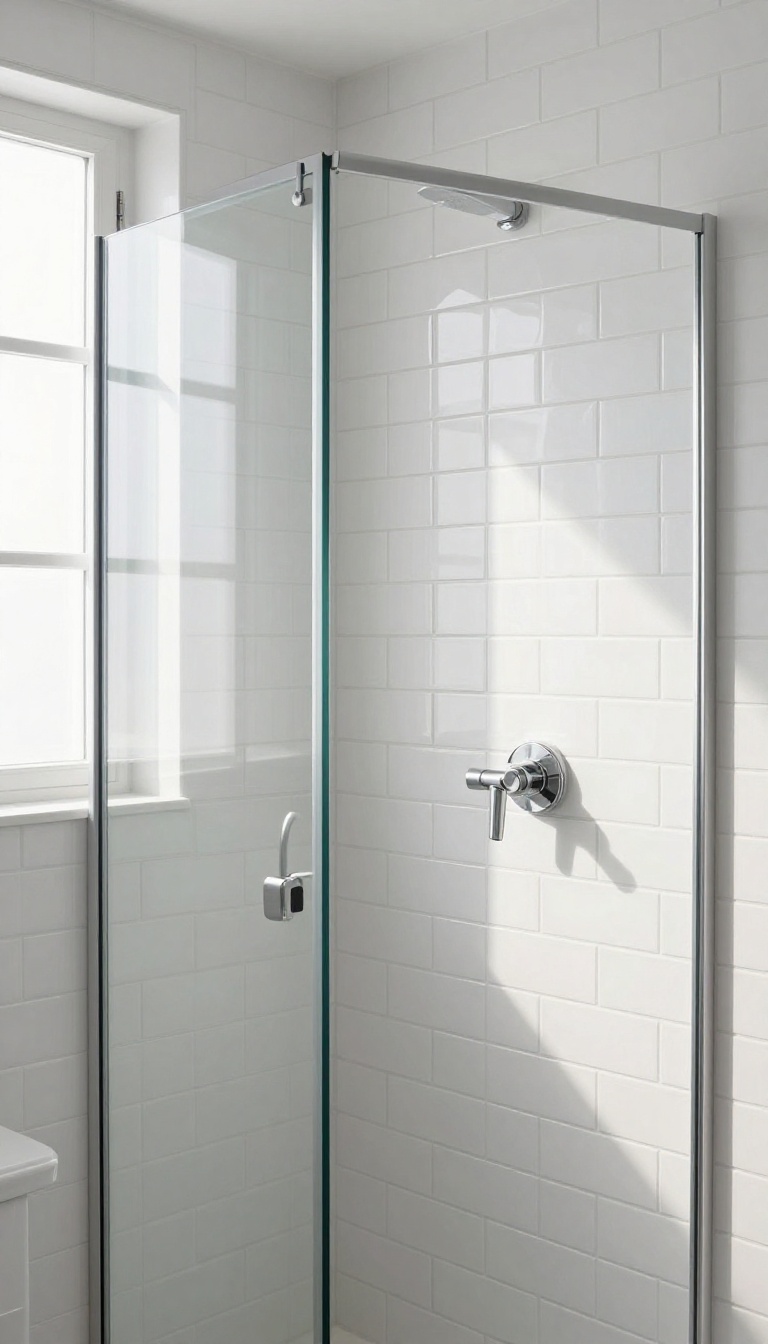
If your shower feels a bit cramped from top to bottom, the solution might be simpler than you think. Instead of switching up the tile color or pattern, just change the direction you lay it. Vertical stacking—where rectangular tiles are set in a straight up-and-down grid—creates a strong vertical line that pulls the eye upward.
The result is a shower that feels taller and more open, without adding a single inch of actual height.
This layout works especially well with subway tile, but it’s not limited to that classic shape. You can use any rectangular tile, from large-format planks to slim bricks. The key is to keep the grout lines continuous and aligned, which reinforces the vertical flow.
It’s a minimal-cost trick that delivers a high-end look, making it a favorite among designers for small spaces.
Why Vertical Stacking Works
Vertical lines are a classic optical illusion in design. They make ceilings appear higher and walls seem longer. In a shower, where you’re often standing close to the tile, those lines become even more pronounced.
By stacking tiles vertically, you’re essentially creating a series of vertical stripes that guide the eye from floor to ceiling. This simple change can make a 7-foot shower feel like it has more breathing room.
Best Tile Shapes And Sizes
While any rectangle can be stacked vertically, some sizes work better than others. Standard 3×6 subway tile is a safe bet, but you might also try 4×12 or 6×18 planks for a more modern, streamlined look. Larger tiles mean fewer grout lines, which can make the shower feel even more seamless.
Just make sure the tiles are truly rectangular—if they’re slightly tapered, the vertical lines won’t be perfectly straight.
Color And Grout Considerations
To maximize the height-enhancing effect, choose a tile color that’s light or medium-toned. Dark tiles can absorb light and make the space feel smaller, even with vertical stacking. For grout, pick a shade that matches the tile as closely as possible.
This creates a nearly invisible grid, letting the vertical lines stand out without any visual clutter. If you want a bit of contrast, go with a grout that’s slightly lighter or darker, but keep it subtle.
Pairing With Other Design Elements
Vertical stacked tile pairs beautifully with other height-boosting tricks. Install a shower curtain rod higher than usual, or use a clear glass enclosure to keep the sightline open. A recessed shelf in a contrasting tile can break up the vertical lines without interrupting the flow.
And don’t forget the ceiling—painting it a lighter shade than the walls can further enhance the sense of height.
3. Hexagon Mosaic for a Touch of Texture
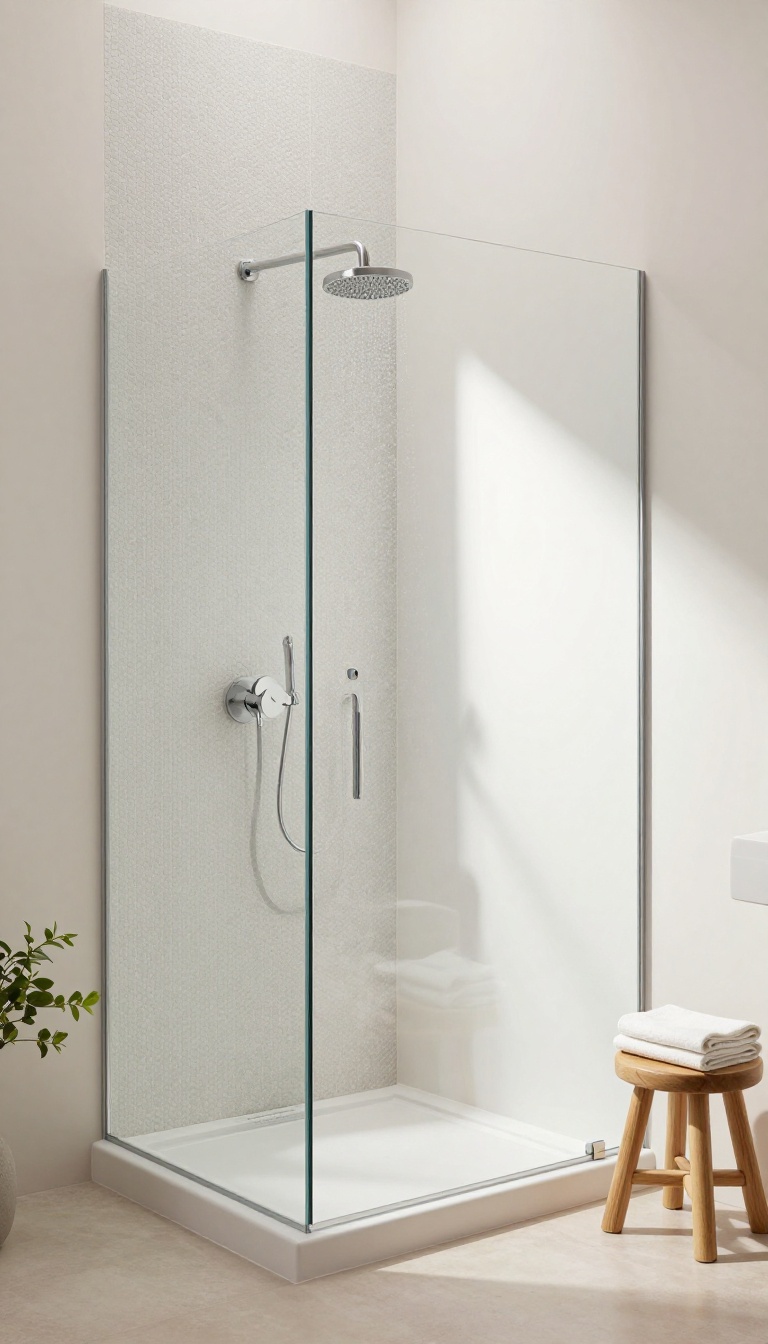
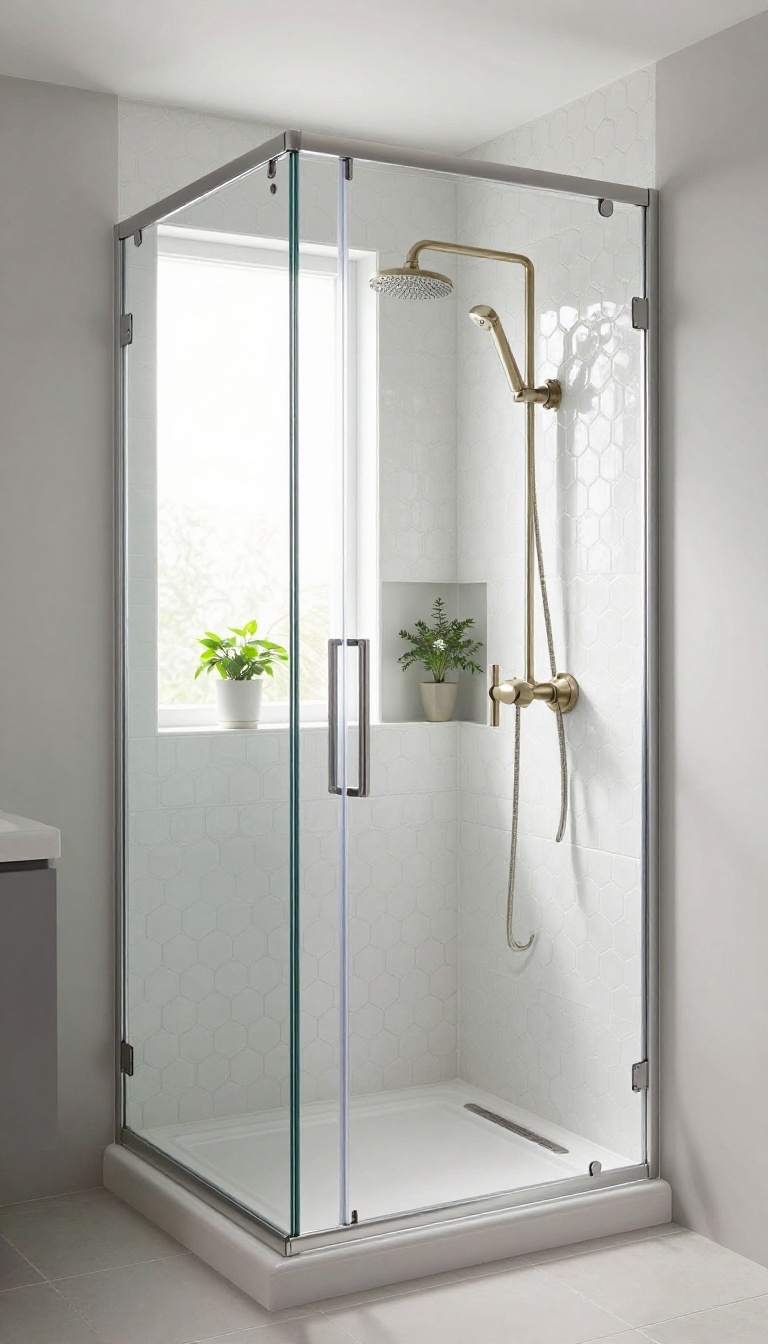
Hexagon tiles bring a subtle geometric rhythm that plain squares just can't match. In a mosaic format, they add a gentle texture that catches light and adds depth, making your small shower feel more layered and interesting. It's a classic look with a modern twist, and it works beautifully whether you use it on the floor or as an accent wall.
Hexagon mosaics are a versatile choice that can adapt to any style, from farmhouse to contemporary. The key is to let the tile be the star, so keep the rest of the shower simple. Pair it with a neutral grout to let the shape shine, or go bold with a contrasting grout for a more graphic look.
Scale Matters: Small Vs. Large Hexagons
When it comes to hexagon tiles, size changes the whole feel. Small hexagonal mosaics (like 1-inch or 2-inch) create a busy, textured surface that hides imperfections and adds grip underfoot. Larger hexagons (4-inch or 6-inch) make a bolder statement and can make the shower feel more open.
For a small shower, a mix of sizes can add visual interest without overwhelming the space.
Color And Grout: Setting The Mood
The color of your hexagon tiles sets the tone. White or light gray hexagons keep the space airy and bright, while darker shades like charcoal or navy add drama and depth. Grout color matters too.
Matching grout creates a seamless, cohesive look, while contrasting grout highlights the hexagon shape for a more intentional design.
Placement: Floor, Wall, Or Accent
Hexagon mosaic works beautifully on the shower floor, providing a non-slip surface that feels great underfoot. On the walls, it can cover the entire space for a cohesive look or be used as an accent strip behind the fixtures to draw the eye. For a subtle touch, consider a hexagon niche or a border around a larger tile.
4. Penny Tile for a Classic Yet Playful Vibe
Penny tiles are the little black dress of shower design—simple, versatile, and always in style. Their small, round shape creates a textured surface that feels like a cozy fabric underfoot. Whether you cover the entire shower or just a niche, penny tiles bring a playful charm that's hard to ignore.
Penny tiles have been around for over a century, and they're still winning hearts. Their tiny size (usually about the diameter of a penny) makes them perfect for small showers because they add visual interest without overwhelming the space. The circular shapes create a mosaic effect that catches light and adds depth, making your shower feel more dynamic.
Plus, the grout lines act as natural slip resistance, which is a big plus for safety.
Why Penny Tiles Work In Small Showers
The key to penny tiles' success in small spaces is their scale. Small tiles trick the eye into seeing more detail, which makes the area feel larger. They also work well on curved surfaces, so you can use them on a shower bench or a rounded niche without awkward cuts.
And because they come in sheets, installation is quicker than you might think.
Styling Ideas For Penny Tiles
For a classic look, stick with white or off-white penny tiles with a contrasting grout, like charcoal or navy. This adds a crisp, graphic quality that feels fresh. If you're feeling bolder, mix metallic penny tiles with matte ones for a subtle shimmer.
Or go for a pastel palette—soft pink or mint green—to add a hint of color without being overpowering.
Maintenance And Installation Tips
Penny tiles are relatively low-maintenance, but the grout lines do require some attention. Use a high-quality grout sealer to prevent staining and make cleaning easier. When installing, make sure the sheets are laid evenly to avoid lippage.
And don't forget to choose a grout color that complements the tile—lighter grout makes the circles pop, while darker grout hides dirt better.
5. Subway Tile with a Twist: Herringbone Pattern
Subway tile is a classic for a reason—it's clean, timeless, and easy to work with. But laying it in a straight stack can feel a bit predictable, especially in a small shower where every detail matters. Switching to a herringbone pattern instantly changes the vibe, adding movement and a handcrafted feel that makes the space look intentional and polished.
The angled lines draw the eye upward and across, which can make the shower feel larger and more open. It's a simple swap that doesn't require new materials or extra cost, just a different installation approach. If you're ready to give your subway tile a fresh personality, herringbone is the way to go.
Herringbone is a classic pattern that has been used in flooring and walls for centuries, and it translates beautifully to shower tile. The V-shaped zigzag creates a sense of rhythm and flow that plain subway tile just doesn't have. In a small shower, this pattern can make the walls feel like a feature rather than just a backdrop.
One of the best things about herringbone is its versatility. You can use it on all walls for a bold statement, or just on one accent wall to keep things subtle. The pattern works with any color, from crisp white to soft gray to deep navy.
And because the installation is the star, you can save money by using budget-friendly ceramic tile instead of expensive stone. When planning your herringbone layout, think about the size of your tiles. Smaller tiles, like 2×6 or 3×6, create a finer, more intricate pattern, while larger tiles, like 4×12, make a bolder statement.
The choice depends on the look you want and the scale of your shower. Also, consider the direction of the pattern—vertical herringbone can make ceilings feel higher, while horizontal can widen the space.
Why Herringbone Works In Small Showers
The herringbone pattern is a visual trick that makes small spaces feel more expansive. The diagonal lines break up the vertical and horizontal monotony, which can make walls feel less confining. Plus, the pattern adds texture and depth without adding physical bulk, so you get a rich look without sacrificing space.
Choosing The Right Tile Size
Tile size matters more than you might think. For herringbone, smaller tiles (like 3×6) create a busy, detailed pattern that can make a small shower feel cozy and intricate. Larger tiles (like 4×12) create a cleaner, more modern look with fewer grout lines, which can make the space feel more open.
Consider the overall style you're going for and the scale of your shower.
Color And Grout Tips
Color plays a big role in how herringbone looks. White or light gray tiles with a matching grout create a seamless, airy feel. For contrast, use a darker grout to highlight the pattern and add definition.
If you're feeling bold, try a colored tile like sage green or navy blue to make the herringbone pop. Just remember that darker colors can make a small space feel cozier, so balance them with good lighting.
6. Light and Bright: White Tiles with Glossy Finish
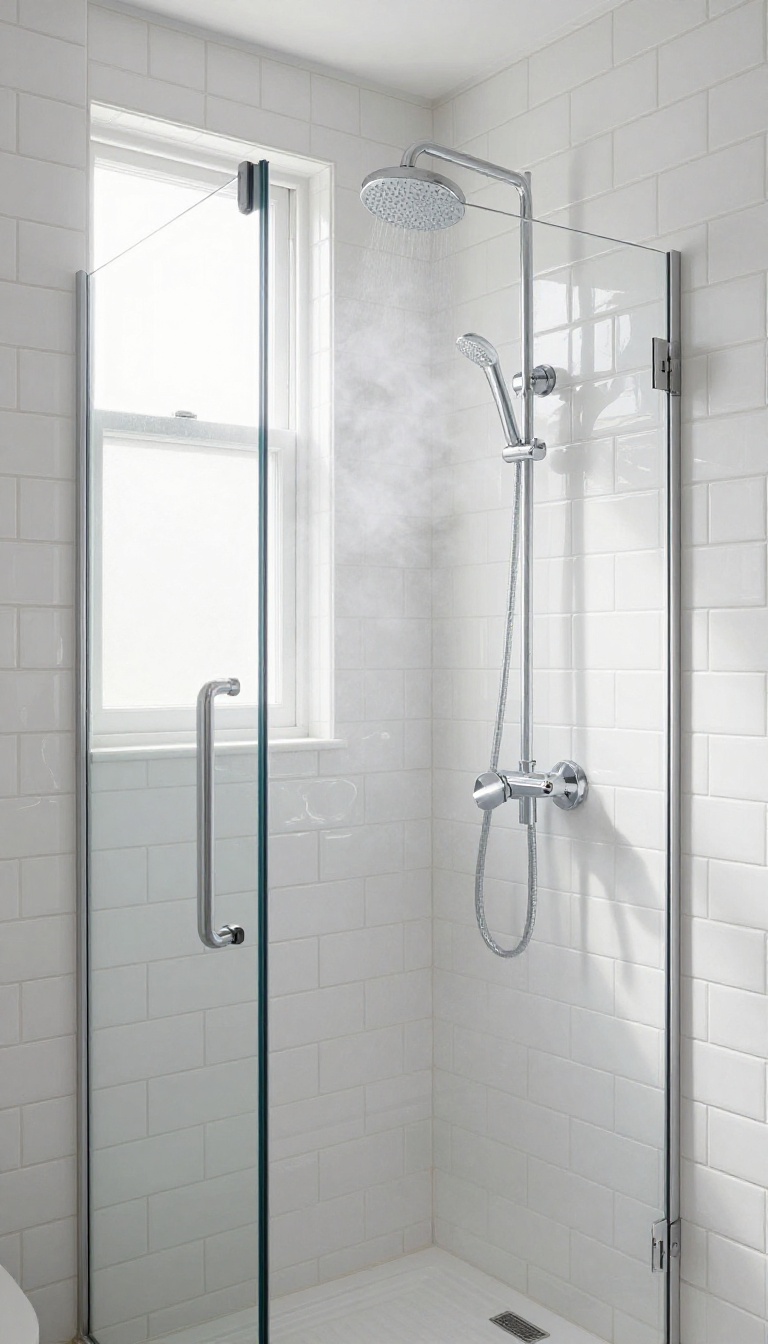
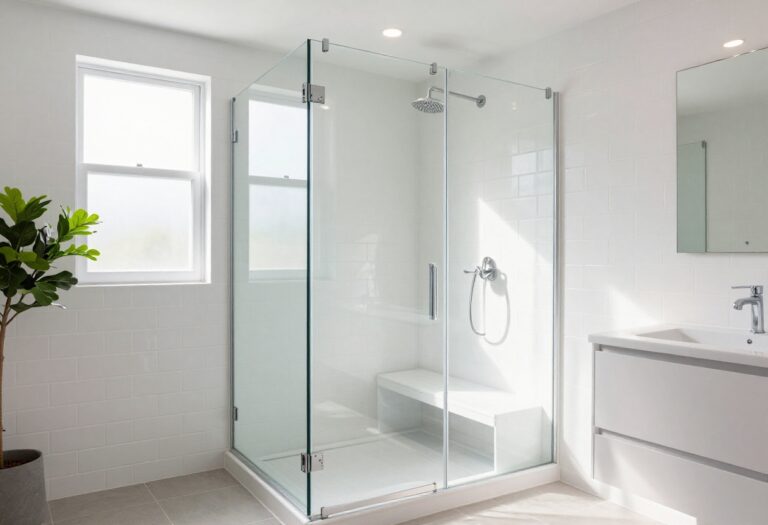
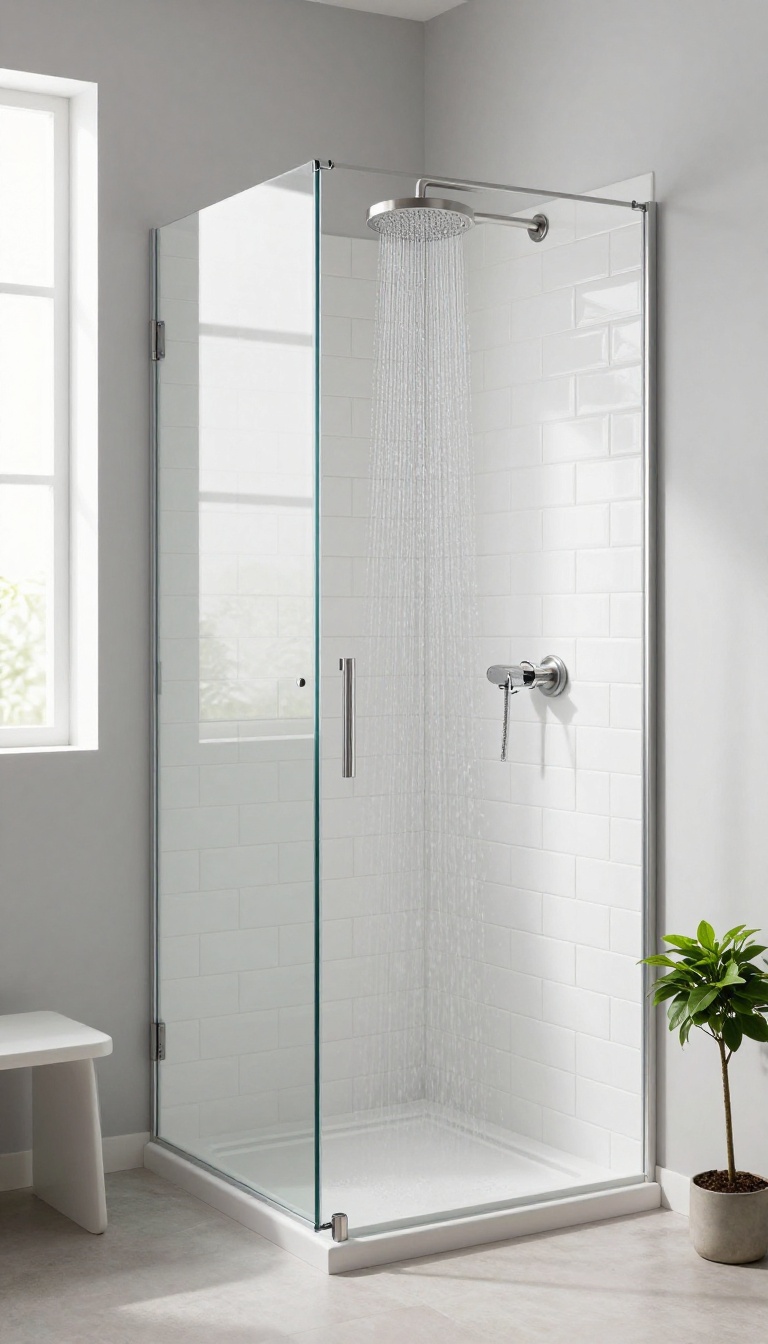
A glossy white tile is the ultimate trick for making a small shower feel twice its size. The reflective surface bounces light around the space, instantly brightening even the darkest corners. It's a simple, timeless choice that never goes out of style.
What makes this idea so appealing is its versatility. You can pair it with bright grout for a seamless, spa-like look, or go with dark grout for a crisp, graphic contrast. Either way, the result is clean, fresh, and effortlessly elegant.
Glossy white tiles are a no-brainer for small showers. They reflect light, making the space feel open and airy. The key is to choose the right finish and grout color to achieve the look you want.
For a seamless, modern feel, use a bright white or light gray grout. This creates a continuous surface that visually expands the shower. If you prefer a bit of drama, dark grout adds a bold grid pattern that gives the white tiles a crisp, contemporary edge.
This idea works with any tile shape—subway, square, or large-format. The glossy finish does the heavy lifting, so you can keep the rest of the design simple and let the light do the talking.
Why Glossy White Works
Glossy tiles have a smooth, reflective surface that acts like a mirror. In a small shower, this means light bounces off the walls, making the space feel brighter and more open. White is the perfect base because it doesn't absorb light—it amplifies it.
Plus, white is timeless, so you won't have to worry about your shower looking dated in a few years.
Grout Color Choices
Grout might seem like a small detail, but it can completely change the look of your glossy white tiles. Bright white or light gray grout creates a seamless, airy feel. Dark grout, like charcoal or black, adds a strong graphic contrast that makes the tile pattern pop.
Both are great options—just think about the vibe you want: serene and open or bold and defined.
Tile Shapes And Layouts
You're not stuck with basic subway tile. Glossy white comes in all shapes and sizes. Large-format tiles with thin grout lines make the shower look bigger by minimizing visual interruptions.
Subway tiles in a vertical stack or herringbone pattern add interest without overwhelming the space. Pick a shape that fits your style, and the glossy finish will do the rest.
7. Natural Stone Look for a Spa-Like Retreat
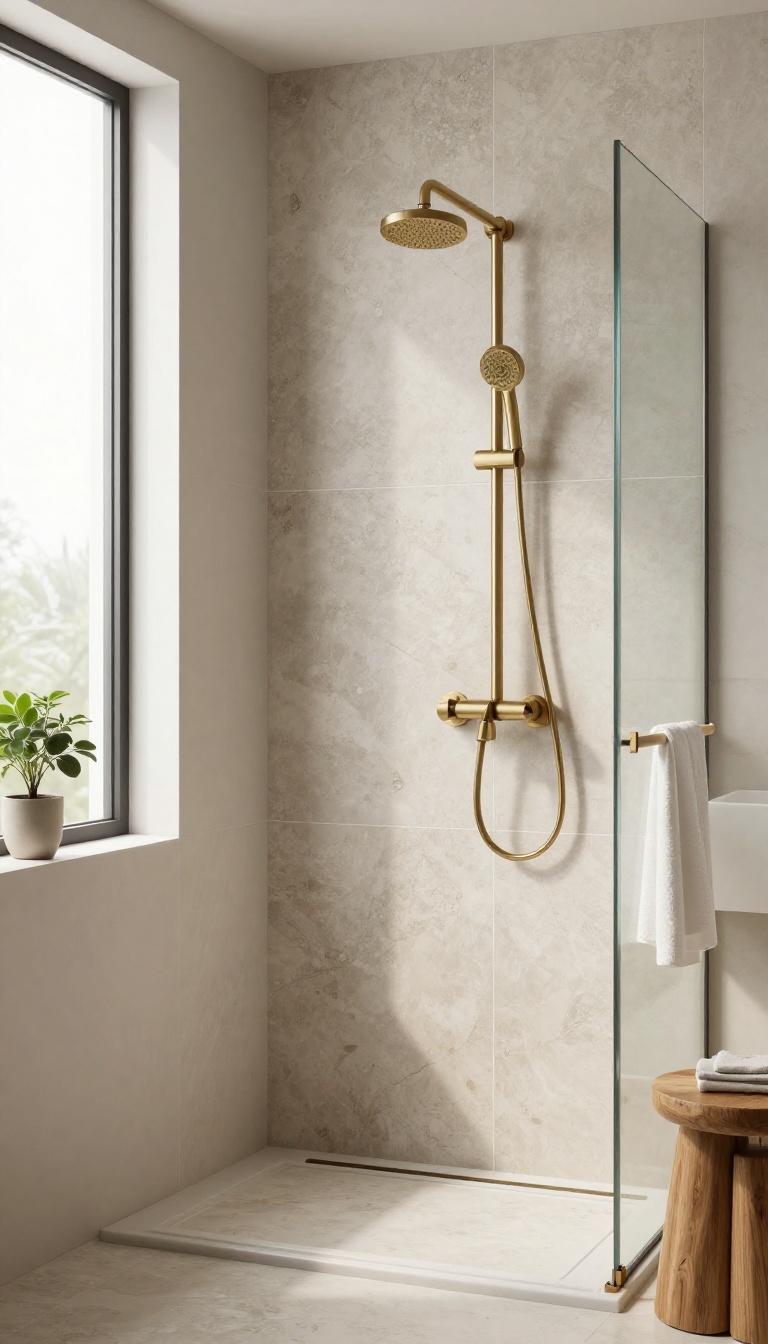
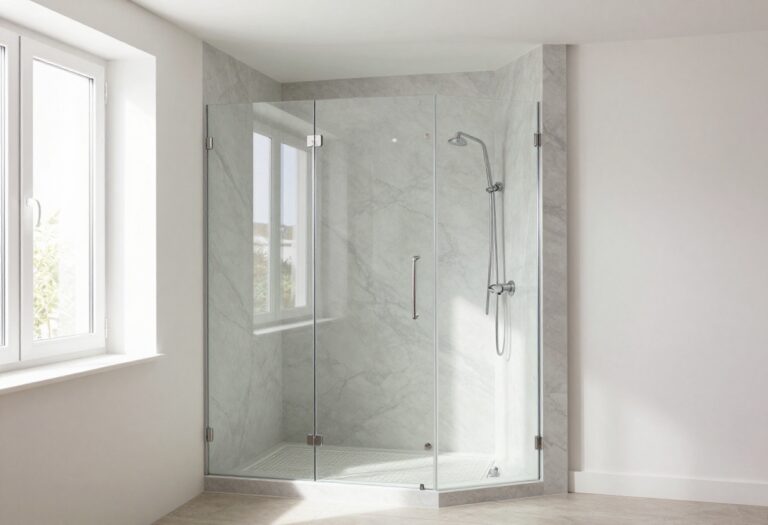
Porcelain tiles that mimic natural stone bring instant warmth and texture without the upkeep of real stone. They create a calming, spa-like atmosphere that turns your daily shower into a mini escape. Best of all, they’re durable and easy to clean, making them a practical choice for busy bathrooms.
Natural stone looks range from soft travertine to dramatic slate, so there’s a style to match any taste. Porcelain versions capture the veining and color variations beautifully, but they’re more resistant to stains and moisture. You get the high-end feel without sealing or worrying about etching.
Why Porcelain Beats Real Stone
Real stone is porous and needs regular sealing to prevent water damage and staining. Porcelain is non-porous and requires no special care—just wipe it down and go. It’s also more uniform in size, which makes installation easier and grout lines tighter.
Pick The Right Finish
A matte finish hides water spots and feels safer underfoot, while a polished look adds a bit of glamour. For a small shower, a honed or matte finish can reduce glare and make the space feel more grounded. Choose a finish that fits your lifestyle and the overall vibe you want.
Scale And Layout Matter
Large-format stone-look tiles create fewer grout lines, which visually expands the space. Consider using them on both walls and floor for a seamless, continuous look. If you prefer smaller tiles, a stacked layout can still feel modern and clean.
Pair With Warm Accents
Natural stone pairs beautifully with wood-toned vanities, brushed brass fixtures, and soft greenery. These elements enhance the spa-like feel without overwhelming the space. Keep the palette neutral and let the texture do the talking.
8. Bold Patterned Tiles as an Accent Wall
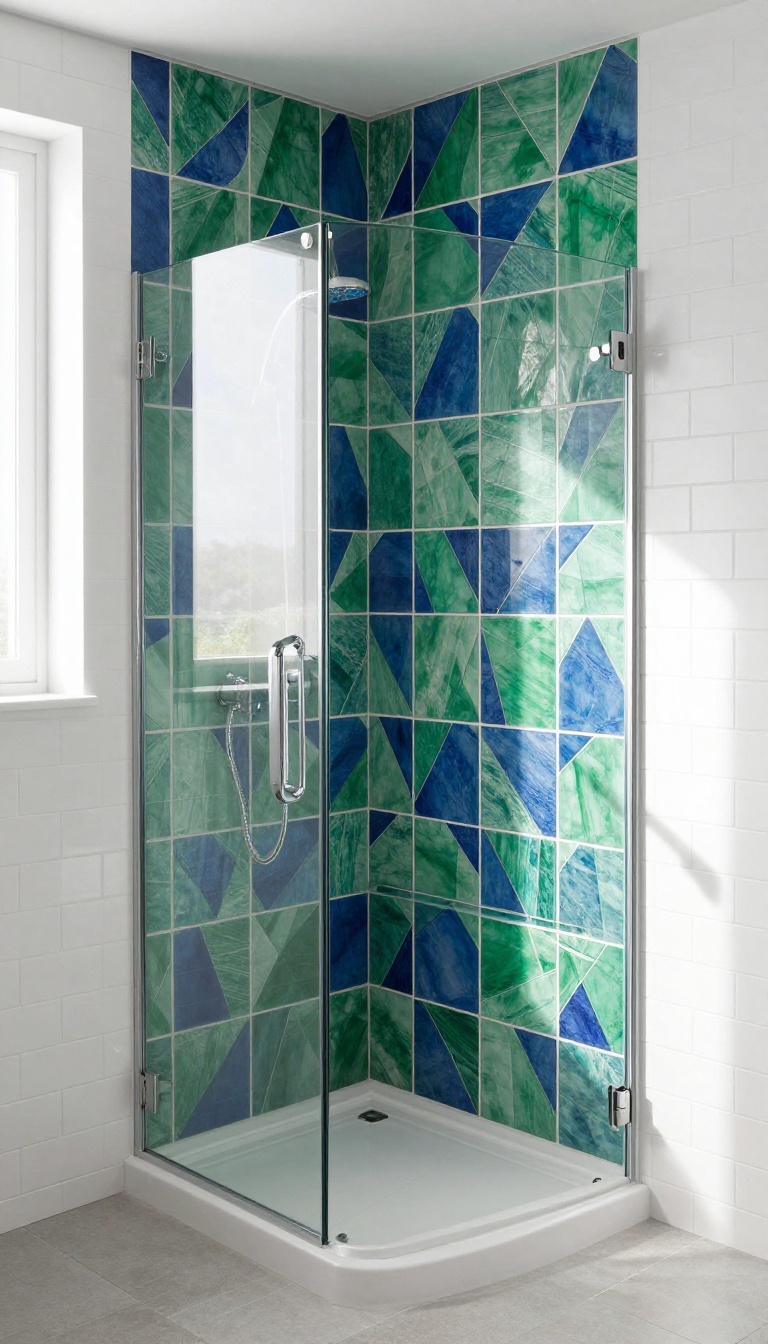
A single wall of bold, patterned tiles can become the focal point of a small shower. Choose a vibrant geometric or floral design to add personality without overwhelming the space. This approach lets you experiment with color and pattern while keeping the rest of the shower calm and neutral.
When you're working with a small shower, the instinct is often to keep everything light and uniform. But a bold accent wall can actually make the space feel more intentional and visually interesting. By limiting the pattern to just one wall, you create a design moment that draws the eye without making the room feel busy.
Plus, it's a great way to inject your personal style into a compact area.
Why One Wall Works Best
In a small shower, too much pattern can feel chaotic and make the space seem even smaller. By reserving the bold tiles for a single wall, you get the impact without the overwhelm. The other walls can stay simple, letting the accent wall shine as the clear focal point.
Choosing The Right Pattern
Geometric patterns like hexagons, chevrons, or Moroccan-inspired shapes add a modern edge. Floral designs can bring a softer, more romantic feel. Consider the overall vibe of your bathroom—if it's clean and minimal, a vibrant geometric pattern will pop; if it's more traditional, a delicate floral might be the better fit.
Color And Contrast
Don't be afraid to go bold with color. Deep blues, emerald greens, or even black-and-white patterns can create a striking contrast against light grout and neutral surroundings. The key is to keep the rest of the shower simple so the accent wall remains the star.
Installation Tips
Make sure the wall you choose is flat and properly prepared before tiling. Patterned tiles often require careful layout to ensure the design lines up correctly. It's a good idea to dry-lay the tiles first to see how the pattern will flow and make adjustments before committing with adhesive.
9. Textured 3D Tiles for Subtle Dimension
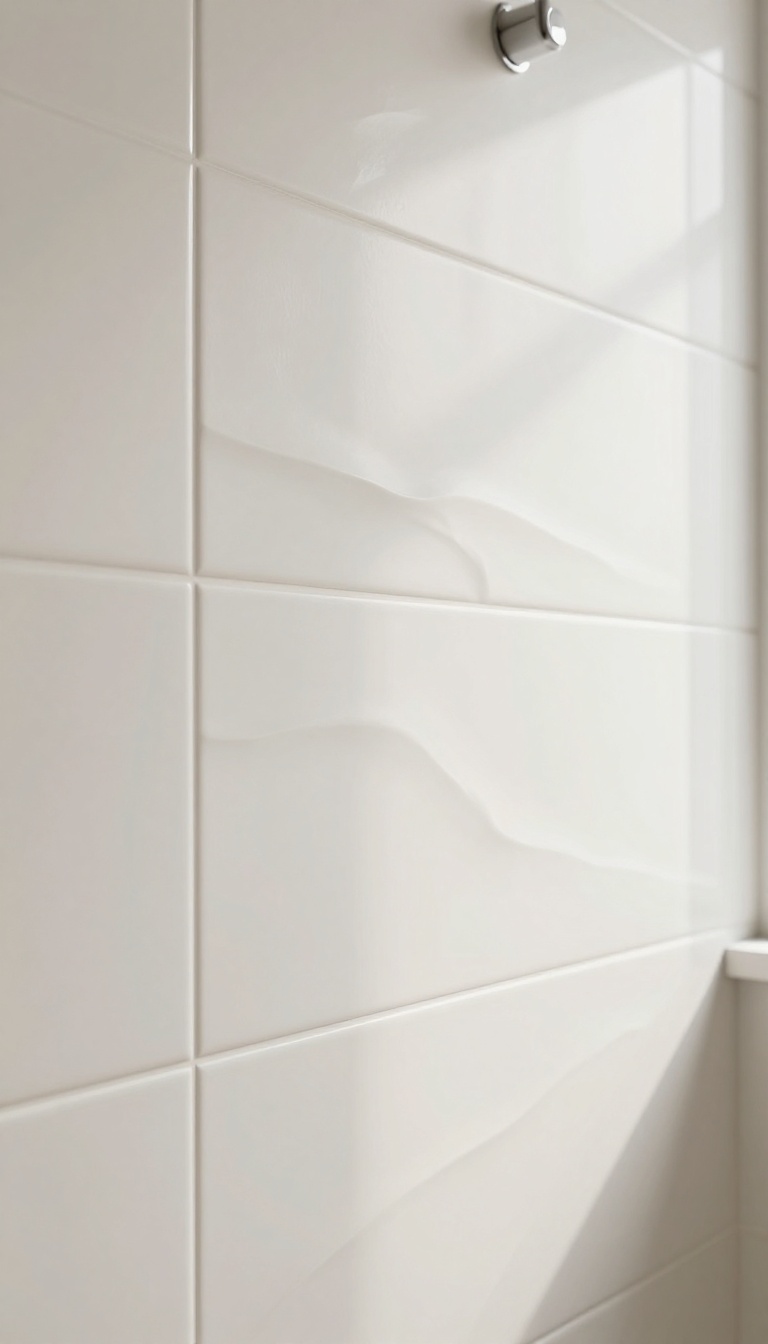
Flat walls can feel a little lifeless, especially in a compact shower where every surface is close. Textured 3D tiles break up that monotony with gentle waves, ridges, or geometric bumps that catch light and cast soft shadows. The result is a wall that feels alive and dynamic without shouting for attention.
Three-dimensional tiles are a smart pick for small showers because they add visual interest without relying on bold colors or busy patterns. The texture itself becomes the design, so you can keep the rest of the palette neutral and let the tile do the talking. Plus, the depth creates a subtle play of light and shadow that makes the space feel more layered and custom.
Why 3d Tiles Work In Small Showers
In a small shower, you don't have a lot of wall space to experiment with. 3D tiles give you that extra 'something' without overwhelming the room. The tactile surface adds a sense of craftsmanship, and the shadows it casts change throughout the day as the light moves.
It's an easy way to make a compact space feel more intentional and less flat.
Choosing The Right Texture And Scale
Not all 3D tiles are created equal. For a small shower, you'll want a texture that's noticeable but not too busy. Large, sweeping waves can make the wall feel more expansive, while small, repetitive bumps add a subtle, almost fabric-like texture.
Stick to lighter colors like white, cream, or soft gray to keep the space feeling airy and bright.
Installation And Grout Tips
Because 3D tiles have varying depths, installation can be a bit trickier than flat tiles. Use a flexible thin-set mortar and make sure the substrate is perfectly flat to avoid lippage. When it comes to grout, choose a color that blends with the tile so the texture stands out, not the grout lines.
And don't forget to seal the grout well, since showers are high-moisture areas.
10. Glass Tiles for Light and Color
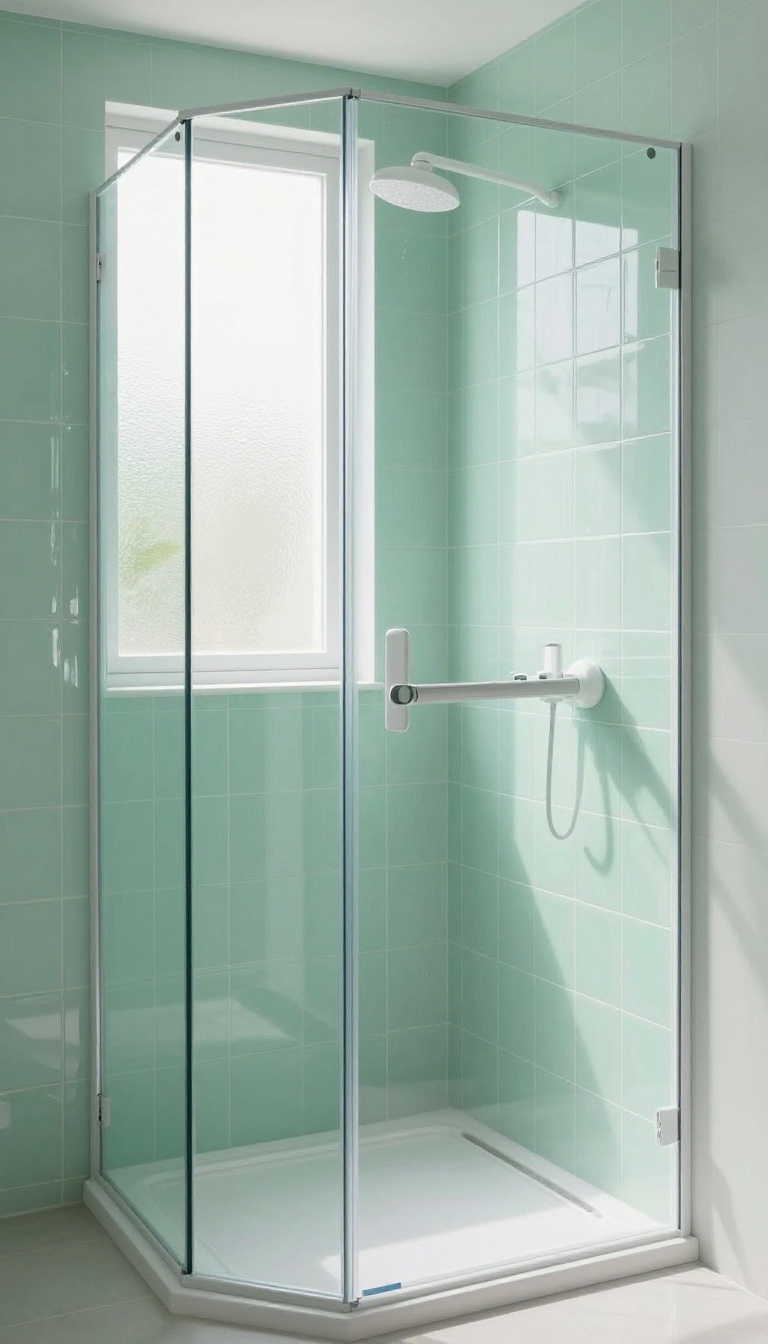
Glass tiles are like little prisms for your shower—they catch the light and bounce it around, making the whole space feel airier and more open. Even on a cloudy day, a glass tile wall can brighten a small shower in a way that ceramic or stone just can't match. Plus, the color options are nearly endless, from soft pastels to vivid jewel tones, so you can easily add a pop of personality without overwhelming the room.
Glass tiles work double duty in a compact shower. First, they reflect light, which visually expands the space. Second, they add a subtle shimmer that feels luxurious without being flashy.
You can use them as a full wall for maximum effect or as an accent stripe to break up a solid tile field. Either way, they bring a touch of elegance that's hard to beat.
Full Wall Vs. Accent
If you're ready to commit, covering an entire wall in glass tiles creates a stunning, seamless look that makes the shower feel larger. The light reflection is amplified, and the color saturation is consistent. If you prefer a more subtle approach, use glass tiles as an accent—maybe a vertical band behind the fixtures or a horizontal stripe at eye level.
This adds interest without overwhelming the space and can be a budget-friendly option.
Color Choices
Light colors like pale blue, seafoam green, or soft gray keep the shower feeling fresh and open. Darker shades, like deep navy or emerald, can add drama but might make the space feel smaller—so use them sparingly, perhaps on one wall or as a border. For a truly custom look, mix a few complementary colors in a random pattern or geometric design.
The translucency of glass means colors shift slightly with the lighting, giving your shower a dynamic, ever-changing feel.
Maintenance Tips
Glass tiles are non-porous, so they resist mold and mildew better than grout lines alone. However, hard water spots can show up more easily on glossy surfaces. Wipe down the tiles after each shower with a squeegee to keep them sparkling.
Use a mild, non-abrasive cleaner for deeper cleans—avoid anything acidic that could etch the glass. With a little care, glass tiles will stay beautiful for years.
11. Dark and Dramatic: Moody Tiles for Contrast
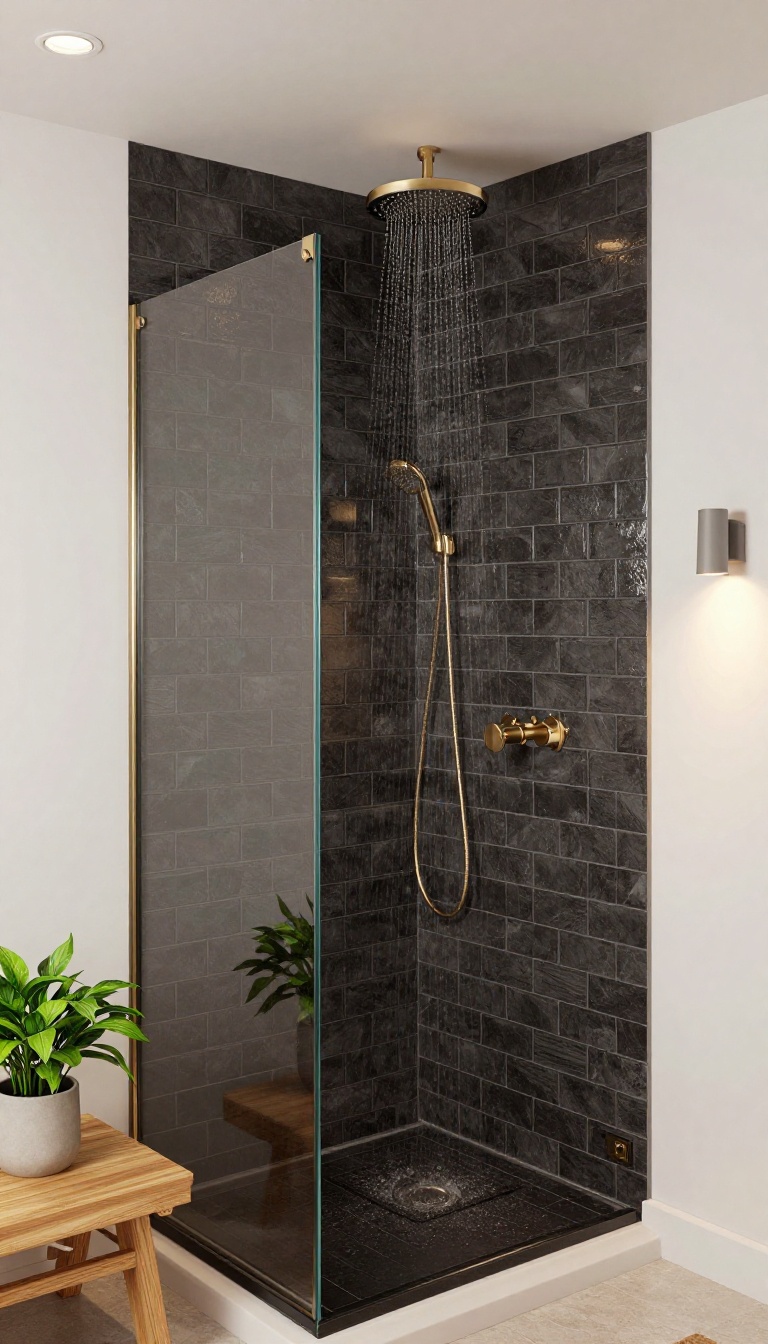
Dark tiles might feel like a gamble in a small shower, but they can actually make the space feel more intimate and luxurious. Deep blues, greens, or charcoals add depth and a touch of drama that lighter shades just can't match. The trick is to balance the darkness with warm lighting and metallic accents so the space doesn't feel cave-like.
When you choose dark tiles, you're making a bold statement. The key is to use them thoughtfully—maybe on one accent wall or from the floor to the ceiling. Pairing deep tones with warm brass or gold fixtures creates a rich, inviting contrast that feels anything but cramped.
Plus, dark tiles hide soap scum and water spots better than you'd think, making them a practical choice for a busy bathroom.
Choose The Right Shade
Not all dark tiles are created equal. Deep navy or forest green can feel elegant and calming, while charcoal or black adds a modern, edgy vibe. Consider the lighting in your bathroom—if it's naturally bright, you can go darker; if it's dim, you might want to stick to a slightly lighter dark tone to avoid making the space feel too enclosed.
Pair With Warm Metals
Warm metals like brass, copper, or gold are perfect companions for dark tiles. They add a touch of warmth and sophistication, creating a high-end look without being flashy. Think about using these metals for your showerhead, faucet, and even the frame of your glass door.
Lighting Makes The Difference
Good lighting is crucial when going dark. Install layered lighting—overhead, vanity, and a shower light—to ensure the space feels inviting, not gloomy. Warm LED bulbs can mimic natural light and make the dark tiles glow, enhancing the cozy atmosphere.
Balance With Light Accents
To keep the shower from feeling too heavy, introduce light accents like a white ceiling, light grout, or a pale shower curtain. This creates a visual balance that opens up the space. You can also add a large mirror or glass shelf to reflect light and break up the dark surfaces.
FAQ
What is the best tile size for a small shower?
Large-format tiles (12×24 inches or larger) are ideal for small showers because they minimize grout lines, creating a seamless look that makes the space feel bigger. However, smaller tiles like mosaics can be used on floors for better grip and visual interest.
Should I use light or dark tiles in a small shower?
Light tiles reflect more light and can make a small shower feel more open and airy. Dark tiles can add drama and coziness, but they may make the space feel smaller. It's a personal preference, but if you choose dark, consider using them on an accent wall or with good lighting.
How can I make a small shower look more expensive?
Use large-format tiles with minimal grout lines, add a niche for storage, and choose high-quality fixtures. A consistent color palette and a simple, elegant layout can also elevate the look without breaking the bank.
What is the most durable tile for a shower floor?
Porcelain and ceramic tiles are durable and water-resistant, making them great for shower floors. For better slip resistance, choose tiles with a textured finish or smaller tiles with more grout lines, like mosaics.
Can I mix different tile patterns in a small shower?
Yes, mixing patterns can add visual interest, but it's important to keep it balanced. Use a bold pattern on one wall or floor and keep the rest simple. Stick to a cohesive color palette to avoid overwhelming the space.
Conclusion
Updating the tile in a small shower is one of the most effective ways to refresh your bathroom. With the right choice, you can make the space feel larger, more luxurious, and uniquely yours. Don't be afraid to experiment with scale, color, and texture.
Even a simple change like swapping out your current tile for a herringbone pattern or a glossy finish can make a world of difference. Happy tiling!