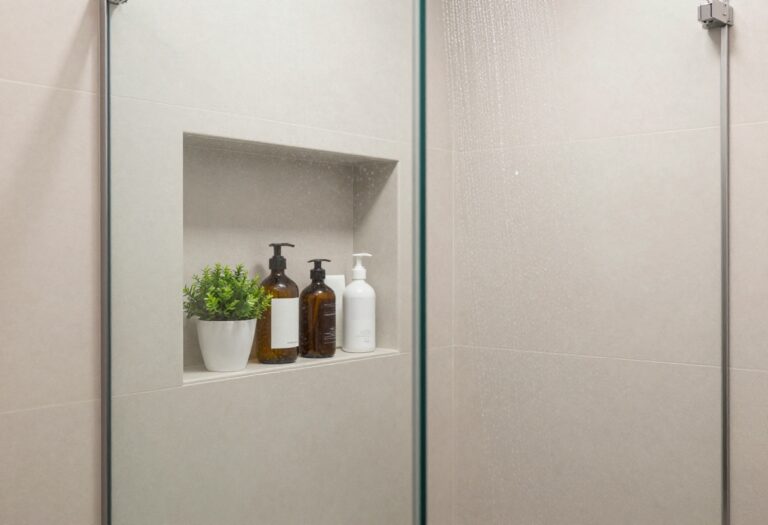
15 Clever White Tile Shower Ideas for a Clean, Custom Layout
White tile showers often read as sterile or flat, but the right layout changes everything. You can keep that crisp, clean look while adding depth, texture, and personality through pattern and contrast.
The trick is choosing details that solve real problems—like slippery floors or endless grout scrubbing—without sacrificing style. These 15 ideas range from simple swaps to bold statements, so you can find a fit for your space and budget.
Each one focuses on a specific technique or material that makes the shower feel intentional and custom. Let's get into the options that bring both function and flair to your daily rinse.
1. Classic Subway Tile with a Twist
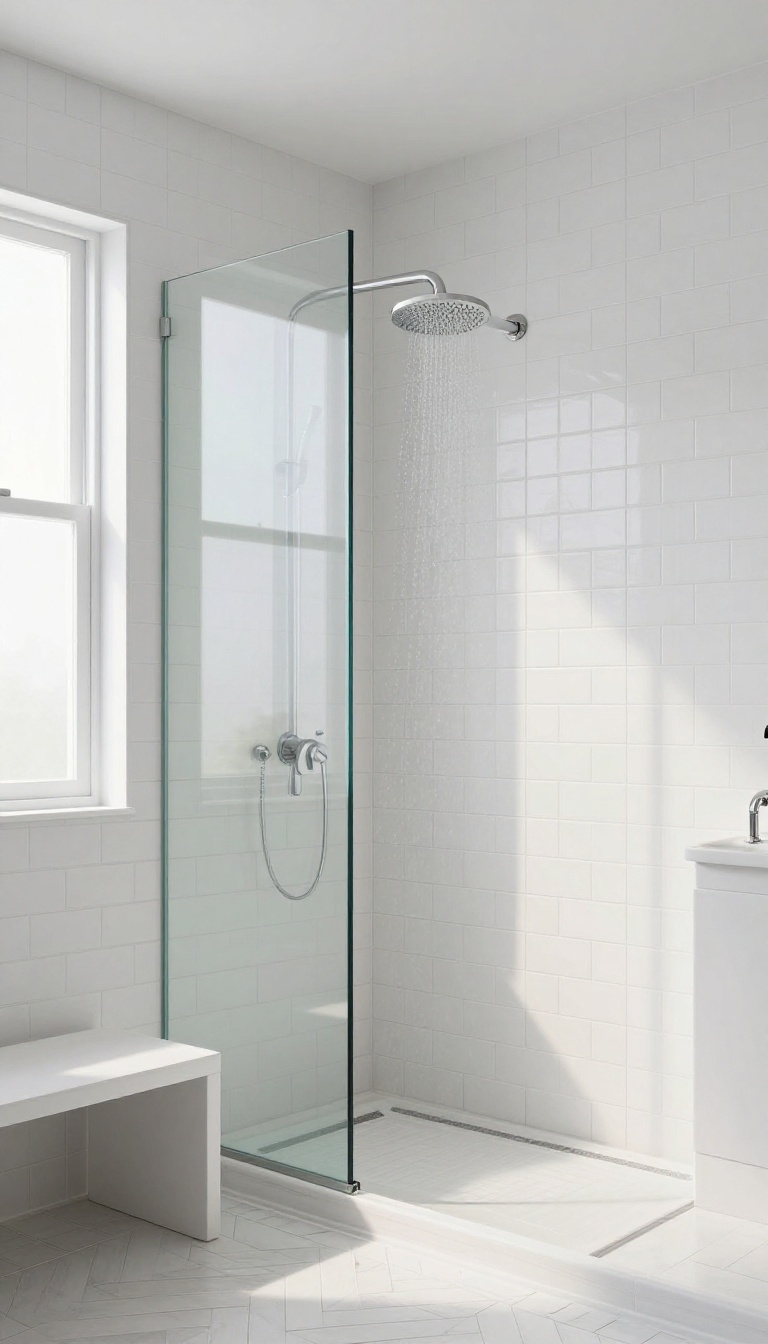
Subway tile is a timeless choice, but laying it in the standard horizontal brick pattern can feel a bit predictable. A simple change in orientation—like a vertical stack or herringbone layout—instantly adds visual interest without sacrificing the clean, white aesthetic you love. It's an easy way to make your shower feel custom and thoughtfully designed.
Switching up the pattern is a low-cost, high-impact move that works in both small and large showers. Vertical stacking draws the eye upward, making the ceiling feel higher, while herringbone adds a dynamic, textured look that still feels classic. Both patterns are surprisingly easy to achieve with standard subway tiles, so you won't need specialty materials.
Vertical Stack For Height
A vertical stack (also called brick joint or straight set) places tiles directly on top of each other, creating clean, continuous lines. This pattern emphasizes the height of the shower and can make a low ceiling appear taller. It's a minimalist choice that pairs well with matte white tiles and dark grout for a modern contrast.
Herringbone For Movement
Herringbone is a classic pattern that brings a sense of movement and sophistication. The V-shaped chevrons catch light differently, adding depth and texture to the walls. While it requires more cuts, the visual payoff is worth it.
Use a smaller subway tile (like 3×6) to keep the pattern proportional in a shower space.
Grout Color Matters
The grout color can make or break the pattern. White grout keeps the look seamless and airy, while gray or black grout highlights the geometric shapes and adds definition. For a subtle twist, choose a warm gray grout that complements the white tile without overpowering it.
This small detail can elevate the entire design.
2. Large-Format Tiles for Minimal Grout Lines
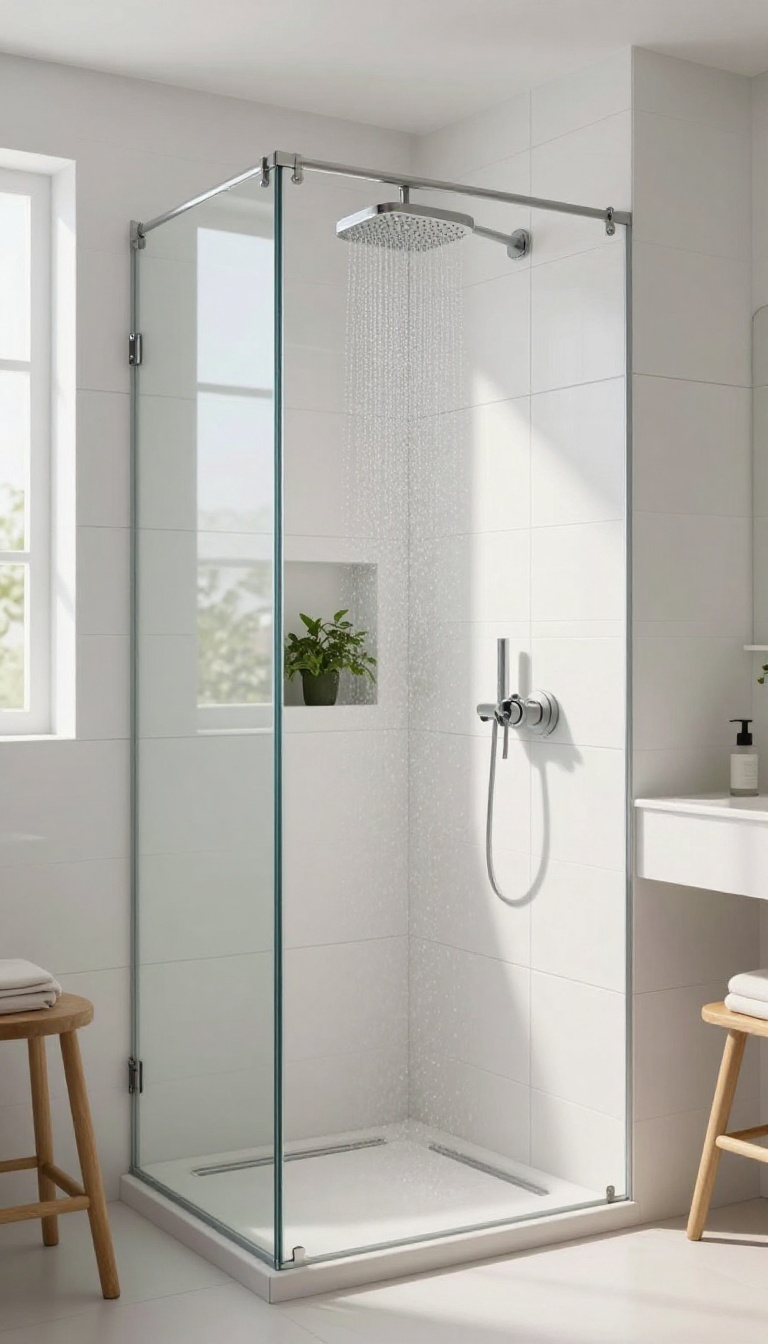
If you're tired of scrubbing grout, large-format tiles are a game-changer. These oversized slabs—often 12×24 inches or bigger—dramatically reduce the number of grout lines in your shower. The result is a sleek, modern look that's also a breeze to keep clean.
Large-format tiles bring a sense of calm and openness to a shower, with fewer interruptions in the visual field. They're particularly effective in small bathrooms, where they can make the space feel larger and more luxurious. Plus, with fewer grout joints, there's less chance for mold and mildew to take hold.
Why Size Matters
The fewer grout lines you have, the less surface area there is for soap scum and hard water stains to accumulate. Large-format tiles also mean fewer opportunities for water to seep into the substrate, reducing the risk of moisture damage. This makes them a practical choice for busy households.
Installation Tips
Large tiles require a perfectly flat surface to avoid lippage, so proper substrate preparation is key. Use a leveling system to keep tiles flush, and consider a professional installer if you're not experienced. Also, choose a grout color that blends with the tile—white on white is a classic, but a light gray can add subtle definition.
Style Variations
Even with large tiles, you can play with layout. Stack them vertically for a modern, linear look, or offset them slightly for a more dynamic feel. For a truly seamless appearance, opt for rectified tiles with a thin grout joint—this creates a near-monolithic surface that's both elegant and easy to care for.
3. Hexagon Tiles for a Touch of Texture
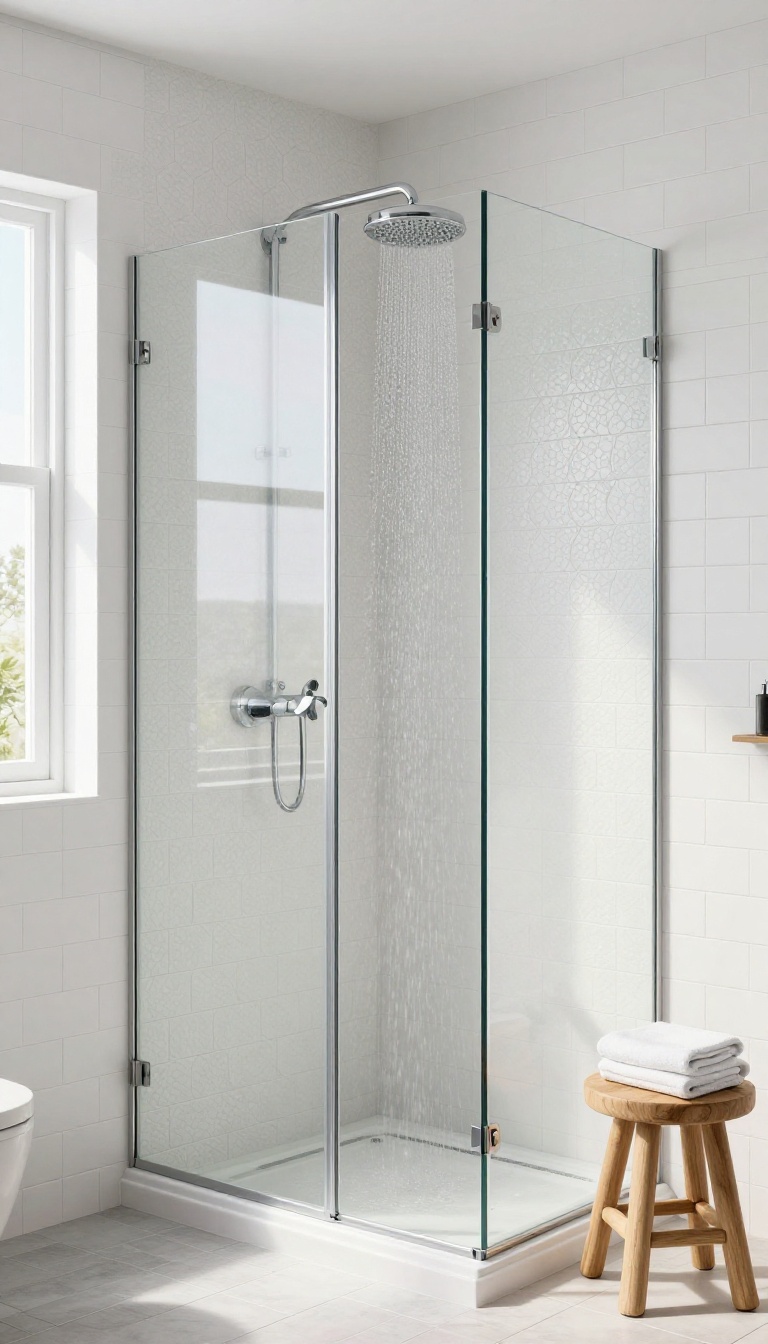
Hexagon tiles are a playful yet sophisticated way to break up the monotony of a white shower. Their six-sided shape creates a natural honeycomb pattern that adds visual interest without overwhelming the space. Whether you use them sparingly or cover an entire wall, they bring a subtle texture that feels both modern and timeless.
Hexagon tiles are a versatile choice that can work in almost any bathroom style, from farmhouse to contemporary. The key is in how you use them—on the floor, as an accent, or even on the ceiling for an unexpected twist. Because they come in various sizes and finishes, you can easily customize the look to match your taste and budget.
Floor Focus
Using hexagon tiles on the shower floor is a smart move for both style and safety. The many grout lines provide extra traction, reducing the risk of slips. Plus, the pattern adds a subtle visual anchor to the space, making the shower feel grounded and intentional.
Choose a smaller hexagon size for a more detailed look, or go larger for a cleaner, more modern vibe.
Accent Wall Magic
If you want to keep the main shower walls simple, consider adding a hexagon accent wall. This could be the wall behind the showerhead or the one opposite the entry. The contrast between the plain white tiles and the textured hexagon pattern creates a focal point that draws the eye.
You can even mix in a few colored hexagons for a pop of personality, but stick to a monochromatic palette to maintain that crisp, clean feel.
Size & Finish Options
Hexagon tiles come in a range of sizes, from tiny mosaic pieces to large-format hexagons. Smaller tiles create a busier, more intricate look, while larger ones feel more streamlined and contemporary. The finish matters too: glossy tiles reflect light and make the space feel brighter, while matte finishes offer a softer, more understated elegance.
Consider the overall mood you want to achieve before picking your hexagon tile.
4. Herringbone Pattern for a Dynamic Wall
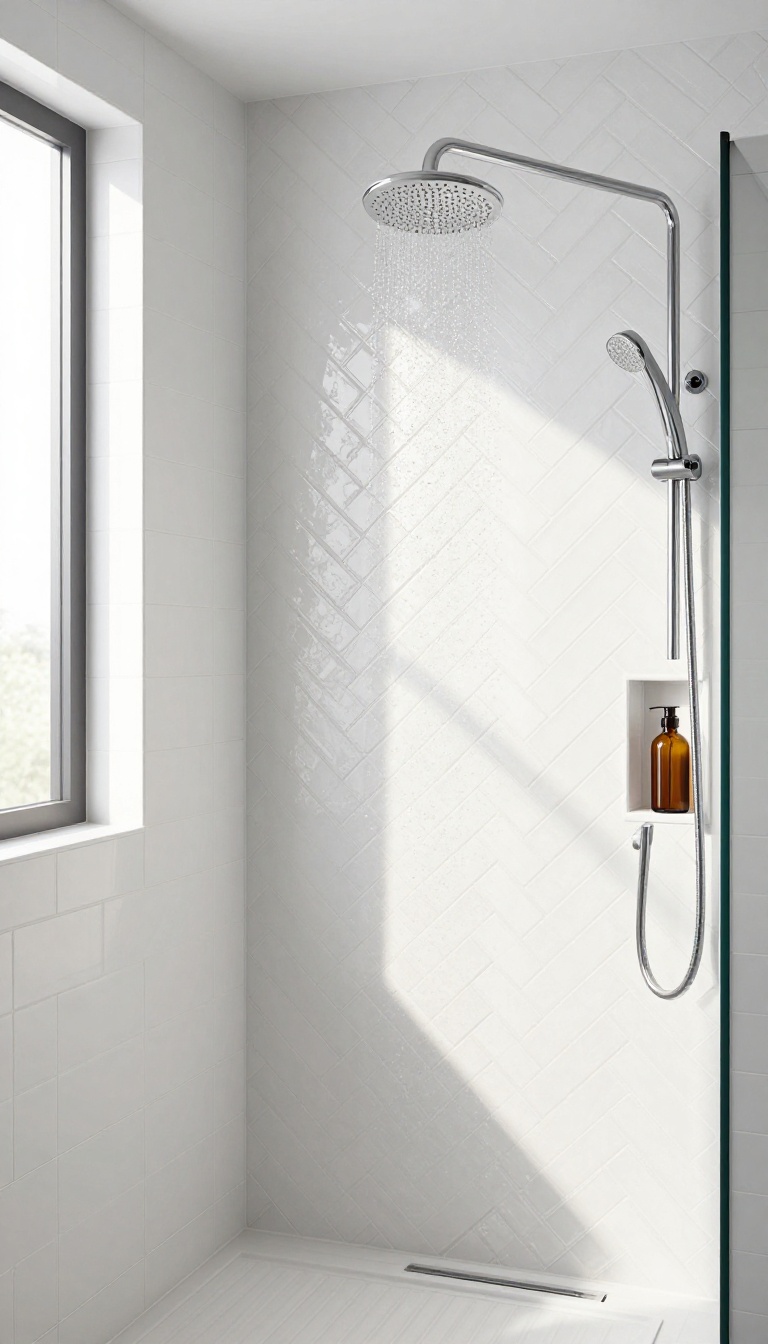
A herringbone layout adds instant movement and a high-end feel to any white tile shower. The zigzag pattern draws the eye and creates a subtle focal point without overwhelming the space. It’s a classic choice that feels fresh and custom.
Herringbone works best when you limit it to one wall or the shower niche. This keeps the pattern from feeling busy while still adding visual interest. The diagonal lines can make the shower feel larger and more dynamic, especially in smaller bathrooms.
Why Herringbone Works
The angled tiles reflect light differently, adding depth and texture. It also breaks up the monotony of straight lines, making the shower feel more intentional. Plus, it’s a timeless pattern that won’t look dated in a few years.
Where To Place It
For a balanced look, use herringbone on the main shower wall behind the fixtures. If you prefer a subtler touch, apply it only to the niche or a narrow accent strip. This way, you get the pattern’s charm without committing to a full wall.
Tile Size And Grout Tips
Long, narrow tiles like 3×12 or 4×12 work best for herringbone. Use a grout color that blends with the tile to keep the pattern smooth, or choose a contrasting grout for a bolder look. Keep grout lines thin to maintain a clean, modern finish.
5. White Tile with Dark Grout for Contrast
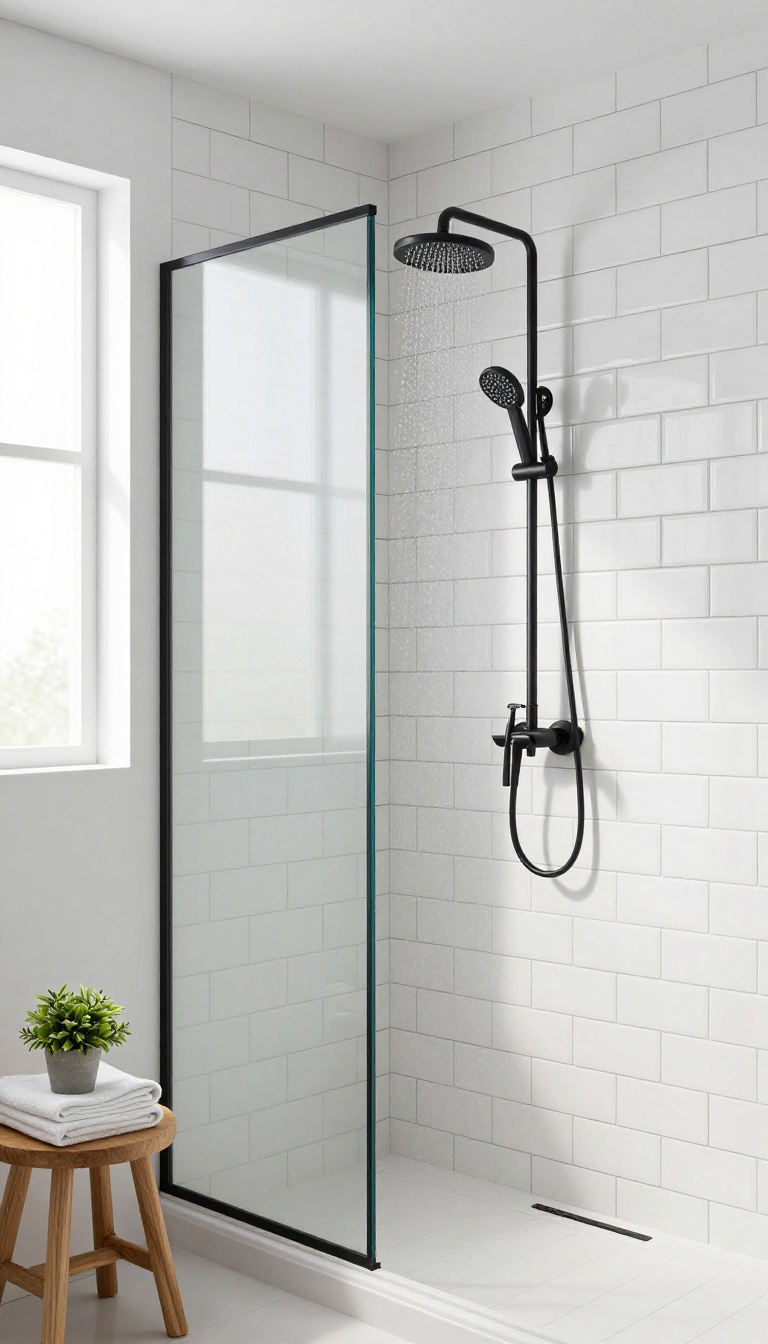
Dark grout with white tile creates a striking grid that highlights the tile shape. It's a bold choice that adds definition and hides stains. This pairing works especially well in modern and industrial-style bathrooms, where the contrast becomes the focal point.
The high-contrast look of dark grout against white tile is a favorite for good reason: it turns a simple tile layout into a graphic statement. The dark lines draw the eye, making the pattern pop and giving the shower a custom, intentional feel. Plus, dark grout is forgiving—it doesn't show dirt or soap scum as easily as light grout, so it's a practical choice for busy bathrooms.
Why Dark Grout Works
Dark grout creates a crisp, defined grid that makes the tile shape stand out. Whether you choose subway, square, or hexagon tiles, the dark lines add depth and texture. It also hides discoloration and staining, so your grout lines stay looking fresh longer.
Choosing The Right Grout Shade
Charcoal, graphite, or black grout are popular choices. You can match the grout to your fixtures or hardware for a cohesive look, or go with a warm dark brown to soften the contrast. Test a few shades on a sample board to see how they look against your specific white tile.
Installation Tips
Seal the grout properly to prevent moisture damage and make cleaning easier. Use a grout release on porous tiles to avoid staining. And consider using epoxy grout for extra durability and stain resistance—it's a bit pricier but worth it in a shower.
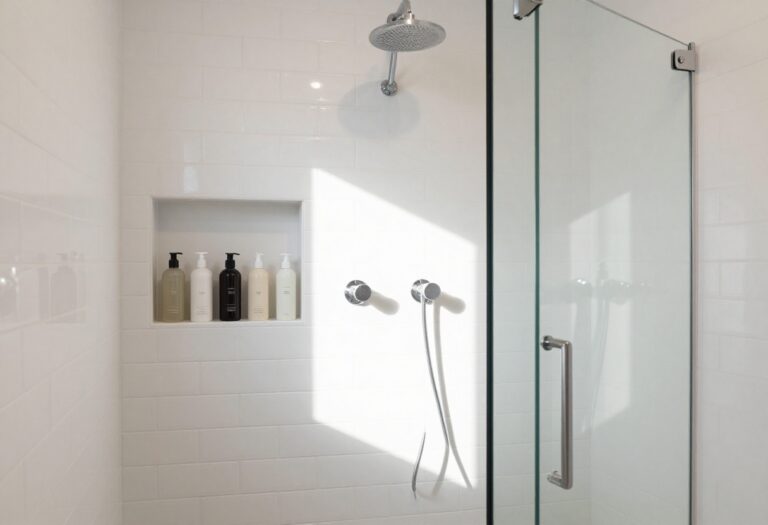
6. Subway Tile with a Built-In Niche
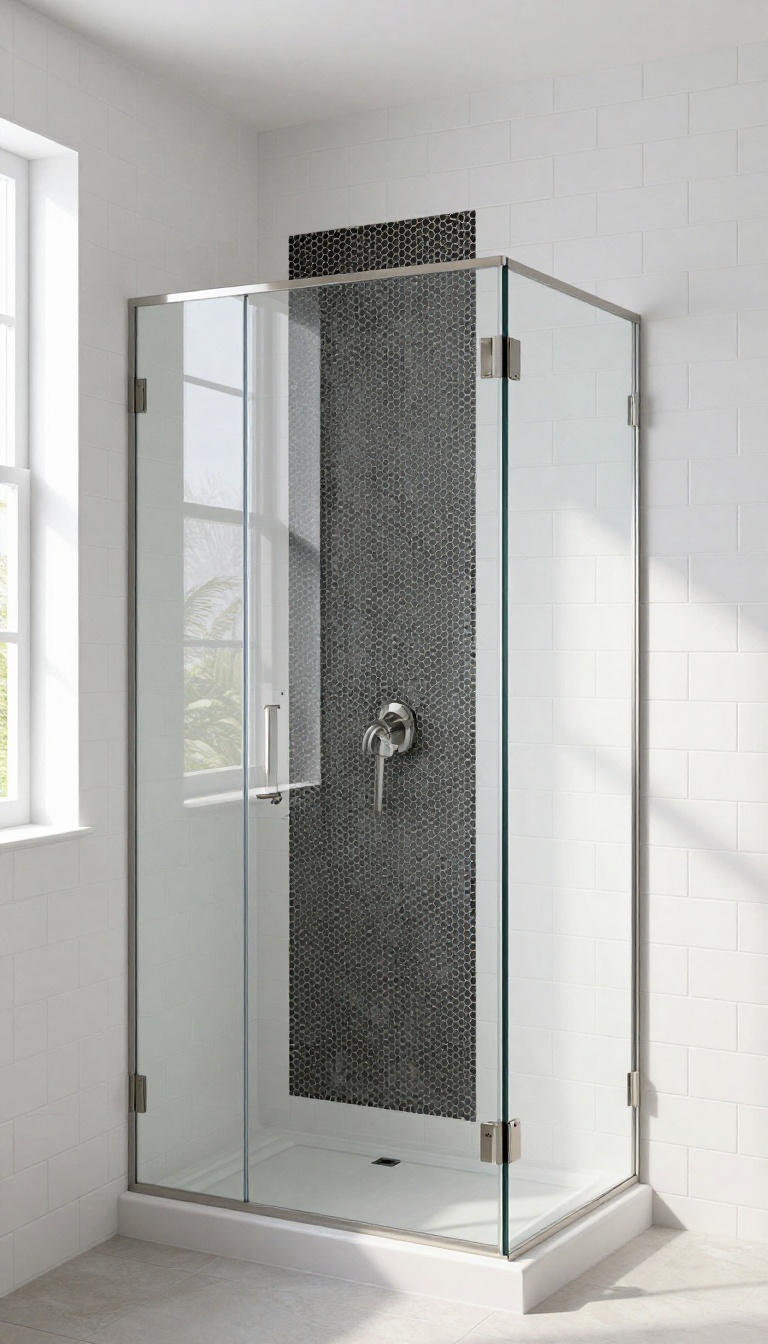
A built-in niche is one of those shower upgrades that feels luxurious but doesn't have to break the bank. When you pair it with classic subway tile, you get a clean, timeless look that also solves the age-old problem of where to put your shampoo bottles. The real trick is making the niche feel like part of the design, not an afterthought.
Start by planning the niche's size and placement. It should be tall enough for large bottles and positioned where you naturally reach—usually around chest height. The depth matters too: too shallow and bottles stick out, too deep and they get lost.
A standard depth of 3 to 4 inches works for most showers. And don't forget to slope the bottom slightly so water doesn't pool.
Contrasting Tile Inside The Niche
One of the easiest ways to make the niche stand out is to use a different tile inside. Think dark hexagon tiles against white subway, or a marble mosaic for a touch of elegance. This creates a focal point and adds depth without overwhelming the overall design.
Just make sure the contrast complements the rest of the shower.
Framing The Niche
You can also frame the niche with a pencil tile or a metal trim to give it a finished edge. This is especially helpful if you're using larger tiles that are hard to cut cleanly around the opening. A subtle frame can make the niche look intentional and polished, while a bolder frame can turn it into a design statement.
Grout And Sealing Tips
Because the niche is a wet area, use a waterproof membrane behind the tile and seal the grout regularly. Choose a grout color that either blends with the tile for a seamless look or contrasts to highlight the niche's shape. And don't forget the shelf itself—make sure it's sloped slightly so water runs off, and consider a solid surface insert for easy cleaning.
7. White Tile with a Pebble Floor
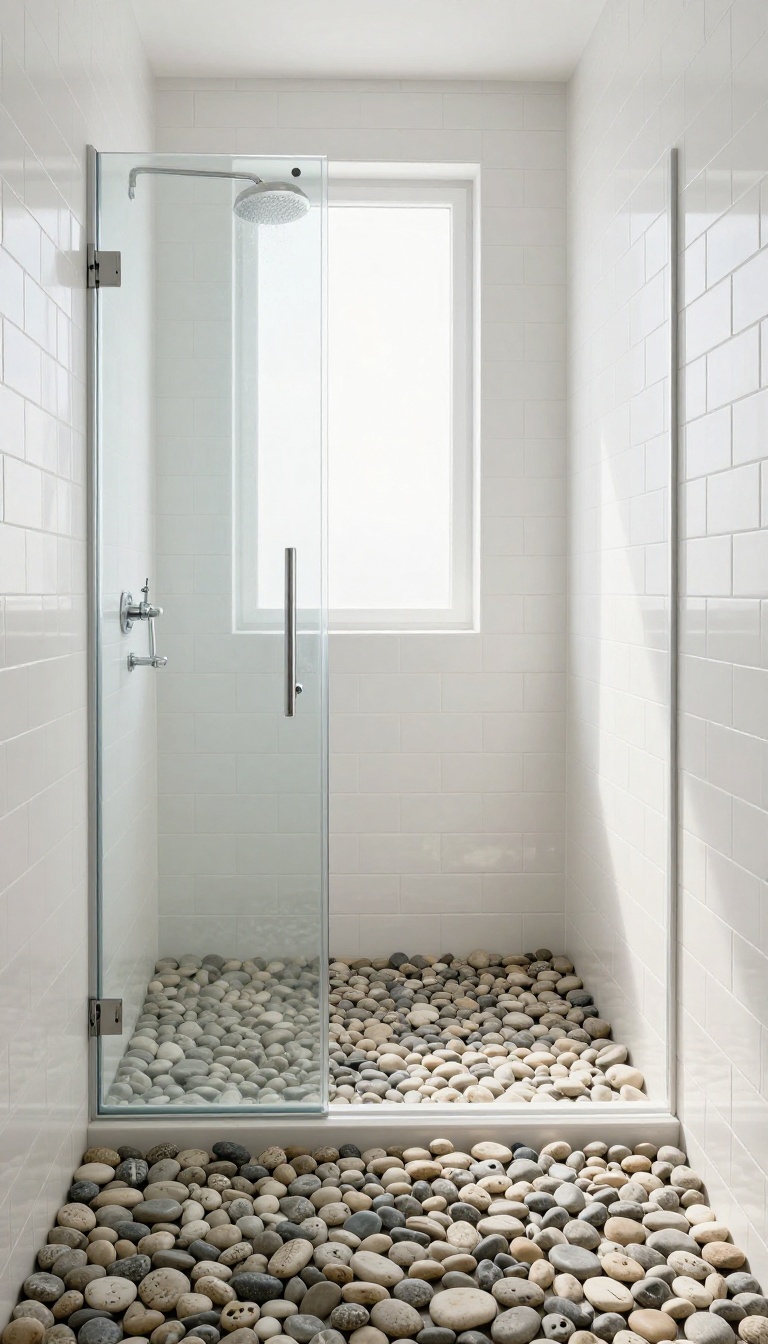
Stepping onto smooth, rounded pebbles is a completely different sensation than cold, hard tile. It’s like a mini foot massage every time you shower, and the natural texture instantly warms up the clean white walls. This pairing brings a bit of the outdoors in, creating a spa-like retreat without a major remodel.
The pebbles also serve a practical purpose: they provide excellent traction, making the floor safer when wet. Plus, the organic shapes and earthy tones break up the starkness of white tile, adding visual interest and a custom, high-end feel.
The contrast between crisp white wall tile and a pebble floor is what makes this idea shine. The pebbles add depth and a natural element that prevents the shower from feeling too clinical. You can choose from a few different pebble styles, like river rocks for a smooth, polished look or sea stones for a more textured, organic feel.
The color range goes from soft grays and browns to warmer beiges, so you can easily match your existing decor. Beyond looks, a pebble floor is a smart choice for safety. The uneven surface naturally grips your feet, reducing the risk of slips.
It’s also a great way to add a sensory experience to your daily routine—the texture underfoot is surprisingly relaxing. While the grout lines between pebbles can require a bit more attention, many modern pebble mats come pre-mounted on mesh sheets, making installation and cleaning easier than you might think.
Choosing The Right Pebble
Not all pebbles are created equal. River rocks are smooth and flat, which feels great underfoot but can be a bit slippery when wet. Sea stones, on the other hand, have a more textured surface that offers better grip.
If you want the best of both worlds, look for tumbled pebbles that are rounded but not too shiny. Also, consider the color: light gray or beige pebbles will keep the space feeling bright, while darker stones can add a dramatic contrast.
Installation Tips
Pebble floors are usually installed using mesh-backed sheets, which makes the process faster and ensures a consistent pattern. Make sure the subfloor is properly waterproofed before installation, and use a flexible thin-set mortar to accommodate the uneven shapes. After the pebbles are set, apply a grout that matches the pebbles or the wall tile to create a seamless look.
Sealing the grout and pebbles is essential to prevent staining and make cleaning easier.
Maintenance And Cleaning
The main downside of a pebble floor is the grout lines, which can trap soap scum and dirt. To keep it looking fresh, use a soft brush and a mild cleaner regularly. Avoid harsh chemicals that can damage the sealer.
A squeegee after each use helps reduce water spots. With proper care, a pebble floor can last for years and remain a beautiful, functional feature of your shower.
8. White Tile with a Black Accent Strip
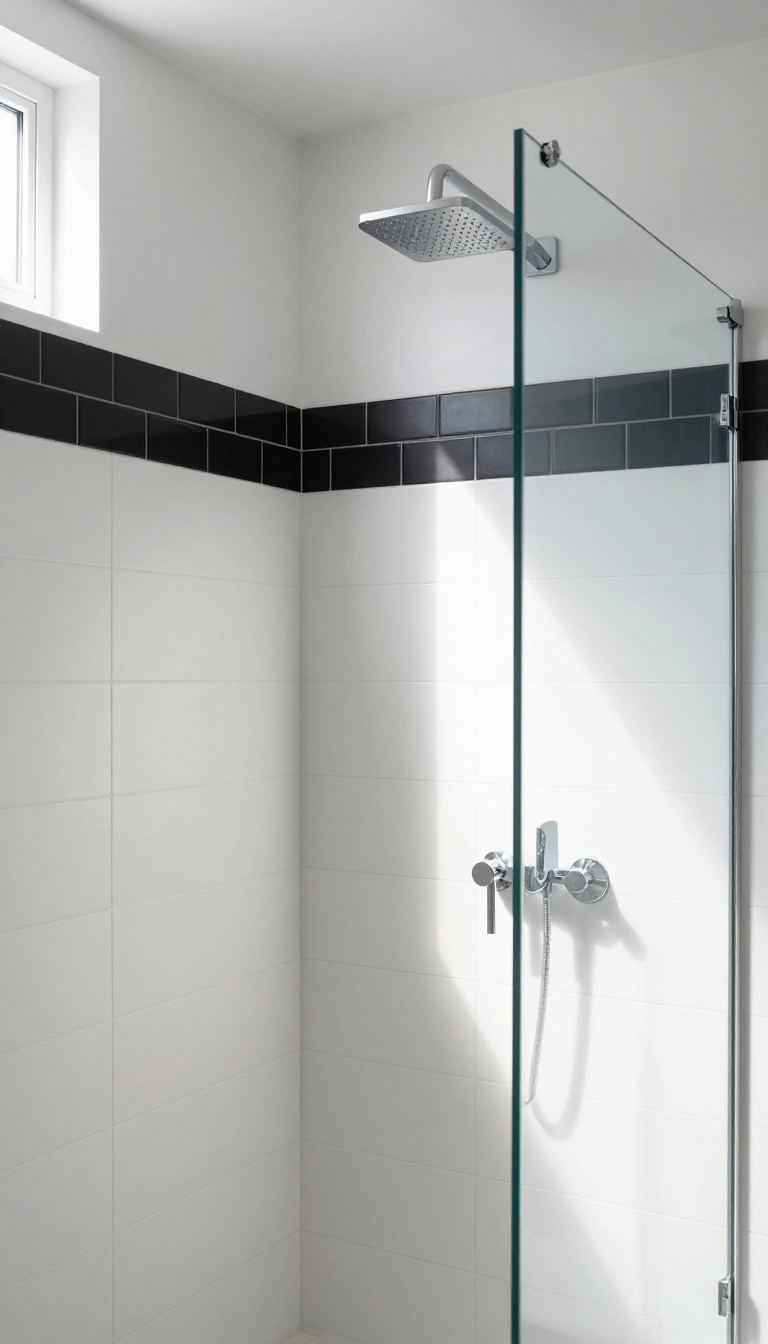
Sometimes the smallest addition makes the biggest visual impact. A single horizontal black strip across white tile can transform a plain shower into a modern statement. It’s a trick that adds a graphic, architectural element without requiring a full redesign.
This approach works with almost any tile size or layout, from classic subway to large-format slabs. The black line draws the eye and breaks up the white expanse, making the shower feel more intentional and custom. You can place it at eye level, near the ceiling, or even behind the showerhead for a subtle surprise.
Placement Ideas
The most common spot is a single strip about 4 to 6 inches wide, running horizontally at around shoulder height. But you can also try two thin strips near the top and bottom, or a single strip just below the ceiling to visually raise the height. For a bolder look, place the strip at the niche or bench level to tie the design together.
Tile Options
You don’t need a special tile for the accent—any black tile that matches the thickness of your white tile works. Matte black subway tiles are a popular choice for a subtle contrast, while glossy black adds a touch of glamour. You can also use black mosaic or pencil tiles for a thinner, more delicate line.
Grout And Contrast
To keep the focus on the strip, use a grout color that matches the tile on each side. White grout with white tile and black grout with the black strip keeps the lines clean. If you want a more industrial feel, use dark grout throughout, which will make the white tile pop and the black strip blend into a continuous dark line.
9. White Tile with a Wood-Look Accent Wall
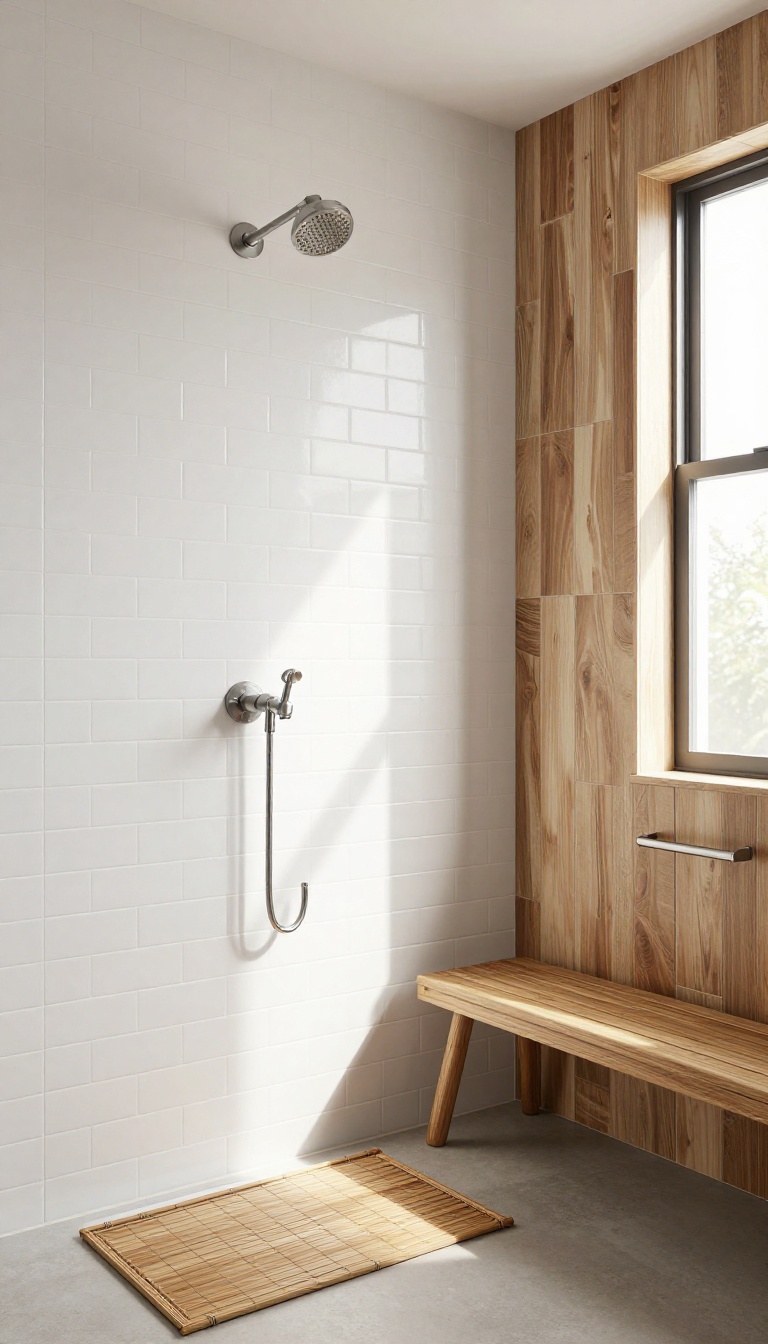
White tile showers can sometimes feel a little cold and clinical. Adding a wood-look accent wall is a simple way to warm up the space without losing that crisp, clean vibe. The natural grain and warm tones of wood-look tile bring an organic, spa-like feel that balances the brightness of white.
A wood-look accent wall is one of the easiest ways to add warmth and texture to a white tile shower. It gives you the beauty of wood without the worry of moisture damage. This idea works especially well if you want a natural, earthy aesthetic but still need something practical for a wet area.
Why Wood-look Tile Works
Wood-look tile is porcelain or ceramic that mimics real wood. It's durable, waterproof, and low-maintenance. Unlike actual wood, it won't warp, peel, or fade in a humid shower.
Plus, it comes in many shades and grain patterns, so you can find one that matches your style.
Where To Place The Accent Wall
The accent wall is usually the one behind the showerhead or the first wall you see when you step in. That way, it becomes the focal point. You can also do a half-wall or a vertical strip to keep it subtle.
If you want more impact, tile the entire wall from floor to ceiling.
Pairing With White Tile
White subway tile is a classic choice to pair with wood-look tile. The clean lines and bright color contrast nicely with the wood's texture. You can also use large-format white tiles for a more modern look.
Keep the grout light to let the wood pattern stand out.
Finishing Touches
Add a teak bench or a bamboo mat to echo the wood theme. Use brushed nickel or matte black fixtures to complement the natural tones. A glass shower door keeps the space open and lets the accent wall shine.
10. White Tile with a Glass Mosaic Border
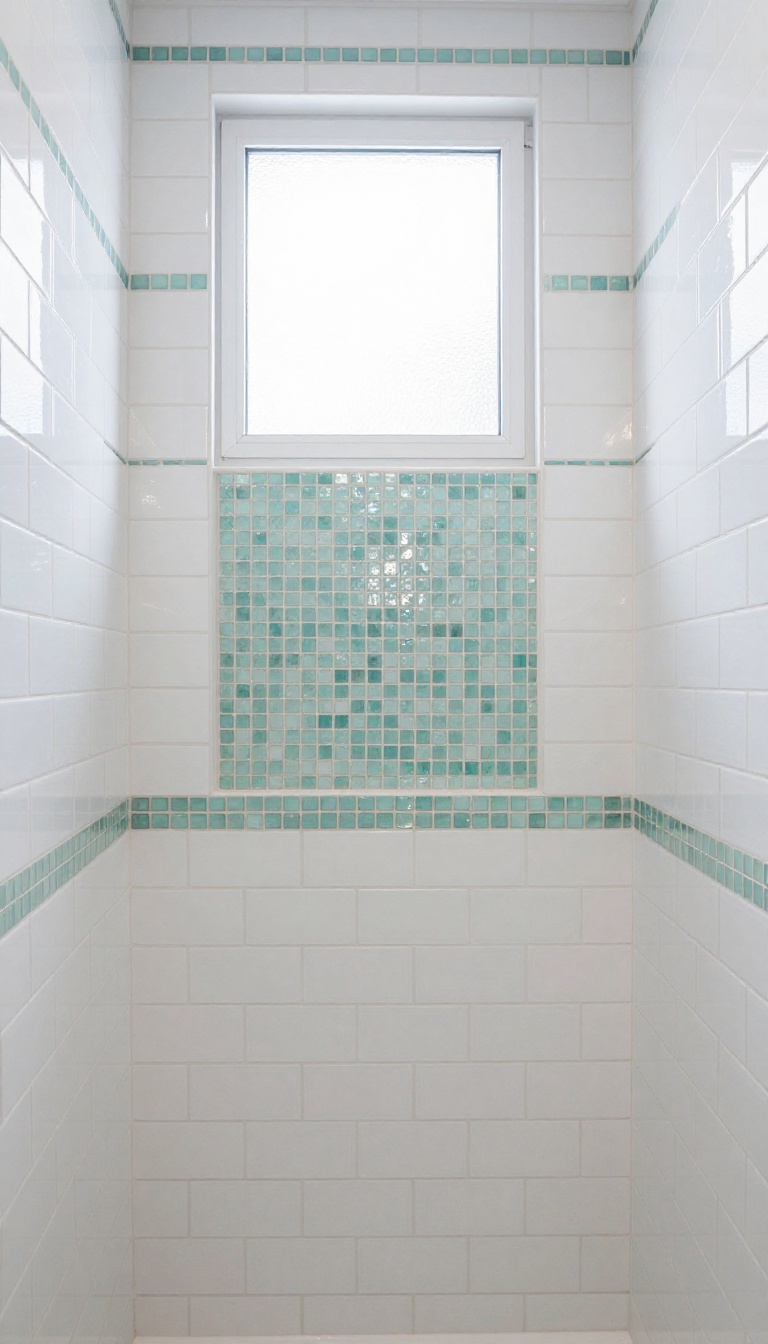
A glass mosaic border can turn a plain white tile shower into something special. The small, shiny pieces catch light and add a subtle sparkle that plain tile just can't match. Whether you place it around the shower niche or as a decorative band, it's an easy way to inject color and personality without overwhelming the space.
Glass mosaic tiles come in endless colors and finishes, so you can pick something that complements your bathroom's palette. They work beautifully as an accent in a shower niche, where they draw the eye to your shampoo bottles or a small plant. Alternatively, you can run a border horizontally around the shower at eye level to create a visual break in the white tile.
The key is to keep the border proportional—too thick and it might feel busy, too thin and it might get lost. A 1- to 2-inch strip is usually perfect.
Why Glass Mosaic Works
Glass tiles reflect light, making the shower feel brighter and more open. They're also non-porous, so they resist water and stains better than some natural stone mosaics. Plus, the variety of colors—from soft blues to bold greens—lets you customize the look to match your bathroom's vibe.
Placement Ideas
The most popular spot is inside the shampoo niche, either as a full back panel or as a thin frame around the edges. Another option is to create a horizontal band that wraps around the shower, perhaps at the same height as the showerhead or soap dish. You could also use a mosaic strip just below the ceiling for a subtle crown effect.
Installation Tips
When installing a glass mosaic border, make sure the surface is perfectly flat to avoid lippage. Use a white thin-set adhesive to prevent the tile color from showing through. And always seal the grout to protect against moisture, especially if you choose a light-colored grout.
11. White Tile with a Linear Drain
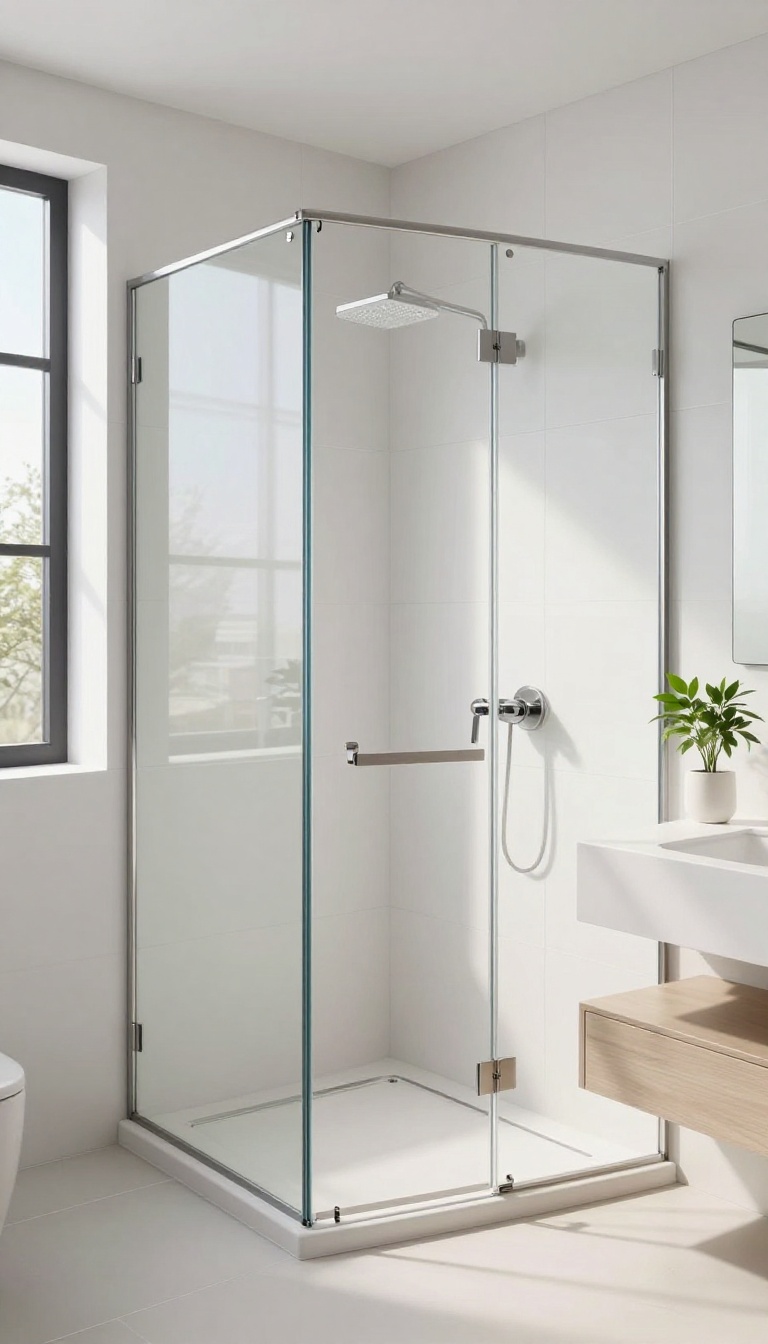
A linear drain is a game-changer for anyone who wants a shower that feels open and modern. Instead of a traditional center drain, this long, narrow channel sits along one edge, letting water flow out evenly. Paired with white tile, it creates a clean, uninterrupted surface that looks sleek and intentional.
The real beauty of a linear drain is that it allows for a curbless shower. Without a step to trip over, the space feels larger and more accessible. It also makes cleaning easier—no more scrubbing around a bulky drain cover.
Plus, the continuous tile surface looks stunning, especially with large-format white tiles that minimize grout lines.
Why A Curbless Shower Feels Bigger
Removing the curb opens up the entire bathroom. The floor becomes one continuous plane, which visually expands the space. This is especially helpful in smaller bathrooms where every inch counts.
It also makes the shower easy to enter, which is great for aging in place or for families with young kids.
Choosing The Right Tile For The Look
Large-format white tiles, like 12×24 or 24×48 inches, work best with a linear drain. Fewer grout lines mean a cleaner, more seamless appearance. If you want a bit of texture, consider a matte finish or a subtle wood-look tile in white.
Just make sure the tile has a high slip resistance rating for safety.
Installation Tips To Get It Right
Proper slope is key with a linear drain. The floor should pitch slightly toward the drain to ensure water flows efficiently. Work with a professional who has experience with this type of system.
Also, plan the drain placement early—usually along the back wall or at the entrance—so the tile layout looks intentional.
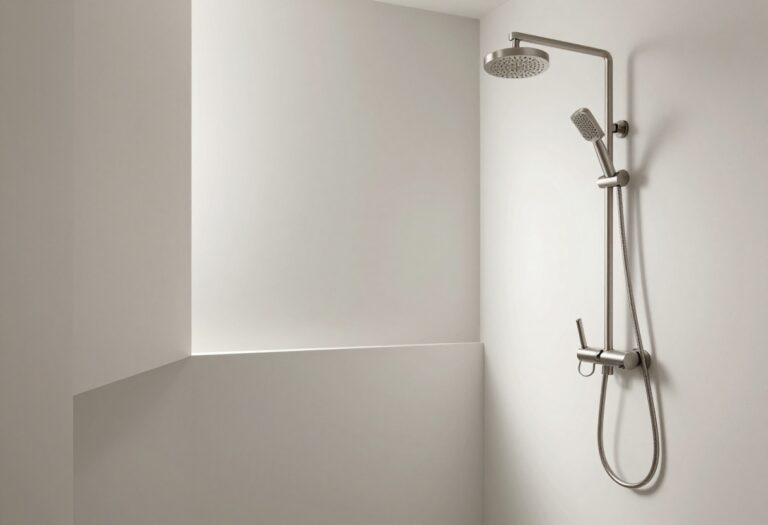
12. White Tile with a Ceiling Showerhead
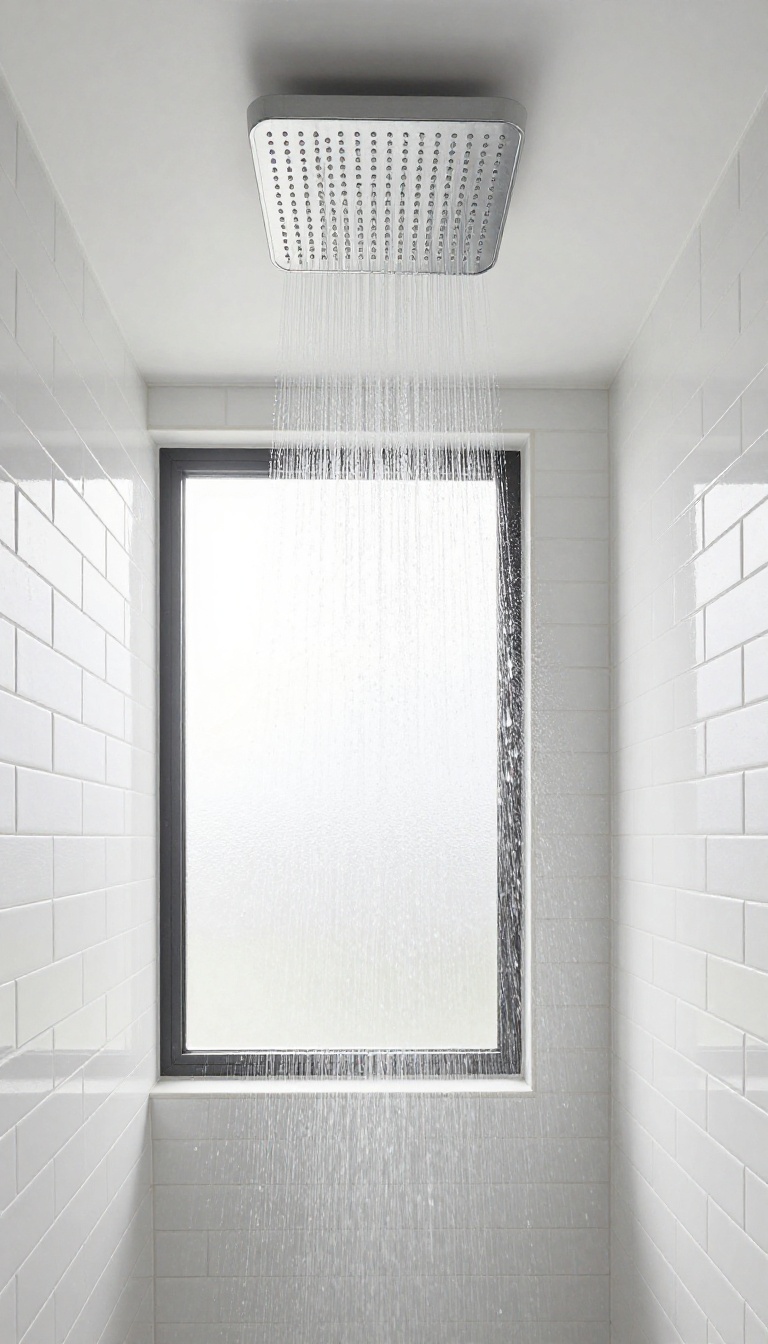
There's something undeniably indulgent about stepping into a shower where the water seems to fall from nowhere, like a warm summer rain. A ceiling-mounted rain showerhead transforms the everyday routine into a mini-retreat, and white tile is the perfect backdrop for it. The clean, simple surface lets the water feature take center stage, making the whole experience feel more luxurious without adding visual clutter.
Pairing white tile with a ceiling showerhead is a design choice that prioritizes both comfort and style. The white tile keeps the space bright and airy, while the overhead water flow adds a sense of calm and sophistication. It's a combination that works in both modern and traditional bathrooms, and it's surprisingly easy to achieve with the right planning.
Why White Tile Works Best
White tile acts as a neutral canvas, allowing the showerhead to become the focal point. Unlike patterned or colored tile, white doesn't compete for attention. Instead, it reflects light and makes the water droplets glisten, enhancing the visual appeal.
Plus, white tile is timeless, so you won't have to worry about the design feeling dated in a few years.
Choosing The Right Ceiling Showerhead
Not all rain showerheads are created equal. Look for one with a wide diameter (at least 8 inches) for that immersive downpour effect. Also, consider the flow rate and whether you want additional features like adjustable spray patterns or LED lighting.
Since it's mounted on the ceiling, make sure it's installed by a professional to avoid leaks and ensure proper water pressure.
Installation And Practical Tips
The key to a successful ceiling showerhead is proper planning. You'll need to run the water supply lines through the ceiling, which is easier during new construction or a full remodel. If you're retrofitting, expect some drywall work.
Also, think about the height of the ceiling—if it's too high, the water might lose pressure before it reaches you. A shower valve with a diverter can let you switch between the ceiling head and a handheld option for flexibility.
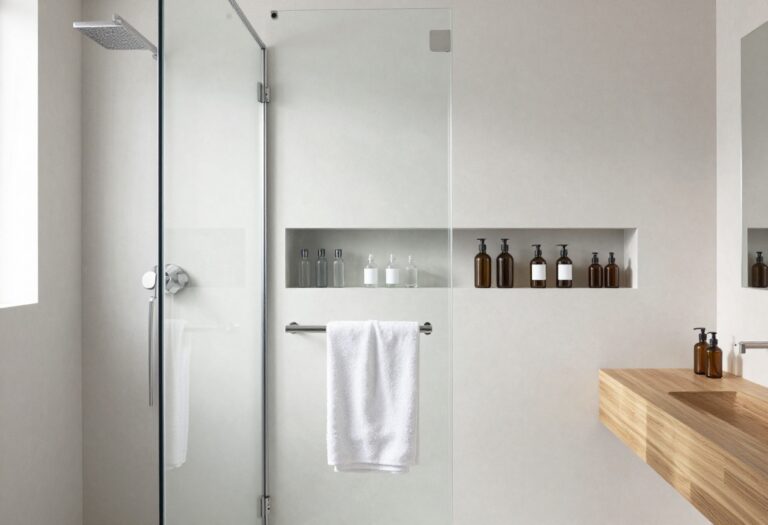
13. White Tile with a Frameless Glass Enclosure
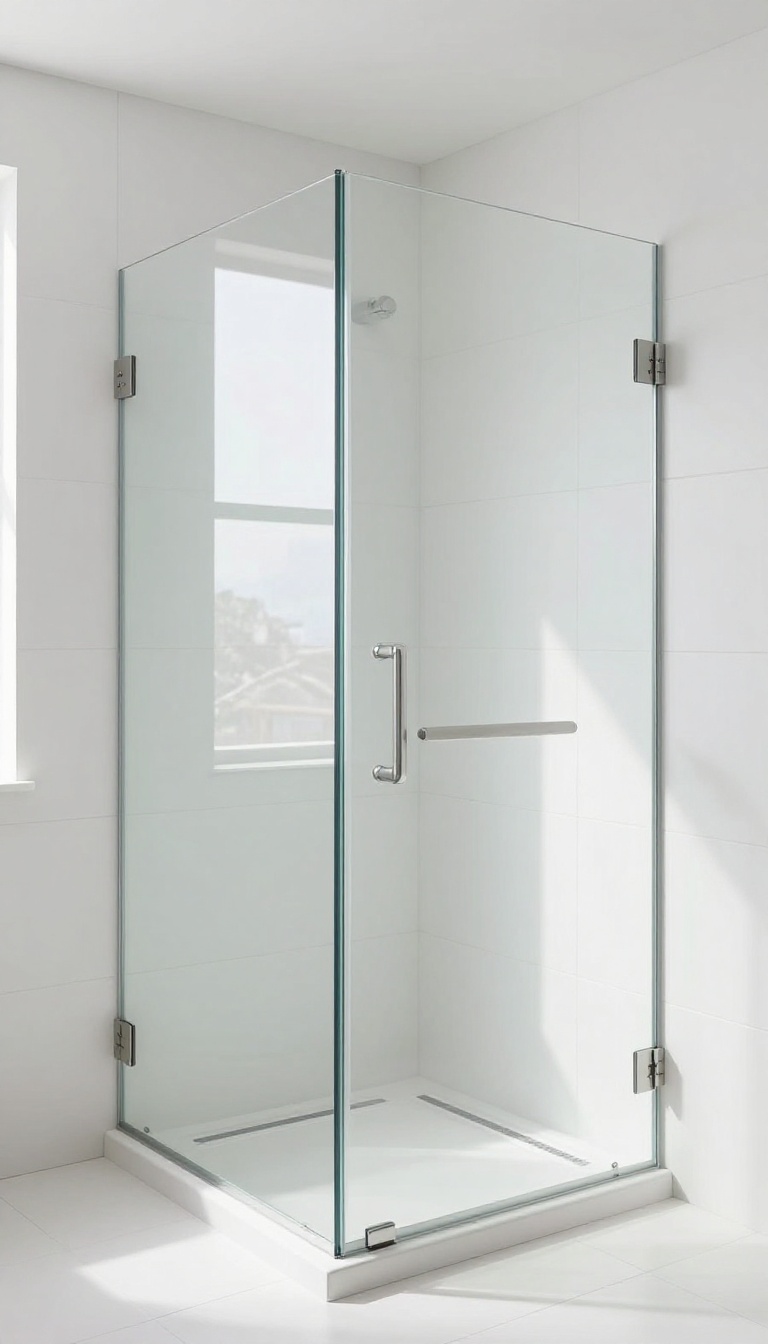
A frameless glass enclosure does more than just keep water in—it lets your tile work shine. With no bulky frame or visual barriers, the eye travels straight to the white tile, making the pattern and texture the star. This setup also makes the shower feel larger and more open, which is a huge win for smaller bathrooms.
Choosing a frameless glass door means you’re committing to a clean, modern look that pairs beautifully with white tile. The lack of metal framing reduces visual clutter, so the tile’s layout, whether it’s classic subway or large-format, becomes the focal point. Plus, the glass reflects light, brightening the entire space and making it feel airy.
Why Frameless Works With White Tile
White tile already gives a sense of cleanliness and space. Adding a frameless glass enclosure amplifies that by removing any heavy visual elements. The glass acts like a window, letting the tile pattern extend visually beyond the shower, which is especially effective in tight bathrooms.
It also makes cleaning easier—no metal tracks to scrub, just the glass and tile.
Design Tips For A Seamless Look
To get the most out of this style, keep the hardware minimal—think slim hinges and a simple handle in brushed nickel or matte black. Use clear glass with a low-iron content to avoid a green tint, which can dull the white tile. Also, consider a linear drain or a flush threshold to create a barrier-free entry that feels even more open.
Installation And Care Considerations
Frameless glass is heavier and requires precise installation to ensure it’s secure and watertight. It’s worth hiring a professional who specializes in glass shower enclosures. For maintenance, use a squeegee after each shower to prevent water spots, and clean with a mild glass cleaner to keep the glass crystal clear.
This way, your white tile stays the hero of the space.
14. White Tile with a Built-In Bench
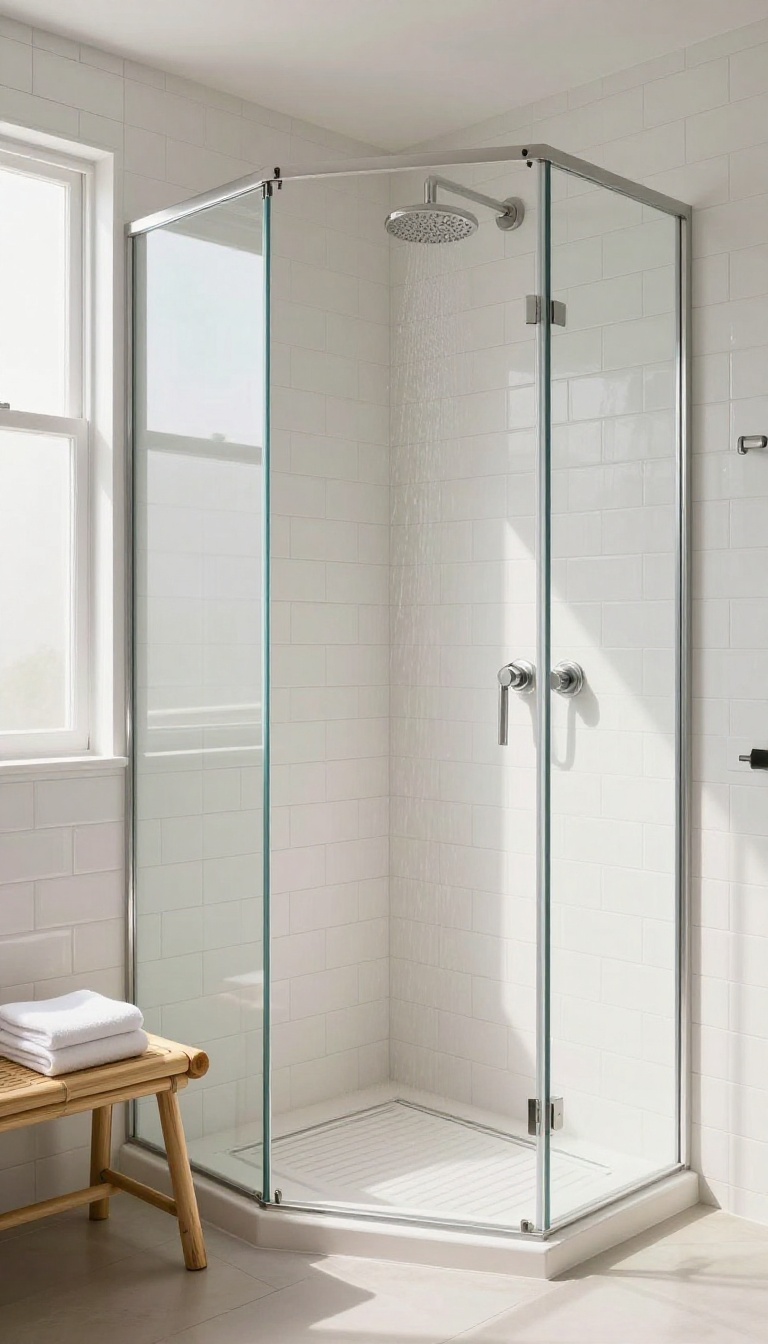
A built-in bench is one of those features that instantly makes a shower feel more like a spa. It gives you a place to sit, prop a foot up for shaving, or just rest a shampoo bottle. And when you cover it in the same white tile as the walls, it blends in seamlessly while adding a subtle architectural break.
Adding a bench isn't just about comfort—it also breaks up the monotony of a full wall of white tile. The horizontal surface creates a natural visual pause, and you can use it to introduce a contrasting accent tile on the bench top or keep everything monochromatic for a clean, continuous look. Either way, it adds function and style without overwhelming the space.
Choosing The Right Bench Style
You have a few options when it comes to built-in benches. A corner bench saves space and fits neatly into the shower footprint, while a full-width bench along one wall offers more seating and storage. Think about how you'll actually use it—if you want to sit and relax, a deeper bench is better; if it's mainly for resting toiletries, a shallower ledge works fine.
Tile And Grout Considerations
For the bench itself, use the same large-format white tile as the walls to keep the look seamless, or choose a slightly different texture—like a matte finish or a subtle mosaic—to add interest. Make sure the bench slopes slightly toward the drain so water doesn't pool, and use a grout that's easy to clean. Epoxy grout is a great choice here because it resists stains and moisture.
Placement And Layout Tips
Position the bench where it won't interfere with the shower door or the flow of water. A common spot is opposite the showerhead, so you can sit facing the spray. If you have a niche, coordinate the bench and niche placement to create a balanced composition.
And don't forget to account for the bench in your waterproofing—it should be part of the shower pan liner or covered with a waterproof membrane.
15. White Tile with a Contrasting Ceiling
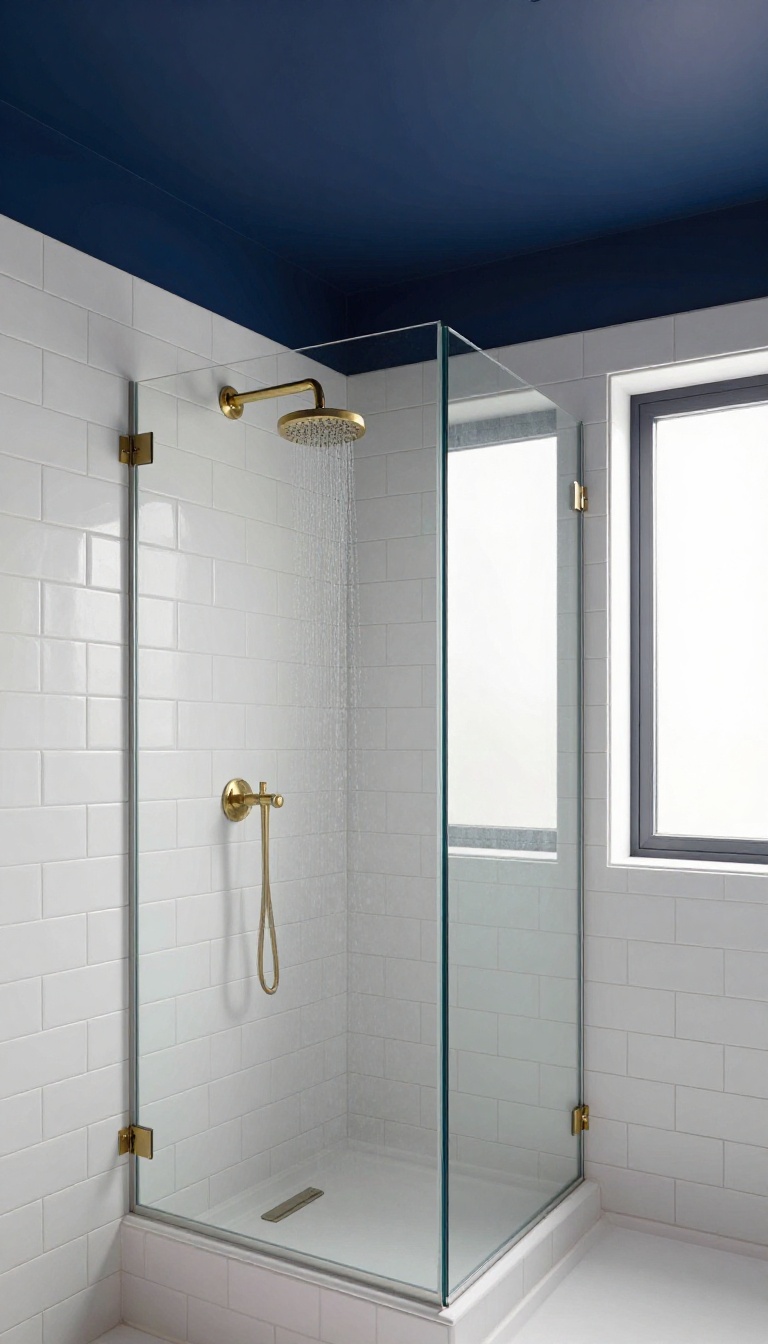
Most showers stop at the walls, leaving the ceiling as an afterthought. But that fifth surface is prime real estate for a bold move—especially when your tile is white and craving a little drama. A contrasting ceiling draws the eye upward, making the space feel taller and more intentional.
Painting the ceiling a deep color like navy, charcoal, or forest green instantly adds depth without overwhelming the white tile. Or, take it a step further with a different tile—maybe a warm wood-look plank or a glossy black mosaic—for a tactile surprise. Either way, the contrast creates a custom feel that’s easy to achieve and budget-friendly.
Why It Works
White tile reflects light and keeps things airy, but a bold ceiling anchors the space and gives it personality. It also visually raises the ceiling height, especially if you paint the walls and ceiling the same color—the eye reads the continuous surface as taller.
Color And Material Ideas
For a classic look, try a deep navy or black paint with a matte finish. If you prefer texture, consider a wood-look tile or a metallic mosaic for a touch of glam. Just make sure the material is rated for wet areas and sealed properly.
Installation Tips
If you’re tiling, use a good quality thinset and waterproofing membrane. For paint, choose a moisture-resistant formula and apply a primer first. Don’t forget to protect the walls and floor from drips—this is a messy job but worth it.
FAQ
What is the best white tile for a shower?
The best white tile depends on your style and maintenance preferences. Subway tile is classic and affordable, while large-format tiles minimize grout lines for easier cleaning. Porcelain and ceramic are durable and water-resistant, making them ideal for showers.
How do I make a small white tile shower look bigger?
Use large-format tiles to reduce grout lines, which creates a seamless look. Also, consider a glass enclosure instead of a curtain, and keep the tile pattern simple to avoid visual clutter.
Should I use white tile in a shower with hard water?
White tile can show water spots more easily, but using a squeegee after each shower and choosing a matte finish can help. Also, consider a water softener to reduce mineral buildup.
What grout color goes best with white tile?
White grout creates a seamless look, while gray or dark grout adds contrast and hides stains. Choose a grout color that complements your bathroom's overall design.
Can I mix white tile with other colors in the shower?
Absolutely. White tile is a versatile base that pairs well with accent tiles in black, wood-look, or glass mosaic. Use accents in niches, borders, or as a feature wall to add interest.
Conclusion
White tile showers are all about balance—clean lines, smart layout choices, and just enough texture to keep things interesting. Whether you go bold with a checkerboard floor or keep it simple with large-format slabs, the key is picking one focal point and building around it. Start with the area that bothers you most, and let that guide your material and grout choices.
A little planning goes a long way toward a shower that feels crisp, custom, and easy to live with. Choose what fits your routine, and you’ll love the result.