25 Carpet Cleaning Hacks for Stains and Hidden Dirt
Your carpet takes a beating every single day. Foot traffic, spills, pet accidents, and tracked-in dirt all settle deep into the fibers, often hiding where you least expect them. The good news?
You don't need expensive steam cleaners or harsh chemicals to fix it. These 25 carpet cleaning hacks target everything from stubborn red wine stains to lingering pet odors using everyday household items.
Each trick is practical, tested, and designed to save you time while delivering visible results. Say goodbye to hidden dirt and hello to fresher, cleaner carpets without the hassle.
1. Blot, Don't Rub – The Golden Rule
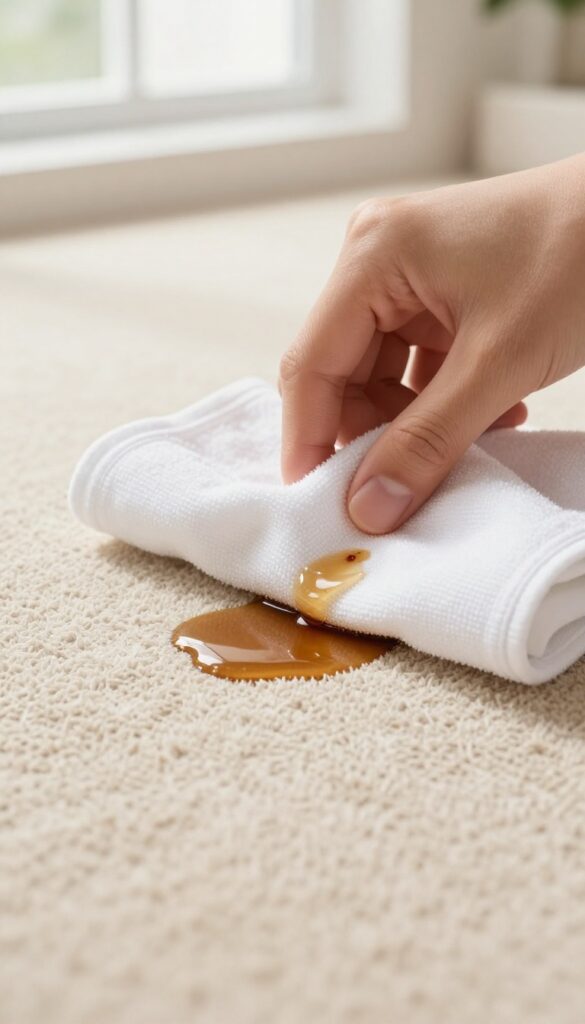
When a spill happens, your first instinct might be to grab a paper towel and scrub like crazy. But that's exactly what turns a small mess into a permanent stain. Rubbing grinds the liquid deeper into the carpet fibers and can damage the texture.
The smarter move is to blot—gently press a clean cloth or paper towel onto the spill to soak up as much liquid as possible. Repeat with fresh areas of the cloth until no more moisture transfers. It's simple, but it makes all the difference.
Blotting works because it lifts the stain out rather than forcing it in. For fresh spills, act fast. Place a clean white cloth or paper towel over the stain and press down firmly.
Don't rub or scrub. Lift the cloth and check the stain. If it's still there, move to a clean section of the cloth and repeat.
Keep going until the stain stops transferring. For thicker spills like mud or sauce, first scrape off any solids with a spoon or dull knife, then blot the rest. This method works on almost any stain and is the foundation for all the hacks that follow.
Why Rubbing Makes It Worse
Rubbing pushes the stain molecules deep into the carpet backing, where they become nearly impossible to remove. It also frays the fibers, leaving a fuzzy, worn spot. Even if you manage to lift some of the color, the texture damage is permanent.
Blotting, on the other hand, uses capillary action to draw the liquid upward into the cloth. It's gentler on the carpet and far more effective.
The Best Tools For Blotting
White cloths are ideal because they won't bleed dye onto your carpet. Old white t-shirts or microfiber towels work great. Avoid colored or printed fabrics.
Paper towels are fine for quick jobs, but they can leave lint behind. For large spills, use a stack of paper towels or a clean, absorbent towel. Always have a few on hand near areas where spills are likely.
When Blotting Isn't Enough
Some stains, like red wine or coffee, may leave a residue even after thorough blotting. That's when you move to a cleaning solution. But blotting first is still critical—it removes the bulk of the stain, so the cleaner can work on what's left.
Think of blotting as the first line of defense. It reduces the workload for whatever comes next.
2. Baking Soda + Vinegar for Tough Odors
Some smells just cling to carpet fibers, no matter how many times you vacuum. Pet urine, spilled milk, or even a forgotten cup of coffee can leave behind a stubborn odor that seems impossible to remove. That’s where the classic duo of baking soda and vinegar comes in—it doesn’t just mask smells, it actually neutralizes them at the source.
Plus, the fizzy reaction helps lift ground-in dirt that regular cleaning misses.
How The Fizz Works
When baking soda (a base) meets vinegar (an acid), they create carbon dioxide bubbles. This reaction helps loosen dirt and grime from deep within the carpet fibers. The baking soda also absorbs odors, while the vinegar breaks down residue.
Together, they tackle both the smell and the cause.
Step-by-step Application
Start by blotting up any liquid or scraping away solids. Sprinkle a generous layer of baking soda over the affected area and let it sit for 15 minutes to absorb moisture and odor. Then, fill a spray bottle with equal parts white vinegar and water, and mist it over the baking soda until it fizzes.
Wait for the fizzing to stop (about 5–10 minutes), then blot the area with a clean cloth. Repeat if needed, then let it dry completely.
When To Skip This Method
This hack works best on synthetic carpets like nylon or polyester. Avoid using it on wool or silk carpets, as vinegar can damage natural fibers. Also, test in an inconspicuous spot first to make sure the color doesn’t fade.
For really old or set-in odors, you might need to repeat the process a few times.
3. Shaving Cream for Grease Stains
Grease stains from cooking oil, butter, or salad dressing can be some of the toughest to remove from carpet. They spread quickly and leave a dark, oily mark that seems impossible to lift. But there’s a surprising hero in your bathroom cabinet: shaving cream.
The foam is designed to break down oils on skin, and it works just as well on carpet fibers.
Shaving cream is a gentle yet effective degreaser that doesn't contain the harsh solvents found in many commercial carpet cleaners. Its foamy texture helps lift grease from deep within the fibers without soaking the backing of the carpet, which can lead to mold or mildew. Plus, it’s safe for most carpet types and leaves behind a fresh, clean scent.
How To Apply Shaving Cream To Grease Stains
Start by blotting up any excess grease with a paper towel. Don’t rub—that pushes the stain deeper. Then, spray a generous amount of shaving cream directly onto the stain.
Use your fingers or a soft brush to work the foam into the fibers gently. Let it sit for 5 to 10 minutes so the ingredients can break down the oil. Finally, blot the area with a clean, damp cloth until the shaving cream and stain are gone.
Repeat if necessary.
Why Shaving Cream Works So Well
Shaving cream contains surfactants—compounds that reduce surface tension and help lift oil away from fibers. It also has a neutral pH, so it won’t damage or discolor your carpet. Unlike dish soap or laundry detergent, shaving cream produces a stable foam that doesn’t leave a sticky residue.
That means less rinsing and faster drying.
Tips For Best Results
Always test shaving cream on a hidden area of your carpet first to check for colorfastness. Use a white or light-colored shaving cream to avoid adding any dyes to the stain. For old, set-in grease stains, let the shaving cream sit for up to 30 minutes before blotting.
If the stain persists, mix a little baking soda into the shaving cream to create a gentle abrasive paste.
4. Hydrogen Peroxide for Red Wine
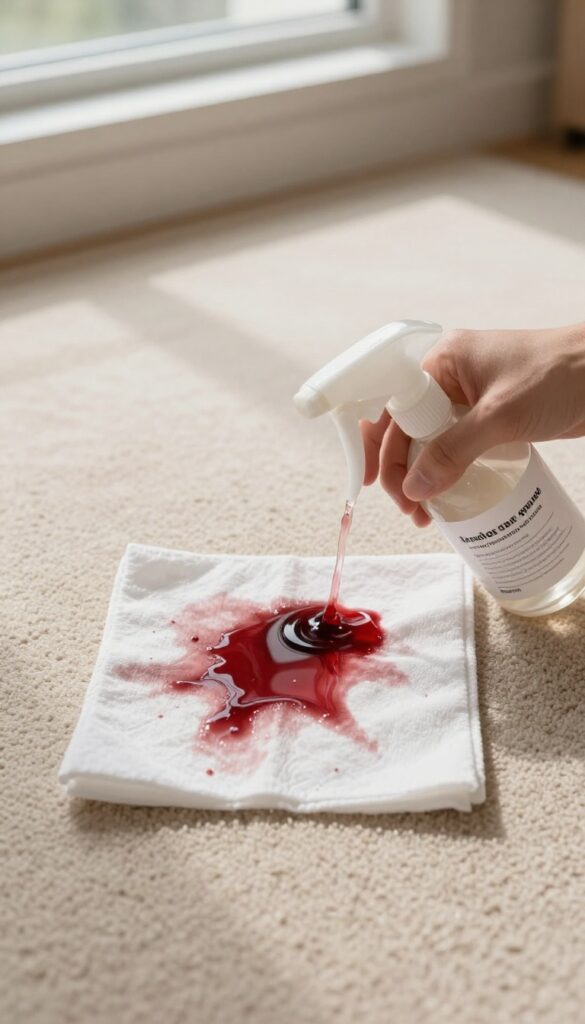
Red wine on a light carpet can feel like a disaster, but hydrogen peroxide is a surprisingly effective remedy. It works by breaking down the pigments in the wine without the need for harsh scrubbing. Just remember to test it on a hidden spot first, as it can lighten some fibers.
Mix one part hydrogen peroxide (3%) with one part dish soap. Blot the stain with a clean cloth to remove excess wine, then apply the mixture with a spray bottle or sponge. Let it sit for 10–15 minutes, then blot again.
Repeat if needed. The stain should lift away with each application.
Why It Works
Hydrogen peroxide is a mild bleach that oxidizes organic compounds, including the tannins in red wine. Dish soap helps lift the stain from the fibers, making the combination more effective than either alone.
Safety First
Always test on an inconspicuous area, especially on dark or delicate carpets. Wait for the test spot to dry completely to check for color change. Avoid using on wool or silk carpets, as hydrogen peroxide can damage protein fibers.
Pro Tips
Use a white cloth to blot so you can see the stain transfer. Don't rub, as it spreads the wine deeper. For set-in stains, let the mixture sit longer, but keep it damp to avoid drying out.
5. Ice Cube Trick for Furniture Dents
That ugly dent left by a heavy sofa or table leg doesn't have to be permanent. You can actually use an ice cube to bring those flattened carpet fibers back to life. It's a simple, low-effort trick that works surprisingly well on most carpet types.
How It Works
Place one or two ice cubes directly into the dent and let them melt completely. The water slowly saturates the compressed fibers, allowing them to swell and regain their original shape. After the ice has melted (usually 30 minutes to an hour), blot up any excess moisture with a clean cloth.
Fluffing The Fibers
Once the area is damp but not soaking, use a fork or a stiff-bristled brush to gently fluff the fibers. Work in a circular motion, lifting the carpet pile upward. You'll see the dent start to disappear as the fibers separate and stand up again.
When To Use This Trick
This hack works best on synthetic carpets like nylon or polyester. For wool or delicate natural fibers, test a small hidden area first. It's also ideal for shallow dents that haven't been compressed for years.
Deeper, older dents may need a second treatment or a steam iron approach.
6. Dish Soap + Warm Water for General Stains
Not every stain calls for a specialty cleaner. In fact, most everyday spills—coffee, juice, soda, or light mud—can be handled with a simple mix of dish soap and warm water. The key is using the right technique so you don't spread the stain or push it deeper into the fibers.
This gentle solution works on synthetic and wool blends alike, making it a go-to for quick cleanups.
Why Dish Soap Works So Well
Dish soap is designed to cut through grease and lift food particles, which makes it perfect for breaking down the oils and sugars in many common stains. It's also mild enough not to damage carpet fibers or fade colors. A few drops go a long way—you don't need a lot to get results.
How To Mix And Apply The Solution
Fill a spray bottle with warm water and add about a teaspoon of dish soap. Shake gently to combine, then spray the stained area lightly—don't soak it. Let the solution sit for a minute to loosen the stain, then blot with a clean white cloth.
Repeat until the stain lifts, then rinse by spraying plain water and blotting again.
Drying And Final Touches
After rinsing, press a dry towel over the area to absorb as much moisture as possible. Place a stack of paper towels on top and weigh them down with a heavy object for a few hours. This prevents wicking, where leftover moisture brings dirt back to the surface.
Once dry, vacuum to restore the carpet's texture.
7. Club Soda for Fresh Spills
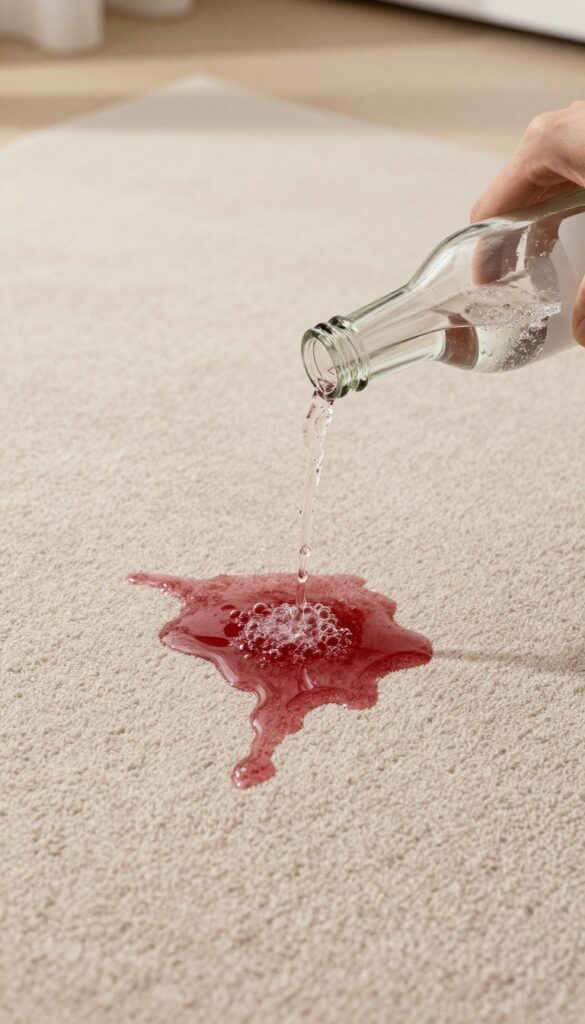
Club soda isn't just a drink—it's a carpet cleaner in disguise. The carbonation helps lift fresh spills from fibers before they set. Keep a bottle in your pantry for quick action.
When a spill happens, grab club soda immediately. Pour it directly onto the stain until the area is saturated. Let it fizz for a few seconds—the bubbles work to separate the stain from the carpet fibers.
Then blot with a clean white cloth, pressing firmly to absorb the liquid. Repeat until the stain lifts. This works best on fresh spills like wine, coffee, or juice.
Why Club Soda Works
The carbonation in club soda creates tiny bubbles that help loosen dirt and stains from carpet fibers. The salt content also helps absorb moisture, making blotting more effective. Unlike plain water, the bubbles provide a gentle mechanical action that lifts particles without scrubbing.
Step-by-step Application
First, blot the spill with a dry cloth to remove excess liquid. Then pour club soda over the stain—enough to cover it completely. Let it sit for 30 seconds.
Blot again with a clean cloth, pressing down firmly. Repeat until the stain is gone. Avoid rubbing, which can push the stain deeper.
When To Skip This Hack
Club soda is best for fresh, water-based spills. Avoid using it on set-in stains or on carpets that are sensitive to moisture, like wool or antique rugs. For dried stains, try a different method first.
8. Cornstarch for Greasy Spots
Grease stains from cooking oil, butter, or salad dressing can be some of the toughest to remove from carpet. Before you reach for a harsh solvent, try this simple pantry staple. Cornstarch works like a charm because it absorbs oil before it has a chance to set deep into the fibers.
Cornstarch is a gentle, effective way to lift fresh grease stains without scrubbing or spreading the mess. It's also safe for all carpet types and won't bleach or discolor the fibers. For best results, act quickly while the grease is still wet.
How To Apply Cornstarch
Blot up any excess grease with a paper towel first. Then sprinkle a generous layer of cornstarch directly over the stain. Use enough to completely cover the spot—about a quarter-inch thick.
Let it sit for at least 15 minutes so the powder can absorb the oil.
Vacuuming And Checking Results
After the waiting period, vacuum up the cornstarch thoroughly. If the stain is still visible, repeat the process. For older or stubborn grease marks, you can let the cornstarch sit for up to an hour.
Follow up with a mild dish soap solution if needed, but usually the cornstarch does the job alone.
Why Cornstarch Works Better Than Baking Soda
Both are absorbent, but cornstarch has a finer texture that clings to oily residues more effectively. It doesn't leave a gritty residue behind and is less likely to cause cloudiness on dark carpets. Plus, it's odorless and won't interfere with any carpet fresheners you might use later.
9. Rubbing Alcohol for Ink Stains
Ink stains from a runaway pen or a leaky marker can look permanent, but rubbing alcohol makes quick work of them. The alcohol breaks down the pigments in the ink, lifting them out of the carpet fibers without spreading the stain further. This hack works on both ballpoint and permanent marker stains, and it's one of the most reliable methods you can try.
Start by blotting the stain with a dry paper towel to remove any excess ink. Then, dampen a cotton ball or clean cloth with rubbing alcohol (70% or higher is best) and gently dab the stain. You'll see the ink transfer to the cotton ball.
Continue dabbing with fresh cotton until no more ink comes up. Finally, blot the area with a damp cloth to remove any alcohol residue, then let it air dry.
Why Rubbing Alcohol Works So Well
Rubbing alcohol is a solvent that dissolves the dyes and pigments in ink. Unlike water, which can make ink spread, alcohol helps lift the stain from the fibers without pushing it deeper. It evaporates quickly, so you're less likely to damage the carpet backing or create a wet spot that attracts dirt.
Step-by-step: Removing Ballpoint Ink
For ballpoint pen stains, place a paper towel under the stained area to catch the ink as it lifts. Dab the stain with a rubbing alcohol-soaked cotton ball, working from the outside in to prevent spreading. Replace the paper towel underneath as needed.
Once the stain is gone, rinse with a little water and blot dry.
Dealing With Permanent Marker Stains
Permanent marker can be trickier, but rubbing alcohol still does the job. Soak a cotton ball thoroughly and press it onto the stain for a few seconds to let the alcohol penetrate. Blot firmly, and repeat until the stain fades.
You may need to do several rounds. Finish by rinsing and blotting dry.
10. Salt for Red Wine (Alternative)
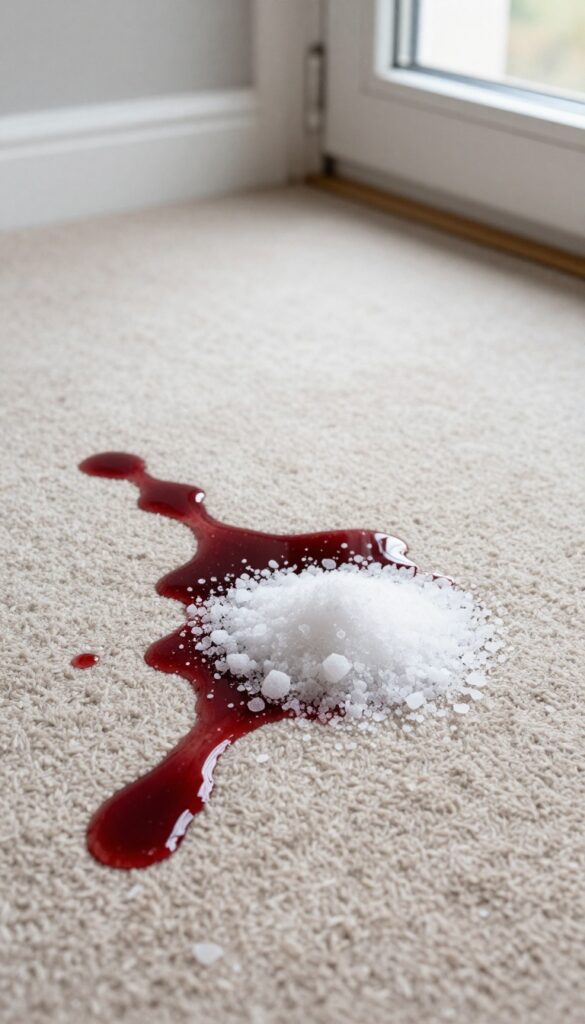
If red wine meets your carpet, don't panic. Reach for the salt shaker instead of a fancy stain remover. Salt acts like a sponge, pulling the liquid up from the fibers before it has a chance to set.
This trick works best when you catch the spill immediately, but even dried stains can improve with a little patience.
Salt is a lifesaver for red wine spills because it absorbs the liquid before the stain bonds with the carpet fibers. The key is to act fast and use enough salt to cover the spill completely. Once the salt turns pink, vacuum it up and repeat if needed.
For stubborn residue, a vinegar solution can break down what's left.
Blot First, Then Pour
Start by blotting the spill with a clean cloth to remove as much wine as possible. Don't rub—that pushes the stain deeper. Then pour a generous layer of salt directly onto the wet area, making sure it's completely covered.
Let it sit for at least 10 minutes to absorb the wine.
Vacuum And Repeat If Needed
Vacuum up the salt once it's soaked up the wine. If the stain is still visible, repeat the process with fresh salt. For older stains, dampen the area slightly with water first to reactivate the wine, then apply salt.
Finish With A Vinegar Rinse
Mix one part white vinegar with two parts water and lightly spray the area. Blot with a clean cloth to lift any remaining color. Vinegar neutralizes the wine's pigments and helps restore the carpet's original shade.
Let it air dry completely.
11. White Vinegar for Pet Urine
Pet urine can be one of the toughest challenges for carpet owners. The smell lingers, and the stain sets in fast. White vinegar is a simple, natural solution that tackles both the odor and the discoloration without harsh chemicals.
White vinegar works because its acidity neutralizes the alkaline salts in dried urine. It also breaks down the uric acid crystals that cause lingering smells. This hack is safe for most carpet types, but always test on a hidden area first.
How To Apply The Vinegar Solution
Mix equal parts white vinegar and water in a spray bottle. Blot the urine spot with a dry cloth to remove as much moisture as possible. Spray the solution generously onto the stain, letting it soak for 5–10 minutes.
Then blot again with a clean cloth until the area feels damp, not wet.
Why It Neutralizes Odor So Well
Pet urine contains ammonia and bacteria that create strong smells. The acetic acid in vinegar reacts with the ammonia, turning it into harmless compounds. As the vinegar dries, it takes the odor with it.
For older stains, let the solution sit longer and repeat the process.
Tips For Stubborn Or Set-in Stains
If the stain is old or the smell persists, sprinkle baking soda over the area after applying the vinegar solution. The baking soda will absorb any remaining moisture and odor. Let it sit for several hours, then vacuum thoroughly.
This combo works wonders on even the toughest pet accidents.
12. Enzymatic Cleaner for Organic Stains
Blood, vomit, and pet accidents are some of the toughest stains to remove because they're protein-based. Standard cleaners often just spread them around or set them deeper. Enzymatic cleaners work differently—they literally digest the proteins, breaking the stain down at a molecular level.
You can buy enzyme-based carpet cleaners or make your own using a laundry detergent that contains enzymes.
How Enzymatic Cleaners Work
Enzymes are biological molecules that speed up chemical reactions. In carpet cleaners, they target specific proteins, fats, and starches found in organic stains. When you apply an enzymatic cleaner, the enzymes latch onto the stain molecules and break them into smaller, water-soluble pieces.
This makes the stain easy to blot away, and it also neutralizes odors instead of just covering them up.
Diy Enzymatic Cleaner Recipe
If you don't have a commercial enzymatic cleaner, you can make a simple one at home. Mix one tablespoon of enzyme-rich laundry detergent (look for one labeled with protease or amylase) with two cups of warm water. Add a teaspoon of white vinegar to help with odor.
Test on an inconspicuous area first, then apply to the stain, let sit for 15 minutes, and blot dry.
Application Tips For Best Results
For fresh stains, blot up as much liquid as possible first. Apply the enzymatic cleaner generously and let it sit for at least 15 minutes—longer for set-in stains. Don't rub, as that can push the stain deeper.
Blot with a clean cloth until the stain transfers. Rinse with a little water and blot again. For pet accidents, make sure the cleaner reaches the padding if possible, as odors can linger there.
13. Steam Cleaning with a Clothes Iron
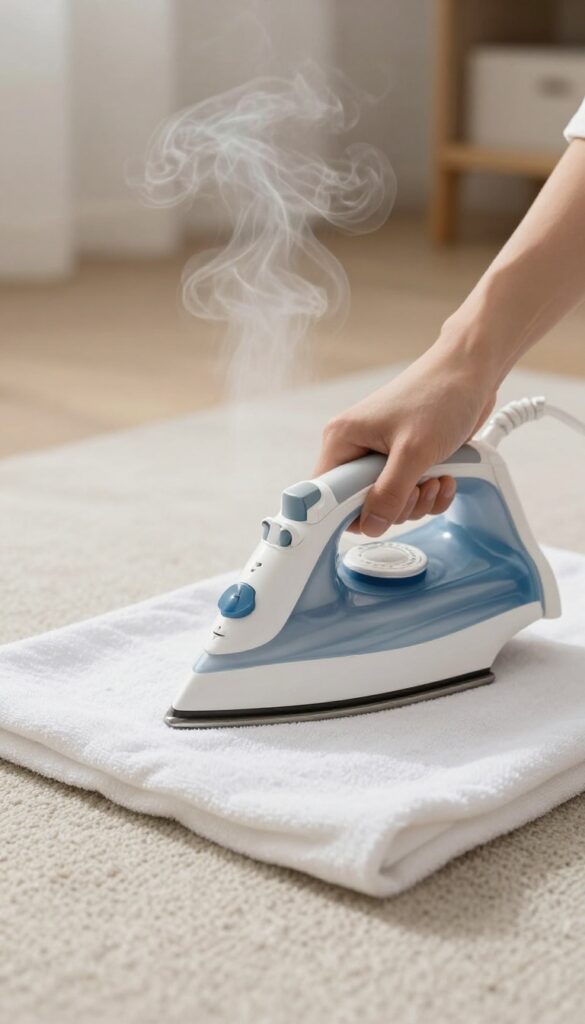
Your clothes iron can double as a carpet steamer in a pinch. It's a clever trick for refreshing flattened fibers and lifting fresh stains without renting a machine. The combination of heat and moisture loosens dirt trapped deep in the pile, making it easy to blot away.
How It Works
Dampen a clean white cloth with water (or a mild carpet cleaner for tougher stains) and place it directly over the spot. Set your iron to its highest steam setting—no need to press down hard. Glide the iron over the cloth in slow circles for about 10–15 seconds.
The steam penetrates the carpet, loosening dirt and stain particles. Lift the cloth and blot the area with a dry towel to absorb the released grime.
Best Stains For This Method
This technique works wonders on water-soluble stains like coffee, tea, soda, and juice. It's also great for reviving matted carpet in high-traffic areas. Avoid using it on grease or oil stains—heat can set those permanently.
For protein stains like blood or dairy, cold water and enzyme cleaner are safer bets.
Safety Tips
Always test on an inconspicuous spot first, especially on synthetic carpets that might melt. Keep the iron moving to avoid scorching. Use distilled water in your iron to prevent mineral deposits on your carpet.
And never steam-clean wool or delicate fibers without checking the manufacturer's label.
14. Glycerin for Set-In Stains
Old, set-in stains can feel impossible to remove, especially when they've dried and bonded with carpet fibers. Glycerin, a common ingredient in many skincare products, works as a gentle softening agent that loosens stubborn residue without damaging your carpet. This hack is perfect for stains that have been there for weeks or even months.
Glycerin is a humectant, meaning it attracts moisture and softens hardened materials. When applied to an old stain, it penetrates the dried residue, making it pliable again. After a short wait, you can blot the stain away with much less effort than scrubbing dry.
This method works well on coffee, juice, and food stains that have set in over time.
How To Apply Glycerin
Start by blotting the stain with a dry cloth to remove any loose debris. Apply a small amount of glycerin directly to the stain, using a cotton ball or soft cloth. Let it sit for 30 minutes so it can soften the residue.
Then, blot the area with a clean, damp cloth. Repeat if necessary, then rinse with water and blot dry.
Best Stains For This Method
Glycerin works best on organic stains like coffee, tea, wine, fruit juice, and food spills. It's also effective on some ink and dye stains. Avoid using it on stains that are protein-based (like blood or dairy) because glycerin can set those further.
Always test on a hidden area first.
Tips For Success
Don't rub the stain, as that can push it deeper. Use a blotting motion instead. If the stain is large, work from the edges inward.
After treatment, vacuum the area to restore carpet texture. Glycerin is safe for most synthetic carpets, but avoid over-wetting to prevent mold.
15. Cream of Tartar + Lemon for Rust
Rust stains on carpet are stubborn and often appear out of nowhere—maybe from an old metal chair leg or a forgotten leaky pipe. But you don't need harsh rust removers to tackle them. Cream of tartar and lemon juice create a gentle acidic paste that lifts rust without damaging fibers.
It's a simple, pantry-based solution that works surprisingly well.
Mix cream of tartar with enough lemon juice to form a thick paste. Apply it directly to the rust stain, spreading it evenly. Let the paste dry completely—this can take a few hours.
Once dry, vacuum up the residue. The stain should be noticeably lighter or gone. For stubborn spots, repeat the process.
Why This Combo Works
Cream of tartar is a mild acid that helps break down rust particles, while lemon juice adds extra acidity and a bit of bleaching power. Together, they react with the rust to make it soluble and easy to lift out of the carpet fibers. No scrubbing required, which protects the carpet's texture.
Tips For Best Results
Test the paste on a hidden carpet area first to ensure no discoloration. Apply the paste generously so it fully covers the stain. Let it dry naturally—don't speed up the process with heat, as that can set the stain.
After vacuuming, if any residue remains, rinse with a damp cloth and blot dry.
16. Dishwasher Tablet for Carpet Cleaning
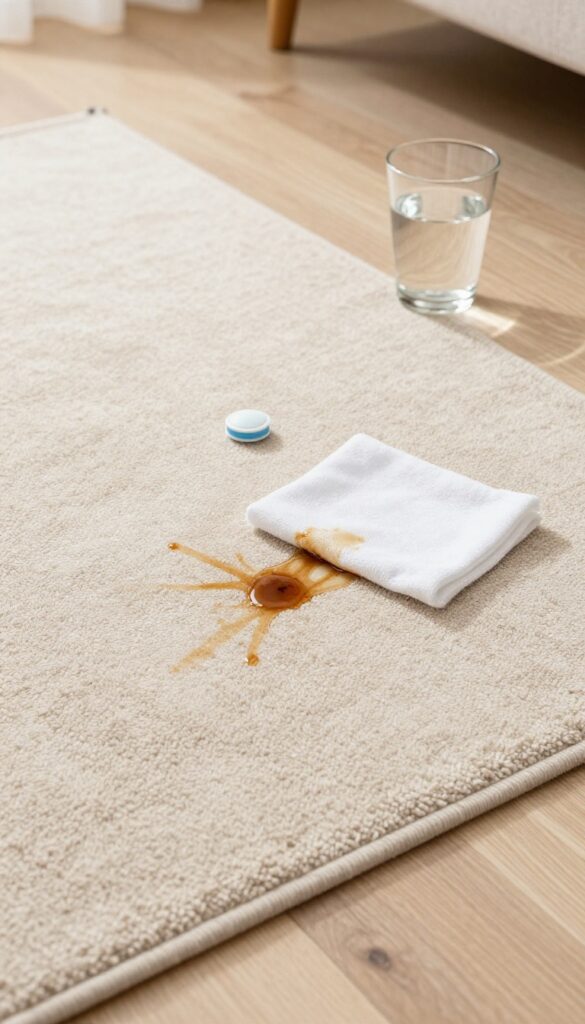
Dishwasher tablets aren't just for sparkling dishes. They contain powerful enzymes and detergents that break down food residue, which works surprisingly well on carpet stains too. This hack is especially handy when you're out of your usual spot cleaner but have a tablet sitting under the sink.
To use, dissolve one tablet in a quart of warm water. Stir until fully dissolved, then dip a clean cloth or sponge into the solution. Blot the stain gently—don't rub, or you'll push it deeper.
The enzymes go to work on organic stains like coffee, juice, or grass. For tougher marks, let the solution sit for five minutes before blotting. Finish by rinsing the area with a damp cloth and blotting dry.
The result is a clean, residue-free spot without harsh chemical smells.
Why It Works
Dishwasher tablets contain surfactants and enzymes (like amylase and protease) that target starches and proteins. These are the same compounds in many carpet cleaners, just in a concentrated tablet form. The warm water activates the cleaning agents, making them effective on a wide range of stains.
Best Stains To Try
This method shines on food and drink stains: coffee, tea, soda, fruit juice, and even ketchup. It also handles mud and grass stains well. Avoid using it on wool or silk carpets, as the enzymes can damage delicate fibers.
Always test on an inconspicuous area first.
Pro Tips For Best Results
Use a white cloth to avoid color transfer. If the stain is old and set, make a paste by crushing half a tablet with a little water, apply it directly, and let it sit for 10 minutes before blotting. For large areas, use a spray bottle to apply the solution evenly.
Rinse thoroughly to prevent any sticky residue that could attract dirt.
17. Hydrogen Peroxide + Ammonia for Grass
Grass stains might seem harmless, but they contain chlorophyll that binds tightly to carpet fibers. A simple two-ingredient mix can break that bond without scrubbing your arm off. Hydrogen peroxide lifts the color while ammonia helps dissolve the plant-based residue.
Blot up any excess moisture first. Mix one part 3% hydrogen peroxide with a few drops of clear household ammonia. Test on a hidden carpet area to check for colorfastness.
Dab the solution onto the stain using a clean cloth, working from the outer edge inward. Let it sit for five minutes, then blot with a damp cloth. Rinse with cold water and blot dry.
Repeat if needed. Avoid over-wetting to prevent mold growth underneath.
Why This Combo Works
Hydrogen peroxide releases oxygen bubbles that lift organic stains, while ammonia breaks down the waxy coating on grass blades. Together they tackle both the color and the sticky residue left behind.
Safety First
Never mix ammonia with bleach or any chlorine-based cleaner—toxic fumes will result. Always wear gloves and work in a well-ventilated room. Keep children and pets away until the carpet is fully dry.
When To Call It Quits
If the stain doesn't budge after two applications, it may have set permanently. In that case, consider a professional spot treatment or replacing that section of carpet.
18. Borax for Deep Cleaning
Borax is a natural mineral that works wonders on carpets. It cuts through grime, neutralizes odors, and lifts dirt that's embedded deep in the fibers. Best of all, it's cheap and easy to use.
Sprinkle a generous layer of Borax over your carpet, focusing on high-traffic areas or spots that smell musty. Let it sit for at least 30 minutes—longer if the carpet is heavily soiled. Then vacuum thoroughly.
The Borax absorbs odors and breaks down dirt particles, leaving your carpet fresher and cleaner. For extra stubborn dirt, lightly mist the Borax with water before letting it sit, then vacuum once dry.
Why Borax Works So Well
Borax has a slightly alkaline pH that helps dissolve acidic dirt and grime. It also acts as a natural deodorizer by trapping odor molecules. Unlike some commercial powders, Borax is gentle on fibers and safe for most carpets.
Best Areas To Use Borax
Focus on entryways, hallways, and spots where pets sleep. These areas trap the most dirt and odors. You can also use Borax on carpet stains by making a paste with water, applying it, letting it dry, and vacuuming.
Tips For Best Results
Always test Borax on a hidden carpet area first. Use a vacuum with strong suction to remove all residue. For extra freshness, add a few drops of essential oil to the Borax before sprinkling.
19. Essential Oils for Fresh Scent
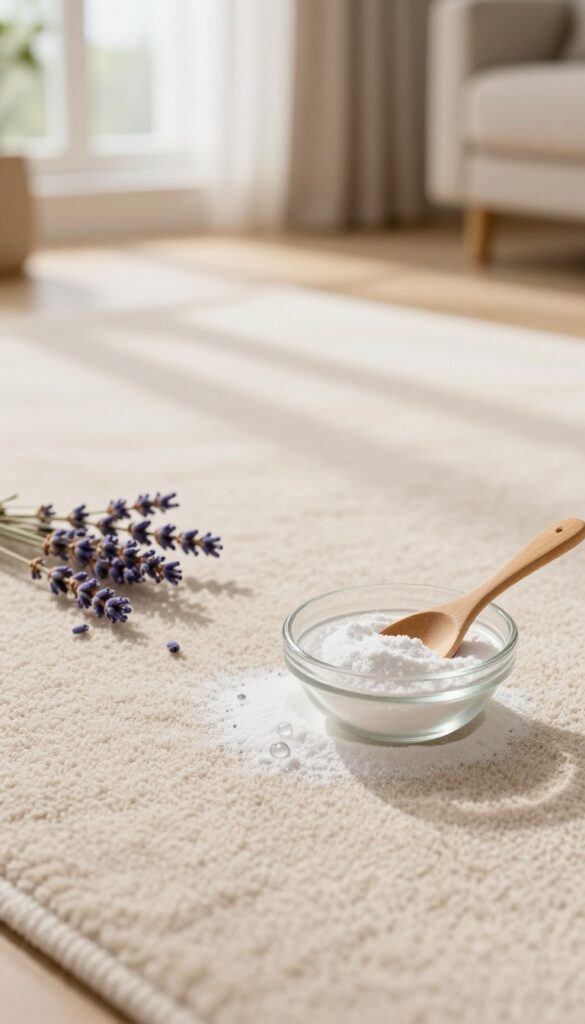
A fresh-smelling carpet doesn't have to come from a can of synthetic spray. Essential oils offer a natural way to infuse your carpet with a clean, pleasant aroma while also providing antibacterial benefits. Lavender and tea tree oil are top choices—they smell great and help combat odors at the source.
To use, simply mix 10–15 drops of your chosen essential oil with one cup of baking soda. Sprinkle the mixture evenly over your carpet, let it sit for at least 30 minutes (or overnight for tougher odors), then vacuum thoroughly. The baking soda absorbs smells while the oil leaves a subtle, lasting freshness.
Choosing Your Oil
Lavender is calming and great for bedrooms. Tea tree oil has a stronger, medicinal scent but is excellent for killing bacteria and mold spores. Lemon or eucalyptus oils are also good options for a crisp, clean fragrance.
Application Tips
Always test a small, hidden area first to ensure the oil doesn't stain. For a lighter scent, use fewer drops. You can also add the oil to a spray bottle with water and mist lightly, but be careful not to oversaturate the carpet.
20. Vacuum in Multiple Directions
Most people vacuum the same way every time—back and forth in straight lines. That routine misses a surprising amount of dirt. By changing your vacuuming pattern, you can lift debris that's been hiding deep in the carpet fibers.
High-traffic areas like hallways and living rooms collect dirt that gets pushed down into the pile. Vacuuming from multiple angles helps dislodge that embedded grit. Start by vacuuming horizontally across the room, then vertically, and finally diagonally.
This three-direction approach ensures you capture particles that a single pass would leave behind. For best results, go slowly and overlap each pass by a few inches. Your vacuum's suction has more time to pull dirt up when you don't rush.
Why Direction Matters
Carpet fibers are woven in a specific direction, and dirt tends to settle along that grain. Vacuuming against the grain (perpendicular or diagonal) lifts particles that are wedged between fibers. Think of it like brushing your hair—you need to brush from different angles to remove all the tangles.
The Best Pattern For High-traffic Areas
In spots where people walk constantly, dirt gets ground in deeper. Use a slow, deliberate crosshatch pattern: vacuum north-south, then east-west, then northeast-southwest. This method can pick up 30% more hidden dirt than a single-direction pass.
It also helps restore the carpet's texture by fluffing the fibers.
Don't Forget The Edges
Baseboards and corners collect dust bunnies that a wide vacuum head misses. Switch to a crevice tool or an edge-cleaning attachment to run along the perimeter. Vacuum these edges in multiple directions too, especially if you have pets or heavy foot traffic near walls.
21. Use a Squeegee for Pet Hair
Pet hair can be a real pain to remove, especially when it's woven deep into the carpet fibers. Vacuuming alone often leaves behind a surprising amount of fur. A simple rubber squeegee, the kind you use on windows, can change that.
It creates enough friction to lift hair into easy-to-collect clumps.
Why A Squeegee Works So Well
Rubber has a natural static charge that attracts pet hair. When you drag a squeegee across the carpet, the rubber edge grabs loose fur and pulls it to the surface. The hair then rolls into small balls or lines that you can pick up by hand or vacuum in seconds.
It's much faster than going over the same spot with a vacuum attachment.
How To Use It Correctly
Start by giving the carpet a quick vacuum to remove surface debris. Then, hold the squeegee at a slight angle and pull it toward you in long, even strokes. Work in one direction, like north to south, then switch to east to west for best coverage.
You'll see hair gather immediately. Afterward, vacuum again to pick up the clumps.
Best Types Of Squeegees For Carpet
A standard window squeegee with a rubber blade works fine, but a dedicated carpet squeegee with a wider head and softer rubber is even better. Some have a curved handle that makes it easier on your back. Avoid metal blades—they can damage carpet fibers.
A simple rubber broom also works similarly if you don't have a squeegee.
22. Freeze Chewing Gum with Ice
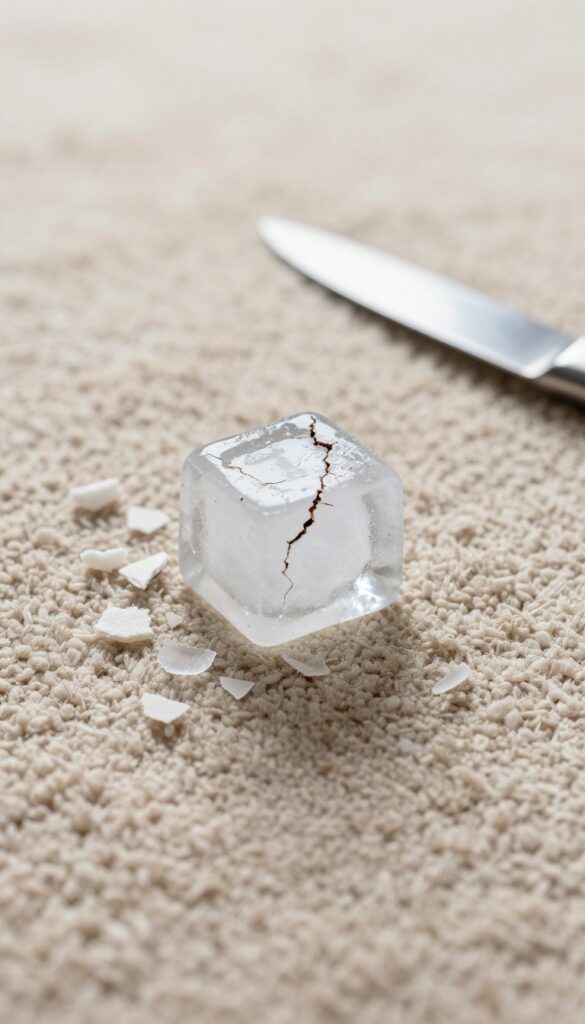
Chewing gum stuck in carpet is one of those annoyances that seems impossible to remove without pulling fibers or leaving a sticky mess. But the solution is surprisingly simple and requires nothing more than an ice cube. By freezing the gum, you change its texture from gooey to brittle, making it easy to break apart and lift away without damaging the carpet.
Hold an ice cube directly on the gum for about 30 seconds until it feels hard and solid. Then, use a dull knife or a plastic scraper to gently crack the frozen gum into pieces. Most of it will pop right off.
For any leftover residue, scrape carefully or use a dab of rubbing alcohol on a cloth to wipe it clean.
Why Freezing Works Best
Gum is made of polymers that soften with heat and harden with cold. When you apply ice, the gum contracts and becomes brittle, losing its stickiness. This allows you to break the bond between the gum and carpet fibers without pulling or stretching them.
Step-by-step Removal
First, grab a few ice cubes and place them in a plastic bag to avoid soaking the carpet. Hold the bag against the gum for 30–60 seconds. Test with a fingernail—if it's hard, start chipping.
Use a dull knife or a credit card to lift the pieces. Repeat if needed.
Dealing With Stubborn Residue
If a sticky spot remains after removing the gum, dab a cloth with rubbing alcohol or white vinegar and blot the area. Avoid scrubbing, which can spread the residue. Blot until the spot lifts, then rinse with a little water and blot dry.
23. Carpet Rake for Matted Fibers
High-traffic areas like hallways and living rooms often end up with flattened, matted carpet fibers that no amount of vacuuming seems to fix. The fibers get pressed down by footsteps and furniture, trapping dirt deep below the surface. A carpet rake is a simple tool that brings them back to life.
Using a carpet rake before you vacuum does two things: it fluffs up the fibers so dirt and debris are lifted to the surface, and it restores the carpet's original texture. This makes your vacuum's job much more effective. Just rake in one direction, then vacuum as usual.
You'll be surprised how much hidden dirt comes out.
Why A Carpet Rake Works
Carpet rakes have stiff, angled bristles that dig into the fibers without damaging them. They loosen embedded dirt, pet hair, and dust that a vacuum alone can't reach. The raking action also separates matted fibers, making the carpet look fuller and feel softer underfoot.
How To Use It Right
Start by raking the carpet in long, even strokes, working from one corner of the room to the other. Focus on high-traffic areas and spots where furniture has left indentations. After raking, wait a few minutes for the loosened debris to settle, then vacuum thoroughly.
For best results, rake and vacuum once a week.
Where To Find A Carpet Rake
Carpet rakes are available at most home improvement stores, online retailers, and even some grocery stores. They're inexpensive—usually under $20—and last for years. Look for one with a comfortable handle and sturdy bristles.
Some models also come with a built-in squeegee for tackling pet hair.
24. DIY Carpet Shampoo with Laundry Detergent
Store-bought carpet shampoos can be pricey and full of mystery ingredients. You probably already have a perfectly good cleaner sitting in your laundry room. A simple mix of laundry detergent, warm water, and a splash of vinegar can tackle ground-in dirt and leave carpets fresh without the chemical smell.
The Right Ratio Matters
For a DIY carpet shampoo that works, stick to a simple recipe: 1/4 cup of liquid laundry detergent (avoid pods or powders that don't dissolve well), 1 cup of warm water, and 2 tablespoons of white vinegar. The vinegar helps cut through residue and neutralizes odors. Mix everything in a spray bottle or your carpet cleaner's tank.
Spot Cleaning Vs. Whole Carpet
For spot cleaning, spray the solution directly onto the stain, let it sit for 5 minutes, then blot with a clean cloth. For whole carpet cleaning, use the mixture in a rental or home carpet cleaner. Avoid over-wetting—too much moisture can lead to mold or slow drying.
Work in small sections and extract thoroughly.
When To Skip The Vinegar
Vinegar is great for most stains, but skip it if you're cleaning wool or silk carpets—the acid can damage natural fibers. Also, avoid vinegar on alkaline stains like urine or bleach spills; it can react and set the stain. For those, use plain detergent and water instead.
25. Professional Cleaning Once a Year
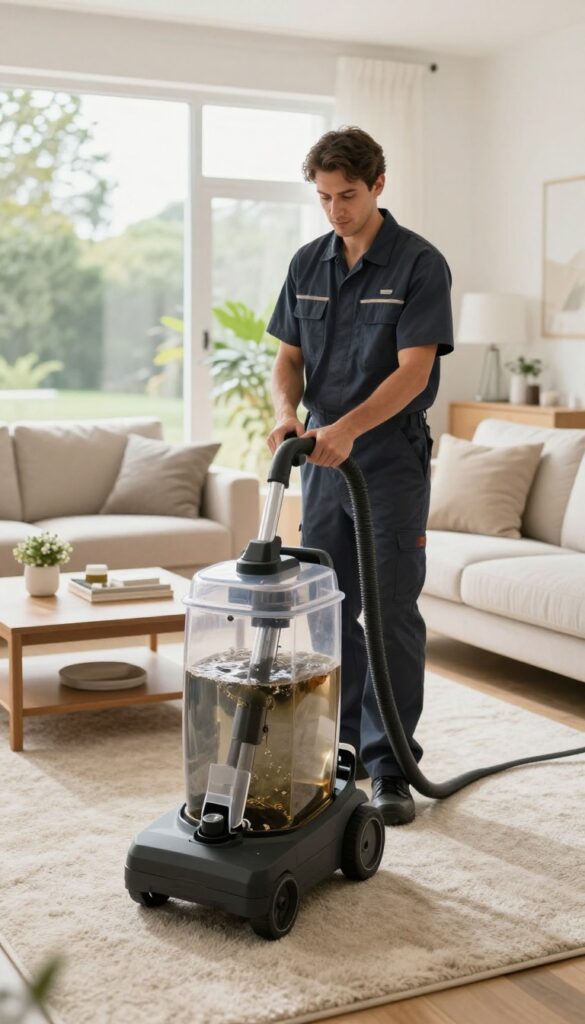
Even the best DIY hacks can only reach so deep. Over time, grit and allergens settle into the base of your carpet, where vacuums and spot treatments can't touch them. That's why scheduling a professional deep clean once a year is a smart move.
A professional hot water extraction (often called steam cleaning) flushes out embedded dirt, bacteria, and dust mites that accumulate despite regular maintenance. This process can restore the carpet's appearance and extend its life by several years. It also helps remove residues from previous cleaning attempts that might attract more dirt.
Why Annual Cleaning Matters
Carpet fibers trap particles that gradually wear them down. Professional cleaning removes this abrasive grit, reducing fiber damage and keeping the carpet looking newer for longer. It also improves indoor air quality by eliminating trapped allergens.
What To Expect During A Service
A technician will pre-treat stains, apply a cleaning solution, agitate the fibers, and then extract the dirty water with a powerful machine. The carpet dries within a few hours to a day, depending on ventilation. Many companies also offer deodorizing treatments.
How To Prepare For The Appointment
Move small furniture and fragile items out of the room. Vacuum thoroughly first to remove loose dirt. Point out any stubborn stains or high-traffic areas so the technician can focus on them.
After cleaning, avoid walking on the carpet until it's fully dry.
FAQ
Can I use bleach on my carpet?
Avoid bleach—it can discolor or damage carpet fibers. Stick to gentler options like hydrogen peroxide or vinegar.
How often should I vacuum?
Vacuum high-traffic areas twice a week and other areas once a week. More often if you have pets.
What's the best way to remove pet urine smell?
Blot fresh urine, then apply a vinegar-water solution. For deep odor, use an enzymatic cleaner.
Can I mix vinegar and baking soda together?
Yes, but use them sequentially—sprinkle baking soda, then spray vinegar. The fizz lifts dirt.
How do I prevent carpet stains?
Apply a carpet protector spray, clean spills immediately, and use doormats to reduce tracked-in dirt.
Conclusion
Keeping your carpets fresh doesn't require expensive products or professional help. With these 25 hacks, you can tackle stains, odors, and hidden dirt using everyday household items. Start with the messiest spots first and work your way through the list.
You'll be amazed at how much grime comes out. Your carpets will look newer and last longer, saving you money on replacements. Give a few of these tricks a try this weekend and see the difference for yourself.