How to Clean a Microwave in 10 Quick and Easy Ways
Microwave messes happen in seconds—soup explosions, cheese drips, and mystery splatters. Scrubbing dried-on gunk isn't fun, but you don't need harsh chemicals to get it clean.
These 10 methods use everyday items like lemons, vinegar, and baking soda to tackle every type of buildup. Each trick targets a specific problem, from burnt-on stains to lingering odors.
You'll save time and keep your microwave looking like new without breaking a sweat.
1. Steam Clean with a Bowl of Water
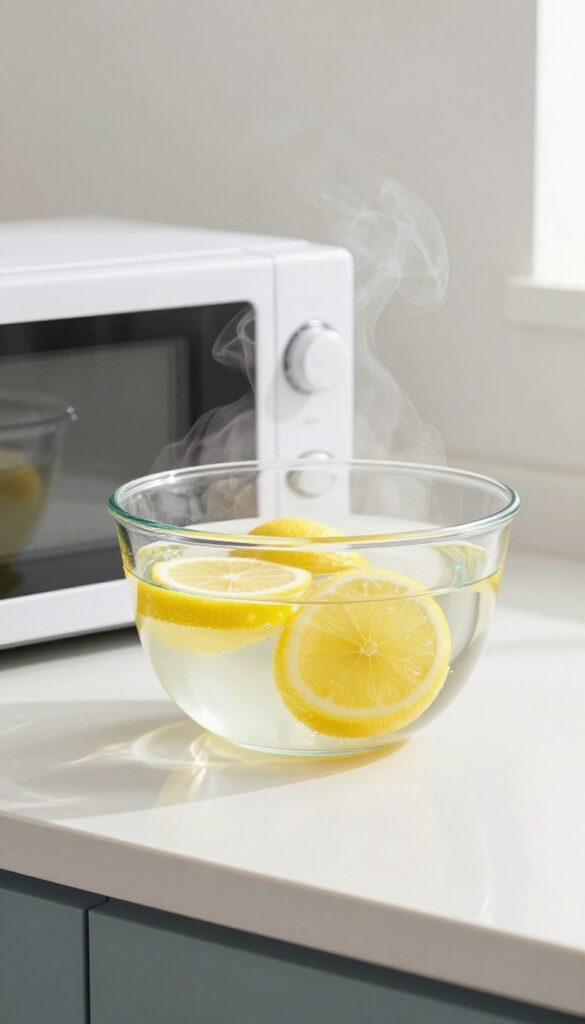
Steam is your best friend when it comes to loosening stubborn, dried-on food. This method is almost effortless—just let the microwave do the work. All you need is a bowl of water and a few minutes.
The heat turns the water into steam, which softens grime so you can wipe it away with a cloth. Adding lemon or vinegar boosts the cleaning power and leaves your microwave smelling fresh.
Fill a microwave-safe bowl with 1 cup of water. Add a few slices of lemon or 2 tablespoons of white vinegar for extra cleaning and deodorizing. Microwave on high for 5 minutes, then let the bowl sit inside for 2 minutes without opening the door.
Carefully remove the bowl (it will be hot) and wipe the interior with a damp cloth or sponge. The steam will have loosened even baked-on splatters, making cleanup quick and easy.
Why It Works So Well
Steam penetrates dried food particles and rehydrates them, turning crusty messes into soft residue that wipes off without scrubbing. The heat also kills some bacteria, giving you a more hygienic microwave.
Best For Light To Medium Buildup
This method is ideal for everyday splatters and light grime. For heavy, burnt-on stains, you may need to repeat the process or combine it with a baking soda paste.
Pro Tips For Best Results
Use a wide, shallow bowl to maximize steam surface area. Add a cinnamon stick or rosemary sprig for a pleasant scent. Never microwave an empty bowl—always include water.
2. Lemon Juice and Water Solution
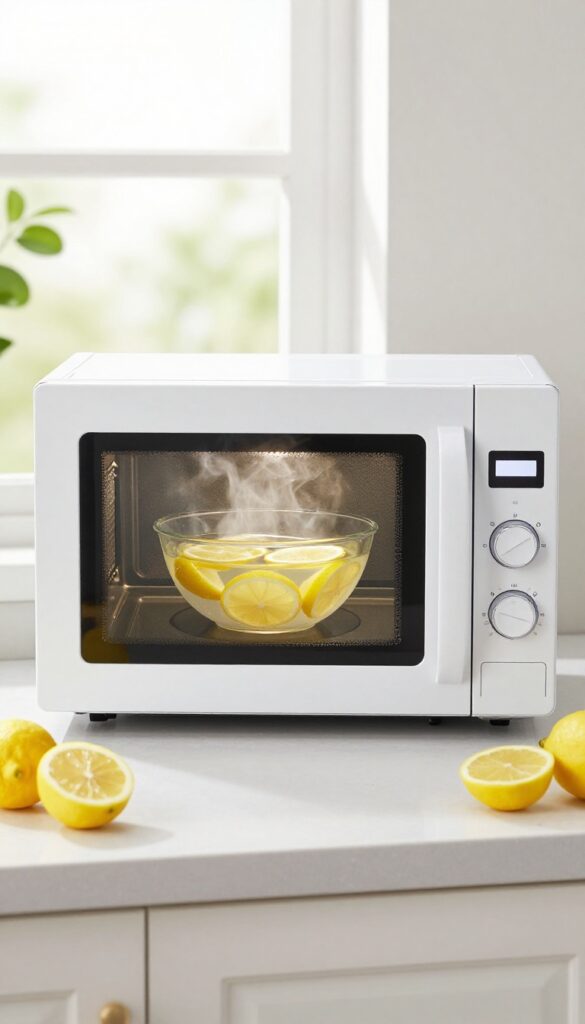
A lemon and water combo is one of the simplest, most effective ways to clean your microwave. The citrus steam loosens baked-on food while the natural acidity cuts through grease. Plus, it leaves behind a fresh, clean scent that lingers.
How To Make The Solution
Fill a microwave-safe bowl with 1 cup of water. Squeeze the juice of one lemon into the water, then drop the lemon halves in as well. For extra cleaning power, add a tablespoon of white vinegar.
Microwave And Steam
Place the bowl in the microwave and heat on high for 3 to 5 minutes, until the water boils and the window steams up. Let it sit for 2 minutes after the timer ends so the steam can continue working on stubborn spots.
Wipe Down
Carefully remove the bowl (it will be hot). Use a damp cloth or sponge to wipe down the interior. The loosened food and grease should come off easily.
For tough spots, dip the sponge in the lemon water and scrub gently.
3. White Vinegar and Water Spray
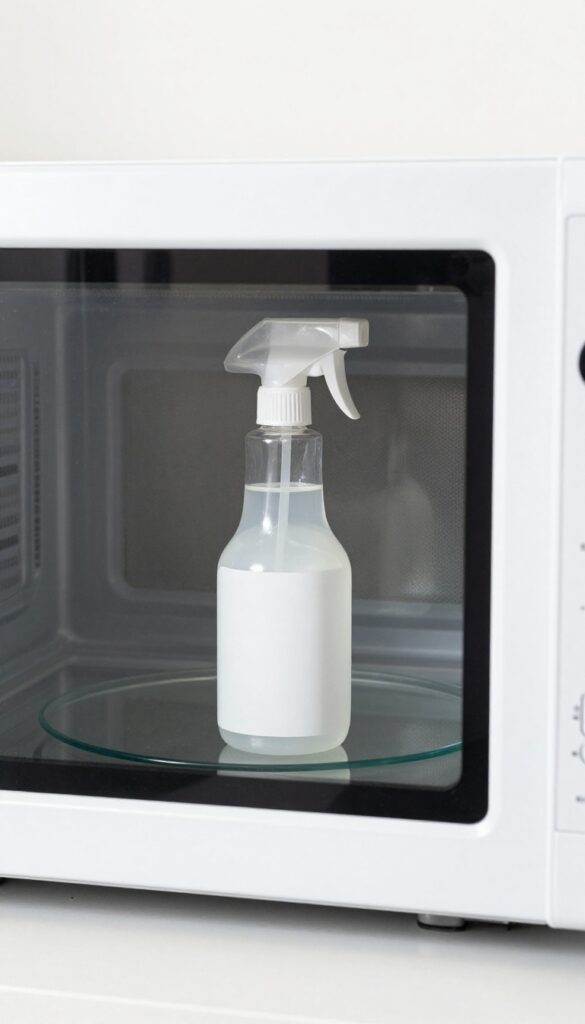
White vinegar is a powerhouse for cutting through grease and neutralizing odors. When combined with water, it creates a simple, effective spray that tackles even the toughest microwave messes without harsh chemicals. This method is especially great for everyday maintenance and for removing lingering smells from foods like fish or popcorn.
To use this method, mix equal parts white vinegar and water in a spray bottle. Spray the solution generously inside the microwave, focusing on stained or greasy areas. Let it sit for about 5 minutes to allow the vinegar to break down grime and odors.
Then, simply wipe everything clean with a damp cloth or sponge. The vinegar smell will dissipate as it dries, leaving your microwave fresh and sparkling.
Why Vinegar Works So Well
Vinegar is acidic, which makes it excellent at dissolving mineral deposits, grease, and baked-on food. It also neutralizes alkaline odors, so smells don't linger. Unlike some commercial cleaners, it's non-toxic and safe for food surfaces, making it a go-to for quick, worry-free cleaning.
Tips For Best Results
For extra stubborn spots, heat the vinegar-water mixture in the microwave for 30 seconds before spraying—the steam helps loosen grime. Avoid using vinegar on aluminum surfaces, as it can cause discoloration. If you're sensitive to the smell, add a few drops of lemon essential oil to the spray.
4. Baking Soda Paste for Stubborn Stains
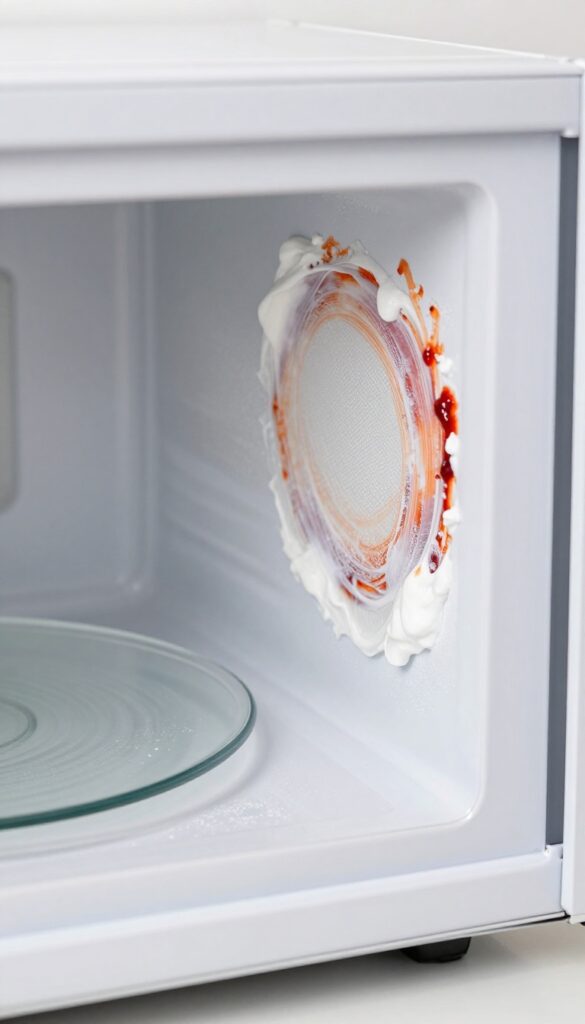
Some microwave messes are tougher than others—think dried-on spaghetti sauce or burnt cheese. Steam and vinegar might not cut it, but baking soda steps in like a gentle scrub buddy. It's abrasive enough to lift gunk without scratching the interior.
Baking soda is a mild alkali that reacts with acids and breaks down grease. When mixed with water, it forms a paste that clings to vertical surfaces and sits on stains, softening them for easy removal. This method is perfect for spots that have baked on over multiple heating cycles.
Making The Paste
Combine about 2 tablespoons of baking soda with just enough water to form a thick paste—think toothpaste consistency. You can adjust the ratio as needed. For extra cleaning power, add a few drops of dish soap.
Applying And Waiting
Spread the paste over the stained areas using a sponge or your fingers (wear gloves if you prefer). Let it sit for 10 minutes to penetrate the grime. This waiting period is key—it allows the baking soda to work without elbow grease.
Scrubbing And Rinsing
After 10 minutes, scrub gently with a non-abrasive sponge or cloth. The stains should lift easily. Rinse thoroughly with a damp cloth to remove any residue.
If any paste remains, wipe with a clean wet cloth until the surface feels smooth.
5. Dish Soap and Hot Water Wipe
Sometimes the simplest solution is the best. If your microwave just has light splatters or a bit of dried-on food, you don't need a fancy cleaner. A few drops of dish soap in hot water can do the trick.
This method is quick, gentle, and uses things you already have in your kitchen.
Fill a microwave-safe bowl with hot water and add a few drops of dish soap. Dip a clean sponge into the soapy water, wring it out well, and wipe down the interior surfaces. The soap helps break down grease and food residue without harsh scrubbing.
Rinse the sponge with plain water and go over everything again to remove any soap film. Finally, dry with a soft cloth or paper towel. This method works best for everyday messes and leaves your microwave fresh and clean.
Why Dish Soap Works
Dish soap is designed to cut through grease and food particles. When mixed with hot water, it becomes a powerful yet gentle cleaner. Unlike some chemical sprays, it won't leave behind harmful residues or strong fumes.
Plus, it's safe for all microwave surfaces, including glass and plastic.
Best For Light Messes
This technique is ideal for microwaves that get regular light use. If you wipe it down after each use, a quick soap-and-water clean once a week keeps it spotless. For tougher, baked-on stains, you might need a more intensive method like steam cleaning or baking soda paste.
Quick And Convenient
You can complete this entire process in under five minutes. No need to heat anything or wait for steam to work. Just mix, wipe, rinse, and dry.
It's perfect for a quick clean before guests arrive or when you're short on time.
6. Microwave a Wet Sponge
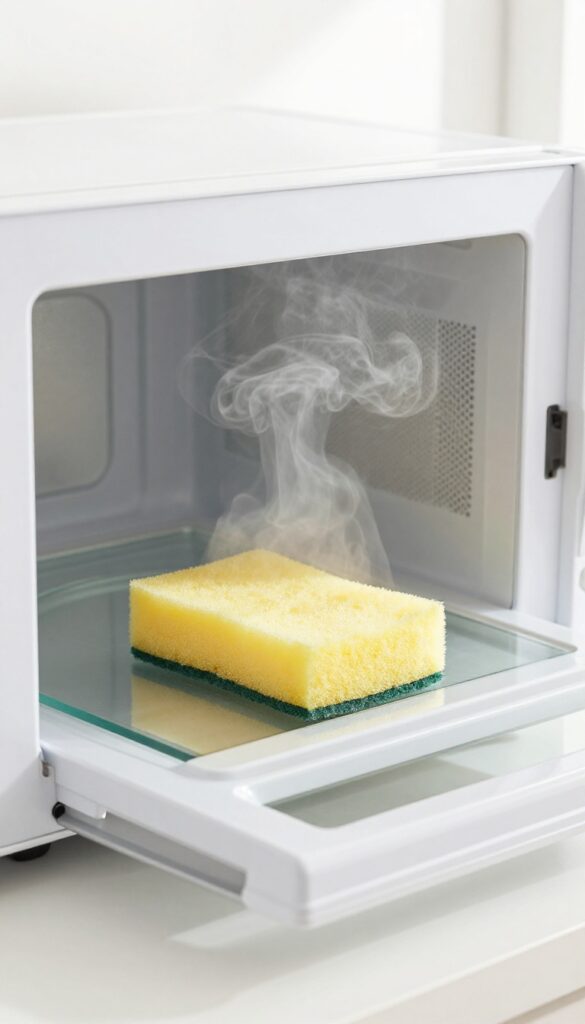
A damp sponge can do double duty—cleaning your microwave and sanitizing itself at the same time. This trick works best when you need a quick refresh without pulling out multiple cleaning tools. The steam loosens stuck-on bits, and the heat kills bacteria hiding in the sponge.
Start by thoroughly wetting a clean sponge with water. Squeeze out the excess so it's damp but not dripping. Place it in the microwave and run it on high for one to two minutes.
The steam will soften any dried food inside, making it easy to wipe away with the same sponge once it cools. Let the sponge sit in the closed microwave for a couple of minutes after the cycle ends to allow the steam to work. Then carefully remove the sponge (it will be hot) and use it to wipe down the interior walls, ceiling, and turntable.
Rinse the sponge afterward to remove any loosened grime. This method also extends the life of your sponge by killing odor-causing germs.
Why It Works
The microwave heats the water in the sponge, creating steam that condenses on the interior surfaces. This moisture loosens dried food and grease without any scrubbing. At the same time, the high temperature kills most bacteria in the sponge, making it a two-in-one cleaning and sanitizing trick.
Safety Tips
Always use a sponge that's free of metal scrub pads or abrasive materials—metal can spark in the microwave. Let the sponge cool for a few minutes before handling to avoid burns. If your sponge has a strong odor after microwaving, replace it; that means it's too old to fully sanitize.
7. Use a Commercial Microwave Cleaner
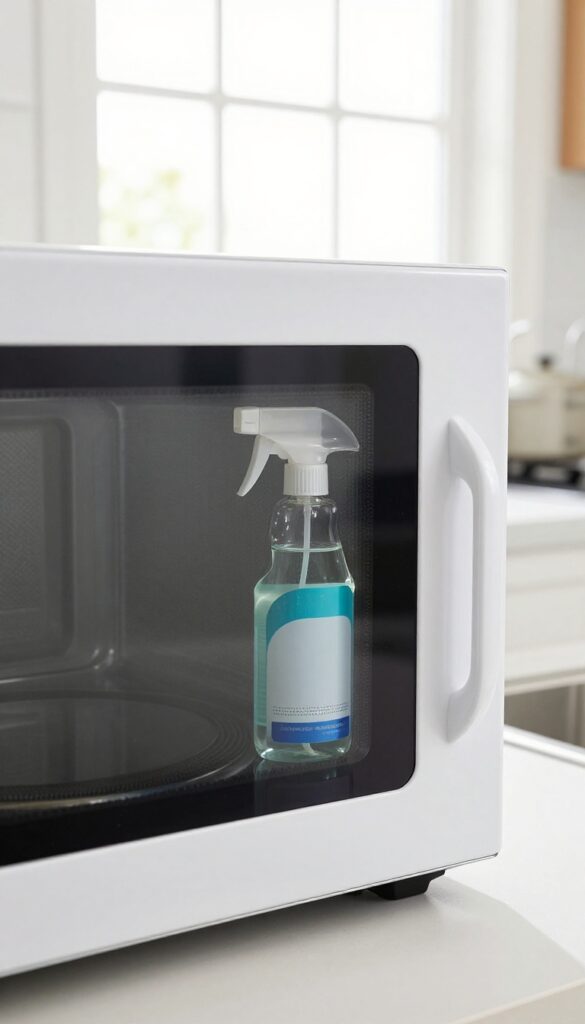
When home remedies just aren't cutting it, a commercial microwave cleaner can save the day. These products are formulated to dissolve tough, baked-on grime quickly. They're ideal for occasional deep cleans when you need a little extra power.
How It Works
Most commercial microwave cleaners come in a spray bottle. You spray the interior generously, let it sit for a few minutes to break down grease and food residue, then wipe clean with a damp cloth. Some are foaming formulas that cling to vertical surfaces.
When To Use It
Reserve commercial cleaners for heavy-duty messes that won't budge with natural methods. Use them every few months or after cooking particularly stubborn foods like cheese or sugary sauces. Always follow the product's instructions for best results.
Safety Tips
Ensure the microwave is unplugged and cool before applying any cleaner. Avoid getting spray on electrical components or the door seal. Ventilate the area, and rinse surfaces with water after cleaning to remove any chemical residue.
8. Baking Soda and Vinegar Fizz
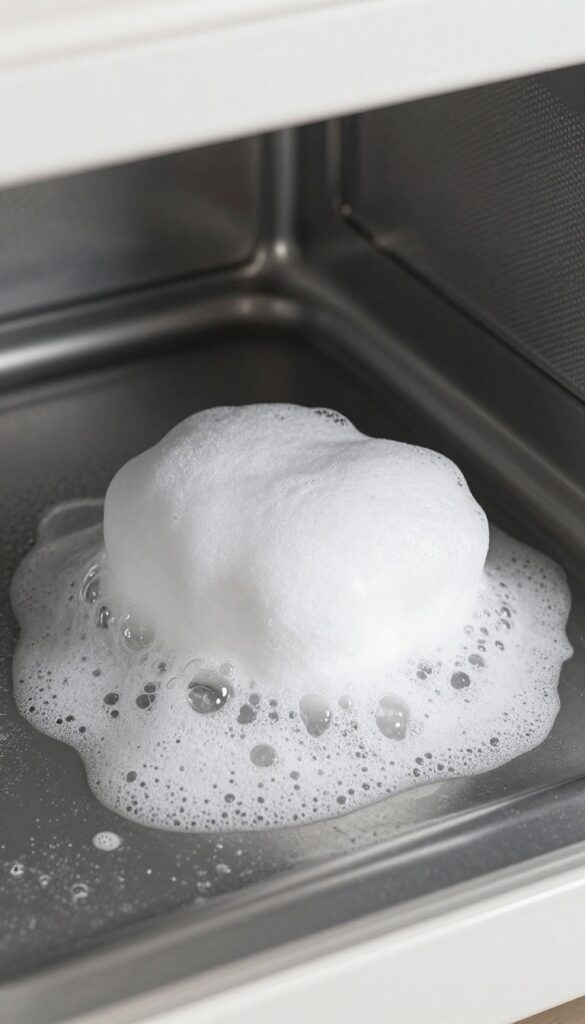
This dynamic duo works wonders on tough, baked-on grime. The chemical reaction between baking soda and vinegar creates a fizzy foam that helps lift stuck-on food particles without harsh scrubbing. It's a gentle but effective method that leaves your microwave fresh and clean.
Sprinkle a tablespoon of baking soda onto a damp sponge or directly onto the interior surfaces. Then spray or drizzle a small amount of white vinegar over the baking soda. The fizzing action will start breaking down grease and debris.
Let it sit for a minute, then scrub gently with the sponge. Wipe everything down with a clean, damp cloth to remove any residue. For stubborn spots, repeat the process or let the fizz sit a bit longer.
Why This Combo Works
Baking soda is a mild abrasive that helps scrub away dirt without scratching surfaces. Vinegar is a natural acid that cuts through grease and neutralizes odors. When combined, the fizzy reaction helps loosen caked-on food, making it easier to wipe away.
Best For Tough, Dried-on Spills
This method is ideal for areas with burnt-on sauce or cheese that won't budge with just a damp cloth. The fizzing action penetrates crevices and lifts grime, saving you from hard scrubbing.
Quick Rinse Step
After scrubbing, use a clean damp cloth to wipe away all the baking soda and vinegar residue. A final wipe with a dry cloth will prevent streaks and leave the microwave sparkling.
9. Essential Oils for Fresh Scent
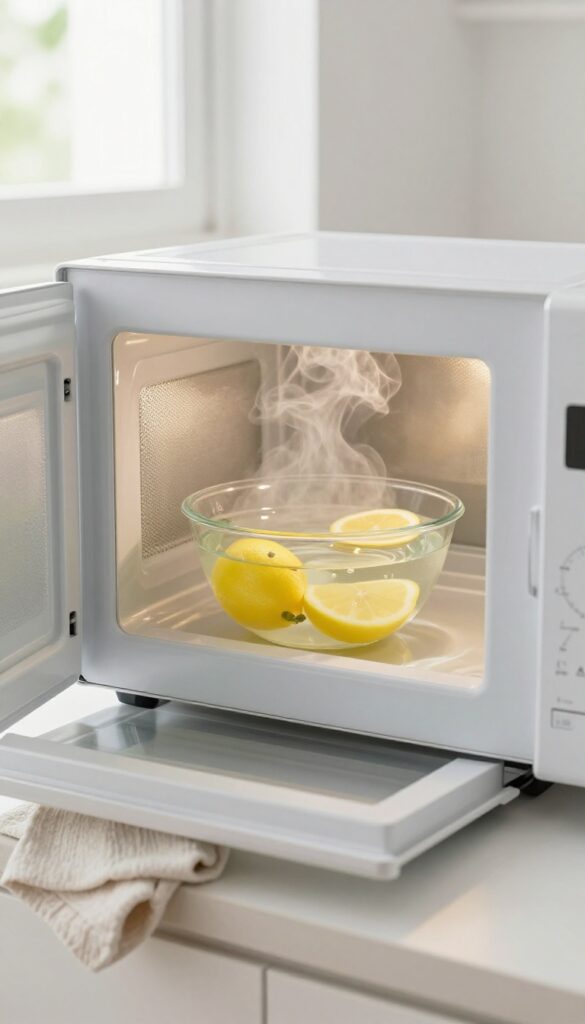
If you love a clean microwave but also want it to smell amazing, essential oils are your best friend. A few drops in a bowl of water can transform a steamy cleaning session into an aromatherapy moment. Plus, the oils have natural antibacterial properties that give your microwave an extra layer of freshness.
Start by filling a microwave-safe bowl with 1 cup of water. Add 5–10 drops of lemon or tea tree oil—lemon for a bright, citrusy scent and tea tree for its powerful disinfecting qualities. Microwave on high for 3 minutes until the water boils and steam coats the interior.
Let it sit for 2 minutes so the steam loosens grime, then wipe everything down with a soft cloth. The lingering aroma will make your microwave smell like a spa.
Why Lemon Oil Works So Well
Lemon essential oil is a natural degreaser and deodorizer. Its fresh scent cuts through food odors without being overpowering. When heated, the oil molecules help break down stubborn grease spots, making them easier to wipe away.
Plus, it leaves a clean, sunny fragrance that lasts for hours.
Tea Tree Oil For Extra Sanitization
Tea tree oil is known for its antimicrobial properties. Adding it to your cleaning steam helps kill bacteria and mold spores that can linger in microwave crevices. The smell is earthy and medicinal—some love it, others find it strong.
If you prefer a milder scent, mix tea tree with lemon or sweet orange.
Other Oil Combinations To Try
Not a fan of lemon or tea tree? Try lavender and peppermint for a calming yet invigorating blend. Or use orange and cinnamon for a cozy, kitchen-friendly aroma.
Just stick with 5–10 drops total to avoid an overpowering scent. Always check that your oils are pure and safe for heating—avoid synthetic fragrances.
10. Regular Wipe-Down After Each Use
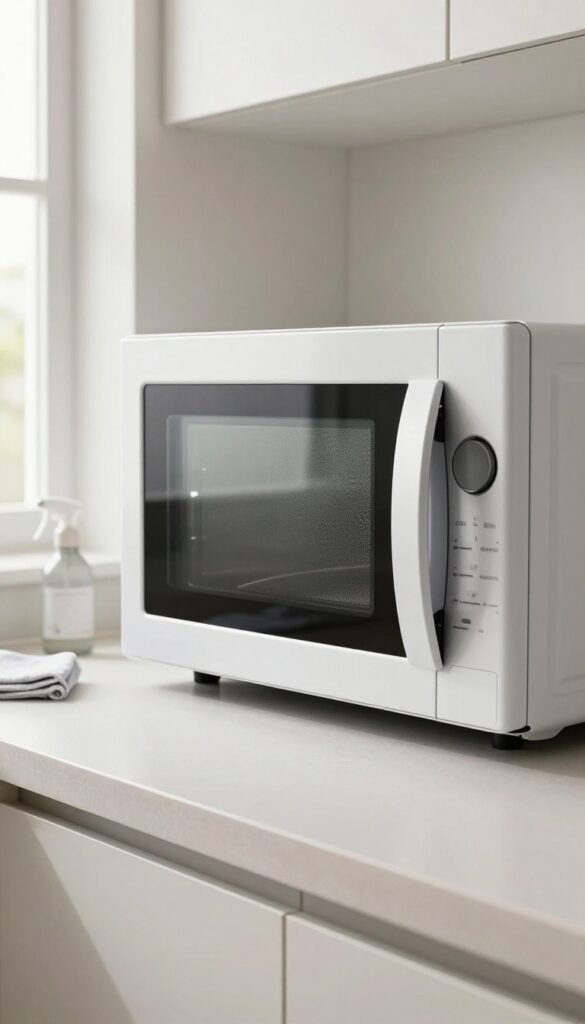
Making a quick wipe-down part of your routine is the easiest way to keep your microwave sparkling. A few seconds after each use prevents food from hardening and cuts down on deep cleaning sessions. It’s a small habit that pays off big in the long run.
Grab a damp cloth or sponge right after you take out your food. The residual heat and steam will have loosened any splatters, so they come off effortlessly. Focus on the ceiling, walls, and turntable—wherever splatters tend to hide.
If you use a microfiber cloth, it will trap grease and grime without leaving streaks. For stubborn spots, a drop of dish soap on the damp cloth does the trick. Rinse the cloth and give the interior a final wipe to remove any soap residue.
This daily habit takes less than a minute and keeps your microwave fresh and ready for the next use.
What You’ll Need
A soft, lint-free cloth or sponge works best. Microfiber cloths are ideal because they pick up grease without scratching. Keep a small spray bottle of water or a mild all-purpose cleaner nearby for quick access.
Step-by-step Routine
- Wait a minute after the microwave stops to let steam settle. 2.
Open the door and spray the interior lightly with water or cleaner. 3. Wipe from top to bottom, paying extra attention to the door seal and corners.
- Dry with a separate cloth to prevent water spots.
Pro Tips For Best Results
Use a separate cloth for the microwave to avoid cross-contamination from other kitchen surfaces. If you notice lingering odors, add a few drops of lemon juice to your water spray. For tough spots, let the damp cloth sit on the stain for a few seconds before wiping.
FAQ
Can I use bleach to clean my microwave?
It's not recommended. Bleach can damage the interior and leave harmful residues. Stick to natural cleaners like vinegar or baking soda.
How often should I clean my microwave?
Wipe it down after each use to prevent buildup. A deep clean once a week is usually enough for most households.
Is it safe to microwave a sponge?
Yes, but only if the sponge is wet and free of metal scrubbers. Microwaving for 1-2 minutes can kill bacteria, but let it cool before handling.
What if my microwave has a burnt smell?
Place a bowl of water with lemon slices or vinegar inside and microwave for 5 minutes. The steam will absorb odors. Wipe clean afterward.
Can I clean the microwave with just water?
Yes, boiling a bowl of water for 5 minutes creates steam that loosens dirt. Wipe with a cloth afterward. For tough stains, add vinegar or lemon.
Conclusion
Microwave cleaning doesn't have to be a dreaded chore. With these 10 quick methods, you can tackle splatters and odors using ingredients you already have on hand. Try the steam-and-wipe approach first—it works for most messes.
Keep a bowl of water and lemon slices ready for quick freshening after each use. Your microwave will stay clean, smell great, and work efficiently.