How to Clean Oven Glass Door in 17 Smart Steps
You open the oven to check on dinner, but all you see is a foggy, grease-smeared window. That baked-on grime doesn't just look bad—it makes it hard to monitor your food. You don't need expensive cleaners or elbow grease to fix it.
Most oven glass messes come from spilled casseroles, bubbling sauces, and years of accumulated grease. The heat bakes everything into a stubborn layer that resists regular wiping. But with the right approach, you can cut through that buildup without scratching the glass.
These 17 steps use common kitchen ingredients and a little patience. Whether your door has light smudges or thick, crusty deposits, there's a method here that will work. Let's get that glass clear again.
1. Let the Oven Cool Completely
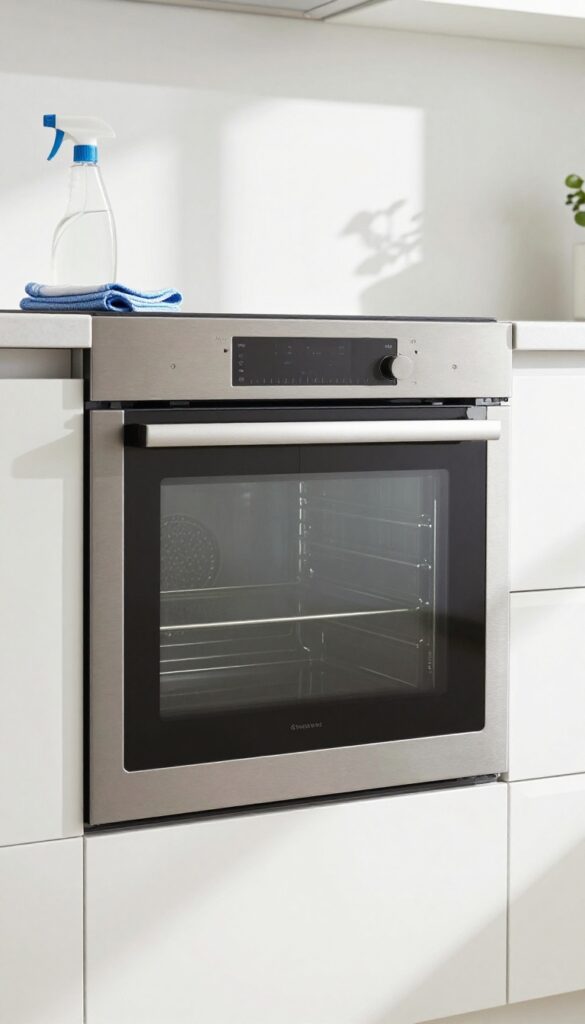
It's tempting to tackle the mess right after pulling out a roast, but that's a recipe for trouble. A hot oven door can burn your hands, and heat makes cleaning solutions evaporate before they can work. Patience here saves you pain and effort.
Starting with a cool oven is the first smart step for a reason. When the glass is hot, any cleaner you apply dries up almost instantly, leaving behind streaks and residue. Worse, the temperature difference can cause the glass to crack if you use a cold spray or water.
Give the oven at least an hour after the last use—longer if the door still feels warm to the touch. This small wait ensures your cleaning session is safe and effective.
Why Heat Hurts Your Cleaning
Heat speeds up chemical reactions, but that works against you here. Cleaning agents need time to soak into grease and baked-on grime. On a hot surface, they evaporate too fast, leaving the dirt untouched.
Plus, hot glass is more fragile—sudden temperature changes can cause thermal shock and cracks.
How Long Should You Wait?
A general rule is to wait until the oven is completely cool to the touch, usually about 60 to 90 minutes after cooking. If you've been using a high temperature (like 400°F or more), give it extra time. When in doubt, touch the door's handle and glass—if it feels warm, it's not ready yet.
2. Remove Loose Debris with a Dry Cloth
Before you bring out any sprays or pastes, start with a simple dry wipe. You'd be surprised how much loose grime is sitting on the surface, ready to turn into a muddy mess if you add moisture too soon. A quick pass with a clean cloth saves you from spreading grit around and scratching the glass later.
Grab a soft, lint-free microfiber cloth. Avoid paper towels or rough rags that could leave tiny scratches on the glass. Gently wipe the entire oven door surface—inside and out—to pick up crumbs, ash, and loose particles.
Pay extra attention to the corners and edges where debris tends to collect. This dry step takes only a minute but makes every following step more effective.
Why A Dry Cloth First?
If you skip this step, any liquid cleaner you apply will mix with loose dirt and create a gritty paste. That paste can act like sandpaper when you scrub, leading to fine scratches on the glass. A dry wipe removes the abrasive particles so your cleaning solution can work directly on the grease and baked-on stains.
Best Cloth For The Job
Microfiber is the gold standard here. It traps dust and crumbs in its fibers rather than pushing them around. If you don't have a microfiber cloth, a soft cotton rag (like an old t-shirt) works too.
Just make sure it's clean and free of any fabric softener residue, which can leave streaks.
Don't Forget The Edges
Crumbs love hiding along the rubber gasket and the metal trim around the glass. Use the corner of your cloth to dig into those crevices. A clean edge means no surprises later when you're wiping down the final result.
3. Mix a Baking Soda Paste
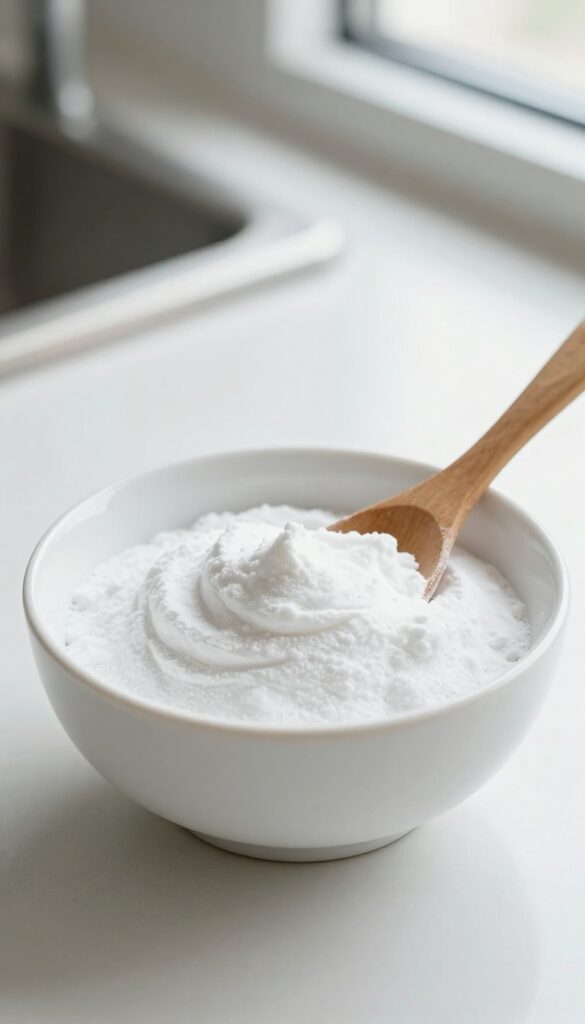
Baking soda is the unsung hero of kitchen cleaning. It's gentle enough not to scratch glass but abrasive enough to lift baked-on grease. Mixing it into a paste gives you control over where it goes and how long it sits.
In a small bowl, combine about half a cup of baking soda with a tablespoon or two of water. Stir until it forms a thick, spreadable paste—think toothpaste consistency. Add water a few drops at a time if it's too dry.
The paste should cling to the glass without running.
Why Baking Soda Works
Baking soda is mildly alkaline, which helps break down grease and food residues. Its fine crystalline structure provides gentle scrubbing power without scratching the glass. Plus, it's odorless and non-toxic, so you don't have to worry about harsh fumes in your kitchen.
Getting The Right Consistency
If the paste is too runny, it will drip down the glass and make a mess. Too thick, and it won't spread evenly. Aim for a texture similar to frosting.
You can always add a pinch more baking soda to thicken it or a drop of water to thin it out.
How Much To Make
For a standard oven door, half a cup of baking soda is plenty. If you're cleaning both sides of the glass or dealing with heavy buildup, make a full cup. It's cheap, so don't be shy—better to have extra than to run out mid-application.
4. Apply the Paste to the Glass
Now that your baking soda paste is ready, it's time to put it to work. This step is where the real cleaning begins, but you don't need to scrub hard—just a gentle, even application does the trick. The paste will do the heavy lifting as it sits.
Use The Right Tool
You can use a clean sponge, a soft cloth, or even your fingers (with gloves) to apply the paste. A sponge tends to spread it most evenly, but fingers work fine for reaching corners. Avoid anything abrasive like steel wool that could scratch the glass.
Cover The Entire Surface
Scoop up a generous amount of paste and spread it in a thin, even layer across the entire glass surface. Don't forget the edges and corners where grime often hides. The paste should be thick enough to be opaque but not so thick that it drips.
Stay Away From The Edges
Keep the paste away from the rubber seals and the edges of the door where it might seep into the oven's insulation. A small gap of about half an inch around the perimeter is safe. This prevents any residue from getting trapped in hard-to-reach spots.
5. Let the Paste Sit for 15–20 Minutes
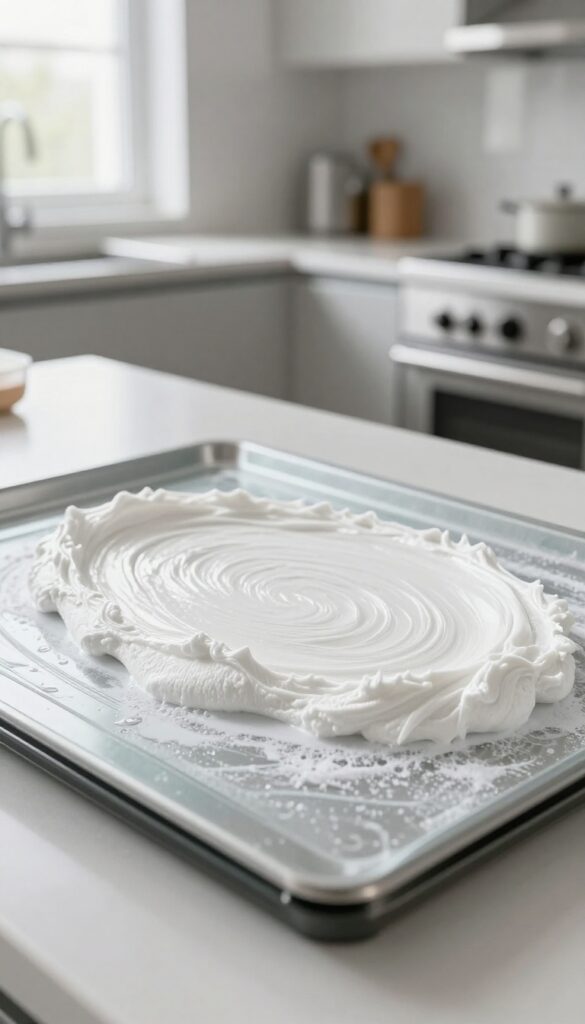
You've spread the baking soda paste across the glass, and now it's tempting to start scrubbing right away. But patience here is the secret weapon. Giving the paste time to work means less effort later and better results.
The baking soda needs those minutes to penetrate the baked-on grease and start breaking it down chemically. Without this waiting period, you're just smearing paste around without loosening the grime. Fifteen to twenty minutes is the sweet spot—enough time to soften even stubborn deposits.
While the paste sits, the baking soda gently lifts grease and food residue from the glass surface. This chemical reaction is what makes the method so effective without harsh scrubbing. You can use this time to clean other parts of the oven or simply take a break.
Why 15–20 Minutes Works Best
Shorter times may not fully soften the grime, leaving you to scrub harder. Longer times risk the paste drying out completely, which makes it harder to wipe off. Fifteen to twenty minutes gives the paste enough moisture and active time to do its job without becoming a crusty mess.
What To Do While You Wait
This is a good moment to wipe down the oven exterior or organize your cleaning supplies. Just make sure the paste stays damp—if you see it drying out, spritz a little water on it to reactivate. Avoid opening the oven door repeatedly, as that can disturb the paste layer.
Signs The Paste Is Ready
After the waiting period, the paste may look slightly drier and have a faint discoloration from absorbed grease. When you touch it with a damp sponge, it should feel soft and slightly slippery. That's your cue to move on to the next step.
6. Scrub Gently with a Non-Abrasive Sponge
Now that the baking soda paste has had time to work, it's time to gently scrub away the loosened grime. The key here is to be patient and use the right tools. Harsh scrubbers can leave permanent scratches on the glass, making it look worse than before.
Grab a soft sponge or a microfiber cloth—nothing with a rough scouring pad. Dip it in warm water and wring it out so it's damp, not soaking. Then, using small circular motions, work the paste into the stubborn spots.
You don't need to press hard; let the paste do the work. For areas with thick buildup, add a little more paste and let it sit for another 10 minutes before scrubbing again.
Why No Steel Wool?
Steel wool and abrasive scrubbers might seem like a quick fix, but they can scratch the glass. Even if the scratches aren't visible right away, they create tiny grooves where grease and grime will collect more easily in the future. Stick with non-abrasive options to keep the glass smooth and clear.
The Magic Of Microfiber
Microfiber cloths are ideal because they trap grease and grime in their fibers rather than just pushing it around. They're also gentle enough to use on glass without leaving lint behind. If you don't have a microfiber cloth, a soft cotton cloth or a non-abrasive sponge works just fine.
Focus On The Corners
The edges and corners of the oven glass often collect the most buildup. Use a cotton swab or an old toothbrush dipped in the paste to reach those tight spots. Just be gentle—the goal is to lift the grime, not gouge the glass.
7. Wipe Off the Paste with a Damp Cloth
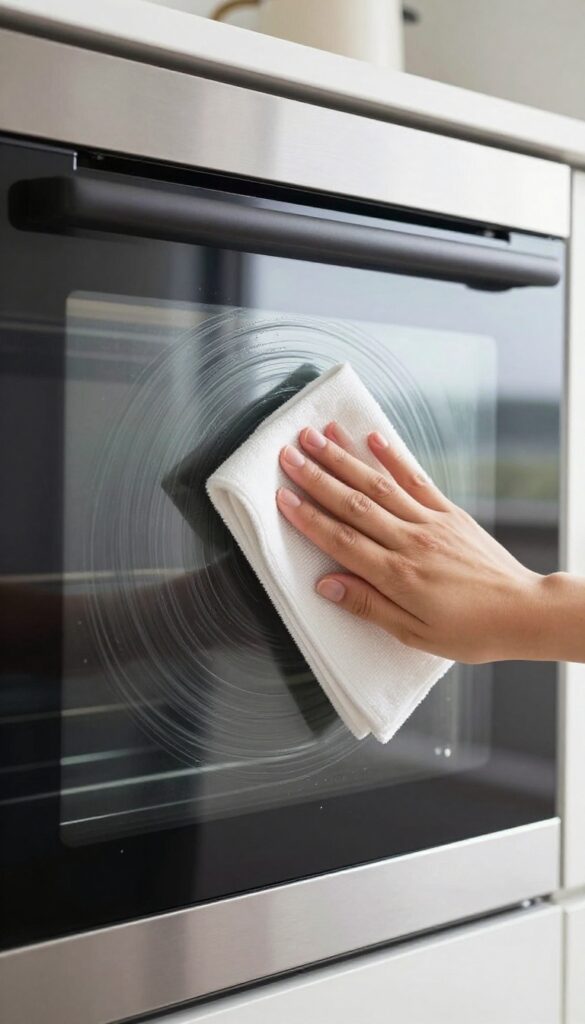
After scrubbing, the glass is covered in a messy mix of baking soda and loosened grime. Now it's time to rinse it all away, revealing the clean surface underneath. This step is simple but requires a little care to avoid leaving streaks or residue behind.
Use a clean, damp cloth—microfiber works best—and wipe the glass in a circular motion. Rinse the cloth frequently in warm water to avoid smearing the paste back onto the glass. Continue until all visible paste is gone, then check for any remaining spots.
Rinse Your Cloth Often
A dirty cloth just moves grime around. Keep a bowl of clean water nearby and rinse the cloth after every few wipes. Wring it out well so you're not leaving excess water on the glass.
Check For Streaks
Once the paste is removed, hold a light at an angle to the glass. If you see streaks or hazy patches, go over those areas again with a fresh damp cloth. A final wipe with a dry microfiber cloth will give you a streak-free shine.
8. Spray White Vinegar for a Streak-Free Finish
After all that scrubbing and rinsing, you might think the job is done. But a quick spray of white vinegar is the secret to a truly spotless, streak-free shine. Vinegar cuts through any remaining baking soda residue and dissolves the last traces of grease, leaving the glass crystal clear.
White vinegar is a mild acid that neutralizes the alkaline baking soda and breaks down any lingering grime. It evaporates quickly without leaving streaks, so you get a perfect finish every time. This step is simple but makes a big difference in the final result.
Why Vinegar Works
Vinegar's acidity reacts with baking soda to neutralize it, preventing a chalky residue. It also dissolves mineral deposits and grease that water alone might miss. Plus, it's a natural deodorizer, so your oven will smell fresh.
How To Apply It
Pour white vinegar into a clean spray bottle. Lightly mist the entire glass surface, avoiding the oven's heating elements and vents. Let it sit for 30 seconds to a minute, then wipe with a clean, dry microfiber cloth.
Use a circular motion for a streak-free shine.
What To Avoid
Don't oversaturate the glass, as excess liquid can seep into the door's edges. Avoid using colored or flavored vinegars, which can leave stains. Stick with plain white vinegar for the best results.
9. Buff with a Dry Microfiber Cloth
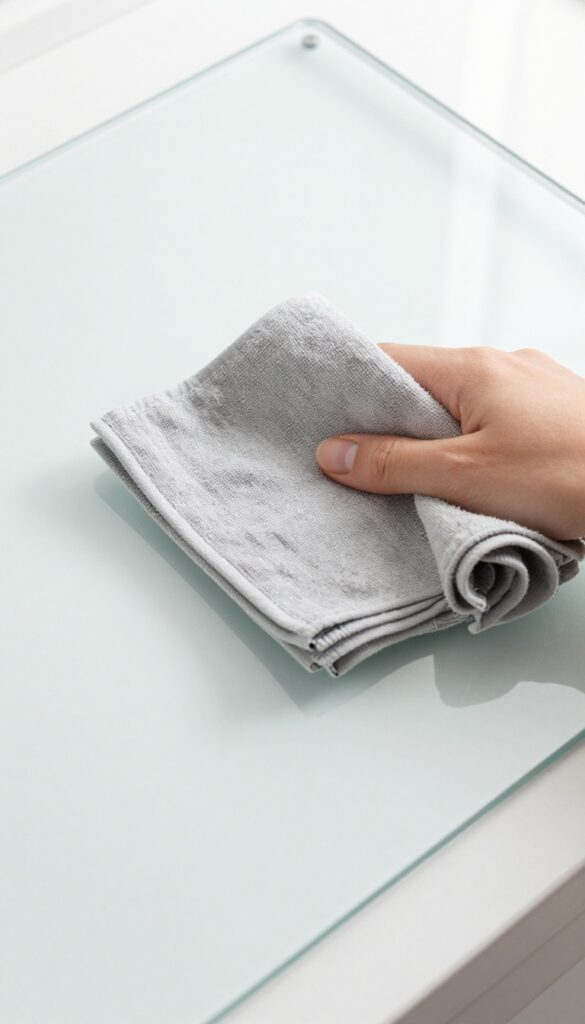
Once the glass is clean and dry, a quick buffing step makes all the difference. That final polish removes any lingering moisture spots and gives the glass a crystal-clear finish. It's a small effort that leaves your oven door looking brand new.
Grab a clean, dry microfiber cloth—the kind you use for eyeglasses or electronics works perfectly. Fold it into a small pad and work in tight circular motions across the entire glass surface. Focus on areas where water spots or faint streaks remain.
The microfiber fibers trap any leftover dust or lint, so you get a flawless shine without scratching. Spend about 30 seconds on the buffing, and you'll see the glass go from clean to brilliant.
Why Microfiber Works Best
Microfiber cloths have split fibers that act like tiny hooks, grabbing dust and grease rather than pushing them around. They're also non-abrasive, so they won't scratch the glass. Avoid paper towels or old rags—they can leave lint or fine scratches over time.
The Circular Motion Trick
Buffing in circles helps distribute pressure evenly and prevents streaks. Start at the top left corner and work your way across the glass, overlapping each circle slightly. This method ensures you cover every inch without missing spots.
When To Replace Your Cloth
If your microfiber cloth feels greasy or leaves smears, it's time for a fresh one. Wash used cloths in hot water with mild detergent—no fabric softener—to restore their effectiveness. A clean cloth is key to a streak-free finish.
10. Use a Razor Blade for Stubborn Baked-On Spots
Sometimes, even the best paste and scrub can't remove those rock-hard deposits. That's when a razor blade becomes your best friend. It sounds scary, but when done right, it's actually safe and incredibly effective.
A razor blade works because it can get under the edge of baked-on gunk and lift it off without scratching the glass. The key is keeping the blade at a consistent 45-degree angle and using a light touch. Never use a dull blade—it will skip and scratch.
Always use a fresh, sharp blade.
Why 45 Degrees Matters
That angle is the sweet spot. If you go too steep, you'll dig into the glass. Too shallow, and you'll just slide over the crud.
A 45-degree angle lets the blade edge catch the deposit and peel it away cleanly.
Wet The Glass First
Spray a little water or glass cleaner on the spot before scraping. The moisture acts as a lubricant and reduces friction. It also helps you see where you've already scraped.
Never scrape dry glass—it increases the risk of scratches.
Work In Small Sections
Don't try to scrape the whole door in one go. Focus on a small area, say a few inches across. Use short, gentle strokes, lifting the blade after each pass.
Wipe the blade clean on a paper towel frequently to avoid re-depositing the gunk.
11. Try a Lemon Juice Solution for Grease
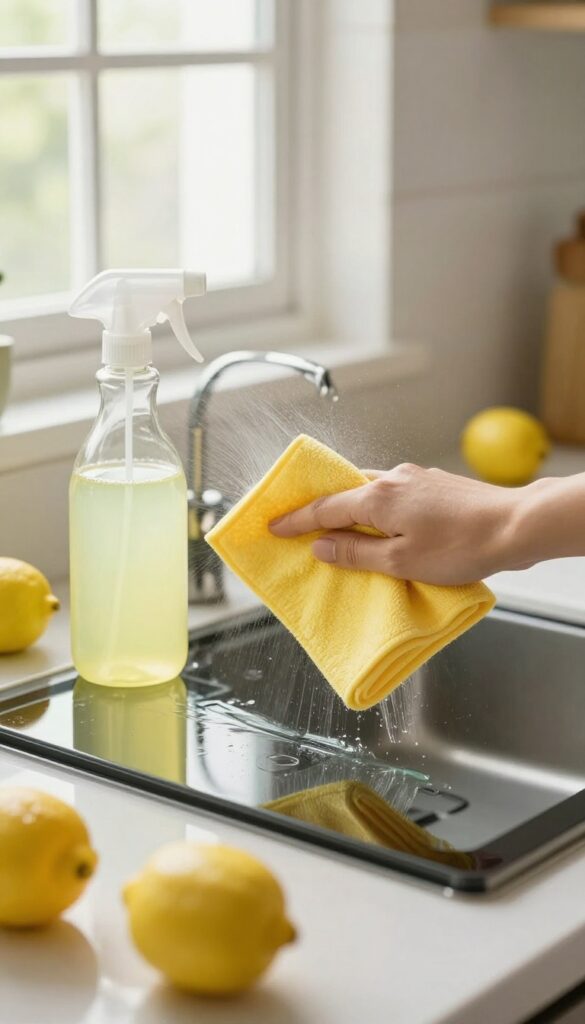
If you prefer a fresh, citrus-scented approach over vinegar, lemon juice is a fantastic natural degreaser. The acidity cuts through oily residue without harsh chemicals, and it leaves your kitchen smelling clean. This method works especially well on moderate grease buildup that hasn't baked on for years.
Why Lemon Juice Works
Lemon juice contains citric acid, which breaks down grease molecules. When combined with water, it creates a gentle but effective cleaning solution that's safe for glass. Unlike some commercial sprays, it won't leave streaks or damage the oven's surface.
How To Make And Apply The Solution
Mix equal parts fresh lemon juice and warm water in a spray bottle. Shake well, then spray generously onto the cool oven glass. Let it sit for 10–15 minutes so the acid can penetrate the grease.
For extra stubborn spots, you can add a tablespoon of baking soda to the mix for a gentle abrasive boost.
Wiping And Rinsing
After the solution has soaked, use a soft microfiber cloth or sponge to wipe the glass in circular motions. Rinse the cloth frequently to avoid spreading grease. Finish by wiping with a damp cloth to remove any lemon residue, then dry with a clean towel for a streak-free shine.
12. Use Dish Soap and Warm Water for Light Cleaning
Not every oven glass cleaning session needs to involve heavy-duty pastes or strong chemicals. For routine maintenance or when the grime is still fresh and hasn't baked into a hard crust, a simple mixture of dish soap and warm water does the trick. This gentle approach is perfect for weekly wipe-downs and helps prevent buildup from becoming stubborn later.
Dish soap is designed to cut through grease, and warm water helps loosen any light residues. Together, they make a safe, effective cleaner that won't damage the glass or leave harsh fumes behind. This method is especially useful after a minor spill or splatter that hasn't had time to bake on.
Mix The Solution
Fill a spray bottle or a bowl with warm water and add a few drops of liquid dish soap. Swirl gently to combine without creating too many suds. You want enough soap to break down grease but not so much that you're left with a sticky residue.
Apply And Wipe
Spray the solution onto the oven glass door, or dip a soft microfiber cloth into the soapy water and wring it out slightly. Wipe the glass in circular motions, paying extra attention to areas with visible smudges or fingerprints. The soap will lift the grease, and the warm water helps dissolve any dried-on spots.
Rinse And Dry
After wiping, use a clean, damp cloth (with plain water) to remove any soap residue. Finally, dry the glass with a lint-free towel or a paper towel to prevent water spots. Your oven door will look clear and streak-free with minimal effort.
13. Steam Clean with a Bowl of Water
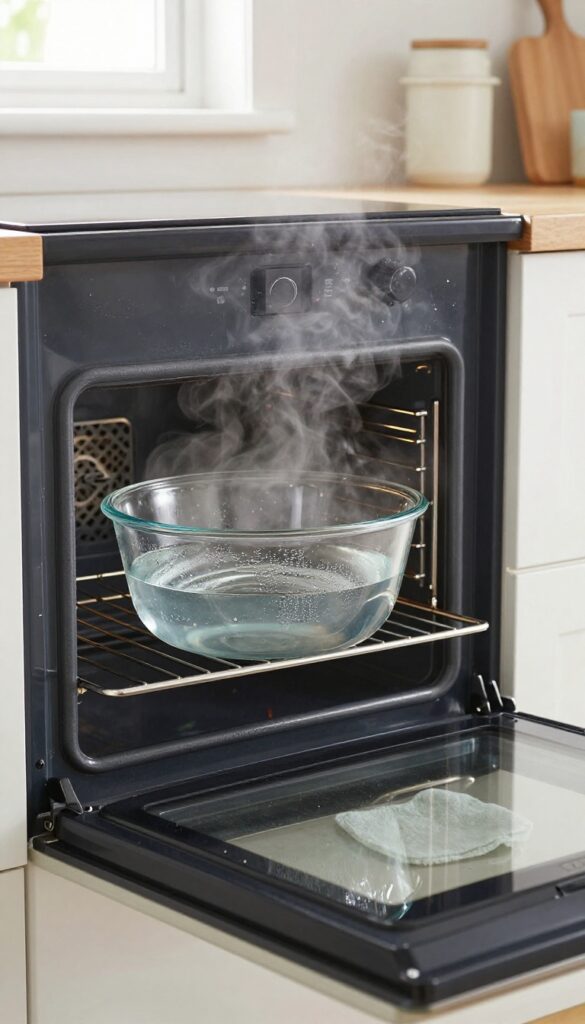
Steam is a powerful, chemical-free way to loosen baked-on grease and grime from your oven glass. This method uses just water and heat to soften stubborn deposits, making them easy to wipe away. It's especially effective for light to moderate buildup and requires almost no scrubbing.
Place a heat-safe bowl or oven-safe dish filled with about 2 cups of water on the oven rack. Preheat the oven to 250°F (120°C) and let the water heat for 20-30 minutes. The steam will condense on the glass, softening the grime.
After turning off the oven and letting it cool slightly, wipe the glass with a damp cloth or sponge. For extra stubborn spots, add a splash of vinegar to the water.
Why Steam Works
The heat turns water into steam, which penetrates and loosens the baked-on grease and food particles. This method is gentle on the glass and avoids harsh chemicals. It's also a great first step before using a paste or scrub.
How To Do It Safely
Use only oven-safe bowls like glass or ceramic. Avoid plastic or metal that could warp or react. Keep the oven door closed during steaming to trap the moisture.
After steaming, let the oven cool to a safe temperature before wiping.
When To Use This Method
Best for light to moderate grime, especially if you haven't cleaned the glass in a while. For thick, crusty buildup, combine steaming with a baking soda paste for better results.
14. Avoid Harsh Chemical Cleaners
It's tempting to reach for a heavy-duty cleaner when the glass looks hopeless. But ammonia and bleach-based products can do more harm than good. They may etch the glass, damage the seal, or leave toxic fumes that linger in your kitchen.
Stick to gentle, natural alternatives like baking soda, vinegar, or lemon juice. These break down grease without the risks. If you must use a commercial cleaner, choose one labeled safe for oven glass and always ventilate the area well.
Why Ammonia And Bleach Are Bad News
Ammonia can react with the high heat of the oven, causing the glass to become cloudy or develop micro-cracks. Bleach is corrosive and can eat away at the rubber gasket around the door, leading to heat loss and uneven cooking. Plus, the fumes are harsh and can irritate your lungs.
Safer Cleaners That Actually Work
Baking soda mixed with water into a paste is a powerhouse for cutting grease. Vinegar spray helps dissolve residue and leaves a streak-free shine. Lemon juice adds natural acidity for tough spots.
These ingredients are cheap, non-toxic, and already in your pantry.
What To Look For In A Store-bought Cleaner
If you prefer a ready-made solution, read the label carefully. Look for 'non-toxic, ' 'biodegradable, ' and 'safe for glass. ' Avoid products with warnings about strong fumes or requiring gloves and masks. A good option is a plant-based degreaser or a dedicated oven glass cleaner.
15. Clean the Glass Door Gasket Carefully
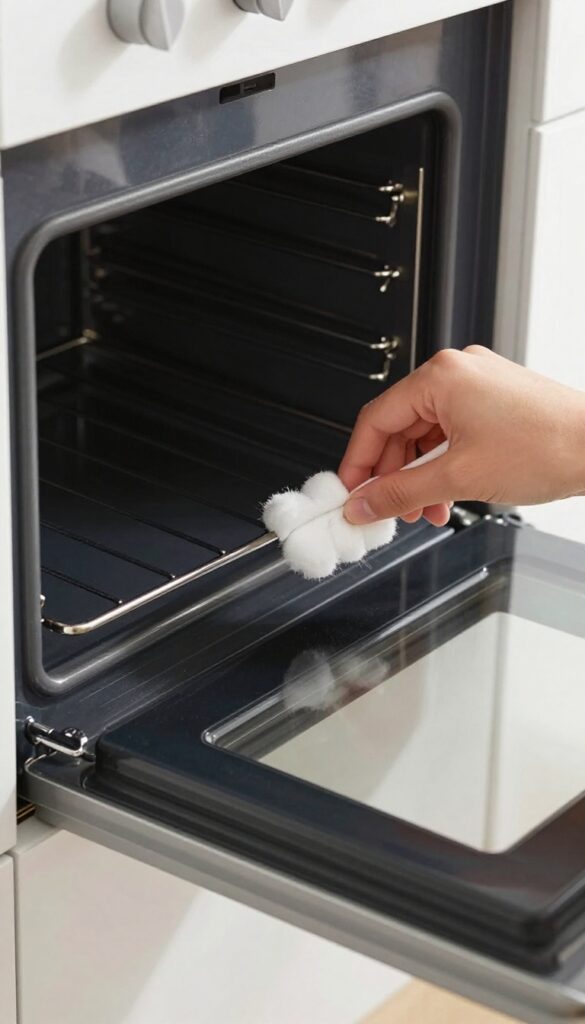
The rubber gasket around your oven door is a common place for grime to hide, but it's also fragile. Scrubbing it too hard or using harsh chemicals can cause tears or cracks, leading to heat loss. A gentle touch with the right tool makes all the difference.
Why The Gasket Needs Special Care
The gasket creates a tight seal to keep heat inside your oven. If it gets damaged, your oven won't heat efficiently, and you might see higher energy bills. Grease and food particles can build up here, but aggressive scrubbing can pull the rubber away from the door.
The Cotton Swab Method
Dip a cotton swab in warm, soapy water (a few drops of dish soap in a cup of water works perfectly). Gently run the swab along the crevices of the gasket, replacing the swab as it gets dirty. This method reaches into tight spots without risking tears.
What To Avoid
Stay away from abrasive sponges, scrub brushes, or chemical degreasers on the gasket. Even baking soda paste can be too gritty if rubbed too hard. Stick to soft cotton swabs or a microfiber cloth for a safe clean.
16. Wipe Down the Exterior Glass Too
Once the interior glass sparkles, it's easy to overlook the outside of the door. But a clean interior paired with a smudged exterior looks unfinished. The good news: this step takes just a minute and uses a product you probably already have.
Grab a standard glass cleaner or make a quick DIY spray with equal parts water and vinegar. Spray onto a microfiber cloth—never directly onto the door—to avoid drips seeping into the edges. Wipe the entire outer glass surface, including the handle area where fingerprints collect.
For stubborn spots, let the cleaner sit for 30 seconds before buffing dry with a clean section of the cloth. This final pass gives your oven door a uniform, streak-free finish that matches the inside.
Why The Exterior Matters
A clean exterior glass isn't just about looks—it also prevents grease from baking onto the surface during future uses. Over time, that buildup becomes harder to remove, so a quick wipe after each deep clean keeps maintenance low.
Best Cleaners For The Job
Commercial glass cleaners work well, but avoid ammonia-based products if your oven has a stainless steel frame—they can damage the finish. Stick to gentle formulas or a simple vinegar solution to stay safe.
Avoiding Common Mistakes
Never use abrasive scrubbers or paper towels on the exterior glass; they can leave micro-scratches. Always use a soft microfiber cloth and wipe in one direction to prevent streaks.
17. Maintain with Weekly Quick Wipes
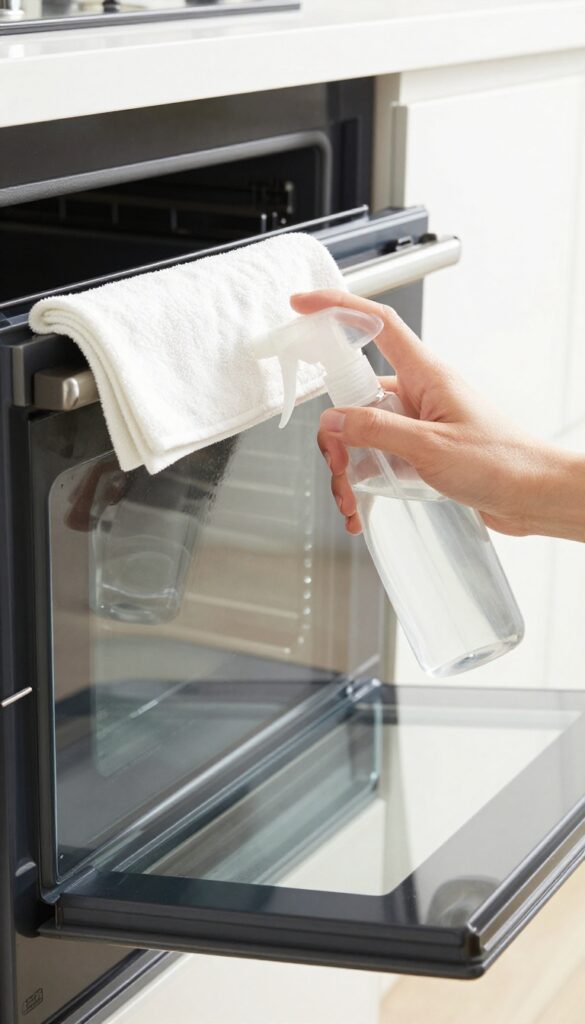
The best way to keep your oven glass clean is to never let grime build up in the first place. A quick wipe after each use takes just 30 seconds and saves you from deep cleaning later. This small habit makes a huge difference over time.
Make it a routine to give the glass a fast wipe once the oven has cooled enough to touch safely. Use a soft microfiber cloth and a simple spray of water with a drop of dish soap. Focus on the inside of the door where grease splatters most.
This step alone can keep your glass looking clear for weeks.
What You Need
Keep a spray bottle filled with water and a tiny squirt of mild dish soap under your sink. Grab a clean microfiber cloth—paper towels can leave lint. That's it.
No special products required.
When To Wipe
Wait until the oven is warm but not hot—about 15 minutes after turning it off. A warm surface loosens fresh grease, but hot glass can cause burns or streaks. Aim to wipe after every cooking session that produces steam or splatter.
Quick Technique
Spray the glass lightly, then wipe in one direction from top to bottom. Flip the cloth to a dry side and buff away any moisture. If you see stubborn spots, let the spray sit for 30 seconds before wiping.
Done.
FAQ
Can I use Windex on oven glass?
It's not recommended because Windex contains ammonia that can damage the glass coating and leave streaks. Stick to baking soda, vinegar, or mild dish soap.
How often should I clean the oven glass door?
For best results, wipe the glass after every few uses. A deep clean every 1–2 months prevents heavy buildup.
Will baking soda scratch the glass?
No, baking soda is a gentle abrasive that won't scratch oven glass when used with a soft sponge or cloth.
What if the grime is between the glass panes?
That usually means the seal is broken. You may need to disassemble the door or call a professional to clean between the panes.
Can I clean the glass while the oven is warm?
No, always let the oven cool completely. Cleaning on a hot surface can cause the glass to crack and cleaning solutions to evaporate too fast.
Conclusion
A clean oven glass door makes cooking more enjoyable and lets you keep an eye on your food without opening the door. These 17 steps give you plenty of options, whether you need a quick fix or a deep clean. Pick the methods that fit your schedule and the level of grime you're dealing with.
With regular maintenance, you'll never have to face a foggy oven window again. Your future self—and your roasted chicken—will thank you.