How to Clean Microwave Messes in 13 Easy Ways
Microwave messes happen fast—soup explosions, dried-on cheese, mystery splatters. Scrubbing them by hand is a pain, but you don't need harsh chemicals or endless elbow grease.
These 13 methods use everyday items like lemons, vinegar, and baking soda to cut through grime quickly. Each trick targets a specific type of mess, from burnt-on food to lingering odors.
You'll save time and keep your microwave looking like new without breaking a sweat.
1. Steam Clean with Lemon Water
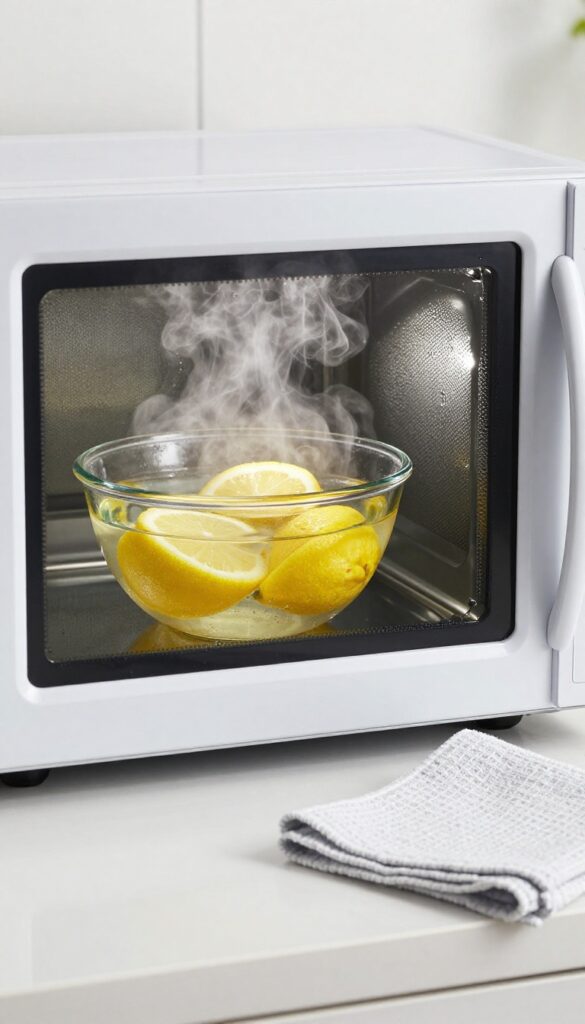
Lemon water steam is one of the quickest ways to tackle dried-on food and bad smells. You only need a lemon, water, and a microwave-safe bowl. The steam loosens grime, and the lemon leaves a fresh scent.
Slice a lemon into a bowl of water and microwave for 3 minutes. Let it sit for a couple minutes before opening. The steam will have softened any stuck-on bits.
Wipe the interior with a cloth—grime comes off easily. This method is great for light to moderate messes and leaves your microwave smelling clean.
Why Lemon Works So Well
Lemon contains citric acid, which breaks down grease and food residue. When heated, the steam carries the acid into every corner, making wiping effortless. Plus, the natural scent neutralizes odors without artificial fragrances.
Best Practices For Best Results
Use a deep bowl to avoid boiling over. Microwave on high until the water is steaming vigorously. Let the bowl sit for 2-3 minutes after the timer ends—this gives the steam time to work.
Use a microfiber cloth for streak-free wiping.
When To Use This Method
Ideal for everyday splatters and light dried-on food. For burnt-on messes, you may need a longer steam or a stronger cleaner. But for most routine cleaning, lemon water is all you need.
2. Vinegar Steam for Tough Grease
When dried-on grease builds up inside your microwave, scrubbing just pushes it around. That's where vinegar steam comes in. It softens grime and cuts through grease without any harsh scrubbing.
White vinegar is a natural degreaser that breaks down stubborn residue when heated. The steam loosens caked-on food, and the acidity dissolves grease on contact. This method works especially well on the ceiling and back wall of the microwave, where splatters tend to collect.
How To Do It
Fill a microwave-safe bowl with equal parts water and white vinegar—about half a cup each. Place it in the microwave and heat on high for 5 minutes. Let the bowl sit inside for another 2 minutes so the steam can work its magic.
Then, carefully remove the bowl (it will be hot) and wipe down the interior with a damp cloth or sponge. The grease should come off easily.
Why It Works So Well
Vinegar's acetic acid breaks down the molecular structure of grease, making it water-soluble. The steam also rehydrates dried-on food particles, so they wipe away instead of requiring vigorous scrubbing. It's a one-two punch that leaves your microwave sparkling.
Pro Tips For Best Results
Use distilled white vinegar for the strongest effect—avoid balsamic or apple cider vinegar, as they can leave residue. If your microwave is extra greasy, add a tablespoon of baking soda to the bowl before heating for an extra cleaning boost. Always keep the microwave door closed during the sitting period to maximize steam concentration.
3. Baking Soda Paste for Burnt-On Food
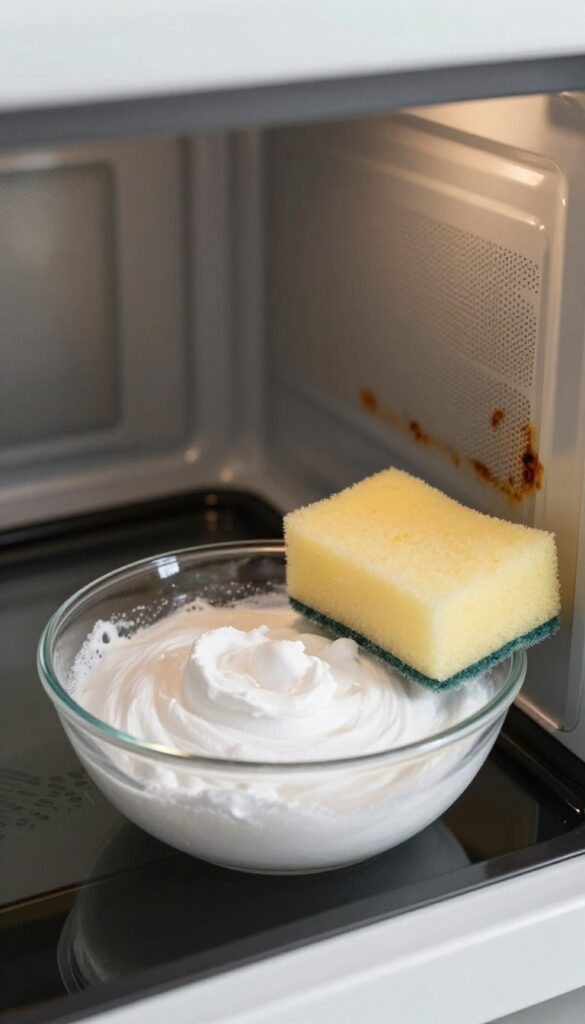
Burnt-on food can feel impossible to remove, but baking soda makes it surprisingly easy. A simple paste breaks down stubborn residue without scratching your microwave's interior. This method works best for spots that won't budge with steam or mild cleaners.
It's gentle enough for daily use yet tough on dried-on messes.
Mix three tablespoons of baking soda with one tablespoon of water to form a thick paste. Apply the paste directly to burnt-on spots using a sponge or your fingers. Let it sit for 10 minutes to soften the grime.
Scrub gently with a non-abrasive sponge or cloth, then rinse with a damp cloth to remove any residue. For extra-stubborn areas, let the paste sit longer or add a few drops of white vinegar to boost the cleaning power. Avoid using metal scrubbers, as they can damage the microwave's surface.
Why Baking Soda Works
Baking soda is mildly abrasive, meaning it lifts stuck-on food without scratching. Its alkaline nature helps break down acidic burnt residues, making them easier to wipe away. Plus, it neutralizes odors, leaving your microwave fresh.
Tips For Stubborn Spots
If the paste dries out while sitting, spritz it with a little water to keep it active. For burnt-on cheese or sugar, heat a cup of water in the microwave for 2 minutes first to loosen the mess, then apply the paste. Repeat the process if needed.
4. Dish Soap and Water for Everyday Splatters
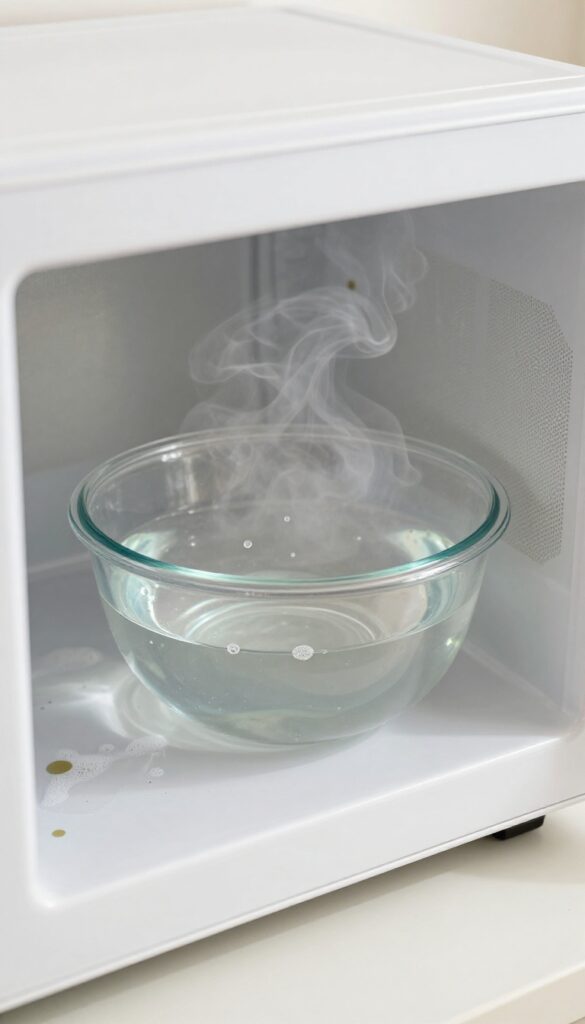
Not every microwave mess needs a heavy-duty cleaner. For the everyday splatters—soup drips, sauce pops, and cheese smears—a simple mix of dish soap and water does the trick. The steam loosens dried-on residue, and the soap cuts through grease without harsh scrubbing.
This method works best for light to moderate messes that haven't been baked on for days. It's quick, uses ingredients you already have, and leaves your microwave fresh and clean.
How To Do It
Fill a microwave-safe bowl with 1 cup of water. Add a single drop of dish soap—too much will create excessive foam. Microwave on high for 2 minutes.
Let the bowl sit inside for another minute so the steam can work. Then, remove the bowl carefully (it will be hot) and wipe down the interior with a soft cloth or sponge. The grime should come off easily.
When To Use This Method
This is your go-to for daily or weekly maintenance. Use it after cooking foods that tend to splatter, like oatmeal, pasta sauce, or scrambled eggs. It's also great for removing light grease films that accumulate over time.
For tough, burnt-on spots, you'll need a stronger method, but for routine cleaning, dish soap and water are all you need.
Why It Works
The microwave heats the water, creating steam that condenses on the walls and loosens dried food. The dish soap reduces the surface tension of the water, allowing it to penetrate and lift grease more effectively. Together, they soften residue so you can wipe it away without scrubbing.
5. Use a Damp Cloth and Microwave It
Steam is a natural cleaner, and this trick puts it to work without any extra products. A damp cloth inside the microwave creates a gentle steam bath that loosens stuck-on food and grease. It's especially handy when you don't have lemons or vinegar on hand.
This method is almost effortless. You just need a clean dishcloth and a few seconds of microwave time. The steam softens grime so you can wipe it away without scrubbing.
Why It Works
When you microwave a damp cloth, the water turns to steam and coats the interior. The moisture penetrates dried-on food particles, making them easier to wipe off. The heat also helps kill some bacteria, leaving your microwave fresher.
Step-by-step Instructions
Wet a clean cloth and wring it out so it's damp, not dripping. Place it on the microwave's turntable. Microwave on high for 1 minute.
Let it sit for another minute to let the steam work. Then carefully remove the cloth (it will be hot) and use it to wipe down the interior. Rinse the cloth as needed.
Best For Light To Moderate Messes
This trick works great for everyday splatters and dried-on sauce. For burnt-on or baked-on messes, you may need to repeat the process or combine it with a baking soda scrub. But for quick maintenance, it's hard to beat.
6. Coffee Filter for Absorbing Odors
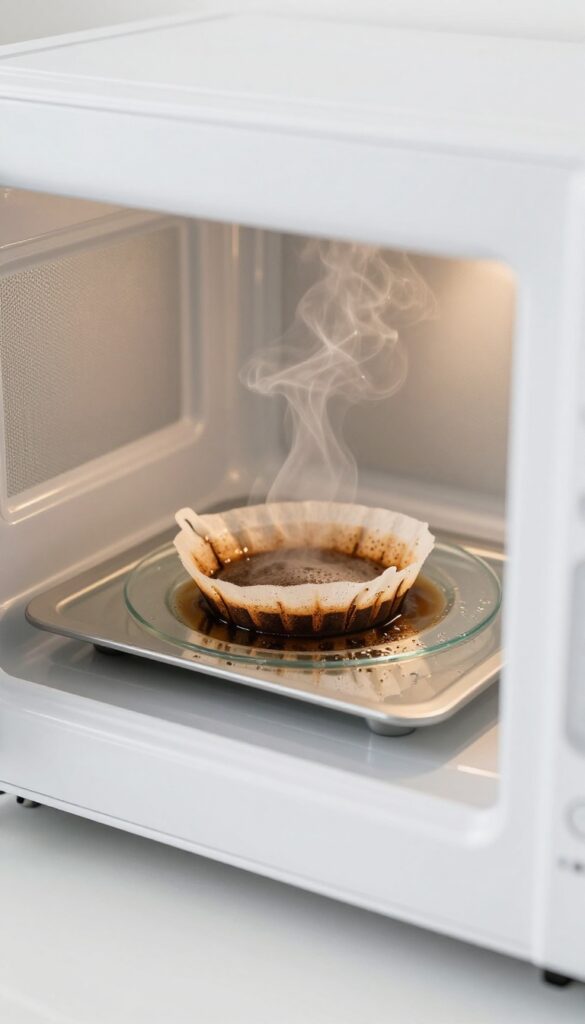
Coffee filters are great for more than just brewing your morning cup. A damp coffee filter placed in the microwave can soak up stubborn odors and loosen light grime. It's a quick, no-scrub fix that leaves the inside smelling fresh.
Wet a standard coffee filter with water and place it inside the microwave. Run the microwave on high for 2 minutes. The steam from the filter will absorb odors and soften any light residue.
After heating, carefully remove the filter and wipe down the interior with a cloth or paper towel. The filter itself can be tossed, making cleanup effortless.
Why It Works
The moisture from the wet filter creates steam, which helps release trapped odors and loosen dried-on splatters. Coffee filters are porous and absorbent, so they trap odor molecules effectively. This method is especially good for neutralizing smells from fish, popcorn, or burnt food without adding any chemical scents.
Tips For Best Results
Use a fresh filter each time for maximum odor absorption. If the smell is strong, add a few drops of lemon juice or vanilla extract to the filter before heating. Make sure the filter is fully saturated but not dripping excessively.
After steaming, leave the microwave door open for a minute to let fresh air circulate.
7. Citrus Peels for a Natural Deodorizer
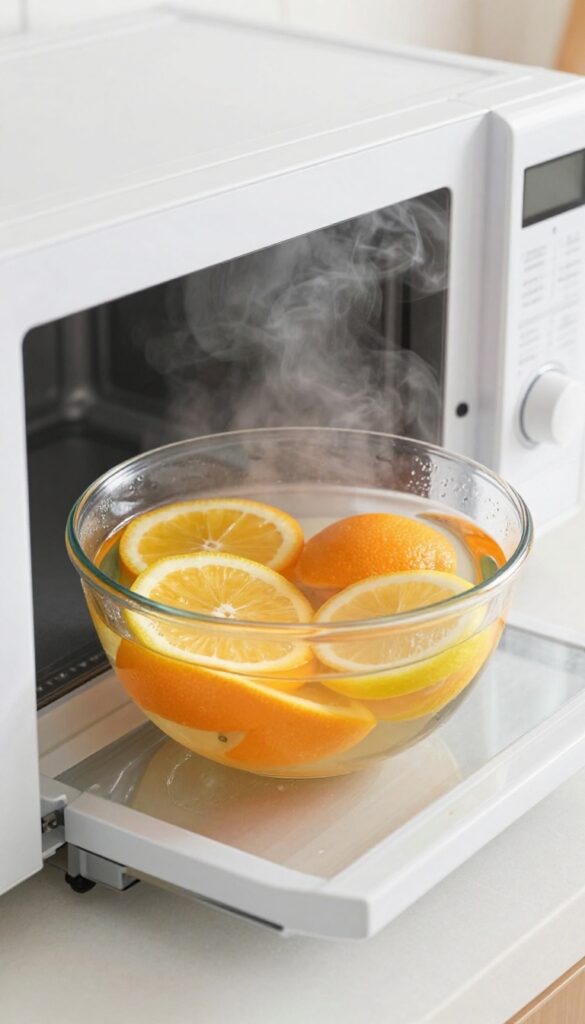
If your microwave smells like last week's fish or burnt popcorn, citrus peels are your best friend. Instead of masking odors with sprays, this trick uses steam to neutralize them naturally. Plus, it's a great way to use up peels before they go to waste.
Save orange or lemon peels in a bowl of water. Microwave for 3 minutes. The steam deodorizes and leaves a pleasant citrus scent.
Why Citrus Works So Well
Citrus peels contain natural oils that break down odor molecules. When heated, the steam carries these oils throughout the microwave, effectively neutralizing smells instead of just covering them up. The acidity also helps loosen any dried-on food particles.
How To Do It Right
Place peels from one orange or lemon in a microwave-safe bowl filled with about a cup of water. Microwave on high for 3 minutes. Let the bowl sit inside for another 2 minutes to let the steam work its magic.
Then wipe down the interior with a damp cloth.
Bonus Tips For Stubborn Odors
For really tough smells, add a tablespoon of white vinegar to the water along with the peels. You can also combine lemon and orange peels for a more complex scent. If you don't have fresh peels, a few drops of citrus essential oil in water works in a pinch.
8. Baking Soda and Vinegar Combo for Stubborn Stains
Some messes just won't budge with steam or a simple wipe. Dried-on sauce, baked-on cheese, or old splatters need a one-two punch. Baking soda and vinegar together create a fizzy reaction that lifts grime without scrubbing yourself sore.
Sprinkle a generous layer of baking soda over the stain. Spray white vinegar directly onto the baking soda until it fizzes. Let the mixture sit for 5 minutes to break down the stuck-on mess.
Then scrub with a sponge or soft brush. Rinse with a damp cloth and dry. This combo works wonders on dried-on food, but avoid using it on aluminum or bare metal surfaces, as the reaction can cause discoloration.
Why It Works So Well
Baking soda is a mild abrasive that gently scrubs without scratching. Vinegar is acidic and dissolves grease and mineral deposits. When they combine, the carbon dioxide bubbles help lift debris from surfaces.
The fizzing action does the heavy lifting, so you don't have to.
Best For Tough, Dried-on Spots
This method is ideal for stains that have been baked on over multiple heating cycles. Think of crusty spaghetti sauce or burnt popcorn residue. For fresh spills, stick to steam or a quick wipe.
Save the heavy artillery for the real stubborn stuff.
Pro Tips For Best Results
Use a spray bottle for the vinegar to control the amount. Let the fizz work for a full 5 minutes—don't rush it. After scrubbing, wipe with a clean, damp cloth to remove any residue.
If the stain persists, repeat the process. Always rinse thoroughly to avoid any lingering smell.
9. Use a Sponge and Water for Quick Clean
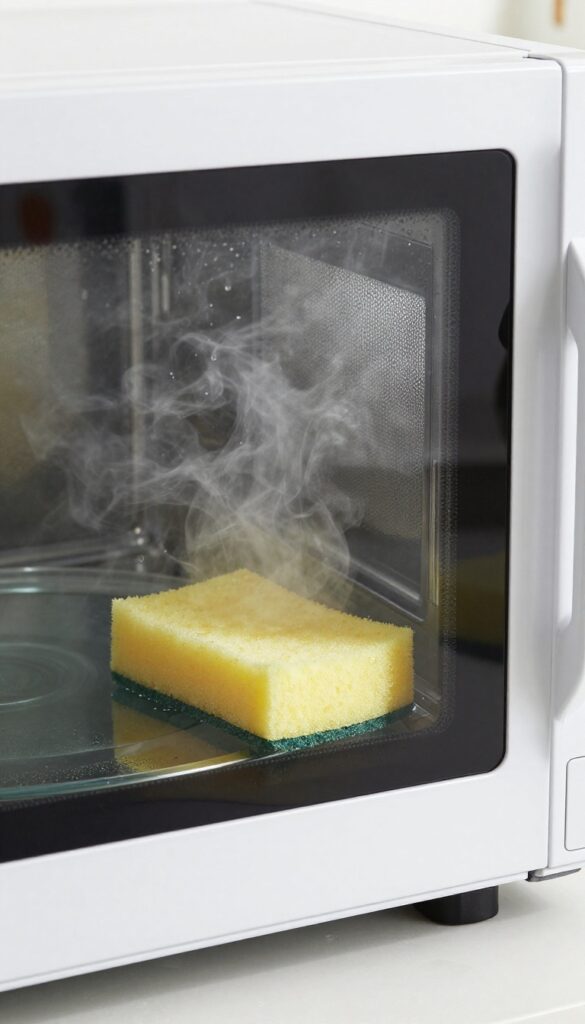
When you're short on time but need a clean microwave fast, this trick works wonders. It uses just a sponge and water—no extra products required. The steam does all the heavy lifting, softening grime and sanitizing both the sponge and the interior.
Wet a clean sponge thoroughly (make sure it has no metal scrubby part) and place it in the microwave. Heat on high for 30 seconds. The steam will loosen any dried-on food inside while also killing bacteria on the sponge.
Carefully remove the hot sponge using tongs or a towel, then wipe down the interior walls, ceiling, and turntable. The sponge will be warm and steamy, making it easy to lift off stuck-on bits. Rinse the sponge after use.
Why This Works
Microwaving a wet sponge creates steam that condenses on surfaces, softening food residue. The heat also sanitizes the sponge, reducing odors and bacteria. It's a two-in-one cleaning method that saves time and effort.
Tips For Best Results
Use a sponge that's free of metal abrasives—metal can cause sparks. Make sure the sponge is thoroughly wet; a dry sponge can catch fire. If your microwave has a lot of buildup, let the steam sit for a minute after heating before wiping.
10. Toothbrush for Corners and Crevices
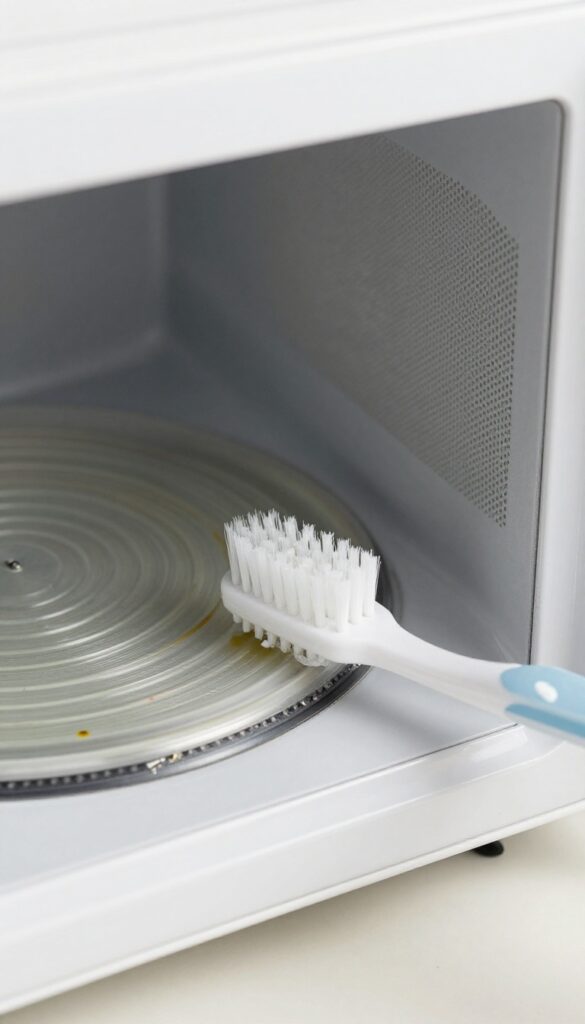
Microwaves have plenty of hidden spots where grime likes to hide—turntable grooves, door seals, and tight corners. A regular sponge can't reach those narrow gaps, but an old toothbrush fits perfectly. This simple tool makes short work of baked-on residue in all those awkward places.
Grab a toothbrush you no longer use for brushing. Dip the bristles in white vinegar or a mixture of warm water and dish soap. Scrub the groove around the turntable, the rubber seal on the door, and any corners where food particles collect.
The bristles get into the crevices without scratching the microwave's interior. Rinse the area with a damp cloth afterward to remove any loosened debris. For stubborn spots, let the vinegar sit for a minute before scrubbing.
Why A Toothbrush Works Best
Toothbrushes have soft but firm bristles that can reach into narrow gaps without damaging surfaces. Unlike a sponge or cloth, they can dig into the tiny grooves of the turntable track and the folds of the door seal. This makes them ideal for detail cleaning where buildup is hardest to remove.
Best Cleaning Solution To Use
White vinegar is a natural degreaser and deodorizer, making it perfect for cutting through greasy splatters in crevices. If you prefer a gentler option, mix a few drops of dish soap with warm water. Avoid harsh chemicals that could damage the microwave's interior or leave harmful residues.
Tips For A Thorough Clean
Work in small sections and rinse the toothbrush frequently to avoid spreading grime. For the turntable groove, rotate the glass plate as you scrub to reach every part. After scrubbing, wipe the area with a damp microfiber cloth to pick up any leftover dirt.
Dry with a soft towel to prevent water spots.
11. Steam Clean with Only Water
Sometimes the simplest solution is the best one. A bowl of water can loosen dried-on food and freshen up your microwave without any scrubbing or special ingredients. This method is perfect for light messes and regular maintenance.
How It Works
Fill a microwave-safe bowl with water—about 1 cup. Place it in the microwave and run on high for 5 minutes. The steam condenses on the walls, ceiling, and turntable, softening stuck-on bits.
Let it sit for 3 minutes after the timer goes off so the steam can do its job. Then simply wipe everything down with a clean cloth or sponge.
When To Use This Method
This is ideal for everyday upkeep or when you have only minor splatters. It won't tackle burnt-on residue or tough stains, but it's great for preventing buildup. Use it once a week to keep your microwave fresh and reduce the need for deeper cleaning.
Pro Tips For Best Results
Add a squeeze of lemon or a splash of vinegar to the water for extra cleaning power and a fresh scent. Make sure the bowl is deep enough so water doesn't boil over. After wiping, leave the door open for a few minutes to let the interior dry completely.
12. Use a Commercial Microwave Cleaner
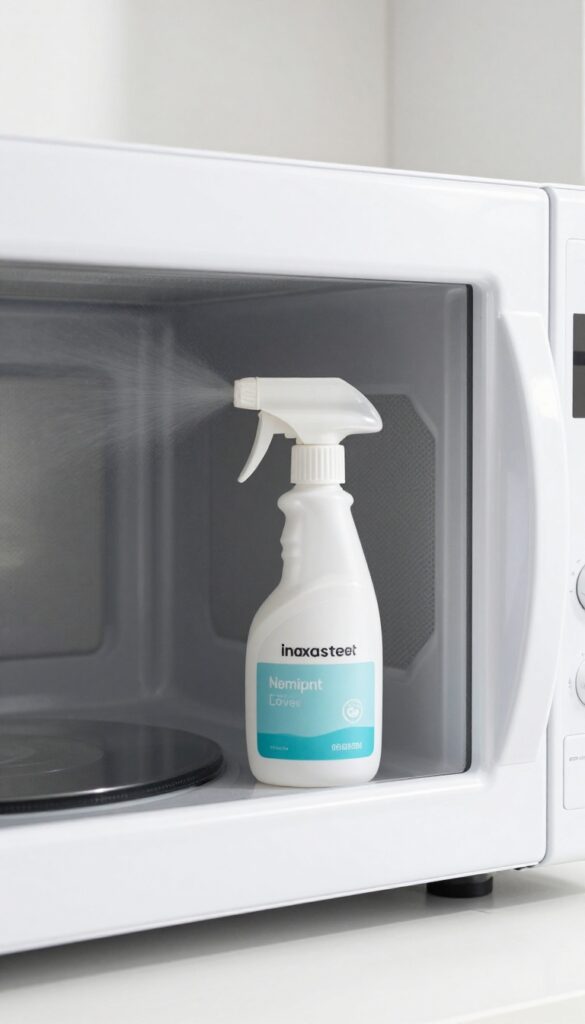
Sometimes you just want a no-fuss solution that works every time. Commercial microwave cleaners are formulated to dissolve baked-on grease and food residue quickly. They come in sprays or foams that cling to vertical surfaces, making them ideal for tough, stuck-on messes.
Just spray, let it sit, and wipe away the grime without scrubbing.
Store-bought microwave cleaners are a reliable option when DIY methods aren't cutting it. They're especially handy for heavy-duty cleaning or when you're short on time. Most products require you to spray the interior, avoid the heating elements, and let the solution sit for a few minutes.
Then, a simple wipe with a damp cloth removes the loosened dirt. Always follow the instructions on the label, and make sure the product is safe for your microwave's interior material. Some cleaners also deodorize, leaving your microwave smelling fresh.
Choosing The Right Cleaner
Look for a cleaner specifically designed for microwaves. Avoid harsh chemicals that might damage the interior or leave harmful residues. Many brands offer non-toxic, biodegradable options that are safe for food contact surfaces.
Check reviews to find one that works well on grease without requiring excessive rinsing.
How To Apply For Best Results
Start by removing the turntable and any loose debris. Spray the cleaner evenly on the interior walls, ceiling, and floor, avoiding the vent and control panel. Let it sit for the recommended time—usually 5 to 10 minutes.
Then, wipe with a soft, damp cloth or sponge. For stubborn spots, a gentle scrub with a non-abrasive pad may help. Rinse the cloth frequently to avoid spreading residue.
Safety Precautions
Always unplug the microwave before cleaning to prevent accidental activation. Wear gloves if the cleaner contains strong ingredients. Ensure proper ventilation by opening a window or running the exhaust fan.
Never spray cleaner directly onto electrical components or the door seal. After cleaning, run a cup of water for a minute to steam away any leftover cleaner smell.
13. Prevent Future Messes with a Cover
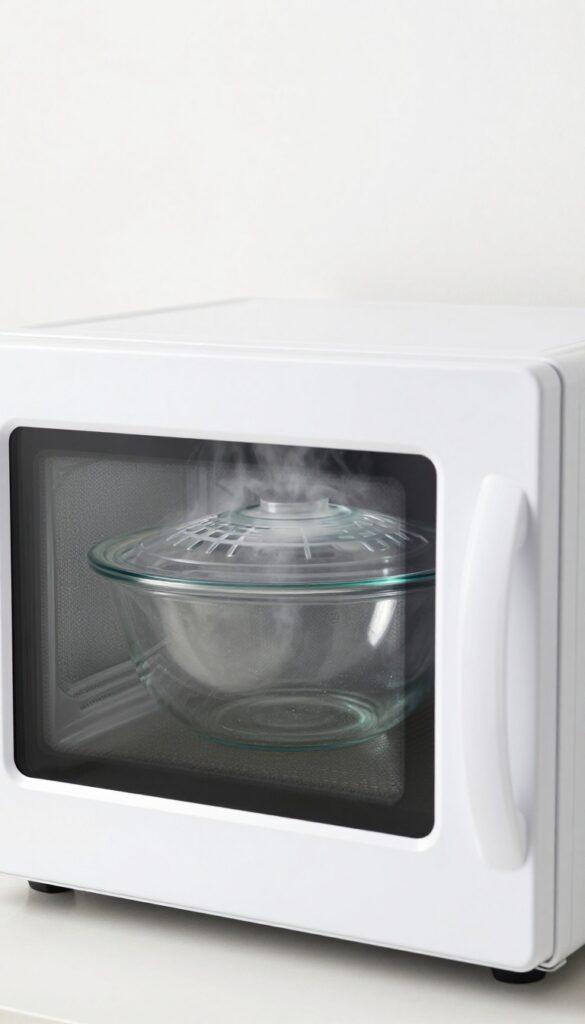
The easiest mess to clean is the one that never happens. A simple cover can stop splatters before they start, saving you time and effort. Get into the habit of covering your food, and you'll notice a big difference in how often you need to deep-clean your microwave.
Using a microwave-safe cover or a paper towel over bowls catches steam and food particles, keeping the interior clean. If a spill does happen, wipe it up right away while it's still wet—dried-on messes are much harder to remove. This two-step habit keeps your microwave fresh with minimal work.
Choose The Right Cover
Microwave-safe lids, vented covers, or even a simple paper towel work well. Avoid tight-sealing containers that can trap steam and cause pressure buildup. A loose cover allows steam to escape while blocking splatters.
Clean Spills Immediately
When you see a spill, grab a damp cloth or sponge and wipe it down before it bakes on. This takes just seconds and prevents stubborn stains. For sticky or sugary spills, a quick wipe with a wet paper towel does the trick.
Make It A Routine
After each use, quickly check for any messes and give the inside a once-over. Keeping a small spray bottle of vinegar water nearby makes it easy. This daily habit keeps your microwave looking like new.
FAQ
Can I use bleach to clean my microwave?
It's not recommended. Bleach can damage the interior and leave harmful residues. Stick to vinegar, lemon, or baking soda.
How often should I clean my microwave?
Wipe up spills immediately and do a deep clean once a week. If you use it daily, a quick steam clean every few days helps.
Is it safe to microwave a sponge?
Yes, if the sponge is damp and has no metal. Microwaving for 30 seconds can kill bacteria, but let it cool before handling.
Why does my microwave smell bad?
Food particles and spills can cause odors. Regular cleaning with lemon or vinegar steam helps eliminate smells.
Can I put the glass turntable in the dishwasher?
Check your manual, but most glass turntables are dishwasher-safe. Remove it and wash separately for a thorough clean.
Conclusion
Microwave messes don't have to be a hassle when you have these 13 simple methods in your back pocket. Most use everyday ingredients like vinegar, baking soda, or lemon, so you can tackle spills right when they happen. Try the steam-and-wipe trick first—it works for most dried-on gunk.
Keep a microwave-safe bowl of water and lemon slices handy for quick freshening after each use. Your microwave will stay clean, smell great, and work better without all that baked-on residue. Pick your favorite method and make it a habit.