13 Cleaning Sink Drains Tips for Odor and Slow Water
That funky smell coming from your sink or the water that takes forever to drain isn't something you have to live with. You don't need harsh chemicals or a plumber for most common issues—just a few simple tricks using stuff you probably already have at home.
These 13 cleaning tips target odors and slow drains head-on, keeping your sink fresh and flowing freely. From weekly boiling water flushes to tackling hair clogs with a snake, each method is practical and easy to try.
Some use pantry staples like baking soda and vinegar, while others involve a quick disassembly of the pop-up stopper or P-trap. You'll even learn how a wet/dry vacuum can blast through stubborn blockages.
1. Flush with Boiling Water Weekly
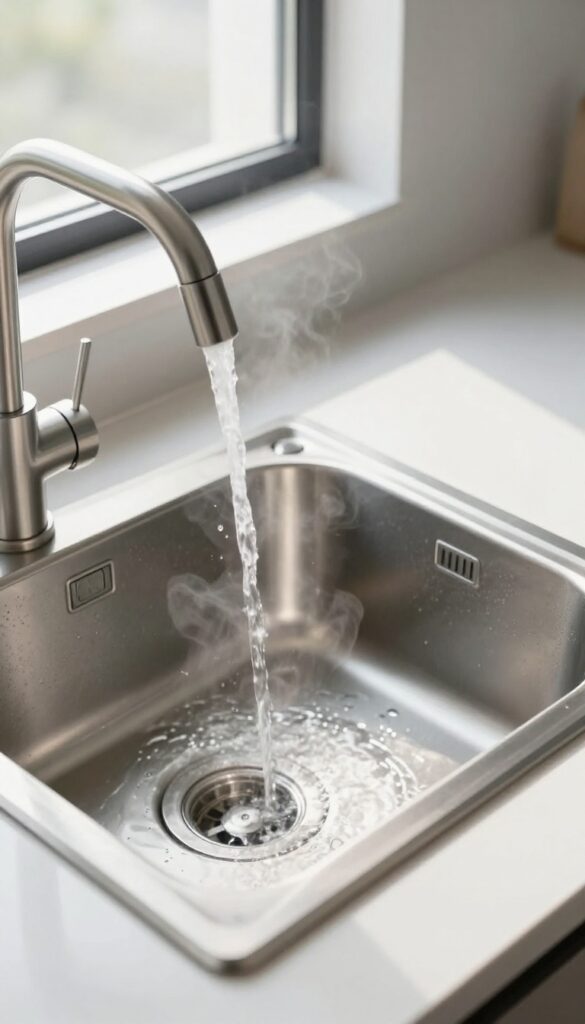
A simple kettle of boiling water is one of the easiest ways to keep your sink drain fresh and fast. Once a week, pour it straight down the drain to melt grease and soap scum before they harden into clogs. This routine takes just a minute and prevents odors from building up over time.
Why It Works
Hot water liquefies fats and oils that cling to pipe walls. When these cool, they solidify and trap debris, leading to slow drainage and smells. A weekly flush keeps them moving before they become a problem.
How To Do It Right
Boil a full kettle of water. Carefully pour it down the drain in two or three stages, allowing the heat to work between pours. For metal pipes, you can pour directly.
For PVC, let the water cool for 30 seconds to avoid damaging the pipe.
When To Skip This Method
If you have a garbage disposal, run cold water while using it to keep fats solid so they get chopped and flushed. Boiling water can push melted grease deeper into pipes if the disposal isn't running. Also, avoid this if you've recently used a chemical drain cleaner—the heat can create toxic fumes.
2. Baking Soda and Vinegar Volcano
You’ve probably seen this trick on social media, but it’s not just for show. The classic fizzing reaction between baking soda and vinegar actually works to break down grime and neutralize odors in your sink drain. It’s a chemical-free way to give your pipes a gentle scrub without the harsh stuff.
All you need are two pantry staples and a little patience—let the bubbles do the work, then flush it all away with hot water.
This method is perfect for maintenance and mild odors. It won’t dissolve tough hair clogs or solid blockages, but it’s great for keeping things fresh and flowing. Use it weekly or after cooking greasy meals to prevent buildup.
Why It Works
Baking soda (sodium bicarbonate) is a mild alkali that reacts with vinegar (acetic acid) to produce carbon dioxide gas. The fizzing action helps dislodge loose debris and soap scum from pipe walls, while the alkaline and acid components work together to break down organic matter and neutralize smells.
Step-by-step Instructions
Start by pouring 1/2 cup of baking soda directly into the drain. Follow with 1 cup of white vinegar. Immediately cover the drain with a plug or cloth to contain the fizzing reaction.
Let it sit for 15 minutes—longer if the drain is particularly smelly. Then, flush with a kettle of boiling water to wash away the loosened grime.
When To Use This Method
This is ideal for routine deodorizing and light cleaning. Use it if you notice a faint odor or slow draining after cooking. It’s safe for all pipe types, including PVC and metal.
Avoid using if the drain is completely clogged—try a mechanical method first, then follow up with this for freshness.
3. Use a Drain Snake for Hair Clogs
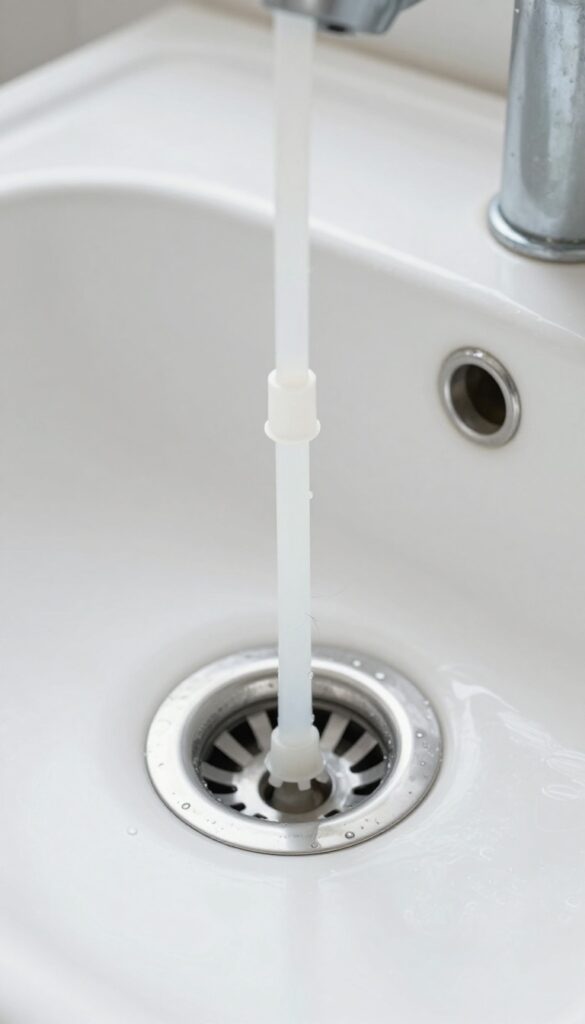
Hair is the number one culprit behind slow bathroom drains. It tangles with soap scum and forms a net that traps everything else. A drain snake—a simple, cheap plastic tool—can grab that hair clump near the surface and pull it out in seconds.
No need to disassemble pipes or call a plumber.
A plastic drain snake costs a few dollars and works like a charm. Insert it into the drain, twist, and pull. The barbs catch hair and debris, restoring flow instantly.
It's a low-effort fix that beats any chemical drain cleaner.
How To Use A Drain Snake
Push the snake into the drain until you feel resistance. Rotate the handle to snag the hair, then slowly pull it out. Dispose of the gunk in the trash, not the sink.
Repeat until the drain runs freely.
When To Snake Vs. When To Call A Pro
If the snake only brings up a little hair but the drain is still slow, the clog might be deeper. In that case, try a longer snake or a wet/dry vacuum. If nothing works, it's time for a plumber.
4. Clean the Pop-Up Stopper
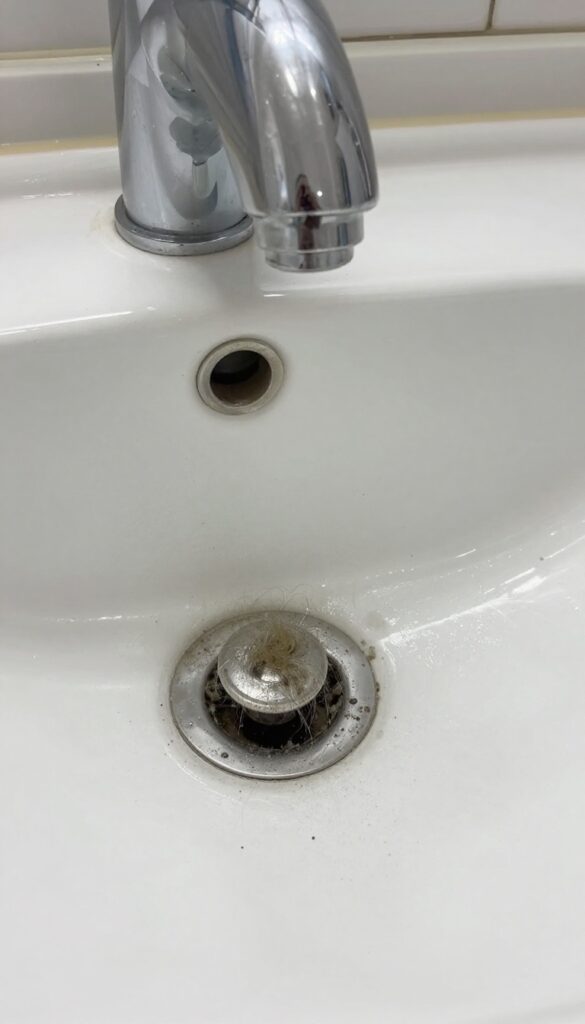
The pop-up stopper in your bathroom sink is a magnet for hair, soap scum, and gunk. Over time, that buildup traps odors and restricts water flow. The good news?
You can clean it in minutes without any special tools.
Most pop-up stoppers are designed to be removed easily. Once you pull it out, you’ll likely see a thick layer of grime. Scrubbing that off restores drainage and eliminates the source of bad smells.
It’s one of those tasks that feels gross but pays off immediately.
How To Remove The Stopper
Look under the sink for a horizontal rod connected to the back of the drainpipe. There’s usually a spring clip or a nut holding it in place. Pinch the clip or loosen the nut, then lift the rod out.
Now you can pull the stopper straight up from the drain. If it’s stuck, twist gently while pulling.
Scrubbing Away The Gunk
Take the stopper to a sink or bucket and scrub it with an old toothbrush and dish soap. For stubborn residue, soak it in a 50/50 vinegar and water solution for 15 minutes, then scrub again. Rinse thoroughly.
Pay special attention to the rubber gasket and the underside where hair tends to wrap around.
Reassembling And Testing
Slide the stopper back into the drain, then reattach the rod under the sink. Make sure the clip or nut is tight enough so the stopper doesn’t wobble. Run hot water for a few seconds to check for leaks and confirm the stopper moves up and down smoothly.
You should notice faster drainage and a fresher smell.
5. Try a Wet/Dry Vacuum for Stubborn Clogs
When the plunger just isn't cutting it, it's time to bring out the big guns—a wet/dry vacuum. This tool can suck out blockages that are too stubborn for brute force. It's especially effective for sinks with standing water or clogs that are deeper in the pipe.
A wet/dry vacuum creates a powerful suction that can dislodge debris like hair, soap scum, and even small objects. Unlike plunging, which pushes and pulls, the vacuum pulls the clog toward you, often breaking it apart or removing it entirely. It's a game-changer for tough clogs without the mess of disassembling pipes.
Setting Up The Vacuum
First, remove the drain stopper or strainer to expose the drain opening. If there's standing water, you'll need to bail some out so the vacuum can get a good seal. Switch the vacuum to wet mode (if it has one) and remove any filters that could get wet.
Attach the hose to the vacuum's intake port.
Creating A Tight Seal
Wrap a rag around the end of the hose to create a snug fit around the drain opening. Press the hose firmly against the drain, making sure the rag blocks any gaps. This seal is crucial for maximum suction.
Turn on the vacuum and let it run for 30-60 seconds. You should hear the suction pulling at the clog.
Breaking The Clog Free
If the vacuum doesn't immediately clear the clog, try pulsing the suction by turning the vacuum on and off. This can help break up the debris. For extra stubborn clogs, you can also try pouring a cup of hot water down the drain first to soften the blockage.
After vacuuming, run hot water to check if the drain flows freely.
6. Enzyme Drain Cleaners for Maintenance
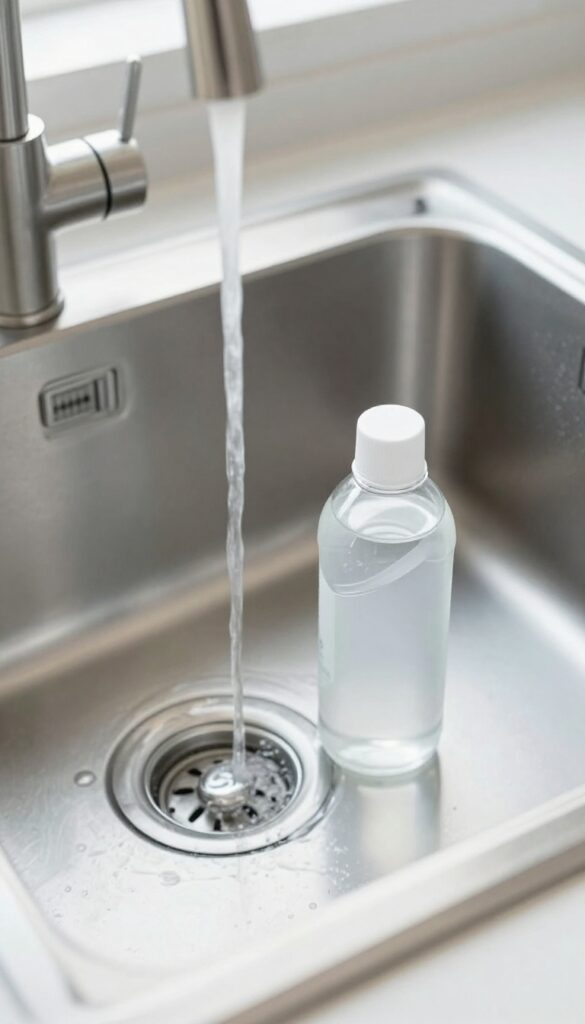
If you want a set-it-and-forget-it solution for keeping drains fresh, enzyme cleaners are worth a try. These products use natural bacteria to eat away organic buildup like soap scum, food particles, and hair—without the harsh fumes or pipe damage of chemical drain openers. They work slowly but steadily, making them ideal for regular maintenance rather than emergency clogs.
Enzyme drain cleaners are a gentle but effective way to prevent odors and slow drainage. Unlike chemical cleaners that react violently with blockages, enzymes digest organic matter over time. This makes them safe for all pipe materials, including PVC and metal, and they won't harm septic systems.
For best results, use them weekly or monthly as a preventive measure.
How Enzyme Cleaners Work
These cleaners contain bacteria that produce enzymes, which break down organic waste into smaller particles that can be flushed away. The process is natural and continuous, meaning the bacteria keep working as long as there's food. Unlike bleach or caustic soda, enzymes don't create heat or fumes, so they're safer for you and your pipes.
When To Use Enzymes Vs. Other Methods
Enzyme cleaners are best for maintenance, not for clearing a completely blocked drain. If your sink is already draining slowly or has a mild odor, pour the recommended amount down the drain before bed and let it work overnight. For severe clogs, you'll need a mechanical method like a snake or plunger first, then follow up with enzymes to keep things clear.
Tips For Maximum Effectiveness
Always follow the product instructions—some require an initial dose followed by weekly maintenance. Avoid using boiling water or chemical cleaners right before or after enzymes, as they can kill the bacteria. For best results, use enzymes in all your drains (kitchen, bathroom, and laundry) on a regular schedule.
7. Salt and Baking Soda Scrub
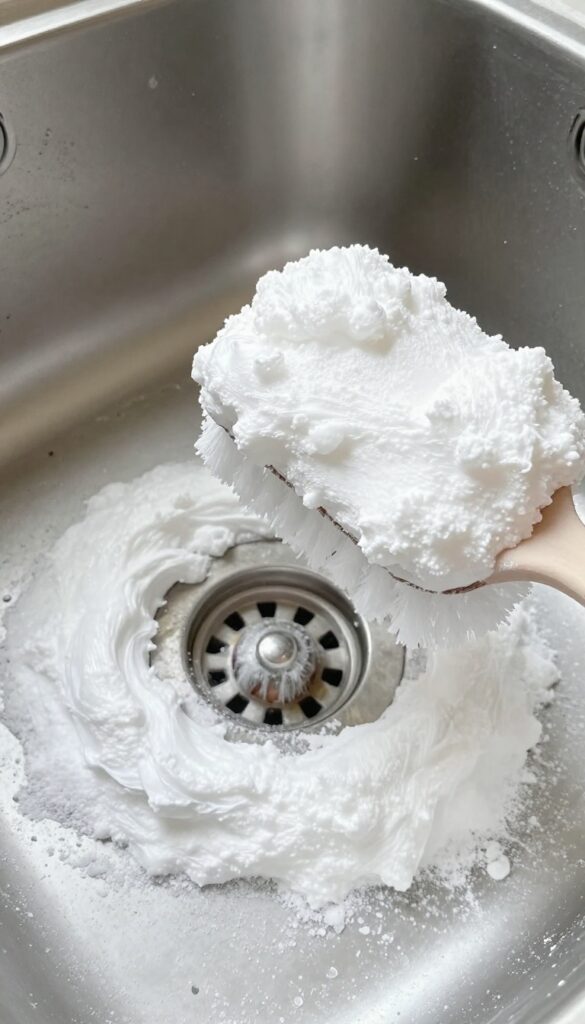
Sometimes the simplest solutions are the most effective. A salt and baking soda scrub is one of those old-school tricks that works wonders on sink drains. It's gentle enough for daily use but tough on grime and odors.
Plus, you probably have both ingredients in your pantry right now.
This abrasive combo works by physically scrubbing away the thin layer of soap scum, grease, and bacteria that builds up inside the drain opening and around the flange. The salt provides grit while the baking soda neutralizes odors. It's a quick, non-toxic way to freshen up your sink without any harsh chemicals.
How To Make The Scrub
Mix equal parts salt and baking soda in a small bowl. You'll need about 2 tablespoons of each for a standard sink. Add just enough water to form a thick paste—you want it spreadable but not runny.
A few drops of lemon juice or essential oil can boost the deodorizing power, but it's optional.
Scrubbing Technique
Dip a damp scrub brush or an old toothbrush into the paste and work it into the drain opening and around the metal rim. Focus on any visible gunk or slime. Let the paste sit for 5 minutes so the baking soda can absorb odors.
Then scrub again before rinsing thoroughly with hot water.
When To Use This Method
This scrub is perfect for weekly maintenance between deeper cleanings. It's especially good for kitchen sinks where food residue and grease cause lingering smells. Avoid using it on natural stone sinks like marble or granite, as the abrasives can scratch the surface.
8. Dish Soap and Hot Water for Grease
Kitchen sinks take a beating from cooking oils, butter, and greasy food scraps. Over time, that residue coats the inside of your pipes and traps odors. A quick blast of dish soap and boiling water can break it all down without any scrubbing.
For kitchen sinks, squirt dish soap directly into the drain, then pour boiling water. The soap cuts grease while the heat flushes it away, preventing buildup.
Why It Works
Dish soap is designed to emulsify grease, breaking it into tiny droplets that water can wash away. Boiling water melts solidified fats and carries them out before they re-solidify further down the pipe.
How To Do It Right
Start by removing any standing water from the sink. Squirt a generous amount of grease-cutting dish soap directly into the drain—about a tablespoon. Boil a full kettle of water and pour it down the drain in two or three stages, letting it work for a few seconds between pours.
Repeat weekly or after heavy cooking.
When To Skip This Method
If you have PVC pipes, boiling water can soften joints over time. Use hot tap water instead (around 140°F). Also avoid this if you've recently used a chemical drain cleaner—mixing heat and chemicals can create fumes or splatter.
9. Remove and Clean the P-Trap
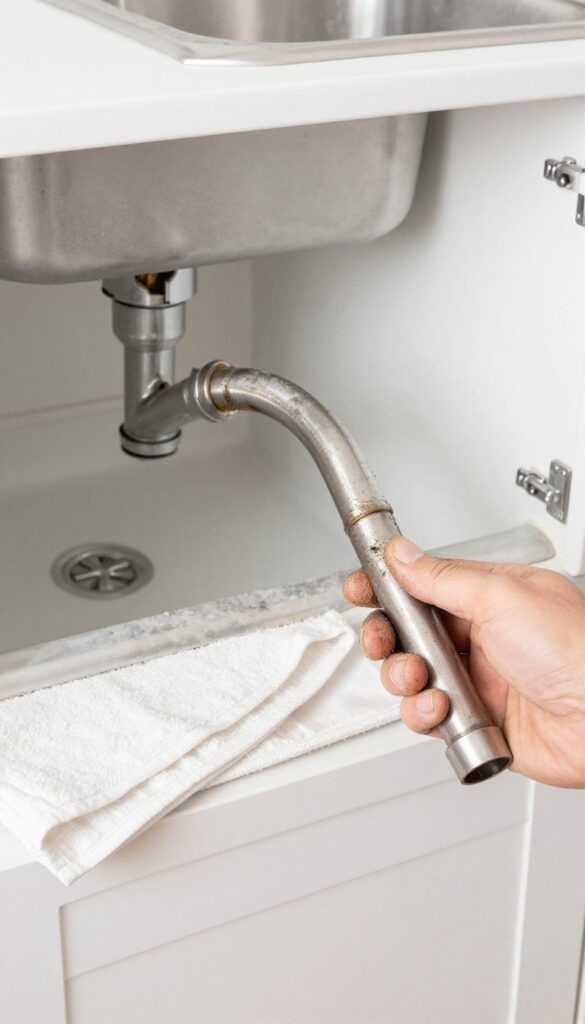
If you've tried plunging and snaking and the drain is still sluggish or smelly, the P-trap might be the culprit. That curved pipe under the sink is designed to hold water and block sewer gases, but it also traps hair, soap scum, and gunk over time. Removing and cleaning it is a straightforward job that can make a huge difference.
What You'll Need
Grab a bucket, a pair of pliers (or a wrench), and an old toothbrush or bottle brush. You'll also want some vinegar or a mild degreaser for a deep clean. Lay down a towel to catch any drips, and you're ready.
Step-by-step Removal
Place the bucket directly under the P-trap to catch water and debris. Using pliers, loosen the slip nuts on both ends of the curved pipe. Carefully slide the nuts away and pull the trap straight down.
Expect some dirty water to spill—that's normal.
Cleaning And Reassembly
Dump the contents into the bucket and rinse the trap in hot water. Scrub inside with the brush and a bit of vinegar to remove any film. Wipe the rubber gaskets clean, then reattach the trap by hand-tightening the slip nuts.
Run hot water for a minute to check for leaks and ensure smooth drainage.
10. Use a Plunger on Double Sinks
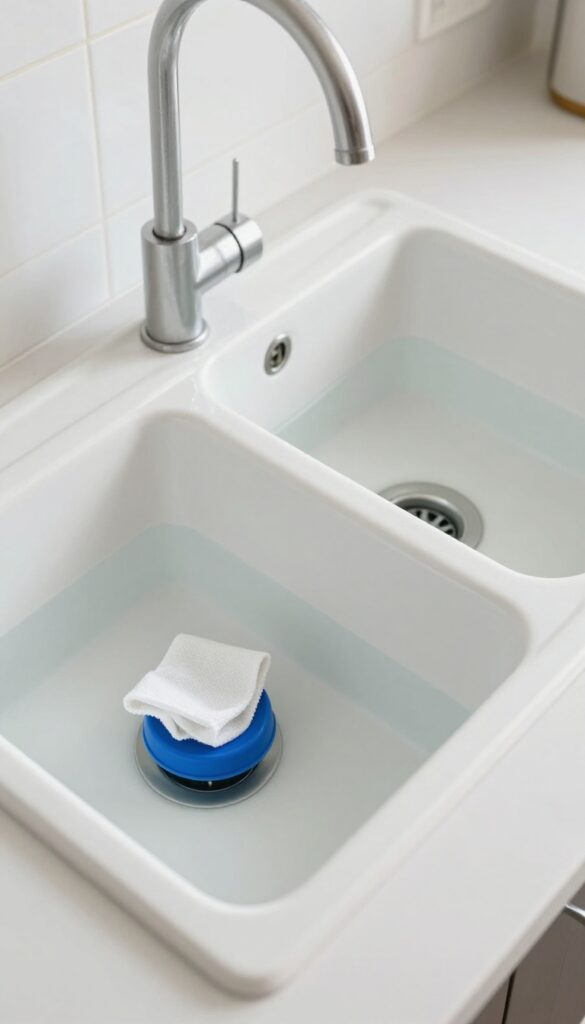
Double sinks are convenient, but when one side drains slowly, the problem often hides in the shared plumbing. Instead of plunging the slow side directly, try a simple trick: plunge the other side while blocking the first. This creates extra pressure that can dislodge clogs stuck in the common pipe.
This method works because double sinks typically connect to a single drain line. Plunging the open side forces water and air through the shared pipe, pushing the blockage loose. It's a quick fix that often saves you from taking apart the pipes.
How To Do It Right
Fill both basins with a few inches of water. Block the slow-draining side with a wet cloth or stopper. Place a cup plunger over the other drain and give it 5-10 firm pumps.
The pressure will travel through the shared pipe and break up the clog.
Why It Works
Plunging the open side creates a pressure wave that travels through the connecting pipe. The blocked side acts as a seal, focusing all the force on the clog. This is more effective than plunging the slow side, which often just pushes water back and forth.
When To Try Something Else
If plunging both sides (one at a time) doesn't help, the clog might be deeper in the main drain. In that case, move on to snaking the line or using a wet/dry vacuum. But for most minor clogs in double sinks, this trick does the job.
11. Ice Cubes and Salt for Garbage Disposal
Your garbage disposal works hard, but it can get pretty gross inside. Food particles cling to the blades and housing, creating a breeding ground for bacteria that cause bad smells. An ice cube and salt treatment is a quick, chemical-free way to freshen things up and keep the disposal running smoothly.
How It Works
Ice cubes harden any grease or grime stuck on the disposal's components, making it easier to knock off. As the blades chop the ice, the friction helps sharpen them slightly. Coarse salt acts as an abrasive scrubber, scraping away slimy residue and deodorizing the unit.
Step-by-step Instructions
Fill an ice cube tray with white vinegar or lemon juice for extra cleaning power, then freeze. Drop about a dozen cubes into the disposal, add half a cup of coarse salt (like kosher or sea salt), and run cold water. Turn on the disposal and let it grind until the ice is gone.
The cold water keeps any melted fats solid so they flush away.
When To Do This
Aim for once a week if you use your disposal daily, or every two weeks for lighter use. It's also a great quick fix if you notice a musty smell coming from the sink. Don't overdo it—too much salt can be harsh on the rubber gasket over time.
12. Lemon Peels for Fresh Scent
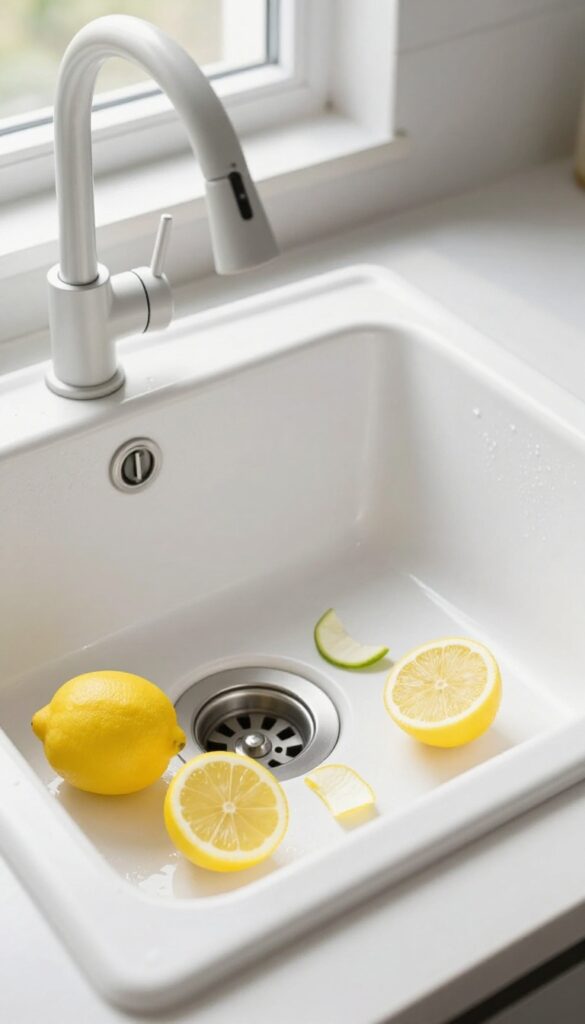
Citrus peels aren't just for composting or fancy cocktails—they're a secret weapon for a fresh-smelling sink. The natural oils in lemon, lime, or orange peels cut through grease and leave behind a bright, clean aroma. Plus, you're using something that would otherwise go to waste.
How To Use Citrus Peels In The Disposal
Toss a handful of fresh peels into the garbage disposal while running cold water. Turn on the disposal and let it grind for about 30 seconds. The cold water keeps the oils from turning sticky, and the grinding action releases the scent.
You can also add a few ice cubes to help scrub the blades.
Why It Works
Citrus peels contain d-limonene, a natural solvent that dissolves grease and deodorizes. Unlike artificial air fresheners, the scent is light and doesn't linger too long. It also helps break down small food particles that might be causing odors.
Tips For Best Results
Use only fresh peels—dried ones can be too tough and might not grind well. Avoid lemon seeds, as they can get stuck. For a stronger effect, drop a few drops of lemon essential oil onto a baking soda tablet and run it through the disposal.
Repeat once a week to keep smells at bay.
13. Call a Plumber for Persistent Issues
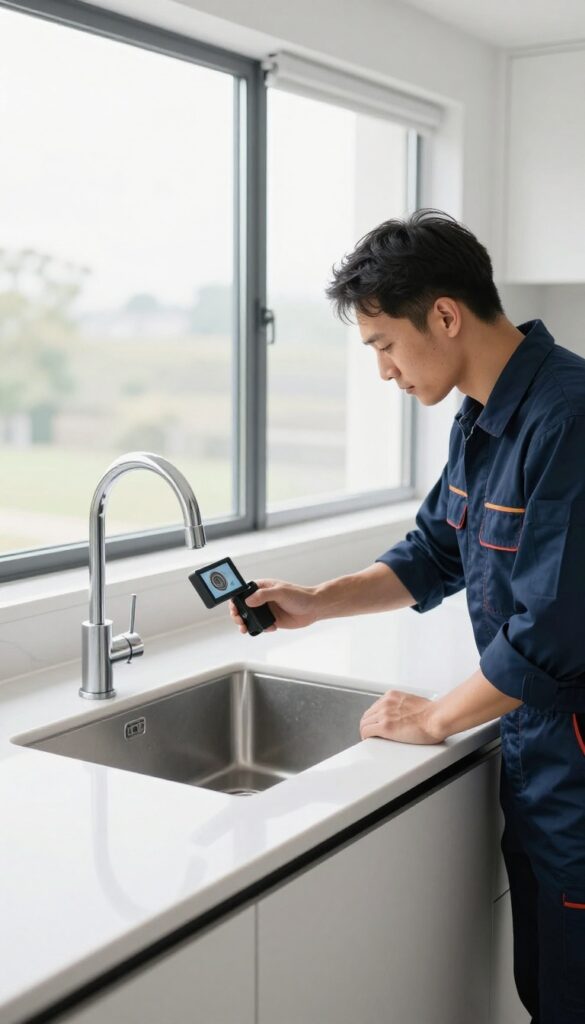
You've tried all the tricks—baking soda, vinegar, boiling water, even snaking—but the odor or slow drainage keeps coming back. At that point, it's not about cleaning anymore; it's about a deeper plumbing problem that home remedies can't fix. Calling a professional isn't admitting defeat—it's the smartest move to save time, money, and prevent potential water damage.
When issues persist despite your best efforts, there could be a vent blockage, a collapsed pipe, or even a main line clog. A plumber has the tools and expertise to diagnose and fix these problems quickly. They can use a camera to inspect the pipes, clear blockages with a hydro-jet, or repair damaged sections.
Don't let a small issue turn into a costly emergency—if your drain is consistently problematic, it's time to call in the pros.
Signs You Need A Professional
If you notice multiple drains in your home are slow or gurgling, or if you smell sewage, the problem likely goes beyond your sink. Other red flags include water backing up into other fixtures, frequent clogs, or visible leaks under the sink. These symptoms suggest a main line issue or a vent problem that requires professional diagnosis.
What A Plumber Can Do
A licensed plumber will start with a camera inspection to see exactly what's going on inside your pipes. They can then use a hydro-jet to blast away grease and debris, or a motorized auger to break up tough clogs. If there's pipe damage, they can repair or replace the affected section.
This thorough approach ensures the problem is solved for good.
Cost Vs. Benefit
While a plumber visit costs money upfront, it's often cheaper than dealing with water damage from a burst pipe or a backed-up sewer. Many minor repairs cost between $150 and $400, while major issues can run higher. Considering the peace of mind and long-term solution, it's a worthwhile investment.
FAQ
How often should I clean my sink drain?
For maintenance, flush with boiling water weekly and do a baking soda/vinegar treatment monthly. If you notice odors or slow drainage, clean more frequently.
Is it safe to use Drano or other chemical drain cleaners?
Chemical cleaners can damage pipes over time, especially in older homes. They're also harmful to septic systems and the environment. Natural methods are safer and often just as effective.
Why does my sink drain smell like rotten eggs?
That smell usually comes from bacteria breaking down organic matter (food, soap, hair) in the drain. Cleaning with baking soda and vinegar or enzyme cleaners can eliminate the odor.
Can I use a drain snake on a garbage disposal?
No, never insert a drain snake into a garbage disposal—it can damage the blades. Instead, use the disposal's cleaning methods or remove the P-trap to clear clogs.
What should I do if my sink is still slow after trying these tips?
If multiple attempts don't work, the clog may be deep in the main line. Try a wet/dry vacuum or call a plumber to avoid causing pipe damage with excessive force.
Conclusion
A smelly, slow sink doesn't have to be your reality. By rotating through these 13 tips—like weekly baking soda flushes and monthly trap cleanings—you can prevent buildup before it starts. Pick two or three that fit your routine and stick with them.
Your drains will stay fresh, and you'll avoid costly plumber visits. Give it a try this weekend and notice the difference.