15 Small Bathroom Shower Ideas That Make Every Inch Count
Small bathrooms come with big challenges, especially when it comes to the shower. You want it to feel open, not cramped, and functional without sacrificing style. The good news?
You don't need a massive renovation to make a big difference. With a few smart choices—like the right showerhead, clever storage, or a glass panel instead of a curtain—you can transform your tiny shower into a space that feels larger and works harder. These 15 ideas are budget-friendly and practical, perfect for renters and homeowners alike.
Whether you're dealing with a corner shower or a narrow alcove, there's a solution here that fits your space and your wallet. Let's dive into the details.
1. Swap a Curtain for a Glass Panel
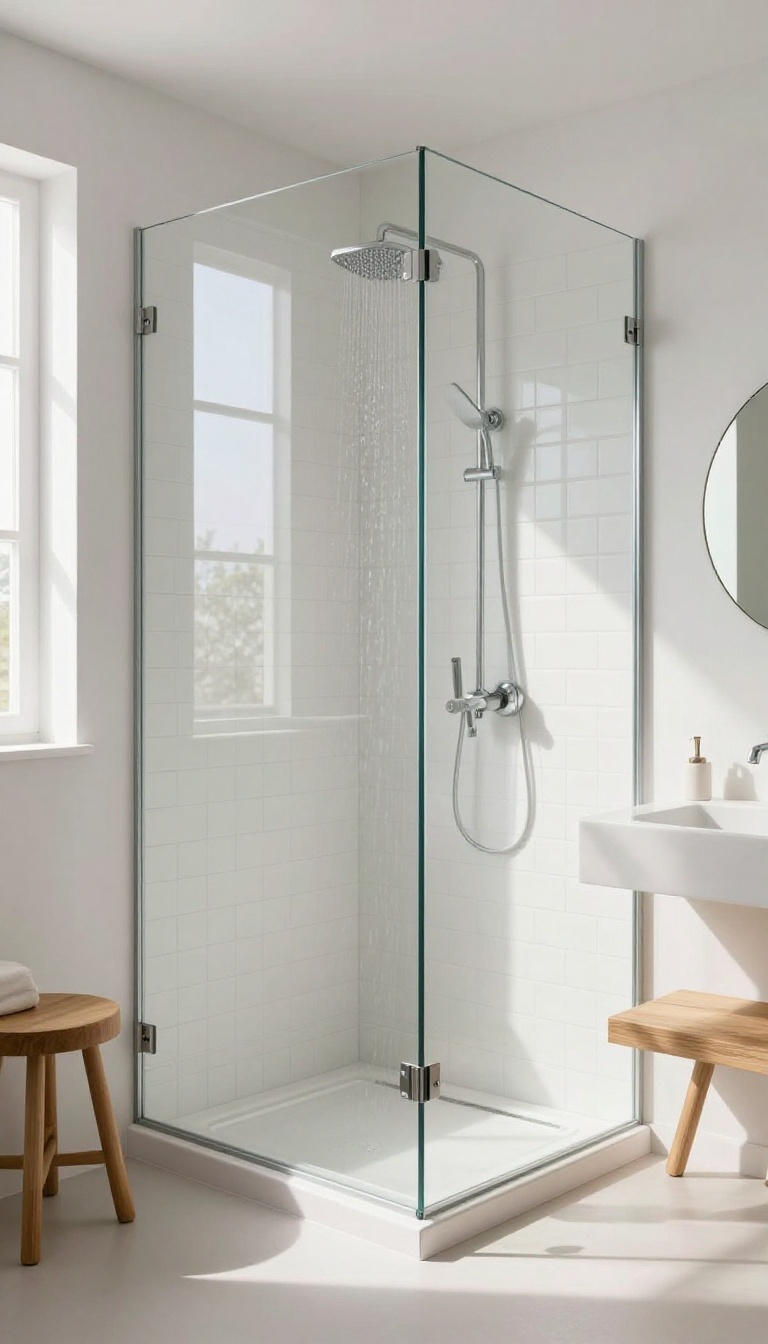
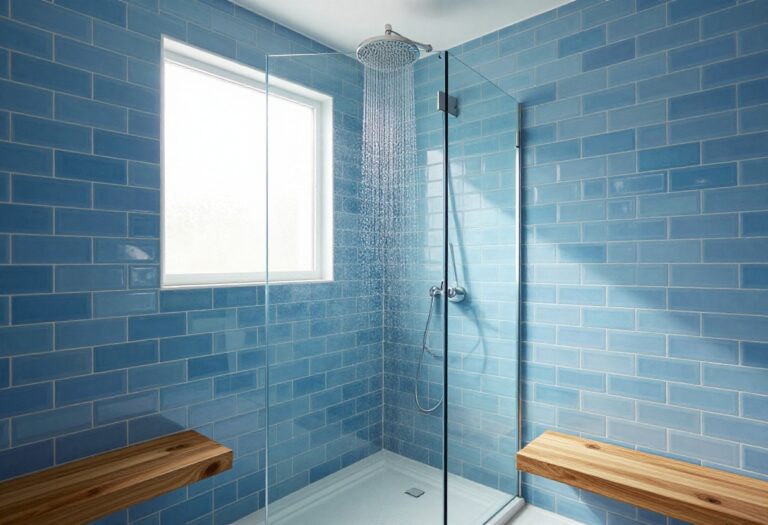
Curtains can make a small shower feel even more closed off, both visually and physically. A fixed glass panel is a sleek alternative that opens up the space, letting light travel freely and making the bathroom appear larger. It's a simple change that can have a big impact on how your shower feels.
Replacing a shower curtain with a glass panel is one of the most effective ways to visually expand a small bathroom. Without the visual barrier of a curtain, your eye can travel the full length of the room, making the space feel more open and airy. Plus, glass panels are easier to clean than fabric curtains that can harbor mold and mildew.
Why It Works
A glass panel removes the heavy visual weight of a curtain, allowing natural light to bounce around the room. This makes the shower area feel less like a separate, cramped box and more like part of the overall space. It also eliminates the need for a curtain rod, which can visually cut the room in half.
Installation Tips
You don't need a full enclosure—just a single fixed panel is enough to keep water in while keeping the space open. Measure your shower opening carefully and consider a frameless design for a cleaner look. If you're renting, look for tension-mounted or clamp-on options that don't require drilling.
Maintenance And Care
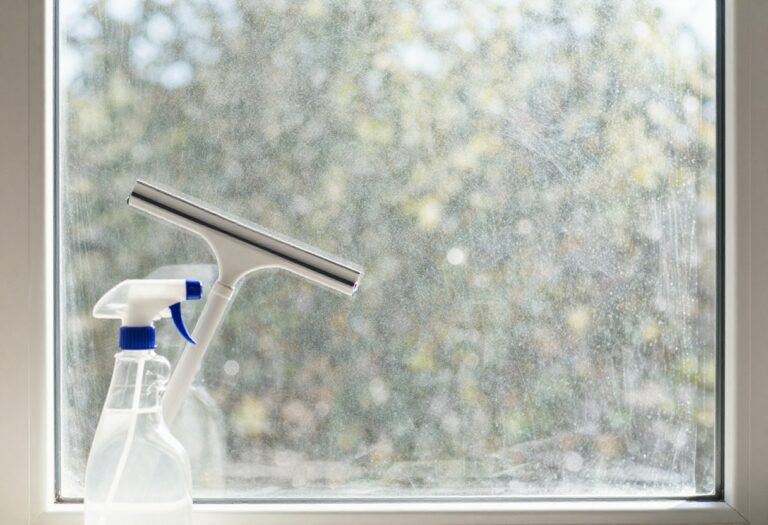
Glass panels do require a bit more upkeep than curtains, but a daily squeegee and occasional cleaning with a glass spray will keep them spotless. Choose a glass with a protective coating to repel water spots and soap scum, making maintenance a breeze.
2. Install a Corner Shower Caddy
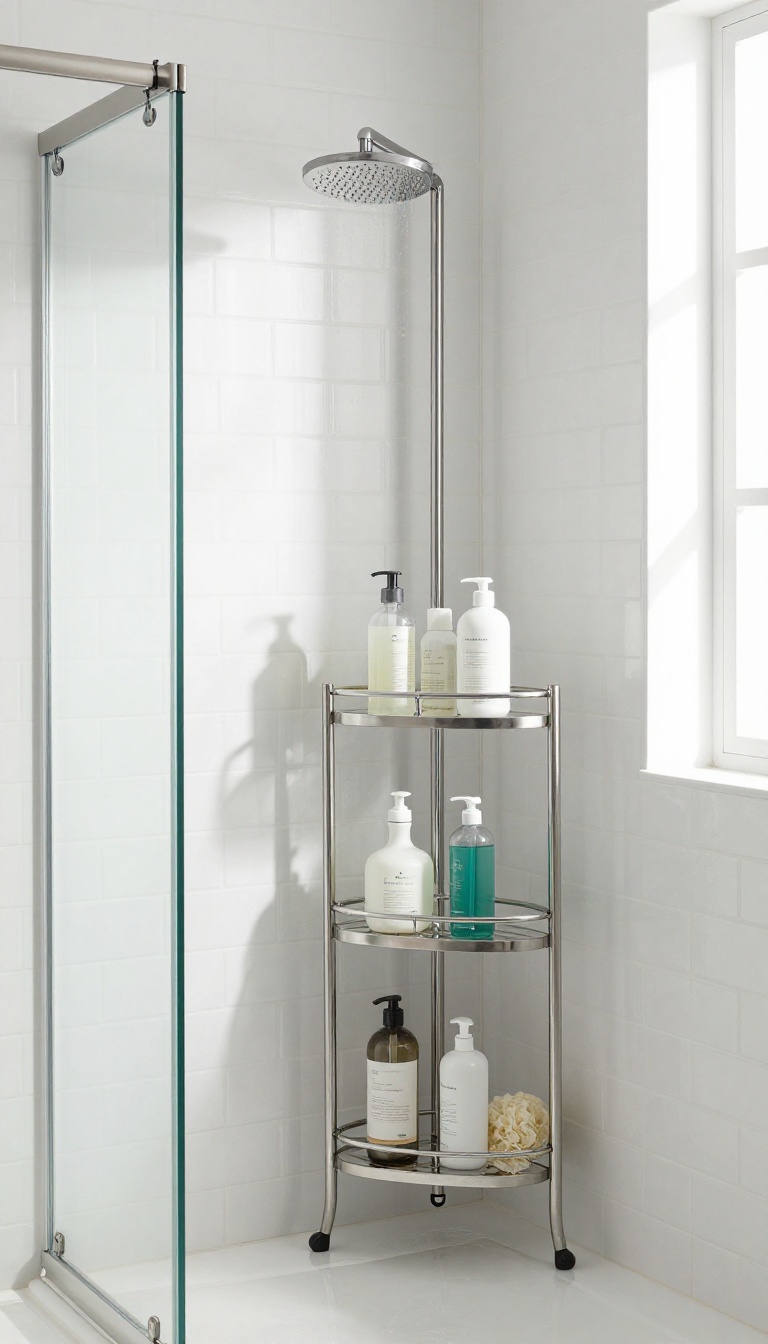
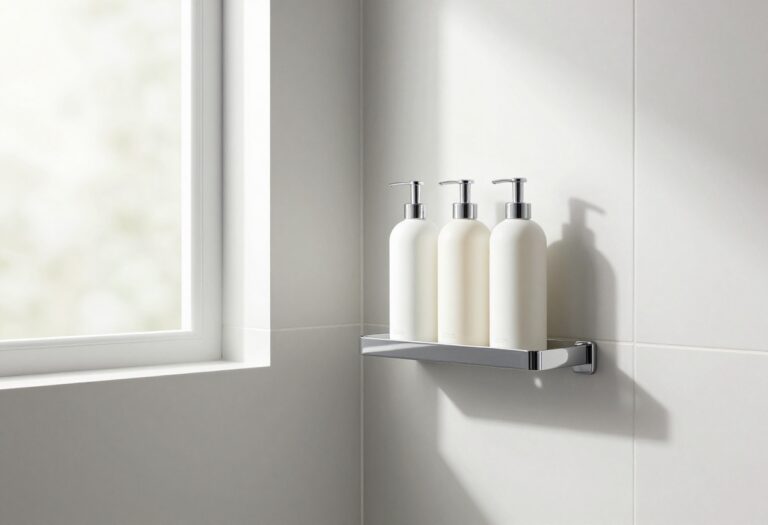
When floor space is tight, the walls become your best friend. A corner caddy takes advantage of an often-ignored spot and keeps your shampoo, soap, and loofah neatly organized. It's a simple upgrade that instantly clears clutter and makes your shower feel more spacious.
A corner caddy is a small change with a big impact. By stacking vertically, it frees up the floor and the ledge, so you're not constantly bumping into bottles. Plus, most models are easy to install without drilling, making them a renter-friendly option.
Pick The Right Size And Material
Before buying, measure the corner of your shower to ensure a snug fit. Look for rust-resistant materials like stainless steel or aluminum, especially if you have hard water. A matte finish hides water spots better than shiny chrome.
Use Tension Poles Or Adhesive Hooks
If you want to avoid drilling, choose a tension pole caddy that extends from floor to ceiling, or use strong adhesive hooks. These options are sturdy enough for daily use and can be removed without leaving marks—perfect for rentals.
Organize By Frequency Of Use
Place everyday items like body wash and shampoo on the middle shelves, and reserve the top for less-used products. Keep razors and loofahs on the bottom to prevent drips from ruining lower items. This keeps your routine smooth and your caddy tidy.
3. Choose a Handheld Showerhead
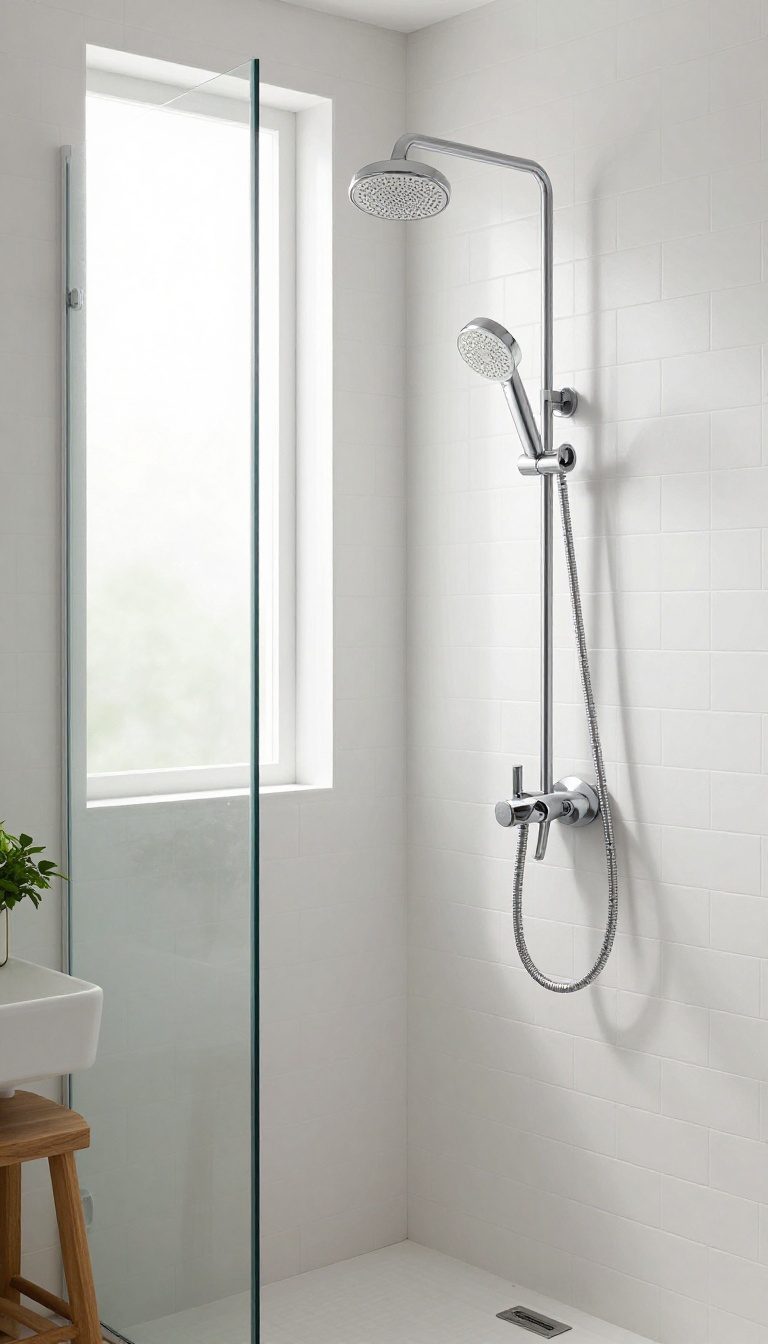
A fixed showerhead can feel limiting, especially in a compact space where you need to move around. A handheld model gives you more control and makes rinsing easier. It's a small swap that can make a big difference in how you use your shower every day.
A handheld showerhead is a smart pick for small bathrooms because it bends to your needs. Whether you're washing your hair, cleaning the tub, or helping kids or pets rinse off, the detachable head reaches where you need it. Plus, many models come with a slide bar, so you can adjust the height to fit everyone in the household.
It's practical, affordable, and a simple upgrade you can often install yourself.
Why It Works In A Small Space
In a tight shower, a fixed head can force you into awkward positions to get wet. A handheld lets you move the water where you need it, so you can wash efficiently without turning around in a cramped area. It also makes cleaning the shower walls and floor much easier—just point and spray.
Look For A Slide Bar
A slide bar lets you mount the showerhead at different heights, which is perfect for families or if you're taller or shorter than average. You can slide it up for a tall person or down for a kid or for washing your feet. It's a simple feature that adds a lot of convenience.
Installation Tips
Most handheld showerheads attach to the existing shower arm with a simple bracket. You don't need a plumber for a basic swap—just unscrew the old head, screw on the new one, and you're set. If you're adding a slide bar, you'll need to mount it on the wall, which usually involves drilling a few holes.
It's a manageable DIY project for a weekend afternoon.
4. Add a Built-In Niche
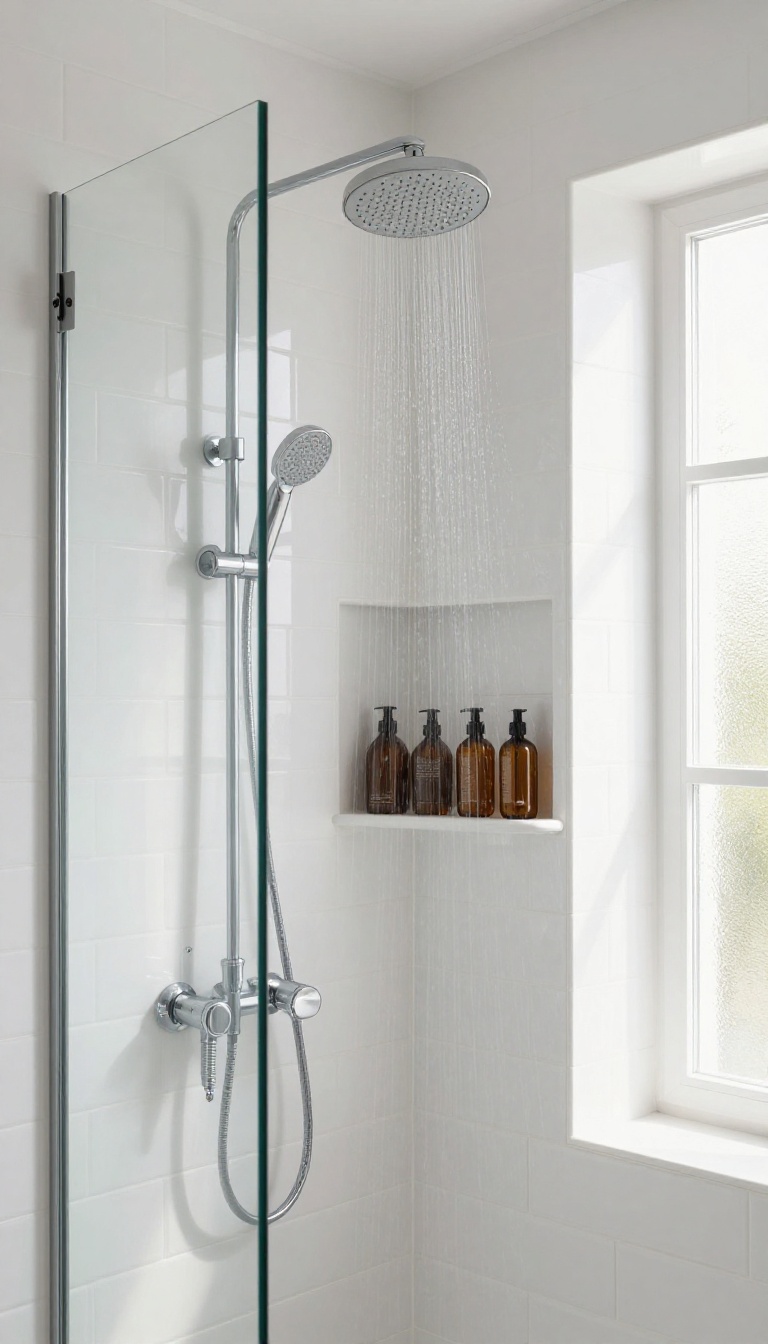
When floor space is at a premium, look to the walls for storage. A built-in niche carves out a recessed shelf right into your shower wall, giving you a spot for shampoo, soap, and other essentials without taking up any extra room. It’s a sleek, seamless upgrade that keeps everything within easy reach and makes your shower feel more organized and spacious.
A built-in niche is a recessed shelf installed directly into the shower wall, creating a storage area that doesn’t protrude into your shower space. This is especially useful in small bathrooms where a bulky caddy or corner shelf can make things feel cramped. Beyond the practical storage benefit, a niche adds a custom, high-end look that can boost your home’s value.
Why A Niche Works In Small Showers
In a compact shower, every inch counts. A niche uses the wall cavity, not your floor or shower space, so you get storage without sacrificing elbow room. It also keeps bottles off the floor and out of the way, reducing clutter and making the shower easier to clean.
Plus, a niche can be placed at a convenient height, so you don’t have to bend or reach for your products.
Placement And Size Tips
Think about where you naturally reach when showering. A common spot is on the wall opposite the showerhead, around chest height. For size, a single niche of about 12 to 16 inches wide and 6 to 8 inches tall works well for most bottles.
You can also opt for two smaller niches at different heights if you have the wall space. Just make sure the niche is slightly angled so water doesn’t pool.
Materials And Finishes
The niche should be waterproof and match your shower’s style. Tile is the most popular choice, and you can use the same tile as your walls for a seamless look or a contrasting tile for a design accent. For a more modern feel, consider a metal shelf or a prefabricated niche insert.
Be sure to use waterproof materials and proper sealing to prevent moisture damage.
Diy Vs. Professional Installation
Adding a niche involves cutting into the wall and waterproofing, so it’s not a simple DIY for most people. If you’re comfortable with construction and have the right tools, you can save money by doing it yourself. However, for most homeowners, hiring a professional is safer and ensures the niche is properly installed and sealed.
The cost varies, but it’s a worthwhile investment that adds functionality and value.
5. Use a Shower Curtain with a Tension Rod
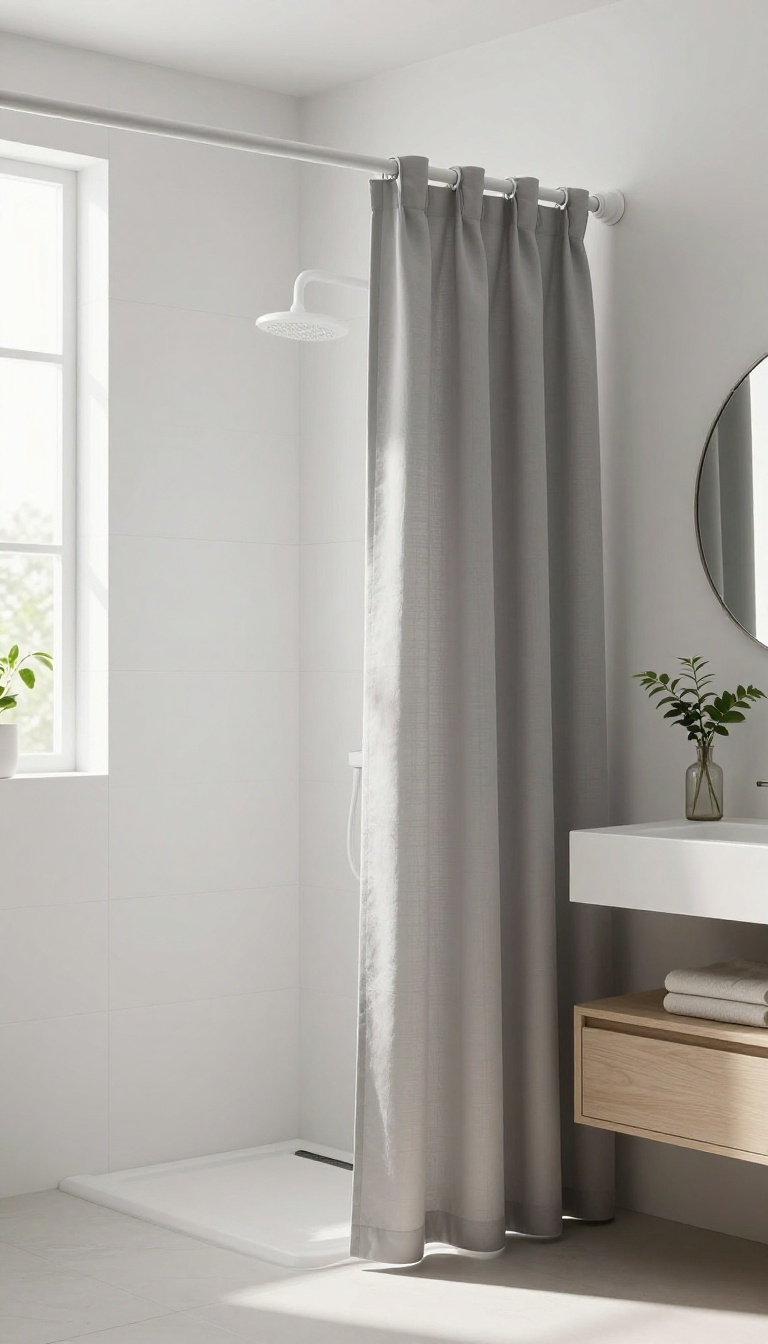
If you're renting or just want a no-drill solution, a tension rod is a game-changer. It installs in minutes without any tools, and you can take it down just as easily when you move. Pair it with a curved rod to instantly add a few extra inches of elbow room, making your small shower feel less claustrophobic.
A curved tension rod bows outward, giving you more space inside the shower without taking up any extra floor area. It's a simple swap that can make a huge difference in how roomy the shower feels. Plus, you can change the curtain whenever you want a fresh look, making it a versatile option for any bathroom.
Why A Curved Rod Works Wonders
A standard straight rod leaves the curtain hanging close to you, which can feel restrictive. A curved rod pushes the curtain outward, creating a gentle arc that adds several inches of space at the center. That extra room is perfect for washing without bumping into the curtain, and it also helps keep water from splashing out.
Choosing The Right Curtain
For a small shower, choose a light-colored or clear curtain to keep the space feeling open. A fabric liner with a weighted hem will stay in place and resist mildew. Avoid heavy, dark materials that can make the shower feel like a cave.
If you want to let in more light, consider a curtain with a window or a semi-sheer fabric.
Installation Tips For A Secure Fit
Make sure the tension rod is long enough to span your shower opening with a bit of extra length to tighten. Twist the rod to extend it until it's snug against the walls, then test it by giving it a gentle tug. If the walls are tiled or slippery, add rubber pads to the ends to prevent slipping.
This way, your rod stays put even with a heavier curtain.
6. Go for a Frameless Shower Door
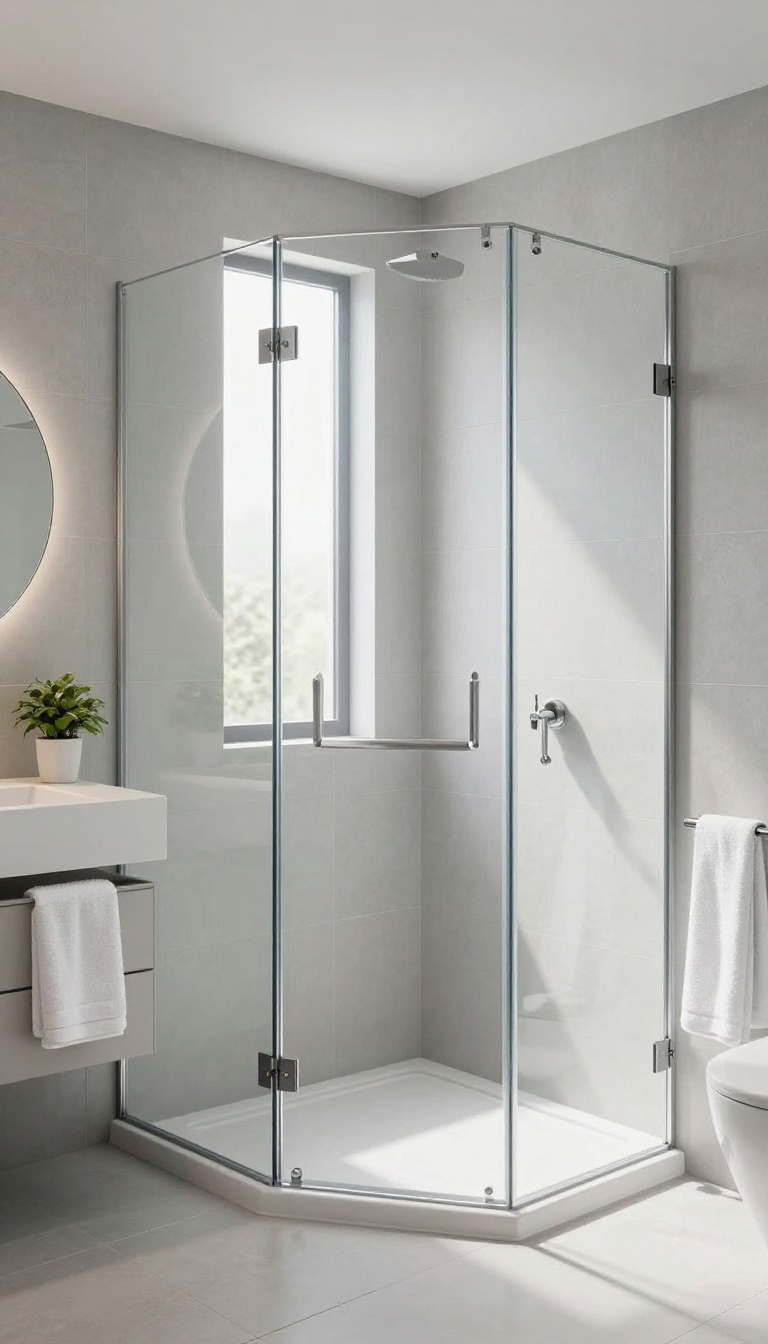
A shower curtain can make a small bathroom feel even smaller, especially when it bunches up or gets clingy. A frameless glass door, on the other hand, lets the eye travel across the entire space without interruption. It's a simple swap that instantly makes your shower feel more open and airy.
Frameless glass doors are a popular choice for small bathrooms because they eliminate the visual clutter of frames and curtains. Without a bulky frame, the glass appears almost invisible, letting the tile and fixtures take center stage. This seamless look can make a compact shower feel like a luxurious spa retreat, even if your bathroom is only a few square feet.
Why Frameless Beats Curtains
Curtains can make a small shower feel even more closed off, both visually and physically. They block light, create a barrier, and often require a rod that adds visual weight. A frameless door does the opposite: it lets natural light flow through, making the whole bathroom feel brighter and more spacious.
Plus, you'll never have to deal with a curtain that sticks to you or needs constant washing.
Making The Most Of Glass
To get the full effect, choose clear glass rather than frosted or textured. While privacy is nice, clear glass keeps the sightline open, which is key for making the room feel larger. If you're worried about water spots, opt for a glass with a protective coating that makes cleaning easier.
And don't forget the hinges—choose a style that complements your bathroom's hardware for a cohesive look.
Installation And Cost Considerations
Frameless doors are generally more expensive than curtains or framed doors, but they're a worthwhile investment if you plan to stay in your home. Installation can be tricky, so it's often best to hire a professional. However, if you're handy, you can find DIY kits that make the process more manageable.
Just make sure your shower area is level and the walls are sturdy enough to support the glass.
7. Install a Rainfall Showerhead
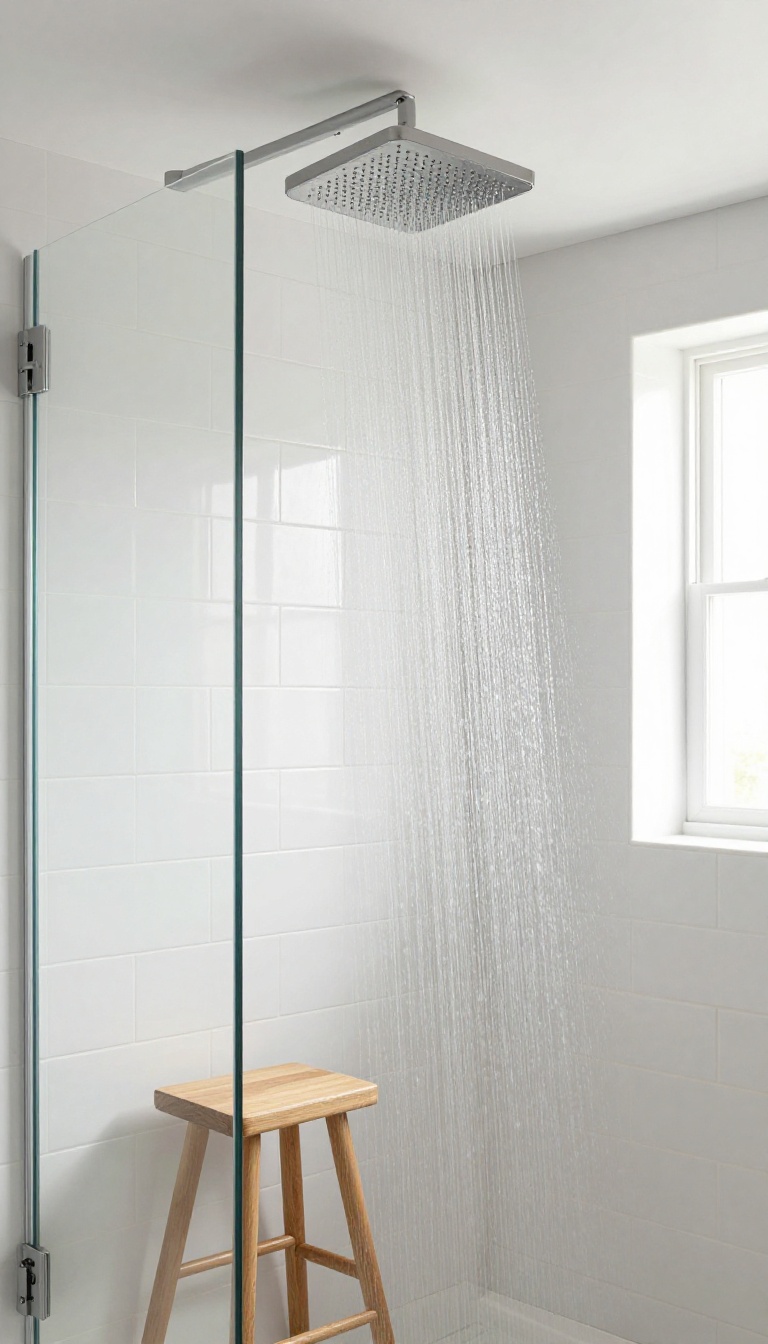
If your shower feels like a cramped, low-pressure box, a rainfall showerhead might be the upgrade you didn't know you needed. It doesn't just look luxurious—it changes how you experience the space. The wide, overhead spray covers your entire body, so you don't have to shuffle around to get wet.
That means less movement in a tight shower, which makes the whole area feel more open and less claustrophobic.
Beyond the spa-like feel, a rainfall showerhead is a smart pick for small bathrooms because it frees up wall space. Since it mounts on the ceiling or an extended arm, you lose that bulky wall fixture that often gets in the way. Plus, the gentle, even flow means you can stand still and still get fully rinsed, which is a game-changer when you're trying to avoid bumping elbows with the walls.
Why It Works In A Small Shower
In a compact shower, every inch counts. A traditional showerhead often forces you to stand in one specific spot, and if you're tall or short, you might have to bend or stretch to get under the spray. A rainfall head covers a much larger area, so you can stand comfortably without adjusting.
It also eliminates the need for a handheld sprayer, which can clutter the space and add visual noise.
Choosing The Right Size And Style
You don't need a massive 12-inch head to get the effect. Even an 8-inch model can make a difference. Look for one with a swivel or ball joint so you can angle it slightly if your ceiling is low.
Matte black or brushed nickel finishes hide water spots better than chrome, and they add a modern touch that doesn't overwhelm a small bathroom.
Installation Tips For Renters And Diyers
If you own your place, a ceiling-mounted rainfall head is the way to go. But if you're renting, you can still get the look with a clamp-on or arm-mounted version that attaches to your existing pipe. Just make sure the arm is long enough to position the head directly overhead.
For DIYers, the process is straightforward: shut off the water, remove the old head, apply plumber's tape, and screw on the new one. No special tools required.
8. Add a Shower Bench or Teak Stool
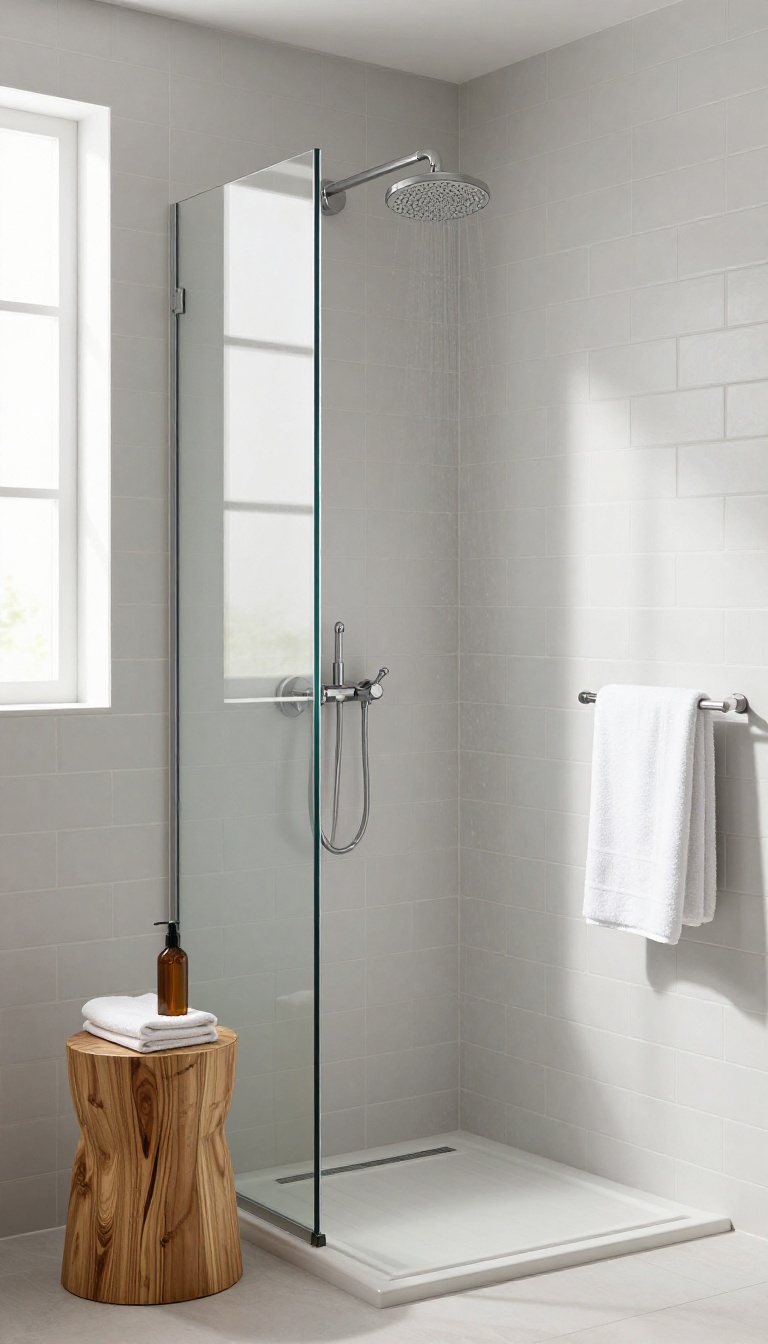
Seating in a shower isn't just for luxury—it's a practical addition that makes a small space feel more versatile. A bench or teak stool gives you a place to sit while shaving your legs, washing your feet, or simply relaxing under the warm water. It also acts as a handy shelf for your shampoo, soap, and loofah, keeping everything within easy reach without cluttering the floor.
Choosing the right bench or stool for your shower depends on your space and needs. A teak stool is a classic choice because teak is naturally water-resistant and holds up well in humid environments. It's lightweight, easy to move, and adds a warm, spa-like touch.
If you have a bit more room, a corner bench fits snugly into an unused corner, providing a stable seat without taking up too much floor space. For those who want maximum flexibility, a foldable or wall-mounted bench can be tucked away when not in use, freeing up the floor for other activities.
Why Add Seating?
Seating in a shower is about more than comfort. It's a safety feature for anyone who has trouble standing for long periods, including seniors or those with mobility issues. It also makes tasks like shaving or washing your feet much easier and safer.
Plus, a bench gives you a place to set down your bath products, so you don't have to bend over or reach for a caddy. In a small shower, that extra surface is a game-changer.
Choosing The Right Material
Teak is the go-to material for shower benches because it's naturally resistant to water and mold. It also looks great and feels smooth underfoot. If you prefer something more modern, consider a bench made of synthetic materials like polyethylene or resin, which are durable and easy to clean.
For a budget-friendly option, a simple plastic stool can work, but it might not be as sturdy or attractive. Always make sure the bench has non-slip feet to keep it stable on wet tiles.
Placement Tips
Where you put your bench matters. In a small shower, placing it against a wall or in a corner keeps it out of the way. If you have a handheld showerhead, position the bench so you can sit comfortably while using it.
Make sure it doesn't block the drain or the shower door. If you're using a stool, you can move it around as needed, but a bench is usually fixed in one spot. Think about how you use the shower daily and place the seating where it's most convenient.
9. Use Light Colors and Large Tiles
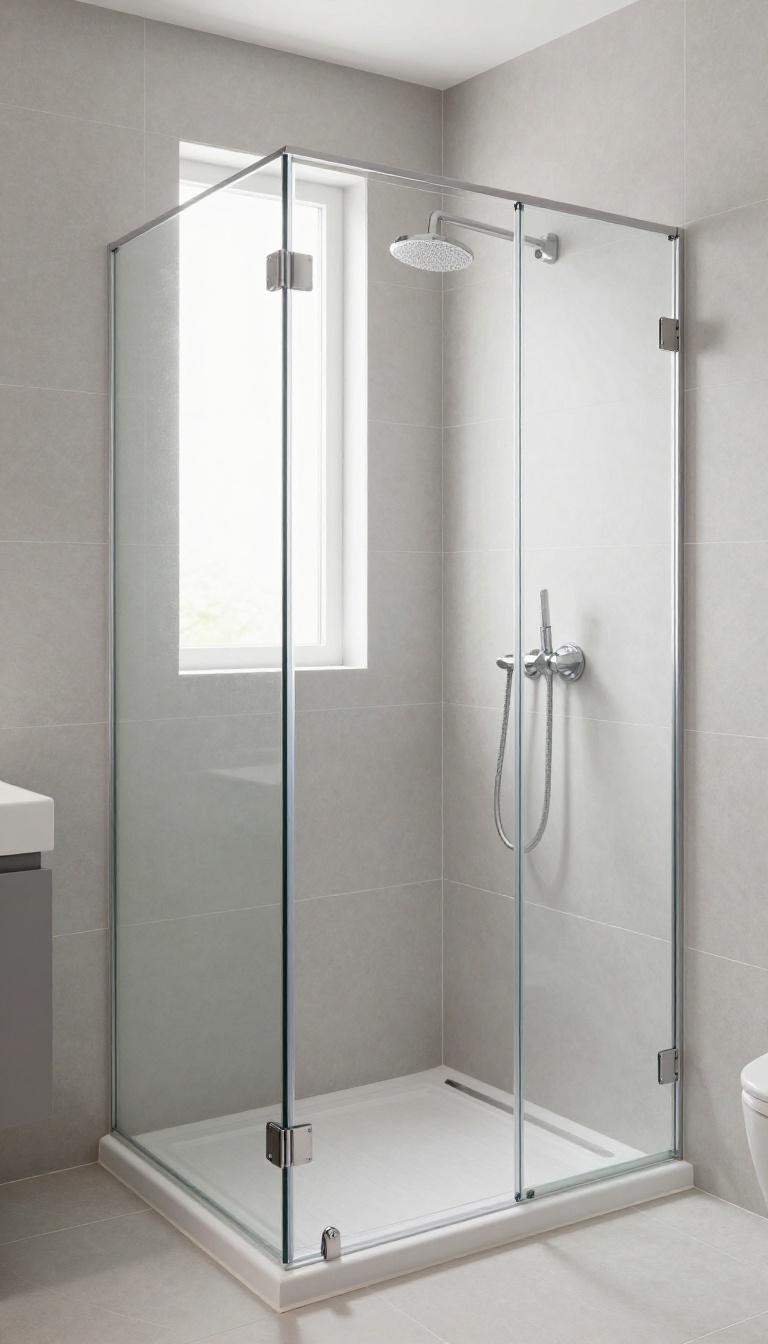
Color and tile size can make or break the feel of a small shower. Light shades reflect more light, while large-format tiles mean fewer grout lines, which cuts visual clutter. Together, they create a seamless, airy look that tricks the eye into seeing more space.
It's a simple swap that delivers a big impact.
When you're working with a compact shower, every design choice counts. Light colors and large tiles are a dynamic duo that can visually expand the area without knocking down walls. The idea is to minimize visual interruptions and maximize light reflection, making the shower feel open and serene.
Here’s how to put this strategy to work.
Why Light Colors Work
Light hues like white, soft gray, or pale beige bounce light around, making the shower feel brighter and more spacious. Dark colors absorb light, which can make a small space feel even more confined. If you're worried about maintenance, modern glazes and sealants make light tiles just as easy to clean as darker ones.
The Magic Of Large Tiles
Large-format tiles, such as 12×24 inches or bigger, have fewer grout lines. Grout lines create visual breaks that segment the wall, making the space look busier and smaller. Larger tiles also have a more modern, streamlined aesthetic.
They can be installed with minimal grout lines, creating a near-seamless surface that feels more expansive.
Design Tips For A Seamless Look
For a truly cohesive look, use the same large tile on the walls and floor, or choose a subtle contrast. Consider a continuous pattern that wraps around corners to avoid harsh transitions. Also, pick a grout color that matches the tile as closely as possible.
This reduces the contrast and helps the tiles blend together, enhancing the spacious effect.
10. Install a Shower Tower Panel
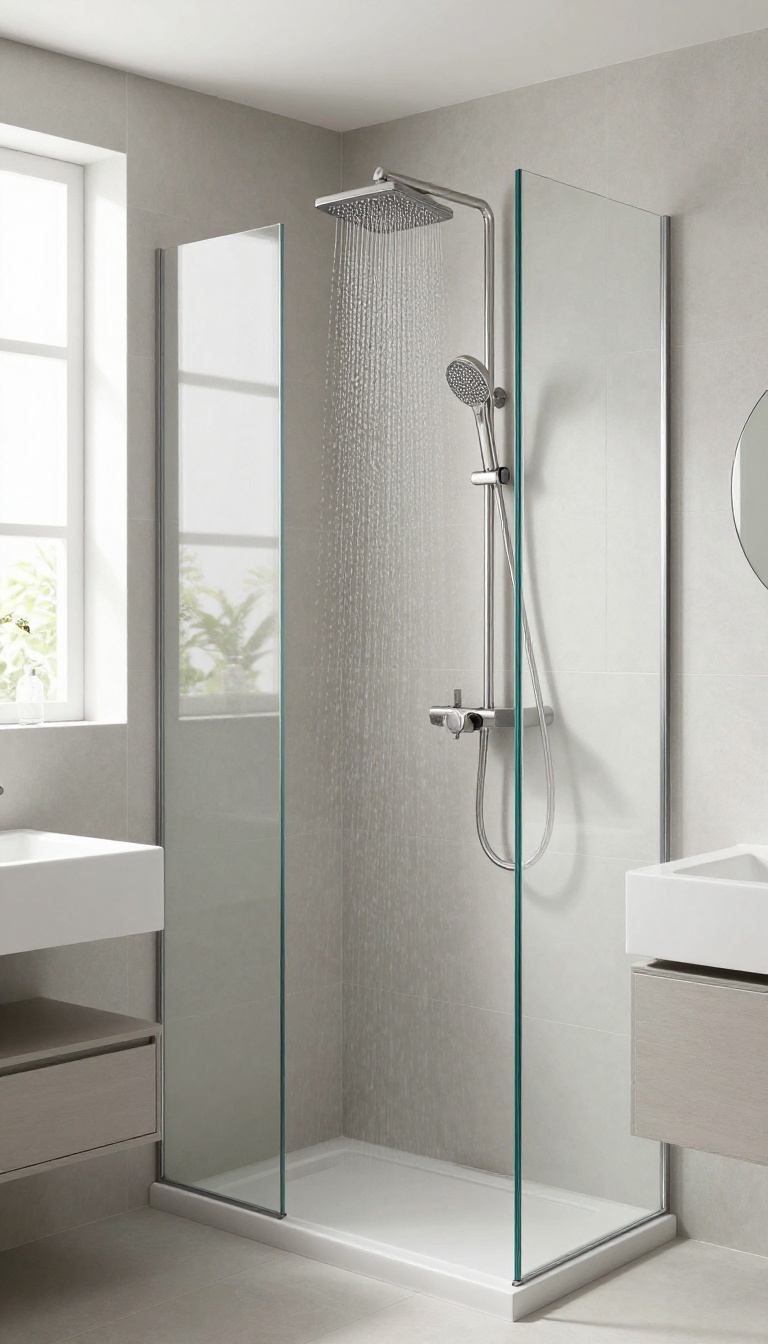
If you're tired of juggling multiple showerheads and controls, a shower tower panel might be the streamlined solution you need. This all-in-one unit mounts directly to the wall and combines a rainfall showerhead, a handheld sprayer, and often body jets—all in a sleek, vertical design. It's a smart way to upgrade your shower experience without taking up extra space, making it perfect for compact bathrooms.
Shower towers are a fantastic choice for small bathrooms because they consolidate all your shower functions into one slim panel. Instead of having separate fixtures cluttering the walls, you get a single, elegant unit that looks modern and feels luxurious. Plus, many models come with thermostatic controls, so you can set your ideal water temperature and avoid sudden changes—a nice touch when you're stepping into a chilly shower.
What To Look For
When shopping for a shower tower, consider the number of body jets and the size of the panel. More jets mean a more spa-like experience, but they also require higher water pressure. Look for a model with a handheld sprayer for flexibility, and check if it includes a thermostatic valve for consistent temperature.
Also, ensure the panel fits your shower's wall space—most are around 40 to 60 inches tall.
Installation Considerations
Installing a shower tower is a bit more involved than swapping a showerhead. You'll need to connect it to your existing water supply, which may require a plumber if you're not comfortable with DIY. Some models are designed for retrofit, but others need a dedicated supply line.
Make sure to check the rough-in dimensions and whether the panel is compatible with your plumbing setup.
Space-saving Benefits
Because a shower tower combines multiple functions into one unit, it frees up wall space that would otherwise be taken by separate fixtures. This can make your shower feel less cluttered and more open. Plus, the vertical design draws the eye upward, which can make the ceiling feel higher—a clever trick for small bathrooms.
11. Add a Grab Bar That Doubles as a Shelf
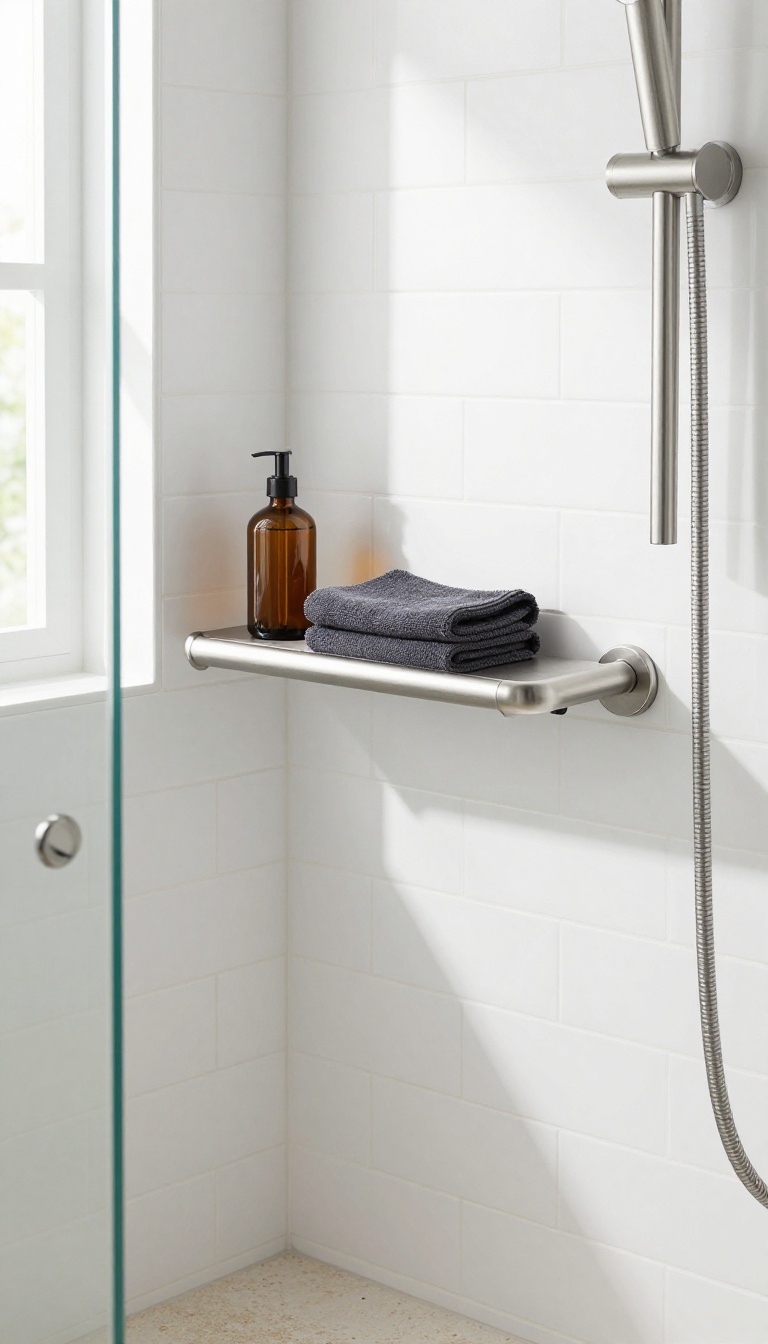
Safety and storage can go hand in hand. A grab bar with a built-in shelf gives you a secure handhold and a spot for your shampoo or soap, all in one compact unit. It's a smart swap for a standard bar, especially in a small shower where wall space is precious.
This type of grab bar is designed to be both functional and discreet. The shelf part is usually a flat, recessed surface on top of the bar, perfect for holding a bottle or two. You get the support you need without adding a separate caddy that might crowd the space.
Why It Works In A Small Shower
A grab bar with a shelf does double duty. It gives you a sturdy grip when you need it, and it clears your shower floor of loose bottles that can become tripping hazards. The shelf keeps your essentials within easy reach, so you don't have to bend or stretch, which is a bonus for safety and convenience.
What To Look For
Look for a bar with a shelf that's long enough for your products but not so wide that it sticks out. Make sure it's made of rust-resistant materials like stainless steel or coated aluminum. Check the weight rating too—it should support both your grip and the items you'll place on it.
A textured surface on the shelf can keep bottles from sliding.
Installation Tips
Install it at a height that feels natural for you, usually around waist level or slightly higher. Use a stud finder to locate the wall studs and secure the bar with the included screws. If you're not comfortable doing it yourself, a handyman can handle it quickly.
The key is to make sure it's anchored firmly—it's a safety feature, after all.
12. Use a Shower Curtain with a Liner
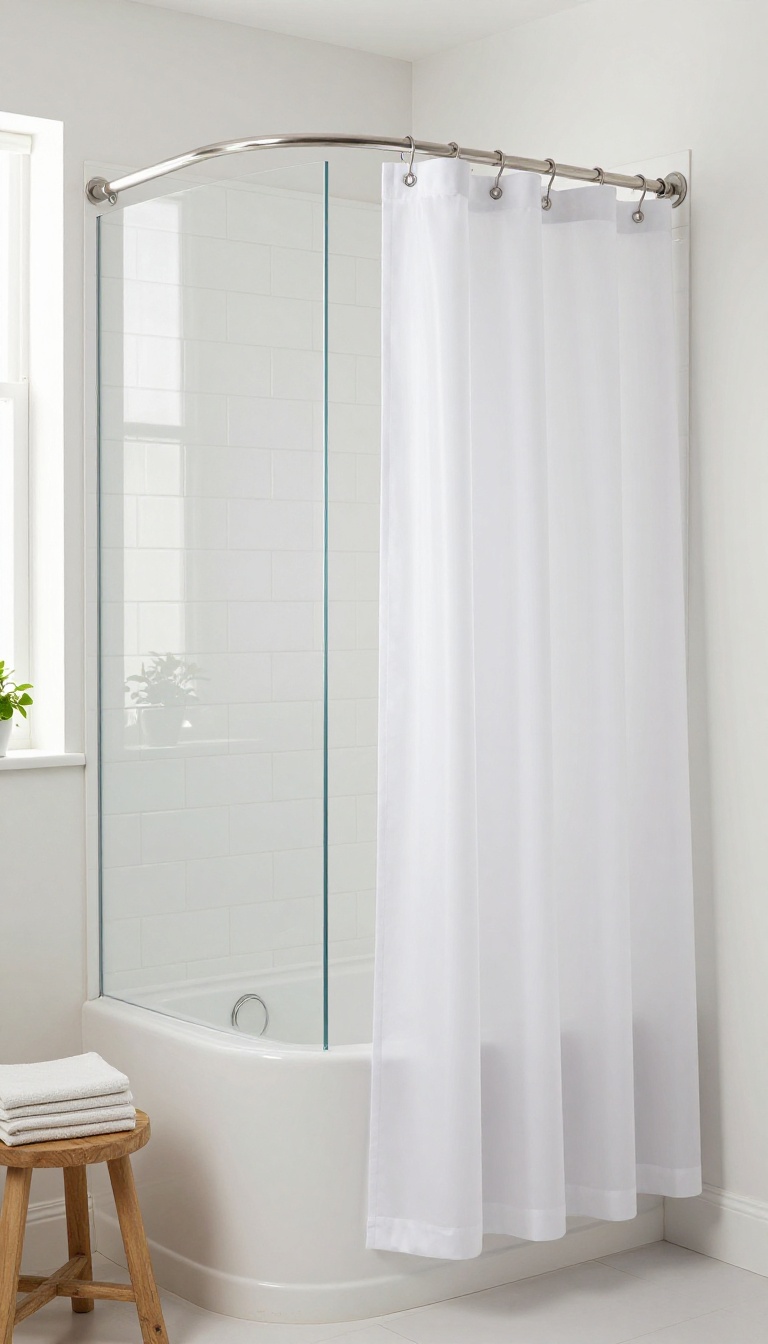
Sometimes the simplest swap makes the biggest splash. A shower curtain with a separate liner is one of the easiest ways to update your small bathroom without any tools or tiles. You can change the whole vibe in minutes—and it's a renter-friendly trick that costs next to nothing.
A high-quality liner keeps water where it belongs while the curtain adds personality and style. The two-piece system also means you can wash or replace the liner as needed, protecting your curtain from mildew and soap scum. Plus, switching out the curtain seasonally or whenever you crave a refresh is a fun, low-commitment way to keep your bathroom feeling new.
Pick The Right Liner
Not all liners are created equal. Look for a PEVA or EVA liner—they're free of the strong smell of PVC and are more eco-friendly. A magnetic bottom helps keep the liner against the tub or tile, preventing water from sneaking out.
If you have a curved shower rod, a liner with extra length or a weighted hem will stay put better.
Choose A Curtain That Opens Up The Space
Light colors and sheer fabrics make a small bathroom feel airier, while bold patterns can add a fun focal point. If you want to make the ceiling look higher, hang the curtain rod higher than the shower opening and use a longer curtain. That trick draws the eye upward and adds a sense of height.
Keep It Fresh And Mold-free
A shower curtain and liner duo is only great if you keep them clean. Wash the liner in the washing machine with a couple of towels (the towels act as scrubbers) on a gentle cycle with vinegar and baking soda. Hang the curtain back up to dry.
For the curtain itself, follow the care label—most can be machine washed too. Doing this monthly keeps everything fresh and extends their life.
13. Install a Corner Shower Kit
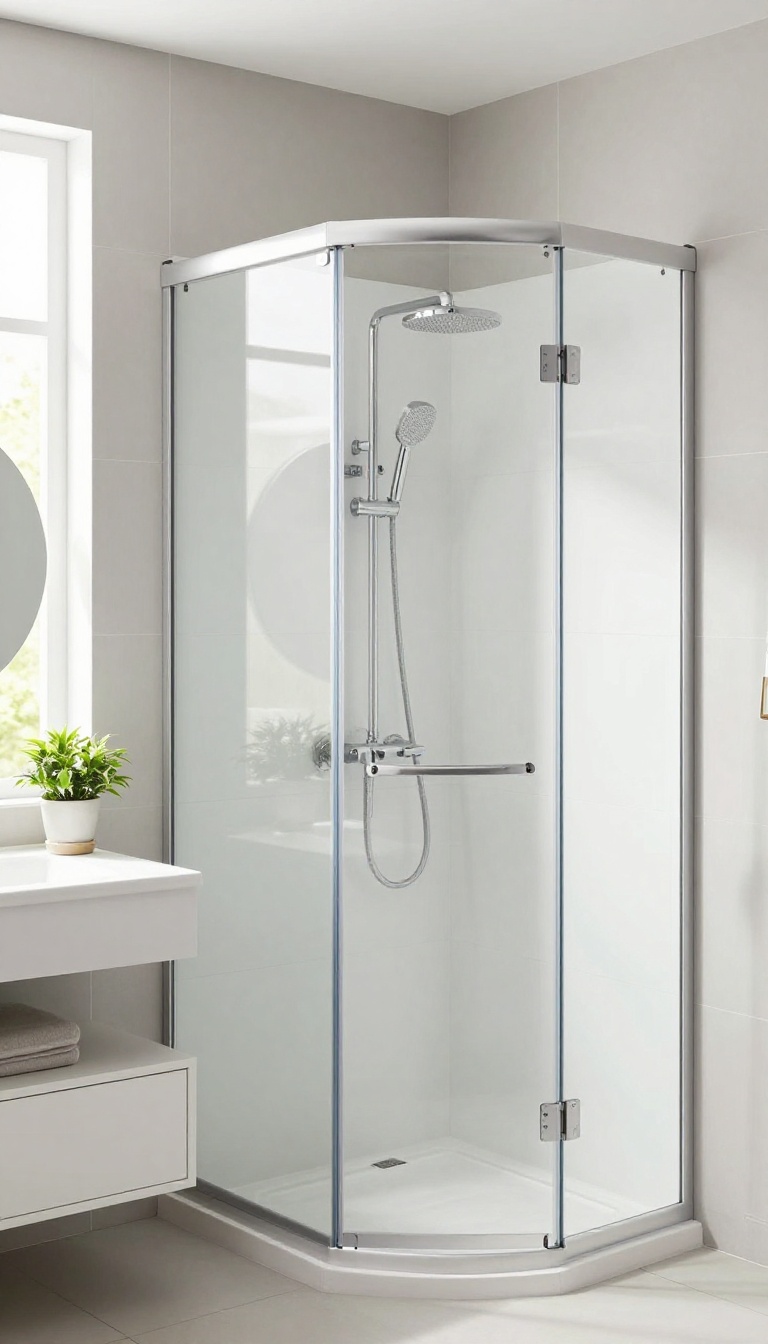
When square footage is tight, the corners of your bathroom often go unused. A corner shower kit changes that by turning that awkward spot into a fully functional shower without eating up floor space. These prefabricated kits come in a range of sizes and styles, so you can find one that fits your bathroom's layout and your budget.
They're a smart choice for renovations because they simplify the installation process—no need to build a custom shower from scratch.
Corner shower kits are designed to fit neatly into a 90-degree corner, making them ideal for small bathrooms where every inch matters. They typically include the shower pan, walls, and sometimes a door or curtain rod, so you get everything you need in one package. This all-in-one approach not only saves space but also cuts down on installation time and costs, especially if you're working with a contractor or tackling a DIY project.
Why Corner Kits Work In Small Bathrooms
The main advantage of a corner shower kit is its footprint. By tucking the shower into a corner, you free up the rest of the bathroom for a vanity, toilet, or storage. Many kits have a neo-angle or quadrant shape that creates a more open feel compared to a bulky square enclosure.
Plus, because the walls are pre-made, you avoid the extra thickness of custom tiled walls, which can eat into your space.
Choosing The Right Size And Style
Before you buy, measure your corner carefully—both the width and the depth. Common sizes range from 32 to 36 inches, but you can find smaller options for truly compact bathrooms. Think about the door style too: sliding doors save space, while hinged doors offer easier access.
Also, consider the finish—acrylic is affordable and easy to clean, while fiberglass is lighter but may scratch more easily. Pick a style that matches your bathroom's look, whether that's sleek and modern or classic and simple.
Installation Tips And Considerations
Installing a corner shower kit is a manageable DIY project if you're handy, but it does require careful leveling and waterproofing. Make sure the floor is even before setting the pan, and use a good quality silicone sealant around the edges. If you're not confident, hiring a pro is worth the cost—a poorly installed shower can lead to leaks and mold.
Also, check local building codes for drainage and venting requirements before you start.
14. Add a Shower Mat with Drainage
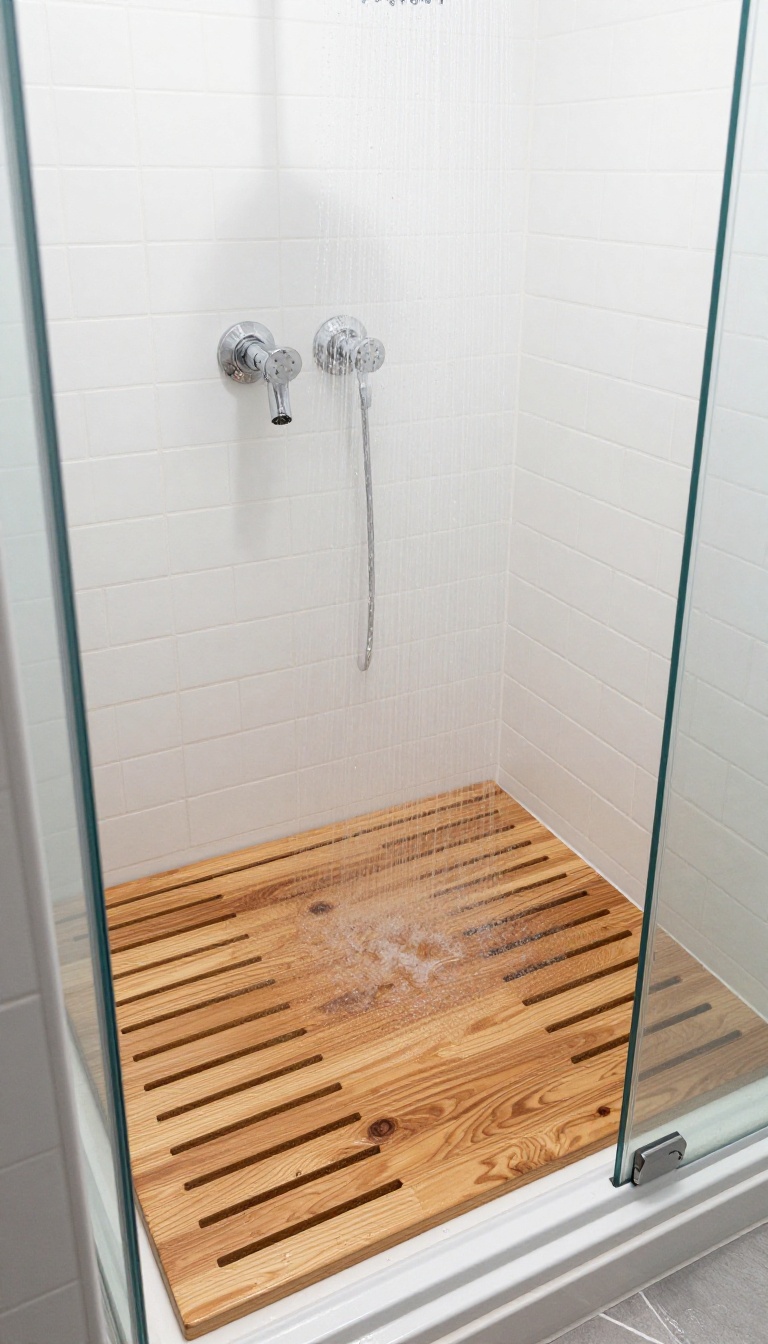
A wet floor after every shower is not just annoying—it’s a slipping hazard, especially in a small space where you can’t avoid stepping right where the water pools. The fix? A shower mat with drainage.
These mats let water flow through and away, keeping the surface under your feet dry and comfortable.
Teak wood and stone mats are the two most popular options, and both bring their own character to a tiny shower. Teak adds a warm, spa-like feel and is naturally water-resistant. Stone mats, like pebble or slate, give a more organic, textured look and are also very durable.
Both are easy to clean—just rinse or wipe down—and they dry quickly, so you don’t have to worry about mold or mildew.
Why Drainage Matters
In a small shower, water tends to collect in the corners or right in the middle, turning your shower floor into a mini pool. A mat with drainage lifts you above that standing water, so your feet stay dry and you’re less likely to slip. It also helps the floor dry faster, which reduces the chance of soap scum and grime building up.
Pick The Right Material
Teak is a classic choice—it’s slip-resistant, holds up well in wet areas, and looks great in almost any bathroom. Stone mats, like river rocks or slate tiles, offer a more natural, textured feel and are also very sturdy. Both are easy to clean—just rinse or wipe down—and they dry quickly, so you don’t have to worry about mold or mildew.
Sizing And Fit
Before you buy, measure your shower floor. You want a mat that covers the main standing area without blocking the drain or making the space feel cramped. Many mats are cut-to-fit, so you can trim them to match your exact dimensions.
That way, you get full coverage without creating a tripping hazard.
15. Use a Shower Curtain with a Tension Rod and Hooks
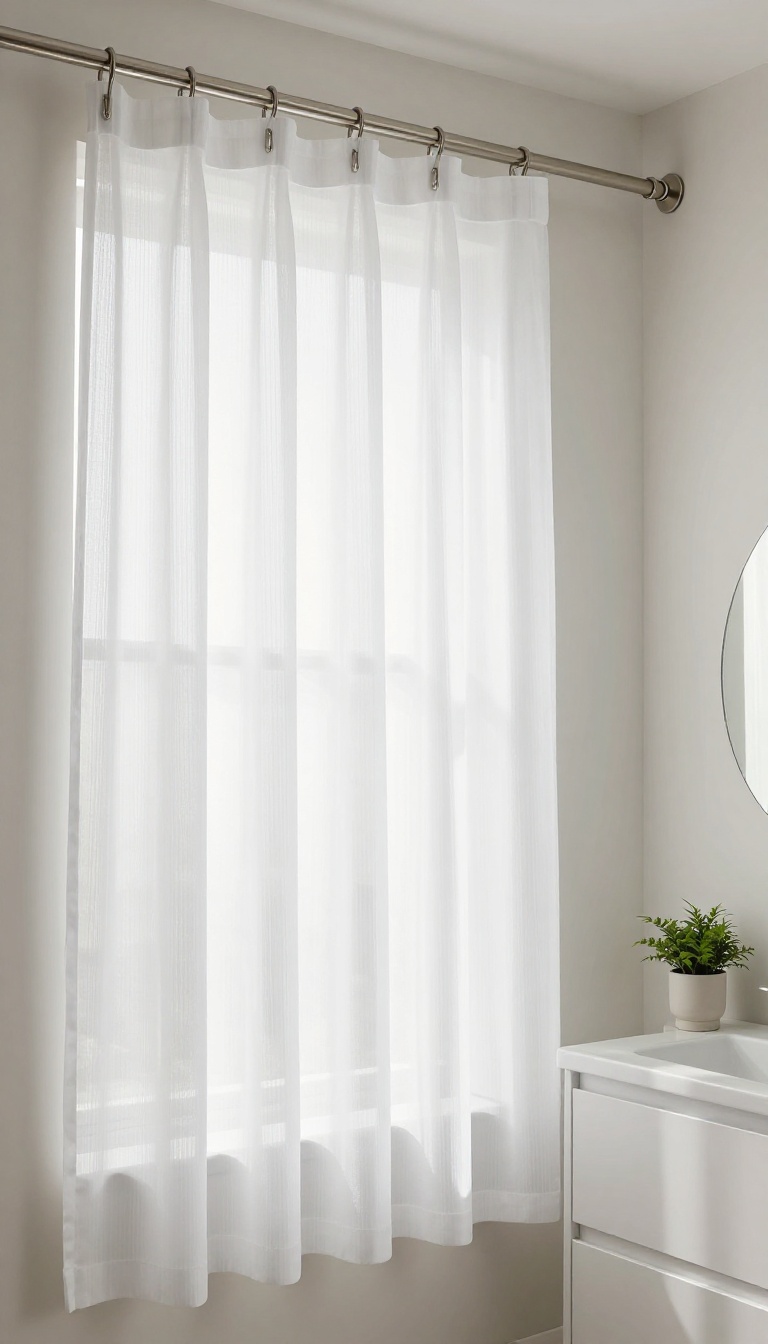
If you're renting or just want a quick refresh, swapping out your shower curtain and rod is one of the easiest wins. A tension rod installs in minutes without any drilling, and choosing the right curtain and hooks can pull the whole bathroom together. It's a low-commitment upgrade that still makes a big visual impact.
A shower curtain might seem like a basic choice, but it's actually a powerful design tool in a small bathroom. The right fabric, pattern, and hardware can make the space feel taller, brighter, or more cohesive. Plus, a tension rod means you can change it out whenever you want without leaving holes in the wall.
Pick A Curtain That Opens Up The Room
Light colors and vertical stripes can make the shower area feel larger. Sheer or semi-sheer fabrics let in more light, which helps a cramped space feel airier. Avoid heavy, dark materials that can make the room feel smaller and more closed in.
Match Hardware To Your Fixtures
Choose a tension rod and hooks that coordinate with your faucet and showerhead finishes. If you have brushed nickel fixtures, go with a brushed nickel rod and hooks. This simple consistency creates a polished, intentional look without extra cost.
Use Large Hooks For Easy Glide
Large, smooth-gliding hooks make opening and closing the curtain effortless. They also add a subtle decorative touch. Look for hooks with ball bearings or rollers to prevent snagging and keep the curtain moving smoothly.
FAQ
What is the best shower type for a small bathroom?
A corner shower or a walk-in shower with a glass panel are great options for small bathrooms. They maximize space and make the room feel larger.
How can I make my small shower look bigger?
Use light colors, large tiles, and glass doors instead of curtains. Also, keep the area clutter-free with smart storage solutions like niches and caddies.
Are there budget-friendly ways to update a small shower?
Yes, you can swap out a showerhead, add a new curtain and liner, install a caddy, or use a tension rod. These simple changes can make a big difference without breaking the bank.
What is the best material for a shower curtain in a small bathroom?
A lightweight, mildew-resistant fabric like polyester or nylon works well. It should be easy to clean and not too heavy, so it doesn't weigh down the rod.
Can I install a shower niche myself?
Installing a niche requires cutting into the wall, which can be tricky. If you're handy, you can do it, but it's often best to hire a professional to ensure proper waterproofing.
Conclusion
Making the most of a small bathroom doesn't mean settling for a cramped, boring shower. These ideas prove that smart design—like using glass, vertical storage, or bold tile—can open up your space and add personality without a major renovation.
Pick the ones that fit your layout and budget, and start with a single change. Even one upgrade can make your daily routine feel more spacious and enjoyable.