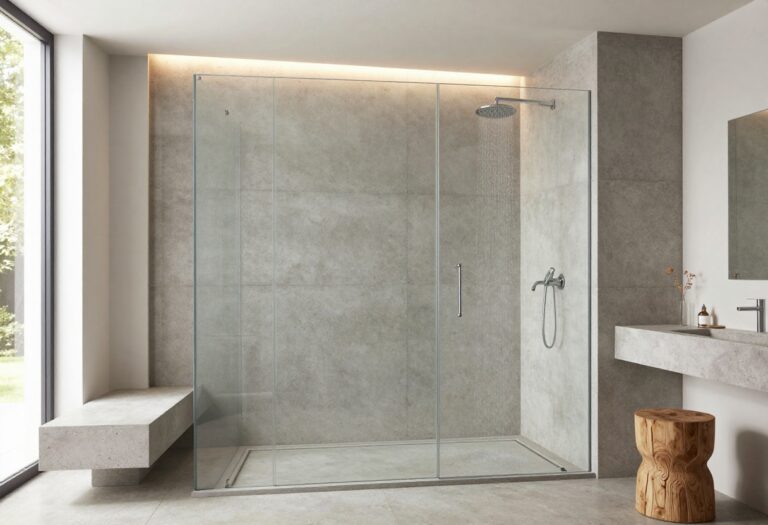
15 Ideas for Bathroom Shower Doors with Calm, Cohesive Style
Stepping into a bathroom that feels like a spa starts with the details, and the shower door is often the centerpiece. The right choice can make a small space feel larger, or add a touch of warmth to a minimalist design. But with so many options, it's easy to feel overwhelmed.
Whether you're renovating or just upgrading, the goal is to find a door that blends seamlessly with your bathroom's vibe. You want something that doesn't shout for attention but quietly ties the room together.
That's where these ideas come in—each one focuses on creating a calm, cohesive look. From sleek glass panels to unexpected textures, these 15 ideas will help you pick a shower door that feels just right.
1. Frameless Glass for an Open, Airy Feel
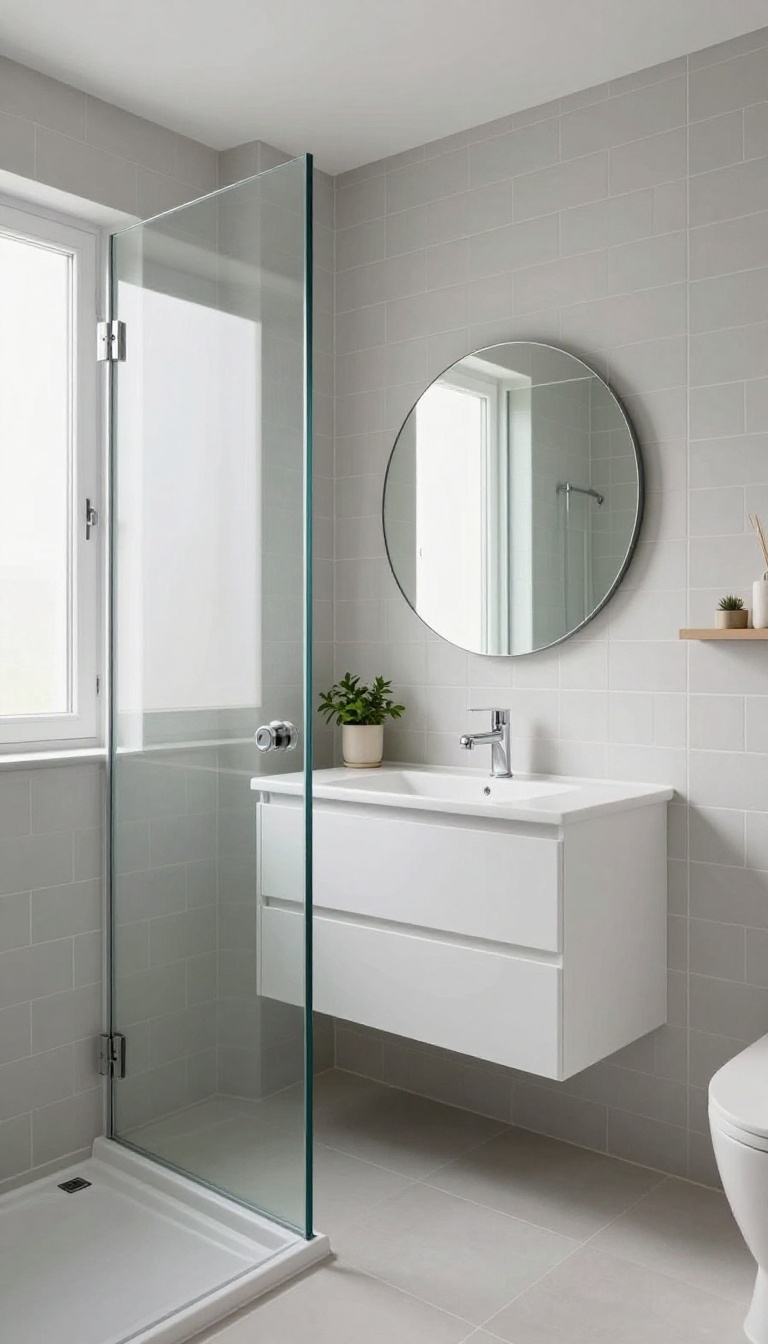
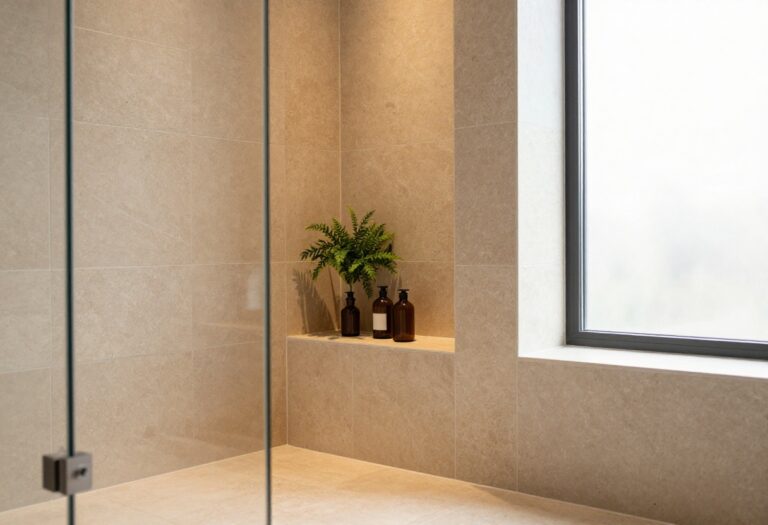
When you step into a compact bathroom, the last thing you want is a bulky shower enclosure eating up visual space. Frameless glass doors solve this by removing the heavy frames that often make a shower feel boxed in. The result is a clean, uninterrupted line of sight that lets your tile work shine and makes the whole room breathe easier.
Frameless doors rely on thick tempered glass and minimal hardware to stay sturdy, so they look almost invisible. That openness is a game-changer in smaller bathrooms, where every inch counts. Plus, without metal tracks to collect grime, cleaning becomes a quick wipe-down rather than a scrub session.
Why Thick Glass Matters
Frameless doors typically use 3/8-inch or 1/2-inch tempered glass. The thicker the glass, the more stable the door feels when you swing it open or closed. It also adds a subtle, premium weight that makes the shower feel like a high-end spa feature rather than an afterthought.
Hardware That Blends In
The hinges and handles are the only visible metal parts, so choose finishes that match your bathroom's fixtures—brushed nickel, matte black, or chrome all work. Minimalist options like slim hinges and a simple bar handle keep the focus on the glass and your tile.
Perfect For Small Bathrooms
If your bathroom is tight, a frameless door can make it feel larger by removing visual barriers. It also lets natural light travel through the space, which helps brighten dark corners. Pair it with a light color palette and you'll hardly notice where the shower ends and the rest of the room begins.
2. Sliding Barn Door Style for a Rustic Touch
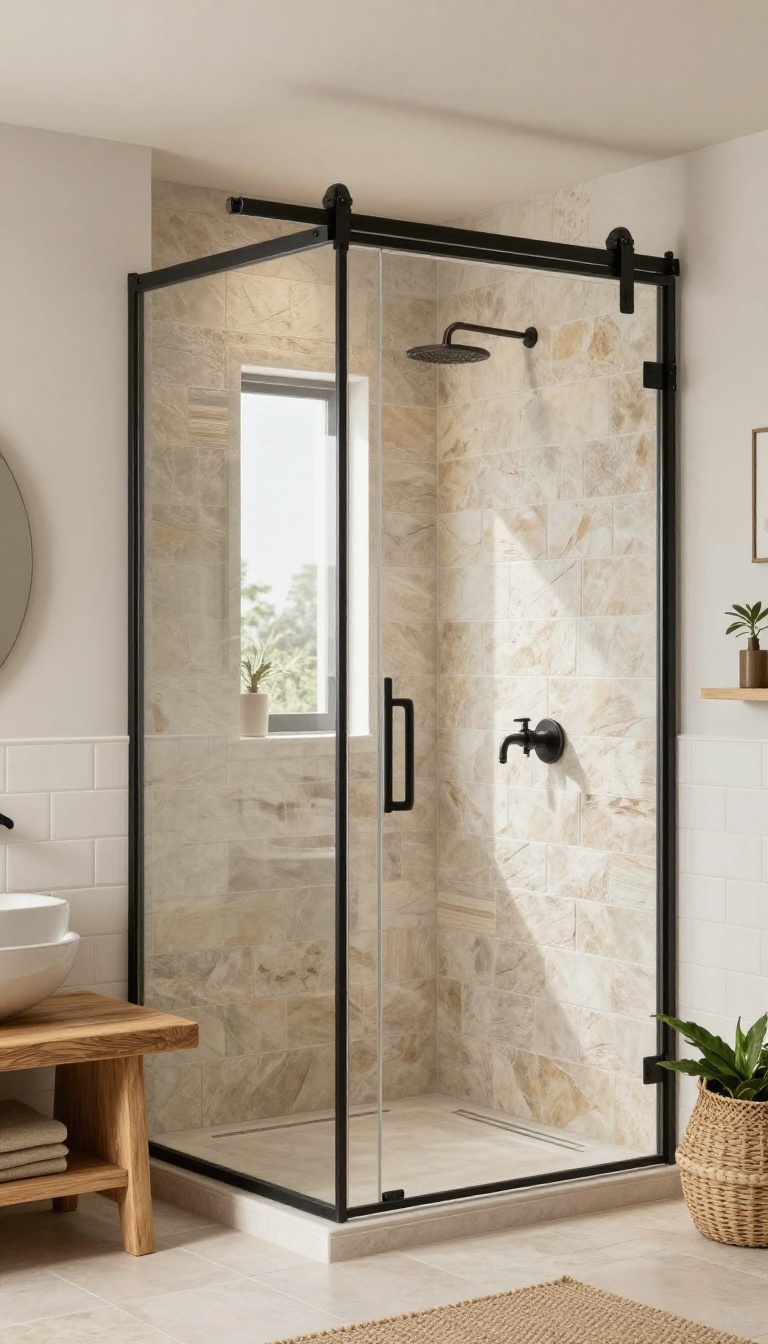
A barn door isn't just for the living room anymore. Sliding barn-style shower doors bring that same cozy, rustic charm into your bathroom while saving precious floor space. If you're drawn to farmhouse aesthetics or love natural textures, this option can transform your shower into a warm focal point.
Barn-style shower doors typically feature a single glass panel that slides along a track mounted to the wall or ceiling. They don't swing open, which makes them ideal for tighter bathrooms where a hinged door would bump into fixtures. The hardware—often matte black, oil-rubbed bronze, or wood-toned—adds a sturdy, handcrafted feel that pairs beautifully with subway tile, wood vanities, and earthy accents.
Why It Works For Rustic Bathrooms
The sliding mechanism mimics a classic barn door, instantly adding a sense of warmth and craftsmanship. The exposed track and rollers become a design feature, not just a functional necessity. When paired with natural stone or textured tile, it creates a grounded, organic look that feels both inviting and durable.
Choosing The Right Hardware Finish
Matte black is a safe bet for a modern-rustic feel, while oil-rubbed bronze adds depth and pairs well with copper accents. If you prefer a lighter, airier vibe, go for a wood-toned frame or even a whitewashed oak finish. Just ensure the finish complements your existing fixtures, like faucets and towel bars, to keep the space cohesive.
Space-saving And Practical Perks
Because the door slides, you don't need extra clearance for swinging, making the most of a narrow footprint. The glass panel still lets light flow through, so the bathroom doesn't feel closed off. Plus, sliding doors are easier to clean than hinged ones since you can access both sides of the glass without awkward angles.
3. Frosted Glass for Privacy and Softness
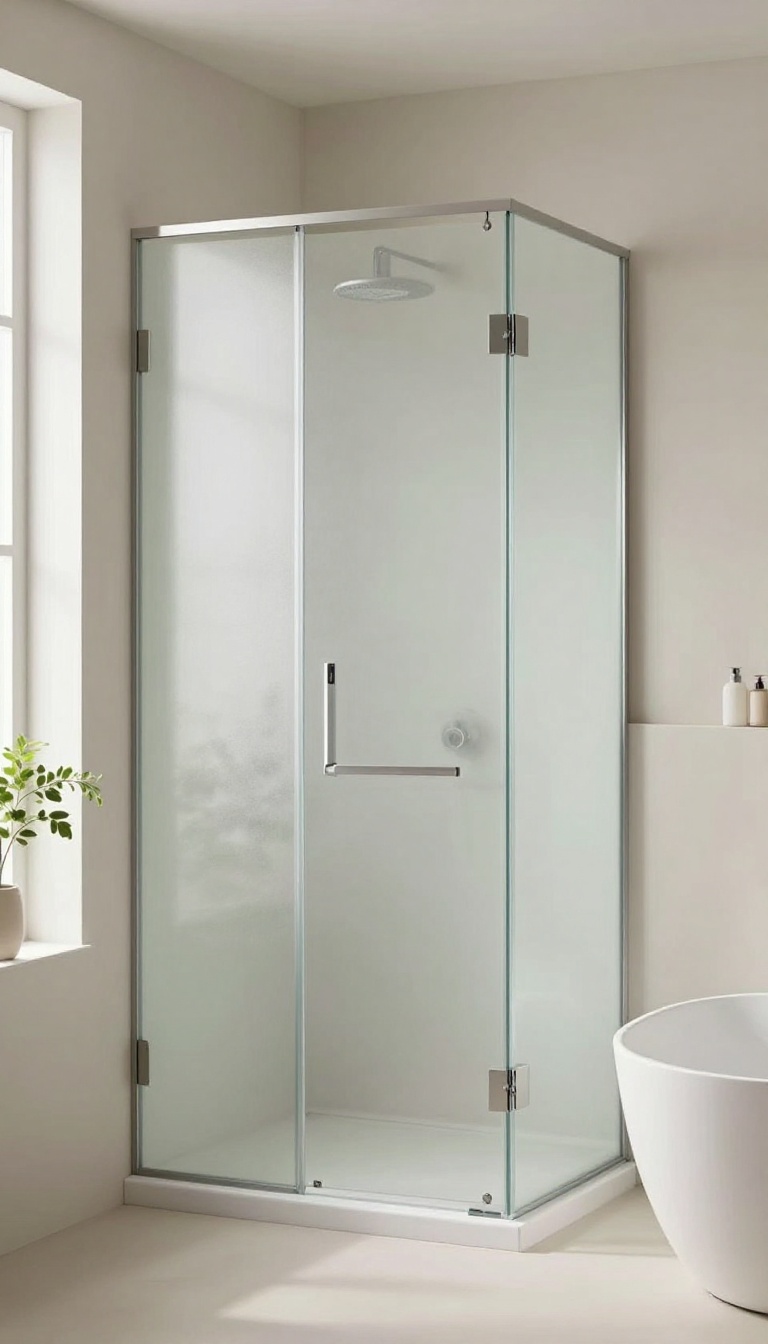
Some bathrooms feel more like public spaces than personal retreats, especially when they're shared. Frosted glass steps in to offer that gentle separation without turning your shower into a dark cave. It lets daylight filter through while blurring the view, creating a soft, dreamy atmosphere that instantly calms the room.
Frosted glass is more than just a privacy solution—it's a design choice that softens the entire bathroom. The etched or sandblasted finish diffuses light, reducing harsh shadows and giving the space a serene, almost ethereal quality. It's perfect for anyone who wants a bathroom that feels open and airy but still offers a sense of seclusion.
Plus, frosted glass hides water spots and soap scum better than clear glass, making it a practical pick for busy households.
Light Diffusion That Flatters
One of the biggest perks of frosted glass is how it handles light. Instead of sharp, direct beams, it spreads illumination evenly across the room. This means no more squinting under a harsh overhead light—just a gentle glow that makes everything look softer and more inviting.
If your bathroom has a window, frosted glass can also help bounce natural light around, making the space feel larger and more open.
Privacy Without The Claustrophobia
Clear glass can make some people feel exposed, especially in a shared bathroom. Frosted glass solves that by obscuring the view while still letting you see shapes and movement. You get the openness of a glass enclosure without the feeling of being on display.
It's a great middle ground for couples or families who want a bit of separation but still value the light and airy feel of glass.
Style That Blends With Any Palette
Frosted glass is surprisingly versatile. Its soft, matte finish pairs well with both modern and traditional designs. It tones down bold tile patterns and complements neutral color schemes, making it a safe bet if you're unsure about your bathroom's future style.
You can even choose from different frost levels—from lightly etched to almost opaque—to match your exact privacy needs and aesthetic preference.
4. Black Frame for a Bold, Modern Contrast
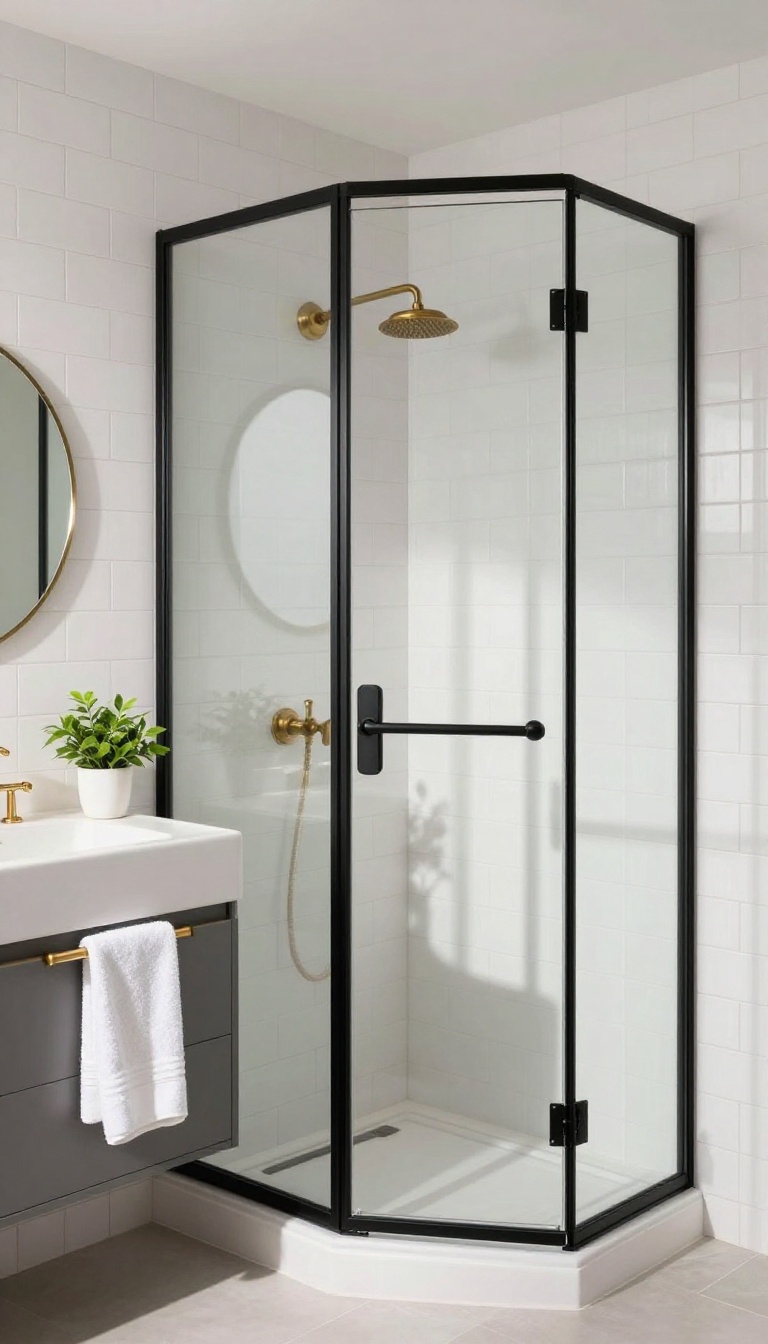
A black-framed shower door brings a crisp, contemporary edge that instantly updates a bathroom. It's a look that works especially well when you pair it with white tiles and warm brass fixtures—the dark lines anchor the space while the metal accents add a touch of elegance. The contrast is striking, yet it doesn't feel harsh if you balance it with soft textures and natural light.
Choosing a black frame is a straightforward way to introduce a modern focal point without overhauling the entire room. The dark profile outlines the glass, drawing the eye and giving the shower a defined, architectural presence. It also hides water spots and fingerprints better than shiny chrome or polished nickel, which is a practical bonus for busy households.
Why Black Works So Well
Black frames create a strong visual line that can make a bathroom feel more grounded. They pair beautifully with classic white subway tile, gray stone, or even warm wood tones. The key is to let the frame stand out—avoid adding too many other dark elements that compete for attention.
Instead, let the black frame be the hero, and keep the rest of the palette light and airy.
Pairing With Fixtures And Finishes
To keep the look cohesive, think about the other metals in the room. Black frames look fantastic with matte black faucets and showerheads for a monochrome vibe. If you prefer a softer touch, brass or gold fixtures add a warm contrast that feels both modern and inviting.
Just make sure the undertones don't clash—stick to one warm metal and one cool dark tone for balance.
Glass Options For Privacy And Light
You don't have to sacrifice brightness for privacy. Clear glass keeps the space open and lets the black frame shine. If you need more seclusion, go for frosted or textured glass with a black frame—it still allows light through while obscuring the view.
Another option is a black-framed door with a subtle rain pattern, which adds interest without feeling busy.
5. Brass or Gold Accents for Warmth
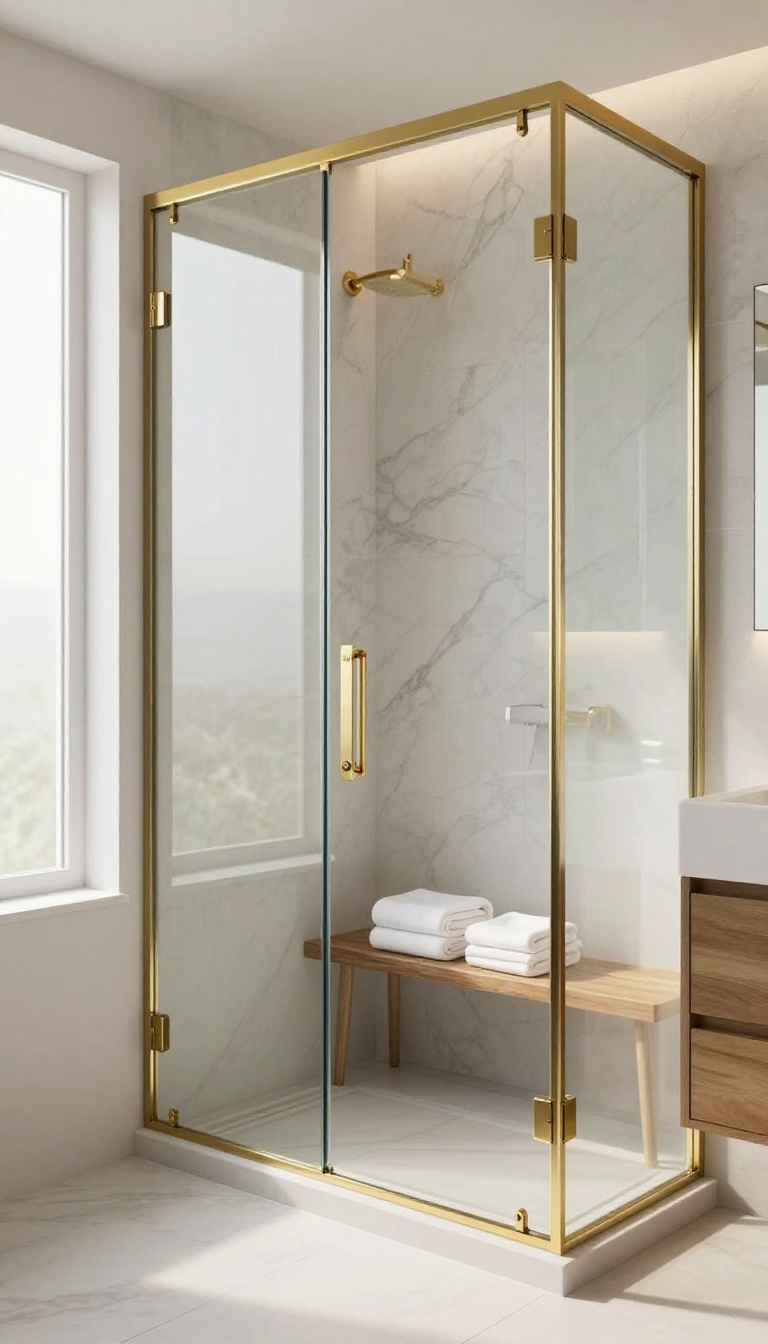
Metallic finishes can make or break a bathroom's mood. Too much chrome and the space feels cold and clinical. Swap in brass or gold accents, and suddenly the room feels like it's giving you a warm hug.
These tones catch the light in a soft, flattering way, adding a layer of richness that's hard to achieve with other materials. If you're drawn to marble, navy, or earthy palettes, brass or gold is the perfect partner.
Brass and gold accents aren't just a trend—they're a timeless way to inject warmth and sophistication into your bathroom. When applied to a shower door, these metallic details become a focal point that elevates the entire space. The key is to balance the shine so it feels curated, not gaudy.
Here's how to make this look work seamlessly.
Choosing The Right Finish
Not all brass and gold finishes are created equal. Polished brass has a bright, mirror-like shine that feels traditional and glamorous. Brushed brass, on the other hand, has a softer, more matte appearance that's easier to live with and hides water spots better.
For a modern twist, consider champagne gold or unlacquered brass, which develops a beautiful patina over time. Pick a finish that complements your other fixtures, like faucets and cabinet hardware, to create a cohesive look.
Where To Add The Accents
You don't need to go overboard with gold. A simple gold-framed shower door or a gold handle and hinge set can do the trick. If you have a glass door without a frame, adding gold hardware is an easy way to introduce the metal without overwhelming the space.
For a bolder statement, opt for a full gold frame that outlines the glass and creates a striking visual boundary. The goal is to let the accents shine without competing with the rest of the bathroom.
Pairing With Colors And Materials
Brass and gold work best when paired with the right colors and textures. They look stunning against white marble, which reflects light and makes the metal pop. Navy blue is another great match—the deep, cool color contrasts beautifully with the warm gold.
Earthy tones like terracotta or sage green also create a harmonious, grounded feel. Avoid pairing gold with cool grays or stark whites, as they can make the metal look yellow and out of place. Instead, lean into warm neutrals and rich jewel tones.
6. Minimalist Sliding Doors for Space Efficiency
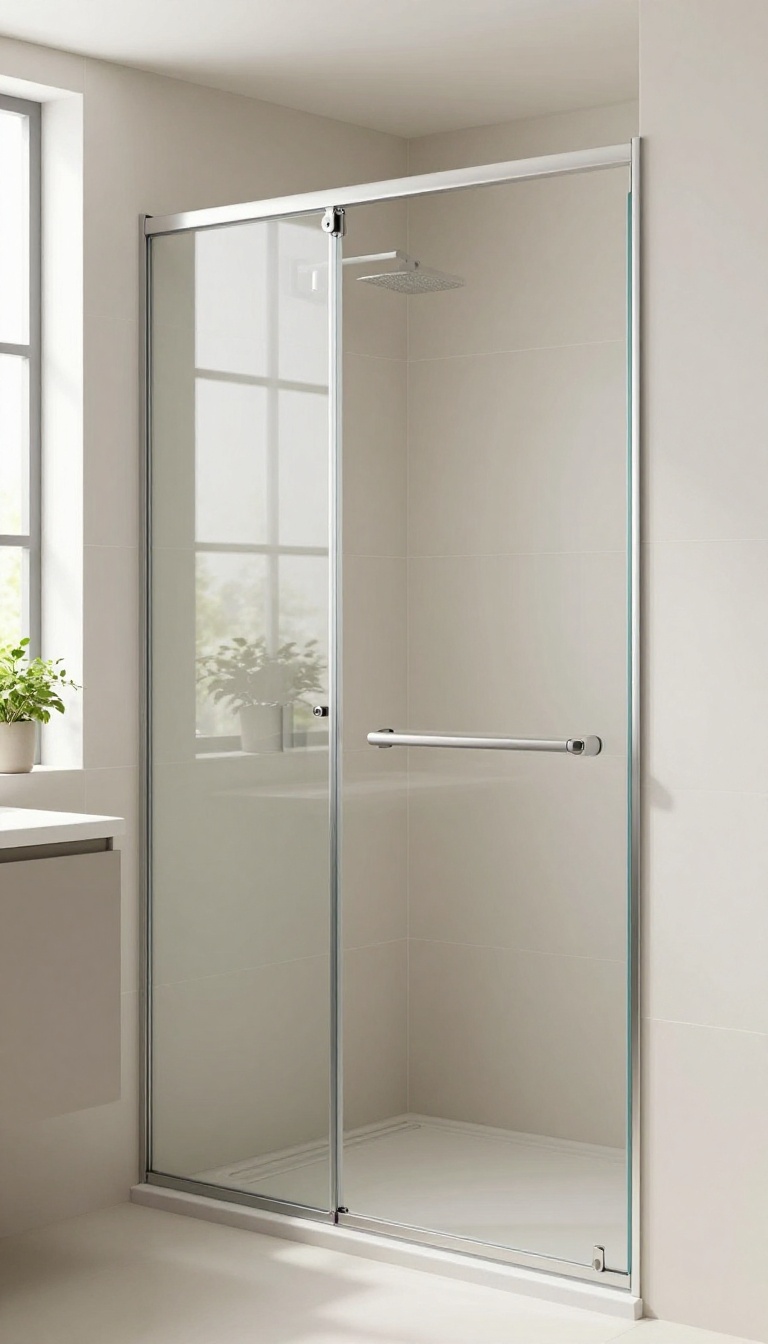
Tight bathrooms often force a compromise between style and practicality. A swinging door can eat up precious floor area, making the room feel even smaller. That's where a sliding shower door steps in—it glides along a track instead of opening outward, freeing up space without sacrificing a clean look.
The beauty of a minimalist sliding door lies in its simplicity. With slim aluminum tracks and frameless or semi-frameless glass, it keeps the visual noise low. The result is a bathroom that feels airy and uncluttered, even when square footage is limited.
Sliding doors are a smart solution for compact layouts, but they also work well in larger bathrooms where you want a seamless, modern feel. The key is to choose a design that blends into the background—clear glass, minimal hardware, and a track that doesn't dominate the wall. This approach lets the tiles, fixtures, and natural light take center stage.
Beyond space savings, sliding doors offer a smooth, quiet operation. Unlike hinged doors that need clearance, they can be installed next to a toilet or vanity without any awkward bumping. Plus, the clean lines of a minimalist track system add a subtle architectural detail that feels intentional and calm.
Why Sliding Beats Swinging In Tight Spots
If your bathroom is narrow or has a fixture right next to the shower, a swing door is often a no-go. Sliding doors eliminate that problem entirely. They don't need extra clearance, so you can place them almost anywhere.
That means you can keep the layout you already have without major renovations. Another benefit is safety—no door swinging into walkways or hitting someone who's stepped out of the shower. The smooth glide also feels more controlled than a hinge, which can be a plus if you have kids or elderly family members.
Choosing The Right Track And Rollers
The track and rollers are the workhorses of a sliding door, so pick quality materials that will last. Look for stainless steel or aluminum tracks with smooth, quiet rollers. A bottom track is easier to clean but can collect debris, while a top-hung system keeps the floor clear but requires a sturdy wall.
For a minimalist look, choose a track that's slim and low-profile. Some designs hide the rollers almost entirely, creating a near-floating glass effect. That's ideal for a calm, cohesive aesthetic where hardware shouldn't draw attention.
Glass Options That Keep Things Light
Clear glass is the go-to for a minimalist vibe, but you can also consider frosted or textured glass for a bit more privacy. If you want to maintain an open feel, stick with clear or lightly tinted glass. For a softer look, a subtle rain pattern or acid etch can diffuse light without darkening the space.
Keep in mind that glass thickness matters—8mm or 10mm tempered glass feels substantial yet sleek. Thinner glass can look flimsy, while thicker glass adds a premium touch. Just make sure the track and rollers are rated for the weight.
7. Curved or Neo-Angle Doors for Corner Showers
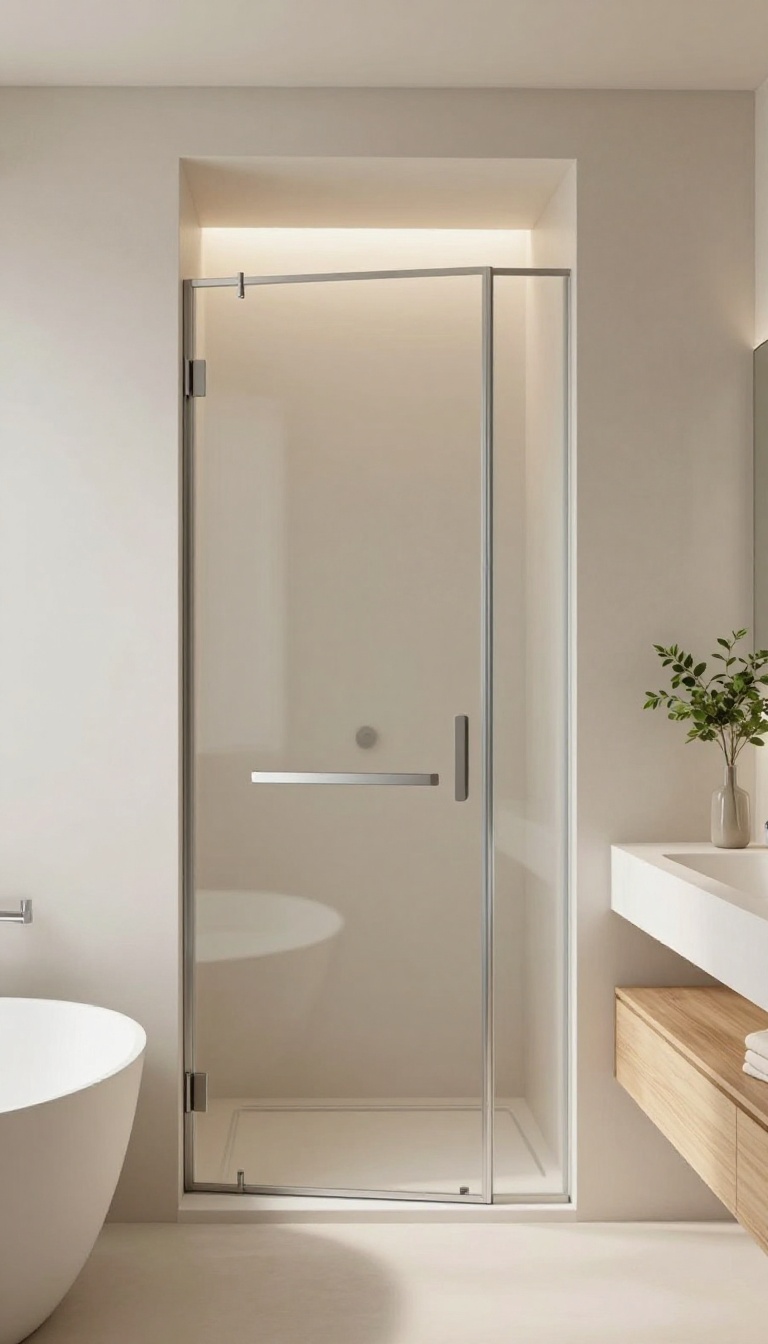
Corner showers often pose a design puzzle: how to make the most of a tight footprint without making the room feel boxed in. A curved or neo-angle door is a smart answer. Its angled or gently bowed panels tuck neatly into the corner, freeing up floor space while adding a soft, sculptural line that contrasts with the room's straight edges.
These doors are especially great for smaller bathrooms where every inch matters. The inward or outward curve can make the shower feel more spacious than it actually is, and the unique shape becomes a quiet design feature that draws the eye without overwhelming the space. Plus, they come in a variety of glass and frame options to match your style.
Neo-angle doors are a classic choice for corner showers, typically featuring three panels that form a 45-degree angle at the entry. This design allows the door to open into the room without swinging too far, making it ideal for tight spaces. Curved doors, on the other hand, use a single piece of bent glass that glides along a track, creating a smooth, continuous arc.
Both options soften the visual impact of the shower and make cleaning easier since there are fewer crevices for soap scum to hide. When choosing between curved and neo-angle, consider the layout of your bathroom and your personal style. Neo-angle doors offer a more traditional, angular look that fits well with classic or transitional decor.
Curved doors feel more modern and organic, often becoming the focal point of the bathroom. Either way, you'll gain valuable floor space and a sense of openness that standard square doors can't match.
Why They Save Space And Look Great
The angled or curved footprint of these doors means they don't protrude as far into the room as a standard swinging door. That's a huge advantage in a compact bathroom. You can place fixtures closer to the shower without feeling cramped.
Visually, the soft curves or sharp angles add a dynamic element that breaks up the monotony of straight walls and tiles. It's a subtle way to make the bathroom feel more intentional and designed.
Glass Options For A Calm Look
To keep the space feeling airy and calm, opt for clear glass with minimal framing. If you prefer more privacy, choose frosted or textured glass that still lets light through. For a truly seamless look, consider a frameless curved door, which uses thicker glass and minimal hardware.
This style is a bit more expensive but offers an unobstructed view and a sleek, modern aesthetic that aligns perfectly with a spa-like bathroom.
Installation And Maintenance Tips
Curved and neo-angle doors require precise measurements, so it's best to have them professionally installed. The track and hardware need to be aligned correctly to ensure smooth operation. For maintenance, wipe down the glass after each use to prevent water spots, and clean the tracks regularly to avoid buildup.
Using a squeegee and a mild cleaner will keep the glass sparkling and the door moving effortlessly for years.
8. Textured Glass for Subtle Interest
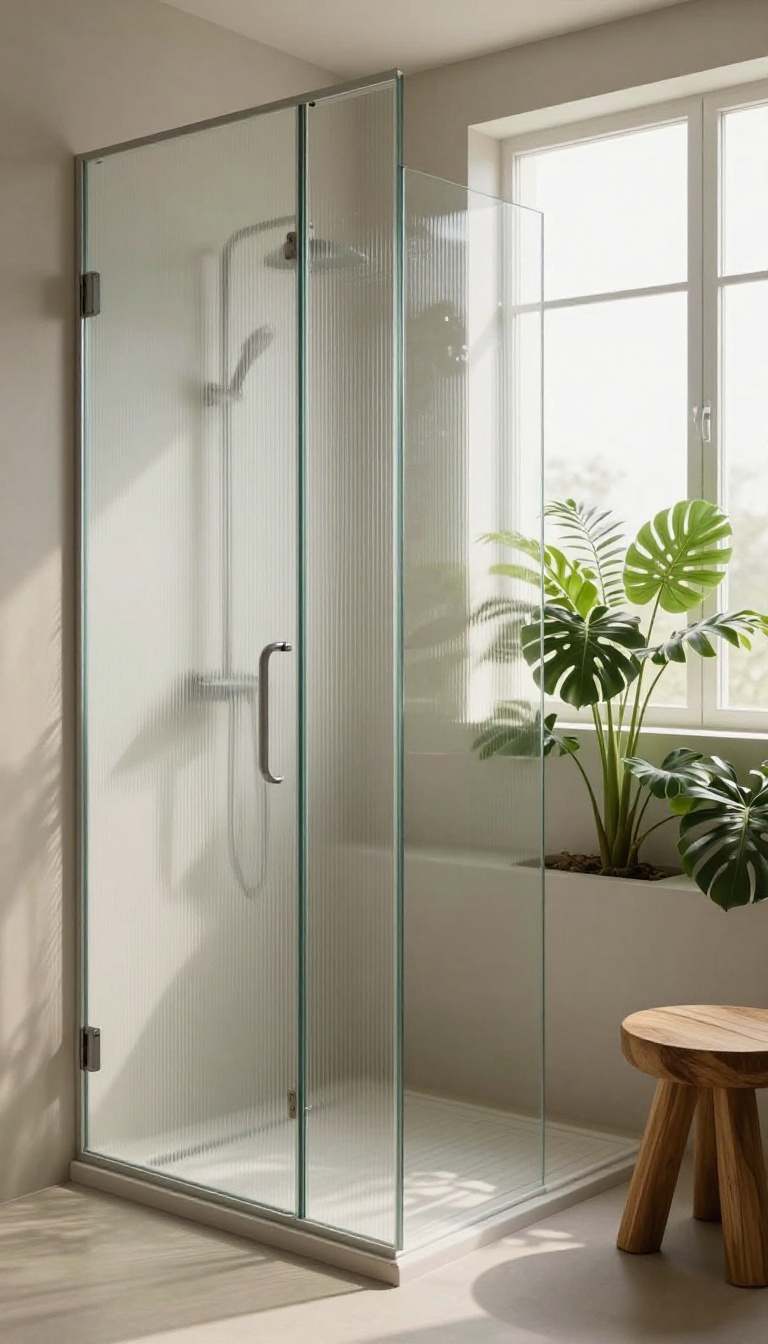
If you love the look of frosted glass but want something with a bit more personality, textured glass is a beautiful middle ground. Patterns like rain, ribbed, or hammered textures catch the light in unique ways, turning your shower into a quiet focal point. They also offer privacy without making the space feel dark or closed off.
Textured glass brings a tactile, organic feel to a bathroom that plain clear or frosted glass just can't match. The patterns create a play of light and shadow that shifts throughout the day, adding a layer of visual interest that feels intentional, not busy. Plus, the texture helps hide water spots and soap scum, making it a practical choice for busy households.
Patterns That Play With Light
Rain glass, with its vertical lines, mimics the look of water streaming down the pane—fitting for a shower, right? Ribbed glass offers a more linear, modern feel, while hammered glass has a dimpled surface that scatters light softly. Each pattern creates a different mood, so think about the vibe you want.
For a spa-like calm, rain or rippled glass works beautifully. For a sleeker, more contemporary look, ribbed or fluted glass might be the way to go.
Privacy Without The Gloom
One of the biggest perks of textured glass is that it blurs the view while still letting in plenty of natural light. You get the privacy of frosted glass, but the patterns add depth and keep the space feeling airy. This is especially great for bathrooms where the shower is visible from the vanity or doorway.
You won't feel like you're on display, but you also won't need to turn on the lights every time you step in.
Pairing With Other Materials
Textured glass pairs beautifully with natural materials like stone, wood, or matte black fixtures. The organic feel of the glass softens the hard edges of tile and metal. For a cohesive look, choose a texture that echoes other patterns in the room—like the vertical lines in a wainscot or the ripples in a vessel sink.
Keep the rest of the bathroom simple so the glass can be the star.
Maintenance And Cleaning Tips
While textured glass does a better job of hiding water spots than clear glass, it still needs regular cleaning. The grooves can trap dirt, so a squeegee after each use is your best friend. For deeper cleans, use a mild soap and a soft cloth to avoid scratching the surface.
Avoid harsh chemical cleaners that can damage the texture over time. With a little care, your textured door will stay beautiful for years.
9. Wood-Inspired Frames for Organic Warmth
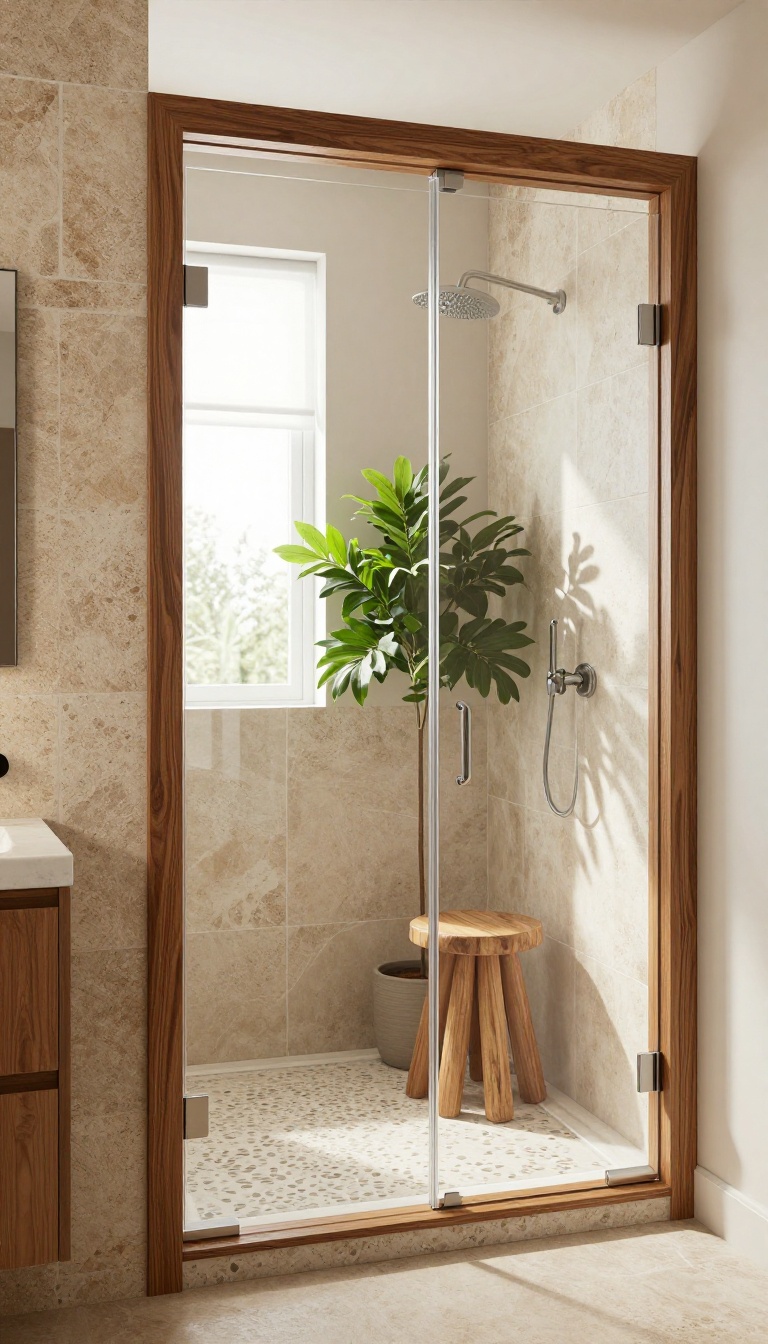
Wood grain isn't just for floors and vanities anymore. Frames that mimic the look of natural wood bring a grounding, spa-like warmth to the shower area, especially when paired with stone tiles and leafy greenery. This style softens the hard edges of glass and tile, creating a calm, earthy retreat.
Wood-inspired frames offer the beauty of timber without the maintenance worries of real wood in a wet environment. They come in various finishes, from light oak to rich walnut, allowing you to match your bathroom's existing wood tones or introduce a new natural accent. The visual warmth they provide makes the shower feel like a cozy nook rather than a purely functional space.
Pairing With Natural Materials
To maximize the organic feel, pair wood-inspired frames with materials like travertine, slate, or pebble tiles. These textures echo the outdoors and create a harmonious, spa-like atmosphere. Adding a wooden stool or teak bench inside the shower can further enhance the connection to nature.
Choosing The Right Finish
When selecting a wood-inspired frame, consider the undertones in your bathroom. Lighter woods like ash or maple brighten the space and suit airy, coastal designs. Darker woods such as mahogany or ebony add depth and pair well with warm, neutral palettes.
Matte finishes tend to feel more natural than glossy ones.
Maintenance And Durability
One of the biggest advantages of wood-inspired frames is their durability. Unlike real wood, they won't warp, rot, or require sealing. They are easy to clean with a damp cloth and mild soap, making them a practical choice for busy bathrooms.
This low-maintenance aspect lets you enjoy the aesthetic without the upkeep.
10. Pivot Doors for a Dramatic Swing
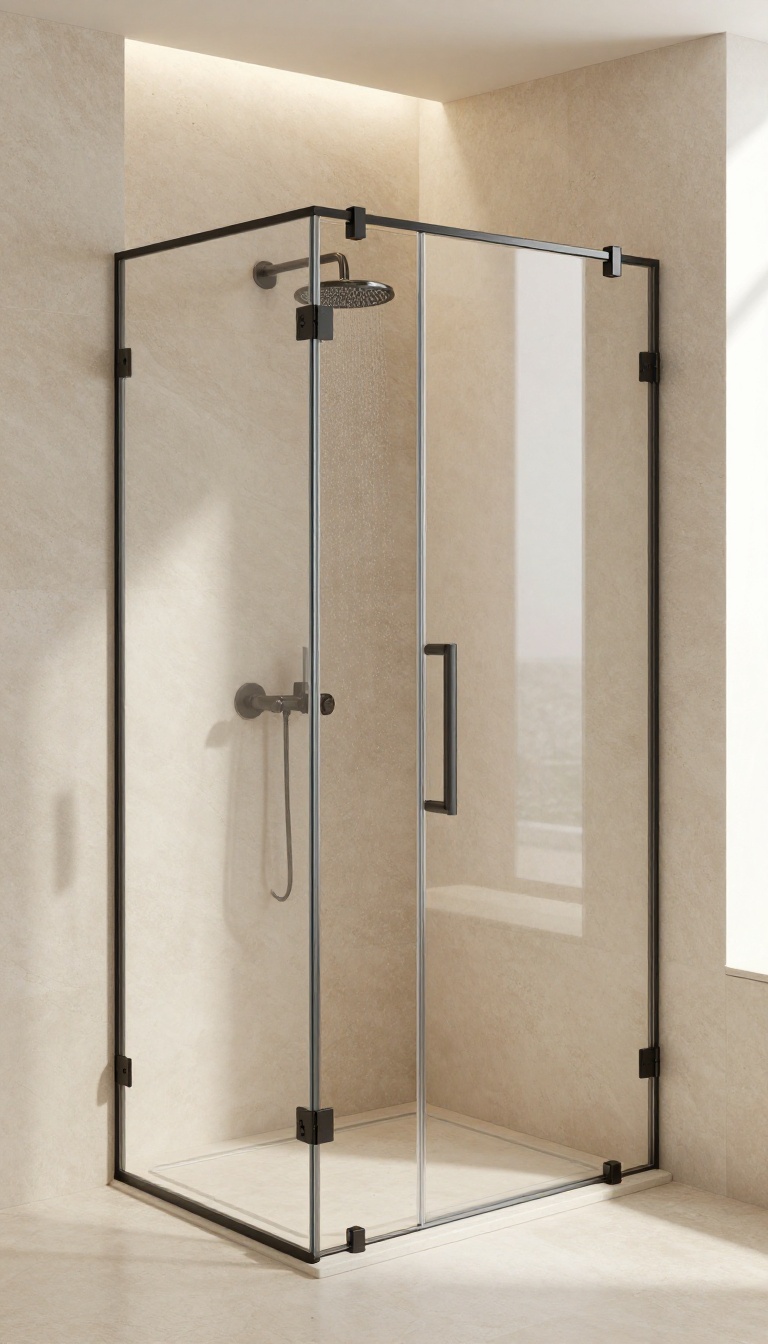
Pivot doors bring a touch of theater to the bathroom. Instead of sliding along a track, they rotate on a central hinge, creating a wide, open entrance that feels grand and inviting. This style works best in larger showers where you can fully appreciate the swing.
Pivot doors are a bold choice, but they can also feel surprisingly serene. The clean lines and smooth motion add a sense of calm, while the dramatic opening makes the shower feel like a special part of the room. If you have the space, this door can transform your daily routine into a more luxurious experience.
Why Choose A Pivot Door?
The main advantage of a pivot door is the unobstructed entry. There’s no bottom track to trip over or collect grime, which makes cleaning easier. The wide opening also makes the shower feel more accessible and airy, especially if you have mobility concerns or simply enjoy a spacious feel.
Design Considerations
Pivot doors require adequate clearance in front of the shower. They also need a sturdy wall or floor for the hinge. Choose a frameless glass design to keep the look light and open, or opt for a matte black or brushed nickel frame to add a subtle contrast.
The hardware becomes a focal point, so pick a finish that complements your fixtures.
Installation And Space Tips
Before committing, measure the area carefully. A pivot door typically needs at least 24 inches of clearance on the hinge side. If your bathroom is tight, consider a door that swings outward instead of inward.
Always hire a professional for installation to ensure the hinge is properly aligned and the glass is safely secured.
11. Low-Iron Glass for Crystal Clarity
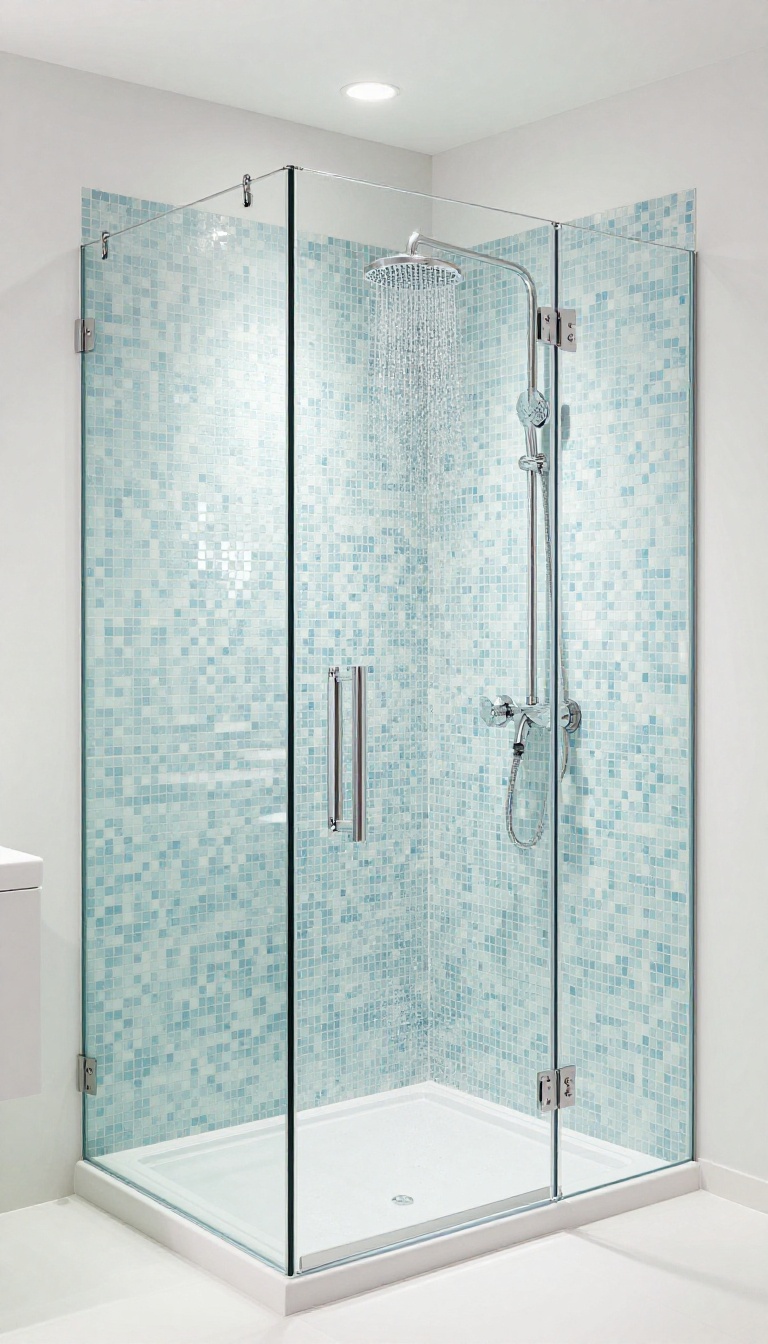
Ever noticed a slight greenish cast on standard shower glass? That's the iron content in the glass, and it can subtly dull the look of your bathroom. Low-iron glass eliminates that tint, giving you a crystal-clear view that makes your tile work pop and keeps the space feeling light and airy.
Low-iron glass is a game-changer for anyone who wants their shower to feel open and pristine. Unlike regular glass, which has a green edge, low-iron glass is optically clear, so it's perfect for showing off beautiful tile, natural stone, or a sleek modern design. It also allows more natural light to filter through, making the bathroom feel brighter and more spacious.
Why The Green Tint Happens
Standard glass contains iron oxide, which gives it a greenish hue—especially noticeable on the edges and in thicker panels. Low-iron glass reduces this iron content, resulting in a neutral, colorless appearance. This is why it's often used in storefronts and display cases where true color matters.
In your shower, it means the colors of your tiles and fixtures stay true, without any unwanted tint.
Ideal For Showcasing Design
If you've invested in a beautiful mosaic or a bold patterned tile, low-iron glass is the way to go. It's like having no glass at all—just a clear window into your design. This clarity also makes the shower feel more open, which is great for smaller bathrooms.
Plus, it pairs beautifully with any frame style, from minimalist to industrial.
Considerations And Cost
Low-iron glass does come at a premium—expect to pay about 10-20% more than standard glass. But many homeowners find it's worth the extra cost for the visual payoff. It's also slightly harder to find, so you may need to special-order it.
Keep in mind that while it's clearer, it still requires regular cleaning to maintain that spotless look.
12. Matte White Frames for a Clean, Classic Look
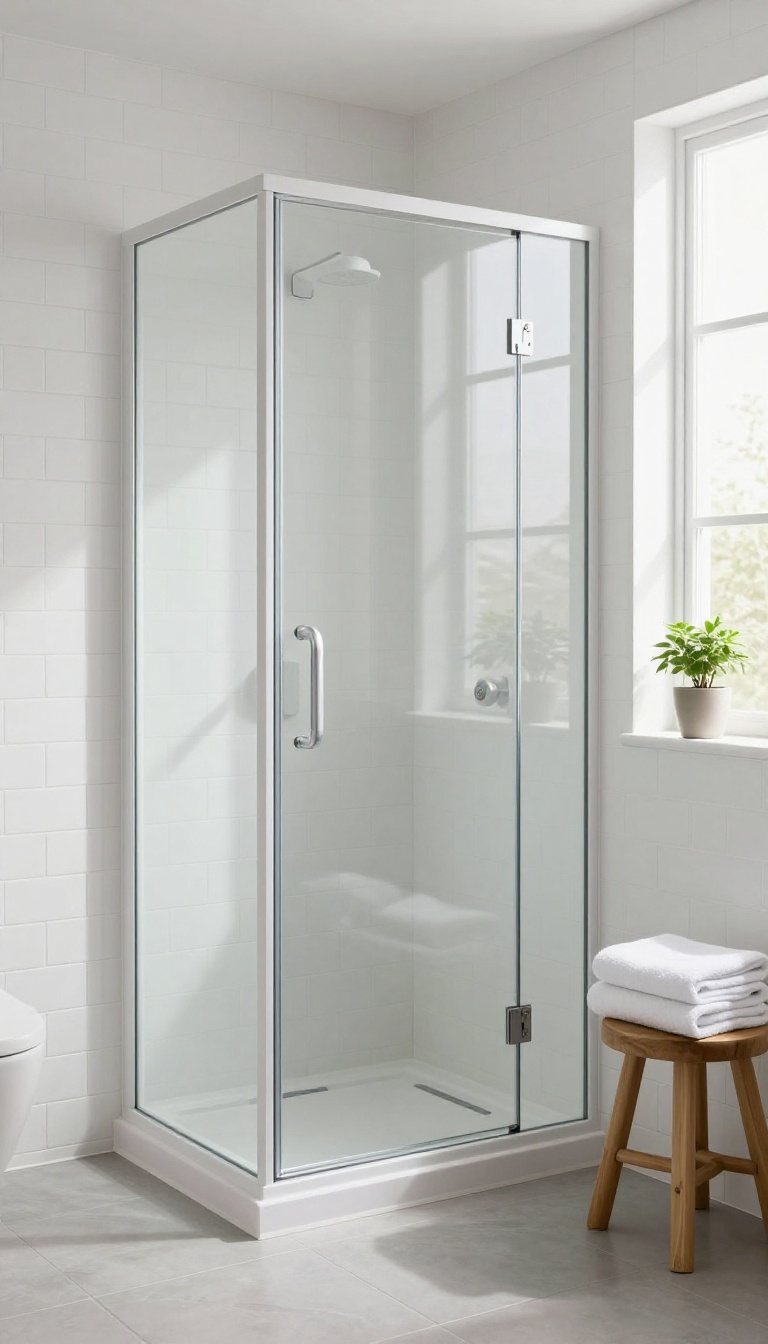
White frames have a way of disappearing into the background, letting the glass and the tile do the talking. That quiet presence makes them a favorite for bathrooms aiming for a relaxed, cohesive feel. Whether your style leans farmhouse, contemporary, or something in between, a matte white frame can anchor the space without stealing the show.
Matte white frames are more than just a safe choice—they're a smart one. The finish softens the visual weight of the door, making it feel lighter and less bulky. It also pairs effortlessly with white or colored tiles, so your shower doesn't become a focal point that fights with the rest of the room.
Why Matte Beats Glossy
Glossy white can look shiny and dated, while matte gives a subtle, modern touch. It hides water spots and fingerprints better, too. If you're aiming for a calm, spa-like vibe, matte is the way to go—it doesn't reflect harsh light or draw attention to smudges.
Pairing With Tile And Fixtures
This frame works with almost any tile color, from soft gray to bold navy. It also complements brushed nickel or chrome fixtures without clashing. For a cohesive look, match the frame to your trim or vanity hardware, or let it stand alone as a neutral bridge.
Maintenance And Durability
The matte finish is surprisingly forgiving. A quick wipe with a microfiber cloth keeps it looking fresh. Unlike some dark frames that show every speck of dust, white hides daily grime.
Just avoid abrasive cleaners that might dull the finish over time.
13. Semi-Frameless Design for a Balanced Feel
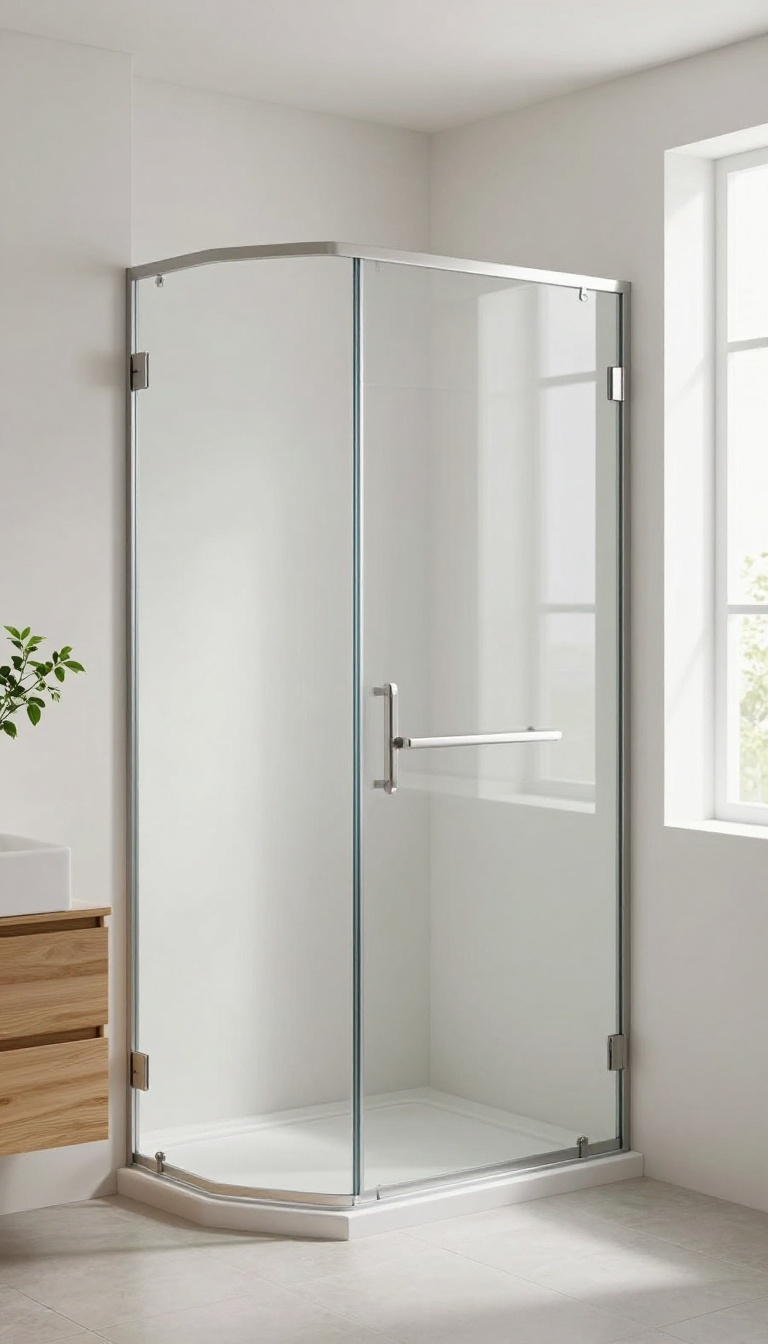
If you’re torn between the sleek, open look of frameless glass and the budget-friendly reliability of fully framed doors, semi-frameless is your middle ground. It gives you that airy, modern vibe without the heftier price tag or complicated installation. The result is a shower door that feels balanced—clean lines with just enough structure to keep everything secure.
Semi-frameless doors typically feature a framed top and bottom or a framed hinge side, while the rest of the glass remains exposed. This hybrid approach cuts down on the need for heavy reinforcement, making it easier to install and gentler on your wallet. Plus, you still get that expansive glass look that opens up a small bathroom.
It’s a practical choice for anyone who wants style without overcomplicating the renovation.
Why It Strikes The Right Balance
The magic of semi-frameless is in the details. The minimal frame provides stability, so you don’t need thick, heavy glass—usually 3/8 inch instead of 1/2 inch—which lowers both material and installation costs. At the same time, the large glass panels keep the visual weight low, making the bathroom feel more spacious.
It’s a smart compromise that doesn’t sacrifice the airy aesthetic you’re after.
Installation And Maintenance Perks
Because there’s less metal to align, semi-frameless doors are simpler to fit, especially if you’re working with slightly uneven walls. That means fewer headaches for your installer and often a faster turnaround. Cleaning is also easier than with fully framed doors—fewer nooks and crannies where soap scum can hide.
A quick wipe-down with a squeegee after each shower keeps the glass sparkling.
Design Pairings That Work
This style shines in bathrooms that mix modern and traditional elements. Pair it with matte black or brushed nickel hardware for a contemporary edge, or choose a white frame to blend with classic subway tile. Clear glass lets your tile work take center stage, while a light frosted option adds privacy without darkening the space.
Either way, semi-frameless adapts to your design story rather than fighting it.
14. Custom Etched Glass for a Personal Touch
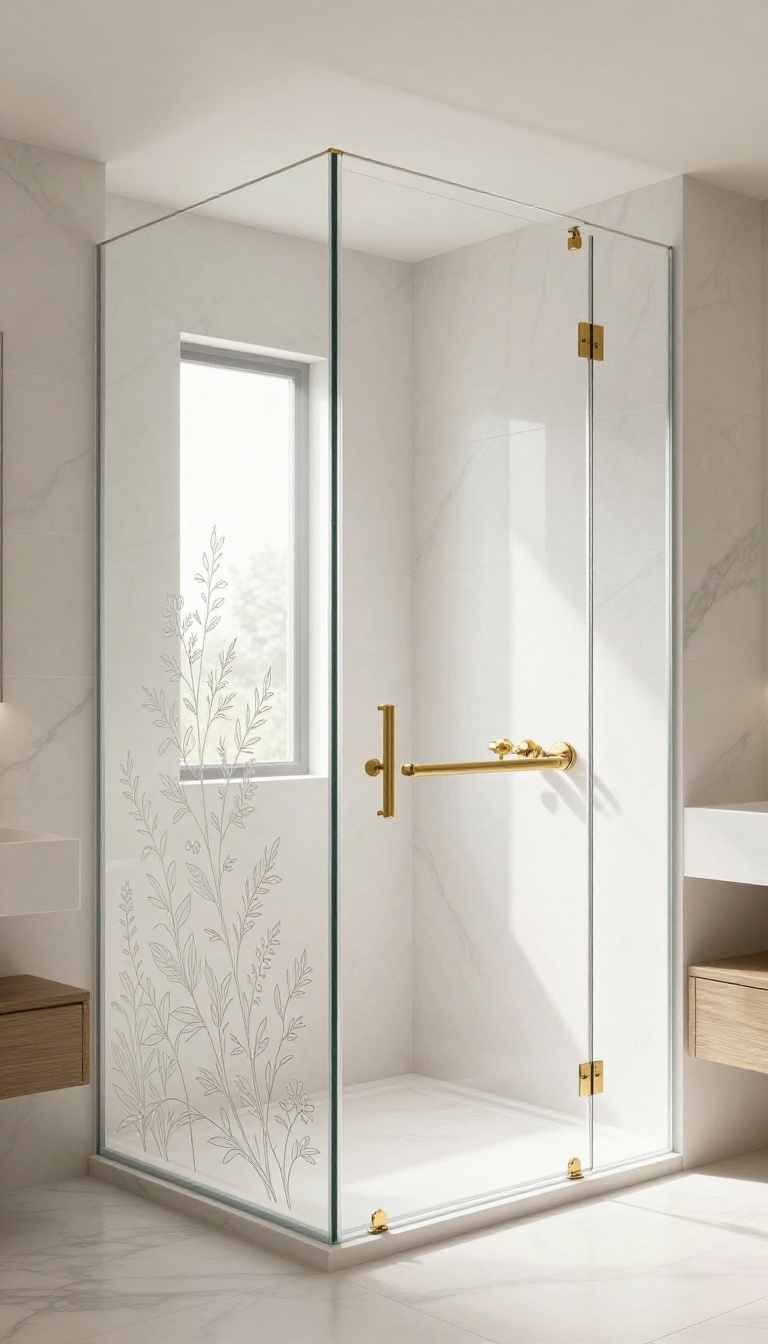
Sometimes the best way to make a bathroom feel truly yours is to add a detail you won't find in anyone else's home. Custom etched glass does exactly that—it turns a functional shower door into a piece of art that speaks to your style. Whether it's a delicate vine along the edge or a geometric pattern that echoes your tiles, etching adds a layer of sophistication that plain glass just can't match.
Etched glass works because it offers privacy without sacrificing light. The frosted effect obscures the view while still letting natural brightness filter through, keeping the shower feeling open and airy. Plus, the design itself becomes a conversation starter, a subtle way to inject personality into a space that often feels purely utilitarian.
Choosing A Pattern That Fits
The beauty of custom etching is that you can match the design to your bathroom's existing elements. If you have a nature-inspired theme with botanical tiles, consider leaf or branch motifs. For a more modern, minimalist look, stick to clean lines or abstract shapes.
You can even etch a monogram or a meaningful symbol, though subtlety often works best—you don't want the door to overpower the rest of the room. Think of it as a whisper, not a shout.
Privacy Vs. Light
One of the main reasons people choose etched glass is its ability to provide privacy while maintaining a sense of openness. The level of privacy depends on the density of the etching—more coverage means less visibility. If you have a shared bathroom, you might prefer a higher level of opacity.
But if you're after a softer look that still lets in plenty of light, a lighter pattern that leaves more clear glass might be the way to go. It's all about finding the right balance for your space.
Working With A Professional
While DIY etching kits exist, achieving a truly polished, custom look usually requires a professional. A glass specialist can help you create a design that fits the dimensions of your door perfectly and ensure the etching is applied evenly. They can also advise on the best type of glass and thickness for your setup.
It's an investment, but one that pays off in a unique, high-end finish that feels bespoke.
15. Smart Glass for Privacy on Demand
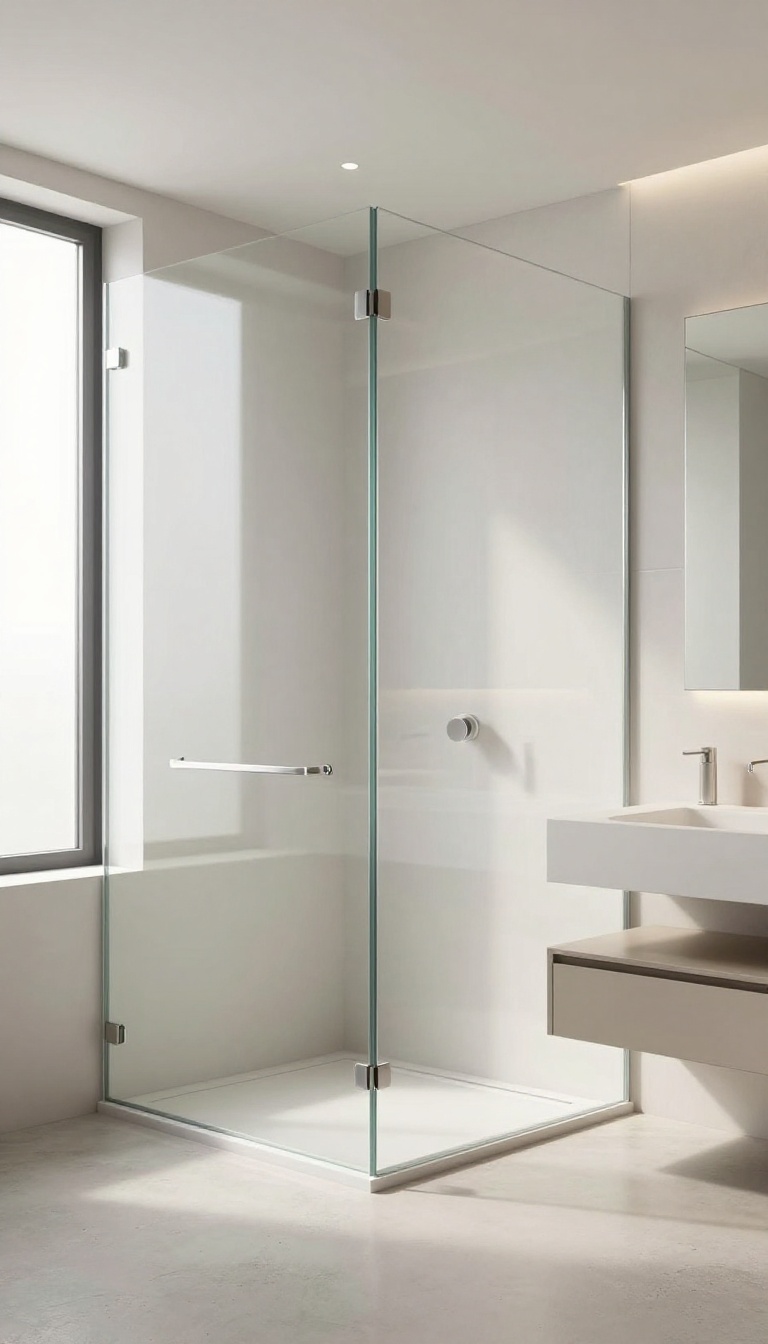
Imagine tapping a button to turn your clear shower glass frosted—no curtains, no blinds, just instant privacy. Smart glass, also known as switchable glass, uses a film that changes transparency with an electrical current. It's a sleek, futuristic option that fits perfectly in a modern bathroom where innovation meets calm.
Smart glass isn't just about gimmicks; it's genuinely practical. You get the open, airy feel of clear glass when you want it, and the privacy of frosted glass at the touch of a switch. This makes it ideal for shared bathrooms or ensuite setups where you might want to block the view while still letting light flow through.
The technology is reliable, and the look is seamless—no visible wires or bulky controls if installed correctly.
How It Works And What To Expect
The glass contains a PDLC (polymer-dispersed liquid crystal) film that scatters light when off (frosted) and aligns when on (clear). Installation requires a power source and a switch, often placed near the shower entry. You can choose between a wired setup or a remote-controlled version for convenience.
Expect a slight haze in the clear state compared to standard glass, but it's barely noticeable.
Design Ideas To Keep It Cohesive
To maintain a calm, cohesive style, pair smart glass with minimalist frames or go frameless for a clean look. Use it on a fixed panel or a door that's otherwise clear. You can also integrate it with smart home systems, so it frosts automatically when someone enters the bathroom or at scheduled times.
Keep the rest of the bathroom neutral—soft whites, natural wood, or matte black fixtures—so the glass becomes a subtle feature, not a distraction.
Cost And Maintenance Considerations
Smart glass is more expensive than regular glass, typically costing two to three times more per square foot. But if you're renovating with longevity in mind, it's an investment that adds a unique touch. Maintenance is similar to standard glass—just clean with a non-abrasive cleaner.
The film is durable, but avoid harsh chemicals that could damage the edges. Make sure to hire a professional for installation to ensure proper wiring and sealing.
FAQ
What is the best shower door for a small bathroom?
Frameless glass or sliding doors are ideal for small bathrooms because they don't take up extra space and create a more open feel. A curved or neo-angle door is also a great choice for corner showers.
How do I choose between framed and frameless shower doors?
Frameless doors offer a sleek, modern look and are easier to clean, but they can be more expensive. Framed doors are more budget-friendly and provide extra stability, but they have more hardware that can collect grime.
Can I install a shower door myself?
While some DIY enthusiasts can install a shower door, it's often best to hire a professional, especially for frameless glass doors that require precise measurements and leveling. Improper installation can lead to leaks or safety issues.
What glass finish is easiest to maintain?
Clear glass with a water-repellent coating is easiest to keep clean, as it prevents water spots and soap scum. Textured or frosted glass can hide water spots better but may require more effort to clean thoroughly.
Are brass or gold shower doors trendy?
Yes, brass and gold finishes have made a comeback in bathroom design. They add warmth and a touch of luxury, and they pair beautifully with a variety of styles, from modern to traditional.
Conclusion
Choosing the right shower door is about more than just function—it's about creating a space where you can unwind. Whether you prefer the clean lines of frameless glass or the warmth of brass accents, there's an option that fits your style and space. Take your time to consider the layout, lighting, and overall vibe of your bathroom.
With the right door, you'll transform your daily routine into a calming ritual. Happy renovating!