13 Easy Shower Curtain Rod Ideas with Clean, Polished Design
A shower curtain rod might seem like a minor detail, but it sets the tone for your entire bathroom. The right rod can make a small space feel larger, add a touch of elegance, or simply make your daily routine smoother.
You don't need a full renovation to elevate the look and function of your shower area. Whether you're dealing with a rental, a tight budget, or just a desire for a quick refresh, these ideas are designed to be easy to implement.
We'll explore a range of options, from simple tension rods to more sophisticated mounted styles, all with a focus on clean, polished design.
1. Tension Rod: The No-Drill Wonder
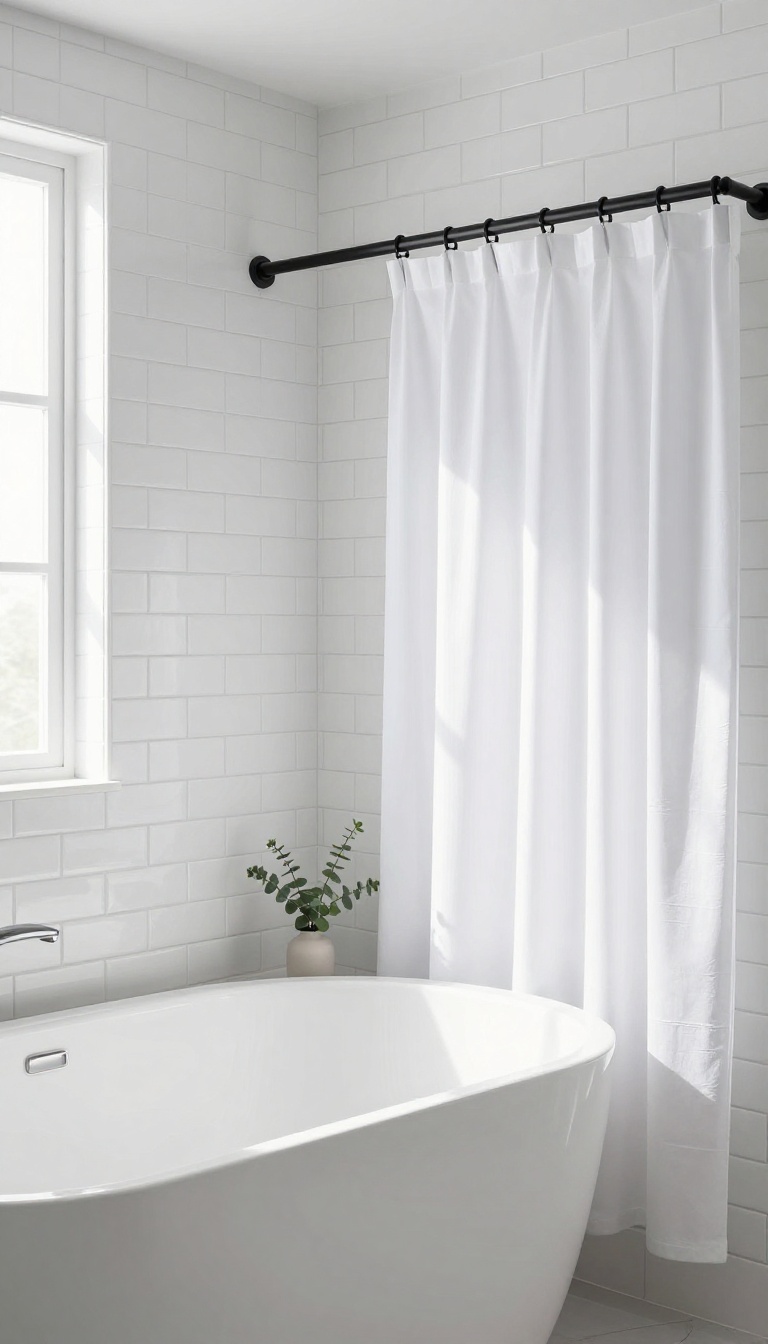
Starting with the most straightforward option, a tension rod requires no tools and no holes in your walls. It's the go-to choice for renters or anyone who wants a quick, damage-free setup. With a bit of care in choosing the right one, you'll get a clean look that stays put.
Choosing The Right Tension Rod
Not all tension rods are created equal. Look for one with a strong spring mechanism and a diameter that fits your space. A thicker rod (around 1 inch) feels more substantial and less flimsy than the skinny ones.
Also, check the weight limit—if you plan to hang a heavy fabric curtain or a liner, you need a rod that can handle it.
Installation Tips For A Secure Fit
The key to a tension rod that doesn't slip is to extend it slightly longer than the distance between your walls. Then, twist to tighten until it's snug. For extra grip, some rods come with rubber ends that prevent sliding.
If yours doesn't, you can add small adhesive pads to the ends for more friction.
Styling Your Tension Rod
Even though it's a no-drill solution, you can still achieve a polished look. Choose a finish that matches your bathroom fixtures—matte black, brushed nickel, or chrome. Add simple curtain rings for a more refined appearance, and ensure the curtain hangs evenly.
A clean, straight line makes all the difference.
2. Curved Rod: Extra Space Where You Need It
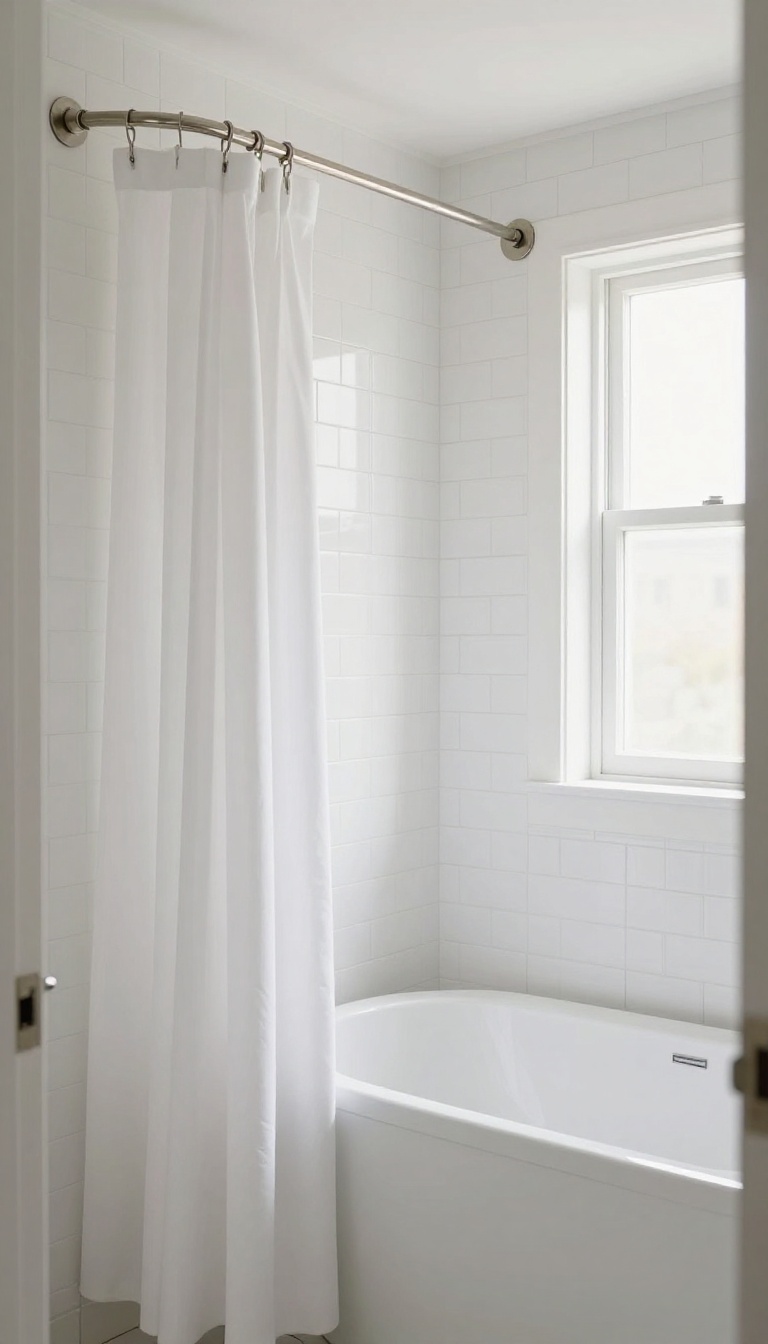
A curved shower rod bows outward, giving you more elbow room inside the tub or shower. This simple swap can make a cramped shower feel more spacious and prevents the curtain from clinging to you. It's an easy upgrade with a big impact.
Curved rods are a favorite for small bathrooms because they add inches of space without any construction. The gentle arc pushes the curtain away from your body, so you can move freely and the curtain won't stick to your skin. Plus, the sleek, polished look of a curved rod instantly elevates the bathroom's style.
Installing a curved rod is just as simple as a straight one. Most models use tension mounts, but you can also find permanent options that screw into the wall. Either way, the upgrade takes minutes and makes a noticeable difference in how the shower feels.
Why A Curve Changes The Feel
The main benefit is the extra space. The curve adds about 6 to 8 inches of clearance, which is huge when you're turning around or reaching for shampoo. It also keeps the curtain from billowing inward, so you don't get that annoying cling.
The result is a more open, airy shower experience.
Choosing The Right Curve
Curved rods come in different depths and materials. A deeper curve offers more room but might stick out too far in a narrow bathroom. Look for a rod with a smooth, corrosion-resistant finish like stainless steel or brushed nickel to match your fixtures.
Also, check the diameter—thicker rods feel sturdier and look more premium.
Installation Tips
For tension rods, make sure the ends are clean and dry before tightening to avoid slipping. For mounted rods, use a level to ensure the rod is straight and anchor the screws into studs or use wall anchors for extra support. Always follow the manufacturer's instructions for weight limits, especially if you have a heavy fabric curtain.
3. Double Rod: Layer Up for Style and Function
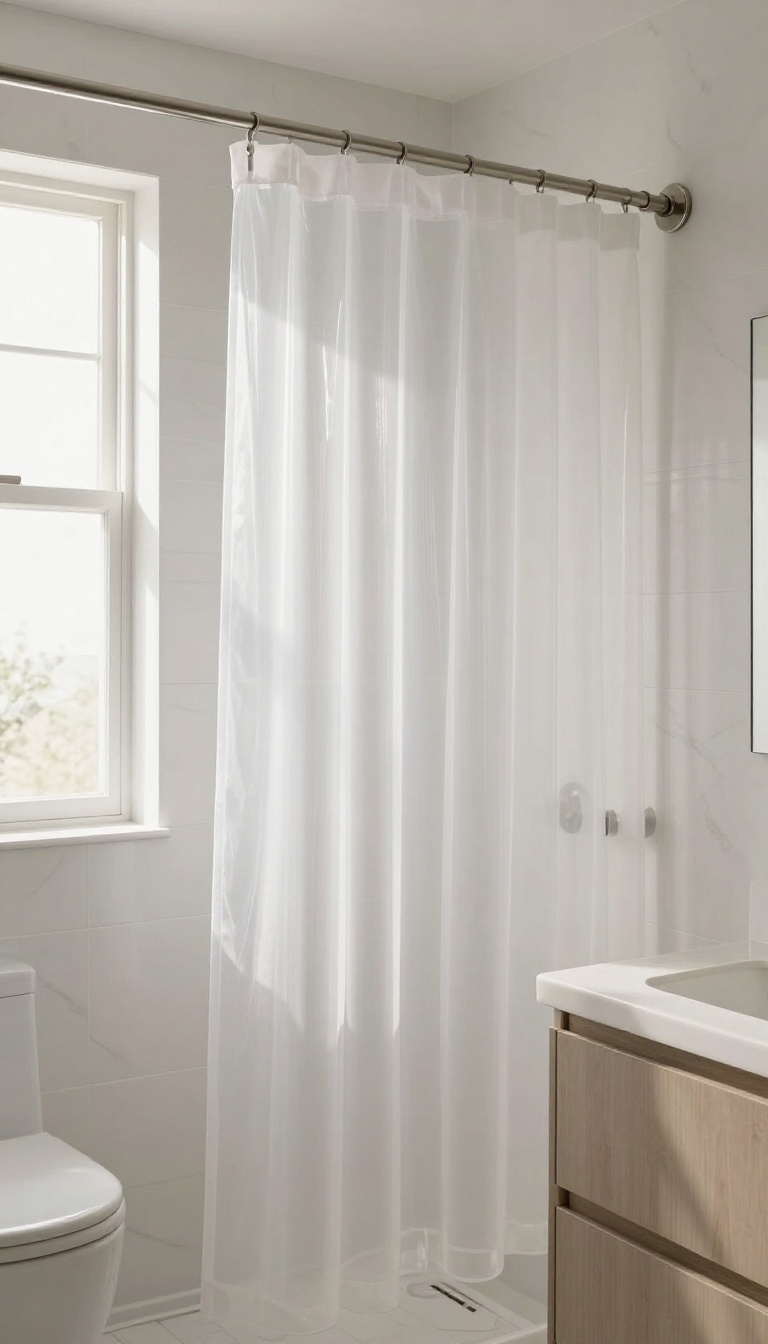
A double rod setup gives you two rails in one fixture, letting you hang a decorative curtain on the outside and a waterproof liner on the inside. This layered approach not only looks polished but also keeps the liner dry and mildew-free by allowing air to circulate between the layers. It's a practical choice for a clean, layered look that adds depth to your bathroom without taking up extra space.
Why Double Up?
The main advantage of a double rod is separation. Your stylish fabric curtain stays dry because the liner does the wet work. That means less frequent washing and a longer life for your favorite curtain.
Plus, the extra layer adds visual interest, making the shower area feel more custom and designed.
Choosing The Right Rod
When picking a double rod, look for one that's sturdy and adjustable to fit your space. Tension-mounted double rods are easy to install without tools, but for a more permanent and polished feel, consider a wall-mounted version. Make sure the rod extends far enough to clear your tub or shower edge, and choose a finish that complements your other bathroom fixtures.
Styling The Layers
The outer curtain is your chance to show off. Go for a light, airy fabric to keep the space feeling open, or a bold pattern for a pop of personality. The inner liner should be simple and functional—clear vinyl is a classic choice, but you can also find fabric liners with a waterproof coating.
Keep the liner slightly shorter than the outer curtain so it doesn't peek out from underneath.
4. Ceiling-Mounted Rod: For a Dramatic, Open Feel
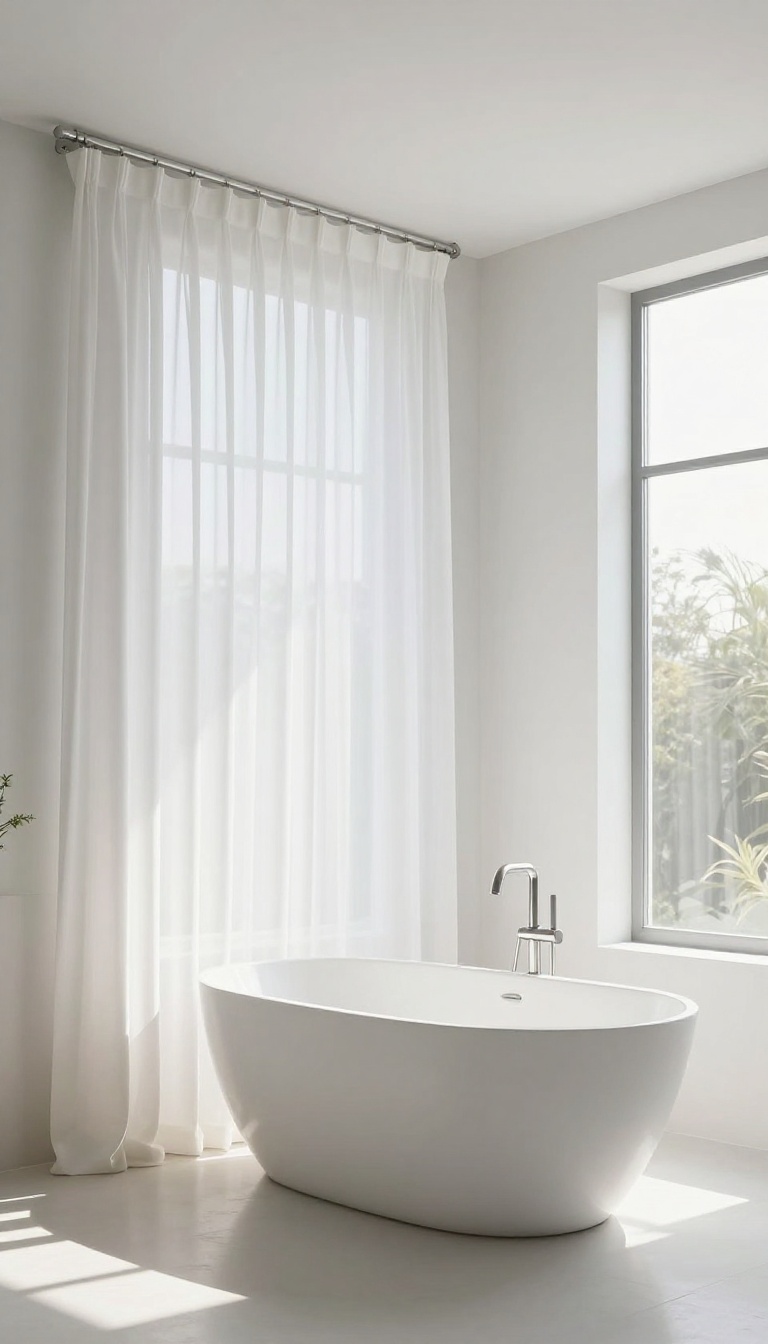
Why limit your shower curtain to the wall when the ceiling is right there? A ceiling-mounted rod changes the whole geometry of the room, drawing the eye upward and making the space feel taller and more expansive. This is a go-to move for bathrooms with high ceilings, but it can also work wonders in compact spaces by creating a continuous, unbroken line from floor to ceiling.
Mounting the rod on the ceiling instead of the wall creates a taller, more open look, especially in bathrooms with high ceilings. It also allows for a floor-to-ceiling curtain that adds elegance and makes the space feel larger. This approach works well with a variety of curtain styles, from airy linen to crisp cotton, and it pairs beautifully with natural light.
Choosing The Right Hardware
You’ll need a sturdy ceiling mount that can handle the weight of a full-length curtain. Look for flanges that screw directly into a ceiling joist for maximum security. If you’re working with drywall, use toggle bolts or a ceiling anchor rated for the load.
A curved or straight rod? Straight is cleaner for a minimalist look, while a slight curve can add a soft touch without compromising the open feel.
Picking The Perfect Curtain
For a dramatic effect, choose a curtain that reaches the floor with a small break or just kisses the tile. Fabric matters: heavyweight cotton or linen drapes better and feels more luxurious, while a polyester blend is easier to clean. If you want to maximize light, go for a semi-sheer fabric.
For privacy, layer a liner behind it or pick a denser weave.
Installation Tips For A Flawless Finish
Measure carefully before drilling—use a stud finder to mark the joist, then level your rod to avoid a crooked hang. If you’re installing on a sloped ceiling, use a swivel joint or a rod designed for angles. Pre-drill pilot holes to prevent cracking, and use a bubble level to keep everything straight.
When in doubt, consult a professional, especially if you’re dealing with high ceilings or tricky angles.
5. Corner Rod: Maximize Awkward Spaces
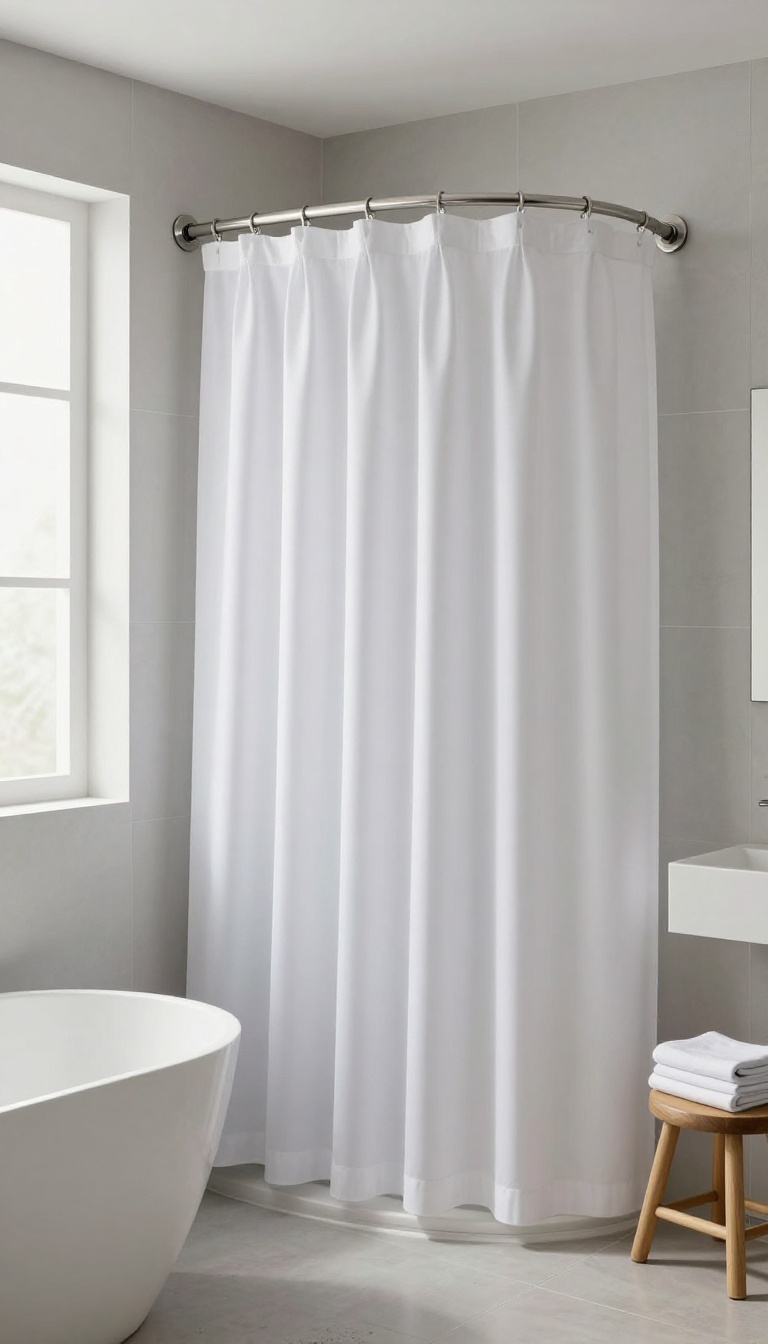
Showers tucked into a corner can feel cramped and tricky to curtain off. A standard straight rod leaves gaps, and a curved one might not fit the angle. That’s where a corner rod comes in—it’s designed specifically to wrap around the corner, giving you full coverage without wasting any space.
If your bathroom has an angled layout, this simple swap can make the whole area feel more intentional and put-together.
Corner rods are a practical solution that often goes overlooked. They’re not just for oddly shaped bathrooms—they can also make a standard corner tub feel more open and accessible. The key is choosing the right style and installing it properly so it looks clean and functions smoothly.
Here’s what to consider when you go the corner route.
What To Look For In A Corner Rod
Not all corner rods are created equal. Look for one that’s adjustable to fit your specific angle—most are designed for a 90-degree corner, but some can adapt to slightly different layouts. Material matters too: stainless steel or aluminum resists rust better in humid bathrooms.
Also, check the mounting hardware. Some corner rods use tension, but for a more permanent and polished look, choose a model that screws into the wall with sturdy brackets.
Installation Tips For A Clean Finish
Measure carefully before you buy. You’ll need the distance from the corner to each wall, plus the height where you want the rod. Mark the spots for your brackets, making sure they’re level.
Use a stud finder if possible—anchoring into a stud gives extra support, especially if you’re hanging heavier fabric. If you’re not comfortable drilling, a tension corner rod can work, but it may need occasional tightening to stay put.
Curtain And Liner Pairing
With a corner rod, you’ll need two straight curtains or a specially designed corner curtain that wraps around. Many people use a standard shower curtain and a liner, but make sure the liner is wide enough to cover both sides without gaps. A curved corner rod can also give you a bit more elbow room, so consider that if space feels tight.
Choose a fabric that complements the rest of your bathroom—light colors keep things airy, while a bold pattern can make the corner a focal point.
6. Industrial Pipe Rod: Raw and Modern
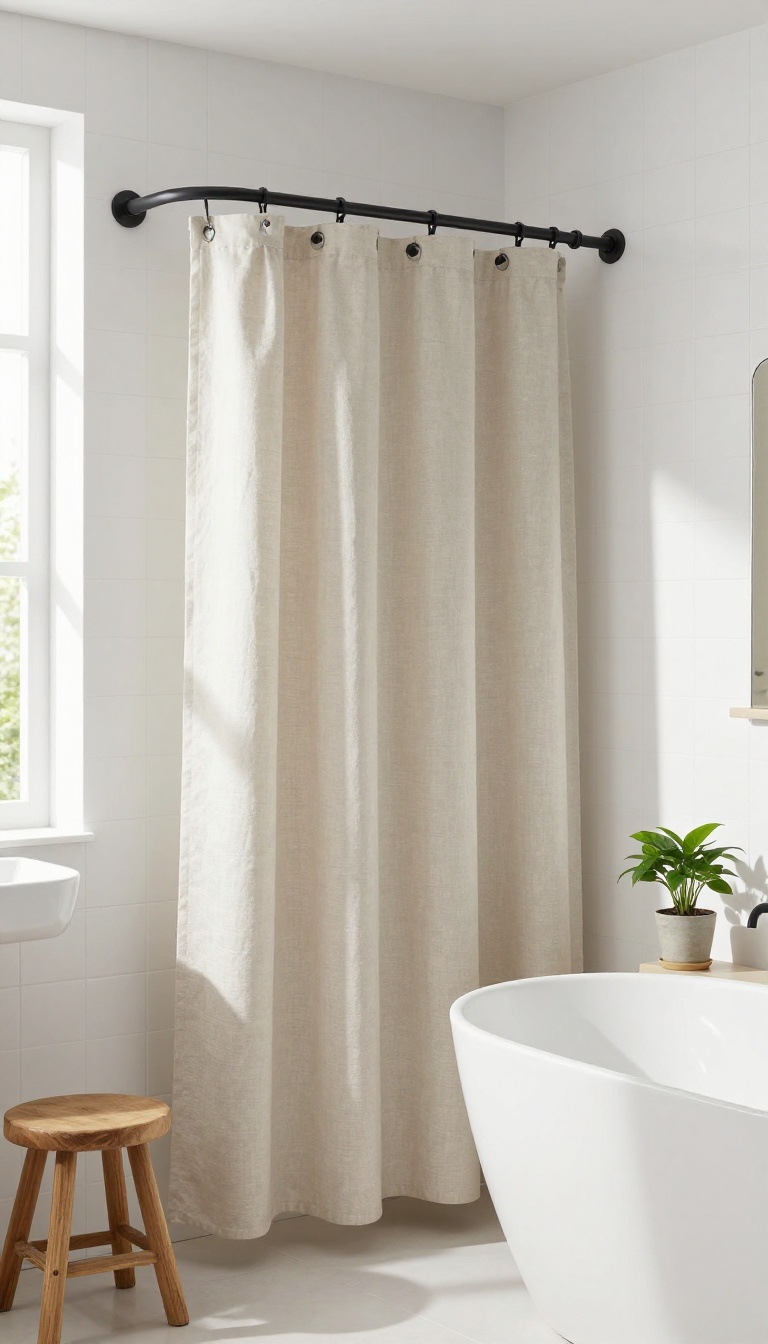
Black iron pipes bring an instant edge to a bathroom, turning a basic shower curtain rod into a design statement. The raw, industrial look pairs surprisingly well with softer elements like white tiles, wood accents, or plants, creating a balanced, contemporary feel. This DIY project is more straightforward than it looks and doesn't require any specialized skills.
Building your own pipe rod lets you customize the exact length and finish, so it fits your space perfectly. You can leave the pipes bare for a true industrial vibe or spray-paint them in a matte black or bronze to match your fixtures. The flanges mount securely to the wall, making this a sturdy option that won't sag under heavy curtains.
What You'll Need
Gather 3/4-inch black iron pipes, two floor flanges, and a coupling if you need to join lengths. You'll also need a pipe cutter or have the hardware store cut the pipes for you. For mounting, grab a drill, wall anchors, and screws suitable for your wall type.
Step-by-step Assembly
Start by holding the flanges against the wall at your desired height and marking the screw holes. Drill pilot holes, insert anchors, and secure the flanges. Then thread the pipes into the flanges, using a coupling if you're connecting two pieces.
Wrap the pipe threads with plumber's tape to ensure a snug fit and prevent wobble.
Styling And Finishing Touches
The dark, matte surface of the pipe contrasts nicely with lighter shower curtains, making the rod the focal point. Add a linen or cotton curtain in a neutral tone to soften the look. You can also hang small plants or hooks from the pipe for extra utility, but keep it minimal to avoid clutter.
7. Wooden Dowel Rod: Warm and Natural
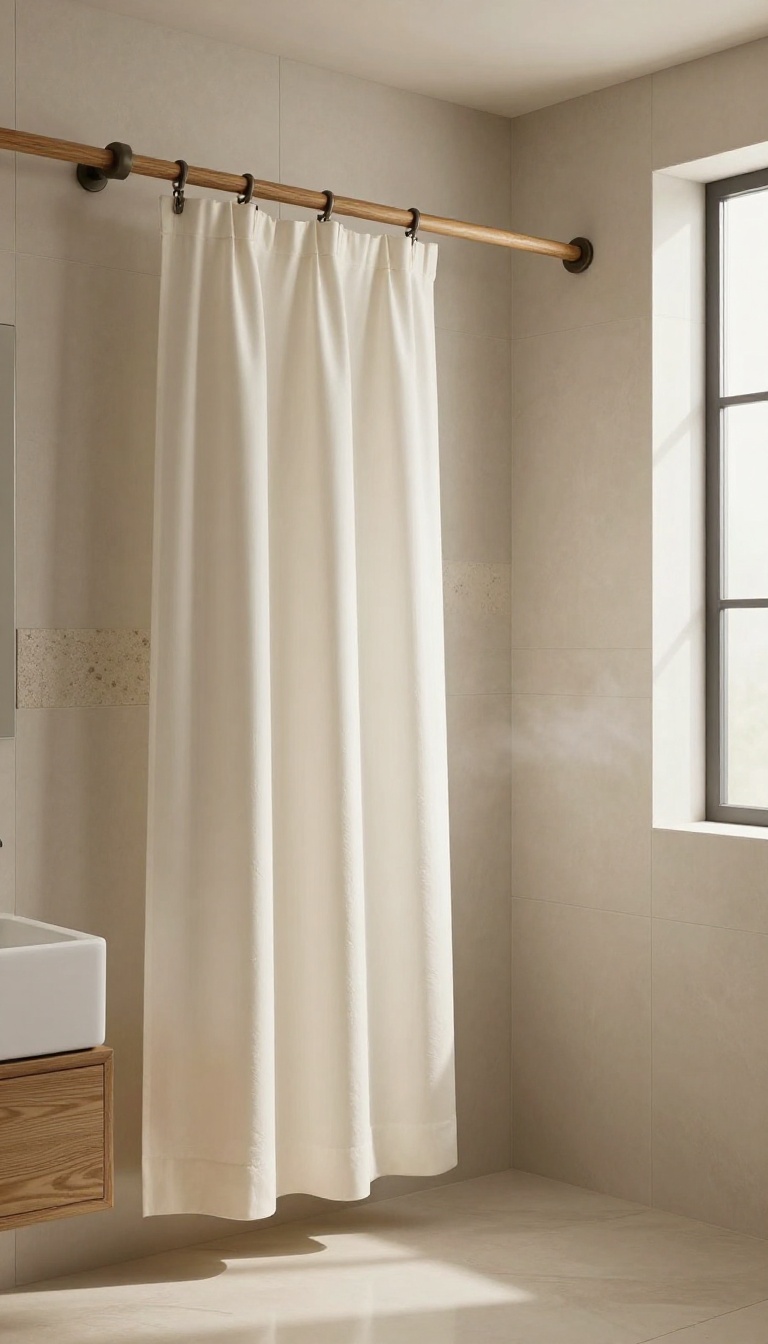
Sometimes the simplest materials make the biggest impact. A wooden dowel rod is an unexpected yet charming choice for a shower curtain rod. It brings a natural, warm texture that instantly softens the typically cool, hard surfaces of a bathroom.
This DIY-friendly option is both budget-conscious and highly customizable, allowing you to tailor the length and finish to your exact space.
A wooden dowel rod is a fantastic alternative to standard metal rods. It’s a great way to introduce an organic, earthy element into your bathroom, creating a spa-like or rustic feel. The natural grain of the wood adds character and warmth that metal simply can't match.
Plus, it’s a project that’s easy to tackle over a weekend, even for beginners.
Choosing The Right Wood And Thickness
Not all wood is created equal when it comes to moisture resistance. Hardwoods like oak, maple, or teak are more durable and better equipped to handle the humidity of a bathroom. Softwoods like pine are more prone to warping, but they can still work if sealed properly.
As for thickness, a dowel with a diameter of at least 1. 25 inches is recommended to provide enough strength and stability to hold the curtain without sagging.
Sealing And Finishing For Moisture Protection
The key to a successful wooden shower rod is a thorough waterproof seal. The constant exposure to steam and splashes can cause untreated wood to swell, crack, or rot. Use a high-quality waterproof sealant or a marine-grade varnish.
Apply several thin coats, sanding lightly between each one, to create a durable barrier. This not only protects the wood but also makes it easier to clean.
Installation Tips And Considerations
A wooden dowel is typically mounted using flanges or brackets that attach to the wall. You can find wooden or metal flanges at most hardware stores. Make sure the brackets are securely anchored into wall studs or use heavy-duty wall anchors for drywall.
Another option is to use a tension rod kit and simply replace the metal rod with the wooden dowel, but this may not be as secure for heavier curtains.
8. Spring-Loaded Tension Rod with Flanges: Extra Stability
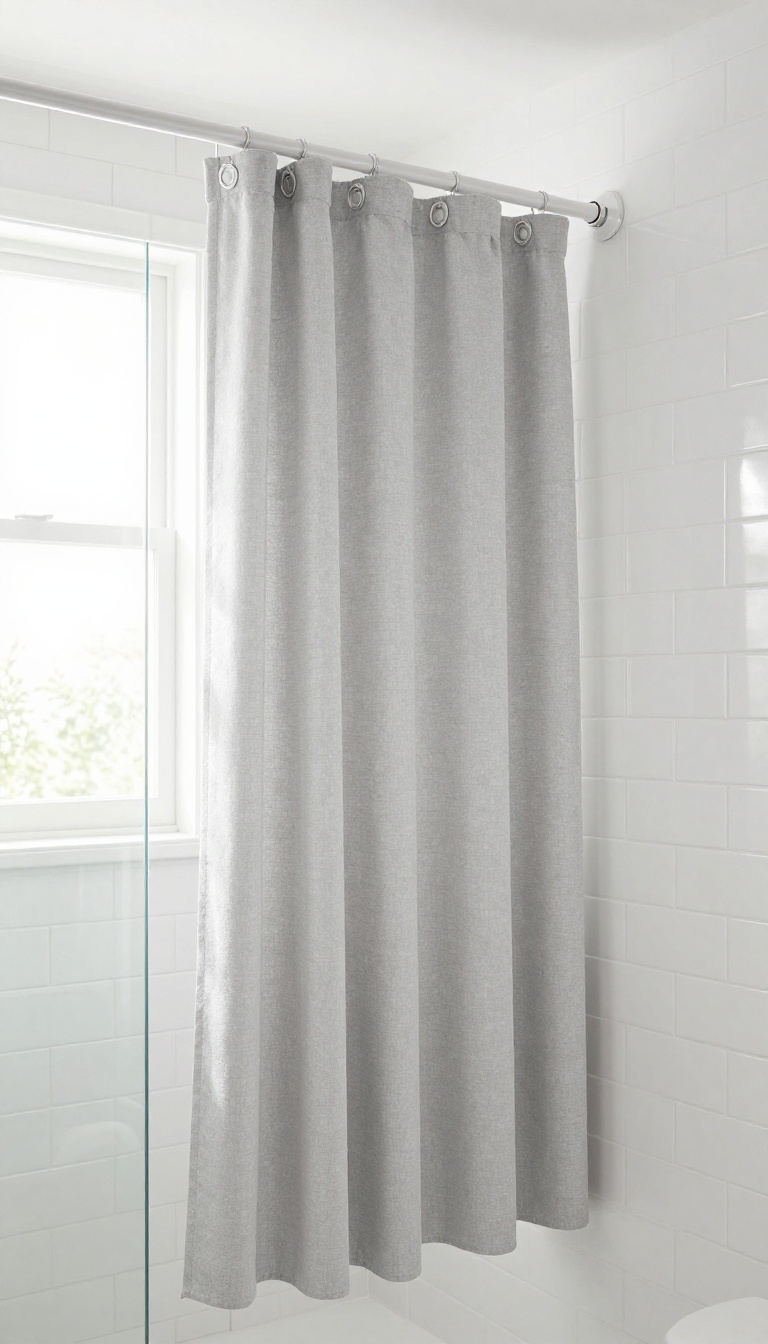
Tension rods are loved for their tool-free setup, but they can sometimes slip or sag under the weight of a heavy curtain. That's where a hybrid option comes in: a spring-loaded tension rod with small flanges that screw into the wall. This gives you the best of both worlds—quick installation and rock-solid stability.
This type of rod is perfect for households with kids who might tug on the curtain, or for anyone who prefers a curtain that stays exactly where you put it. The flanges are discreet and blend into the rod, so you still get that clean, minimal look. Plus, if you ever move, you can remove the rod and patch the small screw holes easily.
Why Flanges Matter
Standard tension rods rely on outward pressure to stay in place. Over time, that pressure can loosen or cause the rod to rotate slightly, especially if the curtain is pulled frequently. Flanges anchor the rod to the wall, preventing any movement.
This is a simple upgrade that adds peace of mind without a full mounting kit.
Installation Tips
Even though this rod screws in, the process is still straightforward. First, position the rod where you want it and tighten the spring to secure it temporarily. Then, mark the flange holes, remove the rod, drill pilot holes, and insert the screws.
Most kits include the necessary hardware, so you won't need extra trips to the store.
Best Uses
This rod shines in bathrooms where the tile is smooth and slippery, making it hard for a standard tension rod to grip. It's also great for wide openings that need extra support in the middle. If you have a fabric shower curtain that's on the heavier side, the flanges will keep it from bowing in the center.
9. Rod with Decorative Finials: Add a Touch of Class
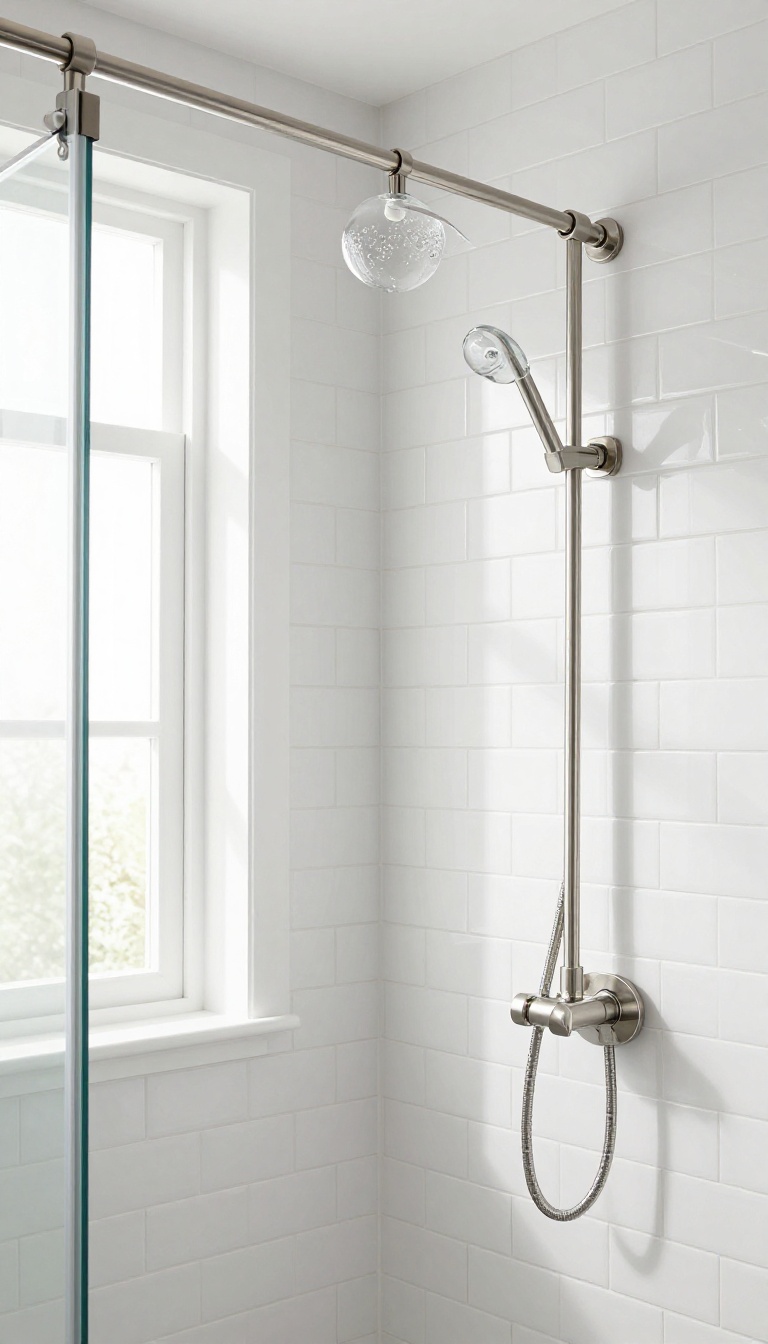
Plain rod ends are easy to overlook, but they're like the period at the end of a sentence—small yet impactful. Swapping them for decorative finials can instantly dress up your shower area without any major work. It's a simple DIY upgrade that adds a finished, polished look.
Decorative finials come in a variety of materials and shapes, from clear glass balls to brushed nickel cubes. They screw onto the ends of your existing rod, so installation is a breeze. This idea works especially well if you have a tension rod that extends slightly beyond the curtain, as the finials can cover the exposed ends and create a seamless look.
Choose a style that complements your bathroom's fixtures—crystal or glass for a touch of elegance, wood for warmth, or metal for a modern edge.
Choosing The Right Finial Style
Start by looking at your existing hardware. If your faucet and lighting are chrome, go with chrome finials. For a cohesive look, match the finish of your finials to your other bathroom accents.
If you want a subtle contrast, consider a different material like wood or glass. Just keep the overall style consistent—traditional bathrooms might suit classic ball or acorn shapes, while modern spaces look better with geometric or minimalist designs.
Installation Tips
Most finials simply screw on, but if yours are loose, a bit of plumber's tape on the threads can help them stay put. Ensure the rod is properly supported before adding finials, especially if they're heavy. For tension rods, check that the finials don't interfere with the tension mechanism.
If you're using a mounted rod, make sure the finials don't prevent the curtain rings from sliding smoothly.
Where To Find Finials
Finials are available at most home improvement stores and online. You can also find vintage or handmade options on Etsy for a unique touch. If you're handy, you could even repurpose wooden drawer knobs or cabinet pulls as finials, as long as they have the right threading.
Just measure the diameter of your rod ends to ensure a proper fit.
10. Caddy Rod: Combine Shower Rod and Storage
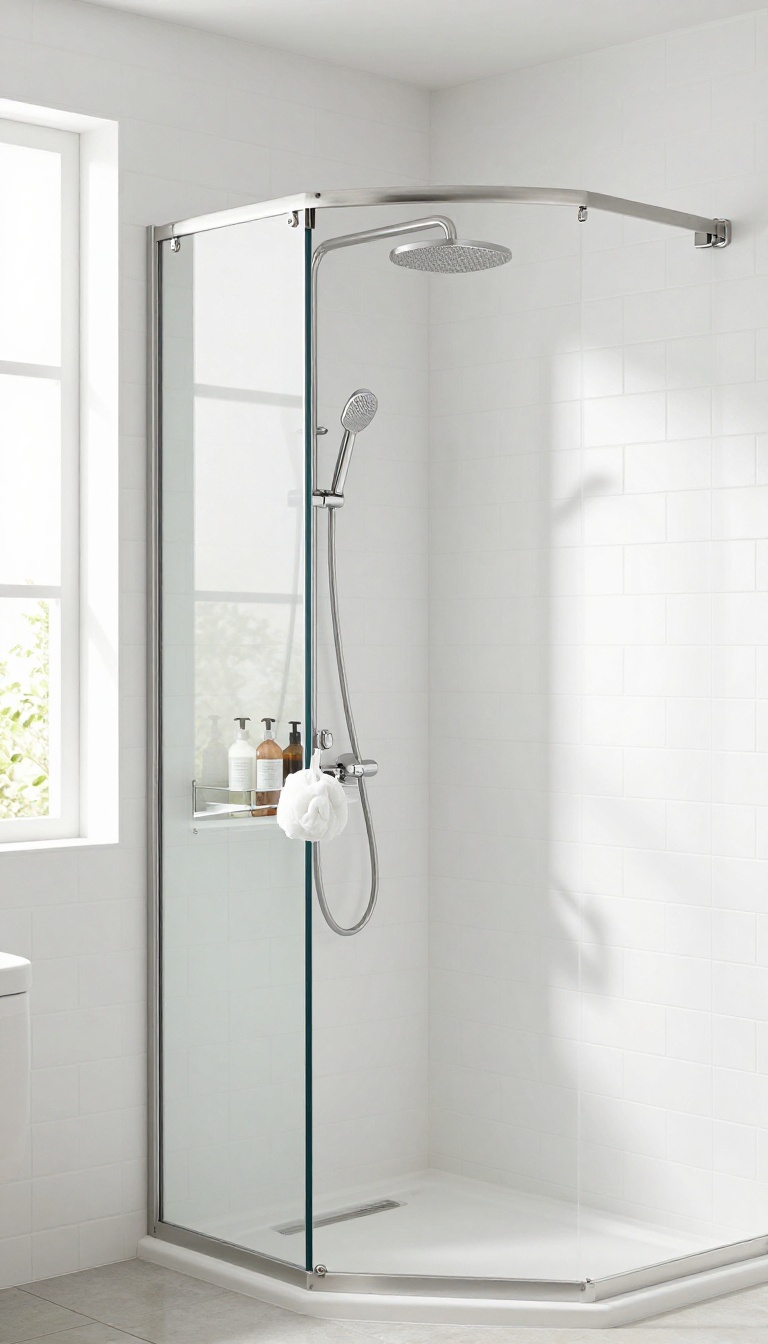
Bathrooms often lack storage, especially near the shower. A caddy rod solves this by integrating shelving directly into the rod, eliminating the need for extra corner units or adhesive organizers. It's a practical upgrade that keeps your shampoo, soap, and loofah within easy reach without cluttering the tub edge.
Caddy rods come in various designs, from simple rods with a single shelf to more elaborate models with multiple tiers and hooks. They mount like a standard shower rod, either tension-style or with flanges, but include built-in storage that hangs below or attaches to the rod itself. This clever design maximizes vertical space and keeps your shower essentials organized and accessible.
Why Choose A Caddy Rod?
The main appeal is convenience. You no longer need to stretch for a bottle on the tub's edge or install a separate caddy that might rust or fall. A caddy rod is a single, sturdy unit that holds everything you need.
It also frees up floor space, making the shower feel more open and less cluttered. For renters, it's a non-permanent solution that doesn't damage walls.
Styles And Materials
Caddy rods are available in finishes like stainless steel, matte black, and brushed nickel, so you can match your existing fixtures. Some models feature rust-resistant coatings, ideal for humid environments. You can choose between a classic straight rod with a hanging basket or a curved rod with integrated shelves for extra elbow room.
Consider the weight capacity and adjustability to fit your shower width.
Installation And Maintenance
Most caddy rods are easy to install. Tension versions require no tools—just twist to tighten. For permanent options, you'll need a drill and wall anchors.
To keep the caddy clean, wipe it down periodically to prevent soap scum buildup. Choose a design with removable trays or baskets for easier cleaning.
11. Magnetic Rod: For Metal Surfaces
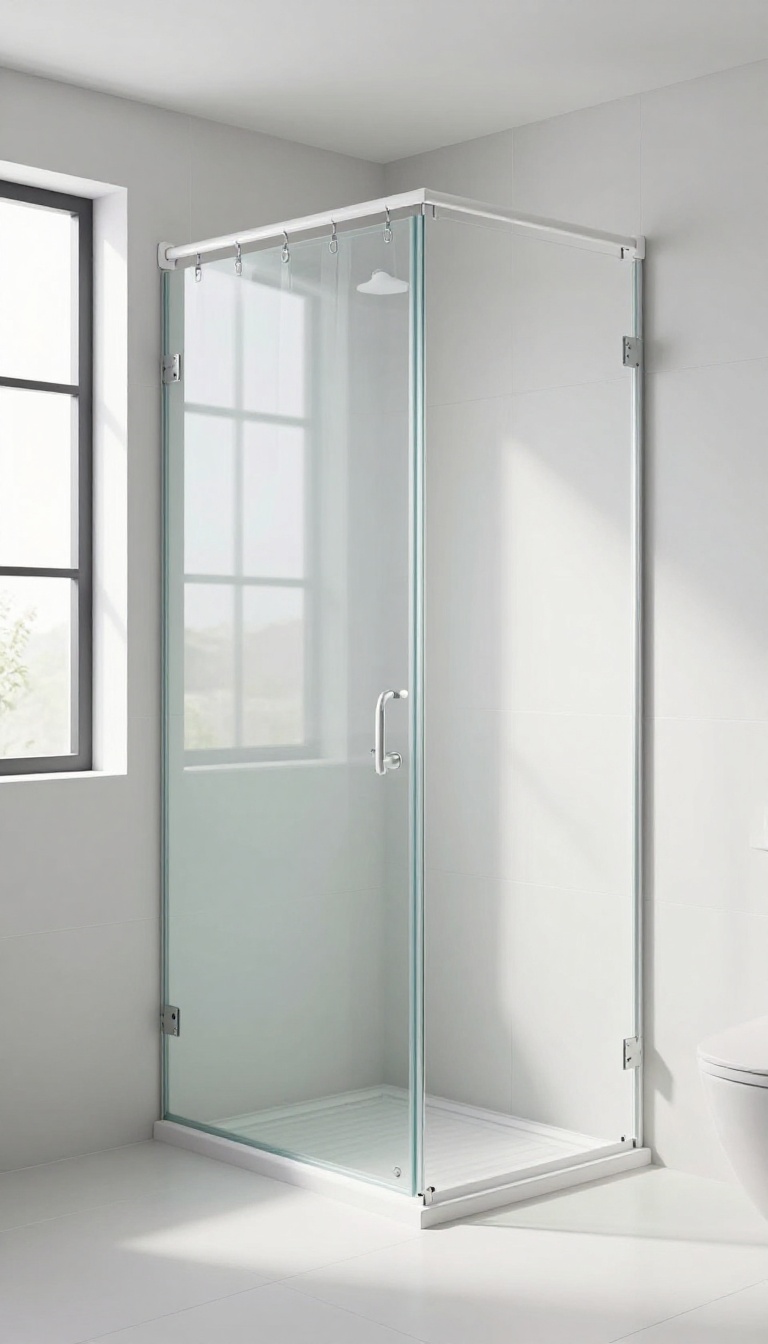
If your shower area has metal surrounds, a magnetic rod can be a clever, no-drill alternative. It clicks right onto the metal frame, giving you a secure hold without any tools or holes. This is a niche solution, but it’s perfect for certain prefab shower units or rental bathrooms where drilling isn’t an option.
Magnetic rods are straightforward: they use strong magnets to attach to metal surfaces. They’re not as common as tension or mounted rods, but they solve a specific problem. If your shower has a metal surround or a steel frame, this rod can be a lifesaver.
It’s easy to install, easy to remove, and leaves no trace behind.
Where Magnetic Rods Shine
These rods work best on metal shower surrounds, like those found in many prefab or modular units. If you have a tile shower with a metal frame, this could also work. The key is having a flat, magnetic surface.
Check if a fridge magnet sticks to your surround—if it does, you’re good to go.
Installation And Removal
No drills, no screws, no mess. Just align the rod with the metal surface and let the magnets do their job. When you need to clean or replace the curtain, simply pull the rod off.
It’s that simple. Just be careful not to scratch the metal—use a soft cloth or pad if needed.
Things To Keep In Mind
Magnetic rods are not as strong as mounted rods. They’re best for lightweight curtains and liners. Heavy fabric or multiple layers might cause the rod to slide down.
Also, make sure the rod is long enough to cover your opening, but not too long that it bows in the middle. Measure carefully before buying.
12. Adjustable Rod with Offset Flanges: Custom Fit
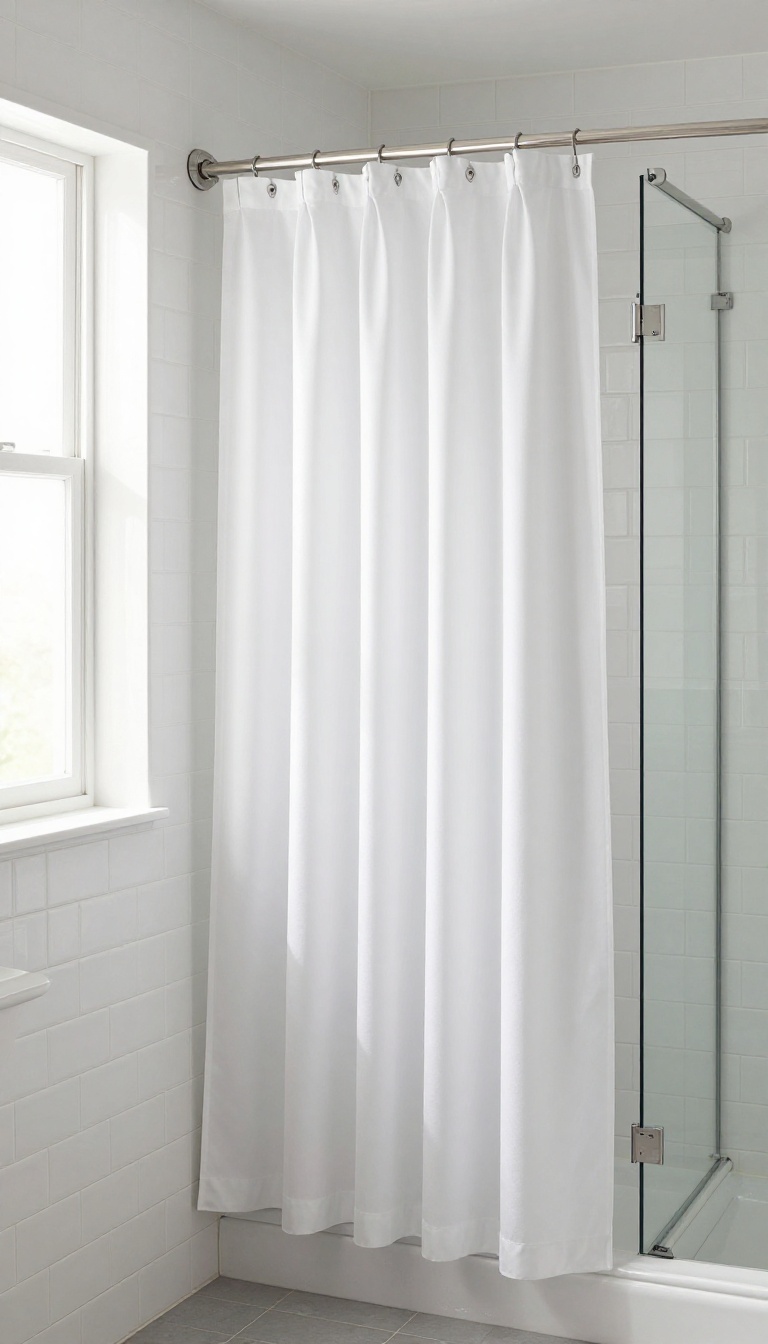
Standard shower rods assume a perfectly square space, but real bathrooms rarely cooperate. If your shower opening is slightly wider, narrower, or sits at an awkward angle, an adjustable rod with offset flanges might be exactly what you need. These flanges let you mount the rod off-center or at an angle, so you can work around obstacles like a window sill or a tile ledge without compromising the look.
When a standard rod just won't line up, offset flanges give you the flexibility to make it work. The flanges themselves are designed to shift the rod's mounting point, which means you can position the rod exactly where it needs to be, even if the wall isn't perfectly straight. This is a practical solution that keeps the clean lines you want, without requiring a custom rod or a major remodel.
Why Choose An Offset Flange?
Offset flanges are ideal for showers that have a tiled edge, a built-in shelf, or a window that gets in the way of a standard mount. They allow you to attach the rod to a flat surface while still having the rod sit further out, so the curtain hangs properly. This prevents gaps and keeps water inside the shower where it belongs.
Installation Tips For A Smooth Setup
Measure carefully before you drill. Mark the exact spot where you want the rod to sit, then attach the flanges. Use a level to ensure the rod is straight, even if the flanges are at different heights.
If your wall is tile, use a masonry bit and go slowly to avoid cracking. A little patience here saves you from a crooked rod later.
Where To Use This Setup
This setup is perfect for corner showers that aren't perfectly square, or for bathtubs with a half-wall that doesn't align with the ceiling. It's also handy if you want to mount a rod higher than the tile line to create a taller feel. The offset flanges give you the freedom to adapt without sacrificing a polished appearance.
13. Minimalist Straight Rod: Sleek and Simple
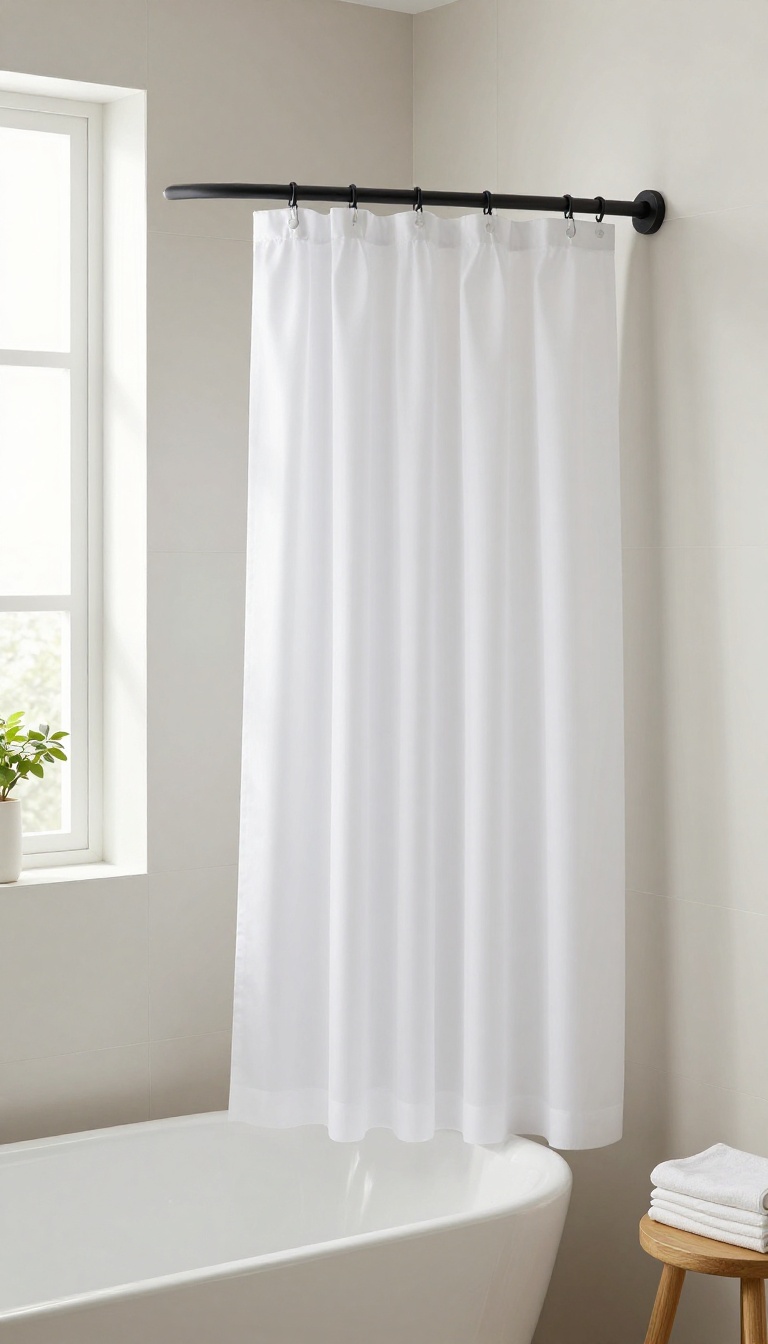
Straight rods often get overlooked in favor of curved or decorative options, but they hold their own when you want a clean, understated look. A slim profile in a matte black or brushed nickel finish can quietly anchor the whole shower area without stealing attention. It’s the kind of choice that feels right for almost any bathroom, from modern to traditional.
The beauty of a minimalist straight rod lies in its simplicity. There are no extra bends or flourishes to fuss over, just a clean line that does its job. This makes it a versatile pick that pairs well with bold shower curtains, neutral tiles, or even a statement bathtub.
Because it’s so straightforward, it also tends to be easier to install and maintain than more intricate styles.
Why Straight Works So Well
A straight rod doesn’t compete with other elements in the bathroom. It lets your curtain or tile be the star. Plus, its simple shape makes it a natural fit for minimal or Scandinavian-inspired spaces.
If you’re someone who prefers order and calm, this rod will feel right at home.
Choosing The Right Finish
Finish matters more than you might think. Brushed nickel offers a soft, warm sheen that works with most fixtures. Matte black adds a touch of modern drama without being flashy.
Chrome is another option if you want a bright, reflective look. Just pick one that matches your faucet and other hardware for a cohesive feel.
Installation Tips
Even though straight rods are simple, proper installation is key. Make sure to mount it into wall studs or use heavy-duty anchors if you’re drilling into tile. If you’re renting, a tension rod version can give you the same clean look without any holes.
Just check that it’s level and tight before hanging your curtain.
FAQ
What is the best shower curtain rod for a small bathroom?
A curved rod is often the best choice for a small bathroom because it adds extra elbow room without taking up additional floor space. Tension rods are also great if you want to avoid drilling.
Can I install a shower curtain rod without drilling?
Yes, tension rods are designed to be installed without drilling. They use spring tension to stay in place between two walls. For metal surfaces, magnetic rods are another no-drill option.
How do I choose the right length for a shower curtain rod?
Measure the width of your shower or tub area. Standard rods range from 54 to 72 inches, but adjustable rods can fit up to 144 inches. Always measure before purchasing to ensure a proper fit.
What is the difference between a shower curtain rod and a shower rod?
There is no difference; they are the same thing. 'Shower curtain rod' is the full name, while 'shower rod' is a common shorthand. Both refer to the bar that holds your shower curtain.
How do I keep a tension rod from falling?
Ensure the rod is properly tightened and the ends are clean and dry. You can also add rubber pads or grip pads to the ends for extra friction. For heavy curtains, consider a rod with flanges that screw into the wall.
Conclusion
These 13 shower curtain rod ideas show that a small change can make a big difference. Whether you opt for a simple tension rod or a more elaborate ceiling-mounted design, the key is to choose a solution that fits your space and style. Each idea is easy to implement and can instantly refresh your bathroom's look.
Remember to measure carefully and consider your specific needs, such as extra space or storage. With the right rod, you'll enjoy a cleaner, more polished shower area every day. So go ahead and pick the idea that speaks to you—your bathroom will thank you.