11 Very Small Shower Room Ideas for a More Usable Small Room
Squeezing a shower into a tiny bathroom feels like a puzzle, but the right layout can make even the smallest space work harder. You don't need a full remodel to gain square footage—just a few clever swaps and storage tricks can open things up.
From ditching a bulky tub to mounting organizers on the wall, these 11 ideas focus on real, budget-friendly fixes.
Whether you're dealing with a narrow corner or a cramped alcove, there's a practical solution here that fits your space and your routine.
1. Swap a Clunky Tub for a Walk-In Shower
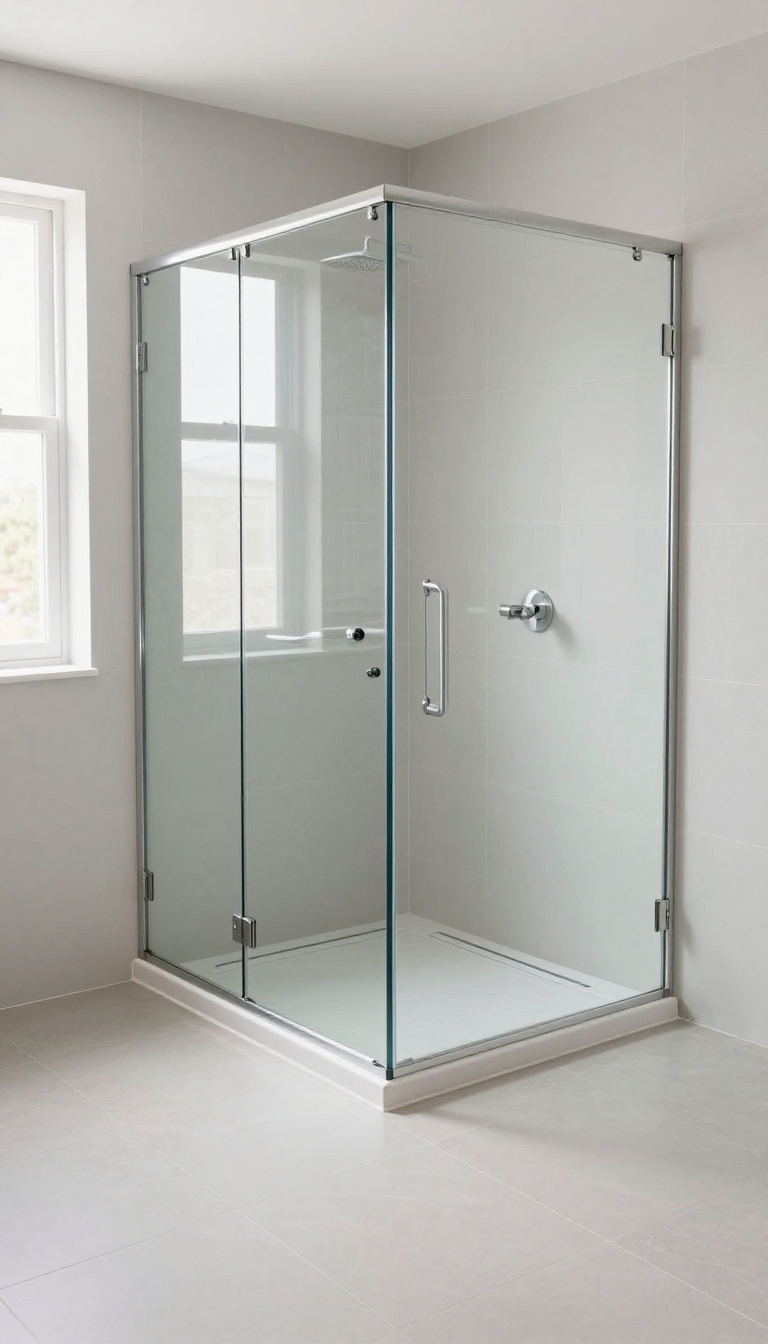
If your small bathroom has a tub you rarely use, replacing it with a walk-in shower frees up floor space and makes the room feel more open. A curbless design with a linear drain can even make the space look larger. This is one of the most effective ways to reclaim square footage without adding on.
Removing a tub might sound drastic, but for many small bathrooms, it's the single best move you can make. A standard tub takes up roughly 60 inches of wall space, while a walk-in shower can fit into a smaller footprint, often around 36 by 36 inches. That extra floor area instantly makes the room feel less cramped.
Plus, you'll eliminate the safety hazard of stepping over a high tub wall, which is a win for anyone with mobility concerns.
Why A Walk-in Shower Feels Bigger
The visual openness of a curbless shower does wonders for a tiny room. Without a step or threshold, the eye travels uninterrupted from wall to wall, making the space appear larger than it is. A linear drain along the back wall lets you slope the floor slightly, so you don't need a bulky drain in the center.
This also gives you more flexibility in tile placement, which can further enhance the sense of space.
What To Consider Before You Tear Out The Tub
Before you start demolition, think about resale value. If you have only one bathroom, some buyers may expect a tub, especially if they have kids. However, if you're planning to stay put for years, your daily comfort matters more.
Also, check with a plumber about moving the drain—relocating it can add to the cost. But even with that, the payoff in usability is often worth it.
Design Tips For A Seamless Look
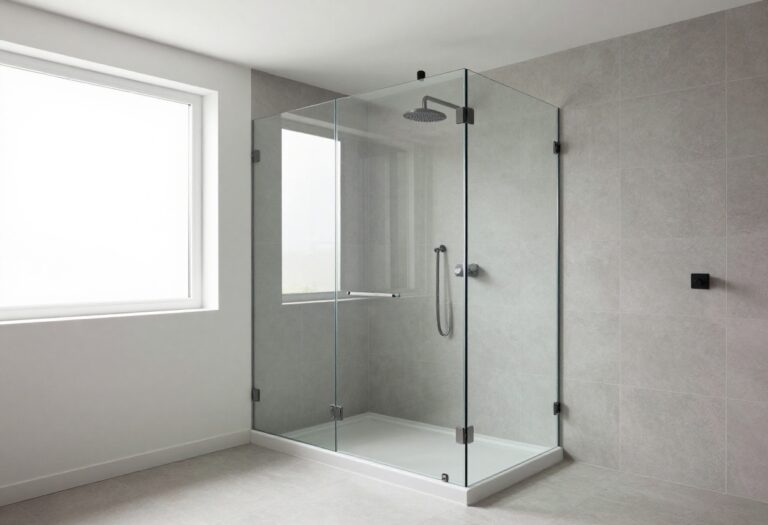
Use large-format tiles on the floor and walls to minimize grout lines, which visually expands the space. A glass panel instead of a full enclosure lets light flow through, making the shower feel less boxed in. Choose a frameless glass door or even a fixed panel with a small opening to keep the area airy.
And don't forget a built-in niche for shampoo bottles—it keeps the floor clutter-free.
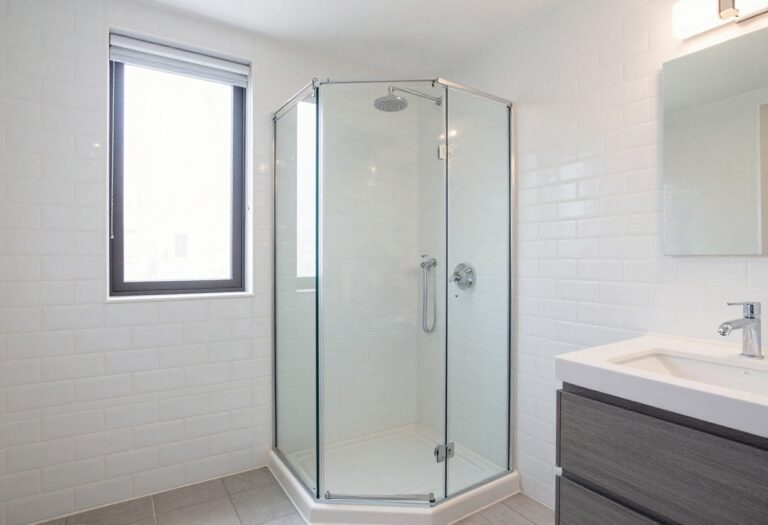
2. Install a Corner Shower Unit
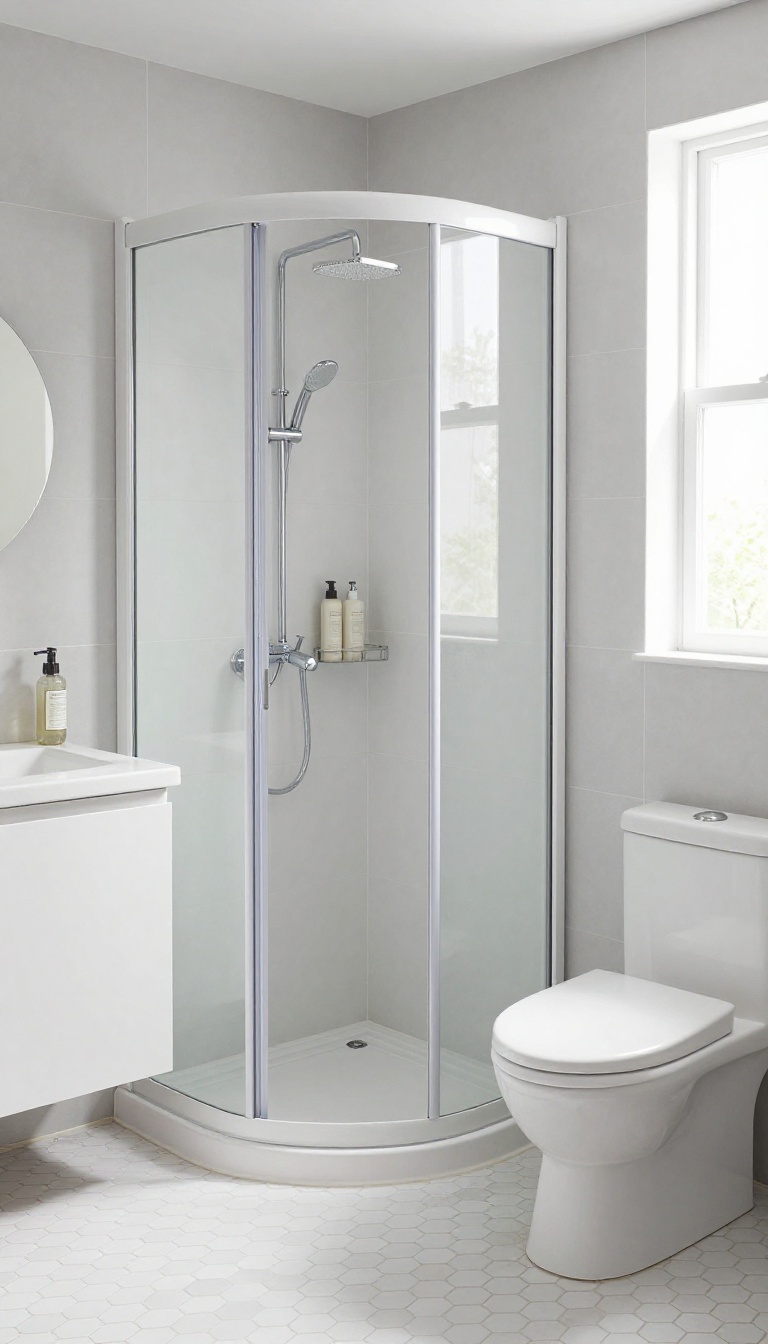
Corner showers are a classic space-saver for tiny bathrooms. They tuck neatly into the corner, leaving more room for a vanity or storage. Look for models with sliding doors instead of swinging ones to save even more space.
Corner showers make the most of an often-unused area, freeing up valuable floor space for other essentials. With a compact footprint, they allow for a more open layout and easier movement. Plus, modern corner units come in a variety of styles and sizes, so you can find one that fits your bathroom's aesthetic without compromising on function.
Choose The Right Shape
Corner showers come in square, quadrant, and neo-angle designs. Square models offer a bit more elbow room, while quadrant and neo-angle styles have a curved door that saves space and looks sleek. Consider your bathroom's layout and how much space you can spare.
A smaller quadrant might be perfect for a tight corner, while a larger square could work if you have a bit more room.
Sliding Doors Vs. Swinging Doors
Sliding doors are a game-changer in small bathrooms because they don't swing outward, so they won't block the toilet or vanity. Swinging doors require clearance space, which is often in short supply. If you're tight on space, go with sliding doors.
They're also easier to open and close in a cramped area.
Maximize Storage Inside
Even with a corner shower, you can add storage without eating into floor space. Install a corner caddy or shelves in the shower to keep shampoo and soap within reach. Use a tension rod with baskets or a hanging organizer over the showerhead.
These additions keep everything organized and off the floor, making the shower feel more spacious.
3. Use a Shower Curtain Instead of a Glass Door
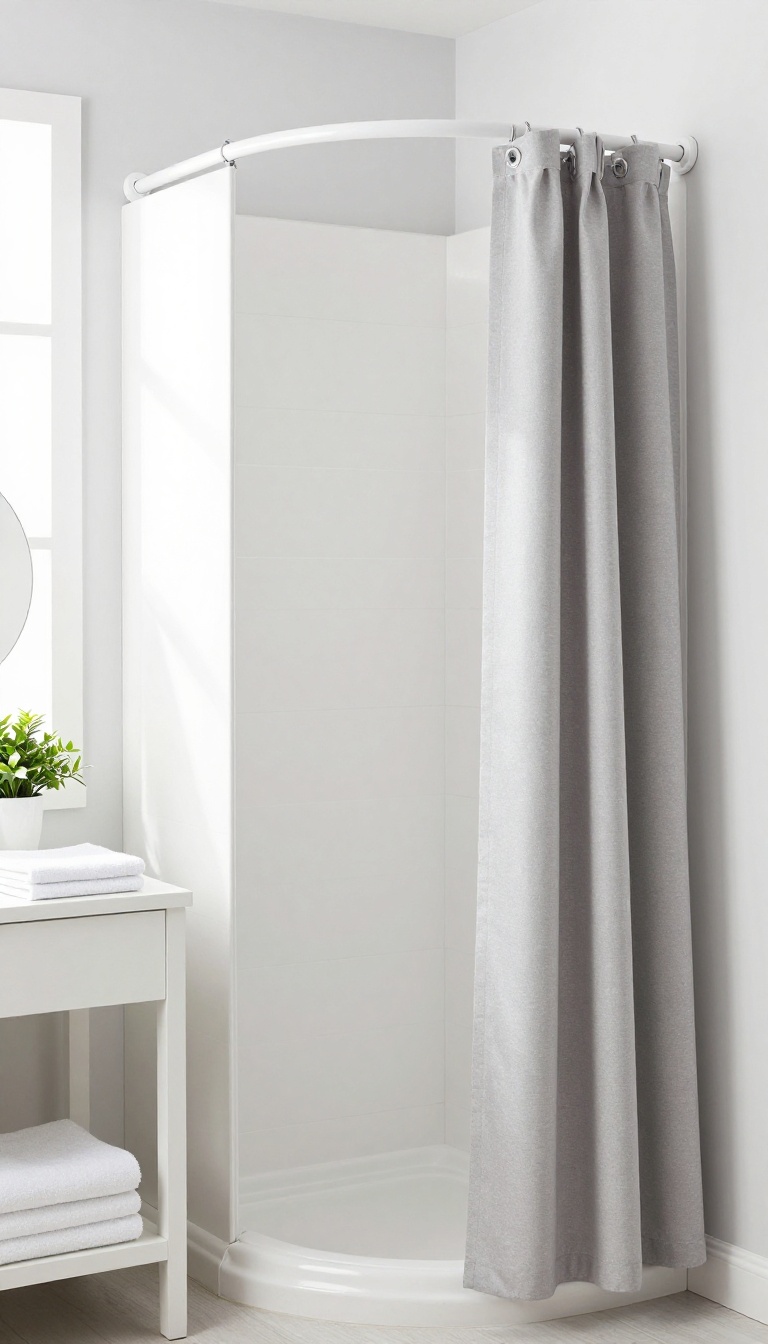
Glass doors look sleek, but in a tiny shower, they can feel like a heavy barrier. They swing open, eat up floor space, and often need constant wiping to stay clear. A simple shower curtain is a lighter, cheaper alternative that can make the whole room feel more open and flexible.
Curtains come in countless colors and patterns, so you can easily match your style. Plus, when you're done, just push it aside to visually expand the space. It's a small swap that makes a big difference in how usable your bathroom feels.
Swapping a glass door for a shower curtain is one of the easiest ways to open up a small shower area. Not only does it free up swing space, but it also cuts costs and simplifies maintenance. Here’s why this simple change works so well and how to get the most out of it.
Why A Curtain Beats A Glass Door
Glass doors are heavy and require a clear path to swing open, which is often a luxury in a tiny bathroom. A curtain, on the other hand, glides along a rod and takes up zero floor space. It’s also much easier to install—no need for a professional or special tools.
And if you ever want to change the look, just swap the curtain.
Choose The Right Fabric And Length
Pick a fabric that’s water-resistant but breathable, like polyester or a treated cotton. Avoid heavy materials that can trap moisture and make the space feel cramped. For length, go with a standard 72-inch curtain that just clears the tub or shower floor—too long and it drags, too short and water splashes out.
A light color or a clear vinyl liner can keep the room airy.
Use A Curved Rod For Extra Room
A curved shower rod pushes the curtain outward, giving you extra elbow room inside the shower without taking up more floor space. It’s a clever trick that makes the shower feel more spacious and prevents the curtain from sticking to you while you wash. Pair it with a tension rod if you don’t want to drill into tile.
4. Add a Slim Corner Caddy for Shower Essentials
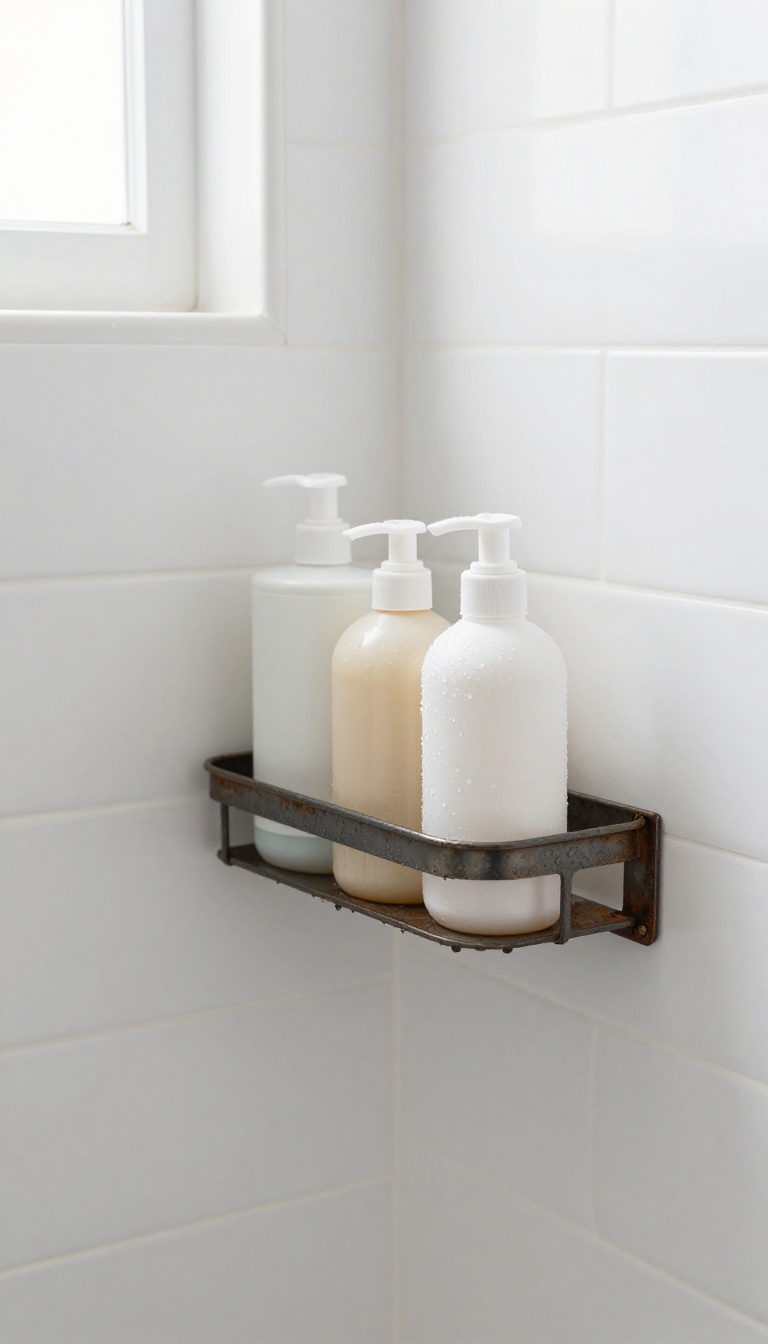
In a small shower, every inch counts. A bulky shelf or a cluttered floor can make the space feel even tighter. That's where a slim corner caddy comes in—it tucks neatly into the corner, using vertical space that would otherwise go to waste.
You get easy access to your shampoo, conditioner, and soap without sacrificing precious floor or shelf space.
A corner caddy is a simple, affordable upgrade that instantly improves your shower's functionality. It keeps your essentials within arm's reach, so you won't have to bend down or stretch across the stall. Plus, it clears the floor, making the shower feel more open and safer to move around in.
Look for a model with rust-proof materials like aluminum or plastic to ensure it lasts in the damp environment.
Choosing The Right Size And Style
Measure your shower's corner height and depth before buying. A slim, vertical caddy with multiple tiers fits most spaces without protruding too much. Opt for a design with drainage holes or a slatted base so water doesn't pool and cause soap scum.
If you have a handheld showerhead, consider a caddy that hooks over it, saving even more wall space.
Installation Tips For Small Showers
Most corner caddies are easy to install—either with adhesive strips or screws. For a no-drill option, use strong waterproof adhesive strips rated for humid areas. Make sure the surface is clean and dry before applying.
If you're renting, adhesive is a renter-friendly choice. For a more permanent solution, drill into the tile with a masonry bit and use anchors for extra stability.
Keeping It Organized And Clean
To avoid clutter, only keep the essentials on the caddy—shampoo, conditioner, body wash, and maybe a loofah. Use travel-size bottles or decant into smaller containers to save space. Wipe down the caddy weekly to prevent soap scum and mildew.
A quick rinse after each shower helps too.
5. Mount a Shower Organizer on the Wall
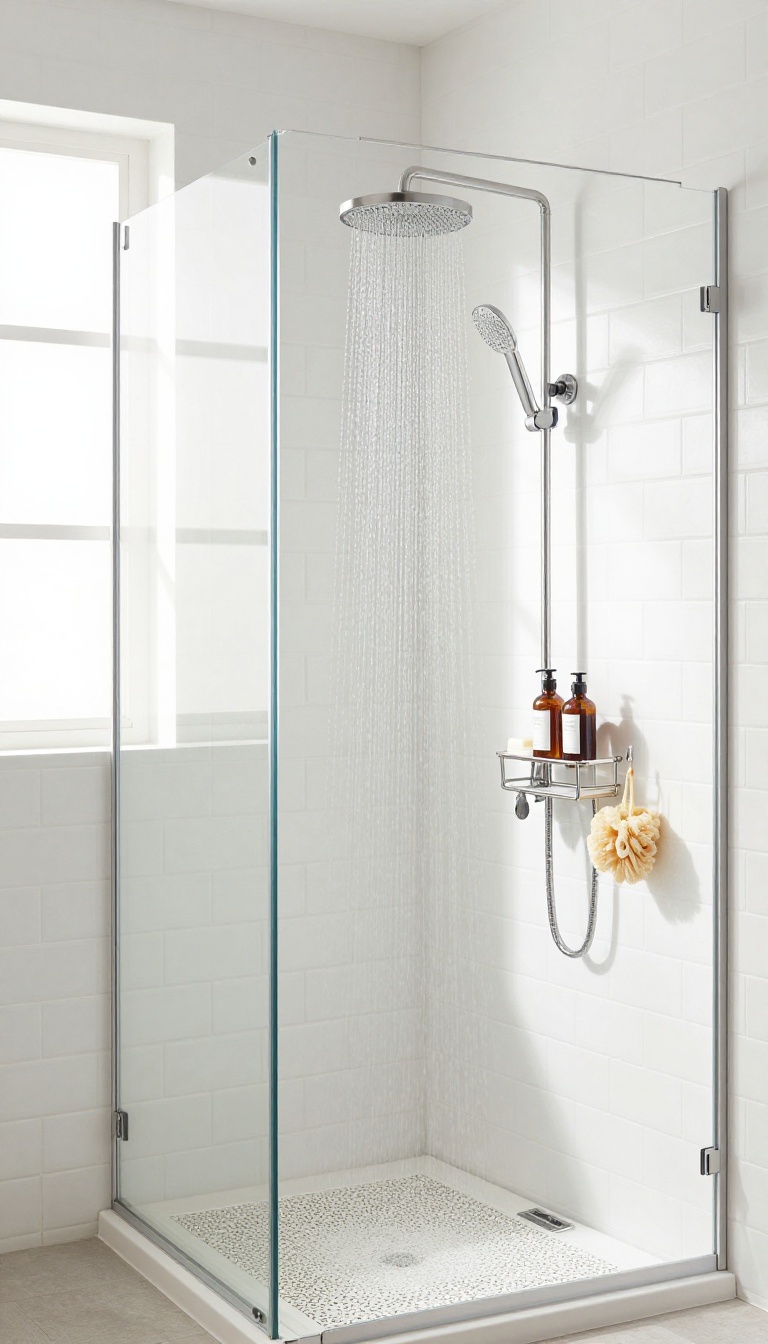
Floor space is precious in a small shower, so why not take advantage of the walls? A wall-mounted organizer keeps your shampoo, soap, and other essentials within easy reach without cluttering the floor. It's a simple upgrade that makes the shower feel more open and easier to clean.
Wall-mounted organizers come in a variety of styles, from simple shelves to multi-tiered caddies. They free up floor space and keep everything off the shower floor, which is especially helpful if you're using a shower mat or have a small bench. Plus, they make cleaning a breeze—just wipe down the walls without moving bottles around.
Choose The Right Spot
Place the organizer where it's convenient but not in the way of the water stream. A corner is often a good choice, as it doesn't interfere with your movement. If you have a handheld showerhead, consider mounting the organizer on the opposite wall to keep it dry.
No-drill Options
If you're renting or just don't want to drill into tile, there are plenty of no-drill options. Adhesive hooks and tension rods can support lightweight organizers, and many are designed to hold up in humid conditions. Just make sure to clean the wall surface before sticking them on.
Multi-tiered Caddies
A multi-tiered caddy is a great way to keep all your bottles organized. Look for one with adjustable shelves or baskets that can hold different sizes. This way, you can separate shampoo, conditioner, and body wash, and even hang a loofah or razor.
6. Choose a Handheld Showerhead
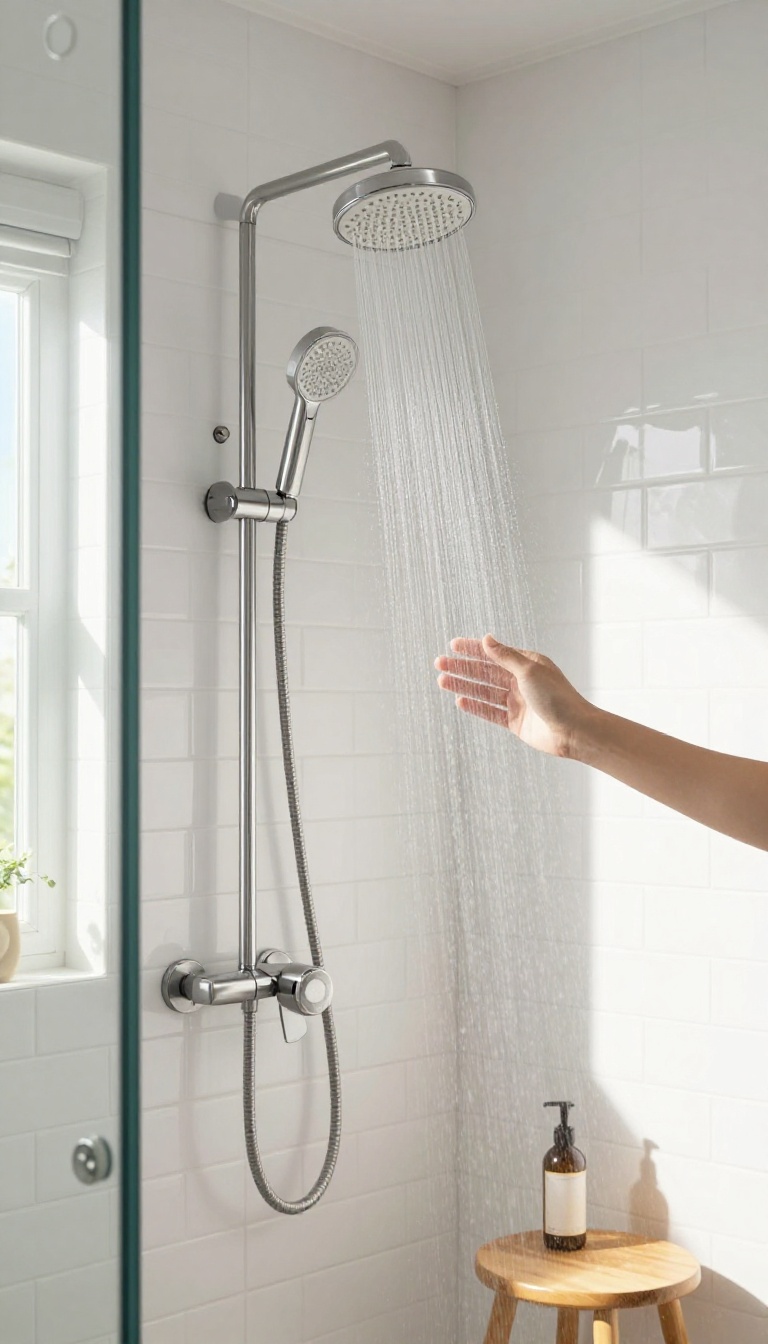
A fixed showerhead can feel restrictive when you're trying to rinse off in a compact stall. Switching to a handheld model gives you flexibility without sacrificing water pressure. It's a small change that makes a big difference in how you use the space.
A handheld showerhead is flexible and easy to use, especially in a tight space. It also makes cleaning the shower easier. Some models come with a slide bar so you can adjust the height.
Why Handheld Works In Small Showers
In a small shower, you often have to move around just to get wet. A handheld lets you direct water exactly where you need it, whether you're washing your hair or rinsing off after a workout. It's also easier for kids or pets to use, and it can help if you have mobility issues.
Features To Look For
Look for a model with a hose that's long enough to reach all corners of the stall, but not so long it tangles. A slide bar is a great addition because it lets you mount the showerhead at different heights for different tasks. Some even have pause buttons to save water while you lather up.
Installation Tips
Swapping out a fixed showerhead for a handheld is usually a DIY job. You'll need to attach the new bracket and connect the hose—most kits come with everything you need. If you're renting, check with your landlord first, but many handheld models are easy to remove and replace when you move out.
7. Opt for a Wall-Mounted or Floating Vanity
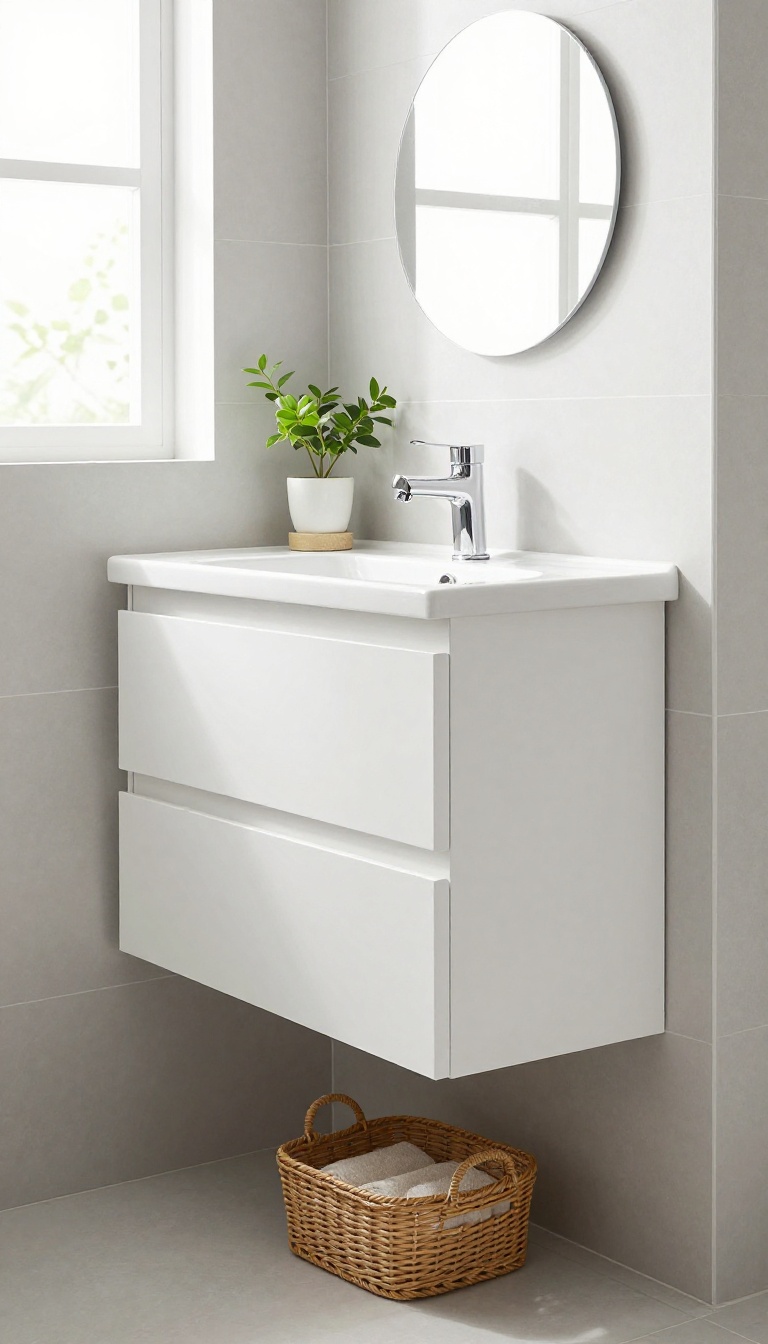
A floating vanity can be a game-changer in a tiny shower room. By mounting the sink off the floor, you instantly free up visual and physical space, making the room feel larger than it is. Plus, the open area underneath is perfect for a small stool or basket, adding storage without cluttering the floor.
When floor space is tight, every inch matters. A wall-mounted or floating vanity lifts the sink off the ground, creating an airy feel and making the room appear more spacious. It also simplifies cleaning—no more awkward corners or hard-to-reach spots behind legs.
You can even use the space below for a slim laundry hamper or a stack of towels, keeping essentials close but out of the way.
Why Floating Works In Small Spaces
The visual trick of seeing the floor continue under the sink tricks the eye into thinking the room is larger. This is especially helpful in a shower room where the shower takes up most of the area. A floating vanity also allows you to adjust the height to your preference, which can be more comfortable than a standard unit.
Choosing The Right Size And Style
Keep the vanity compact—maybe 18 to 24 inches wide—to leave more room for movement. Look for a model with a built-in shelf or drawer to store toiletries and cleaning supplies. A light color or a glossy finish can also help bounce light around, making the space feel even bigger.
Installation And Plumbing Tips
Wall-mounted vanities require a sturdy wall and proper support. If you're handy, you can install one yourself, but it's wise to consult a plumber for the drain and water lines. Make sure the wall can handle the weight, and consider using a floating vanity with a hidden bracket for a clean look.
8. Use Light Colors and Mirrors to Open Up the Space
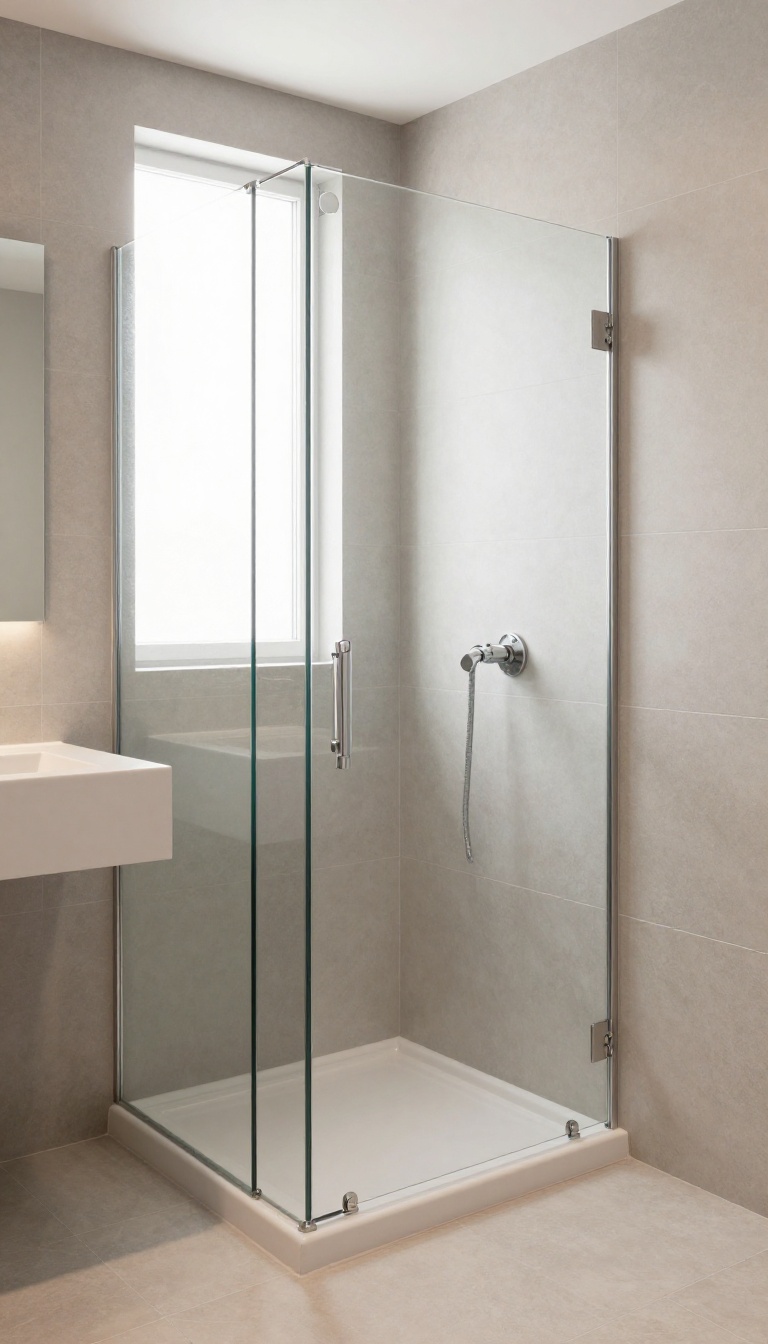
When your shower room is cramped, the right color palette can make a surprising difference. Light shades on walls and floors bounce natural light around, tricking the eye into seeing more square footage. Pair that with a well-placed mirror, and you'll instantly double the visual depth without moving a single wall.
Sticking to a light, neutral palette is one of the simplest ways to make a small shower room feel airier. Whites, soft grays, and pale beiges reflect light rather than absorbing it, which opens up the space. You can still add personality with textured tiles or a subtle accent color, but keep the base light.
Mirrors are your best friend here—a large mirror above the sink or a mirrored medicine cabinet creates the illusion of more room. Even a mirrored backsplash can work wonders. The key is to avoid busy patterns and heavy dark tones that make the space feel closed in.
Pick The Right Shade Of White
Not all whites are created equal. Warm whites with a hint of cream feel cozy and inviting, while cool whites with a blue or gray undertone feel crisp and spa-like. In a small shower room, go for a white that matches your lighting.
If you have lots of natural light, any white works. If the room is dim, choose a warm white to avoid a stark, cold feel.
Mirror Placement Matters
Where you put the mirror affects how much space you perceive. A large mirror directly opposite a window reflects the most light. If that's not possible, place it above the vanity or on the wall facing the shower.
A full-length mirror on the back of the door also adds depth without taking up floor space.
Keep Patterns Minimal
Bold patterns can overwhelm a small room. If you love patterned tiles, use them sparingly—maybe on one accent wall or in a small strip. Stick to solid colors for the rest of the walls and floor.
This keeps the eye moving smoothly and prevents visual clutter, making the space feel more open.
9. Install a Shower Niche for Storage
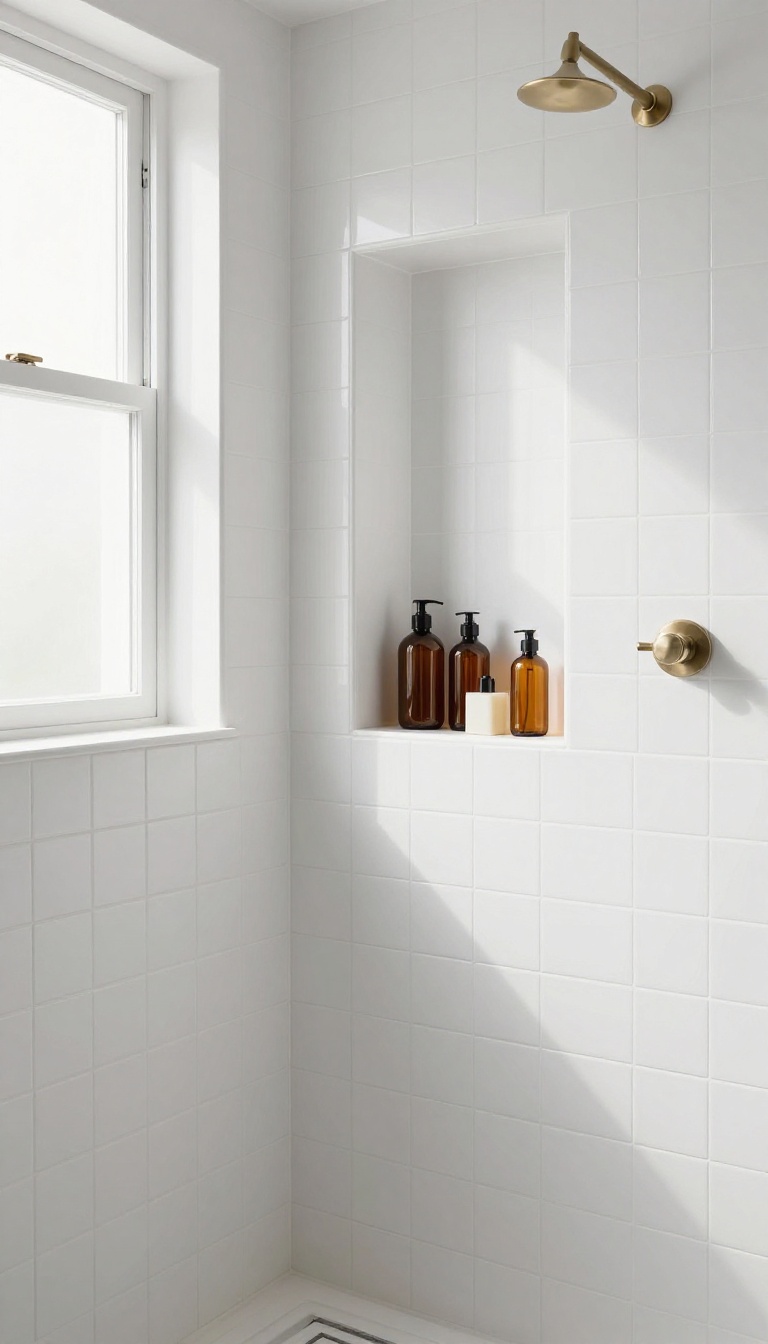
A recessed shower niche is a built-in shelf that doesn't take up extra space. It's perfect for storing bottles and keeps them off the floor. If you're not renovating, consider a temporary adhesive niche.
Why A Niche Beats A Caddy
Shower caddies hang from the showerhead or hook over the door, but they can wobble, rust, or crowd your space. A niche is flush with the wall, so there's nothing to bump into. It also looks cleaner and more intentional, which makes the whole room feel less cluttered.
Where To Put It
The best spot is usually on a side wall, about chest height, where you can reach it easily. If you're tiling, plan the niche between studs so it doesn't eat into your floor space. For a quick fix, stick a waterproof adhesive niche on the tile—no cutting required.
How To Make It Work Without A Remodel
If you're renting or not ready to tear out tile, a temporary niche is a game-changer. These stick-on shelves come in different sizes and hold shampoo, soap, and razors. Just make sure the wall is clean and dry before you press them on, and they'll stay put through countless showers.
10. Add a Fold-Down Shower Seat
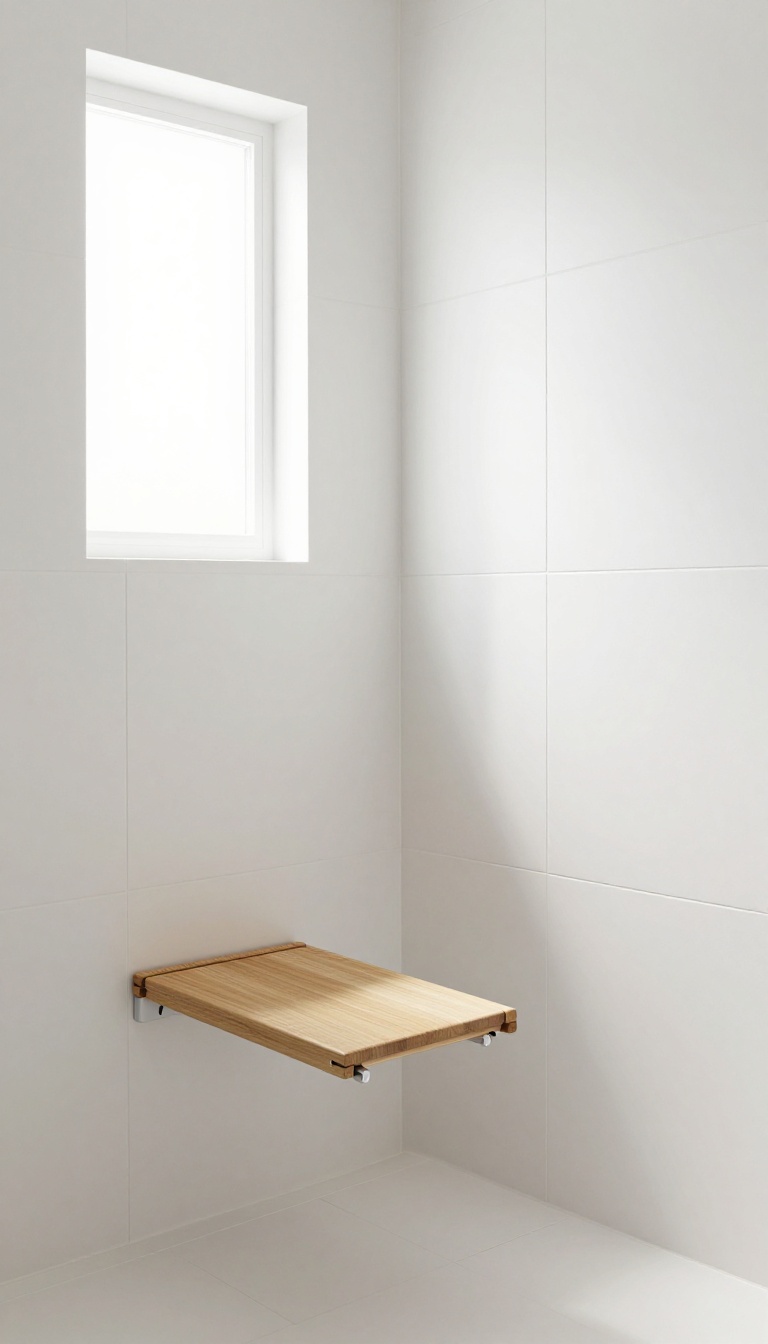
A fold-down shower seat is one of those additions that quietly makes a tiny shower feel far more usable. It gives you a spot to sit when you need it, then tucks neatly against the wall when you don't. That flexibility is key in a small space where every inch counts.
Whether you're dealing with mobility issues, recovering from an injury, or simply enjoy the option to sit and soak, a fold-down seat adds comfort without stealing permanent floor space. It's a practical upgrade that works in almost any shower, from a compact corner stall to a narrow alcove.
The beauty of a fold-down seat is its simplicity. It mounts securely to the wall and folds up flat when not in use, so it doesn't obstruct movement or make the shower feel more cramped. When you need it, just pull it down and you have a sturdy perch.
This type of seat is especially valuable in small bathrooms where a permanent bench or stool would be in the way. It's also a smart choice for aging in place or for anyone who wants a little extra safety and convenience. Many models are rated to hold several hundred pounds, so they're built to last.
Installing a fold-down seat is straightforward, but it does require a solid wall anchor. If you're comfortable with basic tools, it's a DIY-friendly project. Otherwise, a professional can handle it quickly.
The key is to choose a seat that matches your shower's style and fits the available wall space.
Why A Fold-down Seat Makes Sense
In a small shower, floor space is at a premium. A fold-down seat gives you the option to sit without permanently sacrificing that space. It's also a safety feature, reducing the risk of falls, especially for older adults or anyone with balance issues.
Plus, it's just nice to have a spot to rest while shaving your legs or washing your feet.
Choosing The Right Material
Look for seats made from moisture-resistant materials like solid plastic, teak, or aluminum with a powder-coated finish. Teak is naturally water-resistant and looks warm, while plastic is easy to clean and budget-friendly. Make sure the seat has a non-slip surface and a weight rating that suits your needs.
Measure your shower's wall space to ensure the folded seat doesn't block shelves or controls.
Installation Tips
Mount the seat into wall studs or use heavy-duty toggle bolts for tile or drywall. If you're not sure about the wall structure, consult a professional. Position the seat at a comfortable height—usually around 17 to 19 inches from the floor.
Test it before using to ensure it's secure. If you're renting, consider a freestanding stool that you can move in and out, though it won't fold flat.
11. Maximize Vertical Space with Tall Storage
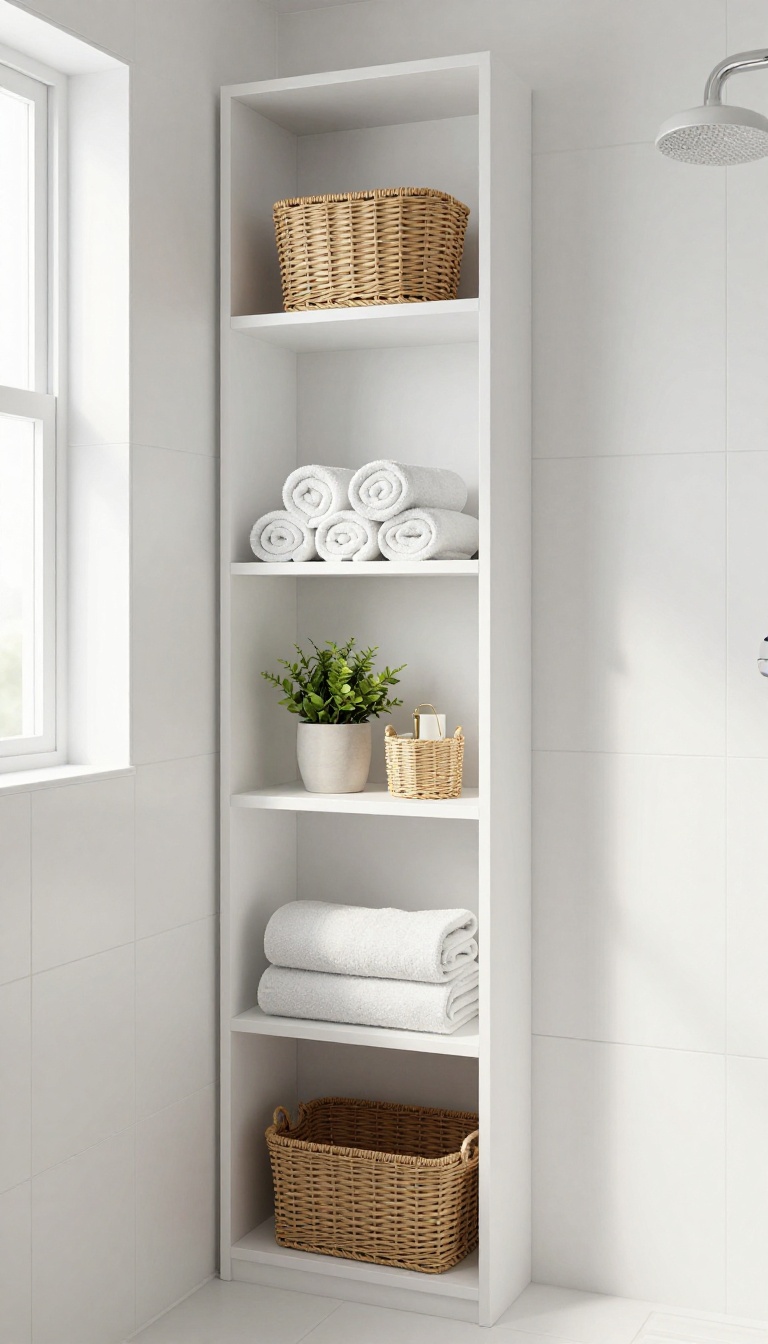
When every square inch counts, look up. Tall storage units use the wall height you already have, freeing up precious floor space. It's a simple shift that can make your shower room feel far more open and organized.
Tall, narrow shelving units or over-the-toilet storage are perfect for small shower rooms. They keep towels, toiletries, and other essentials within reach without cluttering the floor. With a few smart additions, you can turn unused vertical space into a functional storage hub.
Choosing The Right Tall Storage
Look for units that are slim and tall, ideally with adjustable shelves to fit different items. Over-the-toilet storage is a classic choice that uses the space above the toilet, which is often wasted. For a more built-in look, consider a tall ladder shelf or a narrow cabinet that fits snugly against the wall.
Organizing With Baskets And Bins
Use baskets or bins on the shelves to group similar items—like extra toilet paper, shampoo bottles, or face towels. This keeps everything tidy and makes it easy to grab what you need. Clear bins are great for spotting items quickly, while woven baskets add a warm, natural texture.
Styling Your Vertical Storage
Don't just store—style. Roll towels neatly and stack them for a spa-like look. Add a small plant or a decorative jar to soften the utilitarian feel.
Keep the top shelf for items you use less often, and place everyday essentials at eye level for easy access.
FAQ
What is the best shower layout for a very small bathroom?
A corner shower or a walk-in shower with a sliding door is often the best layout for a very small bathroom. These options save floor space and make the room feel less cramped.
How can I make my small shower room look bigger?
Use light colors, add mirrors, and keep the space clutter-free. A clear glass shower door or a light-colored curtain can also help. Maximize natural light if possible.
Are there budget-friendly ways to update a small shower room?
Yes, you can replace the shower curtain, add adhesive shelves, install a handheld showerhead, or repaint with light colors. These simple changes can make a big difference without a full remodel.
What type of shower door is best for a small space?
Sliding or bypass doors are ideal because they don't swing open, saving valuable floor space. Alternatively, a shower curtain is the most space-efficient option.
How do I keep a small shower room organized?
Use vertical storage, corner caddies, and wall-mounted organizers. Keep only essential items in the shower and store extras in a cabinet or shelf outside.
Conclusion
Small shower rooms don't have to feel cramped or cluttered. With a few smart tweaks, you can make even the tightest space work harder for you without a full remodel. Start with one or two ideas that fit your layout and budget, and you'll notice the difference right away.
The key is to keep things simple and purposeful—every inch counts, so choose pieces that multitask and add light. Whether it's a fold-down seat, a slim caddy, or a clever corner shelf, these small changes add up to a shower that feels open and organized.