10 Creative Concrete Shower Ideas for a Fresh, Refined Setup
A concrete shower is more than just a surface—it’s a statement. The raw, earthy texture instantly grounds a bathroom, giving it a calm, spa-like vibe that’s hard to replicate with tile or acrylic. But concrete isn’t just about looks; it’s incredibly durable and can be customized to fit any style, from industrial to organic modern.
The best part? Concrete offers endless design possibilities.
You can play with shapes, finishes, and even colors to create a shower that feels uniquely yours. Whether you’re planning a full remodel or just dreaming about a future upgrade, these ten ideas will show you how to make concrete work for your space.
1. Polished Concrete for a Sleek, Modern Look
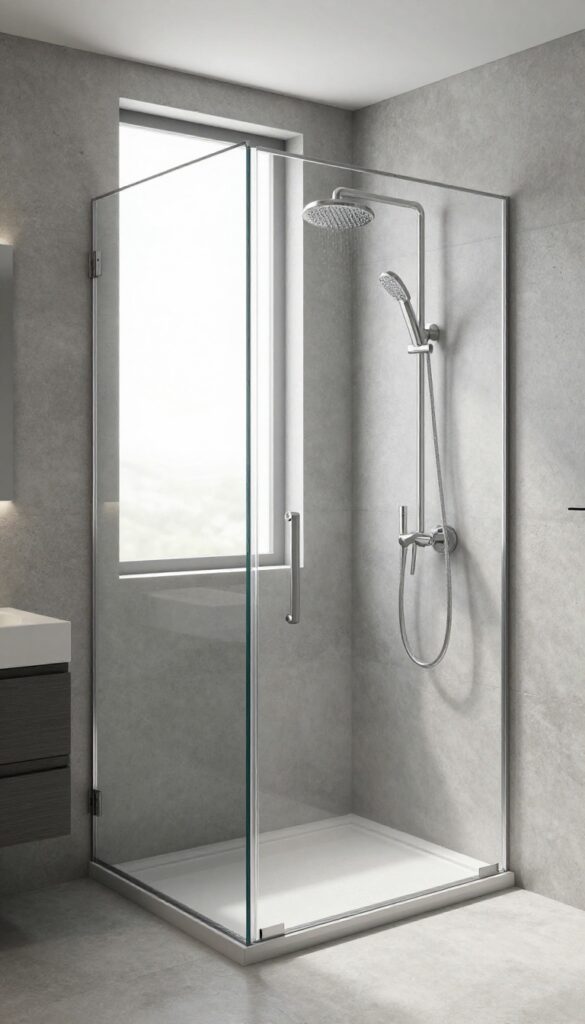
When you think of concrete, you might picture a brutalist building or a sidewalk. But polished concrete has a completely different personality—it’s smooth, reflective, and surprisingly elegant. The high-gloss finish turns the raw material into something that feels refined and intentional, almost like a stone that’s been buffed to perfection.
It’s a look that works especially well in contemporary bathrooms where clean lines and minimal clutter are the goal.
Polished concrete is achieved by grinding the surface with progressively finer diamond pads, then sealing it to lock in the shine. The result is a dense, non-porous surface that resists water and stains, making it a practical choice for a shower. It also reflects light, which can make a small bathroom feel larger and brighter.
Pair it with matte black or brushed nickel fixtures and a frameless glass enclosure to let the concrete shine as the star of the space.
Why Polished Concrete Works In A Shower
Unlike regular concrete, polished concrete is sealed, so it won’t absorb water or grow mold. The smooth surface is also a breeze to clean—just wipe it down with a mild soap and water. Plus, the reflective quality adds a subtle glow that makes the shower feel more open and airy, which is a big win for smaller bathrooms.
Design Tips For A Polished Concrete Shower
To keep the look sleek, avoid adding too many accessories. Choose a rainfall showerhead and a simple recessed shelf for toiletries. For the floor, you might want a slightly textured finish to prevent slipping, but keep the walls polished for that glossy effect.
Add a linear drain to maintain the clean, seamless look.
2. Textured Concrete Floors for Slip Resistance
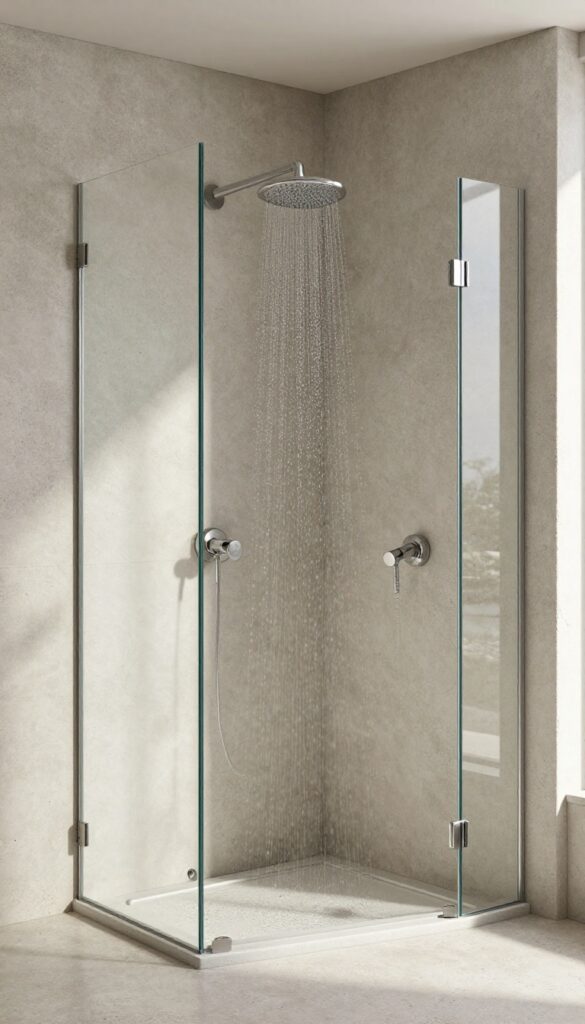
A wet shower floor can be a hazard, but that doesn't mean you have to give up on the sleek look of concrete. By choosing a textured finish, you get the best of both worlds: a surface that's safe underfoot and still looks smooth and modern. The key is in the finish—brushed or broom-finished concrete adds just enough grip without compromising the minimalist aesthetic.
When you're standing on a wet, soapy floor, the last thing you want is to worry about slipping. Textured concrete solves this problem elegantly. The subtle roughness created by brushing or brooming the surface while it's still wet provides traction that feels secure, not scratchy.
And because the texture is integrated into the concrete itself, there's no need for separate mats or coatings that can peel or look out of place.
Why Texture Matters
Concrete is naturally porous, which means it can get slippery when wet. A smooth, polished finish might look stunning, but it's not practical for a shower floor. A brushed or broom finish creates tiny ridges and valleys that break up the water film, giving your feet something to grip.
This is especially important if you have kids, elderly family members, or anyone with mobility concerns.
Finishes That Work Best
Not all textures are created equal. A light broom finish offers a subtle grip that's comfortable underfoot, while a deeper brushed finish provides more traction for high-traffic areas. You can also consider a exposed aggregate finish, where small pebbles are revealed in the surface, adding both texture and visual interest.
Just make sure the finish isn't too rough—you want safety, not sandpaper.
Pairing With The Rest Of Your Shower
The floor doesn't have to be the only textured element. You can carry the same finish onto a bench or a niche shelf for a cohesive look. Or, contrast the textured floor with smooth concrete walls to create a dynamic play of surfaces.
The floor's subtle grip also means you can skip the rubber mat, keeping your shower looking clean and uncluttered.
3. Concrete Shower Bench: Built-In Seating
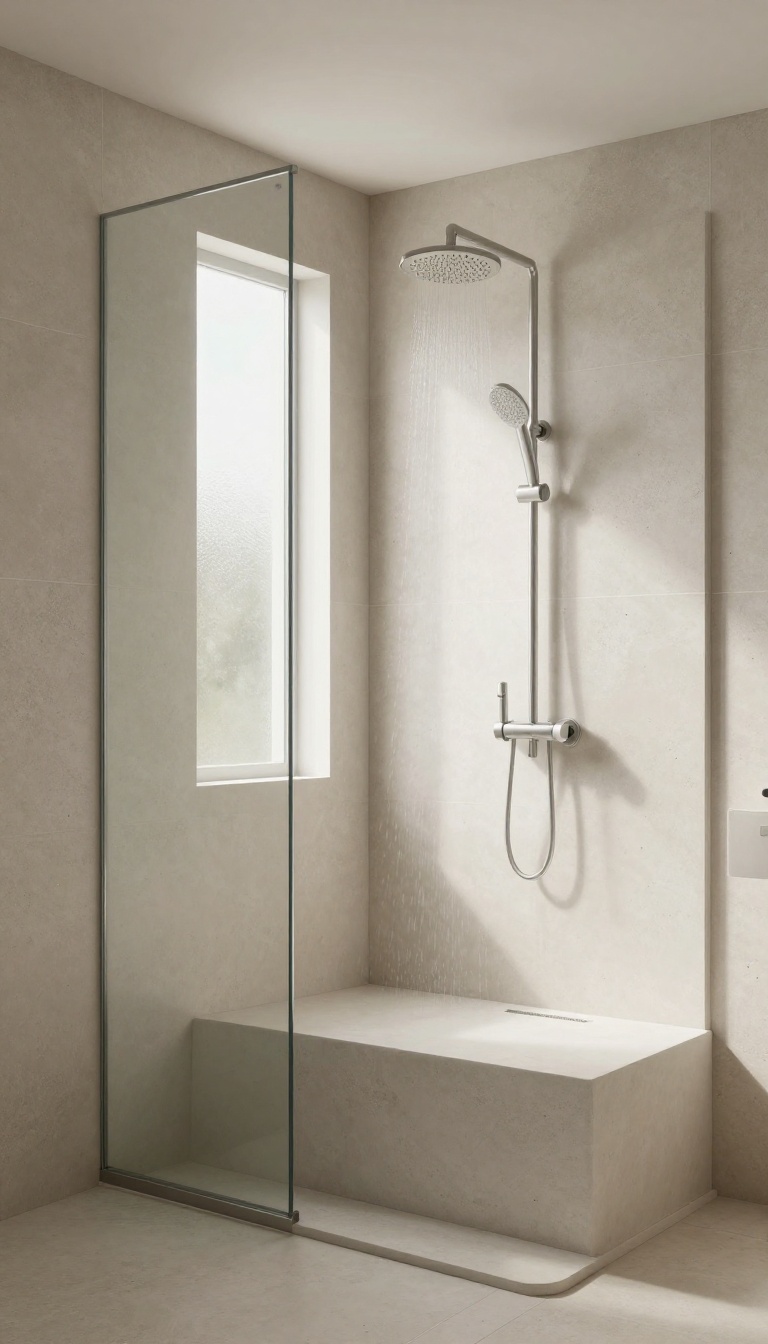
A built-in concrete bench can completely change how you use your shower. It gives you a spot to sit, rest, or just take a moment to breathe, and it adds a smooth, sculptural line that makes the whole space feel more intentional. Instead of a bulky plastic stool or a tiled corner that never quite fits, a concrete bench becomes part of the shower itself—solid, seamless, and always there when you need it.
Adding a concrete bench isn’t just about function; it’s about flow. When the bench is poured or cast as part of the shower floor, it eliminates the visual break that a separate piece of furniture creates. The result is a clean, continuous surface that feels more like a natural rock formation than a typical bathroom fixture.
Plus, concrete holds heat well, so it won’t feel ice-cold when you sit down, and you can even add a subtle slope to the top so water runs off easily.
Placement And Shape
Where you put the bench matters as much as what it’s made of. A long, low bench along one wall works great for stretching out, while a corner bench saves space and keeps the layout open. You can also go for a curved bench that hugs the wall for a softer, more organic look.
Think about how you’ll use it—if it’s for shaving your legs, you’ll want it at a comfortable height; if it’s just for relaxing, a slightly lower profile feels more natural.
Finishing Touches
The finish on your concrete bench can make it feel polished or rugged. A smooth, troweled surface is easy to clean and feels nice against bare skin, while a lightly brushed or exposed-aggregate finish adds texture and grip. You can also seal it with a matte or glossy sealer to match the rest of your shower.
If you want a little extra warmth, consider adding a teak wood insert on top—it’s a classic combo that contrasts beautifully with concrete.
Built-in Vs. Freestanding
If you’re renovating, a built-in bench is the way to go—it’s integrated into the waterproofing and looks intentional. But if you’re working with an existing shower, a freestanding concrete bench can still give you that same feel. Just make sure it’s heavy enough to stay put and has a non-slip base.
Either way, you’re adding a permanent, functional piece that elevates the whole shower experience.
4. Concrete Niches for Storage
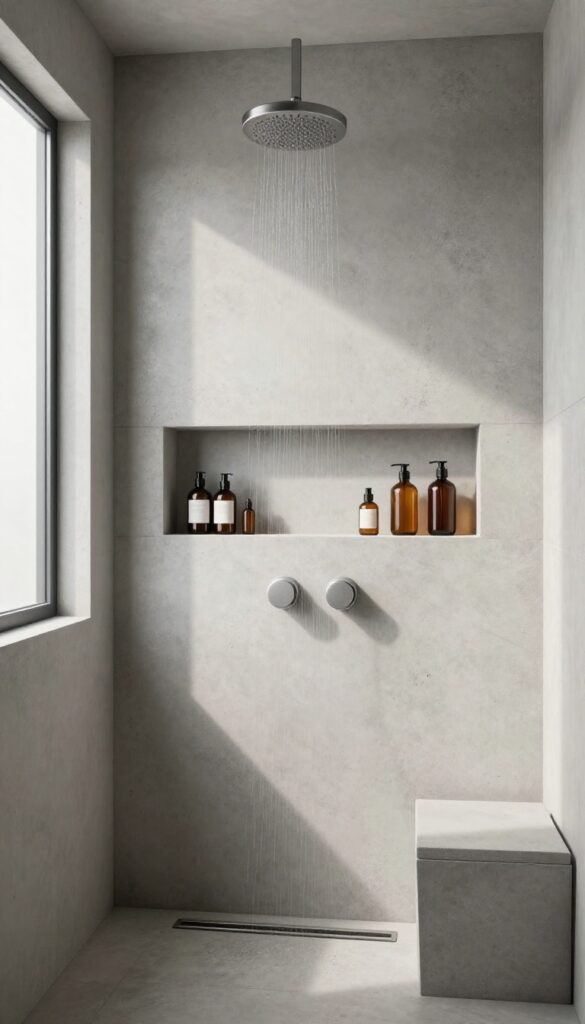
Tired of shampoo bottles cluttering your shower floor? Recessed concrete niches solve that problem beautifully. These built-in shelves blend right into the wall, giving you a spot for everything without breaking the visual flow.
Plus, they can be shaped and sized to fit your exact needs.
Niches are a natural fit for concrete showers. They’re carved right into the wall, so they feel like part of the design, not an afterthought. You can make them as simple or as detailed as you want—from a single slim shelf to a larger cubby with multiple compartments.
The key is planning the placement and size before the concrete is poured, so everything lines up perfectly.
Placement That Makes Sense
Think about where you actually reach for things. A niche near the showerhead works well for shampoo and soap, while a lower one can hold a loofah or razor. If you have a bench, consider a niche right above it for easy access.
The goal is to keep essentials within arm’s reach without making the wall look busy.
Size And Shape Options
Niches don’t have to be plain rectangles. You can go for a long horizontal slot for longer bottles, or a tall vertical one for a body wash pump. Some people even add a small niche with a ledge for a plant or a candle.
The concrete can be formed into almost any shape, so don’t be afraid to get creative.
Finishing Touches
The inside of the niche can be left raw for a rugged look, or smoothed and sealed for easier cleaning. Adding a slight angle to the bottom helps water drain out, preventing puddles. You can also install a small LED strip under the niche for a soft glow, which makes the shower feel extra inviting.
5. Accent Wall with Exposed Aggregate
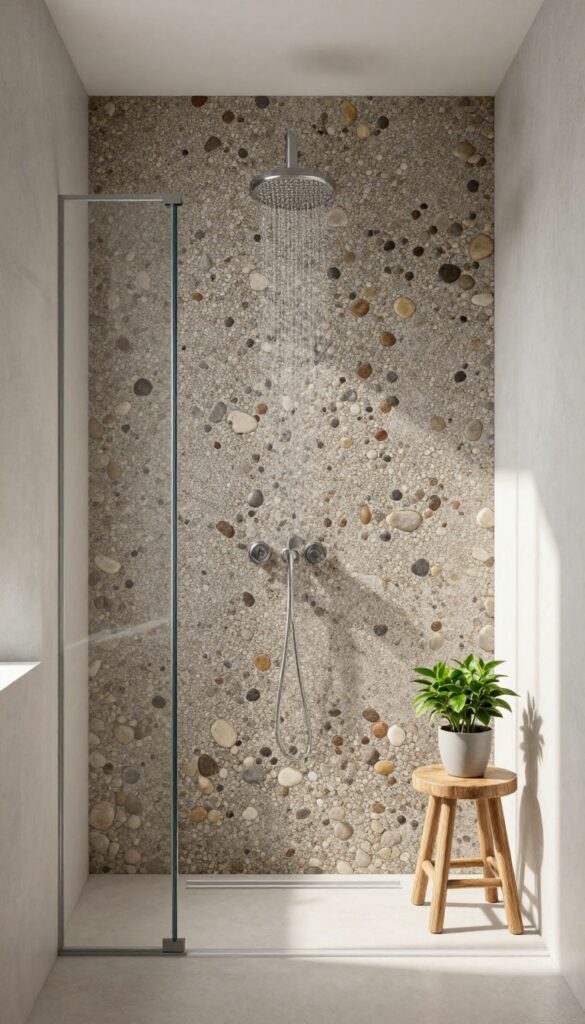
A single accent wall can change the entire mood of a concrete shower. Instead of keeping every surface smooth and uniform, you can introduce a section that features exposed pebbles or stones. This texture adds a natural, organic touch that contrasts beautifully with the sleek finish of the surrounding concrete, creating a focal point that feels both grounded and refined.
Exposed aggregate is a technique where the top layer of concrete is removed to reveal the small stones mixed within. It’s a simple way to add depth and visual interest without overwhelming the space. The result is a surface that’s not only striking but also provides a subtle slip-resistant quality, making it a practical choice for a shower wall.
This idea works especially well if you’re aiming for a spa-like or nature-inspired bathroom. The pebbles bring a tactile element that invites touch, and the earthy tones can tie in with wooden accents or greenery. Whether you choose a full wall or a smaller niche, the exposed aggregate will become the standout feature of your shower.
Why It Works
The contrast between the smooth concrete and the rough, textured aggregate creates a visual balance that’s both interesting and calming. It breaks up the monotony of a plain concrete surface, adding a layer of sophistication that feels intentional. Plus, the natural stones can echo the colors found in nature, making your bathroom feel more connected to the outdoors.
How To Achieve The Look
You can either purchase pre-made exposed aggregate panels or have a contractor apply a custom mix directly onto the wall. The process involves embedding stones into the wet concrete, then washing away the surface layer to expose them. For a more subtle effect, you can use smaller pebbles; for a bolder statement, go with larger, more colorful stones.
Make sure to seal the surface properly to protect it from moisture and make cleaning easier.
Design Tips
To make the accent wall stand out, keep the other walls smooth and light-colored. You can also add recessed lighting or a small shelf to highlight the texture. If you’re worried about the look being too busy, limit the exposed aggregate to a single wall or a vertical strip behind the shower bench.
This way, you get the visual interest without overwhelming the space.
6. Concrete Shower Pan with Linear Drain
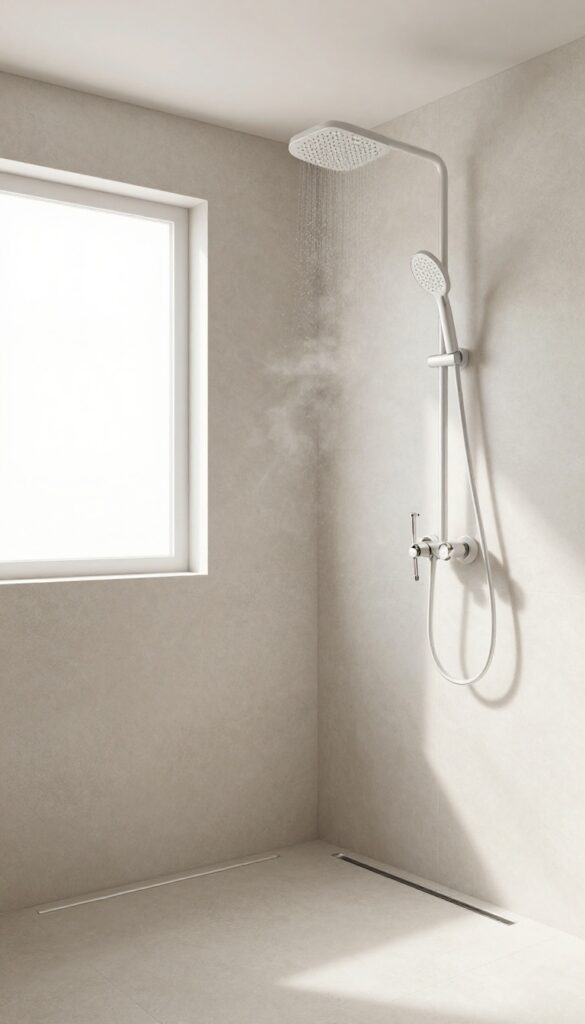
The shower pan is often an afterthought, but it’s actually the foundation of the whole experience. A custom concrete pan with a linear drain takes things to another level. Instead of a traditional center drain, the linear style sits flush along one edge, creating a perfectly flat, barrier-free floor.
The result is a seamless look that feels both modern and intentional, and it makes the shower feel larger and more open.
One of the biggest wins here is the barrier-free entry. With no curb to step over, the shower becomes accessible to everyone, and it also makes cleaning a breeze. The linear drain also does a better job of moving water away quickly, so you’re not standing in a puddle.
Plus, you can tile or finish the pan to match the rest of the shower, making the whole space feel like one continuous surface.
Why A Linear Drain Makes Sense
A linear drain isn’t just about looks—it’s about function. Because the drain runs the full width of the shower, water has a shorter distance to travel, which means it exits faster. This is especially handy if you have a larger shower or prefer a rainfall showerhead.
The flat pan also eliminates the need for a slope in every direction, giving you more design freedom and a cleaner aesthetic.
Customization Options For Your Pan
Concrete pans can be cast to any size or shape, so you’re not stuck with standard dimensions. You can choose a matte finish for a soft, understated look, or go with a polished surface for a bit of sheen. You can even add color pigments to match your bathroom’s palette.
And if you want to add a bit of texture for safety, a light broom finish or a subtle stamp pattern can provide grip without sacrificing style.
Installation Tips To Keep In Mind
This is a job best left to professionals, as the pan needs to be perfectly sloped toward the drain and properly waterproofed. Make sure the concrete is sealed well to prevent staining and moisture damage. Also, think about the placement of the drain—putting it along the wall opposite the showerhead is a common choice, but you can also place it in the middle for a symmetrical look.
Just plan ahead so everything lines up perfectly.
7. Colored Concrete for a Unique Palette
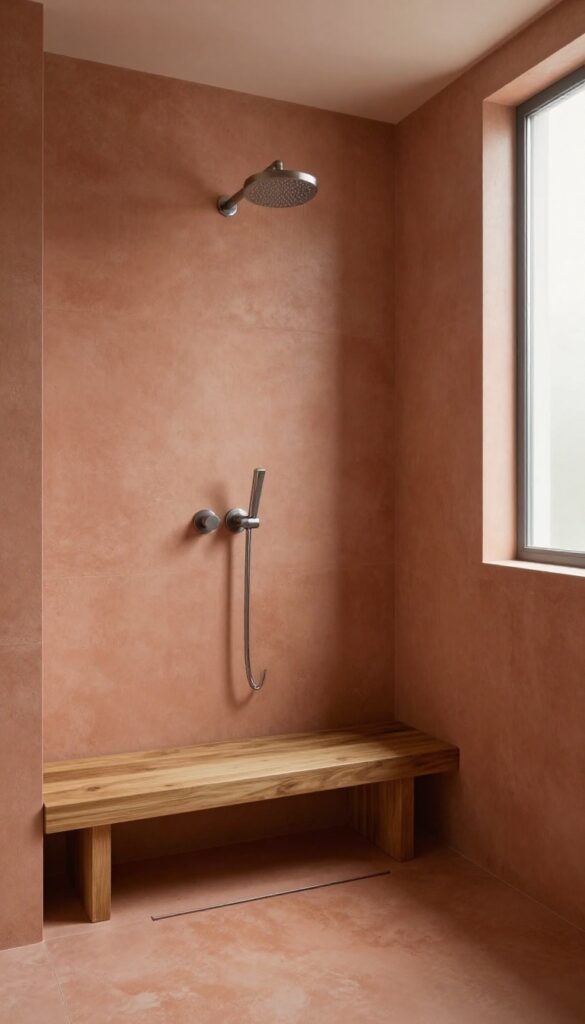
Concrete doesn't have to be gray. With integral pigments mixed right into the wet mix, you can infuse your shower with warm earth tones, cool blues, or even soft pastels. This isn't just a surface coating—the color runs through the entire slab, so it won't chip or fade like paint.
The result is a shower that feels personal, artistic, and far from the typical cold, industrial look.
Choosing a color for your concrete shower opens up a world of design possibilities. You can match the walls to your favorite ceramic tile, create a subtle contrast with the floor, or go bold with a statement hue. The key is to think about the mood you want: earthy tones like terracotta or sand bring warmth, while blues and greens evoke calm and serenity.
Pastels can make a small bathroom feel airy and bright. Because the pigment is mixed in, the color stays true for years, even with constant exposure to water and soap.
Pick The Right Pigment
Not all pigments are created equal. Look for high-quality iron oxide pigments that are UV-stable and won't fade over time. You can choose from a wide range of shades—from subtle greiges to vibrant ochres.
Work with your concrete contractor to test samples first, as the final color can vary based on the mix and curing process. Remember, a little pigment goes a long way, so start with a lighter hand and add more if needed.
Coordinate With Fixtures And Finishes
The color of your concrete should complement the rest of your bathroom. Warm tones pair beautifully with brass or copper fixtures, while cool blues and greens look stunning with brushed nickel or matte black. Don't forget about the grout and sealers—they can also affect the overall look.
For a cohesive design, consider using the same color family for your shower accessories, towels, and even the paint on the walls.
Play With Two-tone Effects
Who says you have to stick to one color? You can create a two-tone shower by using different pigments for the walls and the bench, or even a subtle gradient effect. For example, a soft gray on the upper walls and a deeper charcoal on the lower half can add depth and visual interest.
Or, go for a contrasting accent wall in a bold hue to make the shower the focal point of the bathroom. Just make sure the colors harmonize and don't clash.
8. Concrete and Wood Combination
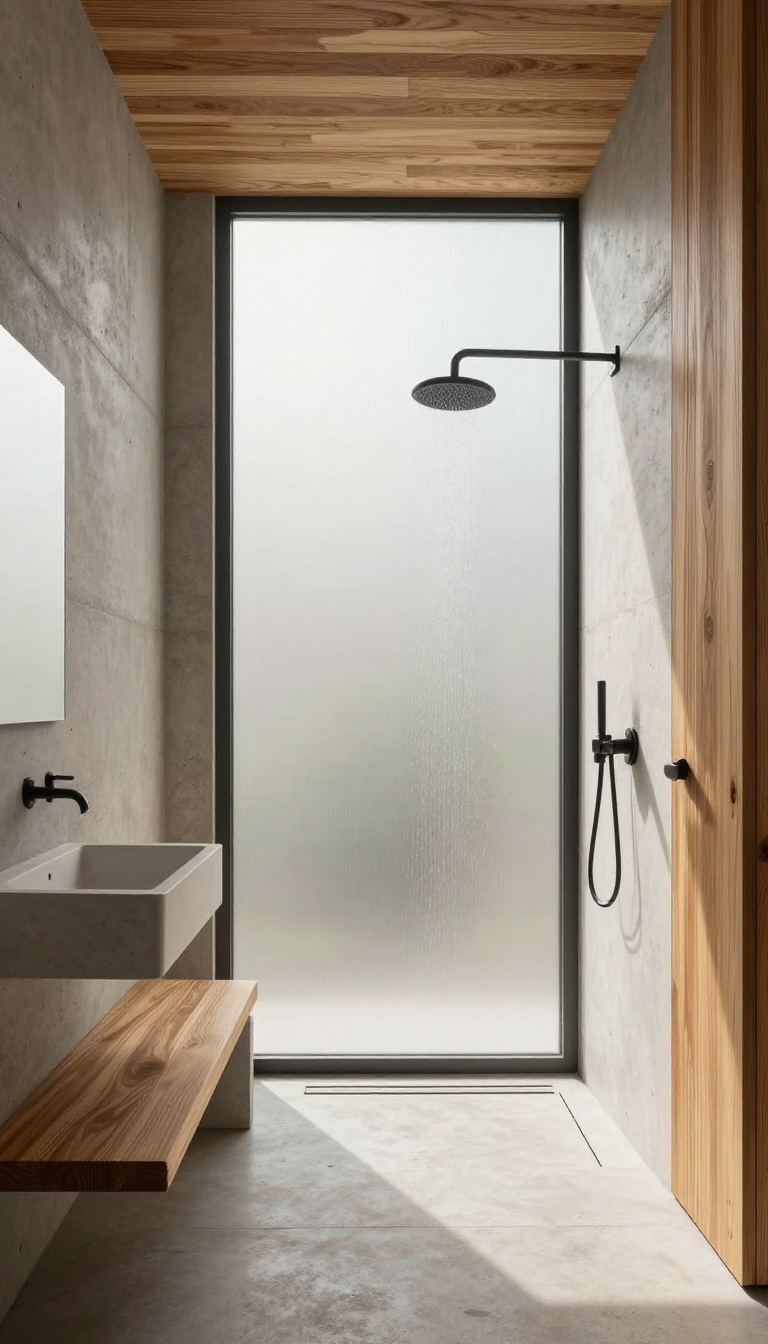
Pairing concrete with warm wood accents is like adding a cozy blanket to a modern sculpture. The cool, hard surface of concrete softens when you bring in natural elements like teak or cedar. This mix creates a spa-like retreat that feels both grounded and inviting, perfect for those who love a touch of nature indoors.
Wood and concrete are a match made in design heaven. The contrast between the two materials adds depth and warmth to your shower, making it feel less industrial and more like a serene hideaway. You can introduce wood in several ways, from a simple bench to a full ceiling treatment.
The key is to balance the two so neither overwhelms the space.
Choosing The Right Wood
Not all wood is suitable for a wet environment. You need something that can handle moisture without warping or rotting. Teak is a top choice because it's naturally water-resistant and has a beautiful golden hue.
Cedar is another great option, known for its pleasant scent and durability. Both bring a warm, organic feel that complements concrete's raw texture.
Where To Add Wood
Think about where wood will make the biggest impact. A teak bench is a classic addition, giving you a spot to sit or rest your foot while shaving. You could also install a cedar ceiling to create a sauna-like atmosphere.
Even smaller touches, like a wooden soap dish or a teak mat on the floor, can make a difference without going overboard.
Balancing The Look
The goal is to create a harmonious blend, not a stark contrast. If your concrete is smooth and light, go for a darker wood to add richness. If your concrete has a rough, textured finish, consider a lighter wood to keep the space feeling open.
The key is to let each material shine while they work together to create a balanced, inviting shower.
9. Curved Concrete Walls for a Sculptural Feel
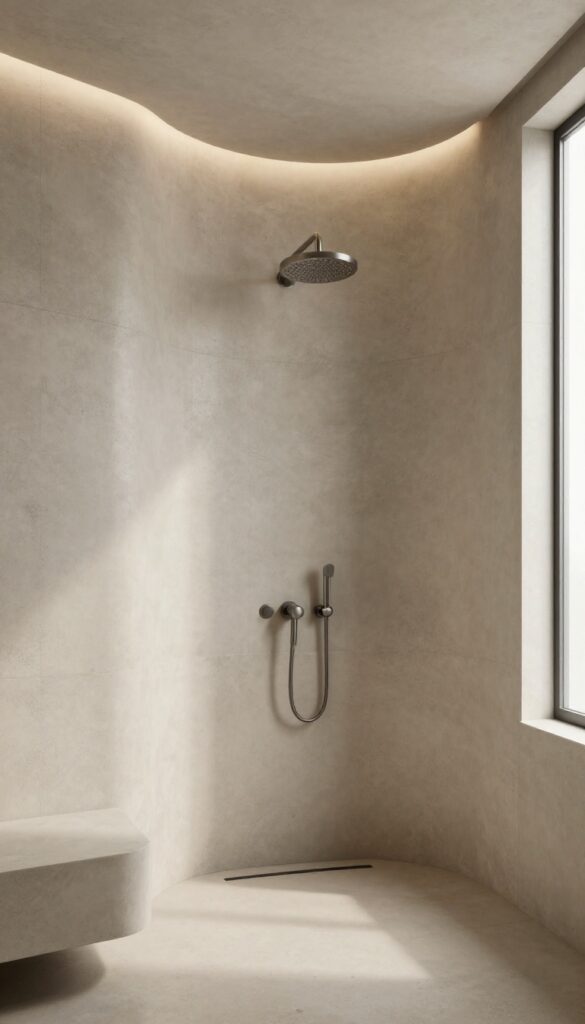
Straight lines are safe, but curves are where the magic happens. A curved concrete wall can turn an ordinary shower into a sculptural centerpiece, adding a sense of fluidity that feels both organic and refined. It’s a bold choice, but one that pays off with a unique, gallery-like atmosphere.
Curved concrete walls aren’t just about looks—they also improve the shower experience. The gentle arc can make a small space feel more open, and it eliminates harsh corners where grime tends to build up. Plus, the smooth, continuous surface is a dream to clean.
Designing With Curves
When planning a curved wall, consider the radius. A subtle curve (like a gentle bow) is easier to construct and fits most bathrooms. A tighter curve makes a bolder statement but may require more space.
Work with a concrete contractor who has experience with curved forms—this is not a DIY weekend project.
Form And Function
Curves can be functional too. Use a curved wall to create a built-in bench or a niche for toiletries, blending storage seamlessly into the design. The smooth surface also directs water flow naturally, reducing pooling and making the shower feel more spacious.
Finishing Touches
To highlight the sculptural quality, choose a matte or lightly polished finish. Adding indirect lighting along the curve can emphasize its shape, casting soft shadows that enhance the organic feel. Pair with a rainfall showerhead to complete the spa-like vibe.
10. Concrete Shower with Integrated Lighting
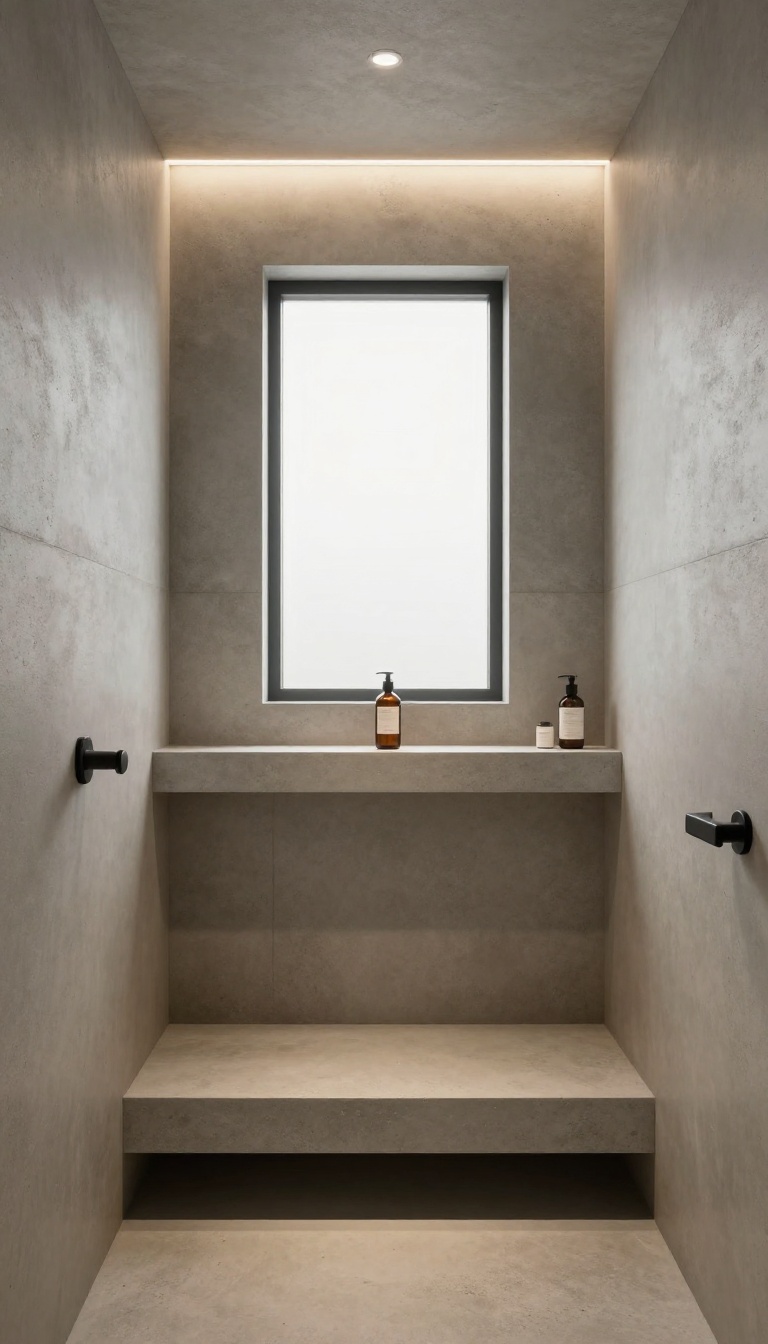
Lighting can make or break a shower's mood, and when you pair it with concrete, the effect is nothing short of magical. Integrated lighting—whether it's LED strips, recessed spots, or even backlit niches—turns a simple concrete shower into a cinematic experience. The rough texture of the concrete catches and scatters light in ways that smooth surfaces can't, creating depth and drama.
You don't need a fancy setup to get this look. A few well-placed lights can highlight the natural beauty of the material and make your shower feel like a high-end spa. Plus, with modern LED options, you can easily change the color and intensity to match your mood.
Integrated lighting is all about layering. Start with ambient lighting to set the overall tone, then add task lighting for practical areas like the shampoo niche. Finally, use accent lighting to draw attention to the concrete's texture and any architectural features.
This combination creates a balanced, inviting space that feels both functional and luxurious. When planning your lighting, think about where you want the focus. A backlit bench or a glowing niche can become a stunning focal point.
You can also use lighting to define zones, like a bright showerhead area and a softer, more relaxing corner. The key is to experiment with placement and intensity until you find what works for your space.
Choosing The Right Light Fixtures
For concrete, you'll want fixtures that are moisture-resistant and rated for wet locations. LED strips are a popular choice because they're flexible and can be embedded into grooves or behind panels. Recessed lights are another great option—they sit flush with the surface, creating a clean, seamless look.
If you're feeling bold, consider pendant lights or wall sconces that hang just above the shower area, but make sure they're specifically designed for damp environments.
Placement Ideas For Maximum Impact
The placement of your lights can dramatically change the feel of the shower. One idea is to install a horizontal LED strip at the top of the wall, casting light downward to accentuate the concrete's vertical texture. Another is to place lights behind a floating bench or shelf, creating a soft glow that outlines the shape.
You can also install small spotlights in the ceiling to create a starry effect, or use backlit panels behind the concrete to make it appear to glow from within.
Color Temperature And Control
Color temperature matters more than you'd think. Warm white (around 2700K) creates a cozy, intimate vibe, while cool white (4000K and above) feels more energizing and spa-like. Many LED systems allow you to adjust the color temperature, so you can switch from a bright morning shower to a relaxing evening soak.
Pair your lighting with a dimmer switch or smart controls to fine-tune the ambiance at any time.
FAQ
Is concrete a good material for showers?
Yes, concrete is durable, water-resistant when properly sealed, and offers a unique, modern aesthetic. It can be customized in color and texture, making it a versatile choice for showers.
How do you maintain a concrete shower?
Regular cleaning with a mild, pH-neutral cleaner is usually enough. Reapplying a penetrating sealer every few years helps protect against stains and moisture.
Can concrete showers be slippery?
Polished concrete can be slippery when wet, but you can add a textured finish or use a non-slip additive to improve traction. A broom finish or matte texture is safer for floors.
How much does a concrete shower cost?
Costs vary widely depending on location, complexity, and finishes. On average, expect to pay between $3, 000 and $8, 000 for a custom concrete shower, including installation.
Will concrete shower crack over time?
Concrete can develop hairline cracks due to settling or temperature changes, but proper installation and control joints can minimize this. Using a flexible sealant and allowing for movement helps prevent major issues.
Conclusion
Concrete showers offer a perfect blend of durability and design flexibility. Whether you prefer a polished, minimalist look or a textured, organic feel, there’s a concrete idea that can transform your bathroom into a personal retreat.
Take your time to explore these options and think about what fits your style and needs. With the right approach, a concrete shower can be the centerpiece of a fresh, refined space that you’ll enjoy for years to come.