10 Sofa in Bedroom Ideas for a Cozy Seating Corner
That bare wall across from your bed has been bugging you for months. A chair would fit, but what you really want is somewhere soft to land at the end of the day. A sofa in the bedroom solves that fast, turning dead square footage into a genuine seating corner.
The catch is picking one that doesn't swallow the room or fight your sleep setup. Small loveseats, daybeds, and slim sectionals all pull their weight here, and each brings a different feel.
Some double as guest beds, others just look good with a throw and a lamp. These ten ideas cover real layouts, from cramped apartments to roomy primary suites.
1. Choose a Compact Loveseat for Small Spaces
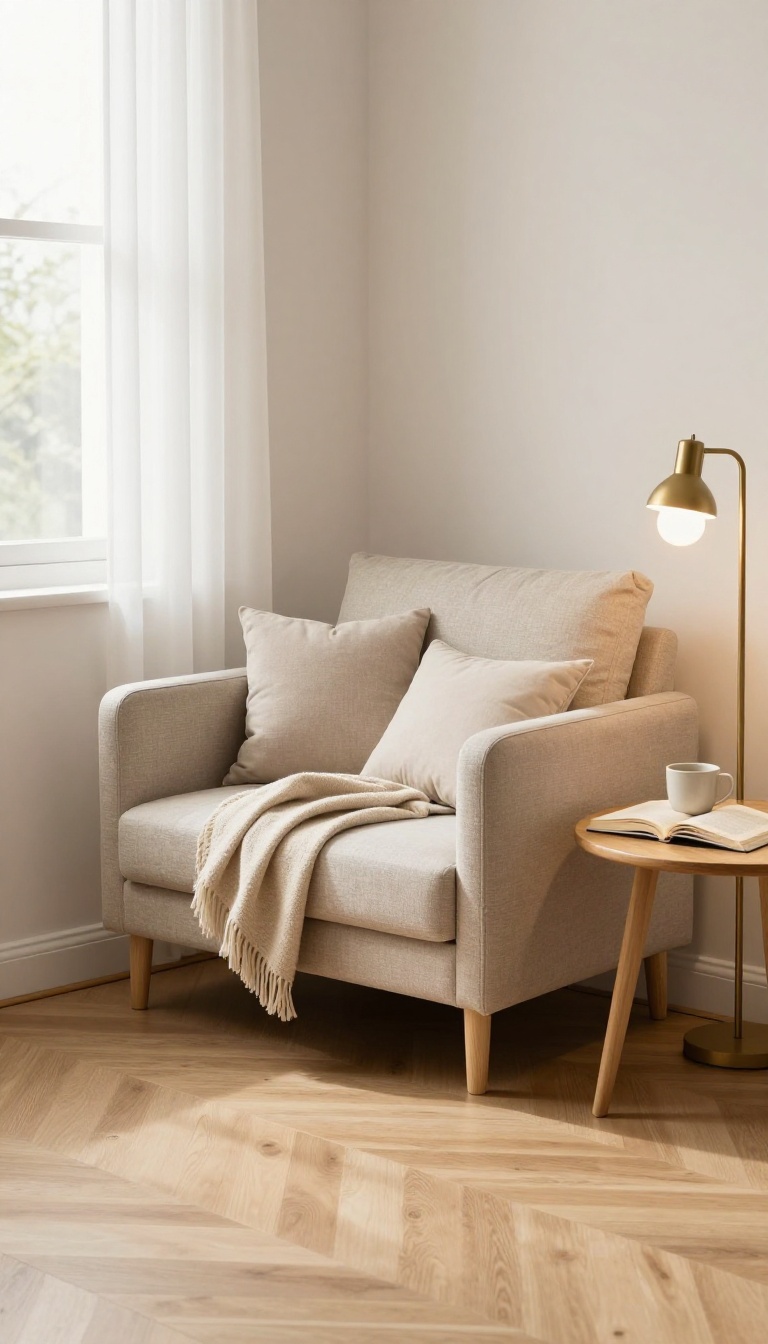
A loveseat is the Goldilocks of bedroom seating—big enough for two, small enough to tuck into a corner. It gives you a soft spot to read or unwind without eating up your floor plan. The trick is finding one that feels cozy, not cramped.
Start by measuring your corner. You want at least a few inches of breathing room on each side so the piece doesn't look wedged in. A loveseat that's 48 to 60 inches wide usually hits the sweet spot for small bedrooms.
Anything larger starts to feel like a second bed you didn't ask for.
Look For Slim Arms And A Low Back
Bulky arms and tall backs make a small loveseat feel like a wall. Slim arms—think track or tapered—keep the visual weight down. A low back does the same, and it lets you see over the sofa from the bed, which makes the whole room feel more open.
You still get support, just without the bulk.
Pair It With A Side Table And Floor Lamp
A loveseat alone can look a little lonely. Add a small round side table for your coffee or phone, and a floor lamp with a warm bulb. That combo instantly turns the corner into a reading nook.
Keep the table narrow—12 to 18 inches across—so it doesn't crowd the sofa.
Pick A Fabric That Hides Life
Bedrooms get messy. Choose a performance fabric or a textured weave in a mid-tone color. It hides lint, pet hair, and the occasional snack crumb.
Lighter colors can work, but only if you're okay with a little extra cleaning. A removable cover is a bonus if you have pets or kids.
2. Use a Daybed That Doubles as a Sofa
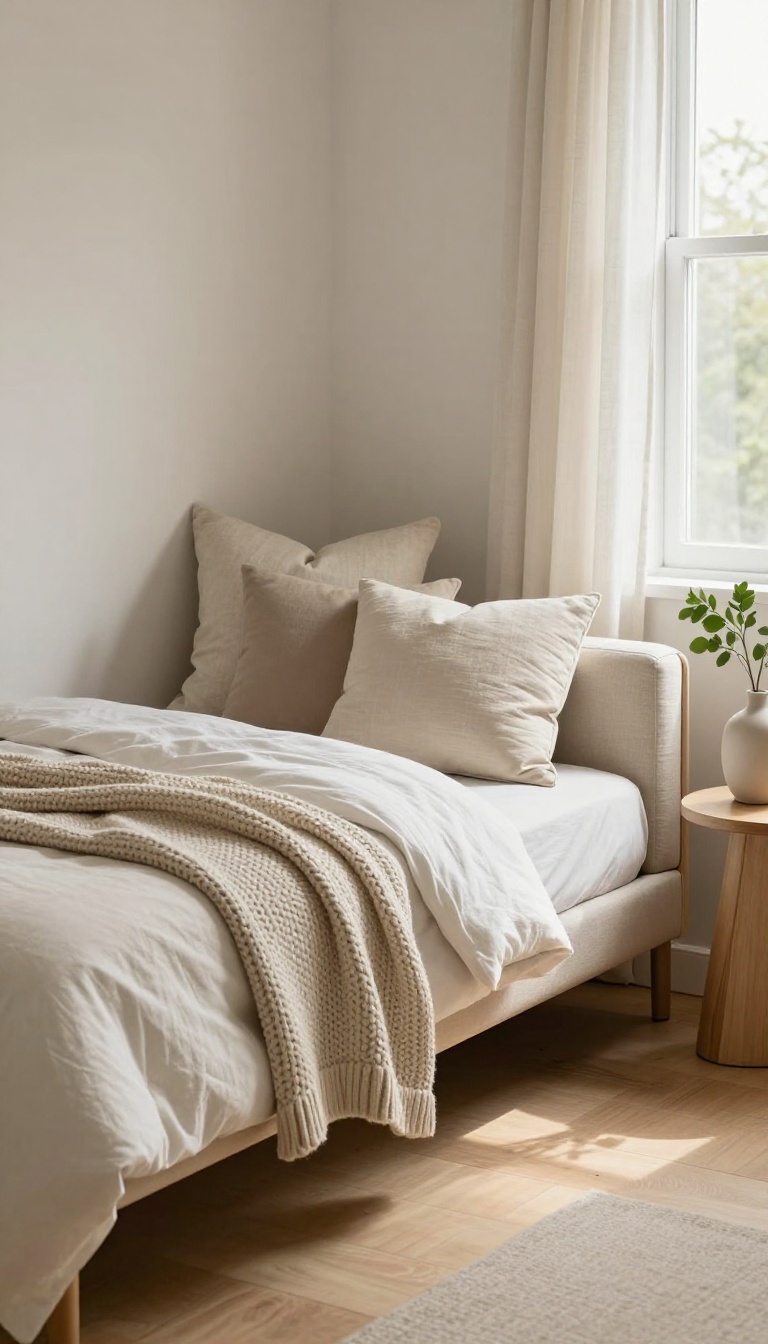
A daybed pulls double duty in a way most furniture can't. It gives you a legit spot to sit during the day and a ready-made bed when a guest crashes. That flexibility makes it a smart pick for guest rooms, studios, or any bedroom that has to work harder than it should.
The trick is making a daybed look like a sofa and not a spare bed. Placement does most of the work. Push it against a wall or tuck it into a corner so it reads as a seating nook first.
Then pile on pillows—lots of them—to soften the edges and hide the fact that it's technically a bed. A style with a backrest helps too, since it creates a clear line between sitting space and sleep space.
Pick A Style With A Backrest
Daybeds come in two main flavors: backless platforms and styles with a built-in back. Go with the backrest version if you want it to feel like a real sofa. A backrest gives you something to lean against and visually defines the seating zone.
It also makes the piece look intentional rather than like a mattress on a frame.
Dress It Like A Sofa
Throw pillows are your best friend here. Use a mix of sizes and textures—two large ones in the corners, a few smaller ones in front. A throw blanket draped over one side adds warmth and breaks up the shape.
Stick to a color palette that matches your bedroom so it doesn't feel like a separate room.
Make It Guest-ready
When someone stays over, you want a quick switch. Keep bedding in a storage ottoman or under the bed so it's easy to grab. A daybed with a trundle gives you even more sleep space without taking up extra floor.
Just make sure the mattress is actually comfortable—your guests will thank you.
3. Place a Chaise Lounge by the Window
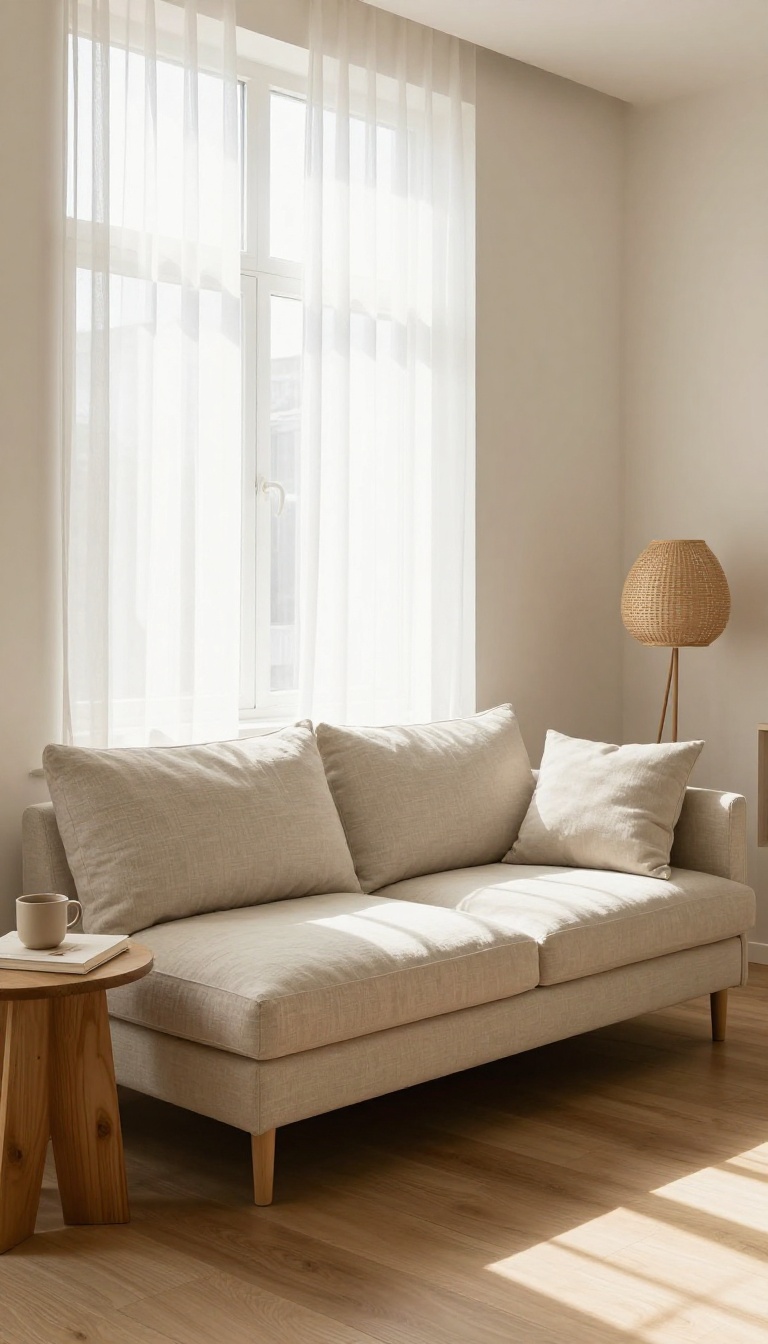
A chaise lounge turns that empty stretch of wall under a window into a personal retreat. Its elongated shape lets you stretch out fully, while the window delivers natural light all day. Unlike a standard sofa, a chaise hugs the wall and leaves the rest of the room open.
Position it so the backrest sits against the wall and the foot points into the room, or angle it slightly for a more relaxed look. The goal is to create a spot where you can read, nap, or sip coffee without feeling cramped.
A chaise lounge is essentially a sofa with one extended end, designed for reclining. In a bedroom, it works best when placed parallel to the window, with the long side facing the glass. That way, you get the light on your face while you lounge, and the room still feels airy.
If your window has a low sill, choose a chaise with a low back so it doesn't block the view. For high windows, a taller back adds drama and coziness. The key is to balance proportion: a bulky chaise in a small room will feel like a beached whale, but a slim, armless version can slip into tight spaces.
Material matters too. A woven or linen chaise feels breezy for sunny spots, while velvet or boucle adds warmth for cooler months. Add a small side table or a floor lamp for evening reading, and you're set.
Pick The Right Size For Your Space
Measure the wall under your window before you shop. A typical chaise runs 60 to 80 inches long and 24 to 30 inches wide. In a small bedroom, go for a 60-inch version; in a larger room, you can stretch to 80.
Leave at least 18 inches of walking space around the chaise so it doesn't feel jammed. If your window is flanked by closets or doors, consider a chaise with a reversible back so you can flip it as needed.
Style It For Comfort
A bare chaise looks like a showroom piece. Add a throw blanket draped over the back and a couple of pillows in contrasting textures. A small tray on the seat gives you a spot for a mug or a book.
For extra coziness, place a sheepskin or a quilted pad on the seat. In summer, swap to a lightweight cotton throw. Keep a basket nearby for magazines or a tablet, so everything you need is within reach.
Make It Work Year-round
In winter, angle the chaise toward the window to soak up weak sun. In summer, pull it back a bit to avoid glare and heat. If your window gets harsh afternoon sun, add a sheer curtain to diffuse the light.
A chaise by the window also doubles as a reading nook or a spot for morning coffee. Just add a small floor lamp with a warm bulb for evenings, and you've got a versatile corner that changes with the seasons.
4. Create a Reading Corner with an Armchair and Ottoman
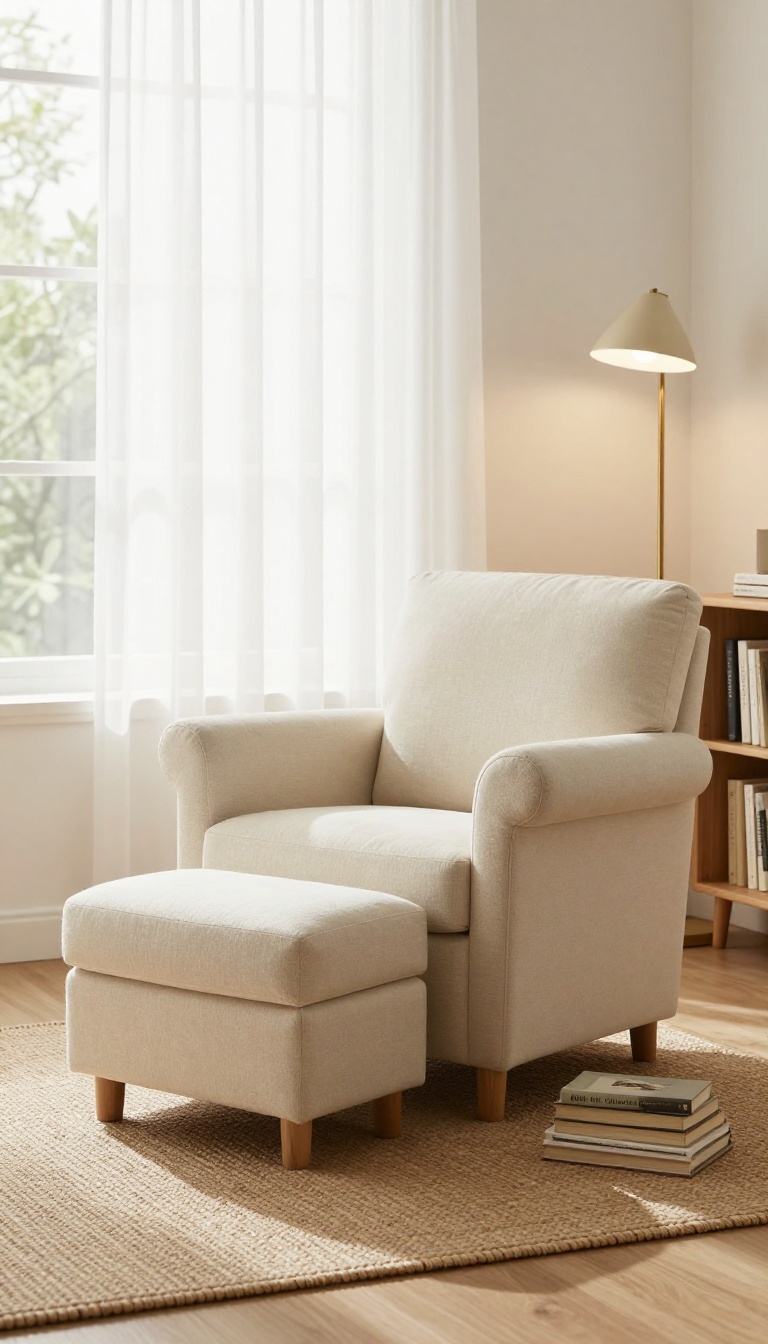
An armchair with a matching ottoman might be the simplest way to carve out a reading corner in your bedroom. It takes up less space than a full sofa but still gives you a dedicated spot to sit back with a book. The ottoman pulls double duty as a footrest or an extra seat when a friend stops by.
What makes this setup work is how you position it. Angle the chair toward a bookshelf, fireplace, or window, and suddenly the corner has a purpose. Add a rug underneath, and the whole area feels intentional instead of like leftover furniture.
An armchair and ottoman combo is a classic for a reason. It's compact, comfortable, and easy to work into almost any bedroom layout. You don't need a huge empty wall—just a corner that's currently collecting dust or a pile of clothes.
The key is to treat the chair and ottoman as a single unit. They should match in style and scale, so the corner looks pulled together. A bulky recliner next to a tiny footstool will feel off, but a streamlined chair with a matching ottoman creates a clean silhouette.
Once you've got the furniture, anchor it with a rug and a light source. That's what turns a random chair into a real reading nook you'll actually use.
Pick The Right Chair For Your Space
Not all armchairs are created equal. In a small bedroom, a slim accent chair with a low back keeps sightlines open. If you have more room, a wingback or club chair adds coziness and visual weight.
Think about how you'll use it. For long reading sessions, choose a chair with good lumbar support and armrests that let you rest your elbows. A swivel chair can be handy if you want to turn from your book to a conversation without moving the whole piece.
Fabric matters too. A textured weave or velvet feels inviting, while leather is easy to wipe down. Just avoid anything too bulky—you still need to walk around it.
Position It To Anchor The Corner
Angle the chair at a 45-degree angle toward a focal point. That could be a bookshelf, a fireplace, or a window with a view. This diagonal placement makes the corner feel intentional and opens up the flow of the room.
If you have a floor lamp, put it behind the chair so the light falls over your shoulder. A small side table on the other side gives you a spot for a mug or your phone. Keep the ottoman directly in front of the chair, close enough to prop your feet up without stretching.
Don't push the chair flat against the wall. Pulling it out a few inches makes the space feel larger and more inviting.
Tie It Together With A Rug And Throws
A rug defines the reading corner and makes it feel like its own little zone. Choose one that's large enough to sit under the front legs of the chair and ottoman. A round rug can soften the angles of the furniture, while a rectangular one creates a more traditional look.
Layer in a throw blanket over the back of the chair and a couple of pillows for extra comfort. A small basket for magazines or a stack of books on the ottoman adds personality. Keep the color palette cohesive with the rest of your bedroom.
If your bedding is neutral, you can go bolder with the rug or pillows. If the room is already colorful, stick with a subtle pattern.
5. Opt for a Sleeper Sofa for Overnight Guests
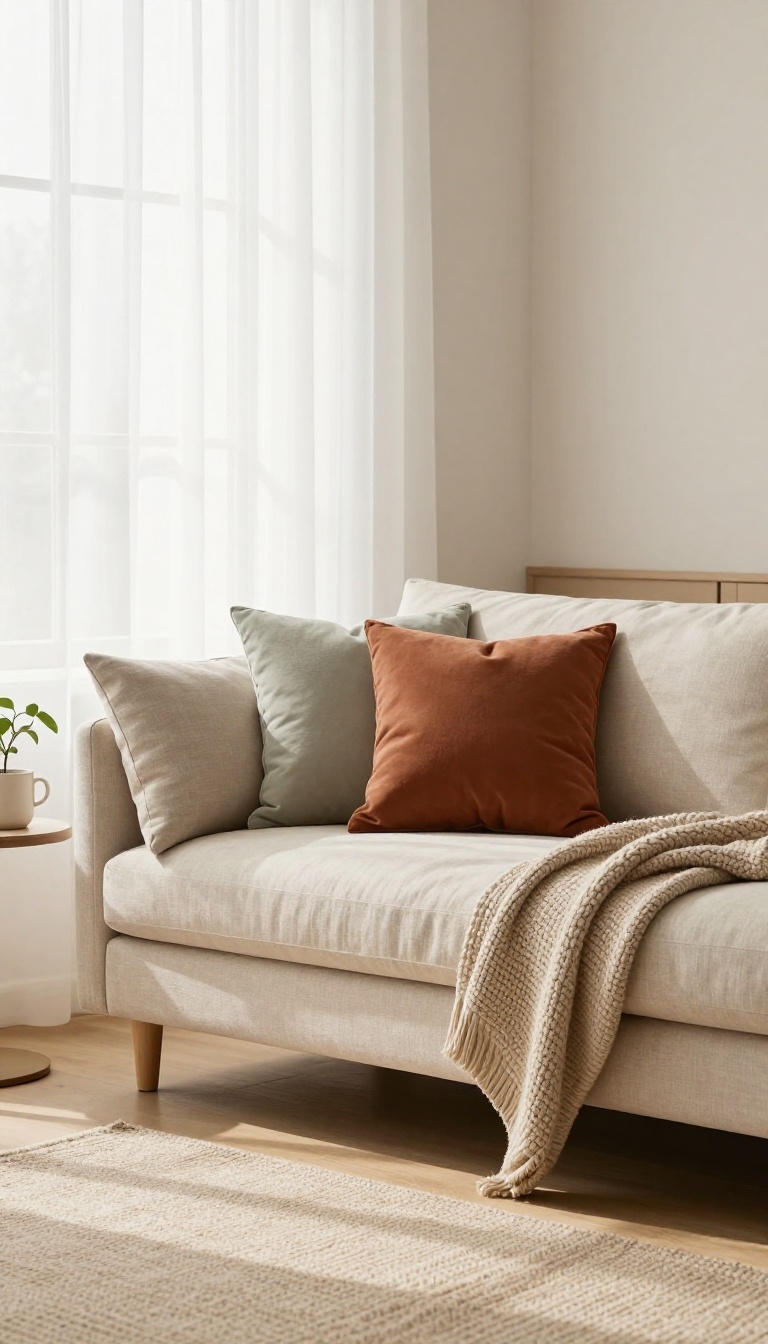
Guest rooms are a luxury not everyone has, and an air mattress in the living room gets old fast. A sleeper sofa in the bedroom gives you a real seat every day and a real bed when someone stays over. It's one piece of furniture doing two jobs, which matters when space is tight.
The trick is buying one you'd actually want to sleep on. Plenty of sleeper sofas feel fine sitting and terrible lying down, so the mattress matters as much as the frame. Get that part right and you stop dreading houseguests.
A sleeper sofa works best when it blends into the room instead of announcing itself. Look for a low-profile frame, simple legs, and upholstery that matches your existing palette. The bed part stays hidden until you need it, so the corner still reads as a cozy seating nook.
Measure twice before you buy. A sleeper needs clearance to fold out, usually a few feet in front of it, plus room for whoever sleeps there to walk around. If your bedroom is tight, a twin or full-size pullout beats a queen every time. ### Pick a Mattress You'd Actually Sleep On Old-school sleeper sofas came with thin bars and springs you could feel through the cushion.
Modern versions fix most of that with memory foam or gel-infused mattresses built into the fold-out frame. Look for one at least four to five inches thick, since anything thinner bottoms out. If the sofa you love comes with a bad mattress, replace it.
Most standard sleeper sizes have aftermarket options, and a decent replacement runs less than a nice dinner out. Your guests will notice the difference immediately. ### Store Bedding Where It's Easy to Grab Sheets, pillows, and a blanket need a home that isn't the top shelf of a closet. A lidded basket beside the sofa or a slim trunk at the foot of it keeps everything within reach.
Fold flat sheets and pillowcases together so setup takes two minutes, not twenty. A storage ottoman works too, and it doubles as a spot to rest a tray or stack books. Just make sure whatever you choose fits the room's style so it doesn't look like emergency supplies. ### Test the Fold-Out Before Guests Arrive Pull the bed out once yourself, ideally before the first guest shows up.
You'll learn how the mechanism works, where the mattress sits, and whether anything squeaks or sticks. A quick check now saves an awkward midnight fumble later. While it's open, lie down for a minute.
If you feel a bar in your back, add a mattress topper. A two-inch memory foam pad fixes most comfort complaints and stores flat under the sofa when not in use.
Pick A Mattress You'd Actually Sleep On
Old-school sleeper sofas came with thin bars and springs you could feel through the cushion. Modern versions fix most of that with memory foam or gel-infused mattresses built into the fold-out frame. Look for one at least four to five inches thick, since anything thinner bottoms out.
If the sofa you love comes with a bad mattress, replace it. Most standard sleeper sizes have aftermarket options, and a decent replacement runs less than a nice dinner out. Your guests will notice the difference immediately.
Store Bedding Where It's Easy To Grab
Sheets, pillows, and a blanket need a home that isn't the top shelf of a closet. A lidded basket beside the sofa or a slim trunk at the foot of it keeps everything within reach. Fold flat sheets and pillowcases together so setup takes two minutes, not twenty.
A storage ottoman works too, and it doubles as a spot to rest a tray or stack books. Just make sure whatever you choose fits the room's style so it doesn't look like emergency supplies.
Test The Fold-out Before Guests Arrive
Pull the bed out once yourself, ideally before the first guest shows up. You'll learn how the mechanism works, where the mattress sits, and whether anything squeaks or sticks. A quick check now saves an awkward midnight fumble later.
While it's open, lie down for a minute. If you feel a bar in your back, add a mattress topper. A two-inch memory foam pad fixes most comfort complaints and stores flat under the sofa when not in use.
6. Incorporate a Window Seat with Cushions
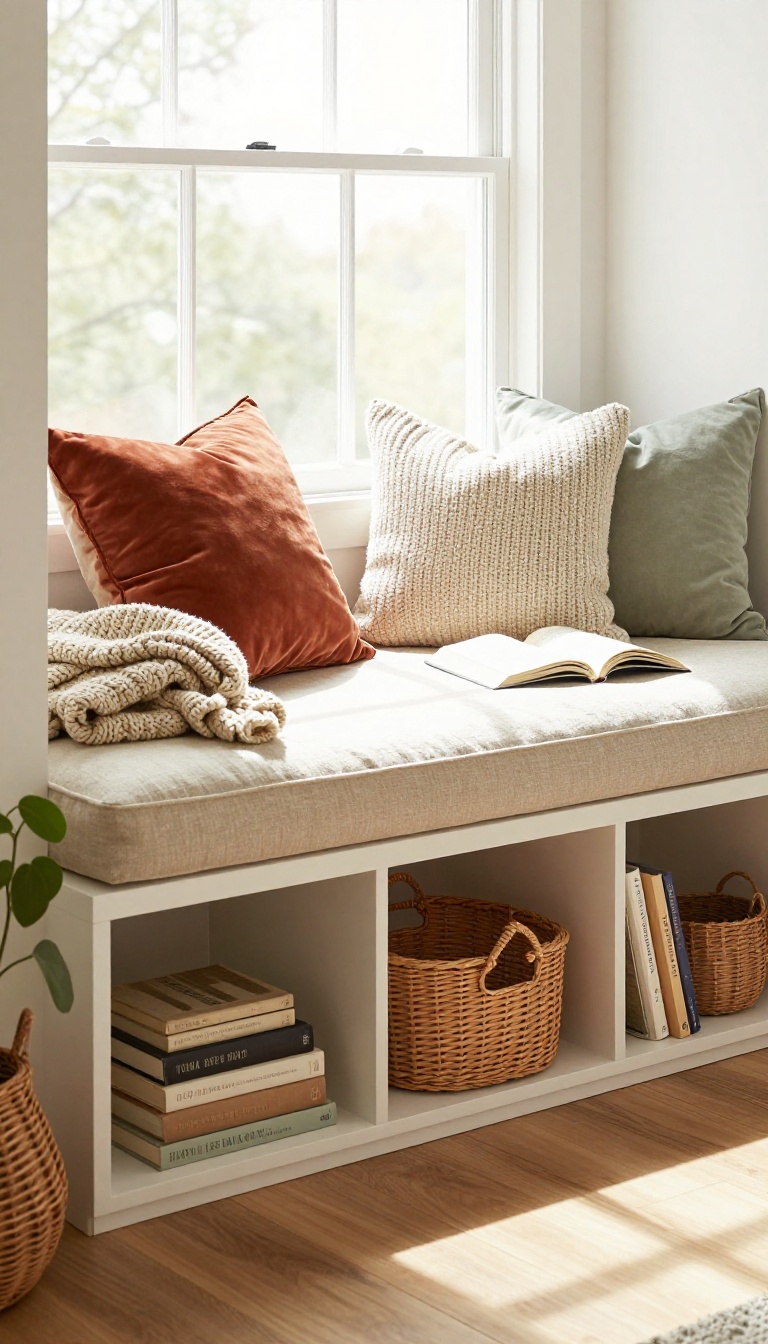
A window seat is one of those features that makes a room feel custom without a full renovation. It turns the awkward space under a window into a cozy perch that's perfect for reading, sipping coffee, or just watching the world go by. And when you top it with a thick cushion and a few throw pillows, it becomes a legitimate seating spot that rivals any sofa.
The best part? You can build one yourself with a few basic materials, or hire a carpenter to create a built-in that looks like it's always been there. Either way, you'll gain storage and style in one fell swoop.
Why It Works
Window seats make use of square footage that would otherwise be empty. They add architectural interest and create a natural focal point. Plus, the built-in storage below keeps clutter out of sight.
Cushion And Pillow Pairings
Go for a custom cushion in a durable fabric like Sunbrella or a washable cotton blend. Then layer in throw pillows in complementary colors and patterns. Mix textures—velvet, linen, chunky knits—for a cozy, collected look.
Storage Solutions
Use the space under the seat for woven baskets, bins, or even a small bookshelf. If you're handy, add hinges to the lid for hidden storage. Otherwise, slide in a few baskets for blankets, magazines, or toys.
7. Use a Sectional Sofa to Define the Area
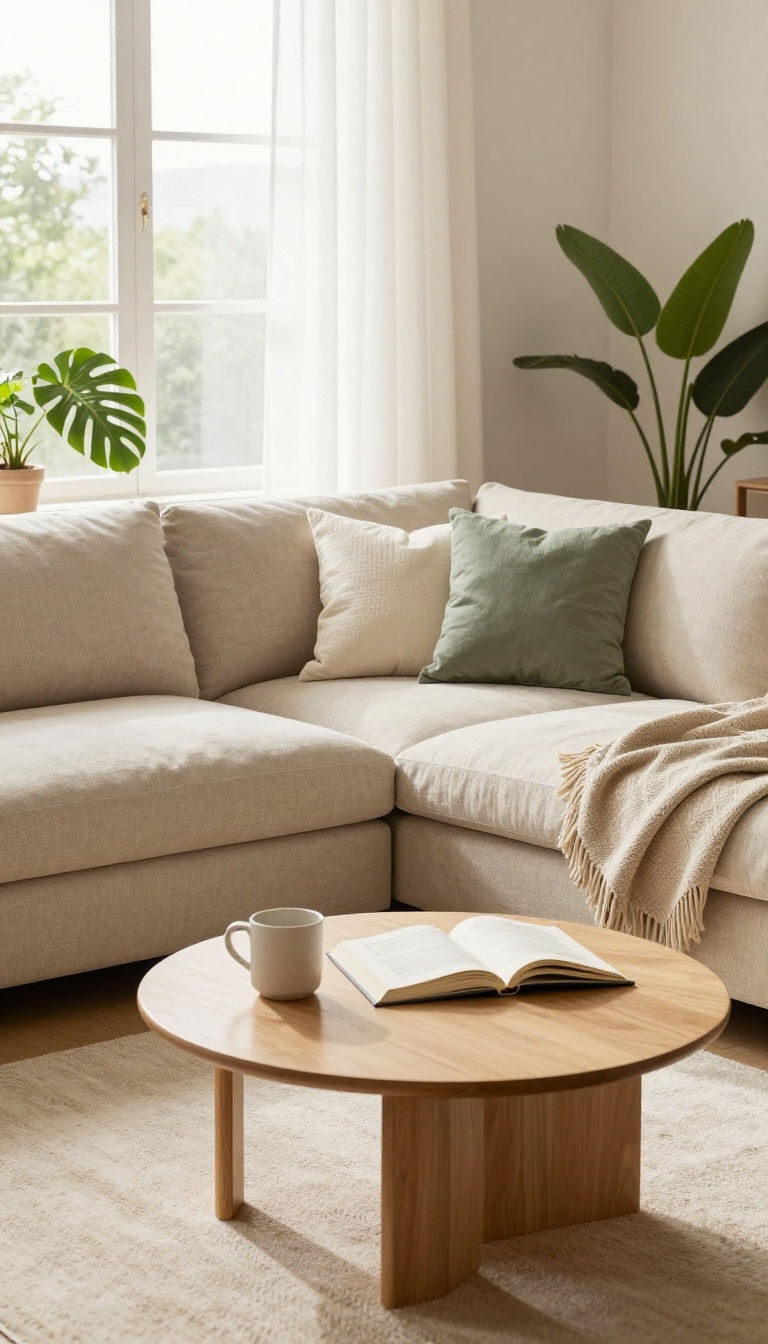
A sectional sofa doesn't just give you a place to sit—it draws an invisible line around your seating corner. That L-shaped footprint wraps around a wall or window, instantly separating the zone from the rest of the bedroom. The result feels intentional, not like a couch just dropped in the middle of the floor.
Small sectionals work especially well because they hug corners instead of jutting into the room. You get the cozy enclosure of a nook without building walls. And when you add a coffee table in the center, the whole setup reads as a real lounge, not an afterthought.
Pick A Reversible Or Modular Design
Not every bedroom corner is shaped the same, so flexibility matters. A reversible sectional lets you flip the chaise from left to right, which means you can adapt it to your layout without guessing wrong at the store. Modular pieces take that idea further.
You can rearrange the sections, add an ottoman, or split them apart if you move. That kind of adaptability keeps the sofa useful even if you rearrange the bedroom later.
Size It To The Corner, Not The Room
The biggest mistake is buying a sectional that's too big for the space. Measure the corner first, then look for a model that leaves at least 18 inches of walking room around it. A two-piece sectional with a shallow chaise usually fits best in bedrooms.
It gives you the wrap-around feel without blocking dresser drawers or closet doors.
Anchor It With A Coffee Table
A coffee table in the middle of the sectional turns an open corner into a proper gathering spot. It gives you a surface for a book, a mug, or a small lamp, and it visually grounds the seating area. If floor space is tight, choose a round or oval table with a small footprint.
A nesting table set also works because you can tuck the smaller ones away when you don't need them.
Keep The Look Cozy, Not Cluttered
Sectionals can overwhelm a bedroom if you pile on too much. Stick to one or two throw pillows and a single blanket draped over the back. That keeps the corner inviting without making it look like a furniture showroom.
Choose a fabric that matches your bedding or wall color so the sofa feels like part of the room. A light neutral or a soft texture blends in better than a bold pattern that competes with your sleep space.
8. Add a Futon for Flexible Seating and Sleeping
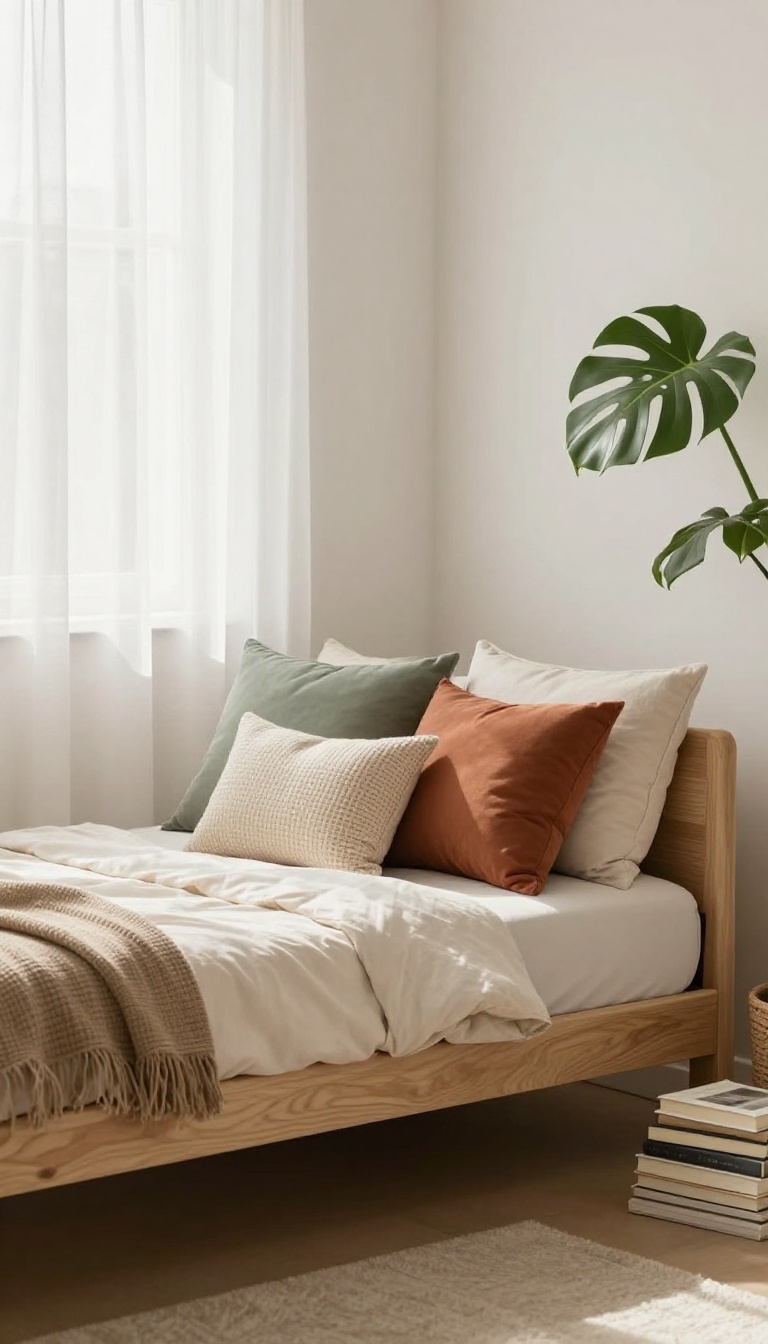
Futons get a bad rap from memories of lumpy college dorms, but today's versions are a different story. They still pull double duty as a sofa and a bed, only now they come in better fabrics and smarter frames. If your bedroom needs to host the occasional guest without losing its everyday hangout spot, a futon is a practical move.
The real appeal is flexibility. You get a couch for reading or watching TV, then flip it flat when someone stays over. No air mattress, no awkward floor sleeping.
And because futons are usually cheaper than a traditional sleeper sofa, you can spend the savings on a good quilt and pillows.
Pick The Right Frame
Frames come in wood, metal, or a mix, and the one you choose sets the tone for the whole corner. A light wood frame feels warm and casual, while a black metal frame leans modern and industrial. Measure your space first—futons are deeper than they look when flat.
If you plan to use it as a bed often, look for a frame with a simple click-clack or split-back mechanism. Those are easier to adjust daily than the old tri-fold style that requires wrestling. Also check the weight limit and mattress thickness so you don't end up with a saggy seat.
Dress It Like A Real Sofa
A bare futon looks like a bare futon. Cover it with a quilt or a throw in a color that ties into your bedding, then layer on decorative pillows. Two or three pillows in different sizes and textures make it read as a cozy seat, not a spare bed.
Keep a small basket nearby for the bedding you use when guests stay. That way you can strip the futon in seconds and it goes back to being a sofa. A fitted sheet over the mattress also protects it from everyday wear and makes late-night sheet changes easier.
Make It Work In Small Rooms
In a tight bedroom, place the futon against the longest empty wall and keep the floor in front of it clear. A slim console table behind it can hold a lamp and a cup of tea without adding bulk. If you have a window, angle the futon slightly toward it to create a reading nook feel.
Avoid blocking closet doors or the path to your bed. And if the room is really small, consider a futon with a metal frame and open legs—it visually takes up less space than a solid upholstered base. The goal is a corner that feels intentional, not crammed.
9. Create a Cozy Nook with a Beanbag Sofa
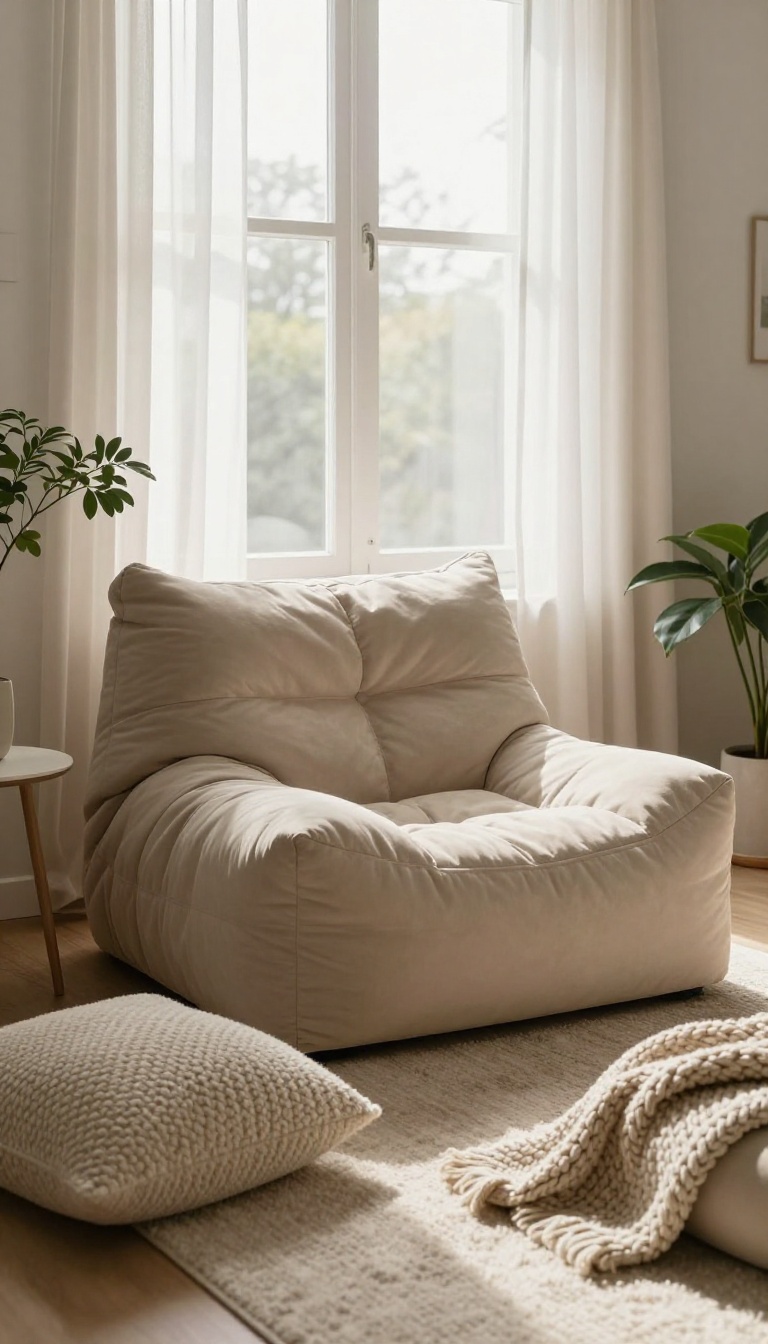
Beanbag sofas are the laid-back cousin of the traditional couch. They sink and mold around you, which makes them perfect for bedrooms where relaxation is the whole point. Toss one in a corner with a rug and a floor cushion, and you've got a nook that invites you to stay awhile.
They're especially great for kids' rooms or casual adult spaces where formal seating would feel out of place. No sharp edges, no stiff cushions—just soft, squishy comfort. And because they're lightweight, you can move them around whenever the mood strikes.
A beanbag sofa doesn't try to be fancy, and that's exactly why it works. It's the kind of seat you flop into after a long day, not one you perch on politely. In a bedroom, that relaxed vibe can turn an empty corner into the coziest spot in the house.
The key is to build around it. A beanbag on its own can look a little sad, but add a few layers and it becomes a destination. Think of it as the anchor for a mini retreat that's all about comfort.
Where to Put It Corners are your best friend here. Tuck a beanbag sofa into the angle where two walls meet, and it instantly feels intentional. If you have a bay window or a recessed nook, even better—those spots create a natural frame.
Avoid placing it right next to your bed if you want to keep sleep and hangout zones separate. A little distance helps your brain switch modes. And leave some breathing room around it so the beanbag doesn't look crammed in.
Layering for Comfort Start with a soft, plush rug underneath. It defines the space and gives your feet something warm to land on. A sheepskin or shag rug works wonders for that cozy factor.
Add a floor cushion or two for extra seating or a place to prop your feet. A small side table—maybe a stump or a tray table—gives you a spot for a drink or your phone. And a throw blanket draped over the beanbag adds texture and invites you to snuggle in.
Lighting Makes It A floor lamp with a warm bulb can turn a plain corner into a glowing retreat. Look for one with a dimmer so you can adjust the mood. String lights are another fun option, especially in kids' rooms.
If you have an outlet nearby, a small table lamp on the floor works too. Just make sure the cord isn't a trip hazard. The goal is soft, layered light that makes the nook feel like a hug.
Who It's For Beanbag sofas shine in kids' rooms because they're safe, durable, and easy to clean. Kids can jump on them, spill on them, and drag them around without causing damage. But they're not just for little ones.
Adults who love a casual, bohemian vibe will appreciate the low-key comfort. It's perfect for reading, gaming, or just scrolling on your phone. If you want a seating spot that doesn't take itself too seriously, this is it.
Where To Put It
Corners are your best friend here. Tuck a beanbag sofa into the angle where two walls meet, and it instantly feels intentional. If you have a bay window or a recessed nook, even better—those spots create a natural frame.
Avoid placing it right next to your bed if you want to keep sleep and hangout zones separate. A little distance helps your brain switch modes. And leave some breathing room around it so the beanbag doesn't look crammed in.
Layering For Comfort
Start with a soft, plush rug underneath. It defines the space and gives your feet something warm to land on. A sheepskin or shag rug works wonders for that cozy factor.
Add a floor cushion or two for extra seating or a place to prop your feet. A small side table—maybe a stump or a tray table—gives you a spot for a drink or your phone. And a throw blanket draped over the beanbag adds texture and invites you to snuggle in.
Lighting Makes It
A floor lamp with a warm bulb can turn a plain corner into a glowing retreat. Look for one with a dimmer so you can adjust the mood. String lights are another fun option, especially in kids' rooms.
If you have an outlet nearby, a small table lamp on the floor works too. Just make sure the cord isn't a trip hazard. The goal is soft, layered light that makes the nook feel like a hug.
Who It's For
Beanbag sofas shine in kids' rooms because they're safe, durable, and easy to clean. Kids can jump on them, spill on them, and drag them around without causing damage. But they're not just for little ones.
Adults who love a casual, bohemian vibe will appreciate the low-key comfort. It's perfect for reading, gaming, or just scrolling on your phone. If you want a seating spot that doesn't take itself too seriously, this is it.
10. Mix and Match with a Bench and Poufs
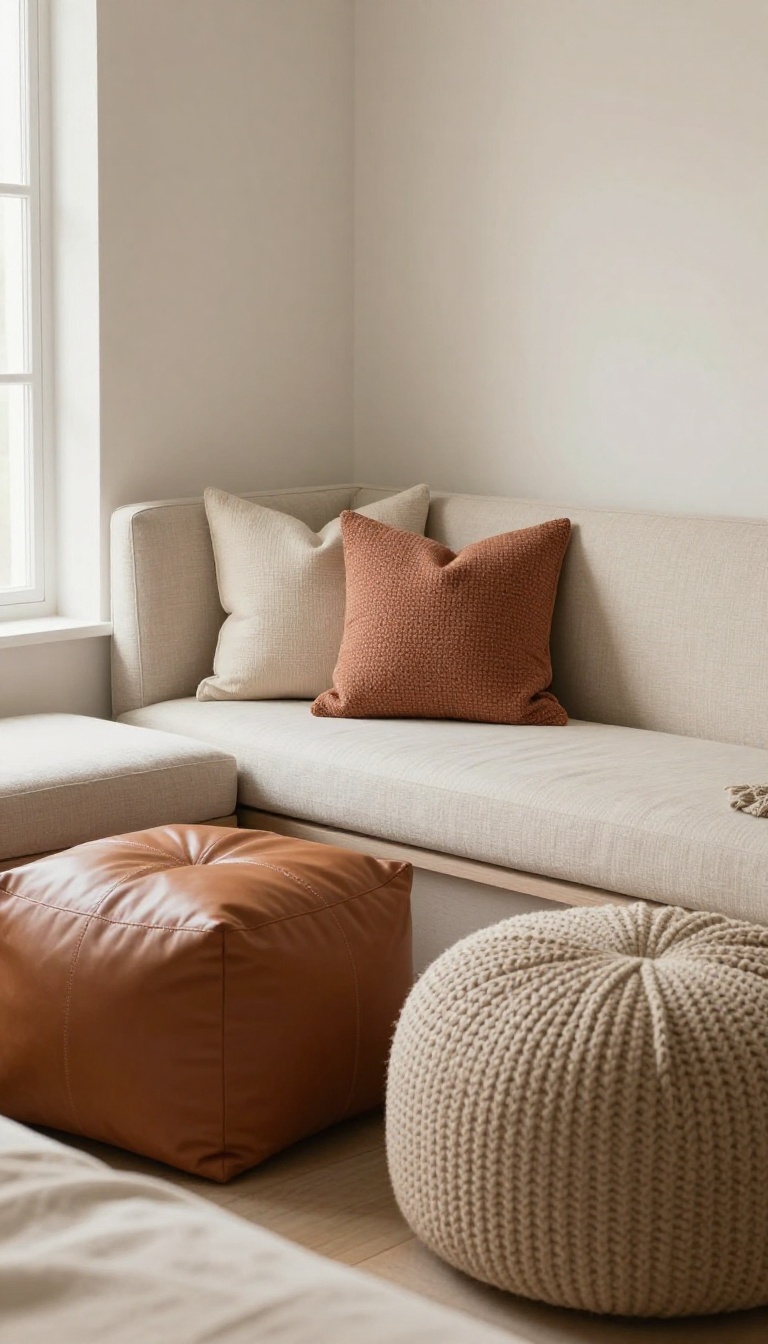
A bench and a couple of poufs give you seating that shifts with the moment. Push the bench against the wall for a clean look, then pull a pouf into the middle when a friend drops by. Because every piece moves, your cozy corner never feels locked in place.
The trick is treating the bench as your anchor and the poufs as the flexible extras. An upholstered bench at the foot of the bed doubles as a spot to sit while you tie your shoes. Poufs tuck under it when you need floor space back.
Fabric is where this idea really shines. Pick a bench fabric that echoes your bedding, then let the poufs pull a secondary color from your pillows or throw. The whole corner reads as one thoughtful setup instead of a random collection of furniture.
A bench plus poufs works because it solves two problems at once: it fills an awkward wall or the foot of the bed, and it gives you seats you can actually relocate. You are not committing to a heavy sofa footprint. You are building a seating corner that adapts to movie nights, morning coffee, and the occasional guest.
Start with the bench. An upholstered bench with a low back or no back keeps sightlines open, which matters in smaller bedrooms. If you want a little more support, look for one with a slight curve or a slim bolster you can add later.
Length matters more than depth here, so measure the wall or the foot of the bed before you fall in love with a style online. Poufs are the wildcard. Two matching poufs look tidy, while two mismatched ones feel more collected and casual.
Leather poufs add texture, knit poufs add softness, and woven ones bring in a bit of pattern without shouting. They also give you extra seating without extra visual weight. Fabric ties it together.
Pull one color from your duvet or quilt for the bench, then choose poufs in a tone that shows up in your pillows or art. You do not need an exact match. A shared palette is enough to make the grouping feel intentional.
Pick A Bench That Fits Your Footprint
Measure the wall or the space at the foot of your bed before you shop. A bench that is too deep will crowd your walkway, especially in a smaller room. Look for a depth around 15 to 18 inches if space is tight.
Upholstered benches with tapered legs feel lighter than solid bases. If you need storage, a bench with a lift-up lid hides extra blankets or off-season clothes. Just make sure the lid stays open on its own so you are not fighting it every time.
For the foot of the bed, choose a bench slightly narrower than your mattress so it does not stick out on the sides. Along a wall, you can go longer and treat it like a slim sofa. Either way, leave at least 24 inches of walking space in front of it.
Use Poufs As Movable Seating
Poufs are the easiest seats to move, so treat them like flexible extras. Keep one tucked beside the bench for a footrest, and pull the other out when someone joins you. When you need the floor clear, they slide under a console or beside a nightstand.
Two poufs usually beat three in a bedroom. More than that starts to feel like a pile instead of a seating plan. If you want a third, make it a different height or shape so it reads as a deliberate mix.
Firm poufs work better for sitting, while softer ones are better for propping up your feet. If guests will actually sit on them, look for a firm fill and a flat top. Leather or woven poufs hold their shape longer than slouchy knit ones.
Match Fabrics Without Matching Everything
Start with your bedding, since it is the biggest fabric in the room. Pull one color from your duvet, quilt, or pillows and use it for the bench upholstery. Then choose poufs in a second color that already appears somewhere in the room.
Texture matters as much as color. A linen bench with a leather pouf and a knit throw gives you depth without busy patterns. If your bedding is patterned, keep the bench solid and let the poufs stay quiet too.
A shared undertone keeps mismatched pieces looking related. Warm beige, oatmeal, and camel blend well together, just as cool gray, slate, and soft white do. When in doubt, snap a photo of your bedding and compare it to fabric swatches in the same light.
Arrange It For Real Life
Place the bench first, then work the poufs around it. At the foot of the bed, center the bench and set one pouf at each end for a balanced look. Along a wall, angle the bench slightly if the room allows, and keep the poufs nearby but not perfectly lined up.
Add a small tray or a stack of books on the bench to make it feel intentional. A throw draped over one end softens the edges and ties in your pouf colors. A floor lamp or a slim side table finishes the corner without adding bulk.
Leave room to move. If you have to squeeze past the bench to reach the closet, it is too big or too far into the walkway. The whole point of this setup is flexibility, so keep at least one pouf easy to grab and shift.
FAQ
What is the best sofa size for a small bedroom?
A loveseat or a 2-seater sofa is ideal for small bedrooms. Look for models that are 50 to 60 inches wide and have a slim profile to save space.
Can I put a sofa in a bedroom with carpet?
Yes, a sofa works well on carpet. Choose a sofa with legs to prevent moisture buildup, and use a rug pad if you want to protect the carpet underneath.
How do I make a sofa in the bedroom look stylish?
Add throw pillows, a cozy blanket, and a small side table. Position the sofa near a window or artwork to create a focal point. Keep the color palette consistent with your bedroom decor.
Is a daybed a good alternative to a sofa in a bedroom?
Absolutely. A daybed serves as both a sofa and a bed, making it perfect for guest rooms or small spaces. It provides seating during the day and a sleeping spot at night.
How can I create a cozy seating corner without a sofa?
Use a large floor cushion, a beanbag, or a window seat with pillows. Add a soft rug and a small side table to define the area and make it inviting.
Conclusion
A sofa in the bedroom only works if it earns its spot. Pick one idea that fits your actual layout, whether that is a slim bench at the foot of the bed or a loveseat tucked under a window. Live with it for a week before adding pillows, throws, or a side table.
You do not need all ten ideas. One good seating corner beats three half-finished ones. Start with the piece that solves your real problem, then let the rest of the room grow around it.