11 Low Ceiling Living Room Ideas That Make Space Feel Taller
Low ceilings can make even a spacious living room feel like a cozy cave. The good news? You don't need to knock down walls or raise the roof to fix it.
A few smart changes can trick the eye into seeing more height. Most of these ideas are budget-friendly and renter-friendly. You won't need a contractor or a big budget.
Just a little planning and some strategic swaps. We'll cover paint tricks, furniture choices, lighting hacks, and layout moves that all work together. Pick a few or try them all—your ceiling will thank you.
1. Paint the Ceiling and Walls the Same Light Color
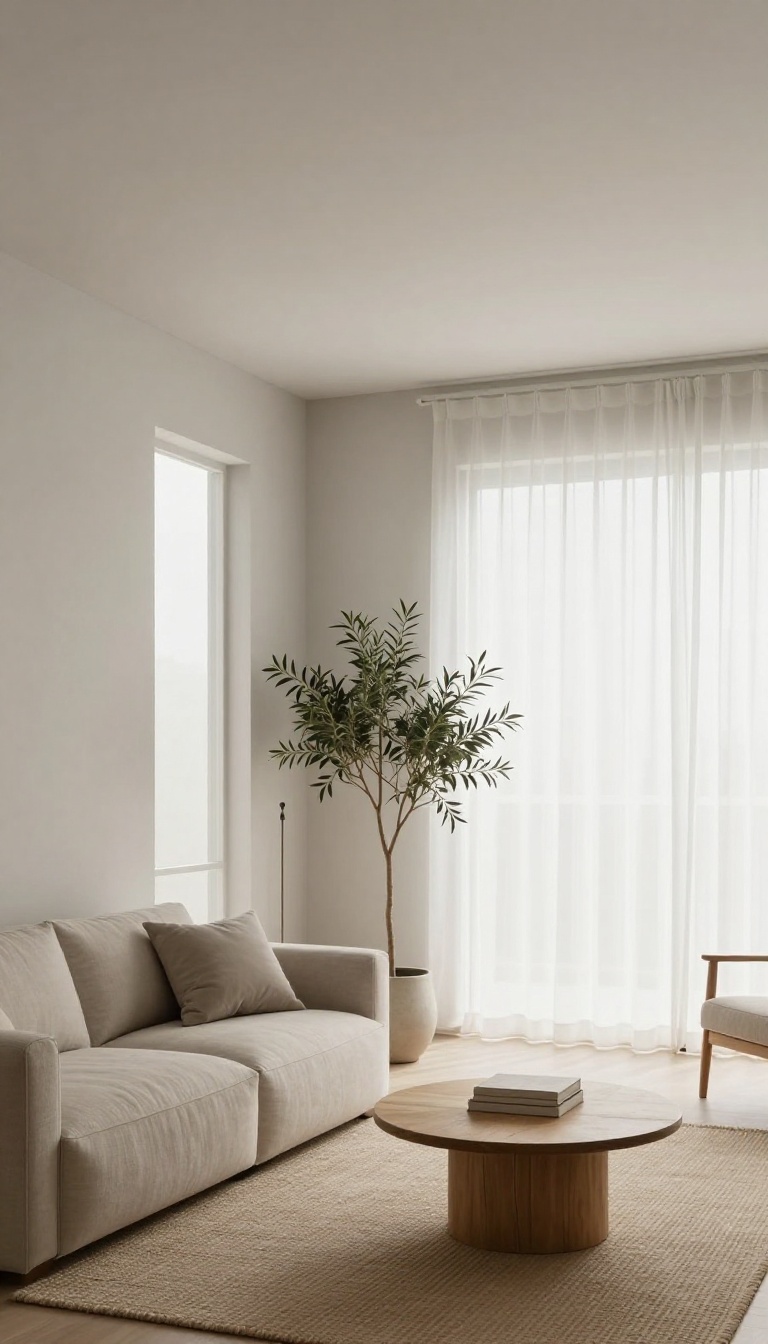
One of the simplest ways to make a low ceiling disappear is to paint it the same light color as your walls. When the ceiling and walls share a single shade, the eye loses track of where one ends and the other begins. That seamless transition creates the illusion of extra height without any structural changes.
You might think a bright white ceiling is the obvious choice, but pairing it with darker walls can actually make the ceiling feel like a heavy lid pressing down. The contrast draws attention to the ceiling line, emphasizing its low position. Instead, choose a soft, light hue—think pale gray, warm off-white, or even a light blue—and use it on both surfaces.
The result is a room that feels taller, airier, and more cohesive. Plus, it's a budget-friendly update you can tackle in a weekend.
Why It Works
Color contrast creates visual boundaries. When walls and ceiling are different shades, your brain instantly registers the ceiling as a separate plane. That separation makes the ceiling height obvious.
By using one continuous color, you blur that boundary. The walls and ceiling read as a single surface, so the room feels like it extends upward without interruption. It's a simple optical trick that designers use all the time.
Choosing The Right Shade
Stick with light, muted tones. Cool whites, soft grays, and pale pastels work well because they reflect light and make the space feel open. Avoid dark or saturated colors, which can make the ceiling feel lower.
If you want a bit of depth, choose a color with a hint of warmth, like cream or greige. Just make sure the same color goes on both walls and ceiling—no exceptions.
Application Tips
Use a flat or matte finish on the ceiling to minimize reflections and hide imperfections. For walls, eggshell or satin is easier to clean. When painting, cut in carefully along the edges to keep the line between wall and ceiling crisp.
If you're hiring a pro, specify that you want the same color on both surfaces. And don't forget the trim—painting it the same shade can enhance the seamless look.
2. Add Vertical Stripes with Paint or Wallpaper
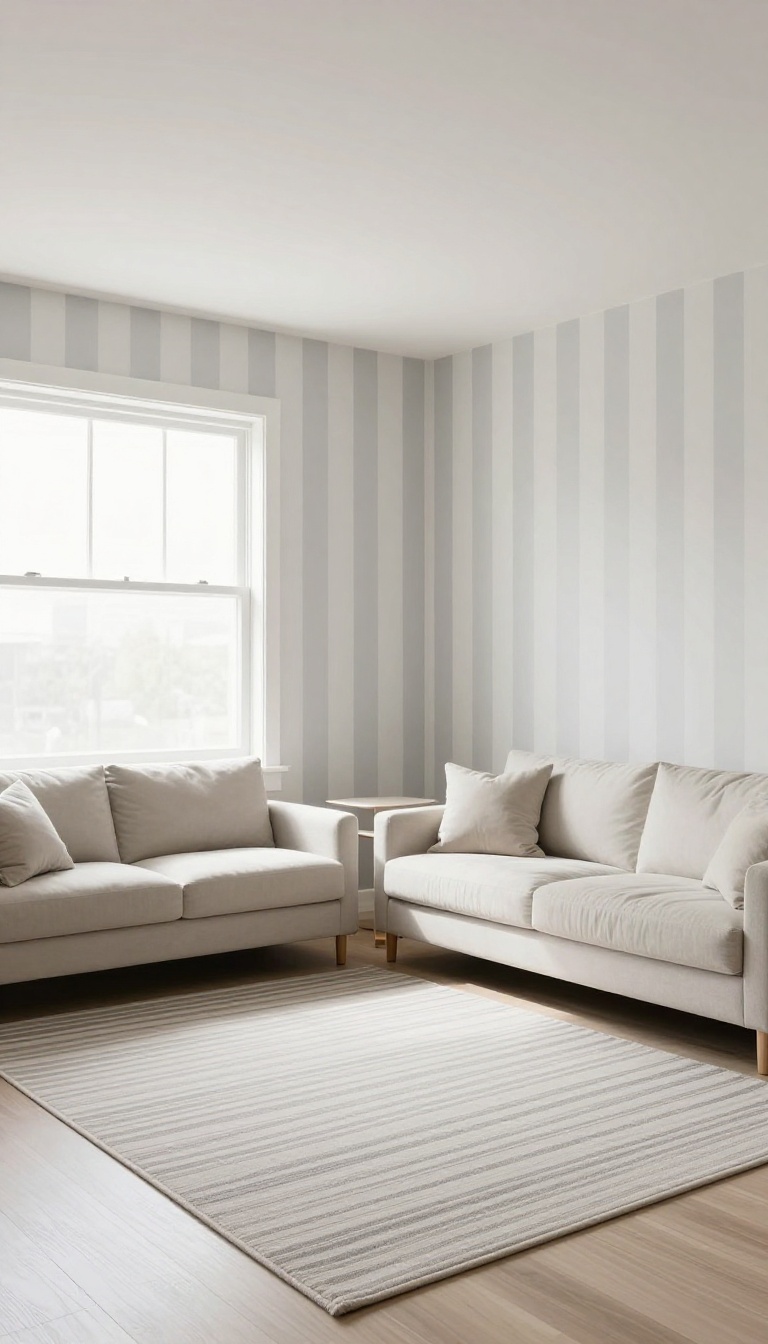
Vertical stripes are like a visual ladder for your walls. They pull the eye up, making the ceiling feel farther away than it actually is. You can paint them, hang striped wallpaper, or even use a striped rug to get the same effect.
The key is keeping the lines going up, not across.
Stripes don't have to be bold or busy. Subtle tone-on-tone stripes work just as well, especially in small rooms. The goal is to create a gentle guide for your eyes.
Once you start looking up, the low ceiling becomes less noticeable.
Paint Stripes That Stretch The Wall
Painting vertical stripes is one of the most affordable ways to add height. Use a level to draw straight lines, then paint alternating stripes in two shades of the same color. A light gray and a slightly lighter gray, for example, keep things calm but effective.
Wider stripes feel more modern; narrower ones can look traditional. Either way, the upward lines do the heavy lifting.
Wallpaper With Vertical Patterns
If painting feels like too much work, striped wallpaper is a solid shortcut. Look for patterns with thin vertical lines or a subtle ombre effect. Grasscloth or textured wallpaper with vertical seams also works.
Just avoid busy florals or large horizontal prints—they'll fight the height you're trying to create.
Don't Forget The Floor
A striped rug can reinforce the vertical illusion. Choose one with lines that run parallel to the longest wall, pointing toward the ceiling. It sounds subtle, but it ties the whole room together.
Even a runner with vertical stripes in a hallway-like space can help. Just make sure the rug doesn't clash with your wall stripes—keep one of them quiet.
3. Hang Curtains High and Wide
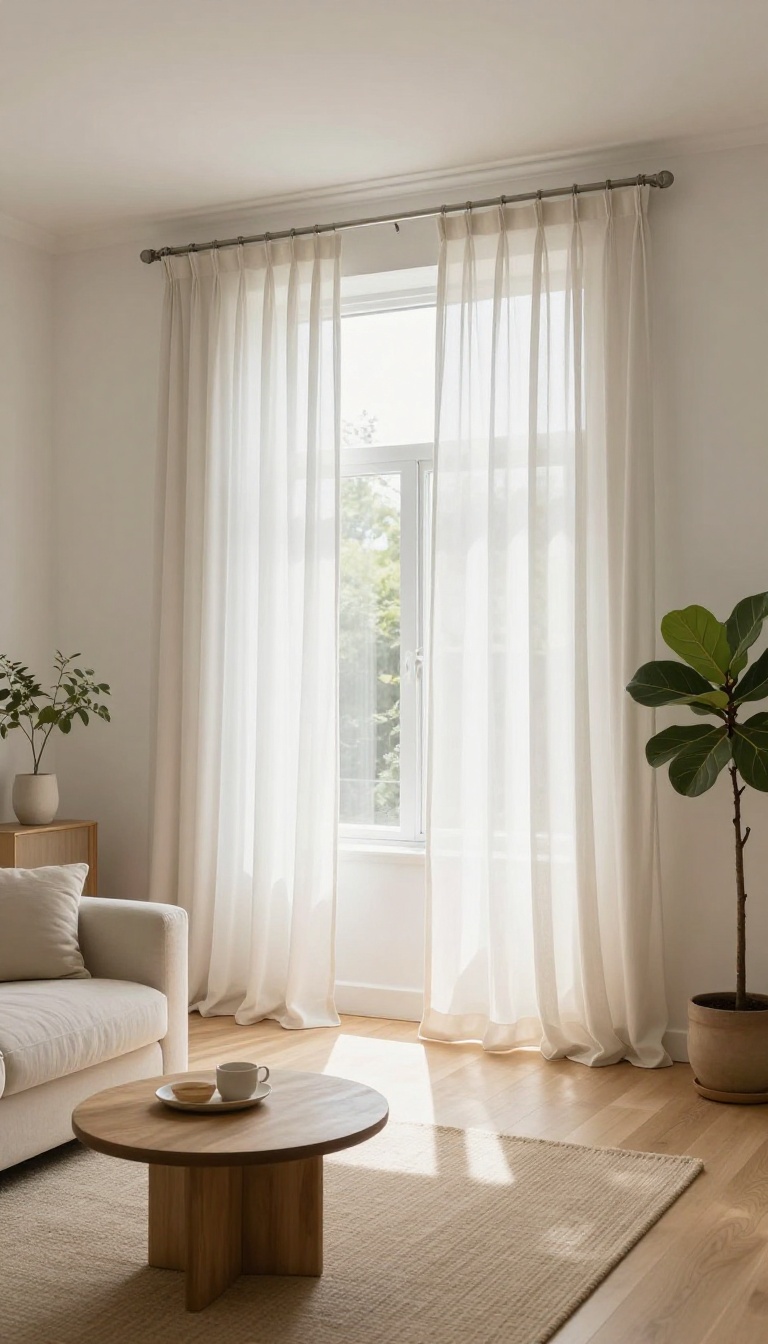
Curtains are one of the easiest ways to add height without touching your walls. The trick is simple: hang the rod as high as you can and make it wider than the window. This draws the eye upward and makes the whole room feel taller.
Most people hang curtains right above the window frame. That actually chops the wall into sections and highlights how low the ceiling is. Instead, mount the rod near the ceiling and extend it several inches past each side of the window.
The extra fabric and height create a seamless vertical line that tricks the eye into seeing more space.
Pick The Right Rod And Placement
Choose a rod that's at least 8 to 12 inches wider than your window on each side. Mount it 2 to 4 inches below the ceiling, or even on the ceiling itself if you can. This works with any curtain style, from grommet to rod pocket.
Just make sure the brackets are secure and the rod can handle the weight.
Choose Curtains That Help, Not Hurt
Floor-length curtains are a must. If they stop at the windowsill, they break the vertical line and make the room feel shorter. Pick a light color that matches your walls or ceiling, and avoid heavy patterns.
Sheer or semi-sheer fabrics let light through and keep things airy. For a budget option, IKEA has great extra-long panels that you can hem to fit.
Style Them For Maximum Effect
Once your curtains are up, train them to hang straight and slightly pooled at the floor. Use curtain rings or clips to make them easy to open and close. If you have a low ceiling, avoid valances or heavy top treatments.
They add bulk and draw the eye down. Keep the look clean and simple.
4. Choose Low-Profile Furniture
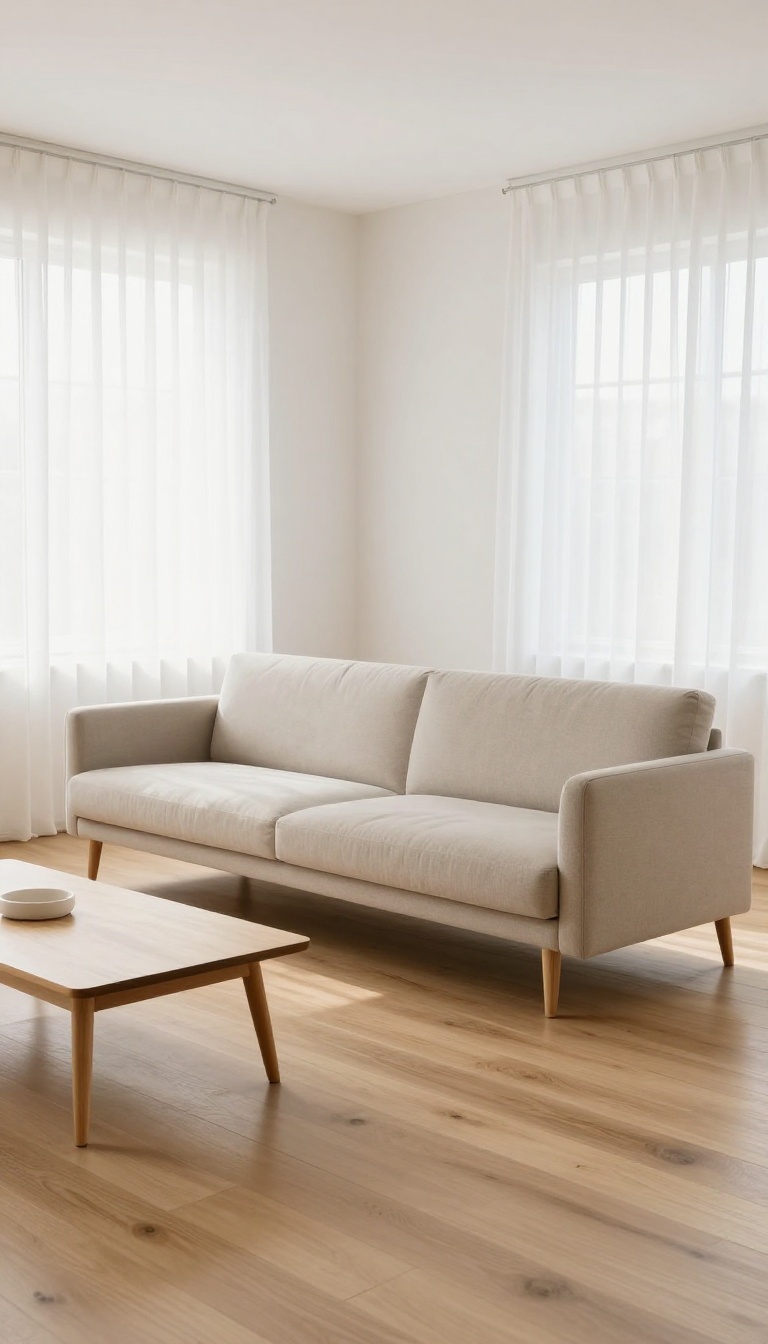
Bulky furniture eats vertical space. A tall sofa back or a chunky armchair can make your ceiling feel like it's dropping. Low-profile pieces keep the room open and airy.
When your furniture stays close to the floor, your eye travels farther before hitting an obstacle. That simple shift makes the ceiling feel higher without any renovation. You don't have to replace everything.
Just swap a few key pieces and watch the room transform.
Low-profile furniture is any piece with a low back, low arms, or a slim silhouette. Think sofas that sit close to the ground, chairs without tall wings, and tables with thin legs. These pieces don't block your line of sight.
When you can see across the room without interruption, the space feels larger. Your brain reads the open sightline as more distance, which translates to more height. It's a visual trick that works every time.
You also avoid the chopped-up feeling that heavy furniture creates. A room full of tall, bulky pieces feels like a maze. Low furniture keeps things flowing.
Sofas And Sectionals
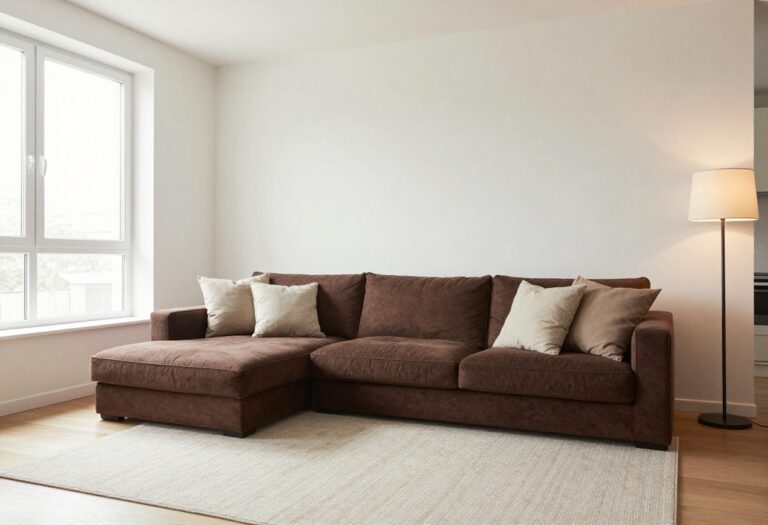
Look for sofas with a back height under 30 inches. A low back lets your eye skim right over the top. Sectionals with a low profile work well too, especially if they have a chaise instead of a high arm.
Avoid overstuffed cushions and rolled arms that add visual weight. Sleek, tight-back sofas or mid-century styles with exposed legs are ideal. The legs lift the piece off the floor, which adds to the airy feel.
Chairs And Accent Seating
Skip the wingback chairs and tall recliners. Instead, choose slipper chairs, accent chairs with a low back, or even backless stools. These keep the vertical space clear.
If you need a reading chair, pick one with a low back and a slim frame. A small ottoman instead of a recliner also helps. The goal is to keep the top half of the room open.
Tables And Storage
Coffee tables and side tables should have thin legs and a low height. Glass tops or open frames feel lighter than solid wood blocks. A low console under a window won't block the view or the light.
For storage, choose low bookshelves or media consoles. Tall bookcases draw the eye up and then stop, which can emphasize the low ceiling. Keep storage below eye level when possible.
5. Use a Recessed or Flush-Mount Light Fixture
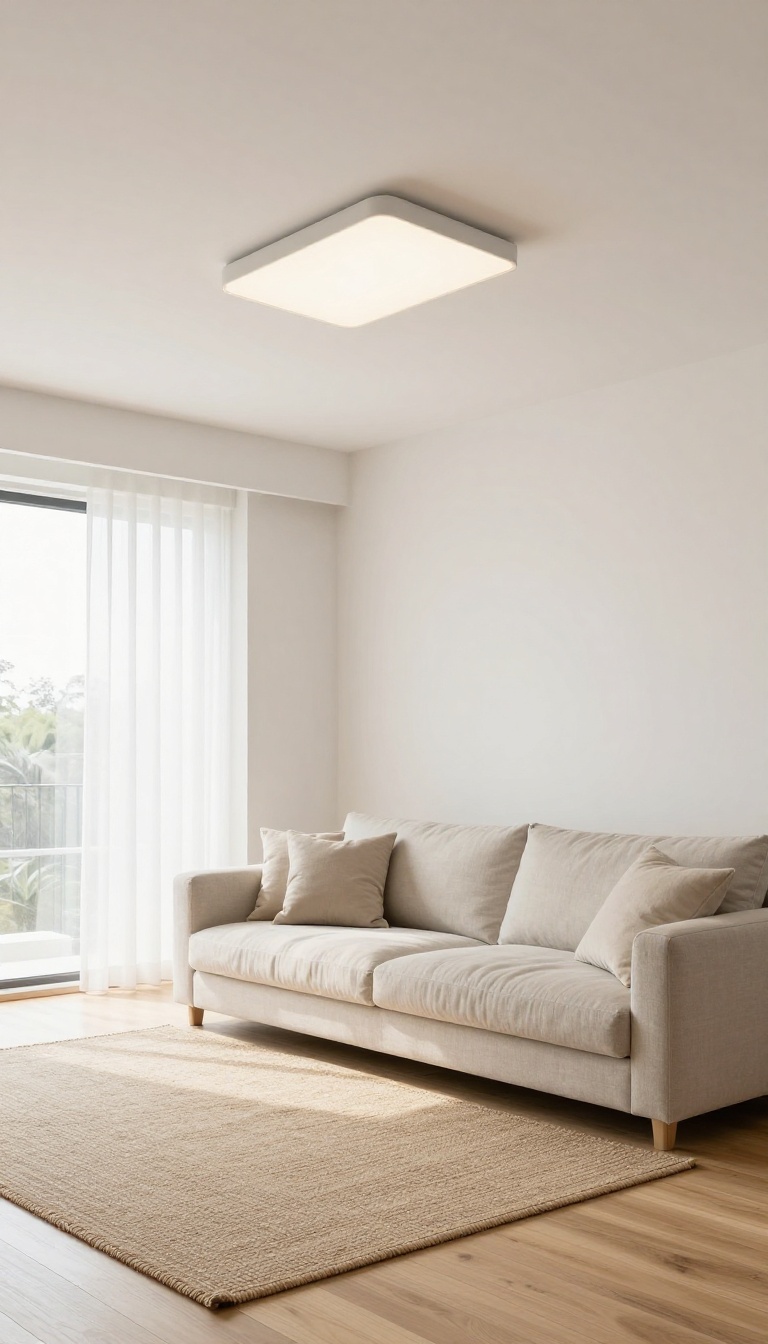
That statement chandelier you love might be the reason your ceiling feels so low. Anything hanging down from the ceiling—pendants, chandeliers, even a semi-flush mount with a long stem—adds visual weight right where you don't want it. Swap it for a recessed light or a slim flush-mount fixture, and the ceiling suddenly looks cleaner and higher.
You're not losing light; you're just moving it out of the way.
Recessed lights sit inside the ceiling, so they don't take up any visual space at all. Flush-mount fixtures hug the ceiling with just an inch or two of depth. Both keep the eye moving across the room instead of stopping at a dangling light.
If you're renting, a flush-mount swap is a quick DIY project you can reverse when you move out.
Why Hanging Lights Hurt
Pendant lights and chandeliers draw the eye upward, but not in a good way. They create a visual barrier that makes the ceiling feel like it's pressing down. The lower the ceiling, the more obvious this becomes.
Even a small pendant can chop a room's height in half.
Recessed Lights: The Invisible Option
Recessed lights disappear into the ceiling, so you get bright, even light without any visual clutter. They're ideal for low ceilings because they don't protrude at all. If you can't install them, consider a low-profile LED retrofit kit that fits into existing cans.
Flush-mount Fixtures That Actually Look Good
Flush mounts have come a long way from the basic boob light. Look for slim designs with a low profile—under 6 inches deep. Drum shades, square frames, and even woven materials can add style without stealing height.
Just make sure the fixture doesn't hang lower than a few inches from the ceiling.
A Quick Swap For Renters
If you rent, you can still swap out a bulky fixture for a flush mount. Turn off the power, unscrew the old fixture, and install a new one using the same wiring. Keep the original in a closet and put it back when you leave.
It's a cheap upgrade that makes a big difference.
6. Lean a Large Mirror Against the Wall
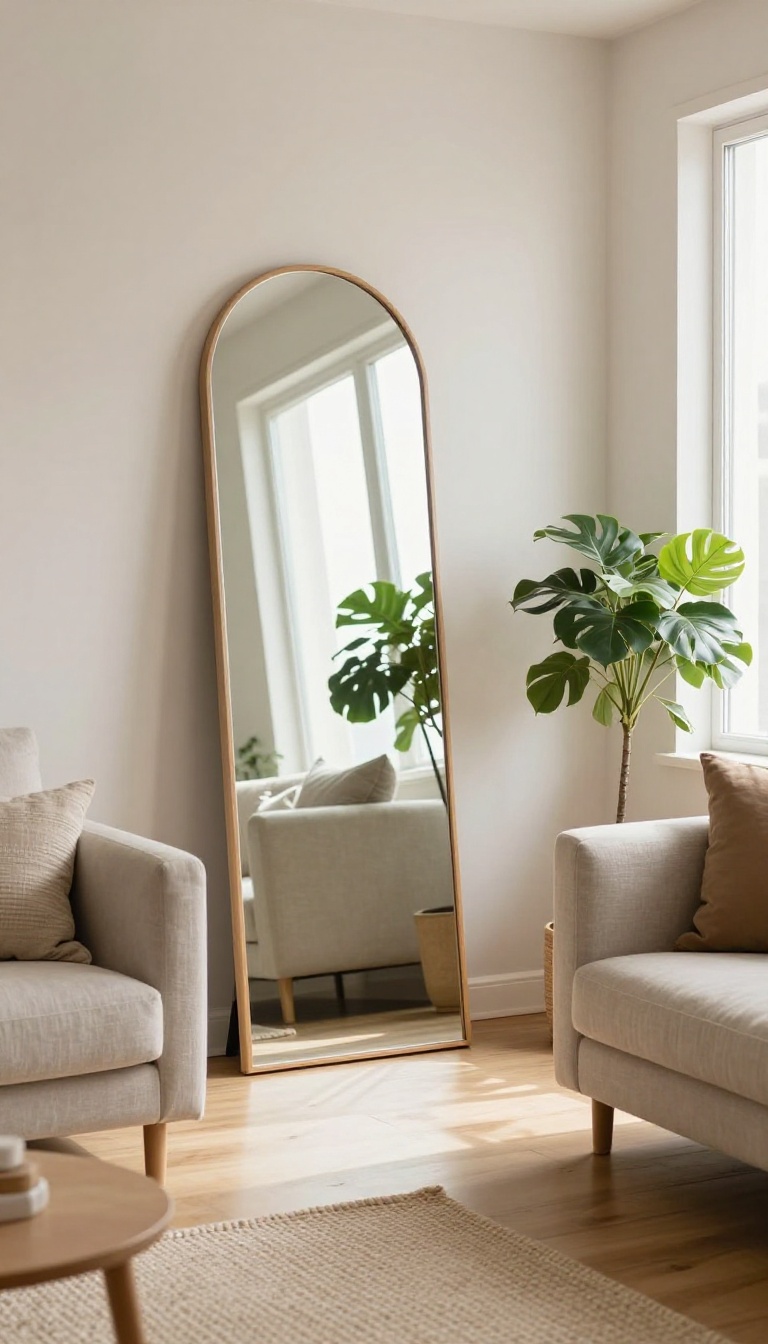
A big mirror does more than help you check your outfit. It bounces light around the room and adds a sense of depth that makes low ceilings feel less heavy. When you lean a tall mirror against the wall, it draws the eye upward and tricks your brain into seeing more vertical space.
The best part? You don't need to install anything or spend a fortune. A single well-placed mirror can change how the whole room feels.
The trick is all about reflection and perspective. A mirror acts like a fake window, pulling in whatever light you have and spreading it across the room. That extra brightness keeps the space from feeling closed in.
And because the mirror itself is tall and vertical, it creates an unbroken line that leads the eye up. Even if your ceiling is low, that upward pull makes a real difference. You can lean it against a wall for a relaxed look or hang it for a cleaner finish.
Either way, the mirror becomes a quiet hero that works around the clock.
Pick The Right Size And Shape
Go tall and narrow rather than short and wide. A mirror that's at least two-thirds the height of your wall will stretch the room visually. Lean it against a wall where it can reflect something interesting—like a window, a piece of art, or a plant.
Avoid placing it opposite a cluttered corner, since that just doubles the mess. A simple rectangular or arched shape works best for a clean, modern look.
Lean It Safely And Securely
A leaning mirror needs a stable base. Put it against a wall that doesn't get bumped often, and use a rubber pad or a small anti-slip mat underneath to keep it from sliding. If you have kids or pets, anchor the top to the wall with a safety strap.
You can also lean it on a sturdy piece of furniture like a console table or a low cabinet. That adds height and keeps the mirror from feeling like it's just floating.
Maximize The Reflection
Angle the mirror slightly toward the brightest part of the room. Even a small tilt can catch more light and spread it across the ceiling. Keep the area in front of the mirror clear so the reflection shows open space, not clutter.
If you have a dark wall, place the mirror on an adjacent light-colored wall so it reflects that brightness. At night, a floor lamp or string lights near the mirror will keep the effect going.
7. Opt for a Glass or Open Coffee Table
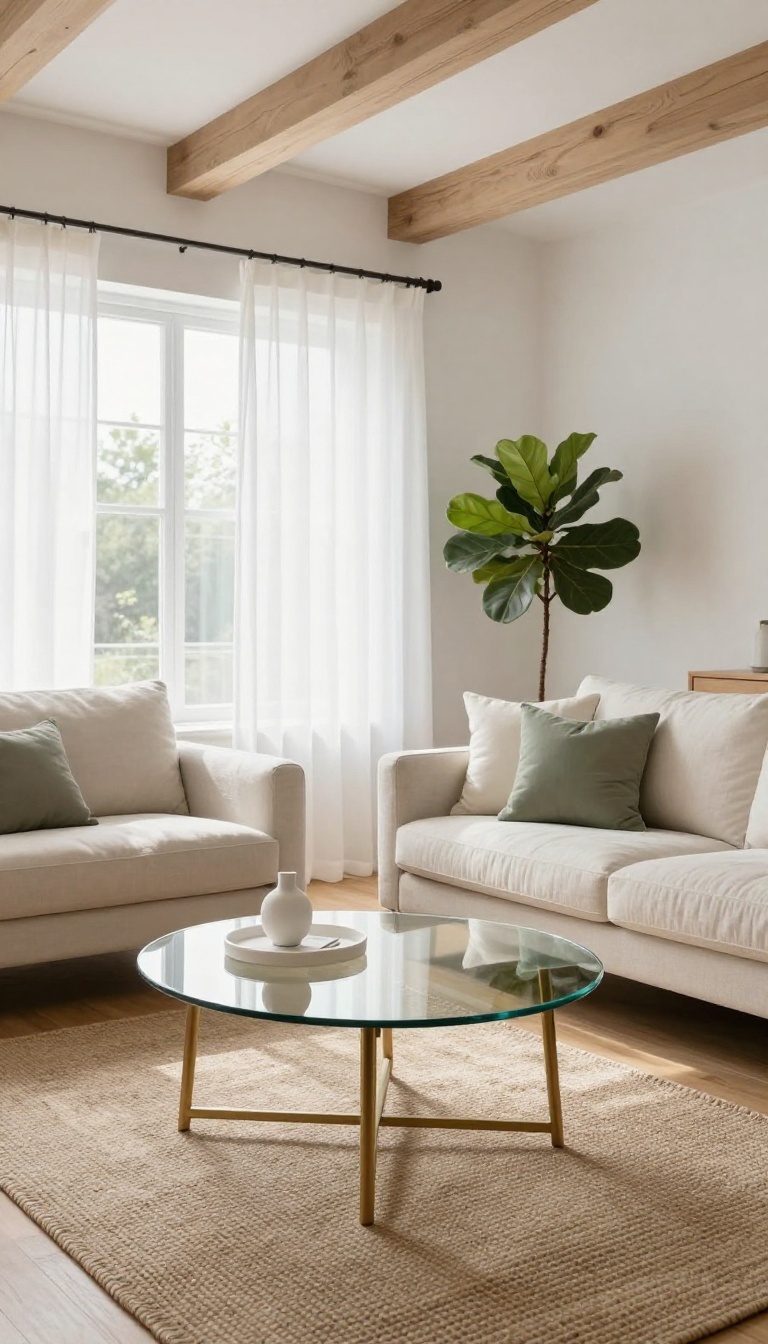
A solid coffee table can act like a wall in the middle of your living room, chopping up the floor and making the ceiling feel lower. Swap it for a glass or open-frame design, and suddenly you can see straight through to the floor. That simple change keeps the space feeling airy and open, which helps your ceiling feel taller than it actually is.
Think about how much visual weight a chunky wooden coffee table carries. It blocks sightlines and makes the room feel packed, even when it's not. A transparent or open table basically disappears, so your eye travels further and the room feels bigger.
You don't have to sacrifice style or function, either. Plenty of glass and metal options look great and hold your remote and snacks just fine.
Why It Works
When you can see through the table, your brain reads the floor as one continuous surface. That uninterrupted line makes the room feel deeper and, by extension, taller. Solid tables create a visual stop, which can make low ceilings feel like they're pressing down.
Open designs let light and sightlines pass right through, so the whole space breathes.
What To Look For
Go for clear glass tops with slim metal or acrylic bases. Open-frame wood tables with thin legs work too, as long as you can see through the middle. Avoid thick glass or heavy bases that still block the view.
Round or oval shapes soften the look and keep the floor visible from more angles.
Styling Tips
Keep the top mostly clear. A small tray, a book, or a single vase is plenty. Too much clutter defeats the purpose and brings visual weight back.
If you need storage, choose a design with a lower shelf that's still open and airy. And don't forget to let the floor show—no bulky rug right under the table if you can help it.
8. Install Shelves That Reach Toward the Ceiling
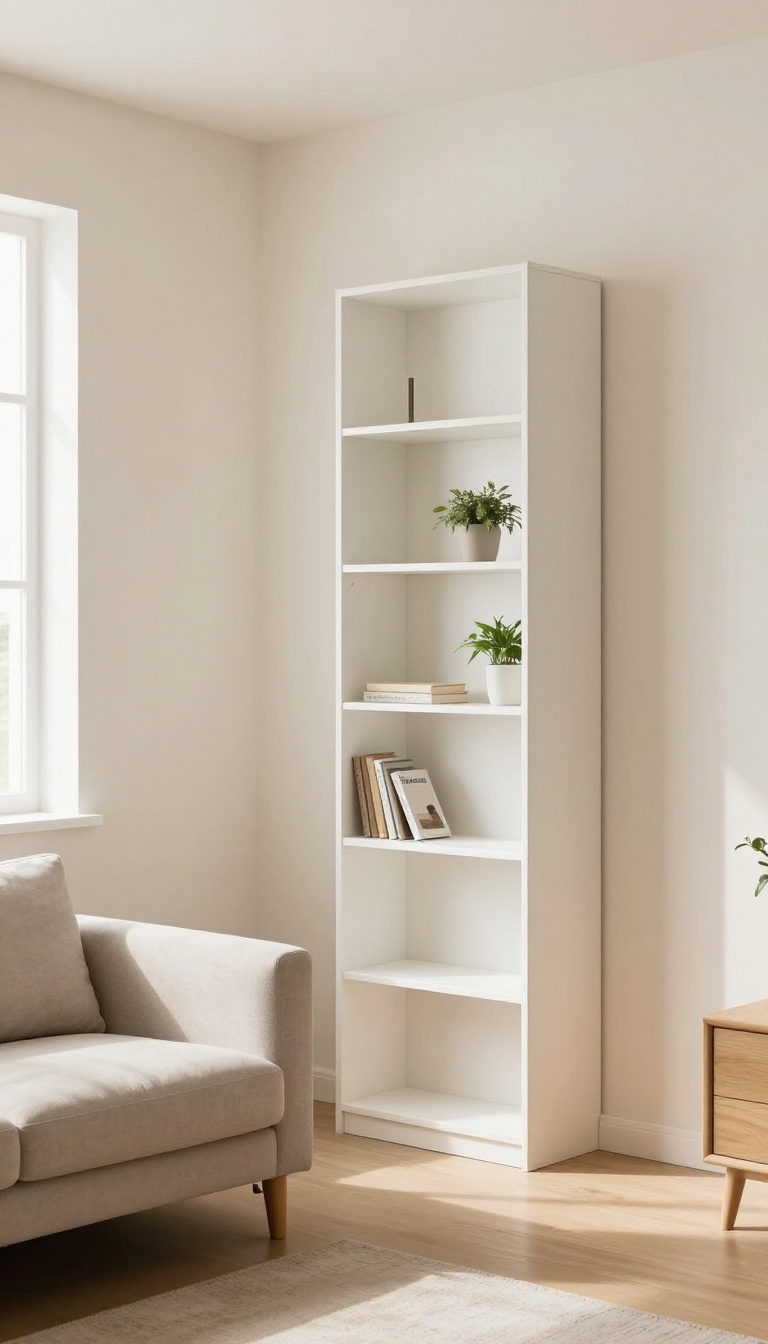
Your walls have more vertical potential than you're probably using. When shelving stops at eye level, it creates a visual ceiling of its own, making the real one feel closer. Run shelves almost all the way up, though, and the eye keeps traveling north.
Suddenly the room reads taller without a single structural change.
The trick isn't just tall shelves. It's tall, narrow, and light. A deep, dark bookcase can feel like a wall.
A slim, pale one feels like a ladder for your eyes. You want the shelves to guide the gaze upward, not block it. Built-ins work beautifully if you have them, but freestanding units and even simple bracket shelves can do the same job.
The key is the proportion: height without bulk. Keep the depth around 8 to 10 inches and stick with colors that blend into the wall.
Go Tall, Not Wide
A single tall bookshelf in a corner draws the eye up fast. Two short, wide ones spread the focus sideways, which flattens the room. If you need more storage, add a second tall unit next to the first instead of going wider.
The vertical lines stack together and reinforce the height effect.
Keep It Light And Open
Dark, chunky shelving adds visual weight that pulls the ceiling down. Choose white, cream, or a tone close to your wall color. Open-back shelves are even better because they let the wall show through.
That transparency keeps things airy and stops the unit from feeling like a solid block.
Style The Top Shelf
The top shelf is prime real estate for height. Leave it mostly open or add a small plant, a slim vase, or a single vertical object. Cluttering it with heavy books undoes the effect.
You want the eye to glide up and keep going, not stop and stare at a pile of stuff.
9. Use a Light-Colored Floor with a Subtle Pattern
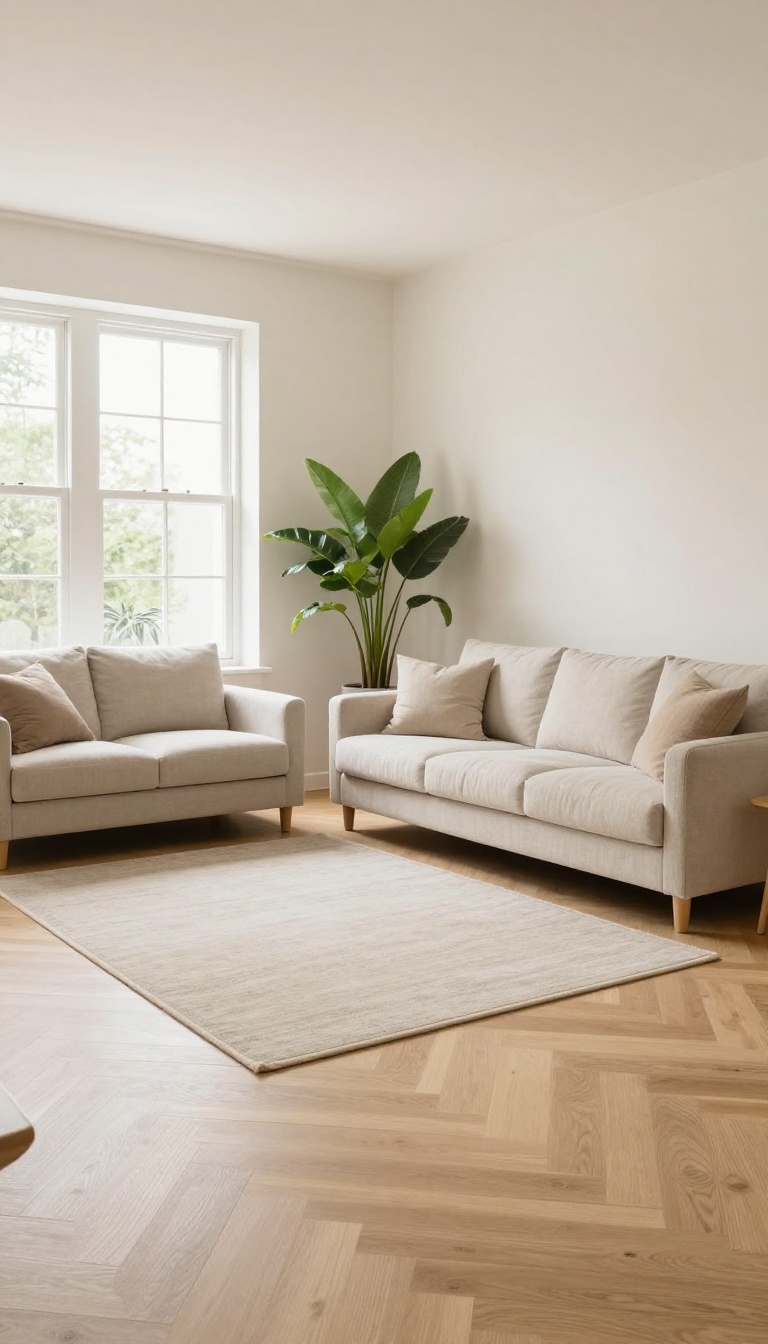
Your floor is a massive surface, and when it's dark, it quietly drags the whole room down. Light floors bounce daylight around instead of swallowing it, which makes the walls feel farther apart and the ceiling feel farther up. Add a subtle pattern and you also give the eye a path to follow, so the room reads as deeper rather than squat.
You don't have to rip out hardwood to get this effect. There are lighter, renter-friendly routes that still deliver the same optical lift.
Why Light Floors Lift The Room
A pale floor reflects more of the light that hits it, so the lower half of the room stops acting like a shadow. That reflected light bounces up onto the walls and ceiling, softening the hard line where the ceiling meets the wall. Dark floors do the opposite: they absorb light and visually pull the ceiling down.
If you can't change the floor, a large light-toned rug can fake a lot of this effect in the main seating area.
Pick A Pattern That Adds Depth, Not Noise
Herringbone, chevron, and wide planks all create lines that lead the eye across the room, which makes the space feel longer and more open. Keep the contrast low—think pale oak with a slightly darker grain rather than bold black-and-white checks. Busy, high-contrast patterns fight for attention and can make a low room feel choppy.
A quiet pattern whispers 'keep looking' instead of shouting.
Renter-friendly Ways To Get The Look
Peel-and-stick vinyl planks and tiles come in convincing light wood and herringbone finishes, and they lift up cleanly when you move. Large light rugs layered over existing flooring work too, especially if you choose a subtle woven or geometric pattern. Either option gives you the reflective, airy base without a renovation budget.
10. Keep Window Treatments Simple and Uncluttered
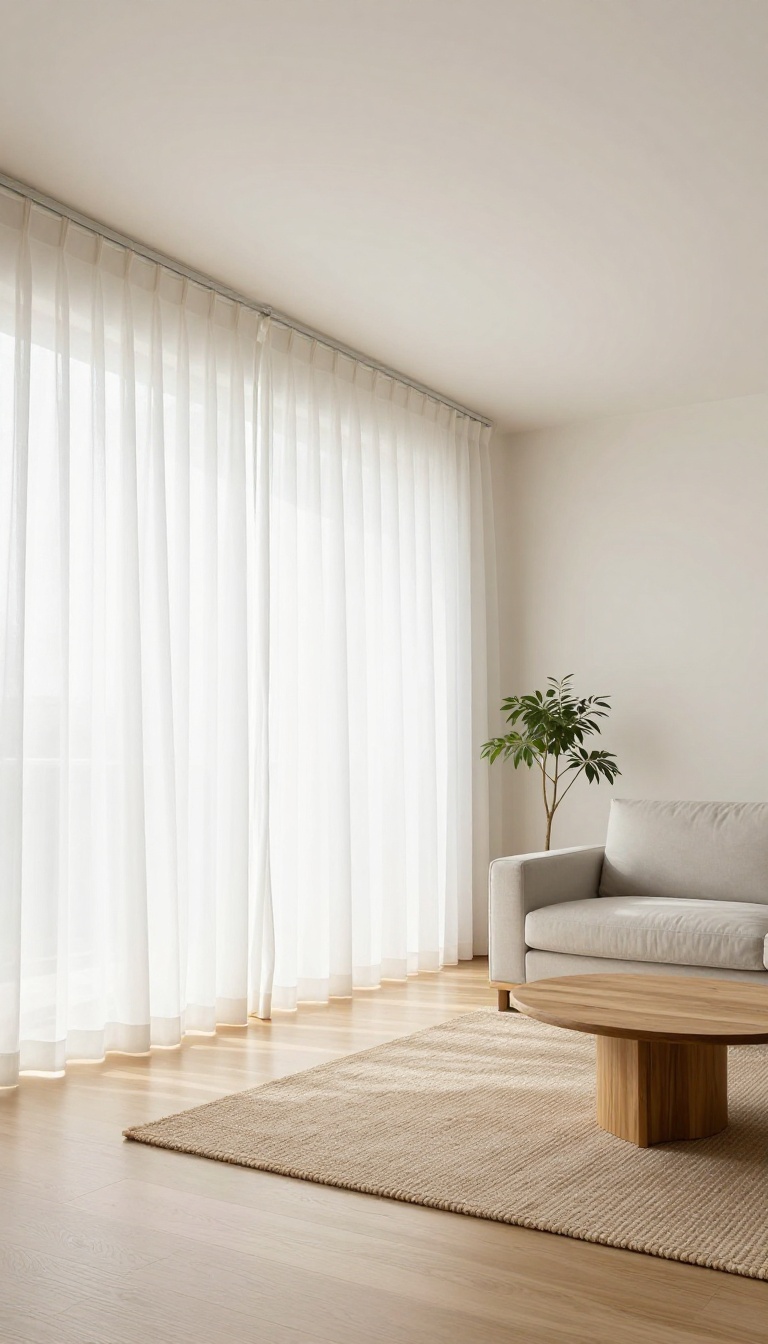
Window treatments are one of the sneakiest height killers in a living room. A heavy valance or a thick swag draped across the top of the window creates a horizontal line that visually chops the wall in half. Once that line lands low, your eye stops there and the ceiling feels closer than it actually is.
The fix is simple: let the window breathe and let the wall run tall. Simple panels or clean Roman shades keep the vertical flow intact and make the whole room feel airier.
Skip The Valance And Swags
Valances and swags add bulk right where you can least afford it. They sit at the top of the window, which is usually the highest point on the wall, and they drag that height down with fabric. Removing them opens up the wall and lets your eye travel straight to the ceiling.
If you already own a valance you love, consider moving it to a room with higher ceilings where it won't fight the architecture.
Hang Panels High And Wide
Mount your curtain rod close to the ceiling, not right above the window frame. This stretches the visual height of the window and makes the ceiling feel farther away. Extend the rod a few inches past each side of the window too.
That extra width makes the window look larger and keeps the wall from feeling cramped. Floor-length panels that just kiss the floor look intentional and elegant. Avoid puddling fabric, which adds weight and visual clutter near the ground.
Choose Light, Simple Fabrics
Heavy velvet or thick brocade panels absorb light and add mass. Lighter fabrics like linen, cotton, or a sheer layer keep things airy and bright. Roman shades work well too, especially when mounted high and kept shallow.
A flat, clean fold reads as tailored rather than fussy. Stick with one treatment per window. Layering sheers under panels under a valance is a fast track to a cluttered, low-looking wall.
11. Declutter and Create Vertical Storage
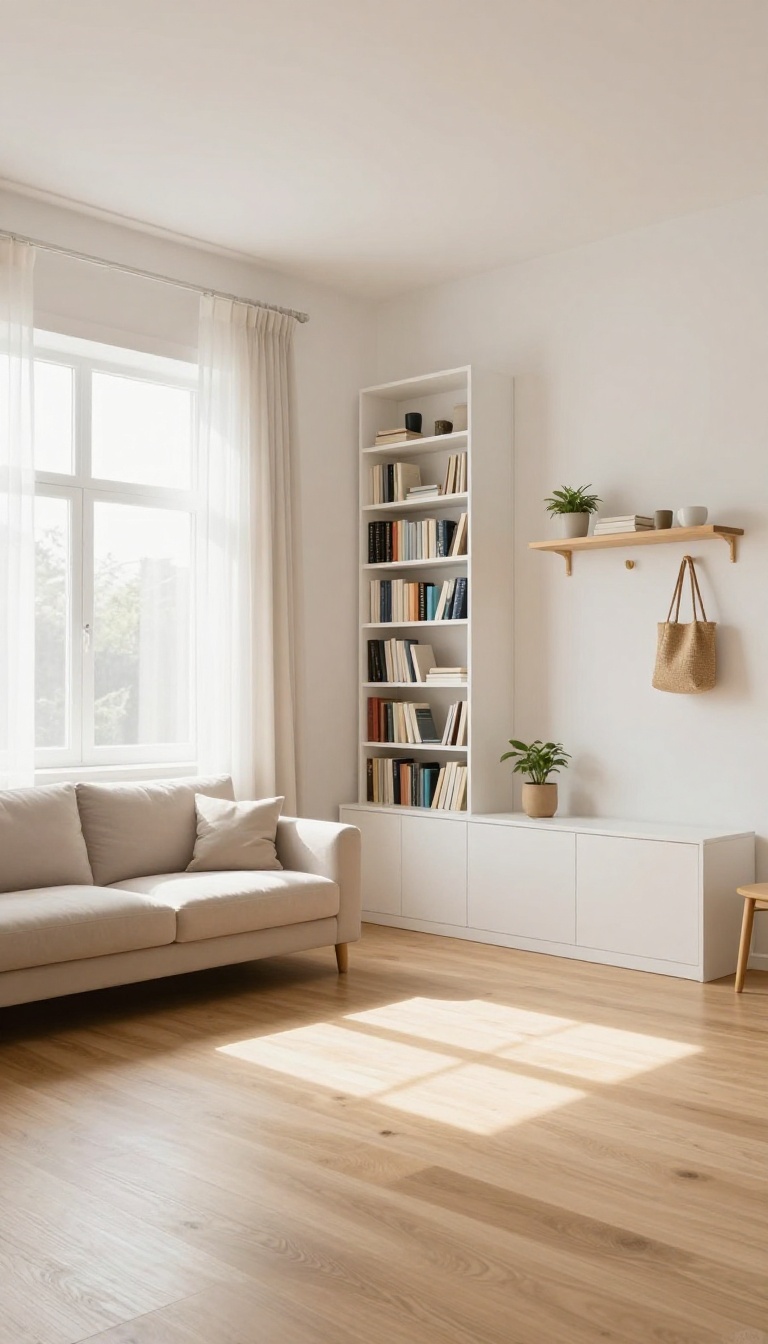
Clutter is a ceiling killer. Every pile on the floor, every stack on a table, every random object sitting out adds visual weight that pulls the room down. When your eye has to navigate around stuff, it never travels up to notice the height you actually have.
The fix is simple: get things off the floor and onto the walls. Vertical storage keeps the footprint clear and draws attention upward at the same time. You're not just organizing—you're changing how the whole room reads.
Think of your walls as free real estate. Most people use the bottom three feet and ignore the rest. But when you move storage up, you clear the floor and create lines that guide the eye toward the ceiling.
That upward movement is exactly what a low room needs. The goal isn't to make your living room look like a storage unit. It's to give everything a home that doesn't eat up floor space.
A few tall pieces and some smart wall-mounted solutions can make a huge difference.
Go Tall, Not Wide
A low, wide bookcase hugs the floor and emphasizes the horizontal. A tall, narrow one does the opposite. It stretches upward and makes the ceiling feel farther away.
Look for cabinets or shelving units that are at least six feet tall but no more than two or three feet wide. Place them against a wall, not out in the open. The vertical lines do the heavy lifting.
If you can't find the perfect piece, stack two shorter units or add a wall-mounted shelf above an existing cabinet. The key is creating one continuous vertical line.
Use Wall Hooks And Floating Shelves
Wall hooks aren't just for coats. They can hold bags, hats, headphones, keys, or anything else that tends to land on the coffee table. Mount a row of hooks near the entry or beside the sofa.
Floating shelves are another quiet hero. Install a few high on the wall—above eye level—to store books, plants, or decorative items. Because they're high, they pull your gaze up without adding bulk.
Keep the shelves shallow and the items light. You want them to feel airy, not heavy.
Hide The Mess, Not The Height
Closed storage is your friend. Baskets, bins, and cabinets with doors hide the visual noise that makes a room feel chaotic. But be careful: a solid wall of dark cabinets can feel like a ceiling dropper.
Choose storage that blends with your wall color, or go with light wood or white finishes. If you use open shelving, keep it sparse and styled. A few well-placed items look intentional; a packed shelf looks like clutter.
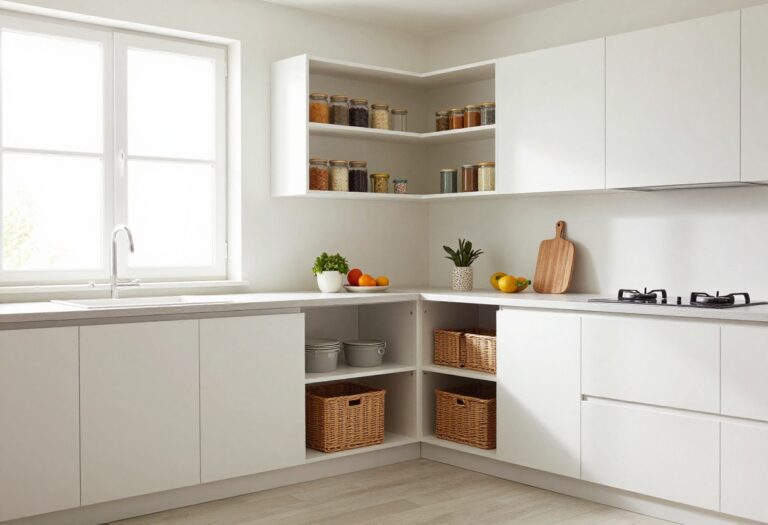
The goal is calm, not empty. You want the room to feel open and breathable, with clear sightlines from floor to ceiling.
FAQ
Can I make a low ceiling look higher without painting?
Yes. Hanging curtains high, using low-profile furniture, and adding a large mirror can all create the illusion of height without touching a paintbrush.
What color should I paint a low ceiling?
Light, cool colors like pale blue, soft gray, or off-white work best. Painting the ceiling the same color as the walls can also blur the line and add height.
Are recessed lights better for low ceilings?
They can be, because they don't hang down into the room. Just make sure they're not too bright or poorly placed, which can create harsh shadows.
Should I avoid dark furniture in a low-ceiling room?
Not necessarily, but dark, bulky pieces can feel heavy. If you love dark furniture, balance it with light walls and plenty of lighting.
How can I make my low ceiling living room feel taller on a budget?
Start with what you have: rearrange furniture to open up sightlines, swap heavy curtains for simple ones, and add a mirror. These cost little or nothing.
Conclusion
Low ceilings do not have to mean low expectations. Pick one or two ideas from this list that solve your biggest frustration, whether that is a dark corner, a bulky sofa, or a ceiling that seems to press down on you. Try them before you commit to a full redesign.
Small changes stack up faster than you think.
Lower the furniture, lift the curtains, and let the light do the rest. Give each tweak a week to settle in, then add the next one. Your room will feel taller, brighter, and easier to live in without ever touching the ceiling.