11 Timeless Shower Tile Ideas for a More Expressive Interior
Tiles do more than cover walls—they set the mood, define the style, and quietly tie the whole room together. But with so many options out there, it's easy to fall into safe, predictable choices. These 11 shower tile ideas strike a balance between timeless appeal and a bit of personality, so your bathroom feels intentional without going overboard.
You'll find options for every budget and skill level, from simple swaps to full renovations. Each one focuses on real-world practicality, like ease of cleaning and long-term durability, so the look you love stays manageable.
Ready to find the tile that speaks to you? Let's explore.
1. Classic Subway Tile with a Twist
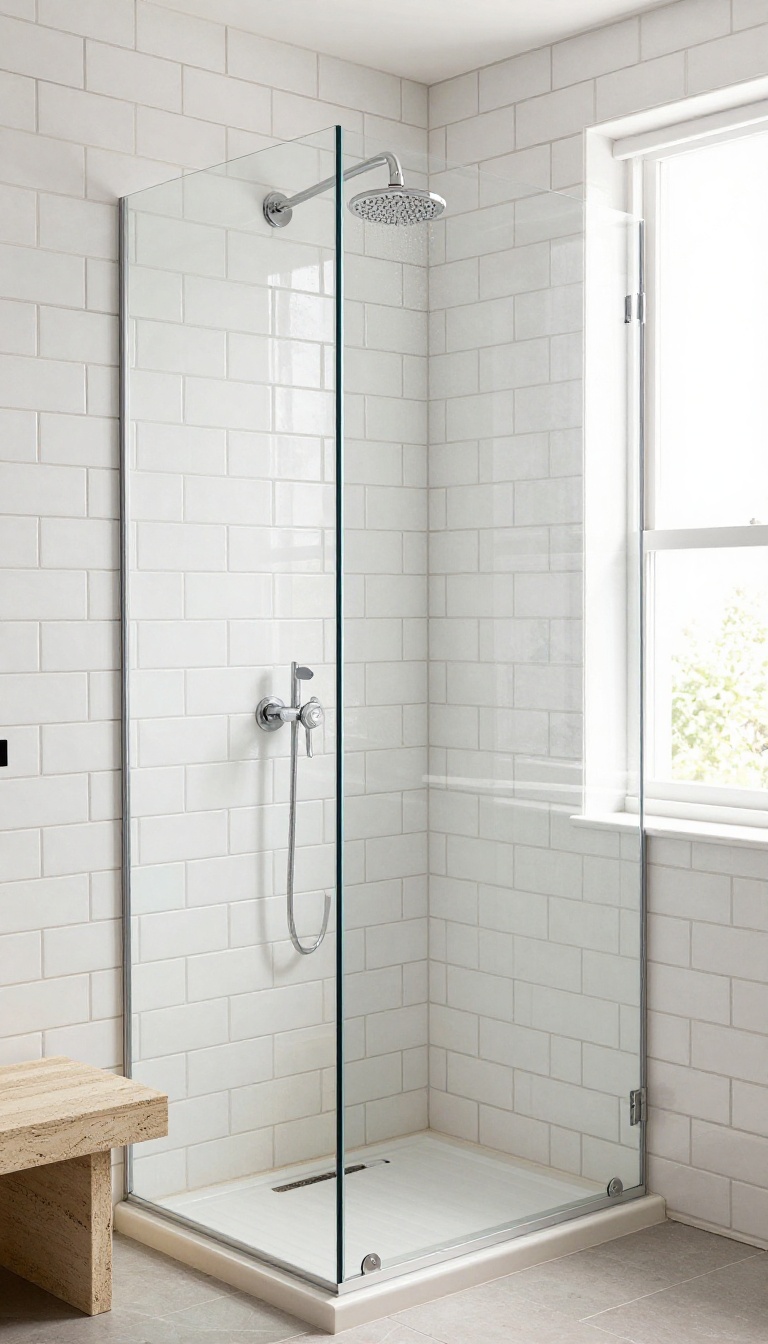
Subway tile has been a bathroom staple for over a century, and for good reason—it's clean, bright, and endlessly versatile. But sticking to the same old brick pattern can feel a bit predictable. The trick is to keep the classic tile but give it a fresh spin that adds character without breaking the bank.
One of the easiest ways to update subway tile is through the layout. Instead of the standard horizontal offset, try a herringbone pattern. This simple change adds visual interest and a sense of movement, making the shower feel more dynamic.
Another option is to use a vertical stack, which draws the eye upward and makes the ceiling feel higher.
Play With Grout Color
Grout might seem like an afterthought, but it can completely transform the look of subway tile. White tile with white grout creates a seamless, classic feel. But if you want a bolder statement, go with a contrasting grout—like dark gray or navy—to make the tile pattern pop.
This is a budget-friendly way to add personality without changing the tile itself.
Try A Different Tile Size
Subway tile doesn't have to be the standard 3×6 inches. Larger formats, like 4×12 or 6×18, give a more modern, streamlined look with fewer grout lines. Smaller tiles, like 2×4, create a more intricate, vintage feel.
Choosing a different size can subtly shift the entire aesthetic of your shower.
Mix In A Accent Stripe
If you're not ready to commit to a full pattern, consider adding an accent stripe. You can use a contrasting color or a different material, like a mosaic or metallic tile, to create a horizontal band at eye level. This adds a touch of interest without overwhelming the space.
2. Large-Format Tiles for a Seamless Look
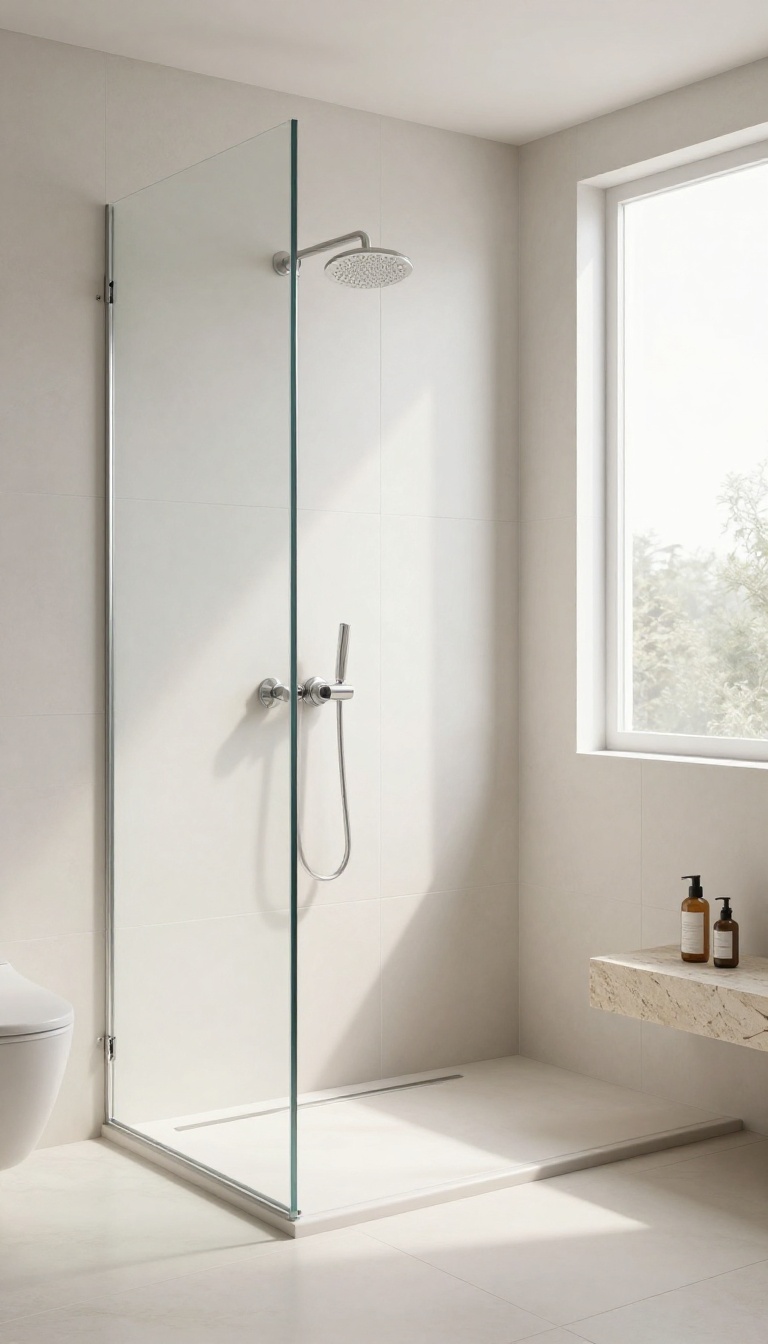
If you want your shower to feel more open and less busy, large-format tiles are a smart move. These big slabs—often 12×24 inches or larger—minimize grout lines, which means fewer visual interruptions and a cleaner, more continuous surface. The result is a sleek, modern aesthetic that also happens to be easier to maintain.
Beyond the visual appeal, large tiles are a practical choice. With fewer grout lines, there’s less surface area for soap scum and mildew to build up, making cleaning a breeze. And because the eye isn’t broken up by a grid of lines, a small shower can feel surprisingly spacious.
Whether you choose a polished porcelain or a textured stone look, large-format tiles bring a sense of calm and sophistication to your bathroom.
Why Fewer Grout Lines Matter
Grout lines are a magnet for dirt and moisture, especially in a shower. Large-format tiles reduce the number of seams, which means less scrubbing and fewer places for mold to take hold. Plus, with less grout, the overall look is more seamless and elegant, letting the tile’s natural texture or color shine.
Making A Small Shower Feel Bigger
In a compact bathroom, every visual trick counts. Large tiles create an uninterrupted surface that tricks the eye into seeing more space. By reducing visual clutter, the walls feel less busy and the room feels more open.
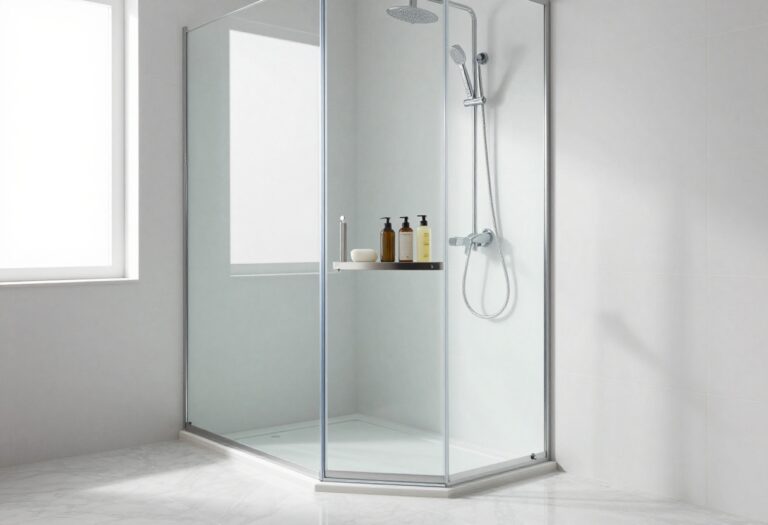
Pair them with a light color palette and a frameless glass enclosure to amplify the effect.
Installation Tips And Considerations
Large-format tiles can be heavier and require a perfectly flat substrate to avoid lippage—where one tile edge is higher than the neighbor. Use a leveling system and a professional installer if you’re not confident. Also, think about the layout: a running bond or a straight stack both work, but a vertical offset can add interest without overwhelming the space.
3. Bold Geometric Patterns
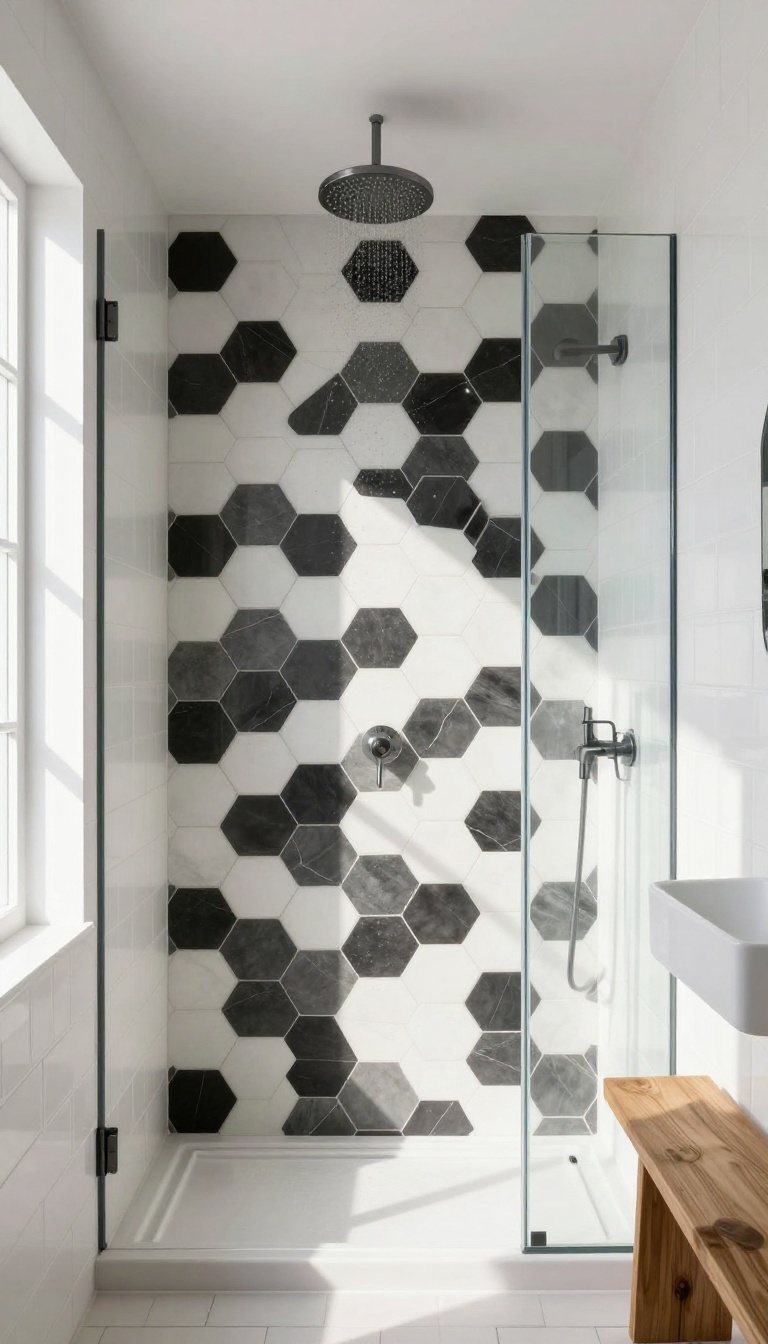
Geometric tiles are a surefire way to inject personality into a shower without committing to a full wall of loud color. Hexagons, arabesques, and fish scales bring texture and movement that catch the eye but stay tasteful when used strategically. The trick is balance—let the pattern shine in one spot and keep the rest of the space calm.
Geometric tiles break up the monotony of plain surfaces and add a handcrafted feel. They work especially well in smaller doses, like a niche or a single accent wall, where they become a focal point rather than visual noise. Pairing them with solid, neutral tiles helps the pattern pop without overwhelming the senses.
Pick One Wall To Shine
Reserve geometric tile for the wall behind the shower bench or the one facing the entry. This creates a natural focal point without making the whole shower feel busy. Keep the other walls in a solid color that matches one of the tones in the pattern.
Scale It To Your Space
Large hexagons or oversized arabesques suit bigger showers, while small-scale fish scales work better in compact nooks. A general rule: the smaller the room, the smaller the pattern—but always test with a sample board first.
Use Niche Accents For A Pop
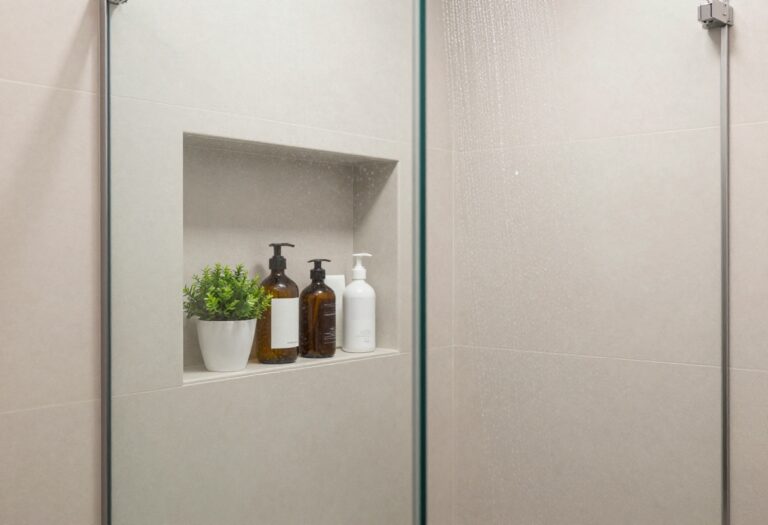
If a full wall feels like too much, line the inside of your shower niche with a geometric tile. It’s a low-commitment way to add interest, and it’s easy to swap out later if you change your mind.
4. Natural Stone for Organic Warmth
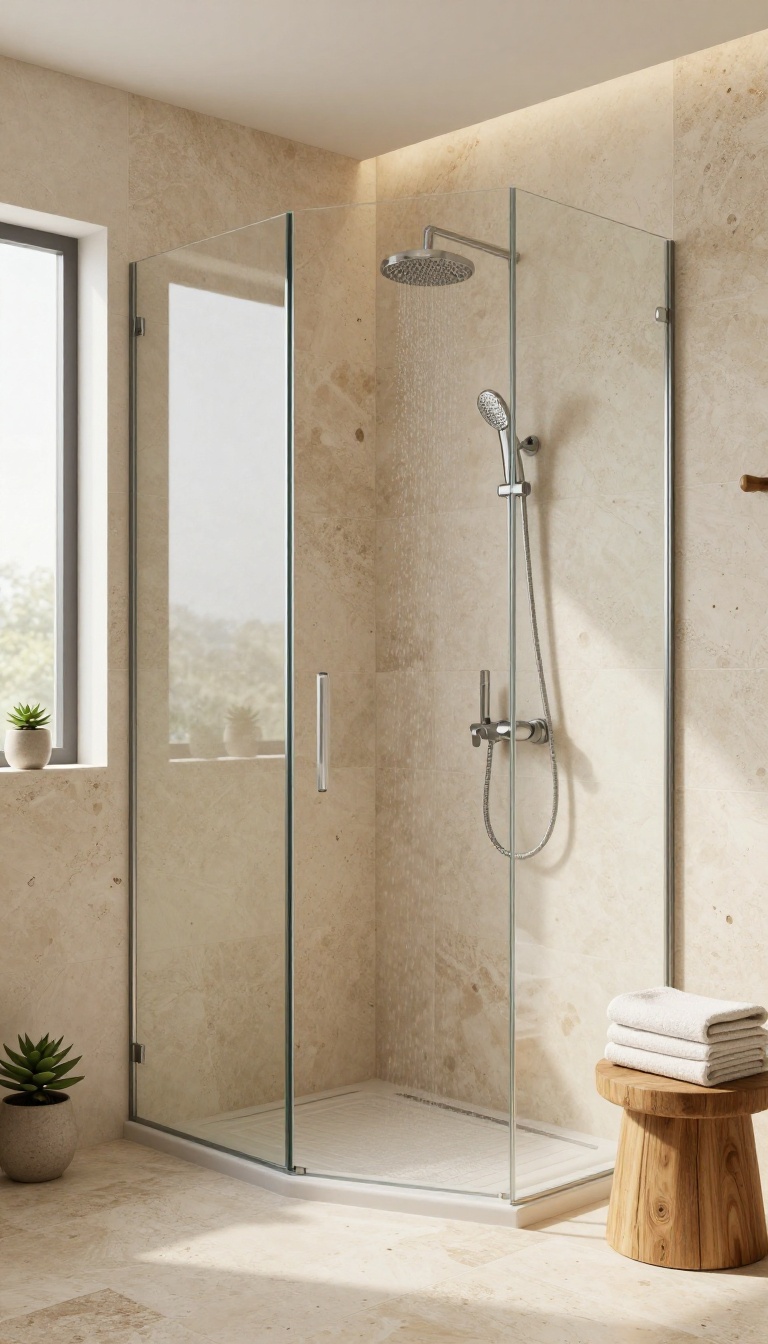
There's something grounding about natural stone that manufactured tiles just can't replicate. Each slab carries its own veining, pits, and tonal shifts, so your shower feels less like a showroom and more like a sanctuary. Whether you lean toward travertine's soft beige or slate's moody gray, stone adds a tactile, earthy quality that ages beautifully with time.
Natural stone brings a sense of permanence and luxury that's hard to beat, but it does ask for a bit more care. The porous surface means sealing is non-negotiable, especially in a wet environment like a shower. That said, the payoff is a surface that looks rich, feels warm underfoot, and develops a subtle patina that tells your home's story.
Choosing The Right Stone
Not all stone is created equal for shower use. Travertine offers that classic Roman bath vibe with its pitted surface, but it needs regular sealing to prevent water damage. Slate is denser and more slip-resistant, making it a great floor option.
Marble brings elegance but can be prone to etching from acidic soaps, so a honed finish is often safer than polished. Think about your lifestyle and how much maintenance you're willing to commit to.
Balancing Texture And Tone
Stone's natural variation means you don't need busy patterns to make a statement. Pair large-format stone tiles with simple grout lines to let the material shine. Lighter stones like cream travertine open up a small shower, while darker slate adds a cozy, spa-like feel.
Mixing a stone accent wall with painted or tile-in-a-neutral-tone walls keeps the look cohesive without overwhelming the space.
Sealing And Maintenance Tips
Plan to seal your stone every six to twelve months, depending on the type and how often you use the shower. Use a penetrating sealer that won't alter the surface's appearance. Clean with a pH-neutral cleaner—avoid harsh acidic or abrasive products that can dull the finish.
A squeegee after each use helps prevent soap scum from settling into the pores, keeping maintenance manageable.
5. Vertical Stacked Tile for Height
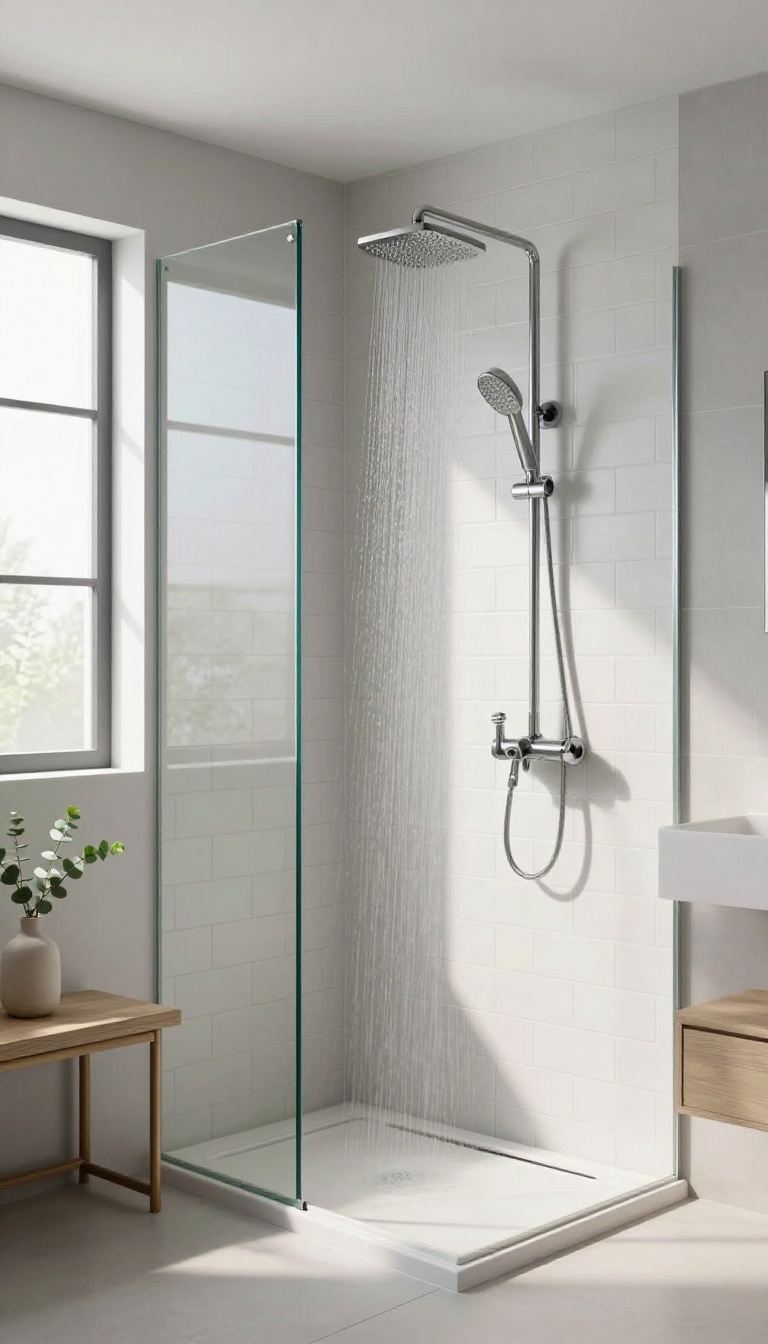
If your shower feels a bit cramped or the ceiling seems lower than it is, the direction your tile runs can make a surprising difference. Vertical stacking—where rectangular tiles are laid in a straight column rather than staggered—creates clean, continuous lines that pull the eye upward. It’s a subtle optical trick that adds a sense of height and openness without changing a single inch of your floor plan.
Plus, the minimalist look feels modern and polished, making it a favorite for contemporary bathrooms.
Vertical stacked tile is all about the power of lines. When you place tiles in a straight vertical pattern, you create uninterrupted visual pathways that guide the gaze from floor to ceiling. This makes the shower area feel taller and more expansive, which is especially valuable in smaller bathrooms or spaces with lower ceilings.
The effect is subtle but noticeable—your eye naturally follows the lines, and the room seems to breathe a little easier. It’s a simple design choice that delivers a big payoff in perceived space.
Why Vertical Stacking Works
The human eye is naturally drawn to vertical lines, which is why this layout feels so effective. Unlike horizontal or diagonal patterns that can make a space feel wider or more dynamic, vertical lines emphasize height. This makes them perfect for showers where you want to create a sense of grandeur or just make a small space feel less boxy.
The clean, uninterrupted lines also lend a sense of order and calm, which is ideal for a bathroom retreat.
Best Tile Shapes For This Look
While you can technically stack any rectangular tile vertically, the most striking results come from tiles with a high aspect ratio—think 3×12, 4×12, or even 6×24 inches. These elongated shapes amplify the vertical effect. Subway tiles are a classic choice, but you can also explore larger format tiles for a more seamless, contemporary feel.
If you want to add a bit of texture, consider tiles with a matte or handmade finish—they catch the light in a way that highlights the vertical lines.
Pairing With Grout And Accents
Grout color plays a big role in how the vertical lines read. For a subtle, continuous look, match your grout to the tile color. If you want to emphasize the verticality, choose a contrasting grout that makes each line pop.
You can also enhance the effect by adding a vertical accent strip of contrasting tile, such as a metallic or darker shade, to draw the eye even higher. Keep other elements in the shower simple—like a sleek linear drain or a frameless glass enclosure—to let the tile shine.
6. Mosaic Accent Strips
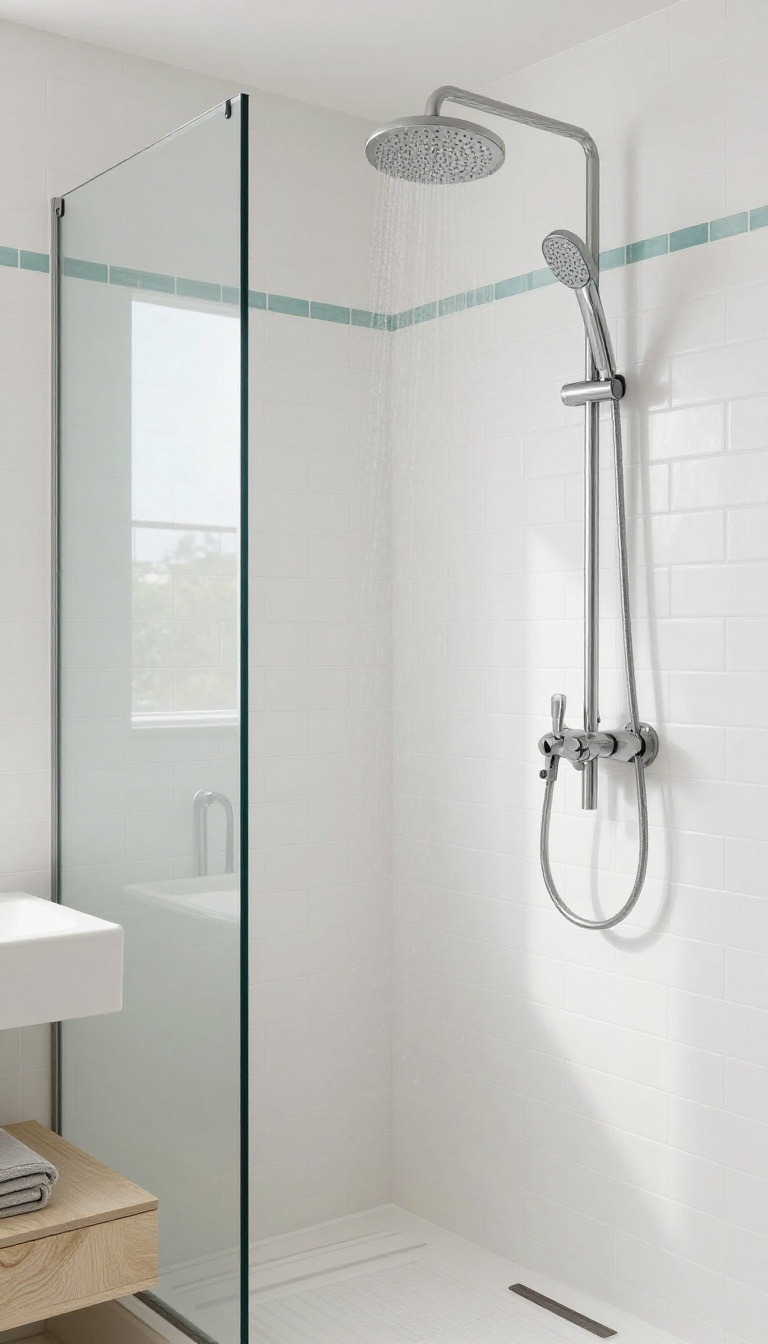
A thin band of mosaic tile can completely change the feel of a shower without requiring a full redesign. It's a clever way to introduce color, texture, or a touch of shimmer exactly where you want it. Best of all, mosaic strips are budget-friendly and easy to install, making them a favorite for DIYers and pros alike.
When you're working with large-format tiles or a simple subway layout, a single row of mosaic can break up the monotony and add visual interest. This trick works in any shower, whether you prefer a clean, modern look or something more eclectic. The key is to choose a mosaic that complements your main tile without overwhelming it.
Where To Place The Strip
The most common spot is at eye level, about 54 to 60 inches from the floor, which naturally draws the eye. But you can also place it near the ceiling to add height, or at the bottom to ground the space. For a more dynamic look, try two strips—one at eye level and another near the top—to create a sense of rhythm.
Choosing The Right Mosaic
Mosaic tiles come in glass, ceramic, stone, and metal. Glass is a popular choice because it reflects light and adds a subtle shimmer. If you want a metallic accent, consider brass or copper strips that can age beautifully.
For a more natural feel, small stone pebbles add texture and an organic touch. Just make sure the mosaic's thickness matches your main tile to avoid a lippage issue.
Installation Tips
Mosaic sheets are usually mounted on mesh, which makes them easy to install in a straight line. Use a level and a straight edge to keep the strip perfectly horizontal. If you're working with a niche or a corner, you may need to cut the mosaic to fit.
Always seal natural stone mosaics to protect them from moisture and staining.
7. Terrazzo for a Playful Yet Timeless Vibe
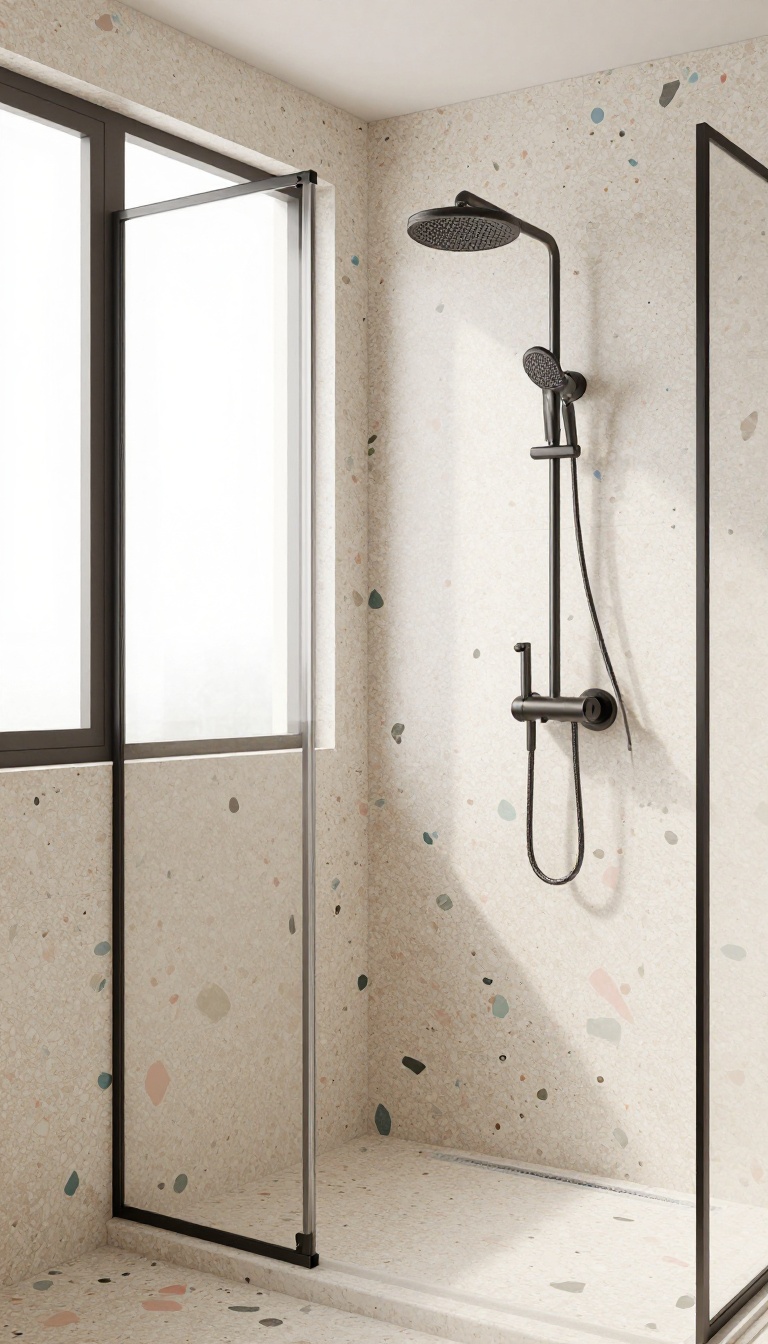
Terrazzo brings a fun, speckled texture that feels both nostalgic and fresh. It’s not just for floors anymore—shower walls in terrazzo add depth and character without shouting for attention. Plus, it’s surprisingly durable and easy to care for, making it a smart pick for busy bathrooms.
Terrazzo’s charm lies in its random chips of marble, quartz, or glass set in a cement or resin base. The pattern is never the same twice, so your shower gets a one-of-a-kind look. It works beautifully with modern fixtures or retro touches, and it hides water spots and soap scum better than solid tiles.
Why Terrazzo Works In Wet Areas
Terrazzo is naturally water-resistant, especially with a good sealer. The smooth surface doesn’t give mold much to grab onto, and cleaning is as simple as wiping with a mild cleaner. Unlike porous stone, it won’t stain easily, so it stays looking fresh for years.
Mixing Terrazzo With Other Tiles
You don’t have to cover every wall in terrazzo. Pair it with solid-colored large-format tiles for a balanced look, or use it as a niche accent or a band around the shower. It also pairs well with brass or matte black fixtures to enhance its playful side.
Choosing The Right Scale And Color
Terrazzo comes in different chip sizes and color combinations. Larger chips make a bolder statement, while smaller chips read as subtle texture. Light backgrounds with pastel chips keep the space airy; darker backgrounds add drama.
Pick a palette that complements your existing bathroom tones.
8. Neutral Tones with Textured Finishes
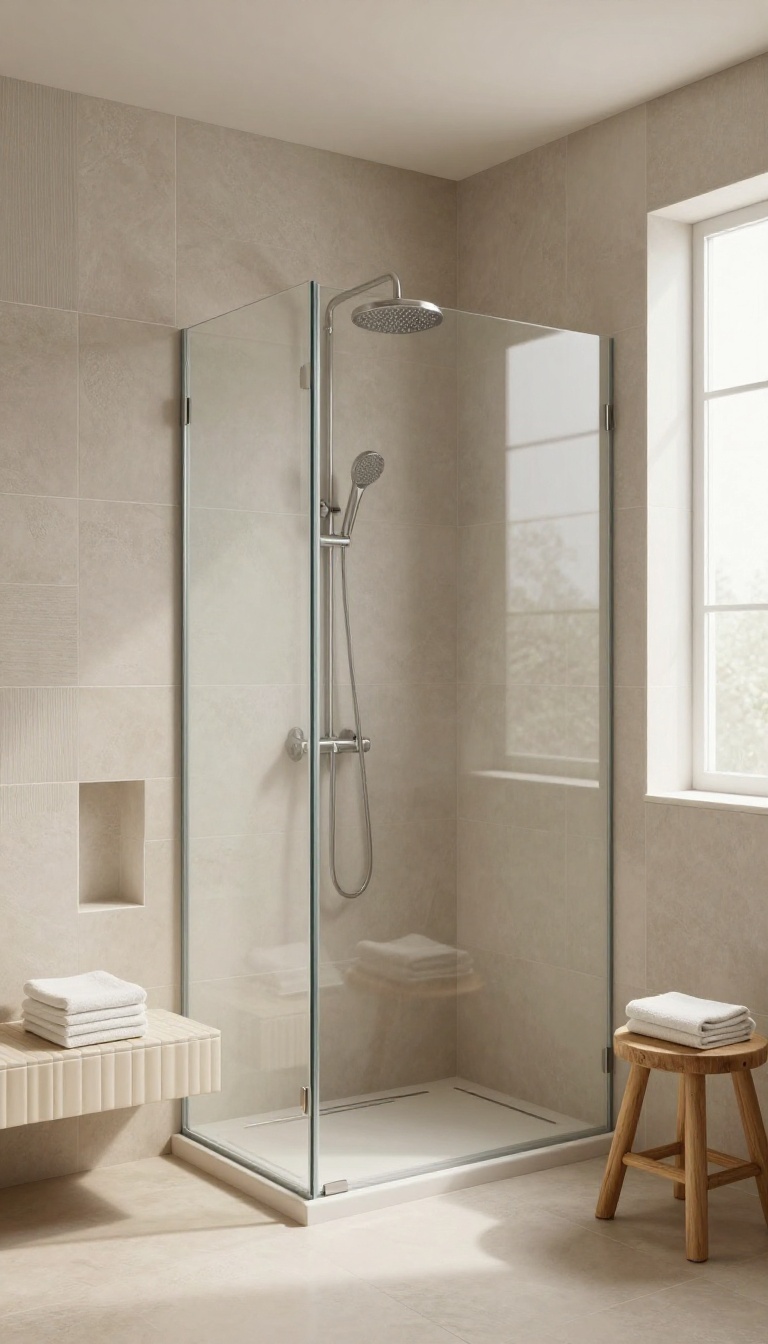
Neutral doesn't have to mean boring. By choosing tiles in soft beige, warm gray, or crisp white with a matte or textured surface, you can create a shower that feels calm and grounded, yet full of subtle visual interest. The texture catches light in different ways, adding depth without relying on bold colors or patterns.
Textured neutrals work because they play with light and shadow. A matte finish absorbs light, giving the surface a soft, velvety look, while a textured surface—like a ribbed or rippled design—creates gentle highlights and shadows that change throughout the day. This makes the shower feel dynamic and alive, even though the palette stays understated.
It's a smart choice for anyone who wants a timeless look that won't feel dated in a few years.
Why Texture Beats Flat Color
Flat, glossy tiles in neutral shades can end up looking plain or even institutional. Texture adds a tactile quality that makes the surface feel more luxurious and intentional. Think of a handcrafted ceramic tile with slight variations in surface—it catches the eye without shouting.
Plus, textured tiles are often more forgiving when it comes to water spots and smudges, so they stay looking cleaner between wipes.
Mixing Textures For Depth
You don't have to stick to just one texture. Combine a smooth matte tile on the main walls with a ribbed or fluted tile in the niche or behind the bench. This creates a subtle contrast that adds depth and interest without breaking the neutral palette.
The key is to keep the color family consistent so the space still feels cohesive and calm.
Pairing With Natural Elements
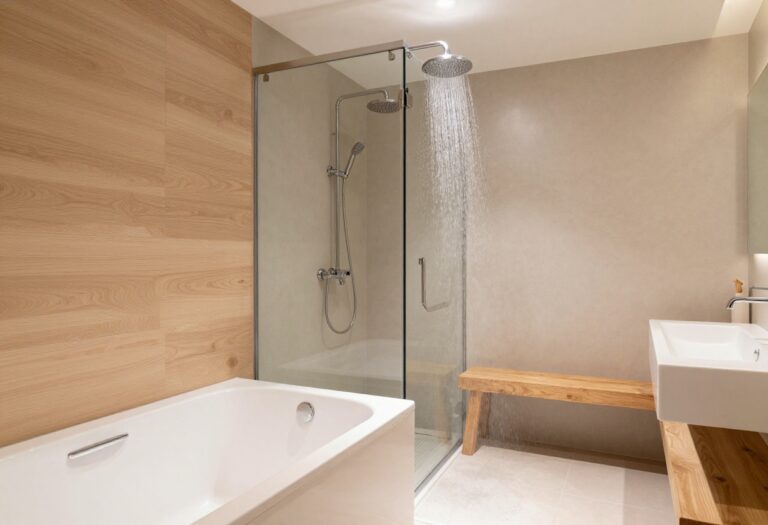
Neutral textured tiles pair beautifully with natural materials like wood, stone, or even concrete. A warm beige tile with a rough, stone-like texture can complement a teak shower bench or a floating oak vanity. The organic feel of these combinations makes the bathroom feel like a spa retreat, grounding the space in nature while keeping it easy to maintain.
9. Dark and Moody Elegance
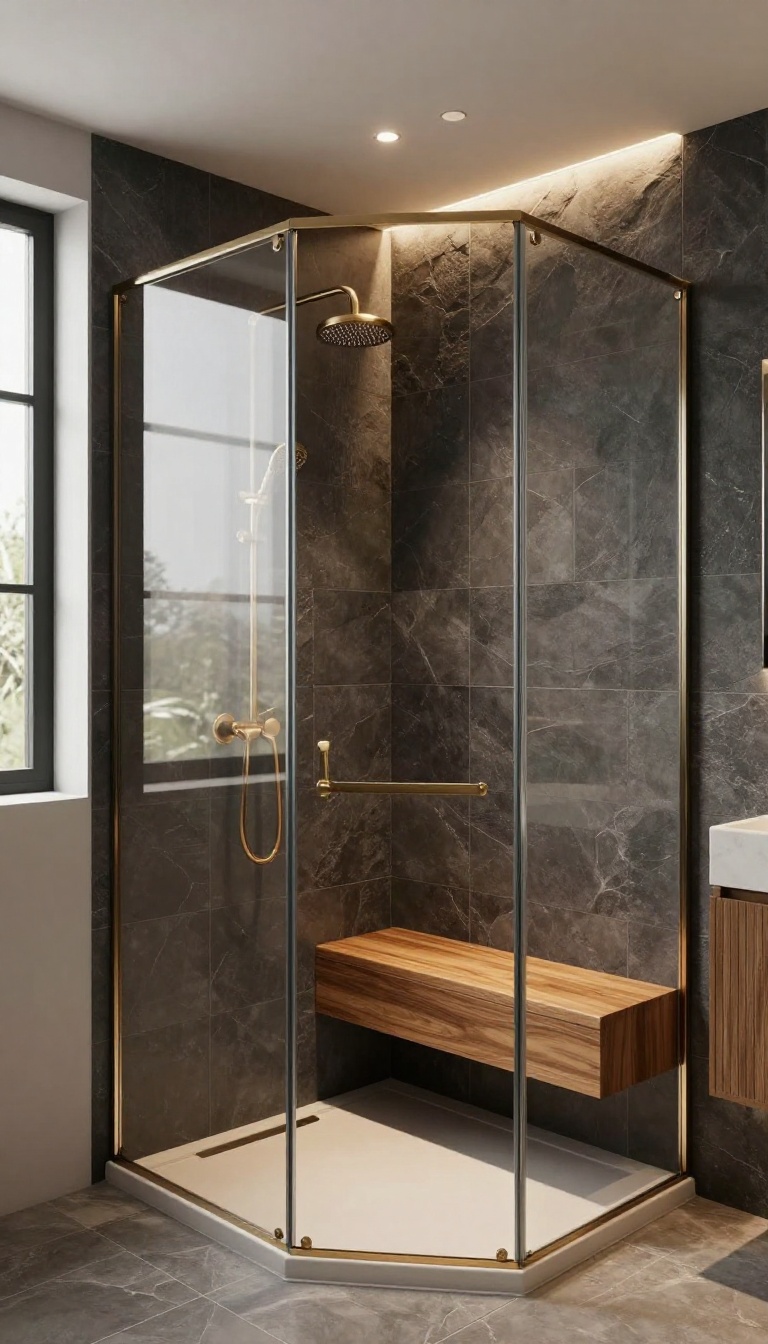
Dark tiles bring a sense of drama and intimacy that lighter shades often miss. Deep navy, charcoal, or black can turn your shower into a cozy retreat, especially when paired with warm lighting and natural textures. It's a bold move, but with the right finishes, it feels timeless rather than trendy.
Choosing dark tiles doesn't mean your bathroom will feel like a cave. The trick is balancing the deep tones with warm light sources, metallic accents, and lighter grout lines to keep the space inviting. Whether you go for large-format slate or small hexagon tiles, the moody look adds depth and sophistication to any shower.
Lighting Is Everything
Dark surfaces absorb light, so you need to plan your lighting carefully. Use warm LED strips under niches or a dimmer switch on your main light to control the ambiance. A well-placed skylight or a large mirror outside the shower can also bounce light around without making the space feel harsh.
Texture And Finish Matter
Matte finishes tend to look more modern and hide water spots better than glossy ones. If you're worried about the space feeling flat, mix in a textured tile like a brushed slate or a subtle wave pattern. These small variations catch the light and add visual interest without breaking the mood.
Pairing With Fixtures And Accents
Brass, copper, or matte black fixtures complement dark tiles beautifully. A wooden stool or a teak bench adds warmth and breaks up the monotony. For grout, choose a lighter shade like warm gray to create definition between tiles, or go with a matching dark grout for a seamless, monolithic look.
10. Mixed Materials for Contrast
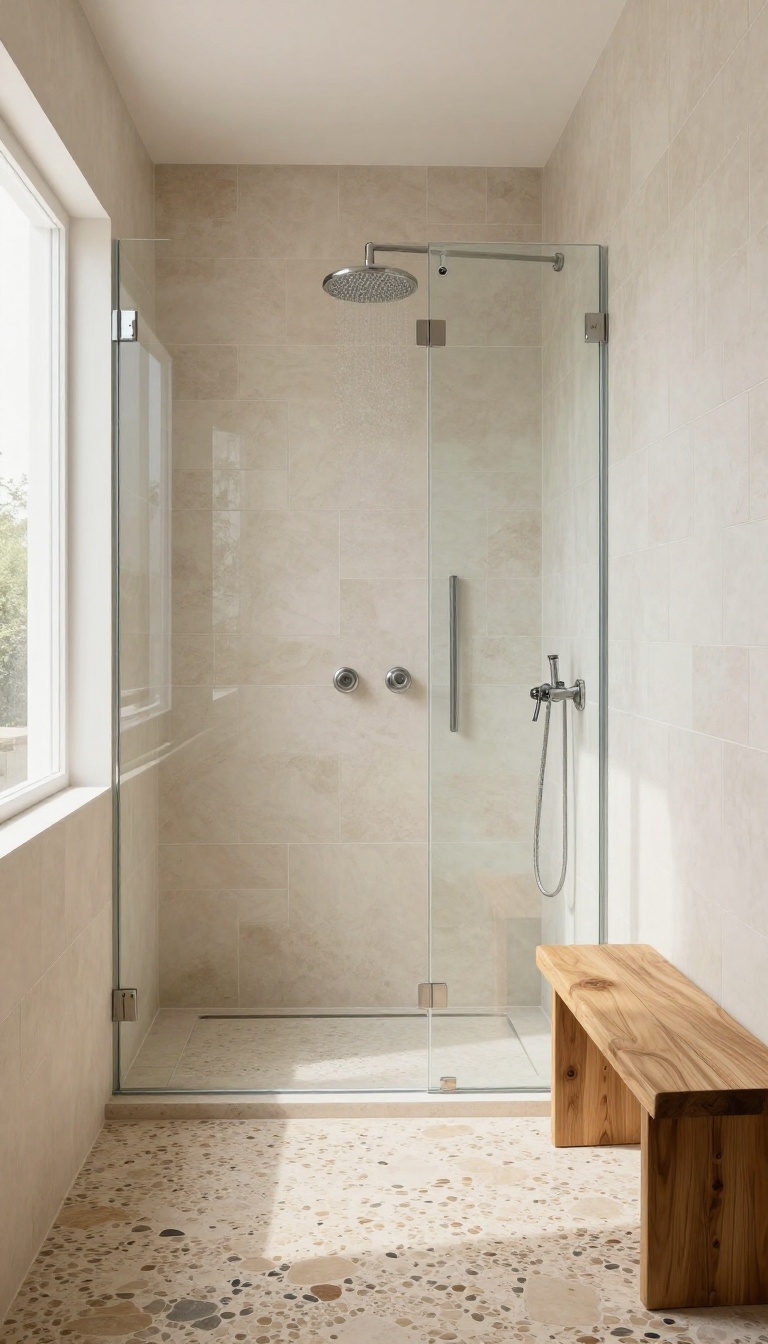
Pairing different tile types in one shower is a clever way to add depth and character. Instead of sticking to a single material, you can combine textures, finishes, and colors to create a custom look. This approach also helps define separate zones, like a wet area versus a dry one, making the space feel more organized and intentional.
Mixing materials isn't just about looks—it's also practical. For instance, natural stone on the floor provides slip resistance and a warm, earthy feel, while ceramic on the walls is easier to clean and maintain. You can also play with matte and glossy finishes to catch light differently.
The key is to choose materials that complement each other in color and tone, so the contrast feels deliberate rather than chaotic.
Define Zones With Purpose
Use different materials to visually separate the shower floor from the walls, or the main shower area from a niche or bench. For example, a pebble tile floor with large-format ceramic walls creates a natural transition. This not only adds visual interest but also makes cleaning easier—you can choose a grout-resistant material for the floor and a smooth one for the walls.
Balance Texture And Tone
When mixing materials, aim for a cohesive palette. If you choose a busy stone pattern, keep the ceramic in a solid, neutral color. Conversely, if your ceramic has a bold pattern, opt for a subtle stone.
The contrast should come from the material difference, not from clashing colors. A good rule of thumb is to pick two materials that share at least one undertone.
Think About Long-term Maintenance
Some materials require more care than others. Natural stone needs sealing and gentle cleaners, while ceramic is nearly maintenance-free. If you're mixing them, consider the placement: use stone in low-traffic areas like a back wall, and ceramic in high-moisture zones like the floor.
This way, you get the aesthetic without the extra upkeep where you need it most.
11. Handmade or Zellige Tiles for Character
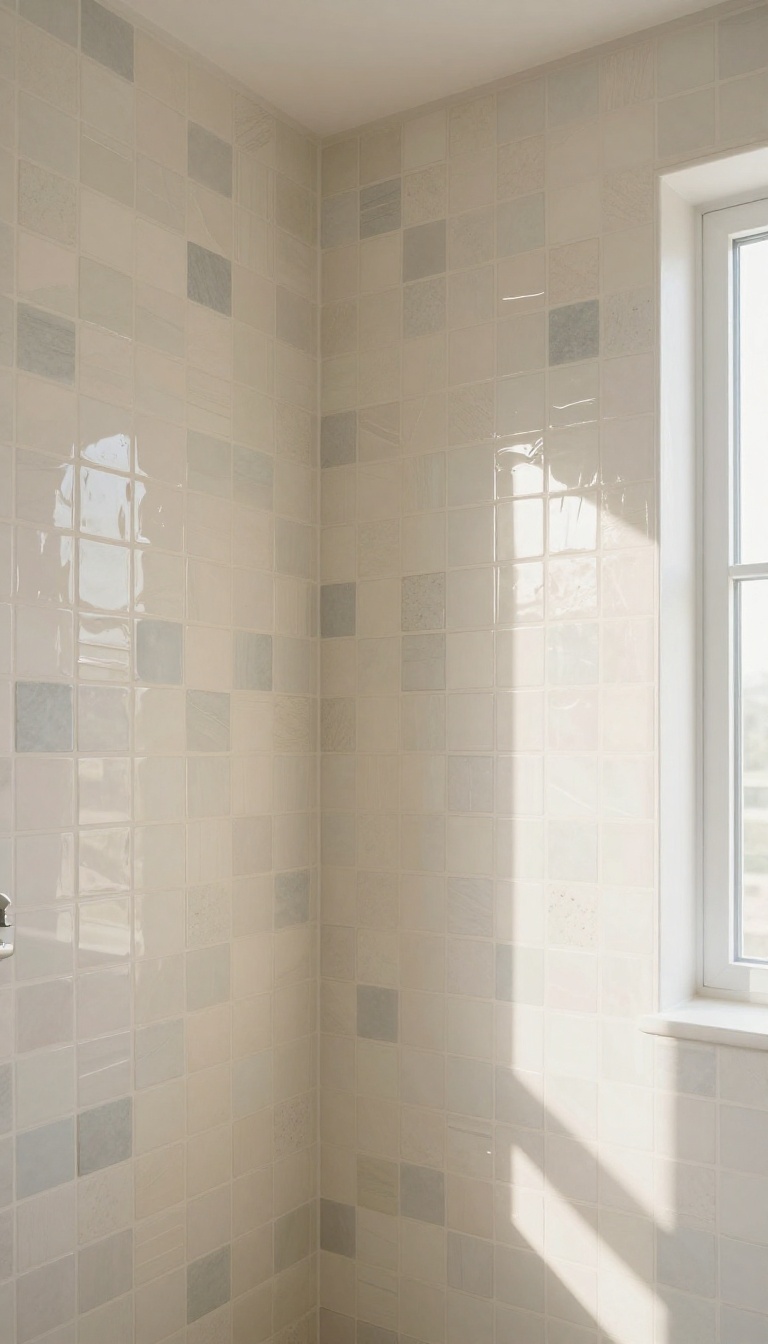
If you want a shower that feels one-of-a-kind, handmade tiles are the way to go. Zellige, in particular, brings a rich history and a tactile quality that mass-produced tiles just can't match. Each piece has its own subtle imperfections—tiny waves, slight color shifts, and uneven edges—that catch the light and add depth.
It's a simple way to inject artisanal charm and a high-end feel into your bathroom.
These tiles are perfect for adding warmth and texture, but they do require a bit more thought during installation. The irregularities mean your installer needs to work with care, and you'll want to use a flexible grout to accommodate the natural movement. But the payoff is a surface that feels alive and unique, with a story to tell.
Why Handmade Tiles Feel So Special
Handmade tiles are never perfectly uniform, and that's exactly what makes them beautiful. The slight variations in color and texture create a dynamic surface that shifts as the light moves across it. Unlike flat, glossy tiles, these have a depth that feels almost organic.
Plus, knowing that each tile was shaped by hand adds a layer of craftsmanship that's hard to replicate.
Choosing The Right Color And Finish
Zellige comes in a range of earthy tones—think soft whites, warm terracottas, and deep blues. For a shower, lighter shades like cream or pale gray keep the space airy, while darker hues add a cozy, intimate vibe. The finish is usually glossy, which helps reflect light and makes the small irregularities shimmer.
Don't be afraid to mix a few tones within the same family for a subtle, organic look.
Installation And Maintenance Tips
Because handmade tiles vary in thickness, installation takes a skilled hand. Use a white thinset and a grout that matches the tile color to keep the focus on the surface. Seal the grout to prevent moisture issues.
For daily care, a mild soap and water solution is all you need—avoid harsh chemicals that could dull the glaze. With proper installation, these tiles are durable and will last for years.
FAQ
What is the most timeless shower tile?
Classic white subway tile is the most timeless choice. It’s versatile, affordable, and never goes out of style.
How do I choose shower tile for a small bathroom?
Use large-format tiles to minimize grout lines and create a seamless look. Light colors and vertical stacking also help the space feel bigger.
Are large tiles better for showers?
Yes, large tiles have fewer grout lines, which means less cleaning and a more modern appearance. They also make the shower look more spacious.
What tile is easiest to maintain in a shower?
Porcelain and ceramic tiles are the easiest to maintain. They’re waterproof, durable, and require minimal sealing.
Can I mix different tile styles in one shower?
Absolutely. Mixing styles, like subway and mosaic, adds visual interest. Just keep a cohesive color palette to avoid a chaotic look.
Conclusion
Picking the right shower tile is about balancing style with everyday practicality. Whether you lean toward classic subway or bold patterned tiles, the best choice is one that fits your space and your routine without overcomplicating maintenance.
Take your time to compare samples in your actual lighting and think about grout upkeep from the start. With thoughtful planning, you can create a shower that feels fresh, personal, and easy to live with for years to come.