11 Kitchen Table Rug Ideas That Ground the Dining Spot
A rug under the kitchen table does more than soften footsteps—it defines the dining zone, especially in an open floor plan. But when square footage is tight, picking the wrong rug can make the space feel cramped instead of cozy.
The trick is to choose a rug that anchors the table without overwhelming the room.
Whether you're working with a breakfast nook or a compact eat-in kitchen, these 11 ideas will help you find a rug that fits both your style and your square footage.
1. Round Rugs for Round Tables
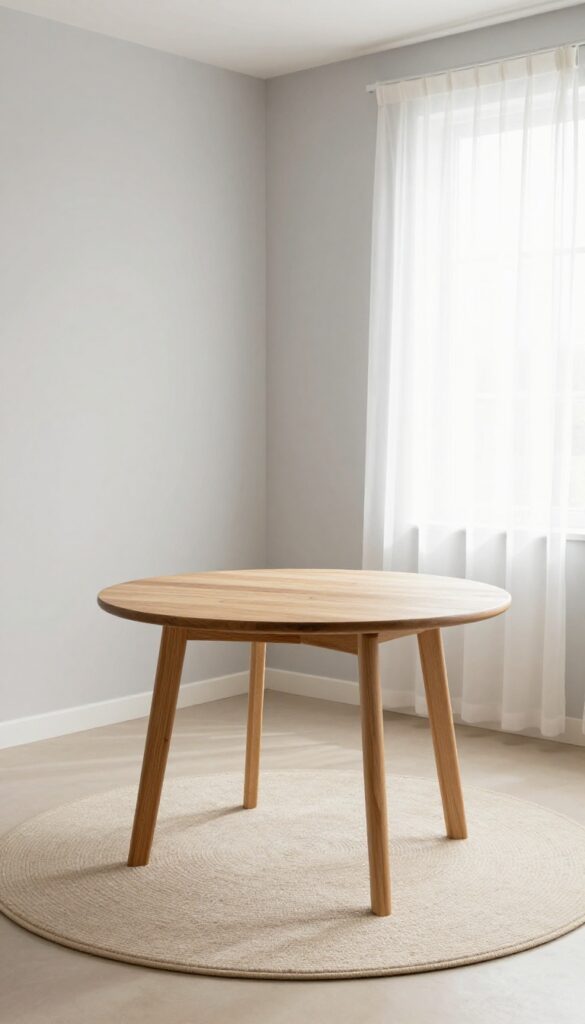
A round rug beneath a round table isn't just a design trick—it's a space-saving strategy that makes your dining nook feel intentional. The curved lines soften the room's geometry, especially in open layouts where square rugs can create visual clutter. For small kitchens or breakfast corners, this pairing keeps the eye moving and prevents the floor from feeling chopped up.
Round rugs mirror the table's shape, creating a cohesive look that saves visual space. Keep at least 24 inches of rug extending beyond the table edges so chairs stay on the rug when pulled out. This is especially important in tight spots where you don't want chair legs catching on the rug edge.
A round rug also makes the table the clear focal point, drawing the eye in without competing with other patterns in the room.
Best Colors
Stick with light neutrals like warm ivory, soft gray, or pale beige to keep the space airy. If you want a subtle pop, try a muted blue or sage green that echoes your kitchen's accent colors. Avoid dark or busy patterns in small areas—they can shrink the room visually.
Small-space Fix
Choose a rug with a low pile or flat weave so chairs glide smoothly and the rug doesn't feel bulky. A braided cotton or wool blend works well—it's durable, easy to clean, and adds texture without overwhelming the floor.
Layout Tip
Center the rug exactly under the table, not the room's center. In a corner nook, let the rug extend toward the seating area but not into the main walkway. This defines the dining zone without blocking traffic flow.
2. Slim Runners for Narrow Tables
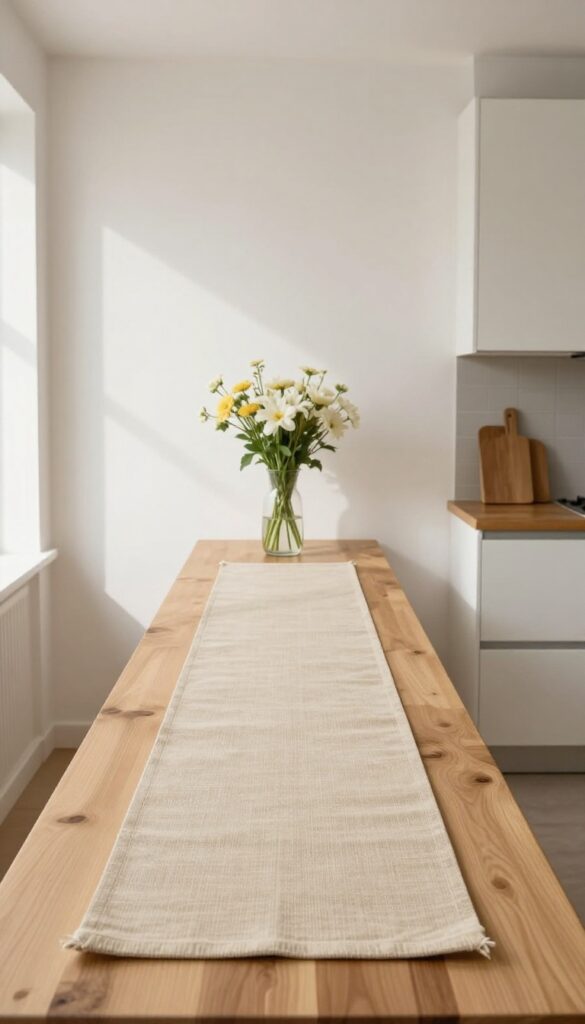
In a galley kitchen or against a wall, a long runner under a narrow table defines the dining area without eating up floor space. Choose a runner that's 12–18 inches narrower than the table width. This keeps the rug from overpowering the room while still adding warmth and texture underfoot.
A slim runner is the perfect solution for tight dining spots where a full area rug would feel cramped. The key is proportion: the runner should extend about 24 inches past each end of the table, but be noticeably narrower than the table itself. This creates a visual anchor without making the floor look busy.
Opt for a low-pile or flatweave material so chairs slide easily and crumbs don't get trapped. Natural fibers like sisal or cotton work well, but a washable synthetic runner is even more practical for a kitchen. Stick to neutral tones or subtle patterns that complement your existing palette.
Best Materials
Flatweave cotton or wool blends are ideal because they lie flat and don't bunch under chair legs. For high-traffic kitchens, consider an indoor-outdoor polypropylene runner — it's stain-resistant and easy to hose down. Avoid thick shags or high-pile rugs that can trip up chairs and collect debris.
Layout Tip
Center the runner under the table, leaving at least 6 inches of bare floor on each side. This keeps the rug from bumping into baseboards or cabinets. If your table is pushed against a wall, let the runner extend a few inches beyond the table's outer edge to visually balance the asymmetry.
Finishing Touch
Add a non-slip pad underneath to prevent shifting, especially on tile or hardwood. Choose a runner with a subtle border or stripe to echo the table's lines and reinforce the slim, elongated look.
3. Low-Pile Flatweaves for Easy Cleaning
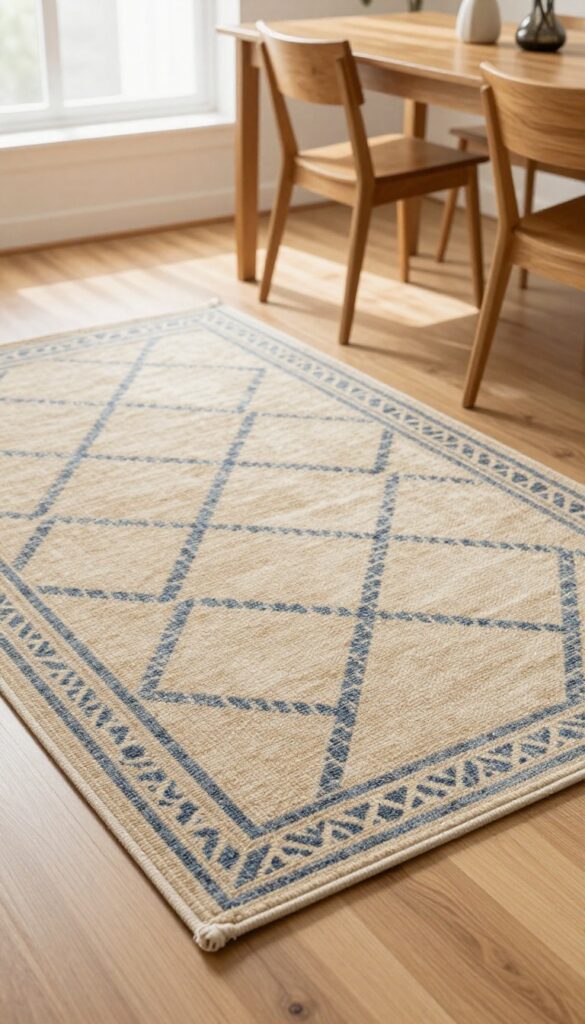
In a small kitchen, every square inch counts—and so does every minute spent cleaning. Flatweave rugs, like kilims or dhurries, are thin, durable, and incredibly easy to vacuum. They slide under chairs without bunching, and their tight weave means crumbs stay on the surface rather than getting trapped.
For a space-savvy home, this is the rug that works as hard as you do.
Flatweave rugs are a practical choice for kitchens where traffic is high and spills happen. Their low profile means chair legs glide over them smoothly, and you can easily wipe up messes without worrying about deep stains. Plus, they come in endless patterns and colors, so you can add personality without sacrificing function.
In a small dining area, a flatweave can define the zone without overwhelming the floor visually.
Best Colors
For a small kitchen, stick with light or medium tones that won't show every speck. Soft grays, warm beiges, or muted blues keep the space feeling open. If you want pattern, choose a geometric or stripe design that adds movement without clutter.
Small-space Fix
Measure your table and chairs with the chairs pulled out. A rug that's too large will crowd the room; one that's too small will look skimpy. Aim for at least 24 inches of rug beyond the table edge on all sides so chairs stay on the rug when seated.
Material Tip
Cotton and wool flatweaves are both durable, but wool resists stains better and feels softer underfoot. For budget-friendly options, cotton dhurries are lightweight and machine-washable—just check the care label before buying.
4. Indoor-Outdoor Rugs for Spills
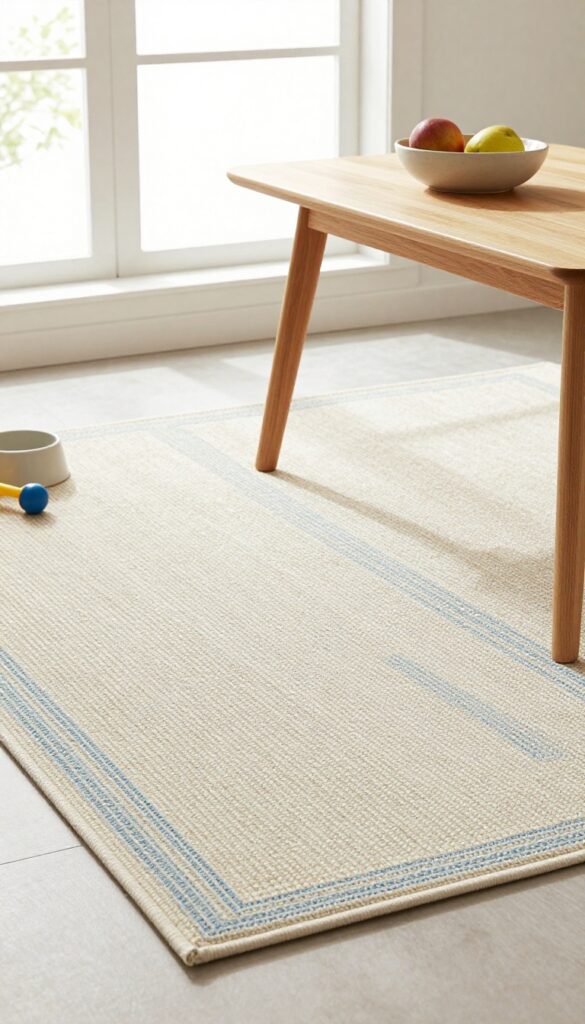
Kids, pets, and busy mornings all have one thing in common: they leave their mark on your kitchen rug. That’s where indoor-outdoor rugs come in. Made from polypropylene or other synthetic fibers, these rugs are designed to laugh off spills, mud, and the occasional dropped spoonful of spaghetti sauce.
The best part? They’ve come a long way from the scratchy, plastic-looking mats of the past. Now you can find them in everything from subtle stripes to bold geometric patterns, so your dining area stays both stylish and stress-free.
Indoor-outdoor rugs are the unsung heroes of family-friendly decor. They resist stains and moisture, and when things get messy, you can simply hose them down or wipe them clean. For a small kitchen or dining nook, a rug that pulls double duty is a smart move.
It anchors the table without adding worry, and the range of patterns means you don’t have to sacrifice personality for practicality. Flatweave styles are especially good for tight spaces because they don’t add visual bulk and let furniture sit evenly. Look for rugs with low pile and a tight weave—they’re easier to clean and less likely to trap crumbs.
And don’t be afraid to go with a lighter color; many indoor-outdoor rugs have UV protection and fade-resistant dyes, so that soft ivory or pale blue will stay fresh even near a sunny window.
Best Materials
- Polypropylene is the gold standard for indoor-outdoor rugs. It’s stain-resistant, quick-drying, and soft enough underfoot. Some blends add recycled polyester for extra durability.
- Avoid natural fibers like jute or wool in high-spill zones—they soak up moisture and are harder to clean. Stick with synthetics that feel like wool or cotton but behave like armor.
Small-space Layout
In a compact dining area, choose a rug that fits under the table with at least 24 inches of clearance on each side for chairs to slide out. A round rug under a round table can make the space feel larger and more intentional. If your table is against a wall, a runner or narrow rectangular rug works better than a full square.
Pattern And Color Flow
- Since the rug is a workhorse, let it also be a style anchor. A busy pattern hides future stains better than a solid color. For a small kitchen, stick with a pattern that picks up one or two accent colors from your cabinets or backsplash—this ties the room together without overwhelming it.
- Think navy and white stripes, or a faded trellis in sage and cream.
5. Jute or Sisal for Natural Texture
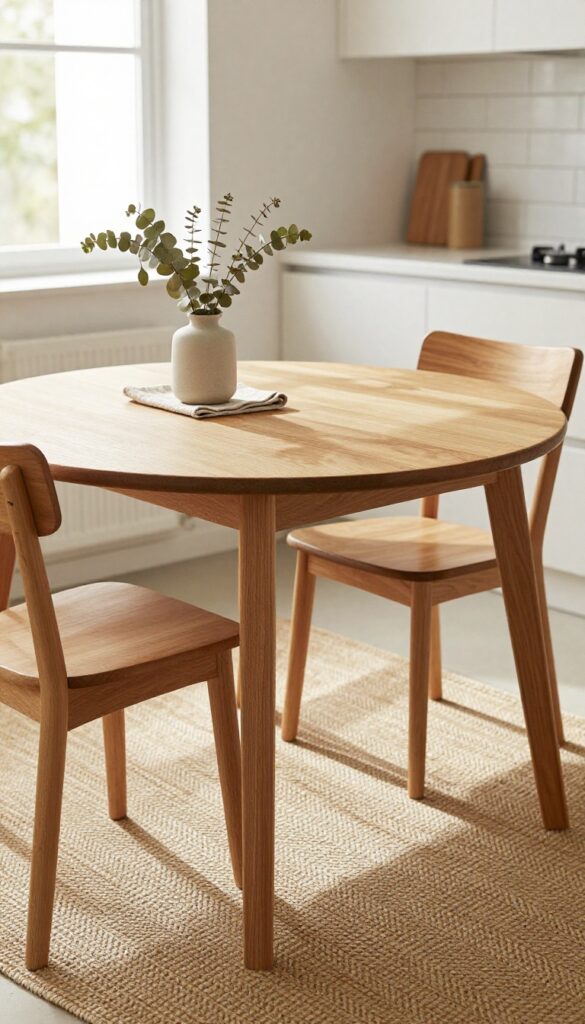
Natural fiber rugs like jute and sisal bring a grounded, organic feel to your kitchen table area without eating up visual space. Their neutral tones and woven texture add warmth that balances sleek countertops or busy backsplashes. Perfect for small kitchens, they define the dining zone subtly while keeping the room airy and uncluttered.
A jute or sisal rug is a smart choice for a small kitchen because it adds texture without pattern or bold color that could overwhelm the space. The natural fibers feel durable underfoot and disguise crumbs well, making them practical for daily meals. Pair one with a simple wooden or metal table to let the rug's earthy quality shine.
For a cohesive look, pull in other natural elements like a woven basket or linen napkins. The key is to choose a tight weave—it holds up better to chair legs and foot traffic while still feeling soft enough for bare feet during breakfast.
Best Colors And Patterns
Stick with warm beige, tan, or gray tones that blend into your floor rather than contrast sharply. A subtle herringbone or chevron weave adds visual interest without being loud. Avoid dark dyes that can feel heavy in a small space.
Size And Placement Tip
For a compact dining area, choose a rug that extends at least 24 inches beyond the table on each side so chairs stay on the rug when pulled out. A 5×7 or 4×6 foot rug works well for most small kitchen tables. Center it under the table, leaving a few inches of floor visible around the edges to keep the room from feeling wall-to-wall.
Care And Durability Note
- Jute and sisal are low-maintenance but sensitive to moisture. Vacuum regularly and blot spills immediately—don't rub. Place a rug pad underneath to prevent slipping and add cushioning.
- In a kitchen, consider a washable indoor-outdoor natural blend if you worry about stains.
6. Patterned Rugs to Hide Wear
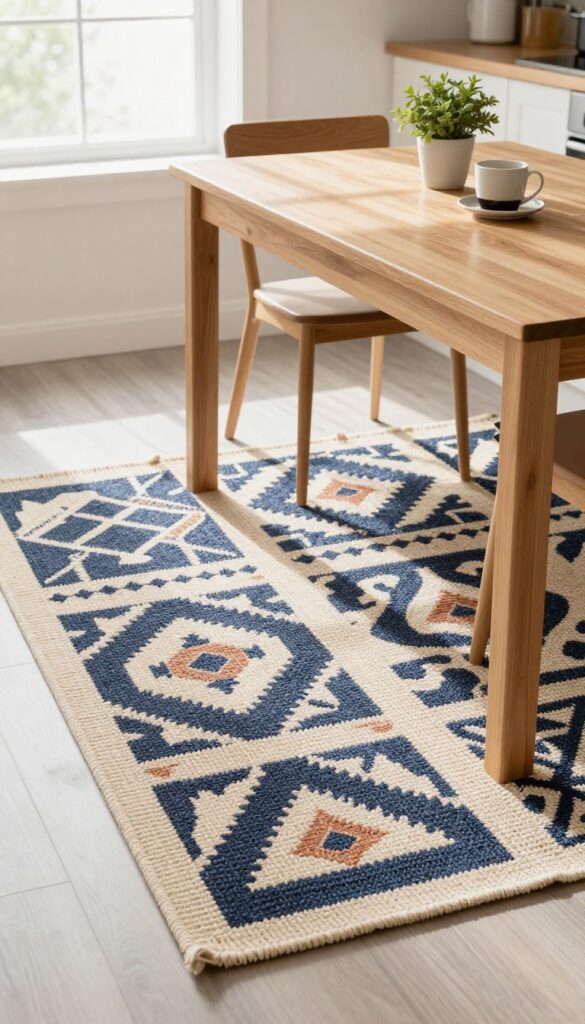
A busy pattern or geometric print does more than just look good—it cleverly disguises the inevitable spills, crumbs, and foot traffic that come with a kitchen table. In a small dining nook, a patterned rug pulls double duty: it hides daily wear while adding visual punch without cluttering the space. Think of it as functional art for the floor that keeps your kitchen feeling fresh and intentional.
Patterned rugs are a smart choice for kitchen tables, especially in compact spaces where every element has to earn its keep. The right design can make a small area feel larger by drawing the eye across the pattern, while simultaneously camouflaging stains and scuffs. Look for low-pile or flatweave options that are easy to clean and won't trap crumbs.
Geometric, tribal, or abstract motifs work best—they're forgiving and add a layer of interest that complements a minimalist or eclectic style. Place the rug so the front legs of the table and chairs rest on it, leaving enough border to define the zone without overwhelming the room. This setup grounds the dining spot and makes the rug a practical, stylish anchor.
Best Patterns For Small Kitchens
- Geometric prints, like hexagons or chevrons, are ideal because they create rhythm without feeling chaotic. Moroccan or kilim-inspired patterns also work well—they introduce color and texture while hiding marks. Avoid large, sparse motifs that actually highlight stains; instead, choose dense, all-over designs.
- In a small kitchen, a pattern with a dark or medium background (navy, charcoal, terracotta) is especially forgiving and adds cozy depth.
Material Matters
- For a kitchen table rug, durability is key. Flatweave cotton or wool blends are easy to vacuum and spot-clean, while polypropylene rugs resist moisture and fading. Avoid high-pile shag—it traps debris and is hard to keep clean.
- A low-profile rug also sits flush under chair legs, preventing trips and allowing chairs to slide smoothly.
Placement And Proportion
In a small dining area, the rug should extend at least 24 inches beyond the table on all sides so chairs stay on the rug when pulled out. For a round table, a round rug echoes the shape and softens the room. If your kitchen is narrow, run the rug lengthwise under the table to elongate the space visually.
7. Layered Rugs for Depth
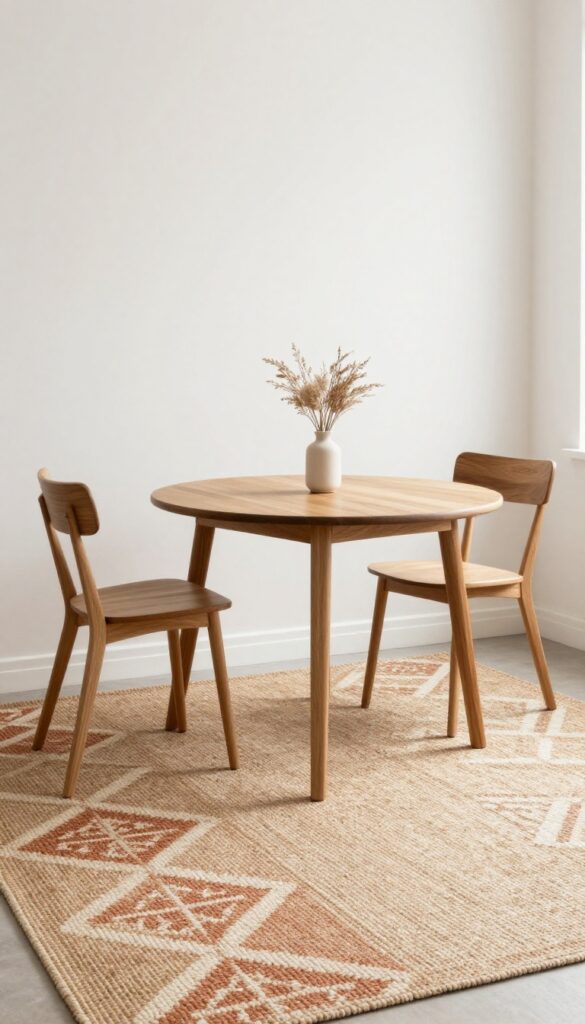
Layering rugs is like giving your kitchen table a custom look without the custom price. A large neutral base rug anchors the dining area, while a smaller patterned rug on top adds personality and can be swapped out seasonally or whenever you crave a change. This trick works especially well in small spaces because it defines the dining zone without overwhelming the room.
Start with a jute or sisal rug that extends at least 24 inches beyond the table on all sides—this creates a solid foundation that feels intentional. Then top it with a flat-weave or low-pile accent rug in a pattern that complements your kitchen’s color scheme. The contrast in texture and pattern draws the eye down, making the floor feel like a design feature rather than an afterthought.
For small kitchens, keep the top rug washable (think cotton or indoor-outdoor material) so spills from the table are easy to clean. This layered look also helps visually separate the dining spot from the rest of an open-plan layout, which is a smart space-aware move.
Best Rug Pairings
- A natural jute base with a vintage-inspired patterned top rug is a classic combo. Or try a solid low-pile wool base with a geometric kilim-style accent. The key is contrast: if the base is textured and neutral, the top rug should be smooth and colorful.
- For small spaces, stick to light or medium tones for the base to keep the room feeling airy.
Small-space Fix
- In a tight kitchen, avoid oversized layers. Choose a base rug that fits just under the table legs, and a top rug that’s about half the size. This keeps the floor visible around the edges, making the room look bigger.
- A washable top rug is non-negotiable here—spaghetti sauce happens.
Styling Tip
Angle the top rug slightly off-center for a relaxed, collected vibe. This works especially well with round or oval tables. Make sure both rugs are non-slip backed or use a rug pad to prevent slipping on hard floors.
8. Washable Rugs for Pet Owners
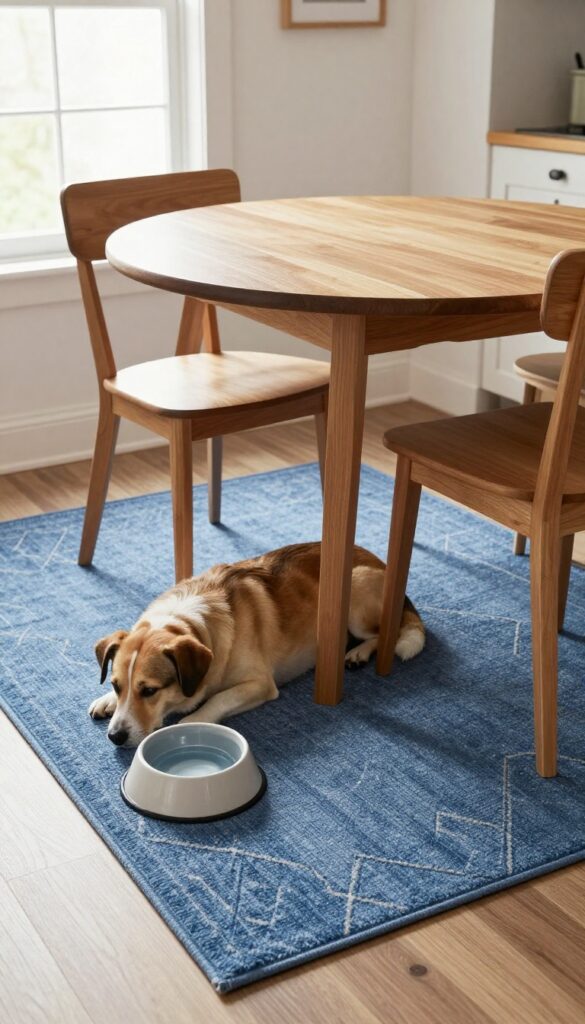
Let’s be real—pets and dining areas don’t always mix. Between spilled water bowls, dropped kibble, and muddy paw prints, a rug can quickly go from stylish to stained. That’s where machine-washable rugs come in.
Brands like Ruggable have cracked the code on rugs that look just like traditional wool or flatweave options but can actually survive a spin cycle. Perfect for small kitchens where every inch counts, these rugs keep your dining spot fresh without adding extra stress to your cleaning routine.
A washable rug is more than just a practical choice—it’s a style upgrade that works with your lifestyle. In a compact kitchen, you need a rug that pulls double duty: grounding the table visually while handling real-life messes. The best part?
These rugs come in patterns and textures that mimic expensive natural fibers, so you don’t have to sacrifice aesthetics. Whether you have a clumsy dog or a cat that knocks over plants, a machine-washable rug keeps your dining area looking put-together with minimal effort.
Best Colors For Hiding Fur And Stains
- When choosing a washable rug for a pet-friendly dining area, go for colors that camouflage everyday messes. Mid-tone grays, warm taupes, and heathered blues work wonders—they hide fur, crumbs, and the occasional splash of coffee. Avoid pure white or very dark solids, which show every speck.
- A subtle pattern, like a faded geometric or a low-contrast stripe, helps disguise wear and tear while adding visual interest to a small space.
Size And Placement Tips For Small Kitchens
- In a tight dining area, size matters. A rug that’s too large can overwhelm the room, while one too small looks skimpy. Aim for a runner or a 4×6 rug that extends at least 24 inches beyond the table on each side—enough room for chairs to slide in and out without catching the edge.
- Place the rug so the front legs of all chairs rest on it, even when pulled out. This keeps the setup feeling intentional and prevents the rug from shifting.
Material And Care Considerations
- Look for washable rugs made from recycled polyester or polypropylene—they’re durable, stain-resistant, and dry quickly. Many feature a non-slip backing or a separate rug pad to keep them in place. For best results, vacuum regularly and wash on a gentle cycle with cold water.
- Tumble dry low or air dry to prevent shrinking. With proper care, a washable rug can last years, even in a high-traffic, pet-friendly kitchen.
9. Dark-Colored Rugs for Contrast
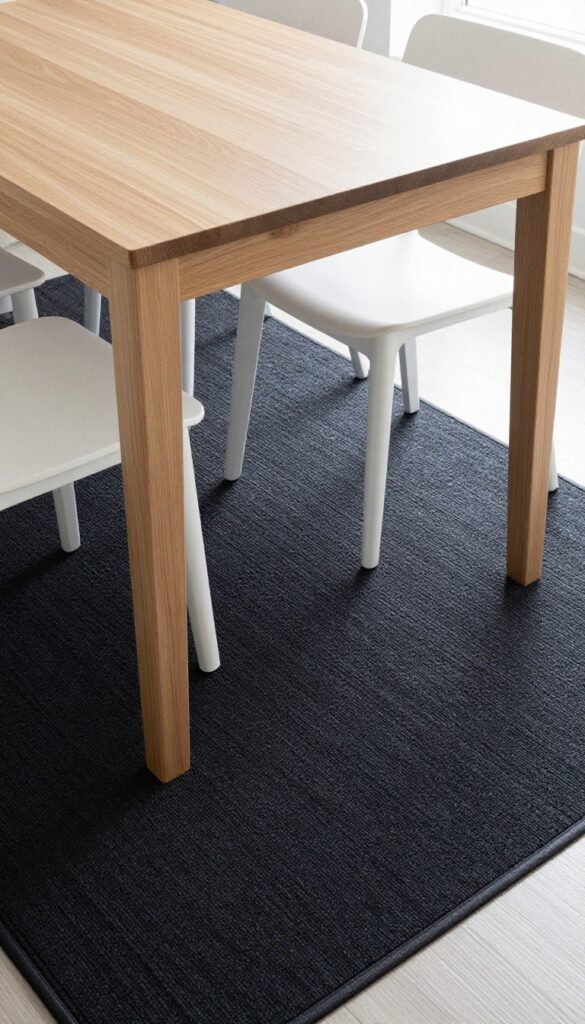
A dark rug under the dining table might sound counterintuitive in a small kitchen, but it actually works wonders. Charcoal, navy, or deep espresso grounds the eating area without making the space feel cramped, especially when your table is light or the room has pale finishes. Plus, dark tones are forgiving—spills and crumbs don’t show as quickly, which is a huge win for busy households.
In a compact kitchen, a dark rug creates a visual anchor that defines the dining zone without adding visual weight. The key is choosing a rug with a subtle pattern or texture to keep it from feeling flat. Pair it with a light wood or white table to maintain an airy feel.
This contrast also makes the rug feel like a deliberate design choice rather than an afterthought.
Best Colors
- Stick with deep neutrals like charcoal, navy, slate, or espresso. These shades absorb light rather than reflecting it, which helps the rug recede visually. Avoid pure black—it can look harsh in a small space.
- Instead, opt for a tone with a hint of warmth, like a charcoal with brown undertones.
Material Matters
- Go for low-pile or flatweave rugs in durable materials like wool, cotton, or synthetic blends. High-pile rugs can catch chair legs and make pulling out seats harder. A wool blend is soft underfoot but still tough enough for daily use.
- For easy cleaning, look for indoor-outdoor rugs in a dark color—they’re stain-resistant and wipe clean.
Small-space Styling
Keep the rug size proportional: it should extend at least 24 inches past the table on all sides so chairs stay on the rug when pulled out. In a narrow kitchen, a runner under a small table works better than a full area rug. Layer a dark rug over a larger, neutral natural-fiber mat for added texture without overwhelming the floor.
10. Scandinavian Minimalist Rugs
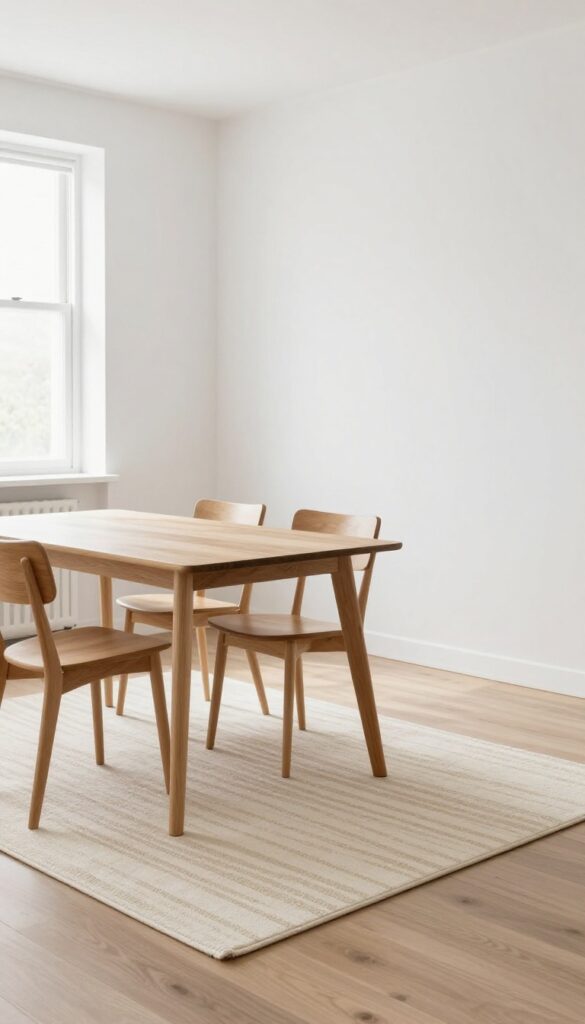
Small kitchens don't have to feel cramped or cold. A Scandinavian minimalist rug brings in warmth and texture without overwhelming the space. The key is simplicity: think low-contrast stripes, soft wool loops, or solid neutral tones that blend rather than compete.
These rugs anchor the dining area while keeping the room open and airy.
Scandinavian design is all about balance—function meets beauty without excess. A minimalist rug under your kitchen table does exactly that. It adds a soft landing for your feet, defines the dining zone, and introduces subtle texture that makes the space feel lived-in.
Because the palette stays muted (whites, grays, beiges, or pale blues), the rug won't clash with your existing decor. It's a quiet foundation that lets other elements—like a wooden table or pendant light—shine. Plus, the clean lines and simple patterns are forgiving in high-traffic areas; a little dirt or wear just adds character.
For small kitchens, this approach is a game-changer: you get the cozy factor without the visual weight.
Best Colors And Patterns
- Stick to monochromatic or tonal schemes. A cream rug with a barely-there stripe in oatmeal or light gray keeps the floor from feeling busy. If you want a hint of color, try a dusty sage or pale terracotta—still muted but with a touch of warmth.
- Avoid large, high-contrast patterns; they can make a small room feel smaller. Instead, opt for a subtle herringbone weave or a simple grid that adds interest without shouting.
Material And Texture Tips
- Wool is your best friend here. It's naturally stain-resistant, soft underfoot, and has a matte finish that fits the Scandinavian vibe. A flatweave wool rug (like a kilim or a loop pile) is easy to clean and won't trap crumbs.
- For a budget-friendly option, try a cotton or wool-blend flatweave. Avoid shag or high-pile rugs near a dining table—they're harder to clean and can catch chair legs. A low-profile rug also makes the room feel more spacious.
Placement And Size
- In a small kitchen, every inch counts. Choose a rug that's just big enough to fit under the table and chairs when they're pulled out. A 4×6 or 5×7 foot rug works for most two- to four-seat tables.
- Make sure the rug extends at least 24 inches beyond the table edges so chairs stay on the rug when seated. If your table is against a wall, you can use a runner instead—just center it under the table and let it run parallel to the table's length.
11. Custom-Cut Rugs for Awkward Layouts
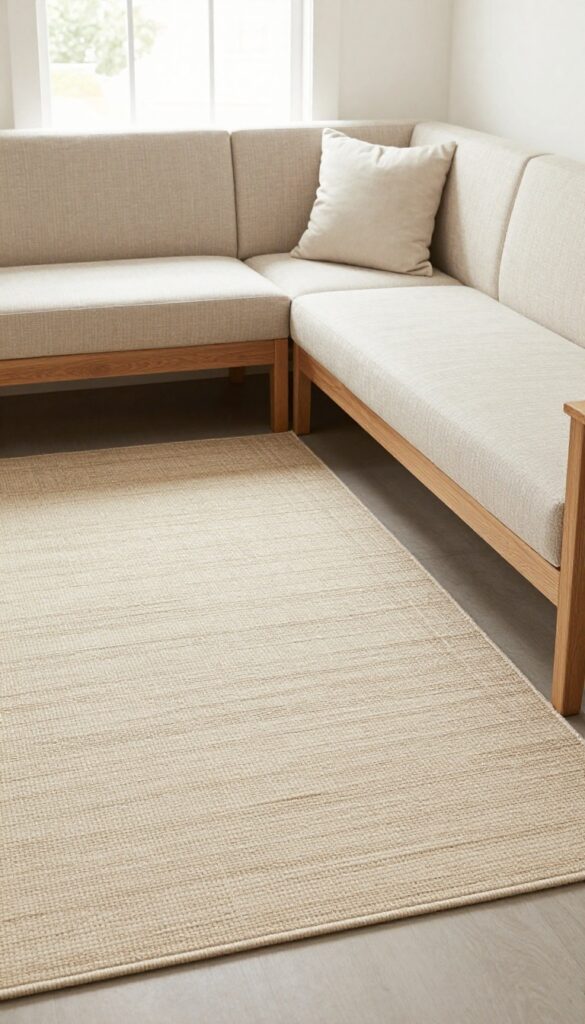
Not every dining area fits a standard 5×7 or 8×10 rug. If your table tucks into a corner banquette or stretches out in an L-shape, a custom-cut rug is the smart fix. Many online retailers now offer cut-to-size options, so you can order exactly what your space needs without paying for expensive custom weaving.
The result feels intentional, not like you made do with what was on sale.
A custom-cut rug lets you define the dining zone precisely, even in irregular layouts. For a corner banquette, measure the area under the table and extend the rug just past the chairs' back legs. For an L-shaped table, consider a rug that mirrors the table's footprint or a single large rectangle that covers the whole seating area.
The key is to keep the rug proportional so it anchors the furniture without overwhelming the room. Choose a low-pile or flatweave material that's easy to clean and won't snag on chair legs. Color-wise, a neutral tone with a subtle pattern hides crumbs and adds texture without competing with the table.
Measuring Tips
- For awkward layouts, measure the table's full footprint and add at least 24 inches on each side for chair clearance. If the table is against a wall or banquette, only add clearance on the accessible sides. Use painter's tape on the floor to visualize the shape before ordering.
- Many online retailers have a custom rug tool where you input exact dimensions, so double-check your measurements.
Best Materials
- Go with flatweave wool, polypropylene, or a wool-blend for durability and easy maintenance. These materials resist stains and vacuum well, which is crucial under a dining table. Avoid high-pile shag that traps crumbs and makes chair movement difficult.
- A low-profile rug also works better with banquettes, as it won't bunch up against the seating.
Small-space Styling
In a compact kitchen or dining nook, a custom rug can visually expand the area by defining the zone without cutting it off. Choose a light color or a subtle stripe to keep the space feeling open. If your table is pushed against a wall, let the rug extend only under the table and chairs, not all the way to the wall, to avoid a cramped look.
FAQ
What size rug should I use under a kitchen table?
Measure your table and add at least 24 inches on each side so chairs stay on the rug when pulled out. For small spaces, you can go with 18 inches if needed, but any less and chairs may catch the edge.
Can I use a round rug under a rectangular table?
It's not ideal because the rug shape won't align with the table, leaving awkward gaps. Stick to a rug that matches your table shape—round for round, rectangular for rectangular—for a cohesive look.
What's the best rug material for a kitchen?
Low-pile synthetic materials like polypropylene or nylon are durable, stain-resistant, and easy to clean. Natural fibers like jute are also good but may not handle spills as well.
How do I keep a kitchen rug from slipping?
Use a rug pad specifically designed for hard floors. It prevents slipping, protects the floor, and extends the rug's life. Make sure the pad is slightly smaller than the rug so it doesn't show.
Should I put a rug under a kitchen table if I have kids?
Yes, just choose a washable or stain-resistant rug. Machine-washable rugs or indoor-outdoor options are great for families. They add comfort and style without the stress of permanent stains.
Conclusion
Finding the right rug for your kitchen table is all about balancing style with practicality—especially in a small space. Whether you go with a washable runner or a natural fiber round, the goal is to create a defined dining spot that feels intentional, not cramped.
Take your measurements, consider your lifestyle, and pick a rug that makes your kitchen feel like home. With these 11 ideas, you're ready to ground your dining area with confidence and a little personality.