11 Indian-Style Kitchen Ideas for Homes That Cook Daily Meals
Indian kitchens are the heart of the home, but they often come with limited counter space and storage. The good news is that you don't need a massive renovation to make yours feel more functional and inviting.
With a few thoughtful tweaks, even the smallest kitchen can become a space you actually enjoy spending time in. From clever storage hacks to warm styling touches, these ideas are designed for real Indian homes where daily cooking happens.
Whether you're working with a compact apartment kitchen or a traditional layout, each suggestion keeps practicality front and center. Let's walk through 11 ways to make your kitchen work better for you, without sacrificing style or breaking the bank.
1. Open Shelving for Everyday Spices and Utensils
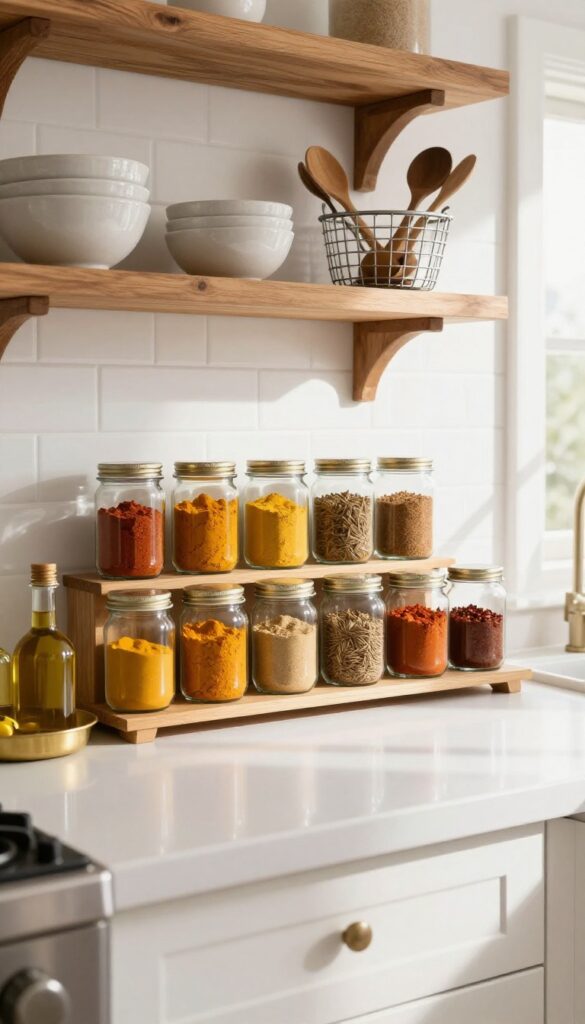
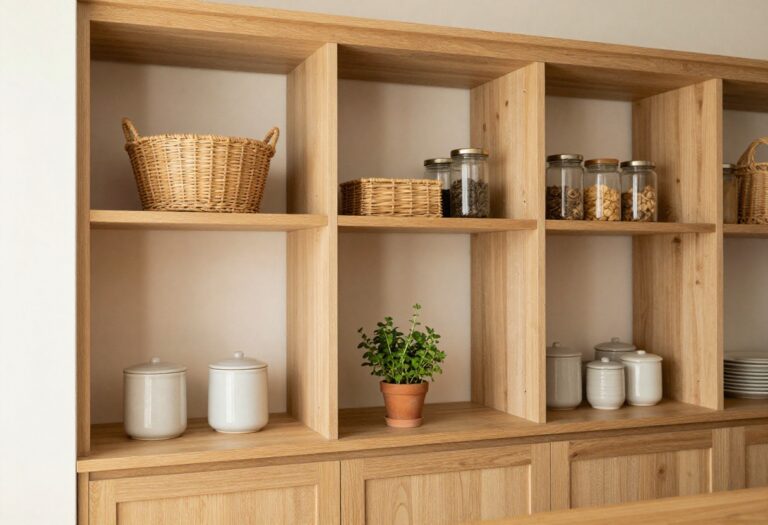
Upper cabinets can make a small kitchen feel even more cramped. Swapping them for open shelves instantly opens up the room and puts your most-used items right where you need them. It is a practical choice for Indian kitchens where spices, oils, and ladles are reached for multiple times a day.
The result is a space that feels airy, organized, and effortlessly stylish.
Open shelving works especially well in compact kitchens because it eliminates the visual bulk of closed cabinetry. By keeping only daily essentials on display, you create a functional and attractive focal point. Use matching jars for spices and small baskets for utensils to maintain a cohesive look.
This setup also makes cleaning easier since you can quickly wipe down shelves and see when items need restocking.
Best Materials
Choose sturdy wood like teak or mango wood for a warm, traditional feel, or go with powder-coated metal for a modern touch. Floating shelves with hidden brackets keep the look clean and minimalist. If your kitchen has a lot of moisture, opt for sealed or treated wood to prevent warping.
Shelf Styling Tip
Group items by frequency of use: keep spices and oils on the lower shelf for easy access, and place less-used items like extra bowls or decorative pieces on the top shelf. Use uniform containers—glass jars with airtight lids work great for spices—and add a small tray for oils to catch any drips.
Small-space Fix
Install shelves above the counter or near the stove but away from direct heat. In a galley kitchen, use one wall for open shelving and keep the opposite side closed for storage. This balance prevents the room from feeling cluttered while still providing ample display space.
2. A Compact Breakfast Nook With a Fold-Down Table
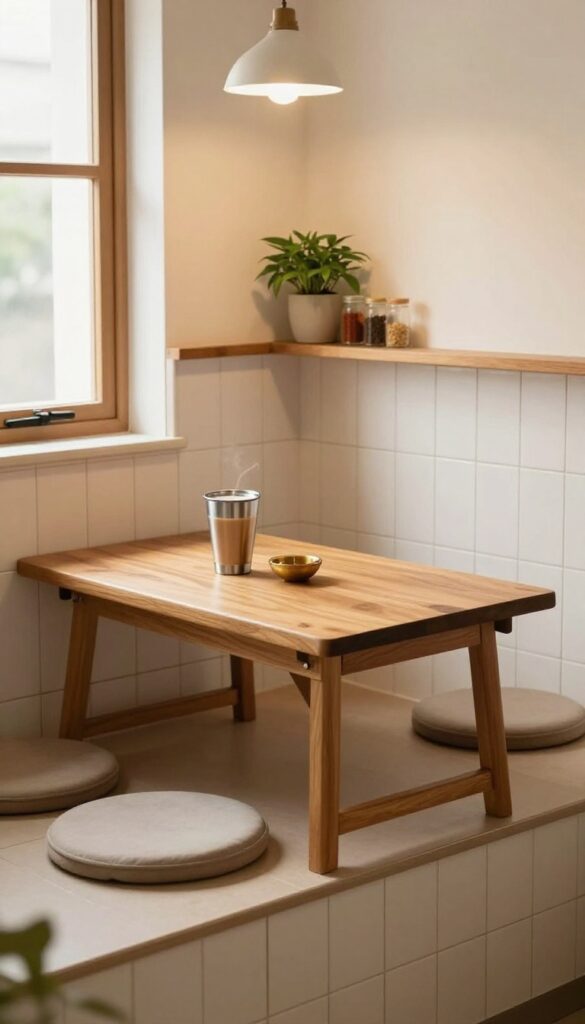
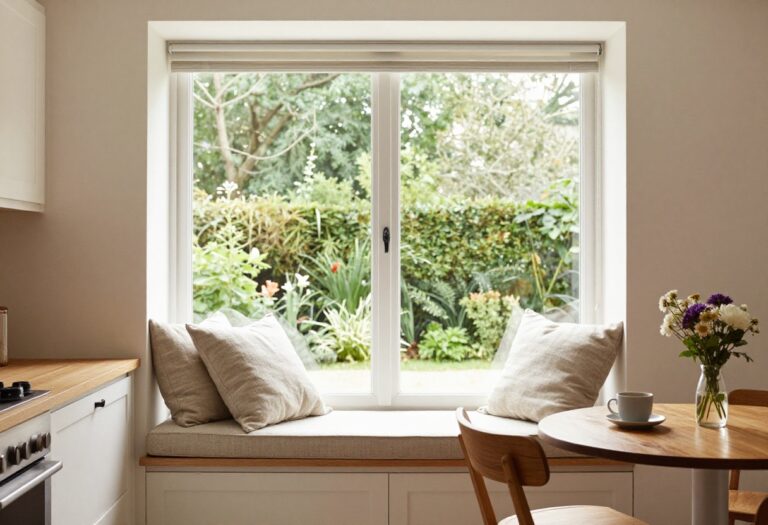
Not every kitchen has room for a full dining set, but that doesn't mean you have to eat every meal standing at the counter. A wall-mounted fold-down table turns an unused corner into a cozy breakfast spot without stealing square footage. It's the kind of setup that feels intentional and inviting, even in the tiniest galley kitchen.
When the table is down, you get a proper surface for your morning chai or a quick dinner. When it's folded up, the space breathes again — perfect for rolling out dough or letting the kids move through. Pair it with a couple of stools that slide completely underneath, and you've got a nook that disappears when you don't need it.
Go for a warm wood finish to keep the kitchen feeling grounded, or paint the tabletop in a soft pastel for a pop of color that doesn't overwhelm.
Best Materials
Solid wood or good-quality plywood with a matte seal works best for durability and easy wiping. Butcher block adds warmth and doubles as a prep surface. For a lighter look, consider a white laminate with a wood edge — it's budget-friendly and resists stains.
Small-space Fix
Mount the table at bar height (about 42 inches) so you can use counter stools instead of full chairs. This saves even more floor space and keeps the visual line clean. Add a slim shelf above for spices or a small plant, and you've turned a blank wall into a functional vignette.
Finishing Touch
Hang a small round mirror or a single piece of art above the table to make the nook feel intentional. A warm-toned pendant light with a short drop adds task lighting and coziness without cluttering the counter.
3. Magnetic Spice Rack on the Backsplash
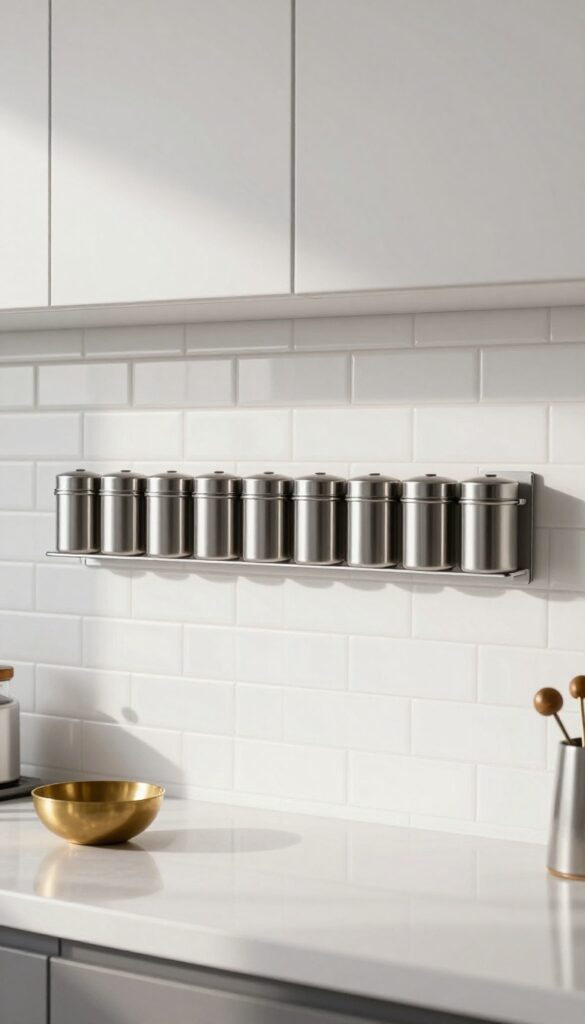
Your kitchen backsplash is prime real estate for more than just splatter protection. By adding a magnetic strip or small magnetic tins, you can turn that vertical space into a functional spice rack. This keeps your most-used seasonings within arm's reach while freeing up precious counter space.
It also introduces a sleek, industrial vibe that feels modern without being cold.
A magnetic spice rack is a game-changer for small Indian kitchens where counter space is at a premium. Instead of digging through a cluttered drawer or cabinet, you can grab cumin, mustard seeds, or red chili powder in a second. The visual effect is both practical and stylish: a neat row of uniform tins or a single long strip with magnets holding spice jars creates an almost artful display.
For a cohesive look, choose tins in the same finish—matte black, brushed brass, or stainless steel work well. Arrange them by frequency of use, with your go-to spices at eye level. This idea works best on a tiled backsplash (ceramic or subway tile is ideal), but you can also attach the strip to painted drywall with strong adhesive.
Just make sure the surface is clean and dry before mounting.
Best Materials
Go for rust-proof materials like stainless steel or coated tin for the spice containers. The magnetic strip should be strong enough to hold filled tins—look for neoprene or rubber-coated magnets to avoid scratches. If your backsplash is glass or uneven, consider a magnetic board instead of a strip.
Small-space Fix
In a compact kitchen, mount the strip on the side of a cabinet or inside a shallow pantry door for extra storage without eating into counter or wall space. You can also use a narrow strip above the stove (but away from direct heat) to keep spices handy while cooking.
Finishing Touch
Label each tin with a chalk marker or small sticker for easy identification. To keep the look clean, stick to a monochrome palette—all white tins with black labels, for example. This turns a functional hack into a design feature that feels intentional.
4. Under-Shelf Baskets for Extra Storage
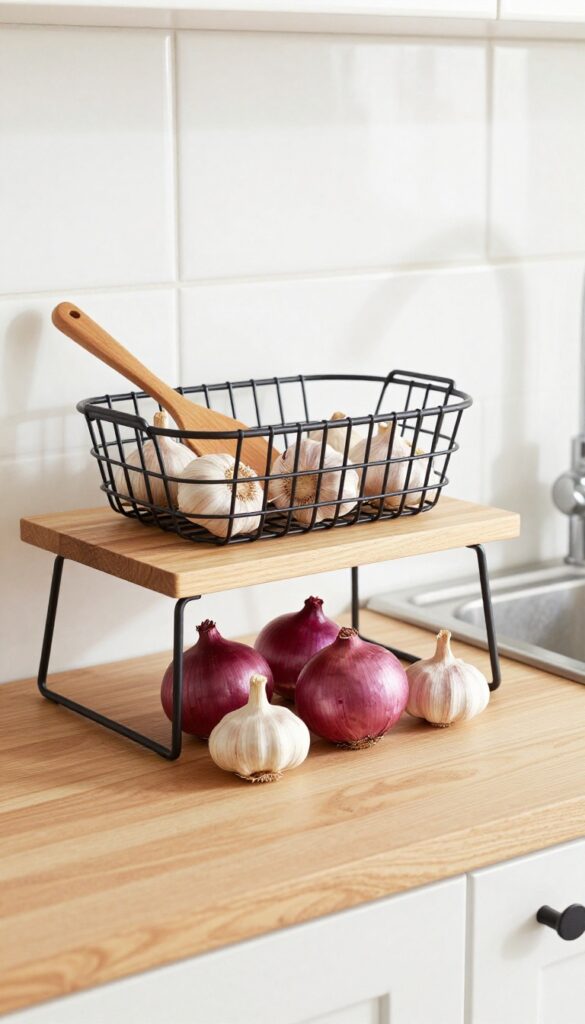
In a small Indian kitchen, every inch counts, and the space beneath your shelves is often overlooked. Clip-on wire baskets turn that empty air into prime real estate for onions, garlic, or even your go-to spatula. They keep things airy and within arm's reach, so you're not digging through a drawer mid-cooking.
Under-shelf baskets are a brilliant, low-cost hack for adding storage without sacrificing counter space. They clip right onto existing shelves, so there's no drilling or permanent change. Use them in your kitchen for produce that needs airflow, like potatoes and onions, or for lightweight tools like peelers and measuring spoons.
The open wire design means nothing gets hidden or forgotten, and it adds a slight industrial edge to your decor. For a cohesive look, stick with black or silver metal baskets that match your hardware.
Best Placement
Install them under the upper cabinets above your prep area or sink. That's where you'll most often need quick access to garlic, ginger, or a vegetable peeler. Avoid placing them over the stove, as heat and steam can affect produce.
What To Store
Stick with lightweight, dry items: onions, garlic, potatoes, or small jars of spices. Avoid heavy cans or glass bottles, as the clips have weight limits. For a tidy look, group similar items together, like all your root vegetables in one basket.
Styling Tip
Choose baskets with a matte black or brushed nickel finish to complement modern Indian kitchens. If your shelves are wood, the contrast of metal and natural grain adds a subtle, curated feel. Keep the baskets from looking cluttered by limiting each to one type of item.
5. A Rolling Cart as a Mobile Island
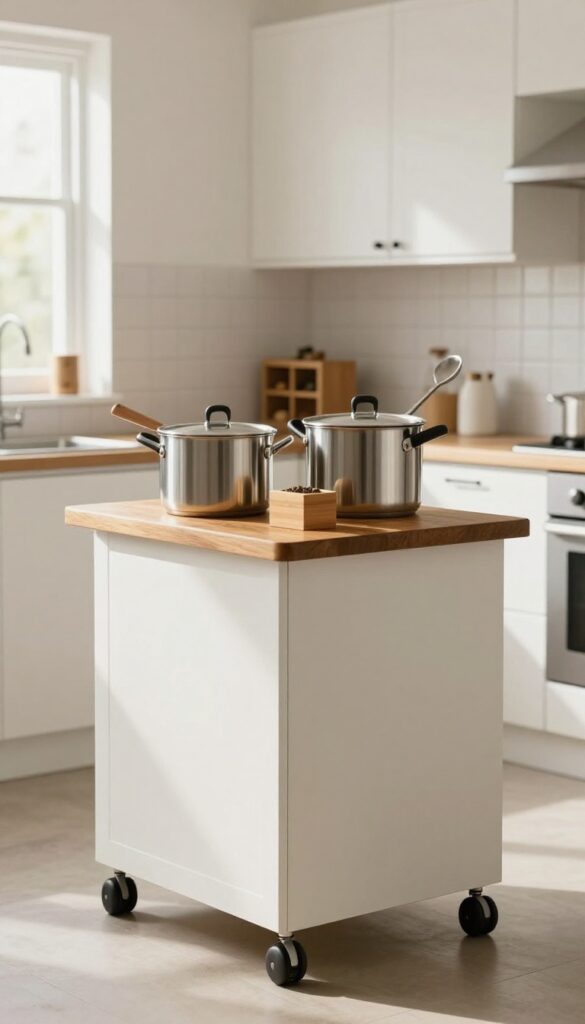
In a compact Indian kitchen, every inch of counter space is precious. A slim rolling cart steps in as a flexible workhorse—it glides next to your prep area when you need extra surface, then tucks away into a corner or pantry when you don't. Think of it as a tiny island that moves wherever you need it, making meal prep feel less cramped and more organized.
A rolling cart brings both function and style to a small kitchen. It offers a dedicated spot for your most-used pots, spices, or even a microwave, keeping your main counters clutter-free. The best part?
You can wheel it to the dining table for serving or use it as a temporary bar cart during gatherings. Choose a cart with a butcher-block top for a warm, natural look that doubles as a chopping board, or go for a sleek metal finish to contrast with wooden cabinets.
Best Materials
Look for a cart with a sturdy frame—wood adds warmth, while stainless steel or iron feels modern and industrial. A solid wood top (like teak or mango wood) is ideal for prep work, while a marble or granite top brings a touch of luxury and is easy to clean. For a budget-friendly option, a powder-coated metal cart with a bamboo top is lightweight and resists humidity well.
Layout Tip
Place the cart next to your main counter near the stove or sink so it functions as an extension of your prep zone. If your kitchen has a narrow gap between cabinets, measure carefully—most slim carts are 12 to 18 inches wide, perfect for tight spots. During cooking, keep frequently used items like oil, salt, and ladles on the top shelf for quick access.
Storage Strategy
- Use the lower shelves for heavier items like cast-iron pans or bulk grains. Add small baskets or bins to corral spices, tea bags, or snack packets. Consider hanging hooks on the side for kitchen towels or measuring spoons.
- This way, the cart becomes a mini pantry that keeps your daily essentials within arm's reach without crowding your cabinets.
6. Bright White Tiles With a Single Accent Wall
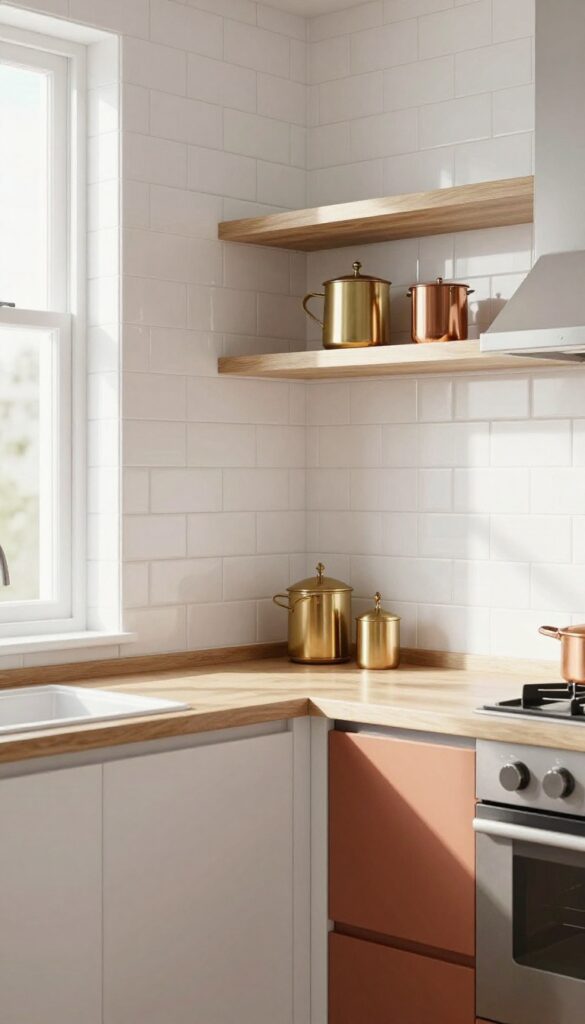
White subway tiles are a classic choice for Indian kitchens, especially when space is tight. Their glossy surface bounces light around, making even a narrow galley kitchen feel airy and open. But all-white can feel a bit clinical—so the trick is to add one accent wall in a warm earthy tone like terracotta or olive green.
That single pop of color brings in that Indian-inspired warmth without overwhelming the room. It's a balanced look: clean and modern on one side, cozy and grounded on the other.
The beauty of this approach is how it visually expands the kitchen while still feeling distinctly Indian. White tiles keep the space bright and easy to clean, while the accent wall adds personality and a sense of place. For a small kitchen, choose the accent wall behind the stove or the dining nook—it draws the eye and creates a focal point without eating up floor space.
Pair it with light wood open shelves and a few brass or copper accents to tie the earthy tone back to traditional Indian decor. The result is a kitchen that feels both spacious and soulful.
Best Colors
- Stick with warm earth tones for the accent wall: terracotta, deep olive green, mustard yellow, or burnt sienna. These colors complement the white tiles and feel naturally Indian. Avoid cool blues or grays—they can clash with the warm vibe you're going for.
- If you want something softer, try a muted rust or clay pink.
Layout Tip
Place the accent wall on the shortest wall in the kitchen to maximize the sense of space. If your kitchen is L-shaped, use the accent wall on the side opposite the main work area. This way, the white tiles dominate the larger surfaces, and the color feels like a deliberate highlight rather than a squeeze.
Finishing Touch
Add a slim open shelf on the accent wall in a light natural wood. Style it with a small brass utensil holder, a clay diya, or a sprig of fresh herbs. That little detail bridges the modern tiles and the earthy wall, making the whole look feel intentional and lived-in.
7. Hanging Pot Rack Over the Stove
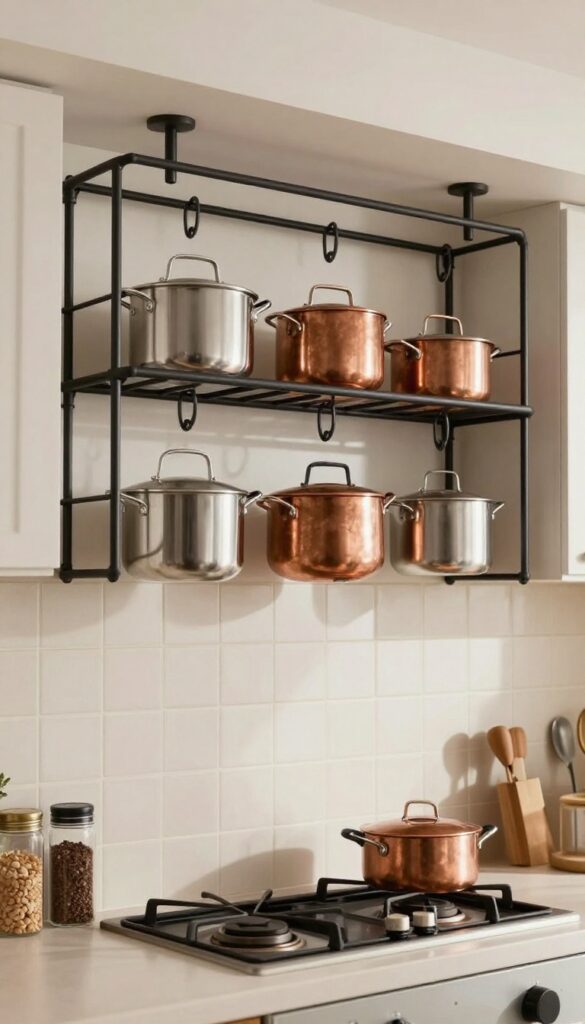
Let’s face it—cabinet space in an Indian kitchen is precious. Between the spice jars, stacked tiffins, and that extra pressure cooker, there’s barely room for your everyday pans. A hanging pot rack changes that instantly.
Suspended right above the stove, it keeps your most-used cookware within arm’s reach while freeing up storage below. Plus, the gleam of steel or copper pots adds a warm, rustic accent that makes the cooking zone feel intentional and cozy.
This idea works especially well in small kitchens where every inch counts. Instead of digging through cabinets, you just reach up and grab the kadai or frying pan you need. The visual effect is both practical and charming—a cluster of hanging pots becomes a design feature in itself.
Choose a simple ceiling-mounted rack with hooks, and let the cookware do the decorating. For Indian homes, this setup pairs beautifully with a tiled backsplash or a simple painted wall. The key is to keep it tidy: only hang items you use regularly, and arrange them by size for a balanced look.
Best Materials
- Go for wrought iron or matte black steel for a sturdy, classic look that blends with most kitchen styles. If you prefer a warmer tone, copper or brass finishes add a subtle glow. Stainless steel racks are the most practical—they resist rust and clean easily.
- For the pots themselves, mix metals intentionally: a copper-bottomed pan next to a steel one creates visual contrast without feeling chaotic.
Small-space Fix
- In a compact kitchen, a pot rack does double duty: it clears out cabinets and draws the eye upward, making the room feel taller. Keep the rack compact—no wider than the stove itself—so it doesn’t overwhelm the space. Use S-hooks to hang ladles, spatulas, and tongs from the same rack, turning it into a full tool station.
- This way, you eliminate the need for a separate utensil holder, saving even more counter space.
Finishing Touch
- Add a small LED puck light or a warm pendant light above the rack to highlight the cookware and improve visibility while cooking. The light will catch the metal surfaces, creating a soft glow that makes the kitchen feel inviting. If your ceiling is low, choose a flush-mount rack or a slim design to avoid bumping your head.
- For extra personality, weave a few dried herb bundles or a small chili garland among the hooks—it adds color and keeps the look rooted in Indian cooking traditions.
8. Glass Canisters for Dry Goods on the Counter
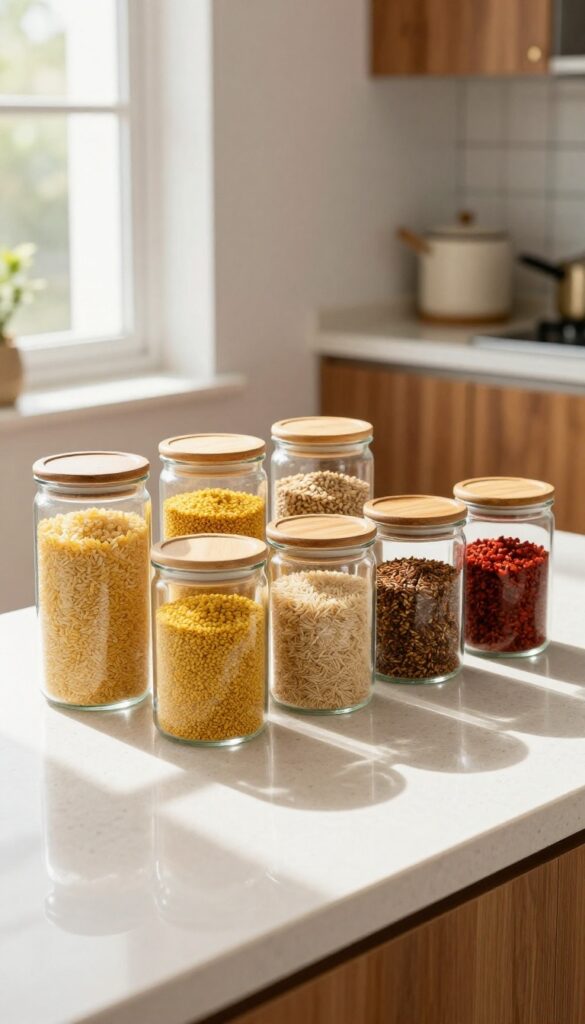
Open shelving isn't the only way to show off your kitchen staples. A row of uniform glass canisters on the counter turns everyday ingredients into a design feature. Rice, dal, and spices suddenly look intentional rather than cluttered.
This setup works especially well in small Indian kitchens because it clears out cabinet space while keeping essentials within arm's reach. Plus, you can instantly spot when something's running low, which means fewer last-minute grocery runs.
Glass canisters bring a clean, airy feel to any countertop. They create visual rhythm when lined up, and the transparency keeps the space from feeling heavy. For Indian kitchens, where rice and dal are used daily, having them visible and accessible makes cooking smoother.
Choose canisters with airtight lids to keep contents fresh and avoid moisture issues common in humid climates. Arrange them from tallest to shortest or group by frequency of use—whatever feels most natural for your workflow.
Best Materials
- Look for thick borosilicate glass—it's durable and resists thermal shock if you accidentally pour hot leftovers nearby. Lids should be bamboo or stainless steel for a natural, modern look. Avoid plastic lids; they can warp or discolor over time.
- A rubber seal under the lid ensures freshness and keeps tiny spices from escaping.
Small-space Fix
If your counter is narrow, use a tiered stand to stack canisters vertically. This doubles storage without taking up more surface area. Another trick: mount a magnetic strip on the wall above the counter and attach small metal tins for lighter spices, keeping the glass canisters for heavier staples.
Finishing Touch
- Label each canister with a chalkboard tag or simple adhesive label. Use a consistent font or handwriting style for a polished look. Add a small tray underneath to catch stray grains and make cleaning easier.
- A wooden or marble tray adds warmth and anchors the grouping visually.
9. A Slim Pull-Out Pantry Next to the Fridge
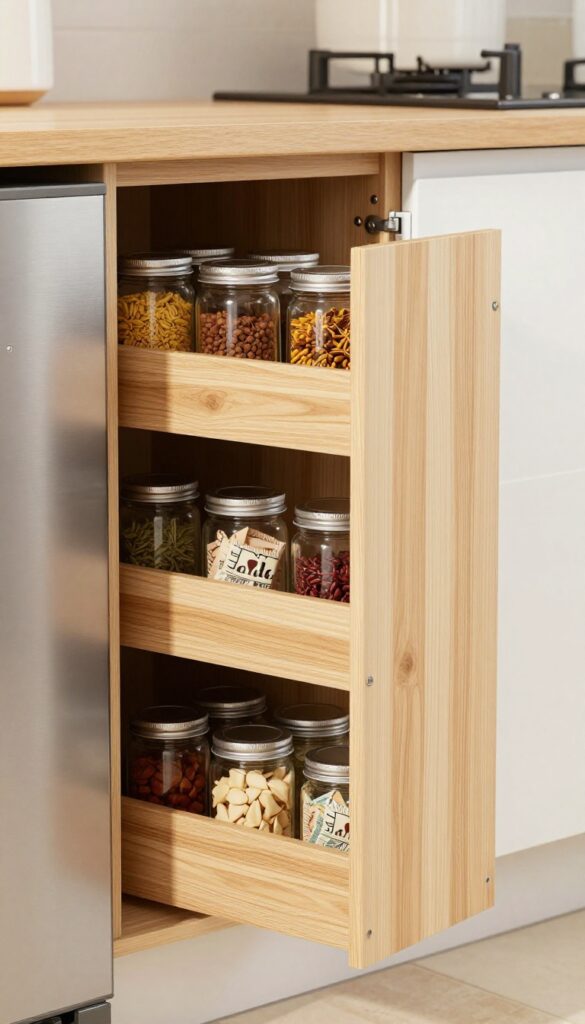
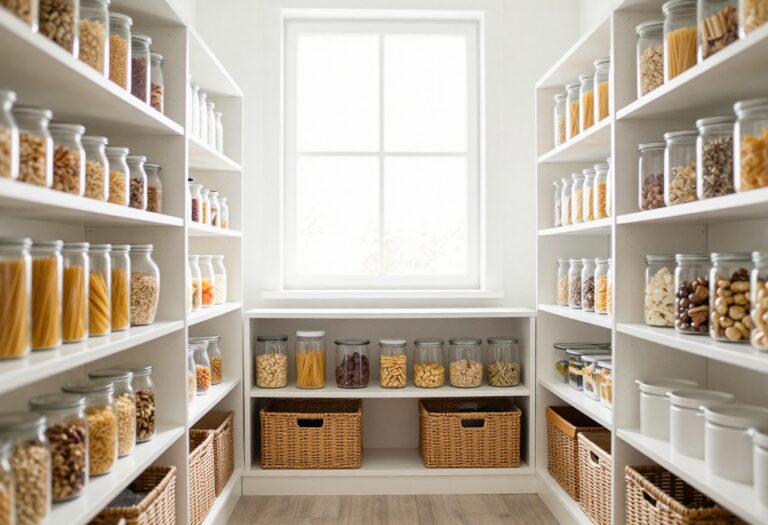
That awkward gap beside the refrigerator is a common sight in Indian kitchens, often left as a dust-collecting dead zone. But with a slim pull-out pantry unit, you can turn that narrow space into one of the most functional spots in your kitchen. It's a small-space solution that feels custom-made, even if you're working with a standard modular setup.
A pull-out pantry is essentially a tall, narrow cabinet on wheels or sliding rails that fits into gaps as slim as 6 to 12 inches. It slides out smoothly, giving you easy access to everything inside without having to dig through deep cabinets. For Indian homes, this is perfect for storing spice bottles, dal packets, canned goods, and even snack boxes.
The best part? It uses every inch of vertical space, so nothing gets lost at the back of a shelf.
Best Use Cases
Place it next to the fridge or between the fridge and a wall. Use it for dry staples like rice, pasta, and pulses, or for frequently used items like oil bottles and vinegar. You can also dedicate a tier to kids' snacks or tea-time essentials.
Storage Tip
Opt for adjustable shelves or baskets so you can customize the height for tall bottles or small spice jars. Adding a non-slip liner on each shelf prevents items from toppling when you slide the unit in and out.
Finishing Touch
Match the pantry's front panel to your existing cabinet doors for a seamless look. If you want a pop of contrast, choose a wooden finish or a bold color like navy blue to make it a design feature.
10. Warm Wood Accents for a Cozy Feel
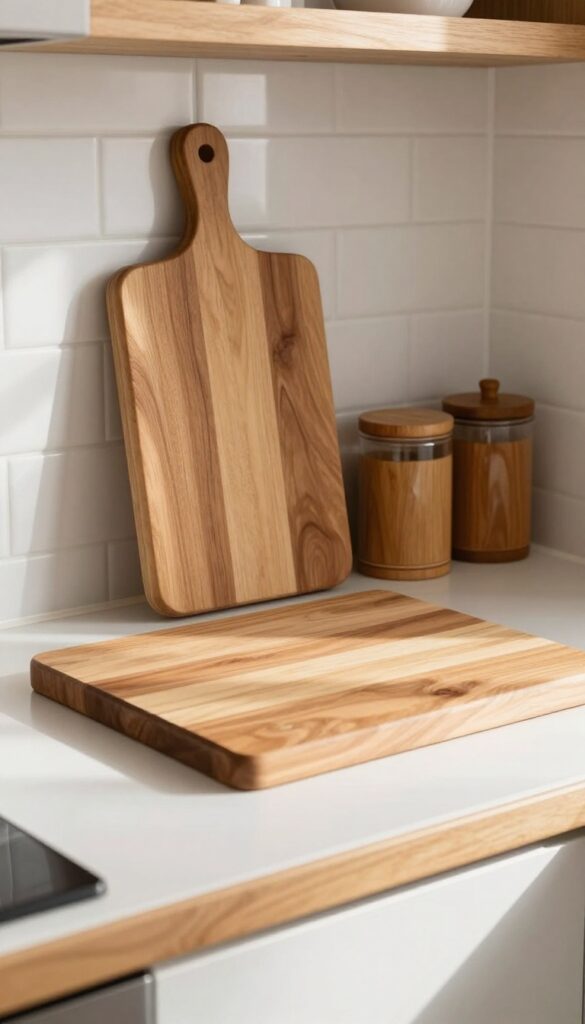
A kitchen full of stainless steel and glossy tiles can feel a little cold—especially when you're trying to create a space for daily family meals. That's where warm wood comes in. Even a few wooden touches can soften the whole room, making it feel more inviting and lived-in.
Wood has a natural ability to balance out hard, reflective surfaces. In a small Indian kitchen, you don't need to overhaul the cabinetry. Start with a single wooden cutting board propped against the backsplash, or swap your plastic storage jars for wooden ones on an open shelf.
If you have the budget, a butcher block countertop on a small island or a section of your existing counter adds instant warmth without taking up extra floor space. The key is to choose wood tones that complement your existing palette—warm honey or teak works beautifully with white or cream tiles, while darker walnut can anchor a kitchen with gray or blue cabinets. Keep the wood accents intentional and spaced out so they read as design choices, not clutter.
Best Materials
Go for solid woods like sheesham, mango wood, or acacia—they're durable and have beautiful grain patterns that add character. Avoid engineered wood if it will be near moisture; instead, seal natural wood properly with a food-safe oil or varnish. Teak is a great option for countertops because it's naturally water-resistant.
Small-space Fix
In a compact kitchen, use open shelves in a warm wood finish to store everyday dishes and glass jars. This draws the eye upward and makes the room feel larger, while the wood adds that cozy factor. Keep the shelves lightly styled—just a few pieces—so they don't overwhelm the space.
Finishing Touch
Add a wooden fruit bowl or a small wooden tray on the counter for a quick, functional pop of warmth. Even a wooden spoon holder next to the stove can make a difference. The goal is to create little moments of texture that feel natural, not forced.
11. Task Lighting Under Cabinets for Better Visibility
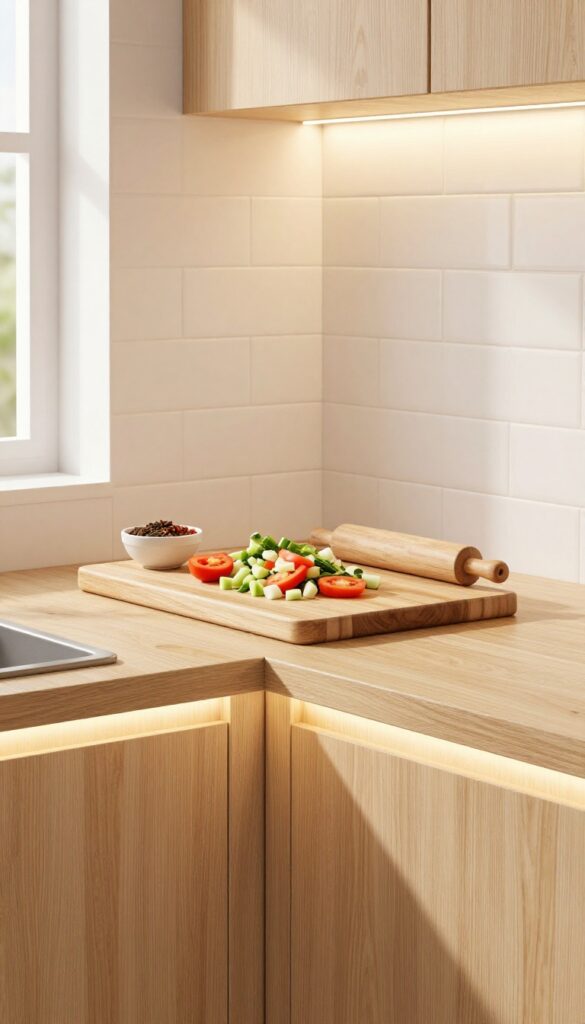
Prepping dinner under a single overhead light can leave your countertops feeling dim and shadowy, especially in Indian kitchens where the cooking area often doubles as a chopping and mixing station. Adding LED strip lights under upper cabinets is a simple fix that instantly changes how the space works and feels. The soft, even glow eliminates dark corners and makes every slice, dice, and stir safer and more precise.
Plus, it gives the kitchen a sleek, modern edge without a full renovation.
Under-cabinet lighting is one of those upgrades you never knew you needed until you try it. In a small or compact kitchen, it makes the counter feel larger and more inviting. The light bounces off white or light-toned countertops, making the whole room feel brighter and cleaner.
For Indian homes where meals often involve multiple prep steps—chopping vegetables, rolling dough, grinding spices—good task lighting reduces eye strain and keeps the workflow smooth. The installation is surprisingly easy: peel-and-stick LED strips plug into an outlet or hardwire into a switch. Choose a warm white (2700K to 3000K) for a cozy, kitchen-friendly glow, or a neutral white (3500K to 4000K) for a crisper, more clinical look.
Either way, the result is a kitchen that feels more functional and polished.
Placement And Coverage
- Mount the strips close to the front edge of the upper cabinet so the light hits the countertop directly, not the backsplash. For a standard 30-inch counter depth, one continuous strip per cabinet section works best. If your cabinets have gaps between them, use connector wires to span the space.
- The goal is even, shadow-free light across the entire work surface.
Best Color Temperature
Warm white (2700K-3000K) blends beautifully with wooden cabinets and warm-toned tiles, creating a cozy, restaurant-like ambiance. If your kitchen has cool gray or white finishes, a neutral white (3500K-4000K) keeps the space feeling crisp and clean. Avoid daylight (5000K+) in kitchens—it can feel harsh and clinical.
Small-space Bonus
- In a galley or L-shaped kitchen, under-cabinet lights make the countertops feel wider and more open. The light draws the eye horizontally, visually expanding the space. Pair with a glossy or light-colored backsplash to maximize the reflective effect.
- This trick is especially useful in Indian apartments where kitchen square footage is tight.
FAQ
How can I make my small Indian kitchen look bigger?
Use light colors on walls and cabinets, add mirrors or glossy tiles to reflect light, and keep counters clutter-free. Open shelving and vertical storage also help the space feel more open.
What are the best storage solutions for Indian kitchens?
Magnetic spice racks, under-shelf baskets, pull-out pantries, and hanging pot racks are great options. They use vertical and often wasted space without taking up counter area.
Can I use open shelving in a greasy Indian kitchen?
Yes, but choose easy-to-clean materials like metal or glass. Keep frequently used items on open shelves and store oily spices in sealed jars to minimize grease buildup.
What colors work best for a small Indian kitchen?
White, cream, and light grey make the space feel larger. Add warmth with wood accents or a single accent wall in a earthy tone like terracotta or mustard.
How do I organize spices in a small kitchen?
Use a magnetic strip on the wall, tiered spice racks inside cabinets, or uniform jars on a shelf. Group spices by frequency of use to make cooking faster.
Conclusion
Making your Indian kitchen more functional doesn't require a complete overhaul. Small changes like adding open shelving, a rolling cart, or better lighting can transform how you use the space every day.
Pick one or two ideas that fit your kitchen's layout and start there. Over time, these tweaks will make daily meals feel less like a chore and more like a joy to prepare in a space that truly works for you.