10 Kitchen and Living Room Divider Ideas for Small Spaces That Feel Warm and Open
Open-concept layouts are great for flow, but sometimes you want a little separation between the kitchen and living room. Maybe it's the clutter from cooking that you'd rather hide, or the need for a cozy nook that feels distinct from the meal prep zone.
Whatever your reason, dividing these two areas in a small space requires a light touch. The trick is to choose a divider that defines zones without blocking light or making the room feel smaller.
The best options add visual interest, offer storage, or double as functional furniture. From floating shelves to sliding screens, these ideas keep your home feeling warm and connected while giving each space its own identity.
1. Open Shelving That Doubles as a Room Splitter
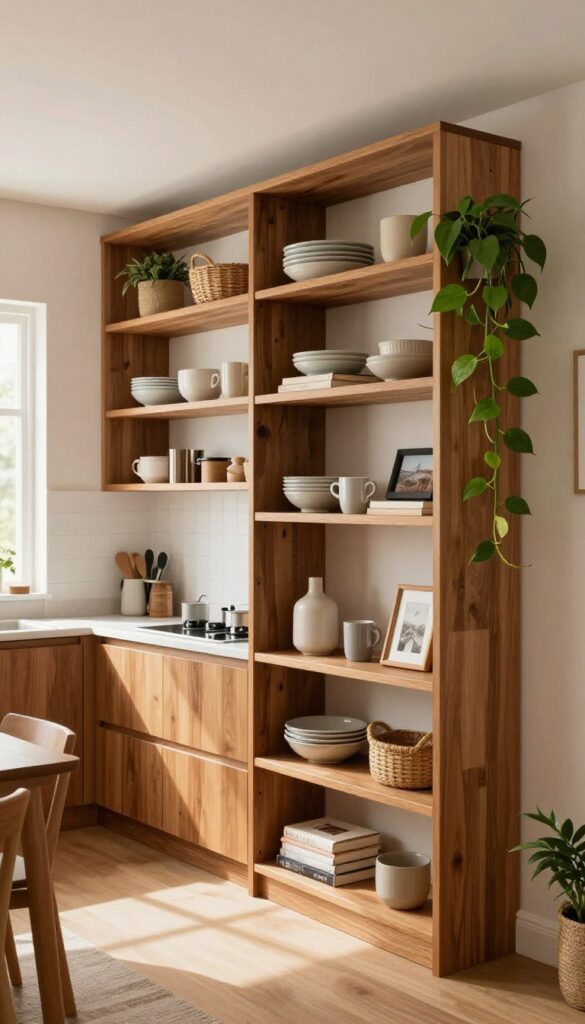
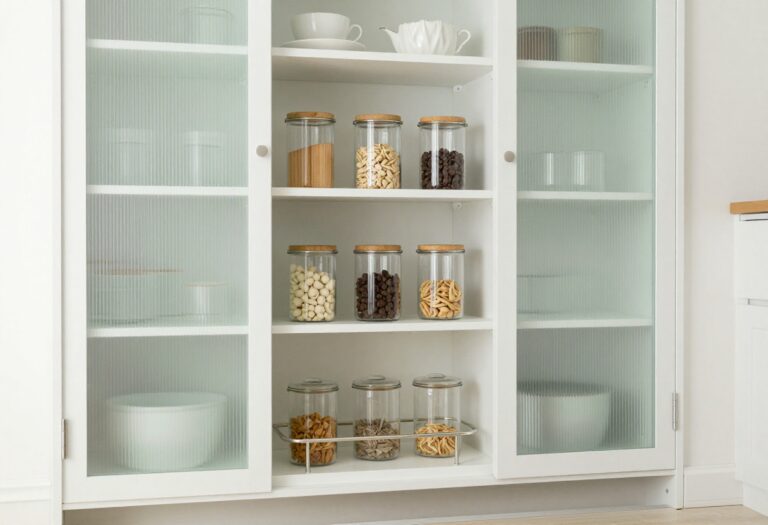
A floor-to-ceiling open shelf unit acts as a subtle barrier while displaying dishes, plants, or books. The open design keeps sightlines clear and light flowing, making it perfect for small homes. Style it with a mix of ceramics and greenery for a warm, lived-in look.
Open shelving isn't just for storage—it can define zones without closing off a room. In an open-plan kitchen and living area, a tall shelf unit positioned between the two spaces creates a natural divide while keeping the airy feel. The key is choosing a unit that's open on both sides, so light passes through and the eye can travel.
This works especially well in narrow layouts where a solid wall would feel claustrophobic. Plus, you get double the display space: one side for kitchen essentials like mugs and cookbooks, the other for living room decor like vases and framed photos. To keep it from looking cluttered, stick to a cohesive color palette and vary the heights of objects.
Add a few trailing plants on top shelves to soften the edges and bring life to the divider.
Best Materials
Go for warm woods like oak or walnut to match the cozy style profile. Light woods keep things airy, while darker tones add richness. Metal frames in black or brass can add an industrial touch, but wood alone feels softer and more inviting.
Shelf Styling Tip
Create visual balance by grouping items in odd numbers and mixing textures—think matte ceramics, woven baskets, and glossy leaves. Leave some negative space so the shelves don't feel crammed. A few stacked books with a small plant on top make for an easy, attractive vignette.
Small-space Fix
If your floor space is tight, choose a shelf unit that's narrow in depth (around 12 inches). Anchor it to the wall for safety, and consider using it as a room divider only partway—like three-quarters of the way across—so there's still a clear path for traffic flow.
2. A Low Console Table with Visual Weight
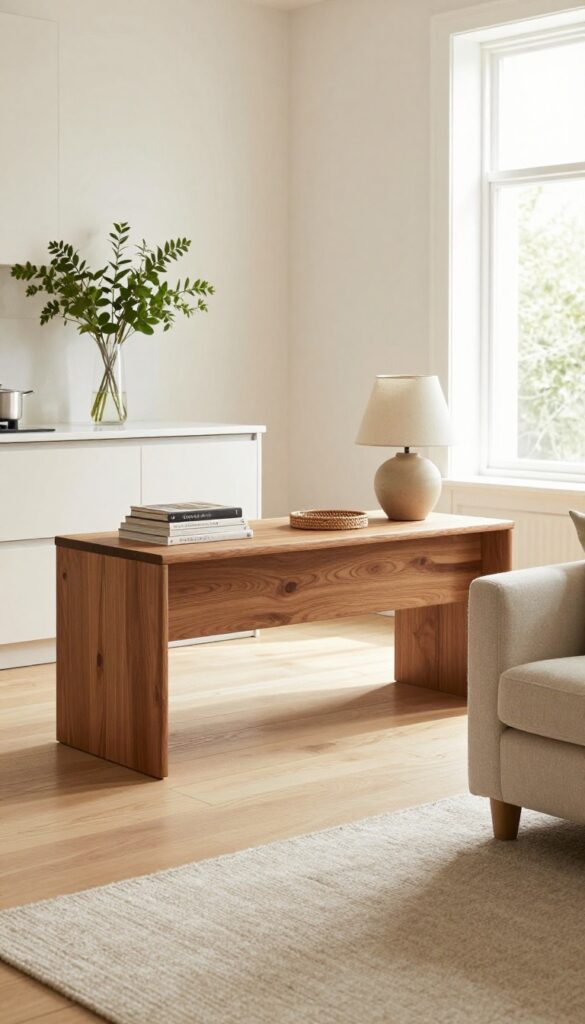
Not every room divider needs to be tall or solid. Sometimes a low, grounded piece of furniture does the job just as well—without closing off your space. A console table placed between the kitchen and living room creates a subtle boundary that feels intentional, not forced.
It keeps the sightlines open and the room airy, while giving you a practical surface to style and use.
A long, low console table is one of the smartest ways to separate a kitchen from a living area in an open-plan small space. It defines the zone without blocking light or views, and its horizontal line visually anchors the room. Choose a piece with a warm wood finish or a painted base in a soft neutral to keep the look cozy.
Style it with a lamp, a tray for remotes, and a stack of cookbooks to blend living room warmth with kitchen utility. The key is keeping the proportions low—around 30 inches tall or less—so the table feels like a deliberate divider, not an afterthought.
Best Materials For A Warm Feel
To keep the cozy vibe, go for natural materials like solid oak, walnut, or a matte-lacquer finish in a warm tone like taupe or sage. Avoid glossy or cold metals unless they're brushed brass or aged bronze. A stone or marble top can work if the base is warm wood—just balance the cool surface with soft textures like a woven runner or ceramic lamp.
Styling Tip: Layer Height And Texture
- Since the console is low, create visual interest by layering objects at different heights. Place a tall table lamp on one end, a stack of books in the middle, and a small plant or ceramic bowl on the other side. Add a textured tray to corral remotes and coasters.
- This keeps the surface functional while adding depth and a collected, lived-in feel.
Small-space Layout Fix
In a narrow open layout, position the console table parallel to the kitchen counter or island, leaving at least 36 inches of clearance on both sides for easy movement. If the space is tighter, angle the table slightly to soften the division and guide foot traffic naturally. Avoid cluttering the legs with baskets or stools—keep the area underneath clear to maintain an open, airy look.
3. Sliding Barn Doors for Flexible Privacy
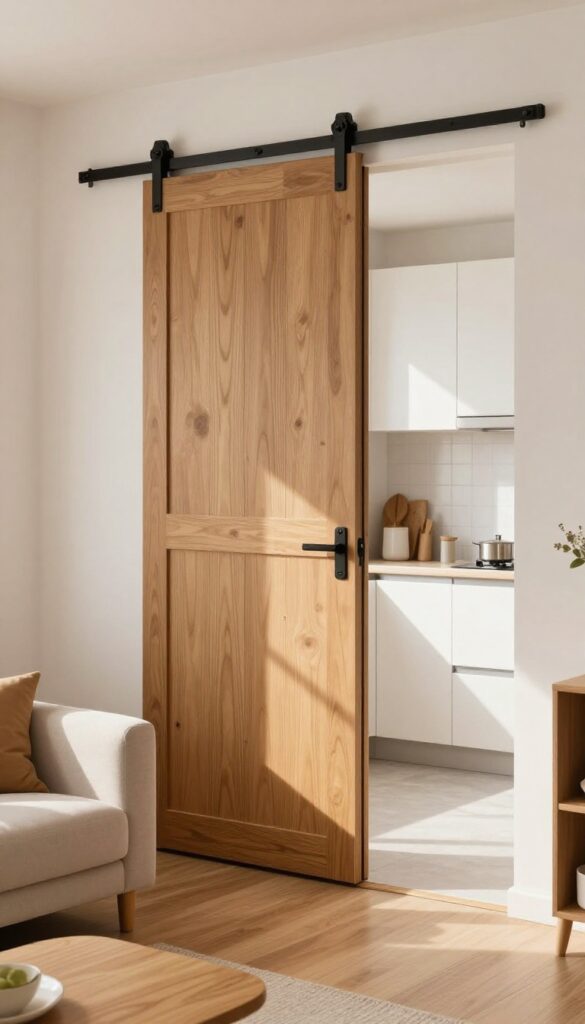
A sliding barn door does double duty in a small space: it separates zones when needed but slides out of sight to keep things open. The warm wood tones or painted finishes available today let you match the door to your existing decor while the hardware adds a rustic or industrial touch. This idea works especially well when you want to hide kitchen clutter during dinner parties without losing the airy feel of an open plan.
Sliding barn doors are a smart solution for small spaces because they don't swing into the room, saving valuable floor area. When closed, they create a visual barrier that hides kitchen mess or cooking smells. When open, they tuck neatly against the wall, preserving the open concept.
Choose a warm wood like oak or walnut to bring coziness, or go with a painted finish in a soft neutral that blends with both rooms. The track and hardware become a decorative element themselves—black or bronze rails add character. For a cohesive look, match the door style to your home's personality: a reclaimed wood door for farmhouse vibes, a sleek flat panel for modern spaces.
Best Materials For Warmth
- Solid wood is the top choice for a warm, cozy feel. Oak, pine, or cedar bring natural grain and texture that softens the transition between rooms. If budget is a concern, a hollow-core door with a wood veneer can achieve a similar look at a lower cost.
- For a painted finish, opt for a matte or eggshell sheen in a warm white, soft beige, or muted green to keep the space inviting.
Small-space Installation Tips
- Measure your wall space carefully—the door needs enough room to slide fully open without blocking windows or outlets. Choose a bypass system if you have two doors that slide past each other, or a single door for a narrower opening. Install the track high enough to avoid bumping heads, and consider a soft-close mechanism to prevent slamming.
- In a rental, look for no-drill tension rod kits that can be installed without damaging walls.
Styling Around The Door
- Let the barn door be a focal point by keeping adjacent walls simple. Add a small console table or a potted plant near the track to draw the eye. On the kitchen side, hang a hook for aprons or towels.
- On the living room side, place a floor lamp or a stack of books to create a cozy vignette. The goal is to make the door feel intentional, not like an afterthought.
4. A Curtain or Drape That Softens the Divide
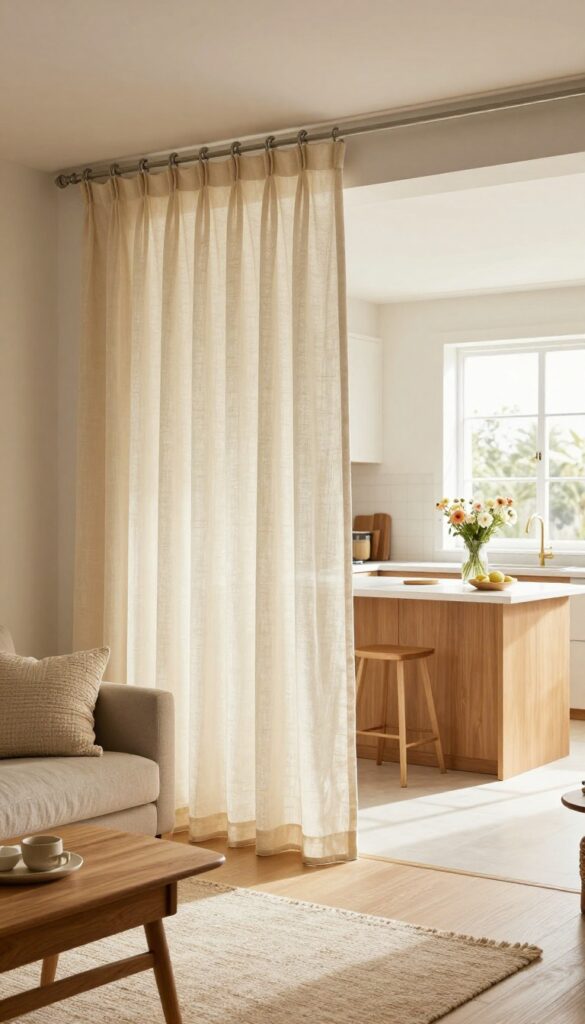
Not every room divider needs to be a solid wall of wood or metal. Sometimes the softest solution makes the biggest impact. A ceiling-mounted curtain rod with light linen or cotton drapes can separate your kitchen from your living area without making either space feel boxed in.
The fabric adds warmth and texture, and you can draw it closed for privacy or tie it back when you want the whole room to feel open and airy. Best of all, swapping out the drapes is an easy way to refresh the look whenever you feel like a change.
This approach works especially well in small spaces because it doesn't eat up any floor area. The curtain hangs from the ceiling, so your square footage stays open and usable. Choose a rod that extends a few inches past the opening on each side so the fabric can stack back without blocking the view.
For a warm and cozy vibe, go with natural fabrics like unbleached linen or soft cotton in earthy tones—cream, sand, or a gentle sage green. The slight transparency of linen lets light filter through, keeping both zones bright. When you want to define the spaces more clearly, simply draw the curtain.
It's a flexible, affordable divider that feels intentional and inviting.
Best Fabric Choices
- Lightweight linen or cotton drapes are ideal because they move easily and don't feel heavy. Avoid thick velvet or blackout linings that can make a small space feel closed off. Semi-sheer fabrics offer a nice balance of separation and softness.
- For a cozy touch, consider a subtle pattern like a fine stripe or a gentle plaid that ties into your existing decor.
Installation Tip
Mount the curtain rod as close to the ceiling as possible—this draws the eye upward and makes the ceiling feel higher. Use a rod that extends past the opening by at least 6 inches on each side so the fabric can stack fully clear of the passage. If you're renting, tension rods can work in a pinch, but a proper ceiling-mounted track looks much more polished.
Styling The Look
Keep the rest of the divider area uncluttered so the curtain remains the focal point. Add a small console table or a low plant on the living room side to anchor the transition. When the curtain is tied back, let it drape in loose folds rather than pulling it tight—it looks more relaxed and intentional that way.
5. A Kitchen Island with Seating on One Side
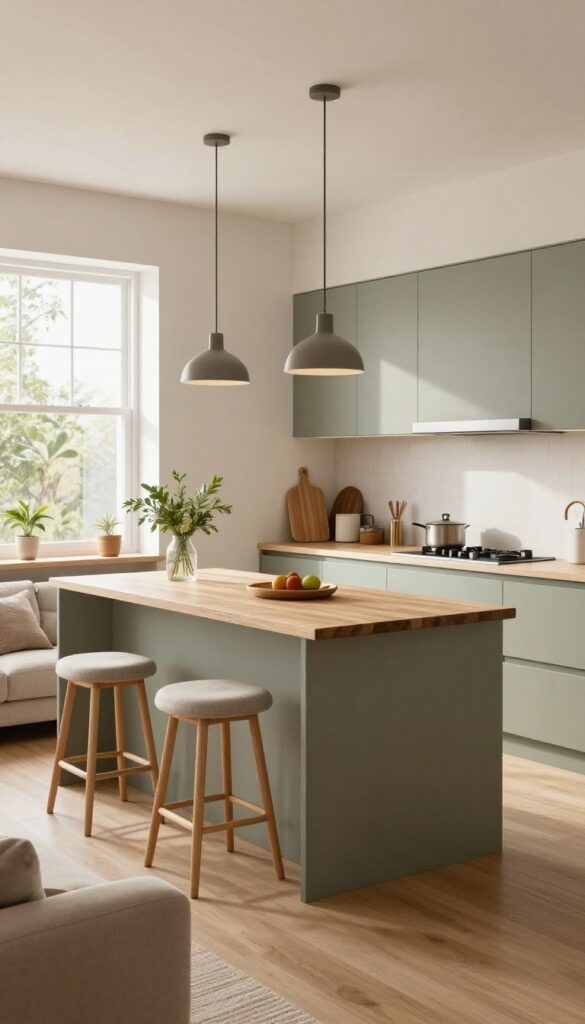
When your kitchen and living room share a footprint, a slim island with bar stools can do double duty as a divider and a hangout spot. It carves out distinct zones without closing things off, and the seating facing the living room keeps conversations flowing naturally. The key is to keep the island narrow enough to leave walking room on both sides, so the space still feels open and connected.
This idea works best in open-plan layouts where you want a subtle separation between cooking and lounging areas. A slim island, about 24 to 30 inches wide, provides just enough counter space for meal prep or a quick breakfast while acting as a visual barrier. The bar stools on the living room side create a casual dining spot that also serves as a perch for chatting with guests.
To keep the look cohesive, choose a countertop material that echoes your kitchen counters or living room surfaces, like warm butcher block or a light quartz. Add a couple of pendant lights above the island to define the zone and make it feel intentional.
Best Materials
Butcher block is a top pick for small spaces because it adds warmth and feels less bulky than stone. If you prefer a lighter look, a slim quartz or solid surface top in a soft white or warm beige keeps the island from feeling heavy. For the base, try a painted wood finish in a tone that complements your living room, like a muted sage or creamy white, to tie the two areas together.
Layout Tip
Aim for at least 36 inches of clearance on the kitchen side and 42 inches on the seating side so stools can slide in and out easily. If your space is extra tight, consider a mobile island on locking casters—you can roll it out of the way when you need more floor space for entertaining.
Cozy Detail
Add a small tray or a stack of cookbooks on the kitchen side and a low-maintenance plant on the seating side to soften the transition. A warm-toned runner on the kitchen side or a small rug under the stools can also help anchor each zone without cluttering the floor.
6. Tall Plants That Create a Green Screen
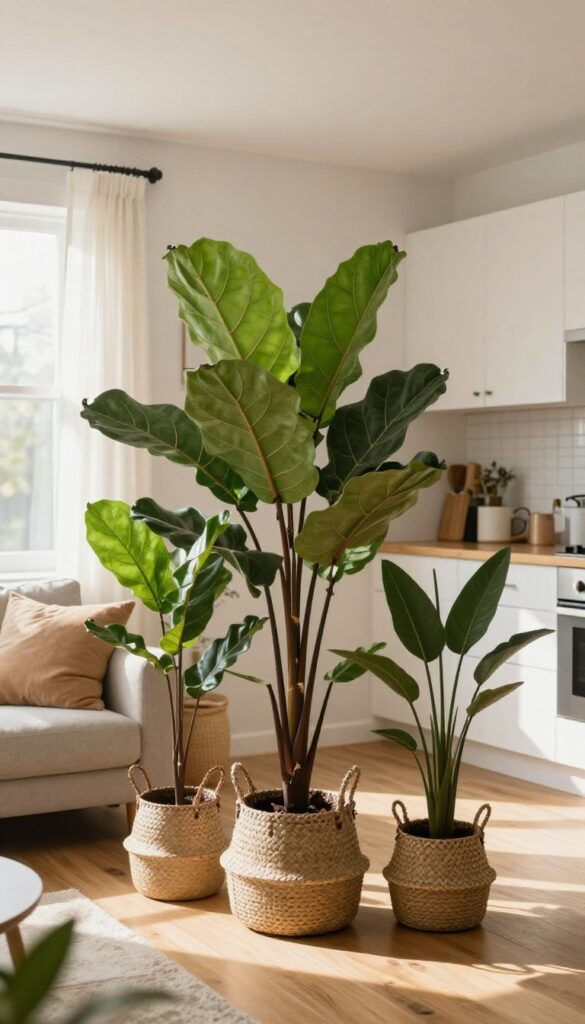
Bringing the outdoors in is one of the easiest ways to make a small space feel fresh and alive. When you need a room divider that doesn’t eat up precious square footage, tall potted plants step in beautifully. They add height, texture, and a natural rhythm to the room—plus, they soften the hard lines between kitchen and living areas without building a single wall.
Large plants like fiddle-leaf figs, bird of paradise, or even a cluster of tall snake plants can form a living partition that feels intentional and lush. Group two or three in a row along the boundary you want to define, and let their leaves create a soft, airy screen. The greenery instantly warms up the space and makes the transition between cooking and lounging feel organic rather than abrupt.
Best Plants For The Job
- Fiddle-leaf figs are a classic choice for their broad, sculptural leaves. Bird of paradise adds a tropical vibe with its tall stems and dramatic foliage. If you want something lower maintenance, snake plants or tall cacti work well and thrive with minimal light.
- Mix heights and leaf shapes for a more natural, layered look.
Pot And Placement Tips
Use lightweight, modern pots in neutral tones like terracotta, matte black, or woven baskets to keep the focus on the plants. Place them on small plant stands or casters so you can easily shift the arrangement when needed. Leave a few inches between pots to maintain airflow and prevent a walled-off feeling.
Small-space Fix
In a tight layout, opt for one extra-tall plant instead of a cluster. A single fiddle-leaf fig in a corner can visually separate zones without taking up floor space. Pair it with a low shelf or a small console table on the kitchen side to reinforce the division.
7. A Room Divider Screen with Character
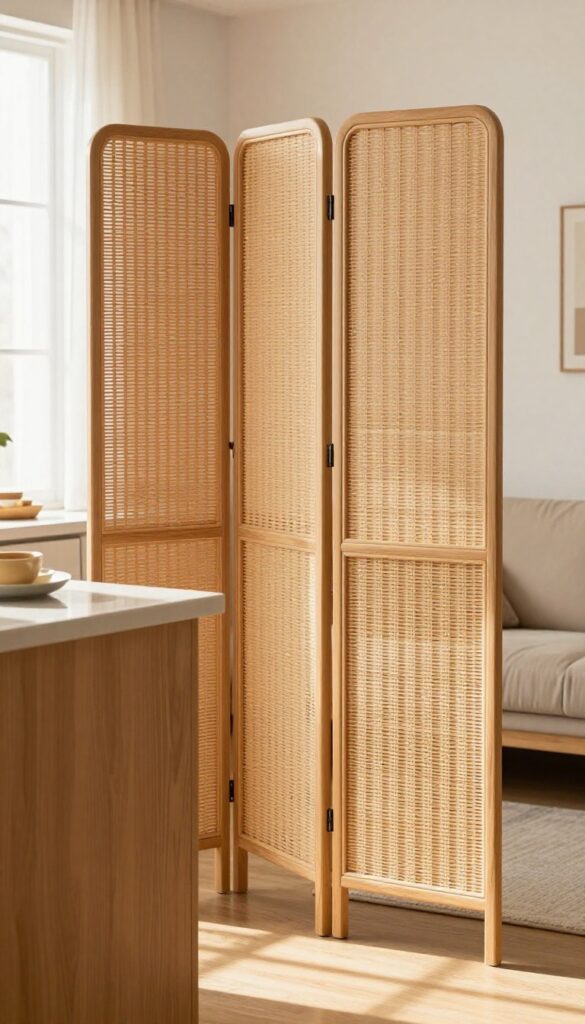
A folding screen does more than just separate two zones—it brings instant warmth and texture to a small open layout. Choose one in wood, rattan, or metal with a rich finish, and place it between the kitchen and living room to partially block sightlines without closing off the space entirely. The best part?
Screens are portable, so you can shift them around as your needs change, and they add that cozy, layered feel that makes a small home feel thoughtfully styled.
A folding screen does more than just separate two zones—it brings instant warmth and texture to a small open layout. Choose one in wood, rattan, or metal with a rich finish, and place it between the kitchen and living room to partially block sightlines without closing off the space entirely. The best part?
Screens are portable, so you can shift them around as your needs change, and they add that cozy, layered feel that makes a small home feel thoughtfully styled.
Best Materials For A Cozy Feel
- For a warm and inviting look, natural materials are your best friend. A rattan or bamboo screen brings organic texture that softens the hard edges of a kitchen. If you prefer something more solid, a wood screen in a walnut or oak finish adds richness without feeling heavy.
- Metal screens with a bronze or brass tone can also work, especially if you keep the rest of the room warm with soft textiles and warm lighting.
Placement And Positioning
Position the screen so it blocks the most visually cluttered part of the kitchen—maybe the sink or countertop—while leaving the rest open. In a small space, you don't want to block natural light, so angle the screen slightly rather than placing it flush against a wall. This creates a gentle visual break that still lets light flow through, making both areas feel connected yet distinct.
Styling The Screen
- Don't let the screen stand alone. Lean a small plant next to it, or hang a warm-toned pendant light above to draw the eye. If your screen has a solid surface, consider using it as a backdrop for a slim console table or a small shelf.
- This turns the divider into a functional piece that adds storage or display space without crowding the room.
8. A Rug That Defines Each Zone
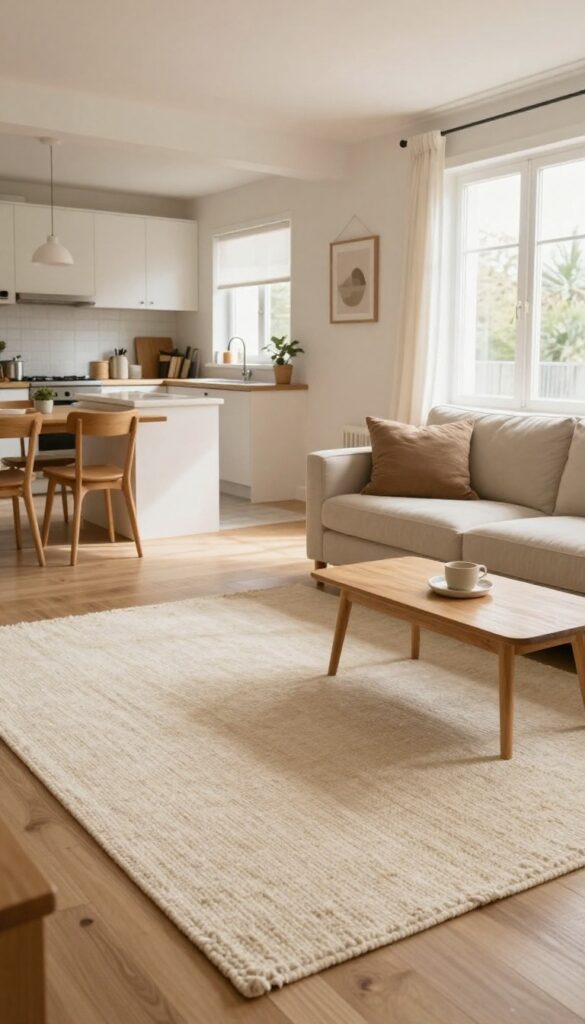
In an open-concept small space, the floor is your blank canvas. By placing two distinct rugs—one in the kitchen and one in the living room—you create visual boundaries without a single wall. The kitchen rug should be easy to clean (think flatweave or indoor-outdoor), while the living room rug can be plush and cozy.
This simple trick makes each area feel intentional and separate, yet still connected through a coordinated color palette.
Rugs are one of the most effective tools for zoning in a small, open-plan home. They anchor furniture, add warmth, and define the purpose of each area. For this idea to work, choose rugs that contrast in texture but harmonize in color.
A low-pile, stain-resistant rug in the kitchen can handle spills and foot traffic, while a soft, high-pile rug in the living room invites you to sink your toes in. Keep the colors within the same family—like warm neutrals or soft earth tones—to maintain a cohesive flow. The result is a space that feels larger because each zone has its own identity, yet the overall look remains unified.
Best Materials For Each Zone
- For the kitchen, prioritize durability. Look for rugs made from polypropylene, sisal, or indoor-outdoor blends—they resist stains, moisture, and heavy use. In the living room, go for comfort: wool, cotton, or a soft synthetic shag adds cozy texture underfoot.
- Avoid delicate materials like silk or viscose in high-traffic areas.
Layout Tip: Placement Matters
In the kitchen, place the rug in front of the sink or stove area, or under a small dining table. In the living room, the rug should extend at least 6 inches under the front legs of your sofa and chairs. Leave a gap of 2-3 inches between the two rugs to clearly mark the transition.
Color Coordination Strategy
Choose one dominant color and use it in both rugs—maybe a warm beige or soft gray. Then add a secondary accent color (like mustard or sage) in one rug only, to give each zone personality. This keeps the look intentional without being matchy-matchy.
9. A Half-Wall with a Countertop Extension
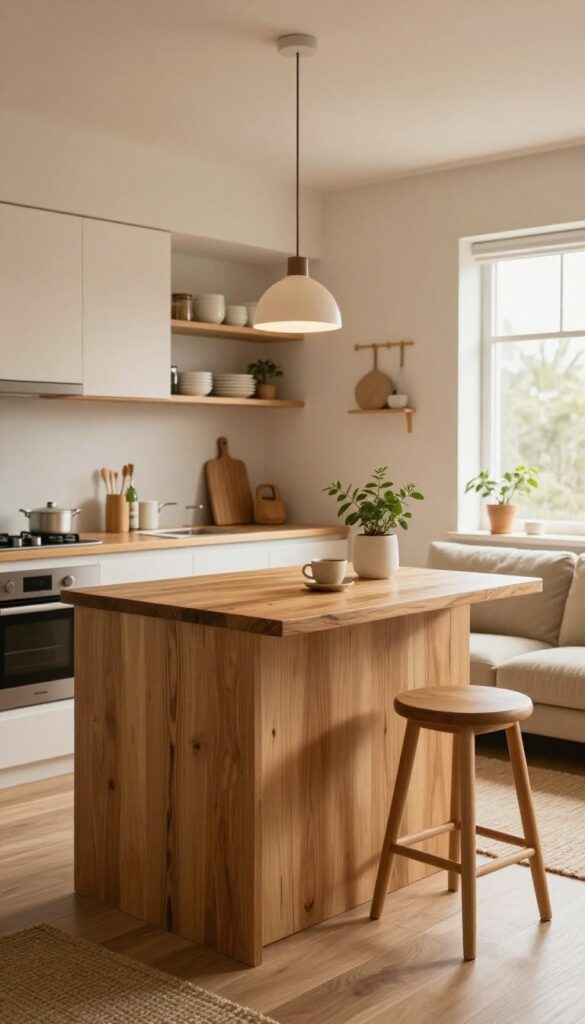
Sometimes the best room dividers are the ones that feel like they were always meant to be there. A half-wall topped with a butcher block or marble slab does exactly that. It carves out two separate zones without closing off the space entirely, and the countertop extension becomes a natural gathering spot for morning coffee or quick meals.
This approach works especially well in open-plan kitchens and living rooms where you want definition without losing the airy vibe.
If you're up for a small renovation, a half-wall with a countertop extension creates a clear divide that feels built-in and intentional. The countertop can serve as a breakfast bar, a serving station, or even a spot for plants and decor. It's a permanent solution that adds both function and character to your small space.
Best Materials For Warmth
- To keep the warm and cozy feel, choose materials that add texture and richness. Butcher block brings natural wood tones and a soft, inviting look. If you prefer something more polished, a honed marble or quartz in a cream or warm gray keeps things light but still cozy.
- Avoid cold, glossy finishes—they can make the half-wall feel like a commercial counter.
Layout Tip: Keep The Flow
- Position the half-wall so it doesn't block natural pathways. A good rule is to leave at least 36 inches of clearance on each side. If your kitchen is on the smaller side, consider a narrower countertop (12–15 inches deep) so it doesn't eat up floor space.
- You can tuck stools underneath when not in use to keep the area open.
Cozy Detail: Add Warm Lighting
Hang a couple of pendant lights or a small linear fixture above the countertop extension. Warm-toned bulbs (2700K–3000K) make the butcher block or marble glow and create a soft boundary between the two rooms. It's a simple touch that makes the half-wall feel more like a intentional design feature and less like a leftover wall.
10. A Hanging Rod with Dried Greenery or Macramé
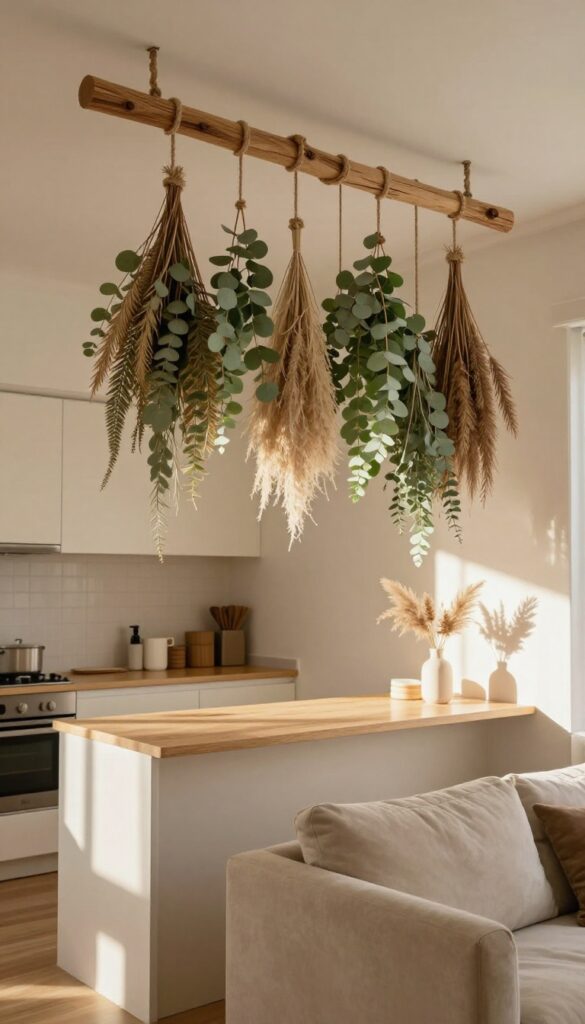
When floor space is tight, look up. A simple wooden rod suspended from the ceiling can define zones without a single square inch of footprint. Drape it with dried eucalyptus or pampas grass for a soft, organic screen, or hang macramé planters for a boho vibe that filters light beautifully.
This divider feels airy and intentional, adding texture and warmth while keeping the room open and connected.
This idea works especially well in studio apartments or open-concept layouts where you want a visual break between the kitchen and living area without blocking light or airflow. The rod itself can be a natural branch, a stained dowel, or a sleek black metal bar depending on your style. Dried greenery stays looking good for months with zero maintenance, while macramé adds handcrafted charm.
Either way, the divider becomes a sculptural element that draws the eye upward, making ceilings feel higher and the space more expansive.
Best Materials
- Go for a lightweight but sturdy rod like a 1-inch diameter wooden dowel or a metal curtain rod. Natural materials like rattan or bamboo reinforce the organic feel. For the hanging elements, dried eucalyptus, bunny tail grass, or preserved ferns offer long-lasting color and texture.
- Macramé planters in neutral cotton rope add softness and work well with trailing pothos or air plants.
Small-space Fix
- Hang the rod close to the ceiling to maximize headroom. Position it between the kitchen counter and living area so it defines the boundary without blocking sightlines. Use clear fishing line or thin jute rope for the suspension to keep the look light and unobtrusive.
- If you're renting, use removable ceiling hooks or a tension rod system that won't damage the ceiling.
Finishing Touch
Layer in a few warm-toned elements to tie the divider to the rest of the room. A woven basket at the base, a small ceramic vase on a nearby shelf, or a soft throw blanket in a complementary earthy shade helps the divider feel like part of the decor rather than an afterthought. Keep the arrangement slightly asymmetrical for a collected, natural look.
FAQ
What is the best room divider for a very small apartment?
For tiny spaces, open shelving or a curtain are great options. They don't eat up floor area and can be adjusted easily. Open shelving also adds storage, while a curtain softens the space without feeling heavy.
How can I divide a kitchen and living room without blocking light?
Use transparent or semi-transparent dividers like glass panels, open shelving, or sheer curtains. Low furniture like a console table also maintains light flow while creating a visual boundary.
Are room dividers expensive?
Not necessarily. Curtains and plants are budget-friendly, while sliding doors or half-walls cost more. You can also DIY a screen or shelf unit for a custom look at a lower price.
Can a rug really act as a room divider?
Yes, rugs define zones effectively. Place a durable rug in the kitchen area and a plush one in the living area. The contrast in texture and pattern signals a change in function without any physical barrier.
What style of divider works best for a warm, cozy look?
Natural materials like wood, rattan, linen, and plants create warmth. Warm tones—beige, terracotta, olive—and soft lighting also help. Avoid cold metals or stark white dividers if you want a cozy feel.
Conclusion
Dividing a kitchen and living room in a small space doesn't have to mean sacrificing openness or warmth. The key is choosing a solution that fits your lifestyle and adds character, whether it's a simple curtain, a shelf full of plants, or a sliding door that tucks away when not needed.
Try one of these ideas and see how a little separation can make both areas feel more intentional and inviting.