10 Kitchen Skylight Ideas for a Brighter Cooking Room
Natural light can completely change how a kitchen feels. It makes the space look bigger, cleaner, and more inviting. A skylight is one of the best ways to bring that light in without knocking down walls.
Adding a skylight might sound like a big project, but many options are surprisingly weekend-friendly. You don't always need a full renovation to let the sunshine pour in. Even a small tubular skylight can make a dark corner feel brand new.
Whether you're planning a major remodel or just want a quick upgrade, these ten ideas will help you find the right skylight for your kitchen. Each one balances practicality with style, so you get a brighter room that still feels like home.
1. Tubular Skylights for Tight Spaces
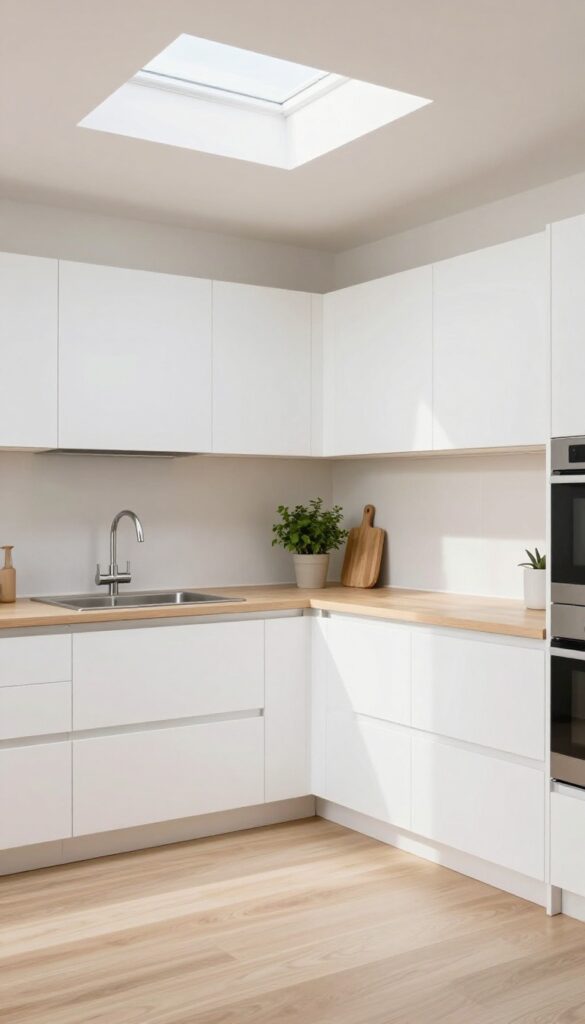
If your kitchen feels cramped and dark, you might assume a skylight is out of the question. But tubular skylights change the game. These compact light tunnels fit between rafters, making them ideal for galley kitchens or awkward layouts where a traditional skylight won't work.
They bring in surprising amounts of natural light without major renovation, which is exactly what a weekend refresh needs.
Tubular skylights are essentially reflective tubes that channel sunlight from your roof into the room below. The top dome captures daylight, and the highly reflective interior bounces it down to a diffuser in your ceiling. The result?
A bright, even glow that makes small kitchens feel larger and more open. Installation is straightforward—no structural changes required—and you can often complete it in a day. They're especially effective over prep areas, sinks, or islands where task lighting matters most.
Plus, the diffuser spreads light softly, avoiding harsh shadows or glare.
Best Placement
Focus on zones where you need focused light: above the sink, the main prep counter, or the stove. In galley kitchens, one tube centered over the walkway can brighten the entire space. If you have an island, consider a tube directly above it to create a natural gathering spot.
Budget-Friendly Swap
Tubular skylights cost significantly less than traditional skylights, both in materials and installation. You can find DIY kits for under $200, and professional installation runs around $500–$1,000. For a weekend project, this is a high-impact upgrade that won't break the bank.
Styling Tip
Pair the diffuser with a flush-mount trim in a finish that matches your ceiling fixtures—white for a seamless look, or brushed nickel for a subtle contrast. Keep the area below uncluttered so the light can really spread. A simple pendant or track light can supplement on cloudy days.
2. Fixed Skylights Over the Sink
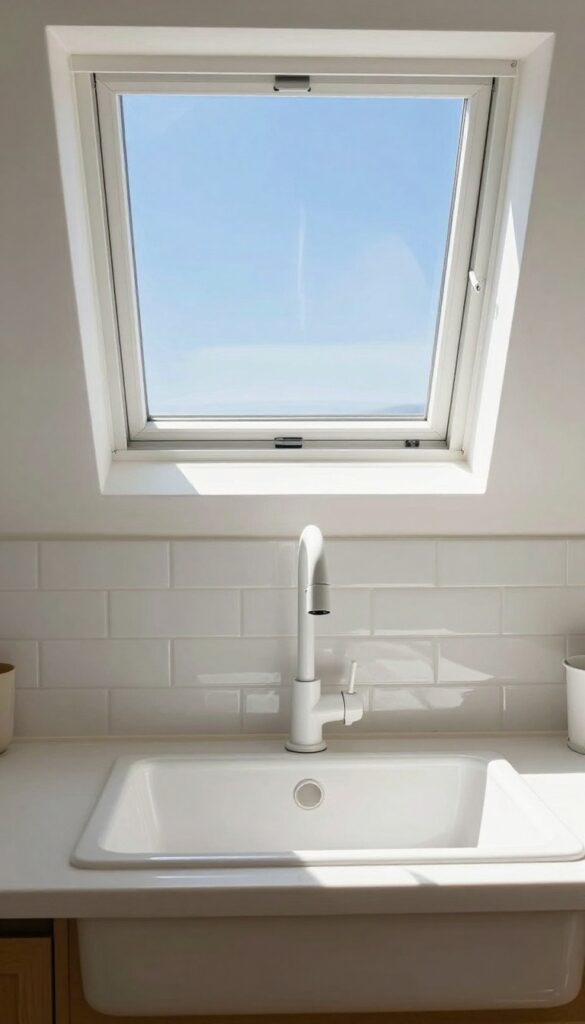
Dish duty doesn't have to feel like a chore. A fixed skylight installed directly above the sink floods the area with steady, natural light, making the space feel open and airy. Paired with a simple white frame, it keeps the look clean and understated—perfect for a weekend refresh that doesn't require a full renovation.
A fixed skylight is a straightforward upgrade that instantly transforms the sink area into the brightest spot in your kitchen. Unlike tubular skylights, a fixed unit offers a full view of the sky, which makes even washing dishes feel less tedious. The steady light also reduces shadows, so you can see every speck on your plates.
To keep the aesthetic practical and stylish, opt for a low-profile white frame that blends with the ceiling. This approach works especially well in kitchens with limited window space, as it brings in light without sacrificing cabinet or shelf real estate.
Best Placement And Layout
Center the skylight directly above the sink basin for maximum effect. If your sink is under a window, consider a skylight to supplement light on overcast days or during evening prep. For a galley kitchen, a single skylight over the sink can make the narrow space feel wider and more inviting.
Finishing Touch
Add a simple white or light wood frame around the skylight to echo the clean lines of modern kitchens. Avoid dark or ornate frames, which can feel heavy. Pair the skylight with a matte white faucet and glossy white backsplash tiles to bounce light around the room.
Budget-Friendly Swap
If a full skylight installation isn't in the cards, try a solar tube skylight. It's a fraction of the cost and still channels natural light directly over the sink. Many models come with a white diffuser that mimics the look of a fixed skylight without the structural work.
3. Ventilated Skylights for Fresh Air
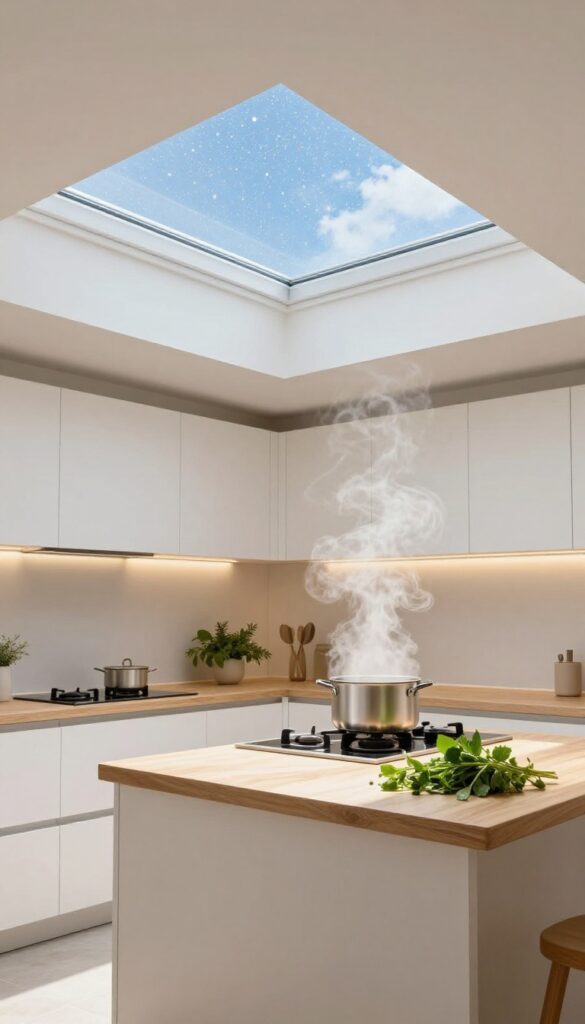
Cooking up a storm can leave your kitchen feeling steamy and stuffy, especially on days when you can't crack a window. That's where a ventilated skylight comes in—it's like having a window on your ceiling that you can actually open. Crank-open skylights let you release steam, smoke, and lingering odors while pulling in a breeze of fresh air.
Position one over the stove or kitchen island, and it becomes a hardworking feature that improves air quality without taking up wall space. It's a practical upgrade that feels both luxurious and totally functional.
A ventilated skylight does double duty: it floods your kitchen with natural light and lets you control airflow with a simple crank or remote. For weekend refreshers, this is a smart investment because it tackles two common kitchen complaints—dim lighting and poor ventilation—in one sleek package. Plus, modern skylights come with rain sensors that close automatically, so you don't have to worry about sudden downpours.
Whether you're searing fish or simmering soup, you'll appreciate how quickly the air clears. And the best part? It looks like a design statement, not just a utility fixture.
Best Placement
- For maximum effect, install a ventilated skylight directly above the stove or cooktop. That's where most steam and odors originate, so the skylight can pull them up and out efficiently. If your kitchen has an island, a skylight centered above it creates a bright, airy focal point and helps ventilate when you're prepping or entertaining.
- Just make sure the skylight is positioned to avoid direct glare on your workspace—north-facing or east-facing openings tend to give softer, more even light.
Style And Finish
- To keep the look polished, choose a skylight with a slim, low-profile frame in a finish that matches your kitchen hardware—white, black, or bronze are popular choices. If your kitchen leans modern, a fixed skylight with a remote-controlled vent blends in seamlessly. For a more classic or rustic kitchen, a hand-crank model with a wood interior trim adds warmth.
- Pair it with sheer roller shades or motorized blinds to control light when needed, keeping the space practical yet stylish.
Budget-Friendly Swap
- If a full skylight installation isn't in the cards, consider a solar-powered tubular skylight with a venting option. These are smaller, easier to install, and still bring in natural light and fresh air. They work especially well in kitchens with limited roof space or for renters who can't make major structural changes.
- It's a weekend-friendly project that gives you many of the same benefits without the big price tag.
4. Ridge Skylights Along the Ceiling Peak
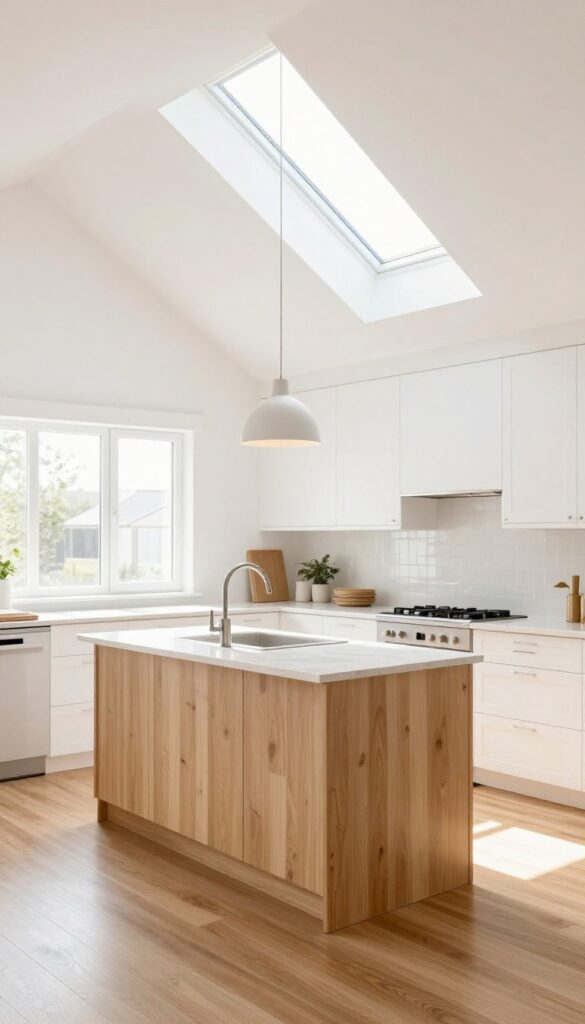
Sloped ceilings can make a kitchen feel cozy, but they also tend to trap shadows. A ridge skylight solves that by running right along the highest point of the ceiling, flooding the room with daylight from above. The effect is airy and almost cathedral-like, without needing to raise the roof.
It's especially striking in open-plan layouts where the light can spill into adjacent living or dining areas, making the whole space feel larger and more connected.
Ridge skylights are a smart choice for kitchens with angled ceilings, like those in A-frames or converted attics. By following the peak, they cast light evenly across the room instead of creating harsh pools. This makes them ideal for kitchens where you cook during the day and want a bright, welcoming atmosphere.
The linear design also adds architectural interest—think of it as a modern twist on a traditional clerestory window. For a weekend refresh, consider adding a ridge skylight if your budget allows, or simulate the look with a long, narrow light tube that mimics the same effect.
Best Materials
Go with double-glazed, low-E glass to keep the kitchen comfortable year-round. A white or light-colored frame helps the skylight blend into the ceiling, while a dark frame can create a bold contrast if you want the ridge to stand out as a design feature.
Layout Tip
Position your main work zones—like the sink and stove—directly under the skylight to take full advantage of the natural light. This reduces the need for task lighting during the day and makes food prep feel more pleasant.
Finishing Touch
Hang a simple, linear pendant light below the ridge for evening ambiance. Choose a fixture that echoes the skylight's clean lines, like a slim rod or a row of small globes, to keep the look cohesive.
5. Flat Roof Skylights for Modern Kitchens
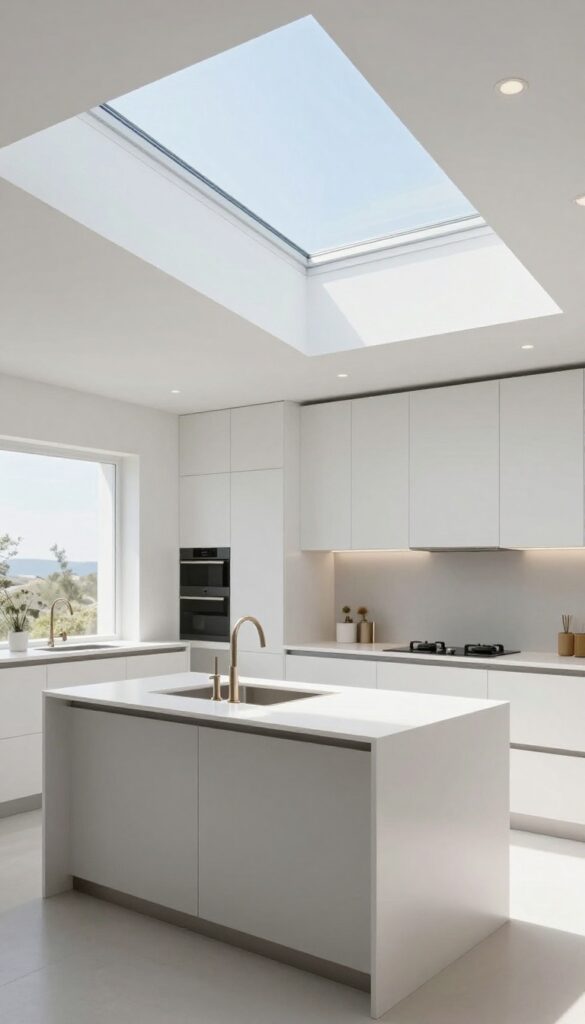
Flat roofs often get overlooked when it comes to skylights, but they actually offer a clean, contemporary solution. A flat glass skylight sits perfectly flush with the ceiling, creating a seamless look that feels intentional and polished. This style works especially well in minimalist kitchens where every detail counts.
Flat roof skylights bring in natural light without the bulk of a domed or raised unit. They keep the ceiling line uninterrupted, which helps the room feel taller and more open. For kitchens with a modern or industrial edge, this is a smart way to brighten the space without cluttering the visual flow.
Best Materials
Low-E glass is your best bet here. It controls heat gain and reduces glare while still letting in plenty of daylight. Pair it with a slim aluminum frame that matches your cabinet hardware or faucet finish for a cohesive look.
Layout Tip
Position the skylight directly above your main work zone—like the island or sink. This puts natural light exactly where you need it most, making food prep feel less like a chore and more like a pleasant part of your day.
Finishing Touch
Keep the area around the skylight clutter-free. A bare ceiling lets the light spread evenly, so resist the urge to hang pendant lights too close. If you want extra ambiance, add dimmable recessed lights around the perimeter instead.
6. Skylight Tunnels for Dark Corners
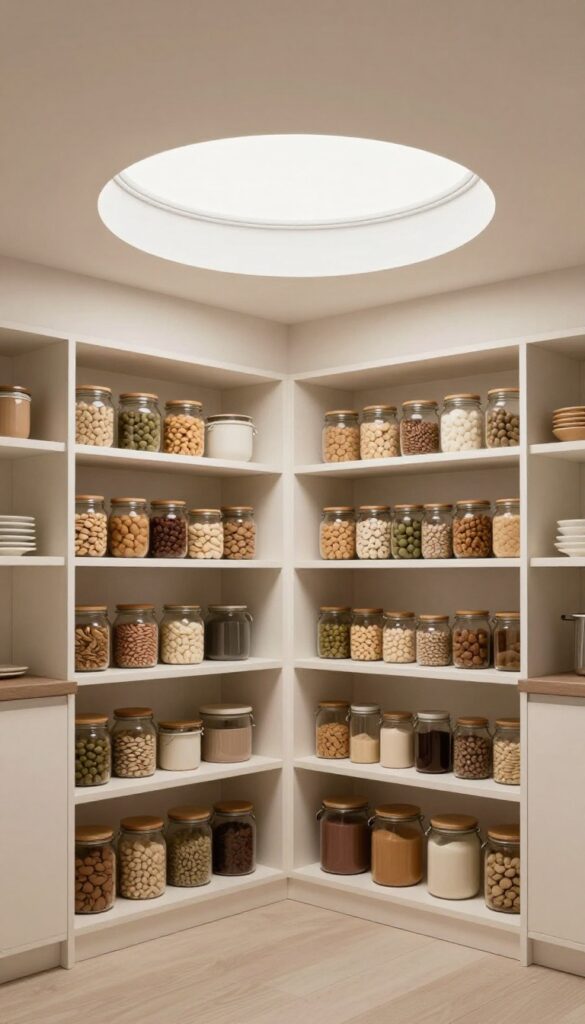
Not every kitchen has a roof that can accommodate a full skylight. That’s where skylight tunnels come in—they’re flexible, reflective tubes that channel sunlight from your roof into even the most stubborn dark spots. Think of them as a bright shortcut for pantries, breakfast nooks, or that far corner that always needs a lamp on.
They install quickly with minimal mess, making them perfect for a weekend refresh.
Skylight tunnels, also called solar tubes or light tubes, are a clever solution for kitchens where traditional skylights aren’t feasible. They capture sunlight on the roof and funnel it down a highly reflective tube that can bend around attic obstacles. The result is a surprising amount of natural light in areas that would otherwise stay dim.
Because the installation requires only a small roof opening and no major structural changes, it’s a project you can realistically tackle in a weekend. The diffuser at the ceiling looks like a sleek light fixture, blending into your kitchen design without dominating the space. For best effect, position the tunnel over a dark pantry, a windowless breakfast nook, or a prep area that feels cave-like.
The light is soft and even, reducing the need for artificial lighting during the day.
Best Placement
- Focus on spaces that get little to no natural light. A walk-in pantry, for example, transforms from a dark hole into a bright, organized storage area. A breakfast nook tucked into a corner can suddenly feel like a sunny spot.
- Avoid placing tunnels directly over sinks or stoves where the diffuser might collect grease—instead, aim for zones where you want ambient light without glare.
Budget-Friendly Swap
- Skylight tunnels are significantly cheaper than traditional skylights, both in materials and installation. A basic kit costs a few hundred dollars and can be installed by a confident DIYer in a few hours. If you’re handy, you can save even more by doing the roof work yourself.
- For a polished look, choose a diffuser with a white or frosted finish that matches your ceiling trim.
Finishing Touch
- To maximize the light, paint the surrounding ceiling a bright white or a pale neutral. This helps the sunlight bounce around the room. Add a mirror or glossy tiles nearby to reflect the light further into the space.
- The tunnel itself is low-maintenance—just wipe the diffuser occasionally to keep it clear.
7. Pyramid Skylights for a Statement
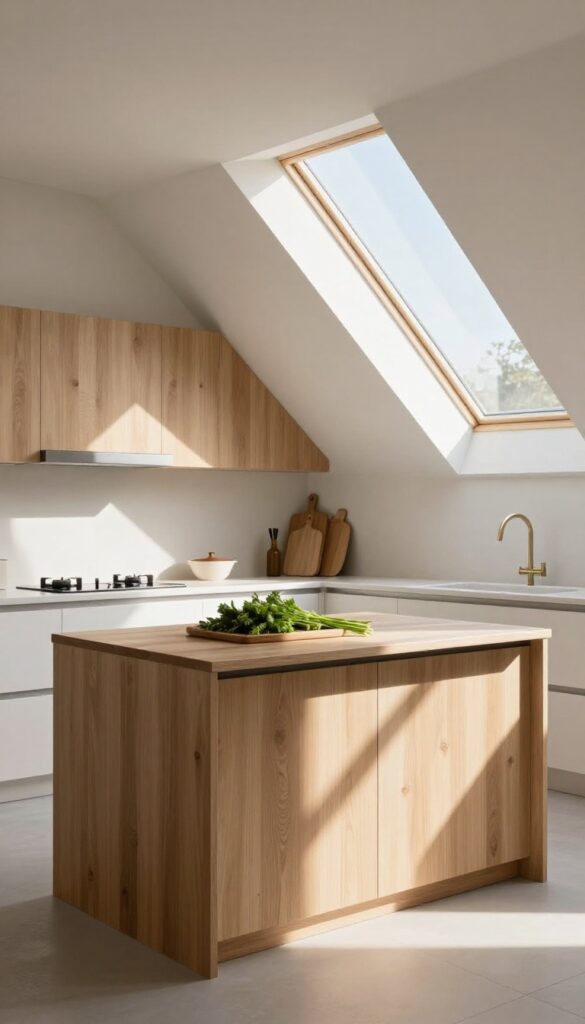
A pyramid skylight isn’t just a window—it’s a sculptural feature that transforms your kitchen ceiling. Rising above the roofline like a miniature glass greenhouse, it pours light from multiple angles, creating a dynamic play of shadows and highlights throughout the day. This style works best in larger kitchens where you want a dramatic focal point that also floods the room with natural light.
Pyramid skylights are perfect for homeowners who want to make a bold architectural statement without sacrificing practicality. The multi-panel design captures sunlight from different directions, so your kitchen stays bright from morning to evening. Because they project above the roof, they also add a sense of height and openness, making even a standard ceiling feel cathedral-like.
For a weekend-refresh project, consider adding a pyramid skylight as part of a larger renovation—it’s a significant upgrade, but the visual payoff is immense.
Best Materials
Choose a thermally broken aluminum frame to prevent heat loss and condensation. Double or triple glazing with low-E coating keeps the kitchen comfortable year-round. For a seamless look, match the interior frame color to your ceiling trim or go bold with black for a modern contrast.
Layout Tip
Position the pyramid skylight directly above a kitchen island or dining table to create a naturally lit gathering spot. This arrangement makes the skylight the room’s centerpiece and ensures the light falls where you need it most—on food prep or shared meals.
Finishing Touch
Install a remote-controlled shade inside the skylight to manage glare and heat on sunny days. A white or light-filtering roller shade maintains the clean aesthetic while giving you control over the ambiance.
8. Operable Skylights with Rain Sensors
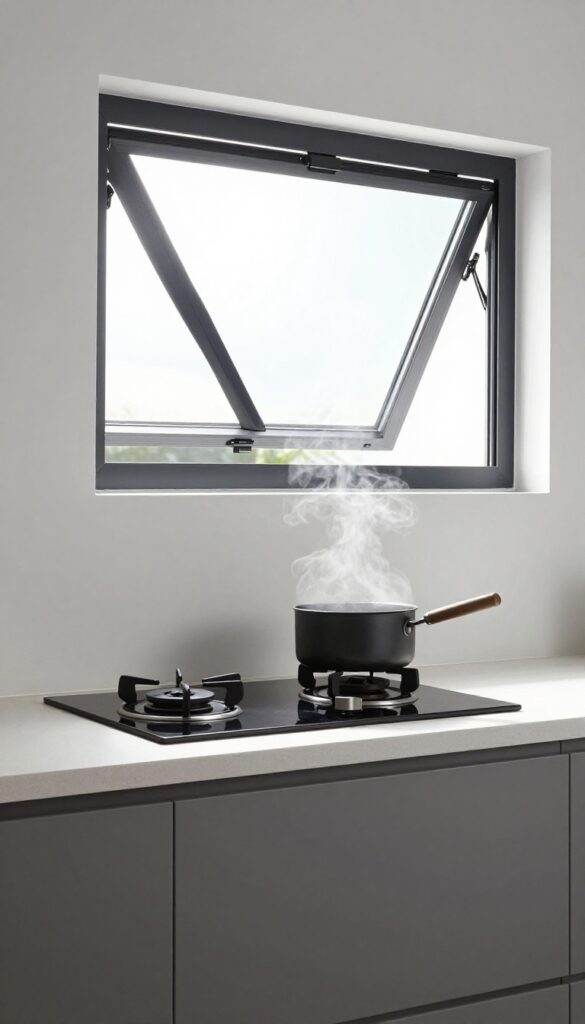
Imagine flipping a switch and letting fresh air pour into your kitchen while you cook, then walking away without a second thought when the weather turns. That’s the magic of operable skylights with rain sensors. They give you the best of both worlds—natural ventilation and peace of mind.
For anyone who loves to cook and wants to manage heat, steam, and odors without relying solely on an exhaust fan, this is a game-changer. Plus, they look sleek and modern, adding a high-end touch that’s actually practical.
Smart operable skylights close automatically when it rains. They give you the flexibility of fresh air without the worry. Perfect for kitchens where you cook often and want to control temperature and humidity.
Best Placement
- Position the skylight directly above your main cooking zone—like the stove or island. That way, steam and smells escape immediately. If your kitchen layout has a sink area, a second smaller skylight there can help with humidity from washing dishes.
- Keep it centered or slightly offset for balanced natural light.
Material And Finish
Choose a skylight with a powder-coated aluminum frame in a neutral tone like matte black, bronze, or white to blend with most kitchen styles. For the glass, opt for double-pane low-E tempered glass to control heat and UV rays. If your kitchen gets intense sun, consider a tinted or reflective coating to reduce glare.
Weekend Refresh Tip
If you’re handy, you can install a manual-operable skylight yourself, but for the rain sensor model, hire a pro to wire it correctly. On a weekend, focus on cleaning the glass and checking the sensor’s battery or connection. Pair it with a smart home system to control it via voice or app for extra convenience.
9. Skylight Shades for Light Control
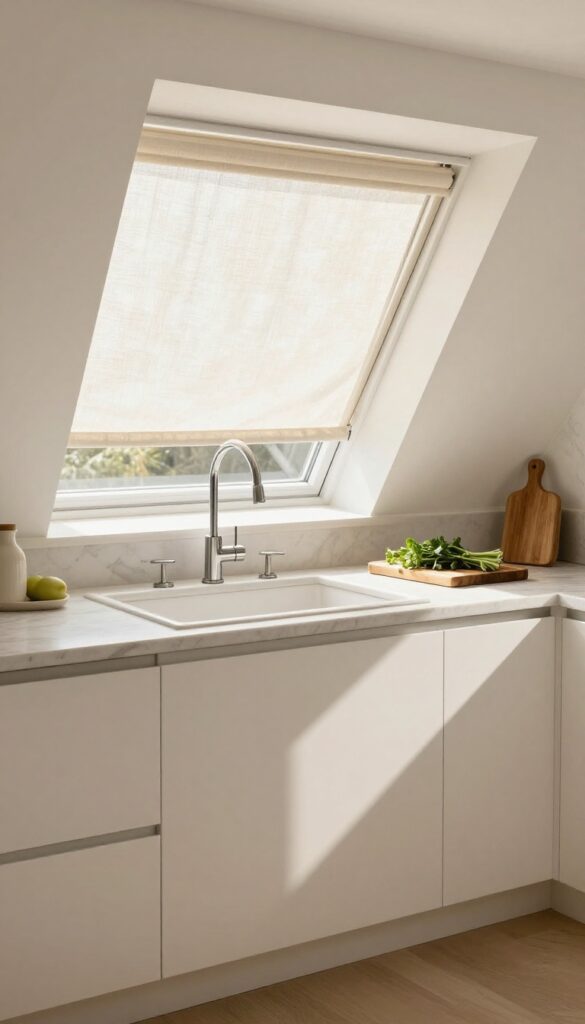
A skylight floods your kitchen with natural light, but sometimes you want to tone it down—especially during those bright midday hours or when you're hosting a dinner party. Adding shades gives you the power to adjust the brightness and even the temperature of the room. It's a simple upgrade that makes your skylight way more functional without losing its charm.
Motorized or manual shades let you dial in the perfect amount of light. Blackout shades are a smart choice if your kitchen doubles as a dining area, keeping the space cozy for evening meals. For a softer glow that still feels airy, go with light-filtering fabrics that diffuse sunlight beautifully.
Either way, you get a kitchen that works for cooking, eating, and everything in between.
Best Fabrics For Kitchen Skylight Shades
Look for moisture-resistant materials like polyester or coated cotton that can handle steam and grease. Light-filtering options in white or cream keep the room bright without harsh glare. If you want a warmer look, try linen blends in natural tones—they add texture and soften the light just right.
Motorized Vs. Manual: What Works Best
Motorized shades are a weekend-refresh dream—no cords, easy remote control, and you can set them on a timer. Manual shades are budget-friendly and still super practical. For a kitchen, motorized is especially handy if your skylight is hard to reach, but both options give you that light control you're after.
Styling Tip: Match Your Window Treatments
Coordinate your skylight shades with any existing window coverings in the kitchen. If you have roman shades on the windows, choose a similar fabric for the skylight. This creates a cohesive look that feels intentional and polished, tying the whole room together without extra effort.
10. Decorative Skylights with Patterned Glass
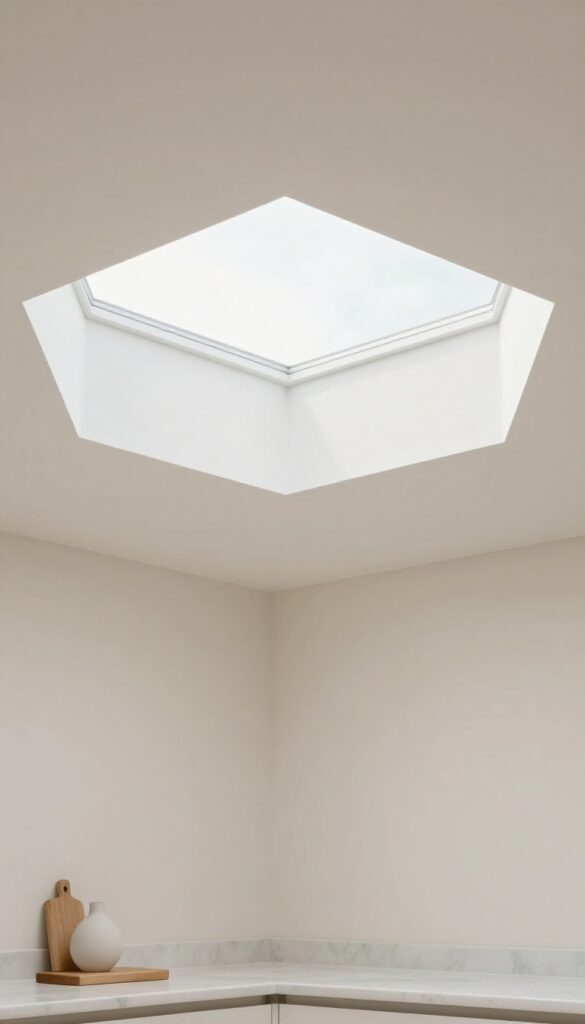
Patterned or frosted glass skylights are a weekend-friendly upgrade that instantly softens the light in your kitchen. They diffuse harsh rays into a gentle, even glow while adding a subtle decorative element overhead. This is a great choice if your kitchen faces neighboring windows or you simply want a softer, more private feel without losing natural brightness.
Swapping out clear glass for patterned or frosted panels is a low-lift change that makes a big visual impact. The patterns—from geometric lines to floral motifs—become a focal point on your ceiling, drawing the eye upward and making the room feel taller. The diffused light reduces glare on countertops and screens, creating a calm, inviting atmosphere.
Plus, it's a practical privacy solution for kitchens in close quarters with neighbors.
Best Patterns For A Kitchen
Stick with simple, clean patterns that won't overwhelm the space. Geometric shapes like hexagons or chevrons add modern flair, while frosted finishes offer a timeless, spa-like look. Avoid overly busy designs that might clash with your backsplash or cabinet hardware.
Installation Tip
This is a DIY-friendly swap if your existing skylight frame allows for glass replacement. Measure carefully and order a custom panel to fit. For a weekend refresh, consider adhesive frosted film as a temporary option—it's easy to apply and remove, and still gives that soft, diffused light.
Styling The Surrounding Ceiling
Paint the ceiling around the skylight a light, reflective color like white or pale cream to maximize the glow. If your kitchen has exposed beams, leave them natural to contrast with the patterned glass. Add a pendant light nearby to complement the skylight during evening hours.
FAQ
How much does it cost to install a kitchen skylight?
Costs vary widely based on type and complexity. Tubular skylights start around $500, while larger fixed or ventilated models can range from $1,000 to $3,000 installed. Custom or pyramid skylights cost more.
Can I install a skylight myself on a weekend?
Some tubular skylights are DIY-friendly and can be installed in a day. Larger skylights usually require professional help for structural changes and waterproofing. Always check local building codes.
Will a skylight make my kitchen too hot in summer?
Modern skylights come with low-E coatings and tints that reduce heat gain. Adding shades or blinds also helps control temperature. Proper installation and glazing choices make a big difference.
Do skylights leak over time?
Quality skylights with proper flashing rarely leak. The key is correct installation and regular maintenance. Check seals and flashing annually, especially after heavy storms.
What size skylight is best for a kitchen?
A good rule is to size the skylight to cover about 5-10% of the floor area in rooms with multiple windows, or up to 15% in rooms with little natural light. For a typical kitchen, a 2×4 foot skylight works well.
Conclusion
Adding a skylight to your kitchen is one of the most effective ways to brighten the space and make it feel larger. Whether you choose a simple tubular model or a dramatic pyramid, the extra natural light will transform your cooking experience. Take a look at your kitchen's layout and think about where you spend the most time.
A well-placed skylight can turn a dark corner into your favorite spot. Start with one of these ideas and enjoy a brighter, more inviting kitchen.