13 Kitchen Table Top Ideas for a Cleaner Dining Surface
Your kitchen table sees a lot of action—morning coffee spills, homework sessions, and weeknight dinners. Keeping it clean and stylish can feel like a balancing act.
But with a few simple tweaks, you can have a table that’s both practical and inviting. These 13 ideas are designed for a weekend refresh, so you can transform your dining surface without a major overhaul.
Expect warm, cozy touches that make your kitchen feel like the heart of your home.
1. A Washable Cotton Tablecloth
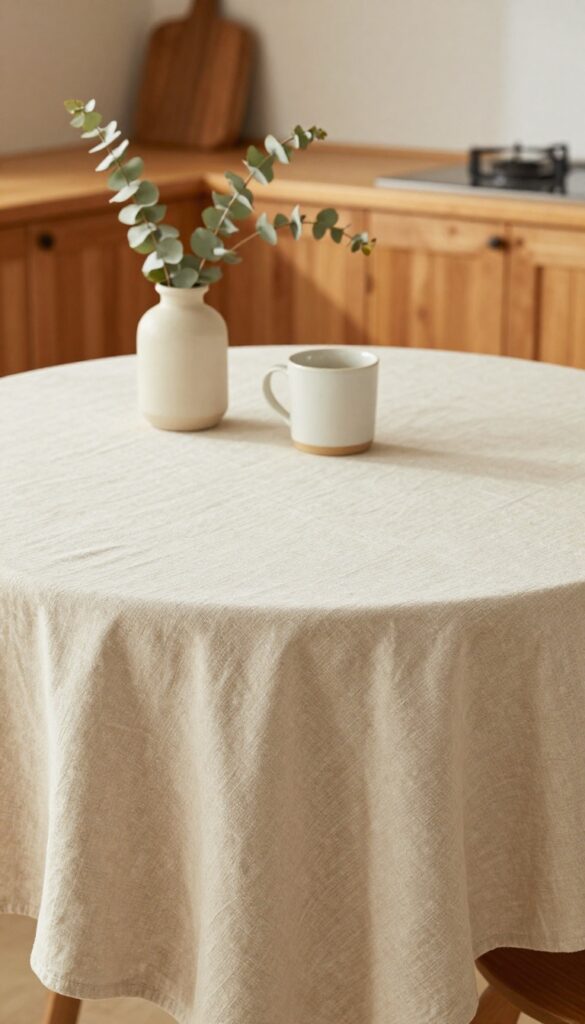
A tablecloth does more than protect your table—it sets the mood for every meal. But when you're cooking and eating in the same space, the last thing you want is a fabric that demands special care. That's where a washable cotton tablecloth comes in.
It brings warmth and softness to your kitchen table while handling real life: spills, crumbs, and sticky fingers without a second thought.
Swapping fancy linens for a machine-washable cotton tablecloth is one of the easiest weekend refreshes you can make. Choose a warm neutral like oatmeal, beige, or a soft plaid in earthy tones. The fabric adds texture and a cozy layer, making even a simple weeknight dinner feel a little special.
And because it's cotton, you can toss it in the wash after a messy meal and it comes out looking good as new. No ironing required if you pull it out right away and let it air dry. This idea works especially well for kitchens with kids or frequent dinner guests, where practicality matters just as much as style.
Best Colors For A Cozy Vibe
Stick with warm neutrals like cream, tan, or soft gray to keep the look inviting. A subtle plaid in rust, sage, or navy adds pattern without overwhelming the space. Avoid stark white or high-contrast prints if you want that relaxed, lived-in feel.
Material And Care Tips
Look for 100% cotton or a cotton-linen blend with a tight weave—it drapes nicely and holds up to frequent washing. Pre-wash before first use to avoid shrinkage. For everyday ease, skip the starch and embrace a slightly rumpled look that adds to the cozy charm.
Styling For A Weekend Refresh
Layer the tablecloth with a simple centerpiece like a wooden cutting board or a small vase of dried flowers. Keep place settings minimal—stoneware plates and linen napkins in matching tones. This keeps the table feeling put-together without looking fussy.
2. Clear Silicone Placemats with Texture
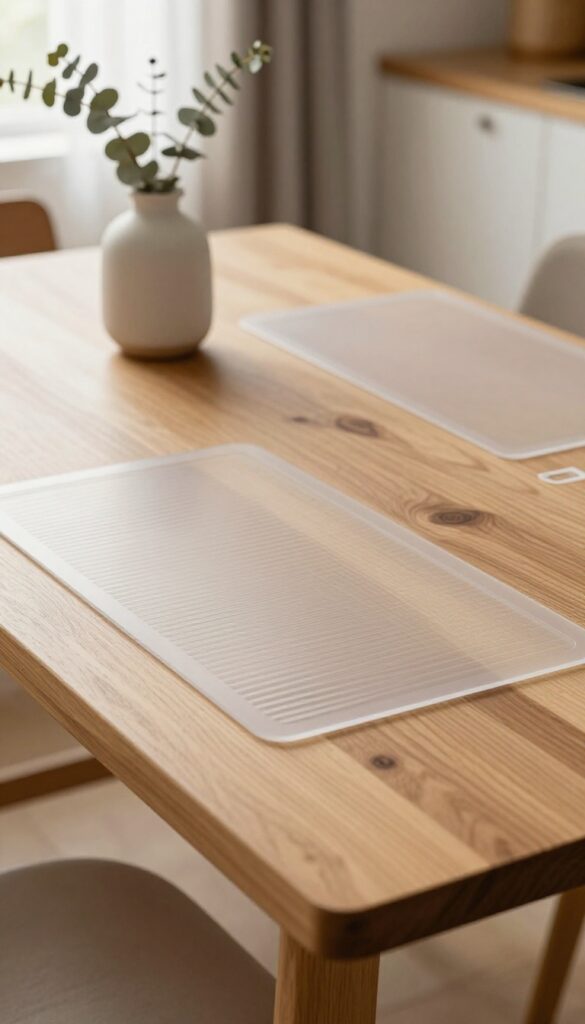
Woven texture isn't just for fabric anymore. Clear silicone placemats with subtle ribbed or woven patterns bring a soft tactile quality to your table without hiding the wood grain underneath. They're perfect for weekend refreshers because they instantly update the look while keeping cleanup effortless.
The transparency keeps your tabletop visible, so the placemats feel like a gentle layer rather than a full cover.
These placemats strike a clever balance between protection and visibility. The clear silicone lets your table's natural beauty shine through, while the textured surface adds visual interest without competing with your dinnerware. They're especially great for warm, cozy kitchens where you want the table to feel inviting but still practical for daily meals.
The subtle ribbing or woven pattern catches light softly, creating a gentle shimmer that feels modern yet approachable. Best of all, they wipe clean in seconds—no washing or ironing needed.
Best Colors
Stick with completely clear or slightly frosted options to maintain that airy, see-through effect. If you want a hint of warmth, look for placemats with a barely-there amber tint that mimics honeyed wood tones. Avoid heavy colors that would block the tabletop—the whole point is letting the wood show through.
Texture Mix
Pair these placemats with natural fiber napkins or a linen table runner to create contrast between the smooth silicone and soft textiles. The combination feels grounded and cozy, not sterile. A small ceramic vase with dried eucalyptus or a woven coaster adds another layer of texture without overwhelming the table.
Budget-Friendly Swap
- You can find affordable versions at home stores or online retailers. Look for BPA-free, food-grade silicone that's dishwasher safe. A set of four usually runs under $20, making it an easy weekend refresh that won't break the bank.
- For an even cozier feel, choose placemats with a subtle dot pattern instead of a woven look—it's less formal but still polished.
3. A Live-Edge Wood Charger for Each Setting
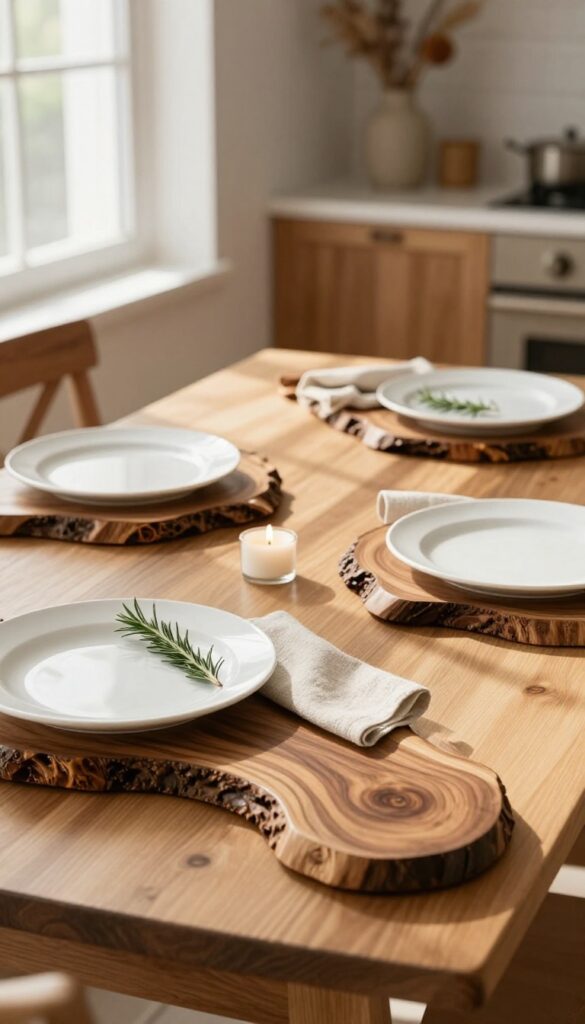
Wood chargers with natural, uneven edges do more than protect your table from heat and spills. They anchor each place setting with a piece of nature, turning a simple dinner into something that feels grounded and intentional. The organic lines and warm grain patterns add texture without feeling fussy, and they work just as well for a Tuesday pasta night as they do for a holiday gathering.
Live-edge wood chargers are surprisingly practical for everyday use. They catch crumbs and small spills that would otherwise land on your tablecloth or bare wood, and they clean up in seconds with a damp cloth. When you need a deeper refresh, just take them outside for a quick shake or a gentle rinse.
The natural wood tones bring warmth to any table setting, and they pair beautifully with ceramic plates, linen napkins, and simple glassware. For a cohesive look, stick with one wood species across all settings, or mix light and dark woods for a more eclectic feel.
Best Wood Choices
- Walnut and acacia are top picks for live-edge chargers because their rich, varied grain hides minor wear and stains. Oak is lighter and more casual, while teak offers water resistance that is handy for outdoor dining. Look for pieces with a smooth, sealed finish so they are easy to wipe clean.
- Avoid overly thick chargers that might feel clunky under plates.
Styling Tip
- Keep the rest of the table setting simple so the wood stands out. White or cream dinner plates let the grain take center stage, and a neutral linen napkin adds softness. For a cozy weekend dinner, place a small candle or a sprig of herbs directly on the charger next to the plate.
- This creates a layered look without adding clutter.
Care And Longevity
- To keep live-edge chargers looking fresh, wipe them after each use and occasionally treat them with food-safe mineral oil. This prevents drying and cracking, especially in low-humidity homes. Store them flat or stacked with a soft cloth between each one to avoid scratches.
- With minimal care, they will last for years and develop a beautiful patina over time.
4. A Centerpiece of Low-Growing Succulents
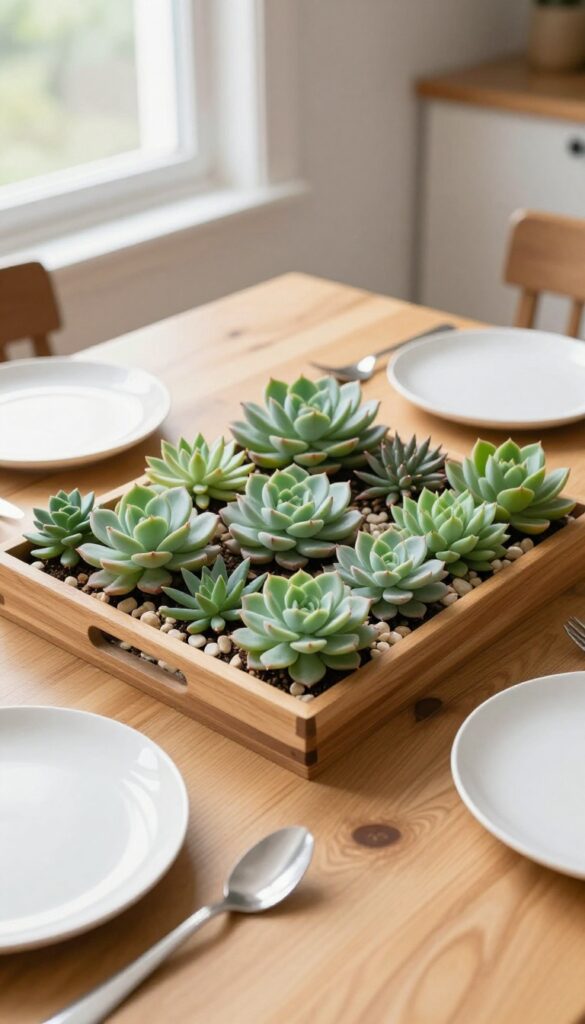
Sometimes the cleanest look comes from letting nature do the work. A shallow tray of low-growing succulents sitting in the middle of the table brings life to the room without cluttering the surface. These plants stay compact, rarely drop leaves, and need very little water, which makes them perfect for a dining table that actually gets used.
The soft greens and varied textures add a fresh, organic feel that fits right into a warm and cozy kitchen.
Instead of a tall vase or a sprawling arrangement that gets in the way of conversation, a low tray of succulents keeps the sightline open and the table functional. You can still set down plates and glasses around it, and the greenery softens the hard edges of plates and cutlery. It’s a simple swap that makes the table feel styled without feeling fussy.
Best Container Choices
A rectangular wooden tray or a shallow ceramic dish works best. Wood brings warmth, while a matte ceramic in cream or soft terracotta keeps the look grounded. Avoid anything too deep or glossy, you want the succulents to sit low and the container to blend in, not compete.
Plant Styling Tip
- Mix three or four varieties with different leaf shapes and shades of green. Echeveria, sedum, and haworthia are great picks. Leave a little breathing room between them so each plant stands out.
- Add a thin layer of pebbles or sand on top of the soil for a clean, finished look that also helps keep moisture in check.
Weekend-refresh Friendly
- This is one of those ideas you can put together in under an hour. Grab a tray from a thrift store, pick up a few small succulents from a garden center, and arrange them at home. No repotting needed, just set the nursery pots inside the tray and cover the rims with pebbles.
- When you want a change, swap out a plant or two without starting over.
5. A Butcher Block Cutting Board as a Runner
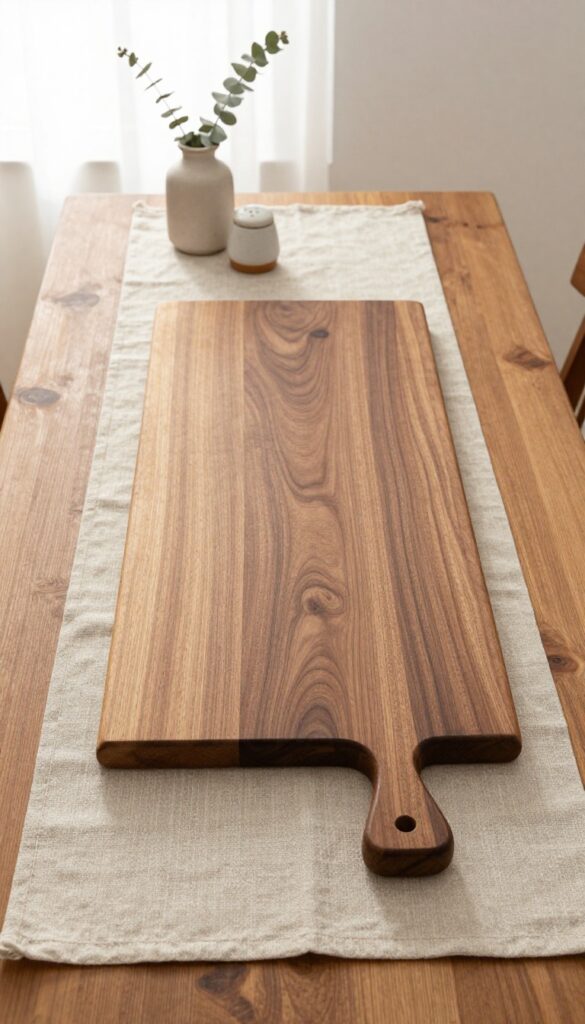
Lay a long butcher block cutting board down the center of the table as a rustic runner. It’s perfect for serving bread or cheese, protects the table from hot dishes, and wipes clean easily.
A butcher block cutting board doubles as a functional centerpiece that brings warmth and texture to your dining table. Choose a board that spans at least two-thirds the length of your table for a balanced look. The wood grain adds natural contrast against tablecloths or placemats, and the surface is tough enough to handle hot pots straight from the stove.
After meals, just give it a quick scrub with mild soap and oil it monthly to keep the wood from drying out. This simple swap makes everyday dining feel a bit more intentional without adding clutter.
Best Wood Choices
- Maple and walnut are top picks for butcher blocks. Maple is hard and light-colored, resisting stains and scratches. Walnut offers a rich, dark tone that pairs beautifully with warm-toned kitchens.
- Avoid soft woods like pine—they dent and absorb moisture too easily.
Styling Tip
Layer a linen runner underneath the board for extra texture and to catch crumbs. Place a small vase of dried eucalyptus or a ceramic salt cellar at one end to anchor the look. Keep the rest of the table clear so the board remains the star.
Care Trick
- After each use, wipe the board with a damp cloth and a drop of dish soap. Dry it upright to prevent warping. Once a month, rub food-grade mineral oil into the surface with a soft cloth, let it soak overnight, then buff off excess.
- This keeps the wood supple and water-resistant.
6. A Glass Top Custom-Cut to Size
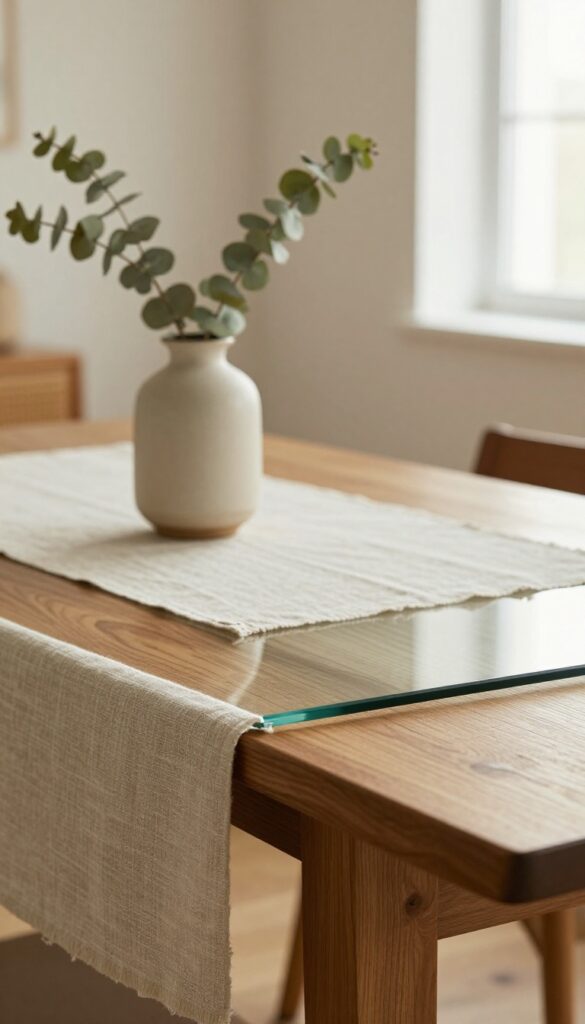
If your wooden table has seen better days but you're not ready to part with it, a custom-cut glass top is a clever solution. It lets you keep the warmth of the wood while adding a slick, wipe-clean surface that handles spills and scratches like a champ. This idea works especially well for weekend refreshes because it's a one-and-done upgrade that instantly changes how you use your table.
A glass top isn't just practical—it can actually make your table feel more polished. The transparent layer shows off the wood grain underneath, so you don't lose any of that cozy character. Plus, it's a breeze to clean: just spray and wipe, no more worrying about water rings or sticky spots.
For a warm and cozy feel, pair it with a soft table runner or placemats to break up the glass and add texture. The key is choosing tempered glass for safety and getting it cut precisely to your table's dimensions—either by a local glass shop or an online custom cutter. It's a straightforward project that takes your dining surface from worn to wonderful without a full refinishing job.
Best Glass Thickness
- For a dining table, go with at least 1/4-inch thick tempered glass. It's sturdy enough for daily use and won't flex or crack under normal pressure. Thicker glass (3/8-inch) feels more substantial but adds weight, making it harder to lift for cleaning.
- Stick with 1/4-inch for the best balance of durability and practicality.
Edge Finish Options
- Choose a polished or beveled edge for a refined look that catches the light. A flat polish is subtle and modern, while a beveled edge adds a touch of elegance. Avoid raw edges, which can feel sharp and unfinished.
- The right edge finish makes the glass top feel like a custom piece rather than an afterthought.
Styling Tip: Layer With Textiles
- Glass can feel cold or sterile if left bare, so warm it up with natural textures. Add a linen tablecloth, cotton placemats, or a chunky knit runner underneath. This not only protects the glass from scratches but also brings that cozy, lived-in feel.
- Bonus: the glass keeps the textiles clean from spills.
7. A Set of Stackable Ceramic Coasters
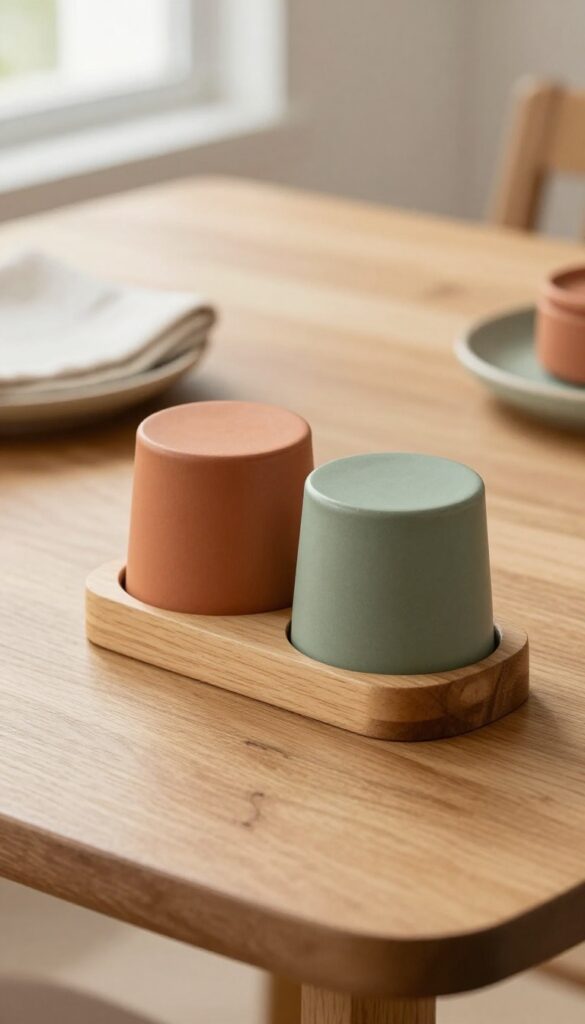
Coasters are one of those small details that can either clutter your table or quietly elevate it. A set of glazed ceramic coasters, kept in a slim wooden holder, does the latter. The ceramic surface absorbs condensation without sticking to glasses, and the holder keeps them tidy and within reach.
Warm earthy tones—think terracotta, ochre, or sage—add a grounded, cozy feel that fits right into a weekend refresh.
Instead of piling up mismatched coasters or leaving rings on your table, this idea gives you a clean, intentional system. The wooden holder becomes a subtle decor piece on its own, and the coasters stack neatly so they don't take up visual space. Plus, ceramic is easy to wipe down, making it a practical choice for daily use.
This setup works especially well on a farmhouse table, a mid-century dining set, or even a small bistro table where every inch counts.
Best Colors
Stick with earthy neutrals like clay, dusty rose, olive green, or warm gray. These tones blend into a cozy palette and won't clash with seasonal centerpieces. Avoid bright or glossy finishes that feel too modern for a warm and cozy vibe.
Storage Tip
Choose a wooden holder with a small lip or divided slots so coasters stay upright and don't slide around. Place it near the center of the table or off to one side, depending on your serving style. A holder with a handle makes it easy to pass around during meals.
Finishing Touch
Pair the coasters with a matching ceramic trivet or a small wooden tray for hot dishes. This creates a cohesive look and protects your table from heat. A linen napkin folded under the holder adds a soft texture contrast.
8. A Felt Pad Under a Decorative Tray
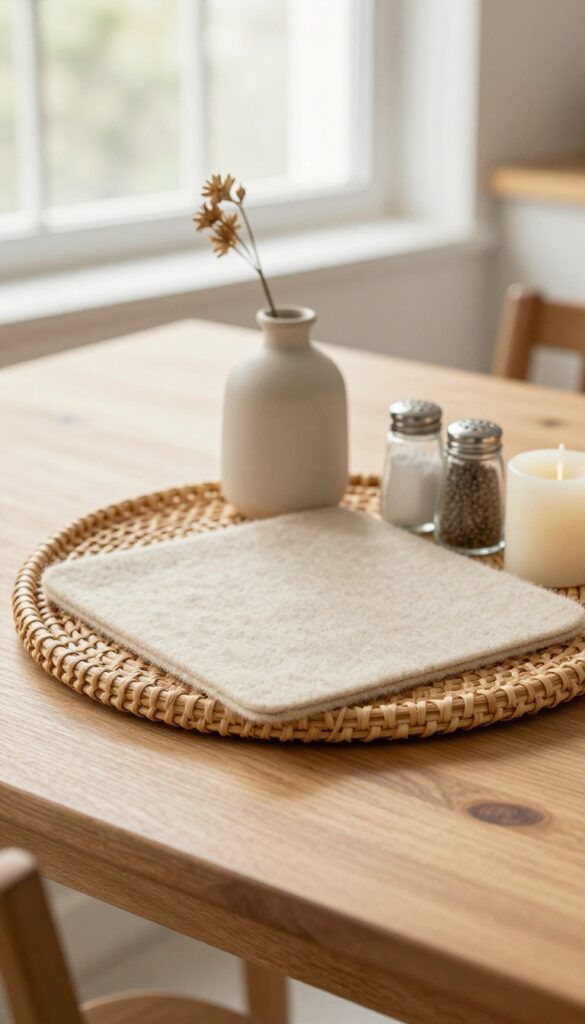
This is one of those little tricks that makes you wonder why you didn’t think of it sooner. A felt pad does double duty: it protects your tabletop from scratches while adding a soft, quiet layer under a tray that holds your everyday essentials. The tray itself becomes a neat little landing zone for salt and pepper shakers, a small vase, or even a candle—keeping the surface tidy without feeling sterile.
It’s a weekend-refresh friendly idea because it takes about two minutes to set up, and the warm, cozy effect is instant.
Start by choosing a felt pad that matches the shape of your tray—round for round trays, rectangular for rectangular ones. The felt should be slightly smaller than the tray so it doesn’t peek out. Then pick a tray that fits your kitchen’s style: a wooden tray for a rustic feel, a ceramic one for a more polished look, or a woven seagrass tray for texture.
Place the felt pad on the table, set the tray on top, and arrange your items. The felt cushions the tray and prevents any accidental sliding, so your salt and pepper shakers stay put. This setup works especially well on wooden or glass tables where scratches show easily.
For a warmer look, choose a felt pad in a neutral tone like beige, grey, or cream, and pair it with a tray that has natural wood tones or a soft glaze. The overall effect is intentional and calming—exactly what a cozy kitchen needs.
Best Materials
- Felt pads come in various thicknesses; a 3mm to 5mm pad is ideal because it’s thick enough to protect but thin enough to stay hidden. Wool felt is more durable and has a nicer texture than synthetic options. For the tray, look for materials that contrast nicely with your table: a dark wood tray on a light wood table, or a white ceramic tray on a dark surface.
- Woven trays add warmth and work well in cozy kitchens.
Styling Tip
- Keep the tray contents minimal—two or three items maximum. A small vase with a single stem, a salt pig, and a pepper mill create a balanced vignette. Avoid overfilling, or the tray will look cluttered rather than curated.
- Place the tray near the center of the table or slightly off-center for a relaxed feel.
Cozy Detail
Add a small candle or a tea light on a coaster next to the tray. The soft glow at mealtime enhances the warm, inviting atmosphere. Choose a candle with a subtle scent like vanilla or cinnamon to complement the cozy vibe without overwhelming the space.
9. A Weekly Menu Board on a Small Easel
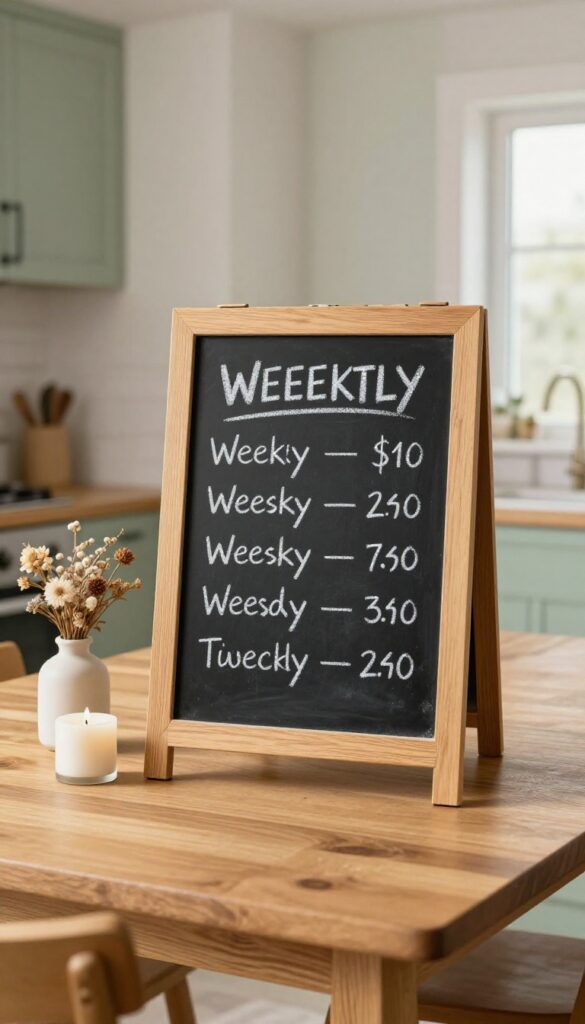
A weekly menu board does more than just organize your meals—it becomes a functional centerpiece that keeps your table clean and clutter-free. Placing a small chalkboard or dry-erase board on a mini easel adds a cozy, intentional touch to your dining surface. It’s perfect for weekend refreshes, letting you plan ahead while keeping the table ready for everyday use.
This idea works beautifully in kitchens or dining nooks where the table doubles as a workspace. The menu board acts as a visual anchor, drawing the eye and reducing the need for scattered notes. Choose a warm wood easel to match the cozy vibe, and keep the board simple with a weekly layout.
When the week ends, wipe it clean and start fresh—it’s that easy.
Best Materials And Colors
- For a warm and cozy feel, opt for a chalkboard with a natural wood frame or a dry-erase board in a soft cream or sage green. The easel itself should be unfinished wood or painted in a muted tone like matte black or dusty blue. Avoid glossy finishes—they can feel too modern and cold.
- Pair with chalk markers in white or pastel shades for a soft, handwritten look.
Placement And Layout Tip
- Center the easel on the table if you don’t use it for daily dining, or push it to one side near a wall if the table is in constant use. This keeps the board visible without crowding the eating area. For a balanced look, add a small vase of dried flowers or a single candle next to the easel.
- The key is to keep the tabletop uncluttered so the menu board stands out.
Weekly Refresh Routine
- Make it a Sunday habit to update the board with the week’s meals. Use erasable markers so you can tweak plans easily. This simple ritual not only keeps your table organized but also adds a cozy, predictable rhythm to your weekend.
- Pair with a small caddy of markers and a soft cloth stored nearby for quick cleanups.
10. A Beeswax Finish for Natural Protection
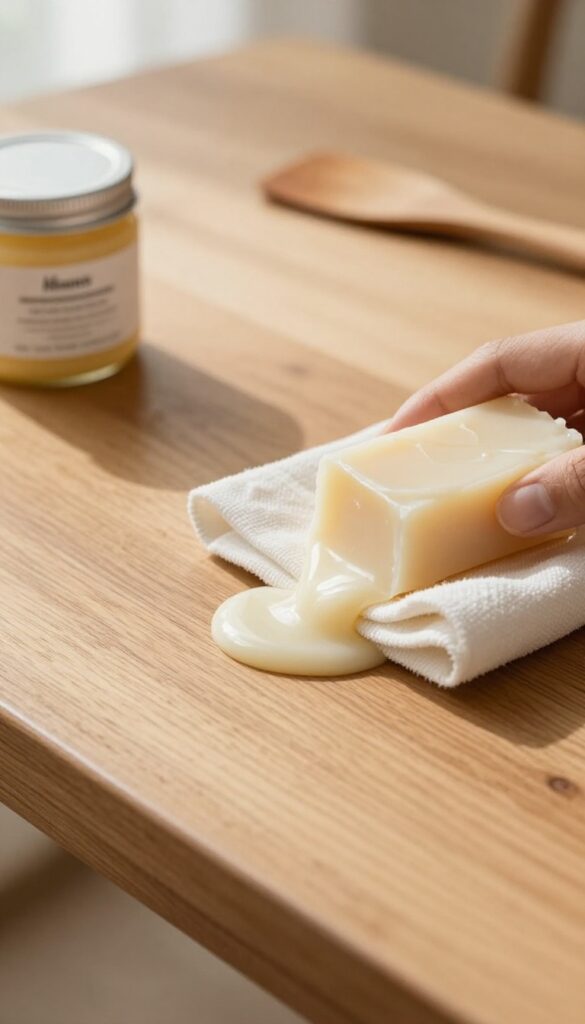
If your wooden tabletop is starting to look a little dry or dull, a beeswax finish might be exactly what it needs. This old-school treatment is surprisingly simple to apply and brings out the natural warmth of the wood without any harsh chemicals. Plus, it's food-safe, so you can feel good about using it on your dining surface.
Beeswax creates a soft, low-luster sheen that feels more organic than polyurethane or varnish. It also forms a breathable barrier that helps repel minor spills and everyday moisture. The best part?
You can reapply it in under an hour, making it a perfect weekend-refresh project. Just rub on a thin coat, let it soak in, and buff it to a gentle shine. Over time, the wax builds up a beautiful patina that makes the table look richer and more lived-in.
Best Wood Types
Beeswax works beautifully on hardwoods like oak, walnut, and maple. It also enhances the grain of reclaimed or rustic pine. Avoid using it on sealed or painted surfaces, as it won't penetrate properly.
Application Tip
For an even finish, warm the wax slightly by placing the tin in a bowl of hot water for a few minutes. Apply with a soft cloth in circular motions, then buff with a clean cloth. Let it cure for a few hours before using the table.
Maintenance Routine
Reapply every two to three months, or whenever water stops beading on the surface. A quick wipe-down with a damp cloth between coats keeps the table clean without stripping the wax.
11. A Linen Table Runner with Frayed Edges
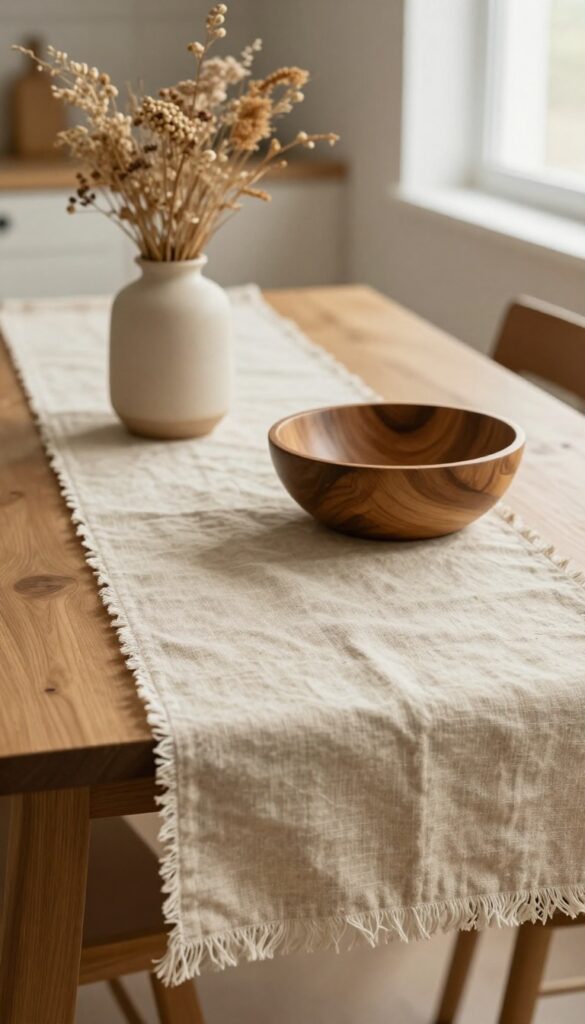
A simple linen runner can change the whole feel of your kitchen table without a big commitment. The frayed edges keep it from looking too formal, so it lands right in that sweet spot between put-together and lived-in. Linen's natural texture adds visual warmth, and because it's stain-resistant, you don't have to panic every time someone reaches for the pasta.
Drape a linen table runner with frayed edges down the center. Linen is naturally stain-resistant and gets softer with each wash. It adds texture and a relaxed, cozy vibe.
Best Colors For A Cozy Look
Stick with warm neutrals like oatmeal, taupe, or a soft terracotta to keep the table feeling inviting. A muted sage or dusty blue can also work if your kitchen leans cooler, but the key is choosing a shade that feels soft rather than stark. White linen can feel too crisp for a cozy space, so opt for something with a little warmth.
How To Style It
Let the runner hang a few inches over each end of the table for an effortless drape. Pair it with simple ceramic dishes or a low vase of dried flowers to keep the centerpiece from competing with the runner. If you eat at the table daily, choose a runner that's easy to toss in the wash—linen actually gets better with more washes.
Texture Mix Tip
Balance the linen's slightly rough texture with smoother elements like glazed pottery or a polished wooden bowl. Add a couple of linen napkins in a contrasting warm tone for an easy layered look. The contrast keeps the table from feeling one-note.
12. A Set of Woven Bamboo Trivets
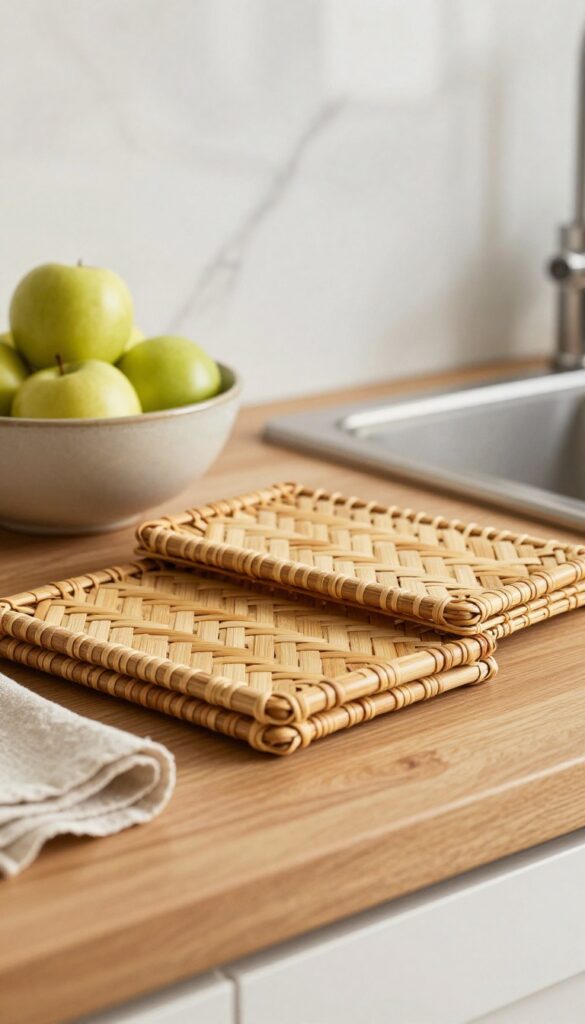
Trivets are one of those kitchen tools that you might not think twice about until you need one. But when you choose a set of woven bamboo trivets, you're getting more than just a heat barrier. The natural texture and warm tones bring an organic, cozy feel to your countertop or table, and they're easy to store in a way that looks intentional rather than cluttered.
Stack them on a small sideboard or lean a couple against the backsplash for a layered, artisan vibe. The bamboo's light golden hue works beautifully with neutral palettes and adds warmth to cooler materials like marble or stainless steel. Plus, since they're lightweight and durable, you can grab one in a second when a hot dish needs a landing spot.
This is the kind of detail that makes a kitchen feel both lived-in and thoughtfully styled.
Best Placement
Keep your trivets within arm's reach of the stove or oven, but also where they can be seen. A stack on the kitchen island or a small shelf near the dining area makes them easy to use and adds a natural accent. If you have open shelving, tuck a couple between cookbooks or next to a plant for a casual, collected look.
Texture Mix
Bamboo's woven pattern pairs well with smooth surfaces like ceramic or glass. Try placing a trivet under a wooden cutting board or a ceramic fruit bowl to create contrast. The interplay of textures keeps the eye moving and adds depth without clutter.
Weekend Refresh Tip
To keep your trivets looking fresh, wipe them down with a damp cloth and let them air dry. If they start to look dull, a light rub with mineral oil restores their natural glow. It's a five-minute fix that makes a big difference in how polished your kitchen feels.
13. A Daily-Use Caddy for Quick Wipe-Downs
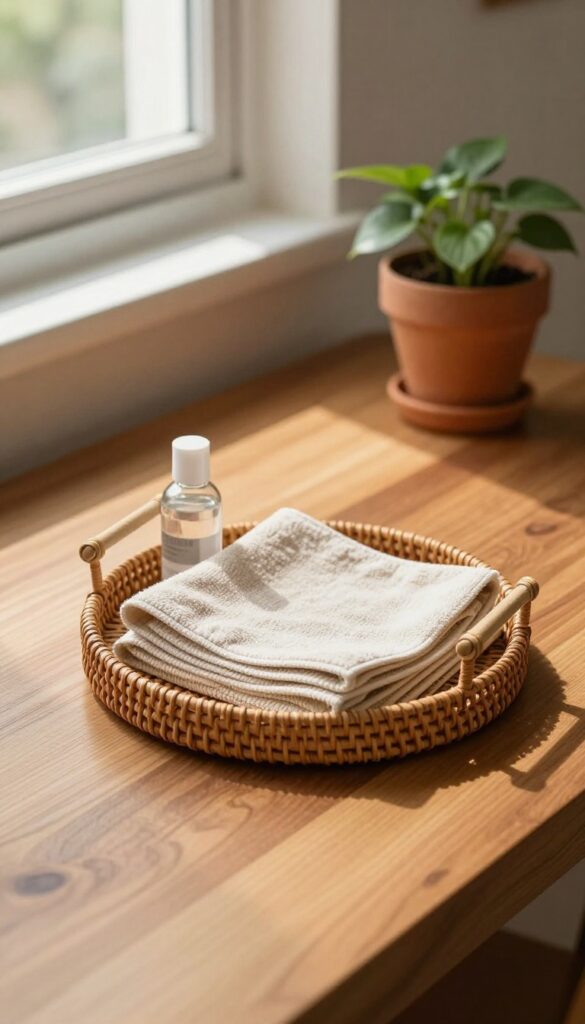
Picture this: you're enjoying a cup of coffee, and a splash lands on the table. Instead of scrambling for a paper towel or leaving it to dry into a sticky spot, you reach for a little caddy sitting right there. It holds a microfiber cloth and a gentle wood cleaner, making cleanup almost automatic.
This idea keeps your table clean without any extra effort, and the caddy itself can be a charming decor accent.
A small tray or caddy placed at the center of the table serves as both a practical tool and a decorative element. Choose one in a warm material like wood, rattan, or ceramic to complement your table. Fill it with a neatly folded microfiber cloth and a small bottle of wood cleaner or polish.
The caddy becomes a habit—every time you see it, you're reminded to wipe down the surface. It's especially useful for households with kids or frequent meals at the table. Plus, it adds a layer of intentional styling, like a centerpiece that works for you.
Best Materials
- Stick with natural, warm materials that match the cozy style profile. A small wooden tray with handles or a woven rattan caddy brings texture and warmth. Ceramic or stoneware options in earthy tones like terracotta or cream also work well.
- Avoid plastic or overly shiny metals that can feel cold or cheap.
Styling Tip
- Keep the caddy simple but intentional. Add a small plant or a candle next to it to create a vignette. The cloth should be a neutral color like white, beige, or soft gray so it blends in.
- You can swap the cloth seasonally—linen for summer, a thicker cotton for winter—to keep the look fresh.
Small-space Fix
If your table is tiny, use a slim caddy that hugs the edge or a single decorative bowl that holds a cloth and a mini spray bottle. Another option is a hanging caddy that attaches to the side of the table, keeping the surface clear while still having supplies within arm's reach.
FAQ
What is the easiest way to protect a wooden kitchen table from spills?
A clear glass top custom-cut to your table’s dimensions offers the best protection while still showing off the wood. Alternatively, a washable cotton tablecloth or beeswax finish works well for a softer look.
How can I make my kitchen table look cozy without cluttering it?
Use a low centerpiece like a tray of succulents or a wooden cutting board runner. Keep everyday items in a small caddy or tray to corral them, and choose natural materials like linen and wood for warmth.
Are silicone placemats safe for all table surfaces?
Yes, high-quality silicone placemats are heat-resistant and non-slip, making them safe for wood, glass, and laminate tables. Just avoid placing them directly on hot pans to prevent any heat transfer.
How often should I reapply beeswax to my table?
For a table used daily, reapply beeswax every 3 to 4 months. If you notice water no longer beads on the surface, it’s time for a fresh coat. Always clean the table thoroughly before applying.
Can I use a glass top on a table that isn't perfectly flat?
It’s best to have a glass top cut to fit a flat surface. If your table has slight unevenness, use clear silicone bumpers on the underside of the glass to prevent rocking and protect the table.
Conclusion
A cleaner kitchen table doesn’t require a full renovation—just a few thoughtful swaps and additions. Whether you choose a washable tablecloth, a glass top, or a simple caddy for quick cleanups, each idea helps you enjoy your dining space more.
Pick one or two that fit your style and give them a try this weekend. Your table will thank you, and so will everyone who gathers around it.