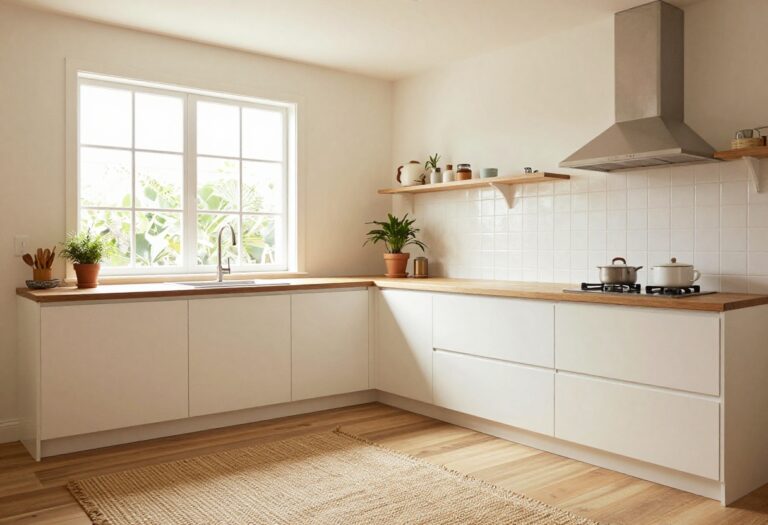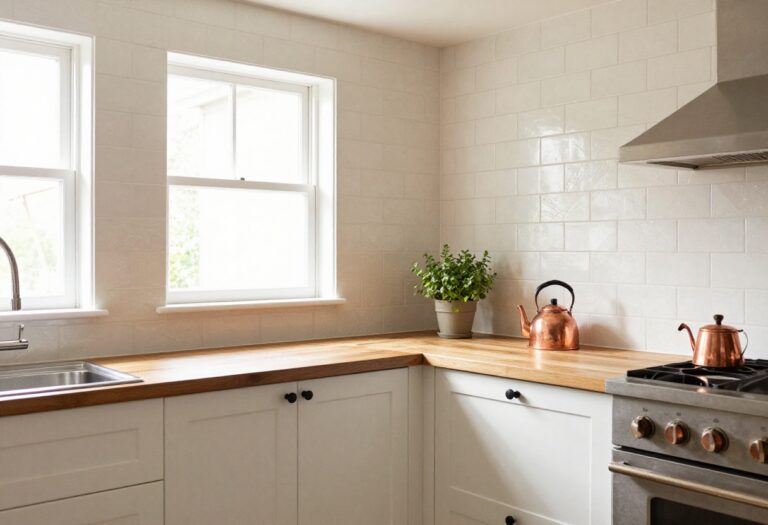
11 Rectangular Kitchen Ideas for a Light and Airy Long, Narrow Room Flow
Long, narrow kitchens can feel like a design challenge, but they actually have a lot of potential. With the right approach, that stretched-out layout becomes an opportunity to create a space that feels open, bright, and effortlessly stylish. The key is to lean into the length rather than fight it.
Light and airy is the name of the game here. By choosing the right colors, materials, and layout tricks, you can make your rectangular kitchen feel wider and more welcoming.
Think soft neutrals, reflective surfaces, and smart storage that keeps clutter out of sight. These 11 ideas are all about making your kitchen work with its shape, not against it.
1. Run Cabinets Along One Wall Only
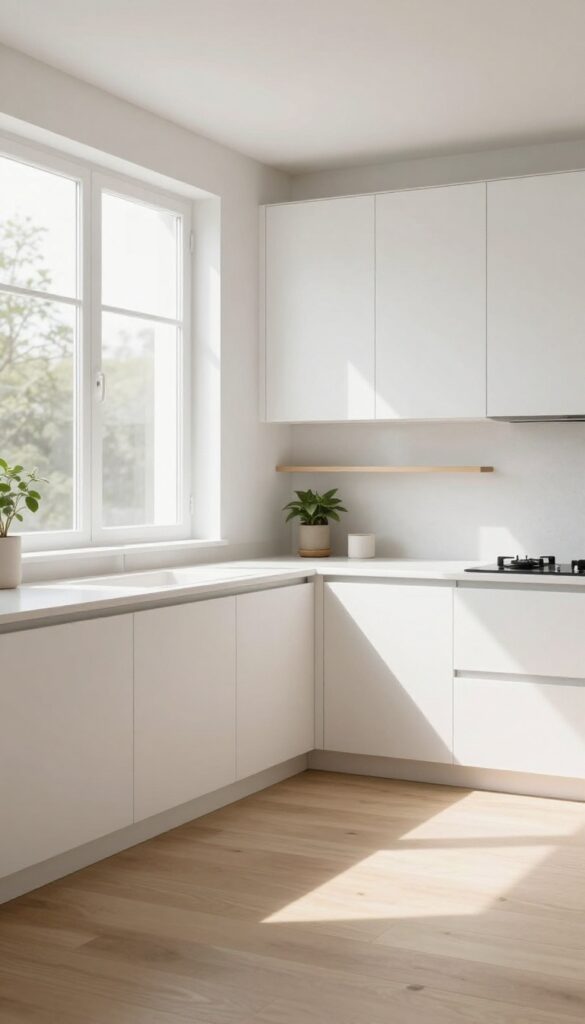
A long, narrow kitchen can feel like a corridor if you pack cabinets on both sides. By committing to one wall for all your storage, you open up the opposite side for a slim counter, floating shelves, or even a small dining ledge. The result is a room that breathes—light moves freely, and the space feels wider than it actually is.
This layout works best when you choose a single wall for upper and lower cabinets, keeping the other side intentionally minimal. A shallow counter or a row of open shelving on the opposite wall provides just enough surface for prep or display without closing the room in. The visual effect is clean and airy, with an uninterrupted line of sight down the length of the kitchen.
It’s a smart trick for galley kitchens or any rectangular room where you want to avoid that tunnel feel.
Best Materials
Stick with light wood or matte white for the main cabinets to keep the look bright. If you add open shelving on the opposite wall, use the same wood tone or a thin metal bracket for a cohesive, uncluttered feel. Glass-front cabinet doors on the upper section can also help reflect light and add depth.
Layout Tip
Place your sink and cooktop on the cabinet wall to keep plumbing and ventilation simple. Reserve the opposite side for a slim prep counter or a row of bar stools—just make sure there’s at least 36 inches of walkway clearance so the space still functions for daily cooking.
Finishing Touch
Add a continuous countertop material that runs the full length of the cabinet wall, like quartz or butcher block, to create a strong horizontal line. This visual trick draws the eye along the room and reinforces the open, streamlined feel.
2. Use a Pale, Monochromatic Color Palette
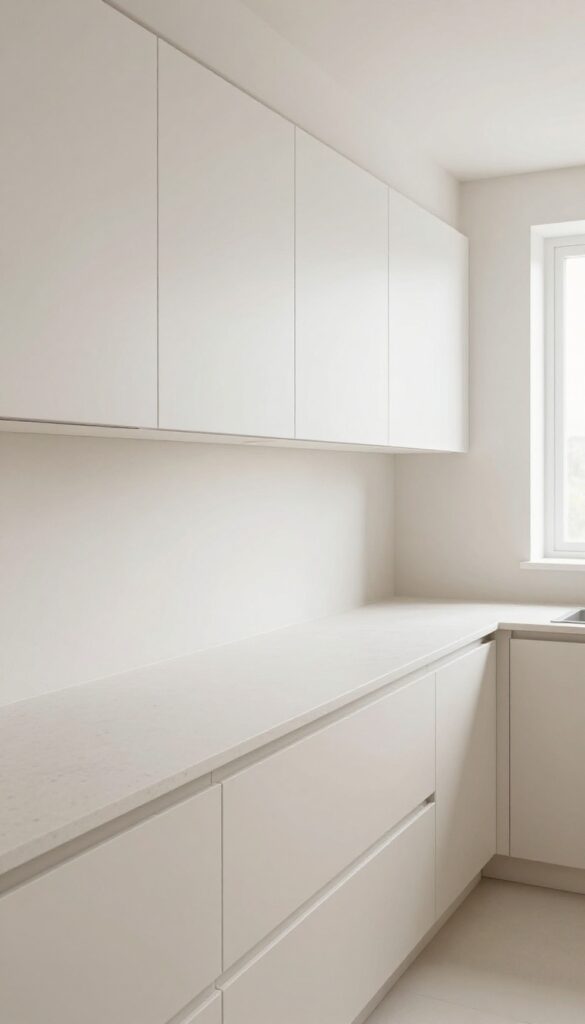
Color has a surprising amount of power over how spacious a room feels. In a long, narrow kitchen, bold contrasts or dark hues can chop the space into visual chunks, making it feel tighter than it actually is. That's where a pale monochromatic palette steps in.
Soft whites, light grays, and warm beiges create a seamless flow from one end of the room to the other. There are no hard color stops to break the eye's path, so the entire kitchen reads as one continuous, open area. It's a quiet, sophisticated look that feels airy and clean without trying too hard.
The trick is to choose one light hue and carry it across walls, cabinets, countertops, and even the backsplash. You don't need everything to be exactly the same shade—varying tones of white or cream add depth without disrupting the unified feel. For example, pair matte white upper cabinets with a slightly warmer off-white on the lowers, and top it with a pale quartz countertop.
The subtle shift keeps the eye moving, while the overall palette stays calm and cohesive. This approach works especially well in kitchens with limited natural light, because pale colors bounce light around, making the room feel brighter and more open.
Best Colors To Start With
- Stick with hues that have a warm or neutral undertone to avoid a cold, sterile feel. Soft greige (a mix of gray and beige), creamy white, and pale almond are excellent choices. Steer clear of stark white with blue undertones unless your kitchen gets tons of sunlight—it can read as harsh and clinical.
- A good rule of thumb: test paint samples on the wall and observe them at different times of day. The right pale color will look inviting both in morning light and under evening task lighting.
Texture Mix For Depth
- Since the color palette is restrained, texture becomes your secret weapon for visual interest. Combine smooth painted cabinets with a lightly veined marble or quartz countertop, a matte tile backsplash, and natural wood open shelving. The contrast between glossy, matte, and organic surfaces keeps the space from feeling flat.
- Even subtle texture—like a ribbed glass cabinet front or a woven rug—adds enough depth to make the monochromatic scheme feel intentional and layered.
Finishing Touch: Hardware And Lighting
- Hardware and light fixtures are the jewelry of a pale kitchen. Choose metals that blend seamlessly rather than shout. Brushed brass or champagne gold adds a soft warmth without breaking the monochrome flow.
- For lighting, consider a row of slim, minimalist pendants in the same finish. They draw the eye down the length of the room, reinforcing the sense of continuity. Avoid oversized or dark fixtures that create heavy visual anchors—keep everything light and streamlined.
3. Add a Large Mirror or Reflective Backsplash
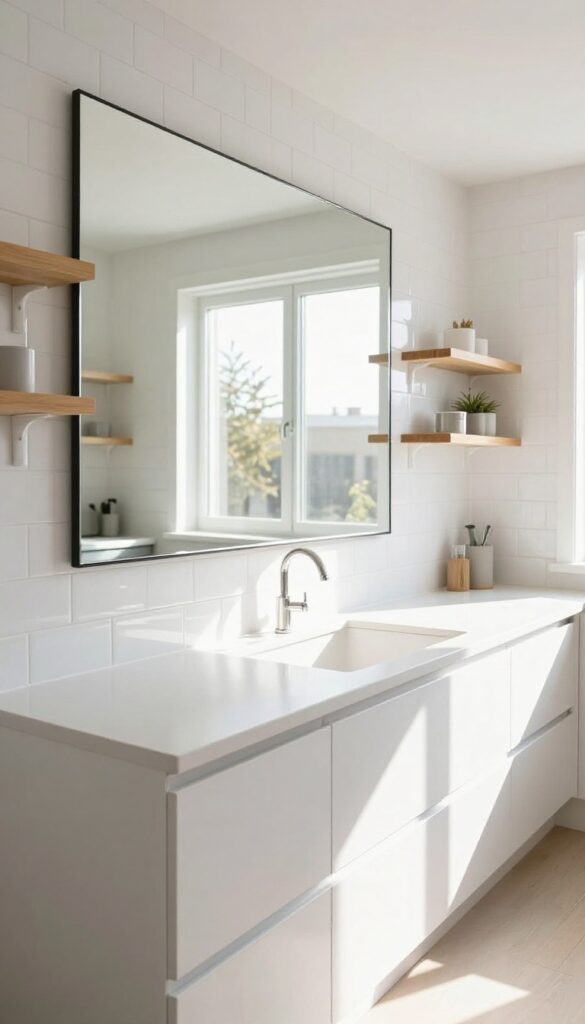
Light is your best friend when you're dealing with a long, narrow kitchen, and reflective surfaces are the easiest way to multiply it. A well-placed mirror or glossy backsplash tricks the eye into seeing more space, making the room feel wider and brighter without any major renovation. This trick works especially well if your kitchen lacks windows or feels closed in at one end.
Place a large mirror on the shorter end wall of your kitchen to create the illusion of depth. It will reflect the opposite wall and any natural light, instantly opening up the room. Alternatively, a glossy subway tile backsplash in white or pale gray bounces light along the entire countertop, adding a clean, airy feel.
Pair with matte countertops and open shelving to keep the look balanced and modern.
Best Placement
The end wall is the most effective spot for a mirror, especially if it faces a window. If your kitchen is extra narrow, consider a floor-length mirror propped against the wall—it adds an unexpected, decor-forward element. For the backsplash, run glossy tile from counter to upper cabinets or all the way to the ceiling for maximum light reflection.
Material And Finish Tips
- Choose a mirror with a simple, thin frame—or no frame at all—to keep the look clean and unfussy. For the backsplash, glossy ceramic or porcelain subway tile is a budget-friendly classic. If you want more sparkle, try a glass mosaic tile in a soft neutral.
- Avoid highly textured or matte finishes here, as they absorb light instead of reflecting it.
Styling And Lighting Pairing
Let the mirror or backsplash do the heavy lifting, but pair it with warm LED under-cabinet lighting to enhance the glow. Keep the surrounding walls light—think soft white, pale beige, or light gray—so the reflective surface doesn't feel harsh. Add a few open shelves with simple white dishes to echo the bright, airy mood.
4. Choose a Galley Layout with an Open End
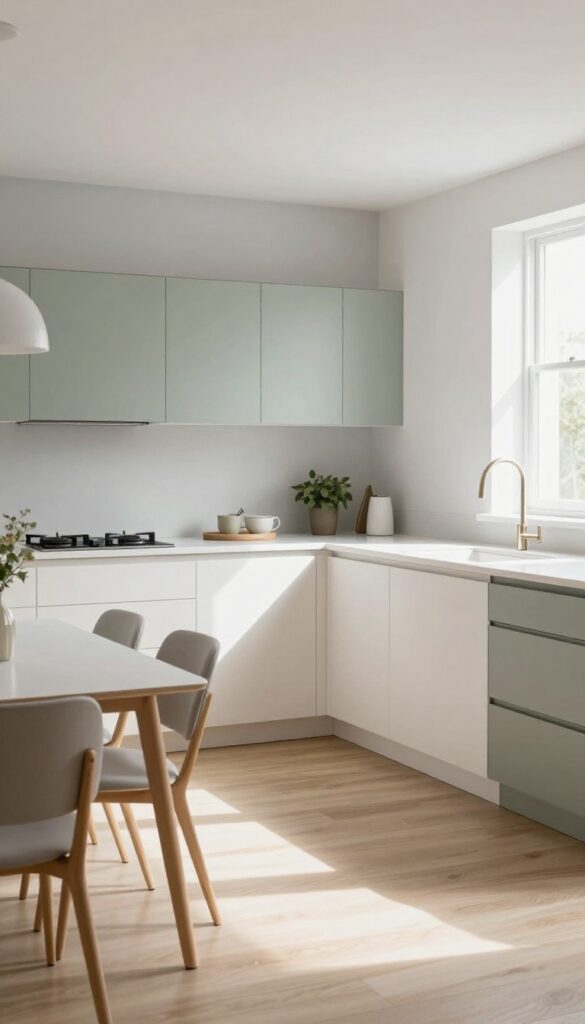
A galley kitchen is a natural fit for a narrow rectangular room, but it can sometimes feel like a tight corridor. The trick is to leave one end open to an adjoining space—like a dining room or living area. This simple shift transforms the layout from a closed-off tunnel into a breezy, connected zone.
The open end invites light and movement, making the entire kitchen feel larger and more inviting.
By keeping one end of the galley open, you create a visual and physical pathway that encourages flow. This works especially well if your kitchen is adjacent to a dining nook or family room. The open end can act as a transition point, perhaps with a slim counter or breakfast bar that extends slightly into the next room.
The result is a kitchen that feels purposeful and open, without sacrificing the efficiency of a galley layout.
Best Colors
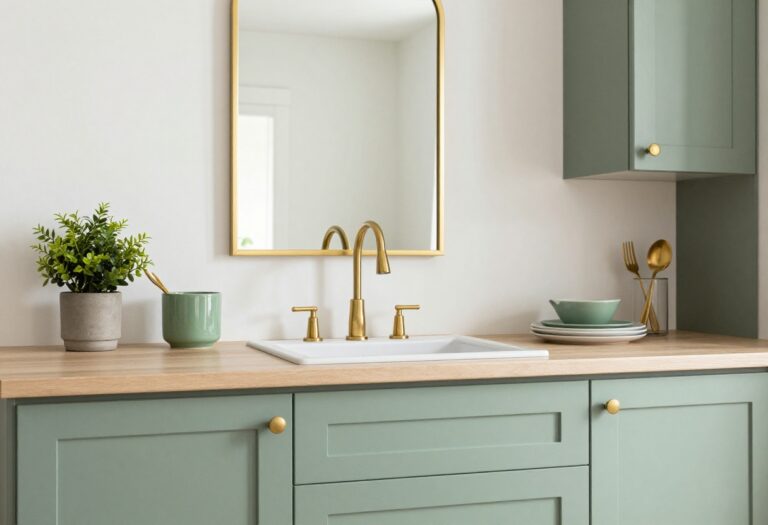
Stick with light, reflective hues to maximize the airy feel. Soft whites, pale grays, or warm off-whites on cabinets and walls bounce natural light around, making the space feel wider. If you want a touch of contrast, try a muted sage or dusty blue on the lower cabinets—just keep the upper ones light to maintain that open vibe.
Layout Tip
Position the open end opposite your main work zone. For example, if your sink and stove are on one wall, leave the far end open to the dining area. This way, the cooking zone stays efficient, while the open end becomes a natural pass-through for serving meals or chatting with guests.
Finishing Touch
Add a slim console table or a small bistro set just beyond the open end. This gives the eye a place to land and creates a subtle separation between kitchen and living space. Choose a light wood or metal frame to keep the look clean and uncluttered.
5. Install Floating Shelves Instead of Upper Cabinets
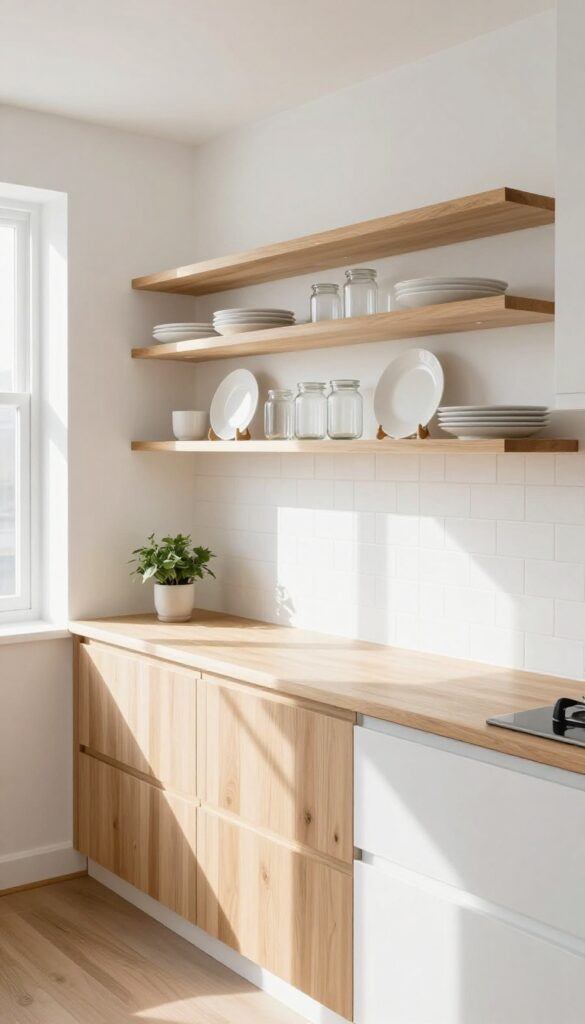
Upper cabinets can make a narrow kitchen feel even tighter by adding visual weight at eye level. Floating shelves flip that effect entirely. They keep the wall line clean and let the eye travel across the room without interruption, which is exactly what a long, narrow space needs.
The result is storage that feels more like display—light, open, and surprisingly practical.
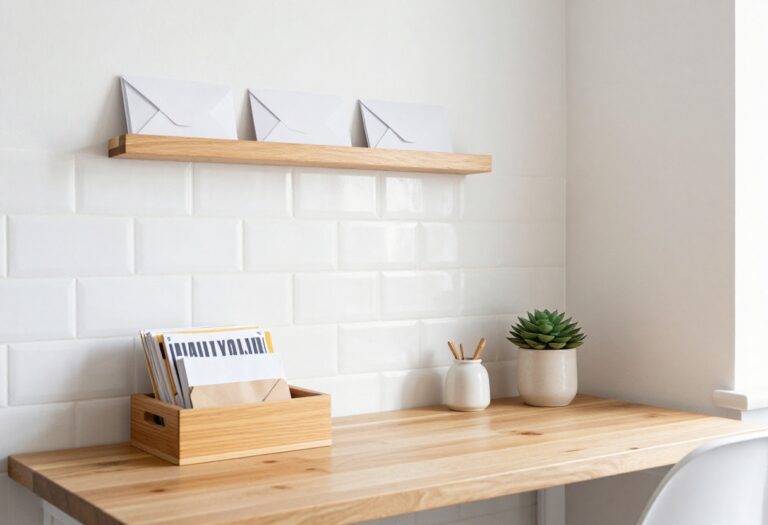
Swapping bulky upper cabinets for open floating shelves is one of the quickest ways to open up a narrow kitchen. Without cabinet doors blocking the view, the room feels longer and less boxed in. The shelves themselves become a design feature, especially when styled with a mix of everyday dishes, glass jars, and a few plants.
Because they sit flush against the wall, they don't eat into the visual floor space the way cabinets do. That makes the whole kitchen feel airier and more connected to the rest of the home. The key is to keep the shelves shallow—around 10 to 12 inches deep—so they don't overwhelm the wall or make the room feel cluttered.
Stick to one or two shelves per wall section, and leave plenty of breathing room between items.
Best Materials For An Airy Look
- For a light and airy feel, choose materials that recede rather than dominate. Solid white oak or light maple in a natural finish keeps the warmth without adding visual bulk. If you prefer painted shelves, go with the same color as your wall so they blend in almost invisibly.
- Glass shelves are another option—they practically disappear and work beautifully in front of a tiled backsplash. Avoid dark stained wood or thick metal brackets that draw too much attention.
Styling Tip: Less Is More
- Floating shelves look best when they're not stuffed. Group items in odd numbers—three small bowls, five spice jars—and leave empty space between groups. Stick to a cohesive color palette: whites, neutrals, and one accent color like sage or terracotta.
- Add a trailing plant or a slim cookbook on its side to break up the vertical lines. The goal is to make the shelves feel curated, not crammed.
Storage Tip: What Goes On Top
- Use floating shelves for items you reach for daily: coffee mugs, oils, spices, and favorite glasses. Store less pretty but necessary items (like plastic containers or large mixing bowls) in lower cabinets or a pantry. If you need extra hidden storage, add a few small baskets or ceramic canisters to corral loose items like tea bags or utensils.
- That way the shelves stay tidy without looking sterile.
6. Use a Light-Colored, Continuous Flooring
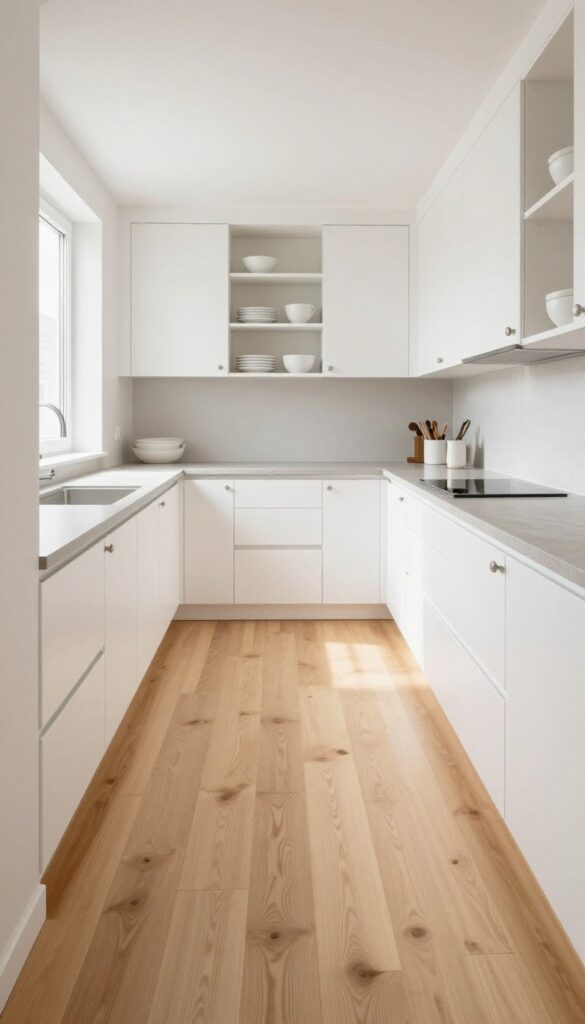
Flooring can make or break the feel of a narrow kitchen. When you run the same light wood or tile planks lengthwise without any borders or patterns, something almost magical happens. The eye glides along the uninterrupted surface, tricking the brain into seeing more space than there actually is.
It’s subtle, but it works every time.
Seamless flooring is one of the easiest ways to visually expand a long, narrow kitchen. By sticking to pale tones—think whitewashed oak, light gray stone, or creamy porcelain—you reflect more natural light and keep the room feeling airy. Avoid dark grout lines or busy patterns that break up the flow.
The goal is a smooth, continuous runway that guides the eye from one end to the other.
Best Materials For A Seamless Look
Engineered hardwood in a light blonde finish is a top choice for warmth without heaviness. If you prefer tile, large-format porcelain planks (at least 8 inches wide) mimic wood grain while being easier to clean. Luxury vinyl plank is another budget-friendly option that comes in long, wide pieces perfect for minimizing visible seams.
Layout Tip: Run Planks Lengthwise
Always install flooring parallel to the longest wall. This draws the eye straight down the room, emphasizing the length rather than cutting it in half. If your kitchen is open to an adjacent space, continue the same flooring into that area to blur the boundaries and make the whole footprint feel larger.
Finishing Touch: Match The Baseboards
Paint your baseboards the same color as the flooring or a slightly lighter shade to eliminate visual stops. White or off-white baseboards blend into pale floors, letting the surface appear to extend right to the wall. This small detail reinforces the continuous, expansive effect.
7. Hang Pendant Lights in a Row
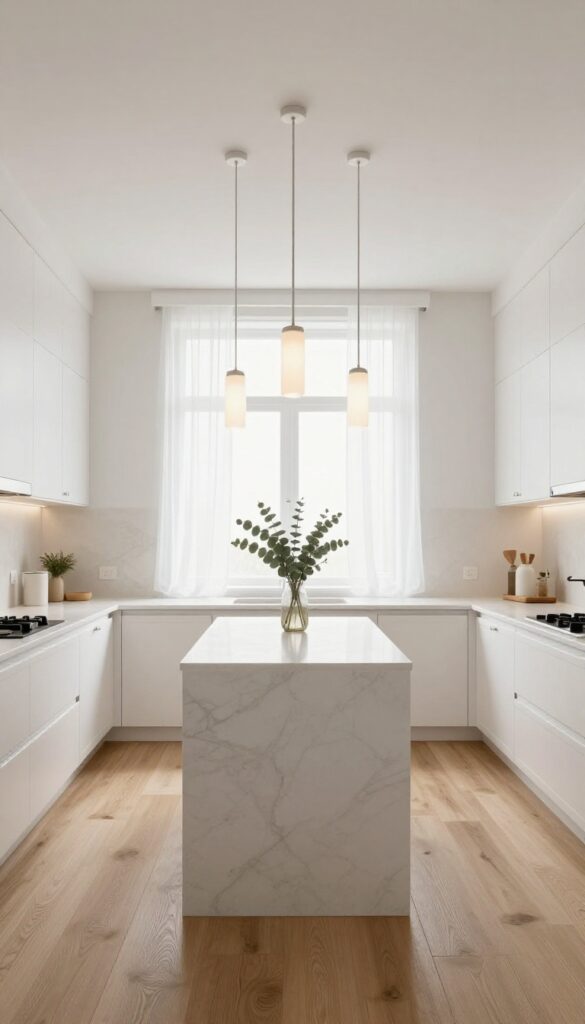
Lighting can make or break a narrow kitchen, and a row of pendant lights is one of the most effective ways to add both function and style. Instead of a single fixture that leaves shadows, three or four slim pendants hung in a straight line create a rhythmic glow that guides the eye from one end of the room to the other. The effect is both practical and visually pleasing, making the space feel longer and more intentional.
Suspending pendant lights in a row over a central island or counter does more than just illuminate your workspace. The repeated shapes create a sense of movement, pulling your gaze along the length of the kitchen. For a light and airy feel, choose pendants with open or translucent shades in materials like glass, linen, or rattan.
Keep the spacing even—about 30 to 36 inches apart—and hang them low enough to cast light where you need it, but high enough to avoid blocking sightlines. This simple trick turns a functional necessity into a design feature that anchors the whole room.
Best Pendant Styles For Narrow Kitchens
- Slim, cylindrical pendants work best in long, narrow kitchens because they don't overwhelm the space visually. Look for designs with a narrow profile—think 6 to 8 inches in diameter—and a finish that complements your hardware. Brushed brass or matte black adds a subtle contrast against white cabinets, while chrome or nickel keeps things clean and modern.
- For a softer look, woven rattan or opal glass diffuses light beautifully.
Placement And Spacing Tips
- Center the row of pendants over your island or counter, making sure the fixtures are evenly spaced. A good rule of thumb is to leave about 30 inches between each light, and hang them 30 to 36 inches above the counter surface. If your ceiling is higher than 9 feet, consider adding an extra pendant or lowering them slightly to maintain the visual rhythm.
- Avoid placing pendants too close to the ends of the island, or the line may feel cut off.
Lighting Tip: Layer With Dimmer Switches
Install dimmer switches for your pendant lights so you can adjust the brightness throughout the day. Bright light is great for cooking and prep, but a softer glow makes the kitchen feel cozy during meals or evening gatherings. Dimmers also help the row of pendants act as ambient lighting rather than just task lighting, giving you more flexibility in how the room feels.
8. Add a Slim, Rolling Kitchen Cart
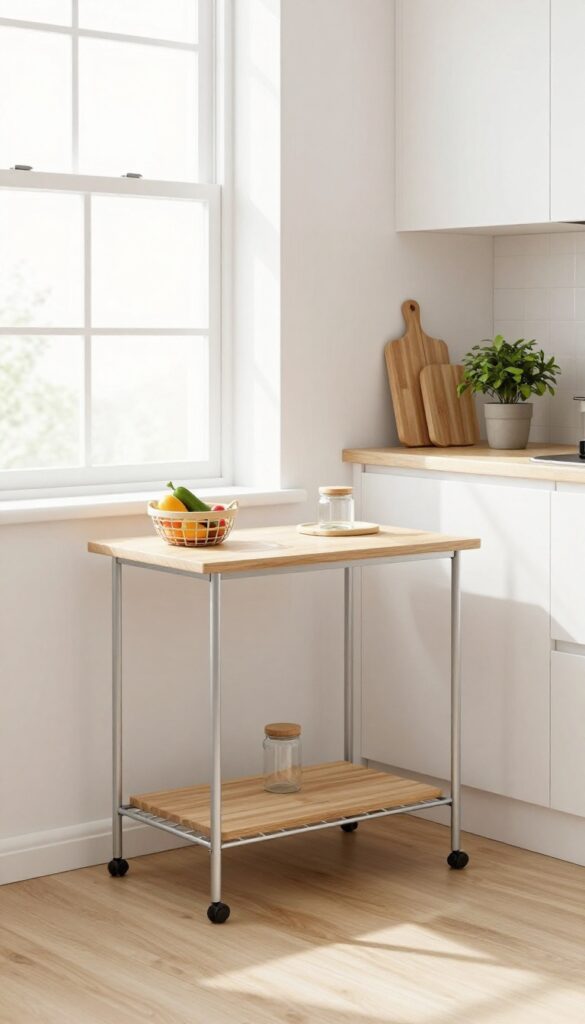
A narrow cart on wheels can be the perfect solution for a long, narrow kitchen. It slides into tight spots, offers extra counter space when you need it, and rolls out of the way just as easily. The light, airy feel comes from choosing a slim profile in a pale wood or white finish, keeping the room open and uncluttered.
The beauty of a rolling cart is its flexibility. Use it as a prep station near the stove, then tuck it against the wall when guests gather. The open shelving below keeps everyday items within reach without blocking the visual line of the room.
For a light and airy look, opt for a cart with a butcher-block top and slim metal legs—it adds warmth without weight.
Best Colors And Materials
Stick with light woods like bamboo or pale oak, or choose a crisp white cart with a marble or quartz top. Avoid dark finishes that can feel heavy in a narrow space. Open wire or metal shelving keeps the look breezy and lets light pass through.
Layout Tip
Position the cart along the longest wall or next to the refrigerator. Make sure there's enough clearance on both sides for easy rolling. If your kitchen has a window, place the cart in front of it—the slim profile won't block much light, and you'll have a pleasant view while you prep.
Storage And Styling
Use the lower shelf for everyday items like cutting boards, mixing bowls, or baskets of produce. Keep the top clear for prep work, or style it with a small plant and a wooden cutting board for a clean, intentional look. A few glass jars or a ceramic utensil holder add texture without clutter.
9. Use Glass-Front Cabinet Doors on One Side
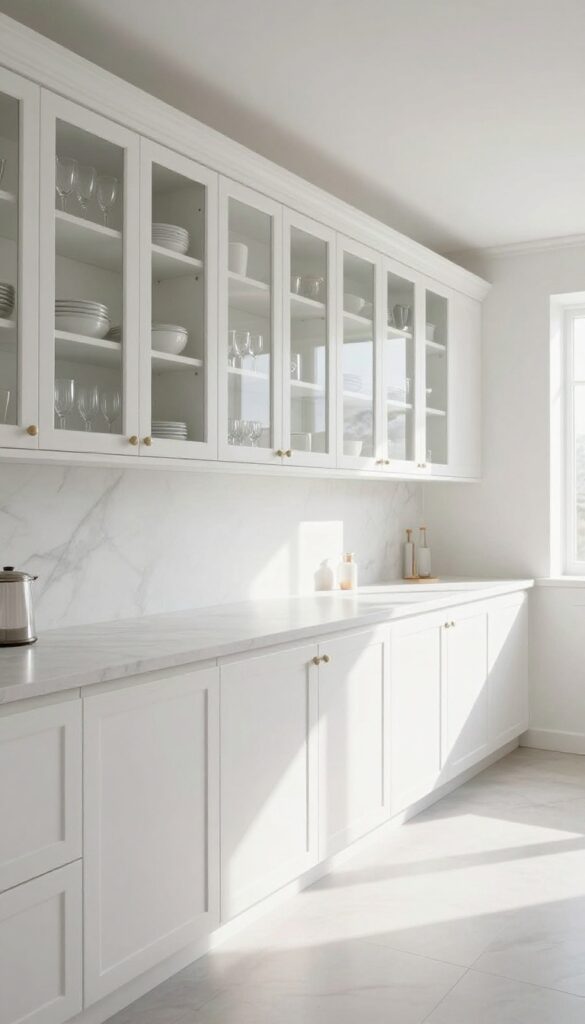
In a long, narrow kitchen, the walls can start to feel like they're closing in on you. One simple swap that instantly opens up the space is replacing solid cabinet doors with glass fronts on the wall opposite your main work area. The transparency adds depth and lets light travel through the room, making the whole kitchen feel airier and less boxed in.
Glass-front cabinets work like a visual trick—they give your eye a place to rest beyond the countertops, so the room feels wider than it actually is. Plus, they break up the monotony of solid cabinetry, adding a layer of lightness that balances the heavier elements like appliances and countertops. The key is to keep what's inside organized and cohesive, because those shelves become part of the decor.
Best Glass Styles
- Clear glass is the most obvious choice, but it's not the only one. For a softer look, try frosted or reeded glass—it hides clutter while still letting light pass through. If you're after a vintage feel, seeded glass with tiny bubbles adds character without being too busy.
- Whatever you pick, make sure the glass has a slight tint or texture to keep the view from feeling too stark.
Cabinet Styling Note
- Treat those glass-front shelves like a display. Stick to a limited color palette—white dishes, clear glassware, and maybe a few ceramic pieces in soft neutrals. Avoid overcrowding; leave some breathing room between items.
- A few open shelves with matching dinnerware or a row of cookbooks with similar spines can look effortlessly curated.
Lighting Tip
Add under-cabinet lighting inside the glass-front cabinets to make them glow. Warm LED strips or small puck lights highlight the contents and create a cozy, layered effect in the evening. This also bounces more light across the narrow room, reducing shadows and making the space feel larger after dark.
10. Keep Window Treatments Minimal
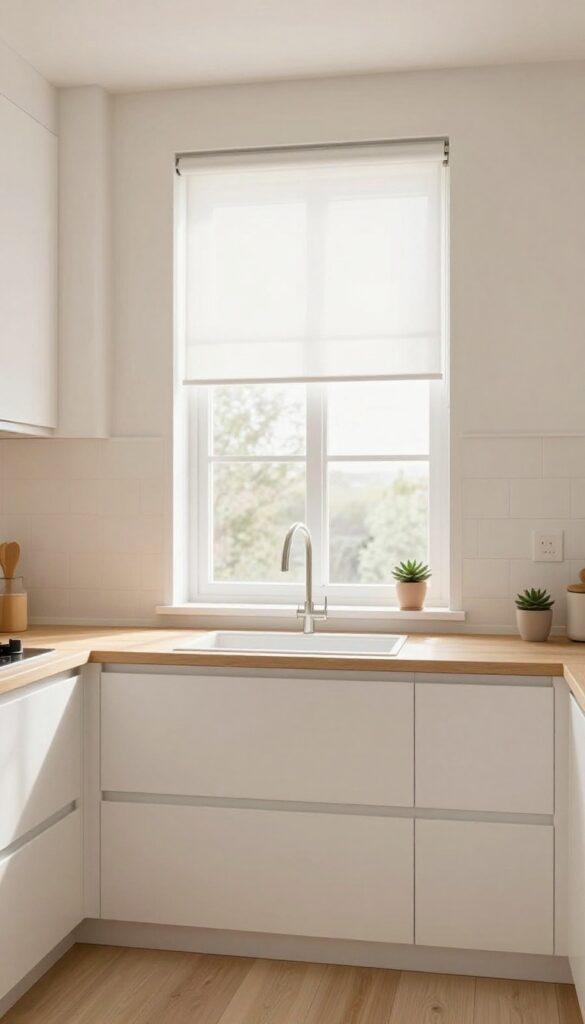
Narrow kitchens need every trick in the book to feel open, and the windows are a prime opportunity. Heavy drapes or fussy valances only eat up visual space and block precious light. Instead, let the windows breathe with clean, barely-there coverings that keep the focus on the room's length and brightness.
The goal is to make the window feel like part of the wall, not a separate feature. Simple roller shades in a neutral tone or even bare windows with a frosted film can do wonders. When light flows freely, the whole kitchen feels larger and less cramped.
Plus, minimal treatments are easier to clean and keep looking fresh.
Best Materials
Cellular shades are a top pick because they filter light softly while providing privacy. For a sleeker look, try Roman shades in a light linen or a woven wood in a pale natural finish. Avoid dark colors or heavy textures that compete with the room's airy vibe.
Small-space Fix
Mount the shades inside the window frame to keep the wall clean and uncluttered. If you want even more openness, skip the shades altogether and use a removable frosted window film for privacy. It lets in maximum light and makes the window look like a seamless part of the design.
Finishing Touch
Keep the window sill clear of knickknacks to maintain that open feel. A single small plant or a slim candle is okay, but less is more. The real star is the natural light pouring in, so let it shine.
11. Place a Long, Narrow Runner Rug
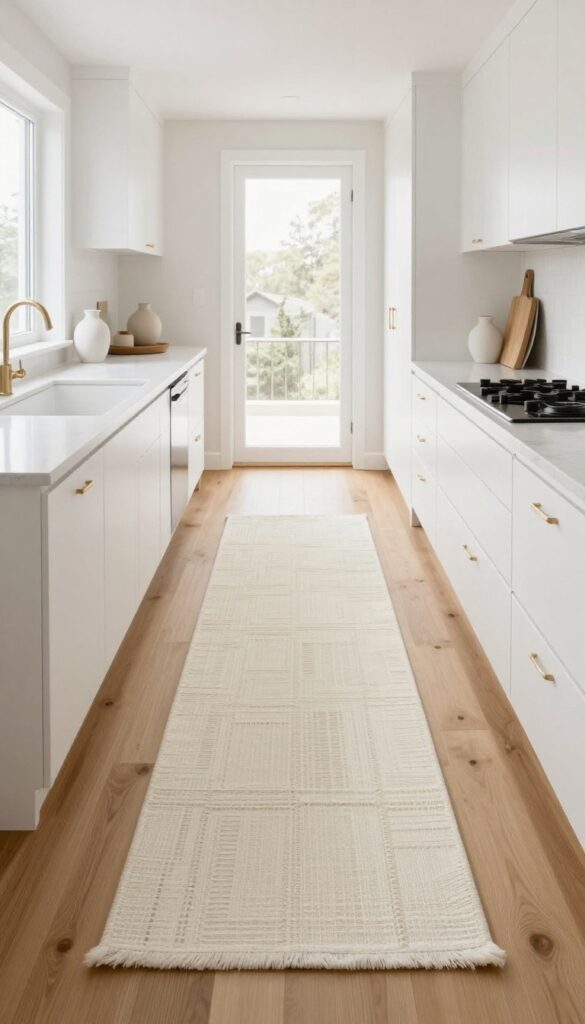
A runner rug is one of the simplest ways to anchor a long, narrow kitchen without breaking up the sightline. Instead of using multiple small rugs that chop the floor into sections, a single runner that stretches from one end to the other creates a continuous path that guides the eye and softens the hard surfaces. In a light and airy kitchen, a neutral-toned runner in linen, cotton, or a low-pile wool adds warmth and texture without competing with the cabinetry or countertops.
The key is choosing a rug that runs the full length of the walkway, leaving a few inches of bare floor on each side to maintain a clean border. A light beige, warm gray, or soft cream works best to keep the space feeling open. The runner defines the main traffic zone and makes the kitchen feel intentional and layered, not just functional.
Plus, it absorbs sound and adds comfort underfoot, which is especially welcome in a busy kitchen.
Best Colors For A Light, Airy Look
Stick with pale neutrals like ivory, oatmeal, or pale taupe. These colors reflect light and keep the floor from feeling heavy. If you want a hint of pattern, choose a subtle stripe or a tone-on-tone geometric design that adds interest without overpowering the room.
Material And Maintenance Tips
Flat-weave cotton or wool rugs are ideal because they lie flat, don't trap crumbs, and are easy to vacuum. Avoid thick shag or high-pile rugs that can catch chair legs or feel unstable. For high-traffic kitchens, look for indoor/outdoor rugs that are stain-resistant and can be hosed down if needed.
Placement And Sizing Guide
- Measure the length of your main walkway and choose a runner that is about 6 to 12 inches shorter than that distance. Leave at least 4 inches of bare floor at each end. Center the rug under the main path, not under cabinets or appliances.
- If your kitchen has an island, the runner should run alongside it, not under it.
FAQ
What is the best layout for a long, narrow kitchen?
A galley layout with cabinets on one wall and open space on the other works well. Alternatively, a single-wall layout with an island on wheels can keep the room feeling open and flexible.
How can I make my narrow kitchen look wider?
Use light colors, reflective surfaces like mirrors or glossy tiles, and continuous flooring. Avoid dark cabinets and heavy patterns that break up the space.
What type of lighting is best for a rectangular kitchen?
A row of pendant lights or recessed lighting along the length helps elongate the room. Add under-cabinet lights to brighten work areas and reduce shadows.
Should I use upper cabinets in a narrow kitchen?
Upper cabinets can feel bulky. Consider open shelving or glass-front doors to keep the space light. If you need storage, run cabinets along only one wall.
Can I have an island in a long, narrow kitchen?
Yes, but choose a slim, rolling cart or a narrow peninsula that doesn't block the walkway. A fixed island might make the room feel cramped.
Conclusion
A long, narrow kitchen doesn't have to feel cramped or dark. With a few thoughtful choices—like light colors, reflective surfaces, and smart layouts—you can turn that challenging shape into a bright, airy space you'll love spending time in.
Start with one or two ideas that feel right for your kitchen, and build from there. Even small changes, like swapping out cabinet fronts or adding a mirror, can make a big difference in how open and inviting your kitchen feels every day.