15 Extra Long Shower Curtain Ideas with Details Worth Saving
Standard shower curtains often leave a gap at the top or bottom, making a bathroom feel unfinished. Extra long curtains solve that problem while adding a touch of drama. Whether you're dealing with a tall shower or just want a more polished look, these ideas cover the essentials.
From fabric choices to hanging tricks, the right curtain can transform your space without a full remodel. We've gathered 15 ideas that balance style, budget, and practicality.
Each one focuses on a specific detail that makes a difference. Let's dive into the options that will make your bathroom feel taller, cozier, and more put-together.
1. Floor-Length Linen for a Spa-Like Feel
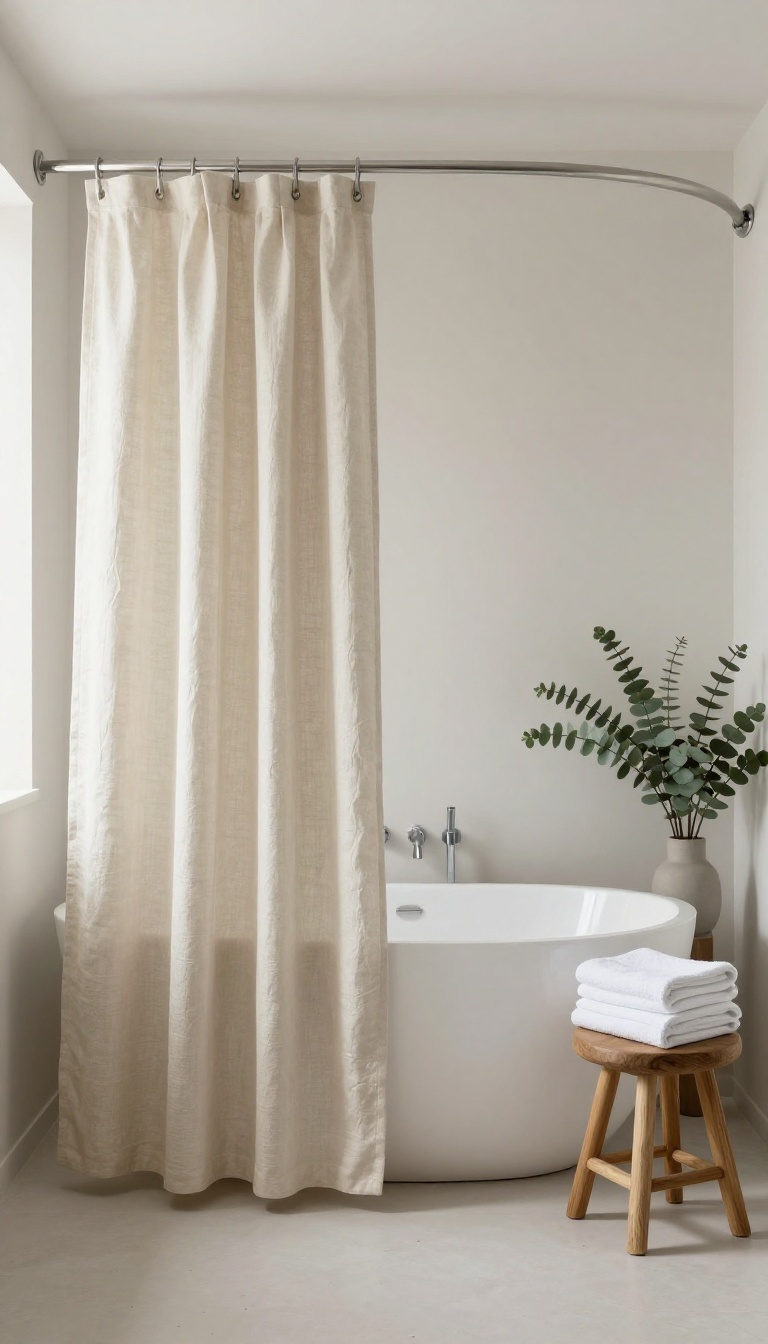
Linen is one of those fabrics that instantly makes a space feel more considered. When it hangs all the way to the floor, it adds a soft, natural texture that reads as calm and intentional. The slight rumple and movement of linen give a bathroom a relaxed, spa-like atmosphere without trying too hard.
Floor-length linen curtains are a favorite for bathrooms that want a softer, more organic look. The fabric is breathable and dries quickly, which is a big plus in a humid space. But linen is not waterproof, so you'll need a liner behind it to keep the curtain and your floor dry.
Choose a liner that's slightly shorter than the linen so it doesn't show at the bottom.
Why Linen Works In Bathrooms
Linen has a natural ability to resist mildew and mold, which is crucial in a bathroom. It also doesn't trap moisture the way some synthetic fabrics do, so it stays fresher longer. The texture softens the room's lines, making a tall shower feel more grounded and cozy.
How To Hang It Right
For a true floor-length look, measure from the rod to about 1 inch above the floor. Use a rod that extends at least 6 inches beyond the shower opening on each side so the curtain can hang straight without crowding. A curved rod can also give you extra elbow room and make the curtain drape more elegantly.
Care And Maintenance
Linen wrinkles easily, but that's part of its charm. You can machine wash it on a gentle cycle and hang it back up while slightly damp to let the wrinkles fall out. Avoid bleach and harsh detergents, as they can weaken the fibers and cause yellowing over time.
2. High-Hung Curtains to Make Ceilings Look Taller
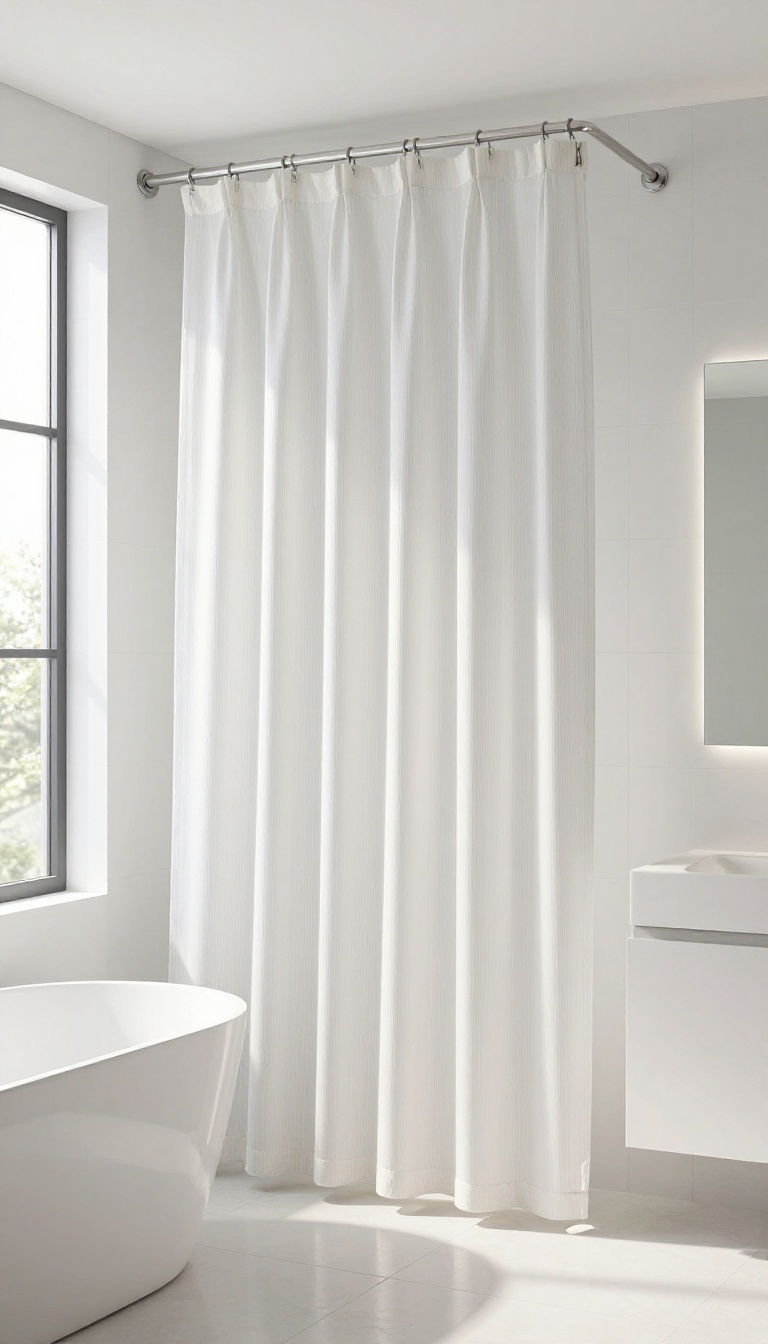
If your bathroom feels a bit boxy, the fix might be as simple as moving the rod up. Hanging the curtain closer to the ceiling draws the eye upward and creates the illusion of height. This trick works especially well in small bathrooms where every inch counts.
The standard shower rod sits around 75 inches from the floor, but raising it to 84 or even 90 inches instantly changes the proportions of the room. Pair that with a curtain that reaches the floor, and you get a clean, continuous line that makes the ceiling feel higher. It's a low-effort upgrade with a big visual payoff.
The Right Rod Height
Aim for at least 6 inches above the shower frame, but don't be afraid to go higher. In a bathroom with a standard 8-foot ceiling, mounting the rod at 7 feet or higher works well. Just make sure the curtain still clears the tub or shower pan without dragging.
Choosing The Right Curtain Length
Extra long curtains come in lengths like 84, 96, or even 108 inches. Measure from the rod to the floor and add a couple of inches for a slight puddle or keep it just above the floor for a tailored look. For a dramatic effect, go longer and let the fabric pool slightly.
Visual Tricks To Enhance Height
Use vertical stripes or a subtle pattern that draws the eye upward. A light-colored curtain can also make the space feel airier. Pair with a matching valance or a second rod for a layered look that adds depth without clutter.
3. Water-Repellent Polyester for Easy Maintenance
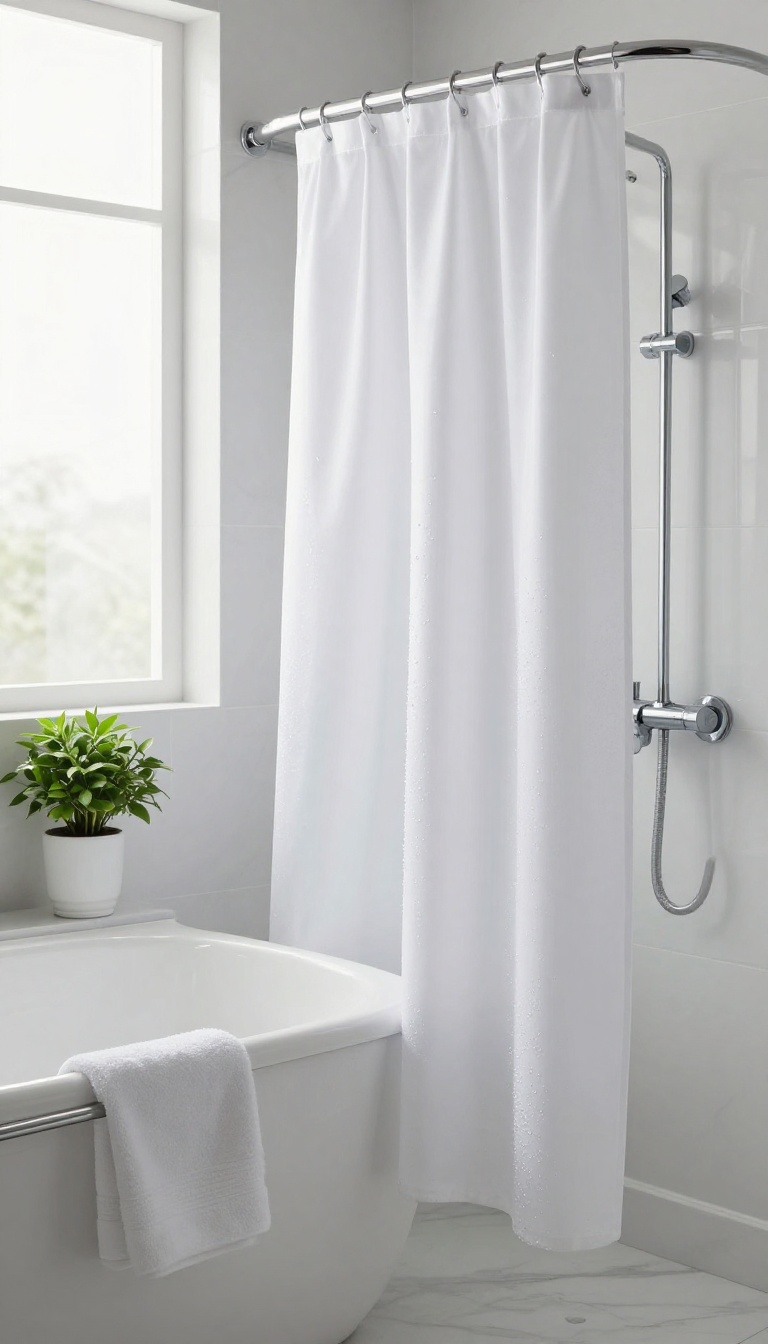
Polyester shower curtains are a practical choice for busy bathrooms. The water-repellent coating makes cleaning a breeze, and the fabric resists mold and mildew. Plus, it's one of the most budget-friendly options out there, so you can refresh your space without a big investment.
Polyester curtains with a water-repellent finish are a smart pick for anyone who wants low-maintenance style. The coating helps water bead up and roll off, so the curtain dries faster and stays cleaner. That means less scrubbing and fewer worries about soap scum or mildew.
Why Polyester Works
Polyester is durable and colorfast, so it won't fade easily. The water-repellent coating adds an extra layer of protection, making it resistant to moisture and stains. This is a great option for families or rental bathrooms where you want something that lasts.
Cleaning Made Simple
Most polyester curtains can go right in the washing machine. Use cold water and mild detergent, then hang it back up to dry. The water-repellent finish helps it shed water, so it dries quickly and doesn't hold onto odors.
Style Options Galore
You'll find polyester curtains in every color, pattern, and texture you can imagine. From crisp white to bold geometric prints, there's something for every bathroom. The fabric also holds pleats well, giving it a crisp, tailored look that elevates the space.
4. Sheer Curtains for Soft, Diffused Light
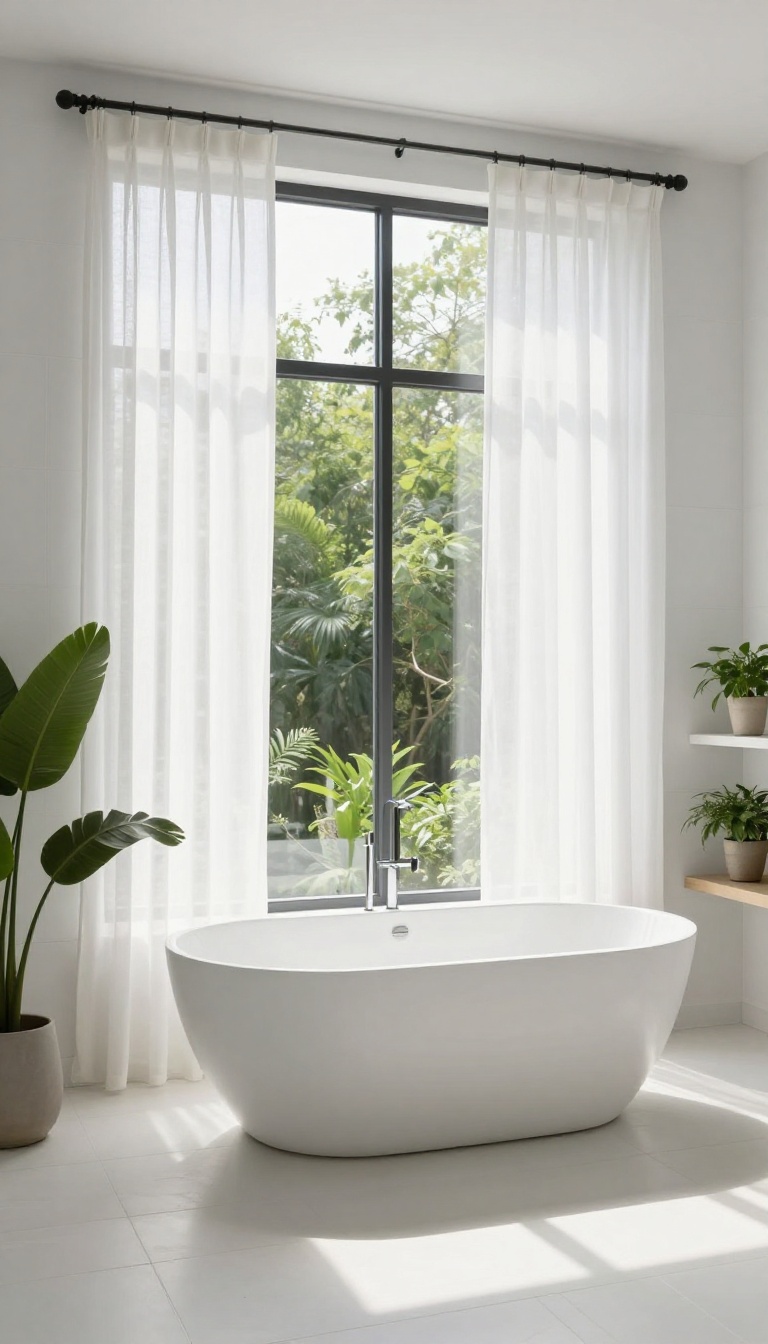
Sheer curtains bring a light, airy feel to a bathroom that heavier fabrics can't match. They let natural light filter through while still giving you privacy, which is a win-win for small or dark spaces. Pairing them with a liner keeps things practical, so you get the best of both worlds.
The key to making sheer curtains work is choosing the right fabric and layering them properly. Polyester or linen blends offer durability and a nice drape, while pure cotton sheers can be more prone to wrinkles. A good liner is essential for wet areas—it protects the sheer from moisture and keeps it looking fresh longer.
Choosing The Right Sheer Fabric
Not all sheers are created equal. Look for fabrics labeled 'water-resistant' or 'quick-dry' to avoid mildew. Linen blends give a more textured, natural look, while polyester sheers are easier to clean and hold their shape.
Avoid anything too heavy—the whole point is to let light through.
Layering With A Liner
A liner is non-negotiable if your curtain gets wet. Use a clear or white vinyl liner that hangs inside the tub, while the sheer stays on the outside. This keeps the sheer dry and clean, and you can easily wash the liner separately.
For a more polished look, choose a liner that matches the sheer's color.
Hanging Tips For Maximum Effect
Hang the rod higher than the window to make the ceiling feel taller, and let the curtain pool slightly on the floor for a romantic, luxurious vibe. Use clip rings to attach the sheer, which makes it easy to remove for washing. If you're worried about transparency, choose a semi-sheer with a tighter weave.
5. Bold Patterns That Make a Statement
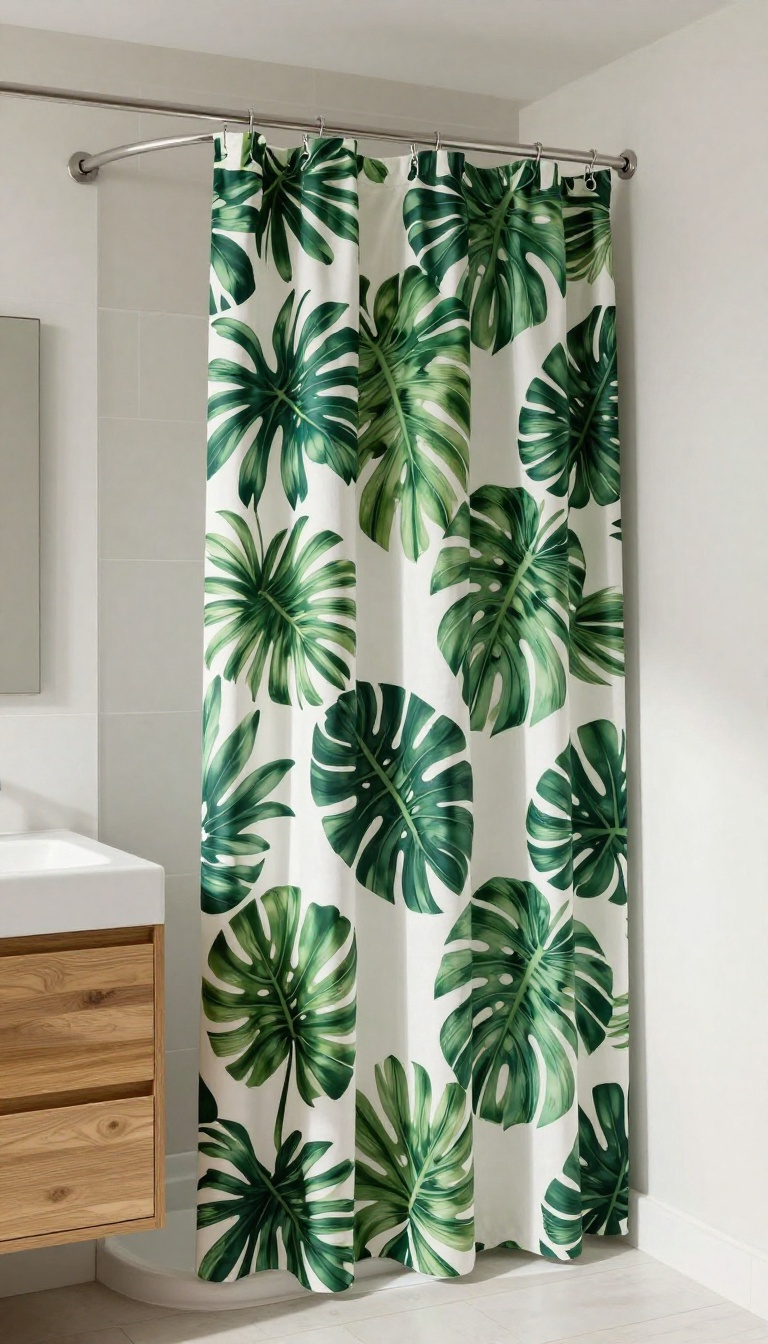
Sometimes a bathroom needs a focal point, and a bold patterned curtain delivers exactly that. Extra length gives these designs room to breathe, so the pattern doesn't feel squished or chaotic. Whether you lean toward tropical leaves or geometric shapes, a large-scale print can completely change the mood of the space.
Why Scale Matters
A small, busy pattern on an extra-long curtain can feel overwhelming, but large-scale designs work perfectly. They draw the eye upward, making the ceiling seem higher and the room more open. With more fabric, the pattern has space to repeat naturally, creating a cohesive look that feels intentional.
Tropical Leaves For A Lush Vibe
Monstera or palm leaf patterns in deep greens and whites bring a fresh, resort-like feel. The extra length lets the leaves stretch out, so they don't look cut off or cramped. Pair with neutral walls and natural wood accents to keep the look balanced.
Geometric Shapes For Modern Edge
Bold geometric designs—think oversized diamonds, chevrons, or abstract lines—add a contemporary punch. The extra fabric makes the shapes feel more dramatic and less like a repeating tile. Choose a color palette that complements your bathroom fixtures, like navy and gold or black and white.
Mixing Patterns Without Overload
If you love patterns, you can mix them, but keep the rest of the bathroom simple. A patterned curtain with a solid rug and plain towels works best. The extra length already adds visual weight, so let the curtain be the star.
6. Textured Weaves for Visual Interest
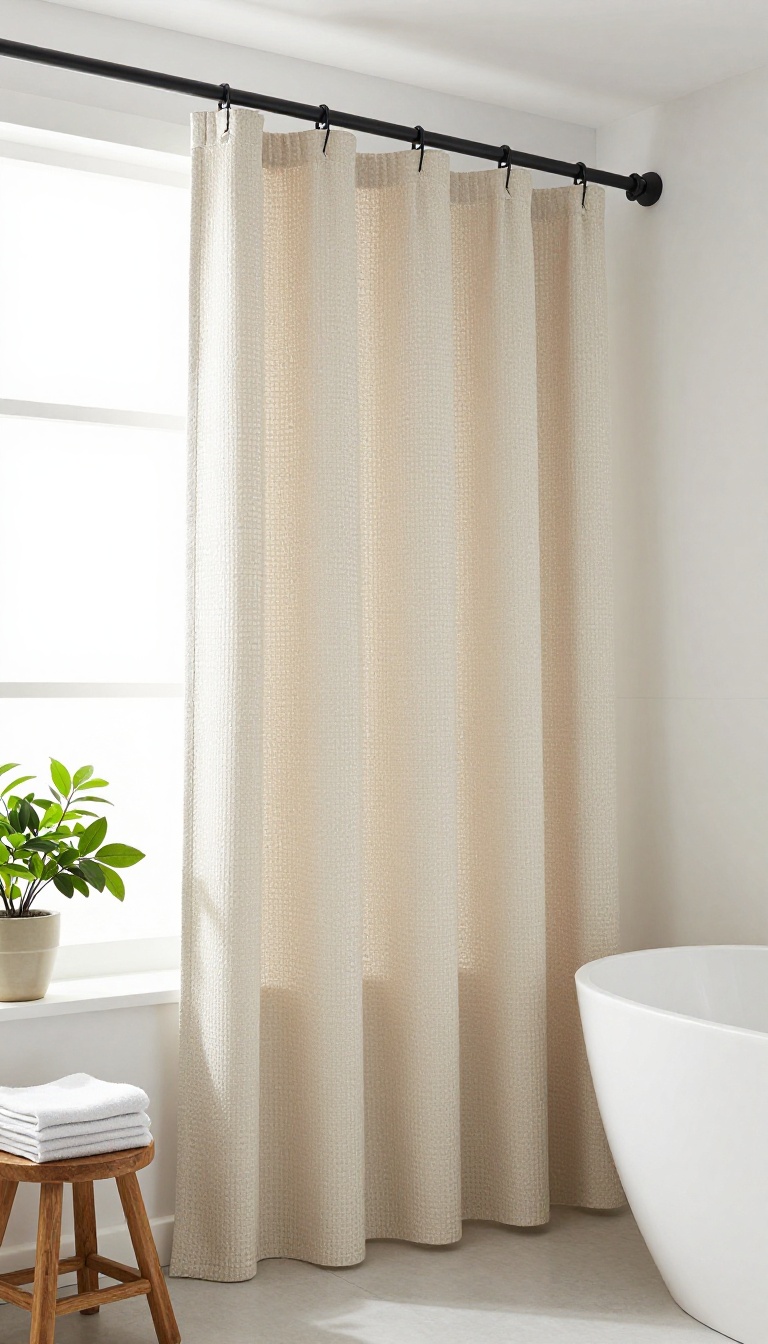
Smooth fabrics are easy to wipe clean, but they can feel a little flat. That’s where textured weaves come in. Waffle, ribbed, or basketweave patterns add depth and a handmade touch that makes the whole bathroom feel more layered.
These textures do more than look good. They also hide water spots and soap scum better than smooth materials, so you don’t have to stress about every drop. If you want a curtain that feels rich without being loud, this is a smart route.
Textured weaves bring a tactile quality that flat fabrics just can’t match. The raised patterns catch light differently, creating subtle shadows that make the curtain look dynamic. Plus, the extra surface area helps mask everyday wear, so it stays presentable longer between washes.
When choosing a textured curtain, think about the weave size. Large waffle squares give a cozy, spa-like vibe, while fine ribbing feels more tailored and modern. Basketweave offers a classic, woven look that works in both traditional and contemporary bathrooms.
One thing to keep in mind: textured fabrics can be slightly heavier, so make sure your shower rod and hooks can handle the weight. Also, check the care label—some weaves need gentle washing to keep their shape.
Waffle Weave For A Spa Vibe
Waffle weave is a top pick for extra long shower curtains because the honeycomb texture adds instant coziness. The pattern traps air, which gives the fabric a soft, plush feel. It’s a great choice if you want your bathroom to feel like a retreat.
Look for waffle curtains made from cotton or a cotton blend. They absorb water well and dry quickly, which helps prevent mildew. The deep pockets in the weave also do a nice job of hiding water spots, so you can skip the daily wipe-down.
Ribbed Texture For A Clean, Modern Look
Ribbed weaves have vertical or horizontal lines that add visual interest without being busy. They work well in minimalist bathrooms where you want some texture but not a lot of pattern. The ridges create a subtle play of light and shadow that makes the curtain look more expensive.
Ribbed fabrics often use polyester or a poly-cotton blend, which makes them easy to care for. The texture also helps disguise wrinkles, so you don’t have to iron it after every wash. For a tall shower, a ribbed curtain in a neutral tone like sand or gray can make the space feel calm and grounded.
Basketweave For A Handmade Feel
Basketweave texture mimics the look of woven baskets, giving your bathroom a warm, artisanal touch. The pattern is usually tighter than waffle or ribbed, so it feels more structured. It pairs nicely with natural wood accents and plants.
Because the weave is dense, it’s great at hiding water spots and minor stains. You’ll often find basketweave in cotton or a cotton-linen blend, which adds to the organic feel. Just be mindful that this fabric may shrink if you dry it on high heat—air drying is safer.
7. Blackout Curtains for Privacy and Light Control
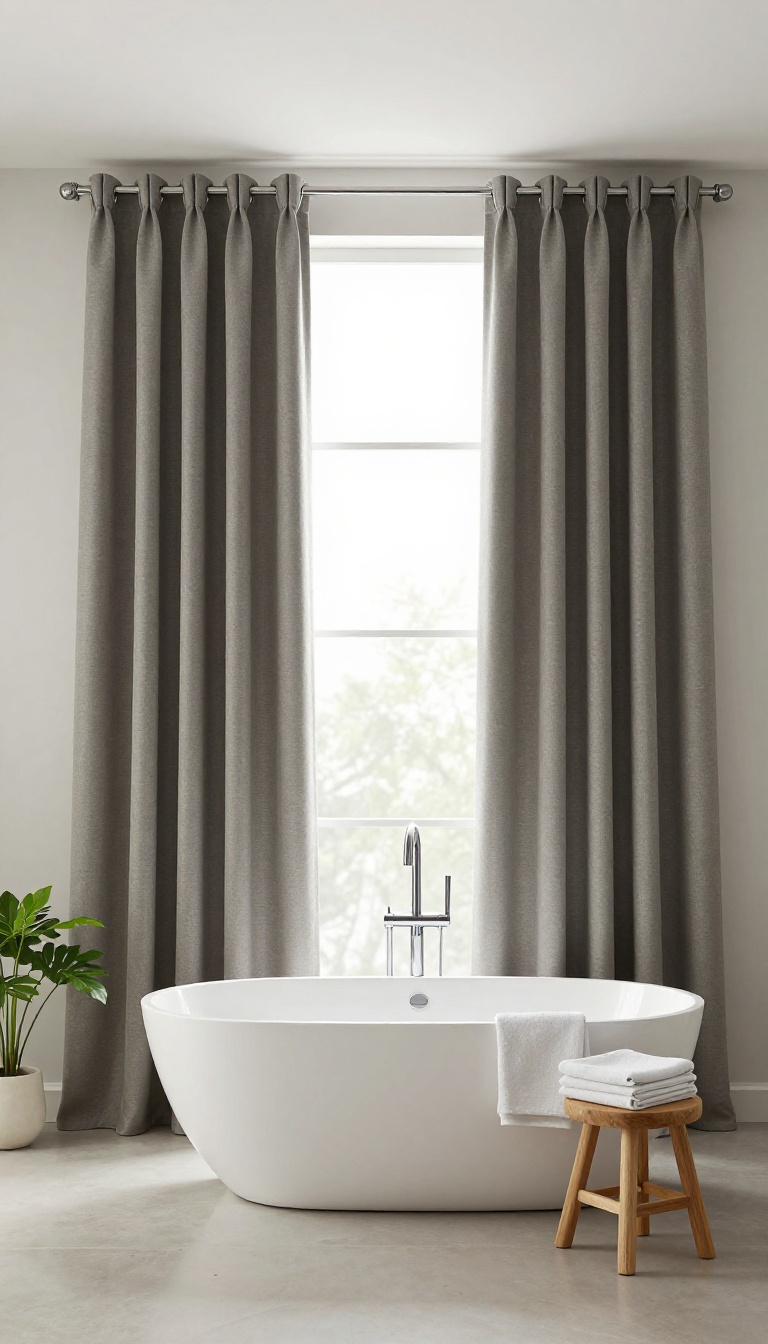
Some bathrooms face a busy street or a neighbor's window, and that's where blackout curtains step in. These aren't just for bedrooms—they block out unwanted light and add a layer of privacy that standard curtains can't match. The extra length helps seal off gaps, so you get better coverage from top to bottom.
Blackout extra-long curtains are a smart upgrade for bathrooms with windows or shared walls. They keep the room darker when you need it and add a bit of insulation, which can help with temperature control. Plus, the thick fabric feels more substantial and gives the space a cozy, hotel-like vibe.
Why Blackout Works In A Bathroom
Privacy is the big win here. If your window faces a neighbor or a busy sidewalk, blackout curtains stop anyone from seeing in, even at night with the lights on. They also block early morning sun, so you're not squinting while brushing your teeth.
The extra length means no light sneaks in at the top or bottom, which is a common issue with standard sizes.
Fabric And Care Considerations
Most blackout curtains are made from thick polyester or a triple-weave fabric that feels heavier than regular curtains. That weight helps with insulation but also means they need a sturdy rod. Check the care label—many are machine washable on a gentle cycle, but some require spot cleaning.
Hang them to dry to avoid shrinking.
Styling Tips For A Polished Look
To keep the blackout function strong, hang the rod high and wide, so the curtain overlaps the window frame. Choose a color that matches your bathroom's palette—neutral tones like gray or beige blend easily, while darker shades add drama. Pair with a liner if you want extra light blocking, but most blackout curtains already have that built in.
8. Eco-Friendly Hemp or Organic Cotton
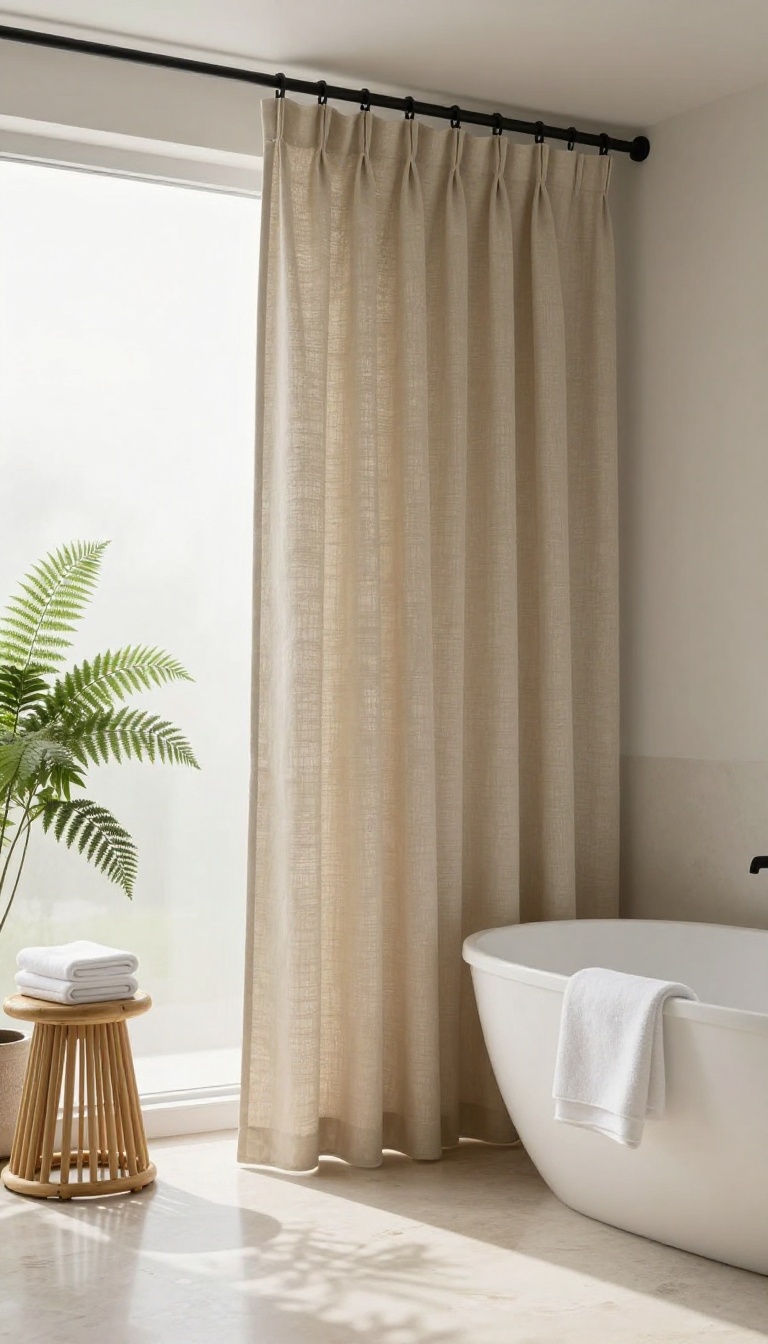
If you're trying to make your bathroom a little greener, the curtain itself is a great place to start. Hemp and organic cotton are two fabrics that bring serious eco-credentials without sacrificing style. They feel natural, look textured, and get softer with every wash, which is a nice bonus.
Hemp is one of the most durable natural fibers out there, and it happens to be naturally resistant to mold and mildew—perfect for a damp bathroom. Organic cotton, on the other hand, is grown without harsh chemicals, so it's gentler on the planet and on your skin. Both options give your bathroom a relaxed, earthy vibe that synthetic fabrics just can't match.
One thing to keep in mind: these fabrics tend to be more breathable than polyester, which means they dry faster and are less likely to trap moisture. That's a win for both hygiene and longevity. Plus, because they're so sturdy, they can handle frequent washing without falling apart, so your eco-friendly choice is also a practical one.
Why Hemp Works In Humid Spaces
Hemp fibers have a natural resistance to moisture, which makes them ideal for a shower curtain. Unlike some synthetics that can develop a musty smell, hemp lets air circulate and dries quickly. It also has a slightly textured look that adds depth to your bathroom, and it only gets softer with each wash, so it feels better over time.
Organic Cotton: Softness That Lasts
Organic cotton is grown without synthetic pesticides or fertilizers, which is better for the environment and for anyone with sensitive skin. As a shower curtain, it offers a soft, cozy feel that's a far cry from the plasticky texture of standard vinyl. It's also highly absorbent, which means it can help reduce water splashes, though you'll want to make sure it has a liner to protect it from constant moisture.
Caring For Your Natural Fiber Curtain
To keep your hemp or organic cotton curtain in top shape, wash it in cold water on a gentle cycle and hang it to dry. Avoid bleach and harsh detergents, as they can weaken the fibers. A little extra care goes a long way, and these curtains are built to last for years, making them a smart investment for both your bathroom and the planet.
9. Curtains with Weighted Hems to Stay in Place
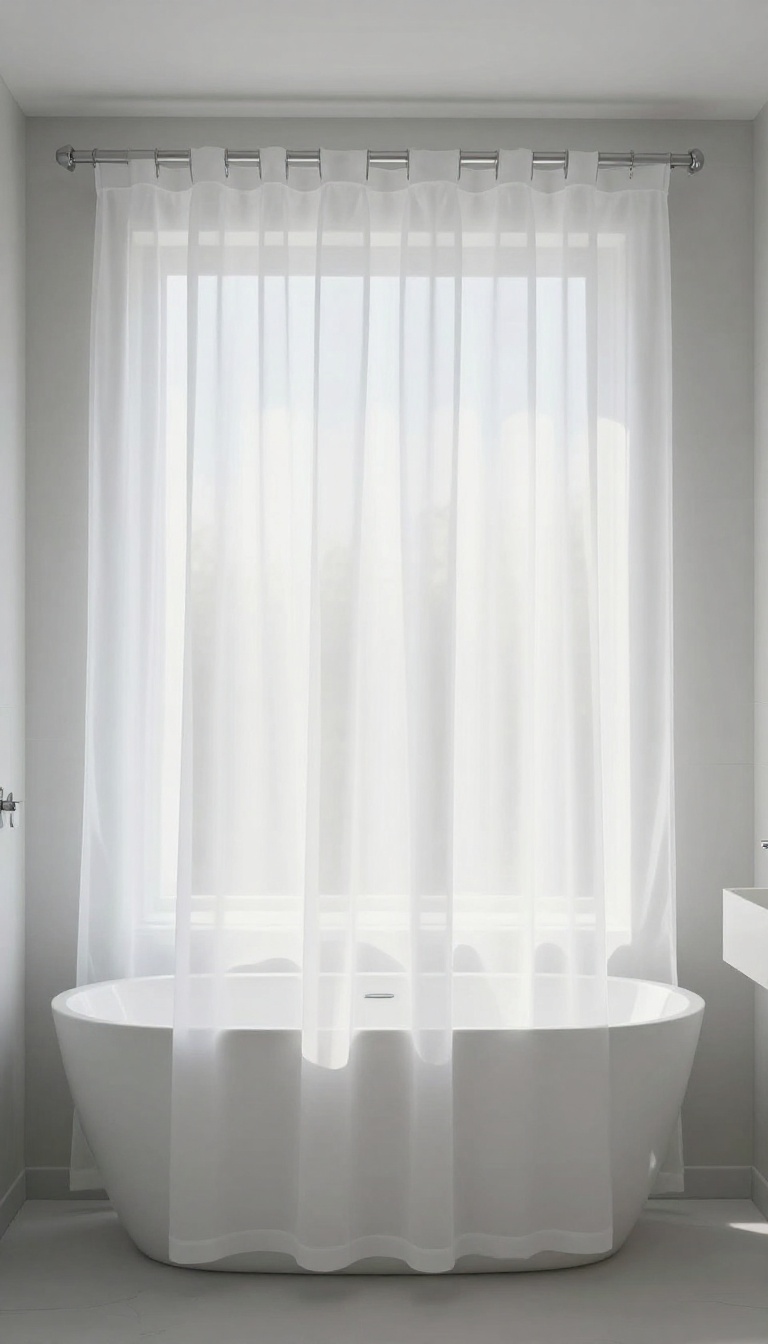
Nothing ruins a relaxing bath faster than a shower curtain that billows inward or clings to your legs. Extra-long curtains are especially prone to this because they have more fabric to move around. Weighted hems solve that by adding just enough heft to keep the curtain hanging straight and still.
Weighted hems are a small detail that makes a big difference in how a curtain behaves. They're typically sewn into the bottom hem, using magnets, small weights, or a heavier fabric strip. This extra weight pulls the curtain down, so it doesn't float or drift with air currents.
For extra-long curtains, this is a game-changer because the added length can amplify any movement.
Why Weighted Hems Work
The principle is simple: gravity. When the bottom of the curtain is heavier, it resists being pushed around by air from the fan or your movement. This keeps the curtain closer to the tub or liner, reducing gaps where water can escape.
It also prevents the curtain from clinging to your body, which is a common annoyance with lightweight fabrics.
Types Of Weights
There are a few ways manufacturers add weight. Some use small metal or plastic discs sewn into the hem, while others use a continuous chain or a weighted cord. Magnetic hems are another option, especially for metal tubs, as they hold the curtain securely in place.
Each method has its own feel, so it's worth checking the product details before you buy.
What To Look For
When shopping, look for curtains that explicitly mention weighted or magnetic hems. Check the material as well—heavier fabrics like cotton or linen may not need extra weight, but lighter ones like polyester will benefit. Also, consider the hem design: a deep hem with weights distributed evenly will work better than one with weights only at the corners.
Diy Options
If you already own a curtain you love, you can add your own weights. Sew small magnets or drapery weights into the hem, or use fabric glue to attach a strip of lead tape (available at craft stores). Just make sure the weights are evenly spaced and won't rust or damage your tub.
This is a quick weekend project that can save you from buying a new curtain.
10. Double Curtain Rods for Layering
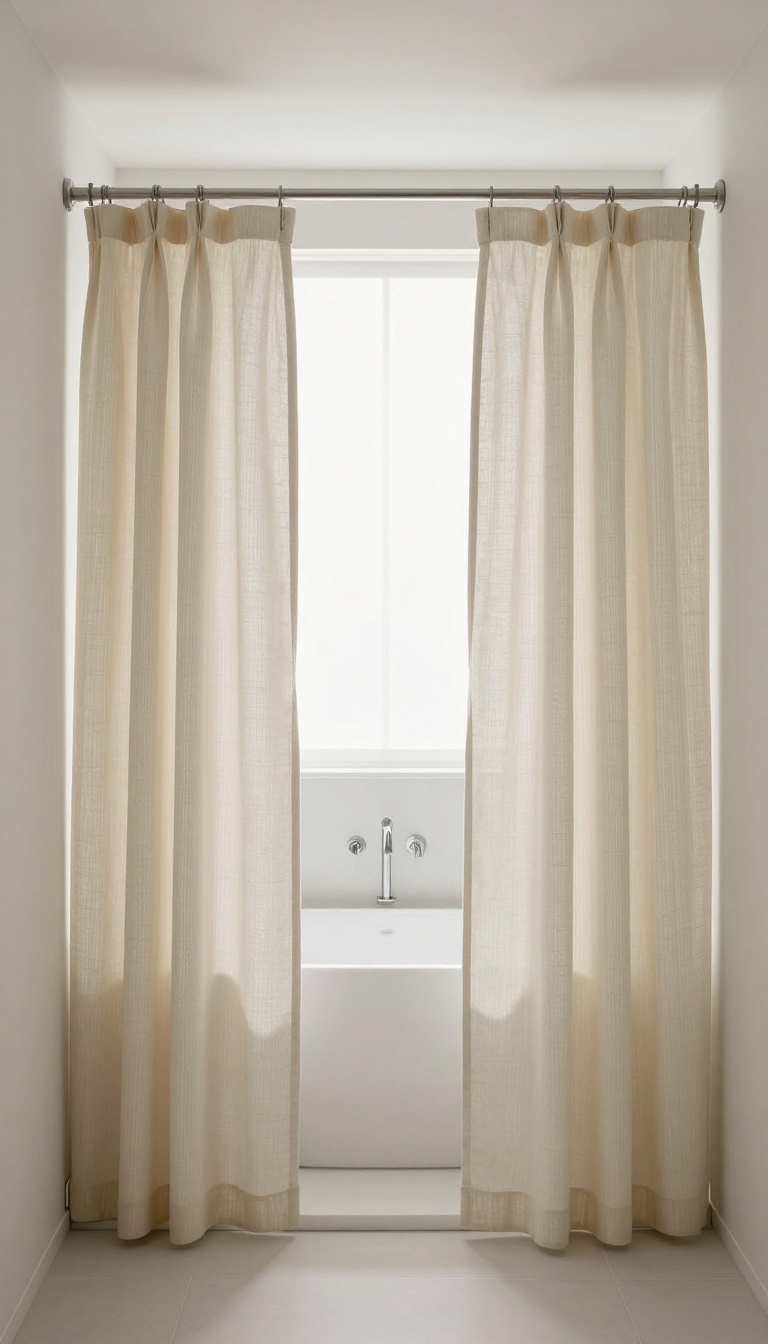
Layering isn't just for bedding or window treatments—it works wonders in the bathroom too. By using two rods, you can combine a sheer or decorative curtain with a functional liner, giving your space depth and flexibility. This setup lets you switch up the look without sacrificing privacy or moisture control.
Double rods are a simple upgrade that instantly makes your shower area feel more designed. The outer rod holds the pretty part—maybe a light linen or a patterned fabric—while the inner rod keeps a waterproof liner close to the tub. You get the best of both worlds: style on display and practicality where it counts.
Why Two Rods Beat One
A single rod forces you to choose between looks and function. With two, you can have a decorative curtain that doesn't need to be waterproof, so you can pick from a wider range of fabrics and patterns. The liner does the wet work, and the outer curtain stays dry and fresh longer.
Choosing The Right Rods
Look for rods that are sturdy enough to hold two layers without sagging. Tension rods work for lightweight curtains, but for heavier fabrics, consider mounting a fixed rod or using a double rod system with brackets. Make sure both rods are level and extend a few inches beyond the shower opening to prevent water from sneaking out.
Mixing Textures And Colors
The fun part is playing with combinations. A crisp white liner behind a bold geometric outer curtain adds visual interest without overwhelming the room. Or go for a sheer white outer layer with a colored liner for a soft, diffused look.
The key is to keep one element neutral so the other can shine.
11. Custom Sewn Curtains for a Perfect Fit
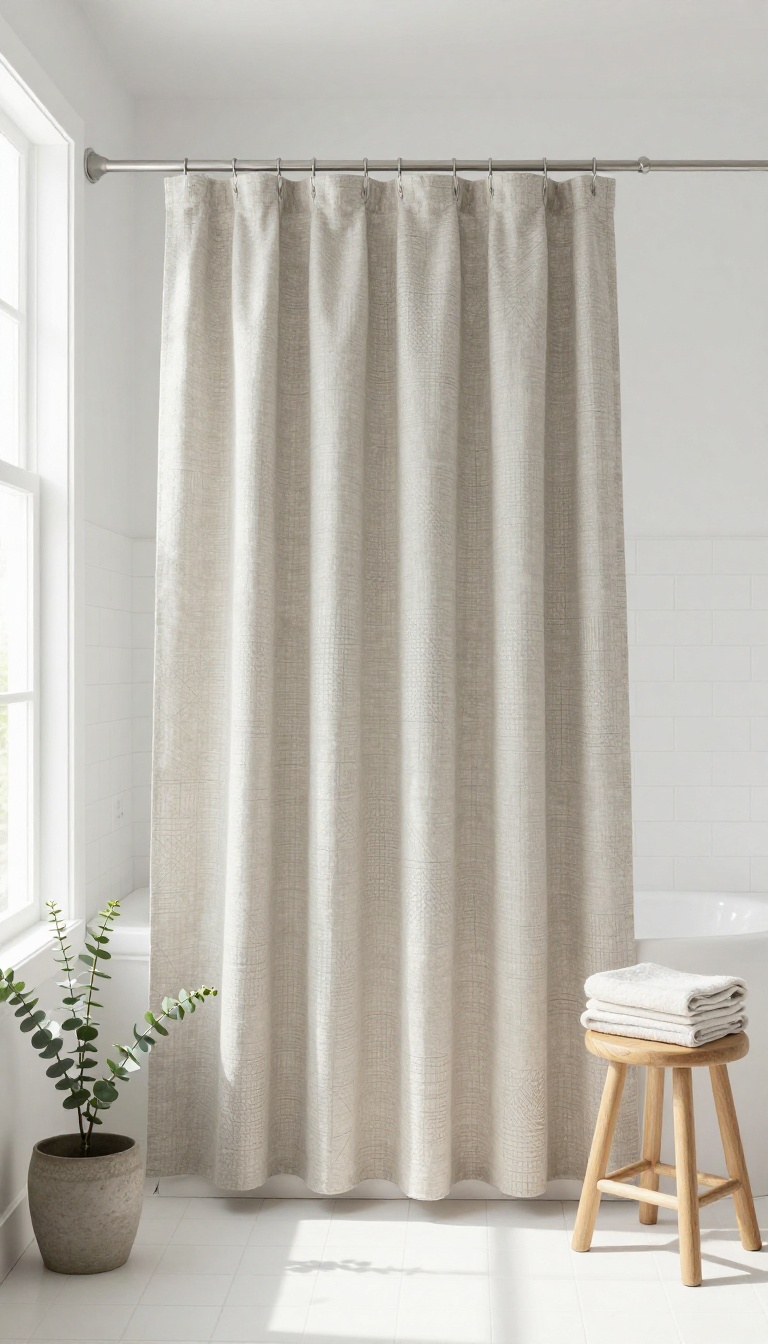
Sometimes off-the-shelf just doesn't cut it. If your shower is an unusual size, sewing your own curtain ensures a precise fit. You get to choose the fabric, pattern, and length, making it truly yours.
Custom sewing might sound intimidating, but it's more accessible than you think. Start with a simple pattern or even use an existing curtain as a template. The payoff is a curtain that fits perfectly, with no gaps or bunching.
Choosing The Right Fabric
Pick a fabric that suits your style and can handle moisture. Cotton duck cloth is durable and takes waterproofing well. For a softer look, consider linen blends.
Avoid heavy upholstery fabrics that might not dry quickly.
Waterproofing Your Creation
Treat your fabric with a waterproof spray designed for outdoor gear. Apply it evenly and let it dry completely before hanging. You might need a couple of coats for full protection.
Reapply every few months to keep it effective.
Sewing Tips For Beginners
Use a walking foot if your machine has one, to handle thick fabric. Reinforce the top hem where the hooks go, and add a bottom hem with a bit of weight to help it hang straight. Don't forget to pre-wash the fabric to prevent shrinking later.
12. Grommet Top Curtains for Easy Gliding
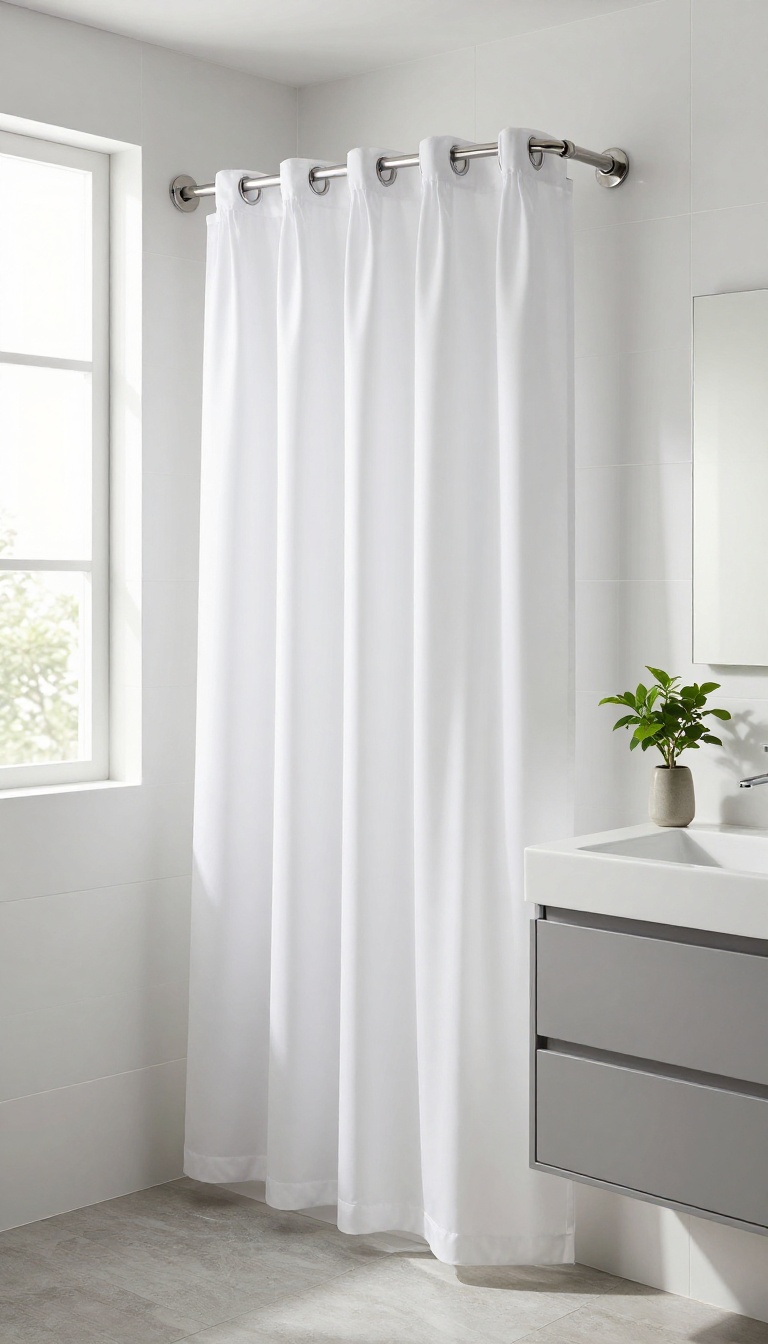
If you've ever wrestled with a shower curtain that snags or sticks when you pull it, grommet tops are a simple fix. The metal rings built into the fabric glide smoothly along the rod, so opening and closing the curtain feels effortless. Plus, the uniform holes create neat, even folds when the curtain is open, which gives the bathroom a tidy, polished look without any extra styling.
Why Grommets Make A Difference
Standard shower curtains with fabric tabs or hooks can bunch up or catch on the rod, especially if the rod is slightly bent or the curtain is heavy. Grommets eliminate that friction because the metal ring slides directly on the rod. You get a quiet, smooth motion every time.
And because the holes are evenly spaced, the curtain hangs in consistent, soft pleats when open—no more awkward lumps or sagging sections.
Choosing The Right Grommet Curtain
When shopping, look for grommets that are rust-resistant, like those made of stainless steel or coated metal. The curtain fabric matters too: heavier materials like polyester or cotton blends hang better and reduce billowing. Also check the grommet size—larger holes (around 1.
5 inches) tend to slide more easily on standard rods. If you have a curved rod, make sure the grommets are large enough to move around the bends without sticking.
Style And Maintenance Tips
Grommet curtains come in every style, from crisp white to bold patterns. The metal rings add a subtle industrial or modern touch, so they pair well with minimalist bathrooms. To keep them gliding smoothly, wipe the rod occasionally to remove soap scum or dust.
And when washing, follow the care label—most grommet curtains can go in the machine on a gentle cycle, but air-drying helps prevent the metal from tarnishing.
13. Curtains with Built-In Liners for Convenience
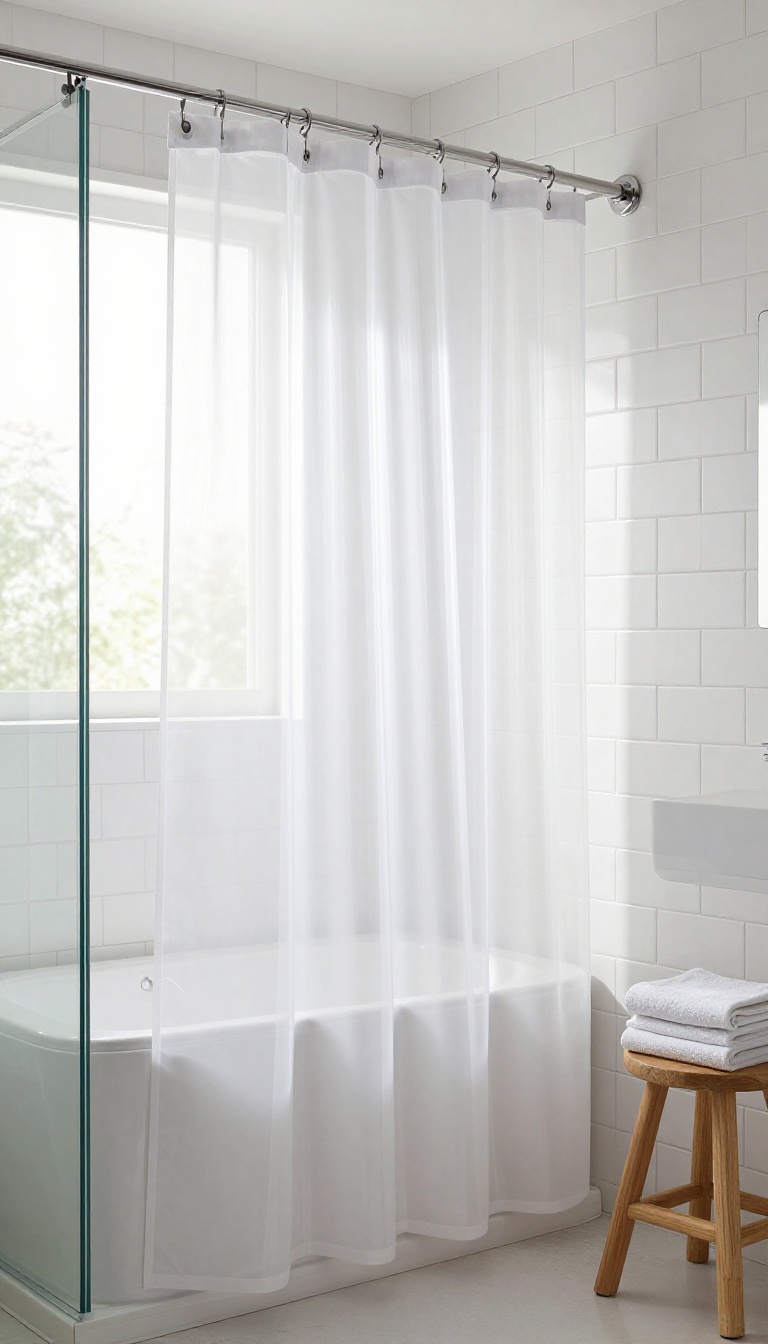
Some mornings you just want to hop in the shower without fiddling with two separate pieces. Built-in liners take that hassle away. The liner is already attached, so you only need to hang one curtain and you're good to go.
This two-in-one design is a game-changer for anyone who hates the extra step of clipping a liner to the hooks. It also means less laundry to manage—just toss the whole thing in the wash when it needs a refresh. Plus, you won't have to worry about the liner peeking out from behind the fabric, which keeps the look clean and intentional.
Why Skip The Separate Liner?
A separate liner can shift, bunch up, or get caught in the curtain when you pull it. Built-in liners eliminate that annoyance. They also cut down on the number of hooks you need, which makes installation simpler.
If you're short on time or just prefer a straightforward setup, this is a smart pick.
Materials That Actually Hold Up
Look for liners made from waterproof polyester or PEVA. These materials resist mold and mildew and are easy to wipe down. Some built-in liners are even machine-washable, so keeping them fresh is a breeze.
Avoid cheap vinyl that can crack or smell over time—spend a little more for durability.
Styling Tips For A Seamless Look
Choose a liner that matches or complements your curtain fabric. A clear liner gives a minimalist vibe, while a white one adds a crisp, clean feel. If you want extra privacy, go for a frosted or opaque liner.
The key is to keep the whole setup looking cohesive, not like an afterthought.
14. Vintage-Inspired Prints for Character
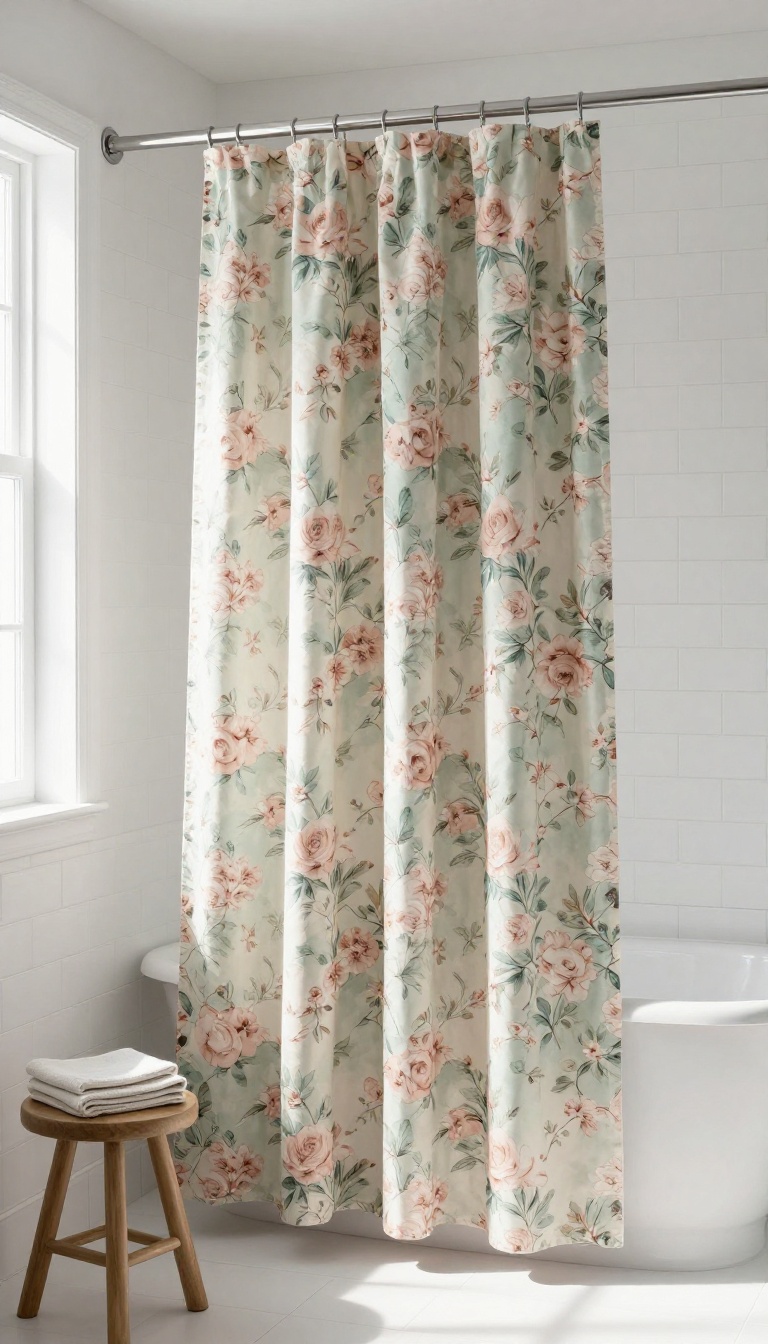
Old-school patterns bring a sense of history and warmth that plain curtains just can't match. Think delicate florals, bold stripes, or quirky retro motifs that feel like they've been there for decades. Because the curtain is extra long, the print has room to stretch and breathe, making the bathroom feel more curated and intentional.
Vintage-inspired prints are a great way to add personality without going overboard. The extra length lets the pattern flow continuously, creating a more immersive look. Whether you prefer subtle watercolor florals or bold geometrics from the 70s, there's a style that fits your taste.
Choosing The Right Print
Look for prints that complement your existing tile and fixtures. If your bathroom is neutral, a bold floral can be the focal point. If you already have patterned wallpaper, go for a more subtle stripe or a small-scale motif.
The key is balance—let the curtain shine without overwhelming the space.
Fabric And Maintenance
Vintage-style prints come in various fabrics, from cotton to polyester blends. Cotton feels authentic but may wrinkle, while polyester is easier to care for. Check the label for washing instructions—most can be machine washed on gentle and hung to dry.
Steaming or ironing on low can remove wrinkles and keep the print crisp.
Mixing With Modern Elements
Don't be afraid to pair a vintage curtain with modern accessories. A sleek chrome shower rod or minimalist bath mat can create an interesting contrast. This mix of old and new adds depth and prevents the bathroom from feeling like a time capsule.
15. Monochrome Minimalism for a Modern Look
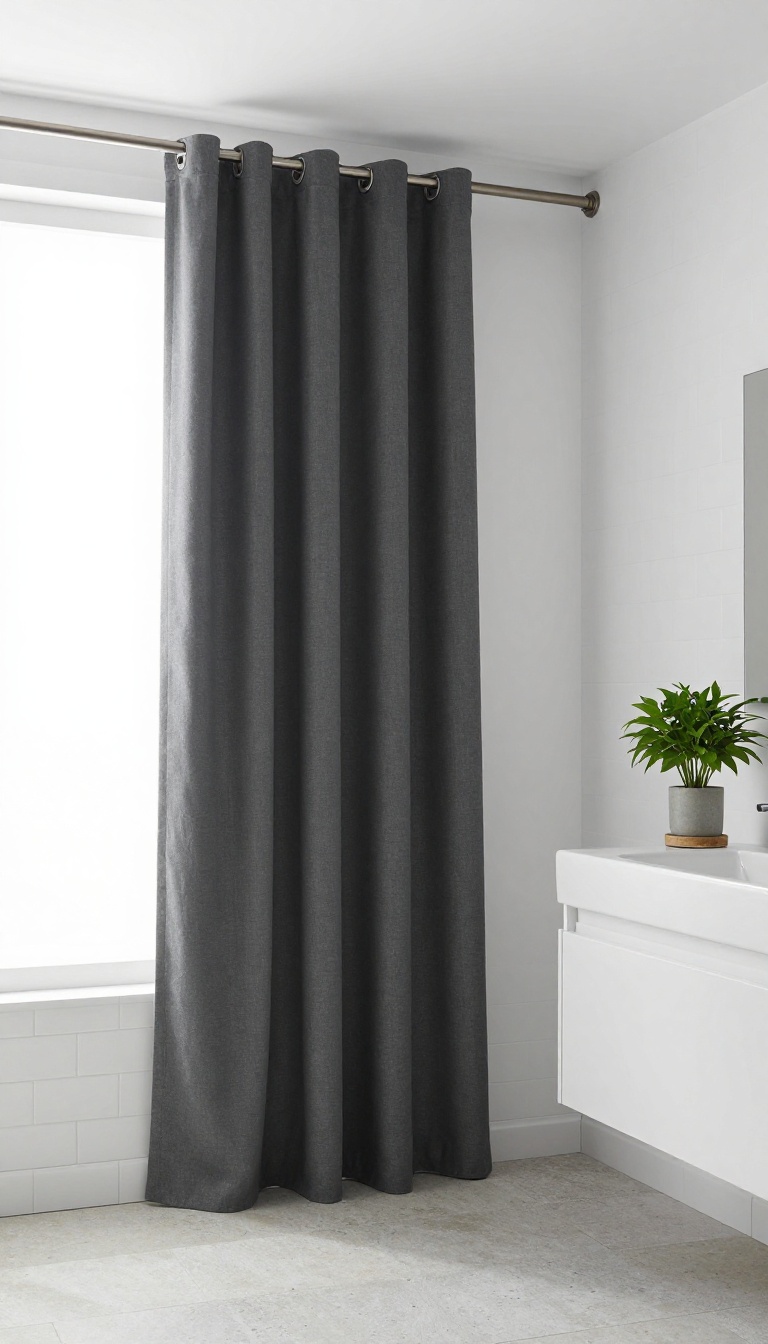
Sometimes the simplest choice is the most striking. A solid, neutral curtain in a matte finish can make your bathroom feel calm and intentional. The extra length adds a quiet elegance that doesn't rely on patterns or loud colors.
Monochrome minimalism is about creating a seamless, uncluttered backdrop. With a longer curtain, you get a clean line that draws the eye upward, making the ceiling feel higher. The matte texture absorbs light rather than reflecting it, which softens the overall look and hides water spots better than shiny fabrics.
Why Matte Finishes Work
Matte fabrics like brushed cotton or linen blends don't glare under bathroom lights. They also feel more premium than glossy polyester. The subtle texture adds depth without visual noise, so the curtain doesn't compete with other elements in the room.
Choosing The Right Neutral
Warm whites, greiges, and soft taupes are safe bets because they blend with most tiles and fixtures. A slightly darker shade like charcoal can ground the space if you have a lot of white. Avoid pure white if your bathroom gets heavy use—it shows every speck of dust.
Pairing With Accessories
Keep hardware minimal: a straight rod in brushed nickel or matte black. Add a simple fabric tieback in the same color family. Let the curtain be the star—skip busy bath mats or towels that clash.
A single green plant can add life without breaking the monochrome scheme.
FAQ
What length is considered extra long for a shower curtain?
Standard shower curtains are 72 inches. Extra long ones typically range from 84 to 96 inches, with some custom options going longer.
How do I measure for an extra long shower curtain?
Measure from the rod to the desired length (floor or just above). Add a few inches for hemming if you plan to sew your own.
Do extra long curtains require a special liner?
Yes, you'll need a liner that matches the length. Many brands offer extra-long liners, or you can buy a longer liner and trim it.
Will extra long curtains drag on the floor and get dirty?
They can, but you can prevent this by hanging them slightly above the floor or using a weighted hem to keep them in place.
Can I use an extra long curtain on a standard shower?
Yes, but you'll need to adjust the rod height. If you don't want to raise it, you can hem the curtain to fit.
Conclusion
Finding the right extra long shower curtain is about balancing coverage, style, and practicality. Whether you need to hide an awkward window, create a more luxurious feel, or just stop water from sneaking out, there’s an option that fits your space and budget. Take your time to measure carefully and think about the material that works best for your humidity level.
A simple swap can make your bathroom look taller, cleaner, and more put-together. Choose one that matches your daily routine, and you’ll wonder why you didn’t make the change sooner.