10 Kitchen Island Legs Ideas for a Custom Furniture Look
Your kitchen island does a lot of heavy lifting, but its legs often get overlooked. Swapping out standard cabinet bases for furniture-style legs can instantly elevate the whole room. It’s one of those small changes that makes a big visual impact without a full renovation.
Think of island legs like the foundation of a good table. They set the tone for the style, whether you’re going for farmhouse charm, industrial edge, or mid-century warmth. The best part?
You can mix and match finishes and shapes to create something that feels totally custom. We’ve rounded up ten distinct leg ideas that bring personality and function to your kitchen. Each one is practical, stylish, and easy to picture in a real home.
1. Turned Wood Legs for Classic Warmth
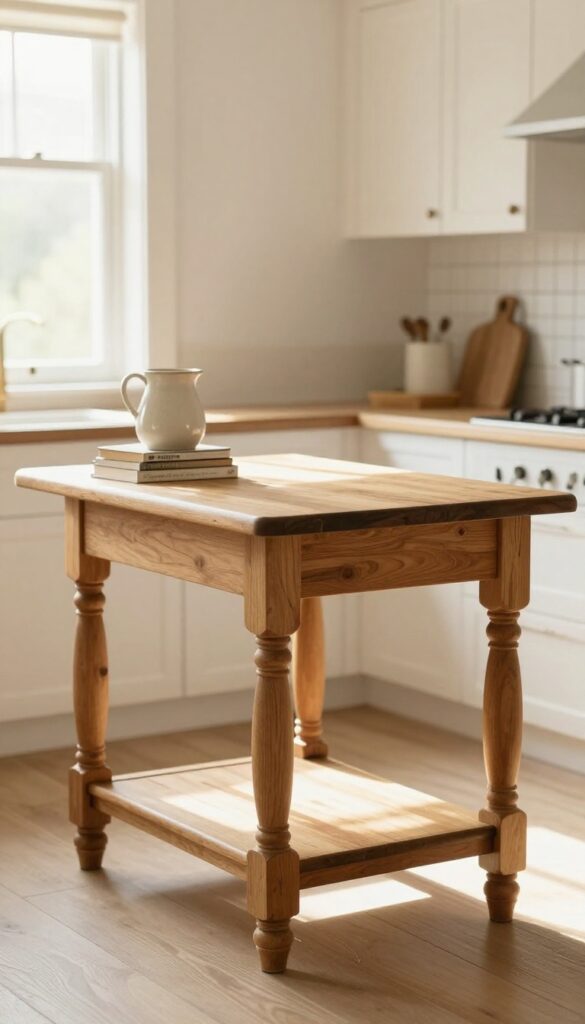
Turned wood legs bring that traditional furniture feel with their curved, sculpted shapes. They work beautifully in farmhouse or cottage kitchens, especially when painted or stained in a warm tone. Pair them with a butcher block or painted countertop for a cozy, lived-in look.
Turned wood legs are a timeless choice that instantly makes your kitchen island feel like a piece of furniture rather than just a countertop. Their curved, sculpted shapes add visual interest and a handcrafted feel, perfect for farmhouse or cottage kitchens. To enhance the warm, lived-in vibe, opt for a stain in honey or walnut tones, or paint them in a soft cream or sage green.
These legs pair beautifully with a butcher block countertop for extra warmth, or with a painted countertop in a complementary hue. The key is to keep the rest of the island simple so the legs stand out as the focal point.
Best Colors And Finishes
For a classic look, choose a warm wood stain like cherry or mahogany. If you prefer painted legs, go with off-white, light gray, or a muted blue-green. Distressed finishes add extra character and fit the farmhouse aesthetic perfectly.
Styling Tip
Balance the ornate legs with a clean, simple countertop. A white quartz or light wood top keeps the island from feeling too busy. Add open shelving on one side to display cookbooks or ceramic pitchers for a collected-over-time feel.
Small-space Fix
In a narrow kitchen, choose turned legs with a slender profile to avoid a bulky appearance. A lighter stain or paint color will also help the island feel less heavy and keep the space open.
2. Hairpin Legs for Airy Modernism
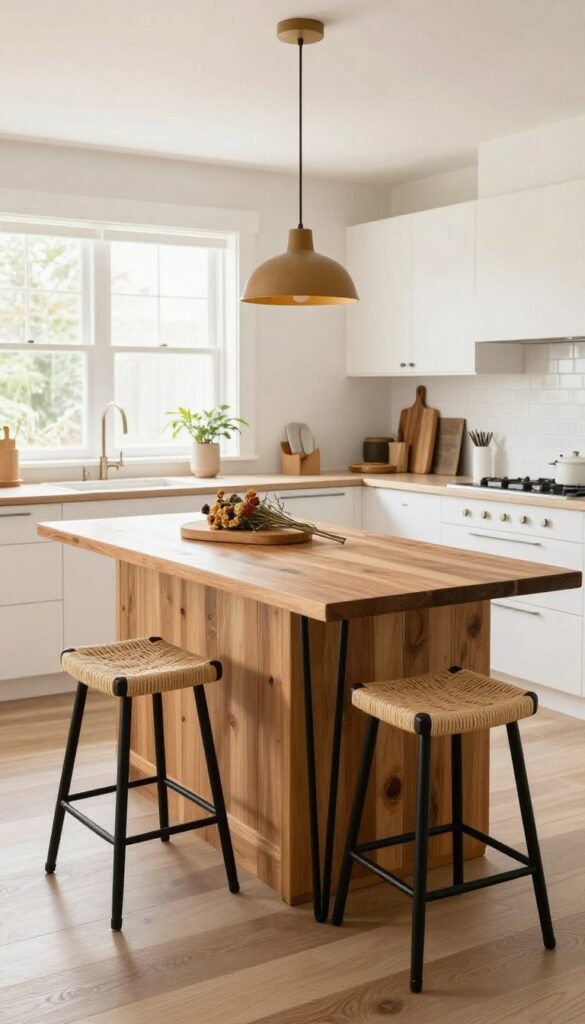
Thin metal hairpin legs give your kitchen island a floating, open feel that’s perfect when square footage is tight. They let light pass through, making the whole room seem bigger and less cluttered. Choose black or brass finishes to tie into your existing hardware, then top with a slim wooden slab for that mid-century modern touch that feels warm and lived-in.
Hairpin legs are a go-to for anyone wanting a custom look without the weight of bulky cabinetry. Their minimalist silhouette works especially well in galley kitchens or open-plan spaces where you want to maintain visual flow. Pair them with a butcher block or reclaimed wood top to add natural texture, and keep the stool seating simple to let the legs shine.
Best Finishes
Black hairpin legs offer a crisp, graphic contrast against light wood or white countertops. Brass legs bring warmth and a hint of glamour, especially when paired with brass faucets or cabinet pulls. For a subtle, blended look, go with matte black or bronze.
Small-space Perk
Because hairpin legs take up almost no visual space, they’re ideal for narrow kitchens. You can slide stools completely underneath when not in use, and the open base makes the floor area feel larger. It’s a smart trick for keeping a small kitchen from feeling closed in.
Styling Tip
Balance the delicate legs with a sturdy top—at least 1.5 inches thick. Add a couple of woven barstools and a pendant light with a warm bulb to reinforce that relaxed, mid-century vibe. Keep the countertop mostly clear except for a wooden cutting board or a small vase of dried flowers.
3. Tapered Wood Legs for Mid-Century Flair
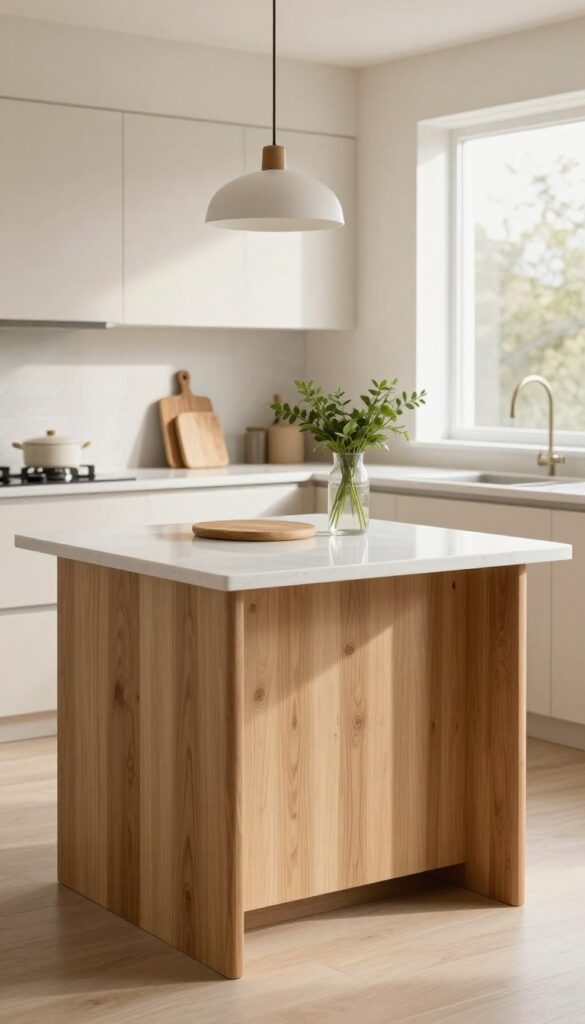
Sleek and angled, tapered legs bring a retro touch to your kitchen island without feeling like a time capsule. They’re often left in natural wood tones or painted in muted hues, which keeps the look fresh and grounded. This style pairs beautifully with a white quartz countertop and open shelving, creating a balanced, smart vibe that feels both intentional and lived-in.
Tapered wood legs are a classic mid-century detail that instantly elevates a kitchen island from basic to bespoke. The gentle angle of the legs adds visual lightness, making the island appear less bulky—perfect for open-plan spaces or smaller kitchens. Choose oak or walnut for warmth, or go with a painted finish in sage or charcoal for a more modern twist.
Pair with a simple countertop and avoid ornate hardware to let the legs shine.
Best Wood Choices
Walnut brings rich, dark warmth that contrasts beautifully with lighter countertops. Oak offers a more subtle grain and can be stained to match existing cabinetry. For a budget-friendly option, pine legs can be painted or stained to mimic pricier hardwoods.
Color And Finish Tips
Natural wood tones work best for a warm, lived-in feel. If you prefer painted legs, stick to muted shades like dusty blue, olive, or soft black. A matte or satin finish keeps the look understated and easy to maintain.
Styling The Island
Let the legs be the star by keeping the island top clutter-free. Add a couple of wooden stools with similar tapered legs to tie the look together. A pendant light with a mid-century shape above the island reinforces the retro-modern balance.
4. Bun Feet for a Whimsical Touch
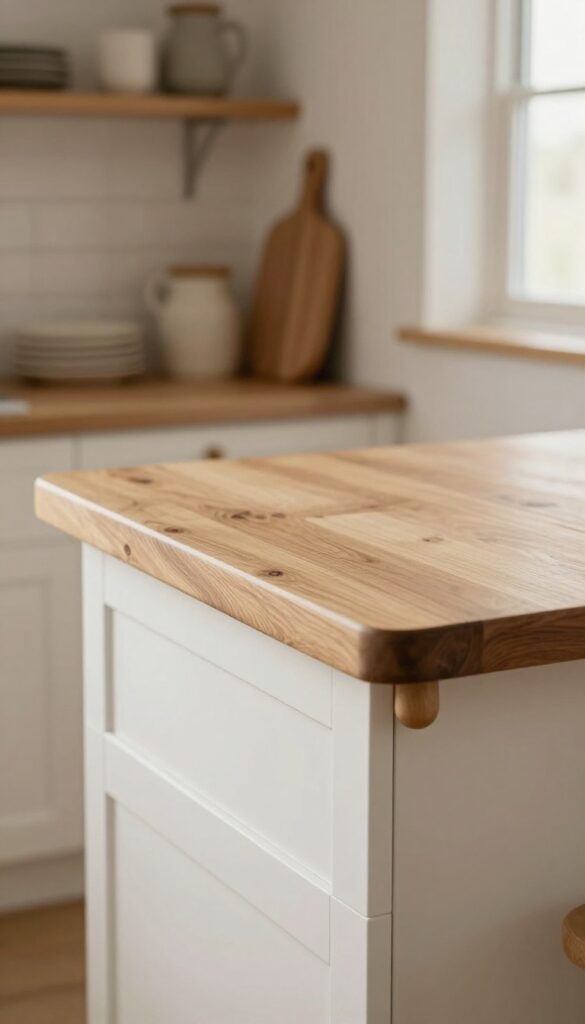
Short, rounded bun feet instantly make a kitchen island feel less like a built-in and more like a cherished piece of furniture. Their playful shape softens the overall look, bringing a cozy, cottage-like warmth to the space. Whether you choose a contrasting color or keep them natural, bun feet add personality without overwhelming the design.
Bun feet are a small detail that makes a big impact, especially in kitchens aiming for a lived-in, collected-over-time feel. They work beautifully with painted cabinets, butcher block tops, and open shelving. For a cohesive look, match the wood tone of the feet to other wooden elements in the room, like your cutting boards or bar stools.
If you prefer a bolder statement, paint them in a contrasting hue—think deep navy against white cabinets or a soft sage green against warm wood. The key is to keep the rest of the island simple so the feet remain a charming accent rather than a distraction.
Best Colors And Finishes
For a subtle nod to tradition, opt for unfinished or lightly stained wood bun feet that blend with your flooring or furniture. If you want them to pop, try a glossy black or a cheerful pastel like butter yellow. In a neutral kitchen, a pop of color on the feet can be the playful detail that ties the whole room together.
Where They Fit Best
Bun feet are ideal for cottage, farmhouse, and eclectic kitchens. They also work well in smaller spaces because their rounded shape doesn’t feel bulky. Pair them with a slim island profile to keep the visual weight light and airy.
Styling Around Them
Let the feet shine by keeping the island top clutter-free. Add a few open shelves above to display ceramic bowls or cookbooks, and use a simple runner or mat underneath to anchor the island. The contrast between the playful feet and the practical surfaces creates a balanced, inviting look.
5. Industrial Pipe Legs for Urban Edge
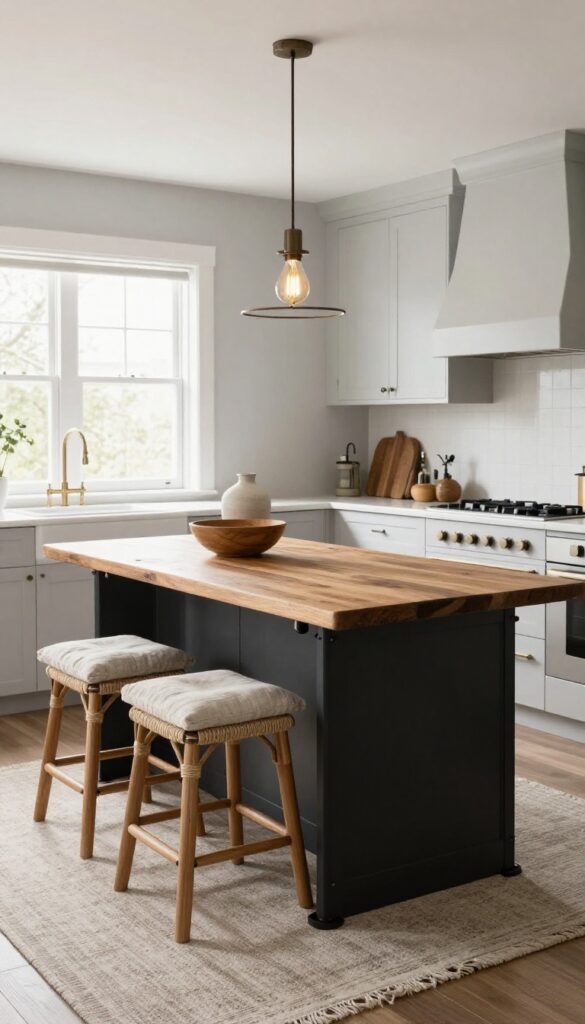
Black iron pipes bring rugged, industrial character to your island. They’re sturdy and visually bold, making a statement in loft-style or modern kitchens. Combine with a reclaimed wood top and metal stools for a cohesive look.
Black iron pipe legs are a go-to choice for anyone wanting an industrial vibe that still feels warm and lived-in. The raw metal contrasts beautifully with natural wood, creating a balanced, grounded feel. This look works especially well in open-plan kitchens where the island becomes a focal point.
To keep it from feeling too cold, add warm touches like woven barstools or a soft runner rug. The pipes themselves can be left as-is or painted in matte black for a more uniform finish. Either way, they bring a sense of durability and history that makes the kitchen feel both stylish and practical.
Best Colors
Stick with matte black or dark gray for the pipes to keep the look refined. Pair with warm wood tones like oak or walnut for contrast. White or light gray cabinetry helps the island stand out without competing.
Texture Mix
Balance the metal's hardness with soft textures. Use a plush runner, linen barstool cushions, or a chunky knit throw nearby. This keeps the space from feeling too industrial and adds that lived-in warmth.
Finishing Touch
Hang a simple metal pendant light above the island to echo the pipe legs. Choose an edison bulb for extra warmth. Add a small wooden bowl or ceramic vase on the counter to soften the look.
6. Fluted Legs for Texture and Depth
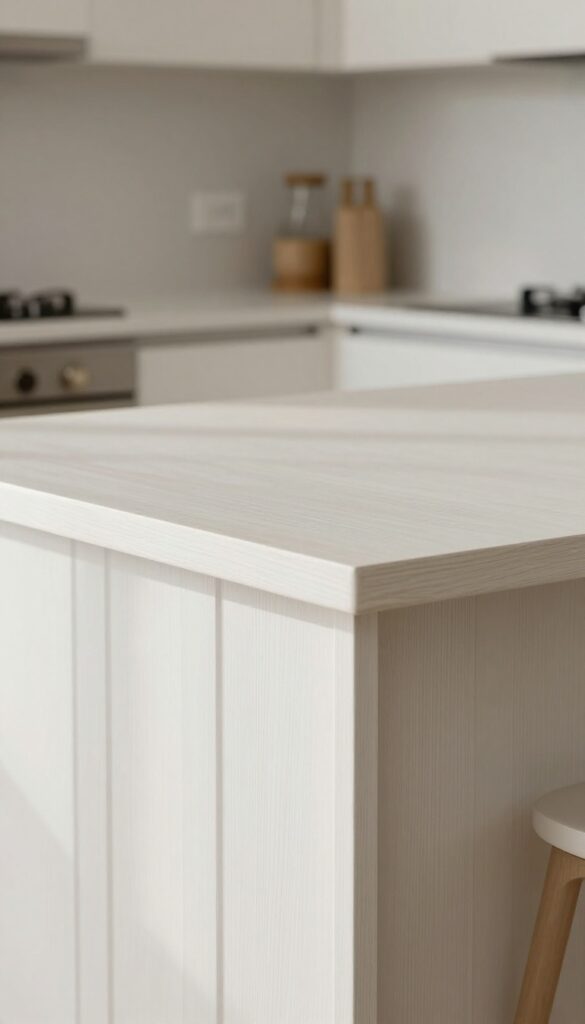
Fluted legs bring a sculptural quality to your kitchen island that flat surfaces just can’t match. The vertical grooves catch light and shadow throughout the day, making the piece feel alive and intentional. Whether your style leans traditional or contemporary, this detail adds a layer of sophistication that turns an ordinary island into a statement piece.
Fluted legs have vertical grooves that add texture and elegance. They work in both traditional and contemporary spaces, especially when painted in a soft neutral. This detail catches the light and makes the island feel like a piece of fine furniture.
The rhythmic lines draw the eye downward, grounding the island and giving it a sense of permanence. Pair them with a simple countertop and let the legs do the talking.
Best Colors
Soft neutrals like warm white, greige, or pale taupe let the fluting shine without overwhelming the space. For a bolder look, try a deep navy or charcoal—the grooves become even more dramatic against a dark backdrop. If your kitchen has existing wood tones, a painted fluted leg in a complementary hue can bridge the old and new seamlessly.
Material Pairings
Fluted legs are most commonly made from solid wood or MDF with a veneer. Wood offers natural warmth and can be stained or painted, while MDF provides a smooth, uniform surface perfect for high-gloss finishes. For a more modern feel, consider fluted metal legs—brass or matte black—that add an industrial edge while keeping the texture front and center.
Styling Tip
- Keep the island top simple to avoid competing with the legs. A butcher block or quartz slab in a solid color works best. Add a pair of counter stools with clean lines—nothing too ornate—so the fluted legs remain the focal point.
- A small vase of fresh greenery on the counter echoes the vertical lines and ties the look together.
7. X-Frame Legs for Structural Interest
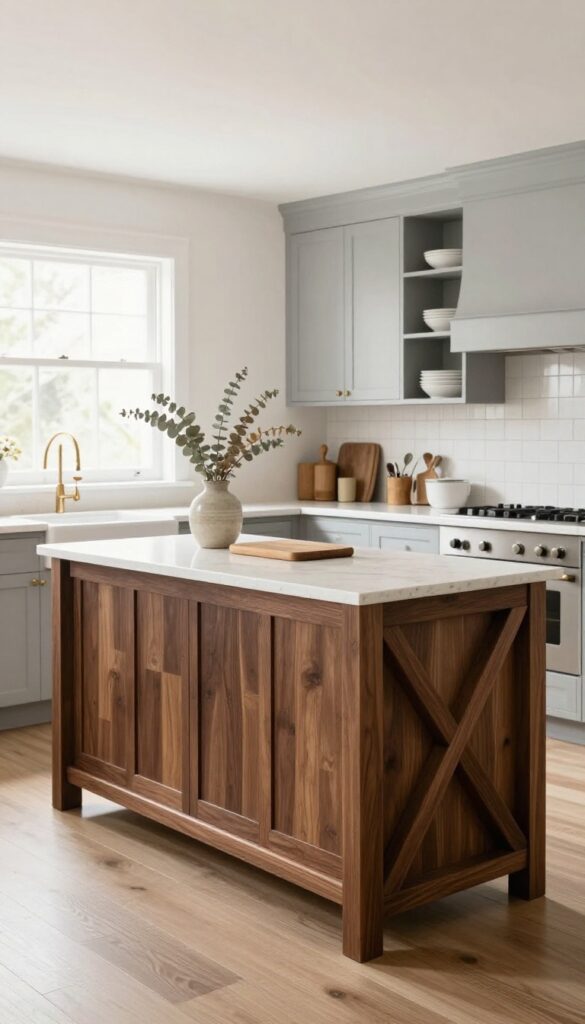
An X-shaped base brings a bold, architectural feel to your kitchen island without overwhelming the room. The crossed legs create strong diagonal lines that draw the eye and add a sense of stability, making this a smart choice for larger islands that need to feel grounded. Whether you go with dark wood for a rustic touch or painted metal for an industrial edge, the geometric shape becomes a natural focal point that pairs well with both modern and farmhouse styles.
X-frame legs are all about making a statement with structure. Unlike straight, simple legs, the crossed design adds visual weight and a touch of drama—perfect for anchoring a spacious island in an open-concept kitchen. The open space between the legs keeps the look airy, so the island doesn't feel like a bulky block.
For a warm, lived-in feel, choose a rich walnut or mahogany stain that highlights the wood grain. If your kitchen leans more industrial, black or charcoal painted metal legs offer a crisp contrast against light cabinetry. To keep the look cohesive, repeat the X motif elsewhere, like on bar stools or a dining table base.
Best Materials For Longevity
- Solid hardwood like oak or maple is a top pick for X-frame legs if you want durability and a classic look. For a more budget-friendly option, consider engineered wood with a veneer—it still offers strength but costs less. Metal legs, especially wrought iron or steel, are incredibly sturdy and work well in high-traffic kitchens.
- If you're after a lighter feel, go for powder-coated aluminum; it resists rust and is easy to clean.
Styling Tip: Balance The Weight
- Because X-frame legs are visually heavy, balance them with a lighter countertop material like quartz or butcher block. A thick, chunky top can make the island feel too massive, so opt for a slab with a beveled or eased edge. Keep the island surface relatively uncluttered—let the legs be the star.
- Add a couple of open shelves on the side to display cookbooks or ceramics, drawing the eye upward and softening the strong diagonal lines.
Small-space Fix: Slim Down The Scale
- Even in a compact kitchen, an X-frame base can work if you scale it down. Choose narrower legs (around 2 inches thick) and a lighter wood stain to keep the look airy. Pair with a slim island—no wider than 24 inches—and use the open space underneath for a rolling cart or small stool that tucks away when not in use.
- This way, you get the structural interest without sacrificing precious floor space.
8. Brass or Gold Legs for Glamorous Warmth
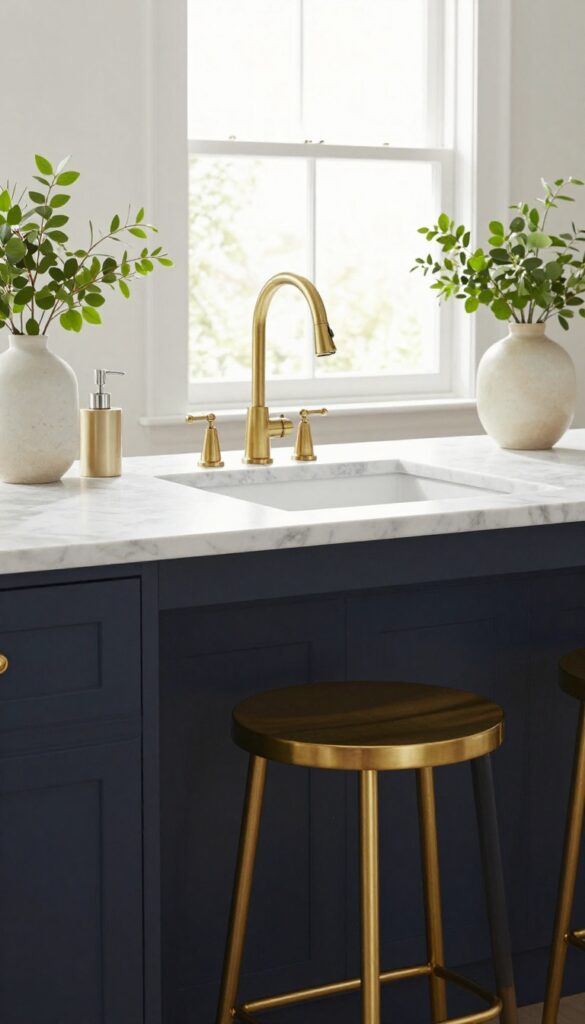
Metallic legs in brass or gold add a touch of glamour without being over the top. They reflect light and warm up the kitchen, especially against dark cabinetry or marble countertops. Keep the rest of the hardware in similar tones for a cohesive finish.
Brass or gold legs bring a soft, reflective warmth that feels both elegant and inviting. They work beautifully in kitchens with navy, charcoal, or even white cabinets, adding a subtle glow that catches the eye. The key is to keep the finish consistent with other metal accents—think faucets, cabinet pulls, and light fixtures—so the look feels intentional rather than scattered.
For a lived-in feel, opt for unlacquered brass that will develop a natural patina over time, adding character and depth.
Best Color Pairings
Brass and gold legs pop against deep, moody colors like navy, forest green, or charcoal gray. They also look stunning with white marble or quartz countertops, where the metallic sheen creates a luxe contrast. For a warmer palette, pair with natural wood tones or creamy off-whites to keep the space feeling cozy and grounded.
Finishing Touch
To make the legs stand out, consider adding a matching brass rail or towel bar nearby. Even small touches like a brass soap dispenser or a gold-framed mirror can tie the look together. Just avoid mixing too many metal finishes—stick to one or two complementary tones for a polished, smart result.
Small-space Fix
In a compact kitchen, gold legs can make an island feel lighter and less bulky. Choose a slim, tapered leg design to maximize floor visibility and keep the space open. The reflective quality of the metal also helps bounce light around, making the room feel bigger and brighter.
9. Splayed Legs for Casual Elegance
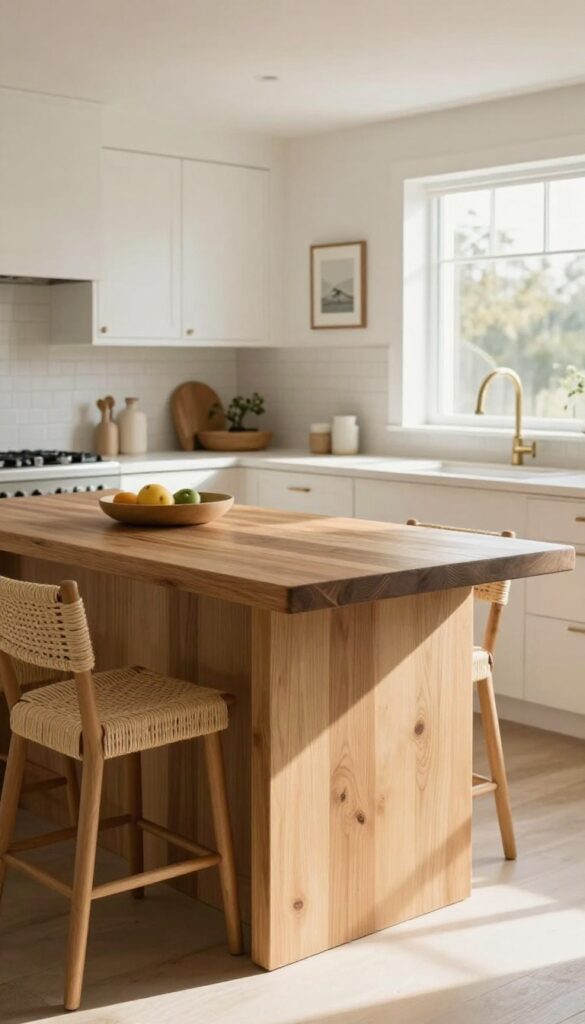
Legs that angle outward slightly give the island a relaxed, welcoming stance. They’re often used in farmhouse or coastal designs, but work just as well in modern spaces when paired with clean lines. The subtle taper creates visual movement, making the island feel lighter and less boxy—perfect for open layouts where you want the kitchen to flow into the living area.
Splayed legs bring a sense of casual elegance that’s hard to achieve with straight, vertical supports. The outward angle softens the island’s silhouette, making it feel more like a piece of furniture than a built-in. This style pairs beautifully with a chunky wooden top and woven bar stools for an effortless, lived-in feel.
In smaller kitchens, the tapered legs keep the space airy by allowing light to pass through underneath, avoiding the heavy look of a full base cabinet.
Best Materials
Hardwoods like oak, walnut, or ash work best for splayed legs because they can be turned or carved with a clean taper. For a more budget-friendly option, look for legs made from poplar with a painted finish. Metal splayed legs in black or brass are also trending—they add a touch of industrial contrast against warm wood tops.
Color Flow
Keep the legs in a natural wood tone that matches or complements your flooring to create a seamless visual line. If your kitchen has white cabinets, consider staining the legs a shade darker than the countertop for depth. In coastal schemes, a washed white or light gray finish keeps the look breezy.
Styling Tip
Balance the angled legs with a substantial top—at least 2 inches thick—so the island doesn’t look top-heavy. Add a couple of open shelves on one end for cookbooks or a small plant, which echoes the relaxed vibe. Woven bar stools with natural fibers reinforce the casual, welcoming stance.
10. Pedestal Base for a Furniture Statement
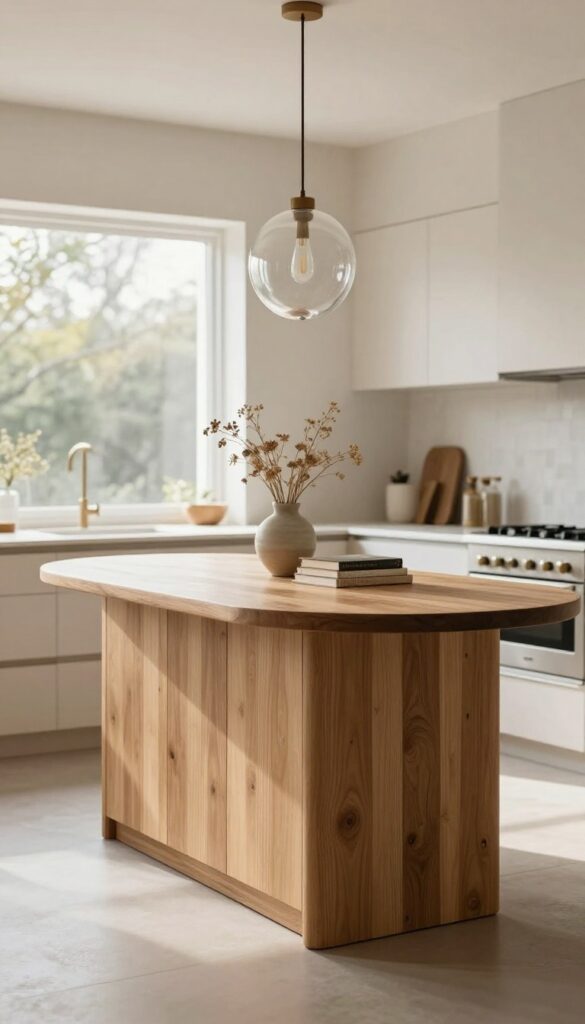
A single central pedestal replaces four legs, creating a sculptural focal point. This works well in smaller kitchens where you want to maximize legroom. Choose a turned or fluted pedestal for added detail, and top with a round or oval countertop.
Pedestal bases bring a furniture-like elegance to kitchen islands, making them feel more like a custom piece than standard cabinetry. The single support opens up legroom, which is a game-changer in compact kitchens or for bar seating. Pick a pedestal with turned details or fluting to add visual interest, and pair it with a round or oval countertop for a softer, more inviting silhouette.
This setup works beautifully in open-plan layouts where the island doubles as a dining table.
Best Materials
Wood pedestals in oak or walnut bring warmth, while painted versions in navy or black add a dramatic touch. For a more refined look, go with a marble or limestone pedestal—just make sure it's sealed properly. The countertop can be butcher block for a casual vibe or quartz for easy maintenance.
Layout Tip
Pedestal islands work best when you have at least 36 inches of clearance on all sides. Since there are no corner legs, you can tuck in stools from any angle—great for maximizing seating in tight spots. Keep the island centered in the room to let the pedestal shine as a focal point.
Finishing Touch
Add a pendant light directly above the pedestal to emphasize the vertical line. A drum shade or a sculptural glass fixture complements the furniture feel. For extra warmth, place a small vase or a stack of cookbooks on the countertop.
FAQ
Can I replace the legs on my existing kitchen island?
Yes, if your island has a removable base or you’re building from scratch. For existing islands, you may need to reinforce the structure or consult a contractor. Many DIY kits are available for standard sizes.
What height should kitchen island legs be?
Standard counter height is 36 inches, so legs should be around 34.5 inches to allow for a 1.5-inch countertop. For bar-height islands (42 inches), legs should be about 40.5 inches. Always measure your specific setup.
Are metal legs durable enough for a kitchen island?
Absolutely. Metal legs like iron or steel are very sturdy and can support heavy countertops. Just ensure they’re properly anchored to the floor or base for stability, especially in high-traffic kitchens.
How do I choose the right leg style for my kitchen?
Consider your kitchen’s overall style and the island’s function. For a small space, go with slim legs like hairpin to keep it airy. For a traditional look, turned or tapered wood legs add warmth.
Match finishes to your hardware for cohesion.
Can I mix different leg styles on the same island?
Yes, mixing styles can create a custom, eclectic look. For example, pair two turned legs in front with two straight legs in back. Just keep the heights and finishes consistent to avoid a chaotic appearance.
Conclusion
Updating your kitchen island legs is a simple way to inject personality and style into the heart of your home. Whether you lean toward the warmth of turned wood or the sleekness of hairpin metal, each option brings its own character. The key is choosing a look that feels right for your space and daily life.
Remember, the best kitchen islands are both beautiful and functional. So pick a leg style that makes you smile every time you walk into the room.