9 Practical Small Corner Pantry Ideas For Any Kitchen
That awkward corner cabinet where spices go to die? It doesn’t have to be that way.
With the right layout, even the tiniest corner can become a pantry powerhouse that saves you time and frustration. These nine ideas are built for real kitchens—no demolition required.
Whether you’re working with a deep cabinet or a narrow nook, each solution focuses on making every inch count. Pick the ones that fit your space and watch your morning routine get a whole lot smoother.
1. Pull-Out Shelves That Make Everything Accessible
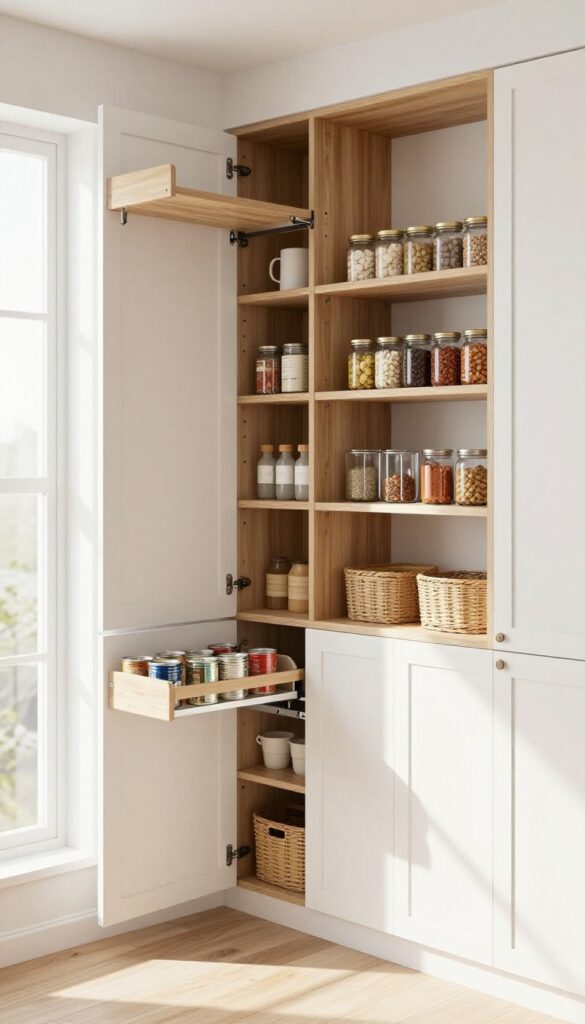
Deep corner cabinets are notorious for swallowing jars whole. Pull-out shelves change that by bringing the back row right to you. They slide out fully, so you can see and grab every item without playing hide-and-seek.
These aren't just for pantries either. Install them in a deep base cabinet or a narrow broom closet to turn wasted space into prime real estate. The best part?
You can buy ready-made kits or DIY them with basic hardware.
Pull-out shelves work because they eliminate the need to reach into dark corners. Instead of stacking cans in front of cans, everything sits on a tray that glides out smoothly. You load it once, and then every item is visible at a glance.
For corner pantries, consider full-extension slides that let the shelf come out completely. That way, you can access even the back row without twisting your arm. Pair them with shallow bins or baskets to keep small items from falling off the back.
If you're handy, you can build custom pull-outs using plywood and drawer slides. Pre-made wire shelves are another option—they're affordable and easy to install with just a screwdriver.
Why Full-extension Slides Matter
Standard slides only pull out about three-quarters of the way. That leaves a dark gap at the back where stuff gets lost. Full-extension slides pull the shelf completely out, so you can see and reach everything.
It's a small upgrade that makes a huge difference in daily use.
Diy Vs. Pre-made: Which Is Right For You?
Pre-made pull-out shelves are quick to install and come in standard sizes. They're great if you want a weekend project. DIY versions let you customize the depth and width to fit odd spaces.
Either way, the result is the same: no more forgotten cans or expired spices.
Loading Tips For Maximum Efficiency
Group similar items together—canned goods on one shelf, jars on another. Use clear bins for small packets so they don't slide around. Label the front of each shelf so you know what's where without pulling everything out.
This keeps your pantry organized and your morning routine fast.
2. Lazy Susan Corner Carousel
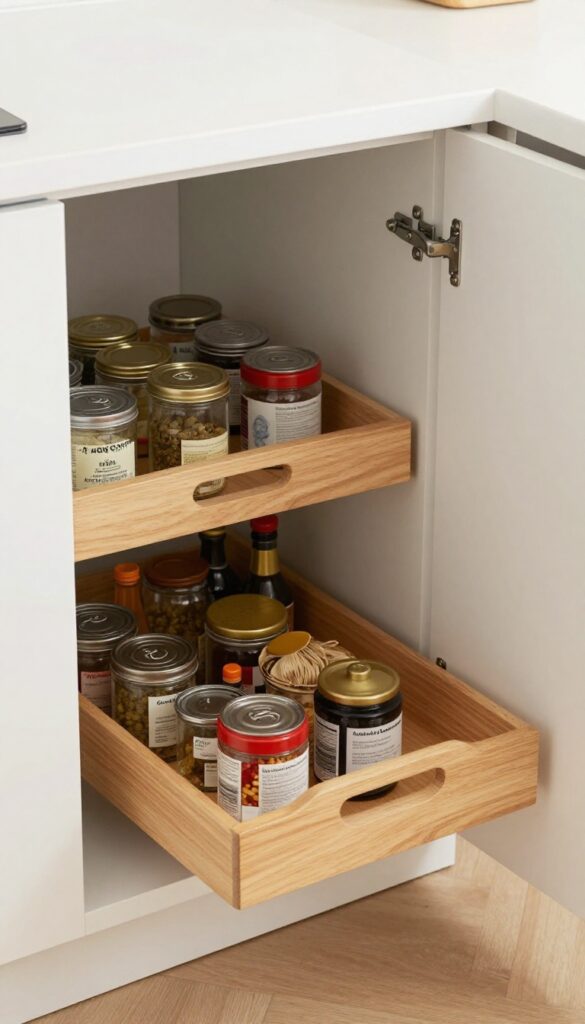
If your corner cabinet has become a black hole for mismatched lids and forgotten cans, a lazy Susan might be the simplest fix you never got around to trying. These rotating trays spin smoothly, bringing everything stored at the back right to the front with a gentle nudge. They work especially well in base cabinets where you'd otherwise have to crawl halfway inside to find that one can of diced tomatoes.
A lazy Susan is basically a turntable for your cabinet. You load it up, give it a spin, and grab what you need without playing hide-and-seek. They come in different sizes and materials, so you can pick one that fits your cabinet dimensions and matches your style.
The best part? Installation is usually just a matter of placing it on the shelf—no tools required.
Choosing The Right Size
Measure the width and depth of your cabinet before buying. A full-circle lazy Susan works best in square or nearly square cabinets, while a half-moon shape fits deeper cabinets with a door that opens to one side. Aim for a tray that leaves at least an inch of clearance on all sides so it spins freely.
What To Store On It
Canned goods, spice jars, condiment bottles, and small dry goods like tea bags or snack packs are perfect candidates. Avoid storing tall or oddly shaped items that might tip over when the tray rotates. Group similar items together so you can spin to the right category quickly.
Diy Vs. Pre-made Options
You can buy a pre-made lazy Susan at any home goods store for around $15 to $40. Or, if you're handy, repurpose a large wooden or plastic turntable from a kitchen supply store. Some people even use two-tier lazy Susans to double the storage space vertically.
3. Open Shelving With Baskets
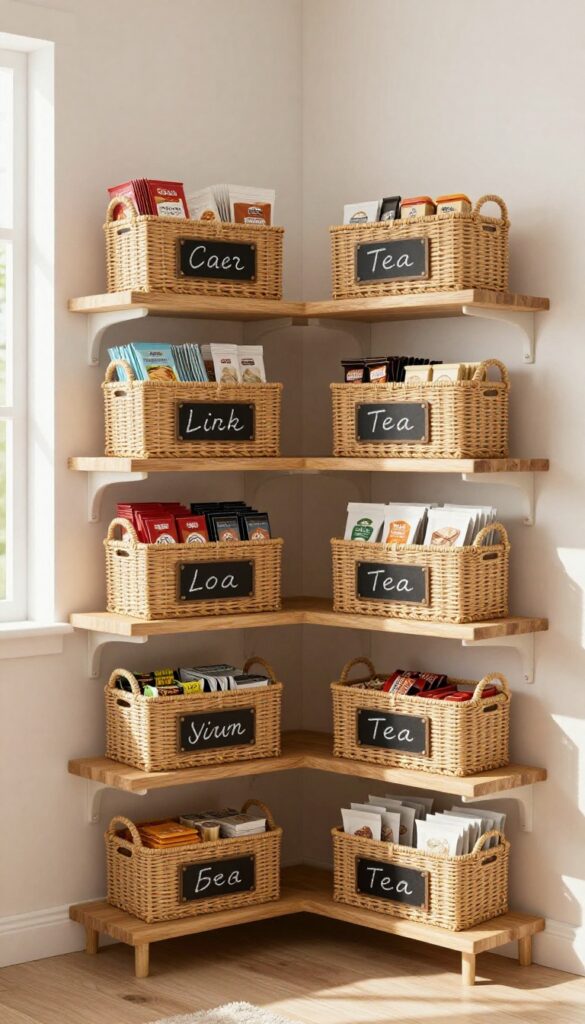
Floating shelves are a game-changer for small corner pantries. They keep the space feeling open and airy, unlike bulky cabinets that can overwhelm a tight nook. Pair them with labeled baskets, and you’ve got a system that hides the clutter while making everything easy to grab.
Mount sturdy floating shelves at varying heights to maximize vertical storage. Use woven or wire baskets to corral small items like spice packets, snack bars, or tea bags. Label each basket clearly—this keeps the corner organized without requiring you to rummage through piles.
The open design also lets you see what you’re running low on at a glance.
Choosing The Right Baskets
Go for baskets with handles so you can pull them down easily. Woven baskets add warmth, while wire baskets give a modern, industrial look. Make sure they’re sturdy enough to hold canned goods or jars without sagging.
Labeling For Efficiency
Use chalkboard labels or a label maker to mark each basket’s contents. Group similar items together—snacks in one, baking supplies in another. This way, you can grab what you need without pulling everything out.
Arranging For Easy Access
Place frequently used items on the middle shelves, at eye level. Reserve the top shelf for overflow or rarely used gadgets. Keep the bottom shelf for heavier baskets to maintain stability.
4. Door-Mounted Racks For Extra Storage
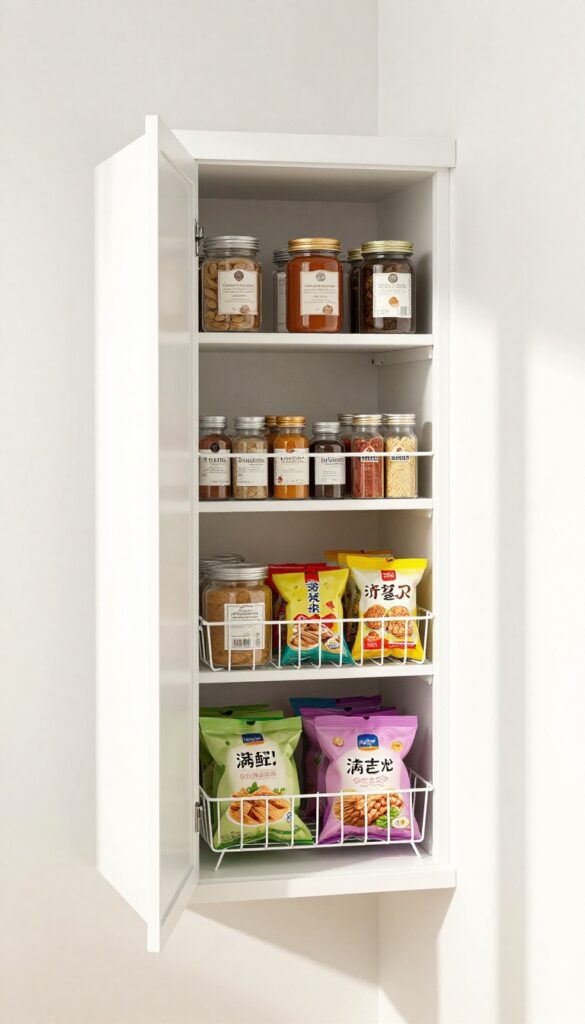
Pantry doors are often overlooked, but they offer prime real estate for lightweight items. Attaching racks or organizers to the inside of the door keeps spices, snacks, and cleaning supplies within easy reach without taking up shelf space. It's a simple upgrade that instantly adds functional storage to any corner pantry.
Door-mounted racks turn an unused surface into a vertical storage zone. Wire racks with adjustable hooks work well for bags of spices or small jars, while pocket organizers with clear compartments are perfect for snack packs, foil, or plastic wrap. For cleaning supplies, choose racks with deeper bins to hold spray bottles securely.
Installation is usually straightforward with adhesive strips or screws, but make sure the door can still close fully without hitting shelves or items inside. This solution is especially effective in narrow pantries where every inch counts.
Best Types Of Door Organizers
Wire racks are great for visibility and airflow, while fabric pocket organizers offer flexibility for odd-shaped items. For heavy-duty storage, consider metal racks with individual bins that can hold cans or bottles. Clear plastic organizers let you see contents at a glance and are easy to wipe clean.
What To Store On The Door
Lightweight, frequently used items work best: spices, seasoning packets, small snack bags, tea bags, and kitchen tools like tongs or measuring spoons. Avoid storing heavy jars or glass bottles that could strain the door hinges or cause the rack to pull away from the surface.
Installation Tips For A Secure Fit
Measure the door's interior depth before buying any rack. Use adhesive strips rated for the weight you plan to hang, or drill screws into the door for a permanent hold. Check that the rack doesn't interfere with the door's closing mechanism or hit shelves inside the pantry.
5. Corner Drawers With Custom Dividers
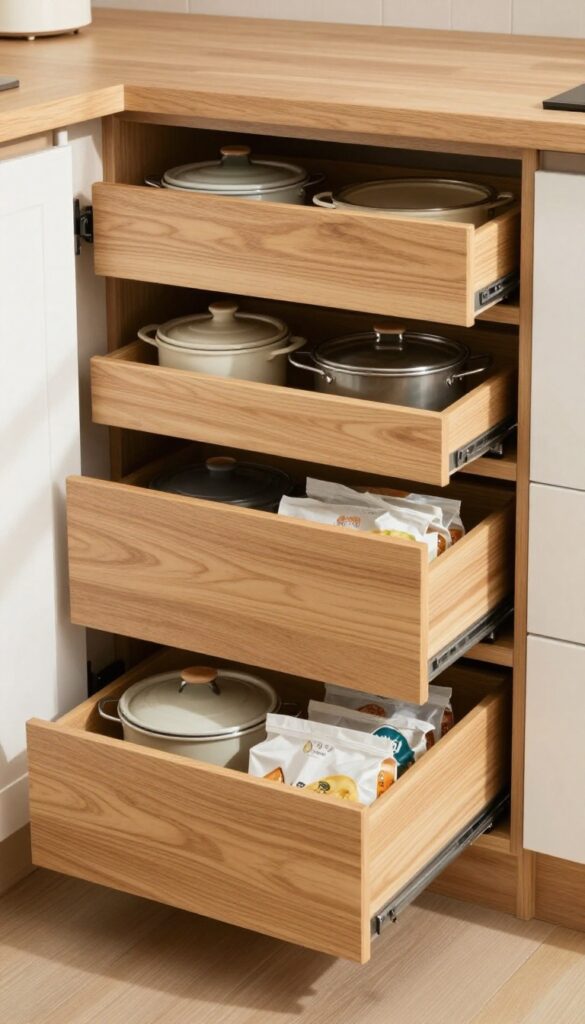
Deep drawers that fit snugly into a corner are a brilliant alternative to standard cabinets. They slide out fully, so nothing gets lost in the back. Add custom dividers, and you have a spot for pots, lids, or bulk items that stays organized without stacking.
Corner drawers work best when they’re built to the exact dimensions of your space. A carpenter or custom cabinet maker can create a set that pulls out smoothly, even in tight angles. Once installed, the real magic comes from dividers.
Adjustable wooden or metal inserts keep lids upright, separate pans, or hold bags of rice and pasta. No more digging through a pile—every item has its place.
Why Deep Drawers Beat Shelves
Shelves in corners force you to kneel and reach into the dark. Drawers bring everything to you. You can see all your cookware at a glance, and dividers prevent stacks from toppling.
It’s a small change that saves your back and your patience.
Custom Dividers For Every Need
Think about what you store most. Pot lids? Use vertical dividers spaced a few inches apart.
Bulk bins? Wide compartments with removable pegs keep bags from sliding. Even spice jars fit neatly in narrow slots.
The key is measuring your items first, then building dividers to match.
Installation Tips For A Smooth Fit
Measure the corner’s depth and angle carefully—many are not perfect 90 degrees. Opt for full-extension drawer slides rated for heavy loads. If your corner is narrow, consider a single wide drawer instead of two smaller ones.
A pro can ensure the hardware aligns so the drawer doesn’t bind.
6. Tiered Shelving For Visual Access
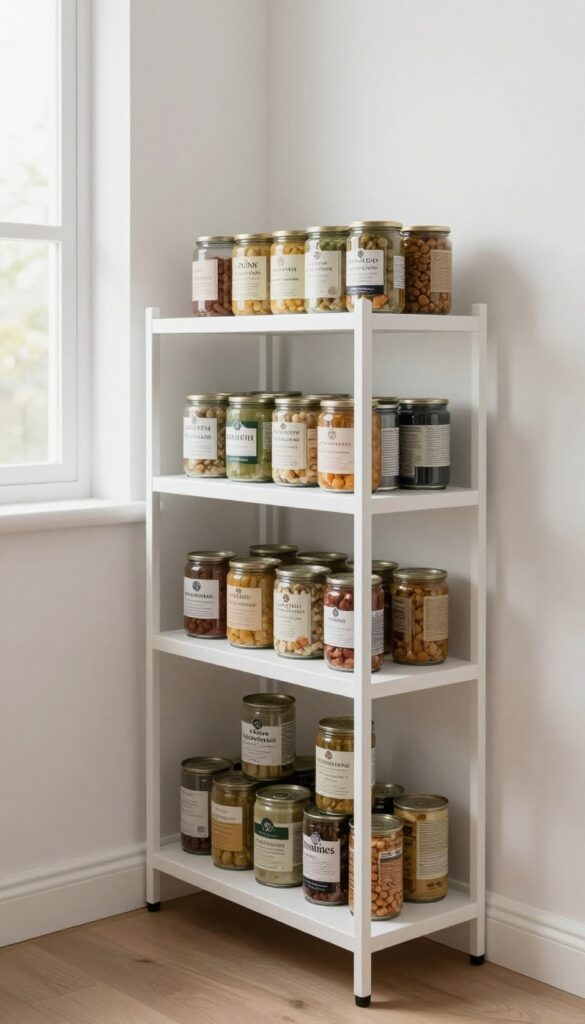
Stacking cans and jars on top of each other is a recipe for frustration. You end up digging through layers just to find that one can of black beans. Tiered shelving solves this by creating stadium-style levels so every item is visible at a glance.
Tiered shelf risers turn a deep corner cabinet into a mini amphitheater for your pantry goods. They lift items in the back so nothing gets hidden. This is especially useful for canned goods, spices, and small jars that tend to disappear in the shadows.
Why Stadium-style Works
The angled design lets you see every label without pulling items forward. You can grab what you need from the back row without disturbing the front. It reduces the time spent hunting and keeps your pantry organized.
Choosing The Right Risers
Look for expandable risers that fit your shelf width. Wire or clear acrylic options are best because they don't block visibility. Make sure the risers have a lip or non-slip surface to prevent items from sliding off.
Arranging For Maximum Efficiency
Group similar items together on each tier. Put taller items in the back row and shorter ones in front. Use the risers for frequently used items so you can grab them quickly.
Rotate stock to keep older items in front.
7. Pull-Out Pantry Tower
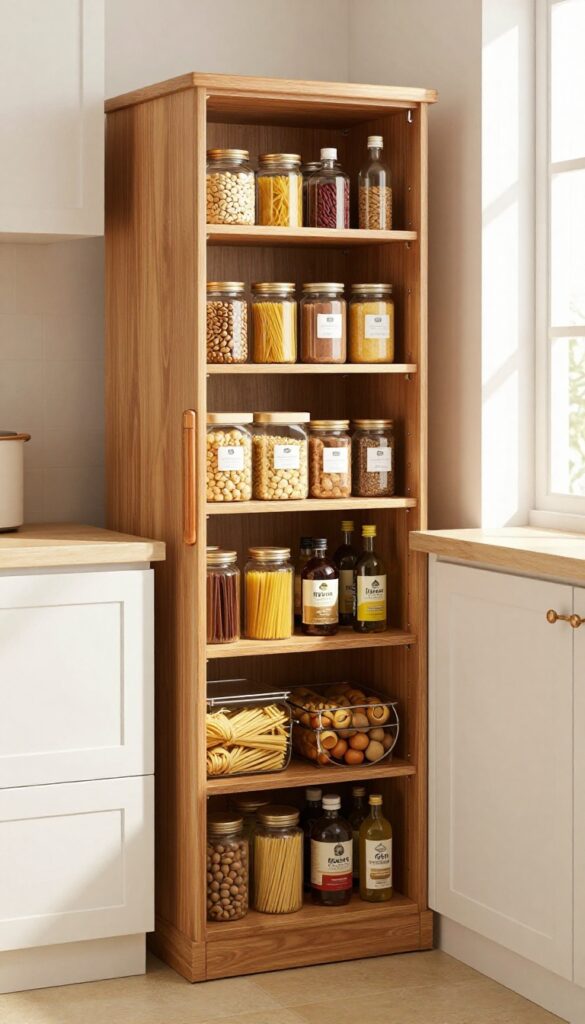
A tall, narrow pull-out unit that fits into a corner gap. Holds dry goods, oils, and spices in a slim footprint.
Maximizing Vertical Space
A pull-out pantry tower makes use of the often-wasted vertical space in a corner. By extending from floor to counter or ceiling, it offers multiple shelves for storing everything from pasta boxes to canned goods. The slim design means it tucks into gaps as narrow as 12 inches, turning dead space into prime real estate.
Easy Access And Organization
Unlike deep corner cabinets where items get lost, a pull-out tower glides out smoothly, giving you full visibility of every shelf. You can group similar items together—spices on one shelf, oils on another, snacks on a third. This setup makes grabbing ingredients quick and keeps your pantry clutter-free.
Installation Tips
Measure your corner gap carefully before purchasing. Look for units with full-extension slides so you can reach the back without stretching. If you're handy, you can install a pre-built tower in an afternoon.
For a custom fit, consider having a carpenter build one to match your cabinet dimensions.
8. Wall-Mounted Pegboard System
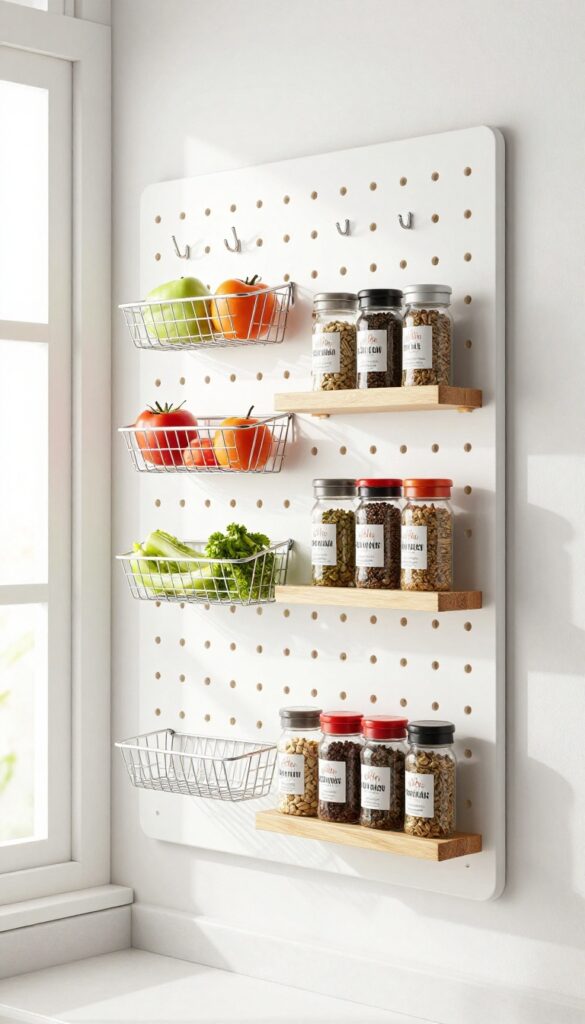
Cover the corner wall with a pegboard and add hooks, baskets, and shelves. Customizable and easy to rearrange as needs change. This system turns dead wall space into a flexible pantry that adapts to your cooking habits.
A pegboard system is one of the most versatile solutions for a small corner pantry. You can start with a basic board and add accessories over time. The key is to plan your layout before drilling holes.
Measure the corner space and choose a pegboard that fits snugly. Use a mix of hooks for hanging items like measuring cups, small baskets for snacks, and narrow shelves for spices. The beauty is that you can rearrange everything in minutes whenever your storage needs shift.
Choosing The Right Pegboard
Opt for a metal or thick hardboard pegboard that won't sag under weight. Look for one with a clean finish that matches your kitchen style. If you're mounting in a corner, consider a custom cut piece that fits the exact dimensions.
Pre-drilled pegboards are easier to install, but you can also buy a plain board and drill your own holes.
Accessories That Work Best
Focus on accessories that maximize vertical storage. Use deep hooks for pots and pans, shallow hooks for utensils, and wire baskets for produce or packaged goods. Add small shelves for jars and cans.
Clear bins or labeled baskets help keep similar items together. Avoid overloading the board—leave some empty space for future additions.
Installation Tips
Mount the pegboard on furring strips to create an air gap behind it, which prevents moisture buildup. Use wall anchors if you're attaching to drywall, and make sure the board is level. Position it at a height where the most-used items are within easy reach.
For a corner installation, you might need two boards meeting at an angle or a single board that wraps around the corner.
9. Corner Cabinet With Swing-Out Shelves
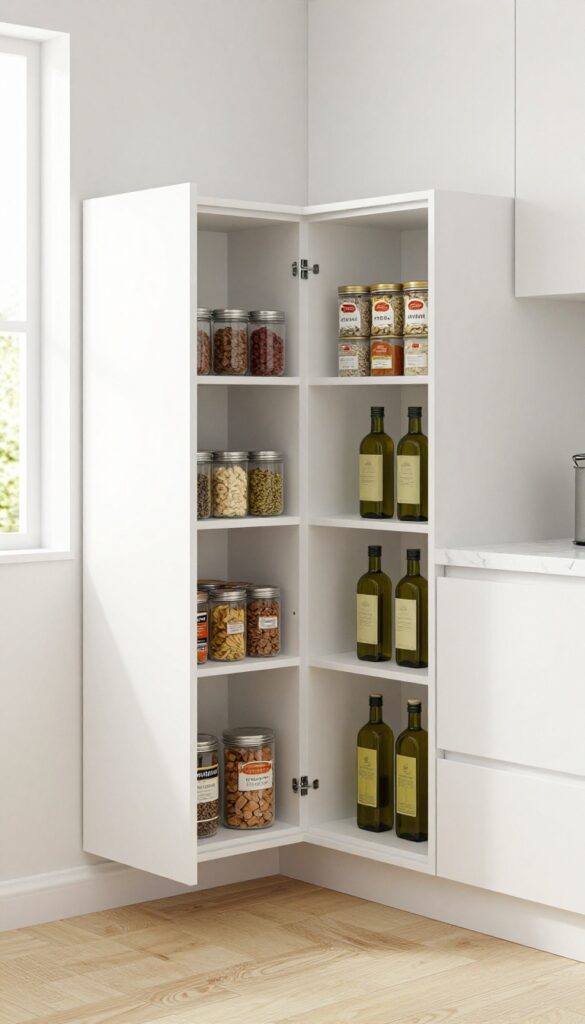
Standard corner cabinets often mean crawling on your hands and knees to find that one spice jar hiding in the back. Swing-out shelves change the game entirely by bringing everything to you. When you open the door, the shelves pivot outward, revealing the entire contents at a glance.
No more lost items or forgotten condiments.
Swing-out shelves are a retrofit-friendly upgrade that works with most existing corner cabinets. They attach to the door and swing out as a unit, making deep corners instantly accessible. The mechanism is sturdy enough to hold canned goods, jars, and even small appliances.
Installation typically requires basic tools and a few hours, making it a weekend project that pays off daily.
How Swing-out Shelves Work
The shelves are mounted on a hinge system connected to the cabinet door. When you pull the door open, the shelves glide forward and to the side, exposing the entire interior. Some models have adjustable shelves to fit taller bottles or stacked cans.
The key is that nothing gets buried—every item is visible and within reach.
What To Store On Swing-out Shelves
These shelves are ideal for everyday items you use often: spices, oils, vinegar, canned beans, pasta, and sauces. Because the shelves move as a unit, heavier items are fine as long as the weight is distributed. Avoid storing oversized or oddly shaped items that might catch on the cabinet frame when swinging out.
Installation Tips
Measure your cabinet interior carefully before buying a kit. Most swing-out systems are designed for standard 36-inch corner cabinets, but some can be trimmed to fit. Follow the manufacturer's instructions for attaching the hinge bracket to the door.
If you're not handy, a handyman can install it in under an hour.
FAQ
What is the best storage solution for a deep corner pantry?
Pull-out shelves or a lazy Susan are top choices because they maximize access to the back of the cabinet without digging.
Can I install a corner pantry in a small kitchen without custom cabinetry?
Yes. Many solutions like freestanding shelving units, over-the-door racks, or pegboards can be added without permanent changes.
How do I keep a small corner pantry organized long-term?
Use clear containers, label everything, and group similar items. Regularly declutter to avoid overcrowding.
Are lazy Susans still a good choice for modern kitchens?
Absolutely. Modern lazy Susans come in various materials and sizes, including tiered and non-slip versions that work well in contemporary spaces.
What is the ideal depth for corner pantry shelves?
For pull-out shelves, aim for 12–16 inches deep. For fixed shelves, keep them shallow (8–10 inches) to prevent items from getting lost.
Conclusion
Small pantries can pack a big punch with the right layout. Start with one or two ideas that fit your space, then tweak as you go.
Before long, that cramped corner will feel like a custom-designed storage hub. The key is making every inch earn its keep—your future self will thank you at grocery time.