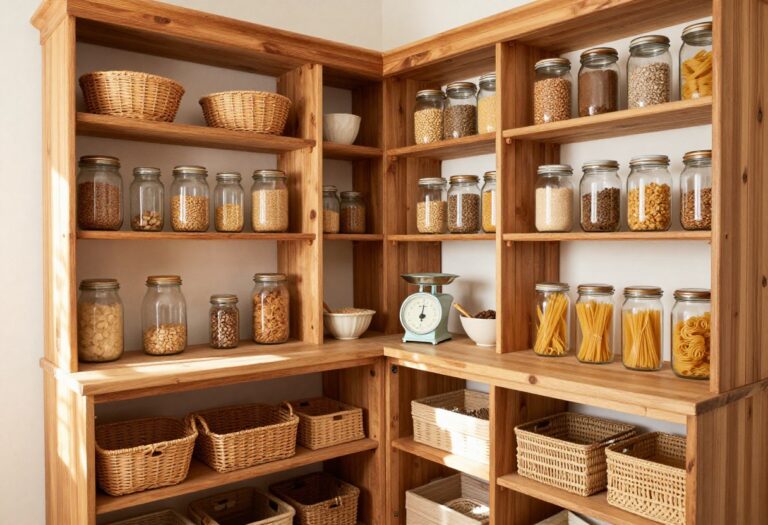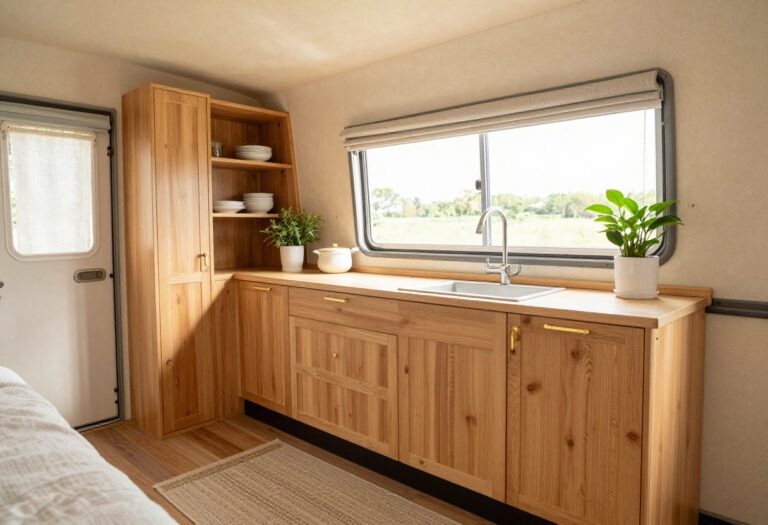
9 Small Walk-In Pantry Ideas for a Cleaner, Calmer Kitchen
A small walk-in pantry can easily become a catch-all for mismatched containers and forgotten snacks. But with a few intentional choices, it can become one of the most calming spots in your kitchen.
The key is to think beyond basic shelving and focus on systems that make daily use feel effortless. Storage-smart doesn't mean sacrificing style.
By choosing the right bins, baskets, and layout, you can create a pantry that feels both airy and highly functional. Every inch counts when space is tight, so each idea here is designed to pull double duty.
1. Start with Clear, Modular Canisters
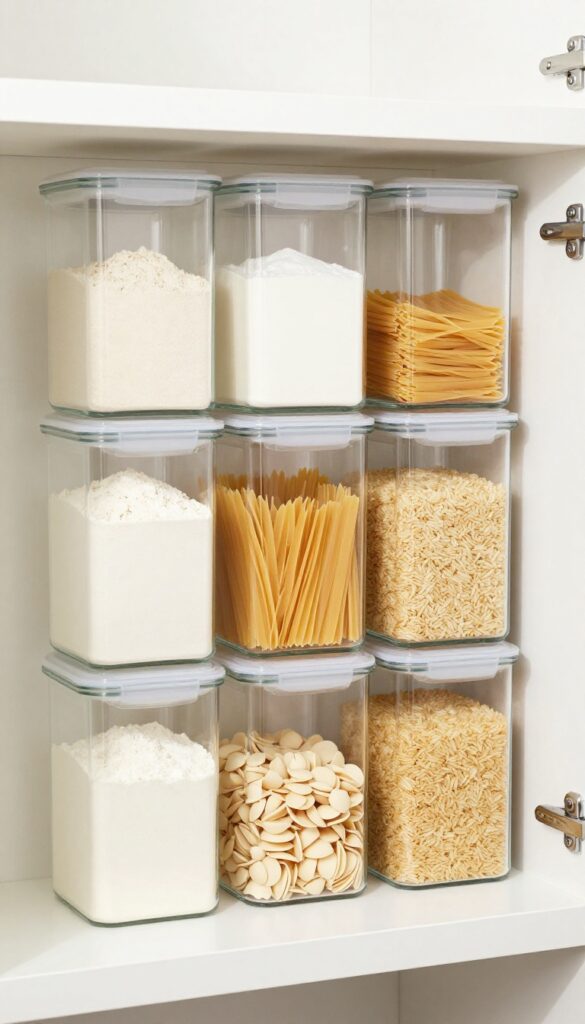
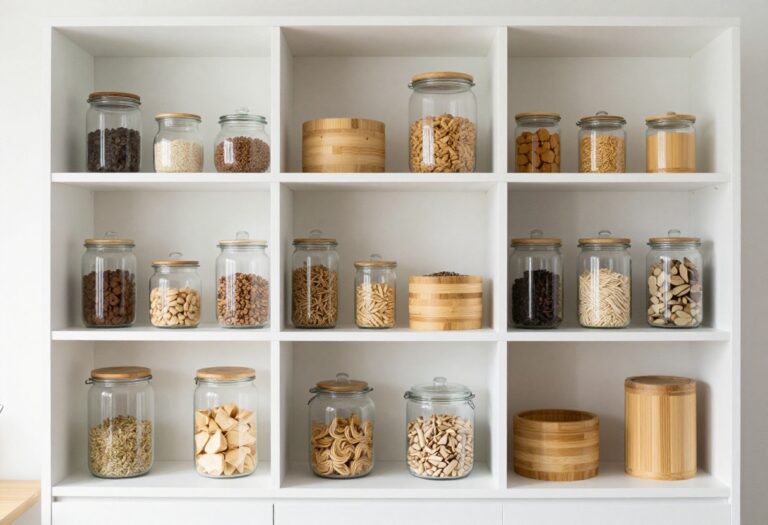
Before you add labels or arrange your snacks, take a hard look at the packaging. Bags of flour, boxes of pasta, and mismatched spice jars create visual clutter that makes a small pantry feel even tighter. Swapping everything into uniform clear canisters instantly calms the chaos.
The transparency lets you see exactly what you have at a glance, and the modular shapes stack neatly without wasting an inch of shelf depth. Square or rectangular containers are especially smart here—they fit flush against each other and the shelf edges, eliminating those annoying gaps where small items get lost.
Why It Works
Clear canisters create a cohesive look that tricks the eye into seeing a larger, more organized space. Because they’re stackable, you can use vertical real estate that would otherwise go empty. The airtight seals also keep dry goods fresh longer, so you’re reducing food waste while improving your pantry’s visual calm.
Best For
This idea is perfect for small walk-in pantries or reach-in closets where every inch matters. It works especially well if you buy staples like rice, pasta, flour, and cereal in bulk and want to keep them organized without taking up too much shelf space.
Styling Tip
Choose canisters with a consistent finish—clear glass or BPA-free plastic with matching lids—and stick to one shape (square or rectangle) for maximum uniformity. Place the most-used items at eye level and group similar foods together, like baking supplies on one shelf and grains on another. If you want a subtle pop of color, add a small label tag in a muted tone like sage or linen.
2. Install Adjustable Wood Shelving for Flexibility
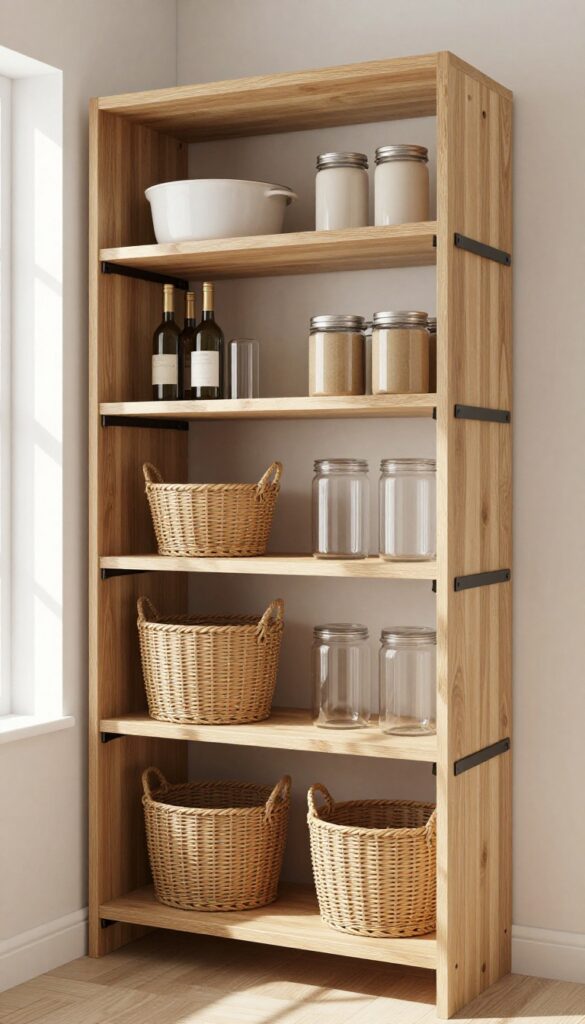
Fixed shelves might look tidy, but they waste vertical space in a small pantry. Adjustable wood shelving lets you shift heights as your storage needs change—tall bottles one week, stacked cans the next. A mix of deep and shallow shelves accommodates everything from cereal boxes to small spice jars, making every inch count.
The warm wood tones add a natural, calming feel that keeps the pantry from feeling like a cold storage closet.
Why It Works
Adjustable shelving adapts to your pantry's ever-changing contents. You can raise a shelf to fit a tall blender or lower it to create room for stacked snacks. This flexibility prevents awkward dead space above short items and lets you customize the layout for maximum efficiency.
Best For
Small walk-in pantries where every vertical inch matters, especially if you buy in bulk or have oddly shaped items. It's also ideal for renters who can't install permanent fixtures but want a tailored storage solution.
Styling Tip
Choose solid wood shelves in a light oak or birch finish to keep the space airy. Add slim metal shelf brackets in matte black for a subtle industrial contrast. Group similar items in woven baskets on the deeper shelves, and use clear canisters on the shallower ones for easy visibility.
3. Add Pull-Out Baskets for Deep Storage
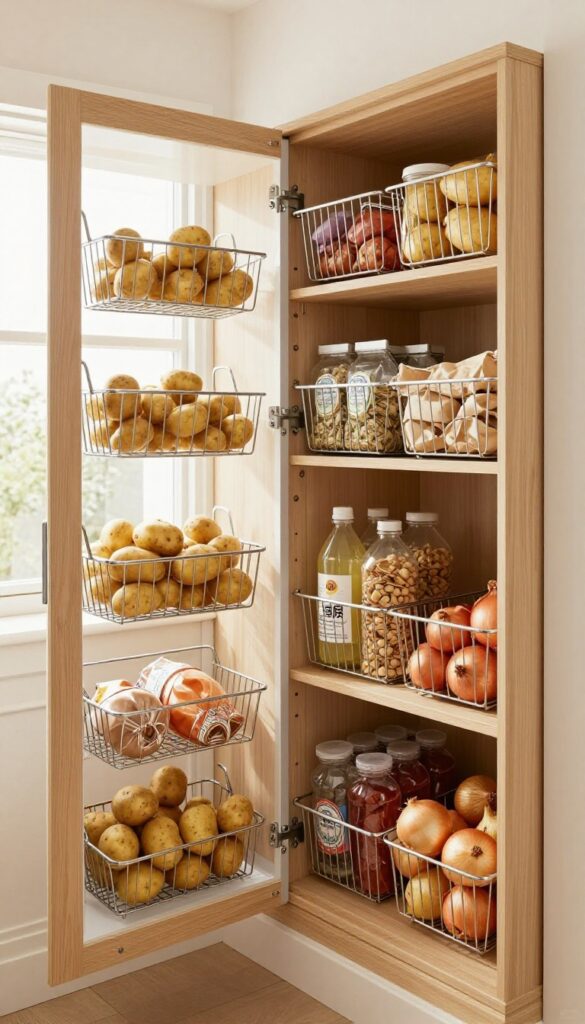
Deep pantry shelves have a way of turning into black holes where bags of onions and cans of tomatoes disappear for months. Pull-out baskets solve this by sliding everything forward, so you can actually see and reach what's stored in the back. Wire or mesh designs keep contents visible and air circulating, which is especially helpful for produce and dry goods.
Why It Works
Instead of stacking items behind each other and playing pantry Tetris, pull-out baskets let you access every single thing without moving anything else. The basket acts like a drawer, so you can pull it out, grab what you need, and push it back in seconds. Labeling each basket (think "potatoes," "onions," "snack packs") keeps the system organized even when multiple people use the pantry.
Best For
This idea shines in deep lower cabinets or floor-to-ceiling pantry shelving where items tend to get buried. It's also great for families who buy in bulk and need to store multiple bags of the same item without losing track of what's fresh.
Styling Tip
Choose baskets with a matte black or brushed nickel finish to match modern hardware, or go with natural wood-toned wire for a warmer look. Line the bottom of each basket with a piece of felt or a small bamboo mat to prevent small items from slipping through the gaps.
4. Use Door-Mounted Racks for Slim Items
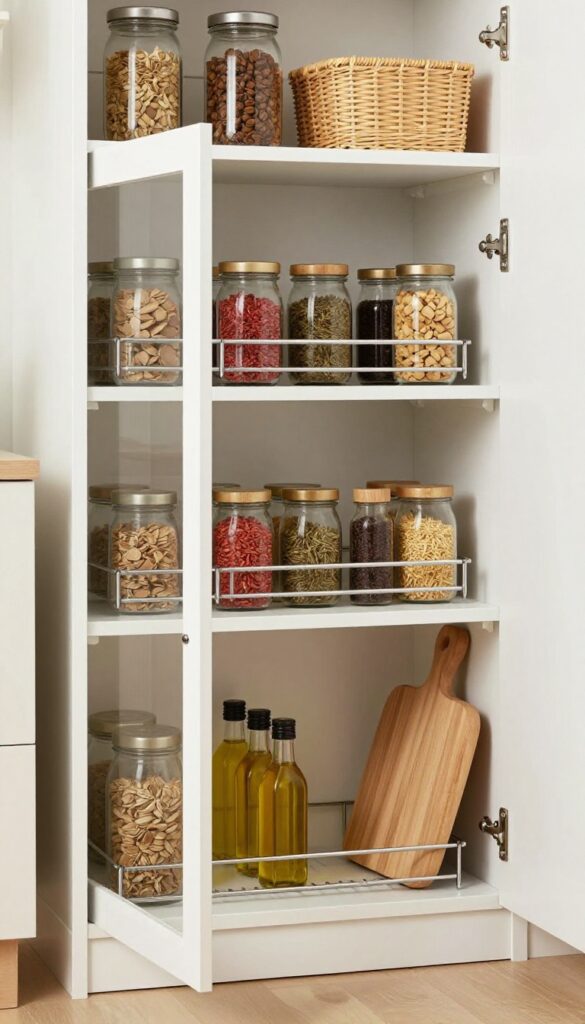
The back of the pantry door is prime real estate that often goes overlooked. Mounting slim racks there instantly adds vertical storage for spices, oils, or cutting boards without taking up shelf space. It turns a blank surface into a highly functional spot that keeps everyday essentials within arm's reach.
Why It Works
Door-mounted racks make use of an otherwise wasted area, keeping slim items organized and visible. By placing heavier items on lower racks, you maintain balance and prevent the door from feeling strained. This setup frees up shelf space for bulkier goods while streamlining your morning routine.
Best For
Small walk-in pantries where every inch counts, or for renters who want a no-drill solution. It's ideal for storing spices, small bottles, and lightweight tools like peelers or measuring spoons.
Styling Tip
Choose racks in a finish that matches your hardware—brushed nickel or matte black keeps it cohesive. Group similar items together, like all oils on one rack and vinegars on another, for a clean, curated look.
5. Incorporate a Small Counter or Fold-Down Shelf
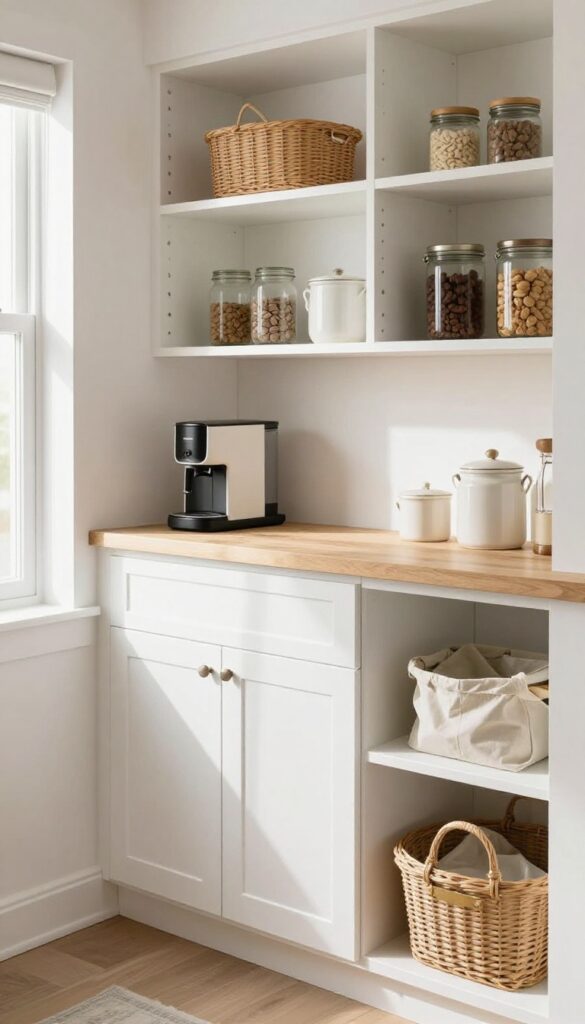
Walk-in pantries often have wall space that goes unused, but a slim counter or fold-down shelf can turn that blank area into a functional workstation. A surface just 12 inches deep is enough to set down grocery bags, hold a coffee maker, or act as a staging area for meal prep. It brings the convenience of a kitchen counter right into the pantry, making unpacking and organizing feel effortless.
Why It Works
A dedicated landing zone saves you from juggling items while you put groceries away. It also keeps clutter off the floor and gives you a spot to set down hot pans or ingredients as you cook. The fold-down option is especially useful in tight spaces, since it tucks away when not needed.
Best For
This idea works well for deep or L-shaped walk-in pantries where one wall can be spared for a counter. It's also great for narrow pantries where every inch counts, as a fold-down shelf can be mounted at waist height without taking up permanent floor space.
Styling Tip
Choose a countertop material that matches your kitchen—butcher block adds warmth, while quartz keeps it sleek. If you go with a fold-down shelf, install a magnetic strip underneath to hold spice jars or small utensils. Add a shallow basket underneath for storing reusable bags or a step stool.
6. Group Items by Category with Clear Bins
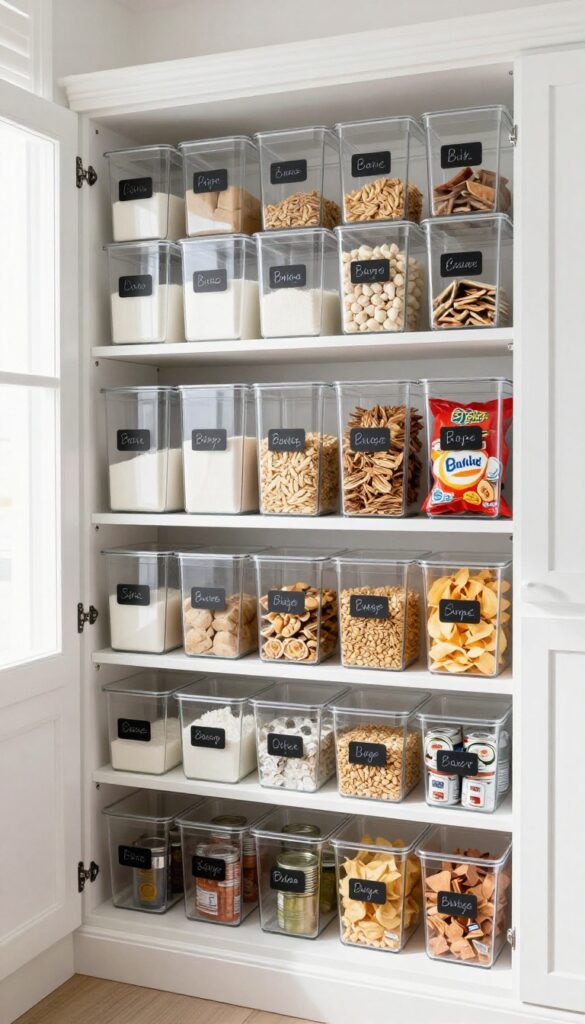
There’s a certain calm that comes from opening a pantry and seeing every single item in its rightful place. Clear bins make that possible without turning your shelves into a jumble of mismatched packaging. By sorting ingredients into zones—baking on one shelf, snacks on another, canned goods in between—you create a visual rhythm that feels both intentional and effortless.
The transparency lets you spot what you’re low on at a glance, so restocking becomes a quick task rather than a full inventory check.
Why It Works
- Clear bins eliminate the guesswork. You no longer have to shuffle through bags and boxes to find the one spice blend you need. Stackable designs maximize vertical space, and the uniformity of bins creates a cohesive look that instantly elevates the pantry’s overall appearance.
- Plus, categories make it easier to maintain—when everything has a home, putting things back becomes second nature.
Best For
This system is ideal for anyone who buys in bulk or has a growing collection of staples. It’s especially helpful in deep cabinets where items tend to get lost, and it works beautifully for families who need quick access to snacks and meal components.
Styling Tip
Stick to one brand or color of clear bins for a streamlined look. Add a small label on the front of each bin using a label maker or chalk labels—this keeps the aesthetic clean while making it even easier to find what you need. For a subtle pop of personality, choose bins with a frosted or slightly tinted finish.
7. Install Under-Shelf Baskets for Extra Hanging Storage
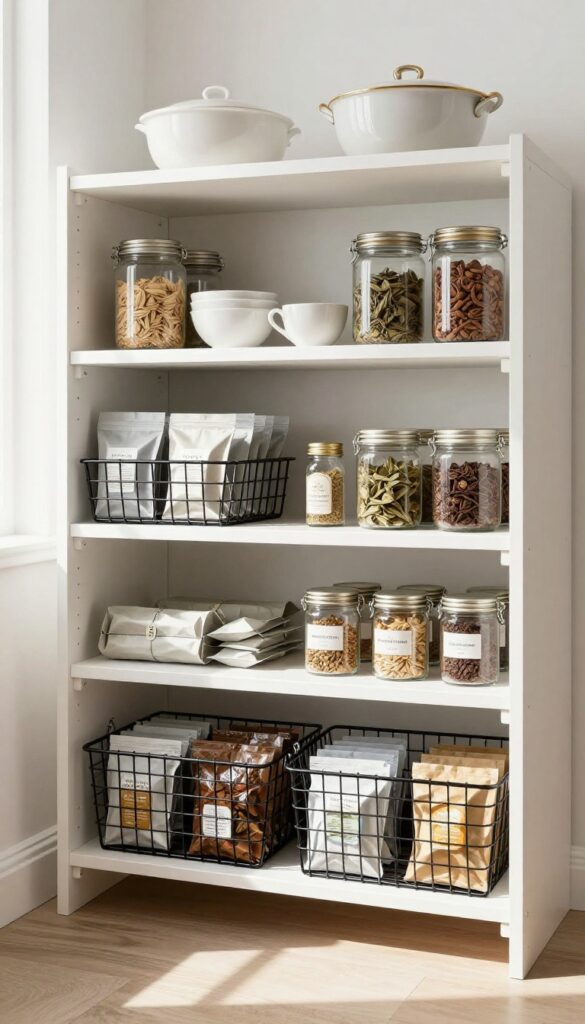
The space beneath your pantry shelves is often overlooked, but it's prime real estate for lightweight items that tend to clutter countertops. Under-shelf baskets clip onto wire or wood shelves, turning that empty gap into a handy storage zone for packets, foil, or small jars. The result is a cleaner, more organized pantry where everything has a place without taking up shelf space.
Why It Works
These baskets make use of vertical space that would otherwise go to waste, instantly adding storage without requiring a renovation. They keep frequently used items within easy reach and free up shelf space for larger staples.
Best For
Lightweight, everyday items like snack packs, tea bags, foil, plastic wrap, or small spice jars. Avoid heavy cans or bottles, as the baskets are designed for lower weight loads.
Styling Tip
Choose baskets in a finish that complements your shelving—black wire for industrial vibes or white coated metal for a clean look. Group similar items together in each basket for a cohesive, tidy appearance.
8. Choose a Neutral Color Palette with Warm Accents
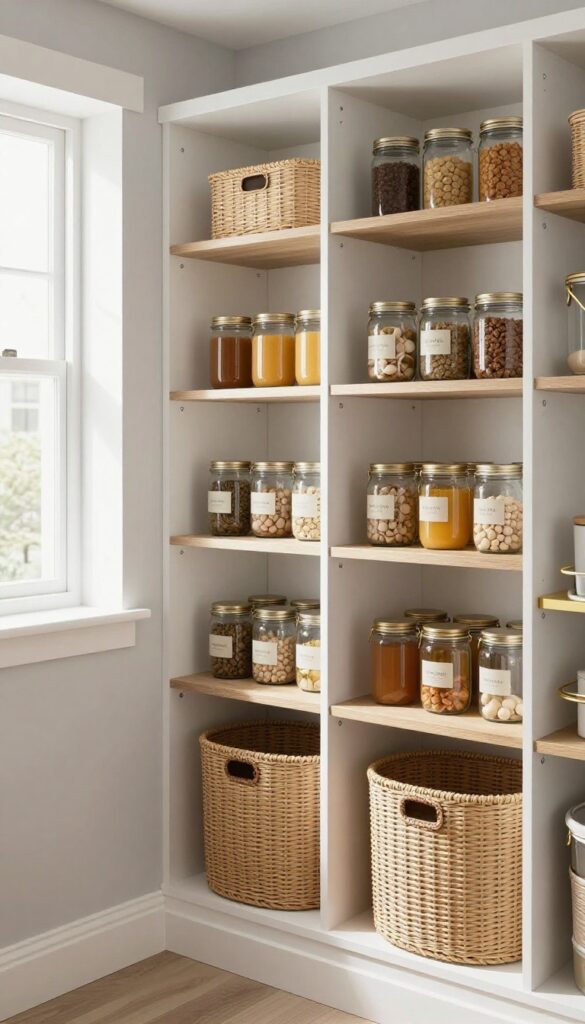
A walk-in pantry can easily feel chaotic when every shelf is a different color or covered in mismatched packaging. By sticking to a neutral palette of soft whites, warm beiges, or light grays, the space instantly becomes more cohesive and calming. The trick is to layer in warmth through natural wood bins, woven baskets, or a few brass or leather touches so the room doesn't feel cold or sterile.
Why It Works
Neutral tones reflect light better, making even a small pantry feel larger and airier. The consistent backdrop also helps all your food containers and jars look intentional rather than cluttered, so the eye rests easier.
Best For
This idea works especially well in pantries that get natural light from a window or skylight, but it also brightens up darker, interior rooms. It's a great choice if you want a spa-like, organized feel without a lot of visual noise.
Styling Tip
Paint the shelves the same soft white as the walls to create a seamless look, then add woven baskets in a warm honey tone for texture. For a subtle contrast, use a light gray on the back wall of the shelving unit to give depth.
9. Add Dimmable Lighting for Ambiance and Visibility
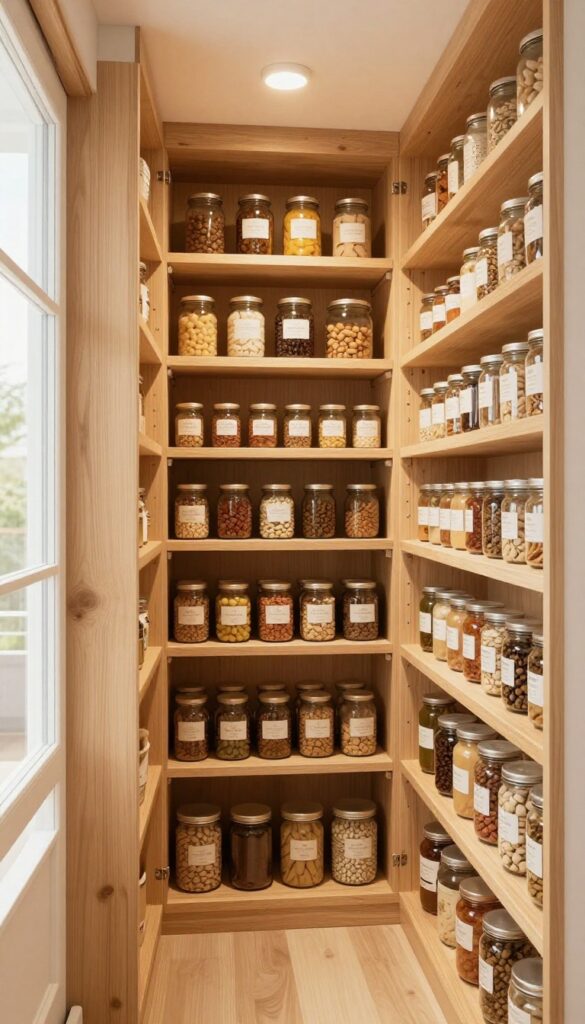
The right lighting can make a small pantry feel twice as functional. Dimmable LED strips under shelves or a tiny overhead fixture give you bright light when you're hunting for ingredients and a softer glow when you're just grabbing a late-night snack. It's one of those upgrades that instantly makes the space feel more intentional and less like a dark closet.
Why It Works
Dimmable lighting solves the two biggest pantry problems: not seeing what's in the back and feeling like you're in a cave. Bright light helps you spot items quickly, while dimmed light creates a calm, cozy atmosphere that makes the pantry feel like part of the kitchen rather than an afterthought.
Best For
This idea is perfect for any small pantry, especially narrow or deep layouts where natural light never reaches. It's also great for pantries that double as a coffee or snack station, where you want both task lighting and ambient mood.
Styling Tip
Install warm-white LED strips (2700K–3000K) under each shelf, running them along the front edge to illuminate labels and jars. Pair with a dimmer switch or smart bulb so you can adjust brightness with a tap. For a polished look, hide the wiring inside cable channels painted to match the shelf color.
FAQ
How deep should shelves be in a small walk-in pantry?
Aim for 12 to 16 inches deep for most shelves. This depth fits standard jars and cans without creating hard-to-reach back rows. For bulkier items like small appliances, consider one deeper shelf at 18 to 20 inches.
What's the best way to organize a narrow walk-in pantry?
Use vertical space with tall shelving units and door-mounted racks. Stick to clear bins and uniform canisters to reduce visual clutter. Keep frequently used items at eye level and store overflow on higher or lower shelves.
Should I use open shelving or cabinets in a small pantry?
Open shelving keeps everything visible and easy to grab, which is ideal for small spaces. If you prefer a cleaner look, add a few cabinet doors on lower sections to hide less attractive items like cleaning supplies.
How can I make a small walk-in pantry feel bigger?
Paint walls and shelves in light, neutral colors. Use reflective surfaces like glass canisters or metallic bins. Good lighting also opens up the space—consider LED strips or a small pendant light.
What's the most common mistake in small pantry design?
Not planning for flexibility. Fixed shelves and rigid systems often lead to wasted space. Opt for adjustable shelving and modular bins so you can adapt as your storage needs change.
Conclusion
A small walk-in pantry can be one of the most satisfying spaces in your kitchen when it's designed with intention. Each of these ideas focuses on making storage smarter without sacrificing the calm, clean look you want. Start with one or two changes that feel most urgent, and build from there.
Remember, the goal isn't perfection—it's a pantry that works for your daily routine. With a little planning and the right tools, you'll create a space that feels both functional and refreshing every time you open the door.