13 Budget-Friendly Narrow Pantry Ideas for Easier Everyday Meals
A narrow pantry can feel like a challenge, but it's actually a hidden opportunity. With a little creativity, that slim space can become the most efficient spot in your kitchen. The best part?
You don't need a big budget to make it work. These 13 ideas focus on practical, affordable solutions that turn your pantry into a meal-prep ally. Think clear containers, tension rods, and repurposed items you probably already own.
Each tip is designed to save you time and money while keeping your pantry looking great. Ready to make your narrow pantry work harder for you? Let's dive into simple changes that add up to big everyday wins.
1. Use Clear Containers for a Uniform Look
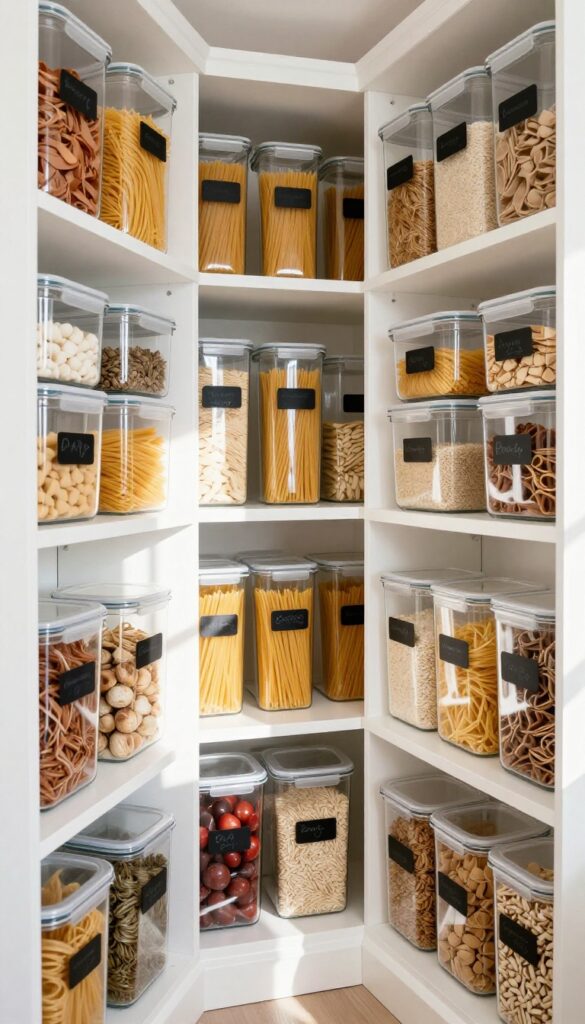
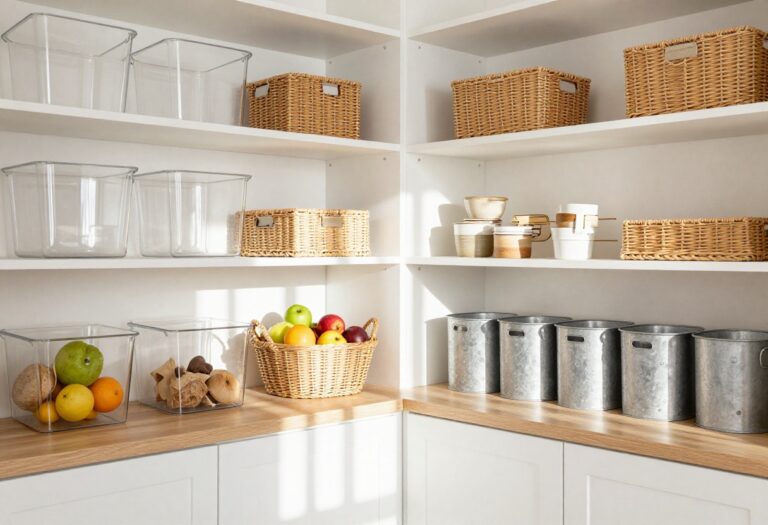
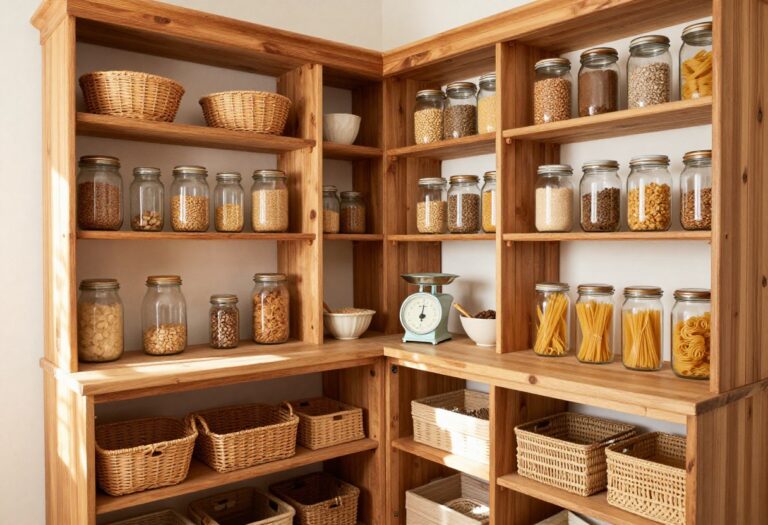
Walk into any beautifully organized pantry on Pinterest, and you’ll notice one thing right away: everything matches. The secret isn’t a fancy remodel—it’s clear containers. Swapping out those crinkly bags and mismatched boxes for uniform glass or BPA-free plastic jars instantly makes shelves look intentional and calm.
Plus, you can actually see what you have, which means fewer forgotten cans of beans at the back.
Why It Works
Clear containers create visual harmony by eliminating busy packaging. They stack neatly, so you can use vertical space efficiently. And since they’re airtight, dry goods stay fresh longer—no more stale crackers or sad cereal.
Best For
This idea shines in small pantries where every inch counts. It’s also perfect for renters who can’t change shelving but want a high-end look without a big investment.
Styling Tip
Stick to one shape and size for each type of item—tall cylinders for pasta, square bins for snacks. Label each container with a simple chalk label or a white sticker for a clean, cohesive feel.
2. Install Tension Rods for Vertical Storage
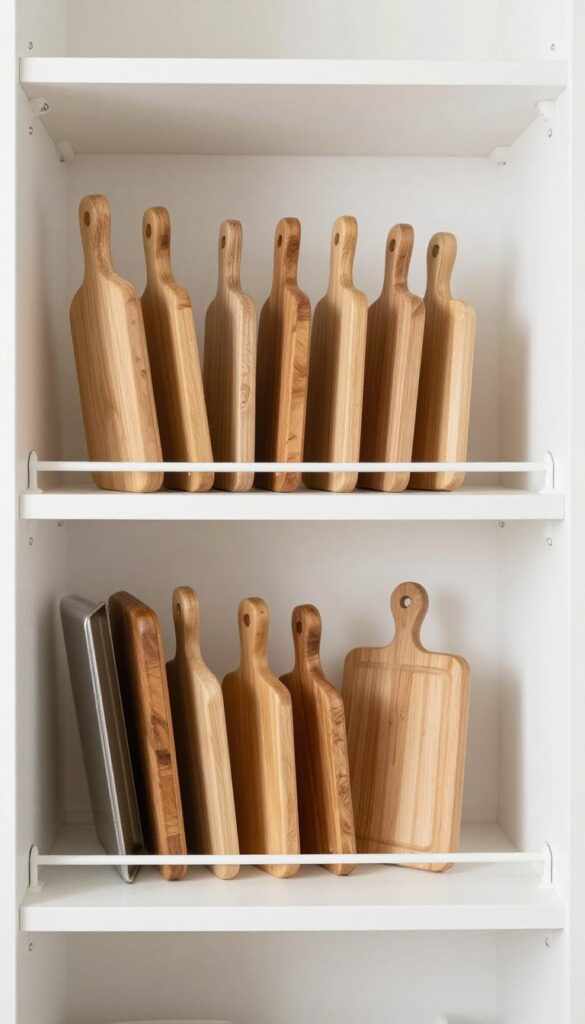
Tension rods are one of those budget-friendly tricks that feel almost too simple to work—until you try them. Instead of letting cutting boards and baking sheets stack into a precarious pile, pop a tension rod between two shelves to hold them upright. It’s a five-minute fix that instantly frees up flat shelf space and keeps everything from sliding around.
Why It Works
Tension rods create instant vertical dividers without any drilling or permanent hardware. They grip tightly between shelves and can be repositioned as needed. By storing items on their side, you not only save horizontal space but also make it easier to grab what you need without disturbing the whole stack.
Best For
This idea is perfect for narrow pantries where every inch counts. It works especially well for tall, thin items like baking sheets, cutting boards, cooling racks, and even spray bottles. If your shelves have a few inches of wasted vertical space above shorter items, a tension rod can turn that gap into useful storage.
Styling Tip
Choose a tension rod with rubber ends to avoid scratching your shelves. For a cohesive look, stick with one type of rod—either all white or all brushed nickel—and keep the items stored on it uniform in color or material. A row of wooden cutting boards or sleek white baking sheets looks intentional and tidy.
3. Add a Magnetic Strip for Spice Jars
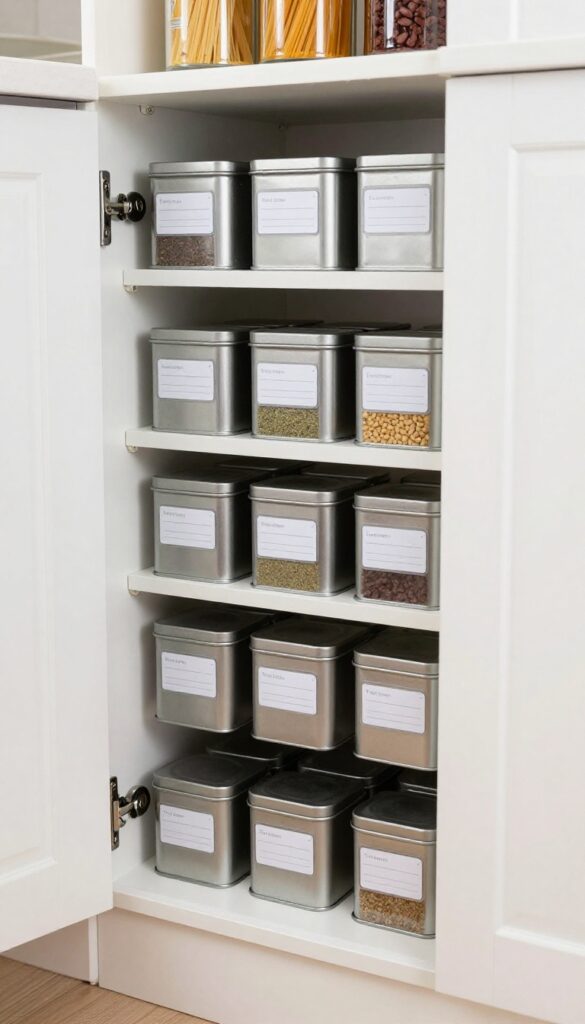
Pantry doors and side walls are prime real estate that often go unused. A simple magnetic strip changes that in seconds, turning bare metal or wood into a spice rack that’s both functional and kind of cool. It’s one of those ideas that feels clever without trying too hard—and it costs next to nothing.
Why It Works
Spice jars take up a surprising amount of shelf space, especially when you have a dozen or more. By moving them to the door or wall, you free up entire shelves for bigger items like cans and pasta boxes. Plus, everything stays visible, so you’re not digging through a dark corner to find cumin.
Best For
Narrow pantries where every inch of shelf space matters. It’s also great for renters because magnetic strips are easy to remove without damaging walls. If your pantry has a metal door, you don’t even need adhesive—just stick the strip right on.
Styling Tip
Use small, uniform metal tins with clear labels for a clean, cohesive look. Arrange them in rows by frequency of use, with everyday spices at eye level. If your pantry door is wood, mount the strip on a thin piece of painted plywood first to avoid drilling into the door itself.
4. Repurpose a Shoe Organizer for Snacks
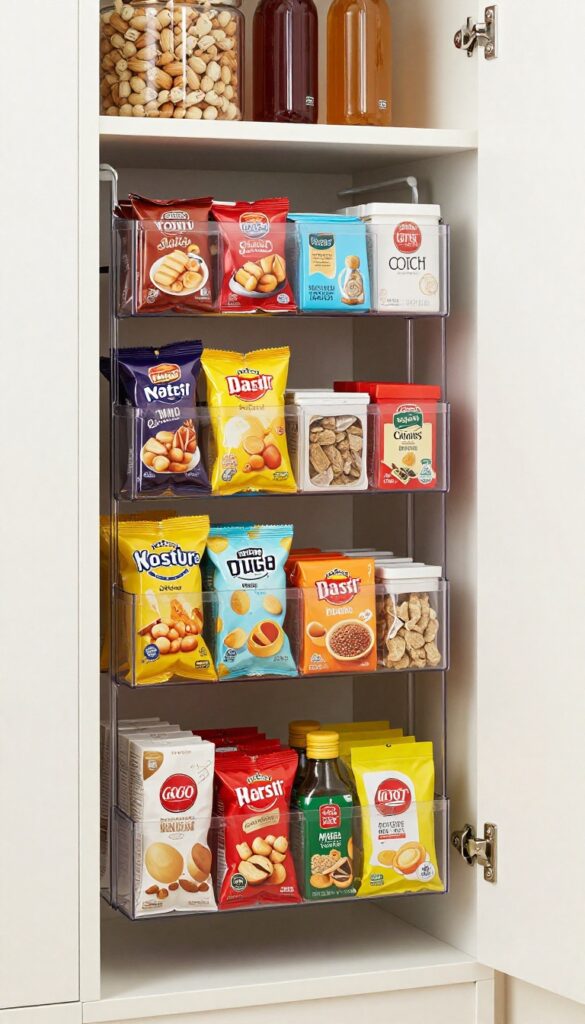
That over-the-door shoe organizer sitting in your closet? It might be the smartest pantry upgrade you never thought of. By hanging one on the back of your pantry door, you instantly create a vertical grid of clear pockets perfect for stashing snack packs, seasoning envelopes, and small bottles.
It's a budget-friendly trick that turns wasted door space into grab-and-go storage, keeping your shelves free for bigger items.
Why It Works
Shoe organizers are designed to hold weight and fit neatly over a standard door, so they're sturdy and don't require any installation. The clear pockets let you see everything at a glance, which means no more digging through bags to find that single packet of taco seasoning. Plus, it keeps small items from getting lost on deep shelves.
Best For
This idea is ideal for narrow pantries where every inch counts, especially if you have a lot of small, loose items like snack bars, tea bags, or spice packets. It also works great in rental kitchens where you can't drill into walls or add permanent shelving.
Styling Tip
Choose a clear organizer with multiple pocket sizes so you can mix taller items like sauce bottles with shorter snack packs. For a more polished look, use small baskets or binder clips to group similar items, like all granola bars in one pocket and all soup mixes in another.
5. Use Baskets to Group Like Items
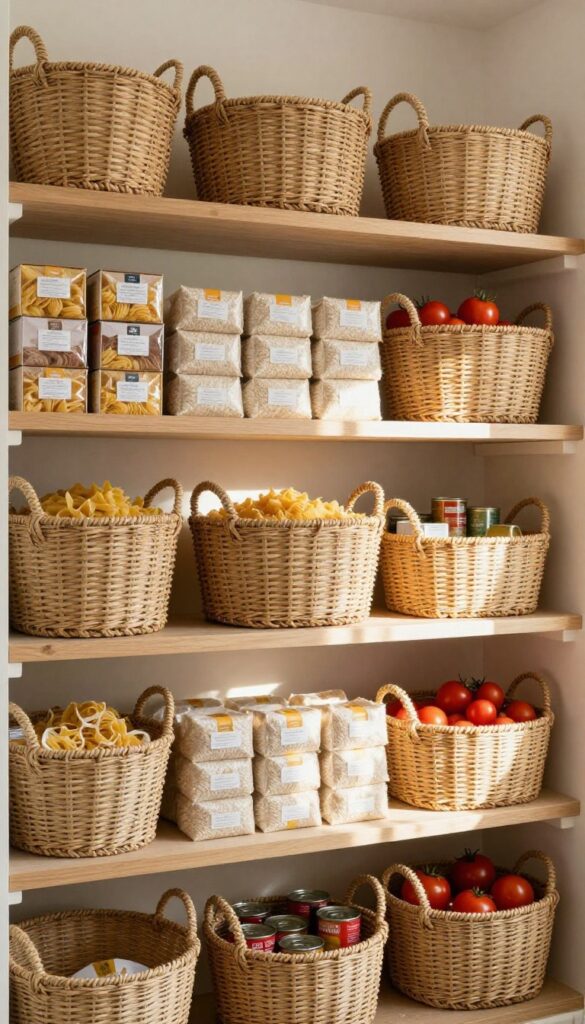
Baskets are one of those things that make you wonder why you didn't try them sooner. A quick trip to the thrift store or dollar aisle can score you a few in different sizes, and suddenly your pantry has a system. They hide the clutter of mismatched boxes while keeping everything easy to grab.
The look is cozy and collected, like a little market display right in your own kitchen.
Why It Works
Baskets create visual order without requiring you to decant everything into matching jars. You can toss in a bag of rice, a box of pasta, and a can of tomatoes, and it all looks intentional. When you're cooking, you just pull out the whole basket—no hunting for that one spice blend hiding behind the oatmeal.
Best For
This works especially well for deep shelves where items tend to get lost in the back. If your pantry is narrow but deep, baskets let you slide out an entire category at once. It's also perfect for renters who can't install custom shelving but still want a tidy, organized space.
Styling Tip
Stick to one or two basket materials—seagrass or natural rattan keep things warm, while black wire bins add a modern edge. Label each basket with a simple tag or chalk label so everyone in the house knows where the snacks go. For a cohesive look, choose baskets that are similar in tone even if the sizes vary.
6. Add a Slim Rolling Cart for Extra Storage
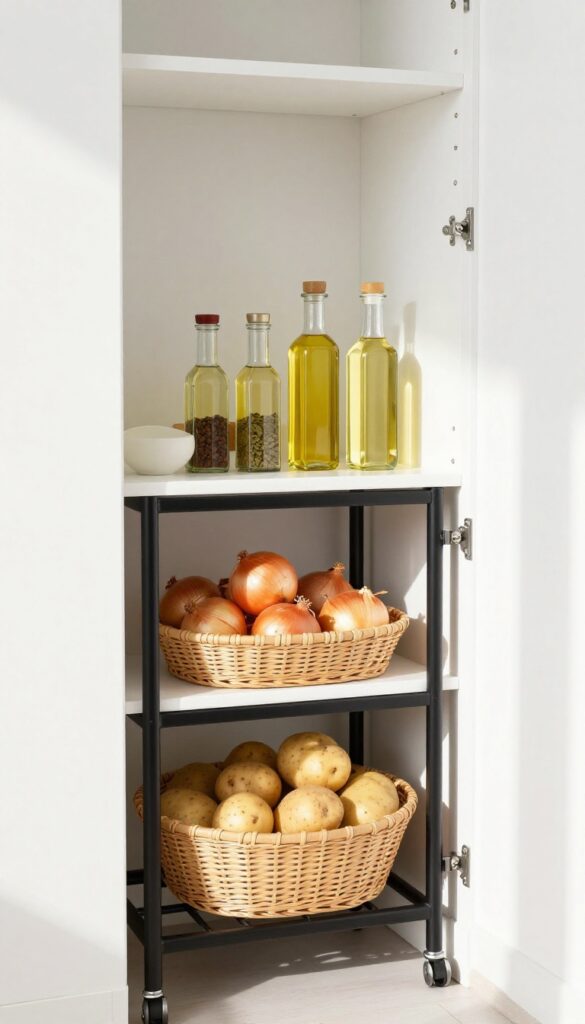
A narrow rolling cart is one of those solutions that feels almost too simple to work, but it genuinely does. In a tight pantry, every inch counts, and a slim cart slips into gaps you didn't even realize were wasted space. Think of it as a mobile shelf that brings your most-used items right where you need them, then disappears when you're done.
Why It Works
Rolling carts make the most of vertical space without requiring any installation. You can load it with bulkier items like potato bags, onion baskets, or backup condiment bottles. Because it rolls, you can pull it out to see everything at once—no more digging into dark corners.
Best For
This idea shines in narrow pantries where floor space is limited but there's a small gap between shelves or beside a wall. It's also perfect for renters who can't add permanent shelving.
Styling Tip
Choose a cart with a slim profile—12 inches wide or less—and go for a metal finish like matte black or brass to add a subtle industrial touch. Keep the top basket for daily grab-and-go items like oils and spices, and use the lower tiers for heavier staples.
7. Label Everything Clearly
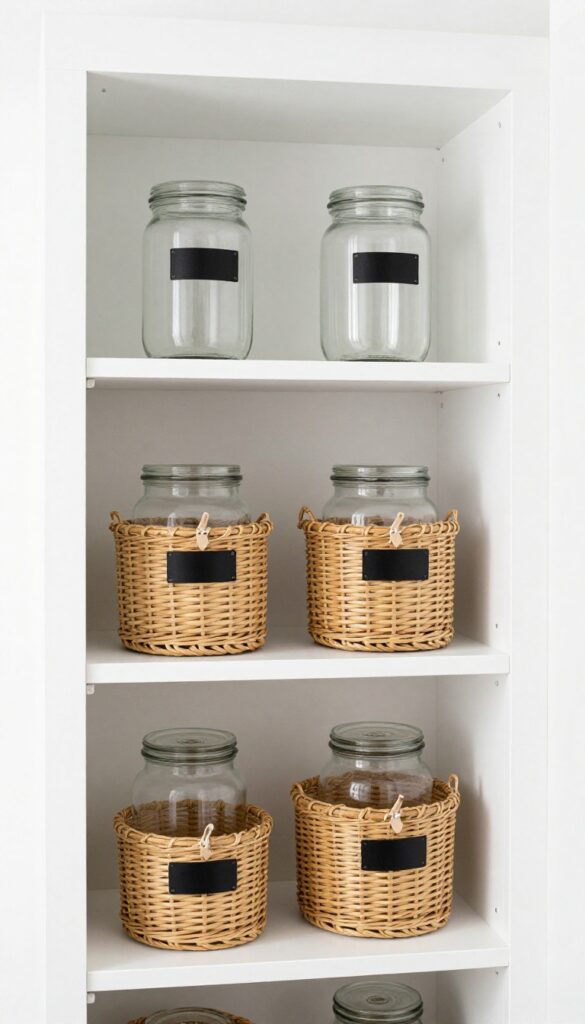
Labels might not sound exciting, but they bring a surprising sense of calm to a narrow pantry. When every container and basket is clearly marked, you don’t have to dig around to find what you need. It’s a small step that makes your pantry feel more intentional and way easier to use every day.
Why It Works
Labels cut down on the time you spend hunting for ingredients and make it obvious where everything goes when you’re putting groceries away. Even kids can help restock without asking where the pasta lives. Plus, a uniform labeling system instantly makes mismatched containers look cohesive.
Best For
This idea works well for anyone sharing a pantry with family or roommates. It’s especially helpful if you have a lot of bulk items or use clear containers that all start to look the same.
Styling Tip
Stick with one label style—like black text on white tape or simple chalk labels—to keep the look clean. Place labels on the front of containers at eye level so they’re easy to read. For baskets, a tag tied to the handle adds a nice touch.
8. Install a Pegboard on the Side Wall
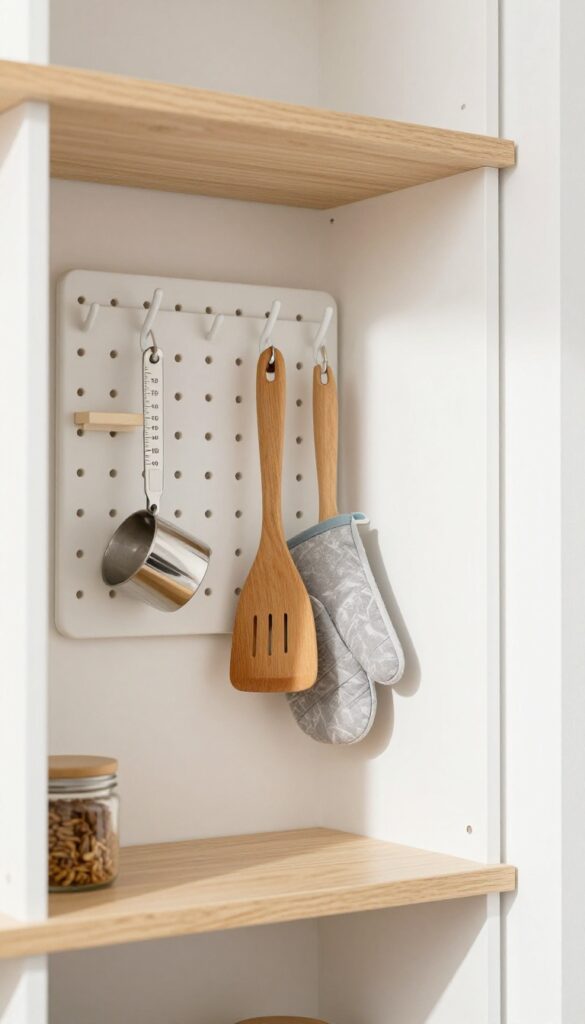
Side walls in a pantry often sit empty, but they’re prime real estate for vertical storage. A small pegboard mounted there gives you a flexible system for hanging kitchen tools without drilling into cabinets or taking up shelf space. It’s one of those budget-friendly tweaks that makes a narrow pantry feel more organized and easier to navigate.
Why It Works
Pegboards let you rearrange hooks and shelves as your needs change, so you’re never stuck with a fixed layout. By using the side wall, you free up shelf space for dry goods and keep frequently used items within easy reach. Plus, it’s a low-cost project—under $20 if you use a pre-cut board and basic hardware.
Best For
Narrow pantries where every inch counts, especially if you have a collection of measuring cups, oven mitts, or lightweight pans that clutter drawers. It also works well in rental homes since pegboards are easy to remove and patch.
Styling Tip
Paint the pegboard the same color as your pantry walls for a seamless look, or go with a contrasting shade like matte black for a modern touch. Stick to a few matching hooks and small shelves to keep it tidy—too many add-ons can look busy.
9. Use Step Stools as Extra Shelving
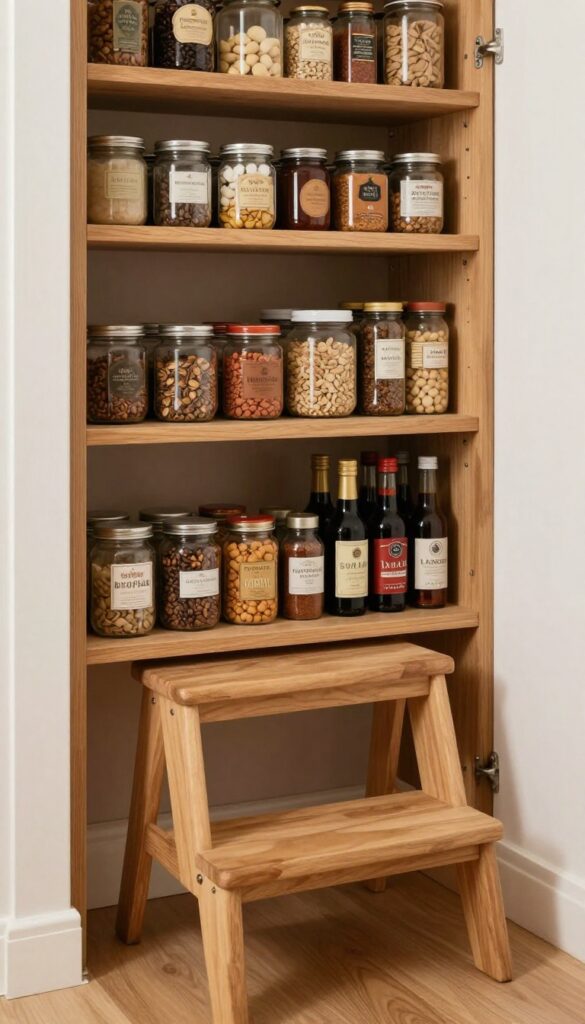
A simple wooden step stool can do double duty in a narrow pantry. Instead of taking up floor space, place it on the bottom shelf to create instant tiered storage. The steps become mini shelves that lift cans, jars, and spices into view, so you never lose track of what's hiding in the back.
It's a budget-friendly trick that adds function without any hardware.
Why It Works
Step stools naturally have angled steps that work like a staircase for your groceries. You can place taller items on the top step and smaller ones below, making every inch of depth usable. It's especially helpful for deep shelves where things tend to get buried.
Best For
Renters or anyone who can't install permanent shelving. Also great for pantries with deep lower shelves that are hard to organize. If you have a collection of canned goods or small jars, this keeps them visible and accessible.
Styling Tip
Choose a stool with a natural wood finish to keep the look warm and simple. If your pantry is more modern, a painted stool in white or black blends right in. Group similar items on each step—like all beans on one step, sauces on another—for a tidy, intentional display.
10. Keep a Lazy Susan for Corner Access
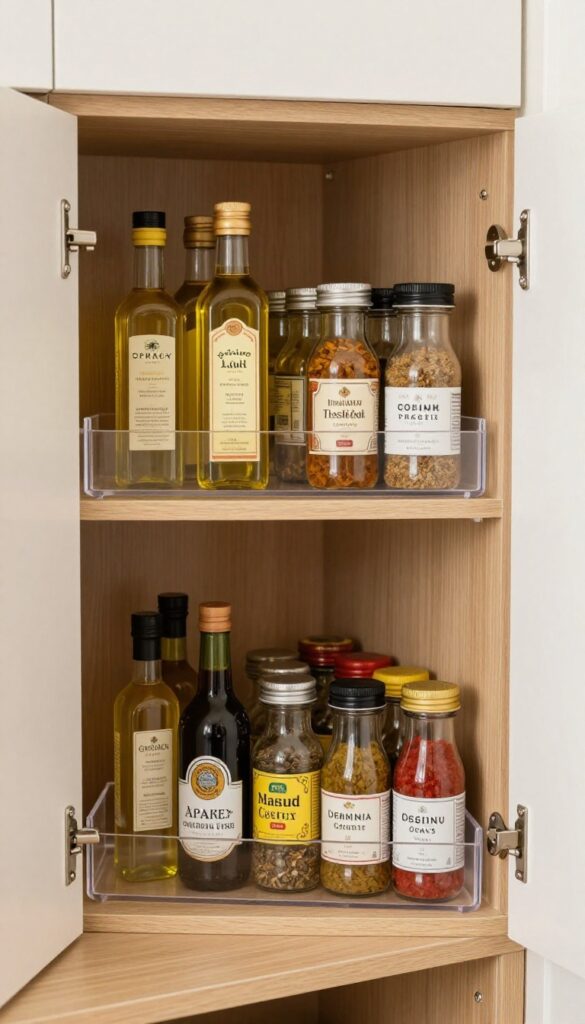
Corners in narrow pantries are notorious for becoming black holes where random cans and half-empty bottles go to disappear. A lazy Susan changes that completely. Place one on a middle shelf, load it with your most-used oils, vinegars, and spice jars, and a simple spin brings everything right to the front.
No more knocking over bottles or playing hide-and-seek with that jar of cumin.
Why It Works
A lazy Susan maximizes every inch of shelf space, especially in deep or corner cabinets. It turns an awkward, hard-to-reach area into a functional, accessible zone. You can see all your items at a glance, and nothing gets buried in the back.
Best For
This works perfectly for narrow pantries with deep shelves or corner cabinets where you can only fit one row of items. It’s also great for small kitchens where every bit of storage counts.
Styling Tip
Choose a clear acrylic or glass lazy Susan to keep the space feeling open and airy. If you prefer a warmer look, go for a wood or bamboo version. Group similar items together—like all your cooking oils on one side and vinegars on the other—for a tidy, organized appearance.
11. Hang a Wire Grid for Light Items
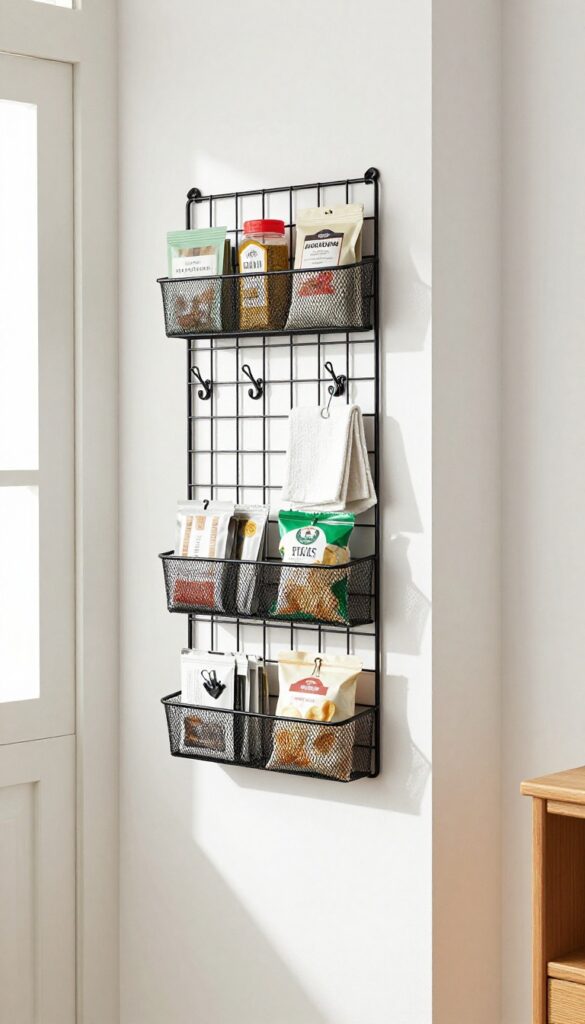
Pantry walls and the back of the door are prime real estate that often goes unused. A simple wire grid panel changes that instantly. It adds a casual, slightly industrial touch while keeping lightweight essentials within easy reach.
The best part? It costs very little and takes minutes to install.
Why It Works
Wire grids let you see everything at a glance, so you never lose a chip bag or a measuring spoon in the shuffle. They also turn dead wall space into functional storage without permanent shelving or drilling into tile.
Best For
This works great for narrow pantries where every inch counts, especially if you have a door that can hold a grid. It's also perfect for renters who want to avoid major modifications.
Styling Tip
Use small binder clips to seal open chip bags and clip them right onto the grid. Add S-hooks for kitchen towels or mesh baskets for spice packets. Keep the color scheme neutral—black or white grids blend in best.
12. Use Binder Clips to Seal and Organize
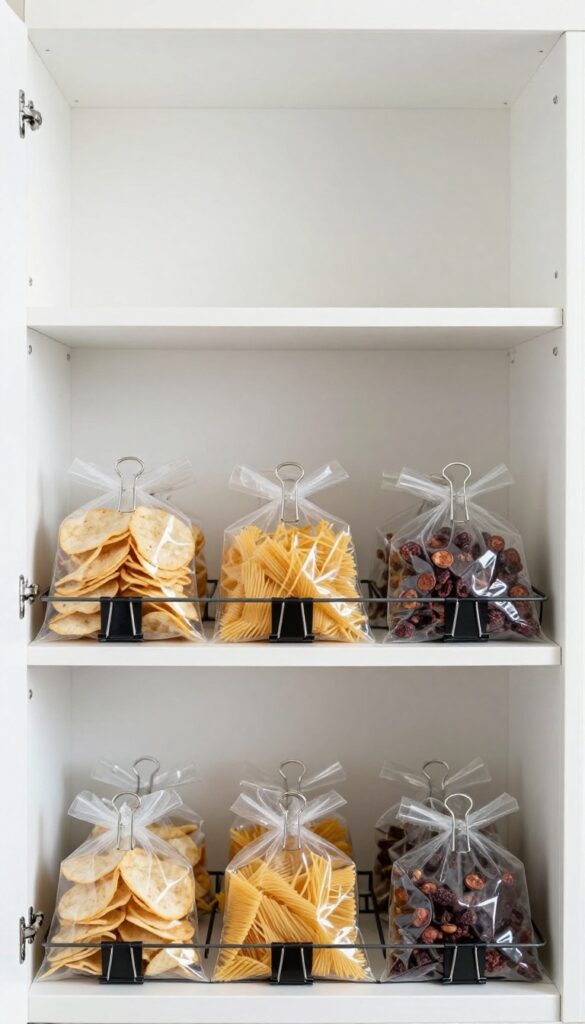
Binder clips are one of those things you probably have in a desk drawer but never think to use in the kitchen. They’re cheap, strong, and perfect for keeping open bags of chips, pasta, or dried fruit sealed tight. Clip them to a shelf edge or a wire rack, and suddenly your bags are visible, upright, and out of the way.
It’s a zero-cost trick that makes your pantry look neater and your snacks stay fresh longer.
Why It Works
Binder clips create a tight seal on bag openings, so no air gets in and no crumbs spill out. Clipping them to a shelf or rack uses vertical space and keeps bags from toppling over. You can see everything at a glance, which means less digging and less waste.
Best For
This works great for narrow pantries where shelf space is tight and bags tend to get buried. It’s also perfect for renters who can’t install permanent organizers, or for anyone who wants a quick, no-cost fix for messy snack storage.
Styling Tip
Use matching black or silver binder clips for a uniform look. Arrange bags by height or type, like all chips together and all pasta together. If your shelves are wire, the clips will grip easily; on solid shelves, use a small adhesive hook or a Command strip to create a clipping point.
13. Paint the Back Wall a Light Color
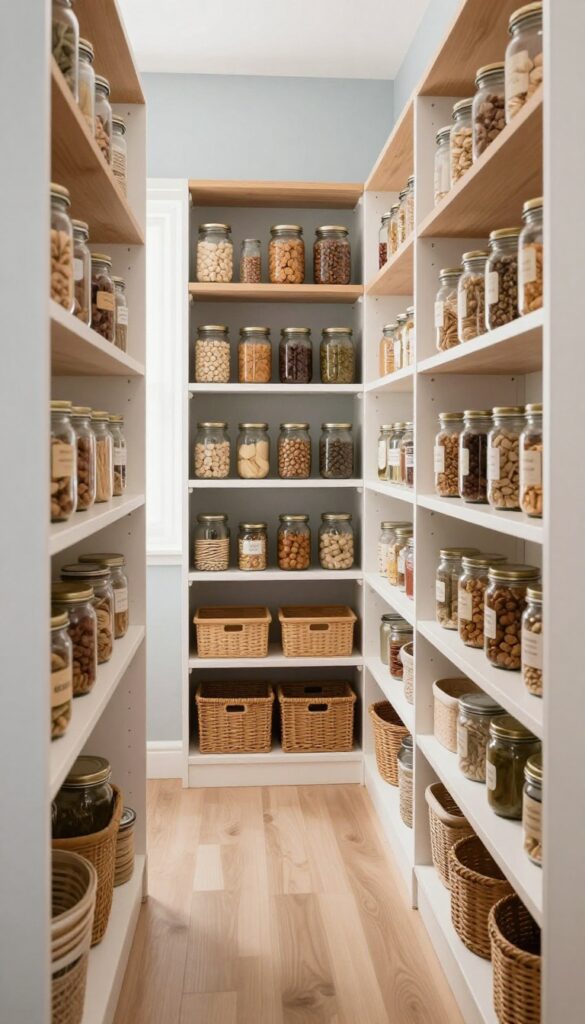
A narrow pantry can feel like a dark tunnel, especially when it's packed from floor to ceiling. One of the easiest fixes is giving the back wall a fresh coat of light paint—think soft white, pale blue, or a gentle gray. This simple change bounces light around, making the whole space feel bigger and more open.
It's a budget-friendly upgrade that instantly lifts the mood and helps you actually see what's on those deep shelves.
Why It Works
Light colors reflect natural and artificial light, which is crucial in a narrow space where shadows can hide items. By painting the back wall a lighter shade, you create an illusion of depth and brightness. This trick also makes the pantry feel cleaner and more intentional without any major renovation.
Best For
This idea is perfect for any narrow pantry, especially those without a window or good overhead lighting. It works wonders in small kitchens where every square inch counts. If your pantry feels cramped or dingy, a light back wall is a quick fix that delivers noticeable results.
Styling Tip
Choose a paint with a satin or eggshell finish—it's easy to wipe clean and resists scuffs from cans and boxes. Pair it with white or light wood shelving to keep the look cohesive. For a subtle pop, try a pale blue-gray like Benjamin Moore's 'Gray Owl' or a warm white like Sherwin-Williams 'Alabaster'.
FAQ
What is the best way to organize a narrow pantry on a budget?
Start by clearing everything out and grouping like items. Use inexpensive tools like tension rods, clear containers, and baskets. Labeling and using vertical space with hooks or pegboards also helps without costing much.
How can I maximize storage in a narrow pantry without shelves?
If you don't have shelves, try a slim rolling cart, over-the-door organizers, or wall-mounted racks. Tension rods can also create makeshift shelves for lightweight items. Repurposing furniture like a small bookshelf works too.
What should I store on the door of a narrow pantry?
The door is great for lightweight items like spices, snack packs, or cleaning supplies. Use over-the-door organizers, magnetic strips, or adhesive hooks to keep things accessible without taking up shelf space.
How do I keep a narrow pantry from looking cluttered?
Stick to a uniform container system and use baskets to group items. Keep frequently used items at eye level and store less-used ones higher or lower. A light paint color and good lighting also reduce visual clutter.
Can I use a narrow pantry for non-food items?
Absolutely. Narrow pantries are great for storing small kitchen appliances, extra dishes, or even cleaning supplies. Just keep similar categories together and use bins or baskets to keep everything organized.
Conclusion
A narrow pantry doesn't have to be a source of frustration. With a few budget-friendly tweaks, it can become a streamlined space that makes cooking and meal prep feel effortless. The key is to use what you have creatively and focus on solutions that fit your daily routine.
Start with one or two ideas that speak to you, and build from there. Small changes add up, and before you know it, your narrow pantry will be one of your favorite spots in the kitchen. Happy organizing!