13 Kitchen Ideas for Small Spaces Indian Homes Can Use
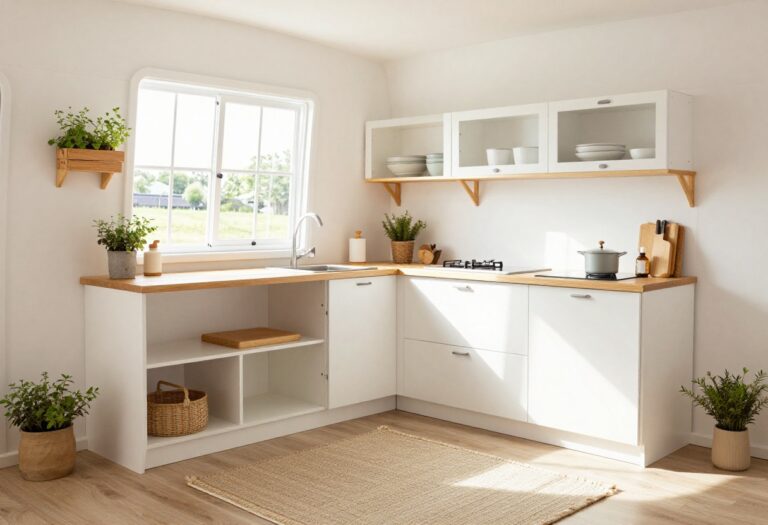
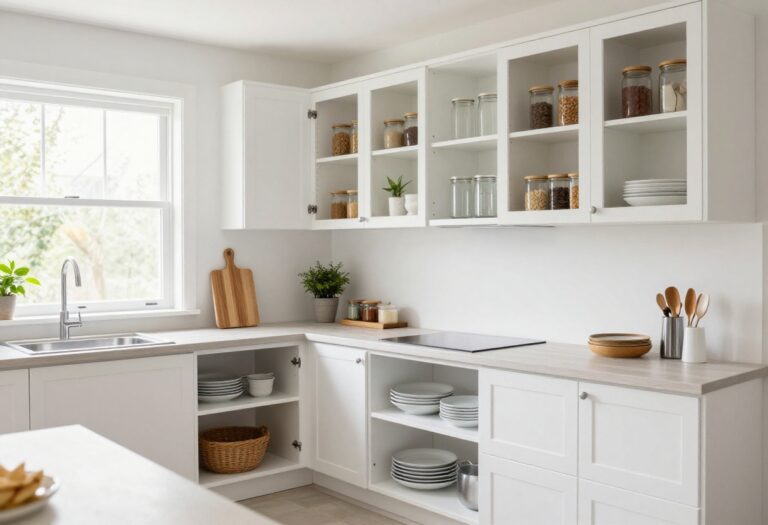
Small kitchens in Indian homes often come with their own set of challenges—limited counter space, awkward layouts, and a constant battle between storage and style. But a compact kitchen doesn't have to feel cramped or cluttered.
With a few thoughtful tweaks, you can turn it into a space that's both functional and inviting. Whether you're renting or own your home, these ideas are designed for a weekend refresh—no major renovations required.
Think of it as giving your kitchen a mini makeover that makes a big difference. From clever storage hacks to visual tricks that open up the room, each idea is practical, affordable, and easy to pull off.
1. Open Shelving with a Twist
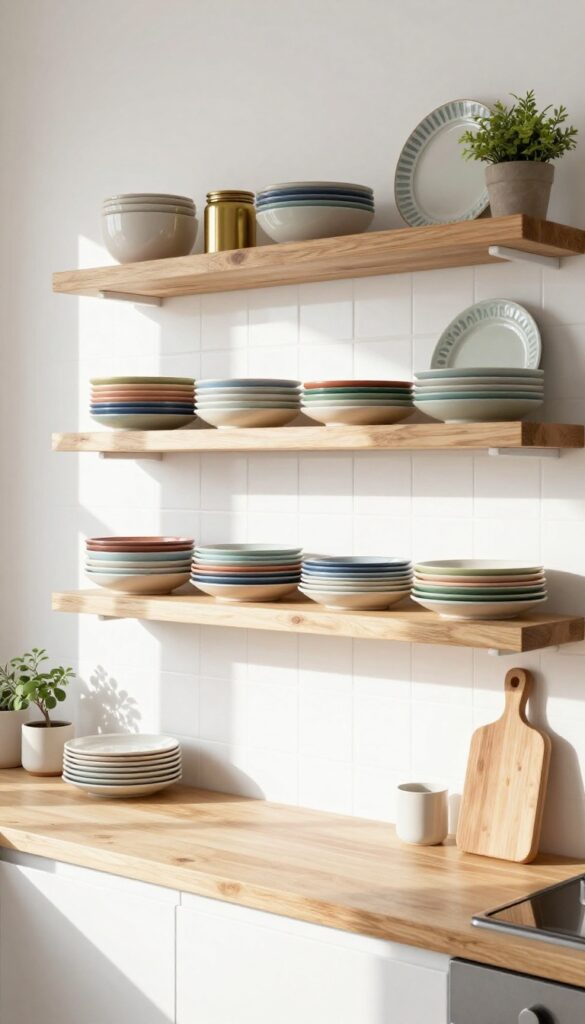
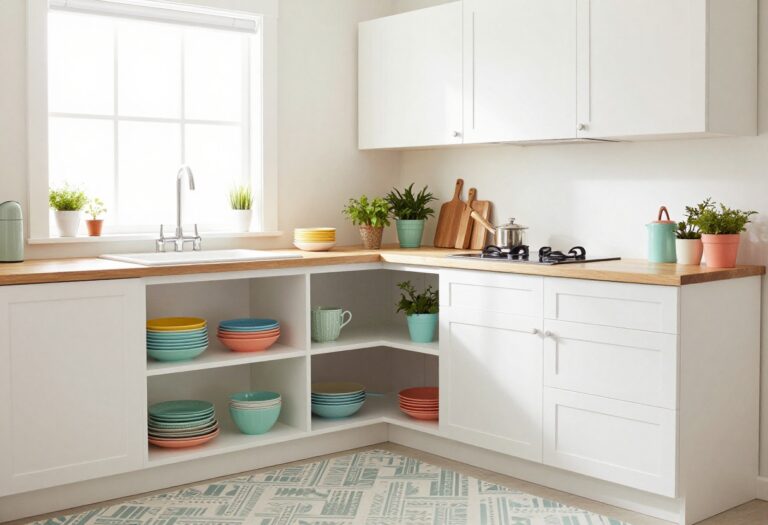
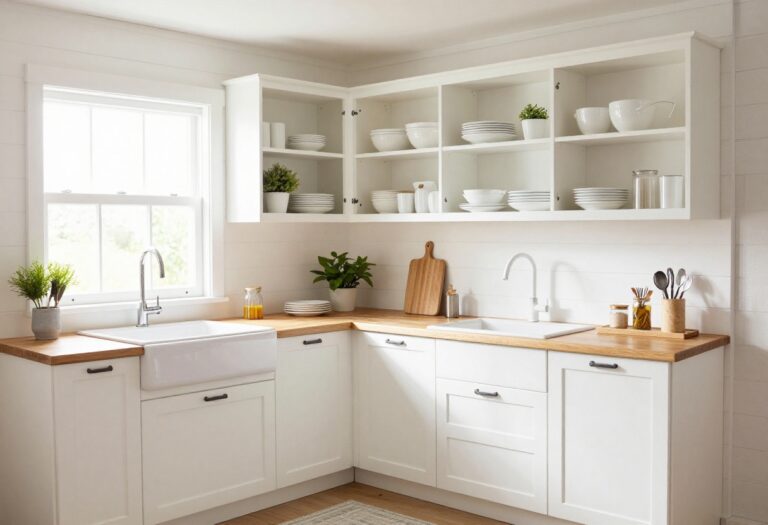
Upper cabinets can make a small kitchen feel closed in, but open shelving flips that script entirely. By swapping bulky doors for airy shelves, you instantly open up the room and create a chance to show off your everyday dishes. This idea works especially well in Indian homes where colorful crockery and brass or copper accents are part of daily life.
The trick is to keep it curated, not cluttered, so the shelves feel intentional and stylish.
Open shelving is a weekend-friendly project that makes your kitchen look bigger and more personal. Start by removing a set of upper cabinets or replacing them with floating shelves in a warm wood tone or a crisp white. Arrange your most-used plates and bowls in neat stacks, then layer in a few small plants, a jar of spices, or a vintage tin.
The visual break from solid cabinets gives the room breathing room, and you can easily swap items out when you want a fresh look.
Shelf Styling Tip
- Group items in odd numbers and vary heights. Place a tall jar on one end, a stack of plates in the middle, and a small plant on the other. Leave some empty space so the shelf doesn't feel crowded.
- Mix in a wooden cutting board or a ceramic bowl for texture.
Best Materials
Go for solid wood shelves with a natural finish or painted MDF for a budget-friendly option. Metal brackets in black or brass add an industrial touch. For a cohesive look, match the shelf material to your countertop or dining table.
Small-space Fix
If your kitchen is very narrow, install shelves only on one wall to avoid a cluttered feel. Use the lower shelf for everyday items and the upper one for decorative pieces. This keeps frequently used dishes within easy reach while maintaining an open look.
2. Magnetic Spice Rack on the Wall
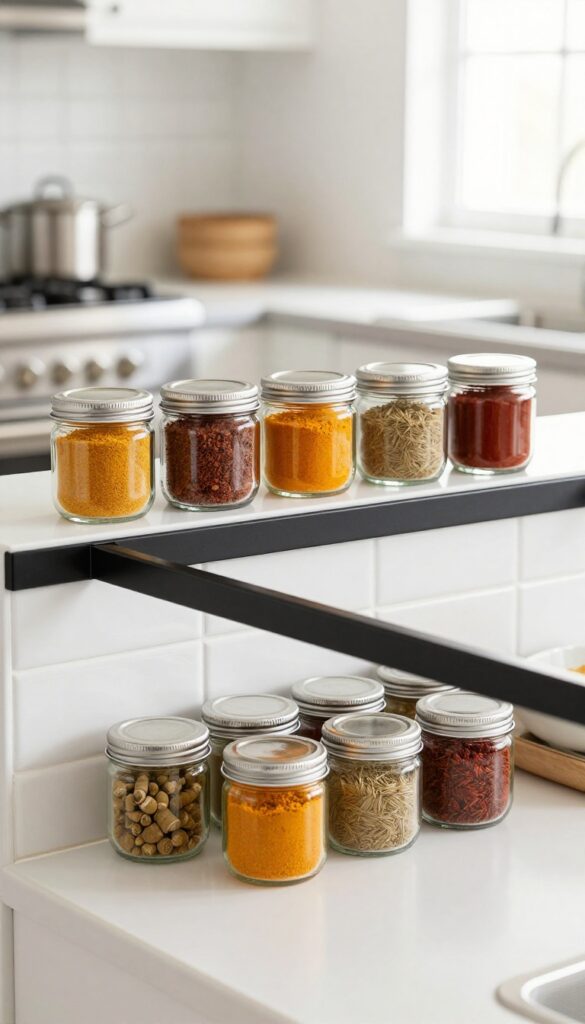
Counter space is precious in a small kitchen, and those bulky spice racks or cabinets full of tiny jars just add to the chaos. A magnetic strip mounted on the wall changes everything—it turns your spices into a functional display that's always within arm's reach. Plus, the industrial vibe of exposed metal and glass jars gives your kitchen a stylish, modern edge without costing a fortune.
This idea is perfect for a weekend refresh because it takes less than an hour to install and instantly clears off your countertops. You'll love how easy it is to grab exactly what you need while cooking, and the visual rhythm of neatly lined jars adds a sense of order to even the tiniest kitchen. Stick to a simple metal strip—brass, stainless, or black—and pair it with uniform glass jars with metal lids for a cohesive look.
Best Placement
Mount the strip on a backsplash or a blank wall near your stove or prep area. Avoid spots above the sink or near steam vents to keep the spices fresh. A vertical strip works well for narrow gaps, while a horizontal one above the counter is classic.
Styling Tip
Use clear jars with white or black labels for a clean, uniform look. If you prefer a warmer feel, choose copper or brass strips and fill jars with colorful spices like turmeric, paprika, and cumin. The contrast against a tiled backsplash is gorgeous.
Small-space Fix
If your walls are already crowded, attach the magnetic strip to the side of a cabinet or inside a pantry door. It keeps spices hidden but still easily accessible—perfect for renters who can't drill into tiles.
3. Pull-Out Pantry in Narrow Gaps
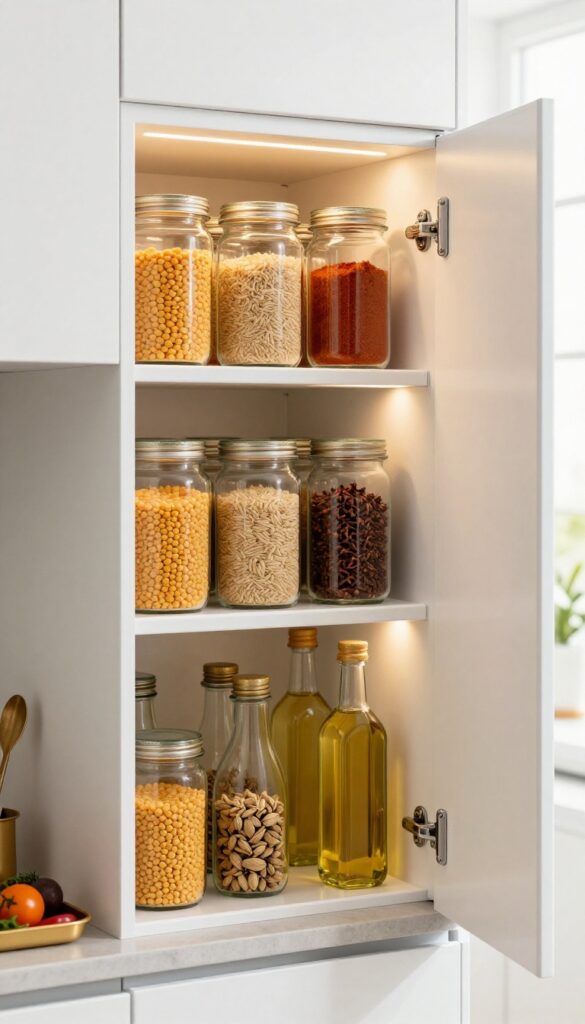
That awkward gap between the fridge and the wall? It’s prime real estate for a pull-out pantry. In Indian kitchens, where every inch counts, this slim storage solution turns dead space into a tidy home for spices, dal, oils, and condiments.
It’s a weekend-friendly project that instantly makes your kitchen feel more organized without a full renovation.
A pull-out pantry is essentially a narrow cabinet on rails that slides out smoothly, giving you easy access to items tucked away in the gap. You can install it yourself with a ready-made unit or custom-build one to fit your exact measurements. It works especially well for storing dry goods in uniform jars or baskets, keeping everything visible and within reach.
The best part? It costs a fraction of what you’d spend on new cabinetry and takes just a few hours to set up.
Best Layout Tip
Measure the gap carefully – you need at least 6 inches of width for a functional pull-out. If the gap is narrower, consider a sliding spice rack instead. Position the pantry at a height that’s easy to reach, ideally between the counter and eye level, so you don’t have to bend or stretch.
Storage Tip
- Use clear, airtight containers for staples like rice, flour, and lentils. Label each jar with the contents and date. For oils and vinegars, choose tall bottles that fit the shelf height.
- Group similar items together – all spices on one shelf, all grains on another – to make grabbing ingredients a breeze.
Finishing Touch
Add a slim LED strip light inside the gap so you can see everything at a glance. Choose a warm white light to keep the space feeling cozy. If the pull-out is visible when closed, consider painting the front panel to match your cabinets or adding a simple handle for a polished look.
4. Under-Sink Storage with Baskets
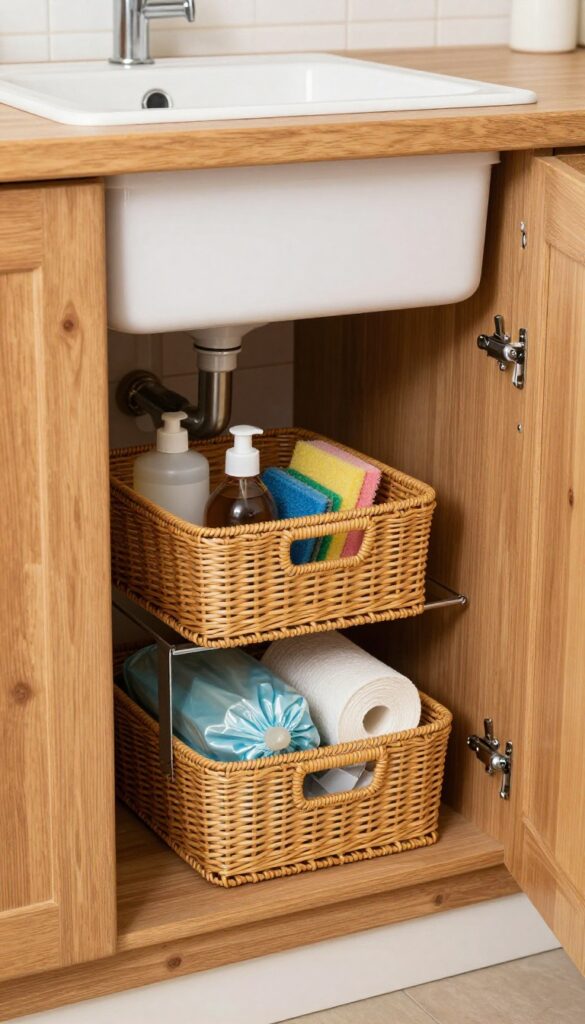
That awkward cabinet under the sink? It's prime real estate just waiting to be tamed. With a few stackable baskets or sliding drawers, you can turn this dark, cramped spot into a tidy little command center for all your cleaning gear.
No more wrestling with bottles that topple over every time you reach for a sponge.
The trick is to work with the pipes, not against them. Choose baskets that fit around the plumbing—think slim, rectangular ones that slide in from the side, or tiered racks that sit over the sink trap. Store daily-use items like dish soap and scrub brushes in the front, and stash backups like extra trash bags and paper towels in the back.
For a cohesive look, stick to natural materials like rattan or bamboo, or go with sleek wire baskets if your kitchen leans modern. Either way, label each basket so you never have to guess where the dishwasher tablets are.
Best Materials
Rattan or seagrass baskets add warmth and texture to a small kitchen, while coated wire or plastic bins are easier to wipe clean. If your sink tends to leak, choose waterproof options like stainless steel or heavy-duty plastic to avoid mold.
Layout Tip
Measure the height of your pipes first. Use a tension rod inside the cabinet to hang spray bottles from their triggers, freeing up floor space. Then place a two-tier basket or sliding drawer underneath for sponges, scrub brushes, and small cleaning cloths.
Finishing Touch
Add a small adhesive hook on the inside of the cabinet door to hang a dish brush or rubber gloves. This keeps them off the basket and makes them easy to grab when you're at the sink.
5. Fold-Down Table for Dining
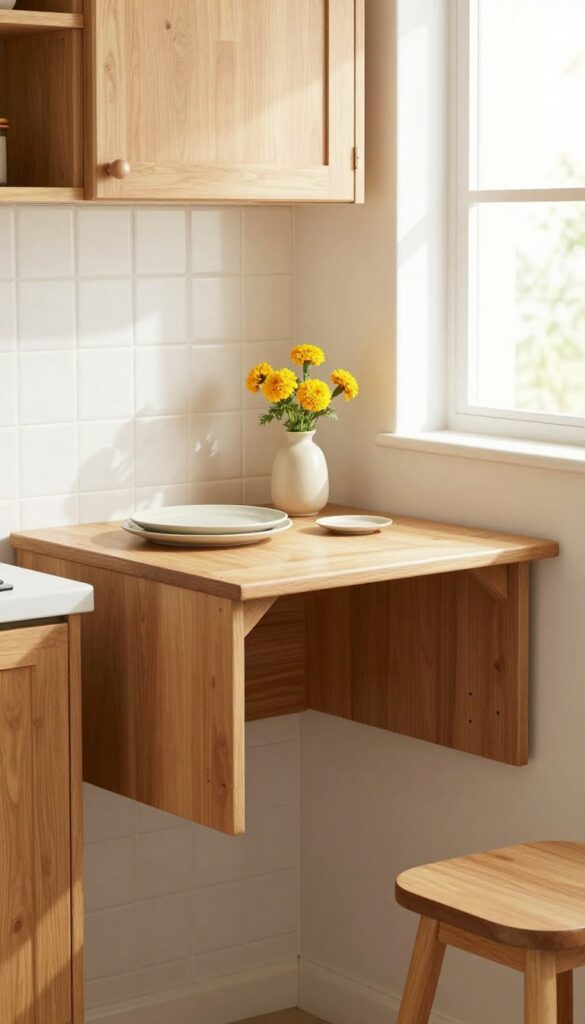
When every square inch counts, a fold-down table is a smart, space-saving solution that doesn't compromise on style. Mounted on the wall, it can serve as a breakfast bar, a prep station, or a dining spot for two. When not in use, it folds flat against the wall, freeing up floor space for other activities.
It's especially handy in narrow kitchens or galley layouts where a traditional table would feel cramped.
A fold-down table is one of those ideas that feels both clever and effortless. It gives you a dedicated surface for meals or work without permanently claiming your floor area. Choose a design that complements your kitchen's style—maybe a warm wood finish for a cozy feel or a sleek white laminate for a modern look.
Install it at a height that works for bar stools or regular chairs, depending on your preference. When folded down, it can even double as a display shelf for a small plant or a cookbook.
Best Placement
- The ideal spot is on an empty wall near your cooking area or window. If you have a blank stretch between cabinets, that's prime real estate. Make sure there's enough clearance for stools or chairs when the table is down.
- A fold-down table also works well in a corner, turning an awkward nook into a functional dining zone.
Styling Tip
- Keep it simple but inviting. When the table is down, add a small vase with fresh flowers or a couple of placemats to signal it's a dining spot. Choose stools that can tuck completely under the table when not in use.
- A pendant light hung above the table area will define the space and make it feel intentional, even when the table is folded up.
Material And Finish
Opt for sturdy materials like solid wood or high-quality plywood with a durable finish. If your kitchen has a lot of wood tones, go for a contrasting color like black or white to make the table pop. For a budget-friendly option, try a butcher block countertop cut to size and mounted with heavy-duty folding brackets.
6. Glass Cabinet Doors for Depth
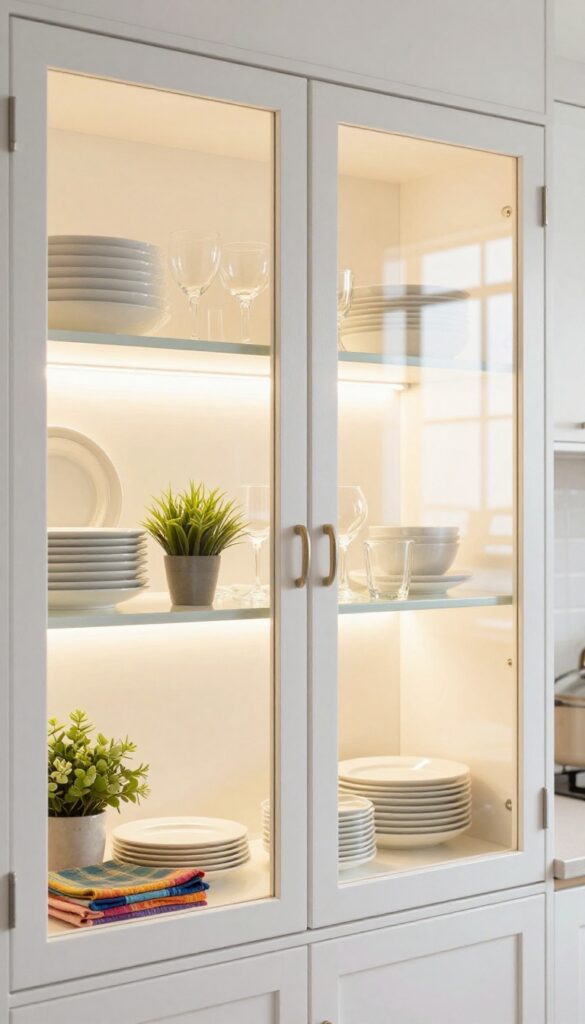
Solid cabinet doors can make a small kitchen feel boxed in. Swapping them for glass instantly opens up the space. You get a sense of depth that tricks the eye into seeing more square footage than you actually have.
Plus, it’s a weekend-friendly swap that doesn’t require a full renovation.
Glass-front cabinets are a classic trick for small kitchens because they create visual layering. Instead of a flat wall of wood, you see dishes, glasses, or even a pop of color from inside. This makes the kitchen feel deeper and airier.
It’s also a great excuse to curate your prettiest pieces and turn storage into decor.
Best Glass Type
Clear glass gives the most openness, but if you’re worried about mess, try frosted or ribbed glass. It hides everyday clutter while still letting light pass through. For a warmer look, seeded glass adds texture without being too busy.
Cabinet Styling Tip
Keep things cohesive by grouping similar items inside each cabinet. Stack white plates together, line up glassware, or add a small plant or a stack of colorful napkins. The goal is to create a mini vignette that feels intentional, not chaotic.
Lighting Trick
Add LED strip lights under or inside the glass cabinets. The glow highlights your dishes and makes the depth effect even stronger. Warm white lights keep the kitchen cozy, while cool white gives a modern edge.
7. Hanging Pot Rack Over the Stove
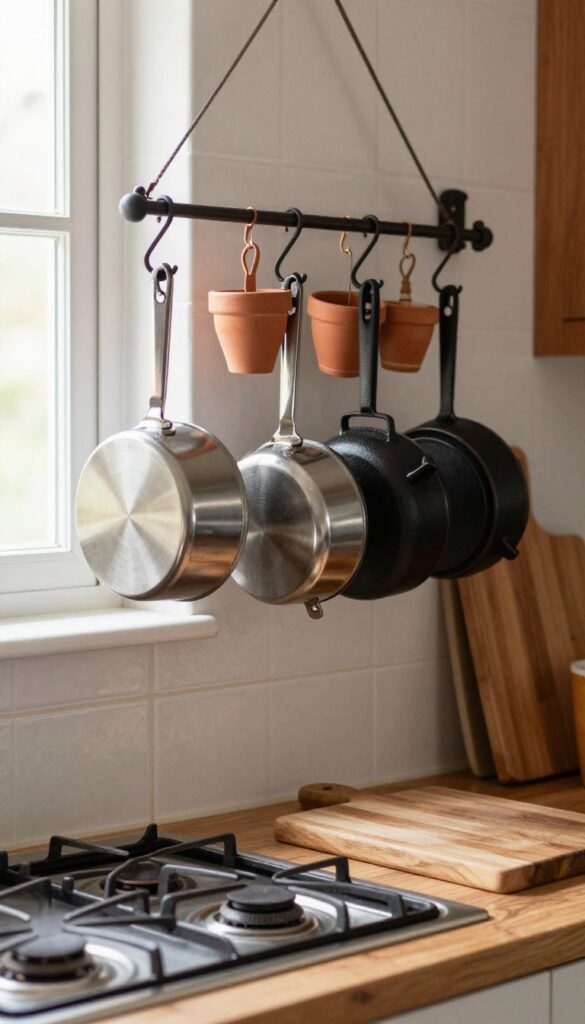
If your kitchen is short on cabinet space, look up. A hanging pot rack above the stove or island is one of those ideas that's both practical and instantly charming. It keeps your most-used cookware within easy reach and adds a warm, rustic touch that makes the kitchen feel more lived-in and personal.
Plus, it's a weekend-friendly project that doesn't require any major renovation.
A hanging pot rack is a smart way to reclaim cabinet real estate while turning your pots and pans into decor. Choose a ceiling-mounted rack or a wall-mounted arm that swings out. For small Indian kitchens, a simple round or rectangular rack in black or brushed steel works well.
Hang it low enough to grab easily but high enough to avoid bumping your head. Arrange pots by size, with the heaviest closest to the center. This setup not only frees up cabinets for dry goods and spices but also adds a cozy, professional-kitchen vibe.
Best Materials
- Go for wrought iron or matte black steel for a rustic feel, or stainless steel for a modern look. Wooden racks with hooks add warmth but need to be sealed against moisture. Avoid plastic or cheap metals that can warp.
- Copper or brass racks look stunning but require occasional polishing.
Small-space Fix
If your ceiling is low, opt for a wall-mounted pot rack that folds away when not in use. Another option is a hanging bar over the stove – just attach hooks directly to a sturdy rod. This keeps everything accessible without eating into precious counter space.
Finishing Touch
Add a few small hanging plants or herb pots between the pans to soften the look. A trailing ivy or a small basil plant adds life and ties the rustic feel together. Just make sure the plants are well away from the stove's heat.
8. Bright Backsplash with Reflective Tiles
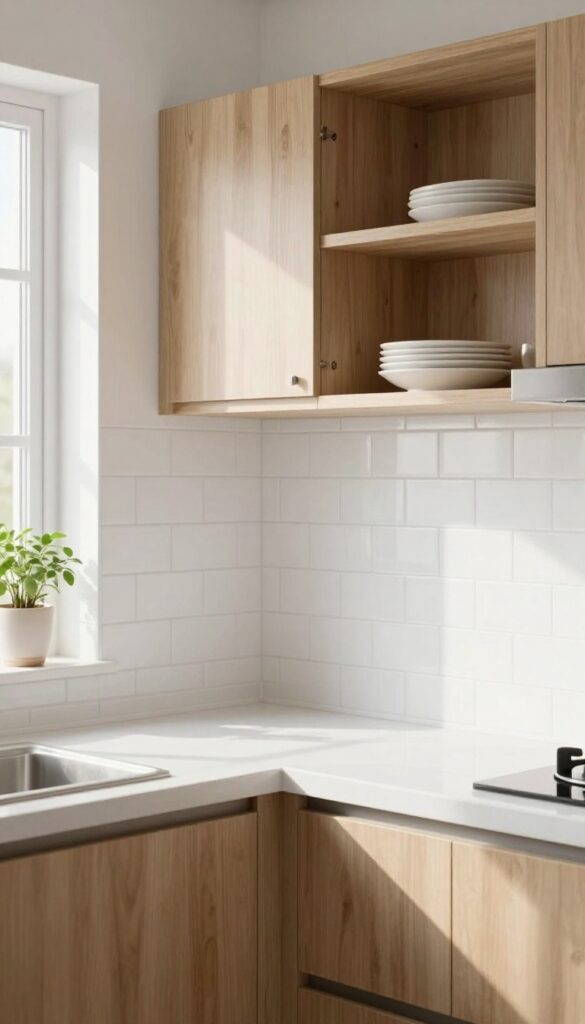
A backsplash is one of those spots where you can really make a style statement without overwhelming your kitchen. In a small space, choosing reflective tiles like glossy subway or mirrored mosaics does double duty: it adds texture and shine while visually expanding the room. Light bounces off the surface, making the entire kitchen feel airier and more open — a simple trick that works wonders in compact Indian homes.
Glossy subway tiles are a classic choice that never feels outdated. Their smooth, reflective surface catches natural and artificial light, creating a soft glow behind your countertop. If you want something a bit more glamorous, mirrored mosaic tiles take the reflection up a notch, adding a touch of luxury without being over the top.
Both options are easy to clean and maintain, which is always a bonus in a busy kitchen. Pair them with light-colored cabinets and open shelving to maximize the bright, spacious feel.
Best Colors
Stick with light neutrals like white, soft gray, or pale beige for the tiles. These shades reflect light best and keep the kitchen looking clean and uncluttered. If you want a hint of color, consider pale blue or mint green — they add personality without darkening the space.
Small-space Fix
Extend the backsplash all the way to the ceiling. This draws the eye upward, making the kitchen feel taller. In a galley kitchen, running the tiles horizontally can also visually widen the room.
Finishing Touch
Use a light-colored grout to keep the look seamless and bright. White or off-white grout blends with the tiles, enhancing the reflective effect. Avoid dark grout, which can create harsh lines and make the space feel smaller.
9. Slim Rolling Cart as Extra Counter
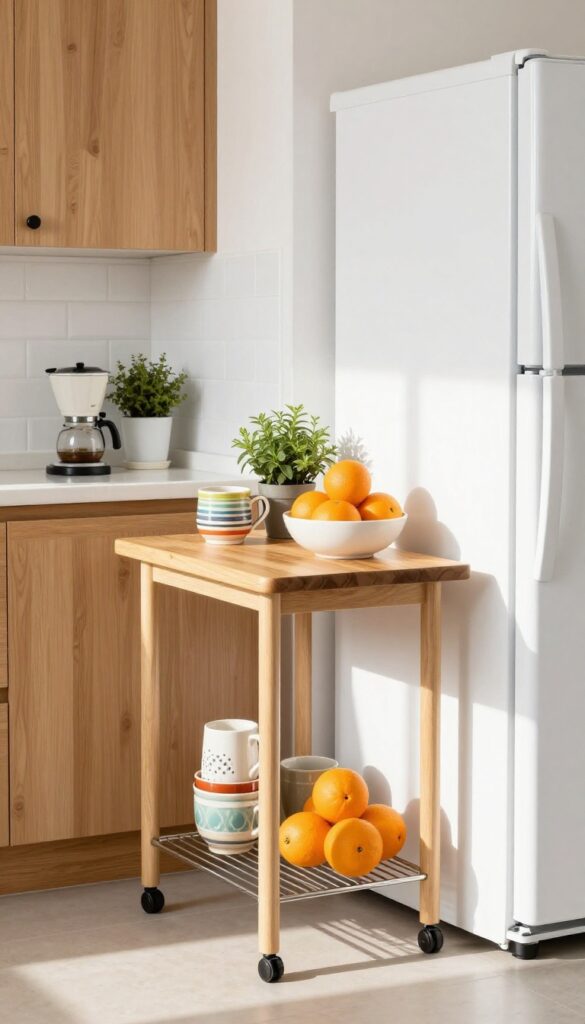
You know those awkward gaps between the fridge and the wall, or the tiny slice of space next to the stove? That’s prime real estate for a slim rolling cart. These narrow, wheeled wonders slide into tight spots and give you instant extra counter space or storage without any renovation.
Think of it as a mobile island that can hold your morning coffee setup, a stack of fruits, or even a mini herb garden. It’s the kind of weekend project that takes five minutes to set up but changes how you use your kitchen every single day.
A slim rolling cart is one of those decor ideas that feels like a secret hack. It doesn’t demand floor space you don’t have, and it can move wherever you need it — next to the prep area, beside the dining table, or even in the pantry. The best part?
You can style it to match your kitchen’s vibe without spending a lot. Look for carts with two or three shelves: the top for prep work, the middle for everyday items like oils and spices, and the bottom for bulkier stuff like onions or potatoes. Metal carts with a wire design keep things airy, while wooden ones add warmth.
Either way, you get a functional piece that also looks intentional.
Best Materials And Finishes
- For a small Indian kitchen, go for materials that resist humidity and are easy to wipe clean. Stainless steel or powder-coated metal in matte black or white works beautifully with most color schemes. If you prefer a warmer look, bamboo or teak-finish wood adds a natural touch.
- Avoid glossy finishes that show fingerprints easily. A cart with a butcher-block top is a game-changer if you often chop veggies or roll out dough — just make sure to seal it well.
Styling And Storage Tip
- Use the cart to store items you reach for multiple times a day: your kettle, coffee mugs, tea canisters, or a fruit bowl. Keep the top clear for actual prep work. Add a small tray to corral oils and salt, and use woven baskets on the lower shelf for onions, garlic, or even extra napkins.
- A trailing plant like pothos on the top shelf softens the look and makes the cart feel like part of the decor, not just a utility piece.
Layout And Placement Idea
- Slide the cart into a gap as narrow as 6 inches — most standard carts are 12 to 18 inches wide. If you have a galley kitchen, place it next to the sink or stove for easy access to utensils and spices. In a modular kitchen with a breakfast counter, use the cart as a mobile coffee station that you can wheel away when you need the floor space.
- Just make sure the wheels lock so it stays put while you’re working.
10. Corner Lazy Susan for Deep Cabinets
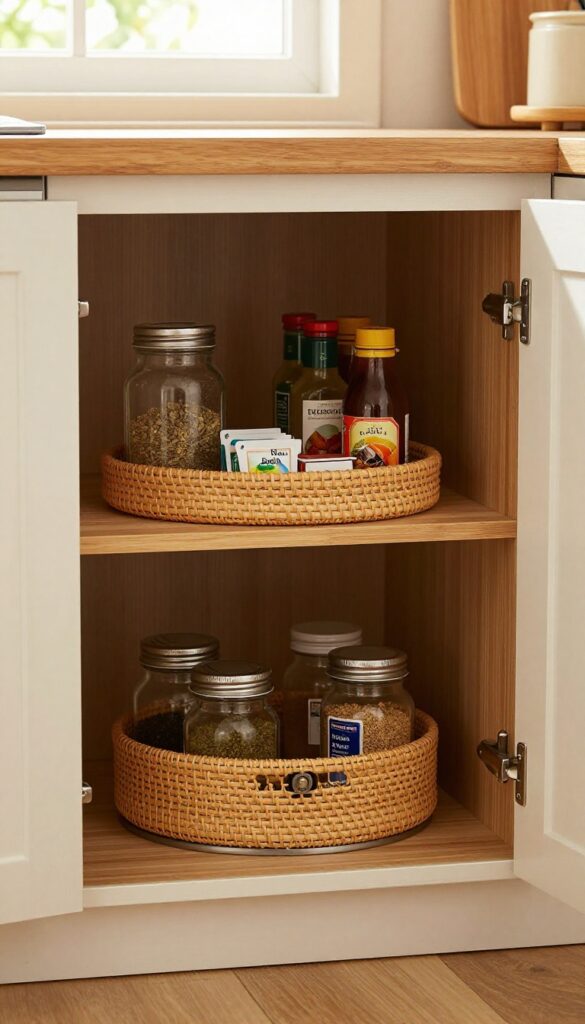
Deep corner cabinets are notorious for becoming black holes where spice jars and small appliances go to disappear. A lazy Susan changes that completely. This spinning tray brings every item within arm's reach, so you can actually see and grab what you need without playing hide-and-seek.
It's a small upgrade that makes your kitchen feel instantly more functional, especially in tight Indian kitchens where every inch counts.
Installing a lazy Susan is one of those weekend projects that delivers big returns. You can find ready-made units at most home stores or order one online that fits your cabinet dimensions. The installation is straightforward—just screw the base into the cabinet floor, and you're done.
Once it's in, you'll wonder how you ever managed without it. The spinning motion makes it easy to store everything from dal packets to ketchup bottles, and you can finally use that corner space fully.
Best Materials
Look for a lazy Susan with a sturdy metal base and a non-slip surface. Bamboo or wood trays add warmth, while clear acrylic keeps things visible. For heavy jars, choose a model with a weight capacity of at least 10 kg.
Installation Tip
Measure your cabinet depth and width carefully before buying. Most lazy Susans need at least 30 cm of clearance to spin freely. If your cabinet has a fixed shelf, you may need to remove it or opt for a half-moon design.
Styling Note
Group similar items together—spices on one tier, oils and vinegars on another. Use small baskets or dividers to keep bottles from tipping over. This keeps the cabinet tidy and makes grabbing ingredients effortless.
11. Vertical Storage for Cutting Boards and Trays
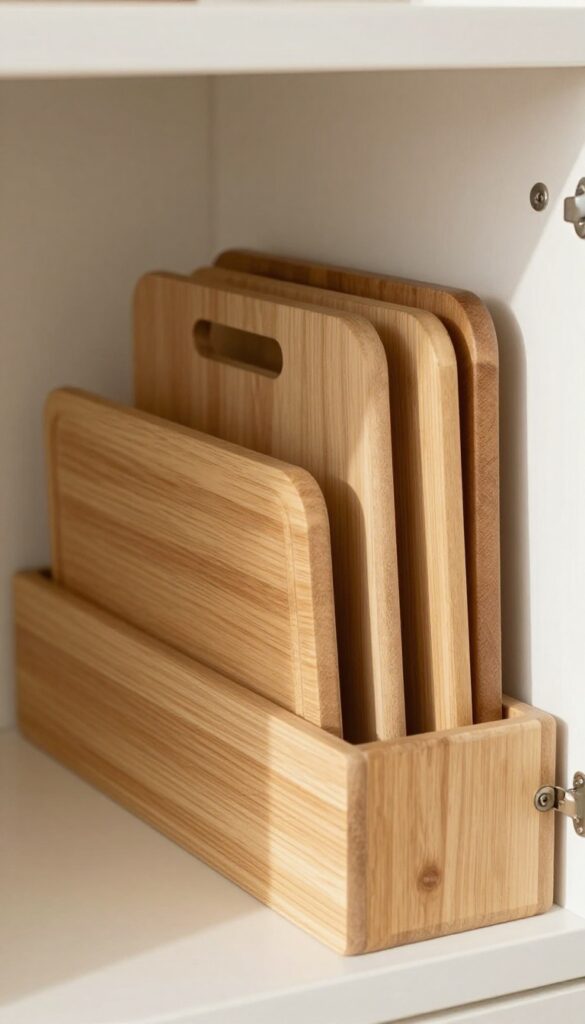
Cutting boards and baking trays are some of the most awkward items to store in a small kitchen. They slide around, get stuck behind pots, or end up stacked so high that pulling one out feels like a game of Jenga. The fix is simpler than you think: store them vertically.
This trick not only saves precious counter and cabinet space but also keeps everything visible and within easy reach. Plus, it adds a neat, organized look that makes your kitchen feel instantly more put-together.
Using a vertical storage system for cutting boards and trays is a weekend-friendly project that brings instant order to chaotic cabinets. A simple wooden file organizer or a custom divider can transform a deep drawer or a corner cabinet into a tidy station. The upright position prevents warping, lets boards dry faster, and makes grabbing the right size a breeze.
It's one of those small changes that makes a big difference in daily kitchen flow.
Best Materials
- Go for natural wood or bamboo dividers to keep the look warm and cohesive with most kitchen styles. If your kitchen leans modern, clear acrylic or metal wire racks work well too. Avoid plastic organizers that feel flimsy—they won't hold up to heavy baking sheets.
- A solid wood or bamboo insert feels sturdy and adds a touch of organic texture to your storage.
Layout Tip
Place the vertical storage in a lower cabinet near your prep area so you can grab a board without bending or reaching. If you have a deep drawer, use adjustable dividers to create custom slots for different sizes. For open shelving, a slim wooden crate turned on its side makes a charming vertical holder that doubles as decor.
Budget-Friendly Swap
- Don't want to buy a fancy organizer? Repurpose a sturdy cardboard box or a wooden wine crate. Cut it to size, paint or stain it to match your kitchen, and you've got a custom vertical storage solution for under a hundred rupees.
- It's an easy weekend project that feels satisfying and looks surprisingly polished.
12. Light Color Palette with One Bold Accent
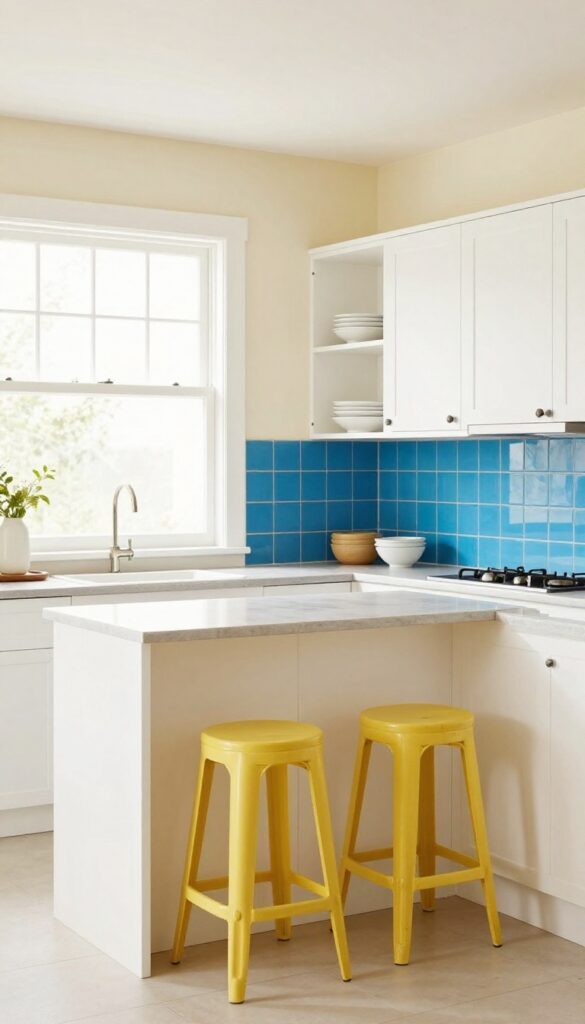
A light color palette is one of the easiest ways to make a small kitchen feel bigger and brighter. By keeping walls and cabinets in soft whites or creams, you create a clean, airy canvas that reflects natural light beautifully. The trick is to then introduce one bold accent—like a vivid blue backsplash or sunny yellow stools—that adds personality without overwhelming the space.
This approach feels fresh and modern, yet it's simple enough to pull off over a weekend.
Painting cabinets and walls in light shades instantly opens up a small kitchen, making it feel more spacious and calm. The real magic happens when you add a single bold accent—a pop of color that draws the eye and gives the room character. This could be a vibrant tile backsplash, painted open shelves, or even a set of colorful bar stools.
The key is restraint: just one or two items in a saturated hue will create a focal point without making the room feel busy. This idea works especially well in Indian homes where kitchens often double as dining or living spaces, as the light palette keeps the area feeling unified and the accent adds a touch of fun.
Best Colors To Pair
- Stick with warm off-whites, soft cream, or light beige for the base. These shades feel inviting and work with both natural and artificial light. For the accent, choose a color that energizes without clashing—think deep teal, mustard yellow, coral, or even a rich emerald green.
- If you're unsure, test a few tiles or paint swatches on a small area to see how the color changes throughout the day.
Budget-Friendly Swap
- You don't need a full renovation to try this look. If painting all your cabinets feels like too much, start with just the upper cabinets or the kitchen island. Another easy swap: replace your cabinet hardware with bold-colored knobs or pulls.
- It's a small change that packs a visual punch and can be done in an afternoon.
Finishing Touch
To keep the space feeling cohesive, repeat your accent color in small doses—like a tea towel, a fruit bowl, or a few canisters on the counter. This subtle repetition ties the room together without overpowering the light palette. Avoid adding more than two accent colors, or the simplicity of the look will get lost.
13. Window Sill Herb Garden
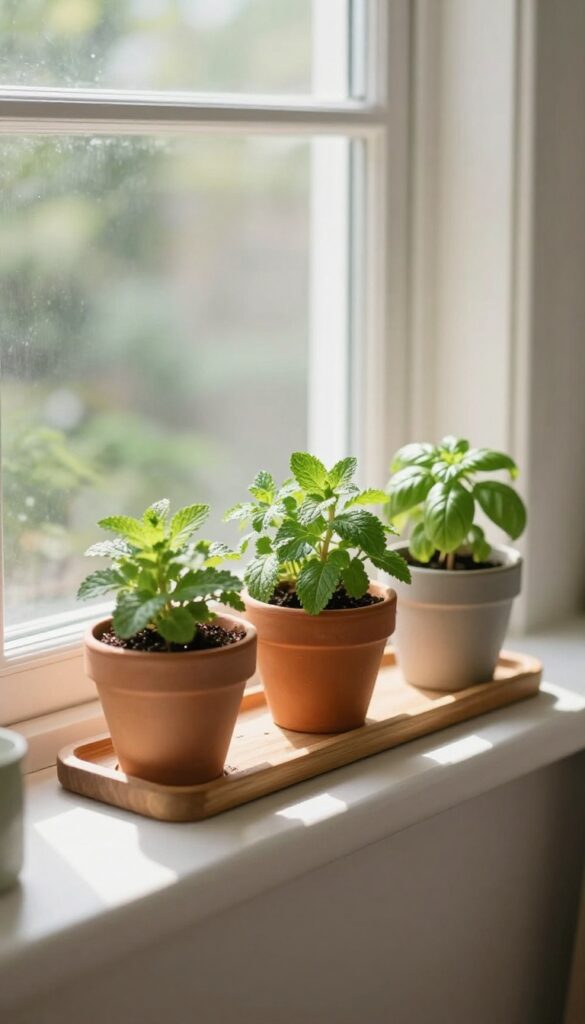
A kitchen window sill is one of those spots that often goes unused, but it’s actually prime real estate for something both pretty and practical. Imagine tiny pots of mint, coriander, and basil soaking up the morning sun while you reach over to snip a few leaves for your dal or chai. It adds a living, breathing touch of green without taking up any counter space, and the fragrance alone makes the room feel fresher instantly.
Fresh herbs on the window sill are a small-space dream because they don’t need much room, they love bright light, and they’re always within arm’s reach when you’re cooking. Plus, it’s a weekend-friendly project you can set up in under an hour. Pick a few small terracotta or ceramic pots, fill them with good potting soil, and tuck in herb seeds or small plants from the nursery.
Place them on a slim wooden tray or a piece of marble to catch any drips and keep your sill clean. The look is effortlessly charming, and it gives your kitchen a mini garden vibe that feels alive and personal.
Best Herbs For Indian Kitchens
- Go for herbs you actually use daily. Mint is a no-brainer for chutneys and teas, coriander is a staple in almost every Indian dish, and basil adds a sweet punch to curries or salads. Curry leaves are another fantastic option if your window gets enough light.
- Stick to three or four pots so the sill doesn’t feel crowded, and group them by height with taller plants at the back.
Container And Styling Tip
- Unify the look by using pots in the same color family, like warm terracotta or matte white. If your sill is narrow, look for rectangular planters that fit flush against the window. Add a small watering can or a pretty pair of scissors nearby for a styled, functional touch.
- A little bamboo mat underneath ties it all together and catches any stray soil.
Maintenance Made Easy
- Herbs need consistent moisture but hate soggy roots. Water them when the top inch of soil feels dry, usually every couple of days. Give the pots a quarter turn each week so all sides get equal light.
- Snip leaves regularly to encourage bushier growth, and you’ll have a steady supply of fresh flavors without any fuss.
FAQ
What is the best color for a small Indian kitchen?
Light colors like white, cream, or pale gray work best as they reflect light and make the space feel bigger. You can add a bold accent through backsplash or accessories.
How can I maximize storage in a small kitchen without cabinets?
Use open shelves, wall-mounted racks, magnetic strips, and rolling carts. Vertical storage and pull-out organizers also help utilize every inch.
Are open shelves practical for Indian kitchens?
Yes, if you keep them organized and dust regularly. They work well for items you use daily, like plates and glasses, and can make the kitchen feel more spacious.
Can I add a dining area in a very small kitchen?
Absolutely. A fold-down table or a slim counter with stools can serve as a dining spot without taking up permanent floor space.
How do I make a small kitchen look modern on a budget?
Focus on small updates: paint cabinets, change hardware, add a stylish backsplash, and improve lighting. These changes are affordable and make a big visual impact.
Conclusion
A small kitchen doesn't have to limit your style or functionality. With a few clever tweaks—like open shelving, pull-out storage, or a bright backsplash—you can create a space that feels open, organized, and inviting. The best part?
Most of these ideas can be done over a weekend without breaking the bank. So pick a couple that resonate with your space and start your kitchen refresh. Even small changes can make your daily cooking routine a little more enjoyable and your kitchen a place you love spending time in.